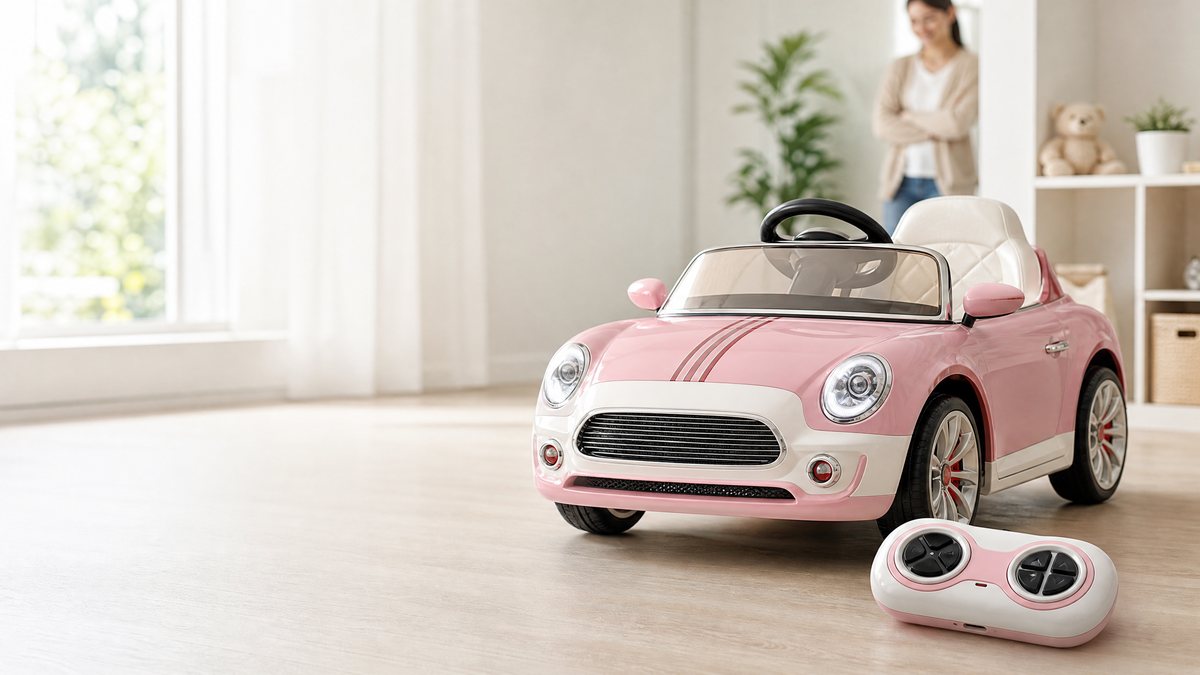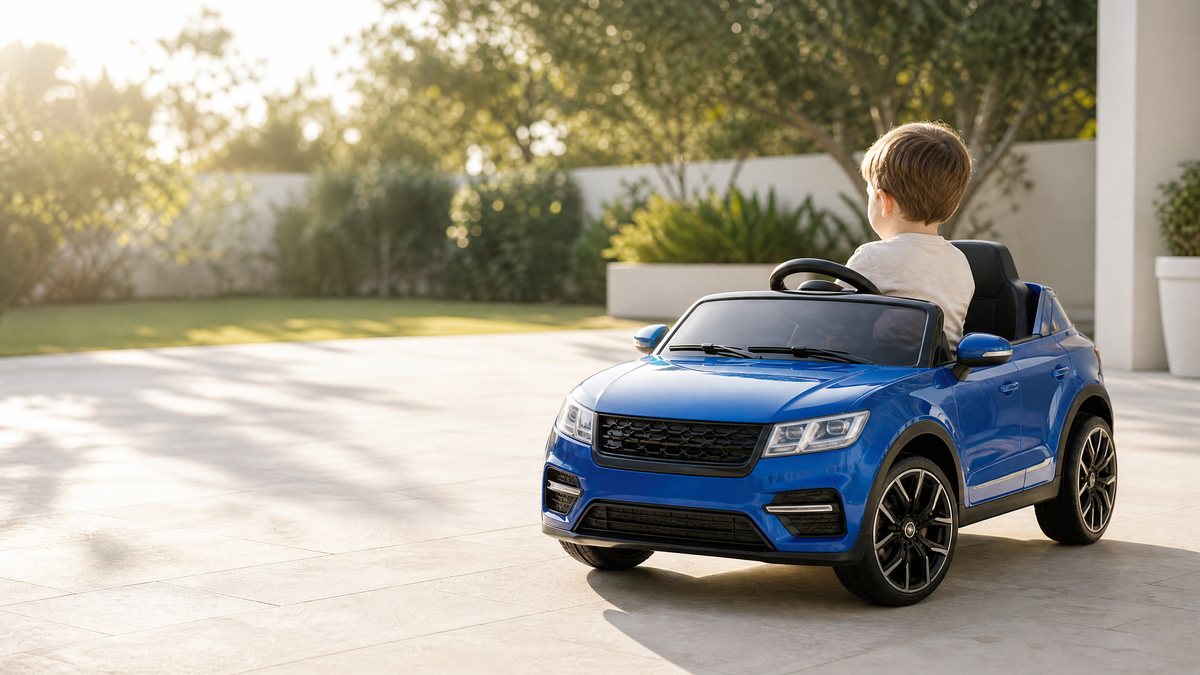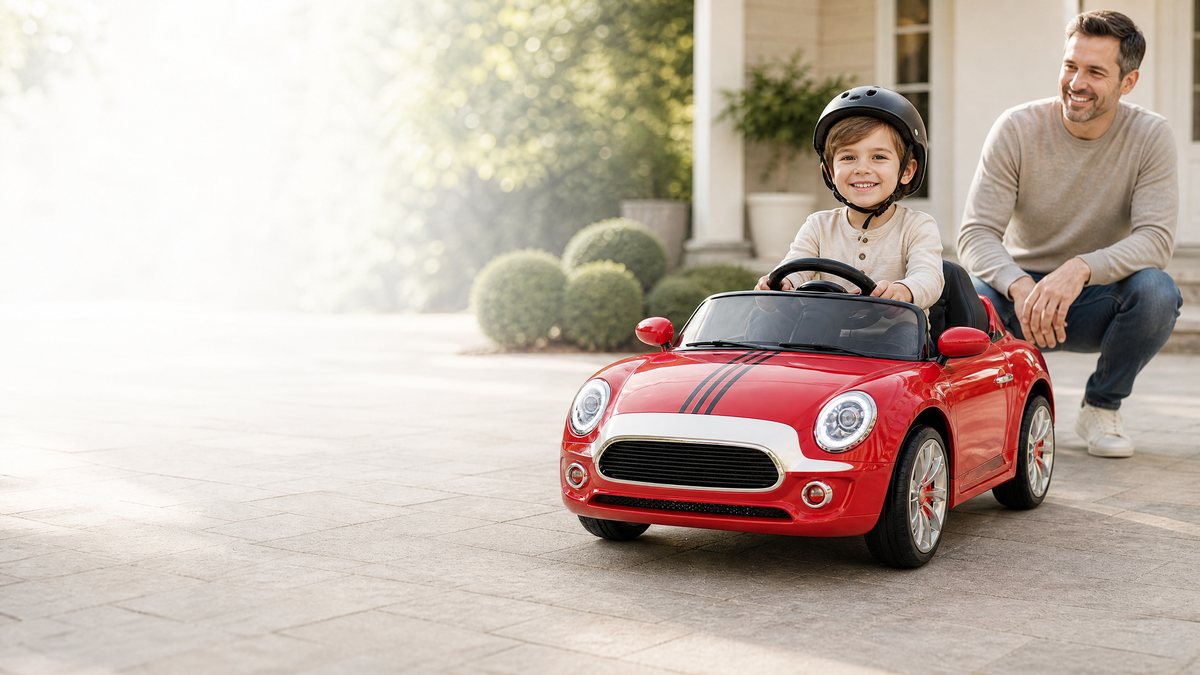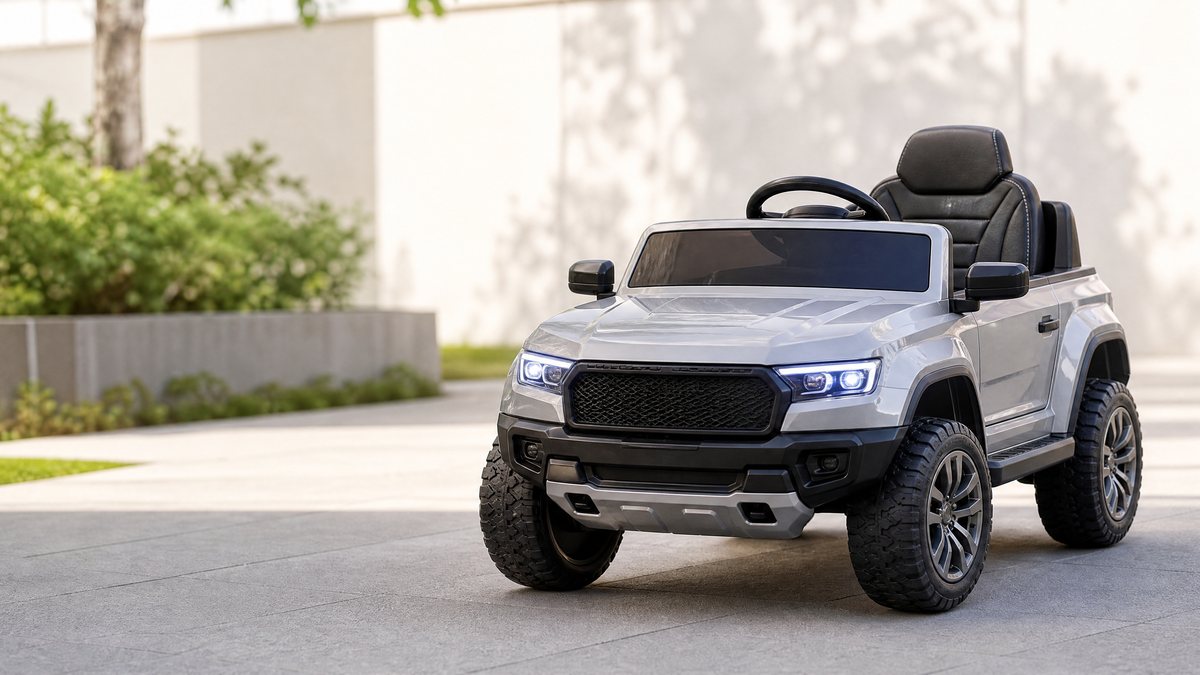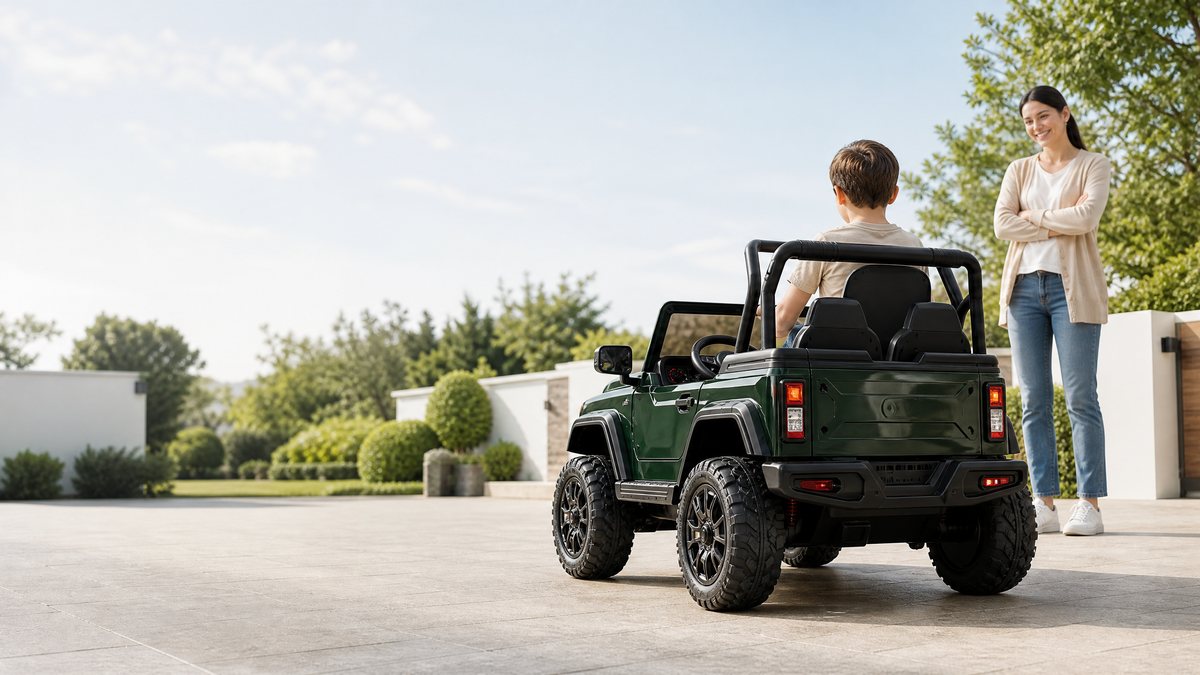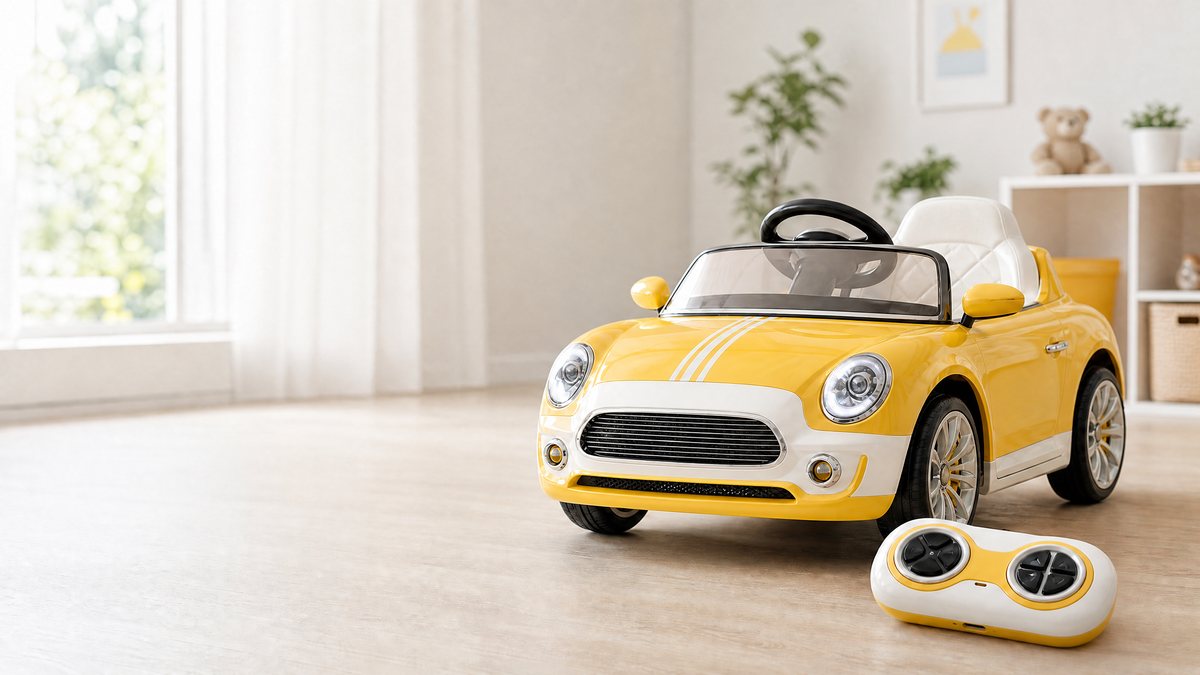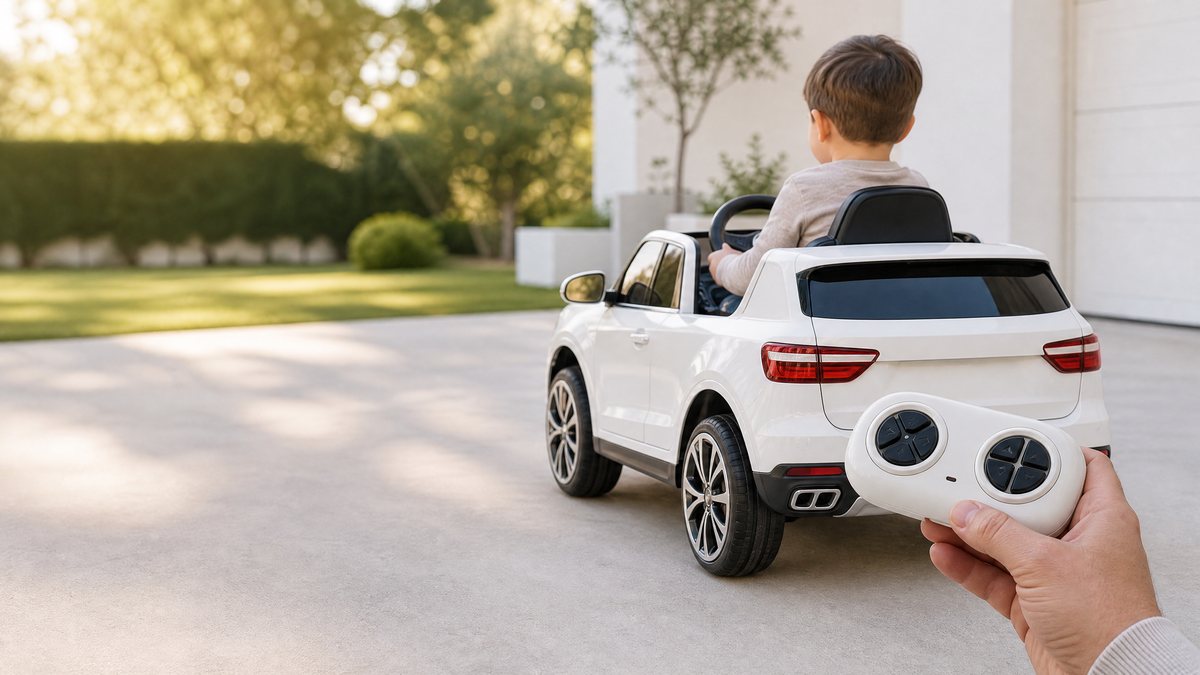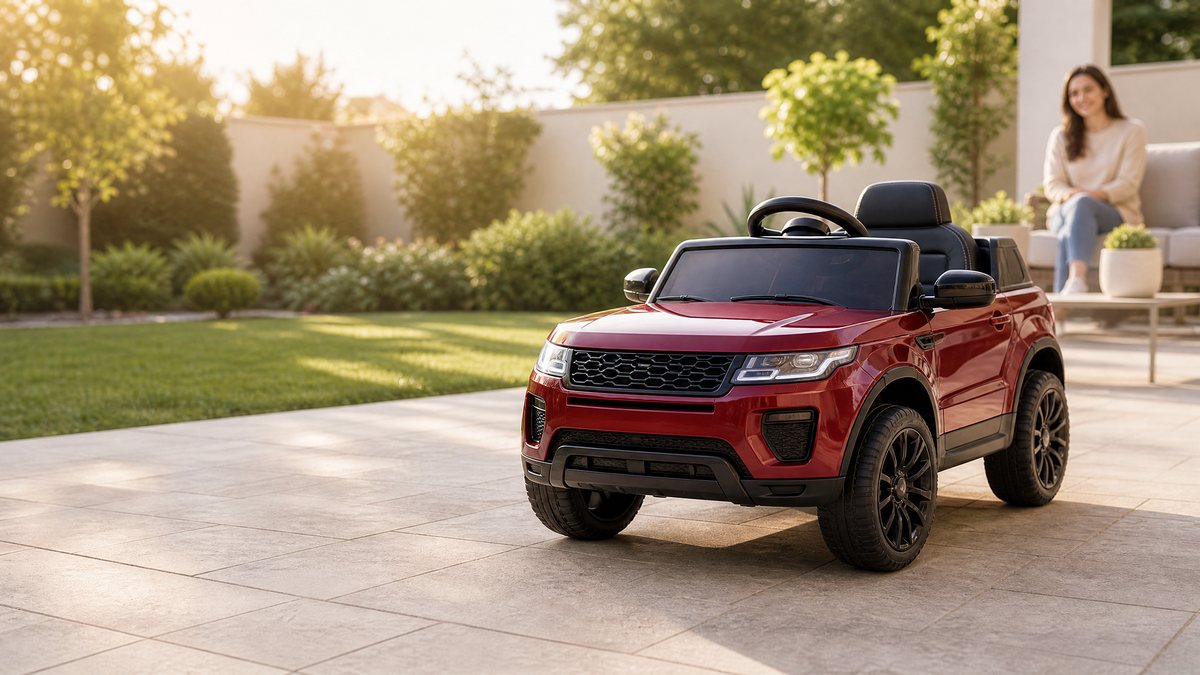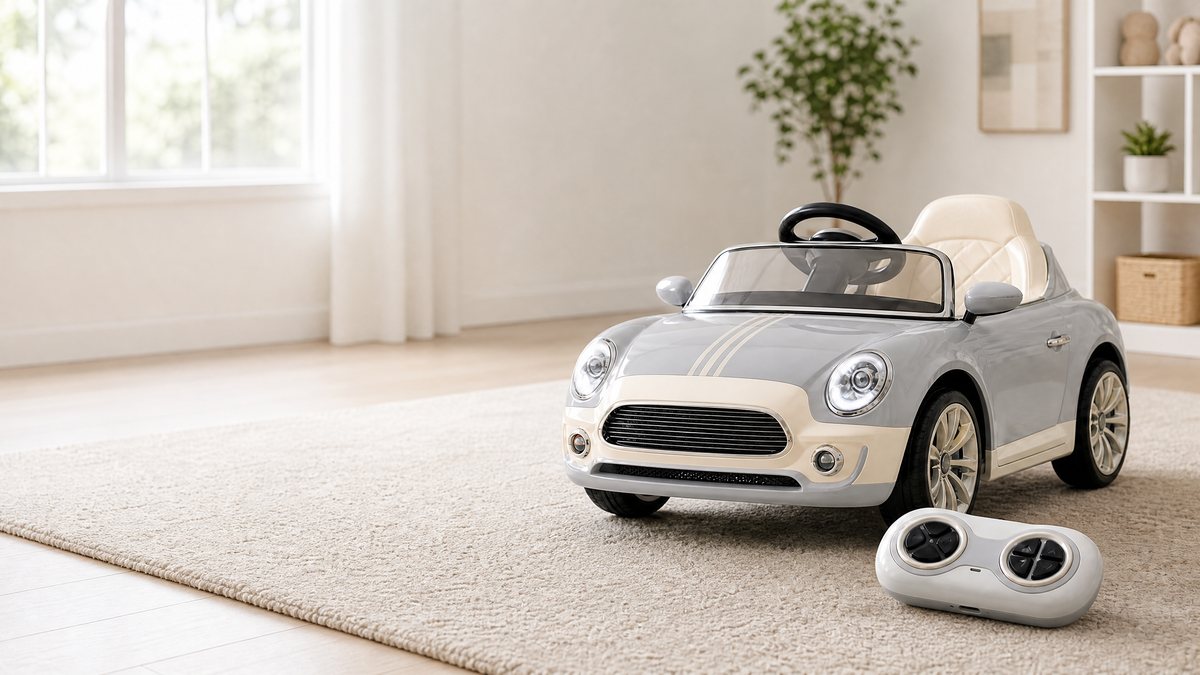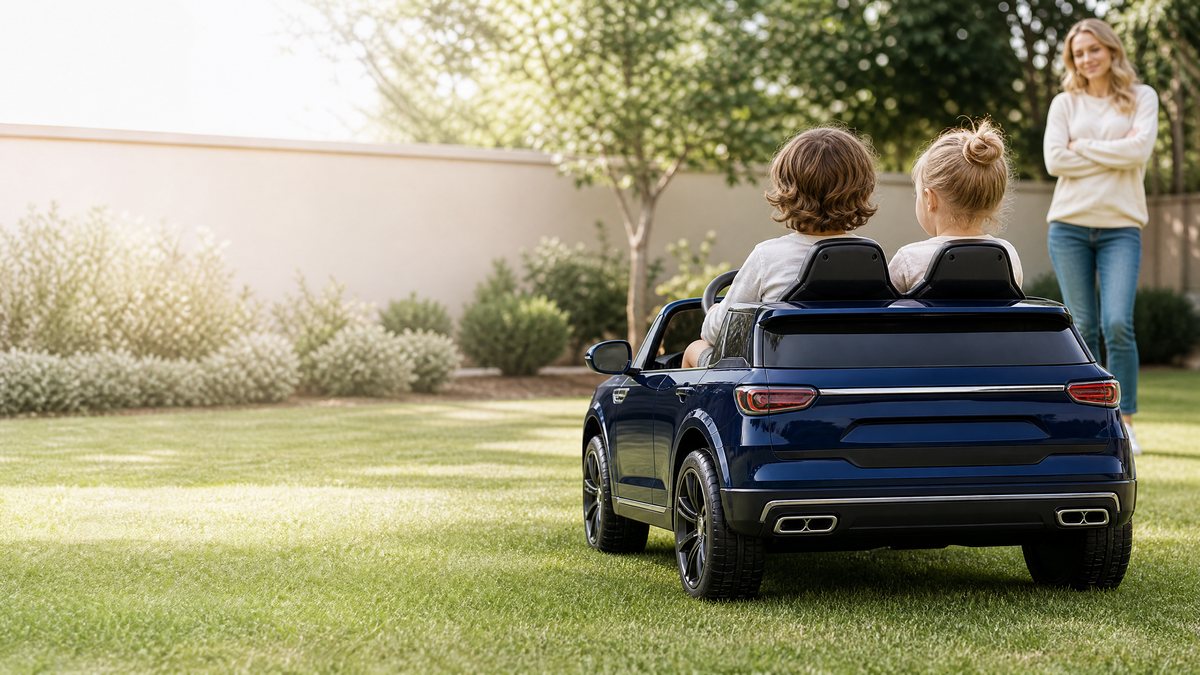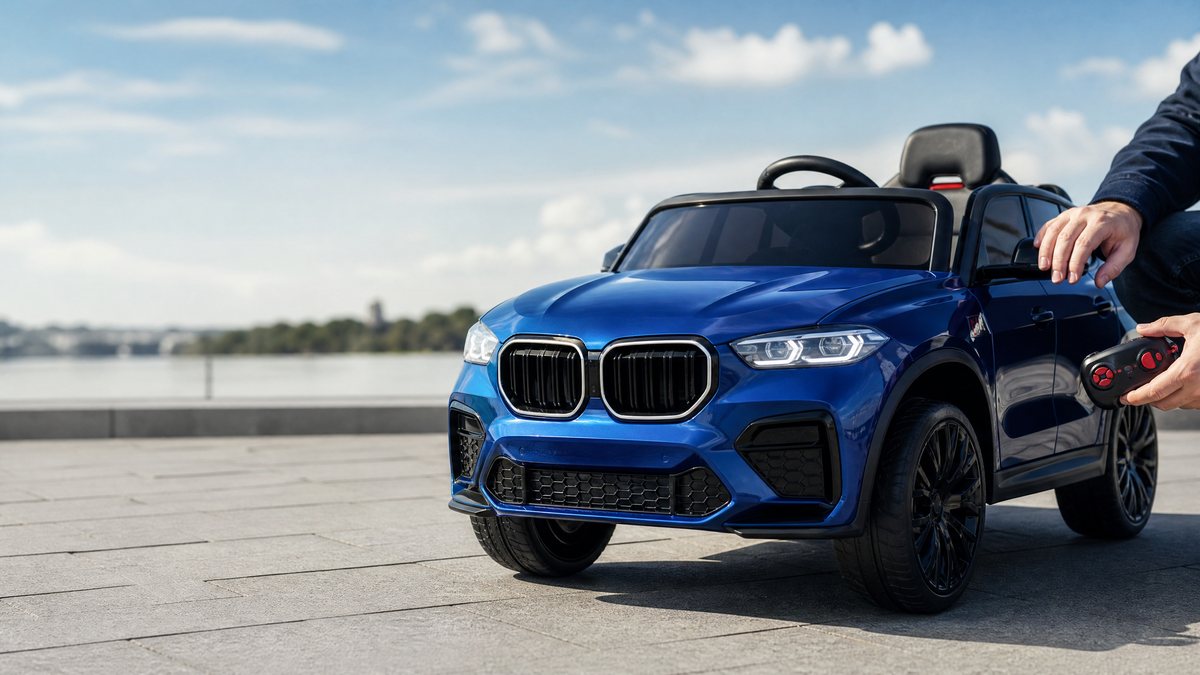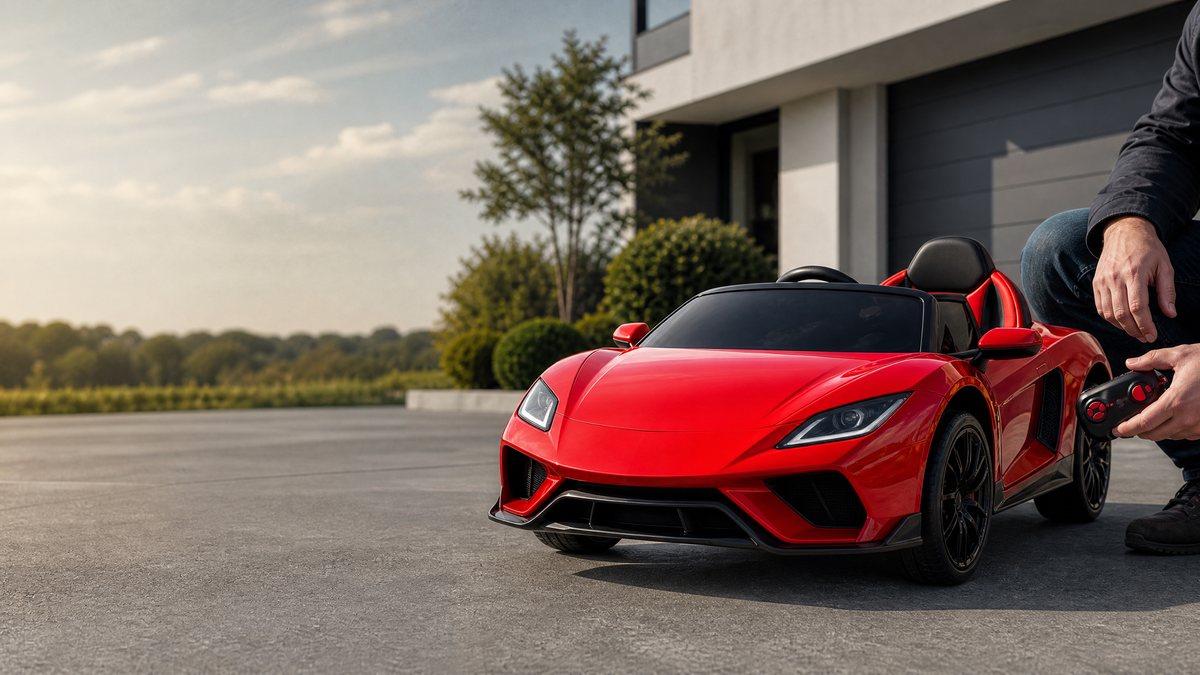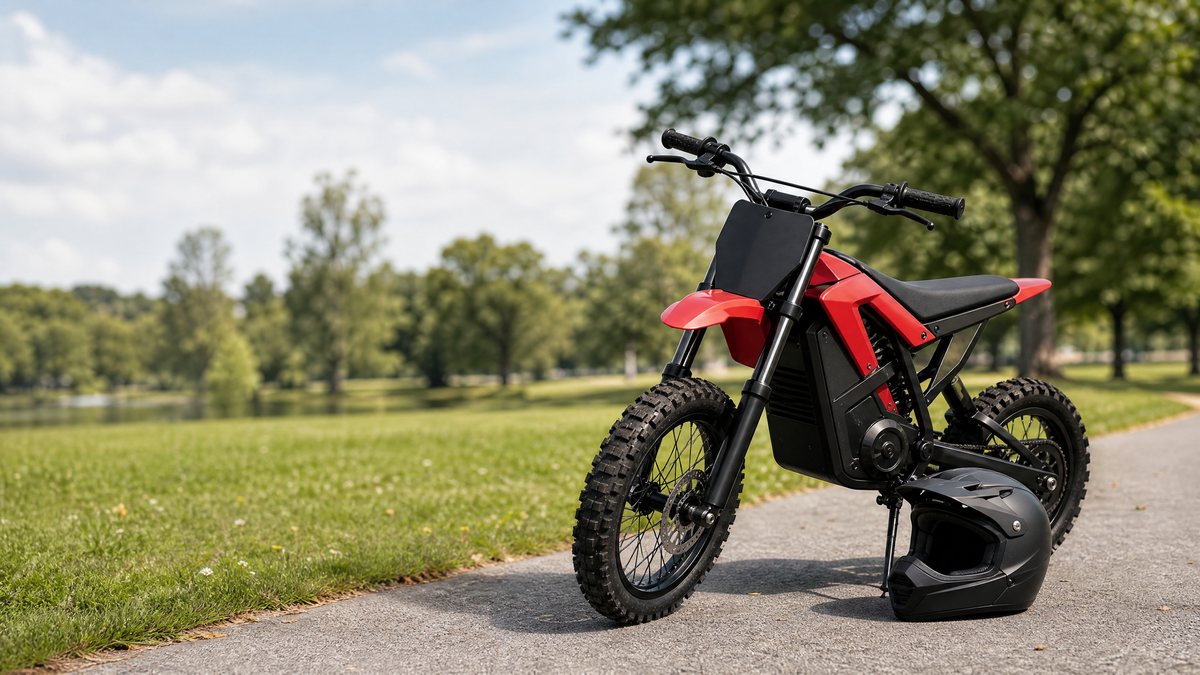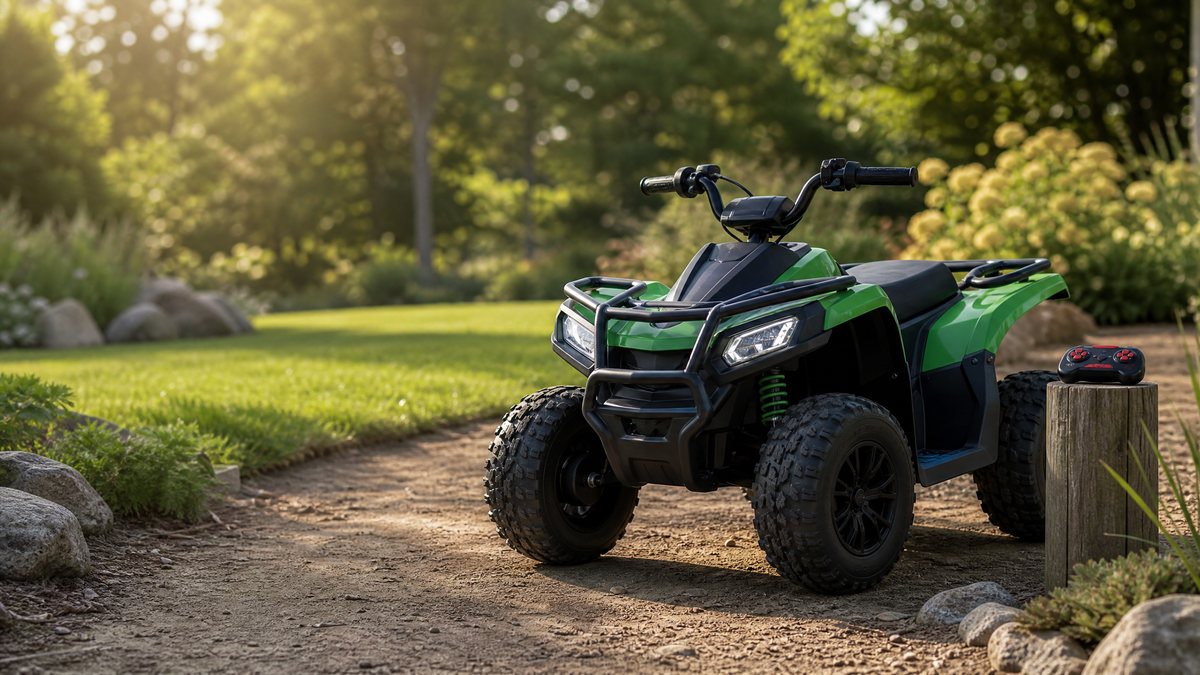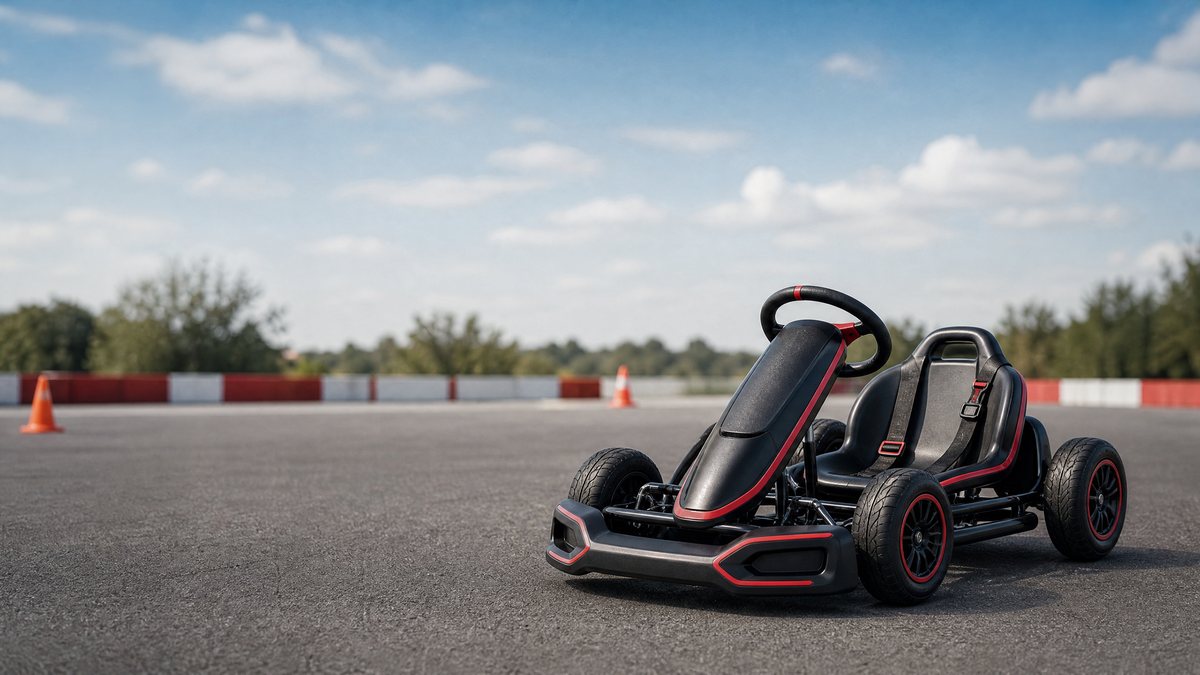
Electric ride-on cars have evolved from simple backyard toys into sophisticated, battery-powered miniature vehicles equipped with advanced electronic control units, pneumatic-style wheels, and sophisticated multimedia dashboards. For parents, commercial venue operators, and B2B toy importers, safety remains the paramount purchasing criterion. Among the myriad safety innovations introduced over the past decade, the 2.4G parental remote control stands out as the single most effective technological safeguard. By granting supervising adults the ability to override manual inputs, adjust speed thresholds instantly, and halt vehicle movement in emergency scenarios, parental remote systems bridge the gap between independent child play and absolute adult oversight. This comprehensive article examines the engineering principles, operational advantages, regulatory considerations, and best practices associated with parental remote control systems in modern children's electric ride-on cars across diverse domestic and commercial deployment environments.
The Evolution of Ride-On Vehicle Supervision
Early generations of motorized ride-on toys relied entirely on direct mechanical linkages and simple on-off foot pedal switches. In those legacy designs, once a child depressed the floor accelerator, the electric motor engaged immediately at full voltage, resulting in abrupt starts, potential wheel spin, and an inability for a supervising adult to intervene if the vehicle veered toward a slope, obstacle, or roadway. Supervision was limited to running alongside the vehicle and physically grabbing the chassis or steering wheel—a method prone to stumble risks, slow reaction times, and potential injury to both child and adult supervisor.
The introduction of radio-frequency remote controls revolutionized the industry. Initial analog remote systems operated on fixed radio frequencies (such as 27MHz or 49MHz), which were highly susceptible to signal interference from household garage door openers, citizen band radios, and neighboring electronic devices. This susceptibility occasionally led to erratic steering behavior or uncommanded acceleration, undermining confidence during critical operating moments.
The transition to digital 2.4G spread-spectrum frequency-hopping technology eliminated these interference vulnerabilities. Modern parental remotes pair securely with the specific vehicle's onboard receiver, establishing an encrypted, dedicated communication channel. This technological leap transformed parental oversight from a reactive physical intervention into a proactive, precision-guided electronic safety management system that meets rigorous international toy safety benchmarks and satisfies stringent commercial liability requirements.
Engineering Mechanics: How 2.4G Remote Override Works
Understanding how parental remote control systems function requires examining the electronic architecture embedded within the vehicle. At the core of every remote-enabled ride-on car is a central Control Unit (CU) or Electronic Speed Controller (ESC) that interfaces with the accelerator pedal, steering motor, drive motors, and the wireless receiver module.
Frequency Hopping and Interference Prevention
Modern 2.4G remote control systems operate in the 2.4 GHz Industrial, Scientific, and Medical (ISM) radio band. Unlike older crystal-controlled analog remotes, 2.4G systems utilize Adaptive Frequency Hopping Spread Spectrum (AFHSS) technology. The transmitter and receiver constantly hop across multiple carrier frequencies within the band, bypassing crowded or noisy channels instantaneously.
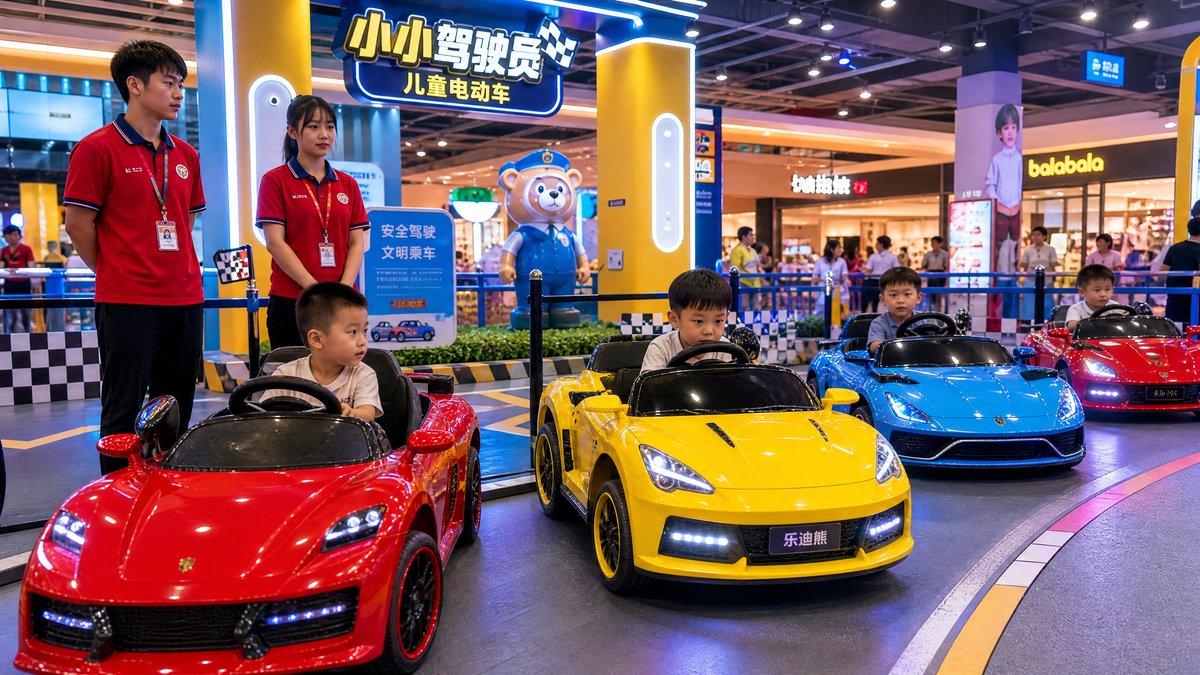
For retail buyers, importers, and commercial operators, this engineering advantage means multiple ride-on cars can operate simultaneously in close proximity—such as in a kindergarten playground, amusement park courtyard, or retail showroom floor—without signal crosstalk, pairing loss, or erratic cross-interference. The pairing process typically occurs upon initial startup, binding a specific remote transmitter to its corresponding vehicle receiver securely.
Priority Override Logic: Remote vs. Manual Pedals
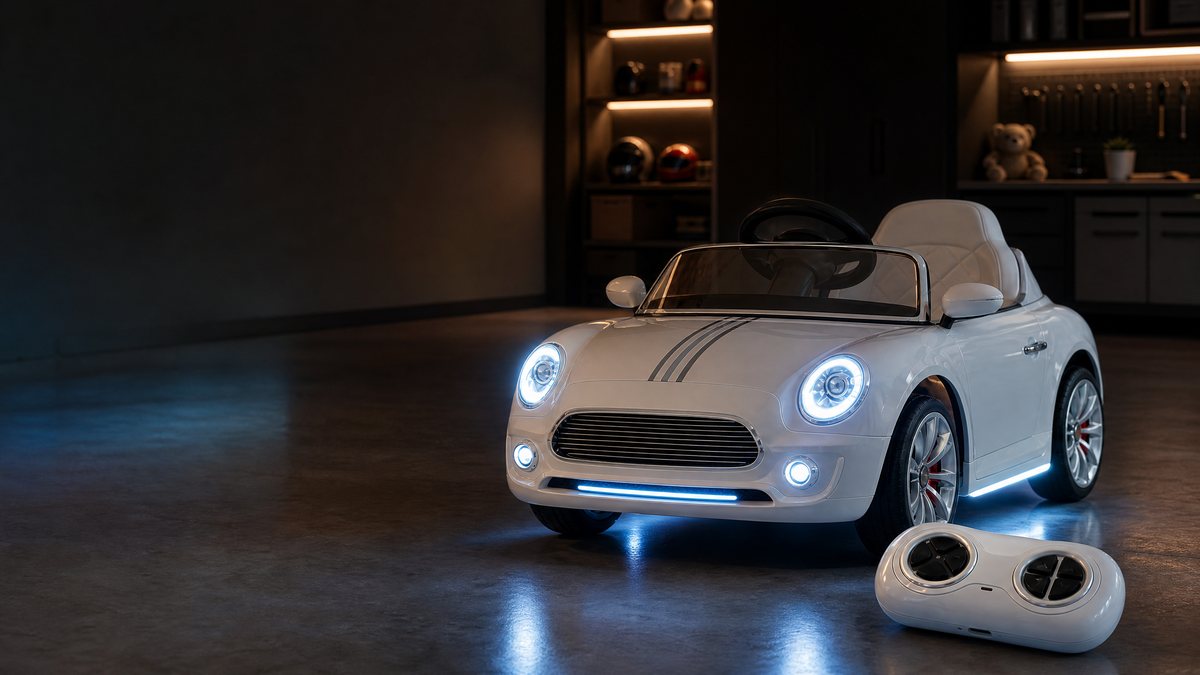
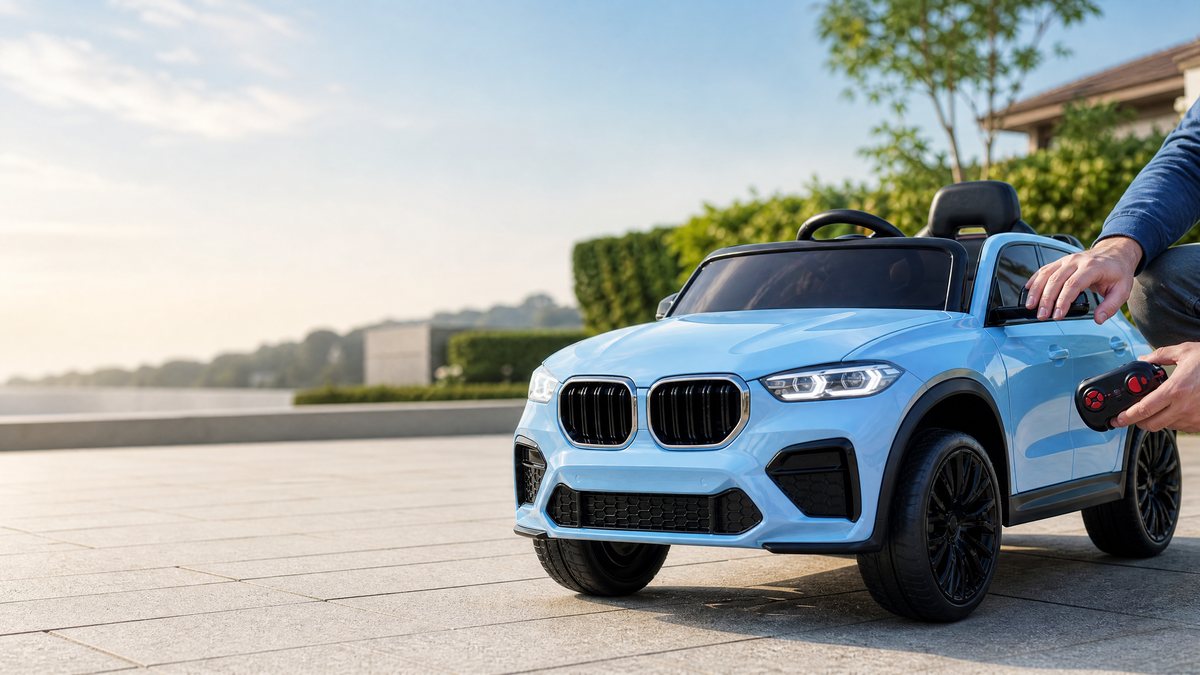
A critical safety feature of advanced ride-on car architectures is the implementation of strict priority override logic within the Electronic Speed Controller. In standard operating modes, when a child is inside the cockpit, depressing the floor pedal sends a signal to the ESC to engage the drive motors. However, the moment a supervising adult engages any control command on the parental remote transmitter—whether steering left or right, pressing forward or reverse, or hitting the emergency stop button—the remote control signal supersedes the manual cockpit inputs.
This electronic hierarchy ensures that adult judgment immediately overrides child operation. Even if a child keeps the foot pedal depressed in a state of panic or distraction, the vehicle obeys the parental remote commands instantly and decisively. Once the adult releases the remote overrides or switches the vehicle back to manual mode (depending on the specific model's interface design), manual control is safely restored under appropriate supervision.
Core Safety Features Enabled by Parental Remotes
The integration of a digital wireless remote control unlocks a suite of granular safety features that protect young drivers across varying developmental stages, operating environments, and skill levels.
Multi-Stage Speed Limiting
Children's motor skills, reaction times, and spatial awareness vary significantly across age brackets. Electric ride-on cars featuring parental remote controls typically incorporate multi-stage speed selection (often configured as low, medium, and high speeds) directly selectable via the remote handset.
- Low Speed Setting: Designed for younger toddlers or initial familiarization, restricting maximum output to a gentle walking pace that allows supervising adults to maintain relaxed proximity without rushing.
- Medium Speed Setting: Suitable for growing children who have demonstrated stable steering comprehension and basic braking awareness in controlled outdoor environments.
- High Speed Setting: Reserved for experienced older children operating under active adult supervision in wide, obstacle-free spaces.
By locking the vehicle into a low-speed threshold via the remote, parents prevent impulsive acceleration and ensure the vehicle remains within a safe, manageable velocity envelope.
Instant Emergency Braking (Stop Button)
One of the most vital life-safety advancements in modern ride-on design is the dedicated emergency stop ("P" or "Stop") button located prominently on the parental remote handset. In traditional setups, stopping a runaway or misdirected vehicle required the child to lift their foot off the pedal, which can be challenging during sudden fright, excitement, or sensory overload.
When an adult presses the emergency stop button on the remote, the ESC cuts motor power immediately and engages dynamic braking or electromagnetic motor resistance, bringing the vehicle to a controlled, prompt halt. This instant intervention capability is indispensable when a child heads toward an unseen curb, driveway edge, pedestrian walkway, or unexpected obstacle.
Smooth Start Technology and Jerk Reduction
Abrupt torque delivery can cause rear wheels to slip, throw a child off balance, or induce sudden neck strain. Advanced controllers paired with remote systems integrate "Soft Start" or progressive acceleration algorithms. When the vehicle receives a start command—whether from the foot pedal or the remote—the ESC ramps up electrical current gradually over a fraction of a second. This smooth linear acceleration ensures comfortable, jerk-free motion, protecting the occupant's posture and preserving drivetrain longevity.
Comparative Analysis: Control Methods and Operational Safety
To assist B2B procurement professionals, importers, and commercial venue planners in evaluating vehicle specifications, the following table compares different control modalities and their respective safety implications across commercial and residential applications.
| Control Modality | Primary Mechanism | Adult Intervention Capability | Environmental Suitability | Safety Ranking |
|---|---|---|---|---|
| Legacy Mechanical Linkage | Direct on/off foot switch, no wireless link | Zero electronic intervention; physical pursuit required | Strictly flat, enclosed indoor spaces | Low |
| Basic Analog Remote (27MHz) | Fixed-frequency wireless transmitter | Moderate directional control; prone to radio interference | Open, low-interference outdoor yards | Moderate |
| Advanced 2.4G Digital Remote | Frequency-hopping encrypted wireless link | Full override, multi-speed selection, instant emergency stop | Diverse environments (parks, courtyards, pathways) | High |
| Autonomous / App-Controlled | Smartphone Bluetooth / Wi-Fi integration | High-level parameter adjustment and telemetry monitoring | Controlled commercial tracks and rental fleets | High (Specialized) |
The comparative data underscores that 2.4G digital remote systems represent the baseline standard for safe consumer and commercial ride-on vehicle deployment.
Best Practices for B2B Retailers, Importers, and Supervised Operation
For businesses distributing ride-on cars, ensuring that end-users understand the proper deployment of parental remote features is essential for risk mitigation, customer satisfaction, and product longevity.
Pre-Sale Education and Documentation
Wholesale buyers and retail partners should ensure that all product packaging, user manuals, and digital marketing materials clearly articulate the operational scope of parental remote controls. Key elements to communicate include:
- Clear instructions on the remote pairing procedure prior to first use.
- Explicit emphasis that the parental remote is a supervisory safety tool, not a substitute for active adult supervision.
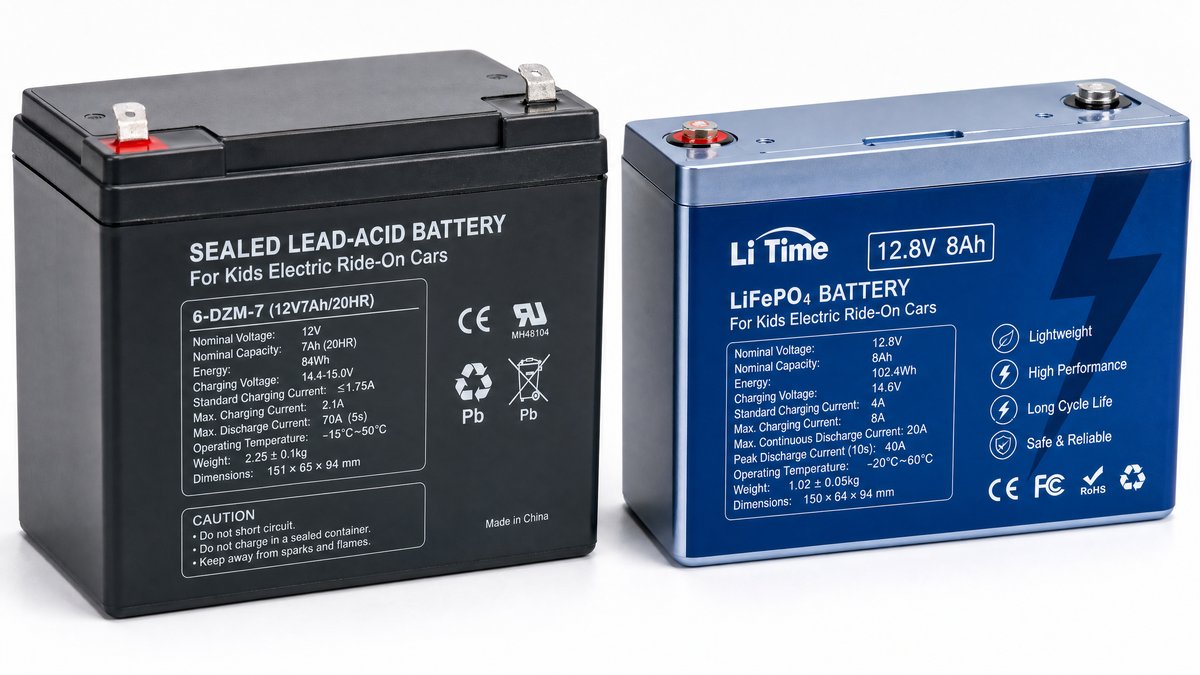
- Transparent guidelines regarding battery maintenance for both the vehicle and the remote handset (ensuring fresh batteries are maintained in the transmitter to prevent signal dropouts).
- Clear compliance notices referencing international safety standards such as EN 71 and ASTM F963.
Operational Guidelines for Supervised Play
When deploying ride-on cars in commercial settings (such as hotel resorts, family entertainment centers, or rental fleets) or assisting retail customers, operators should promote the following operational rules:
1. Adult Proximity: Even with a 2.4G remote in hand, supervising adults must remain within direct visual contact of the vehicle at all times.
2. Terrain Assessment: Remotes enhance safety, but uneven terrain, steep inclines, loose gravel, or wet surfaces can exceed traction limits. Adults must select appropriate speed settings suited to ground conditions.
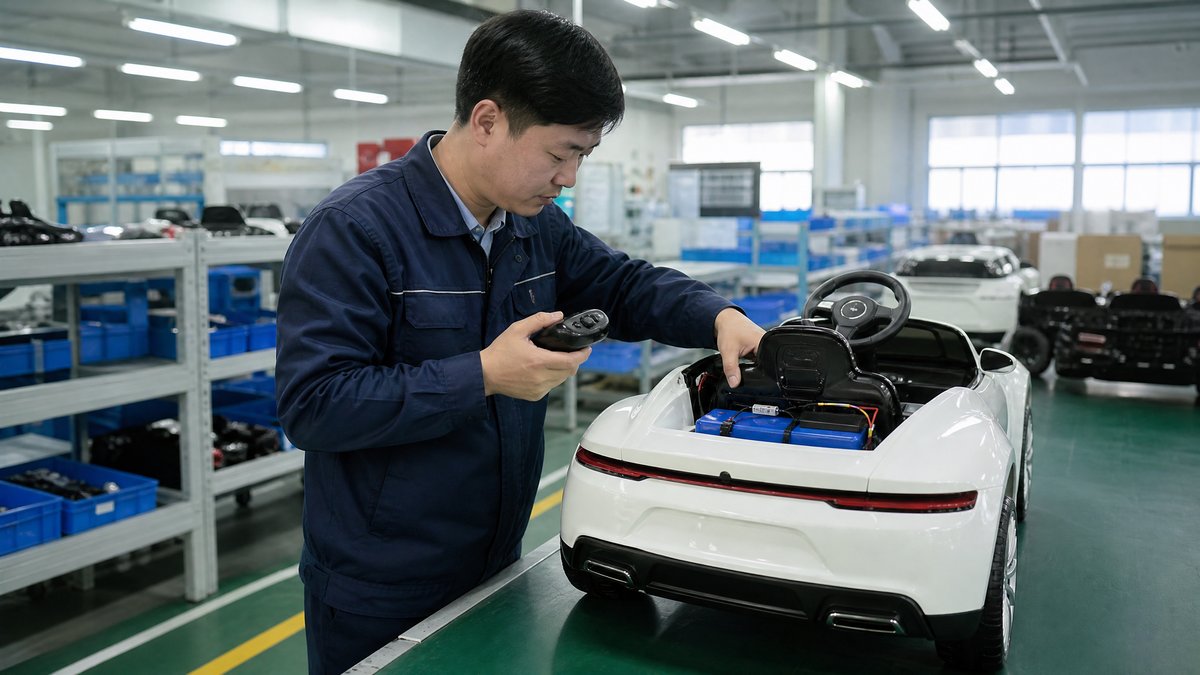
3. Pre-Operation Check: Verify that the remote handset successfully communicates with the vehicle and that the emergency stop button halts movement instantly before allowing any child to board.
Request a wholesale quote
Frequently Asked Questions (FAQ)
1. Can a ride-on car be operated without the parental remote control?
Remote-control operation, manual driving, override behavior, and any stop function vary by the exact model. Adults should use only the control modes described in that model's manual, test them without a child aboard, and never treat a remote as a substitute for close adult supervision.
2. What should I do if the parental remote loses connection with the vehicle?
If the remote loses connection, stop use in a safe area and consult the exact model manual for the approved external checks and re-pairing method. Do not guess at button sequences, open the vehicle, or alter any electrical component. If the issue persists, contact the manufacturer or a qualified service provider.
3. Does the parental remote control work around corners and obstacles?
Remote signal behavior varies with the model, environment, obstruction, and power condition. An adult should remain close enough to supervise directly, keep the child in a permitted play area, and follow the manual's stated operating limits.
4. How does the emergency stop button protect against accidents?
If a specific model includes an adult stop or override feature, use it only as described in the manufacturer manual. Verify the feature before a child rides, use a dry level permitted surface, and do not rely on electronics alone to manage hazards or boundaries.
Conclusion
A parental remote can be a useful feature when the exact model includes it and the adult follows the supplied manual. It does not eliminate the need for direct supervision, a permitted level surface, pre-use checks, and a clear decision to stop use when the vehicle behaves unexpectedly. Buyers should request written model-specific feature descriptions rather than assuming a remote's range, override, or braking behavior.
Request a wholesale quote
Official References
- United States Consumer Product Safety Commission (CPSC): Toy Safety Education and Electric Ride-On Vehicle Guidelines. Available via CPSC Official Portal. *Note: Official regulatory guidance serves as general safety education and does not replace specific manufacturer operating instructions or certified model compliance documentation.*
- International Organization for Standardization (ISO): Safety of toys — Part 1: Safety aspects related to mechanical and physical properties (ISO 8124-1) and Electrical safety standards for children's motorized play equipment.
- European Committee for Standardization (CEN): European Toy Safety Standard EN 71 requirements regarding electrical properties, maximum speed limitations, and stability in battery-operated ride-on toys.
Official references
Explore these external resources for current regulatory and trade guidance. Confirm requirements with the relevant authority before placing an order.
Ready to Start?
Factory-Direct · CE & ASTM Certified · MOQ from 50 Units
Our export team works with buyers in 60+ countries. Get a quote within 24 hours.
KR
Written by KidsRideCar
China's leading kids electric ride-on car manufacturer. 500,000+ units shipped annually to 60+ countries. CE, ASTM & EN71 certified.