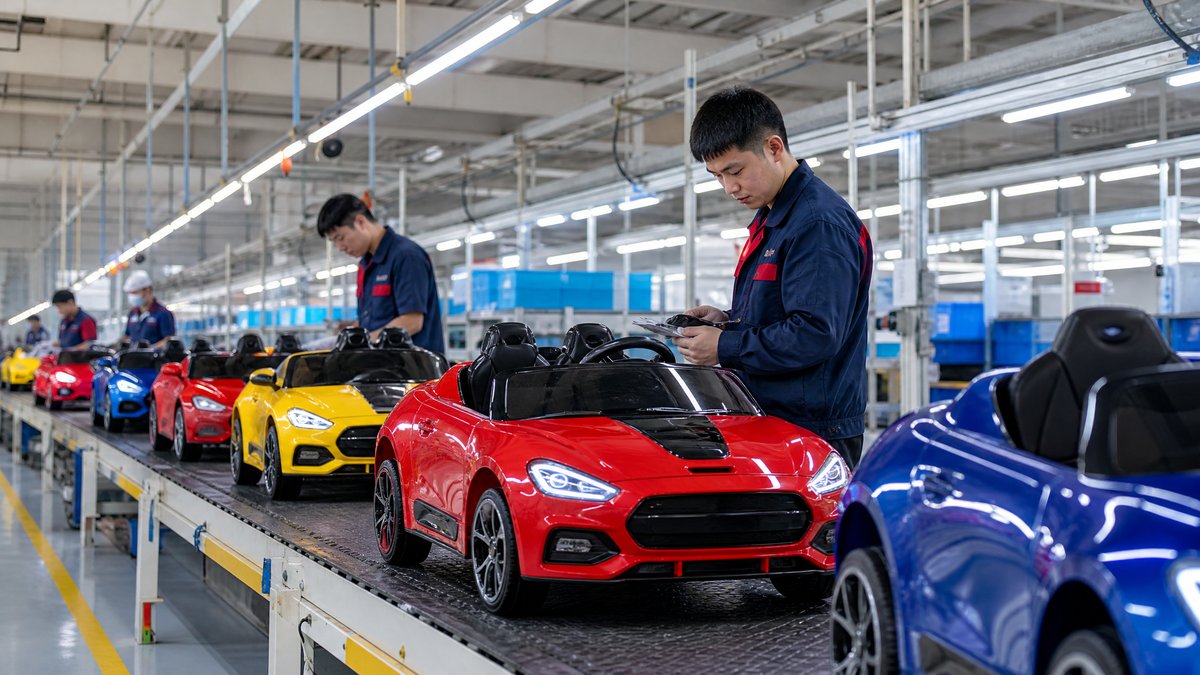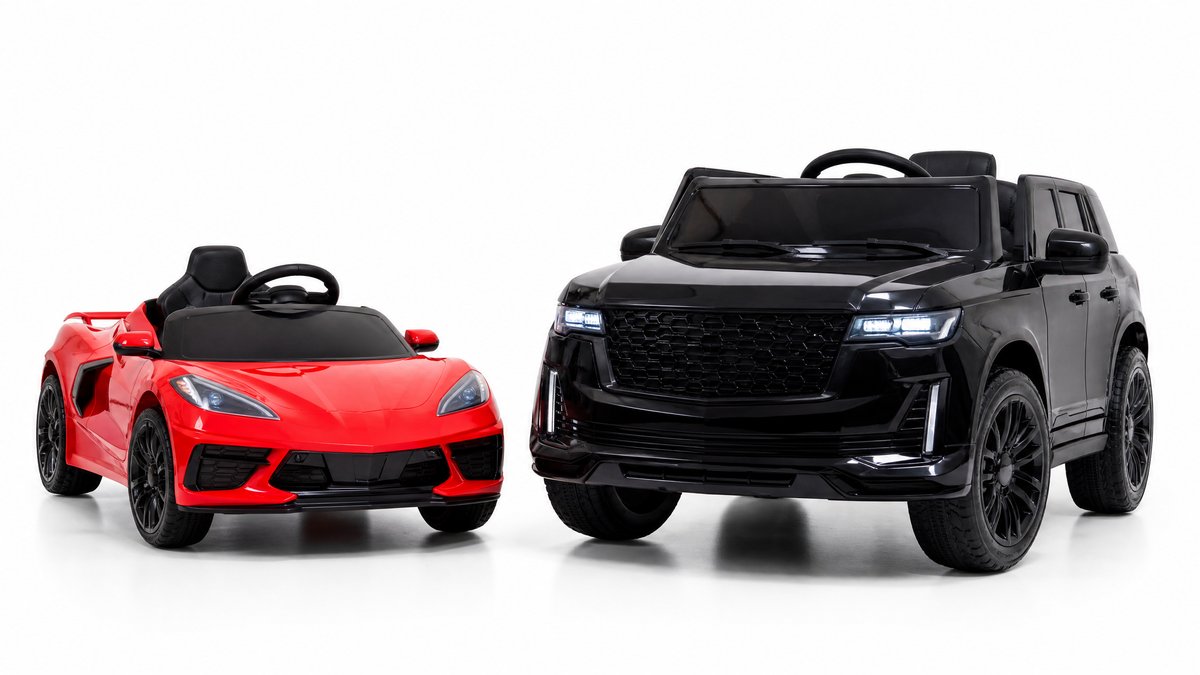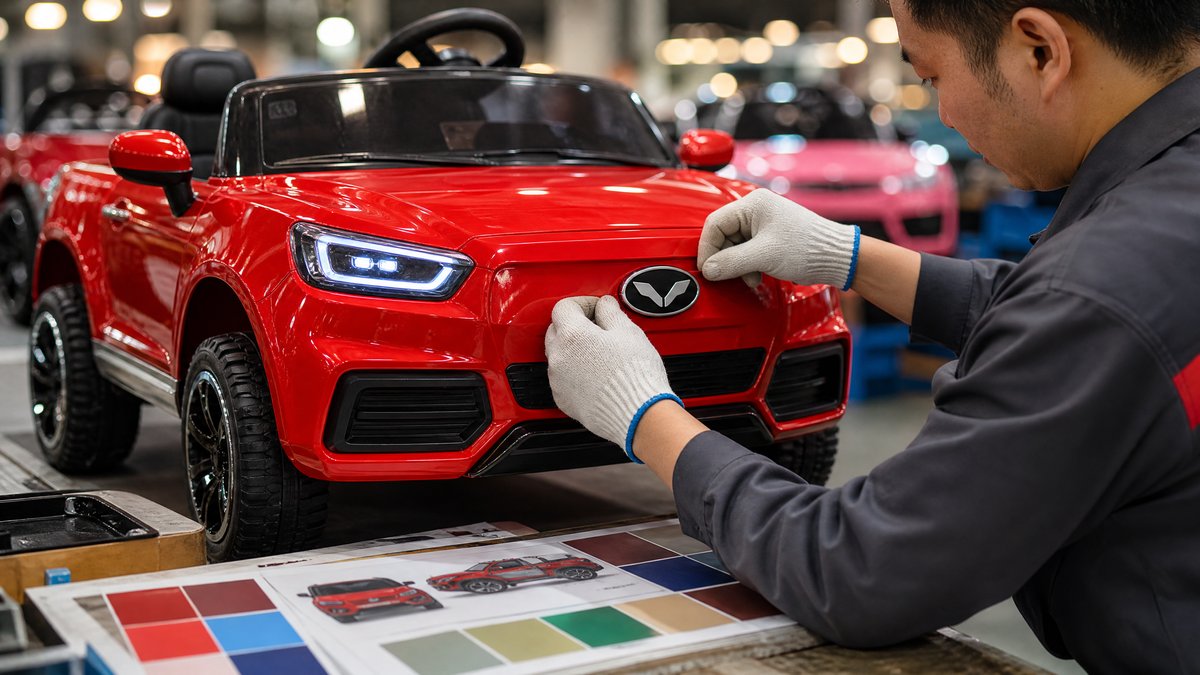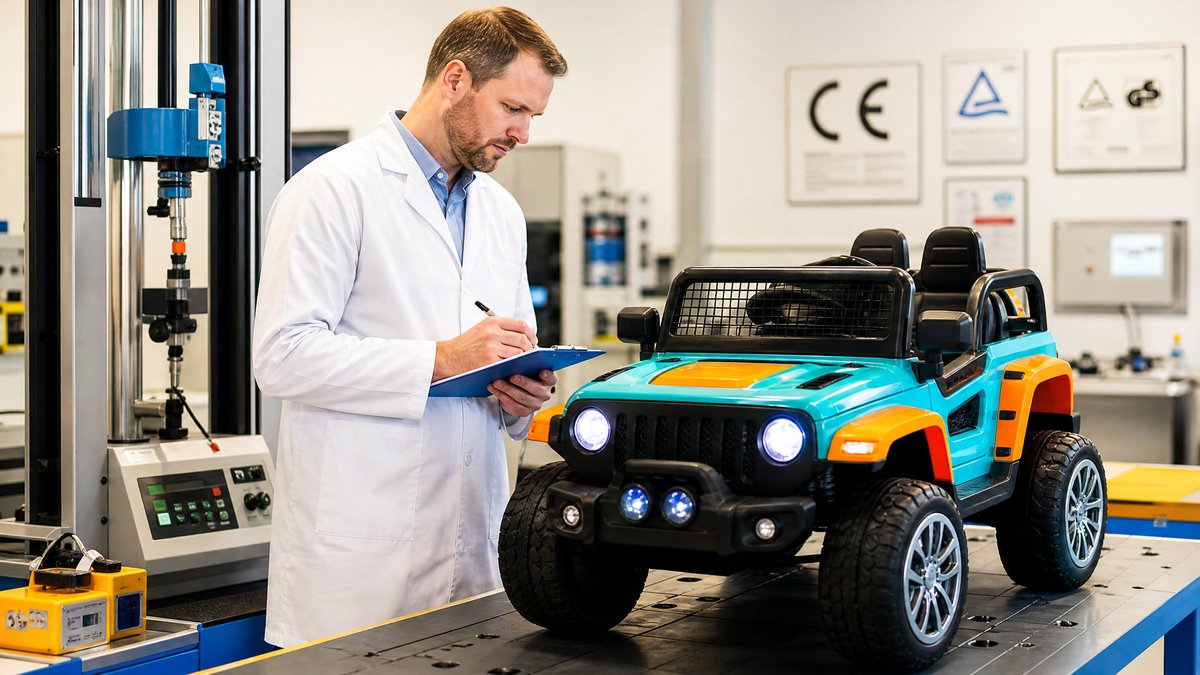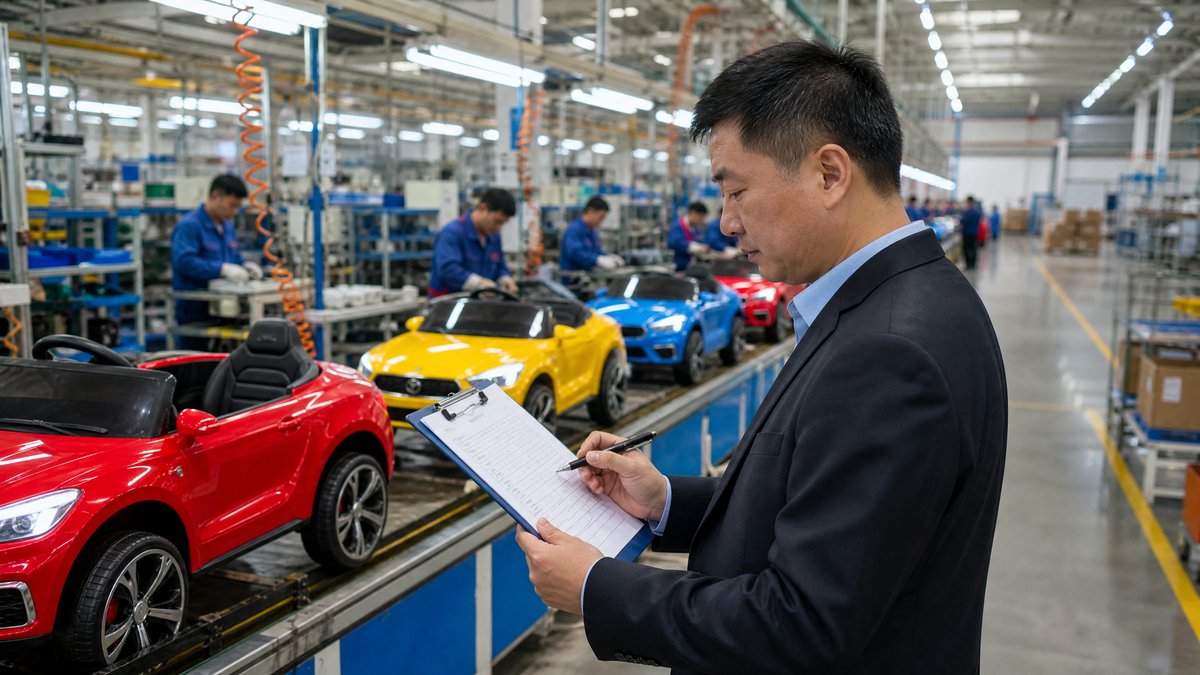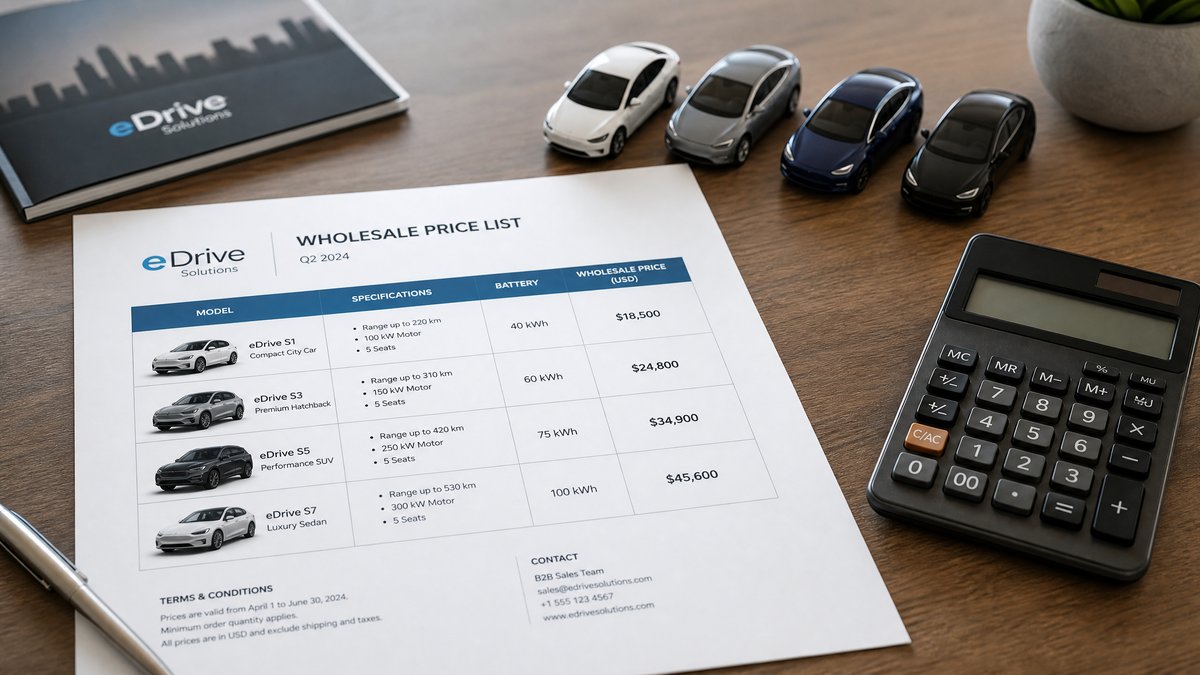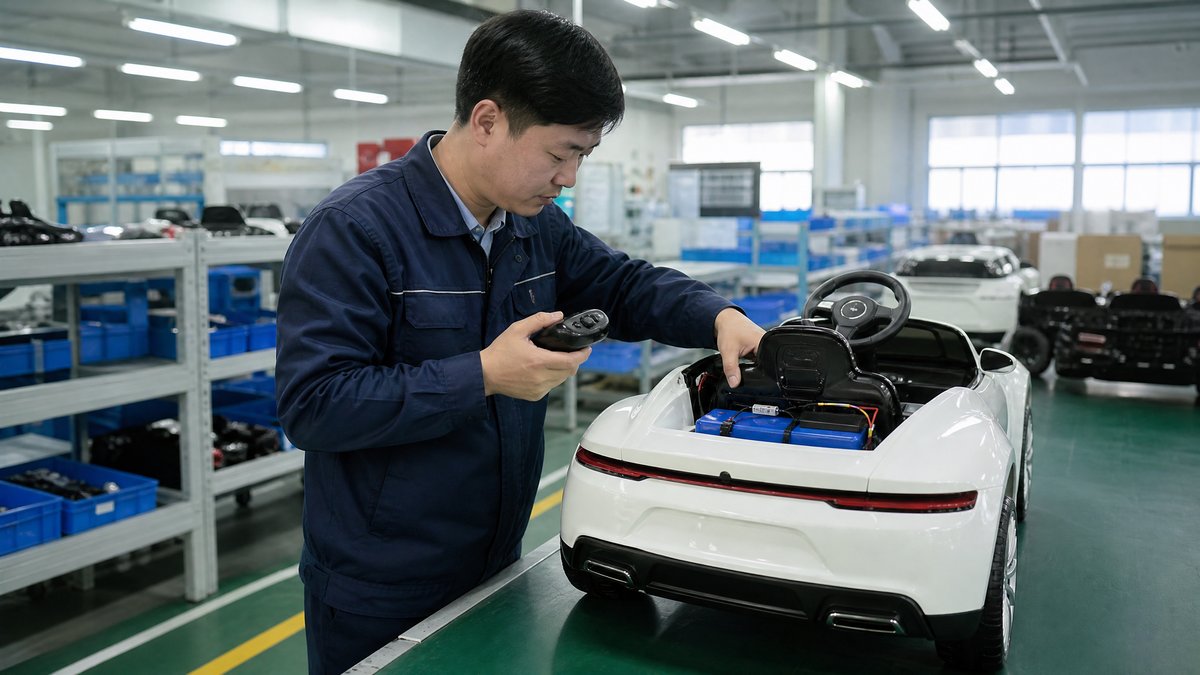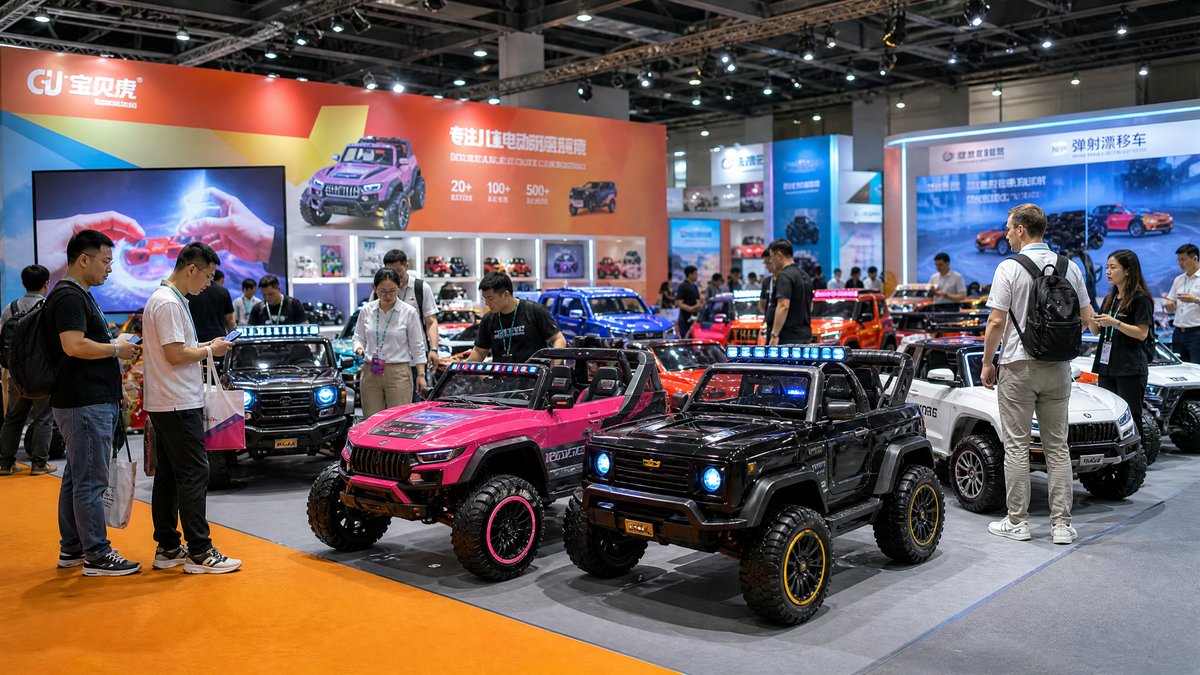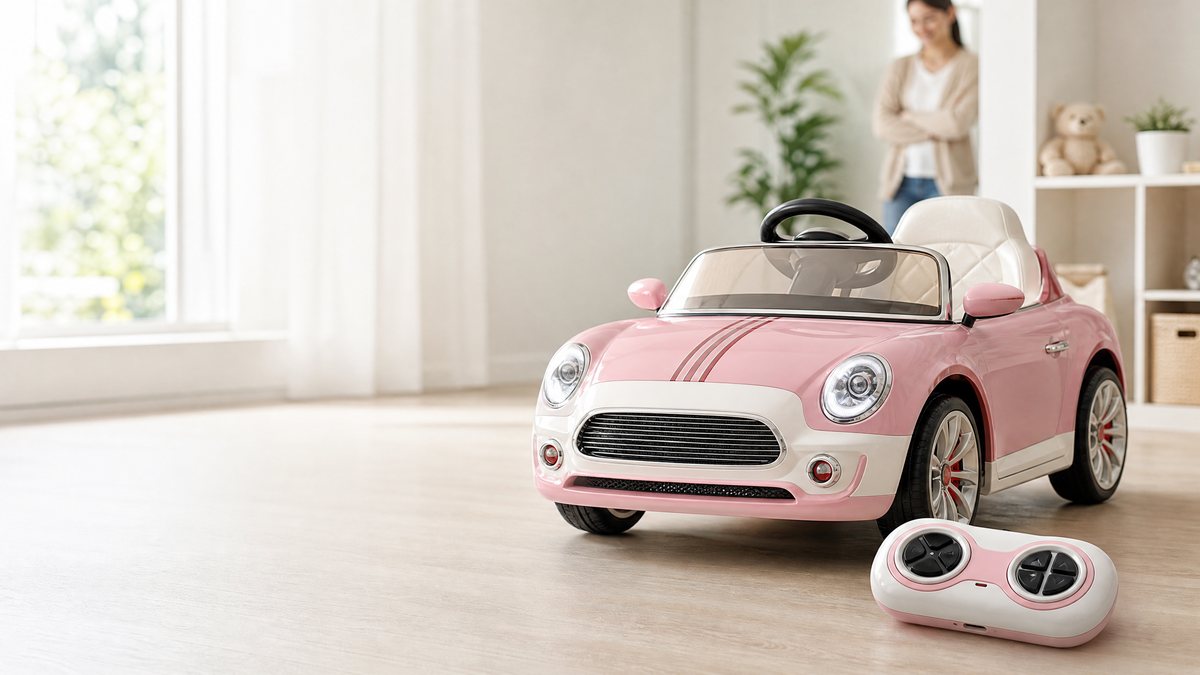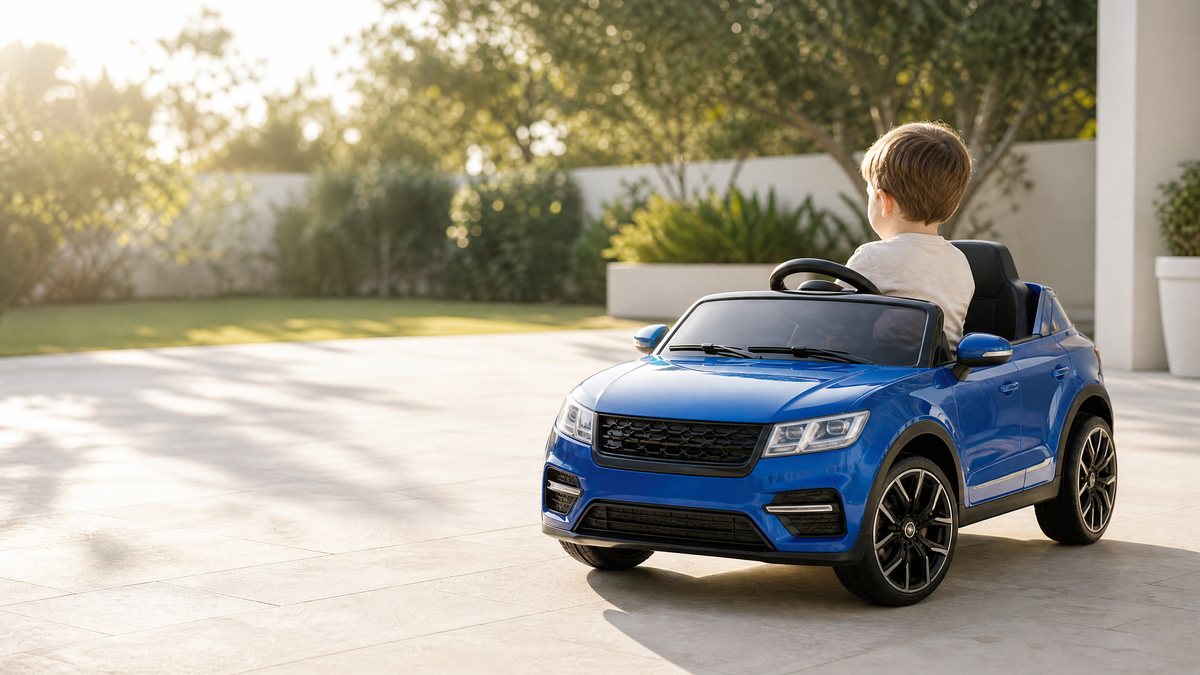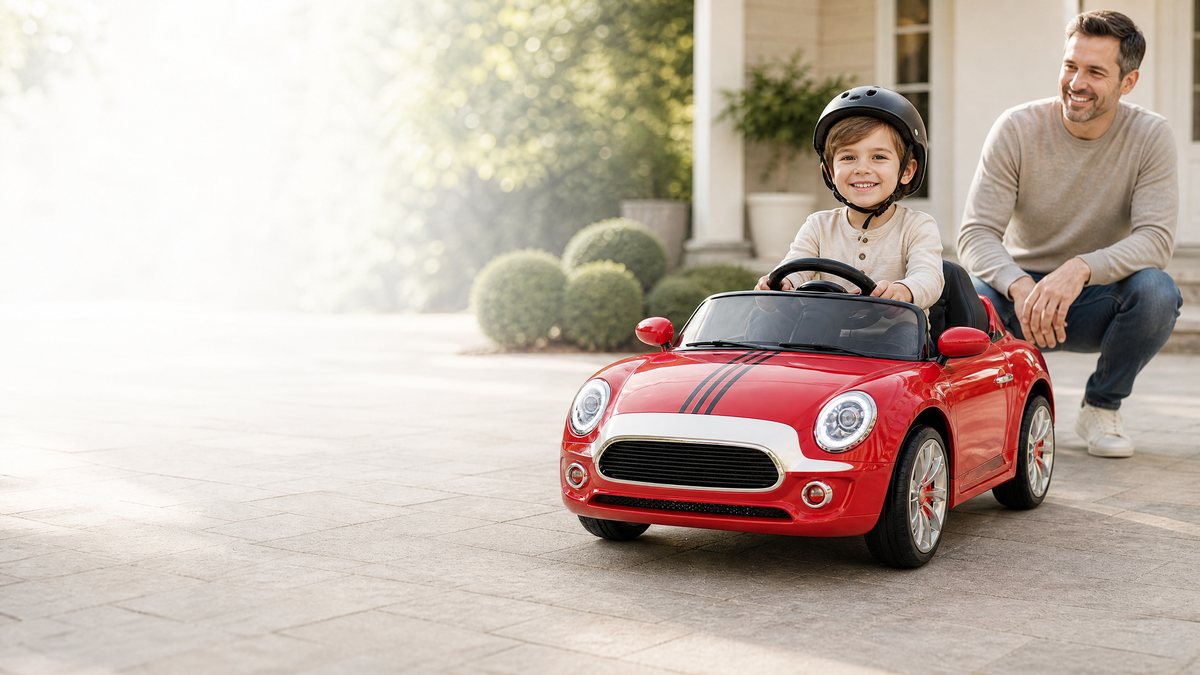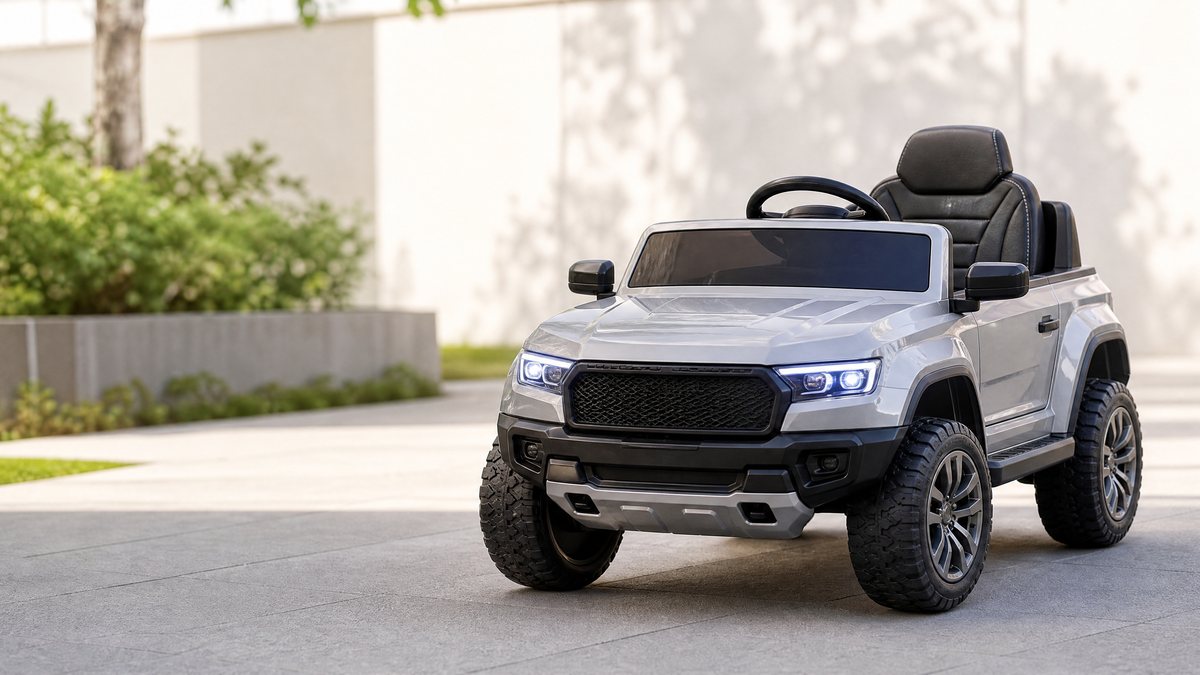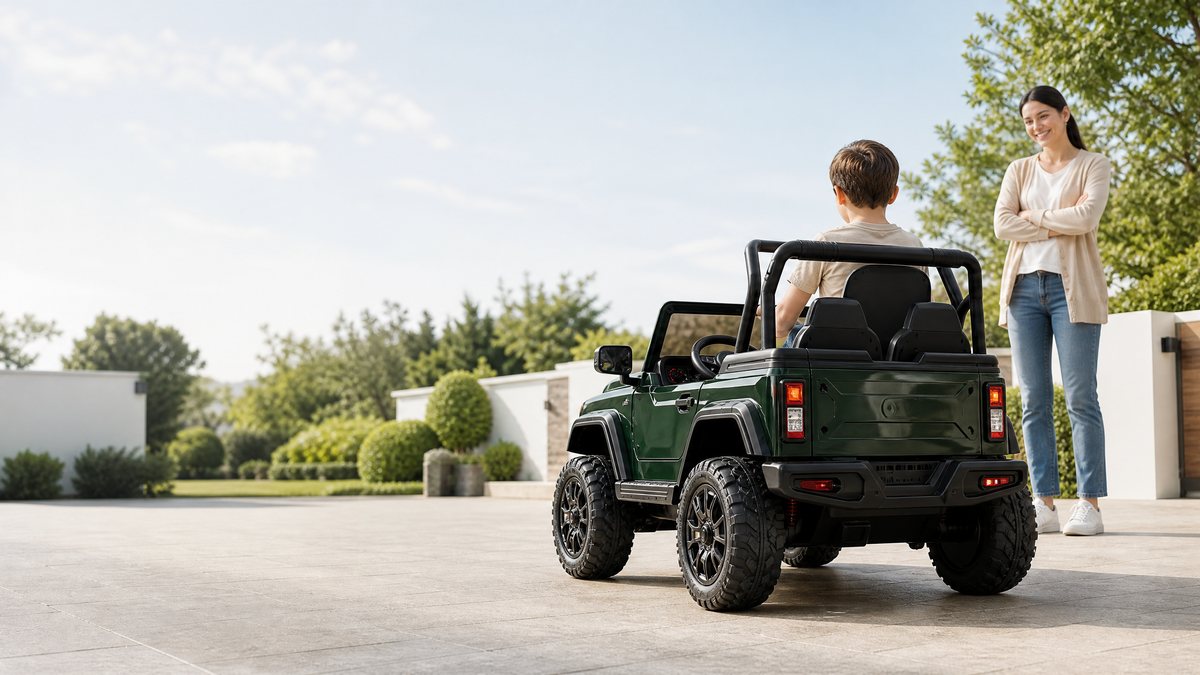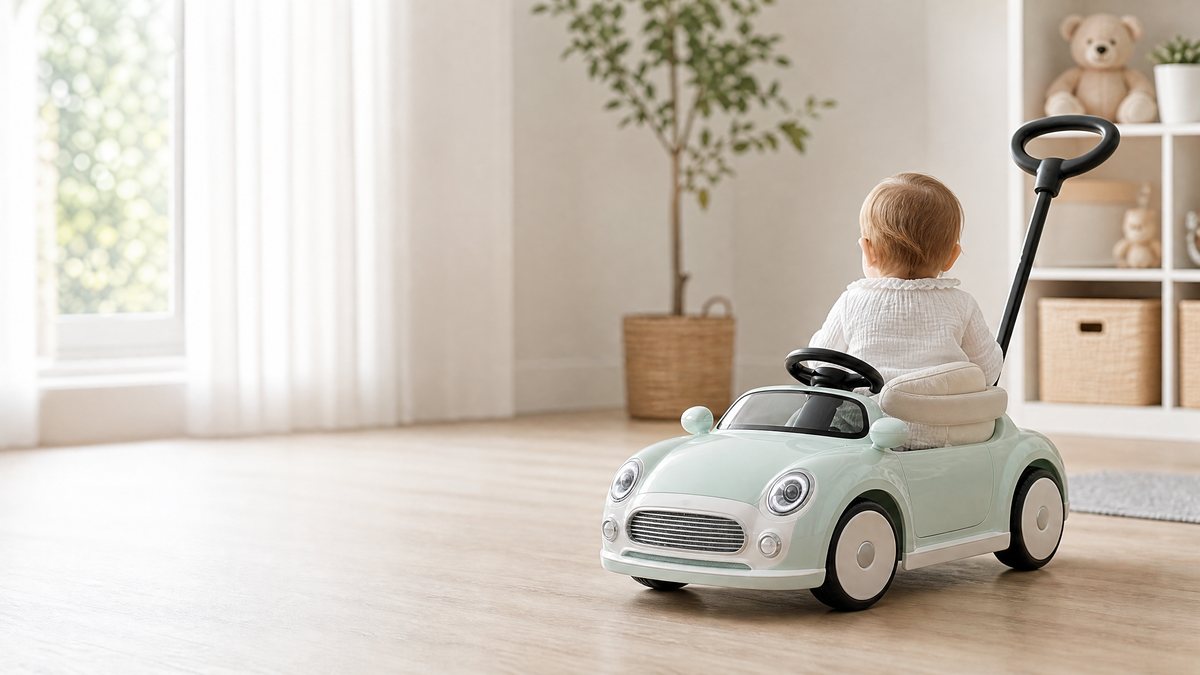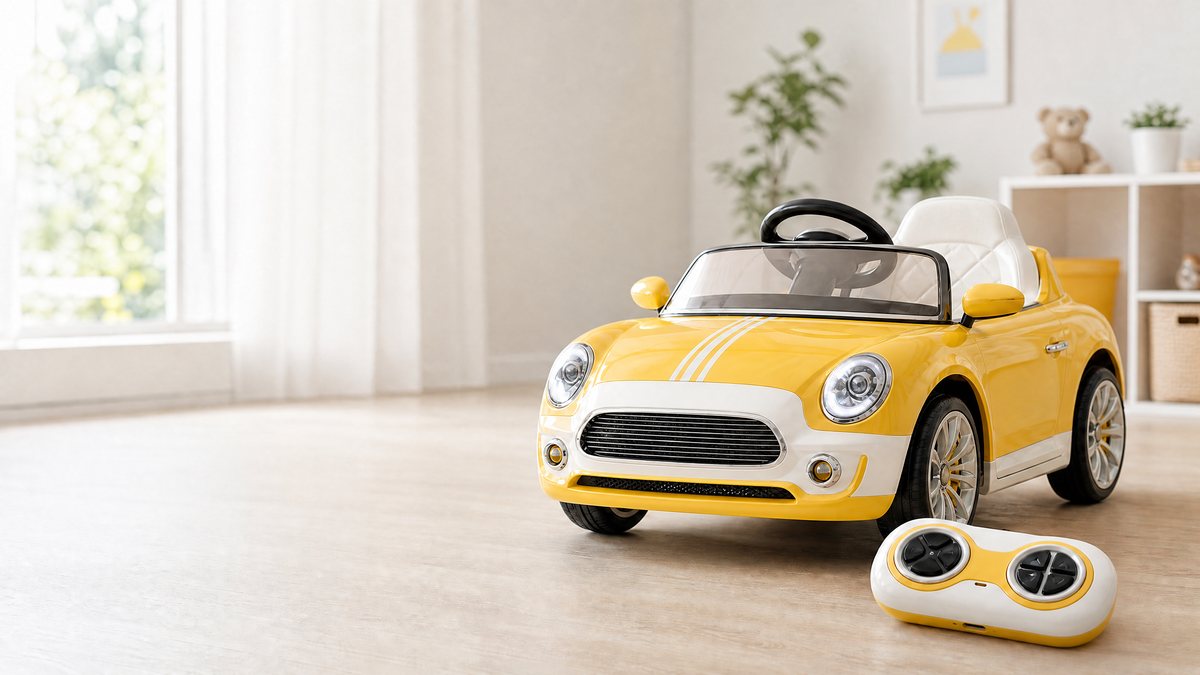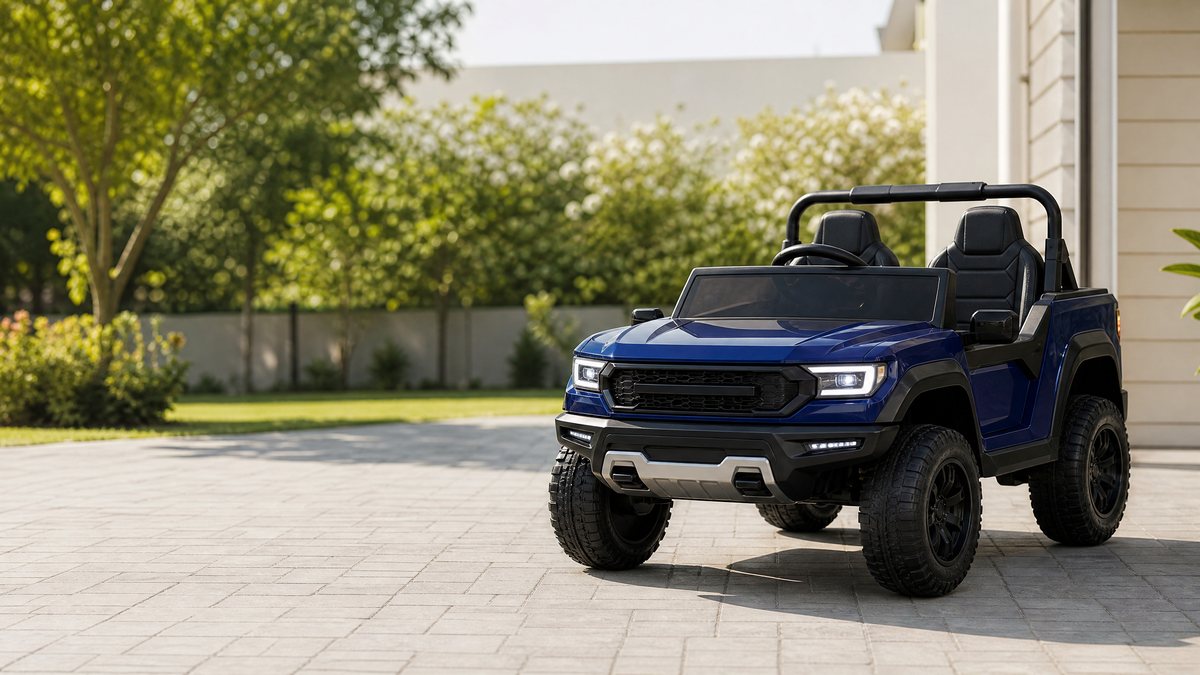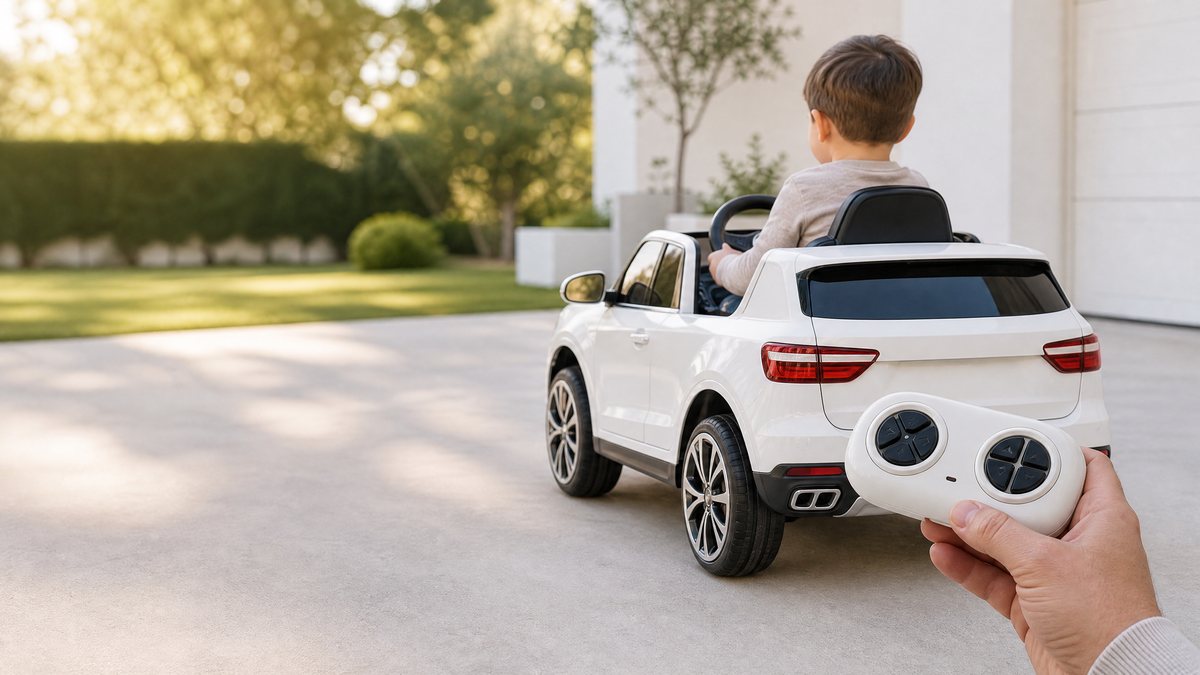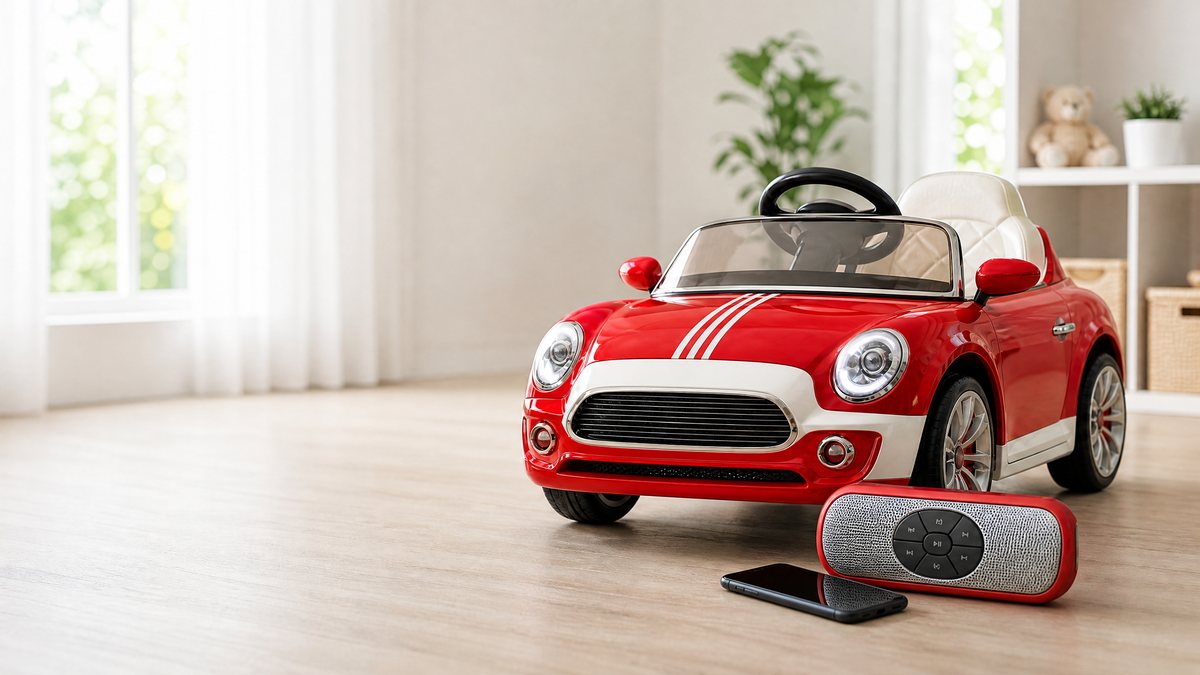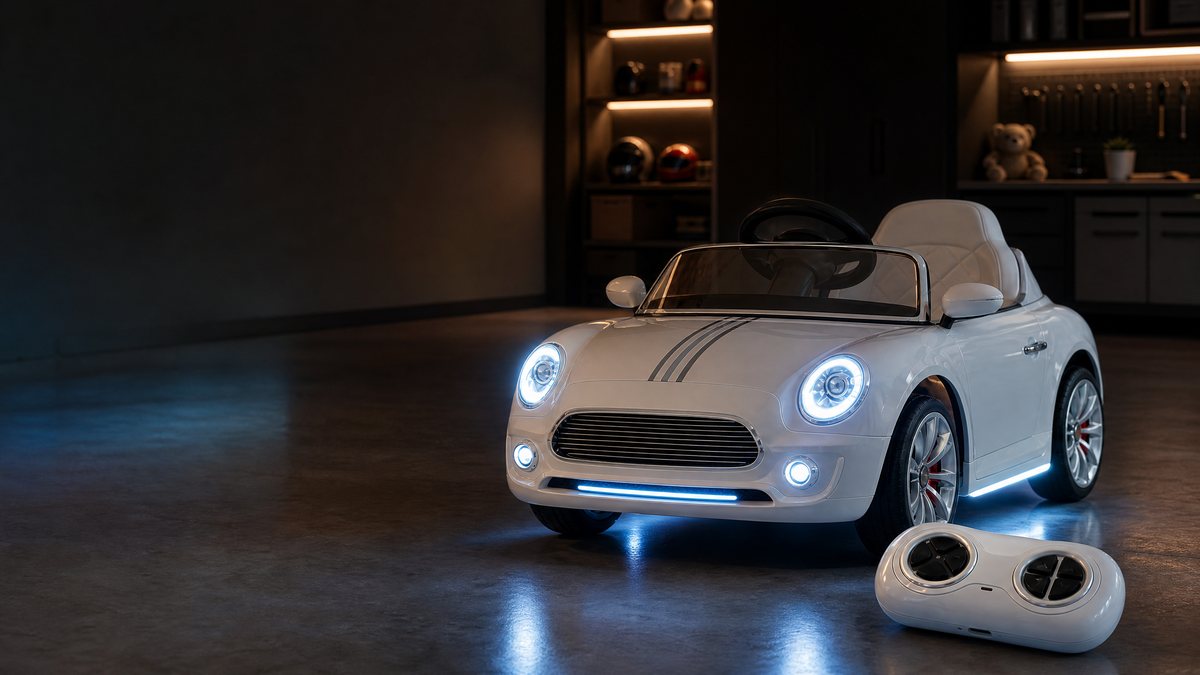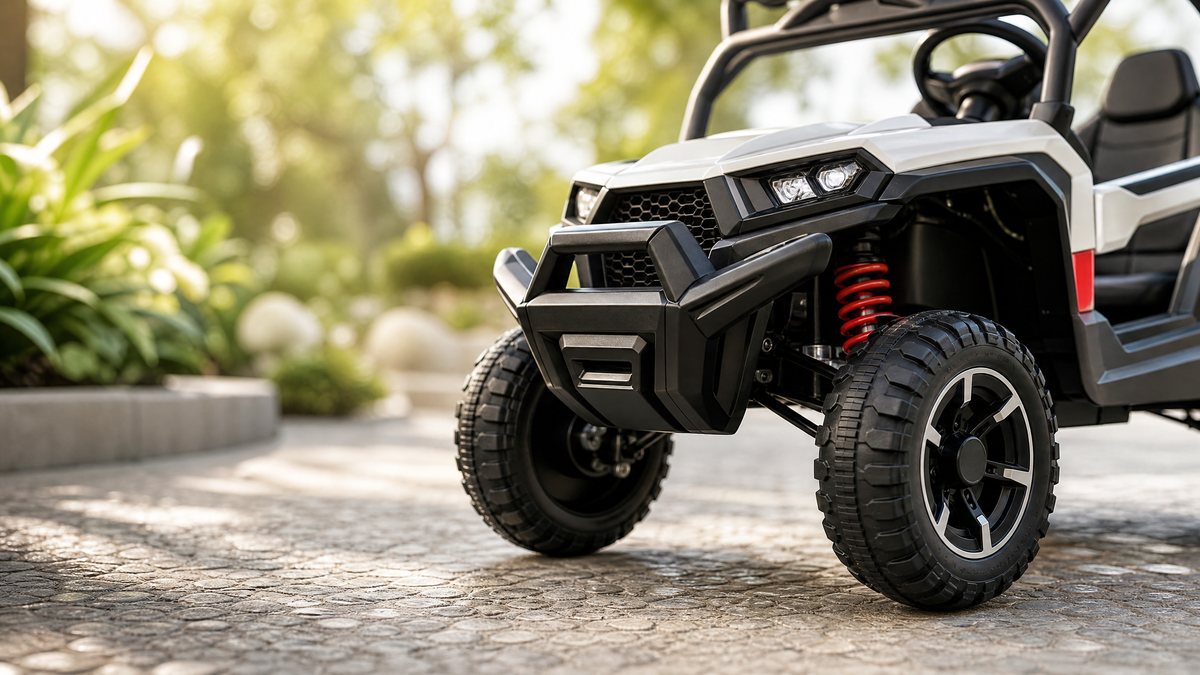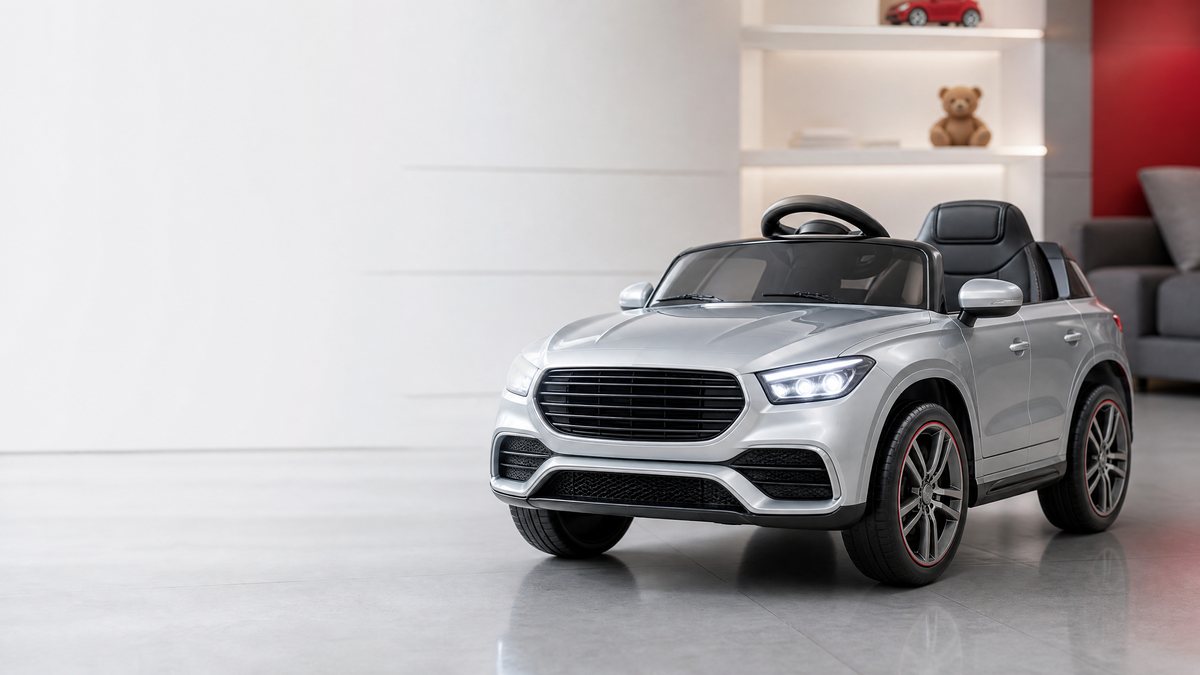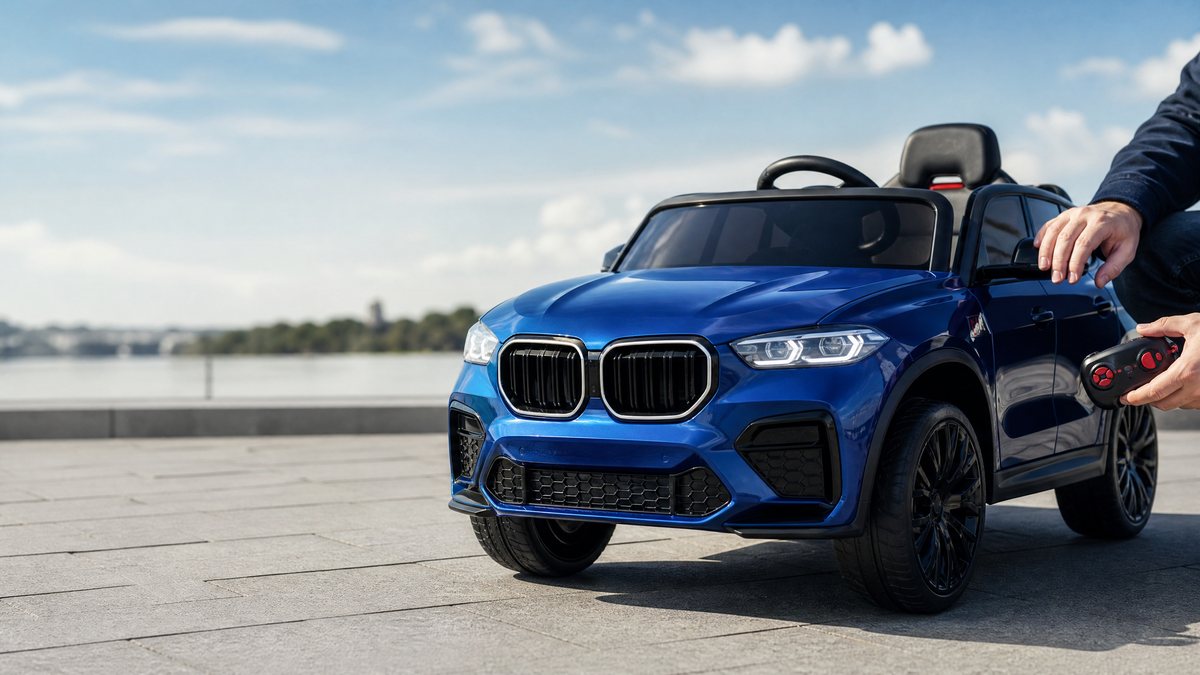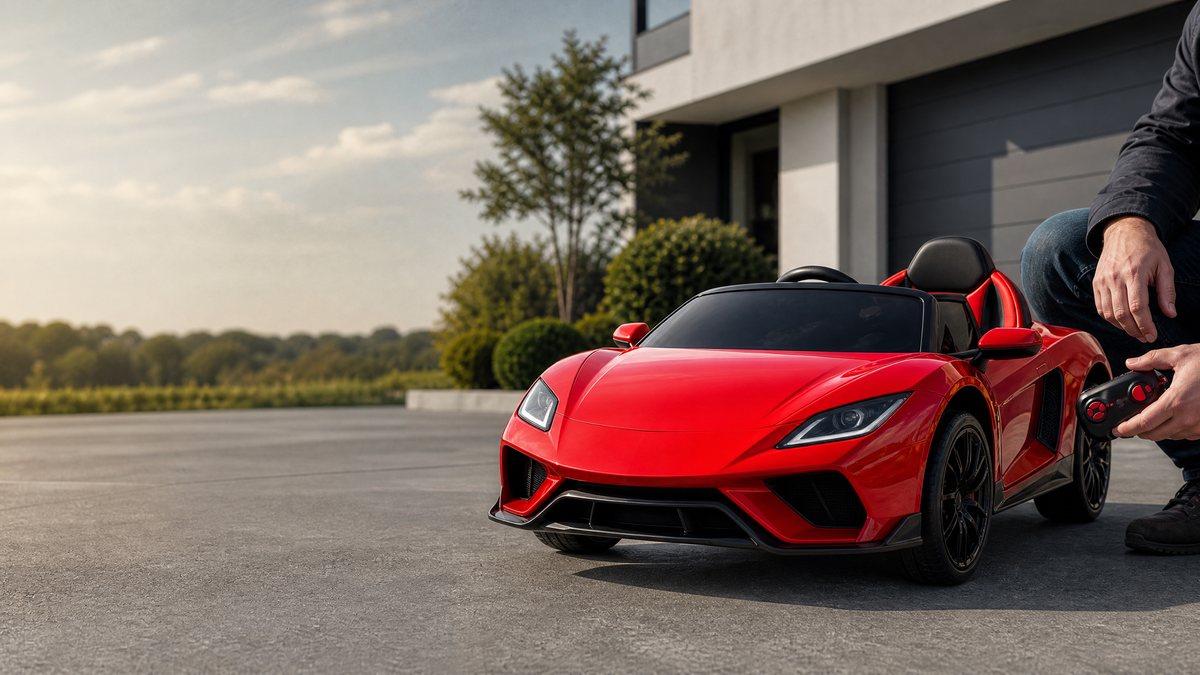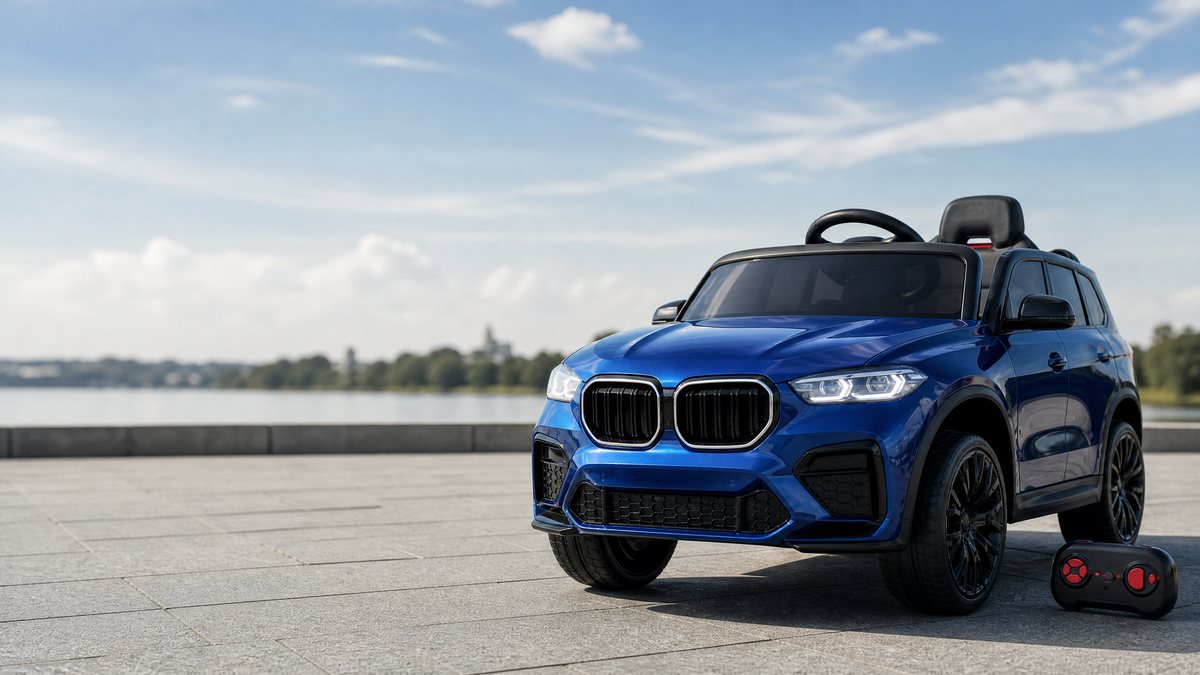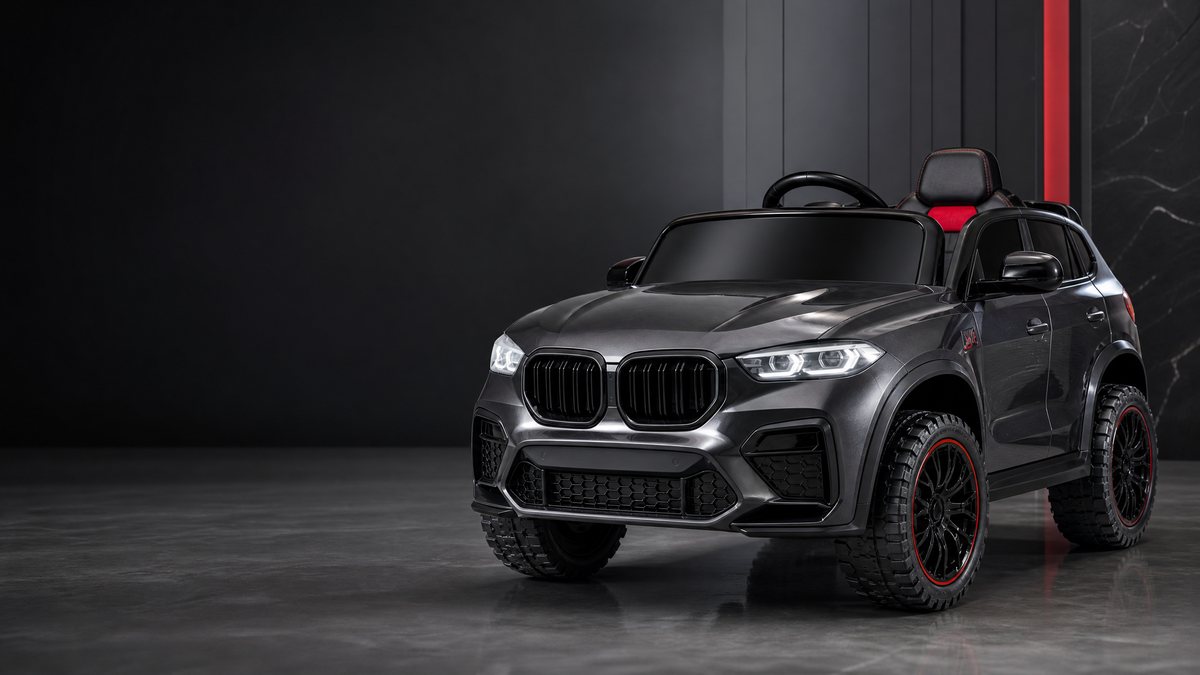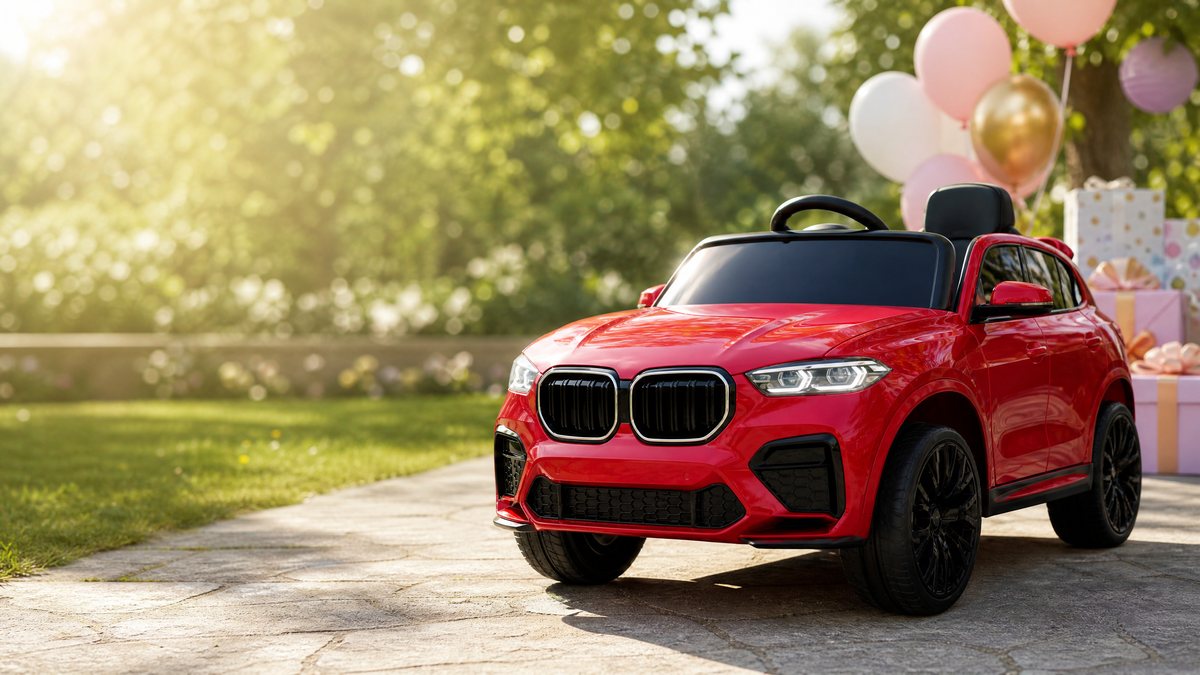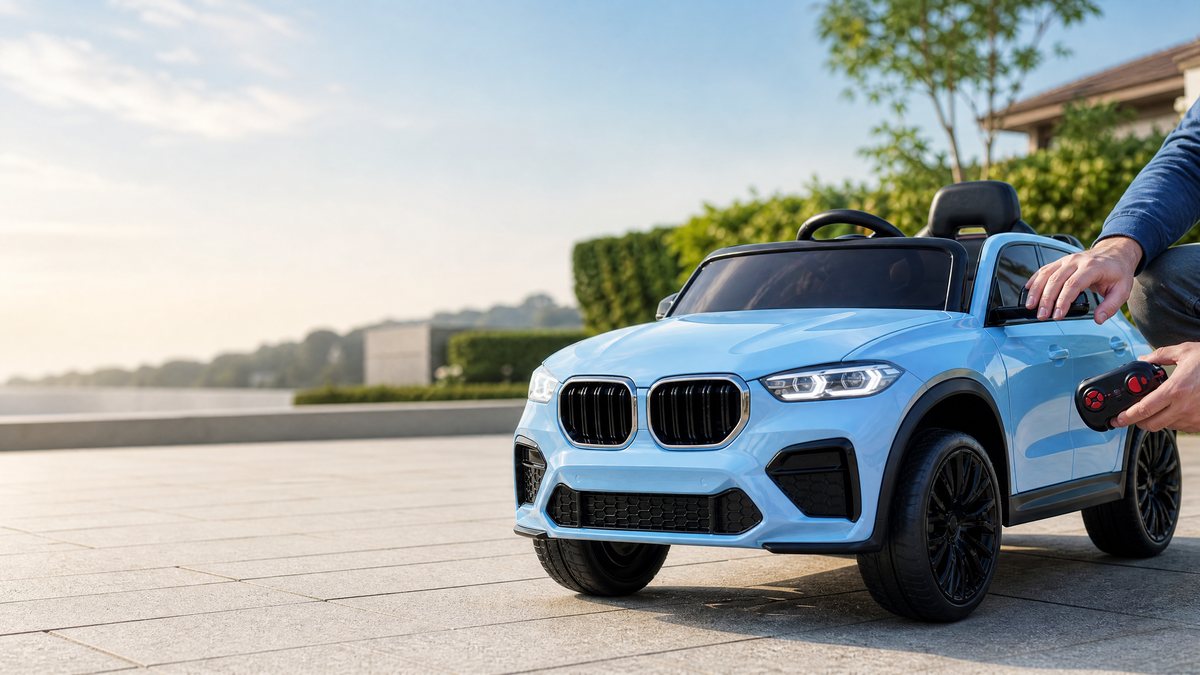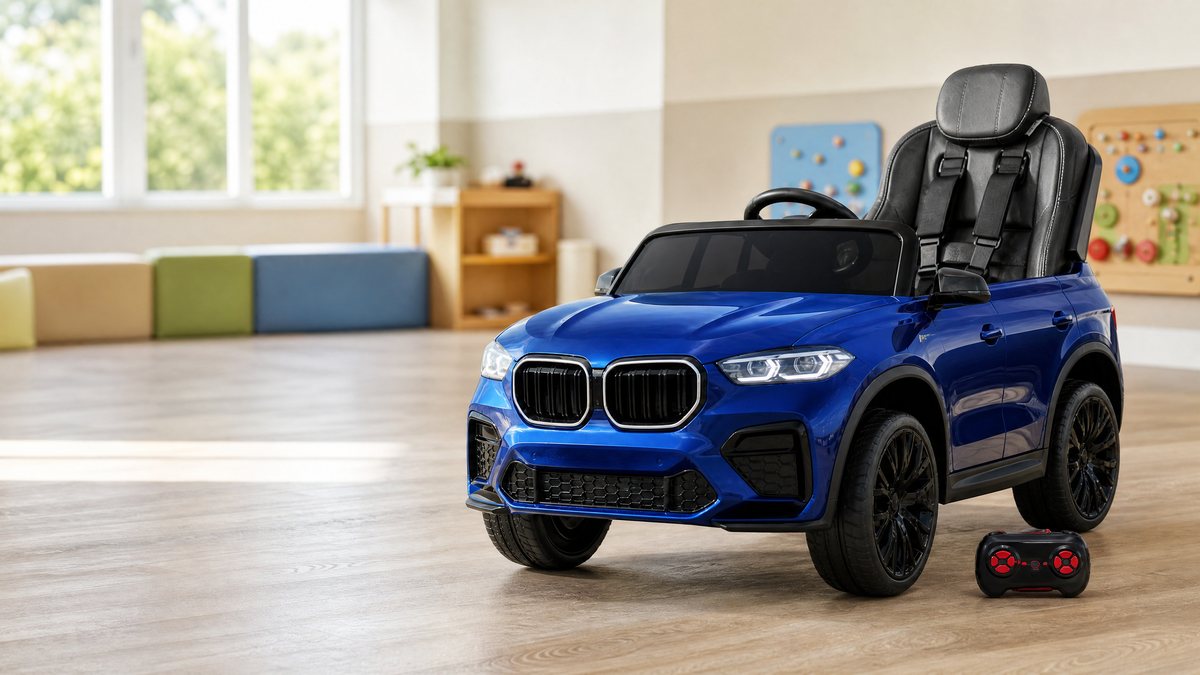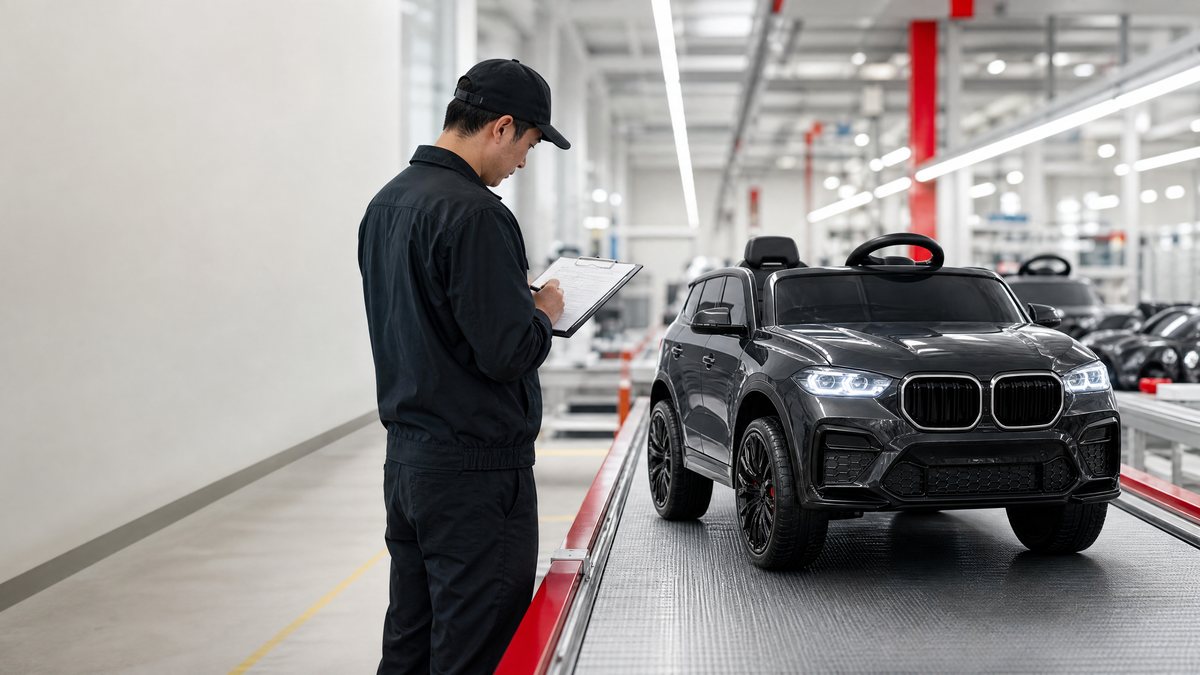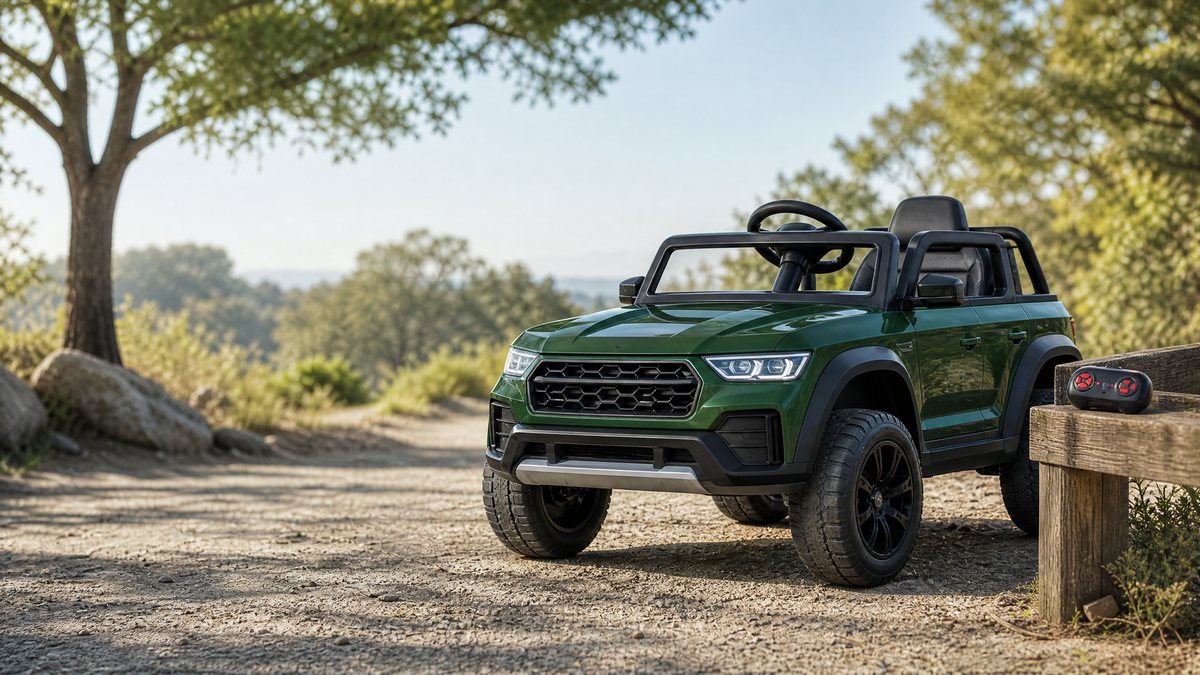
When B2B distributors, toy store owners, and discerning retail buyers evaluate ride-on electric vehicles for children, attention is frequently drawn to high-profile specifications such as motor voltage, battery capacity, tire construction, and aesthetic styling. However, one of the most critical determinants of daily user satisfaction and sustained product value is often overlooked during the initial procurement phase: seating dimensions and ergonomic design. Specifically, the provision of a wide seat on a ride-on car plays a fundamental role in ensuring comfort, supporting proper posture, accommodating a wider age range, and enhancing the overall play experience. For commercial buyers and commercial stock planners, understanding the functional and ergonomic implications of seat width is essential for selecting inventory that meets high consumer expectations and minimizes return rates due to discomfort.
This comprehensive guide examines why seat width matters in children's motorized ride-on vehicles, analyzing the biomechanical considerations, spatial configurations, and manufacturing standards that distinguish standard seating from ergonomically optimized wide-seat layouts. By establishing a transparent framework for evaluating vehicle specifications, wholesale buyers and retail merchants can make informed decisions that resonate with safety-conscious parents and active young drivers alike. All product evaluations, seating capacities, and dimensional assessments should always be cross-referenced against official manufacturer specifications, nameplate ratings, and user manuals provided with each specific model.
Understanding Ergonomics and Seating Dimensions in Ride-On Vehicles
Ergonomics in children's ride-on toys is not merely a matter of luxury; it is a foundational aspect of mechanical design that affects how a child interacts with the vehicle's controls, steering apparatus, and foot pedals. Unlike static seating found in traditional household furniture, a ride-on car seat must accommodate dynamic movement, varying clothing thicknesses across seasons, and rapid physical development during early childhood.
When manufacturers design a vehicle chassis, the cabin envelope determines the maximum possible width of the seating area. Compact or single-motor entry-level ride-on cars often feature narrow, molded plastic buckets designed strictly for a single small toddler. While these configurations reduce overall vehicle footprint and manufacturing costs, they frequently restrict lateral movement and limit the usable lifespan of the product as the child grows. In contrast, vehicles engineered with an expanded cabin architecture can incorporate a wide seat, which fundamentally changes the ergonomic profile of the vehicle.
A well-proportioned wide seat provides sufficient lateral clearance, allowing children to shift their weight naturally during cornering or maneuvering without contacting rigid cabin walls or door sills. Furthermore, wide seats often feature contoured bases or subtle bolstering that guides the young driver into a centered, balanced posture. This spatial generosity is particularly beneficial during extended outdoor play sessions where sustained contact with a restrictive seat can cause localized pressure points, fatigue, or discomfort. For B2B procurement professionals, identifying vehicles that prioritize cabin width and seating ergonomics is a reliable indicator of thoughtful engineering and superior end-user satisfaction.
How Seat Width Impacts Child Posture and Long-Term Comfort
The physical comfort experienced by a child during ride-on vehicle operation is directly linked to spinal alignment, pelvic support, and weight distribution. When a seating surface is too narrow, the child's hips are compressed, forcing the spine into unnatural compensatory curves or causing the child to slouch in an attempt to find relief. Over time, poor seating posture can lead to early fatigue, diminishing the enjoyment of outdoor active play.
A wide seat mitigates these issues by allowing the child's pelvis to rest in a neutral, supported position. Adequate seating width ensures that the thighs are properly supported along their length rather than resting entirely on pressure points near the seat edge. This even distribution of body weight reduces muscle tension in the lower back and shoulders, promoting relaxed, natural steering inputs and foot control operations.
Furthermore, seasonal clothing variations play a significant role in daily comfort. During colder months, children wear thick winter jackets, padded trousers, or multiple layers of apparel. A narrow bucket seat can become uncomfortably tight when a child is bundled in seasonal clothing, restricting movement and causing frustration. A wide seat accommodates seasonal wardrobe changes effortlessly, ensuring year-round usability and consistent comfort across different climates and operating conditions. Additionally, ergonomic seat designs contribute to a more relaxed driving posture, which indirectly helps young operators maintain better concentration and situational awareness during recreational play.
| Seating Configuration | Typical Target Age Range | Spatial Characteristics | Ergonomic and Comfort Benefits | B2B Sourcing Considerations |
|---|---|---|---|---|
| Standard Narrow Bucket Seat | 12 to 30 Months | Compact width (~30-35 cm); rigid molded plastic; minimal lateral clearance. | Suitable for very young toddlers; lightweight chassis design; lower production cost. | High turnover entry-level models; limited lifespan as children grow rapidly. |
| Ergonomic Wide Single Seat | 24 to 60+ Months | Expanded width (~40-48 cm); contoured base; optional padded leatherette finish. | Superior weight distribution; reduces pressure points; accommodates heavier winter clothing. | Premium retail demand; higher customer satisfaction; excellent value retention. |
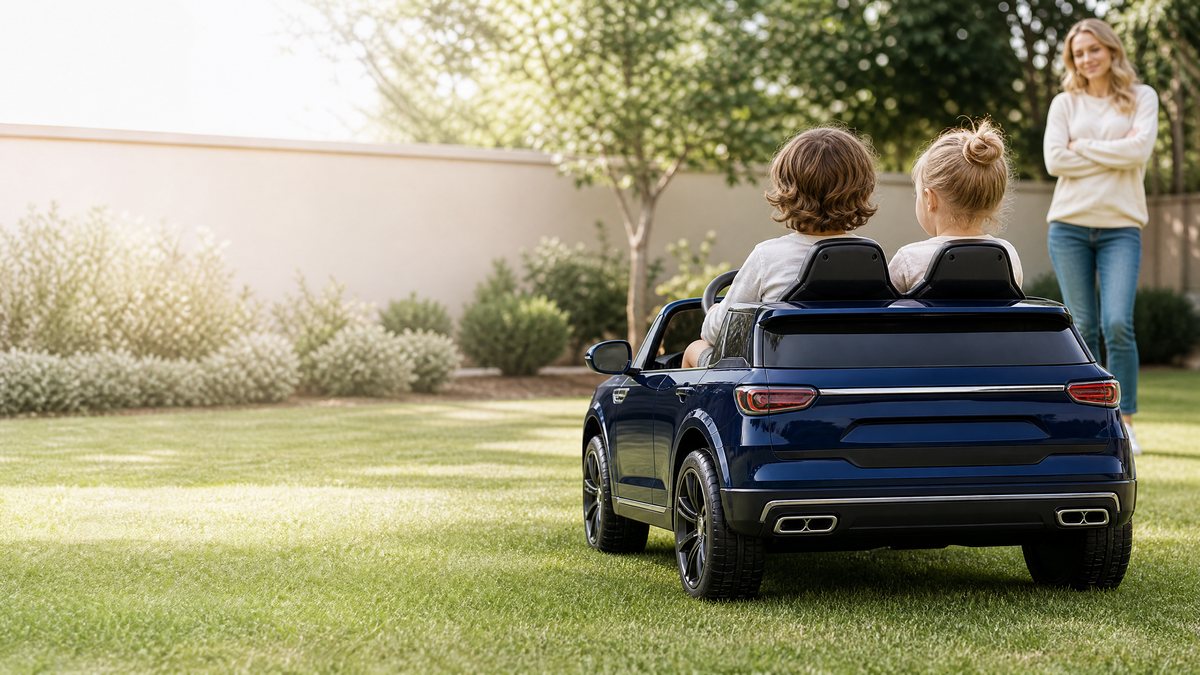
| Spacious Two-Seater Layout | 36 to 84 Months (Combined weight limits apply) | Extra-wide bench (~55-65 cm); dual seatbelts; shared or partitioned seating space. | Accommodates two younger children or one older child comfortably; highly versatile. | Top-tier flagship category; strong gift-market appeal; requires robust motor/battery specs. |
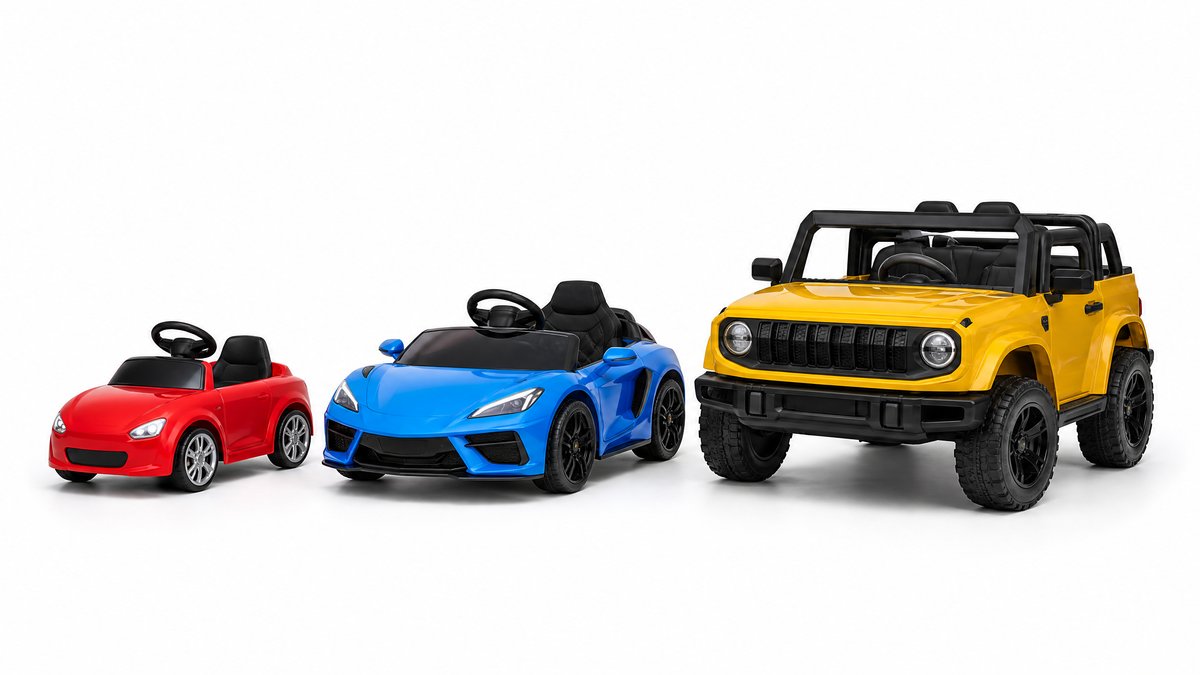
As illustrated in the comparative table above, seating design varies significantly across product tiers. The transition from a standard narrow bucket seat to an ergonomic wide single seat or a spacious two-seater layout represents a major value addition for retail customers. Wholesale buyers should carefully evaluate target demographic age ranges and dimensional specifications to ensure that the seating capacity aligns with market demand and consumer preferences.
Evaluating Ride-On Car Specifications: What B2B Buyers and Retailers Should Look For
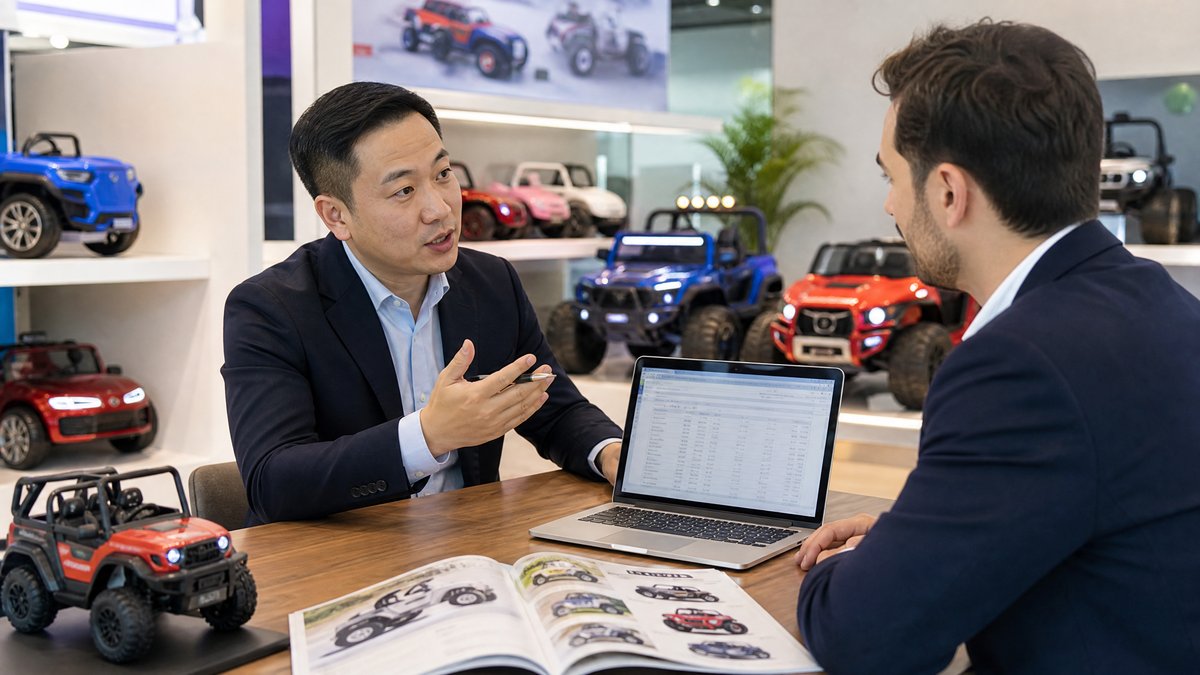
For commercial buyers navigating international toy markets, assessing vehicle specifications requires a methodical approach that looks beyond marketing terminology. When reviewing manufacturer catalogs or technical datasheets for ride-on cars featuring wide seats, procurement teams should examine several key structural and functional parameters:
1. Cabin Width and Internal Clearance: Verify the internal width measurements between the interior door panels or armrests. A nominal seat width specification must be supported by adequate cabin clearance to ensure the wide seat is genuinely usable and not constrained by bulky dashboard housings or gear shifter assemblies.
2. Material Composition and Surface Finish: Wide seats are constructed from various materials, ranging from hard injection-molded polypropylene to padded faux-leather (leatherette) upholstery over high-density foam. Retailers should stock a balanced mix; padded leatherette seats offer superior tactile comfort and premium aesthetic appeal, whereas durable textured polymer seats provide weather resistance and easy maintenance for outdoor environments.
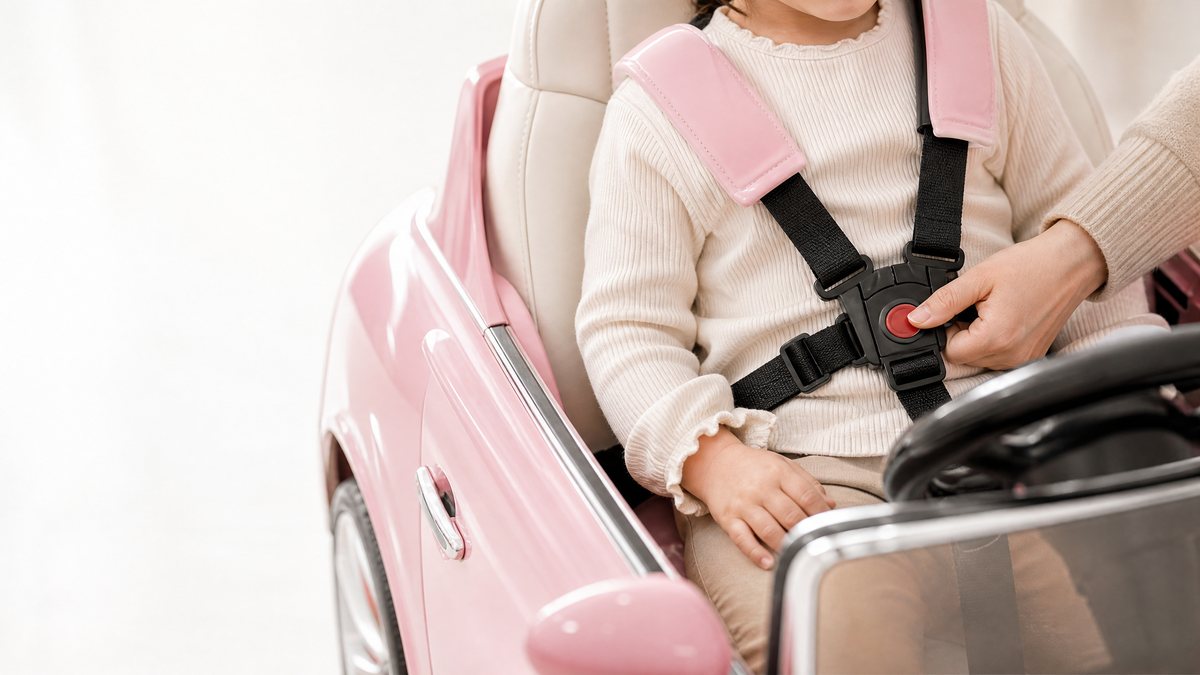
3. Integrated Restraint Systems: Regardless of seat width, safety compliance remains paramount. Wide seats must be paired with appropriately anchored restraint systems—such as adjustable lap belts or multi-point harnesses—that secure the occupant without restricting natural upper body movement. Retailers must verify that all restraint anchors comply with applicable toy safety standards for the destination market.
4. Chassis Weight Capacity and Structural Integrity: An expanded seat width often invites larger children or, in two-seater configurations, multiple passengers. Procurement specialists must cross-reference maximum weight capacity ratings with the vehicle's structural frame materials, suspension setup, and drive motor specifications to ensure safe, reliable operation under full load conditions.
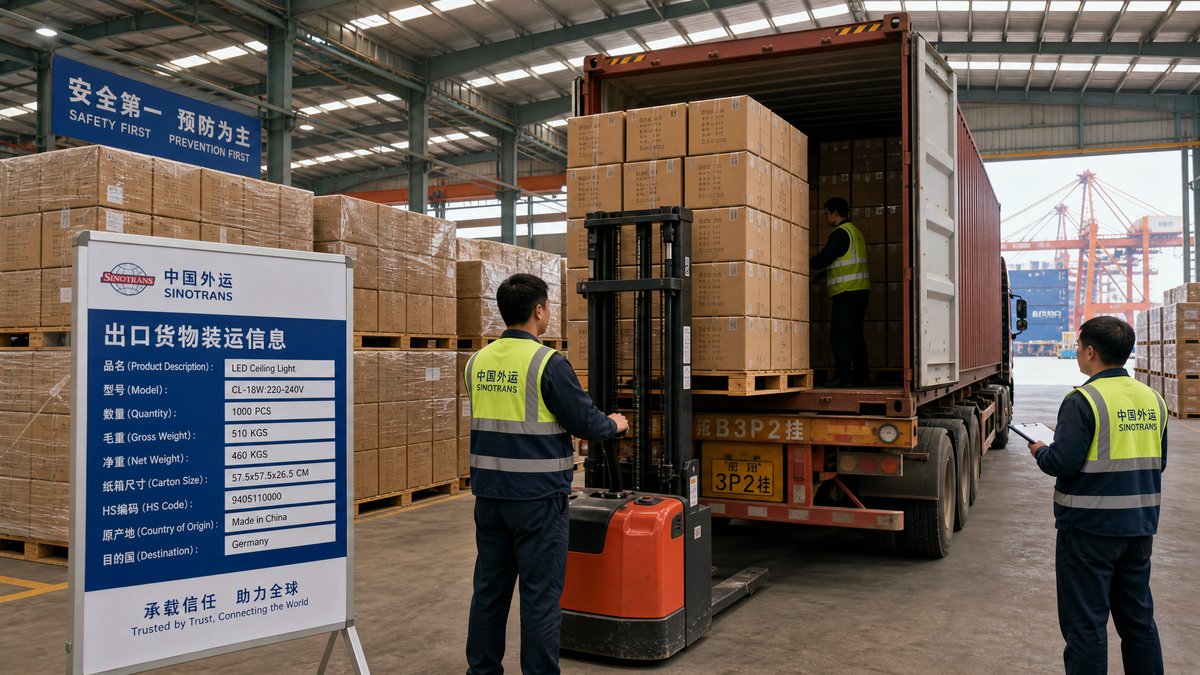
5. Packaging and Container Optimization: From a logistics perspective, wider vehicle bodies and expansive seat moldings can impact shipping cube utilization. B2B importers must analyze carton dimensions and container loading factors to ensure that wide-seat models remain economically viable in terms of freight costs and warehouse storage efficiency.
Request a wholesale quote
Safety, Supervision, and Manufacturer Documentation Guidelines
When promoting or distributing ride-on electric vehicles equipped with ergonomic enhancements like wide seats, commercial partners must maintain strict adherence to safety guidelines and transparent operational protocols. It is essential to communicate to retail customers and end-users that comfort features do not supersede fundamental safety rules or eliminate the necessity for responsible adult supervision.
All ride-on vehicles must be operated under direct adult supervision in safe, controlled environments away from public roadways, steep inclines, swimming pools, and heavy traffic areas. Parents and caregivers must thoroughly review the manufacturer's user manual before assembly, initial charging, and first use. The manual provides crucial instructions regarding maximum weight limits, recommended age grading, operating procedures, and routine maintenance checks.
Furthermore, commercial entities and retailers must avoid making unverified performance claims or offering unauthorized modification advice. Users must never attempt to modify internal electrical circuits, alter motor controllers, bypass built-in safety fuses, or service battery terminals without professional authorization. In the event of any operational abnormality—such as unusual odors, smoke, excessive heat, fluid leakage, water ingress, damaged charging cables, erratic braking, or persistent electrical failure—users must immediately cease operation, disconnect the power source, keep children away, and contact the manufacturer or a qualified service technician for evaluation.
Frequently Asked Questions
1. Does a wide seat on a ride-on car increase the maximum weight capacity of the vehicle?
Not necessarily. While a wide seat or two-seater configuration provides more physical space, the maximum weight capacity is determined by the structural strength of the frame, axle construction, suspension ratings, and motor output specifications. Buyers and users must always consult the official manufacturer nameplate and user manual for certified weight limits.
2. Are padded leatherette wide seats better than molded plastic seats?
Padded faux-leather (leatherette) seats offer enhanced tactile comfort, premium aesthetics, and a softer cushioning feel during extended play sessions. However, molded plastic seats offer superior weather resistance, UV stability, and ease of cleaning for outdoor use. The choice depends on target retail positioning and intended operating environments.
3. Can a wide seat accommodate two toddlers simultaneously?
A wide seat only accommodates two children if the vehicle is specifically designed, rated, and equipped as a two-seater model featuring dual restraint harnesses and a reinforced dual-motor drivetrain. Single-seat vehicles with wide seating are designed to provide extra lateral comfort for one child only; placing multiple children on a single-seat model exceeds design limits and compromises safety.
4. How can B2B buyers verify seating dimensions when reviewing wholesale catalogs?
Wholesale buyers should request detailed technical specification sheets from manufacturers that explicitly list interior cabin width, seat pan dimensions, backrest height, and distance to the foot accelerator pedal. Reviewing physical sample units prior to bulk procurement is strongly recommended to assess ergonomic quality and build standards firsthand.
5. Why is seat width particularly important for multi-age sibling households?
In households with siblings of varying ages, a ride-on car with a spacious wide seat offers greater versatility, accommodating a slightly older or taller child comfortably without cramped legroom or restricted hip movement. For retailers, stocking models with flexible seating ergonomics appeals directly to family buyers seeking long-term product value.
Conclusion
The inclusion of a wide seat on a ride-on electric vehicle is a vital design characteristic that directly influences user comfort, ergonomic support, posture, and product longevity. By accommodating growing children and providing superior weight distribution during active play, wide-seat models deliver exceptional value that resonates strongly with discerning retail consumers. For B2B distributors, toy store owners, and ecommerce merchants, incorporating well-designed, ergonomically optimized ride-on cars into product portfolios enhances market competitiveness and drives customer satisfaction.
Sourcing quality inventory requires a balanced evaluation of interior cabin dimensions, material finishes, structural weight capacities, and adherence to safety documentation. By prioritizing transparent product information, clear safety guidance, and robust manufacturer specifications, commercial partners can build trust and deliver enduring enjoyment to young drivers and their families.
Request a wholesale quote
Official References
1. U.S. Consumer Product Safety Commission (CPSC): General Toy Safety Education and Safety Guidelines for Ride-On Toys. (Note: Official CPSC educational materials provide general safety principles and do not replace model-specific user manuals, safety warnings, or official product certifications provided by the manufacturer).
2. International Safety Standards for Children's Toys (ISO / EN 71 compliance frameworks for mechanical and physical properties of ride-on playthings).
3. Manufacturer Technical Sourcing Guidelines and User Manual Documentation Standards for Electric Ride-On Vehicles.
Official references
Explore these external resources for current regulatory and trade guidance. Confirm requirements with the relevant authority before placing an order.
Ready to Start?
Factory-Direct · CE & ASTM Certified · MOQ from 50 Units
Our export team works with buyers in 60+ countries. Get a quote within 24 hours.
KR
Written by KidsRideCar
China's leading kids electric ride-on car manufacturer. 500,000+ units shipped annually to 60+ countries. CE, ASTM & EN71 certified.