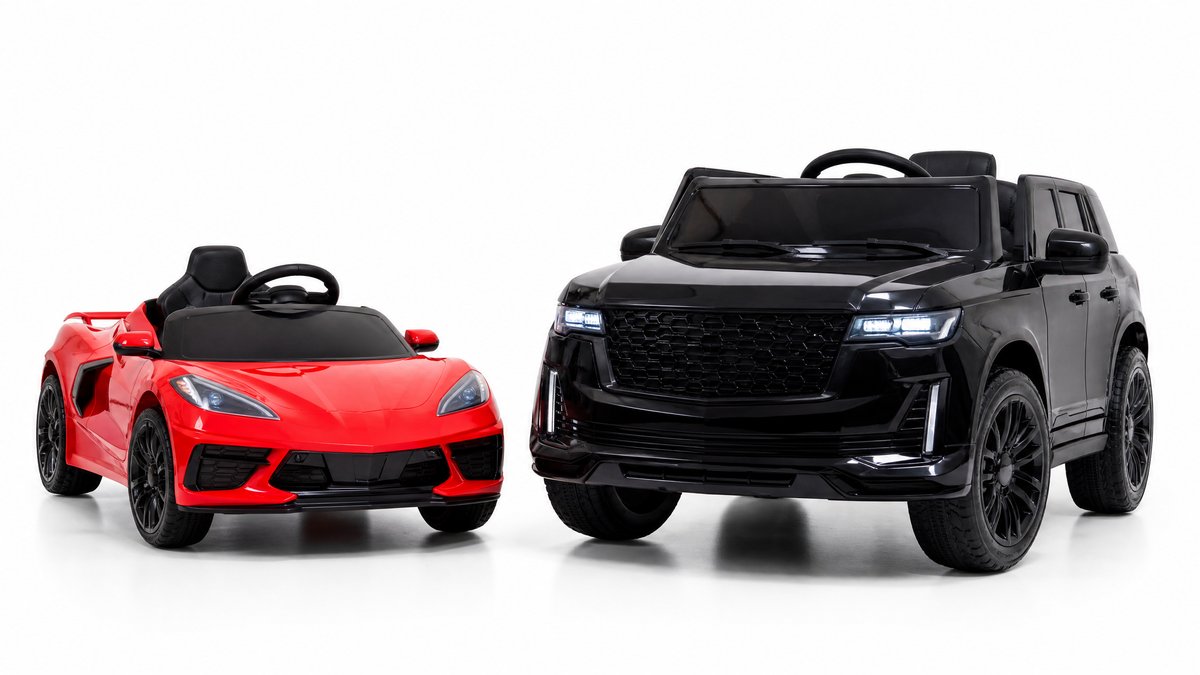
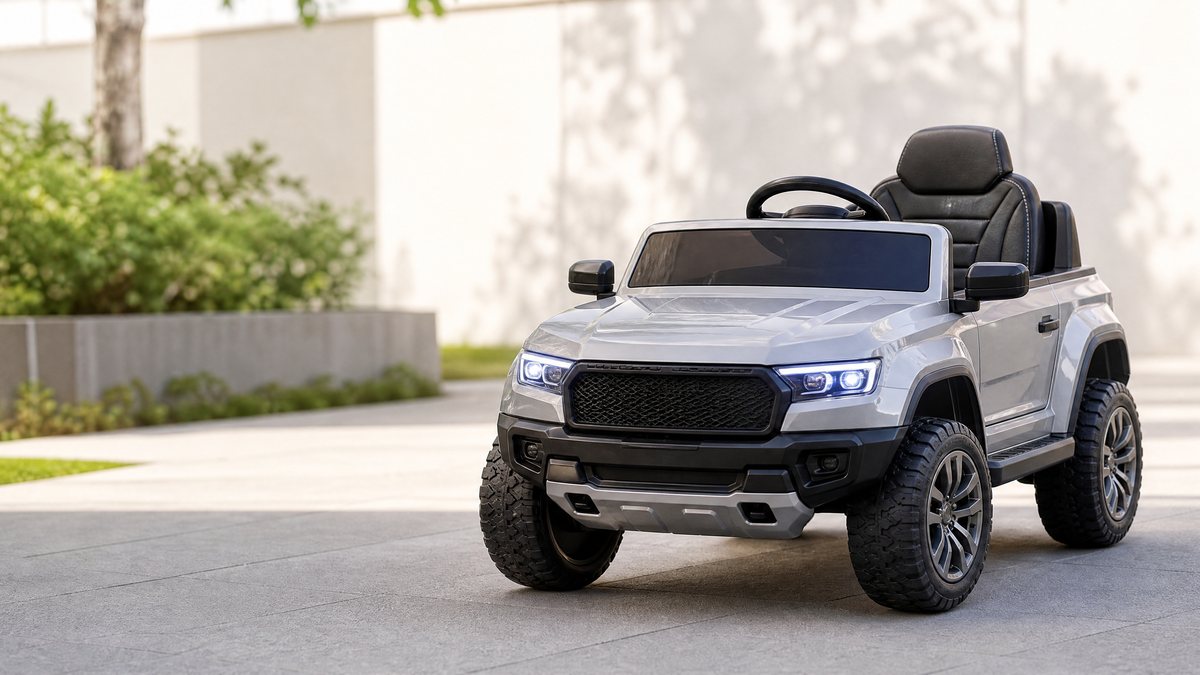
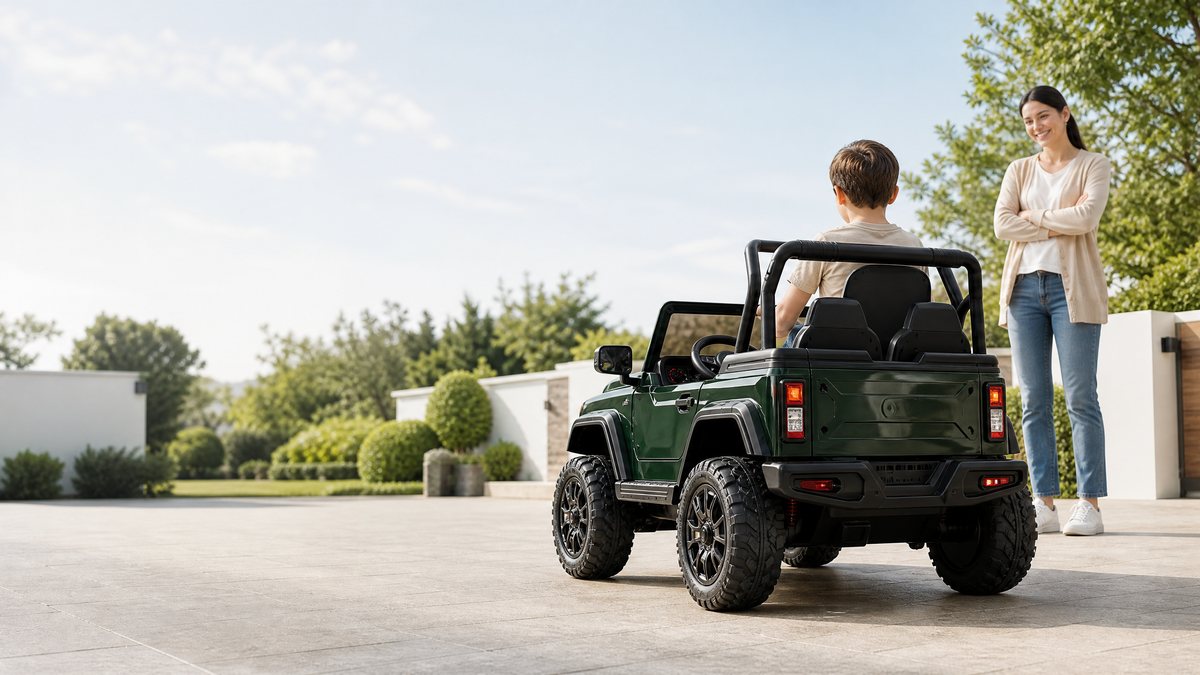
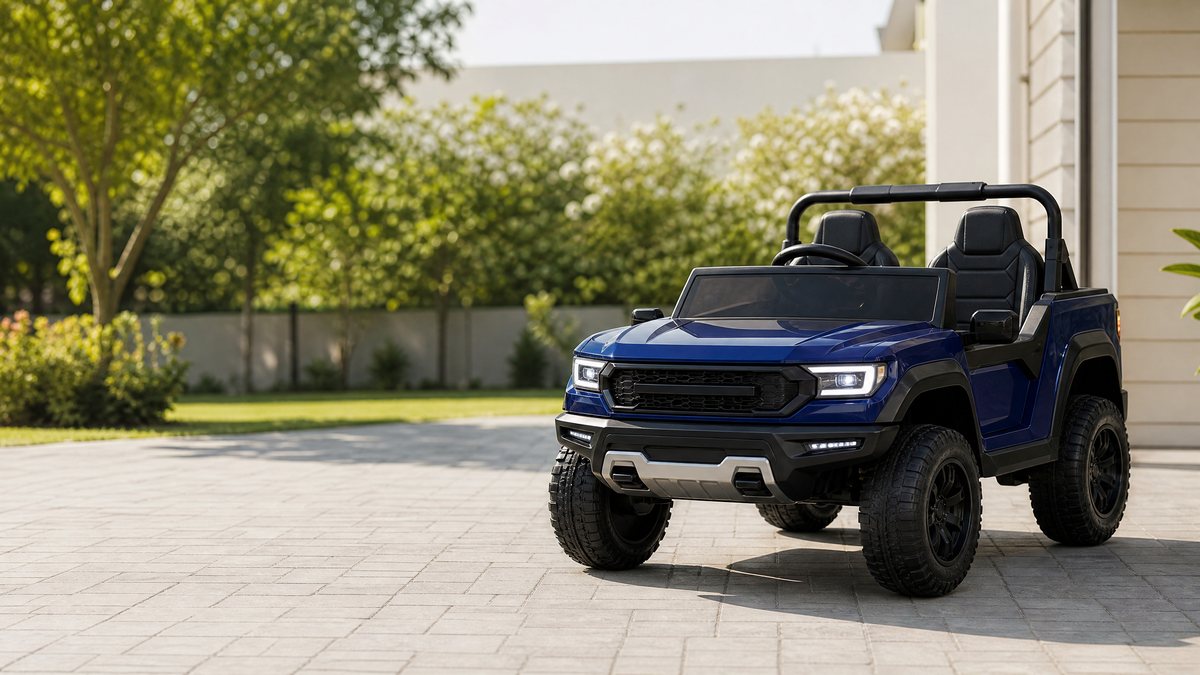
When parents and commercial buyers evaluate children's electric ride-on cars, attention is frequently drawn to battery capacity, motor wattage, and aesthetic details such as LED lighting and realistic body styling. However, one of the most critical functional components determining a child's enjoyment, confidence, and safety is the steering wheel assembly. The tactile feedback, turning resistance, steering ratio, and ergonomic sizing of the steering wheel directly influence whether a young child can operate the vehicle smoothly or experiences frustration and fatigue.
It is essential to recognize from the outset that steering performance and perceived ease of use are not universal metrics. Results vary significantly depending on the specific vehicle model, correct mechanical assembly, terrain conditions, and the age, physical strength, and developmental stage of the child. This evaluation framework provides a comprehensive purchasing and analysis guide for retailers, distributors, and parents seeking to understand how ride-on car steering systems function and how to select models that match developmental readiness.
1. Core Engineering Types of Ride-On Steering Systems
Electric ride-on cars utilize several distinct engineering approaches to connect the driver's steering wheel input to the front wheel assembly. Understanding these mechanisms helps buyers differentiate between entry-level recreational toys and advanced premium models.
Direct Mechanical Linkage
In traditional mechanical steering configurations, the steering column connects directly via gears, universal joints, or tie rods to the front axle.
* Mechanism: Physical rotation of the steering wheel directly turns the front wheels.
* Characteristics: Offers direct tactile feedback, allowing the child to feel resistance when turning against friction or uneven terrain.
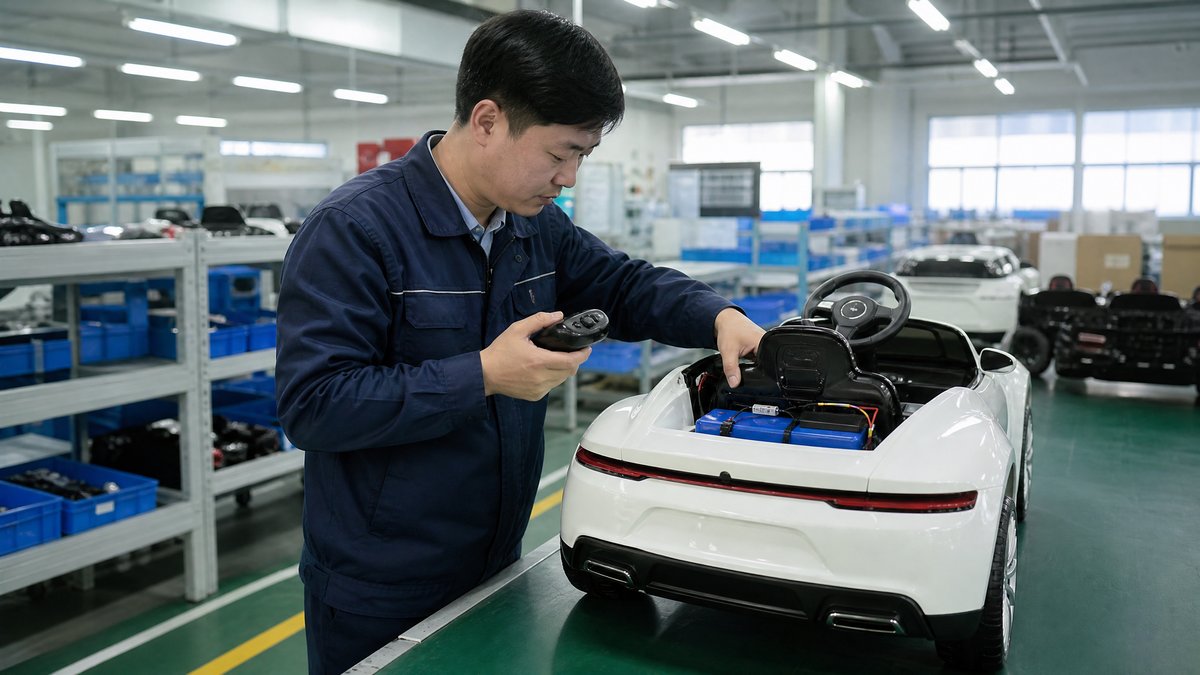
* Considerations: Requires proper alignment during assembly. If tie rods are over-tightened or misaligned during setup, steering resistance can increase noticeably, making it difficult for younger toddlers to turn the wheel smoothly.
Electronic Servo-Assisted and Motor-Driven Steering
Many modern electric ride-on cars incorporate electronic steering systems where turning the steering wheel activates a potentiometer or micro-switch that signals an independent steering motor to turn the front wheels.
* Mechanism: Electrical signals govern the turning angle rather than pure physical torque.
* Characteristics: Provides exceptionally light steering resistance, as the child only needs to move a lightweight switch or rotary sensor rather than overcoming front-wheel friction.
* Considerations: Highly suitable for younger toddlers (ages 1 to 3) who lack upper body strength. However, it requires robust circuit integrity and careful handling to prevent sensor wear over extended usage cycles.
Parental Remote Priority Override Systems
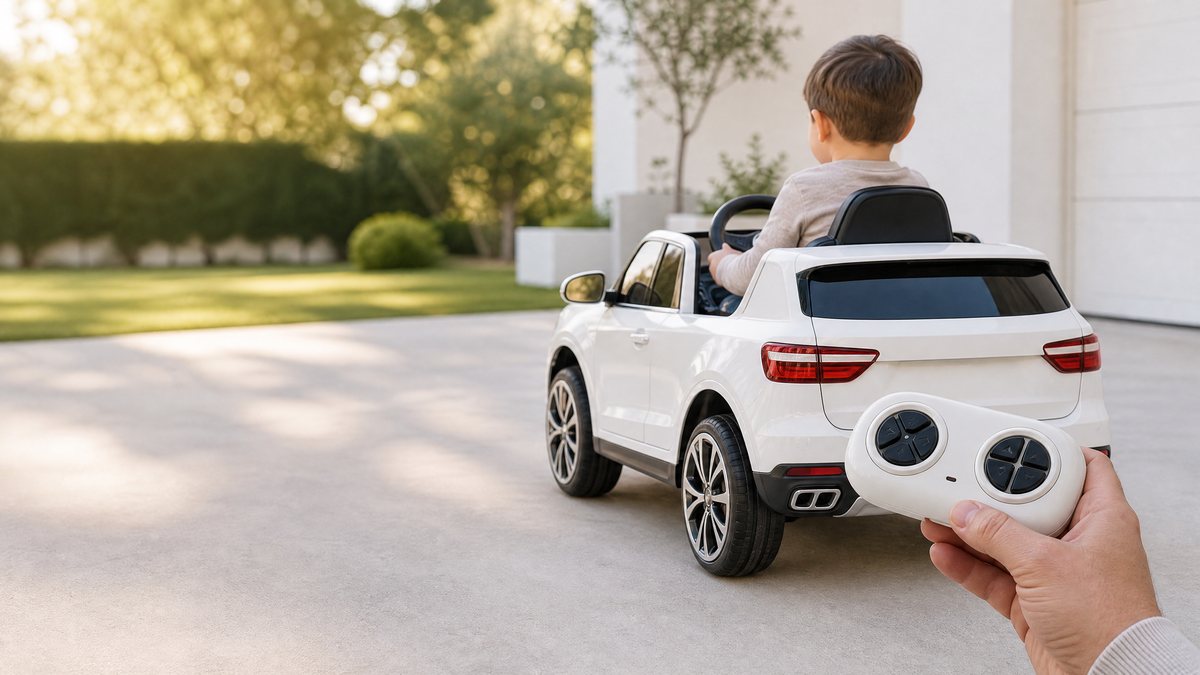
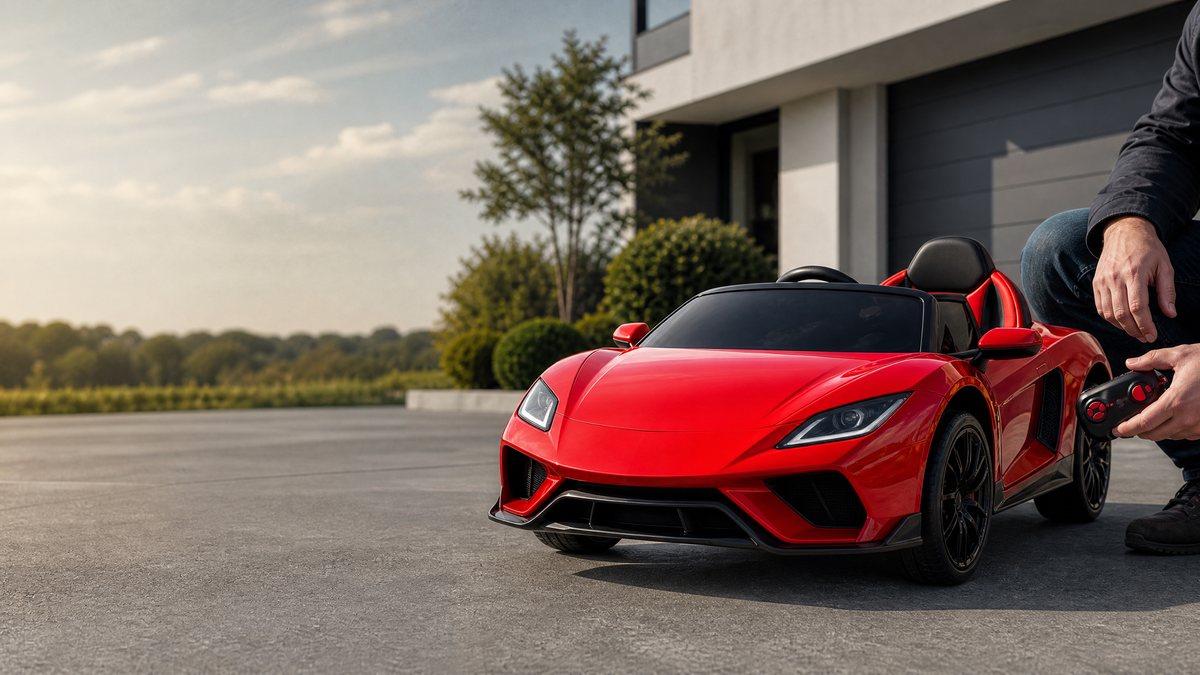
Virtually all modern ride-on cars feature 2.4G Bluetooth parental remote controls that override manual steering inputs when necessary.
* Mechanism: The remote transmitter allows supervising adults to steer the vehicle remotely, overriding the child's input on the steering wheel.
* Characteristics: Enhances safety during initial learning phases or in crowded environments.
* Considerations: Buyers and parents should verify whether the steering wheel disengages mechanically when remote control mode is active or if it turns continuously. Ensuring smooth gear transition prevents finger pinching or mechanical strain.
2. Child Ergonomics and Anthropometry: Matching Wheel Size to Driver
Ergonomic design dictates whether a steering wheel is intuitive for a child to grasp and manipulate. Poorly proportioned steering wheels lead to awkward posture, early fatigue, and diminished directional control.
Grip Diameter and Circumference
Young children possess smaller hands with limited grip strength compared to adults.
* Optimal Sizing: Steering wheel diameters generally range from 18 cm to 25 cm across standard models, with grip circumferences tailored for small hands.
* Material and Texture: Textured rubber grips or molded thermoplastic with anti-slip ridges ensure secure handling, particularly when children's palms become warm during active play.
Wheel Angle and Cockpit Geometry
The mounting angle of the steering column impacts posture.
* Vertical vs. Slanted Mounting: Sportier models often feature tilted steering columns mimicking racing cars, whereas utility trucks and tractors feature near-vertical wheels.
* Seating Distance: Adjustable seats or well-calculated legroom ensure that the child's elbows retain a slight bend when holding the steering wheel at full lock, preventing hyperextension and enabling maximum leverage.
3. Turning Radius, Resistance, and Environmental Factors
A steering wheel evaluation must account for how the vehicle behaves across different operational environments. Steering ease indoors on hardwood differs drastically from outdoor operation on gravel, turf, or slopes.
Turning Radius and Maneuverability
* Tight vs. Wide Turning Circles: A tighter turning radius allows for effortless indoor navigation in hallways and playrooms, but requires greater steering precision at higher outdoor speeds. Wide turning circles offer superior stability at higher speeds but reduce indoor agility.
* Steering Lock Limits: Built-in physical stops prevent the steering wheel from rotating past safe operational angles, protecting internal wiring harnesses and tie rods from over-rotation damage.
Terrain Resistance and Surface Conditions
* Indoor Smooth Flooring: Friction is minimal, allowing effortless steering rotation. However, hard plastic tires on slick tile may experience momentary understeer.
* Outdoor Turf and Gravel: Surface resistance increases dramatically. The tires grip the ground, transferring reactive torque back through the steering column. Children must apply greater rotational force, which can tire younger operators more quickly.
> Crucial Safety Notice on Environmental Conditions: Operating ride-on cars on wet, icy, or snow-covered surfaces significantly reduces traction and impairs both steering response and braking efficacy. Supervising adults must strictly restrict operation to dry, level, and designated safe areas, adhering strictly to manufacturer operational guidelines.
4. Evaluation and Comparison Framework
To assist wholesale buyers, retail stock selectors, and discerning consumers in comparing ride-on car steering designs, the following evaluation matrix outlines key characteristics across different vehicle classifications.
| Steering System Classification | Typical Resistance Level | Target Age Range | Mechanical Complexity | Maintenance & Assembly Focus |
|---|---|---|---|---|
| Direct Mechanical Linkage | Moderate to High | Ages 3 – 6 Years | Low (Gear & Tie Rod) | Regular alignment checks, lubrication of pivot points |
| Servo-Assisted Electric | Very Low (Feather-light) | Ages 1 – 3 Years | Moderate (Motor & Sensor) | Circuit board protection, dry storage |
| Dual-Mode Hybrid Steering | Low to Moderate | Ages 2 – 5 Years | Moderate to High | Calibration of remote override and steering gear box |
| Fixed Utility Steering | Moderate | Ages 3 – 7 Years | Low (Heavy-duty linkage) | Heavy-duty axle inspection, fastener tightening |
5. Practical Retail and Parental Selection Checklist
When sourcing, stocking, or purchasing electric ride-on cars, buyers and supervising adults should utilize this systematic checklist to evaluate steering usability and overall safety compliance:
1. Age-Appropriate Resistance: Verify that the steering resistance matches the target demographic. Toddler models (ages 1–3) require light resistance or electronic assist, while older children benefit from realistic mechanical feedback.
2. Assembly and Fastener Integrity: Inspect all steering column bolts, lock nuts, and tie-rod pins. Ensure all components are secured in strict accordance with manufacturer assembly manuals to prevent loosening during operation.
3. Pinch-Point Inspection: Check the clearance between the steering wheel rim and the dashboard cowl. Ensure there are no exposed gaps where small fingers could become pinched during sharp turns.
4. Mandatory Adult Supervision: Confirm that a responsible adult is present during all operating sessions, maintaining visual contact and readiness to intervene via the 2.4G remote override.
5. Battery and Charging Compliance: Never compromise on electrical safety. Use only manufacturer-approved chargers and replacement batteries. Inspect charging ports regularly for debris or moisture.
6. Seatbelt and Restraint Verification: Ensure the equipped safety harness or lap belt is fastened securely before every ride, ensuring the child remains properly positioned to maintain control of the steering wheel.
7. Winter and Adverse Weather Storage: Store ride-on vehicles in temperature-controlled, dry environments during winter months to protect electronic control units, steering sensors, and battery cells from cold degradation.
6. Frequently Asked Questions (FAQ)
Are electronic steering wheels better than mechanical ones for young children?
Electronic servo steering is generally easier for younger toddlers (ages 1 to 3) because it requires virtually no physical effort to turn the front wheels. However, older children often prefer mechanical linkage systems because they provide authentic tactile feedback and simulate real driving dynamics.
Why does the steering wheel feel stiff when my child turns on grass?
Grass and gravel introduce high rolling resistance and ground friction. When the front tires encounter resistance from turf, that force travels back through the steering column. This is a normal physical characteristic of ride-on vehicles and is not necessarily a mechanical defect.
Can I modify or lubricate the steering column myself?
Always consult the manufacturer's manual before performing any modifications or lubrication. Use only approved lubricants on specified pivot points, and never alter steering stop limits, as unauthorized modifications may compromise safety compliance.
What should I do if the steering wheel becomes misaligned?
If the steering wheel is centered but the vehicle pulls to one side, check the front tie rods and wheel alignment nuts. Tighten or adjust them strictly following the manufacturer's troubleshooting guide, or contact customer support for professional guidance.
7. Conclusion and B2B Wholesale Partnership
Evaluating the steering wheel mechanism of a children's electric ride-on car goes far beyond aesthetic appeal. It requires a thorough understanding of mechanical linkages, servo assistance, ergonomic proportions, and environmental resistance. By carefully assessing these factors against the developmental needs of young drivers, retailers and parents can select models that deliver both exhilarating play experiences and uncompromising safety.
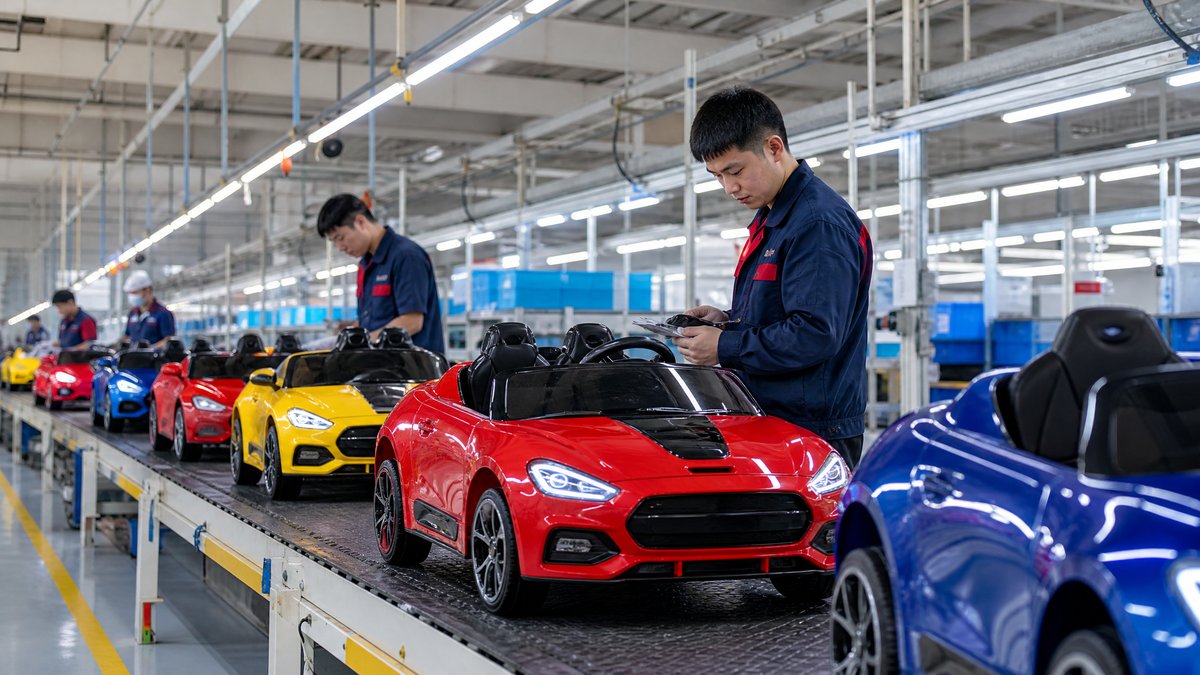
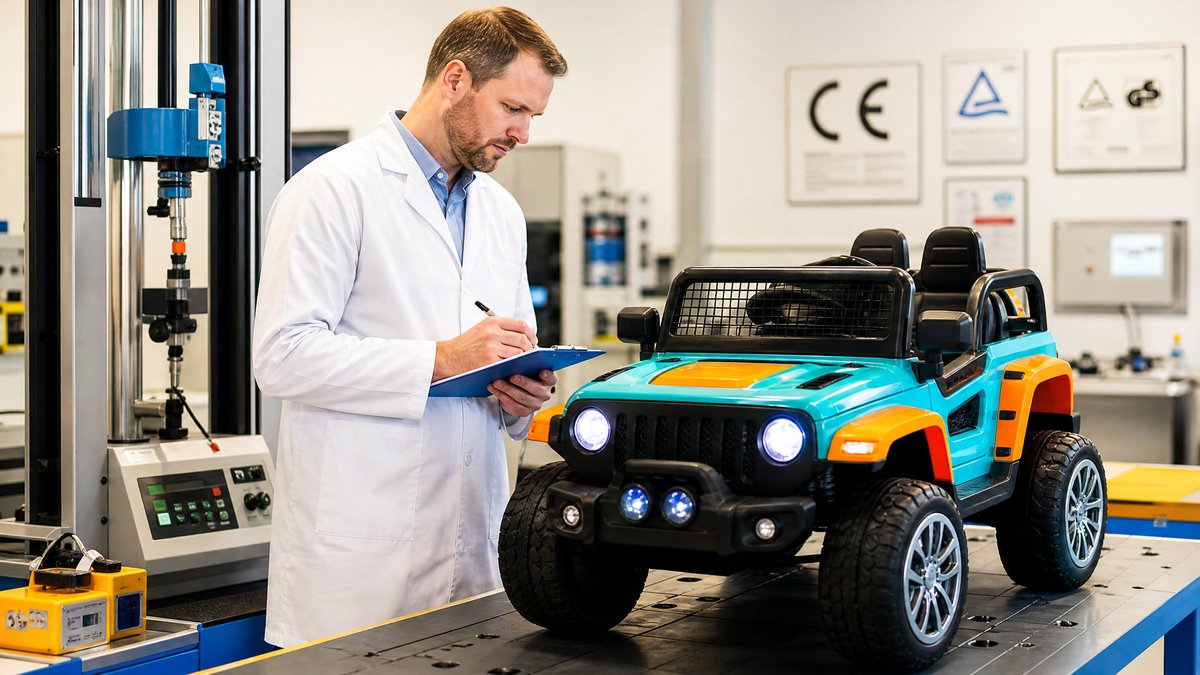
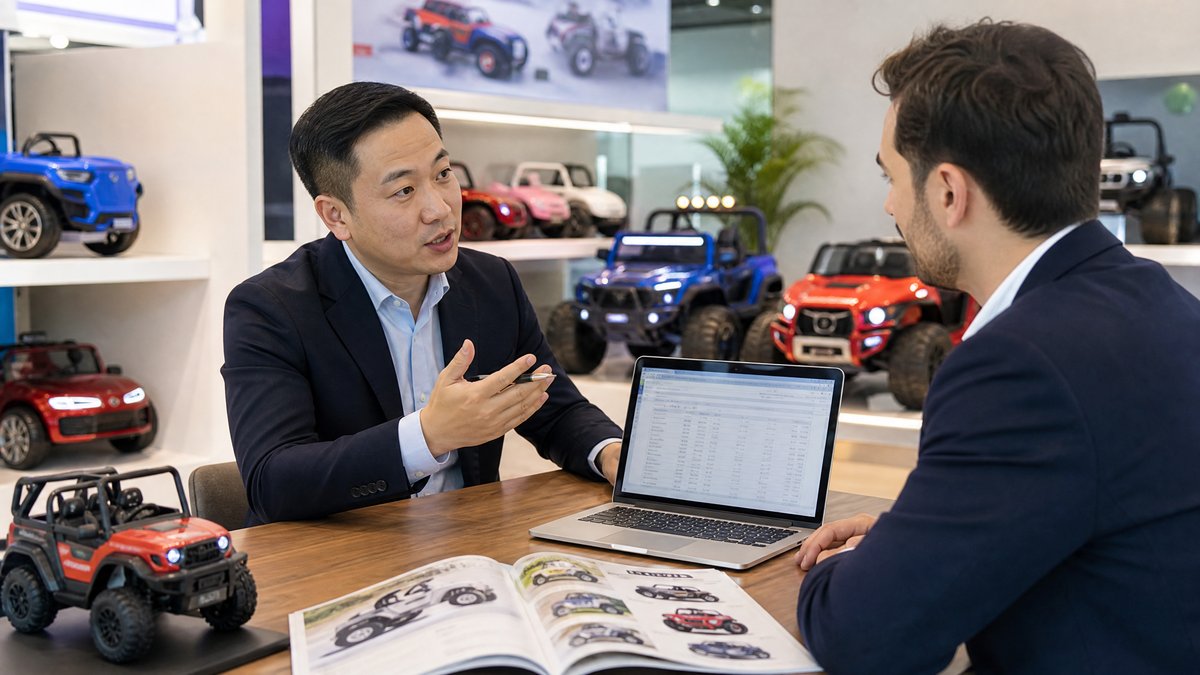
For toy distributors, retail chains, and commercial fleet buyers seeking high-quality, certified electric ride-on vehicles featuring precision-engineered steering systems, our manufacturing and wholesale division offers tailored B2B solutions. We provide comprehensive product catalogues, strict quality assurance documentation, custom branding options, and reliable supply chain logistics. Contact our partnership team today to discuss bulk purchasing opportunities and elevate your product offerings with industry-leading ride-on mobility solutions.
Official references
Explore these external resources for current regulatory and trade guidance. Confirm requirements with the relevant authority before placing an order.
Ready to Start?
Factory-Direct · CE & ASTM Certified · MOQ from 50 Units
Our export team works with buyers in 60+ countries. Get a quote within 24 hours.
KR
Written by KidsRideCar
China's leading kids electric ride-on car manufacturer. 500,000+ units shipped annually to 60+ countries. CE, ASTM & EN71 certified.