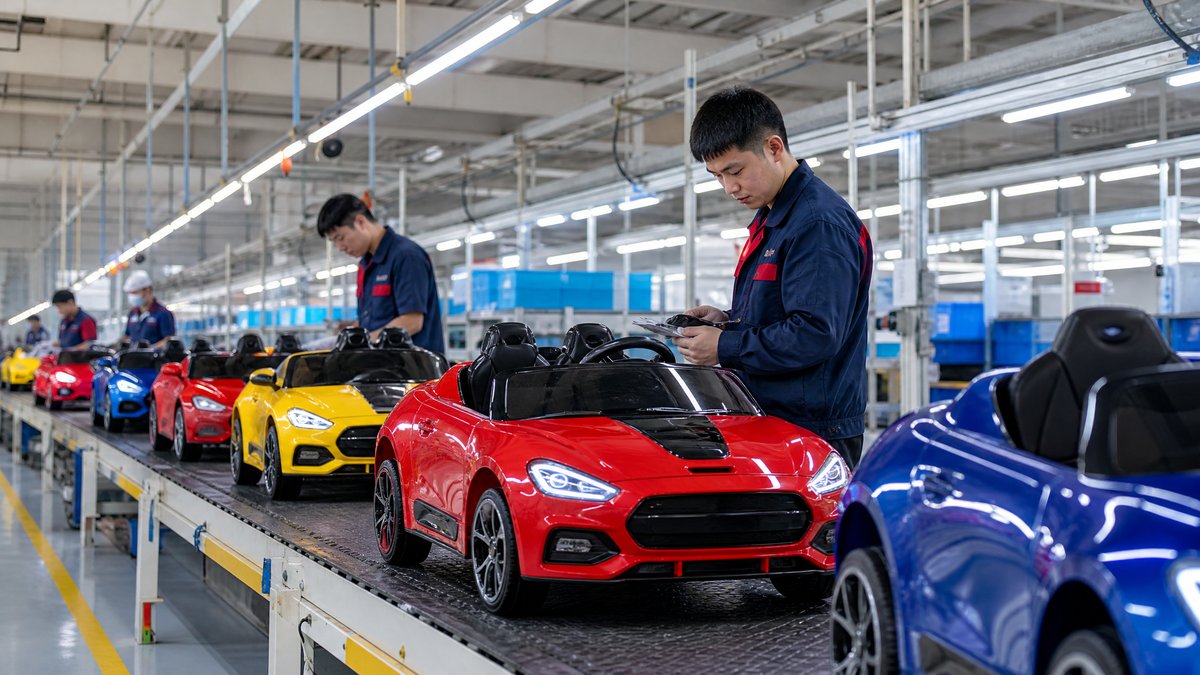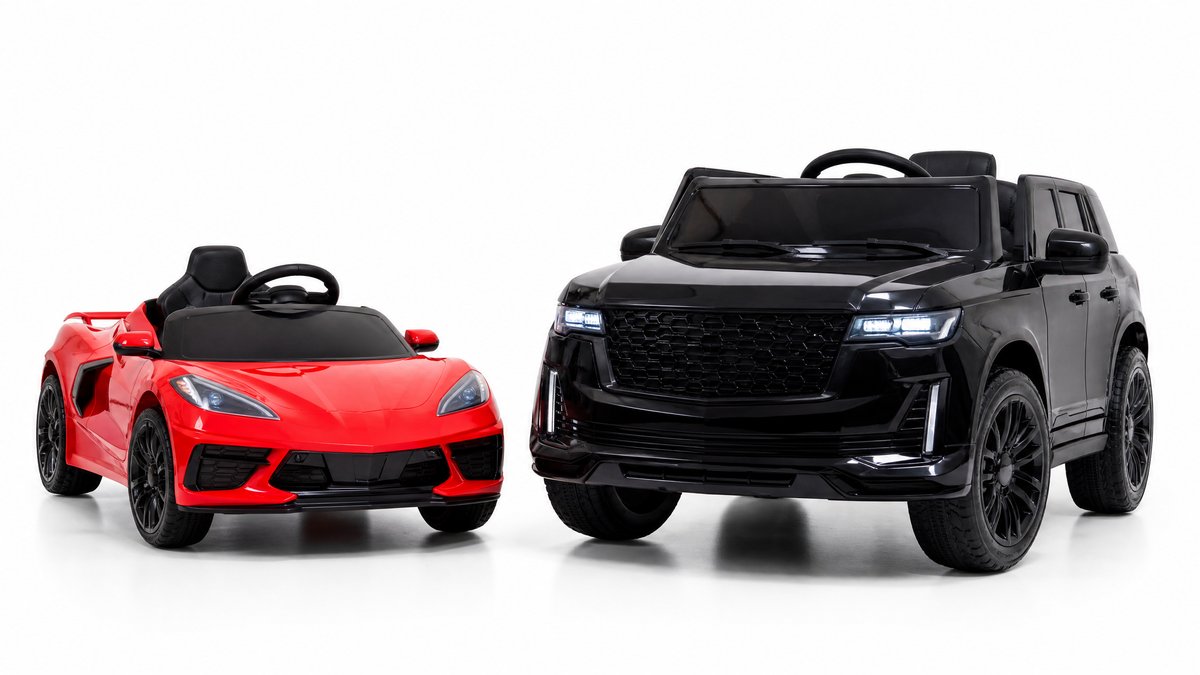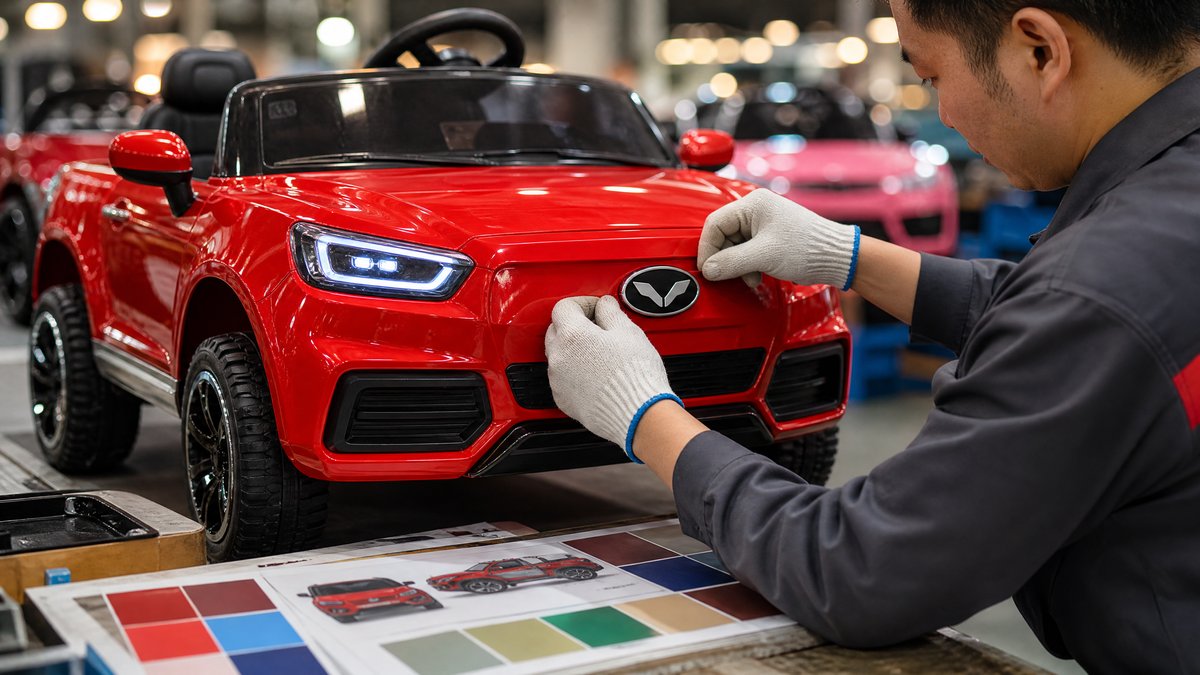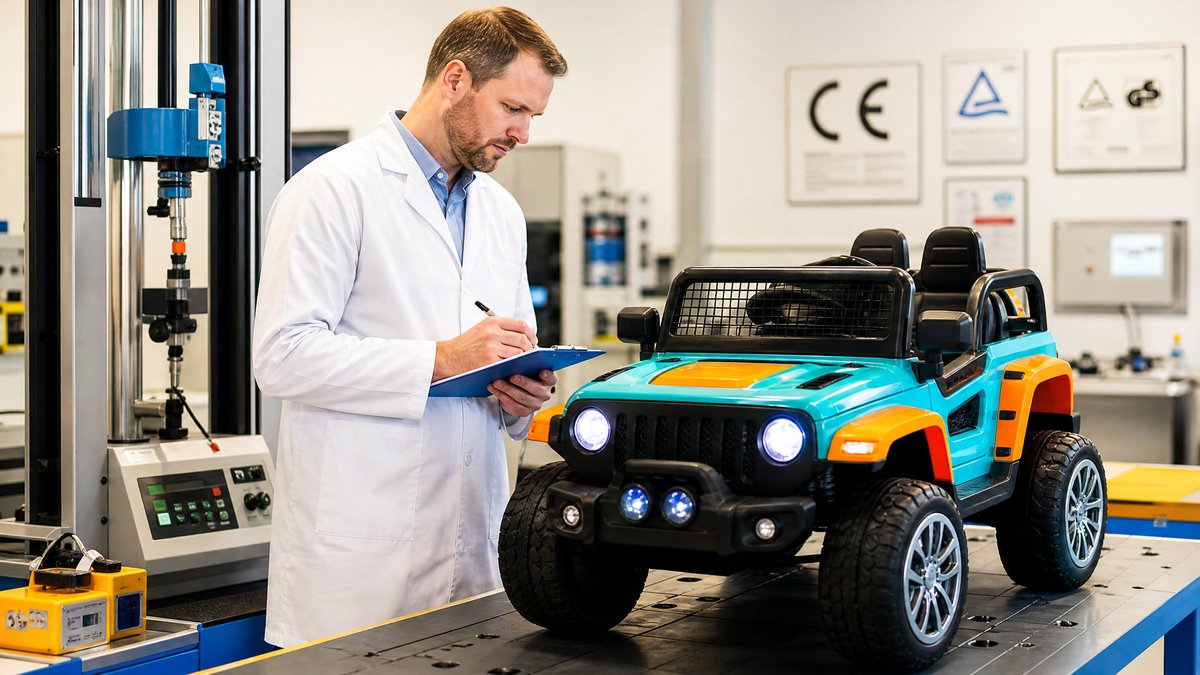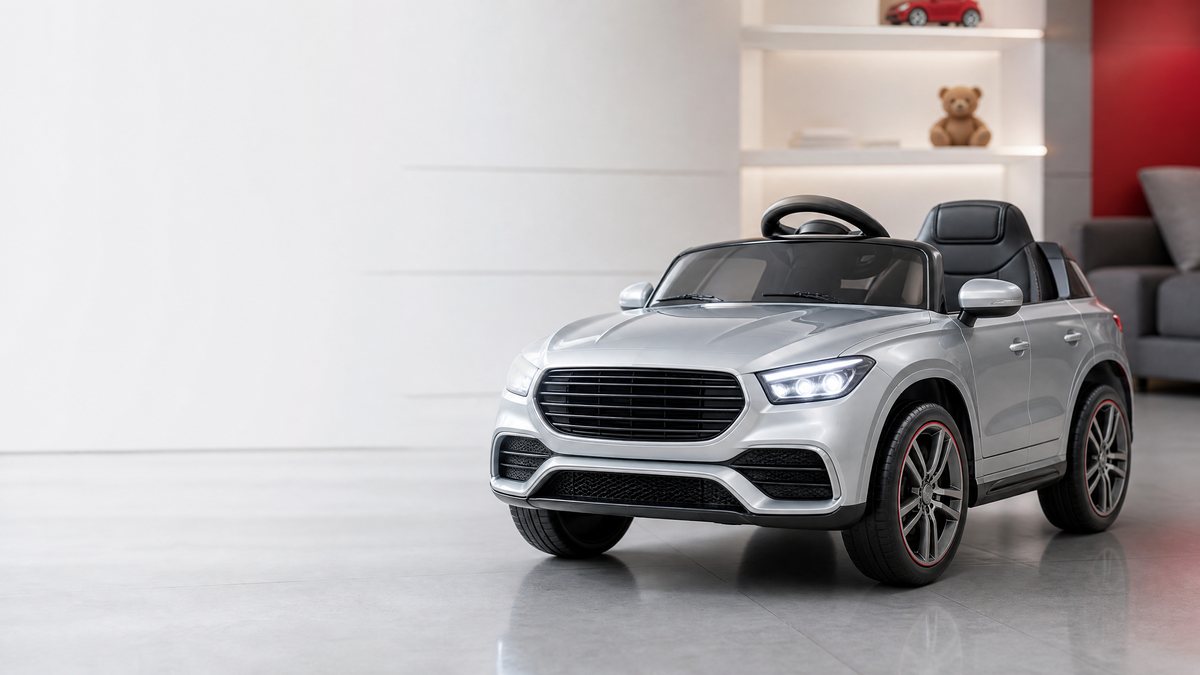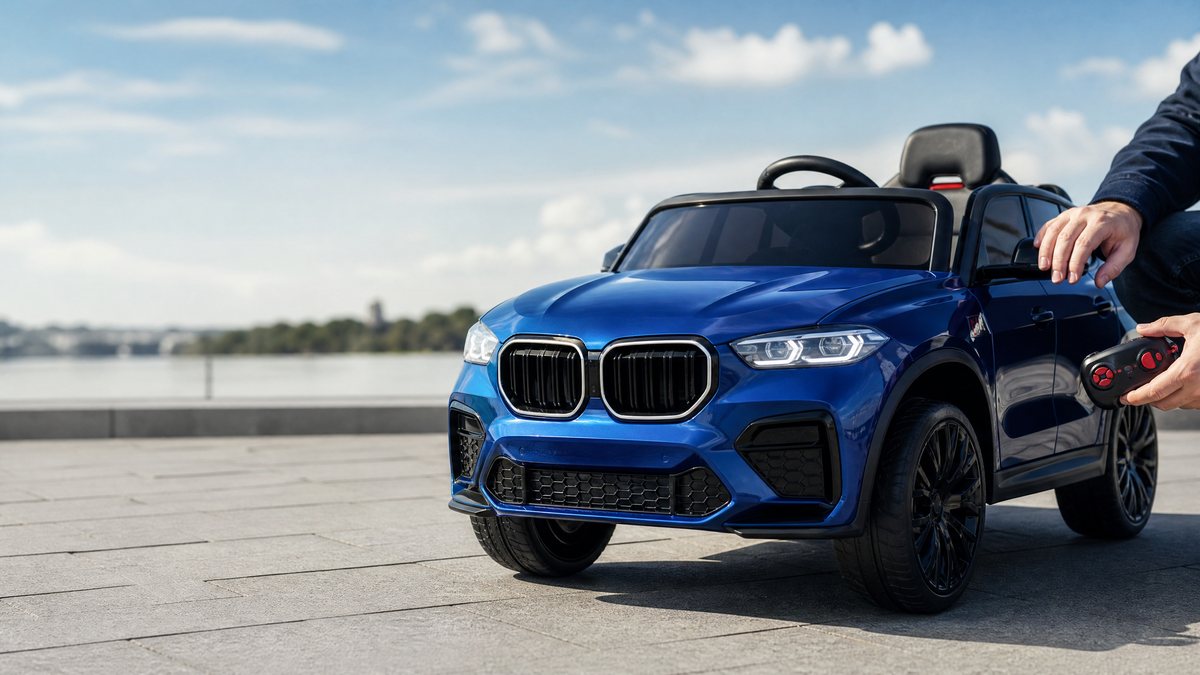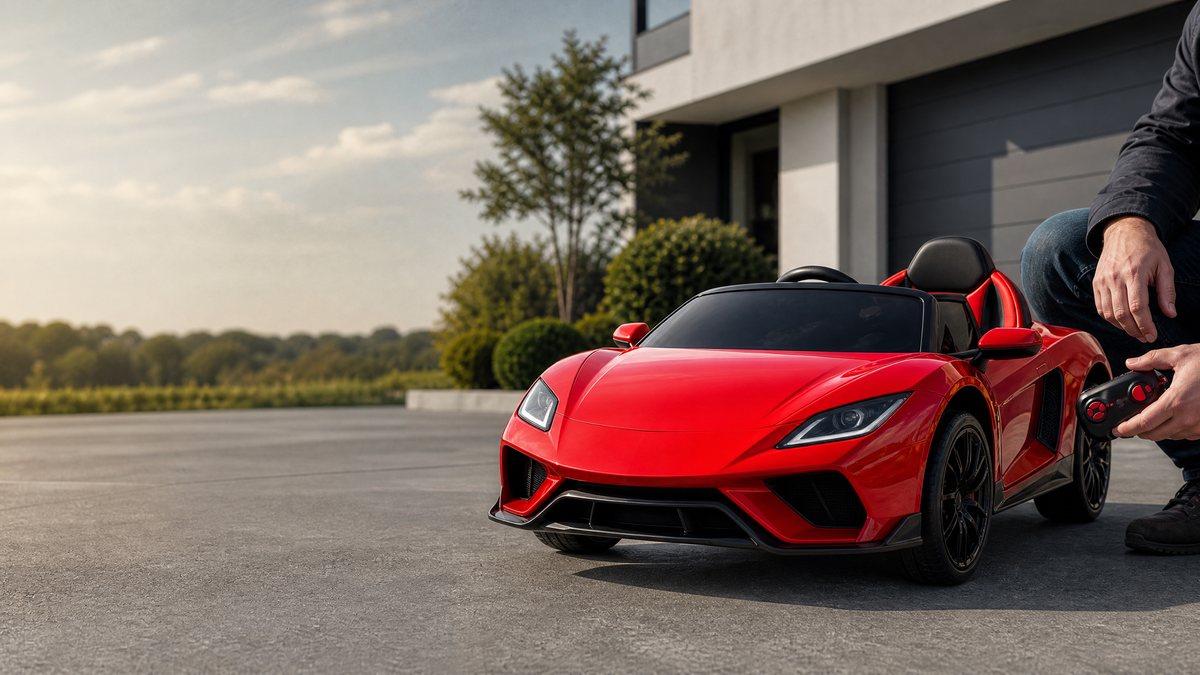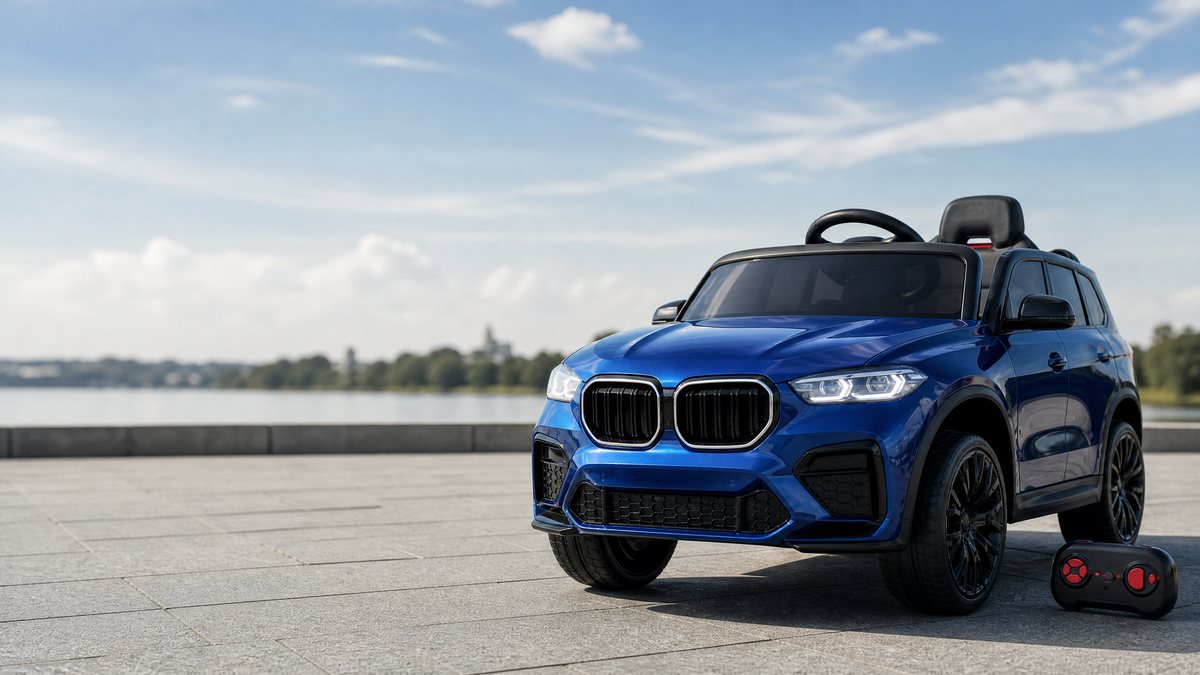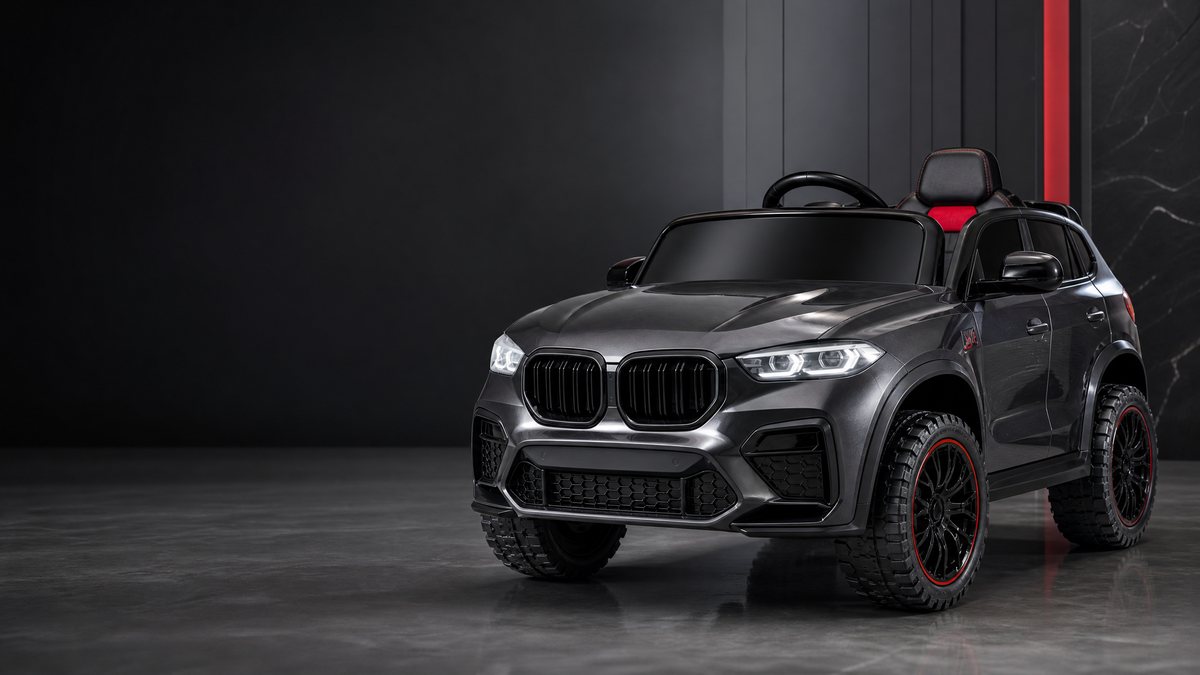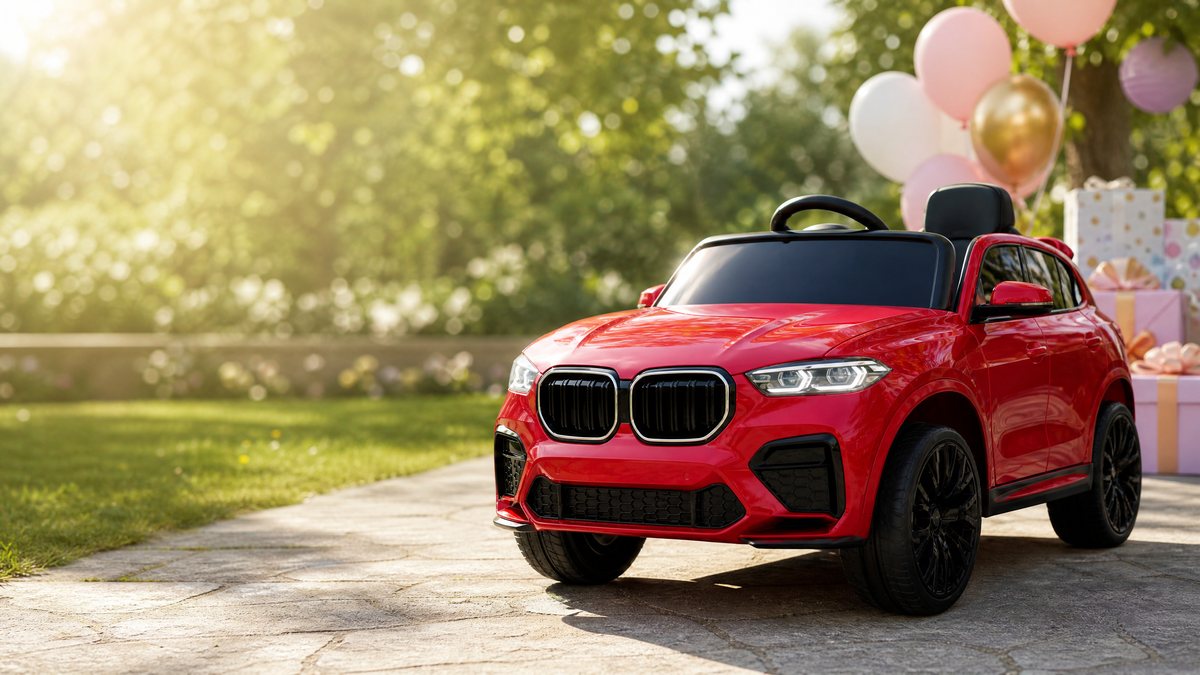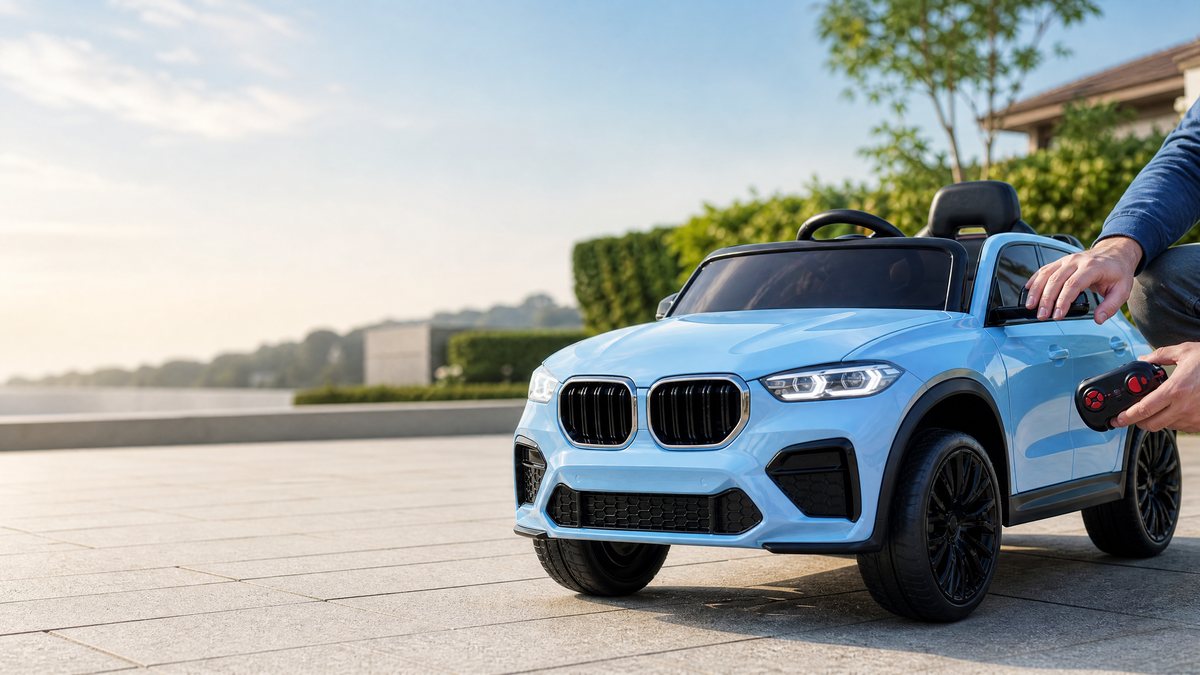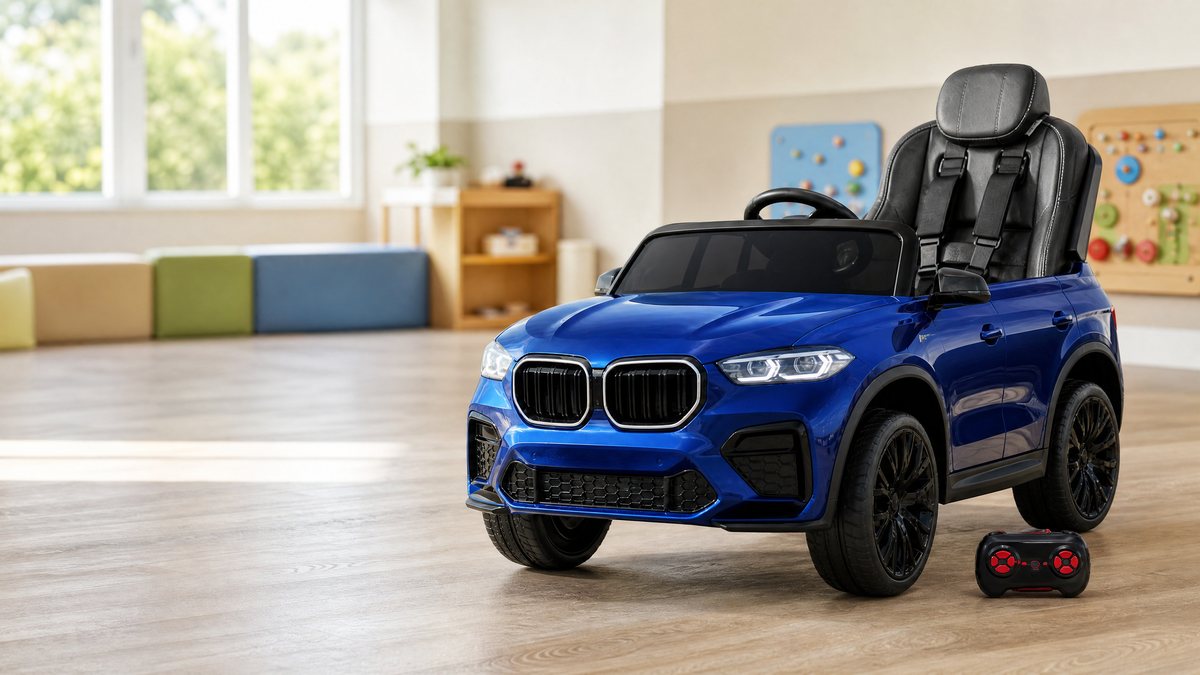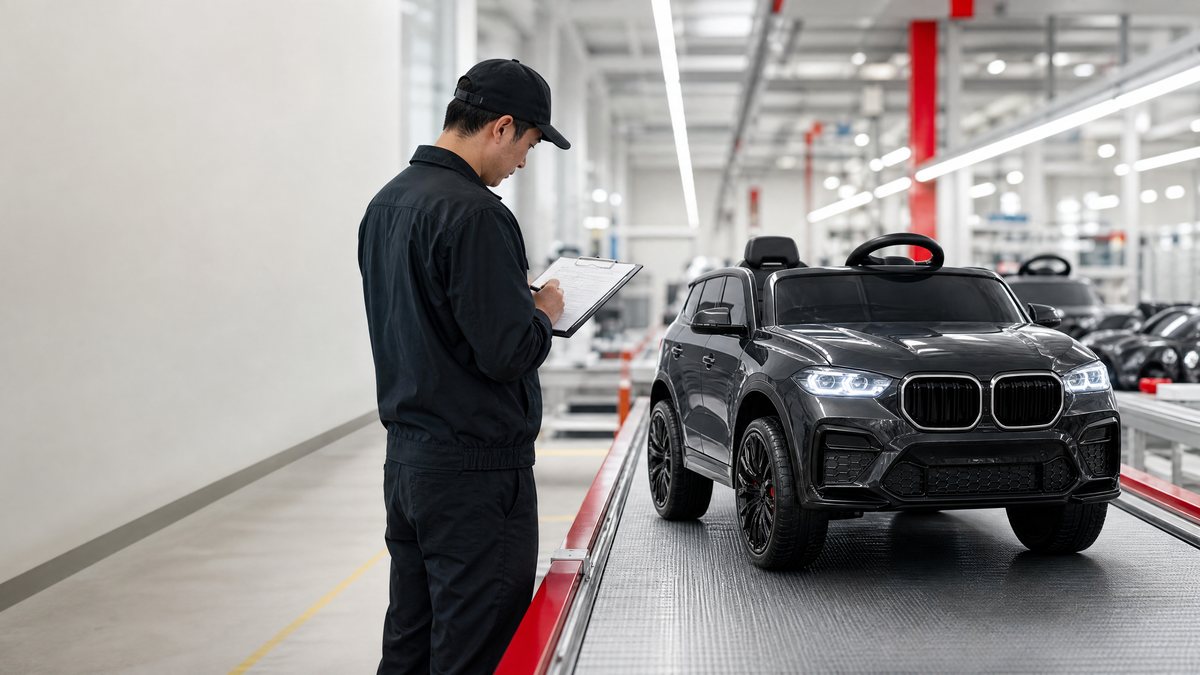
When selecting an electric ride-on car for young children, the inclusion of a parental remote control is often the decisive factor for parents and caregivers. Modern ride-on vehicles have evolved far beyond simple battery-powered toys; they are sophisticated miniature electric vehicles equipped with proportional speed control, emergency override functions, and digital frequency pairing. Determining the "best" ride-on car with parental control depends on a careful analysis of technological specifications, chassis design, child developmental stage, and adherence to established toy safety standards [1]. Rather than relying on unverified product testing or subjective star ratings, this editorial guide provides a transparent framework for evaluating these vehicles based on engineering standards, safety compliance, and functional versatility.
The Evolution of Parental Control Technology
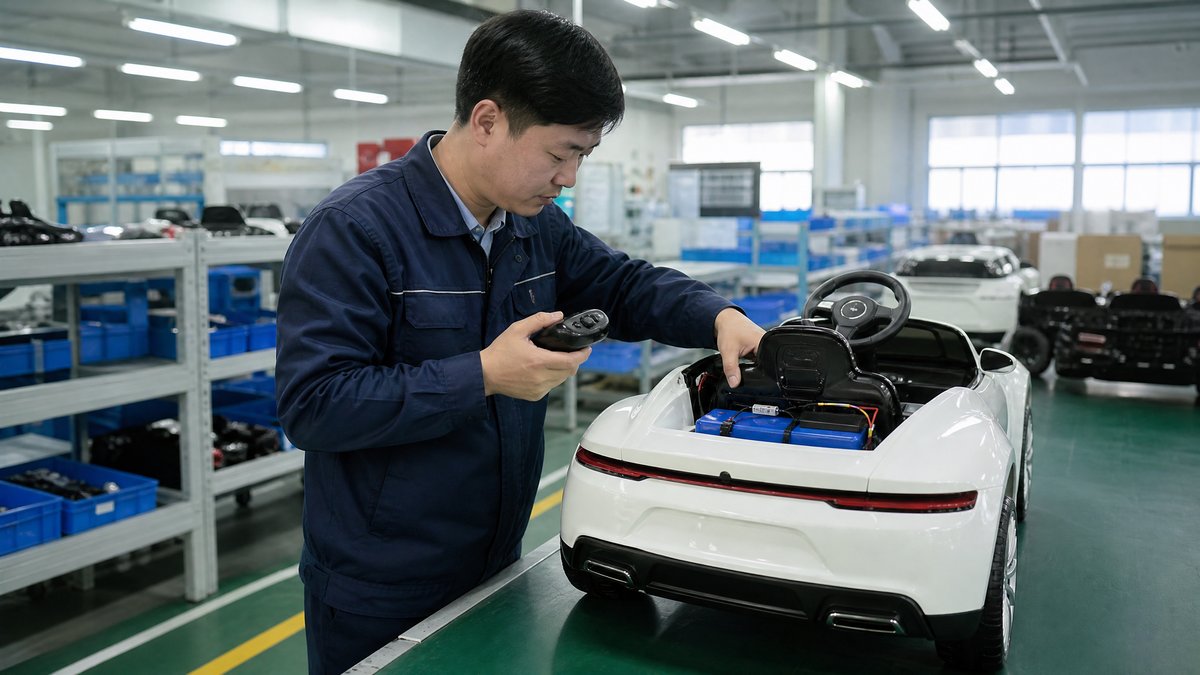
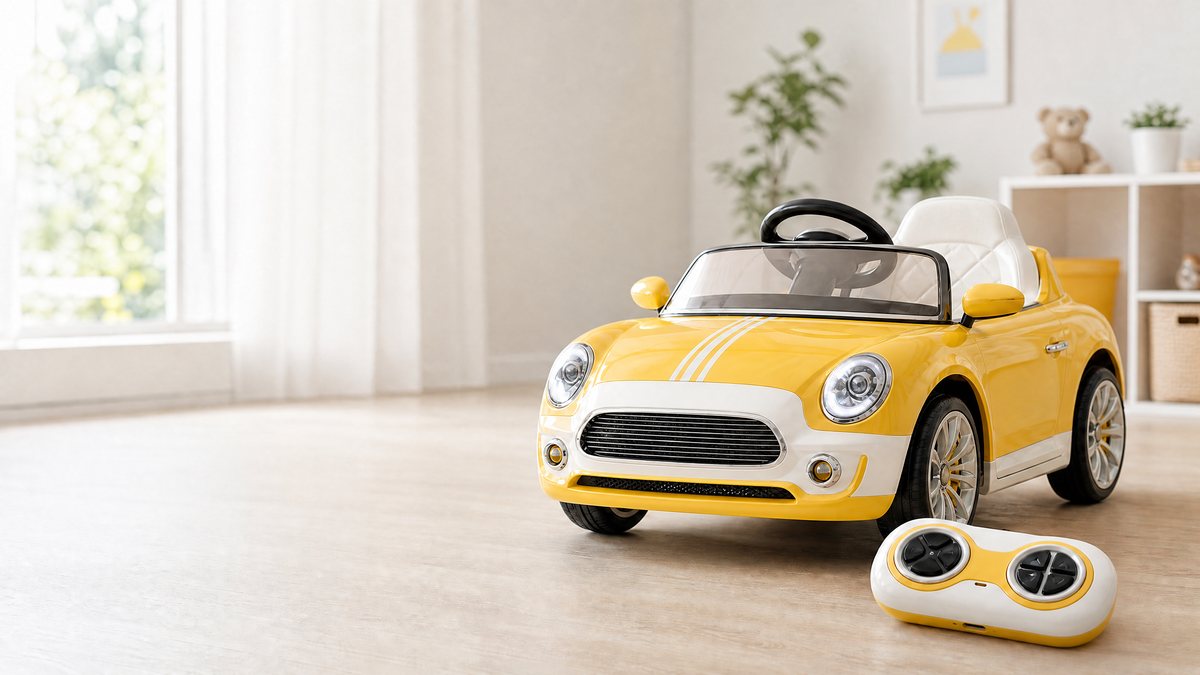
Early generations of remote-controlled ride-on toys relied on basic analog or infrared signaling, which suffered from short operating ranges, signal interference in outdoor sunlight, and cross-signal conflicts when multiple children played nearby. Contemporary high-end ride-on cars utilize dedicated 2.4GHz Bluetooth remote control systems. This technology establishes a secure, encrypted digital handshake between the remote handset and the vehicle's onboard control unit.
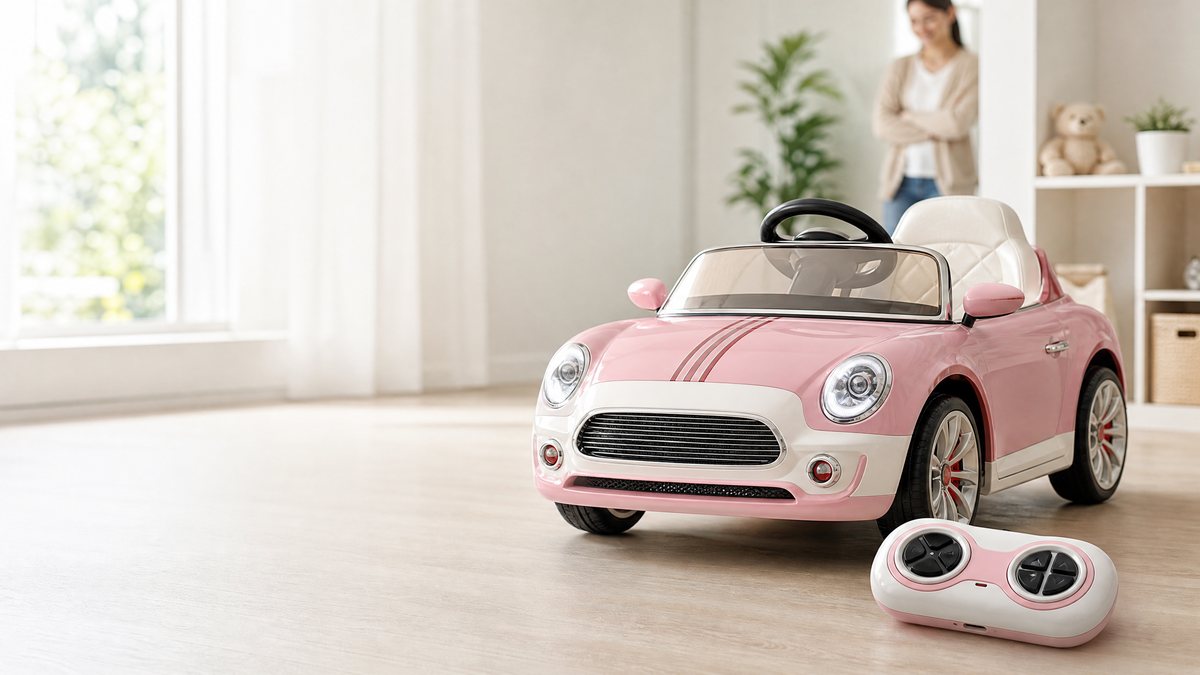
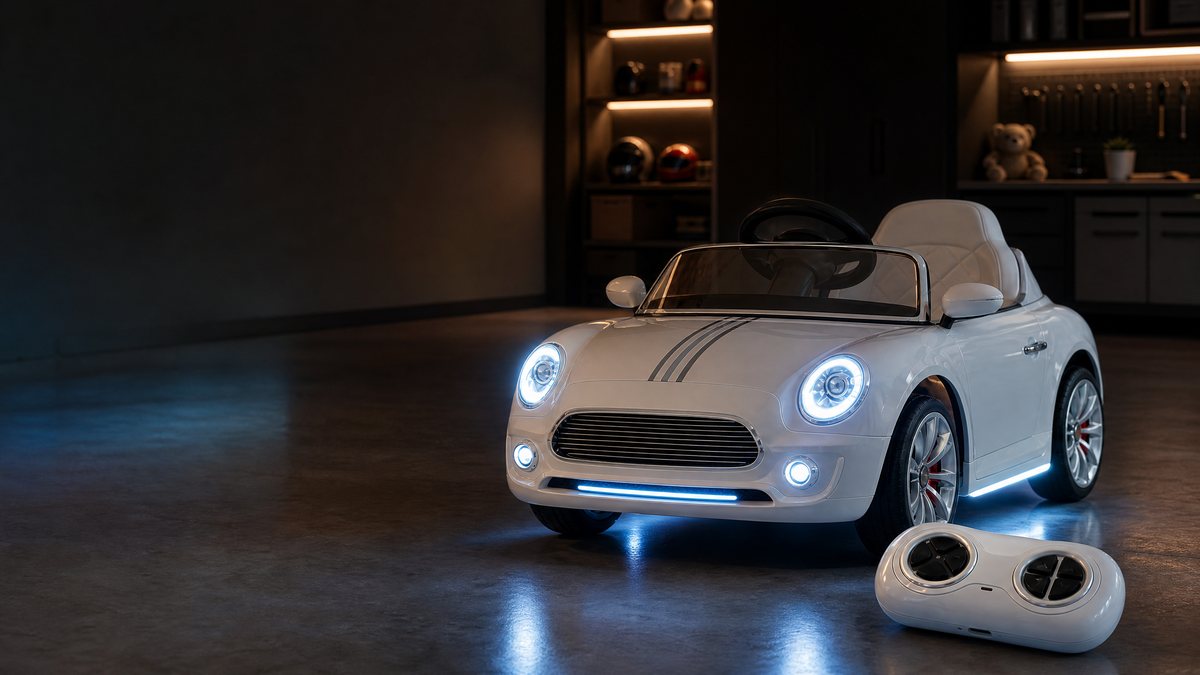
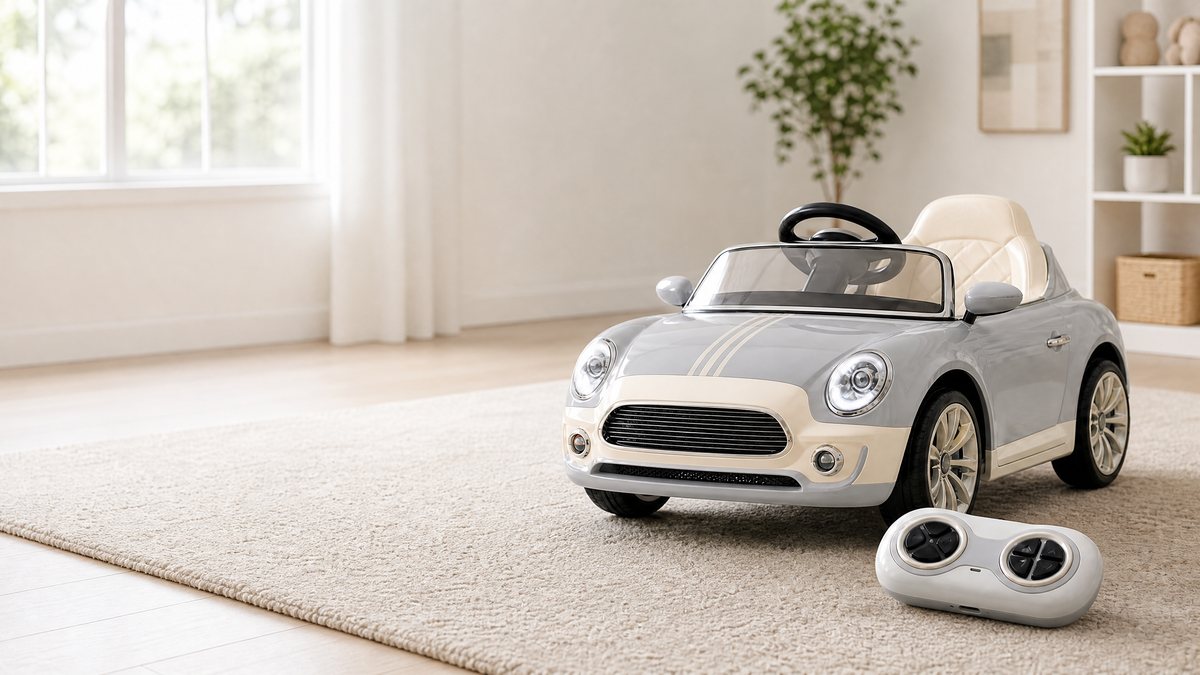
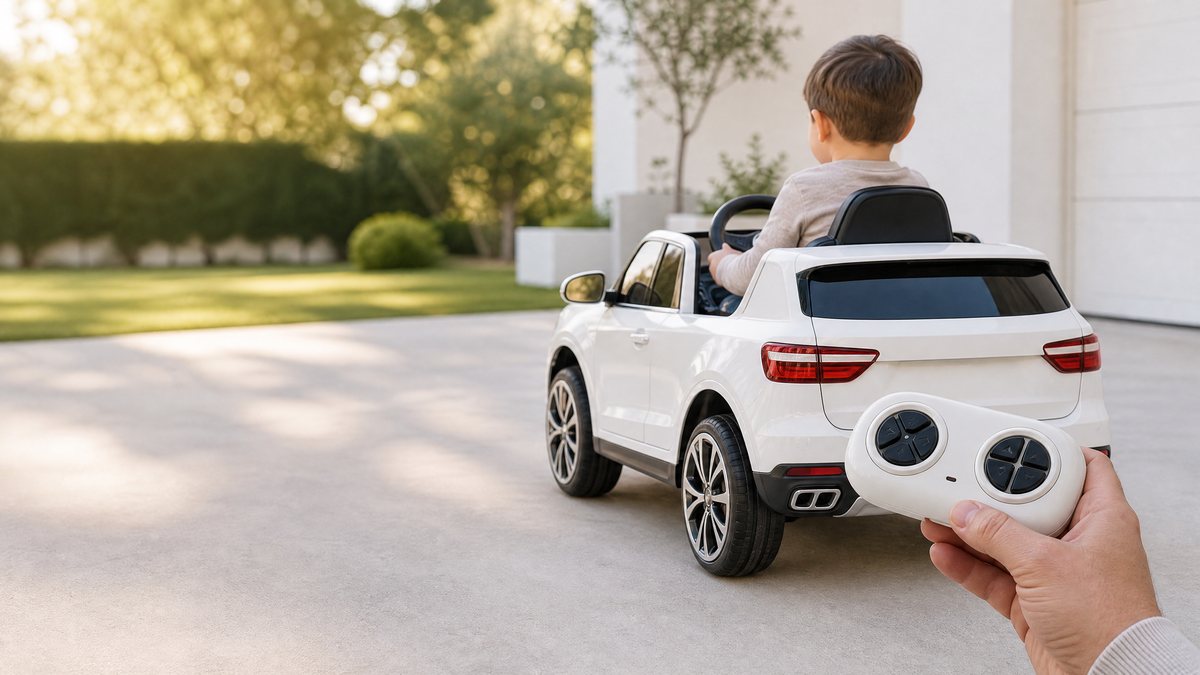
The primary advantage of a 2.4GHz remote system is parental override priority. When a parent engages the remote control, the vehicle instantly intercepts and overrides manual inputs from the steering wheel and foot pedal. This ensures that even if a child presses the accelerator pedal unexpectedly or steers toward an obstacle, the supervising adult retains absolute directional and braking command. Furthermore, modern remotes feature multi-stage speed selection (typically low, medium, and high) allowing parents to match the vehicle's maximum velocity to the child's age, coordination level, and operating environment. An emergency stop (P-button) feature is also standard on quality units, bringing the vehicle to an immediate, controlled halt upon actuation.
Core Evaluation Framework for Ride-On Vehicles
Evaluating the overall quality of a ride-on car requires examining several mechanical and electrical subsystems. The best choice is dictated by how these components integrate to deliver durability, safety, and operational reliability.
Motor Configuration and Electrical Architecture
The propulsion system determines the vehicle's performance across various terrains. Most quality ride-on cars operate on either 12-volt or 24-volt electrical architectures.
* 12V Systems: Typically feature dual drive motors (one on each rear wheel) or occasionally single-motor setups in compact models. They deliver moderate speeds suitable for toddlers aged 2 to 4 years, providing gentle acceleration and manageable run times on flat indoor or paved outdoor surfaces.
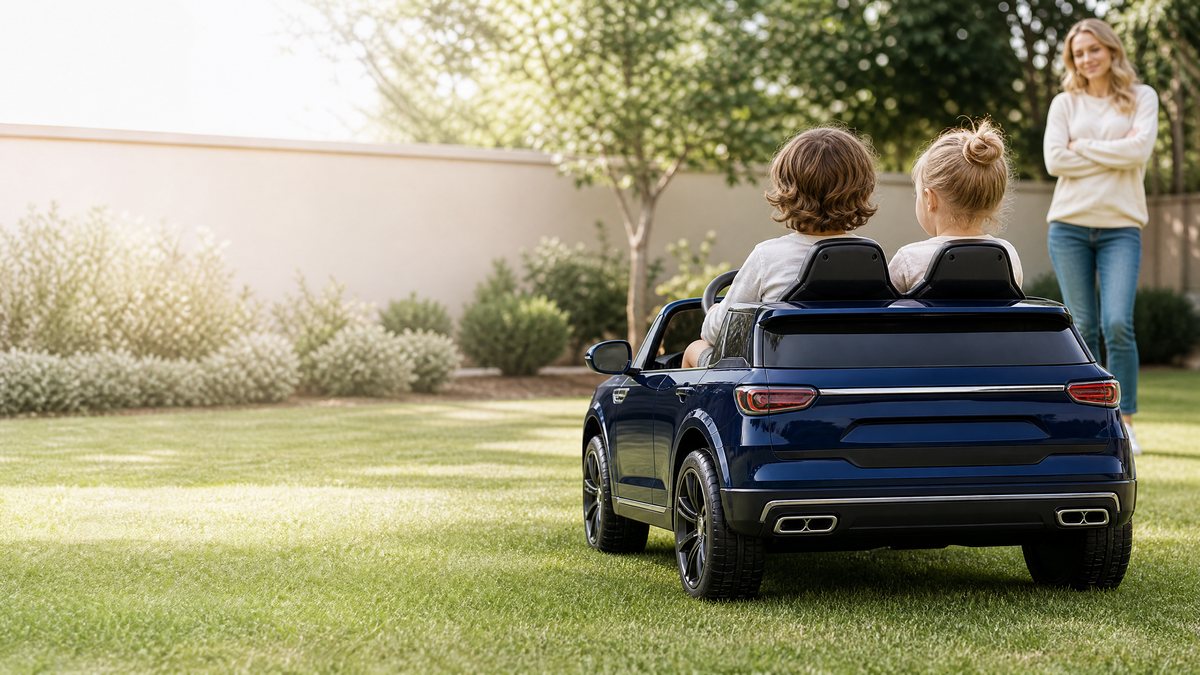
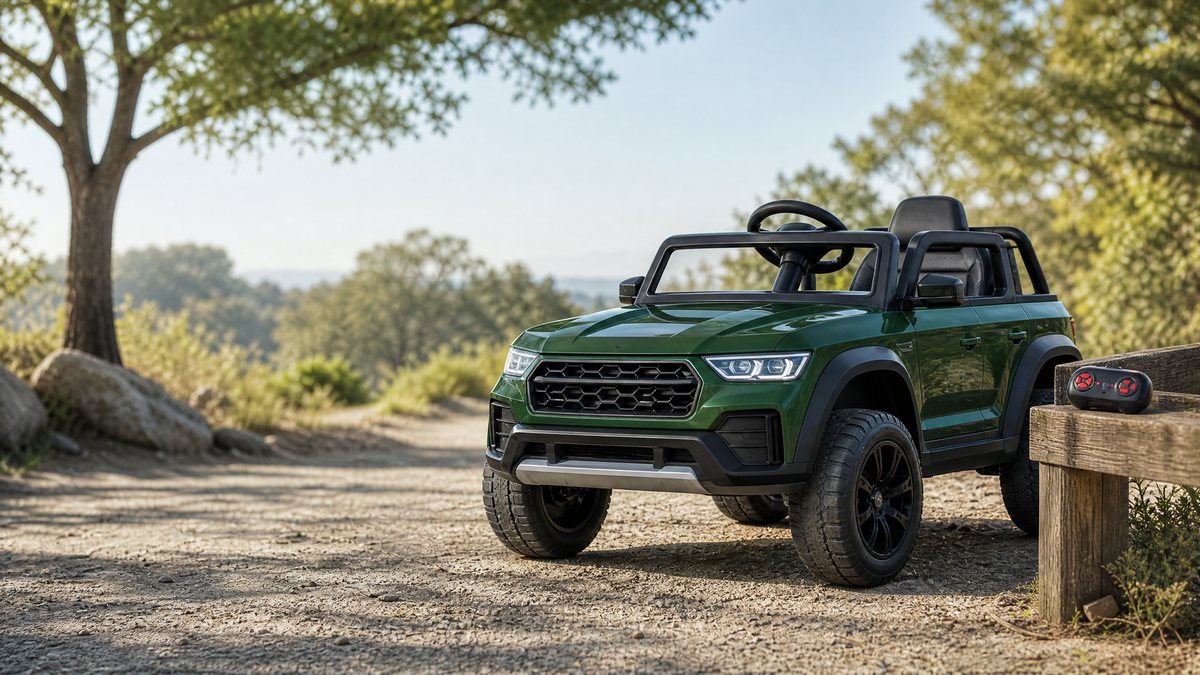
* 24V Systems: Designed for larger multi-seater vehicles or rugged utility task vehicles (UTVs). These setups frequently employ higher-output gearboxes or quad-motor configurations, offering increased torque for traversing uneven grass, gravel, or gentle inclines.
When reviewing specifications, buyers should verify whether the gearbox utilizes metal gears or high-density nylon gears. Metal-reinforced gearboxes generally exhibit superior wear resistance under heavier loads, whereas standard plastic gears may experience premature stripping if subjected to abrupt directional shifts.
Chassis Construction and Material Quality
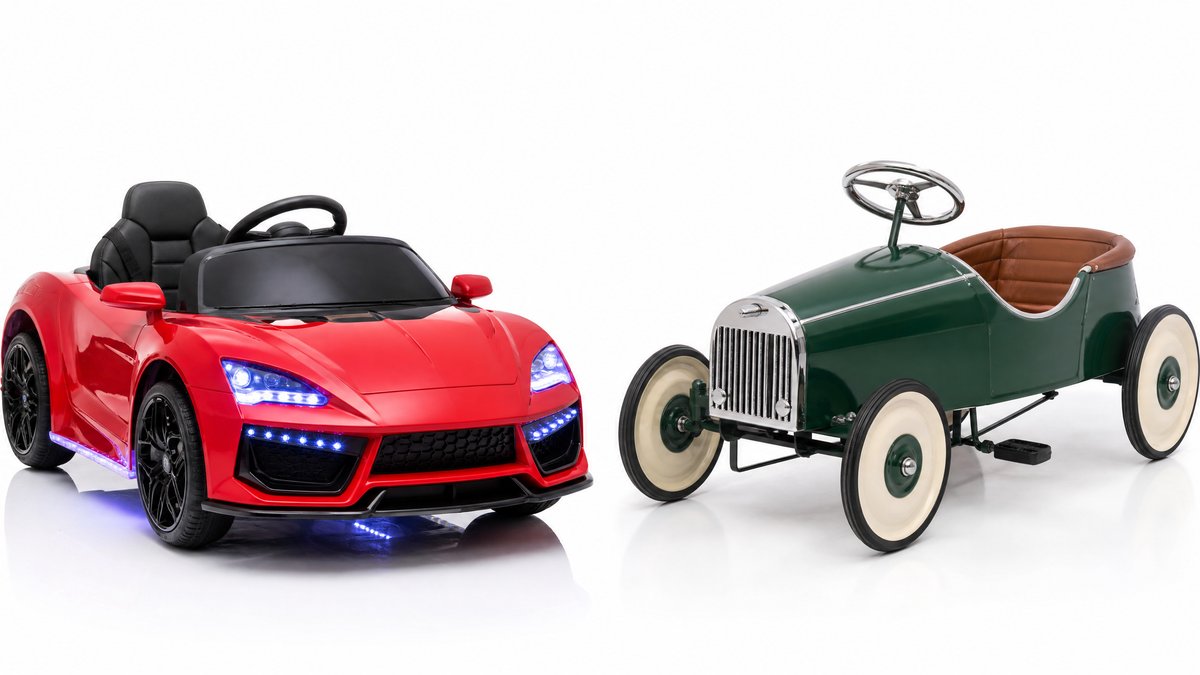
The structural integrity of a ride-on car relies on injection-molded polypropylene bodies mounted to tubular steel or reinforced resin subframes. Polypropylene provides an optimal balance of impact resistance, flexibility, and resistance to ultraviolet degradation. For wheels, manufacturers typically offer two distinct tiers:
1. Hard Plastic Wheels: Lightweight and cost-effective, though prone to excessive noise and reduced traction on smooth surfaces.
2. EVA Foam Wheels (Ethylene-Vinyl Acetate): Softer, high-density polymer wheels that absorb surface vibrations, eliminate slipping on hard pavement, and provide a quieter, more comfortable ride.
Suspension and Comfort Systems
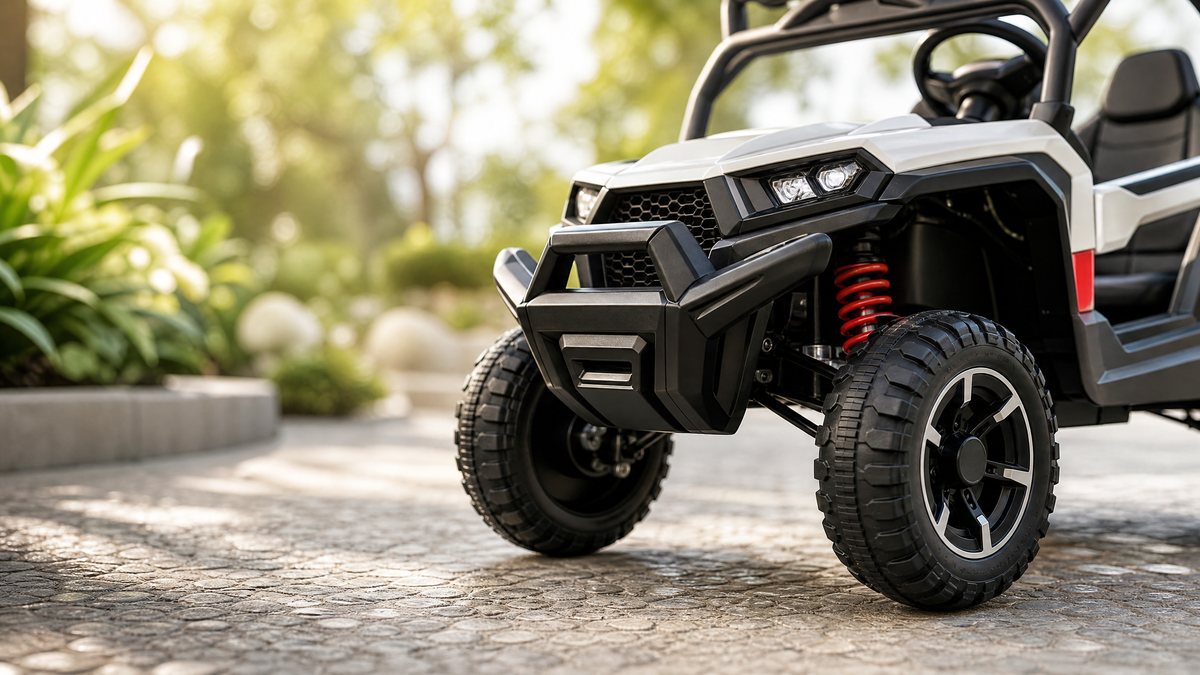
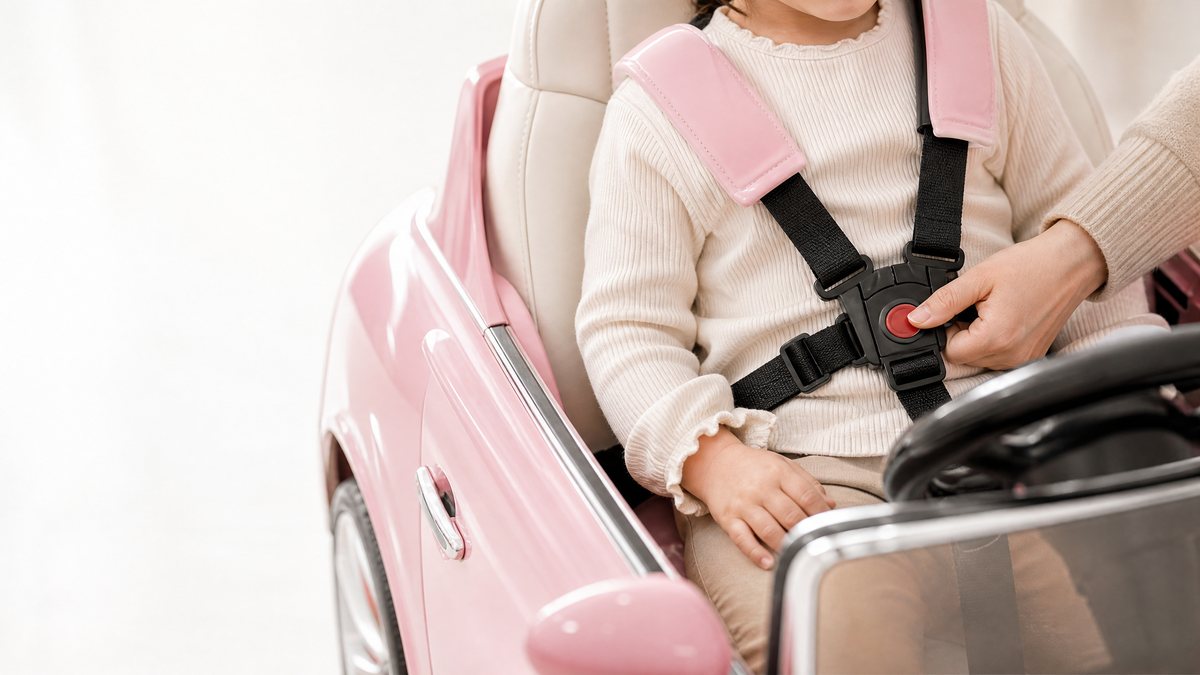
To protect young riders from jarring impacts, superior ride-on models incorporate independent spring suspension systems on the front and rear axles. Combined with ergonomic bucket seats upholstered in faux leather (PU leather) and secured by multi-point safety harnesses, these features ensure proper postural support during operation.
| Category / Model Tier | Electrical Voltage | Motor Setup | Primary Remote Features | Ideal Application & Terrain |
|---|---|---|---|---|
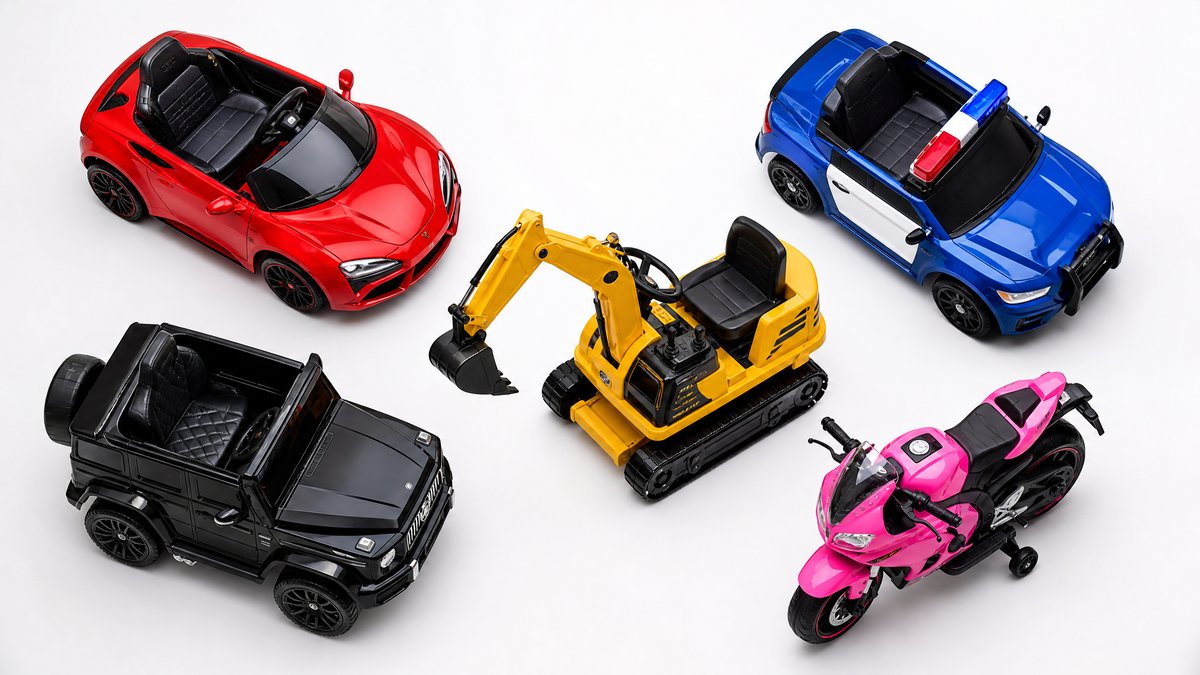
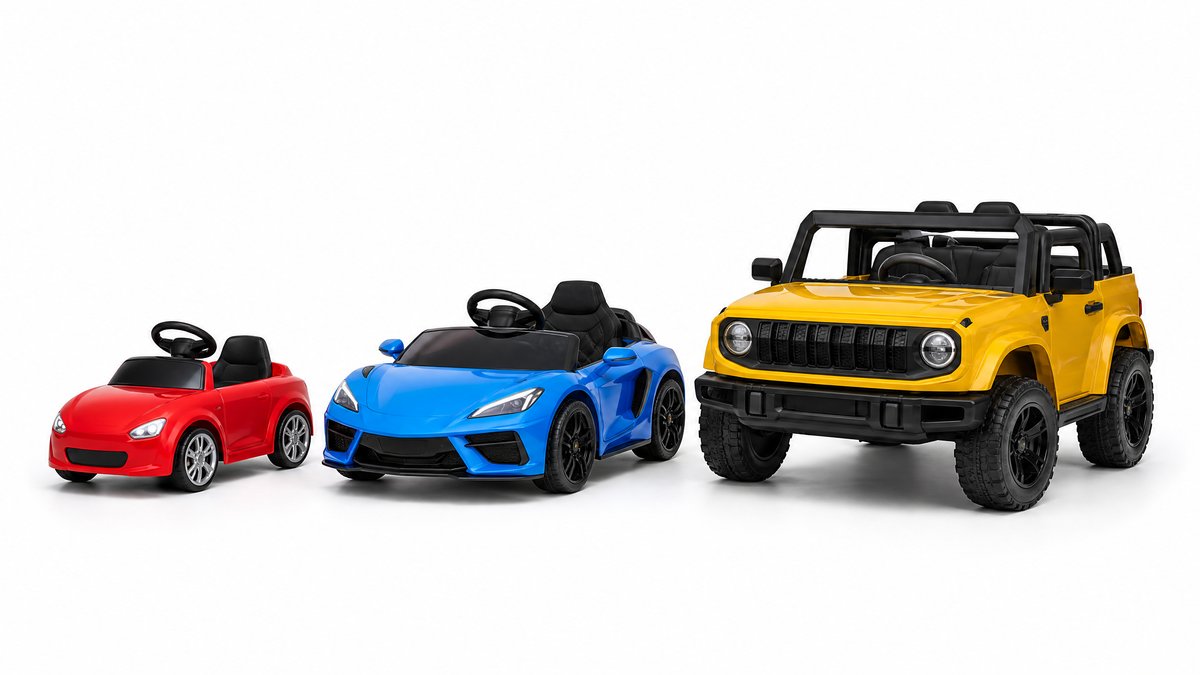
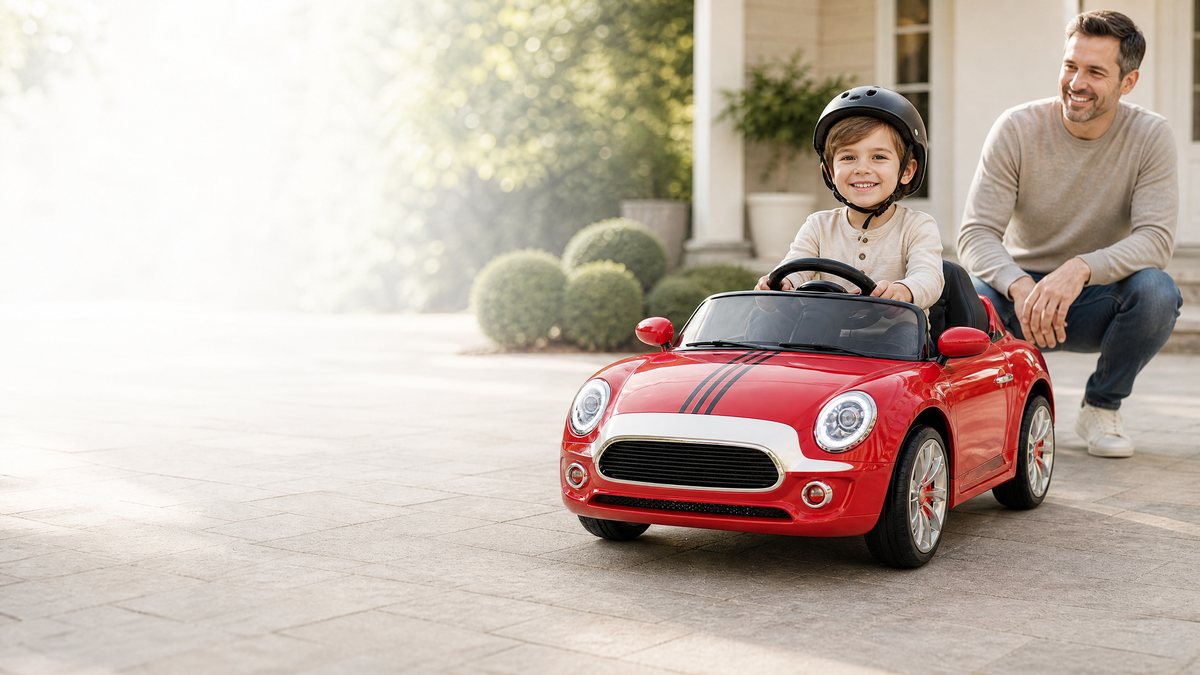
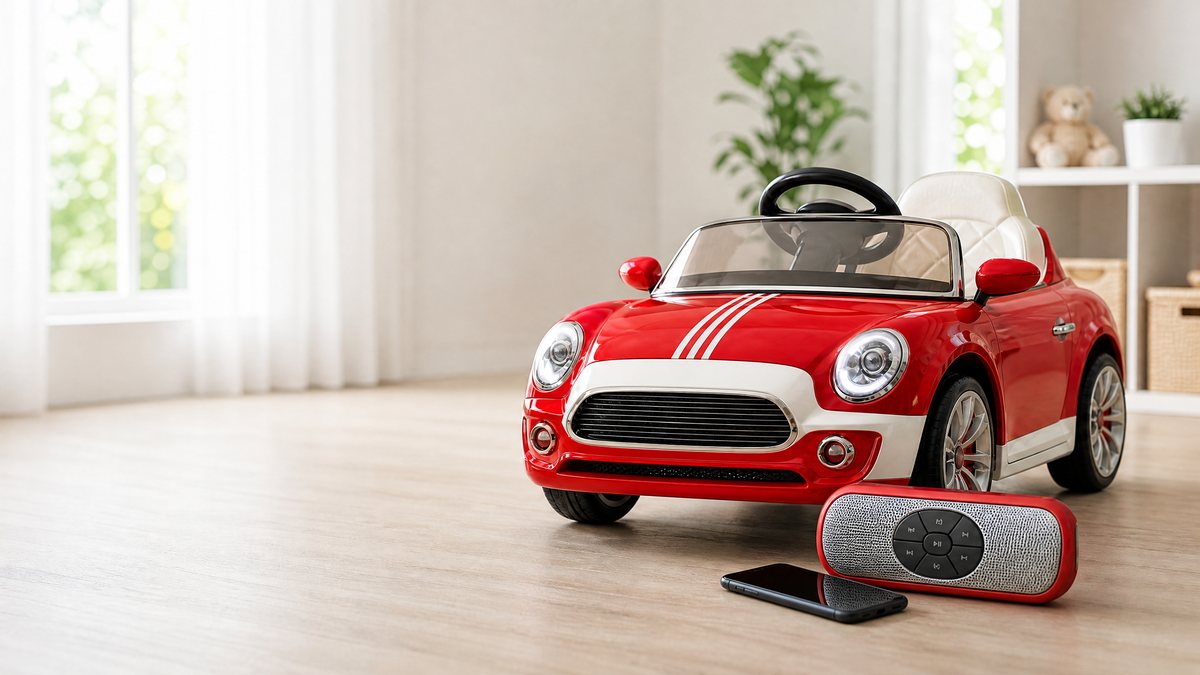
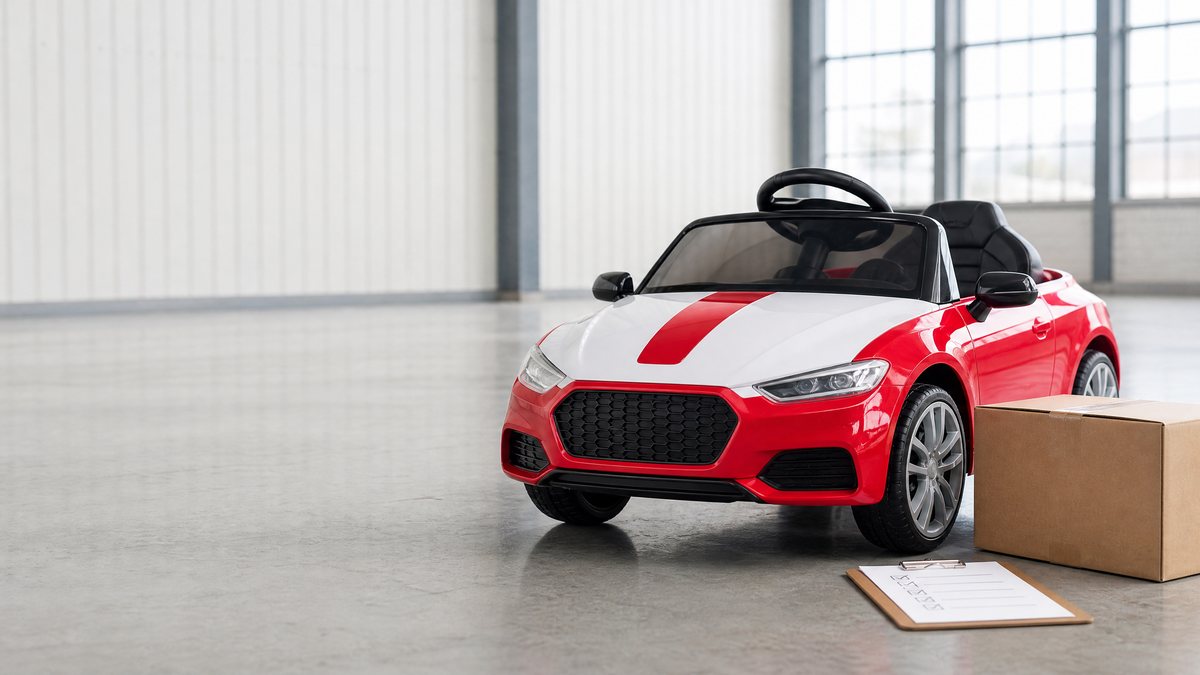
| Compact Single-Seater | 12V (Dual Drive) | 2x 35W Motors | 2.4G Bluetooth, 3 Speed Modes | Indoor play, smooth pavement, toddlers aged 2–4 |
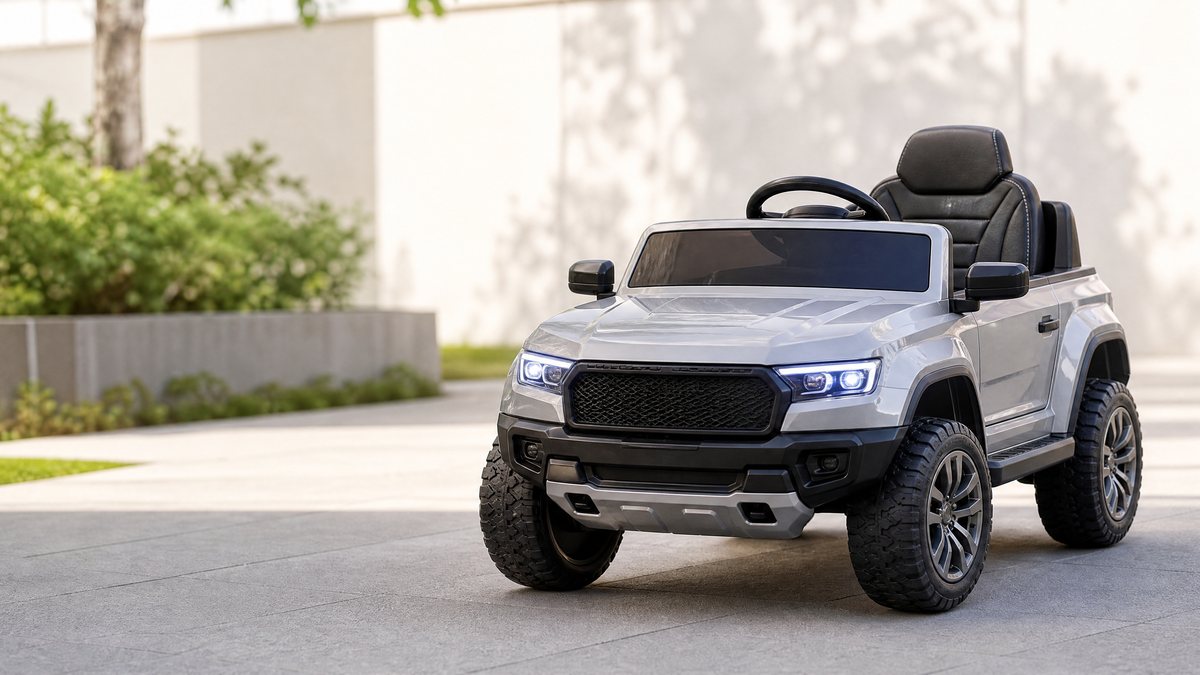
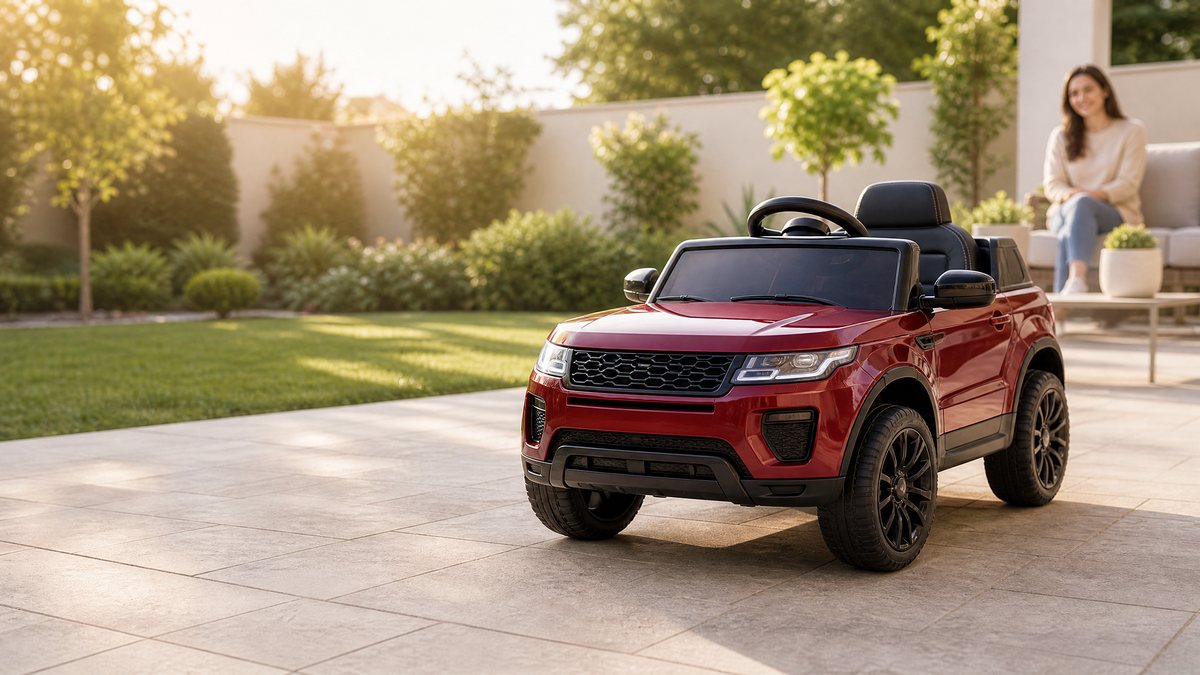
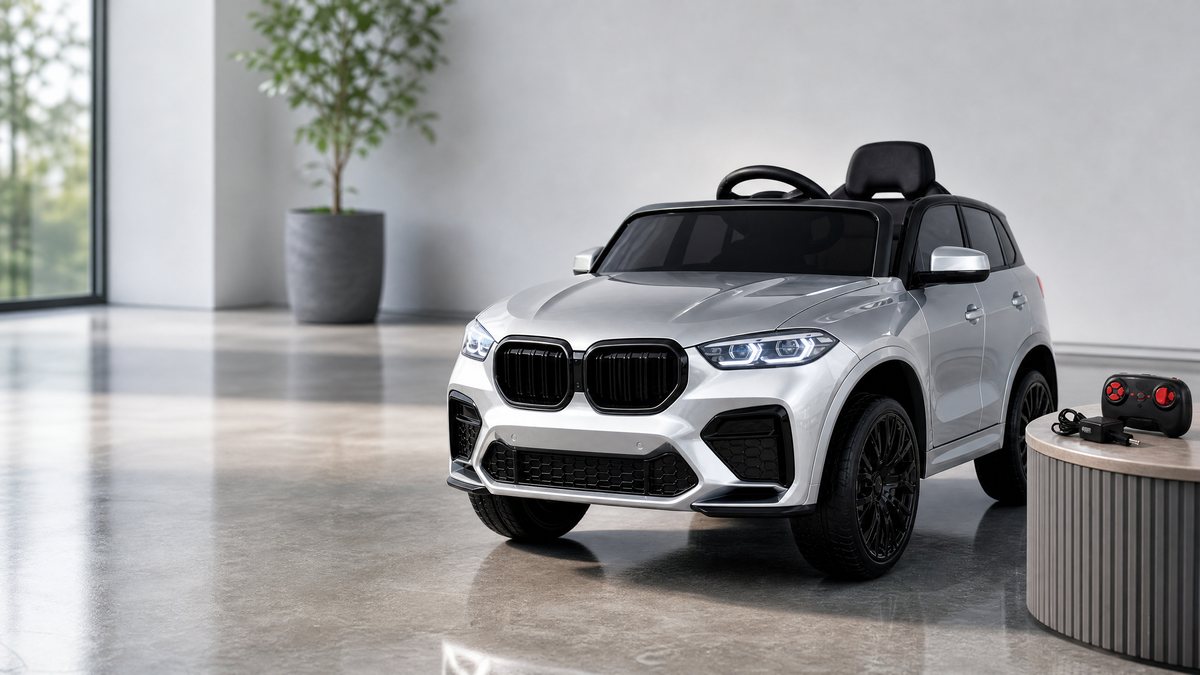
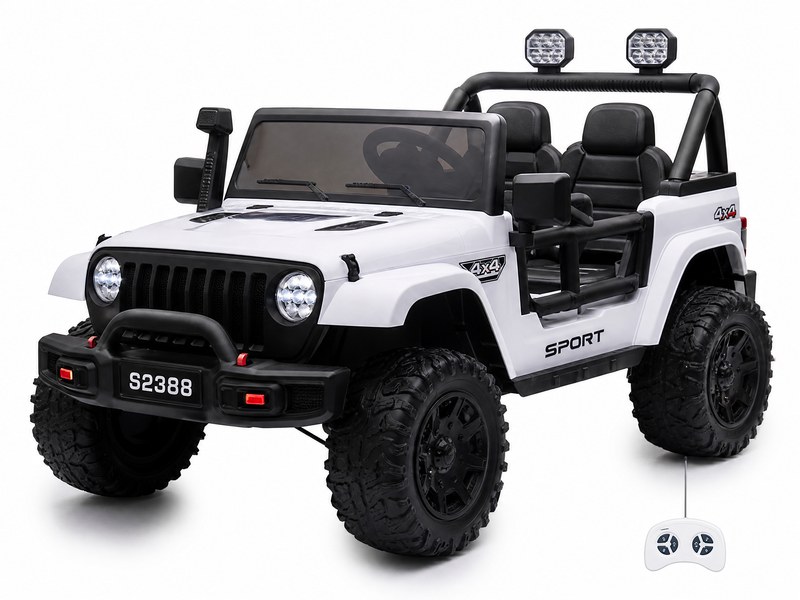
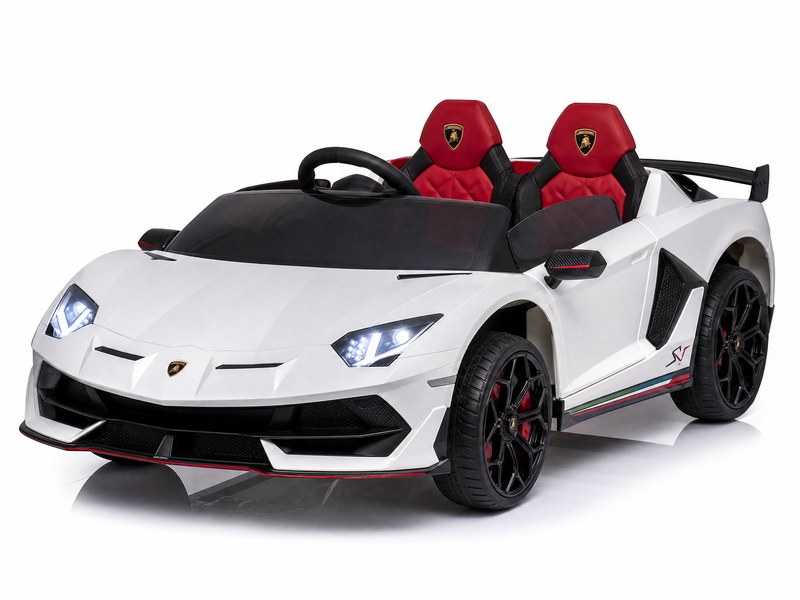
| Luxury SUV Replica | 12V / 24V Options | Dual or Quad Motors | Parental Override, Emergency Stop, Soft Start | Paved driveways, light backyard grass, ages 3–6 |
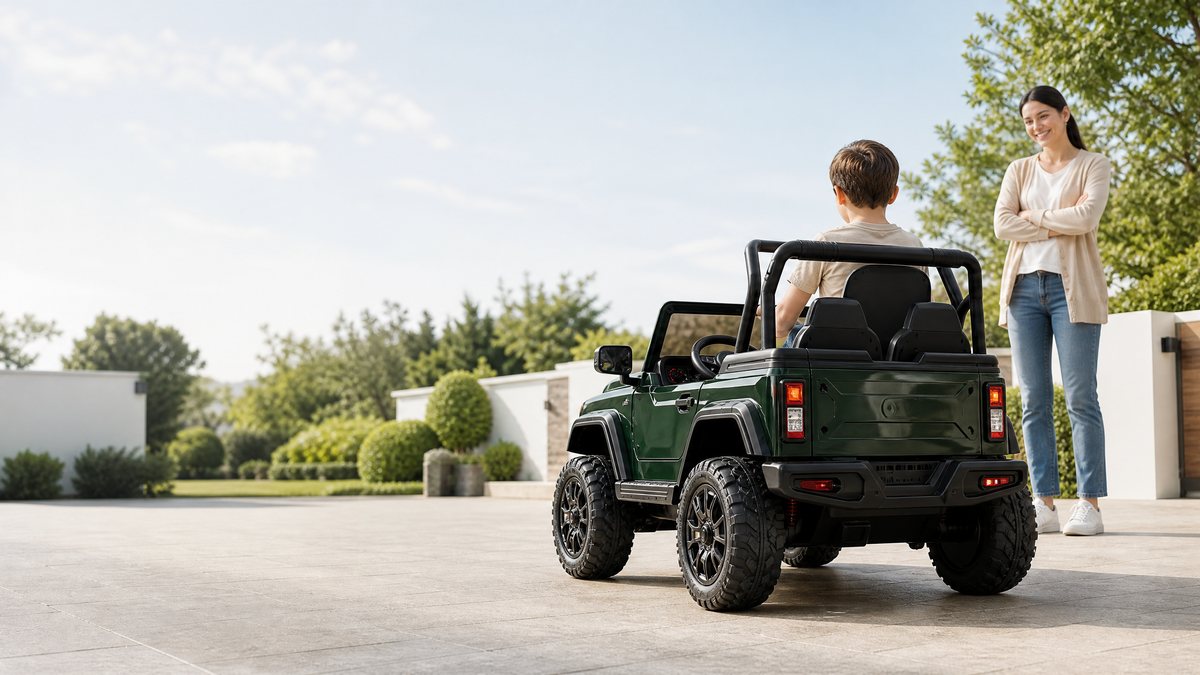
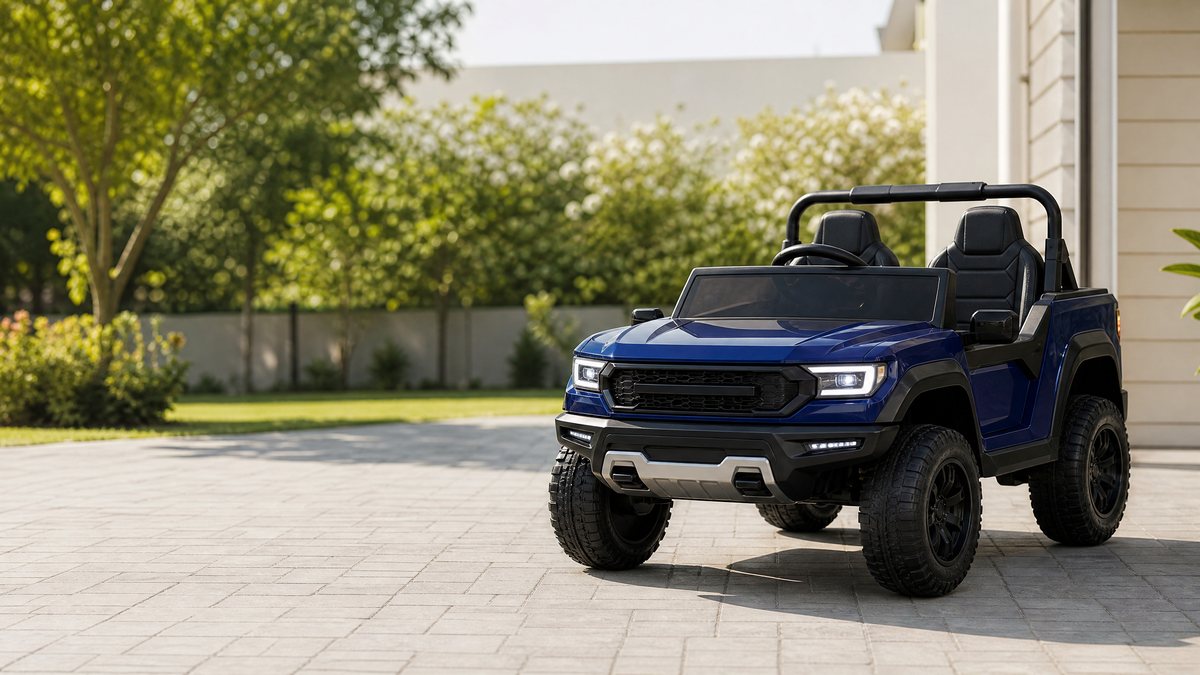
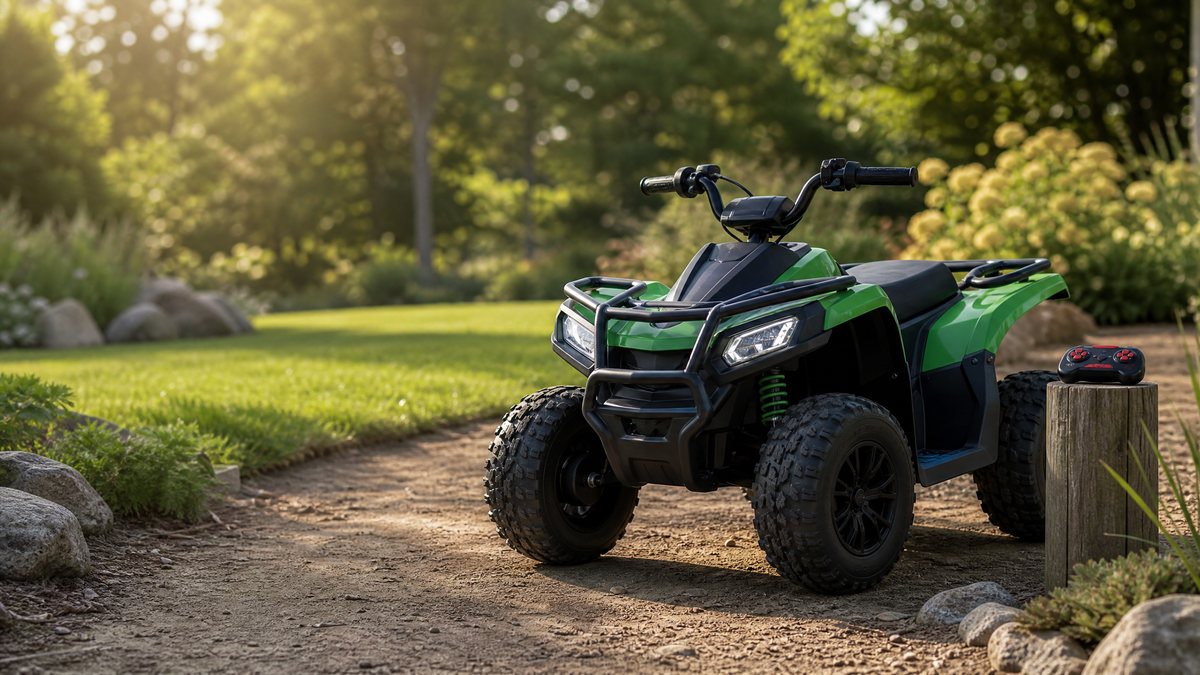
| Heavy-Duty UTV / Truck | 24V (High Torque) | 4x 45W Heavy-Duty | Digital Speed Lock, Full Remote Command | Multi-terrain, gravel paths, older children up to 7 |
Safety and Fit Checklist for Parents and Buyers
Ensuring a safe operating experience involves more than just purchasing a vehicle with advanced remote capabilities. Importers, retailers, and parents should evaluate every prospective model against established safety parameters:
* Age and Weight Verification: Confirm that the child's physical dimensions and weight fall well within the manufacturer's specified capacity limits. Overloading strains the electronic speed controller and accelerates battery degradation.
* Soft-Start Acceleration: Ensure the vehicle features electronic soft-start programming. This technology regulates current delivery to the motors, preventing abrupt jerking upon pedal engagement and protecting the child's neck and spine from sudden acceleration shock.
* Safety Restraints: Check for secure lap belts or multi-point harnesses that prevent the child from leaning out or sliding forward during sudden braking maneuvers.
* Enclosed Electrical Components: Verify that wiring harnesses, charging ports, and control boards are housed in sealed compartments away from accidental moisture ingress or tampering by young fingers.
* Compliance Documentation: Ensure the product complies with recognized toy safety standards, such as ASTM F963 in North America or EN71 in the European Union, which govern mechanical hazards, flammability, and soluble heavy metal limits [2, 3].
For Retailers and Importers: Commercial Considerations
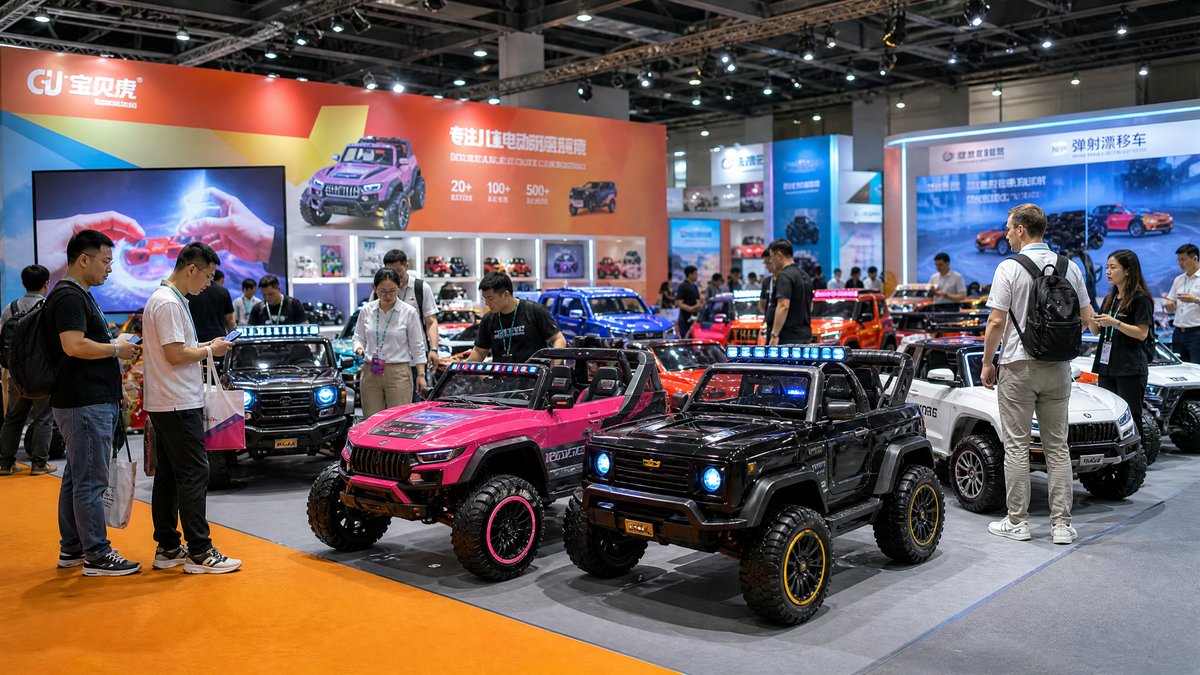
For B2B buyers, retail store owners, and wholesale distributors, stocking ride-on cars with parental remote control requires balancing consumer demand with rigorous regulatory compliance. Parents increasingly prioritize remote-controlled models as a mandatory safety feature, making 2.4G remote integration a key selling point.
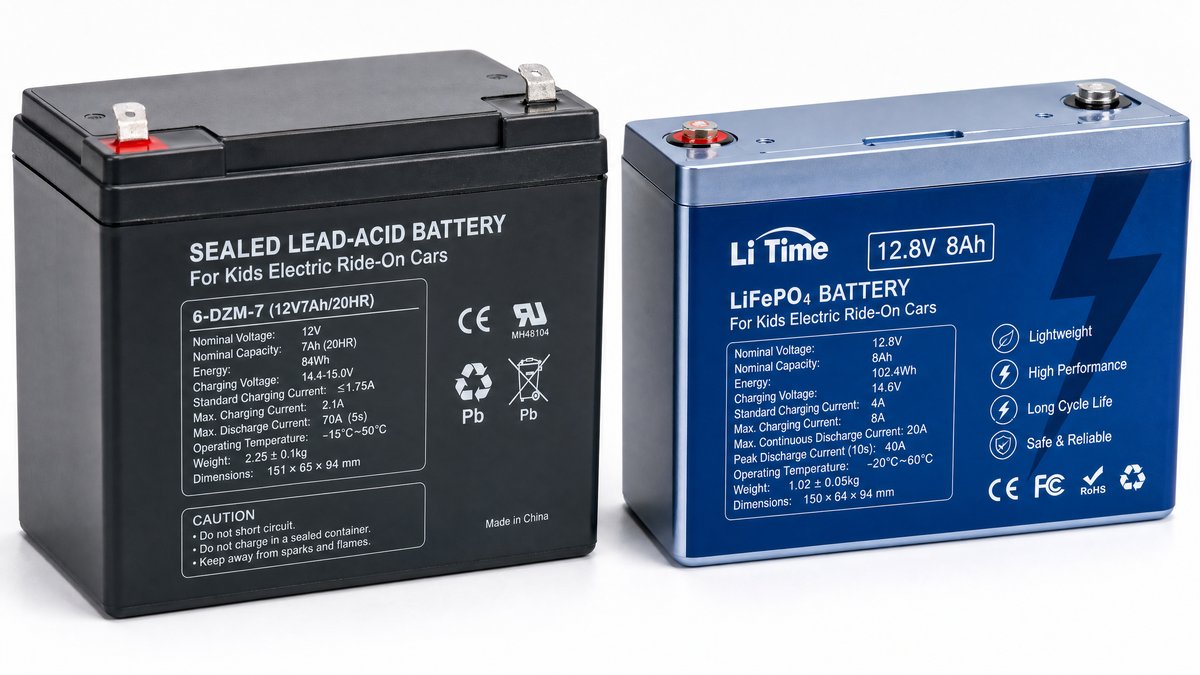
When sourcing inventory, wholesale buyers must request complete compliance test reports (such as CPC for the US or CE-DOC for Europe) directly from manufacturers. Furthermore, logistics planning should account for battery chemistry: lead-acid batteries require specific storage temperature ranges and periodic recharging during warehousing, whereas lithium-ion variants offer higher energy density but necessitate strict adherence to transport safety regulations regarding UN38.3 testing.
Common Buyer Questions
How does the parental remote override the child's controls?
The vehicle's central control board is wired with a signal multiplexer that prioritizes wireless receiver commands over manual foot-pedal and steering inputs. When the remote transmits any directional or braking command, the control board momentarily cuts power to the manual pedals until the remote input ceases.
What is the typical operating range of a 2.4GHz remote?
Most high-grade 2.4GHz parental remotes maintain reliable connectivity within a radius of 15 to 30 meters, depending on line-of-sight obstructions and local electromagnetic interference.
Can the remote control be used to brake the vehicle automatically?
Yes. In addition to directional steering, remote handsets feature a dedicated stop button that immediately cuts motor power and engages electric motor braking to halt the vehicle instantly.
Frequently Asked Questions
Are ride-on car remote controls interchangeable between different brands?
No. 2.4GHz remote controls must be paired directly to the specific control box installed inside the vehicle through a digital binding procedure. Remotes from different manufacturers or even different production batches generally cannot be interchanged without reprogramming the receiver module.
What is the difference between a 12V and a 24V ride-on car regarding remote use?
While both systems support full parental remote control, 24V models deliver higher torque and slightly higher top speeds, making them heavier and more powerful. Parents operating 24V units via remote should exercise heightened awareness of momentum and stopping distances on sloping terrain.
How should the battery be maintained during seasonal storage?
Batteries should be fully charged before being placed into storage and recharged every 30 to 60 days to prevent deep discharge sulfation (in lead-acid batteries) or permanent cell degradation (in lithium units). Storage areas should be dry and temperature-controlled.
Do ride-on cars require professional assembly?
Most ride-on vehicles arrive partially assembled (SKD format), requiring the end-user or retailer to attach the wheels, steering wheel, windshield, and seat. Clear mechanical aptitude is required to ensure steering linkages and wheel retainers are correctly secured.
What safety standards govern electric ride-on toys?
Electric ride-on toys are primarily governed by international toy safety standards including ASTM F963 in the United States and EN71 in Europe, alongside electrical safety directives such as EMC and RoHS compliance [2, 3, 4].
Conclusion
The ideal ride-on car with parental remote control successfully bridges the gap between recreational enjoyment and parental peace of mind. By prioritizing robust 2.4GHz Bluetooth remote systems, reliable dual or quad motor configurations, soft-start acceleration, and verified safety standard compliance, buyers can select vehicles that offer lasting durability and secure operation. Importers and retailers seeking to expand their inventory with dependable, high-demand electric ride-on vehicles are encouraged to review complete manufacturer specifications and compliance documentation before finalizing bulk orders.
Request a wholesale quote
References
1. U.S. Consumer Product Safety Commission (CPSC). Safety Standard for Toy Safety (ASTM F963 Overview). Available from: https://www.cpsc.gov/
2. ASTM International. ASTM F963 - Standard Consumer Safety Specification for Toy Safety. West Conshohocken, PA.
3. European Committee for Standardization (CEN). EN 71 - Safety of Toys Standards Series. Brussels, Belgium.
4. International Electrotechnical Commission (IEC). IEC 62115 - Electric Toys - Safety. Geneva, Switzerland.
Explore matching models
View product details for this guide
Compare current specifications, age guidance and available options before requesting a quote.
Official references
Explore these external resources for current regulatory and trade guidance. Confirm requirements with the relevant authority before placing an order.
Ready to Start?
Factory-Direct · CE & ASTM Certified · MOQ from 50 Units
Our export team works with buyers in 60+ countries. Get a quote within 24 hours.
KR
Written by KidsRideCar
China's leading kids electric ride-on car manufacturer. 500,000+ units shipped annually to 60+ countries. CE, ASTM & EN71 certified.