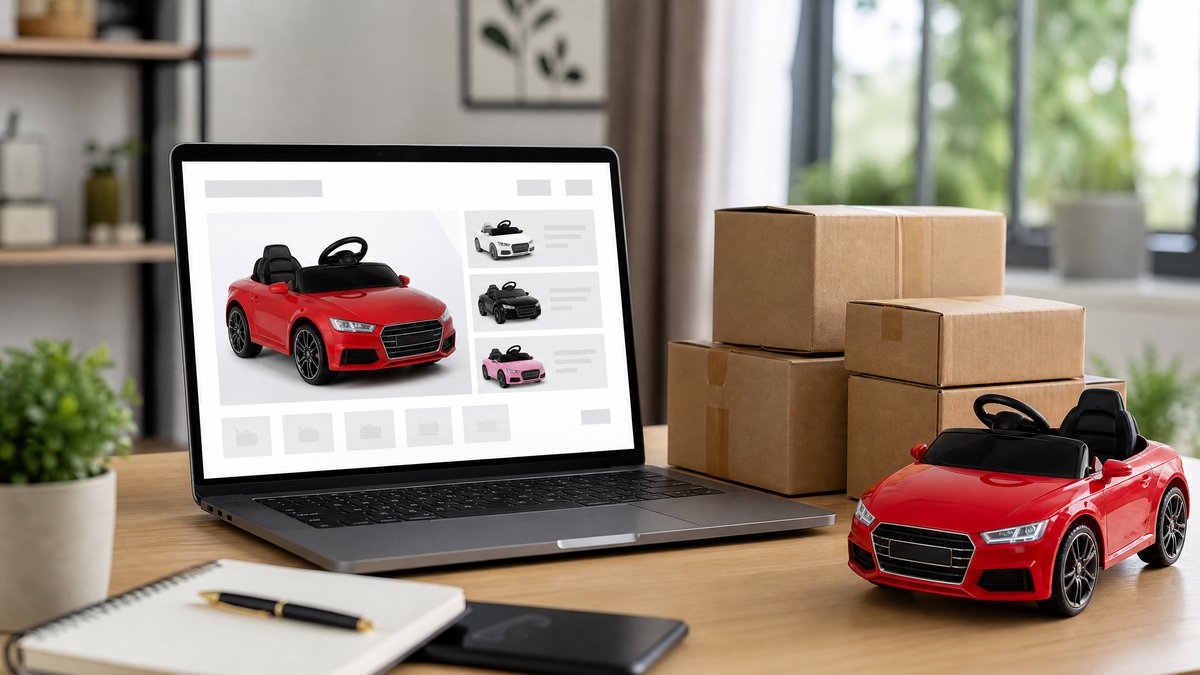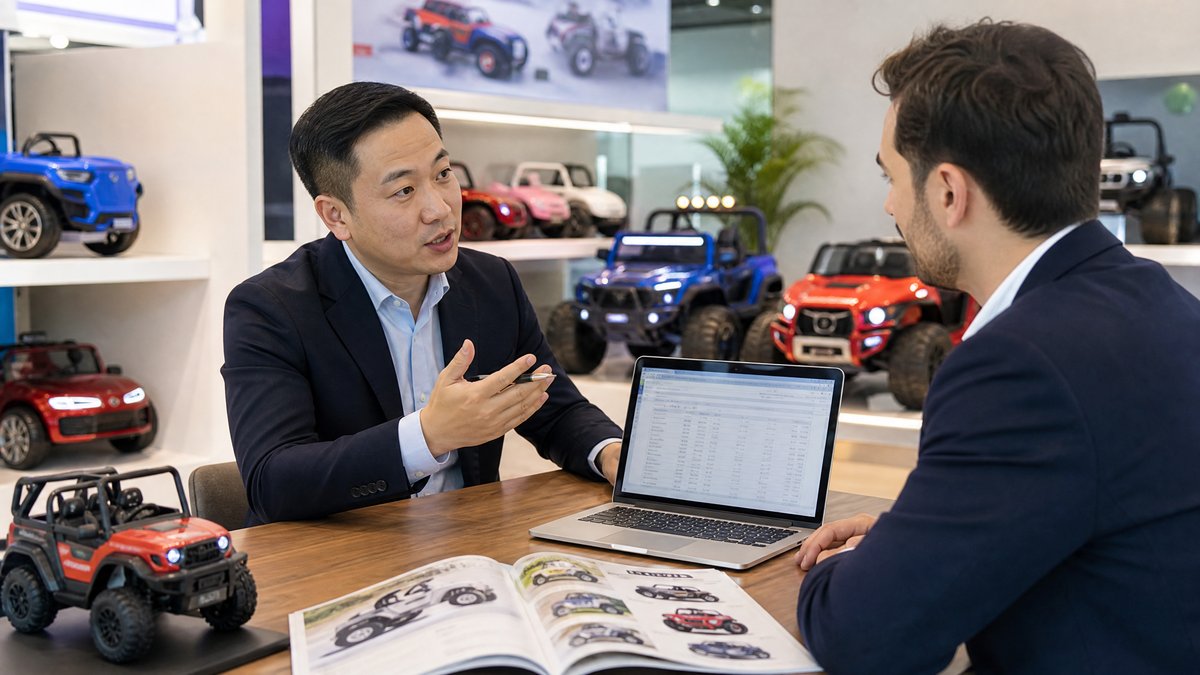
In the professional landscape of B2B electric ride-on toy distribution, the success of a commercial partnership is often determined long before the first container leaves the factory. While the aesthetic appeal and initial unit cost of ride-on cars are primary considerations for market entry, the long-term viability of a distribution business is frequently anchored in the underlying service framework established between the manufacturer and the distributor. For professional distributors, due diligence is not merely a checkbox exercise but a strategic necessity that involves asking the right questions to understand the scope of support and the boundaries of technical responsibility.
The complexity of modern electric ride-on cars—which integrate various mechanical, electrical, and structural systems—requires a disciplined approach to sourcing. Distributors must move beyond superficial assurances and seek detailed information about how a supplier manages information flow, documentation, and safety protocols. By framing these inquiries as structured questions during the negotiation phase, distributors can better assess the alignment between their operational needs and the supplier's existing processes. This guide provides a comprehensive framework for asking service-level questions that focus on factual information, external documentation, and professional safety standards.
The Strategic Importance of Structured Inquiry
Entering a B2B relationship without a clear understanding of service boundaries can lead to operational friction and unexpected risks. A distributor who does not ask specific questions about documentation or communication paths may find themselves responsible for tasks they are not equipped to handle. The goal of a "service-first" inquiry is to identify the standard operating procedures of a supplier and to ensure that all expectations are grounded in verifiable facts rather than optimistic assertions.
When evaluating a potential partner, it is essential to remember that ride-on cars are consumer products that must be operated according to their intended design. Any inquiry should prioritize the preservation of the unit's integrity and the safety of the end-user. Therefore, the questions suggested in this guide are designed to help distributors gather information about receiving external documentation, recording visible issues, and following established safety protocols without venturing into prohibited technical modifications or repairs.
1. Evaluating Communication Frameworks
Effective communication is the cornerstone of any successful international trade relationship. Without clear paths for information exchange, even minor discrepancies in shipping or documentation can lead to significant business disruptions. When interviewing a ride-on car supplier, a distributor should seek to understand the infrastructure that supports daily interactions and emergency escalations.
Inquiry into General Communication Channels
A distributor may ask: "What are the primary channels established for general business inquiries and order status updates?" Understanding whether a supplier utilizes a centralized portal, a dedicated email system, or a managed messaging platform is crucial for resource planning. A distributor might also inquire: "What is the supplier's internal process for acknowledging receipt of a new inquiry, and how is the continuity of communication maintained across different time zones?"
These questions help a distributor determine how to integrate their own workflow with the supplier's system. It is also appropriate to ask: "Does the supplier have a secondary path for time-sensitive inquiries, such as discrepancies found during the unloading of a container?" By asking these questions, a distributor can evaluate the robustness of the supplier's communication framework without making assertions about specific performance levels.
Inquiry into Account Management Structures
Structural clarity is just as important as the channel itself. A distributor might ask: "How is the account management team structured, and who is the designated point of contact for administrative matters?" Furthermore, an inquiry such as "What is the process for escalating a concern that requires management-level review?" can provide insight into the supplier's internal hierarchy and their approach to problem-solving.
Request a wholesale quote
2. Inquiring About Documentation and Informational Assets
The quality of the information provided with a product is often a reflection of the manufacturer's commitment to safety and transparency. For ride-on cars, documentation serves as the primary interface between the manufacturer, the distributor, and the end-user.
Questions Regarding User-Facing Documentation
A distributor should ask: "What external documentation is provided to support the normal operation of the vehicle?" This includes inquiring about the availability of user manuals, assembly instructions, and safety labels. A distributor might also ask: "In what languages are the standard user manuals available, and what is the process for requesting documentation in a specific regional language?"
Rather than asserting that a supplier must provide specific formats, a distributor should ask: "What is the supplier's policy regarding the provision of informational assets that assist in the correct identification of model variations?" This framing allows the distributor to understand what is available while respecting the supplier's proprietary boundaries.
Inquiry into External Safety Certificates
Safety compliance is a critical aspect of the ride-on car industry. A distributor might ask: "What is the process for receiving copies of external safety certificates and test reports conducted by third-party laboratories?" It is also relevant to inquire: "How does the supplier communicate updates regarding changes in international safety standards that may affect the documentation provided with the units?"
By asking these questions, a distributor ensures they have access to the necessary information to conduct their own due diligence with local professionals, without claiming that the supplier has a duty to perform specific compliance tasks.
3. Logistics and Administrative Inquiry
The administrative side of B2B sourcing is where many operational details reside. Delays in receiving shipping documents or errors in invoicing can lead to operational delays that affect the distributor's bottom line.
Questions on Document Handling and Accuracy
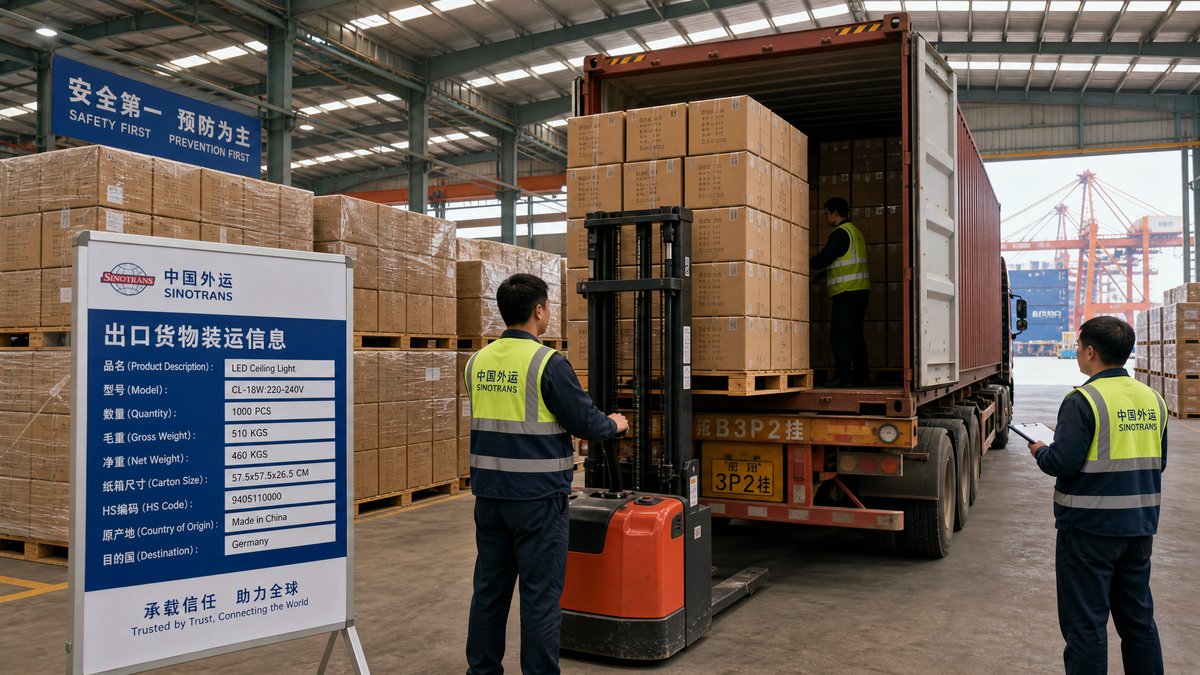
A distributor may ask: "What is the standard procedure for the delivery of shipping documents such as the Bill of Lading, Commercial Invoice, and Packing List?" Inquiring about whether these documents are provided digitally in advance of the physical arrival of the goods is a practical way to assess administrative efficiency.
Another important question is: "What is the supplier's process for handling and resolving discrepancies identified during the reconciliation of a shipment against the packing list?" This allows the distributor to understand the supplier's internal verification process without making assertions about specific outcomes.
Inquiry into Shipment Integrity and Recording
A distributor should also ask: "What documentation does the supplier recommend a distributor maintain to record the visible condition of units upon arrival?" This aligns with the safe practice of recording visible issues and container conditions with photos and videos, which is essential for factual reporting. A distributor might ask: "What is the preferred method for submitting a factual report regarding visible external damage to the packaging or the units themselves?"
4. Safety Protocols and Technical Boundaries
Maintaining the safety and integrity of electric ride-on cars is a shared interest for both the manufacturer and the distributor. However, it is vital to recognize the boundaries of technical intervention.
Questions on Safety Escalation
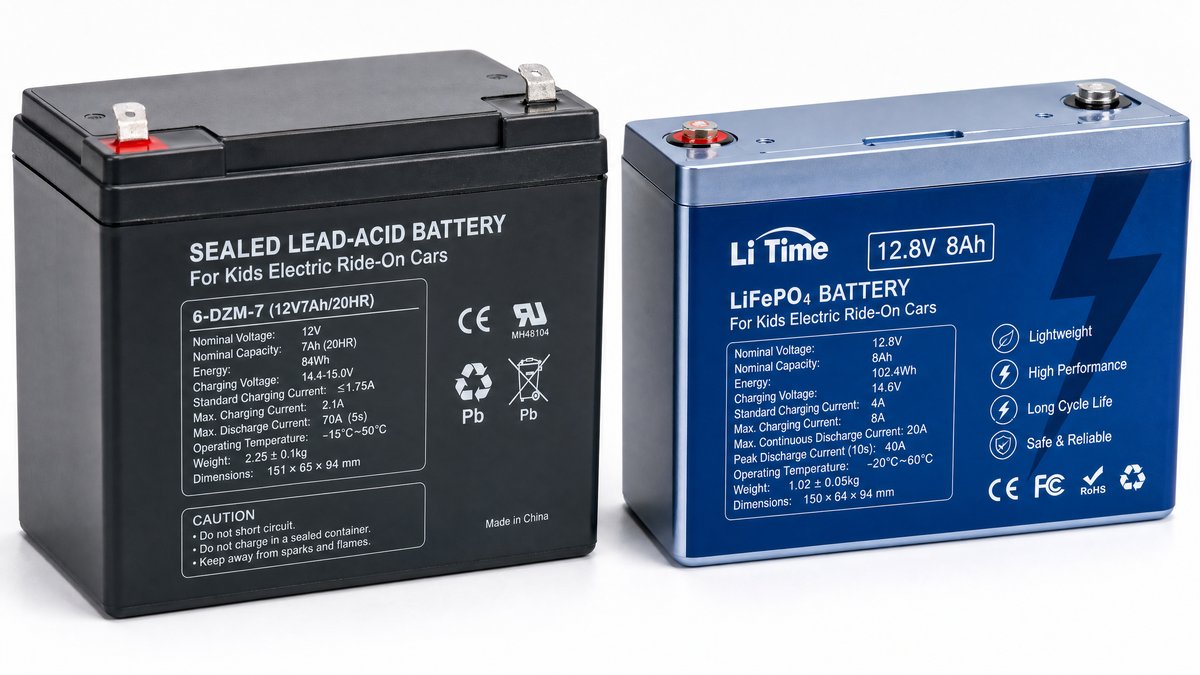
A distributor should ask: "What is the recommended process for escalating concerns regarding the functionality of internal components, such as batteries or wiring, to a competent professional?" This question reinforces the safety requirement that distributors and users should not attempt to open, disconnect, or modify internal components.
A distributor might also ask: "What guidance does the supplier provide for the normal, manual-based operation of the vehicle, and how should a distributor communicate these instructions to the end-user?" This focuses on following the manufacturer's established guidelines rather than developing independent repair instructions.
Inquiry into Safety Notifications
It is appropriate to ask: "What is the supplier's process for notifying distributors of updates to safety recommendations for specific model identifiers?" By focusing on "model identifiers" and "safety recommendations," the distributor avoids making assertions about technical diagnoses.
5. Long-Term Relationship and Service Inquiry
A sustainable B2B partnership requires a commitment to continuous improvement and clear expectations regarding service levels.
Questions on Service Review Processes
A distributor might ask: "Does the supplier have a formal process for periodically reviewing the service relationship and identifying areas for process improvement?" Inquiring about the frequency and structure of such reviews can help a distributor gauge the supplier's commitment to long-term collaboration.
Another relevant question is: "What information does the supplier find most helpful when a distributor provides feedback regarding the market's reception of a specific model's features?" This frames the feedback loop as a collaborative exchange of information.
6. Practical Comparison of Inquiry Approaches
When conducting due diligence, the way a question is framed can significantly impact the quality of the information received. The following table compares a "Basic Inquiry" approach with a "Comprehensive Inquiry" approach focused on factual due diligence.
| Inquiry Category | Basic Inquiry (Surface Level) | Comprehensive Inquiry (Due Diligence Focused) |
|---|---|---|
| Communication | "How do we talk to you?" | "What are the established primary and secondary channels for general business and time-sensitive inquiries?" |
| Documentation | "Do you have manuals?" | "What external documentation and informational assets are provided to support normal, manual-based operation?" |
| Safety | "How do we fix things?" | "What is the recommended process for escalating safety concerns or internal component issues to a professional?" |
| Logistics | "When will I get my papers?" | "What is the standard procedure for the advance digital delivery of shipping documents and the reconciliation of discrepancies?" |
| Changes | "Will you tell me if things change?" | "What is the supplier's process for communicating updates to safety recommendations or model-specific identifiers?" |
| Account Management | "Who is my salesperson?" | "How is the account management team structured, and what is the process for management-level escalation?" |
7. Recommendations for Factual Due Diligence
Based on the principles of safe and professional distribution, the following practices are recommended for all B2B distributors:
1. Receive and Review Documentation: Always ensure that you have received the latest external documentation, such as user manuals and safety certificates, before a product is released to the market.
2. Record Visible Issues: Upon the arrival of any shipment, meticulously record the condition of the container and the individual units using photographs and video. This provides a factual basis for any subsequent inquiries.
3. Confirm Model Identifiers: Always verify that the units received match the specific model identifiers and descriptions provided in the external documentation.
4. Adhere to Normal Operation: Ensure that all staff and customers are instructed to operate the vehicles strictly according to the manufacturer's provided manual.
5. Escalate Safety Concerns: If a unit exhibits any signs of damage, overheating, or unusual behavior, stop its use immediately and escalate the concern to the manufacturer or a competent professional.
6. Maintain Professional Boundaries: Do not attempt to open, disconnect, modify, or diagnose internal components like batteries, wiring, controllers, or motors. These actions should only be handled by qualified professionals.
Request a wholesale quote
Frequently Asked Questions
1. Why should I frame my inquiries as questions rather than demands?
Framing inquiries as questions allows you to understand the supplier's existing processes and standard operating procedures. This approach fosters a collaborative environment and helps you identify the factual boundaries of the supplier's support model without making unverified assertions about their capabilities.
2. What should I do if a supplier does not provide certain technical documents?
If a supplier classifies certain information as proprietary, you should ask about the recommended process for escalating technical concerns to a professional. It is important to respect these boundaries while ensuring you have enough information to support the normal operation of the vehicle as described in the user manual.
3. How can I verify the accuracy of the shipping documents I receive?
You should establish an internal process for reconciling the physical goods received against the digital documents provided in advance. If discrepancies are found, they should be recorded factually and reported through the supplier's established communication channels for administrative review.
4. Why is it important to record the condition of the container upon arrival?
Recording the visible state of the shipment provides a factual, time-stamped record of the goods as they were received. This information is essential for any subsequent discussions regarding logistics and helps all parties understand the condition of the units at the point of delivery.
5. What is the role of a "competent professional" in ride-on car maintenance?
A competent professional is an individual with the specific training and tools required to handle complex electromechanical systems safely. By escalating internal component concerns to such professionals, you ensure that the integrity of the vehicle is maintained and that safety standards are upheld.
Conclusion
In the B2B ride-on car industry, the quality of a supplier relationship is built on a foundation of clear communication, transparent documentation, and a shared commitment to safety. By adopting a structured approach to due diligence and asking targeted service-level questions, distributors can move beyond superficial metrics and build a business grounded in factual information and professional standards. The key to long-term success lies in understanding the boundaries of support, following established safety protocols, and choosing partners who provide the informational assets necessary for a stable and predictable distribution environment. Prioritizing these service-level inquiries today will pave the way for a more resilient and professional commercial partnership tomorrow.
Official references
Explore these external resources for current regulatory and trade guidance. Confirm requirements with the relevant authority before placing an order.
Ready to Start?
Factory-Direct · CE & ASTM Certified · MOQ from 50 Units
Our export team works with buyers in 60+ countries. Get a quote within 24 hours.
KR
Written by KidsRideCar
China's leading kids electric ride-on car manufacturer. 500,000+ units shipped annually to 60+ countries. CE, ASTM & EN71 certified.