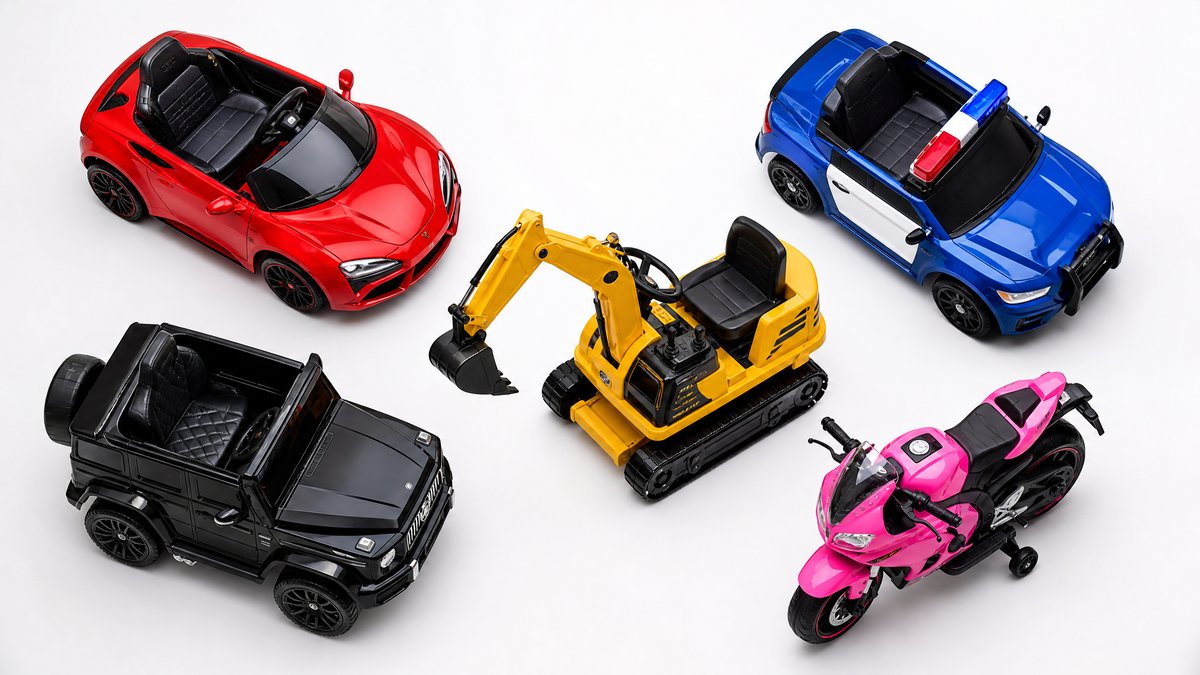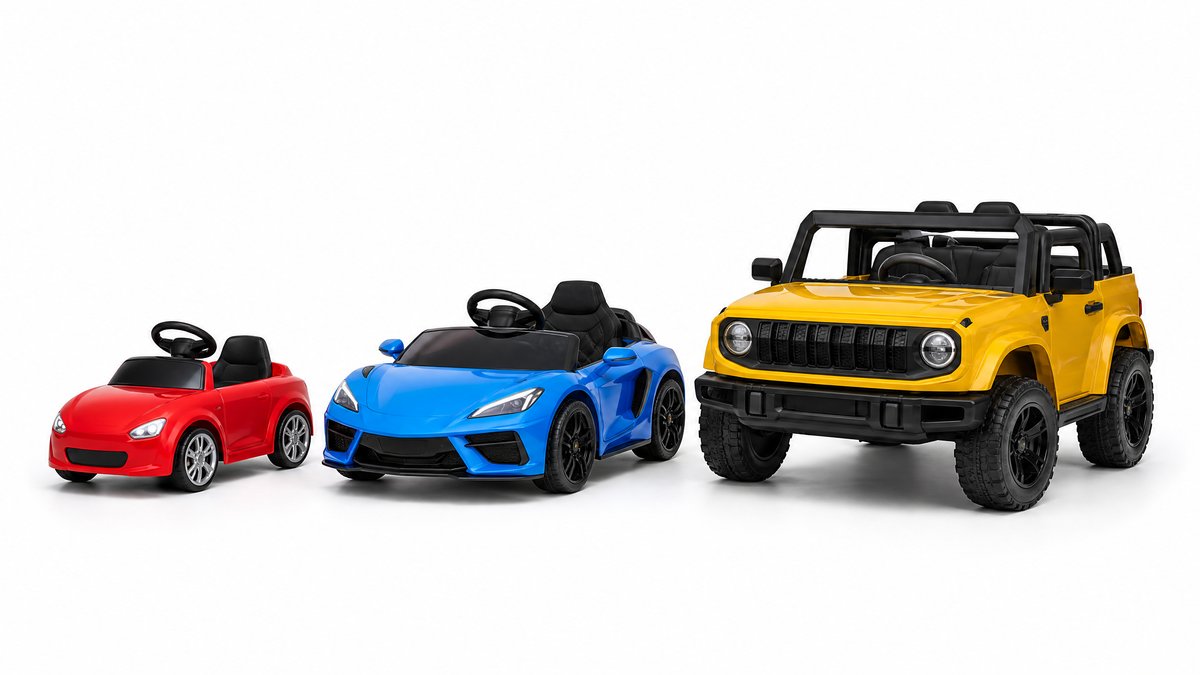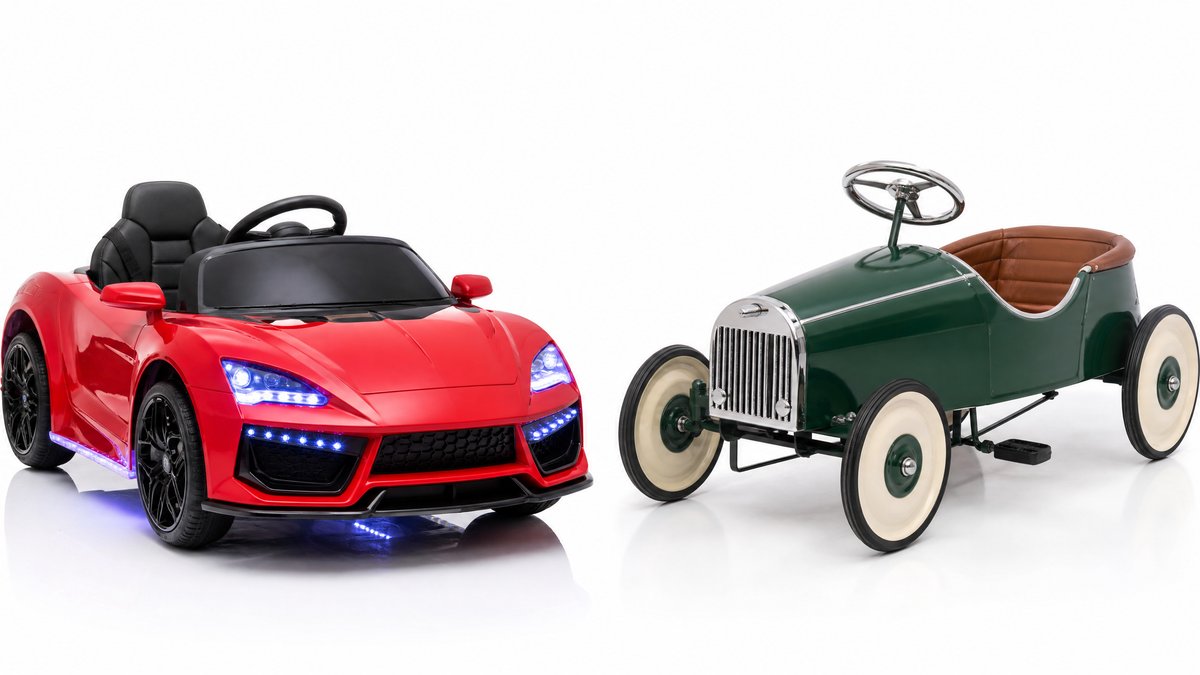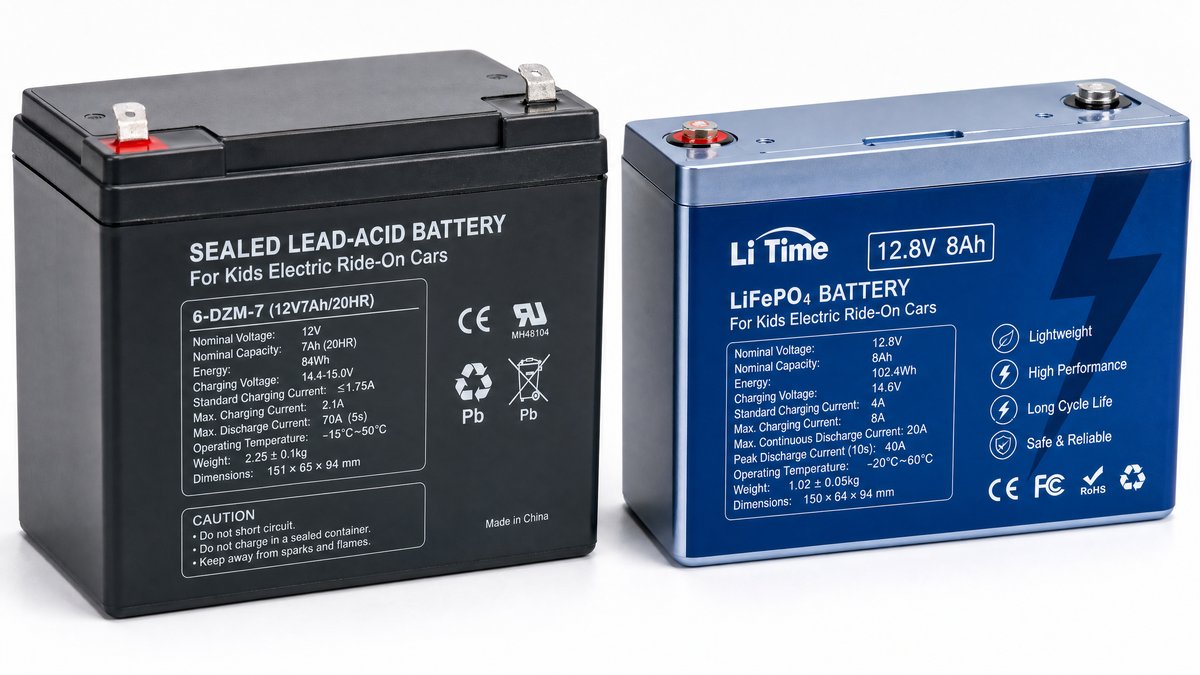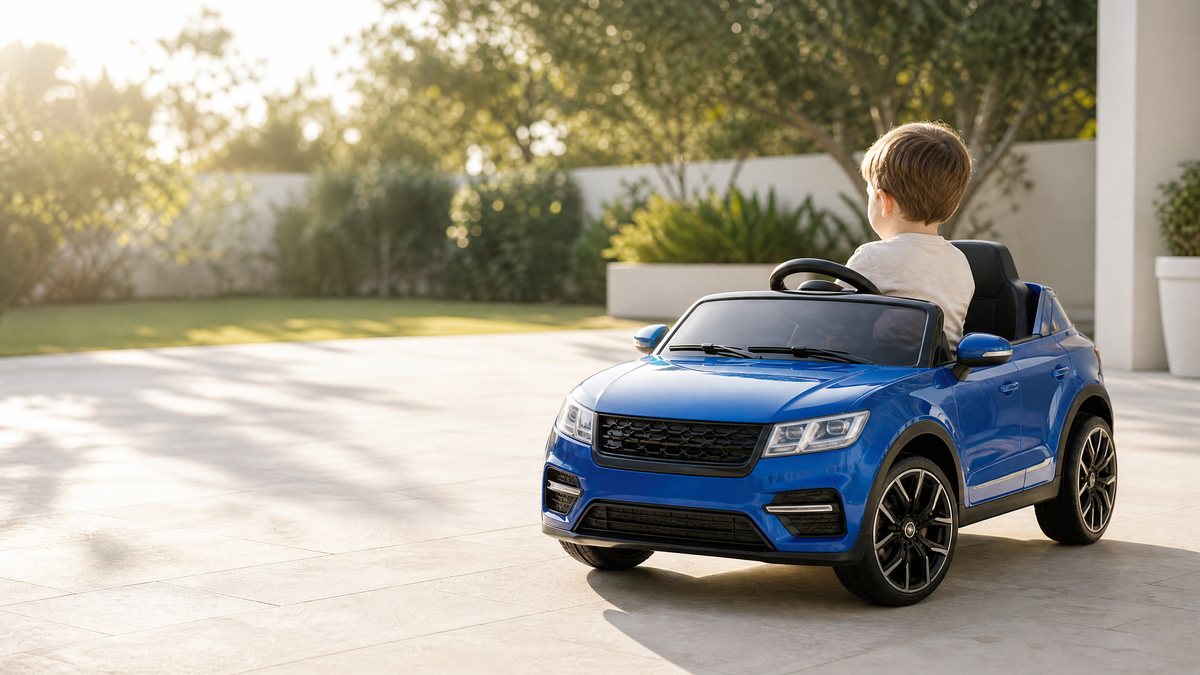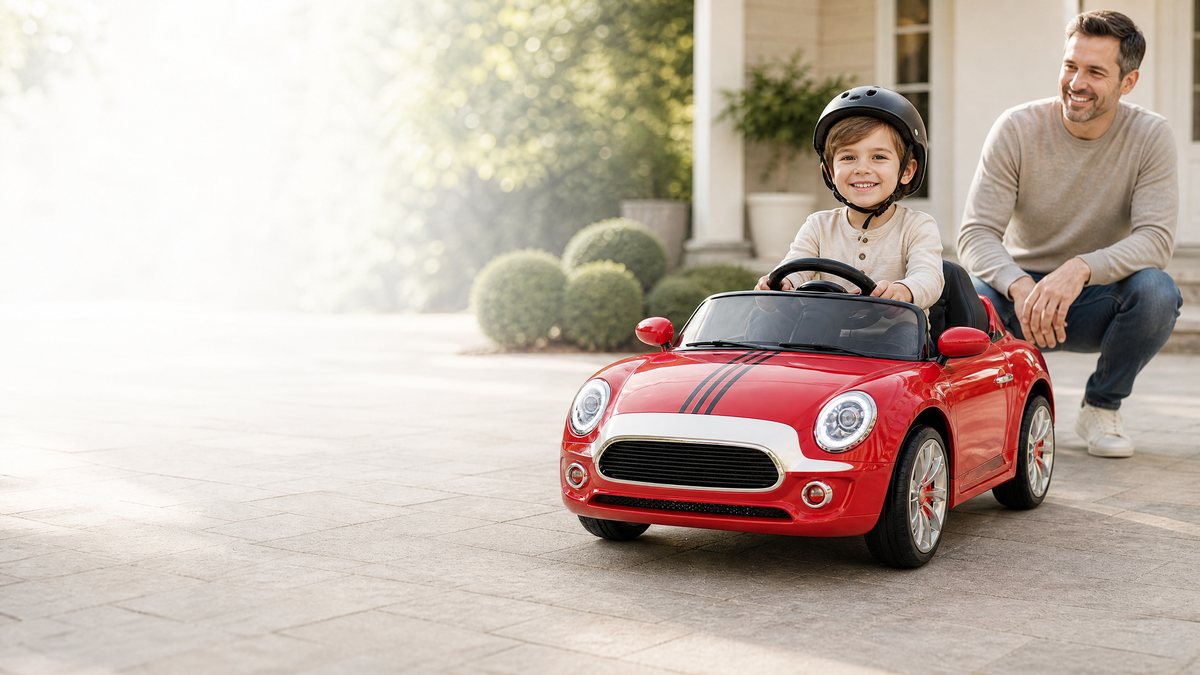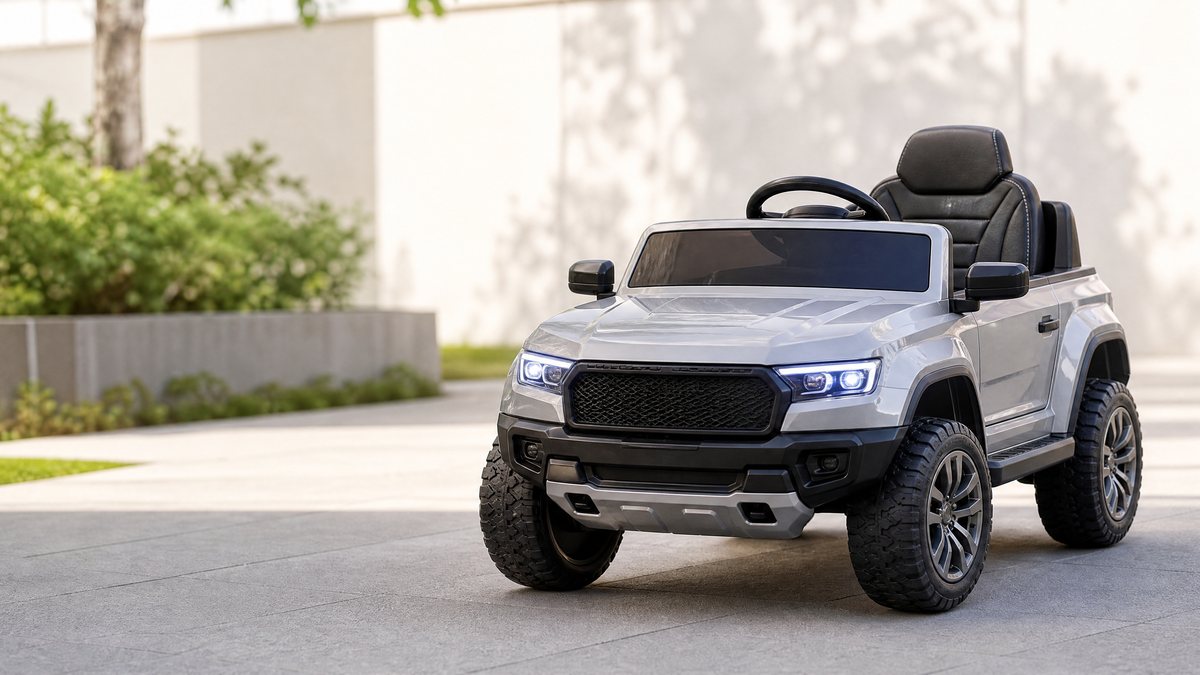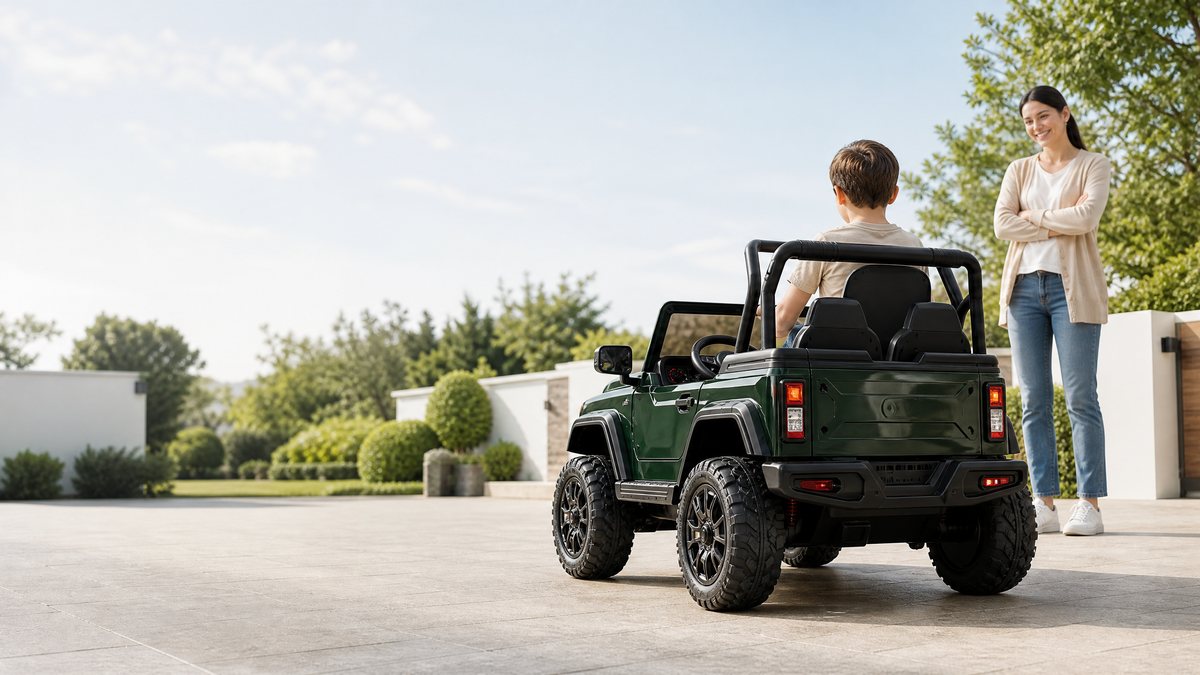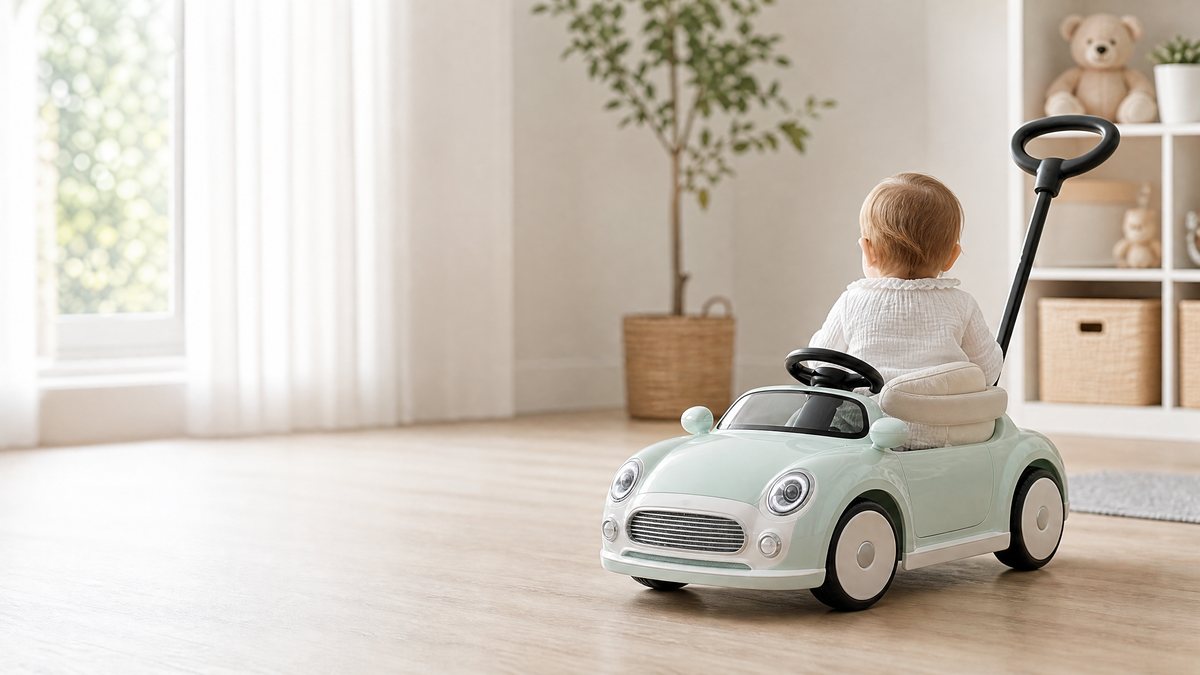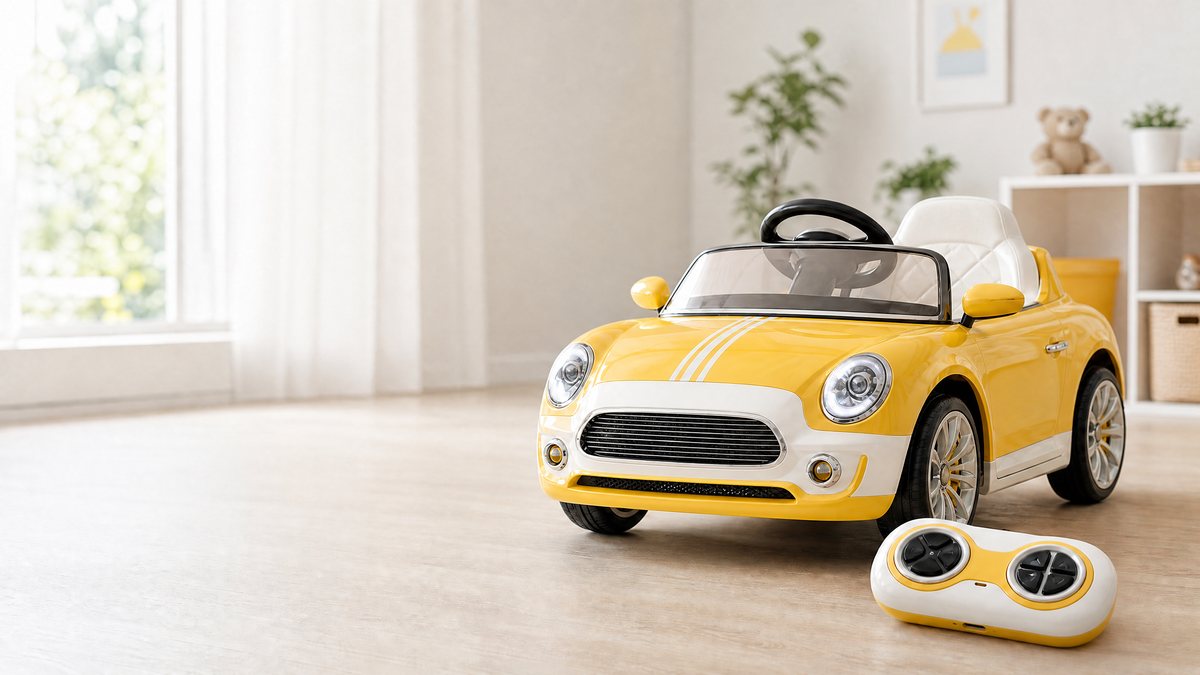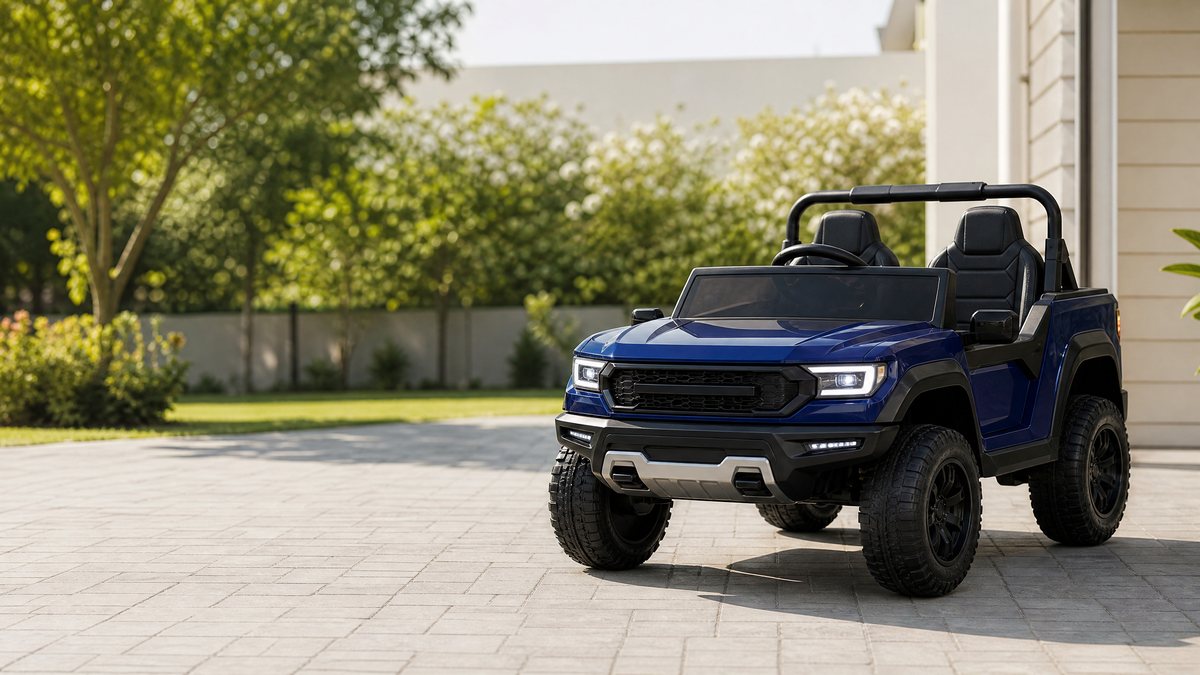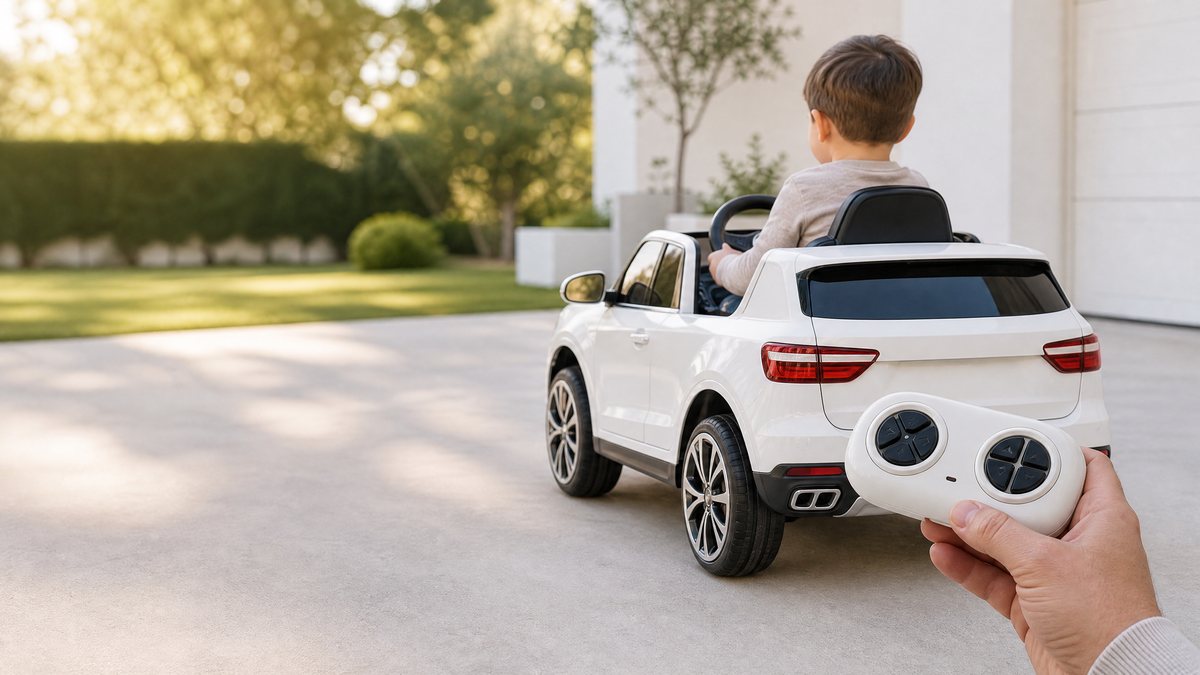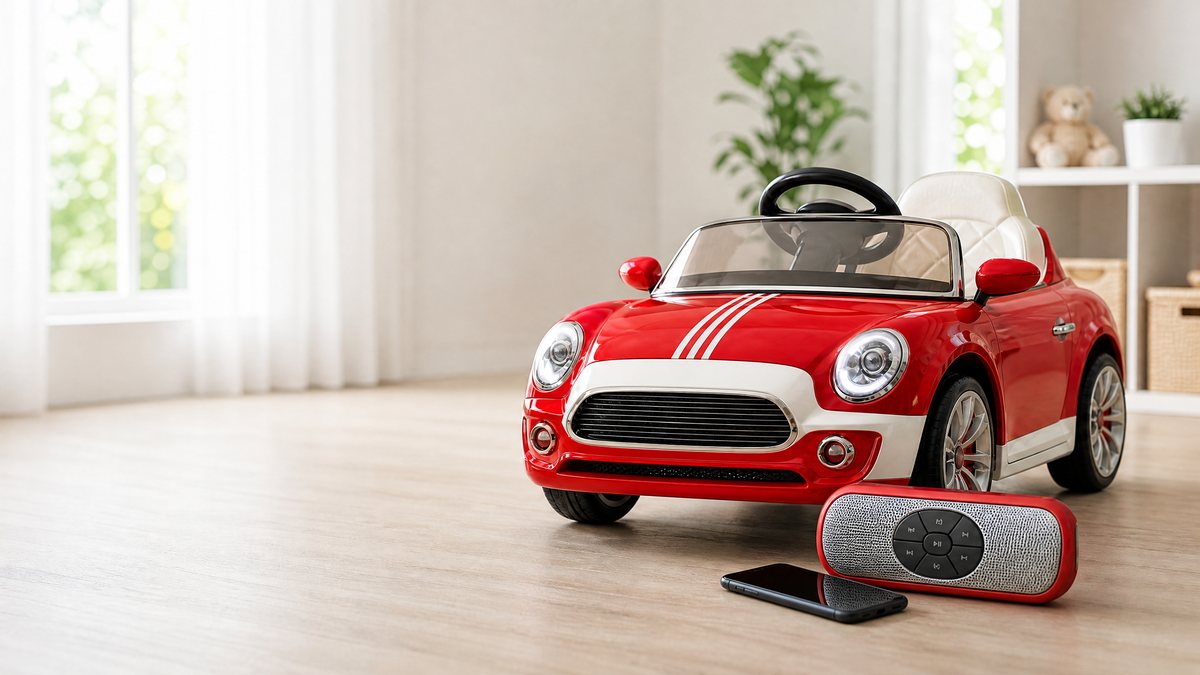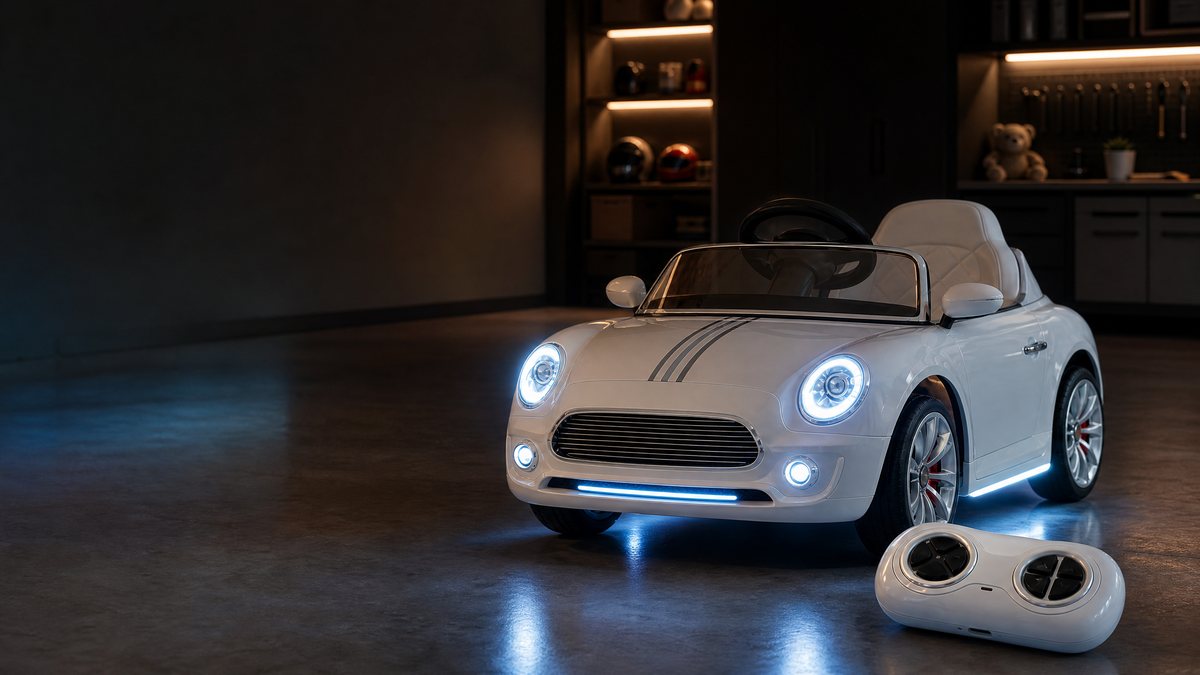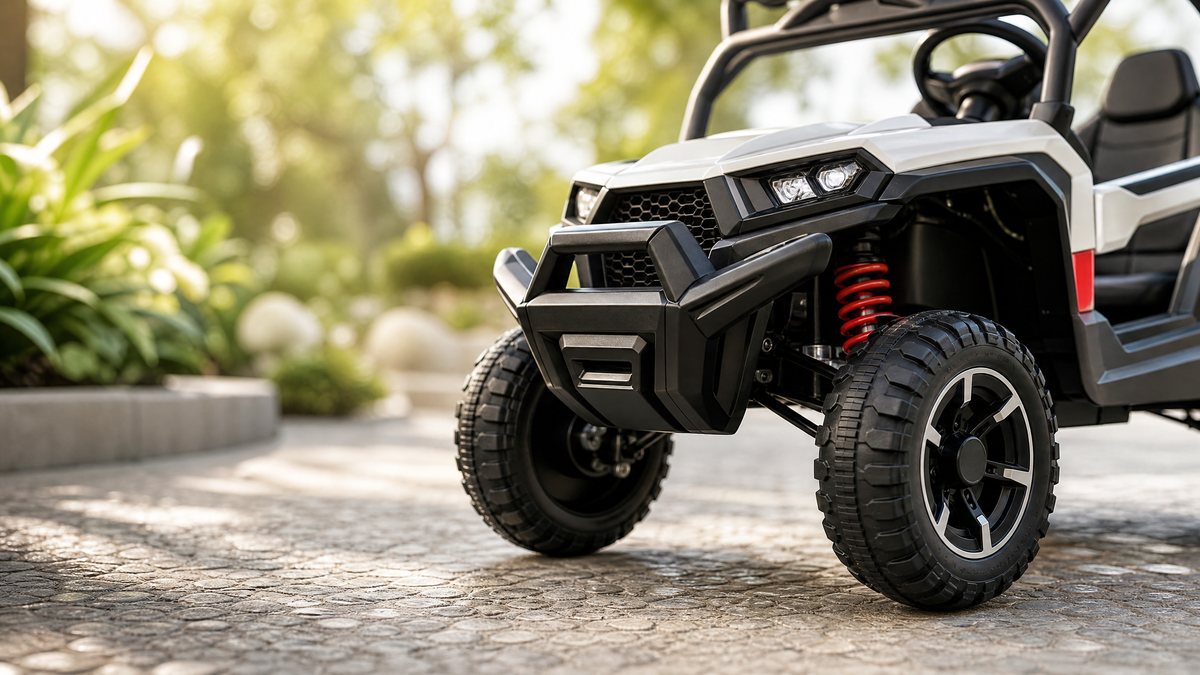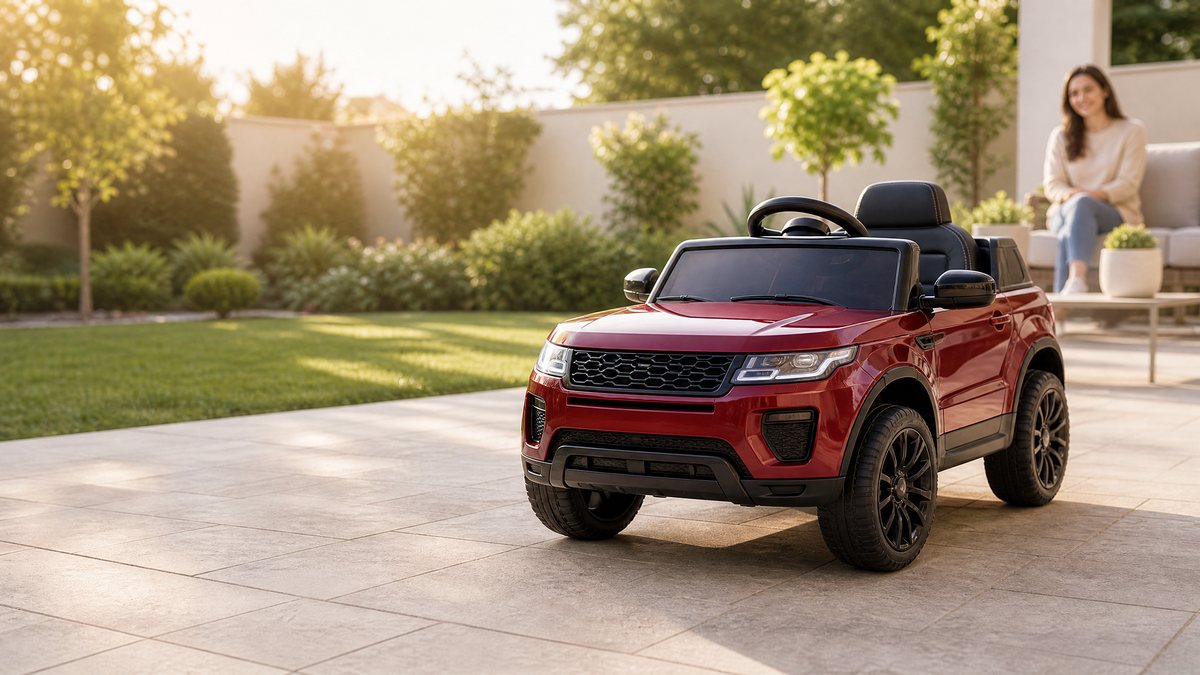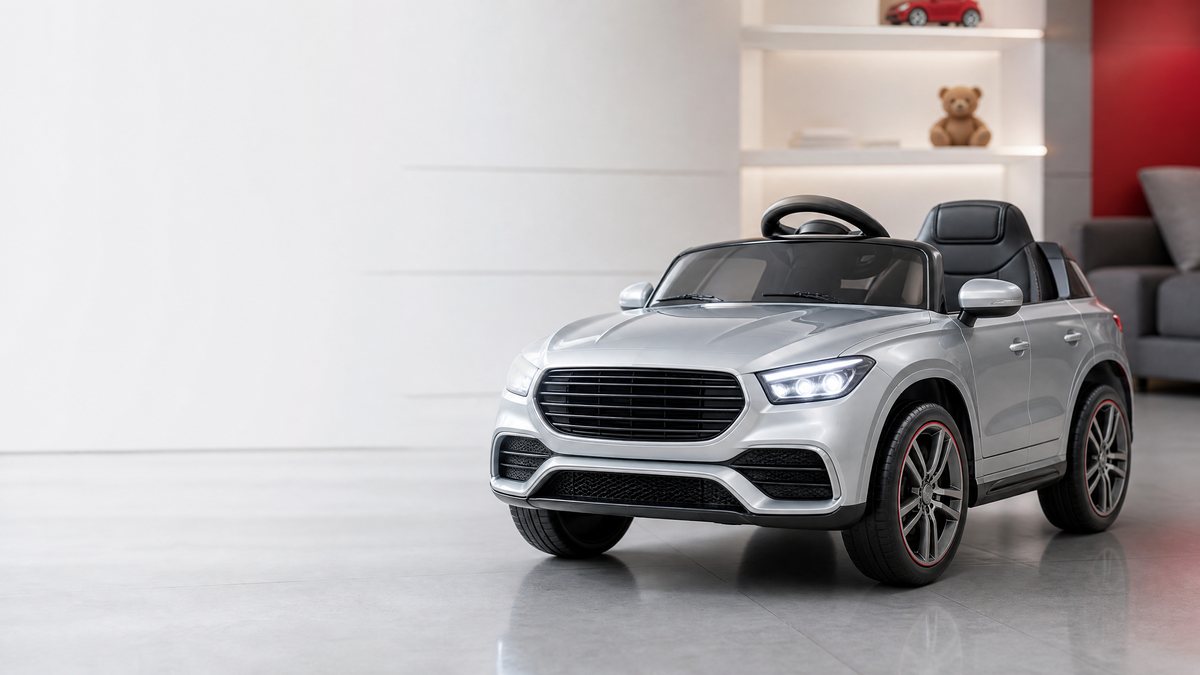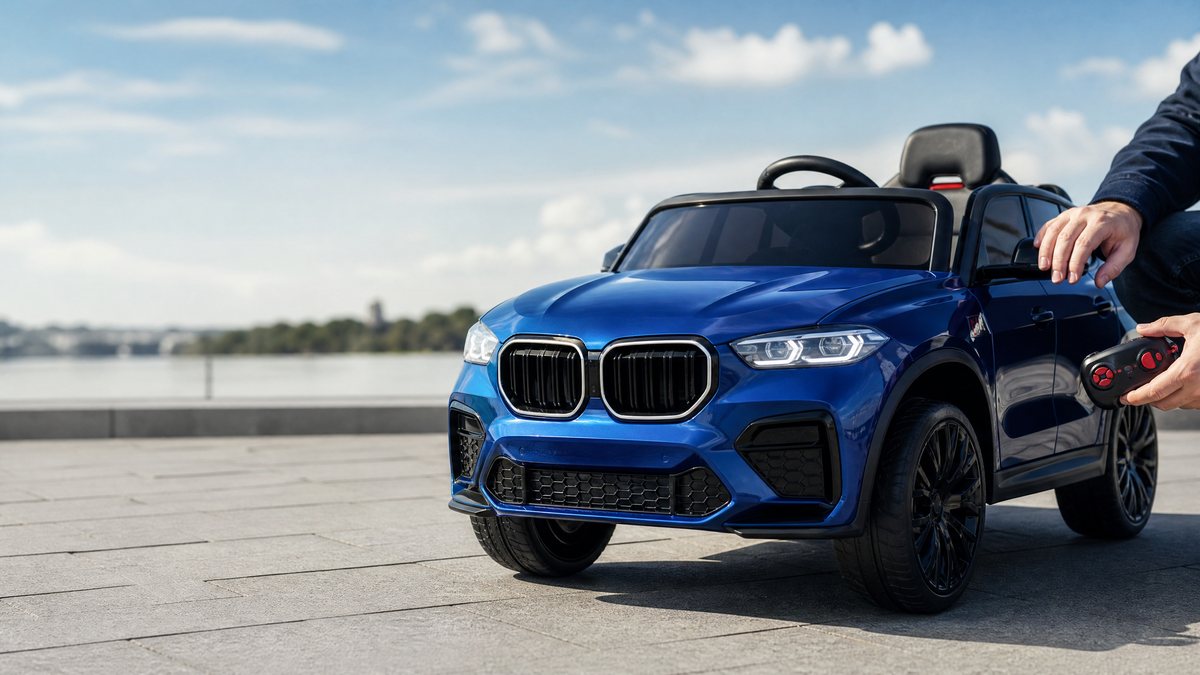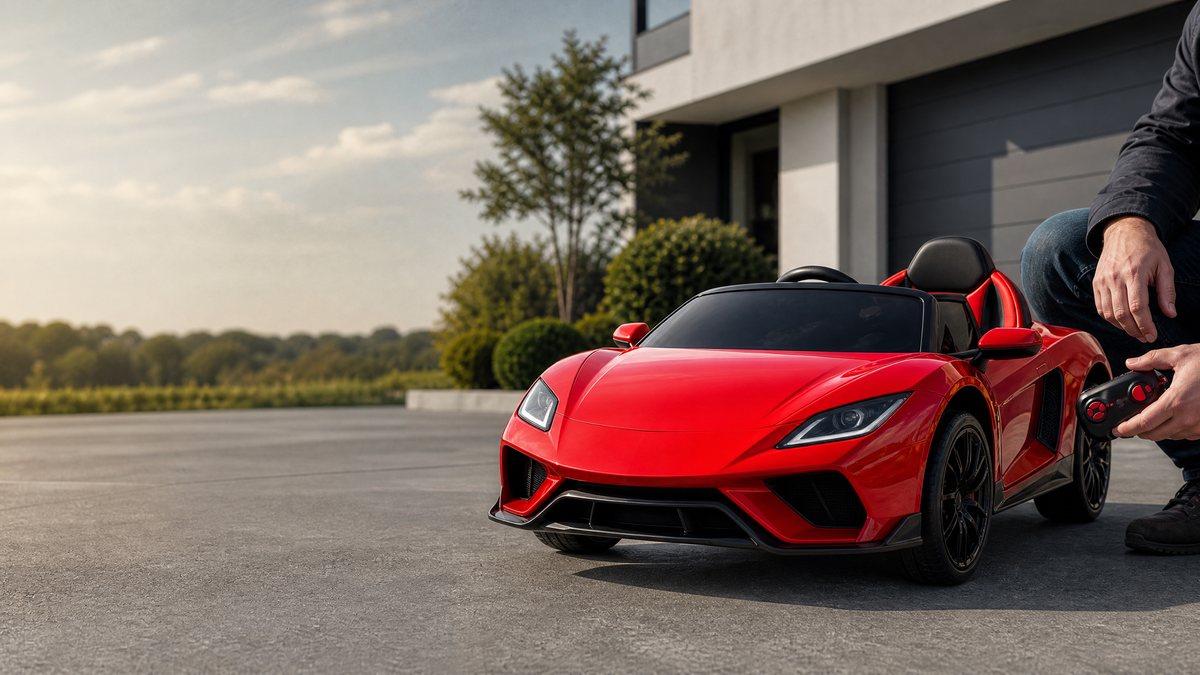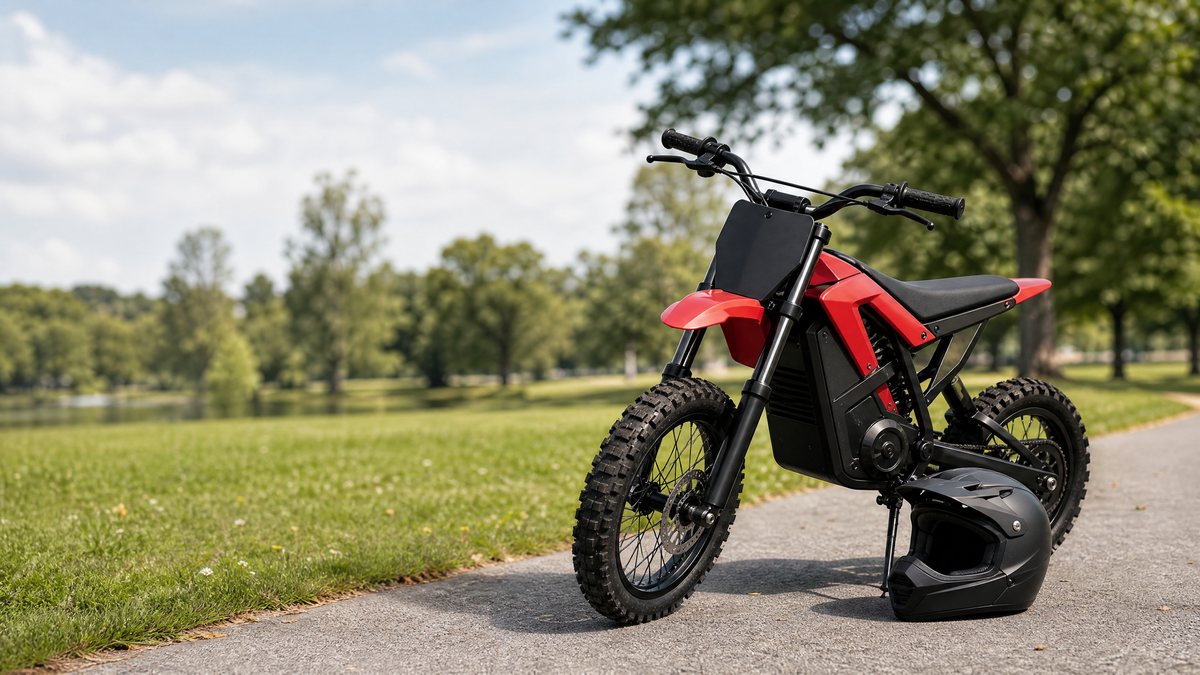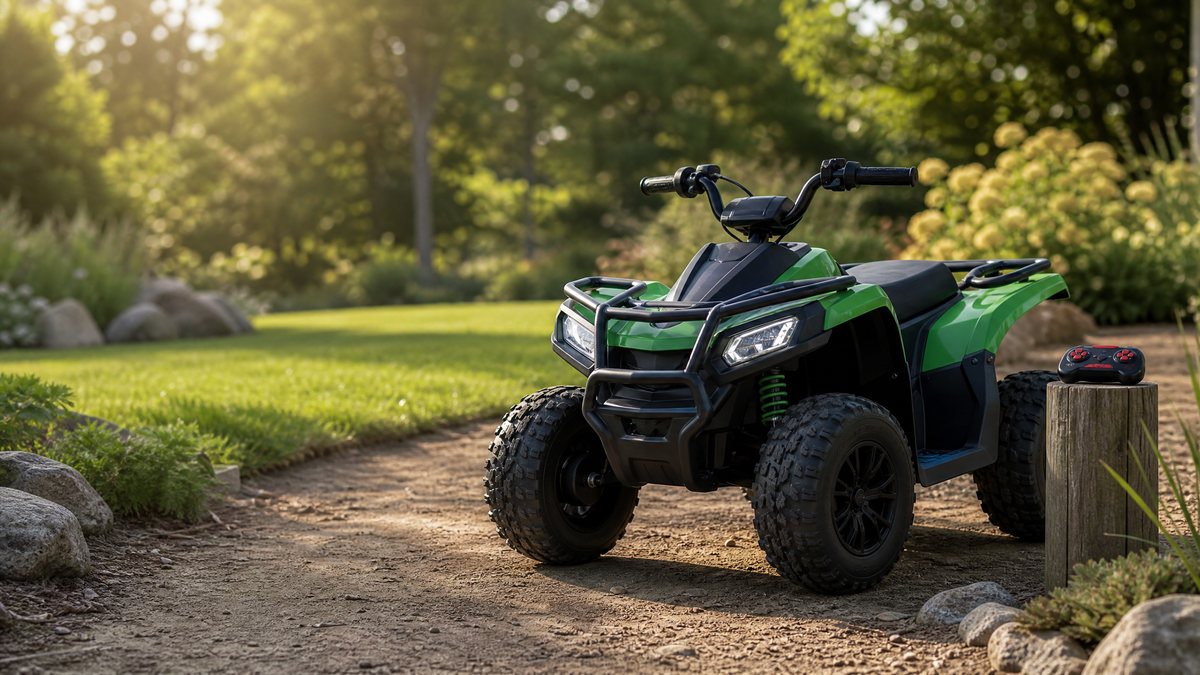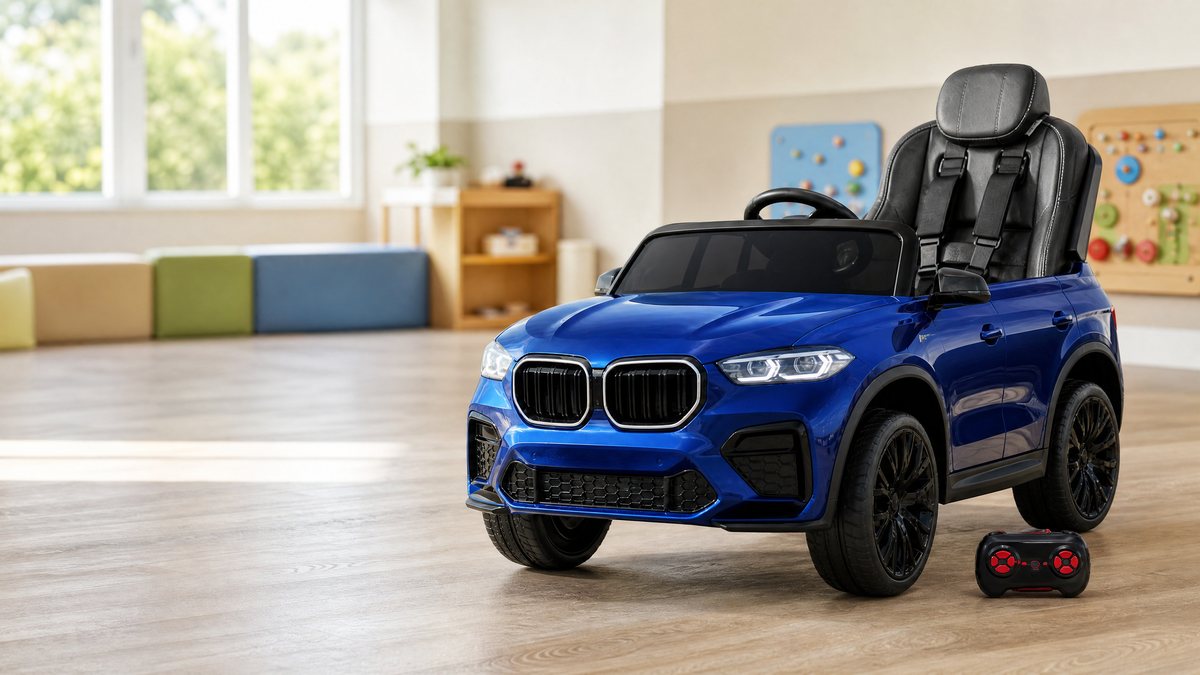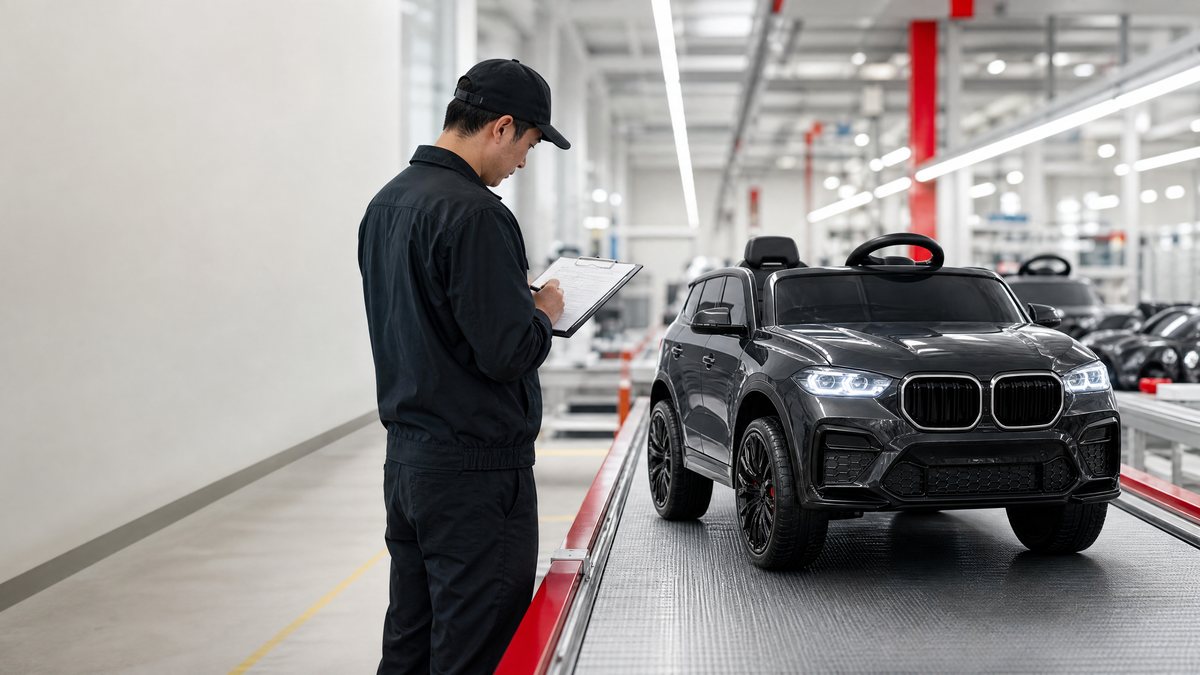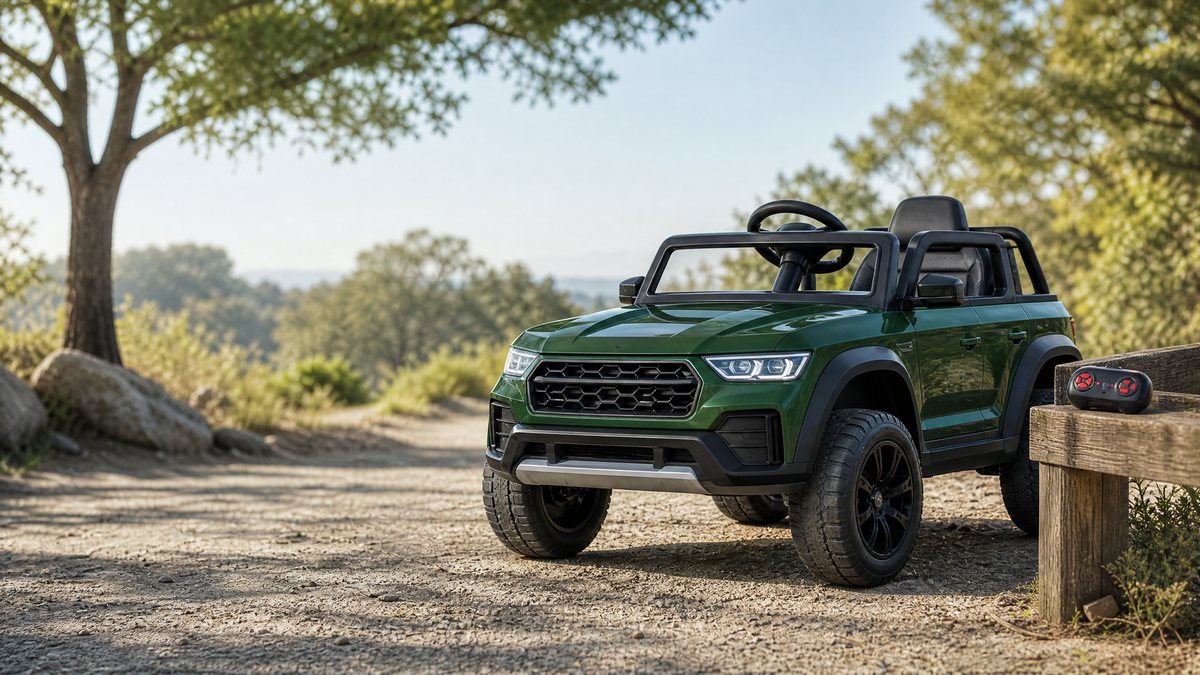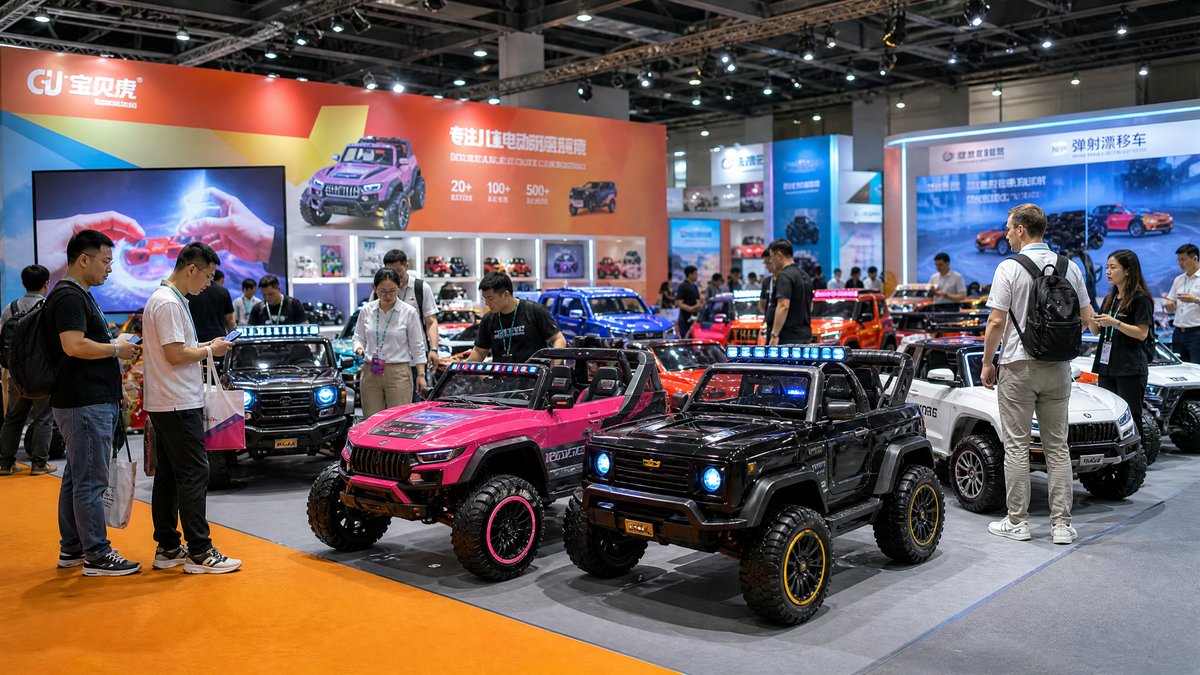
In contemporary child development, pediatric occupational therapy frameworks, and progressive early childhood education environments, ride-on vehicles have evolved far beyond simple recreational novelties. For educators, pediatric specialists, parents, and wholesale distributors seeking high-value product applications, electric ride-on cars offer dynamic, multi-faceted opportunities to support sensory integration, motor planning, spatial awareness, and self-regulation. When integrated thoughtfully into structured play routines, these motorized vehicles provide rich vestibular, proprioceptive, tactile, and auditory feedback that can actively complement a child's developmental journey. However, maximizing these developmental benefits requires an unwavering commitment to adult supervision, strict adherence to manufacturer instructions, and a thorough understanding of safe operational parameters. This comprehensive guide explores how to utilize ride-on cars for sensory play, establishing a transparent framework for evaluation, safety compliance, and structured developmental engagement across diverse play settings and residential or institutional environments worldwide today and tomorrow.
The Intersection of Motor Toys and Sensory Integration
Sensory integration refers to the neurological process by which the brain gathers, organizes, processes, and interprets sensory information originating from the external environment and the internal state of the body. Children develop foundational motor, cognitive, and emotional skills by actively interacting with their physical surroundings through purposeful play and exploration. Electric ride-on cars—when operated within strictly controlled, safe parameters—serve as comprehensive multi-sensory platforms that stimulate several primary sensory systems simultaneously, encouraging holistic physical engagement, spatial orientation, and environmental awareness.
The vestibular system, which is responsible for maintaining balance, spatial orientation, and gravitational security, is heavily engaged as a child steers, accelerates, negotiates gentle turns, and experiences dynamic motion. Proprioceptive feedback, which informs the nervous system of the body's position in space and the amount of muscular force exerted by joints and ligaments, is activated when manipulating steering wheels, depressing foot pedals, or gripping handles. Furthermore, tactile and auditory inputs derived from textured steering surfaces, operational dashboard buttons, functional lights, and environmental sounds enrich the overall sensory profile of the play session, fostering deeper environmental connection, motor planning, and sensory modulation.
It is essential to emphasize that motorized ride-on vehicles are recreational consumer products rather than medical or therapeutic devices. While engaging with ride-on cars under professional guidance or attentive parental supervision may support motor planning, coordination, and spatial confidence, they do not guarantee specific therapeutic, clinical, or developmental outcomes. Caregivers, educators, and developmental specialists should always evaluate each child's individual developmental profile and consult relevant healthcare or occupational therapy professionals when tailoring play activities or introducing new mechanical toys.
Structuring Sensory Play Sessions for Safe Engagement
To maximize the developmental and sensory benefits of ride-on vehicles while actively mitigating operational risks, structured play sessions must be carefully planned and executed. Random or unstructured usage in unmonitored environments can easily lead to sensory overload, behavioral fatigue, or unexpected safety hazards. Establishing a predictable, structured routine helps children regulate their arousal levels, transition smoothly between high-energy and calm activities, and engage safely with the vehicle.
A successful sensory play session typically follows a well-defined three-phase structure: preparation, active engagement, and cool-down or reflection. During the preparation phase, adults inspect the vehicle, verify that all external components (such as mirrors, doors, and wheels) are secure, and ensure that the designated play area is entirely clear of obstacles, traffic, and steep inclines. The active engagement phase involves guided driving tasks, obstacle courses, or designated steering challenges designed to encourage focused attention and motor control. Finally, the cool-down phase allows the child to calm their nervous system after physical exertion.
| Sensory Modality | Ride-On Car Feature / Component | Developmental Objective & Engagement Strategy |
|---|---|---|
| Vestibular System | Dynamic motion, gentle acceleration, turning | Enhances balance and spatial orientation during supervised navigation along predetermined paths. |
| Proprioception | Steering wheel resistance, pedal actuation | Builds upper body strength, hand-eye coordination, and calibrated muscle force regulation. |
| Tactile Feedback | Textured grips, switches, opening doors, seating | Encourages tactile exploration and fine motor dexterity through deliberate interaction with controls. |
| Auditory & Visual | Horns, operational lights, dashboard indicators | Promotes cause-and-effect understanding and sensory modulation in controlled acoustic environments. |
As detailed in the table above, each component of the vehicle corresponds to specific sensory domains. By aligning vehicle features with intentional play objectives, facilitators can create balanced, engaging experiences that cater to diverse developmental needs while maintaining absolute safety.
Supporting Motor Skills, Balance, and Independence
Operating an electric ride-on car requires the intricate synchronization of multiple cognitive, visual, and physical faculties. For many children, mastering the transition from passive passenger (such as in strollers, buggies, or wagons) to active driver fosters a profound sense of personal agency and independence. However, this transition must occur at a pace strictly dictated by the child's developmental readiness and emotional comfort level.
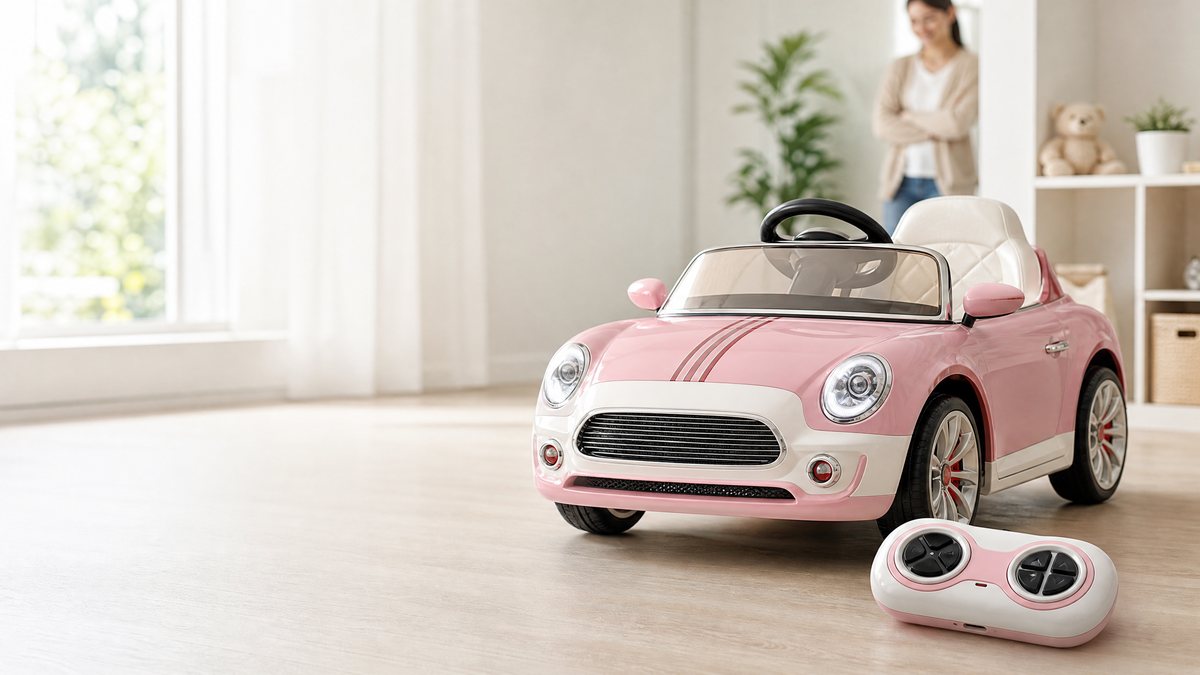
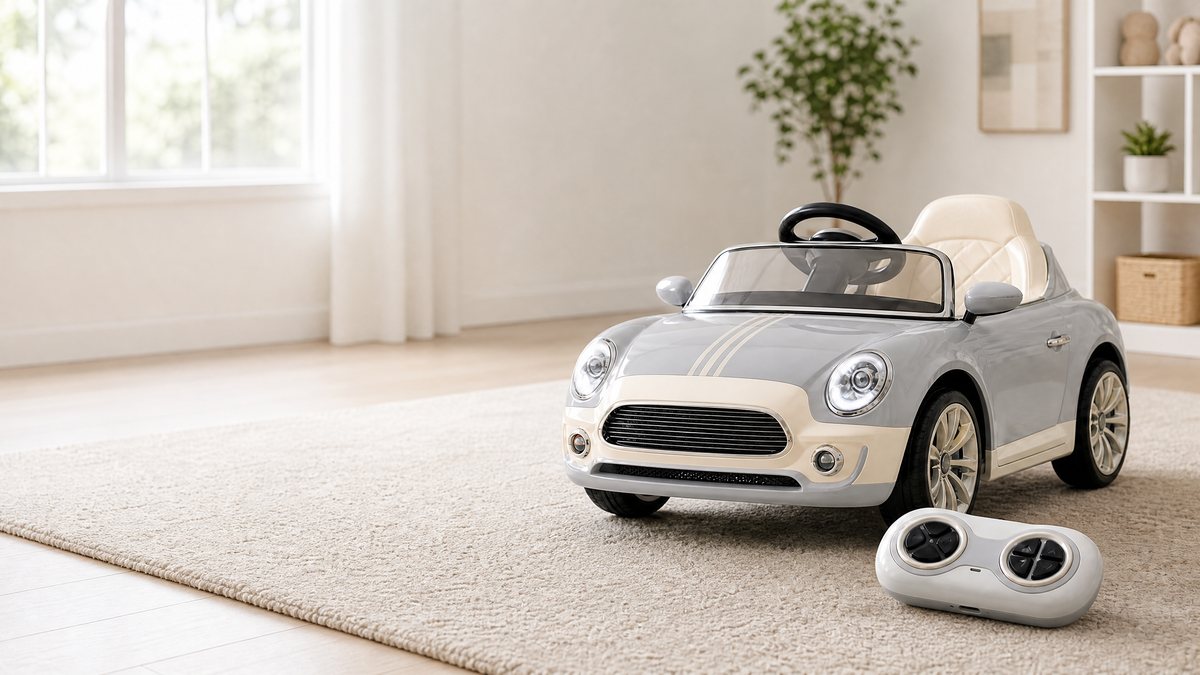
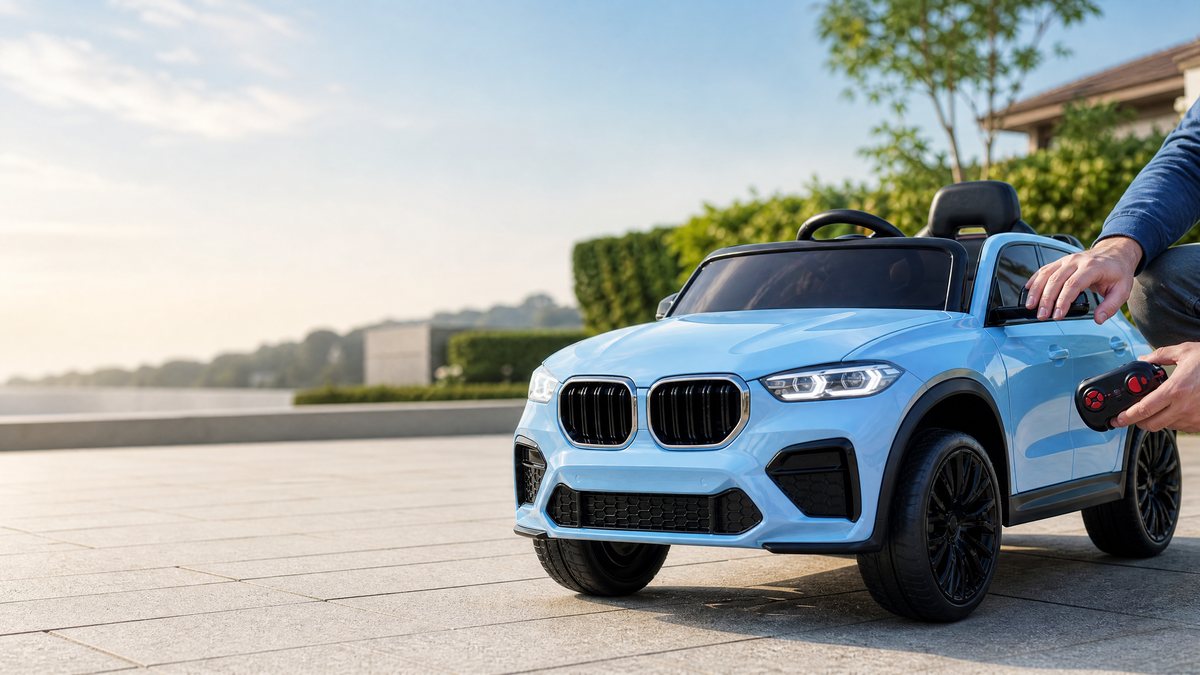
For children who are initially hesitant or developing foundational coordination, adult-controlled parental remote steering provides a vital bridge. Parents or supervisors can manage the vehicle's directional movement and speed while the child focuses on steering input, tactile manipulation of dashboard features, or simply experiencing the motion. As the child builds confidence and motor proficiency, supervision can transition to independent driving under continuous direct adult oversight, provided the vehicle features functional safety systems such as soft-start mechanisms, reliable braking, and speed-limiting controls.
Furthermore, integrating ride-on cars into group settings or supervised play spaces can encourage cooperative interaction, turn-taking, and social communication among peers. Children learn to navigate shared spaces, respect personal boundaries, and communicate movement intentions. However, supervisors must remain vigilant to prevent overcrowding or chaotic driving behaviors that could compromise safety.
It is essential to reiterate that all operational features—including remote override, adjustable speed tiers, seat belts, and electronic braking—vary significantly by model and manufacturer. Buyers, educators, and parents must thoroughly consult the specific product nameplate and manufacturer instructions manual before use. Never attempt unauthorized electrical modifications, structural alterations, or component replacements that have not been explicitly authorized in writing by the original equipment manufacturer.
Request a wholesale quote
Safety Protocols, Adult Supervision, and Equipment Verification
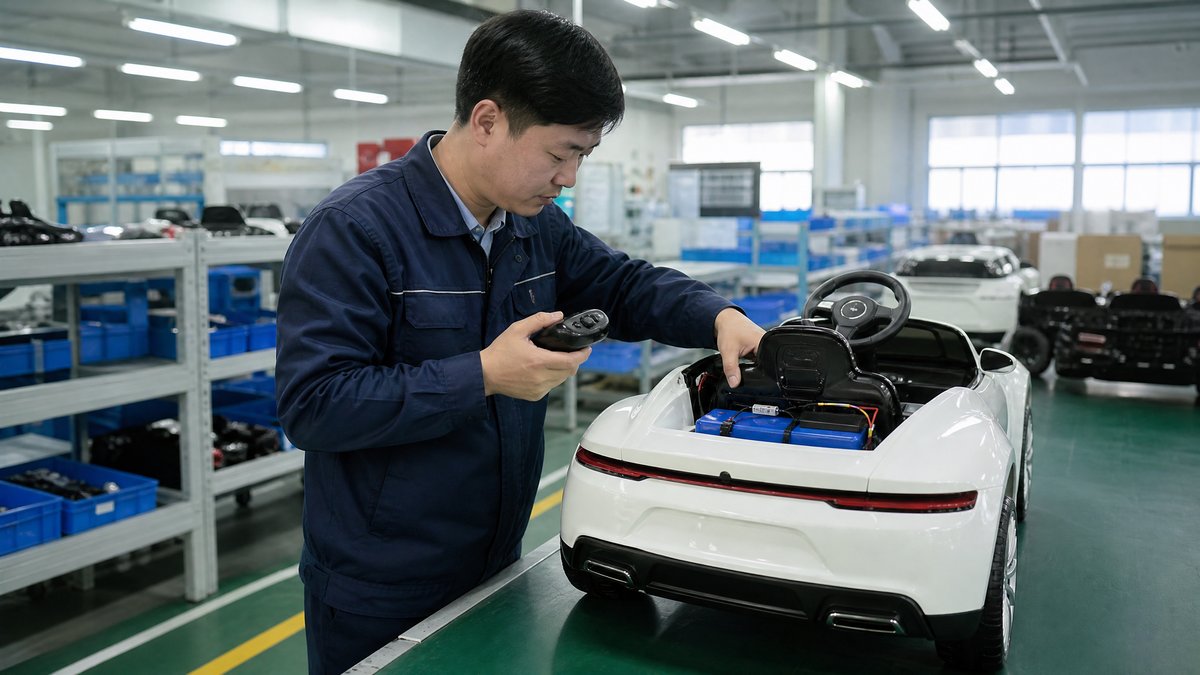
Safety is the absolute cornerstone of any sensory play initiative involving motorized vehicles. Because electric ride-on cars utilize electrical circuits, rechargeable batteries, and mechanical drive systems, rigorous safety protocols must be observed at all times.
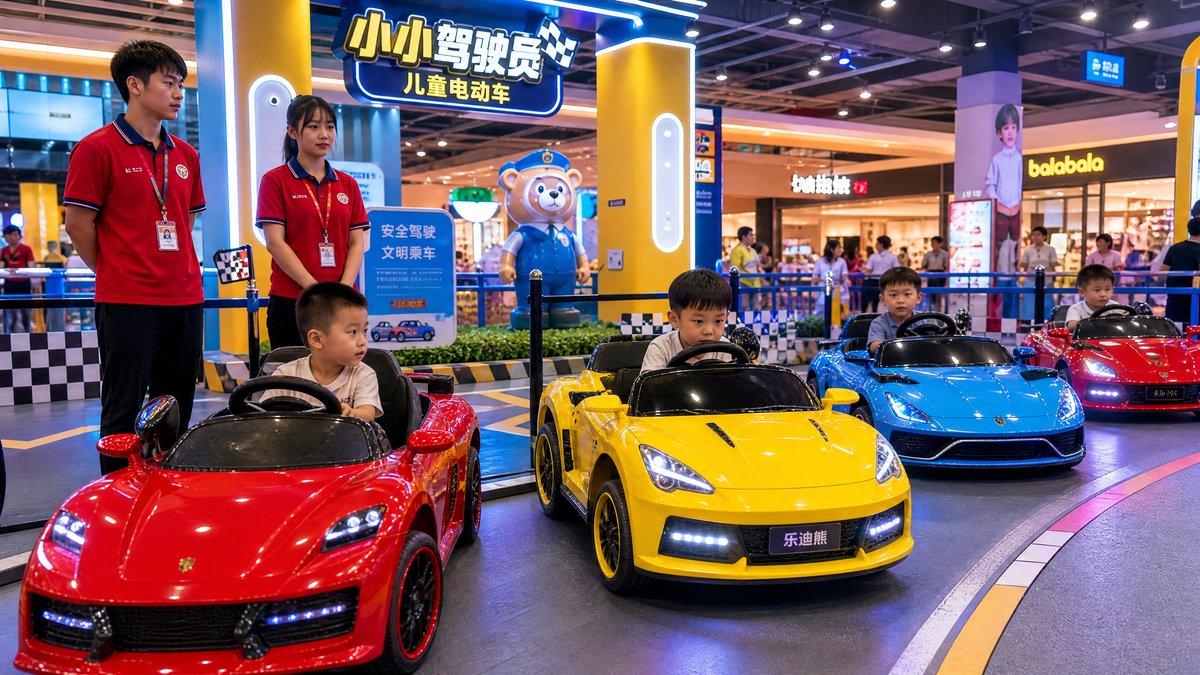
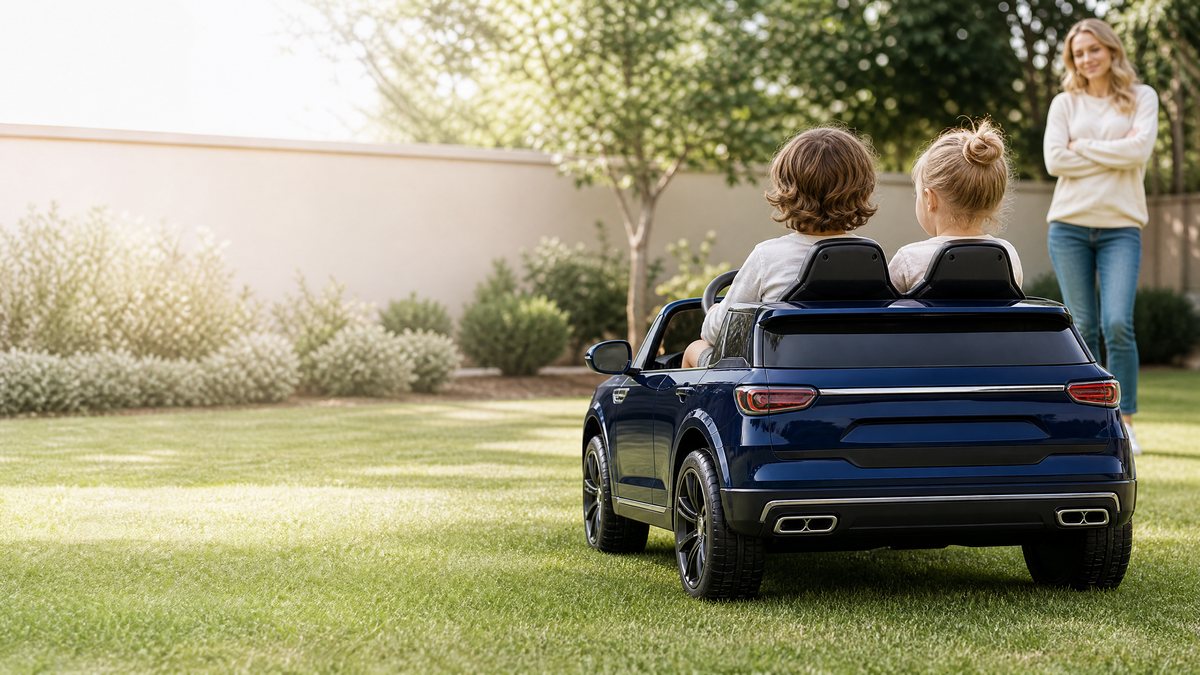
First and foremost, continuous, uninterrupted adult supervision is mandatory whenever a child is operating or interacting with a ride-on vehicle. Supervisors must remain within immediate physical reach and maintain an unobstructed line of sight. Vehicles should only be operated on flat, smooth, designated outdoor or indoor surfaces away from public streets, swimming pools, bodies of water, driveways, stairs, and steep slopes. Operating ride-on cars in wet weather, heavy rain, or across sandy or muddy terrain can compromise traction, electrical integrity, and braking efficiency.
Furthermore, electrical and mechanical safety rules must be strictly followed by all operators and supervisors:
* No Internal Modifications: Never attempt to open internal controller housings, touch battery terminals, measure electrical voltage, bypass thermal fuses, or modify factory wiring, motors, or batteries.
* Component Inspection: Regularly inspect charging plugs, power cords, switches, and wheels for signs of wear, fraying, cracking, or damage.
* Emergency Shutdown: If the vehicle emits unusual odors, smoke, excessive heat, abnormal noises, fluid leaks, or experiences persistent electrical failure, immediately stop use, turn off the master power switch, disconnect the charger, keep children away from the unit, and contact the manufacturer or qualified repair personnel.
* Storage and Charging: Always charge batteries using the designated manufacturer-supplied charger in a well-ventilated area under adult oversight. Do not overcharge batteries or leave units connected to power sources indefinitely.
Wholesale Procurement and Pre-Purchase Verification Framework
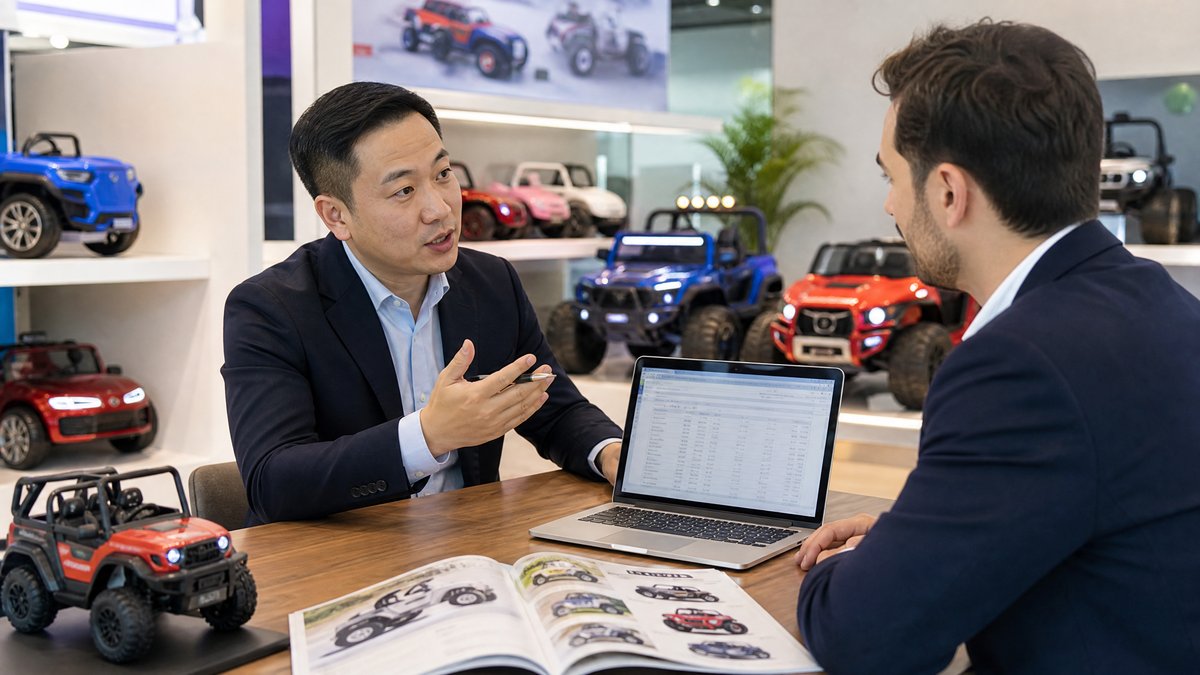
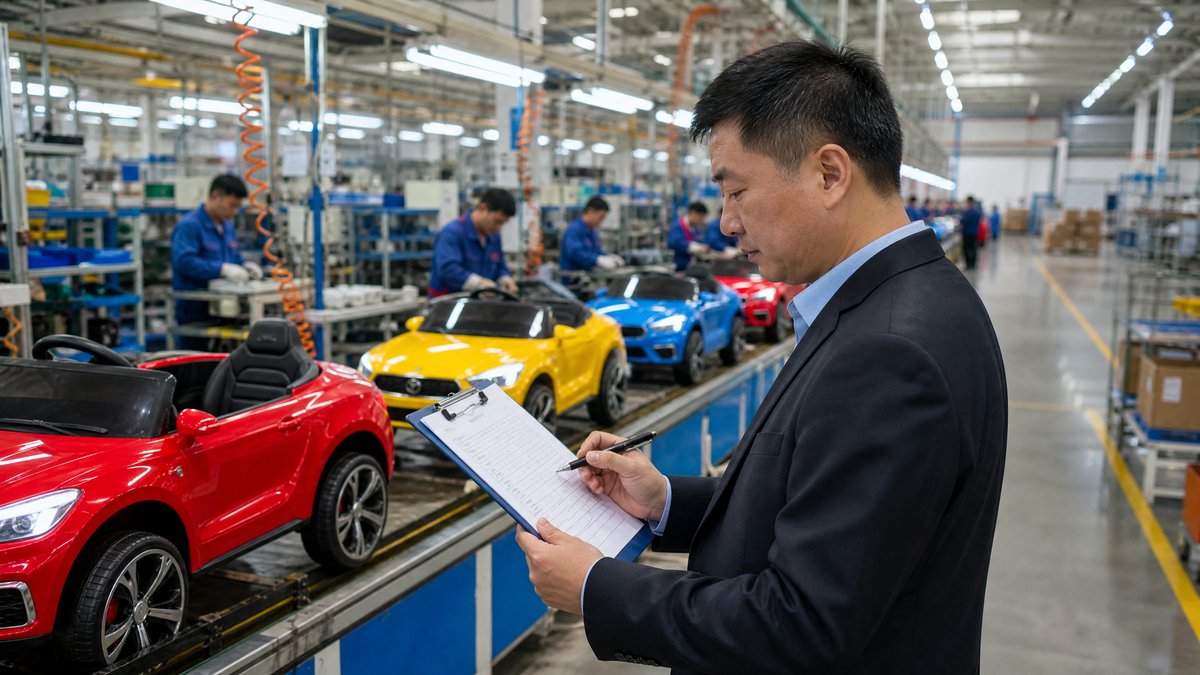
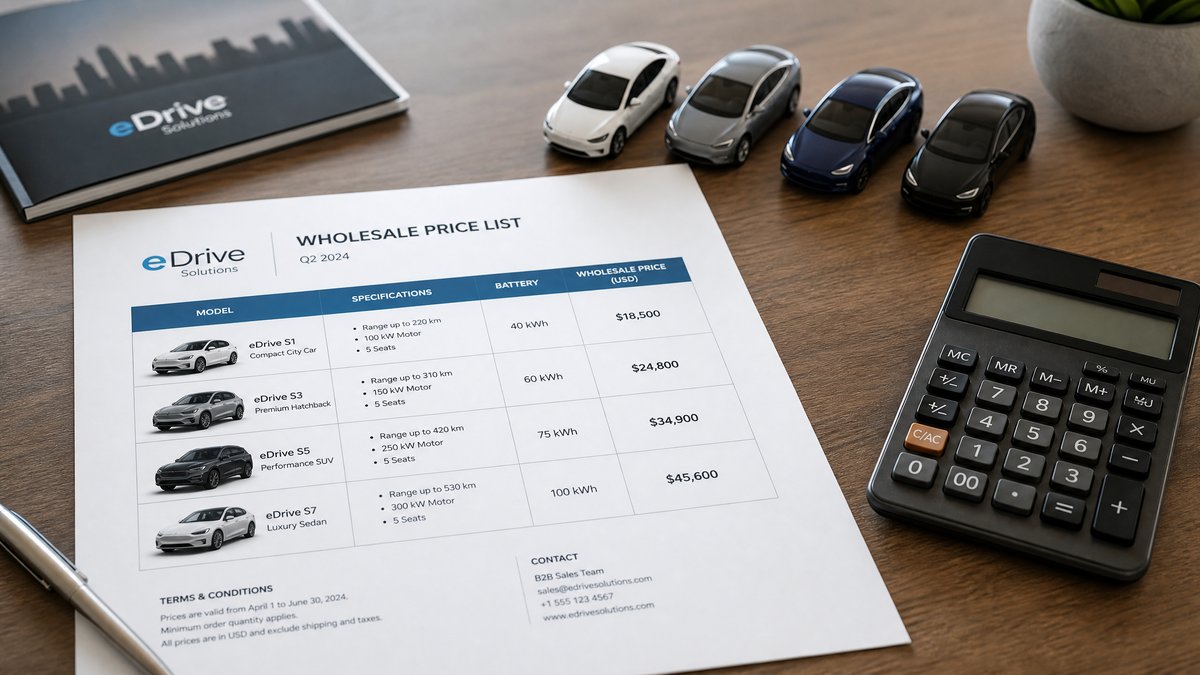
For B2B buyers, distributors, and educational institutions looking to source ride-on cars intended for sensory play programs, establishing a transparent evaluation framework is paramount. Relying on vague marketing claims or generic age recommendations is insufficient. B2B purchasers must implement a rigorous pre-purchase verification checklist to ensure product reliability, compliance, and suitability.
When evaluating supplier catalogs, wholesale buyers should examine nameplate specifications, verify material safety certifications, and review comprehensive user manuals. Features such as soft-start acceleration—which prevents sudden jerks that can startle sensory-sensitive children—and multi-stage speed limiters are crucial evaluation criteria. Furthermore, sourcing from established manufacturers ensures that replacement parts, clear operational instructions, and reliable customer support are readily available.
| Evaluation Dimension | Key Verification Parameter | B2B Procurement Guideline |
|---|---|---|
| Safety Compliance | Nameplate ratings, electrical protection | Verify that units include thermal fuses, secure battery compartments, and documented compliance with toy safety standards. |
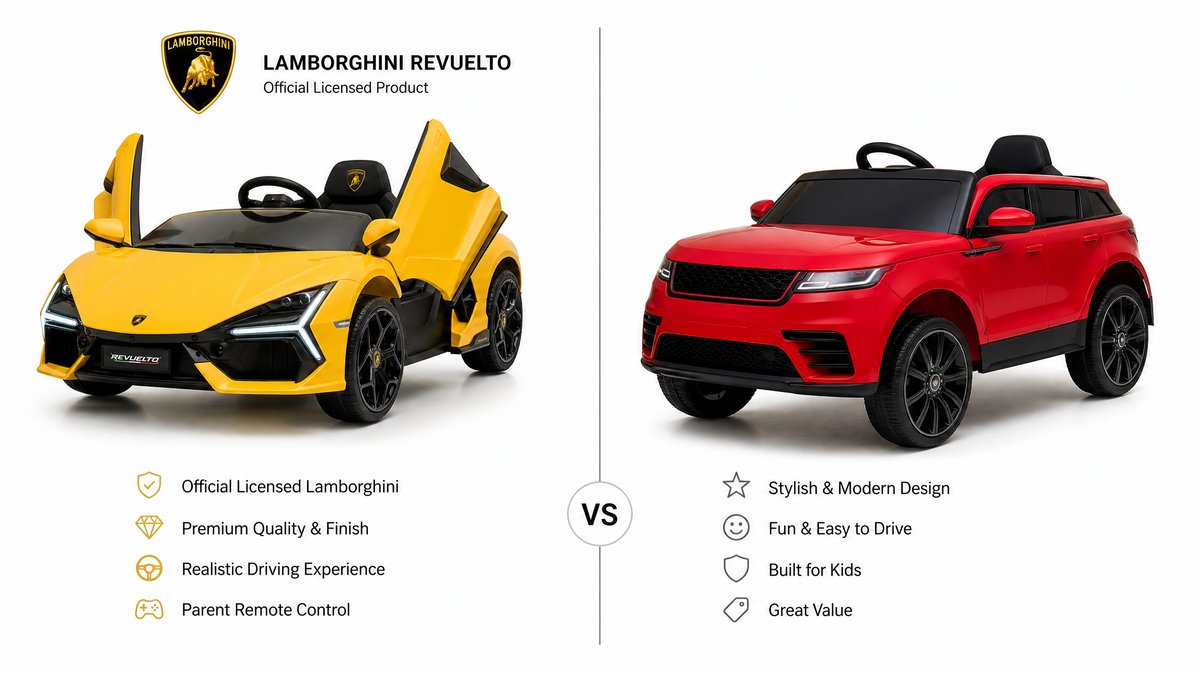
| Operational Control | Parental remote override, speed tiers | Prioritize models offering adjustable speed settings and reliable remote emergency braking for supervised environments. |
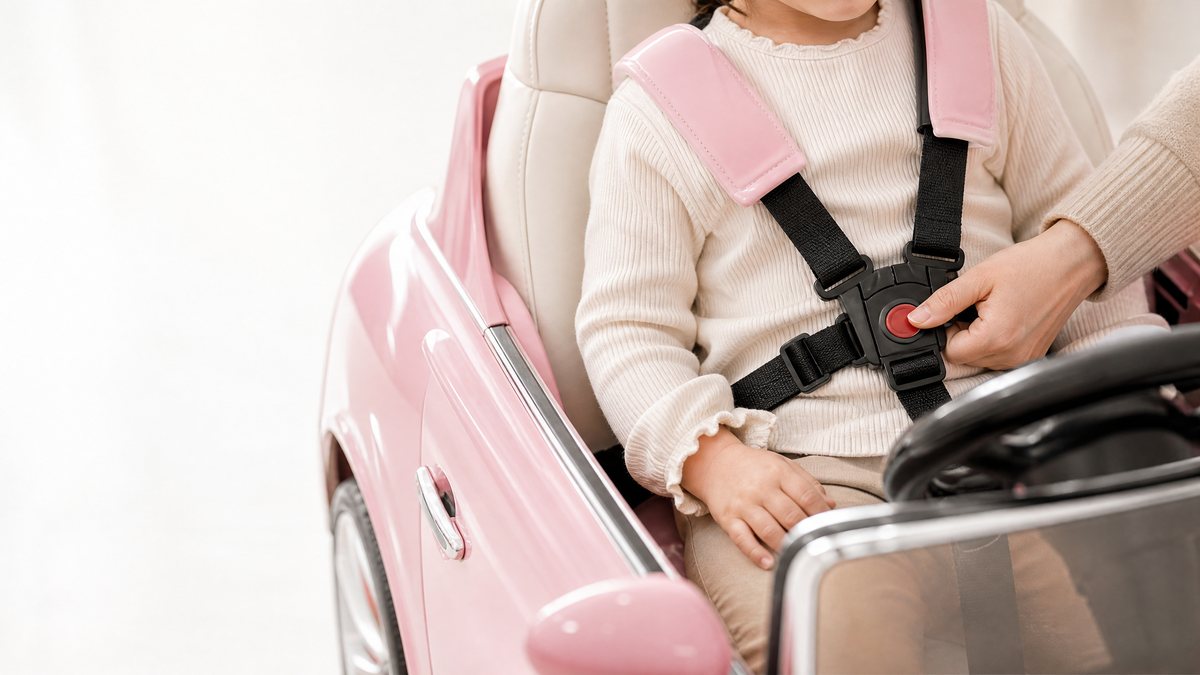
| Ergonomic Design | Adjustable seating, secure restraints | Ensure comfortable ergonomics, secure occupant restraints, and intuitive control layouts suitable for diverse users. |
| Durability & Materials | EVA foam tires, robust body plastics | Inspect material specifications for impact resistance, quiet operation, and long-term commercial durability. |
In addition to hardware specifications, B2B buyers should evaluate supplier reliability, warranty terms, and documentation clarity. Ensuring that all units are accompanied by comprehensive user manuals in target languages is essential for retail end-users and institutional operators alike. Transparent communication regarding specifications ensures long-term customer satisfaction and brand integrity across global markets and distribution networks.
Frequently Asked Questions on Sensory Play and Ride-On Cars
What age group is appropriate for using a ride-on car for sensory play?
Age appropriateness varies widely depending on the specific model's weight capacity, speed settings, developmental design, and the individual child's motor maturity. Always refer to the manufacturer's official specifications and user manual rather than generalized age labels. Supervision and readiness should always supersede chronological age.
Can ride-on cars replace professional occupational therapy for sensory processing differences?
No. Electric ride-on cars are recreational consumer products. While supervised play with ride-on vehicles can serve as a supportive tool for motor planning and sensory engagement, they do not replace clinical occupational therapy, medical evaluation, or professional treatment plans. Consult qualified healthcare professionals for developmental concerns.
How can parents or educators ensure safety when a child experiences sensory overload during play?
Sensory overload can manifest as withdrawal, agitation, or emotional distress. Supervisors should immediately halt the activity, turn off the vehicle, remove the child to a quiet, calming environment, and provide reassuring support. Play sessions should be kept short and structured according to the child's individual tolerance levels.
Are all ride-on car features standard across different manufacturing models?
No. Features such as 4WD, EVA foam tires, soft-start acceleration, Bluetooth connectivity, parental remote controls, and adjustable seat belts vary significantly by specific model and brand. Buyers and educators must evaluate each vehicle based on its documentation, nameplate data, and written manufacturer instructions before purchase and operation.
Conclusion
Integrating electric ride-on cars into sensory play frameworks offers a compelling blend of recreation, motor skill development, and sensory exploration. By maintaining a steadfast commitment to adult supervision, adhering strictly to manufacturer instructions, and employing transparent pre-purchase verification checklists, educators, parents, and wholesale distributors can ensure safe and enriching experiences. Whether deployed in specialized educational centers, family entertainment venues, or residential play spaces, these vehicles provide meaningful opportunities for children to explore movement, space, and independence safely and confidently. Through careful planning, thoughtful facilitation, and unwavering adherence to safety standards, ride-on cars become invaluable assets in comprehensive developmental play programs worldwide.
Request a wholesale quote
Official References
1. U.S. Consumer Product Safety Commission (CPSC): General toy safety education materials, playground and ride-on toy safety guidelines. Note: CPSC educational guidelines serve as general reference and do not replace specific product user manuals, nameplate instructions, or manufacturer safety certifications.
2. KidsRideCar Engineering & Compliance Documentation: Standard operating guidelines, pre-purchase verification frameworks, and safety compliance advisories for electric ride-on vehicles.
3. Pediatric Play and Motor Development Research: Academic literature on vestibular and proprioceptive integration through active recreational play devices under supervised conditions.
Official references
Explore these external resources for current regulatory and trade guidance. Confirm requirements with the relevant authority before placing an order.
Ready to Start?
Factory-Direct · CE & ASTM Certified · MOQ from 50 Units
Our export team works with buyers in 60+ countries. Get a quote within 24 hours.
KR
Written by KidsRideCar
China's leading kids electric ride-on car manufacturer. 500,000+ units shipped annually to 60+ countries. CE, ASTM & EN71 certified.