The global market for children's battery-powered vehicles is undergoing a rapid technological and aesthetic transformation. As we look ahead to 2027, B2B wholesale buyers, toy distributors, and retail chain purchasers must stay ahead of shifting consumer expectations, stricter international safety regulations, and rapid advancements in battery and smart-feature engineering. Modern parents are no longer just looking for basic plastic toys; they demand high-performance, durable, and technologically integrated ride-on cars that mirror full-sized electric vehicles (EVs).
In this comprehensive guide, we examine the primary market trends shaping the kids' ride-on car sector for 2027, providing B2B buyers with the actionable intelligence needed to curate profitable, high-demand product catalogs.
1. The Dominance of 24V Systems and Brushless Motor Technology
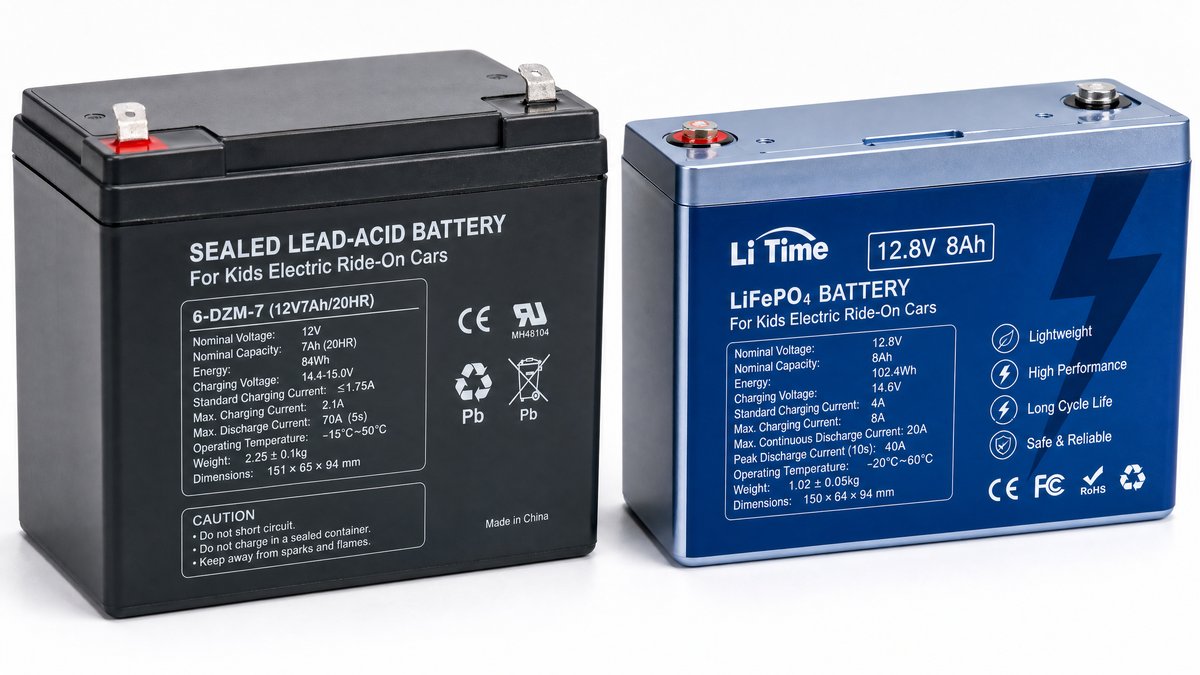
For years, 12V dual-motor configurations served as the industry standard for standard ride-on cars. However, consumer demand for higher torque, longer run times, and better performance on varied terrains has accelerated the transition toward 24V power systems.
By 2027, 24V ride-on cars—featuring dual or quad high-output motors—will capture a significantly larger market share in mid-to-high retail tiers. Furthermore, the introduction of brushless DC (BLDC) motors into premium ride-on models is revolutionizing durability. Unlike traditional brushed motors, brushless motors produce less heat, require zero brush maintenance, offer higher efficiency, and deliver smoother acceleration curves.
| Specification | Traditional 12V System | Advanced 24V System (2027 Standard) |
|---|---|---|
| Nominal Voltage | 12V (Lead-Acid or Entry Li-ion) | 24V (High-Capacity Lithium or Upgraded Lead-Acid) |
| Motor Type | Brushed DC Motors (550/775 series) | Brushless DC Motors / High-Torque Brushed |
| Top Speed | 3 – 5 km/h (1.8 – 3.1 mph) | 6 – 9 km/h (3.7 – 5.6 mph) (with multi-speed lockout) |
| Target Age Group | 3 – 6 years | 5 – 10 years (larger chassis, two-seaters) |
| Runtime per Charge | 45 – 60 minutes | 90 – 150 minutes |
| Wholesale Margin Potential | Moderate (High volume, price-sensitive) | High (Premium pricing, value-add features) |
Wholesale buyers should prioritize expanding their 24V inventory, particularly larger two-seater utility vehicles (UTVs) and licensed luxury SUVs, which command higher retail margins.
2. Smart Integration and IoT Features in Children's Toys
The modern child is digital-native, and parents increasingly value interactive and connected toys. In 2027, ride-on cars featuring native IoT (Internet of Things) integration and advanced digital interfaces will dominate premium product lines.
Key technological upgrades to watch for include:
* Advanced Parental Control Apps: Bluetooth-enabled smartphone apps allowing parents to set speed limits, execute emergency remote stops, monitor battery percentage, and even steer remotely beyond standard handheld radio remotes.
* Interactive Infotainment Dashboards: Built-in LCD screens featuring pre-loaded educational games, music streaming via Bluetooth, real-time speedometers, and working LED battery level gauges.
* Integrated Lighting and Sound Synthesizers: Realistic engine start sounds, horn controls, and programmable LED headlight/taillight sequences controlled via dashboard touch panels.
For B2B importers, sourcing models with upgradable software firmware or customizable dashboard branding offers an exceptional competitive edge in crowded retail markets.
3. Sustainability, Eco-Friendly Materials, and Compliance
Environmental consciousness is no longer optional for toy manufacturers; it is a core purchasing criterion for European and North American retail chains. In 2027, eco-friendly sourcing and stringent regulatory compliance will dictate market access.
Recycled and Bio-Based Plastics
Manufacturers are increasingly incorporating post-consumer recycled (PCR) plastics and bio-composites into non-structural body panels. While virgin PP (Polypropylene) remains necessary for high-load structural chassis components, offering certified eco-friendly lines appeals strongly to environmentally conscious demographics.
Global Compliance Rigor
Regulatory bodies are tightening standards on battery chemistry, electrical insulation, and chemical composition:
* EN71 & ASTM F963: Continued strict enforcement of mechanical and physical safety standards.
* EU Battery Regulation & RoHS: Stricter tracking of heavy metals and recyclability mandates for lithium-ion packs.
* CE and FCC Certification: Mandatory for all wireless remote-control transmitters and Bluetooth modules.
Wholesale buyers must partner exclusively with ISO-certified factories that provide verifiable third-party test reports (from labs like SGS, TÜV, or Intertek) to avoid costly customs seizures and retail recalls.
4. Design Aesthetics: Hyper-Realistic Licensed Models vs. Original UTVs
The design landscape for 2027 splits into two distinct, highly lucrative categories:
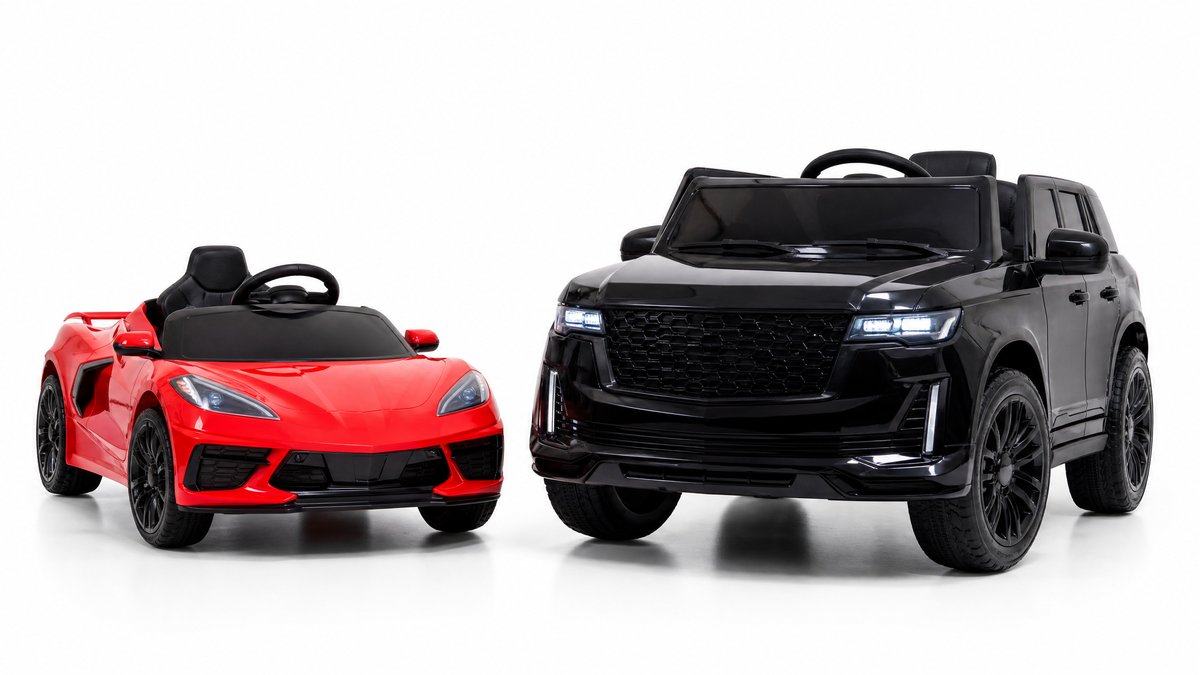
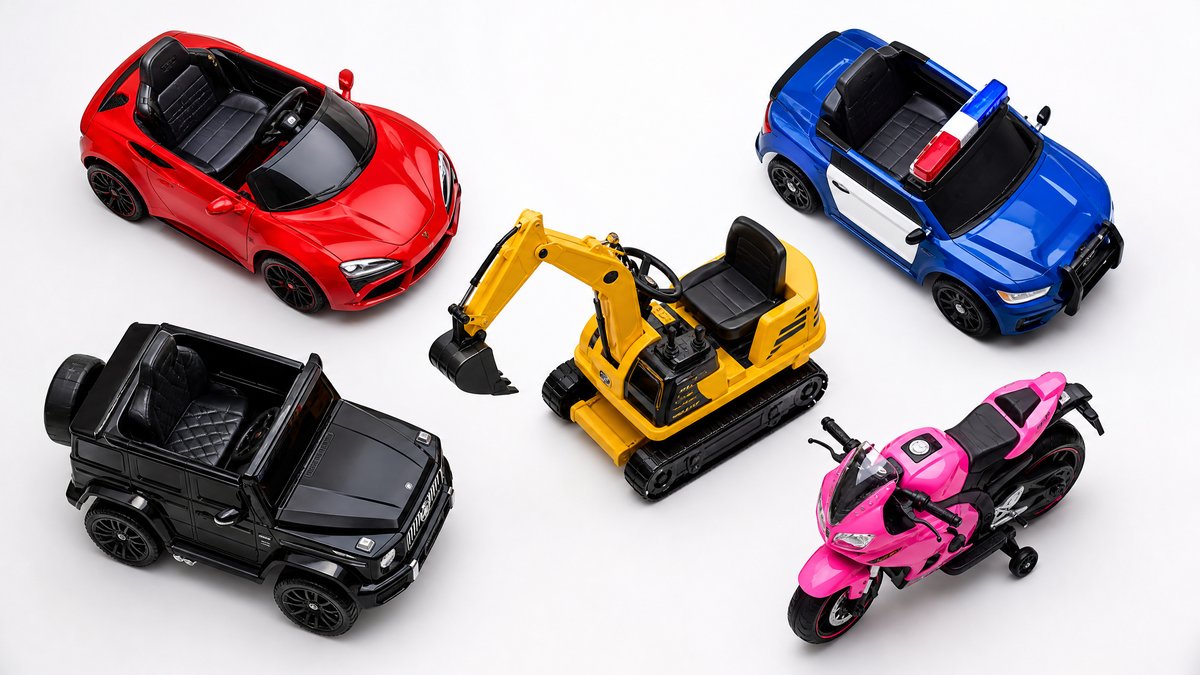
1. Officially Licensed Replicas: Partnerships with global automotive giants (such as Mercedes-Benz, Audi, Ford, Jeep, and Lamborghini) remain top sellers. Parents love buying miniature replicas of their own vehicles. Authentic badges, opening doors, working suspension, and realistic leather-finished seats drive impulse purchases.
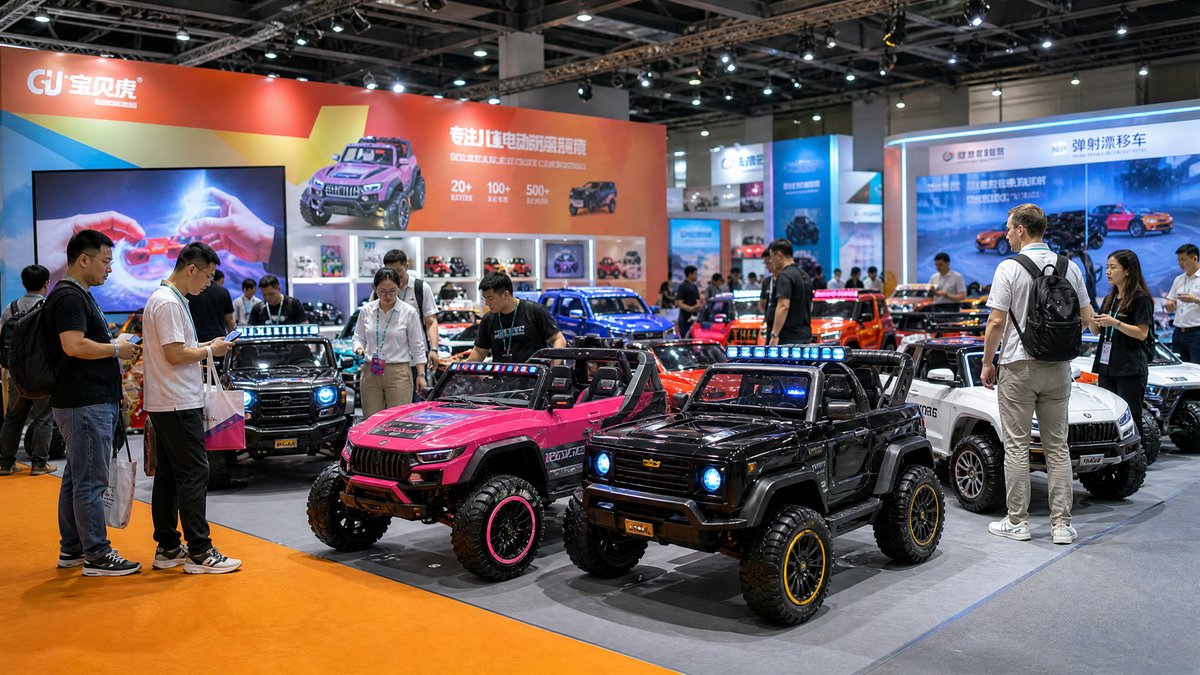
2. Rugged Off-Road UTVs and Dirt Bikes: For older children (ages 6–10), rugged multi-passenger UTVs with heavy-duty coil-spring suspension, pneumatic rubber tires (EVA foam alternatives), and high ground clearance are seeing explosive growth. These appeal to suburban and rural markets where outdoor adventure play is prioritized.
Frequently Asked Questions (FAQ)
1. Should wholesale buyers stock 12V or 24V ride-on cars for the 2027 season?
Both have their place, but 24V models represent the highest growth sector. While 12V cars remain essential for entry-level price points and younger children (ages 3–5), 24V dual-motor and brushless configurations cater to older kids and command significantly higher profit margins for retailers.
2. What certifications are critical when importing electric ride-on cars into the EU and US?
For the European market, you must ensure CE, EN71, EN62115 (electric safety), and RoHS compliance. For the United States, ASTM F963 and CPSIA certifications are mandatory. Always request batch-specific test reports from your manufacturing partner.
3. How are manufacturers addressing battery safety concerns in 2027?
Top-tier manufacturers are adopting intelligent Battery Management Systems (BMS) that prevent overcharging, short-circuiting, and thermal runaway. Additionally, secure, quick-swap battery modules are becoming popular, allowing parents to easily replace or recharge batteries externally.
4. What is the typical Minimum Order Quantity (MOQ) for custom OEM ride-on car designs?
For standard stock models with custom logo printing and box design, MOQs typically start at 100 to 200 units per color. For fully custom tooling, chassis redesigns, or exclusive licensed bodies, MOQs generally begin at 500 to 1,000 units.
Secure Your 2027 Inventory Today
Staying competitive in the global toy market requires proactive sourcing, superior product specifications, and reliable manufacturing partnerships. At KidsRideCar, we specialize in high-performance 12V and 24V electric ride-on cars built to international safety standards, featuring cutting-edge designs and robust wholesale support.
Contact our B2B sales team today at mailto:info@kidsridecar.com to request our 2027 wholesale catalog, sample pricing, and OEM/ODM partnership details.
Official references
Explore these external resources for current regulatory and trade guidance. Confirm requirements with the relevant authority before placing an order.
Ready to Start?
Factory-Direct · CE & ASTM Certified · MOQ from 50 Units
Our export team works with buyers in 60+ countries. Get a quote within 24 hours.
KR
Written by KidsRideCar
China's leading kids electric ride-on car manufacturer. 500,000+ units shipped annually to 60+ countries. CE, ASTM & EN71 certified.