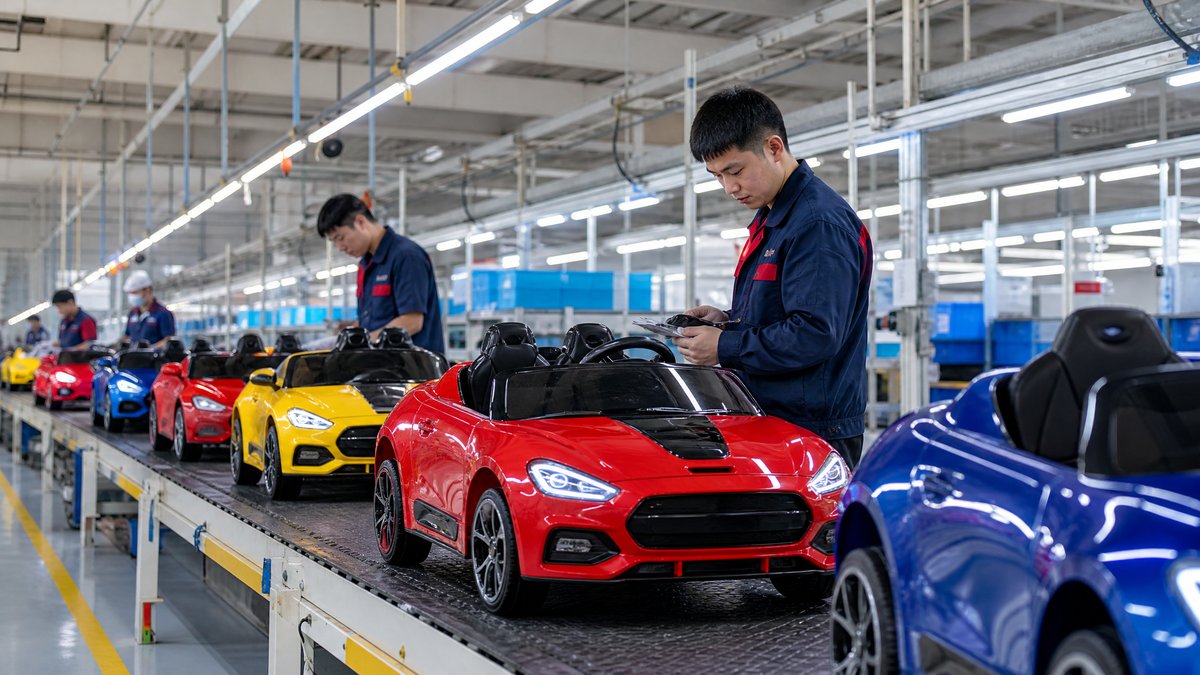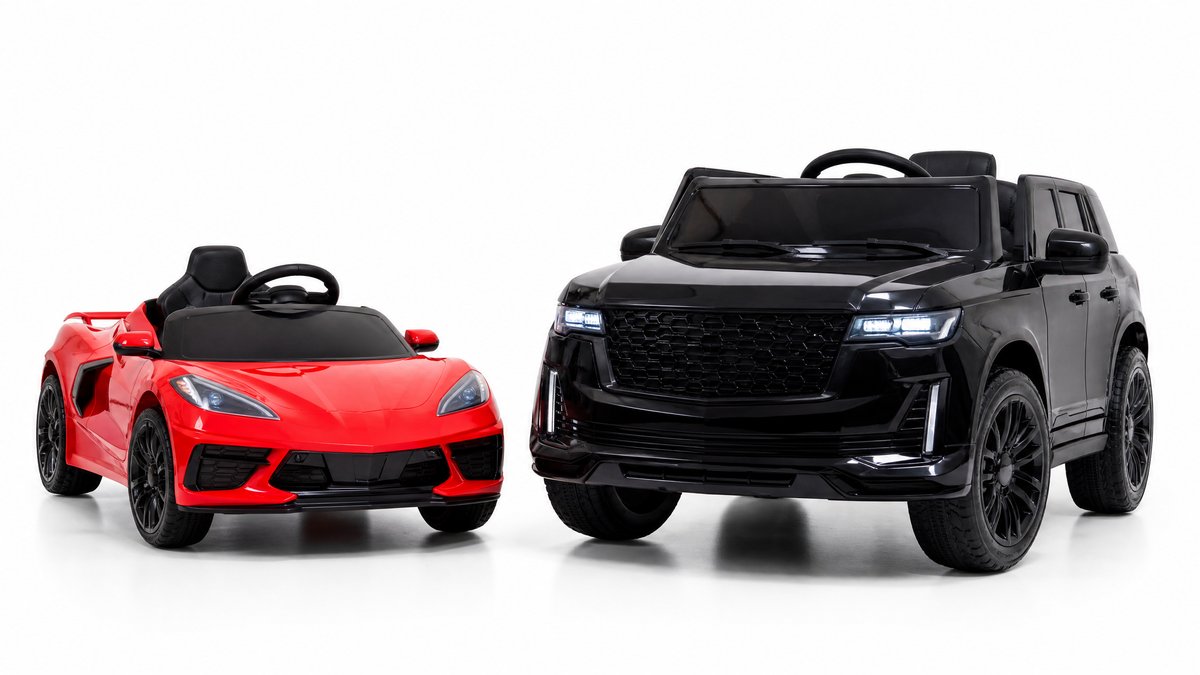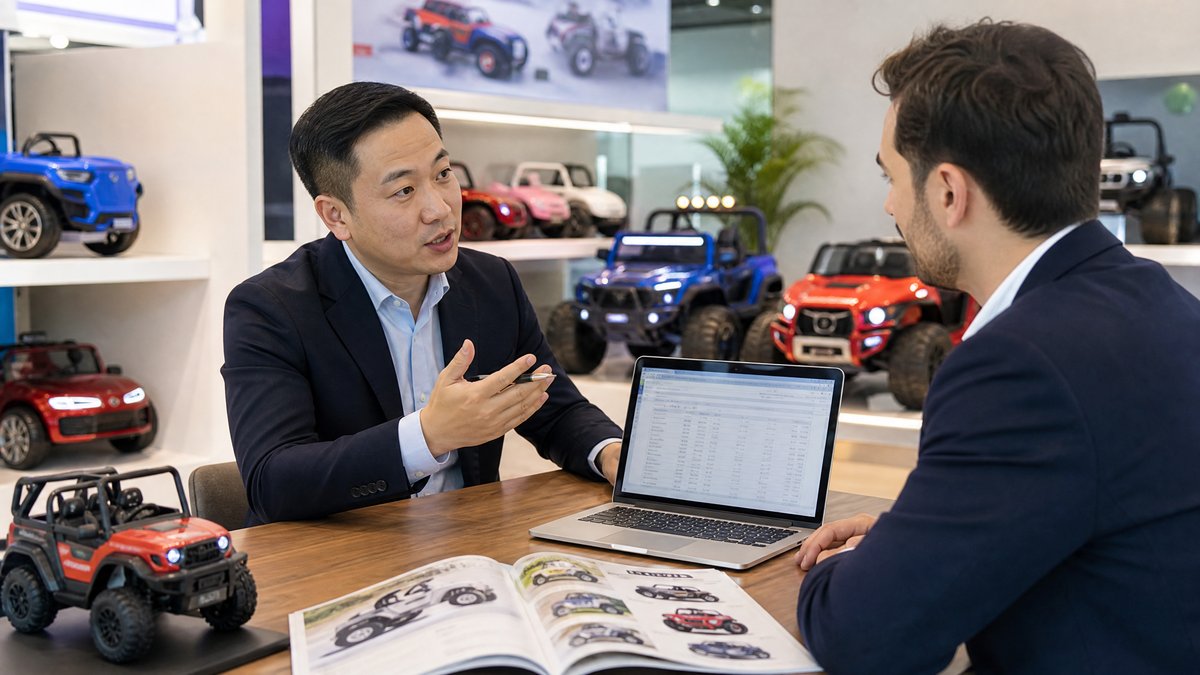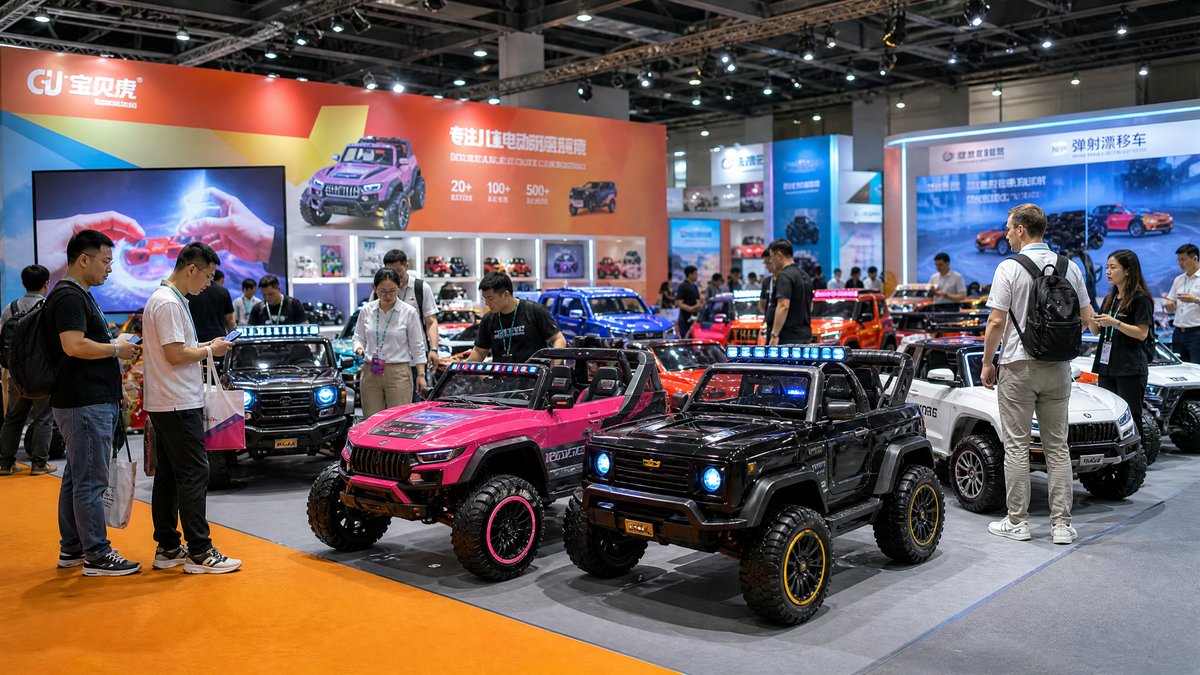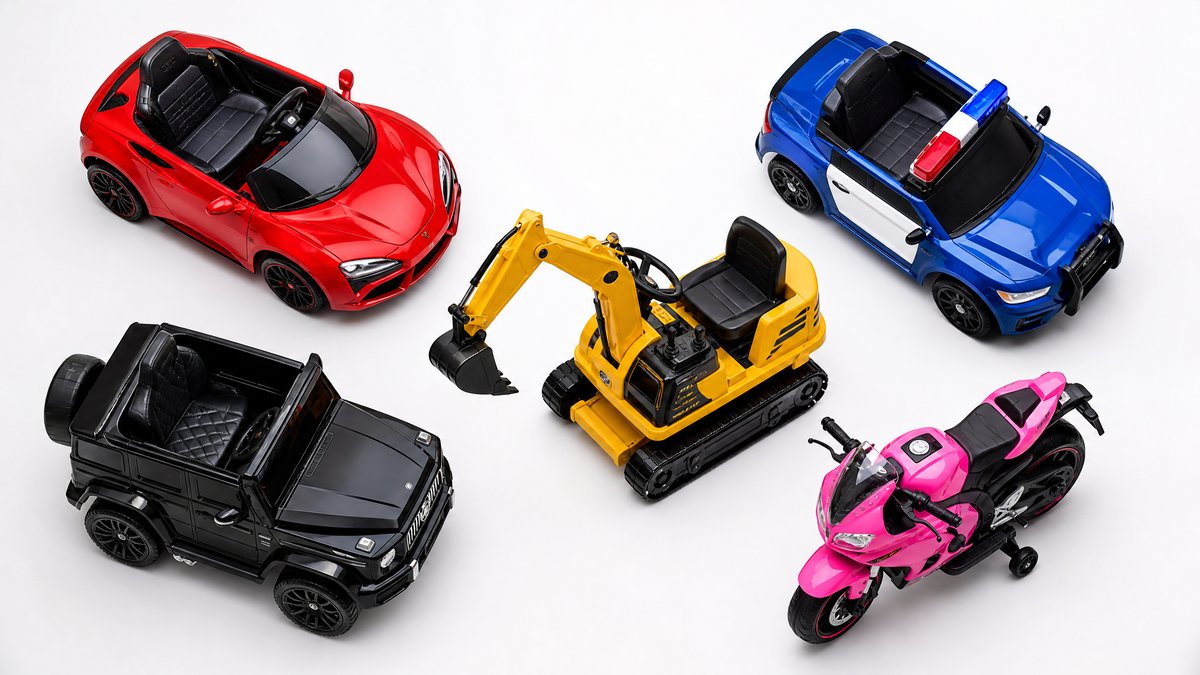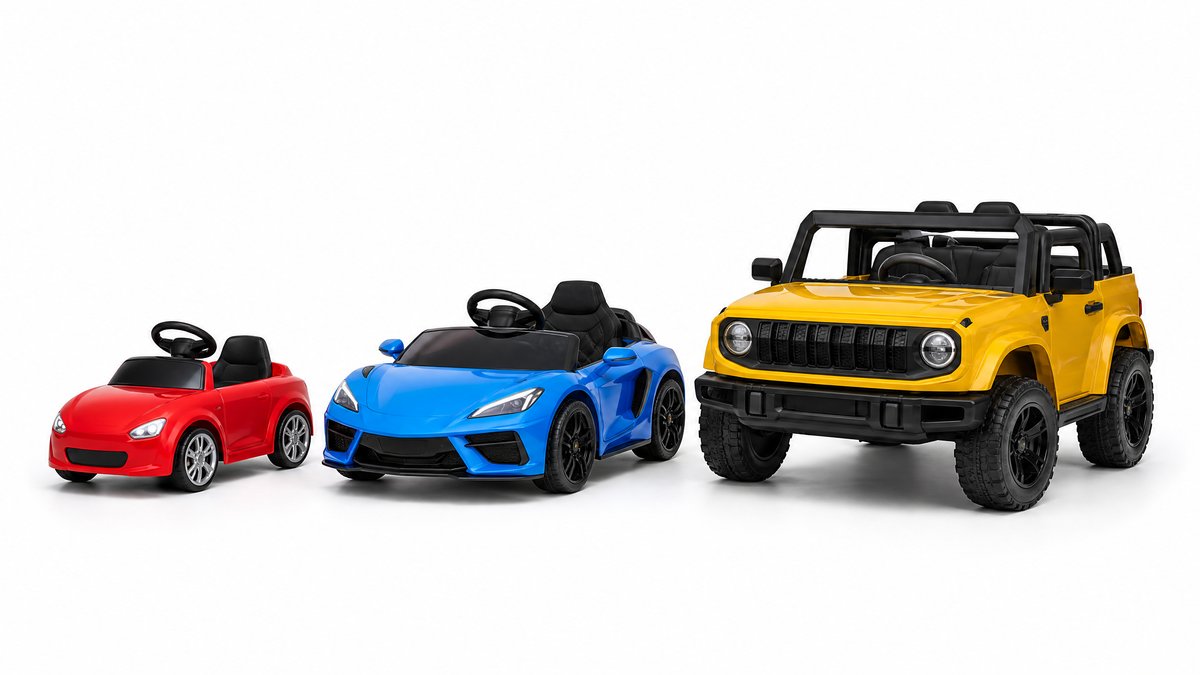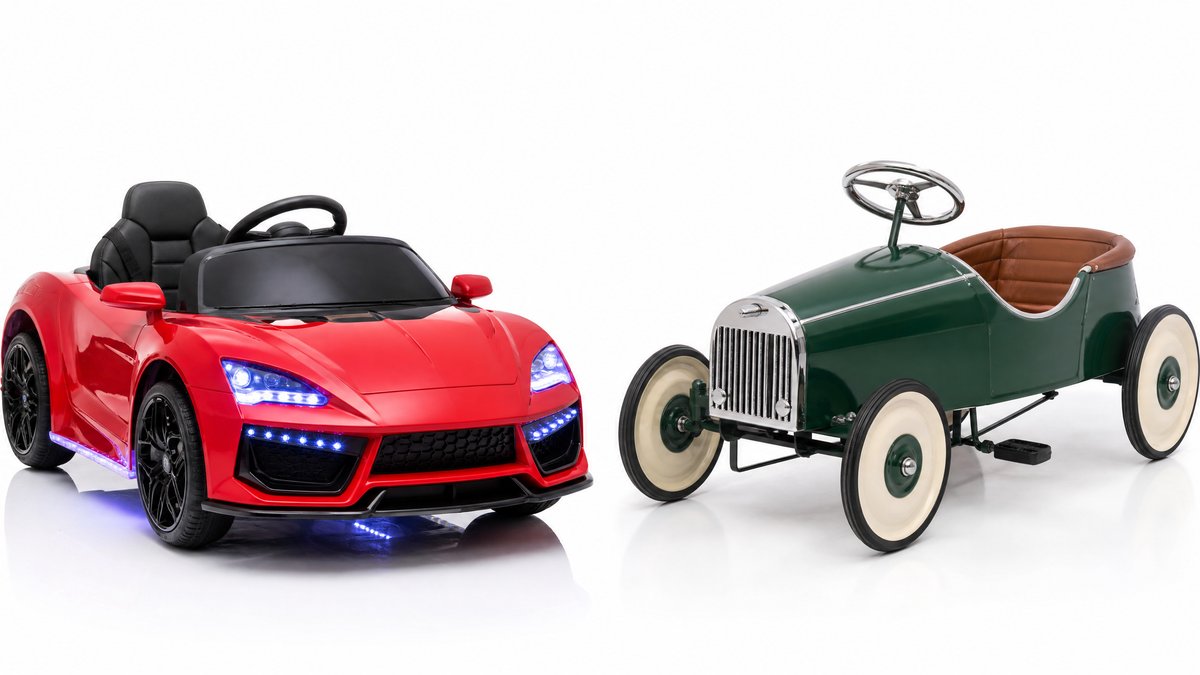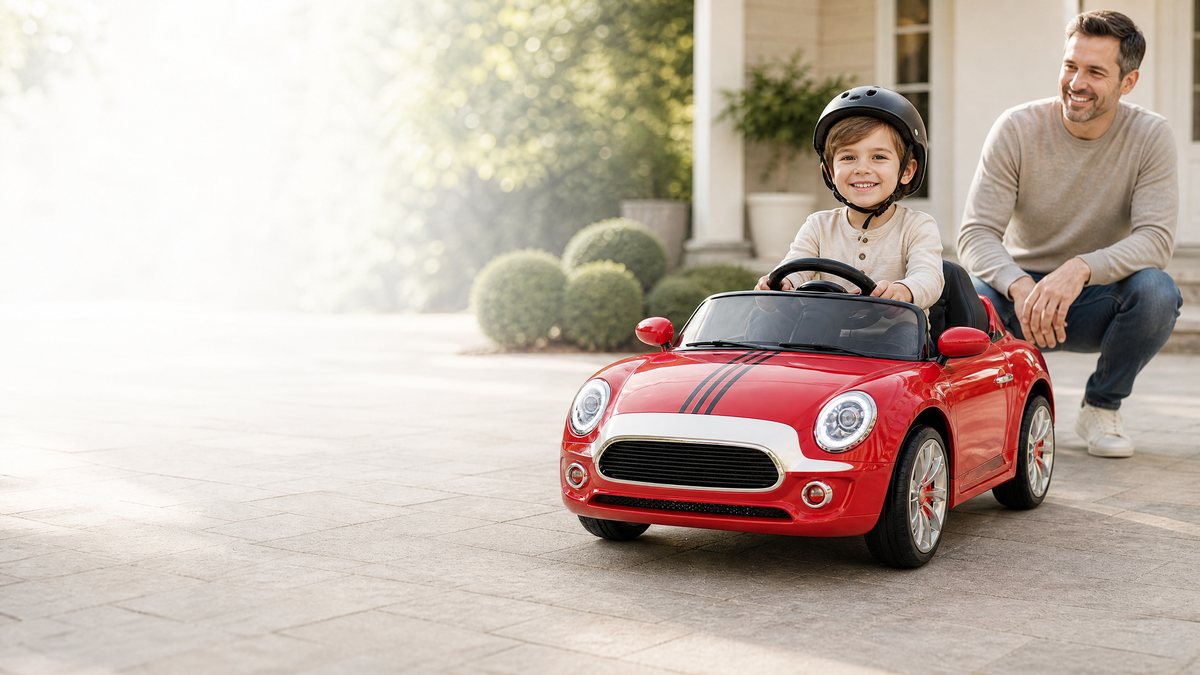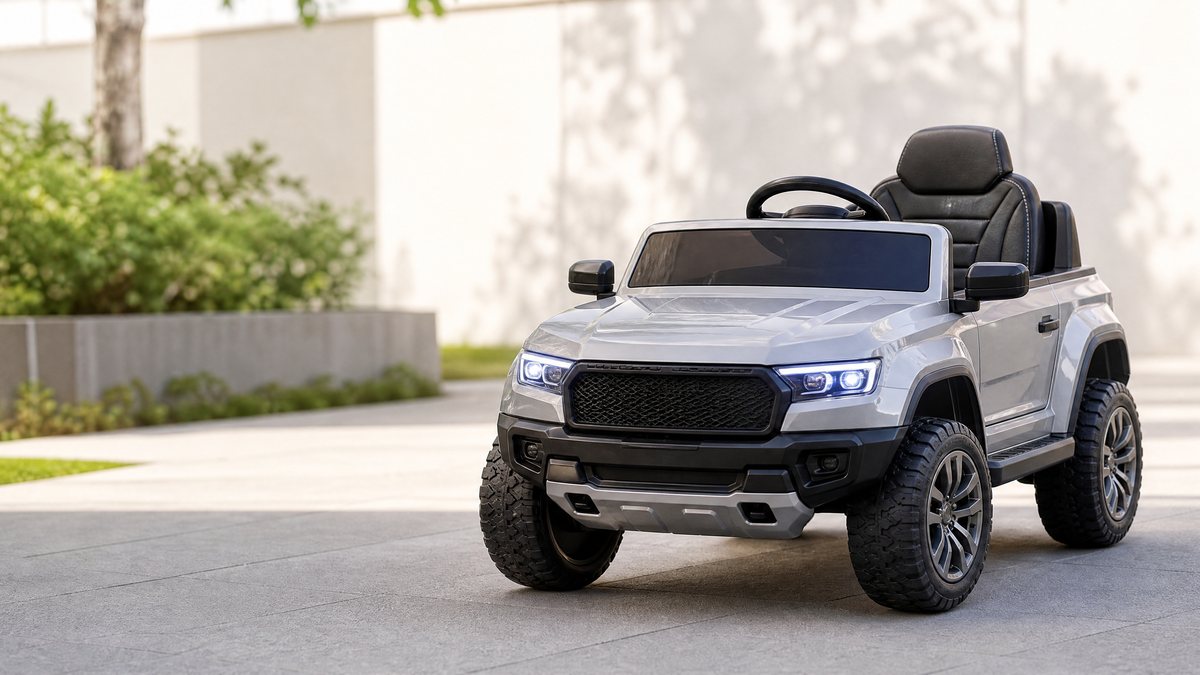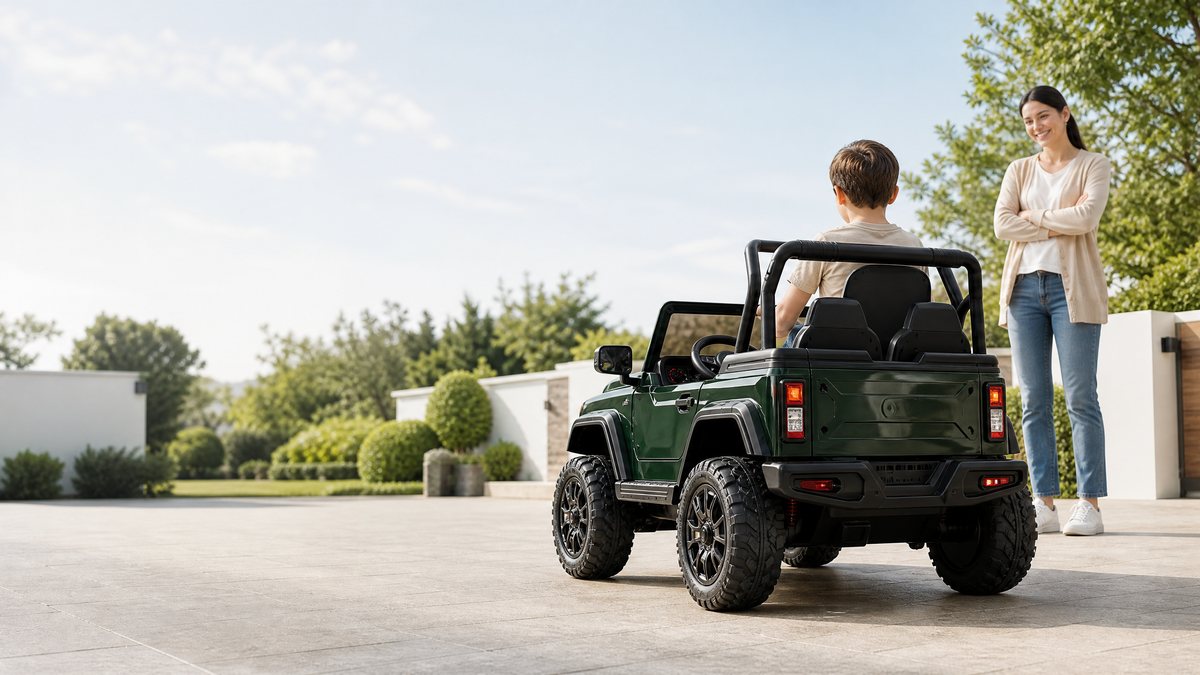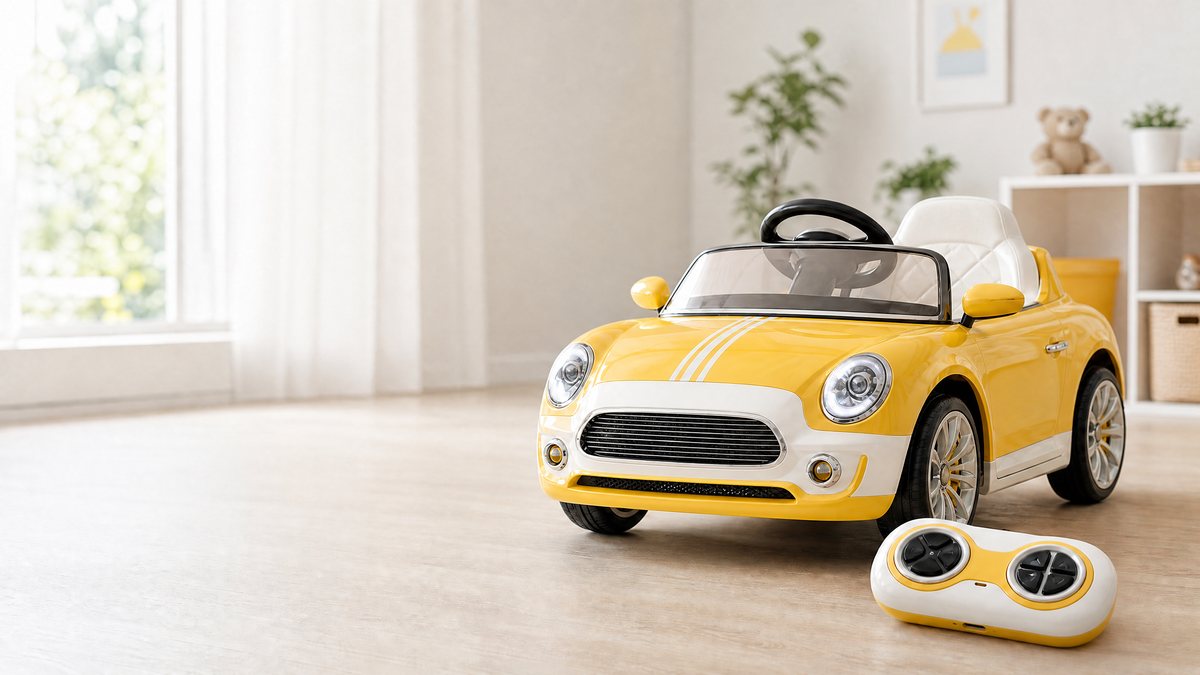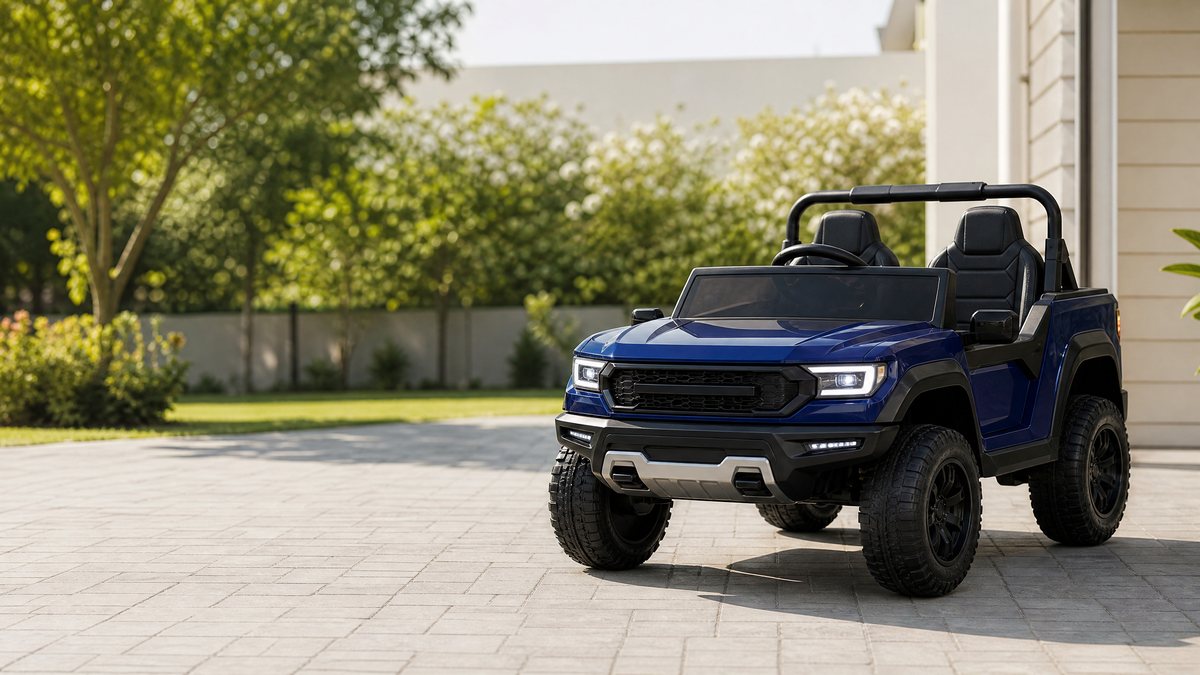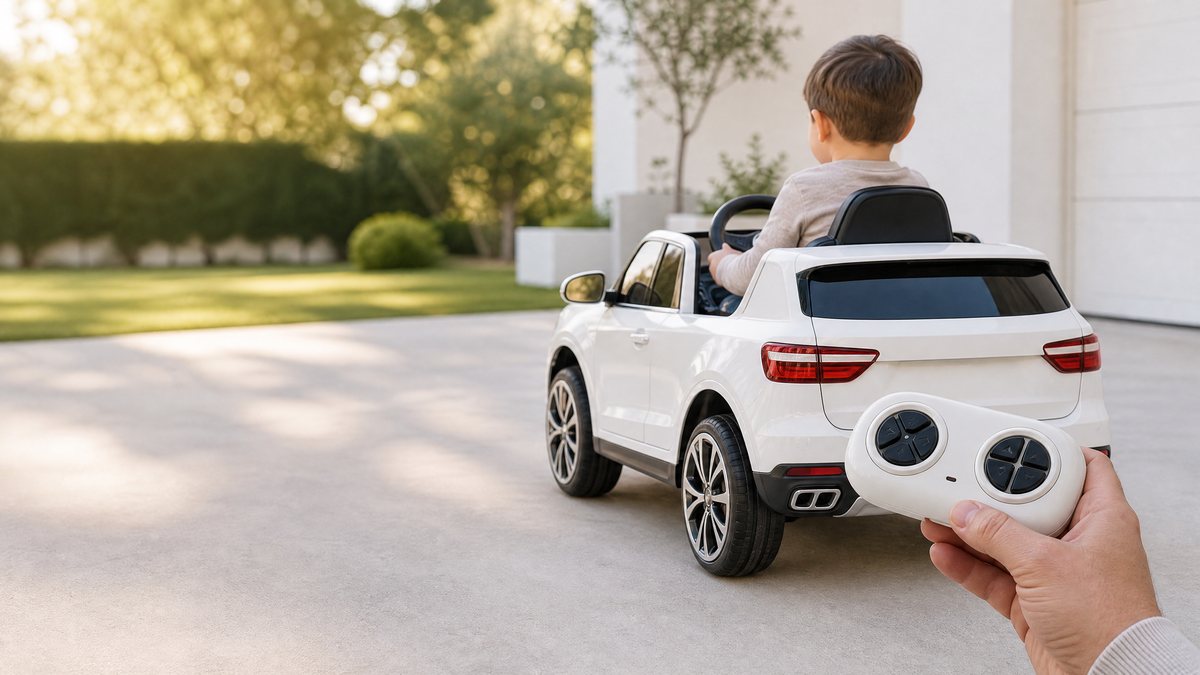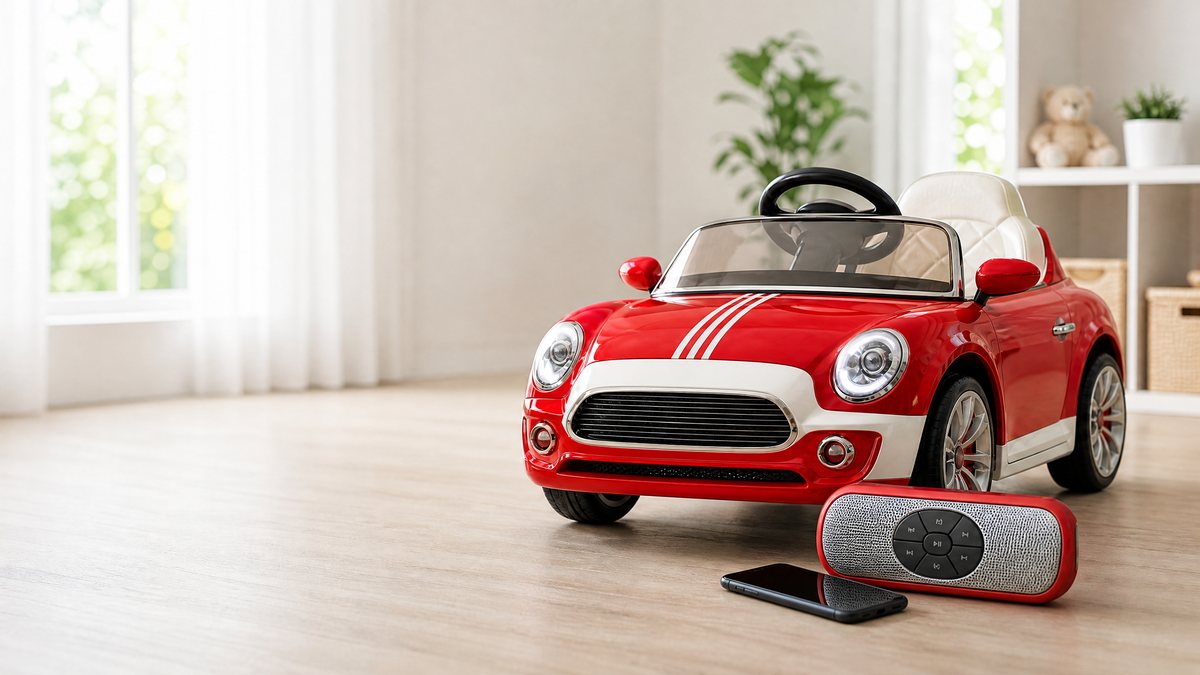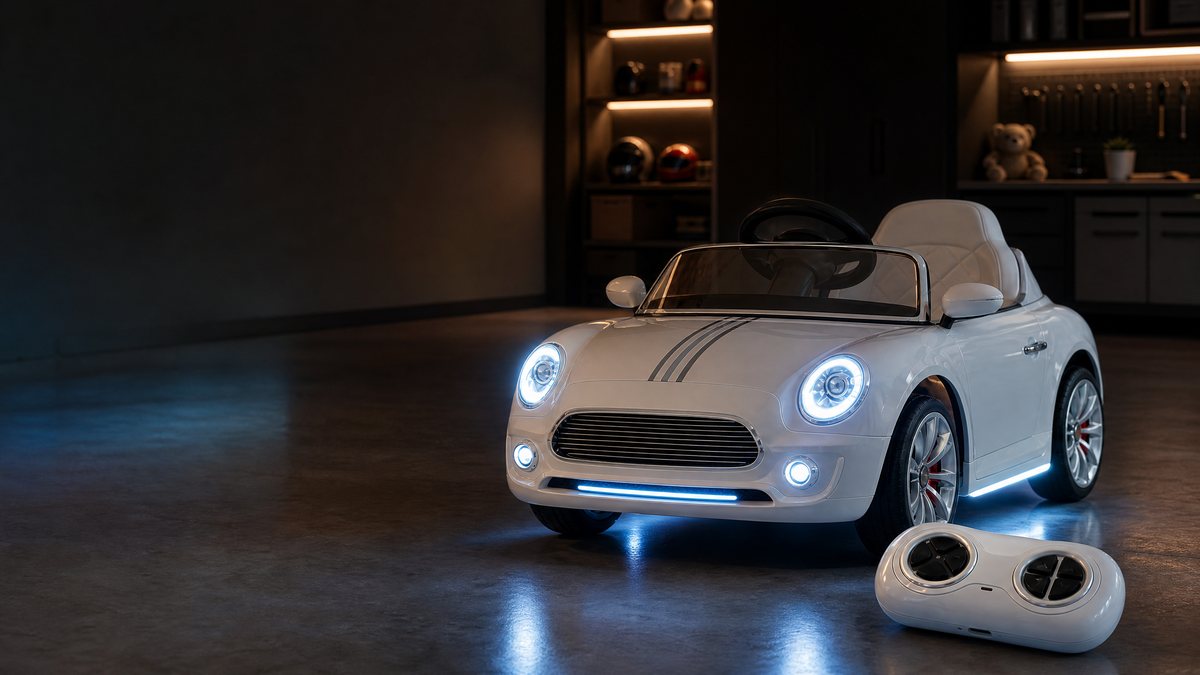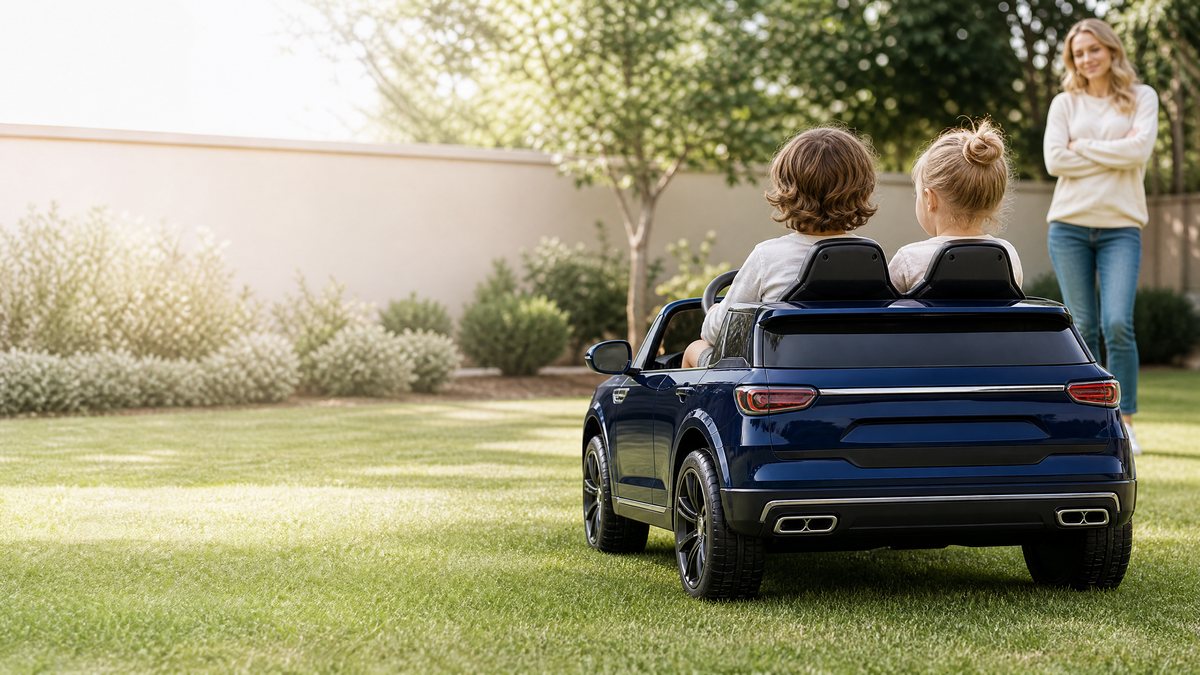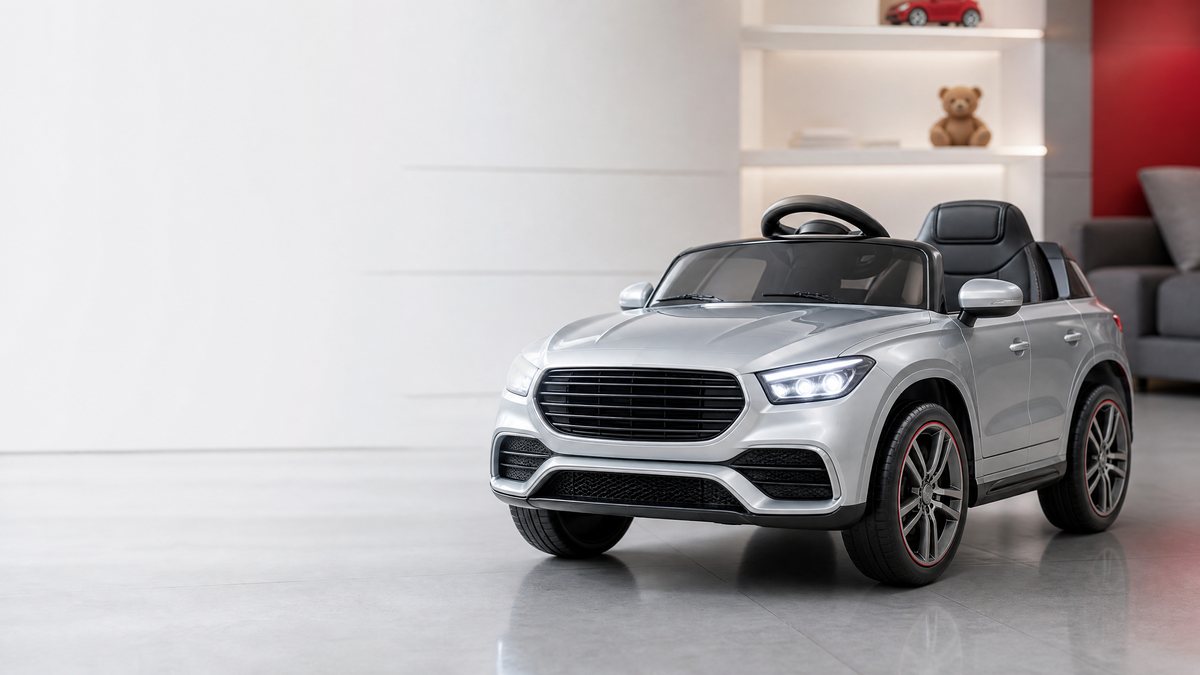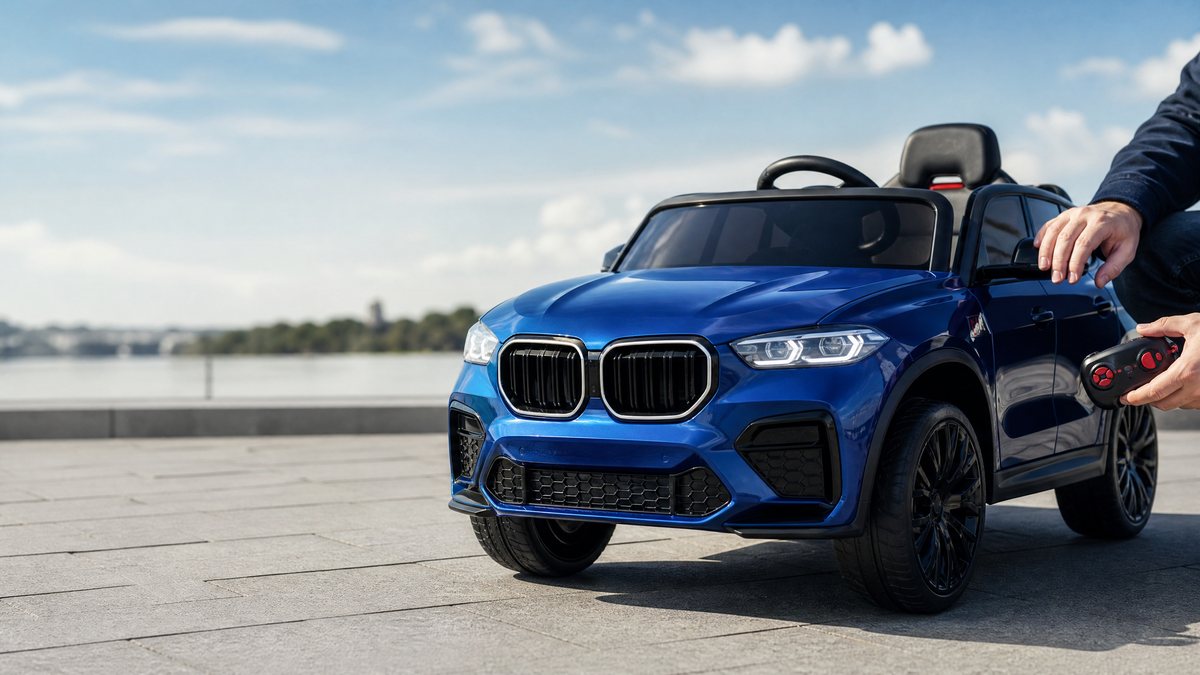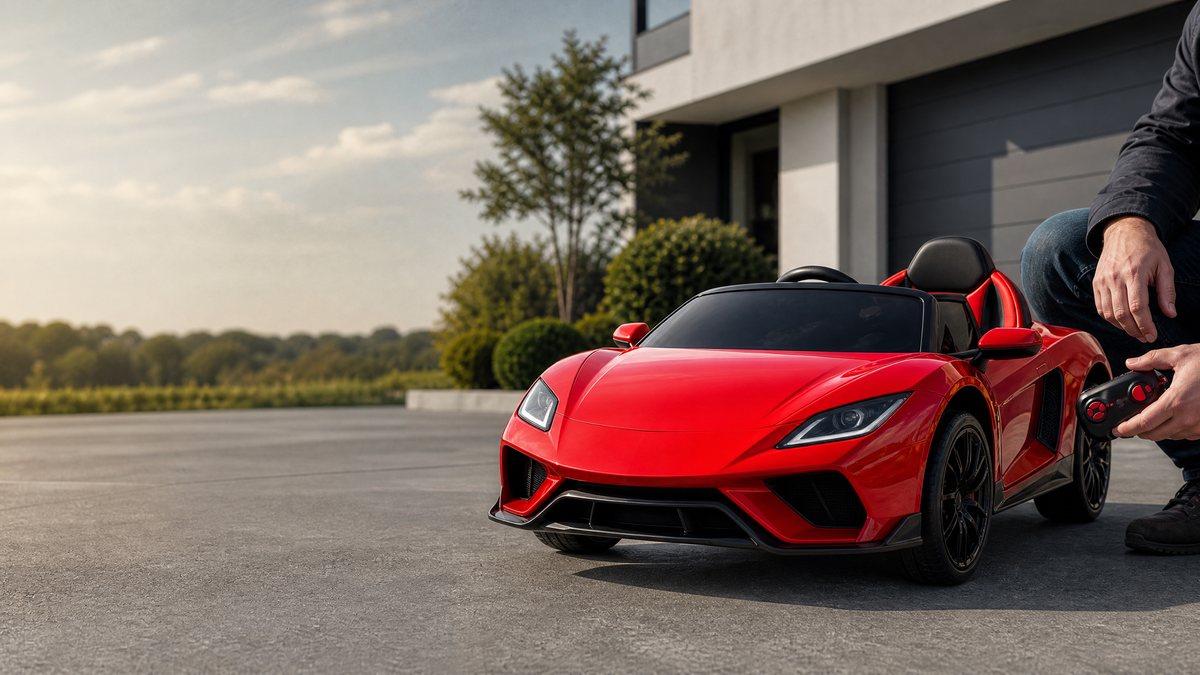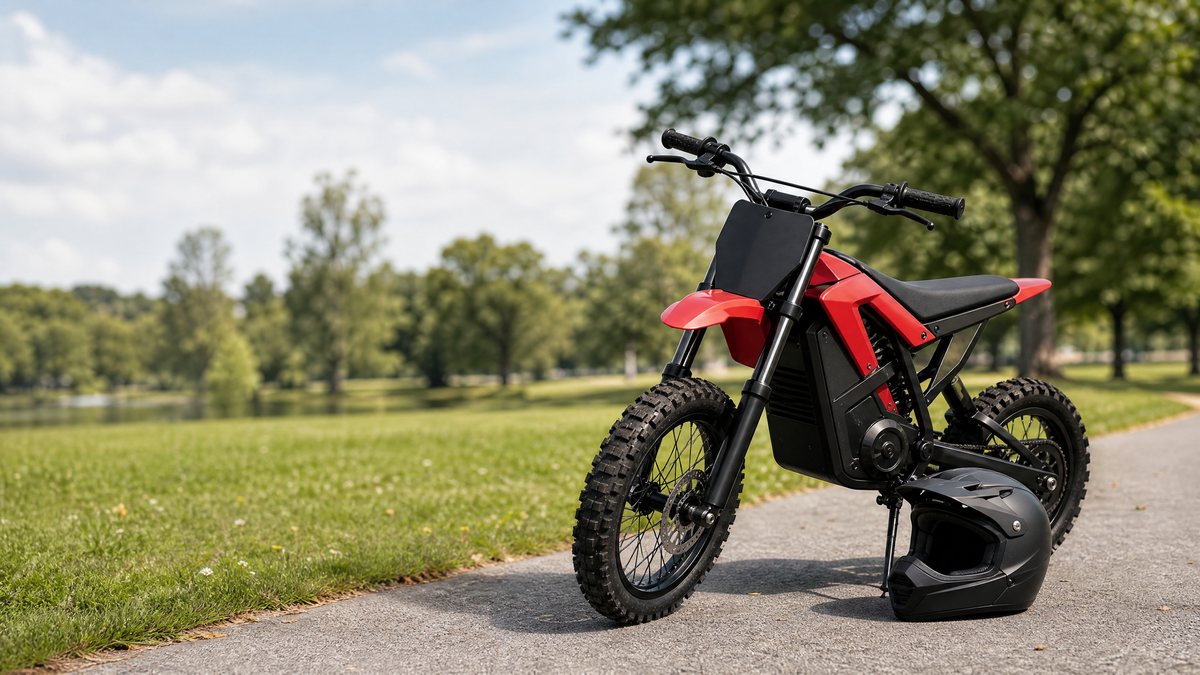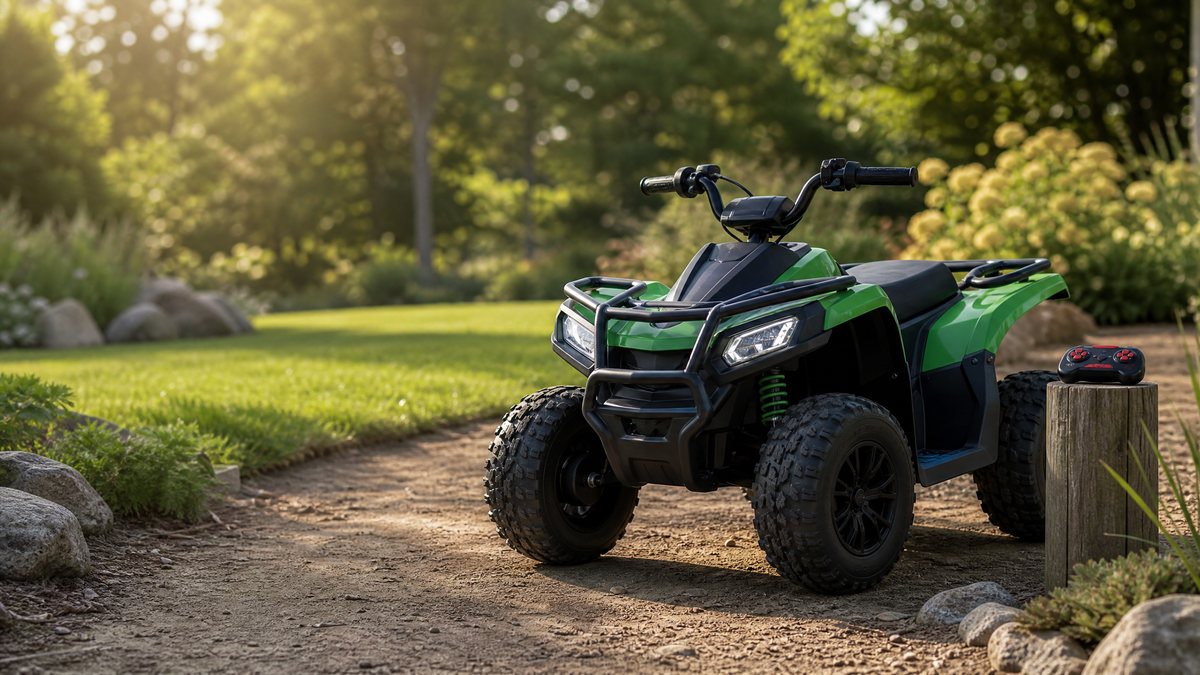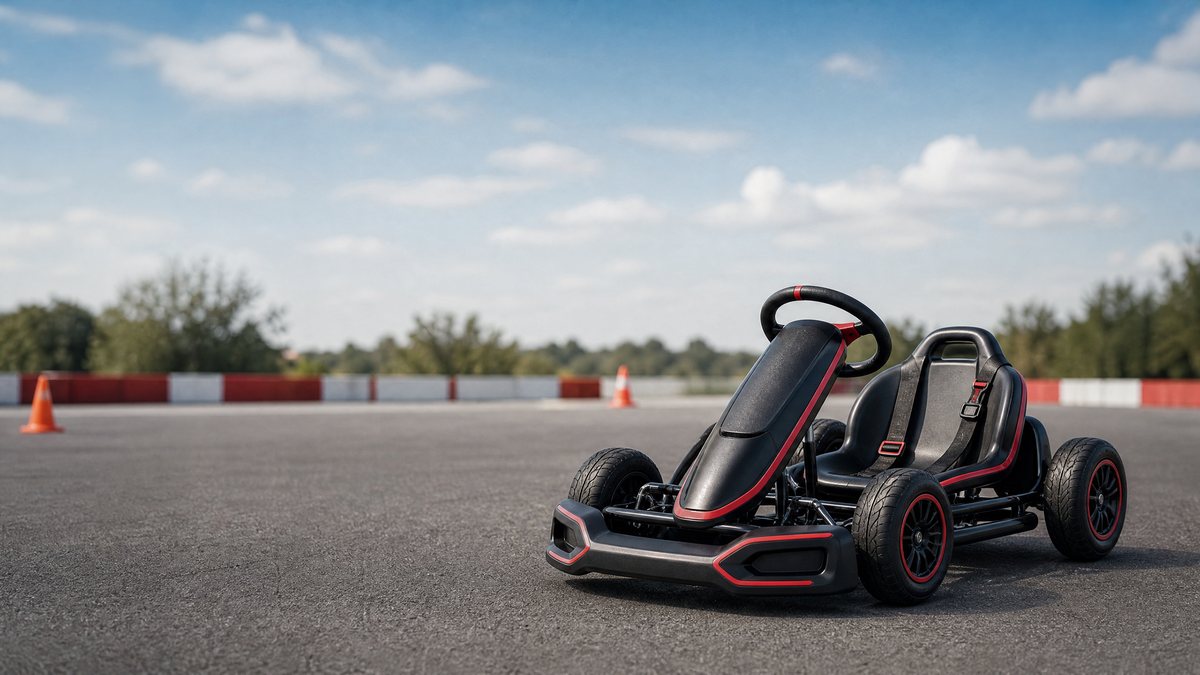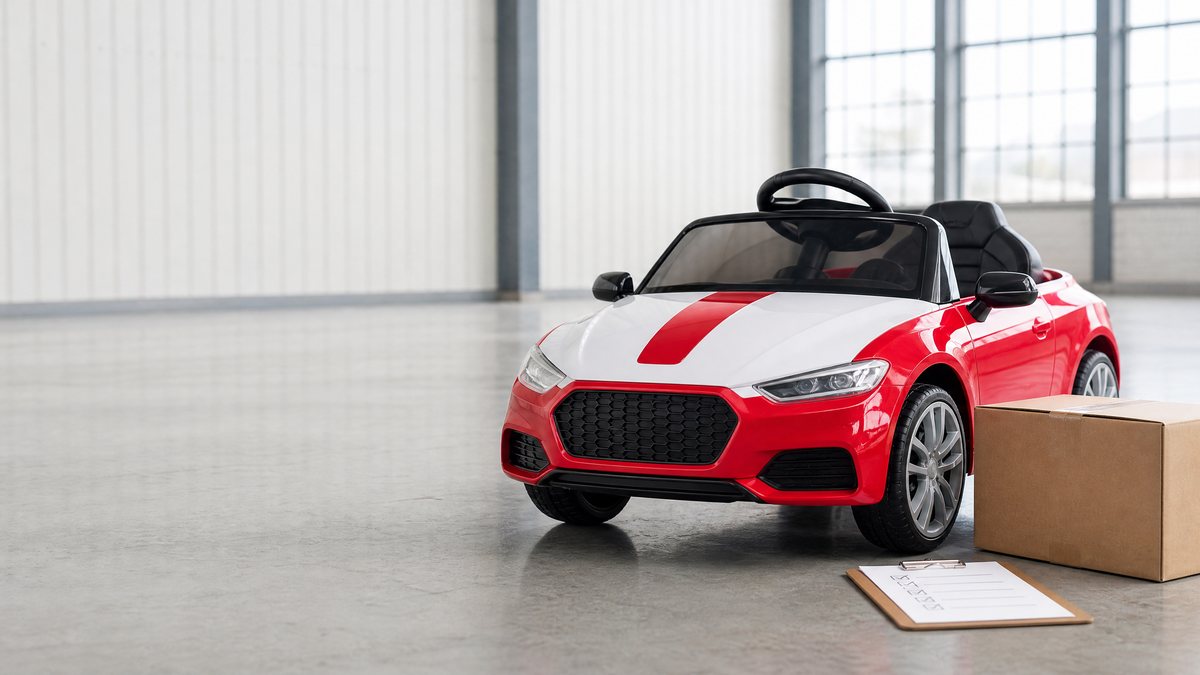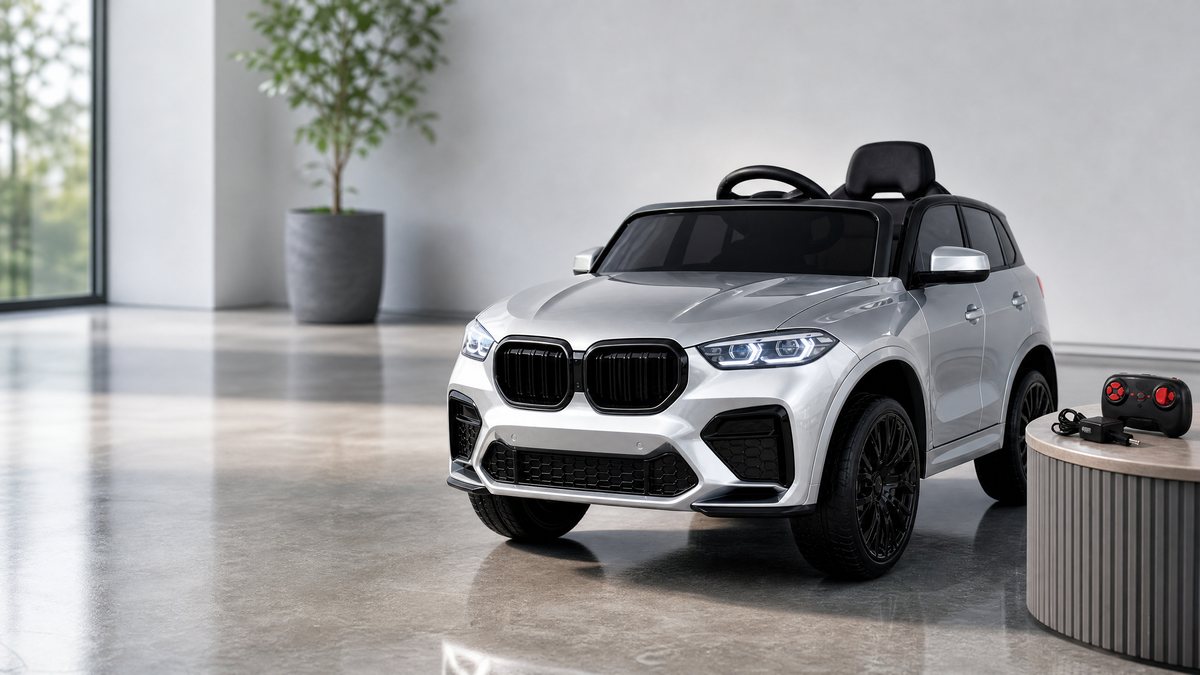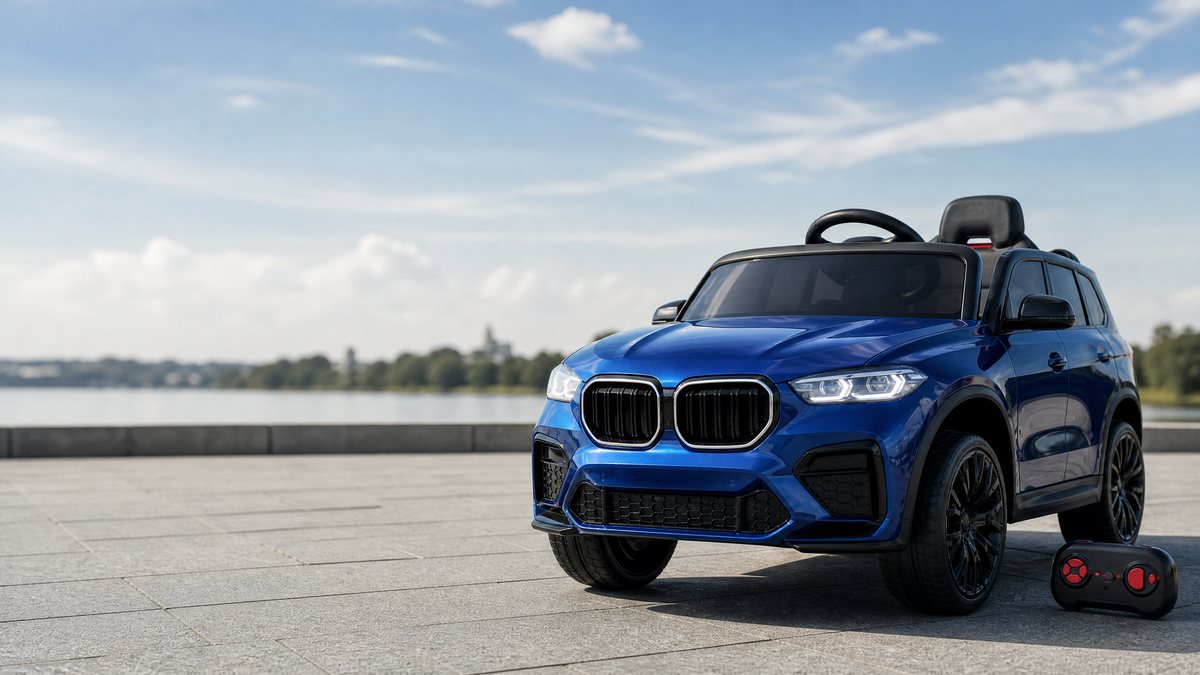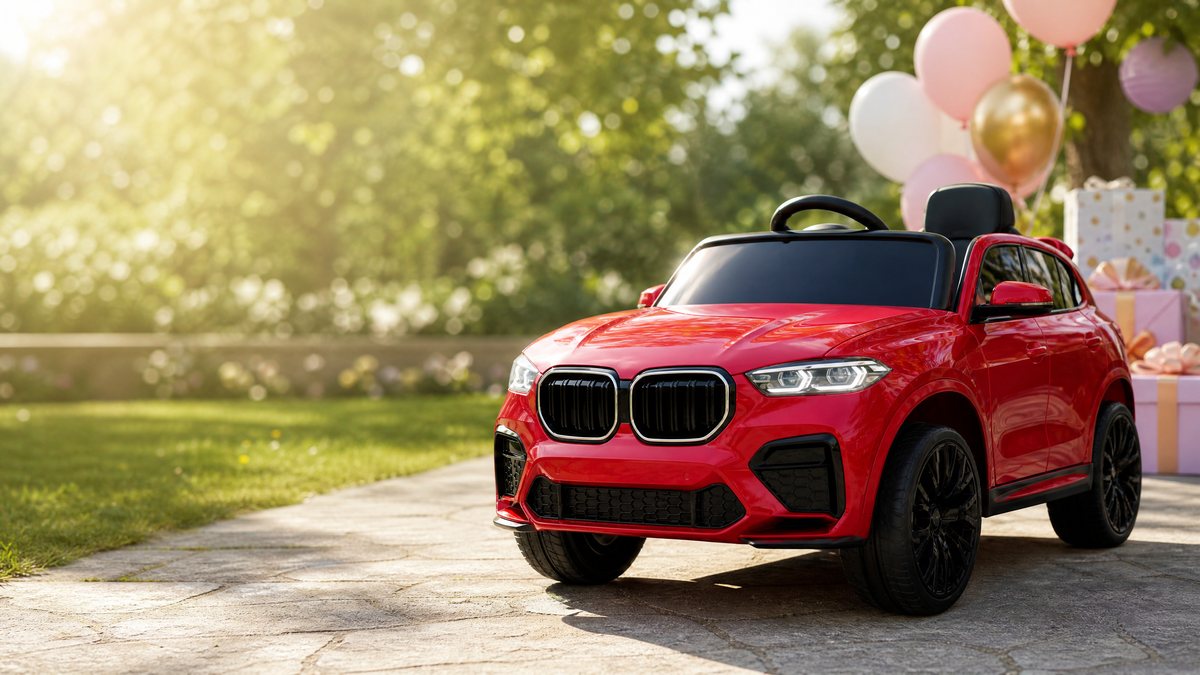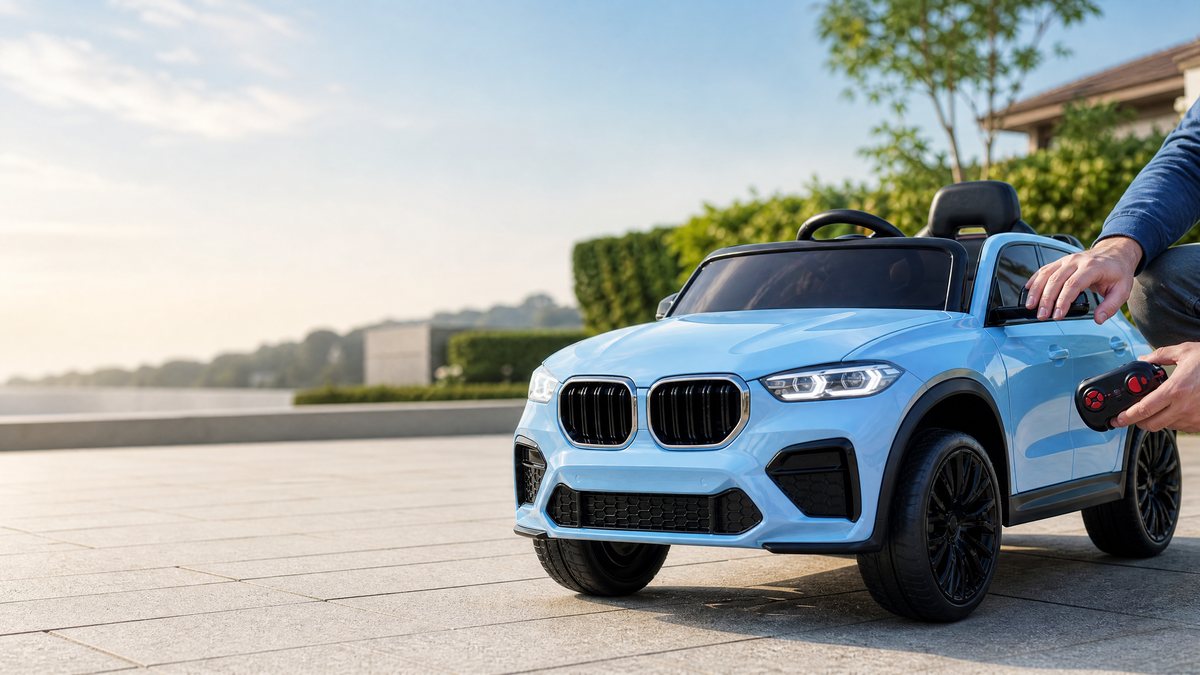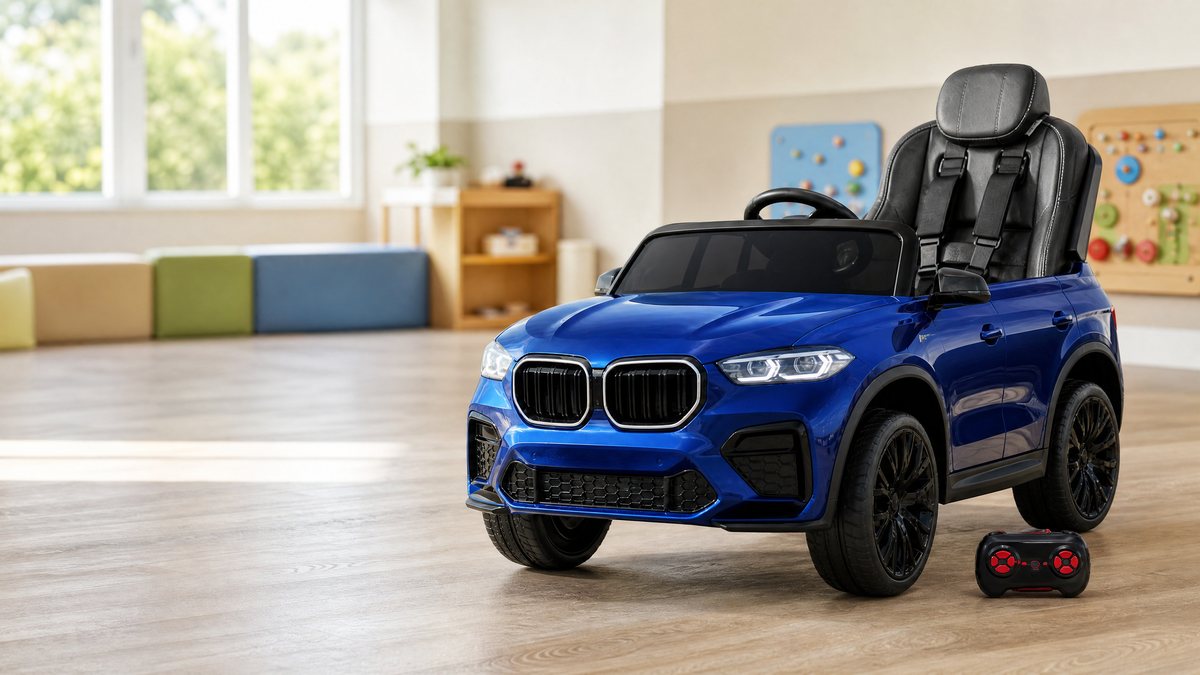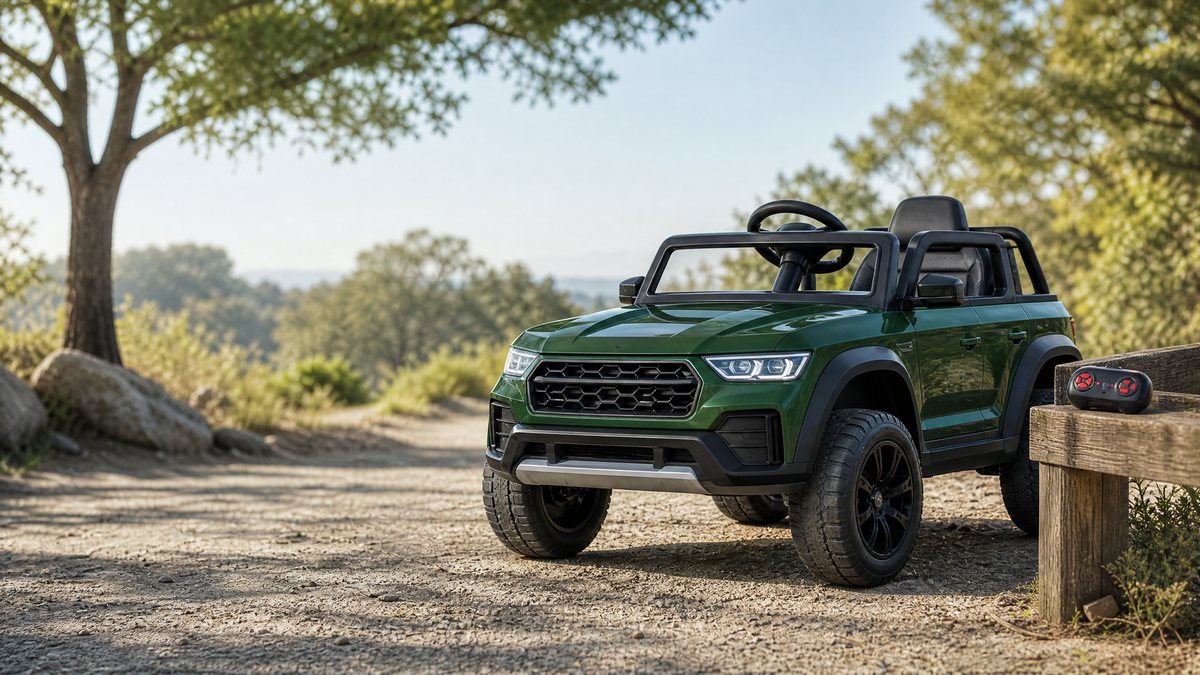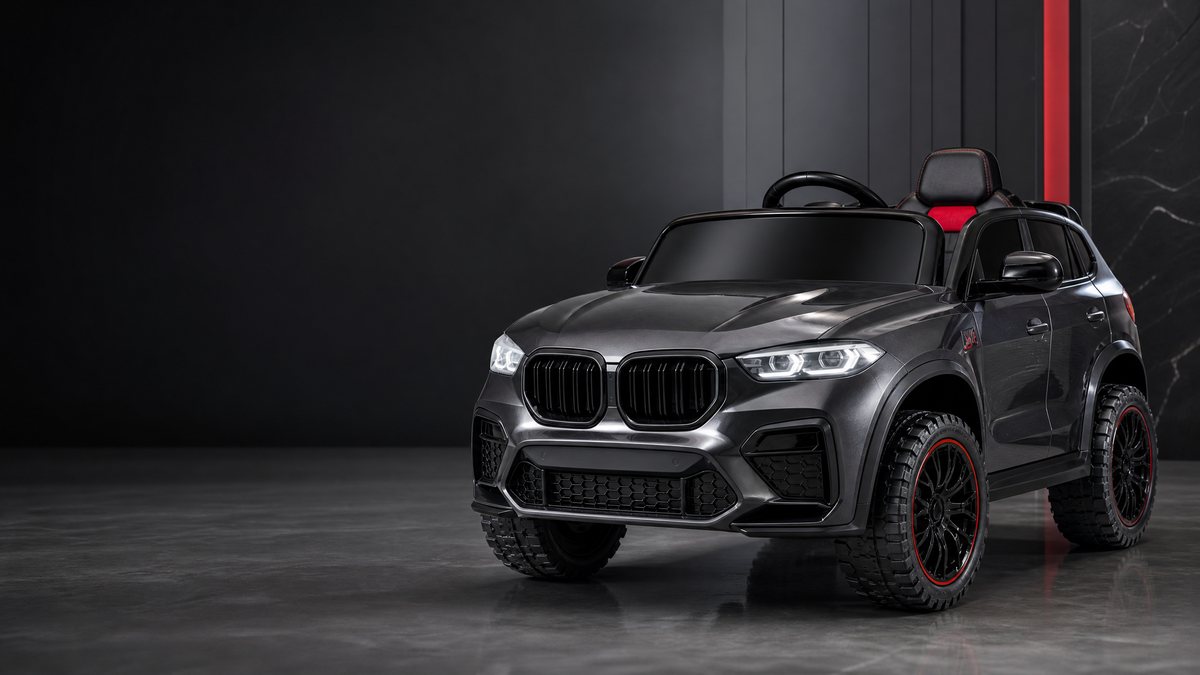
When retail buyers, importers, and toy store proprietors evaluate children's electric ride-on cars in the $200 to $300 price bracket, they enter a segment characterized by robust feature sets, upgraded electrical architectures, and enhanced aesthetic details. Unlike entry-level models under $100 or $150—which typically feature single 6V or basic dual 12V motors with molded plastic wheels—the $300 tier frequently introduces 12V heavy-duty gearboxes, 24V configurations, rubber EVA tires, upgraded leatherette seating, multi-channel parental remote controls, and functional suspension systems.
However, navigating this mid-to-high tier requires a rigorous, transparent evaluation framework. Sourcing professionals and retail buyers must look beyond marketing claims and promotional imagery to assess core mechanical specifications, electrical safety certifications, and supply chain reliability. This guide provides a comprehensive evaluation framework for assessing ride-on cars in the $300 category, detailing what features to prioritize and how to verify compliance before committing to bulk inventory or retail distribution.
Understanding the $300 Ride-On Car Market Segment
In the children's ride-on vehicle industry, the $300 price point represents a critical threshold. At this level, manufacturers can integrate higher-quality components that directly impact product durability, user experience, and safety compliance.
Retailers and bulk buyers should understand that price variations in this bracket are driven primarily by component upgrades rather than mere cosmetic branding. When evaluating models priced up to $300, procurement teams should examine the following structural and electrical tiers:
- Chassis and Frame Integrity: Look for reinforced polypropylene bodies and steel-reinforced chassis frames that support higher weight capacities (typically up to 66 lbs or 30 kg, and occasionally up to 100 lbs for larger two-seaters).
- Drive Systems: Transition from standard 390 motors to high-torque 550 or 775 electric motors, often configured in dual or quad-motor setups.
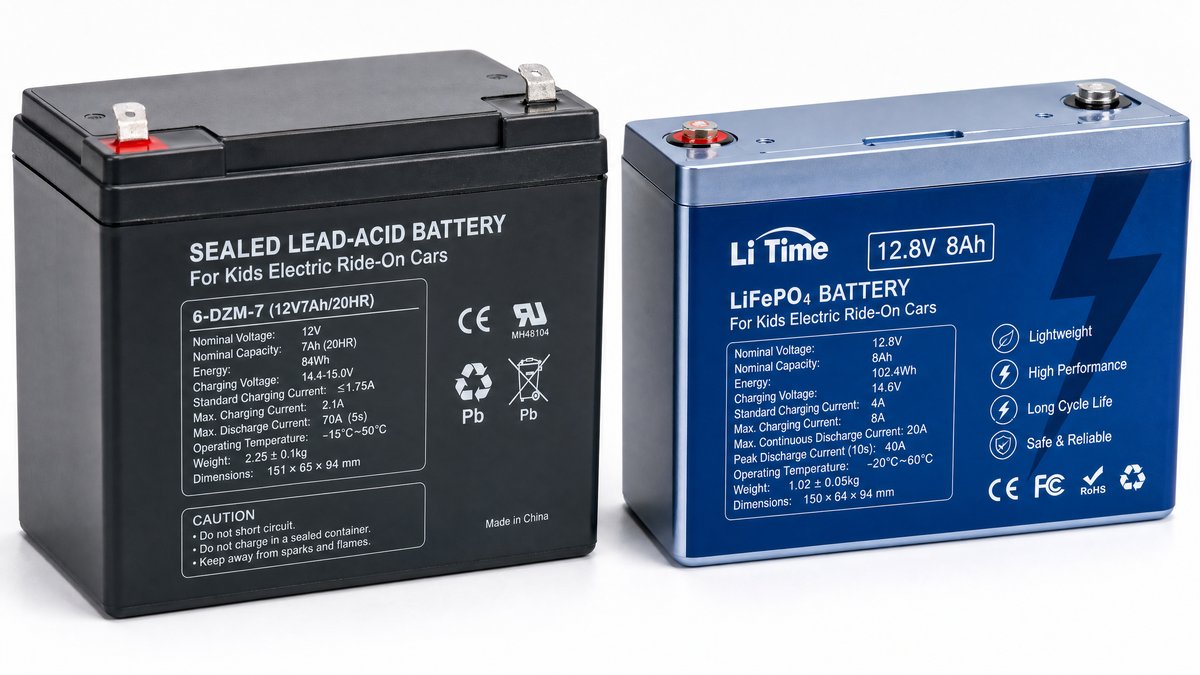
- Battery Capacity: Moving beyond standard 7Ah batteries to 12V 10Ah or dual 12V setups, providing extended run times of 60 to 120 minutes per charge depending on terrain and load.
Core Technical Specifications to Evaluate
To establish an effective purchasing or sourcing strategy, buyers must evaluate vehicles across several key technical dimensions. Relying on superficial descriptions is insufficient; procurement teams must request detailed specification sheets from manufacturers.
1. Electrical Architecture and Battery Specifications
Power delivery systems determine both performance longevity and safety. In the $300 tier, buyers should verify whether the vehicle utilizes a standard 12V system or an upgraded 24V architecture.
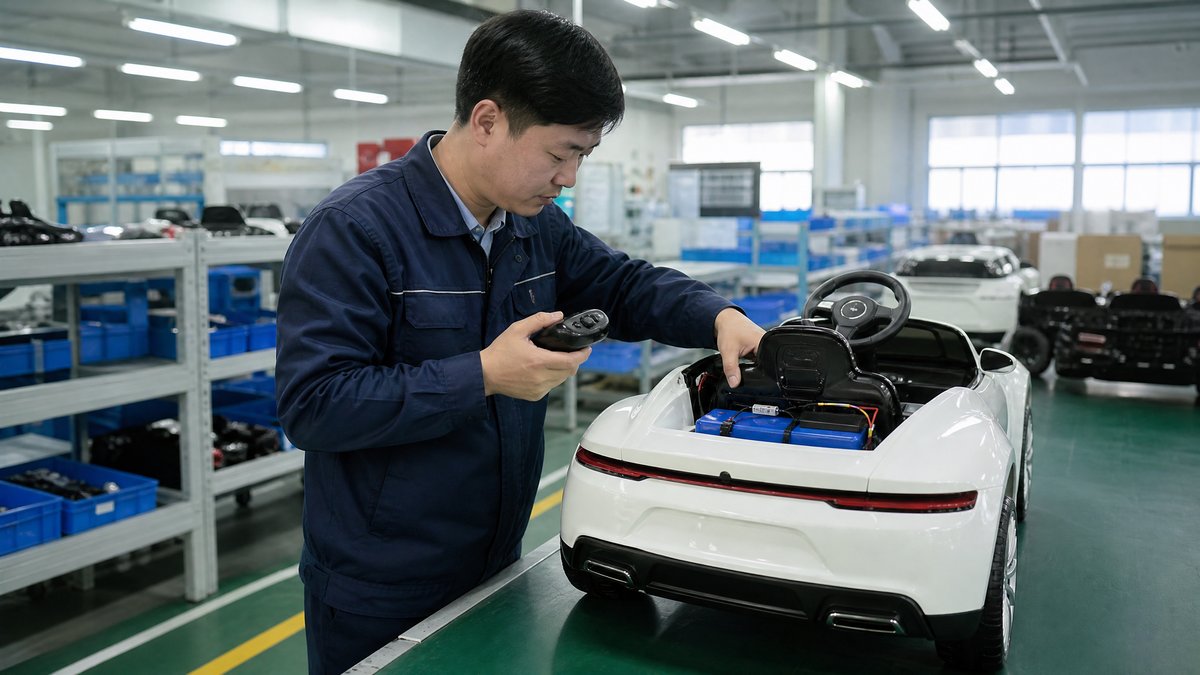
- Battery Chemistry: Ensure batteries comply with standard lead-acid or lithium-ion safety regulations, complete with overcharge and short-circuit protection circuits.
- Charger Certification: Verify that included battery chargers carry recognized electrical safety marks (such as UL, CE, or equivalent regional certifications) to mitigate fire and electrical hazards.
2. Traction and Mobility Components
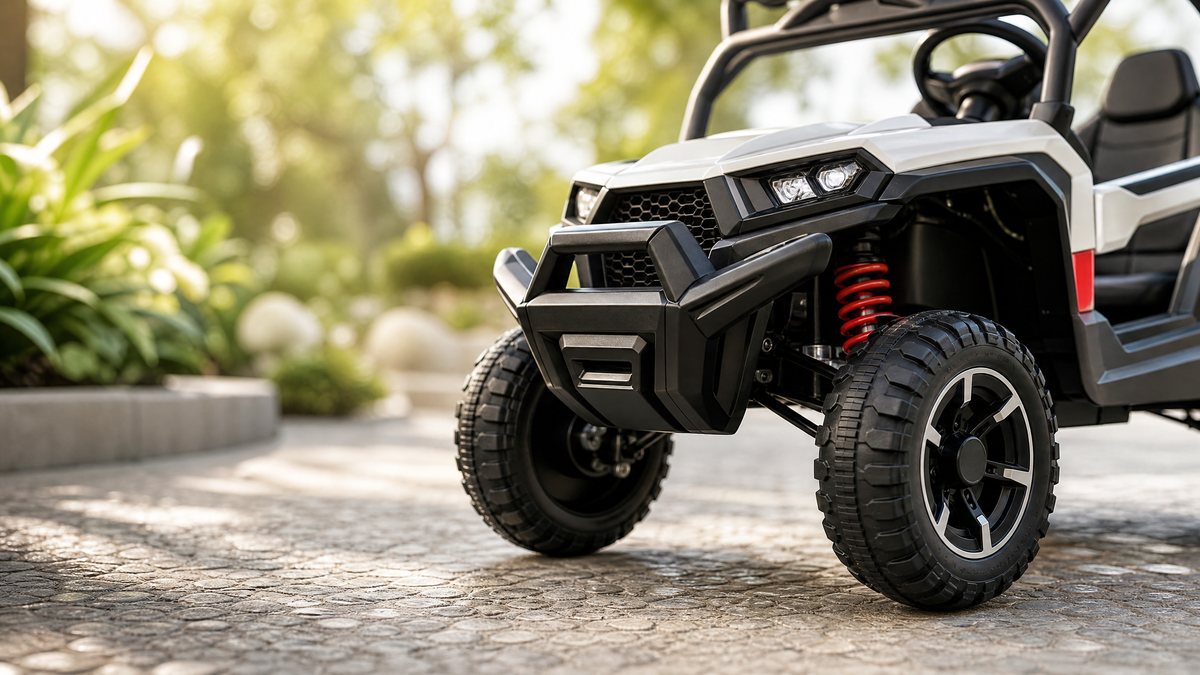
Wheels and suspension systems dictate ride comfort and terrain adaptability. Models in this price range should feature EVA (Ethylene-Vinyl Acetate) foam rubber tires rather than hard slick plastic wheels. EVA tires offer superior traction, reduce operational noise, and absorb minor shocks from uneven outdoor surfaces. Additionally, functional spring suspension on front and rear axles helps protect the internal gearbox from excessive impact shock.
3. Control Systems and Safety Overrides
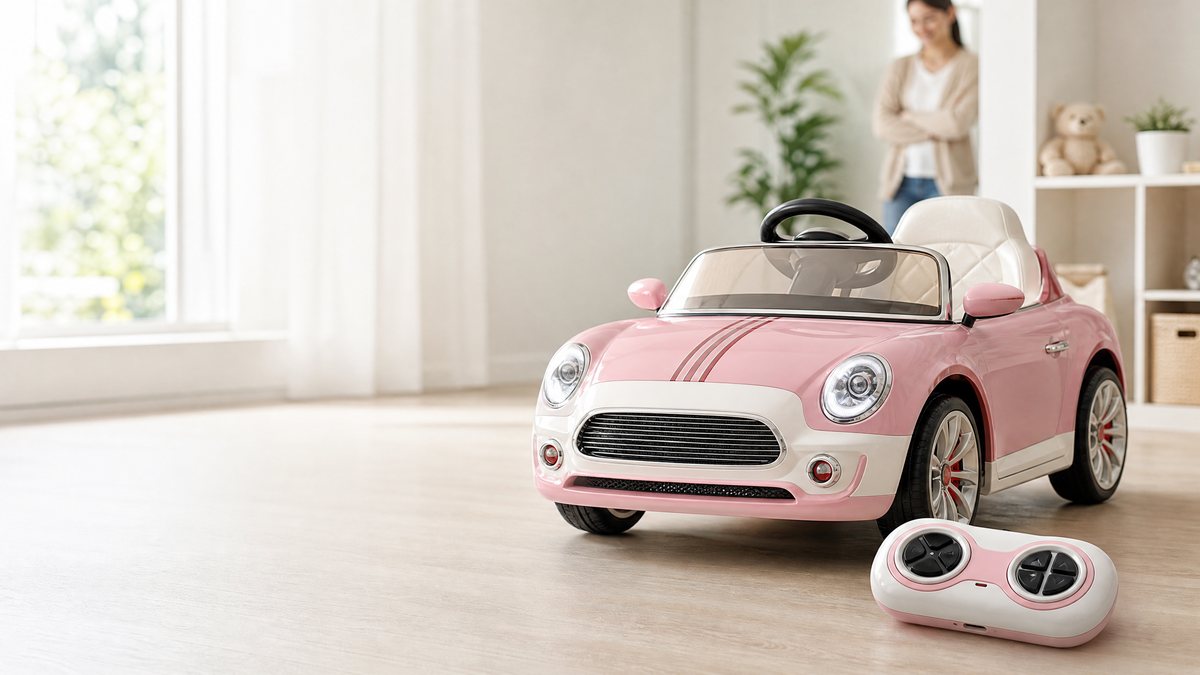
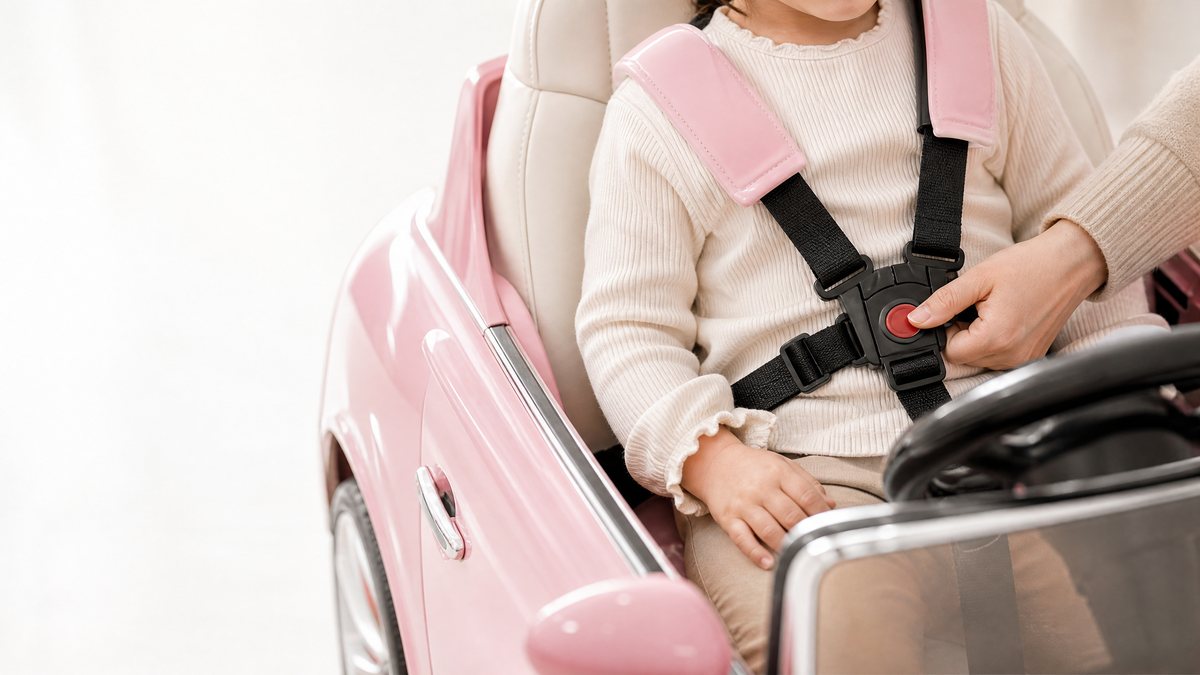
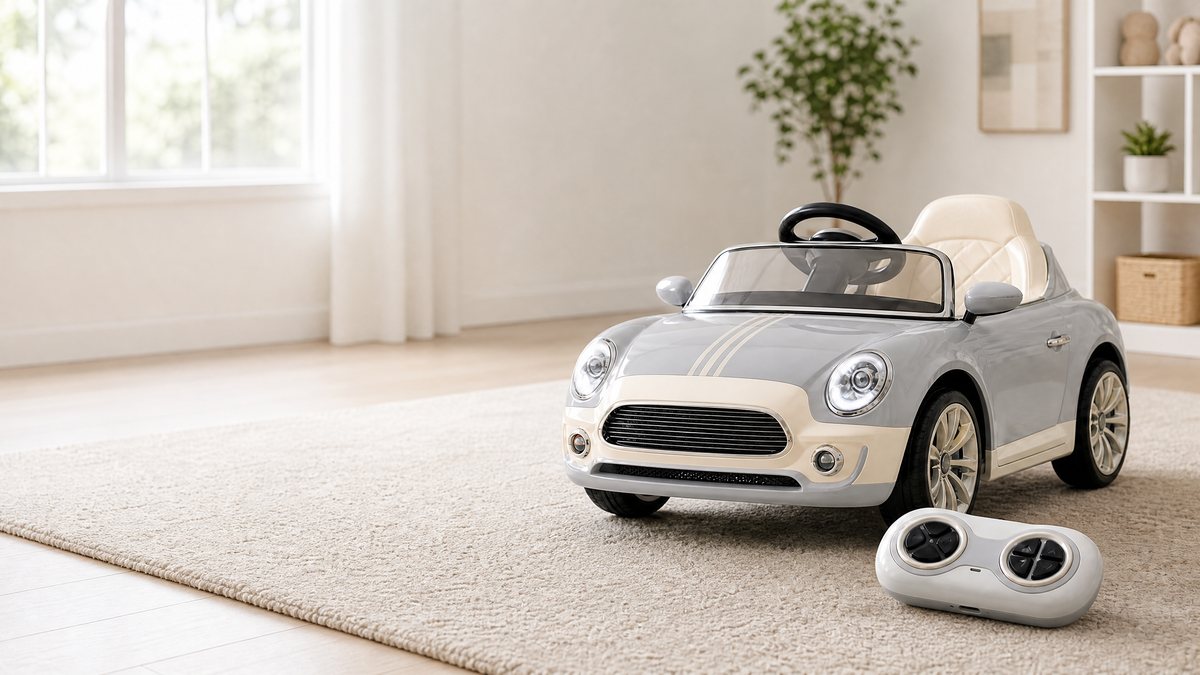
A hallmark of quality ride-on vehicles in the $300 tier is the integration of a 2.4G parental remote control override. This system allows supervising adults to steer, adjust speed tiers, and instantly brake the vehicle regardless of the child's input. Soft-start programming is another critical technical feature, preventing abrupt jerking upon acceleration and protecting the child's neck and posture.
| Component Category | Entry-Level ($100–$150) | Mid-Tier / $300 Benchmark | Sourcing Verification Focus |
|---|---|---|---|
| Drive Motors | Single or Dual 390 Motors | Dual 550 High-Torque Motors | Request gearbox torque ratings & RPM specs |
| Wheel Construction | Molded Hard Plastic | EVA Foam Rubber Tires | Inspect material density and tread depth samples |
| Parental Control | Basic RF / Direct Steering | 2.4G Multi-Speed Remote + Emergency Brake | Test frequency pairing and emergency stop latency |
| Suspension | Rigid / Non-functional | Spring-loaded Front & Rear Dampers | Verify damper travel distance and mount durability |
| Weight Capacity | 30 kg (approx. 66 lbs) | 35 kg to 50 kg (Two-Seater Options) | Confirm static and dynamic load testing reports |
Buyer's Evaluation and Sourcing Checklist
When sourcing or stocking ride-on vehicles in the $300 price bracket, B2B buyers and retail procurement specialists should execute a systematic audit. Below is a structured checklist to ensure product safety, regulatory compliance, and operational reliability.
- [ ] Request Complete Technical Data Sheets (TDS): Verify motor wattage, gearbox ratios, battery amp-hour (Ah) ratings, and maximum operating speeds.
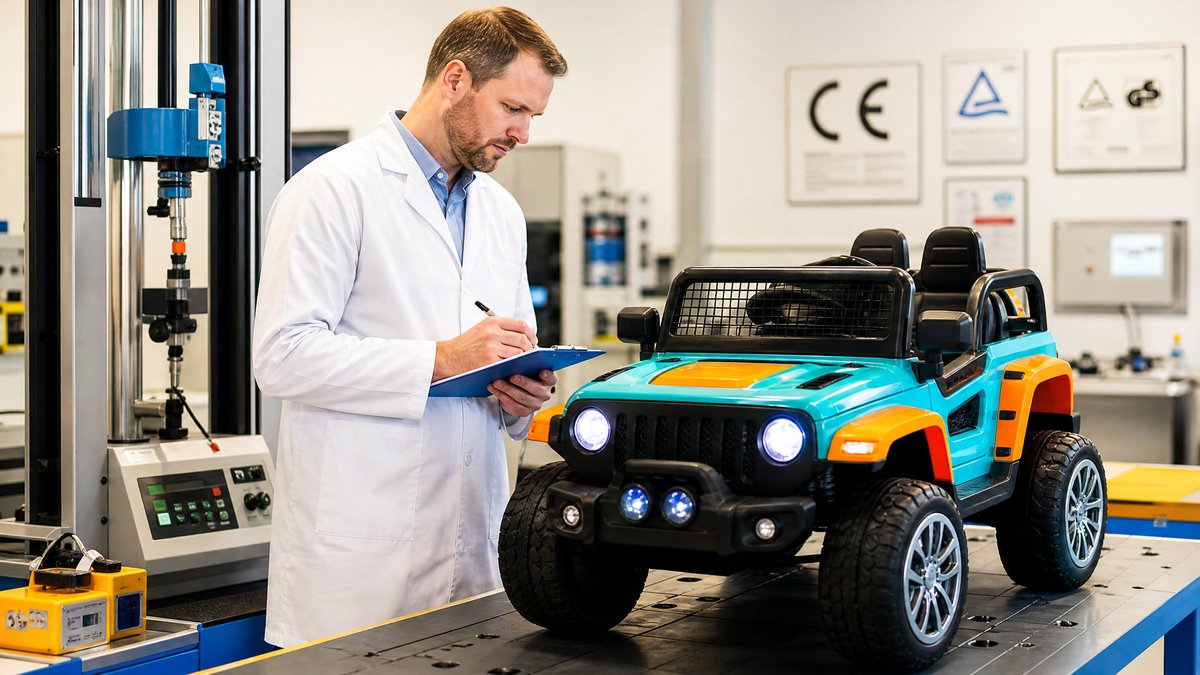
- [ ] Audit Compliance and Safety Documentation: Inspect third-party test reports confirming compliance with EN71, ASTM F963, or equivalent international toy safety standards.
- [ ] Verify Electrical Certification: Ensure wall chargers and internal wiring harnesses feature appropriate regional electrical safety certifications (CE, RoHS, UL).
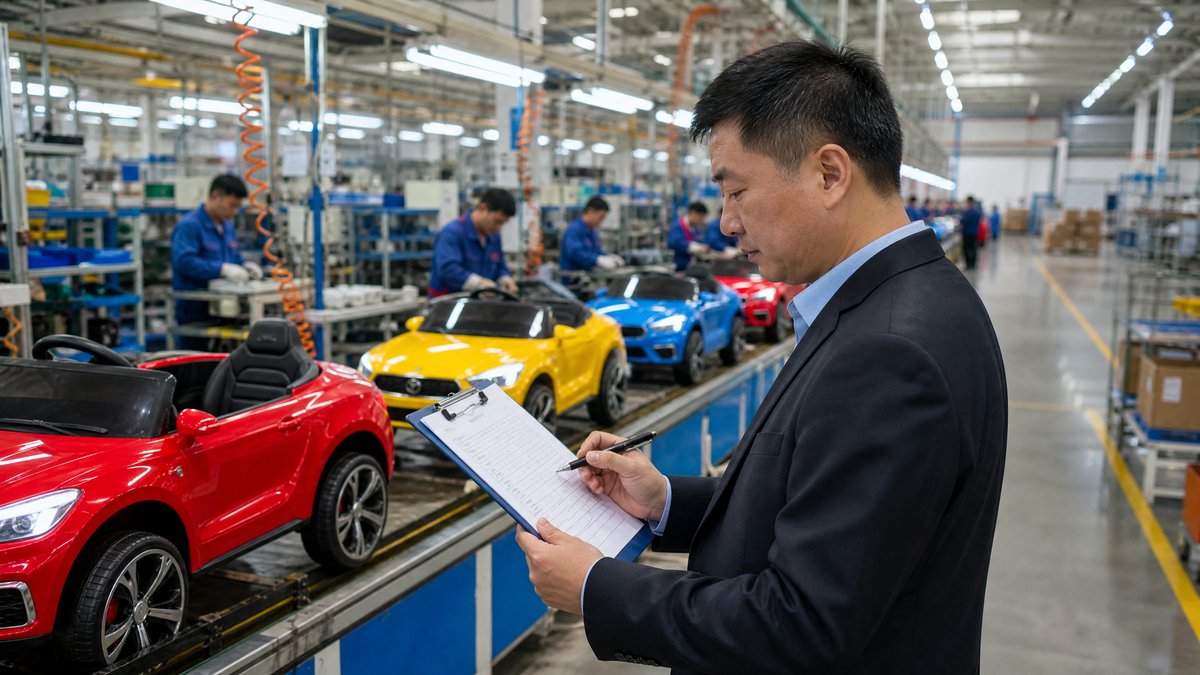
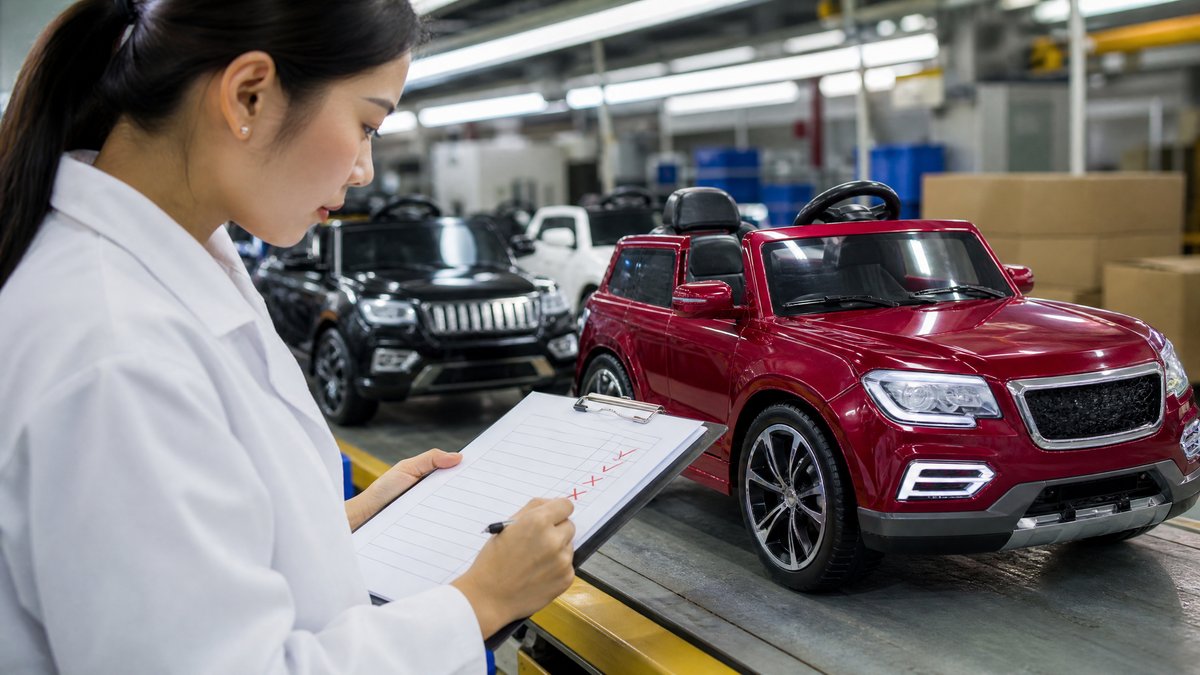
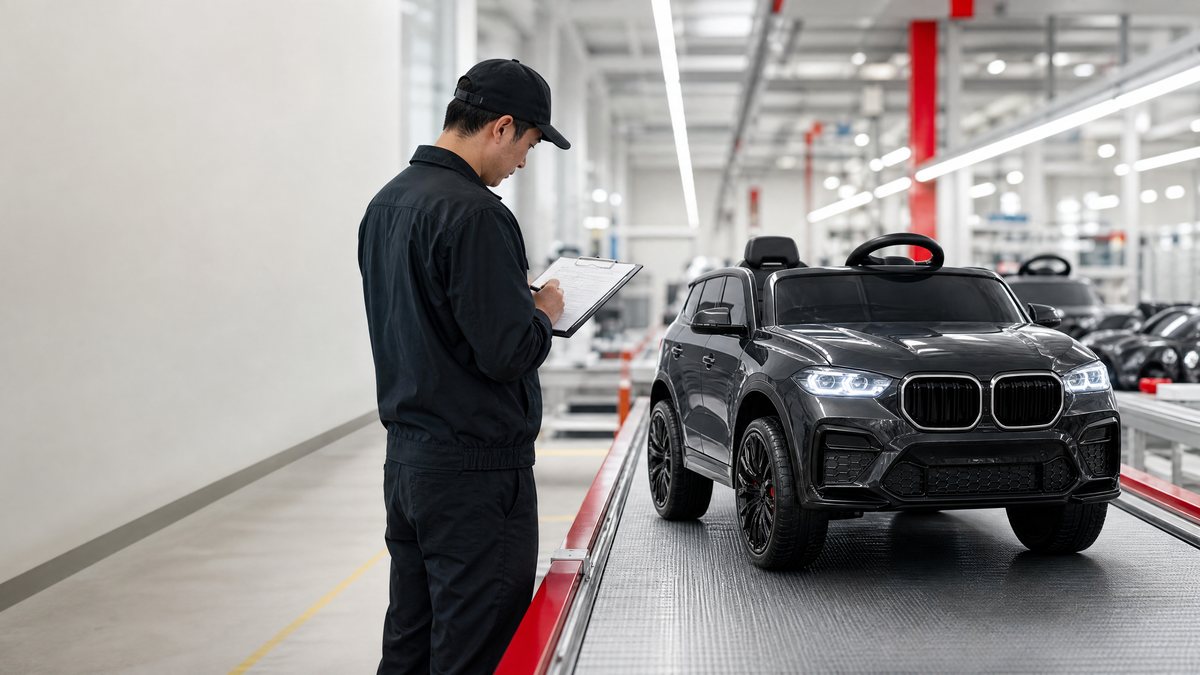
- [ ] Inspect Factory Quality Control (QC) Protocols: Review supplier drop-test results, battery lifecycle testing reports, and batch inspection standards.
- [ ] Evaluate Packaging and Drop-Test Resilience: Confirm that vehicles are packaged with high-density EPE foam or corrugated inserts to prevent transit damage to fiberglass/painted bodies and electronics.
- [ ] Review Spare Parts Availability: Ensure suppliers provide accessible replacement parts (gearboxes, remote controls, chargers, batteries) for after-sales support.
Sourcing Considerations for Licensed vs. Generic Models
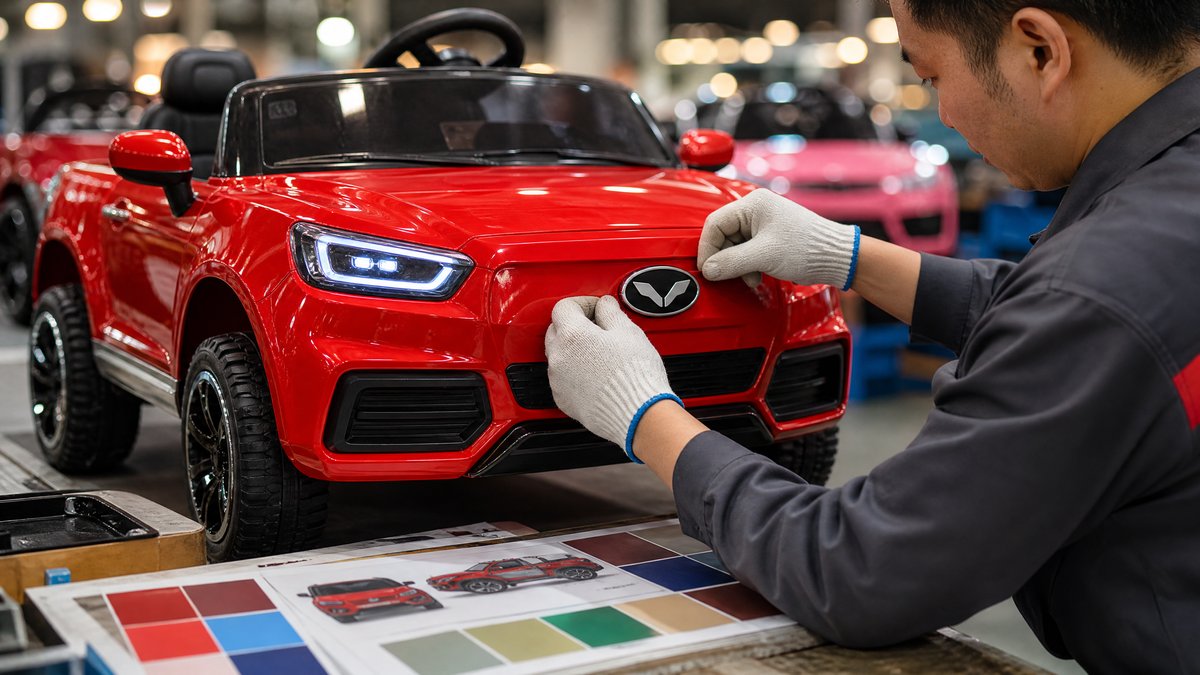
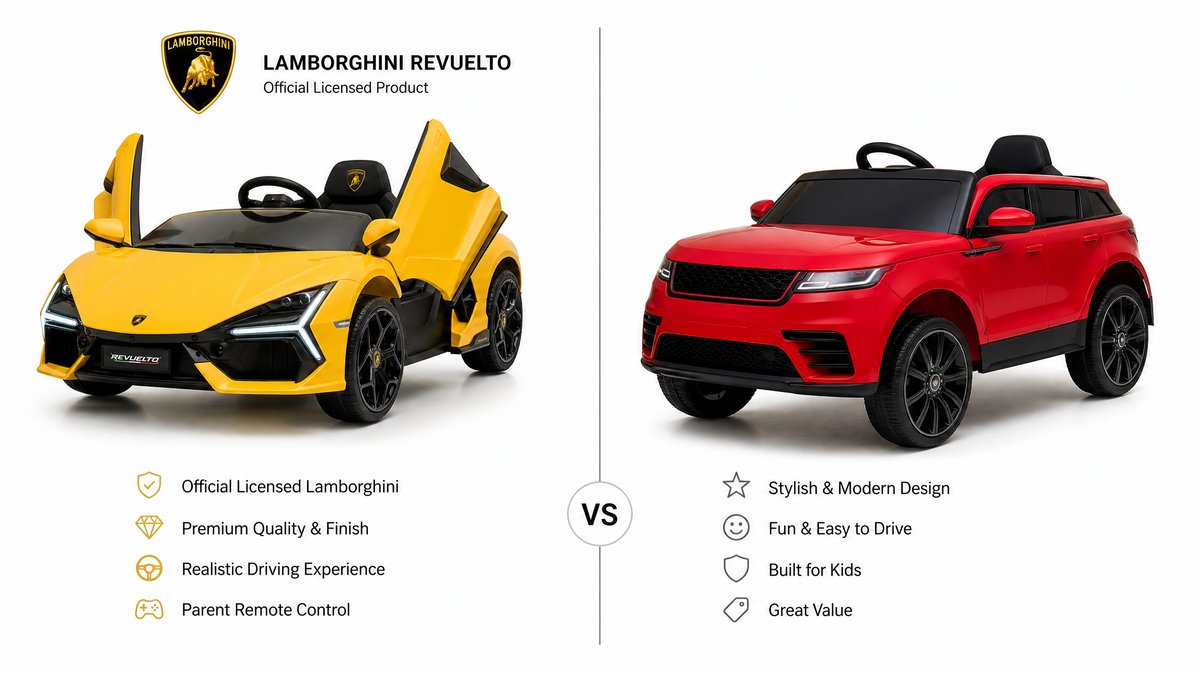
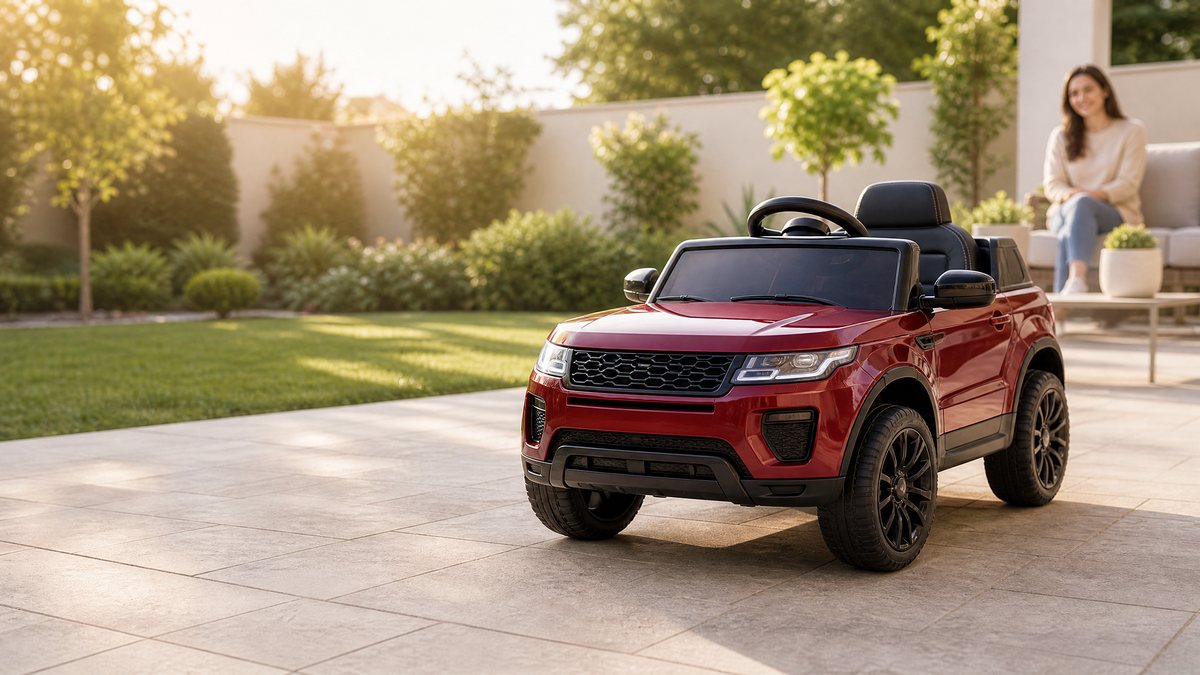
In the $300 price category, buyers frequently encounter vehicles featuring automotive brand styling (such as licensed replicas of sports cars, SUVs, or trucks). Sourcing professionals must maintain strict diligence regarding intellectual property and licensing documentation:
1. Verify Authorization Documentation: If sourcing branded or licensed ride-on cars, ensure the manufacturer provides valid, verifiable licensing agreements from the respective automotive brand holder. Never assume or market unverified trademarked designs as officially licensed without written authorization.
2. Examine Build Quality vs. Brand Premium: Assess whether the higher price point reflects genuine mechanical enhancements (stronger motors, better batteries, EVA tires) or merely licensing overhead. A balanced sourcing strategy prioritizes fundamental build quality alongside brand appeal.
Frequently Asked Questions (FAQ)
1. What makes a ride-on car in the $300 tier worth the higher investment compared to budget models?
Vehicles priced around $300 generally incorporate upgraded electrical and mechanical components, including dual high-torque 550 motors, 12V 10Ah+ batteries, EVA foam tires, genuine leather seats, and advanced 2.4G parental remote controls with emergency brake functions. These upgrades significantly enhance durability, safety control, and overall user experience.
2. Are lithium-ion batteries common in ride-on cars under $300?
While lead-acid batteries remain standard due to cost efficiency and stability in high-current applications, some manufacturers offer lithium-ion upgrades within the upper end of this price tier. When sourcing lithium-powered units, buyers must verify that the battery packs include dedicated Battery Management Systems (BMS) and certified overcharge protection.
3. How can retail buyers verify the safety compliance of imported ride-on cars?
Procurement teams should request full compliance dossiers from manufacturers, including independent laboratory test reports for ASTM F963 (North America) or EN71 (Europe). Furthermore, buyers should conduct sample inspections to verify mechanical pinch points, non-toxic surface coatings, and secure electrical insulation.
4. What is the standard warranty and spare parts support expected in this price category?
Reputable manufacturers in the $300 tier typically offer component warranties covering motors, control boards, and chargers for 6 to 12 months, alongside readily available replacement parts to support retail after-sales service requirements.
Conclusion and Next Steps
Evaluating and sourcing children's electric ride-on cars in the $300 price segment requires balancing robust mechanical specifications, premium comfort features, and rigorous safety compliance. By prioritizing transparent technical data sheets, verifying electrical and structural certifications, and establishing clear quality control protocols, B2B buyers and retailers can curate safe, high-performing inventory that meets discerning consumer expectations.
For detailed wholesale catalogs, technical specifications, and bulk sourcing inquiries, procurement professionals are encouraged to reach out directly to our editorial and commercial team.
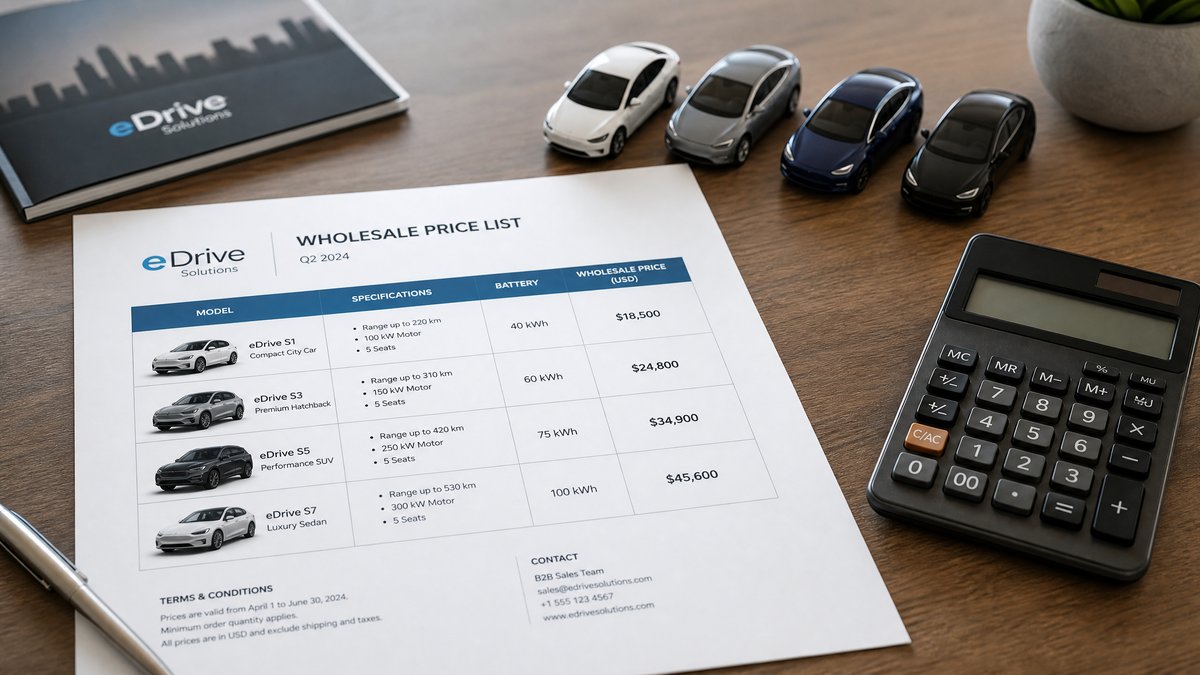
Contact Us: To request wholesale price lists, compliance documentation, or OEM/ODM partnership details, please contact us via email at wholesale@kidsridecar.com.
Official references
Explore these external resources for current regulatory and trade guidance. Confirm requirements with the relevant authority before placing an order.
Ready to Start?
Factory-Direct · CE & ASTM Certified · MOQ from 50 Units
Our export team works with buyers in 60+ countries. Get a quote within 24 hours.
KR
Written by KidsRideCar
China's leading kids electric ride-on car manufacturer. 500,000+ units shipped annually to 60+ countries. CE, ASTM & EN71 certified.