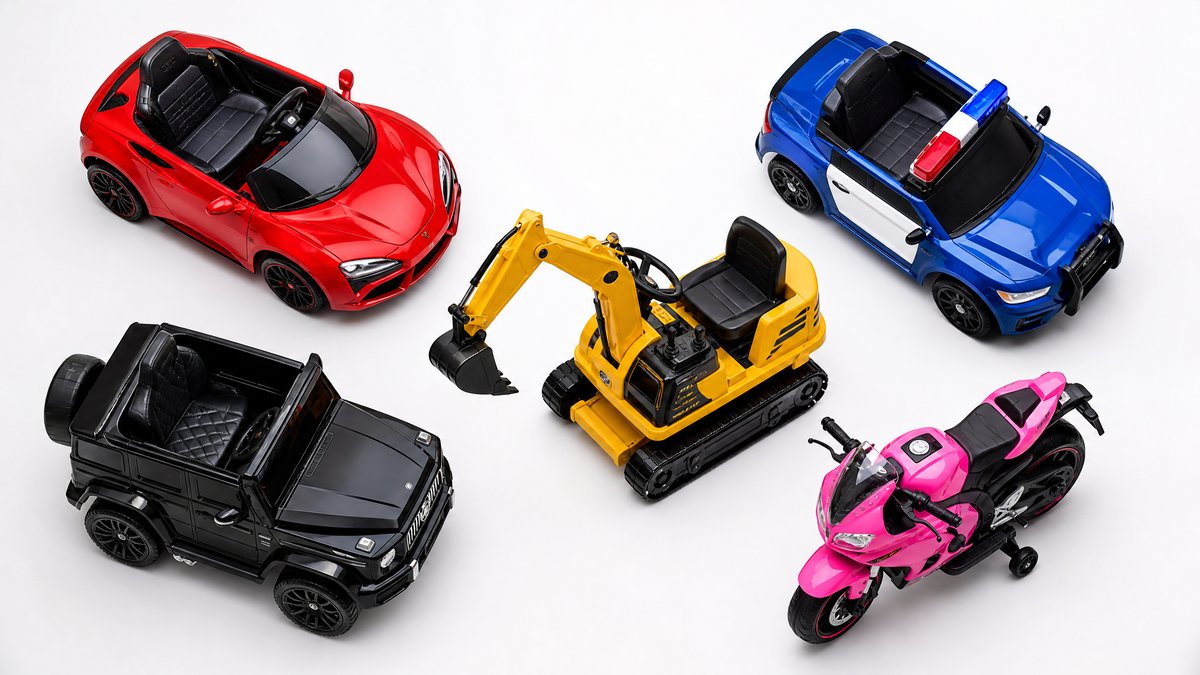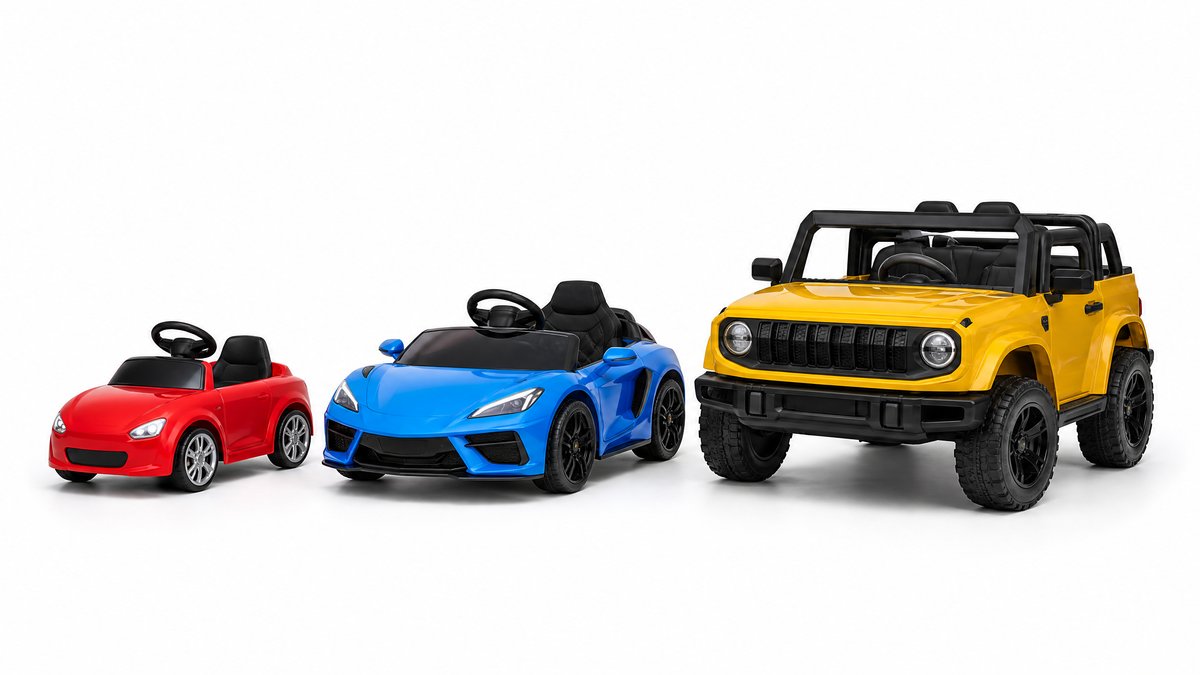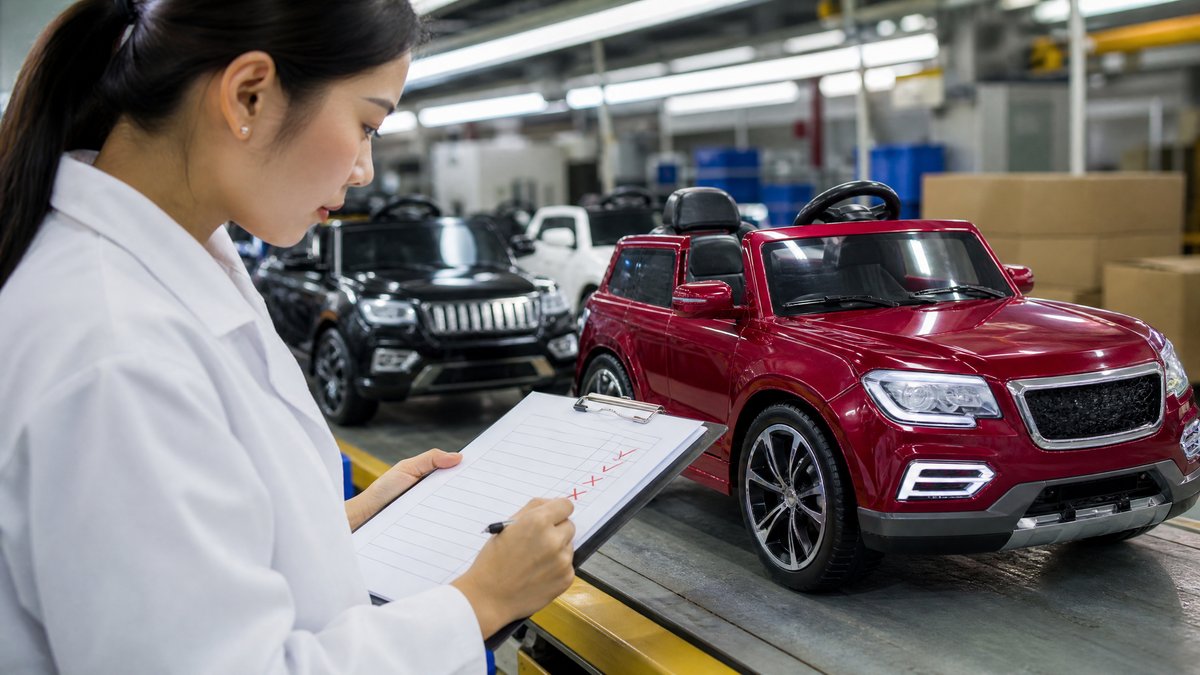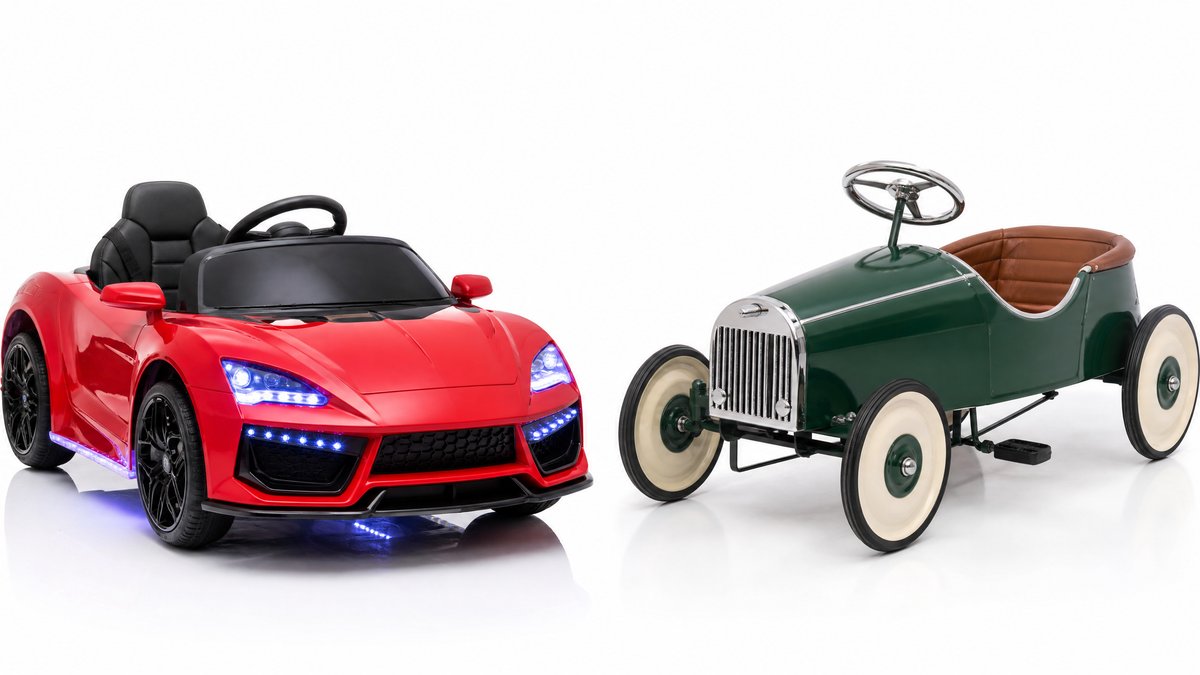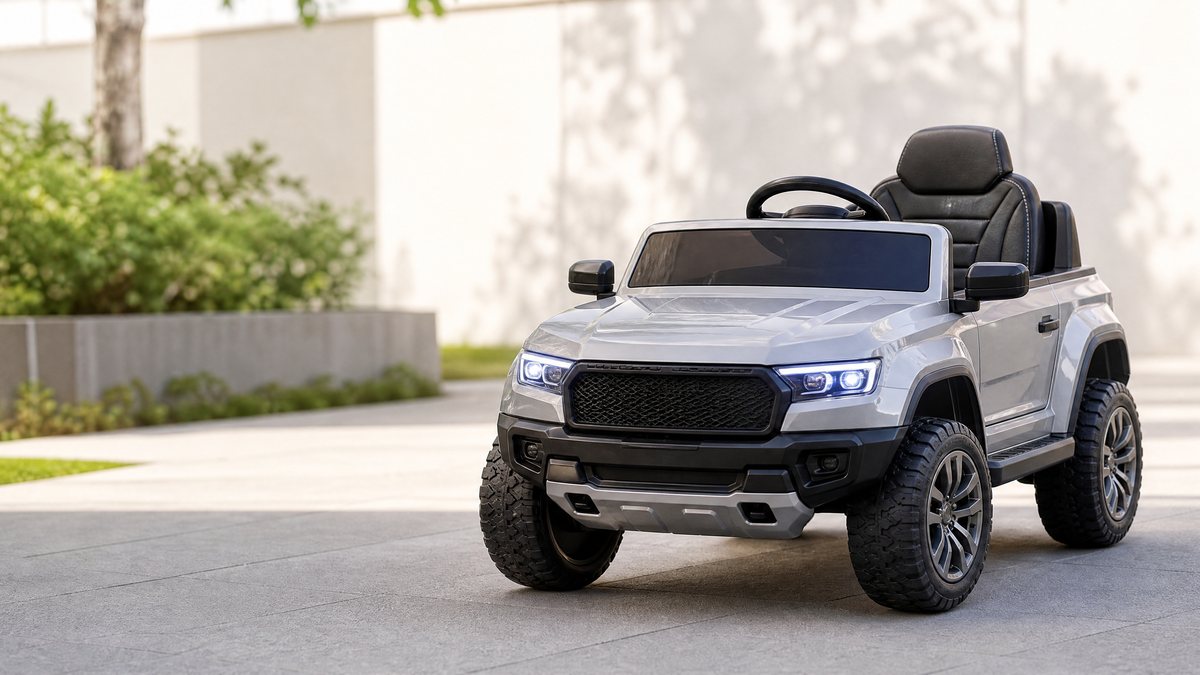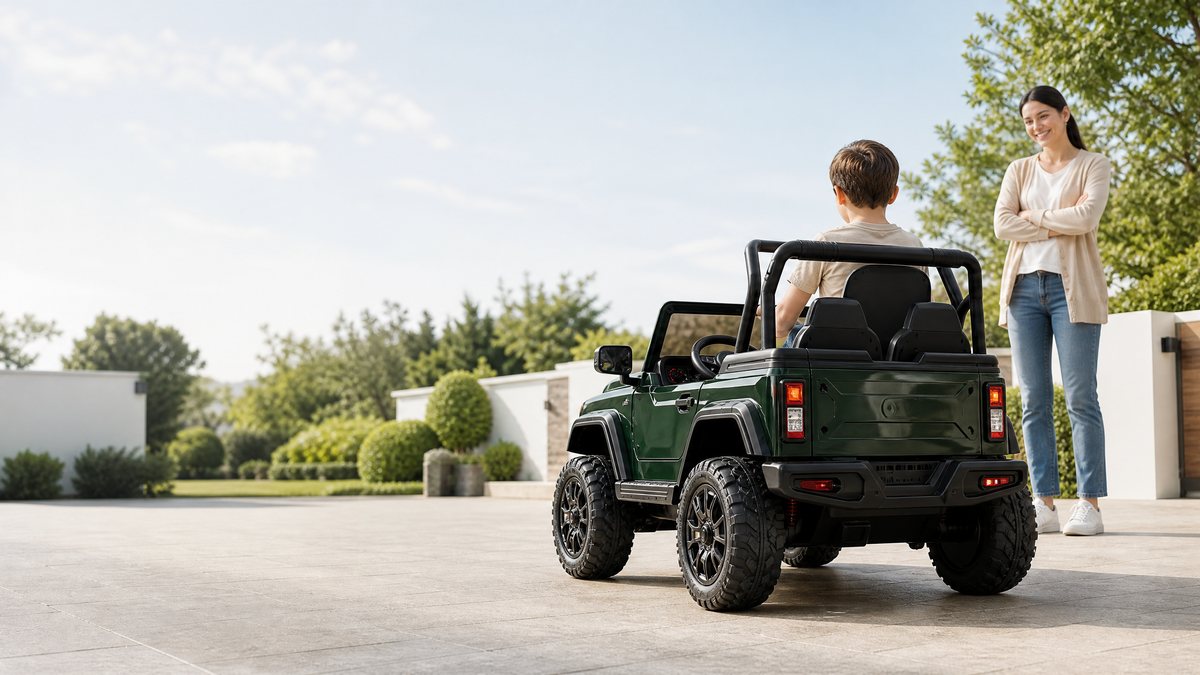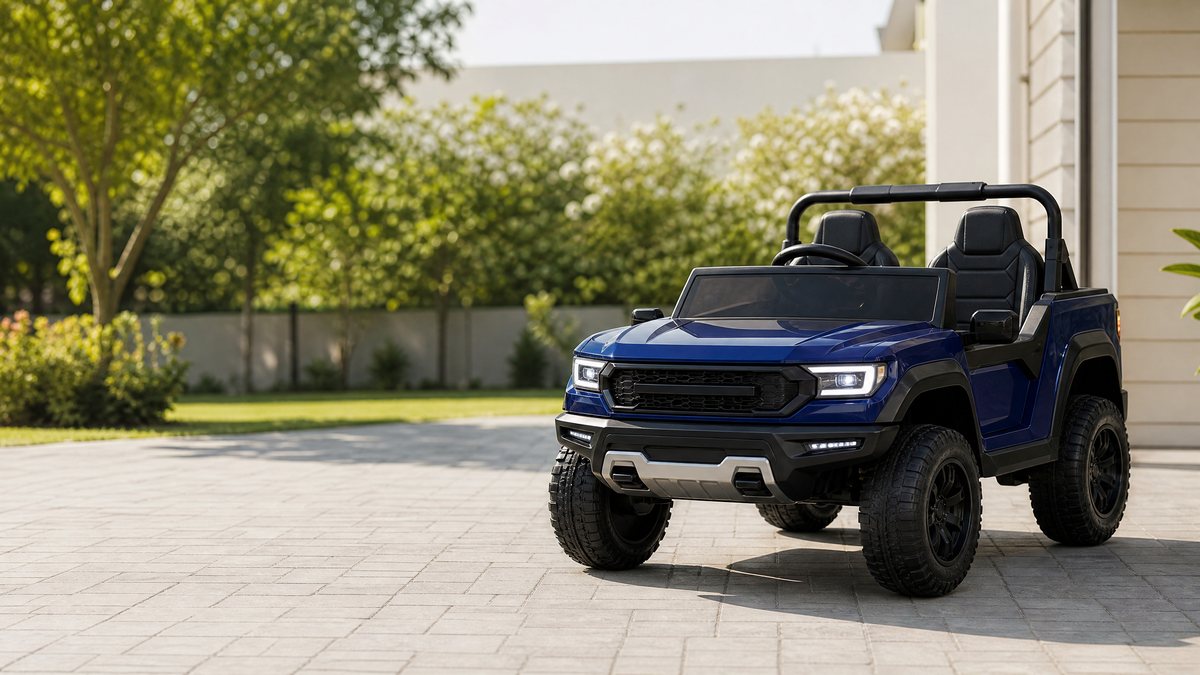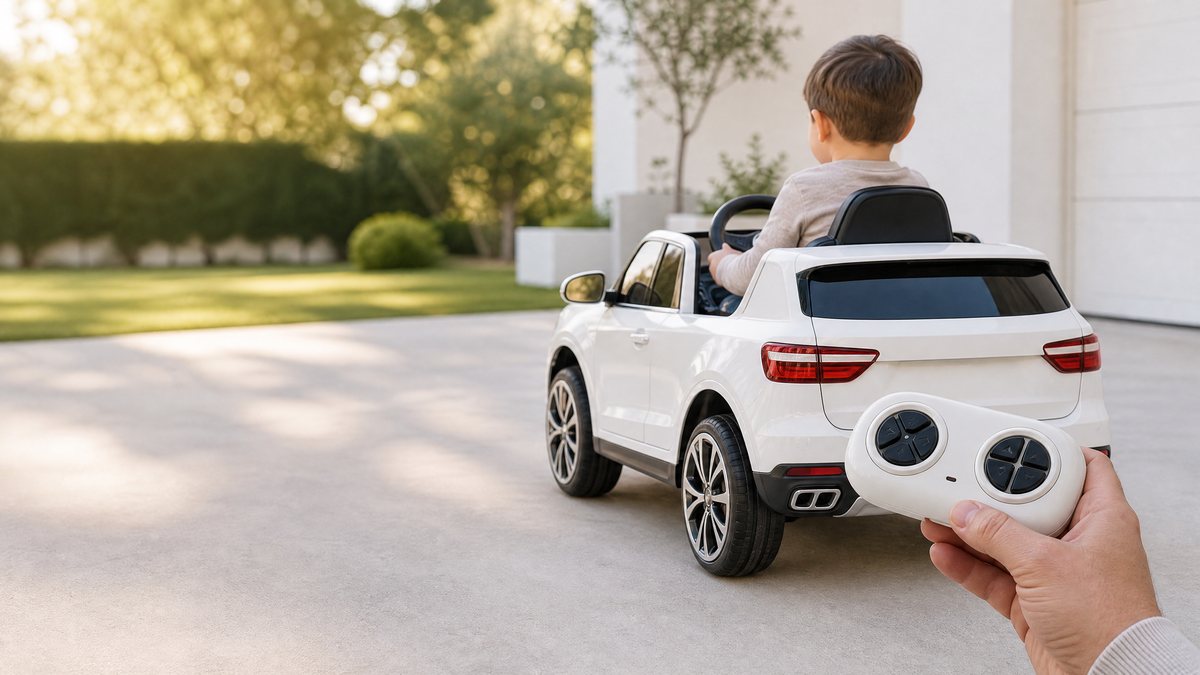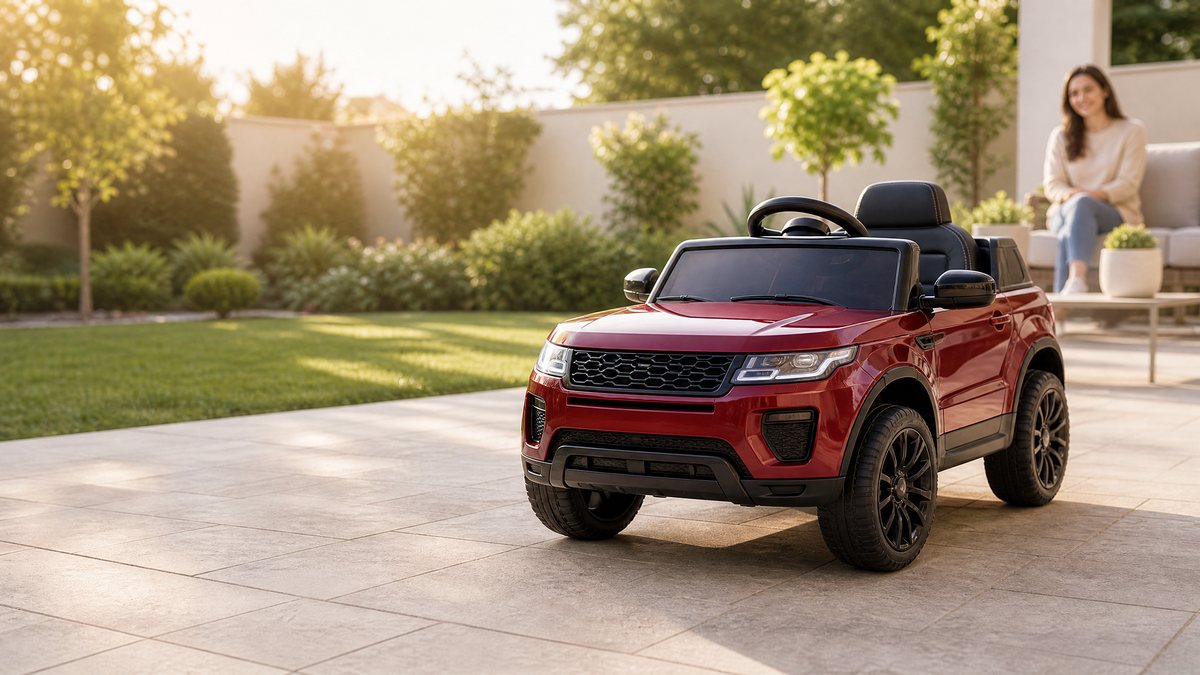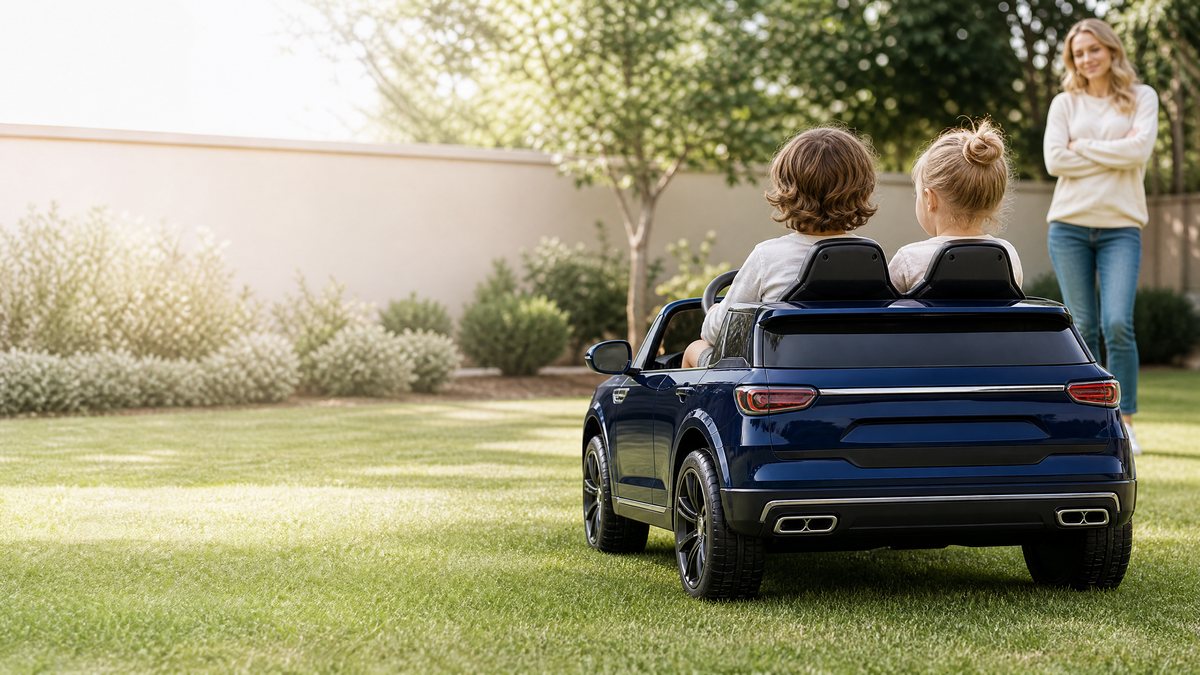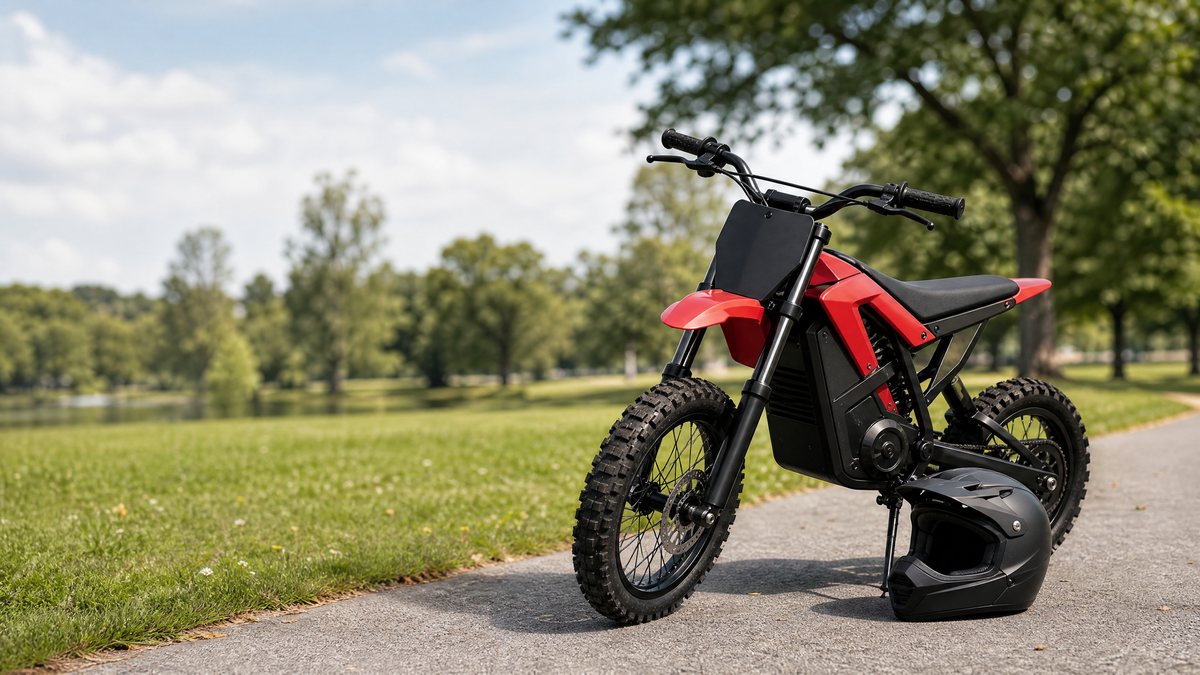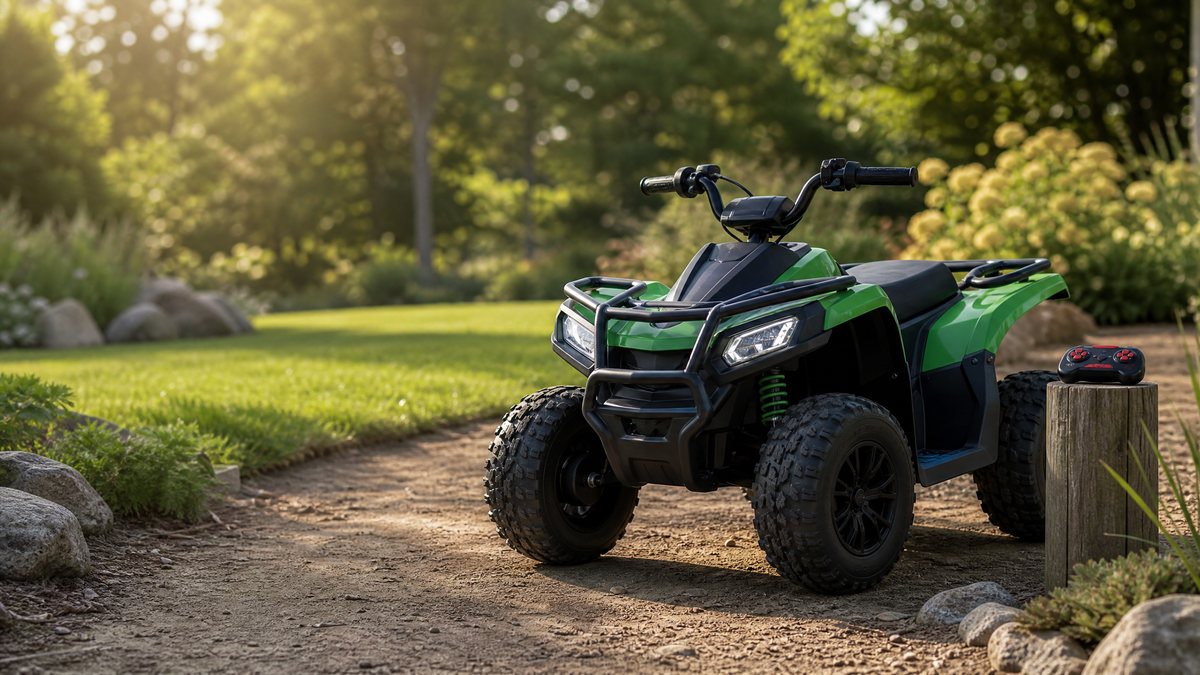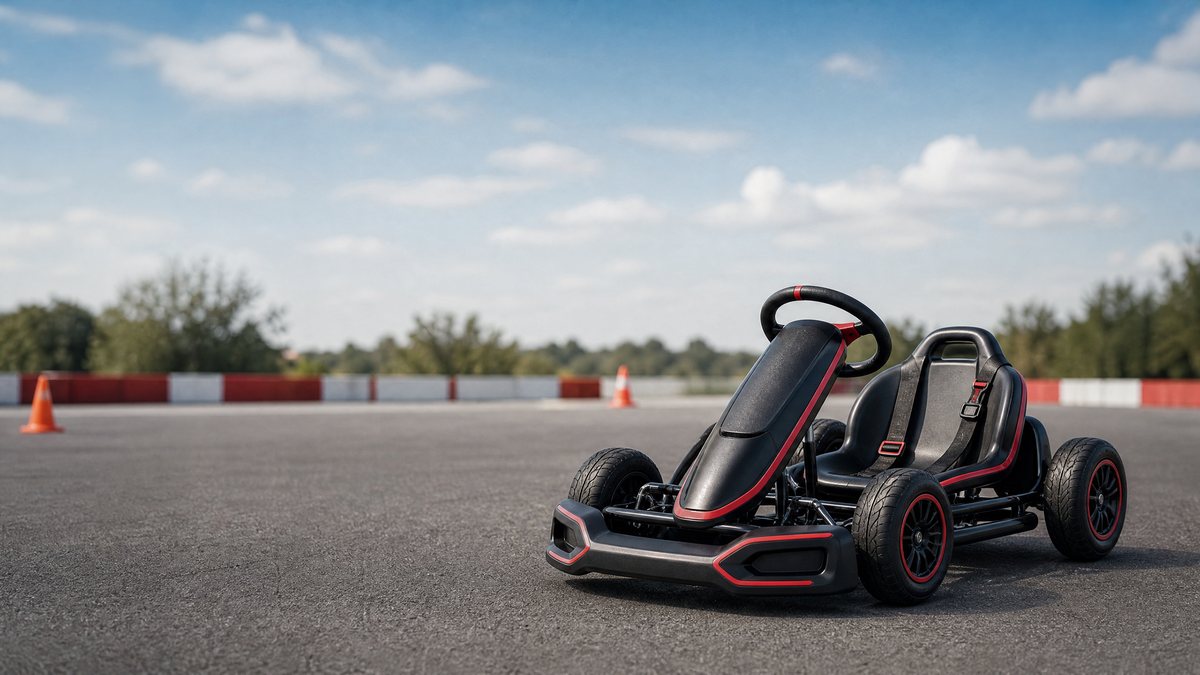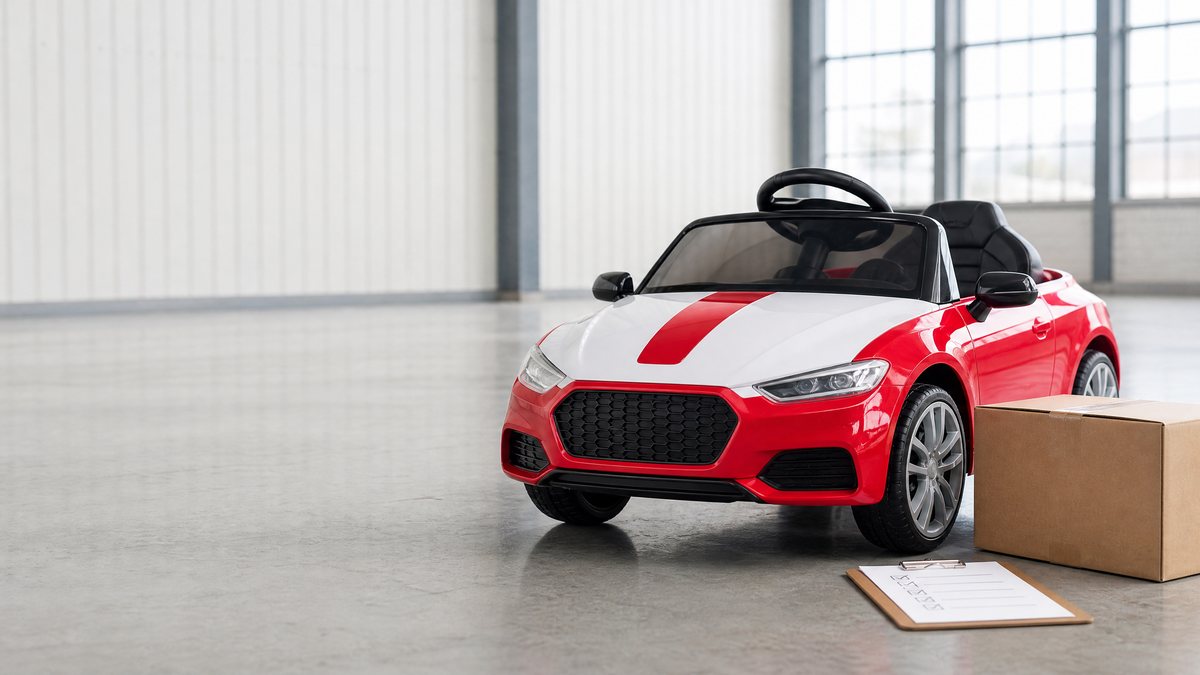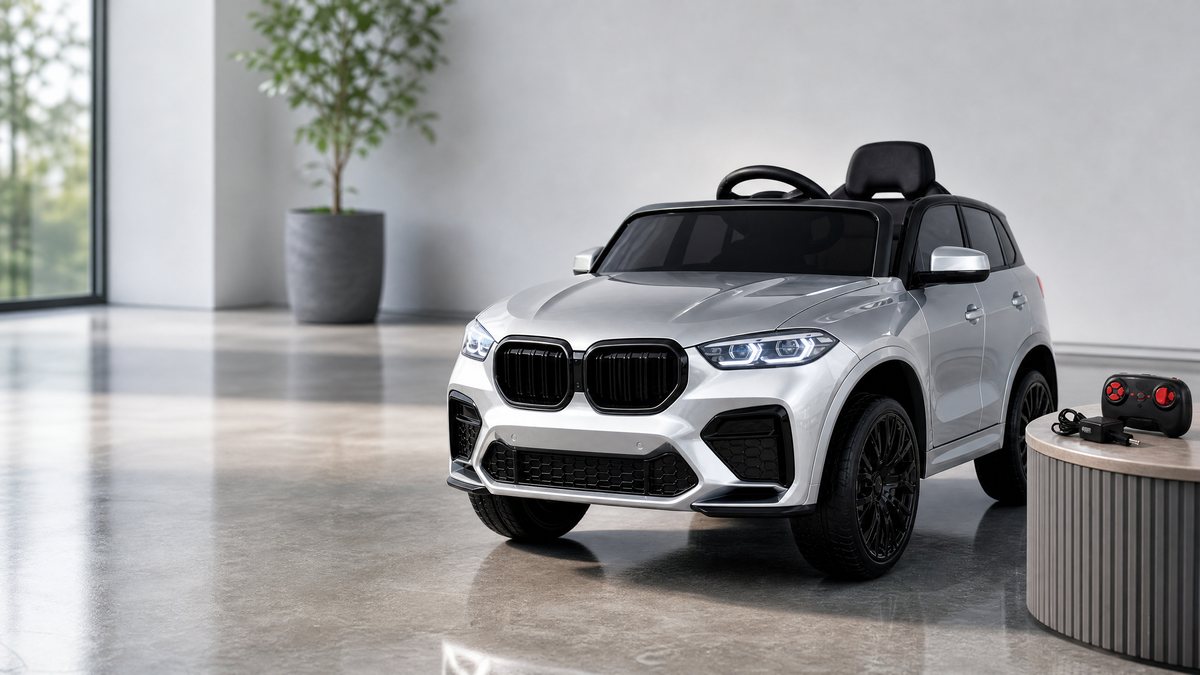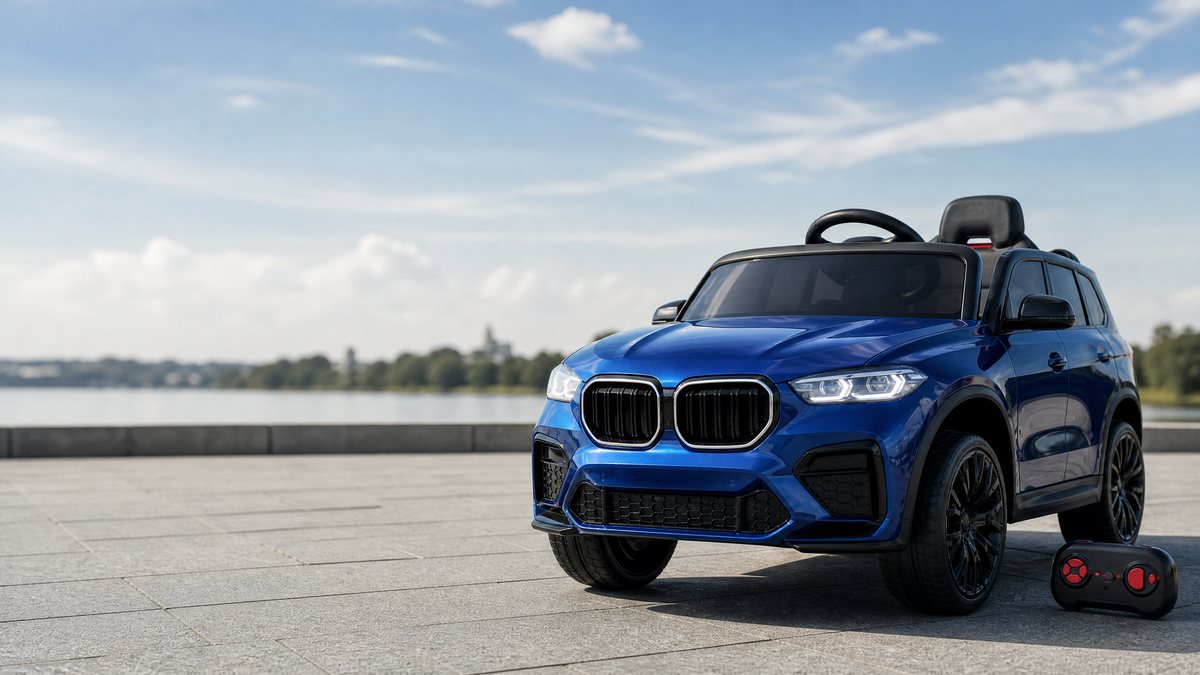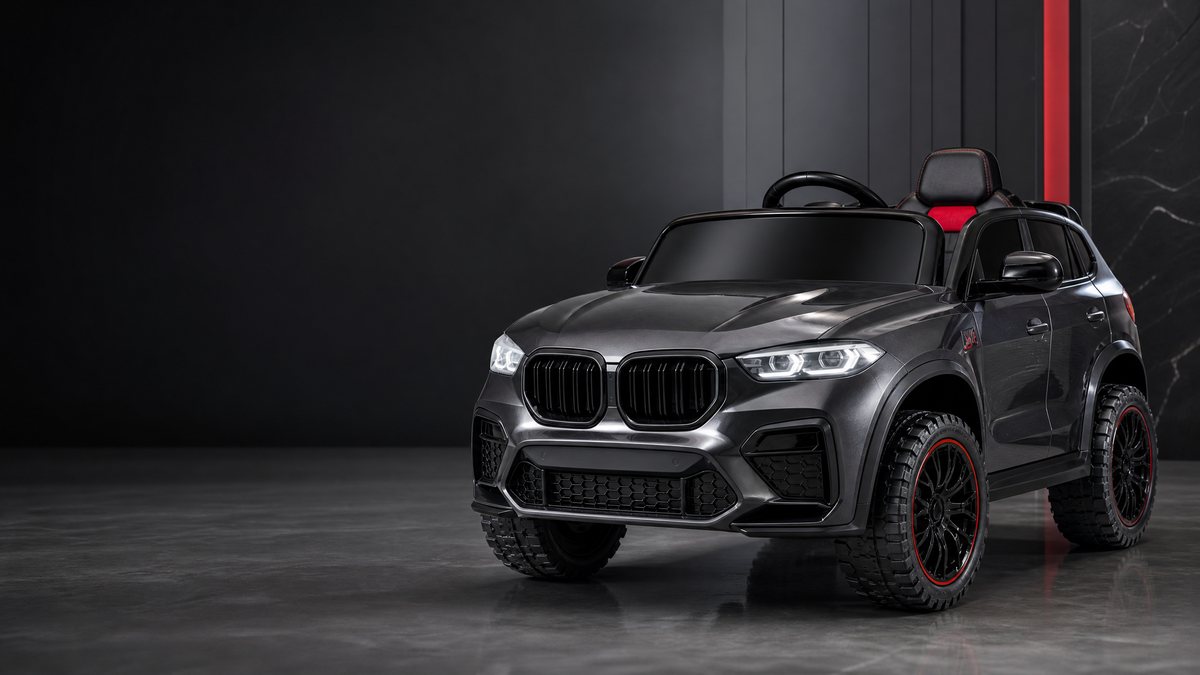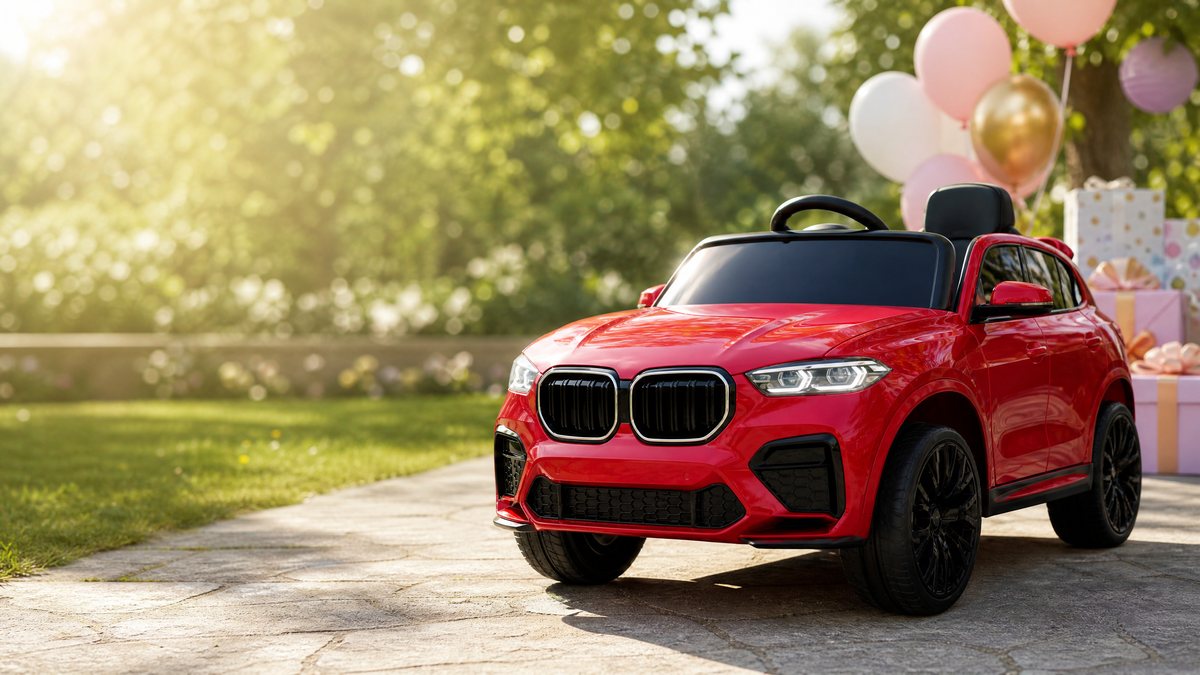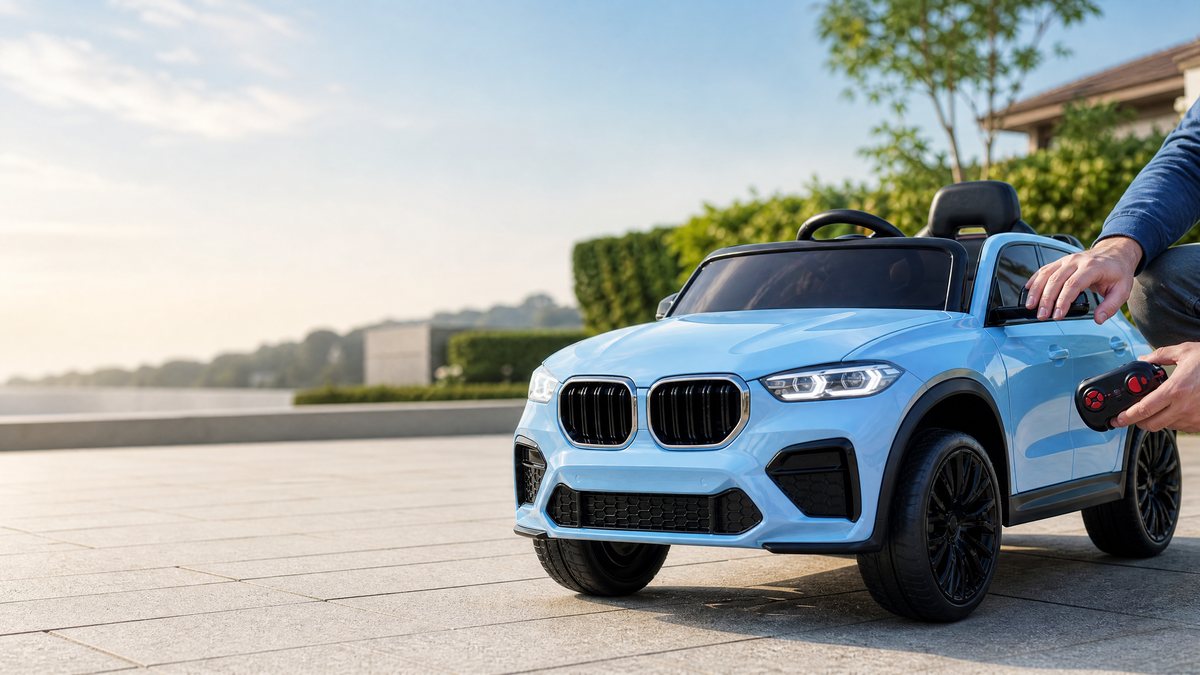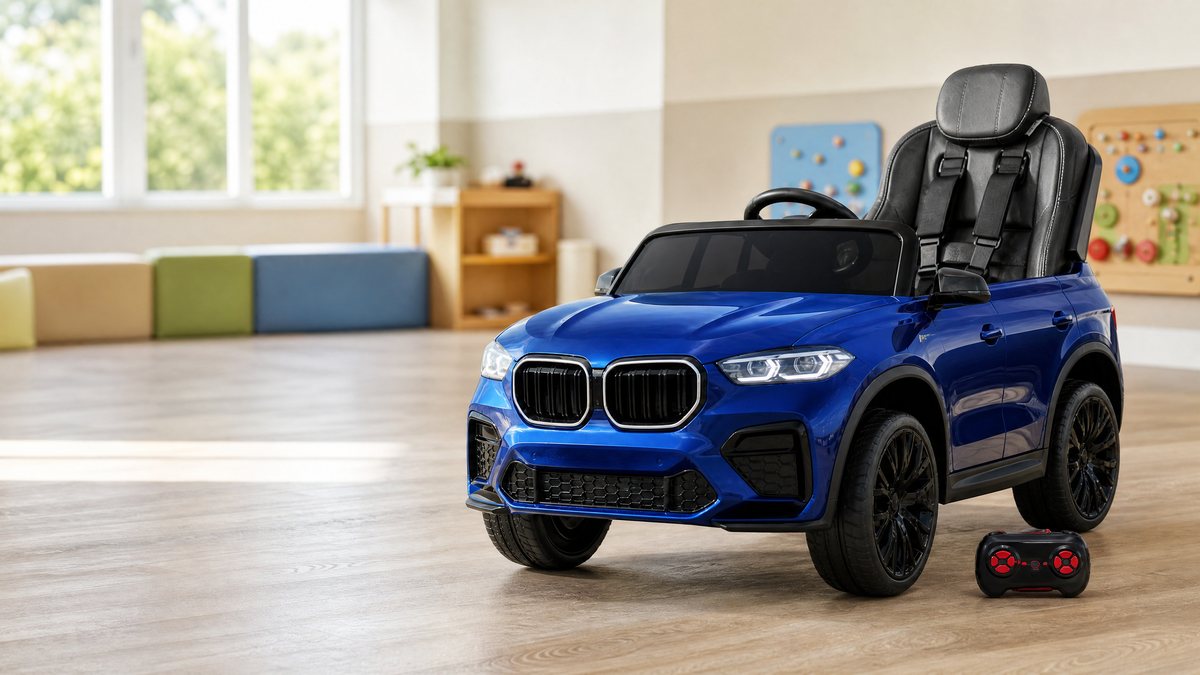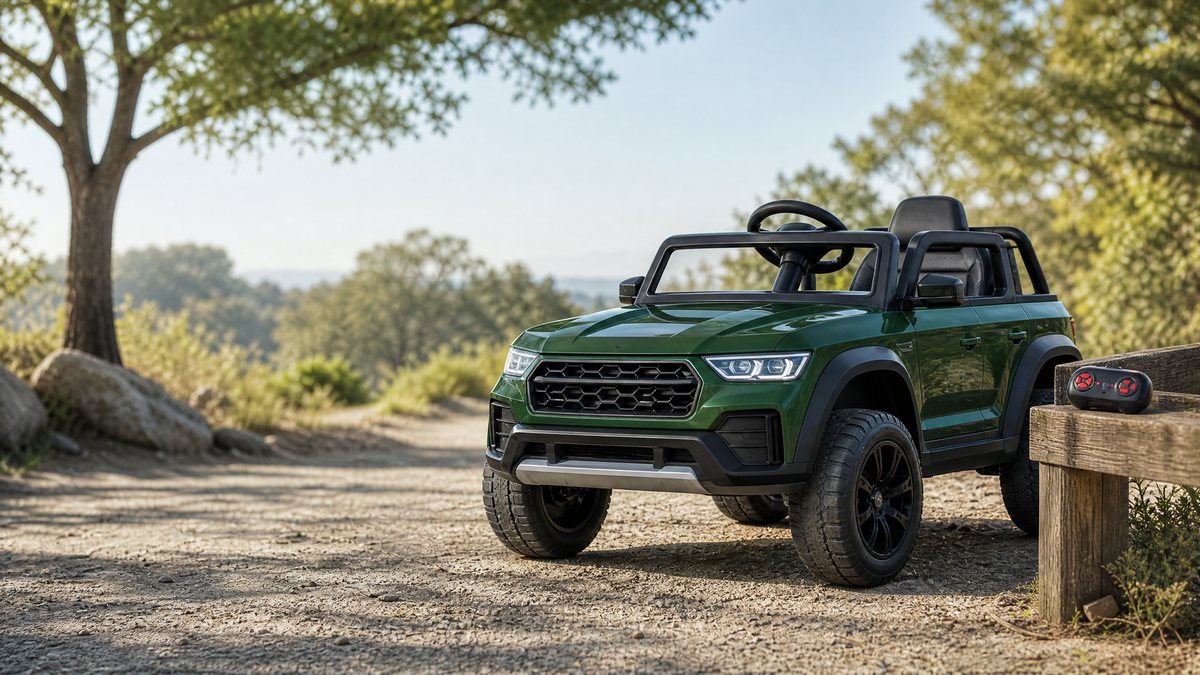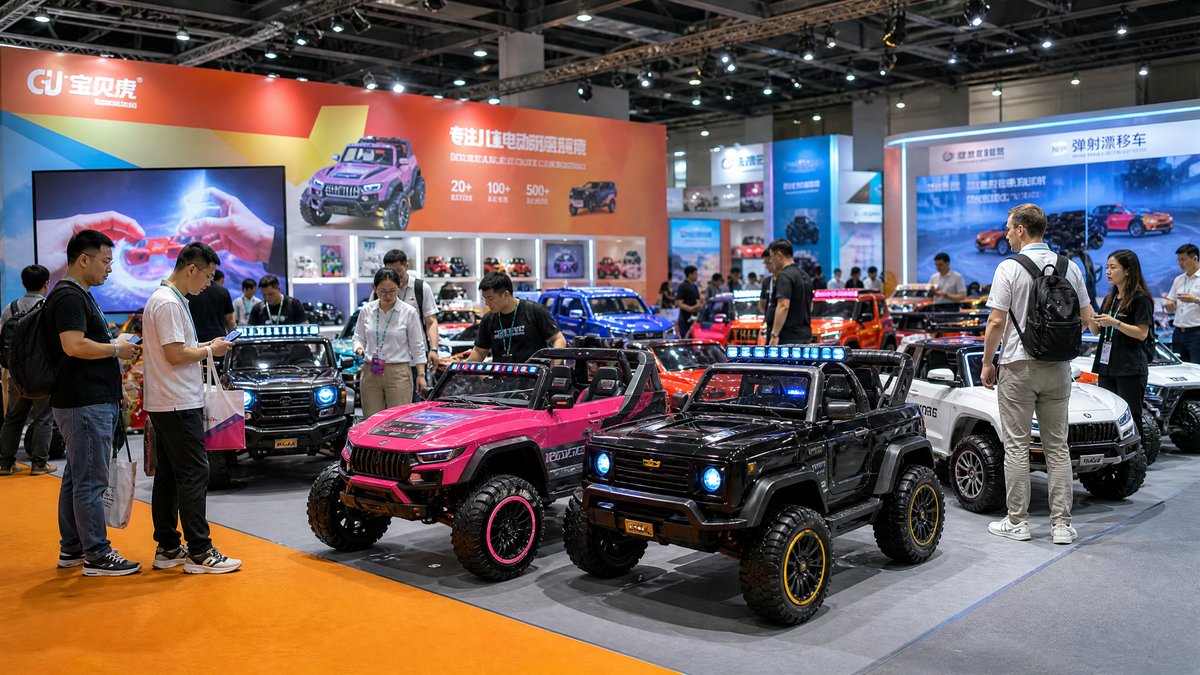
Operating motorized ride-on toys on hard outdoor surfaces such as concrete, asphalt, and paved driveways is one of the most common inquiry areas for wholesale distributors, retail store owners, and parents alike. When evaluating whether children's electric vehicles can be operated safely and efficiently on concrete, industry stakeholders must look beyond simple surface compatibility and examine a range of mechanical, material, and operational factors. Concrete provides a smooth, stable, and predictable driving environment compared to uneven lawns or loose gravel, yet it introduces specific considerations regarding tire wear, traction, motor strain, and impact safety.
For B2B buyers, retail partners, and commercial operators—such as amusement park rental fleets, indoor-outdoor play centers, and family entertainment complexes—understanding how ride-on cars interact with concrete surfaces is essential for guiding end-users, managing warranty expectations, and selecting appropriate product specifications. This comprehensive guide establishes an objective evaluation framework for assessing ride-on car performance on concrete, analyzing tire compositions, suspension dynamics, safety protocols, and retail advisory best practices.
Understanding Surface Dynamics: Concrete vs. Other Terrains
Concrete surfaces offer distinct physical characteristics that directly influence the mechanical behavior and longevity of motorized ride-on vehicles. Unlike natural grass, dirt, or sand, which absorb impact energy and provide high rolling resistance, concrete presents a rigid, highly uniform plane. This rigidity impacts energy transfer, friction coefficients, and vehicle kinematics in several key ways.
First, rolling resistance on concrete is significantly lower than on soft or uneven ground. Because concrete does not deform under the weight of the vehicle and its operator, wheels roll freely with minimal energy loss. This efficiency allows electric motors and batteries to operate closer to their designed nominal load, potentially extending run times per charge compared to driving through thick grass or up inclines. However, this reduced resistance also means that vehicles may coast further when the accelerator pedal is released, requiring operators to become accustomed to stopping distances on paved surfaces.
Second, the abrasive nature of concrete introduces accelerated wear on wheel components. The microscopic texture of cured concrete acts like a fine-grit abrasive file against the outermost layer of tires during acceleration, cornering, and braking. While soft grass or smooth indoor flooring preserves tread patterns for extended periods, outdoor concrete surfaces will visibly wear down wheel materials over time. Wholesale buyers and retailers must educate customers that tire wear on concrete is a normal consequence of friction and operational use, distinct from manufacturing defects.
Finally, thermal and moisture conditions on concrete require careful attention. On hot summer days, exposed concrete can absorb solar radiation and reach elevated surface temperatures. While direct thermal damage to standard ride-on tires is rare, operators should ensure vehicles are stored out of direct sunlight when not in use. Conversely, when concrete becomes wet from rain or morning dew, the friction coefficient drops precipitously. Smooth concrete combined with moisture creates a slick interface where plastic wheels can lose traction entirely, resulting in wheel slip during acceleration or reduced braking authority.
Tire Materials and Surface Interaction: Plastic, EVA, and Rubberized Compounds
The interface between a ride-on car and a concrete surface is defined entirely by the tire material. Different tire constructions exhibit vastly different behaviors regarding grip, noise generation, shock absorption, and durability on paved surfaces. Evaluating these material properties is crucial for B2B procurement decisions and tier-matching retail offerings.
Molded hard plastic wheels are the traditional standard found on entry-level ride-on vehicles. Constructed from rigid polymers such as polypropylene or polyethylene, these wheels are cost-effective and highly resistant to impact cracking. However, when operated on concrete, hard plastic wheels generate noticeable rolling noise, described as a distinct rattling or humming sound. Furthermore, plastic offers lower static and kinetic friction on smooth concrete compared to elastomeric materials, making them prone to slipping during abrupt acceleration or when navigating inclines. Over time, concrete friction grinds down the smooth outer circumference of plastic wheels, eventually flattening contact points if wheels do not rotate freely.
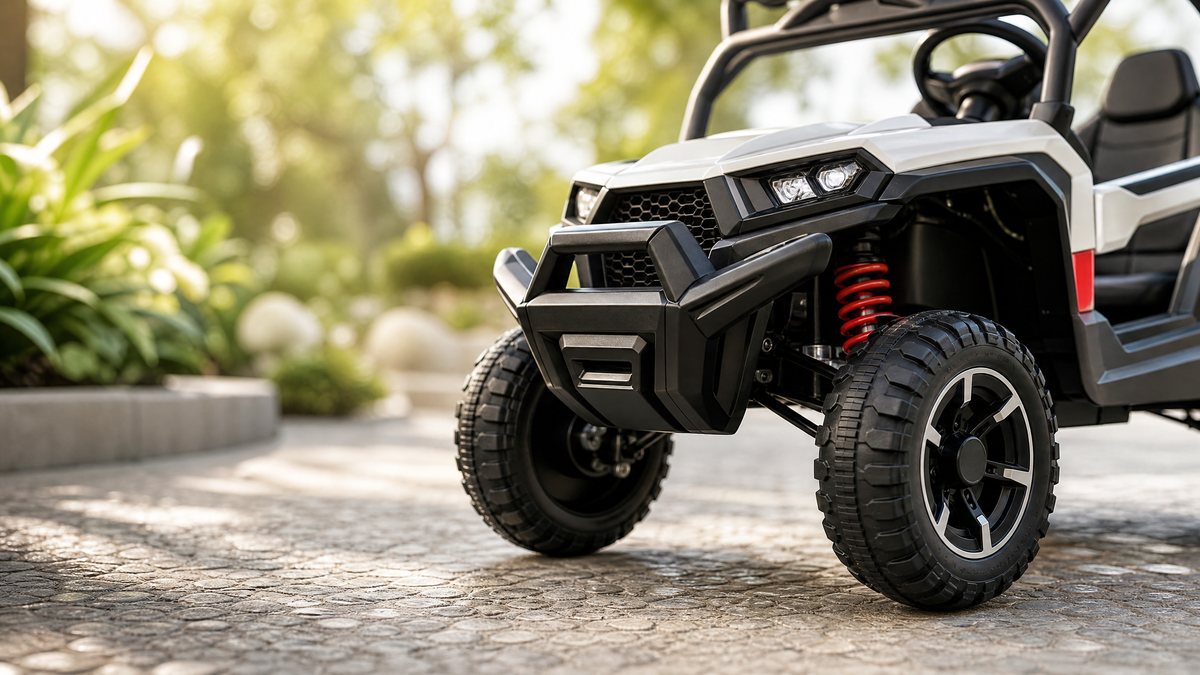
Ethylene-Vinyl Acetate (EVA) foam tires represent a major upgrade in modern ride-on vehicle design. EVA foam combines lightweight polymer properties with cellular elasticity, creating a semi-pneumatic cushion. On concrete surfaces, EVA tires compress slightly under load, maximizing the contact patch and significantly increasing grip. This enhanced traction reduces wheel spin and improves low-speed maneuverability. Additionally, EVA foam absorbs high-frequency vibrations caused by concrete expansion joints and minor surface imperfections, resulting in a quieter, smoother ride that protects the vehicle's internal gearbox and structural joints from excessive shock loading.
Pneumatic (air-filled) rubber tires offer the highest level of traction and shock attenuation on concrete. While less common in standard domestic ride-on cars due to maintenance requirements, pneumatic tires excel in high-end models and commercial applications operating over rougher outdoor paving. Rubber compounds conform to microscopic irregularities in concrete, ensuring exceptional grip even under damp conditions. However, pneumatic tires require regular pressure monitoring and carry a risk of punctures from sharp debris frequently found on outdoor driveways and parking lots.
| Tire Material | Traction on Concrete | Shock Absorption | Noise Level on Paved Surfaces | Expected Durability / Wear Rate |
|---|---|---|---|---|
| Molded Hard Plastic | Low to Moderate | Minimal | High (Rattling / Humming) | Moderate; gradual abrasion of tread circumference |
| EVA Foam Solid | High | Moderate to High | Low (Quiet rolling) | High; excellent resilience against abrasive wear |
| Pneumatic Rubber | Maximum | Excellent | Very Low | High; requires periodic inflation and puncture checks |
Evaluating Structural Durability, Suspension, and Drive Systems on Hard Surfaces
Operating on rigid concrete places distinct demands on the vehicle chassis, steering linkage, suspension system, and drivetrain. Unlike indoor playrooms where surfaces are perfectly flat and forgiving, outdoor concrete environments feature expansion joints, minor cracks, driveway slopes, and curbs.
Chassis rigidity and frame alignment are tested continuously on hard surfaces. Every time a front wheel strikes a concrete expansion joint or a small pebble, shock waves travel directly through the steering knuckle, steering column, and frame assembly. High-quality ride-on vehicles utilize reinforced steel frames or heavy-duty molded resin chassis designed to withstand cyclic impact fatigue. Wholesale buyers should verify that structural connection points—such as steering gearboxes and axle mounts—incorporate robust fastening systems to prevent loosening over extended operation on paved terrain.
Suspension systems play a critical role in mitigating the transmission of impact energy to the vehicle body and the operator. Spring-loaded shock absorbers or independent suspension arms absorb vertical forces when traversing uneven pavement slabs. On concrete driveways with frequent expansion gaps, a functioning suspension system maintains constant tire contact with the ground, ensuring that steering input remains responsive and traction is preserved. Without suspension, rigid impacts are absorbed entirely by the tires, body panels, and gearbox casing, increasing the risk of mechanical fatigue.
Drive systems—whether single-motor rear-wheel drive, dual-motor setups, or four-wheel drive configurations—interact differently with concrete traction. The high grip provided by concrete means that drive motors experience higher reactionary torque during immediate acceleration compared to loose soil where wheels might slip harmlessly. Manufacturers incorporate electrical features such as soft-start programming to ramp up motor voltage gradually, preventing sudden torque spikes that can strip plastic gearbox gears or jolt the operator. Retailers must advise buyers to adhere strictly to maximum weight limits specified in the user manual, as overloading a vehicle on high-traction concrete places excessive thermal and mechanical stress on motors and control boards.
Pre-Operation Inspection and Concrete Surface Safety Checklist
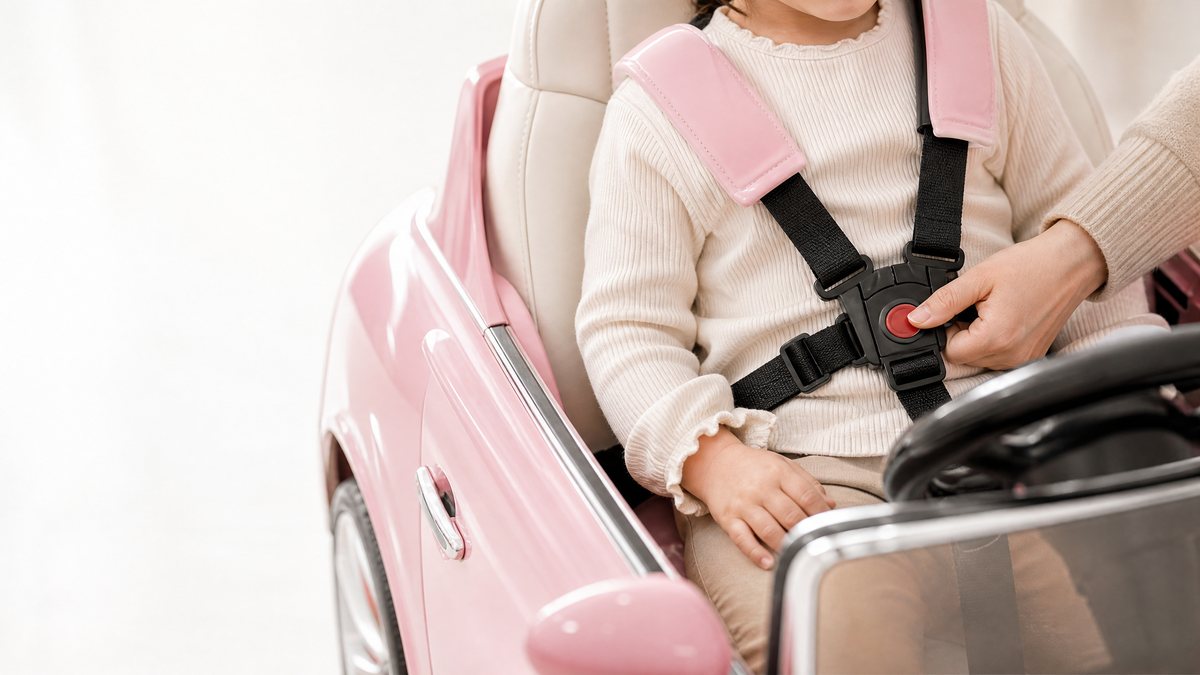
Before allowing a child to operate a ride-on vehicle on concrete surfaces, responsible adults and supervisors must execute a rigorous pre-operation inspection. Because concrete is hard and unforgiving in the event of a tip-over or collision, establishing a systematic safety verification protocol is paramount.
The inspection process begins with a thorough examination of the operating environment. Supervisors must verify that the concrete area is safely bounded—away from open public roads, active driveways, steep inclines, bodies of water, and swimming pools. The surface must be inspected for hazardous debris, including shattered glass, sharp stones, protruding metal edges, and slippery oil or chemical residues. If the concrete is wet from rain, morning dew, or washing, operation should be postponed until the surface dries completely to prevent loss of steering and braking control.
Next, the vehicle itself must undergo a comprehensive physical check. Inspect all exterior body panels for cracks, loose screws, or sharp edges resulting from previous impacts. Verify that steering linkage operates smoothly from lock to lock without binding or excessive play. Test the accelerator pedal and braking mechanism to ensure that releasing the pedal engages the automatic motor brake promptly. Check wheel mounting hardware to confirm that axle nuts and retention clips are secure and properly seated.
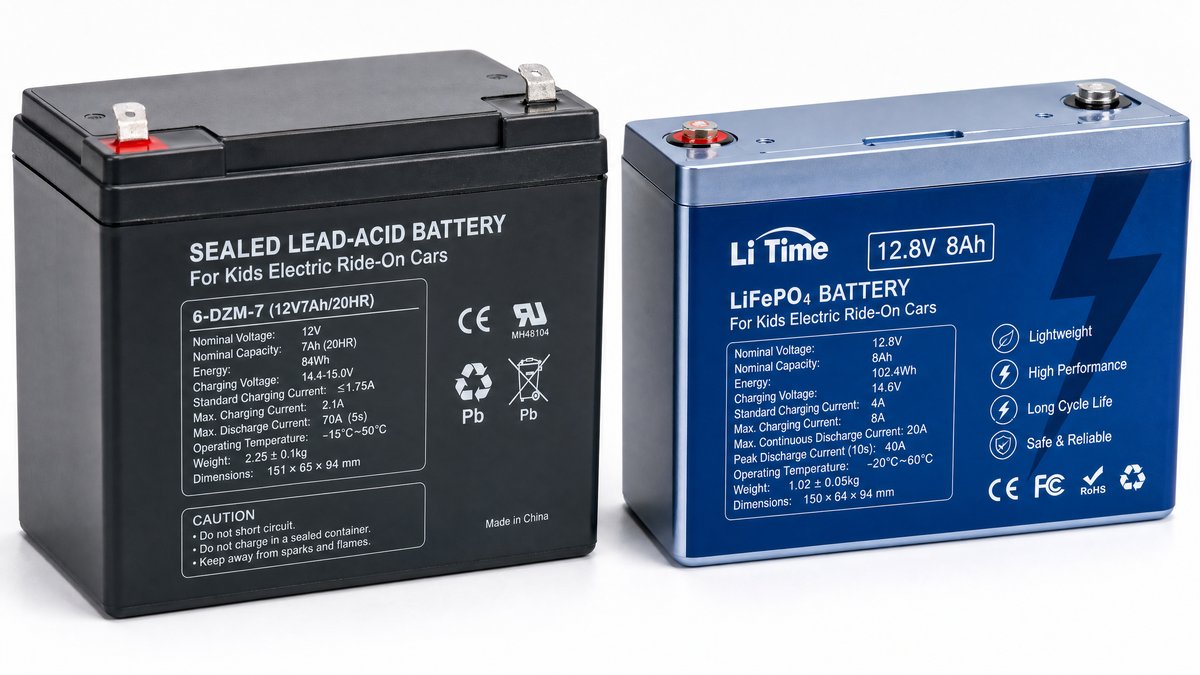
Electrical and battery systems require careful verification. Inspect the external charging port and power wiring visible in the footwell or engine bay for any signs of pinching, fraying, or physical damage. Confirm that the battery is securely housed and that retention brackets prevent shifting during movement. Never attempt to measure internal battery voltages, modify wiring harnesses, bypass factory circuit breakers, or alter fuse ratings. If an electrical anomaly, burning odor, smoke, abnormal motor noise, or persistent mechanical failure is detected, immediately stop using and charging the vehicle, switch off the main power, keep children away from the unit, and contact the manufacturer or qualified service personnel for assistance.
Request a wholesale quote
Retailer and B2B Guidance: Advising Customers on Surface Compatibility
For B2B exporters, wholesale distributors, and retail store owners, clear communication regarding surface compatibility is vital for customer satisfaction and brand reputation. When marketing ride-on cars to end-consumers or commercial operators, transparency about where and how vehicles should be used prevents unrealistic expectations and reduces unnecessary return rates.
Retailers should train customer service representatives to explain the differences between various operating terrains. While customers often assume that electric ride-on cars can conquer any outdoor surface, concrete and asphalt are the optimal hard-flat surfaces for battery efficiency and tire longevity, whereas rough gravel or deep mud will rapidly drain batteries and strain drive motors. Providing clear documentation at the point of sale—such as surface suitability guides and pre-ride checklists—helps buyers prepare appropriate operating spaces.
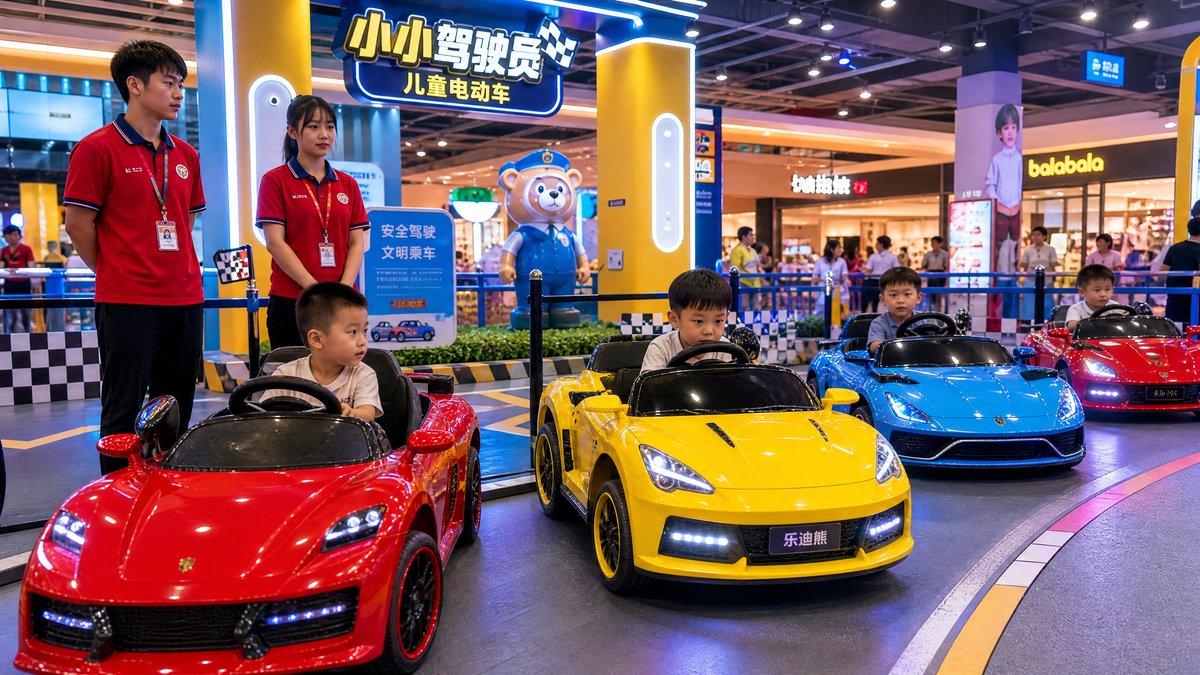
Furthermore, commercial operators utilizing ride-on fleets in rental zones, amusement parks, or family entertainment centers must establish daily maintenance routines tailored to concrete wear. Fleet managers should inspect tire tread depths, check wheel alignment, and tighten suspension fasteners weekly. Because commercial concrete environments experience high-frequency use, maintaining an inventory of consumable replacement parts—such as replacement EVA wheels, steering bushings, and drive gearboxes—ensures minimal downtime and maximizes operational return on investment.
Frequently Asked Questions (FAQ)
Can ride-on cars be driven on rough or cracked concrete surfaces?
Ride-on cars can navigate minor surface irregularities, small cracks, and concrete expansion joints, provided the vehicle is equipped with working suspension and adequate ground clearance. However, deep potholes, severely displaced concrete slabs, or large debris can cause sudden impact shocks, steering loss, or structural stress. Supervisors should inspect the route and keep children away from damaged paving.
Do concrete surfaces wear out ride-on car tires faster than indoor flooring?
Yes. Concrete possesses an abrasive micro-texture that increases friction during acceleration, turning, and stopping. This causes gradual wear on plastic or EVA foam tire treads over time. This wear is a natural physical outcome of surface interaction and should be anticipated during normal outdoor operation.
Is adult supervision required when operating ride-on cars on concrete?
Absolute, continuous adult supervision is mandatory whenever a child operates a motorized ride-on vehicle on concrete or any other outdoor surface. Because concrete is hard and unyielding, falls or collisions can result in injury. Supervisors must maintain direct visual contact, enforce safe speed limits, and ensure vehicles remain within designated boundaries.
What should I do if the ride-on car's wheels slip on smooth or damp concrete?
If concrete surfaces are wet, slick, or polished smooth, tires may experience traction loss during acceleration or braking. Immediately cease operation until the concrete surface dries completely. Never apply unapproved traction-enhancement chemicals or unauthorized aftermarket tire wraps that have not been evaluated or certified by the vehicle manufacturer.
Conclusion
Operating a motorized ride-on car on concrete surfaces offers children a smooth, stable, and enjoyable driving experience characterized by efficient battery performance and predictable handling. However, the rigidity and abrasive nature of concrete require careful attention to material selection, particularly regarding tire composition, structural durability, and suspension design. For B2B wholesale buyers, retail operators, and parents, prioritizing rigorous pre-operation inspections, adhering to weight capacities, and maintaining continuous adult supervision ensure both maximum product longevity and optimal user safety. By establishing clear operating guidelines and transparent maintenance protocols, industry stakeholders can deliver exceptional recreational experiences while preserving equipment reliability across paved environments.
Request a wholesale quote
Official References
1. U.S. Consumer Product Safety Commission (CPSC) - Toy Safety Education and Outdoor Play Guidelines: General public guidance regarding safe play areas, protective gear, and adult supervision standards for ride-on toys. *(Note: CPSC educational resources provide general framework information and do not replace specific manufacturer user manuals, rating plates, or certified product instructions.)*
2. ASTM International - Standard Consumer Safety Specification for Toy Safety (ASTM F963): Industry standards covering mechanical hazards, electrical safety, and structural integrity requirements for children's ride-on products.
3. European Committee for Standardization (CEN) - Safety of Toys Standards (EN 71 series): Comprehensive safety requirements and test methods for mechanical and electrical properties of ride-on vehicles sold in European markets.
Official references
Explore these external resources for current regulatory and trade guidance. Confirm requirements with the relevant authority before placing an order.
Ready to Start?
Factory-Direct · CE & ASTM Certified · MOQ from 50 Units
Our export team works with buyers in 60+ countries. Get a quote within 24 hours.
KR
Written by KidsRideCar
China's leading kids electric ride-on car manufacturer. 500,000+ units shipped annually to 60+ countries. CE, ASTM & EN71 certified.