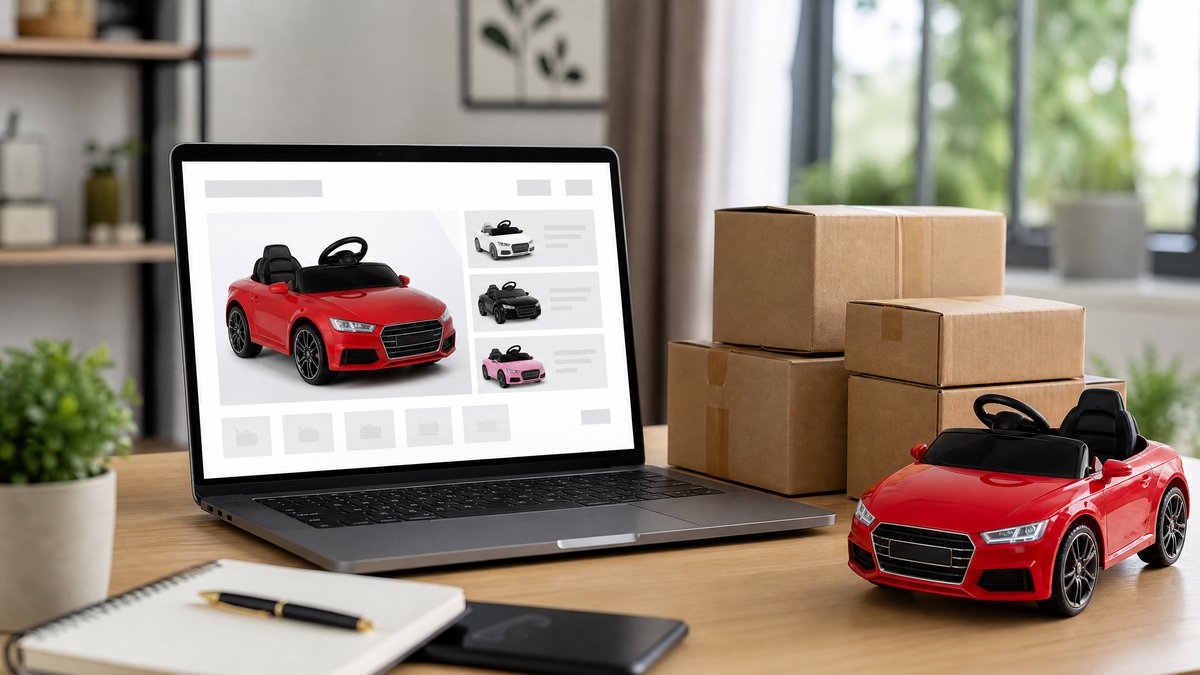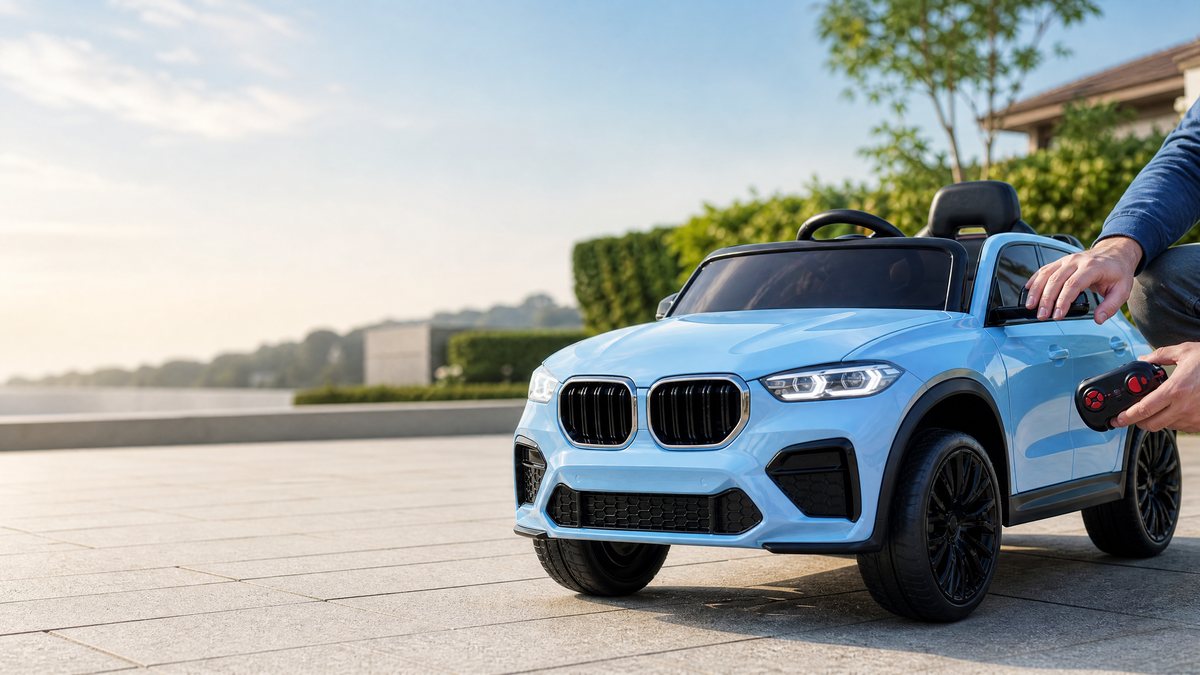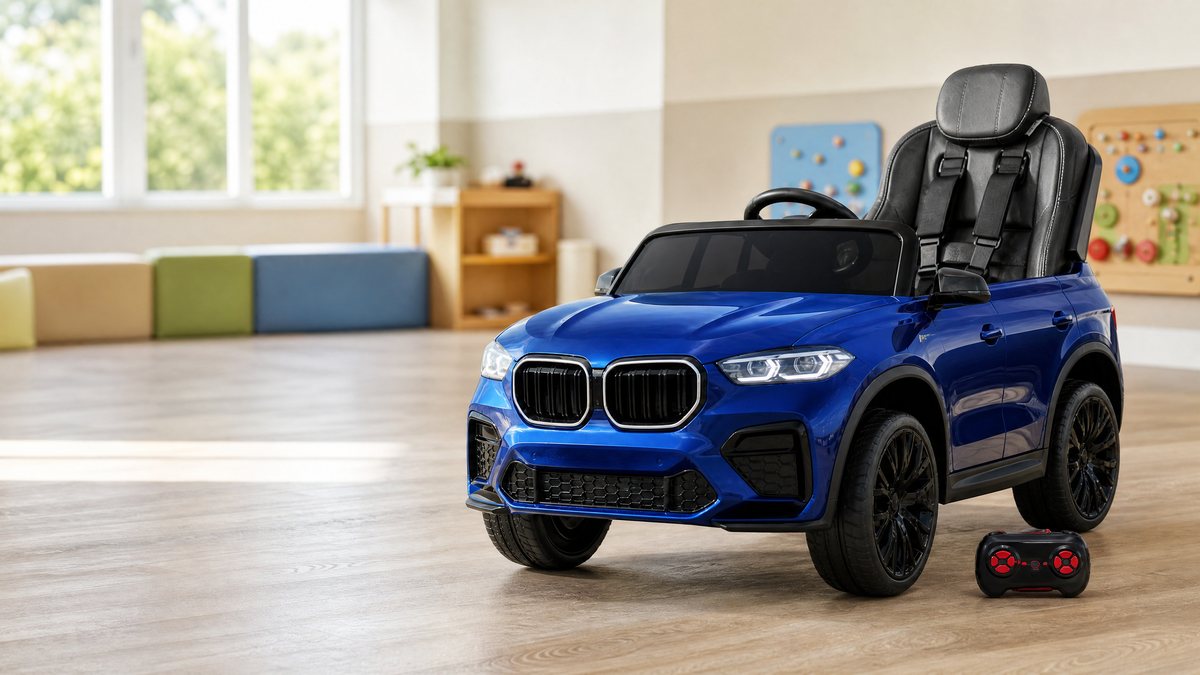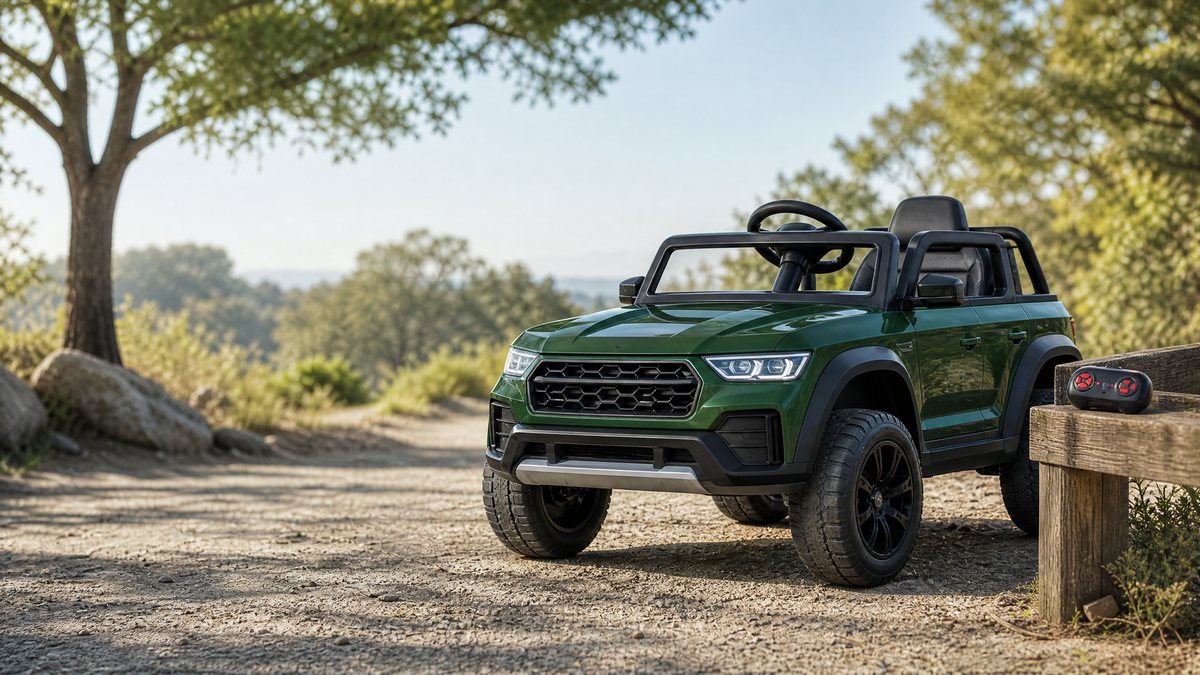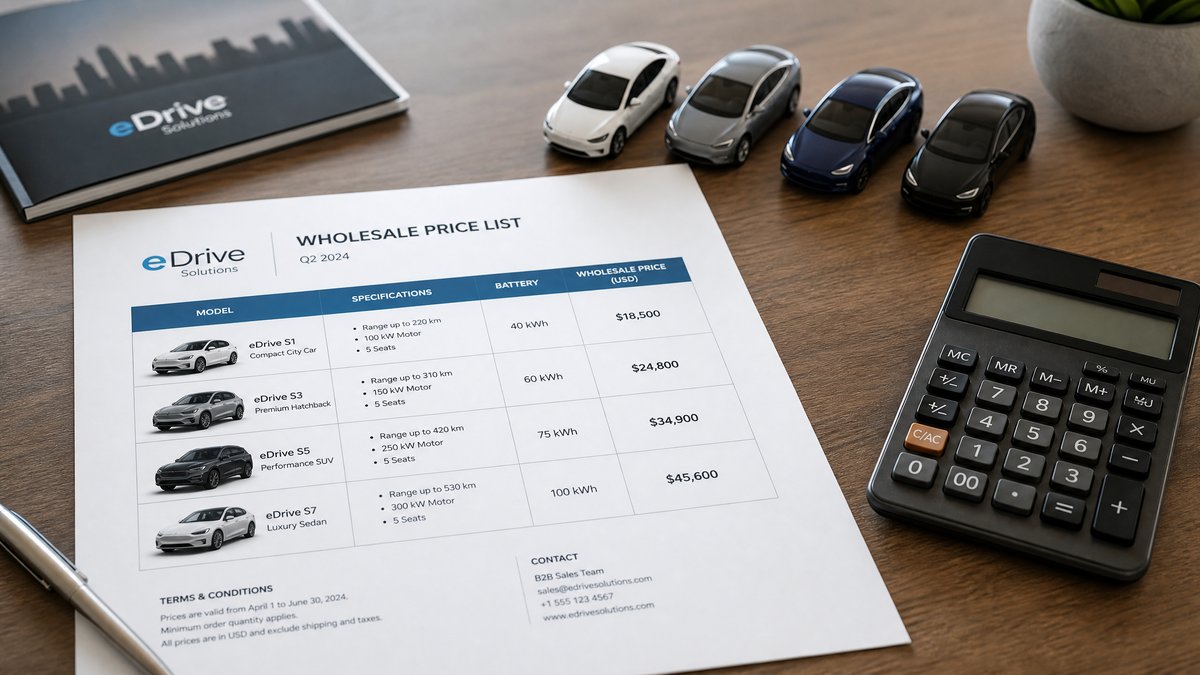
Navigating online marketplaces, wholesale directories, and direct-to-consumer storefronts for ride-on cars presents unique challenges for B2B buyers, retailers, and discerning families alike. The digital marketplace offers an unprecedented selection of electric vehicles, licensed replicas, utility ATVs, and battery-powered motorcycles. However, dazzling product photography and promotional marketing can occasionally obscure essential operational, compliance, and structural details. Establishing a rigorous, systematic pre-purchase verification framework is imperative for anyone looking to source ride-on cars safely and efficiently online.
Purchasing motorized children's products without a structured evaluation protocol introduces operational, financial, and safety risks. Whether you are an independent toy retailer expanding your seasonal catalog, a wholesale distributor vetting new manufacturing partners, or a consumer seeking a reliable product, understanding what to inspect prior to transaction completion is paramount. This guide provides a comprehensive checklist and evaluation methodology designed to help you analyze listings objectively, verify product integrity, and ensure compliance with international toy safety standards. Furthermore, understanding the nuances of digital procurement helps mitigate supply chain bottlenecks, ensures alignment with regional safety regulations, and safeguards long-term consumer trust in an increasingly competitive marketplace.
1. Verifying Seller Credibility and Operational Transparency
The first and most critical checkpoint when acquiring ride-on cars online is evaluating the trustworthiness, track record, and operational transparency of the seller or platform. In the digital commerce ecosystem, third-party marketplaces often host numerous competing vendors offering seemingly identical products at varying price points. Sifting through these listings requires looking beyond superficial star ratings and promotional badges to examine foundational business credentials.
Professional B2B buyers and informed retail purchasers should examine the vendor's business registration, physical headquarters, responsive communication channels, and verifiable trade history. Established manufacturers and authorized master distributors maintain transparent corporate identities, clear return policies, and detailed warranty frameworks. When evaluating online listings, check whether the seller provides comprehensive contact information, official business licenses, and clear documentation regarding their supply chain relationships.
Furthermore, scrutinize the specificity of the product descriptions. Legitimate suppliers avoid exaggerated marketing claims or vague superlatives, opting instead for precise technical data sheets, explicit age recommendations, and detailed feature breakdowns. If a listing lacks foundational information regarding battery voltage, motor wattage, or dimensional specifications, it serves as an immediate indicator that further verification is required before committing capital or placing bulk orders. Evaluating the vendor's responsiveness to pre-purchase inquiries is another effective diagnostic tool; professional suppliers typically provide prompt, detailed, and technically accurate answers to inquiries regarding spare parts availability, shipping dimensions, and compliance certificates. Understanding the vendor's logistics network and shipping origin also helps anticipate potential transit timelines, customs clearance requirements, and freight handling fees.
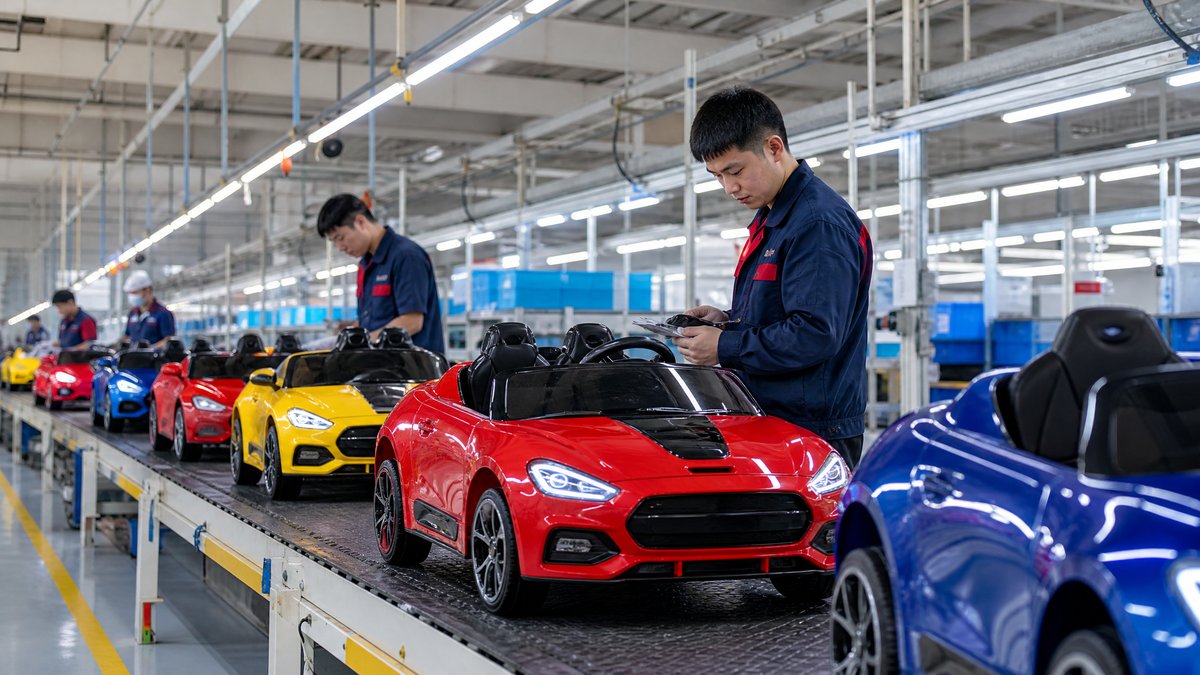
When dealing with bulk wholesale orders, vetting the supplier's factory audit reports, social compliance certifications, and production capacity is equally essential. Suppliers who maintain direct ownership of manufacturing facilities or exclusive partnerships with reputable factories are generally more reliable than anonymous trading companies. Always request sample units for evaluation before committing to large-scale inventory purchases, as physical inspection remains the most effective defense against misrepresentation in digital trade.
2. Inspecting Technical Specifications and Operational Parameters
Once seller credibility is established, a meticulous review of the technical specifications is required. Electric ride-on cars vary widely in their engineering, electrical architecture, and mechanical design. Buyers must evaluate these parameters against their specific operational environment, intended user demographic, and regulatory requirements.
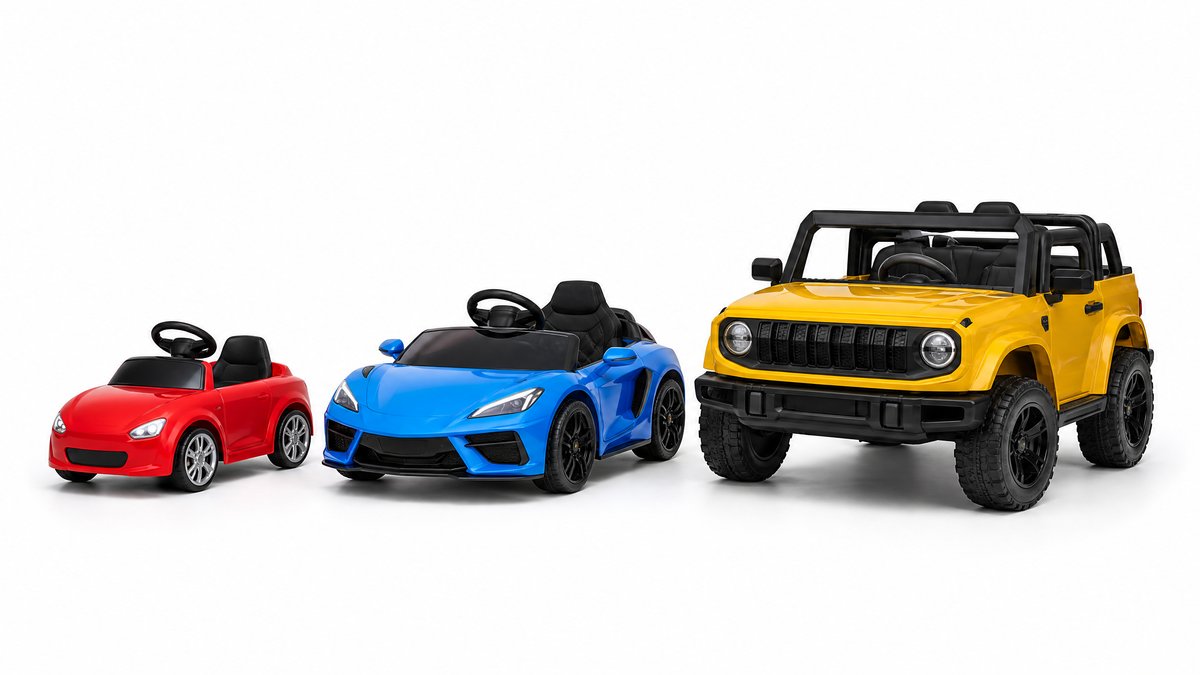
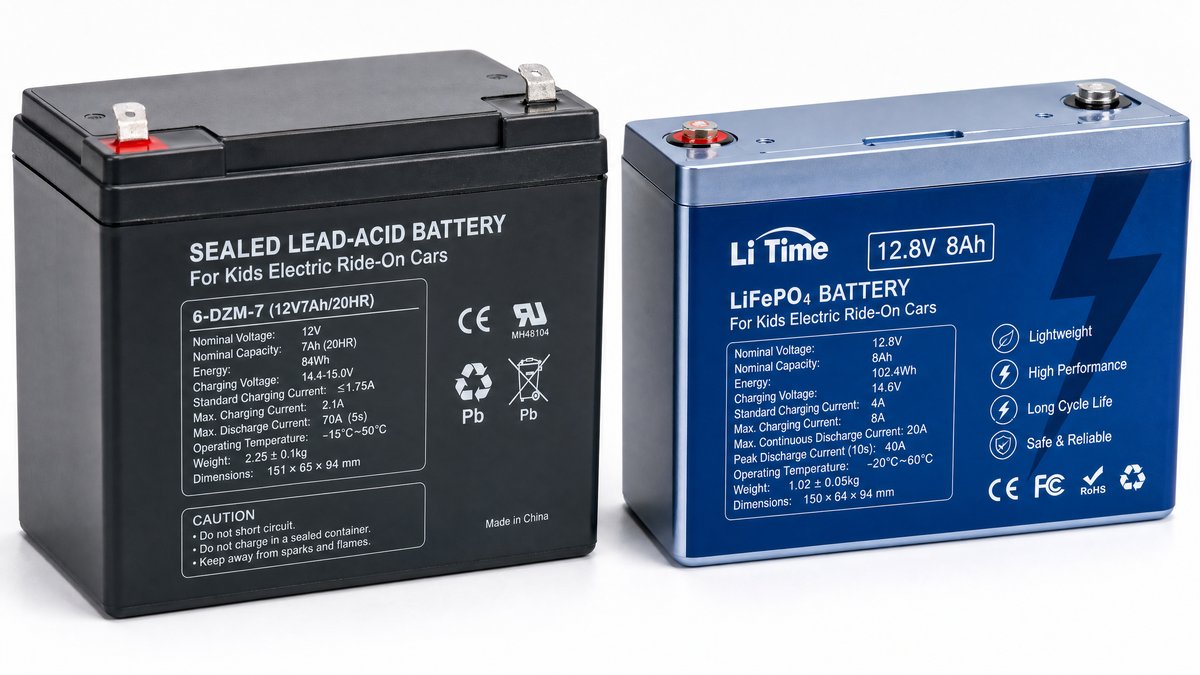
The electrical system forms the core of any ride-on vehicle. Standard configurations generally range from 6-volt entry-level models suitable for toddlers to robust 12-volt and 24-volt systems designed for older children and dual-motor or four-motor performance. Buyers must verify whether the stated voltage, battery capacity (amp-hours), and motor output match the manufacturer's official specification sheet. Misrepresentations regarding battery capacity or motor power are common pitfalls in online retail; therefore, requesting written confirmation or technical datasheets from the supplier is strongly advised.
| Specification Parameter | Entry-Level (6V) | Standard Performance (12V) | Advanced / Utility (24V+) |
|---|---|---|---|
| Typical Target Age | 18–36 Months | 3–6 Years | 5–8+ Years |
| Drive Configuration | Single Rear Motor | Dual Drive / 4WD Options | High-Torque Dual or Quad Drive |
| Speed Information | Verify the exact rating plate and manual. | Verify the exact rating plate and manual. | Verify the exact rating plate and manual. |
| Primary Use Case | Indoor / Smooth Flat Surfaces | Paved Driveways / Sidewalks | Multi-Terrain / Lawns / Slopes |
| Control Mechanism | Foot Pedal & Basic Steering | Parental Remote & Soft Start | Digital Speed Lock & Advanced Braking |
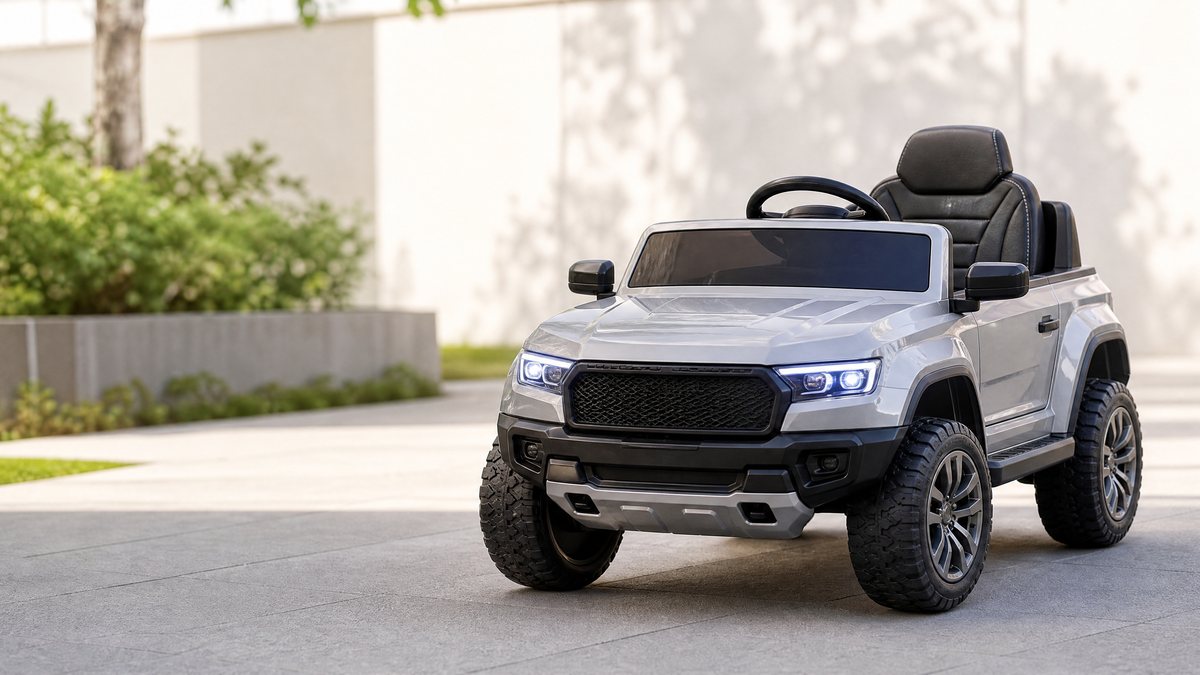
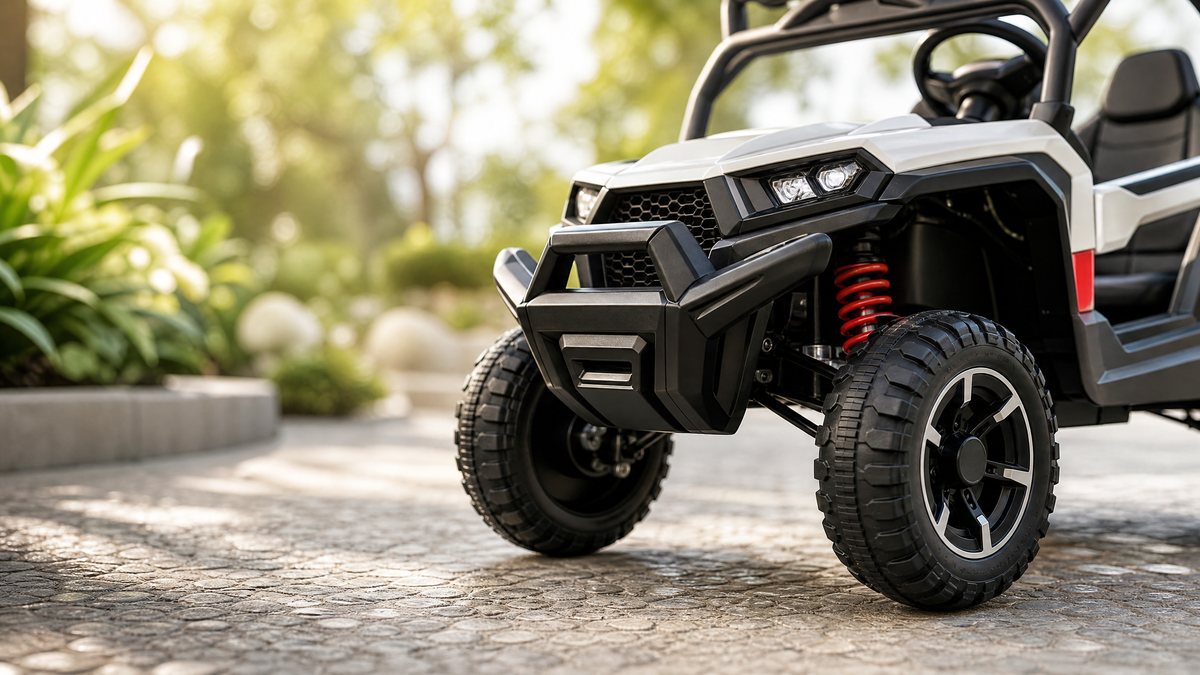
Evaluating physical dimensions, weight capacity, and tire material is equally critical. Premium models frequently feature EVA foam tires rather than rigid hard plastic, providing superior traction, reduced noise, and enhanced durability across various outdoor surfaces. Similarly, verifying maximum weight capacity ensures that the vehicle can comfortably accommodate the intended operator without straining the drivetrain or prematurely wearing out the electric motors. Suspension systems, such as spring or hydraulic shocks, and seating configurations—including leatherette upholstery versus molded plastic—further influence occupant comfort, ergonomic support, and product longevity. Additionally, examining steering mechanisms, door latches, and aesthetic details ensures that the vehicle meets aesthetic expectations while maintaining structural integrity.
Moreover, buyers must analyze drivetrain configurations, distinguishing between single-wheel drive models designed for gentle indoor cruising and dual or four-wheel drive (4WD) variants equipped with independent gearboxes for outdoor multi-terrain use. Understanding these mechanical distinctions ensures that the purchased vehicle aligns precisely with the end user's expectations and environmental conditions.
3. Navigating Safety Certifications and Compliance Documentation
Compliance with international safety standards is a non-negotiable requirement when purchasing or distributing ride-on electric vehicles. Online listings frequently display general compliance badges, but buyers must verify the authenticity and scope of these certifications. Depending on the target geographic market, ride-on toys must comply with rigorous statutory frameworks such as ASTM F963 in the United States, EN 71 in the European Union, and equivalent national standards globally.
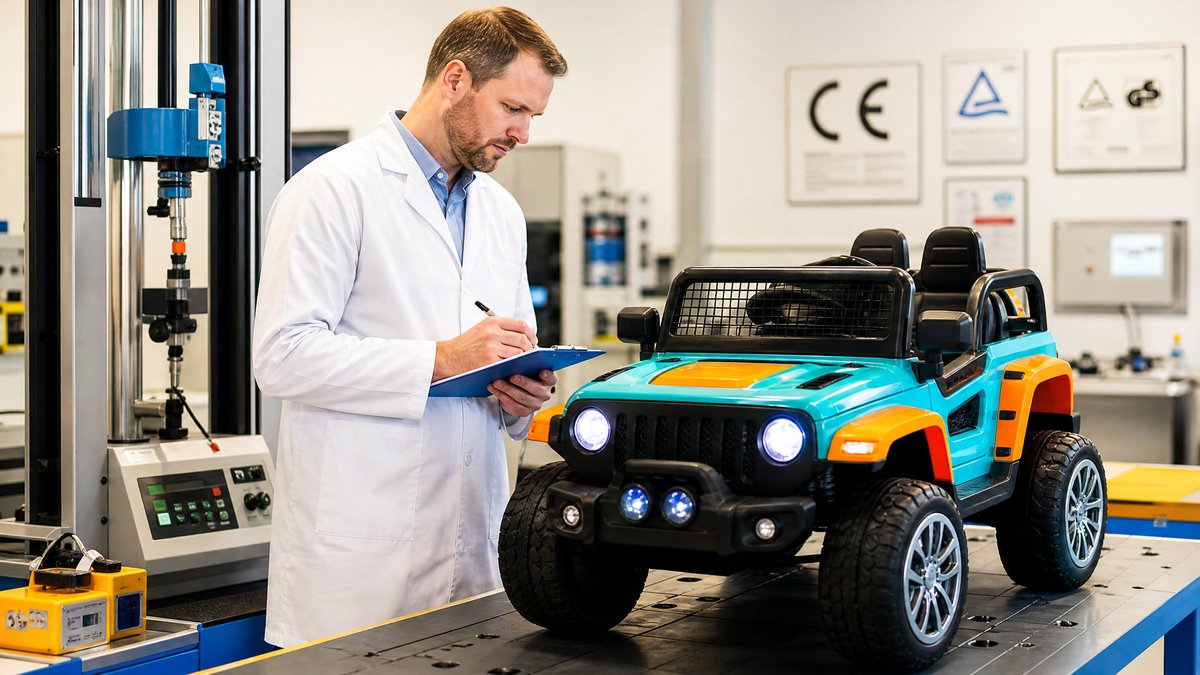
Certification verification involves requesting official test reports issued by accredited third-party testing laboratories (such as SGS, TÜV, or Intertek). These reports confirm that the vehicle has undergone rigorous evaluation for mechanical hazards, flammability, electrical safety, and heavy metal limits in paints and plastics. B2B importers and commercial retailers must ensure that these certificates correspond directly to the exact model number and manufacturing batch being purchased, rather than generic factory certificates.
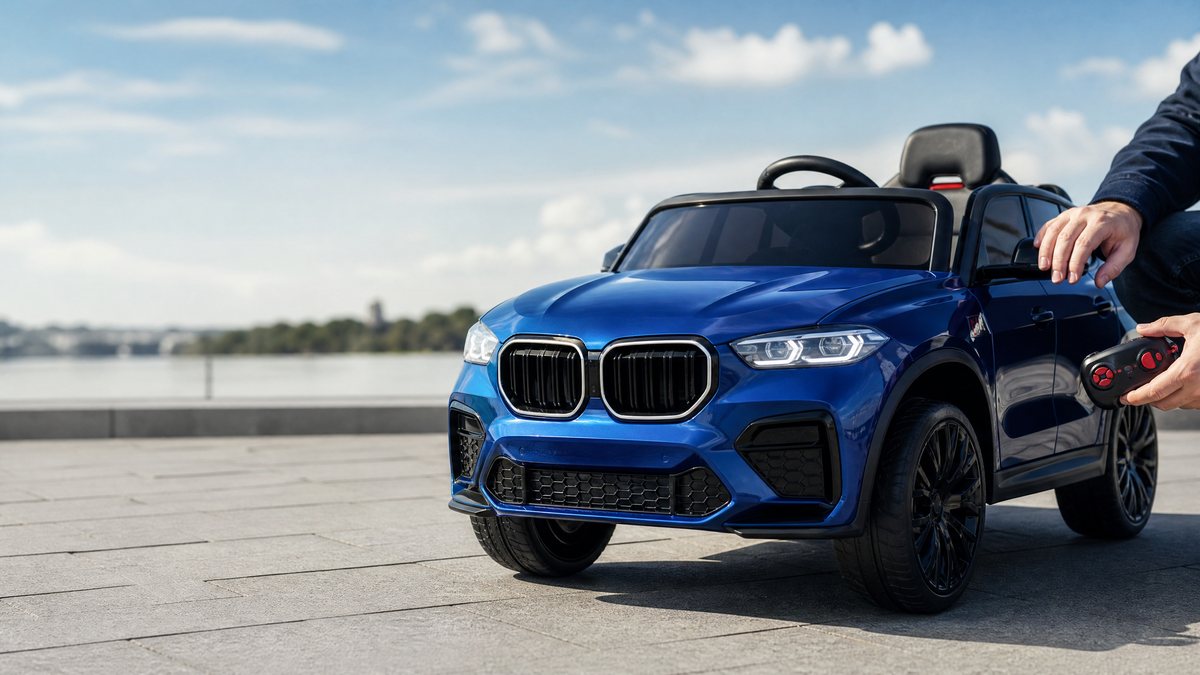
It is also essential to review safety-related features mentioned in the product description. Features such as parent-priority remote controls, emergency brake functions, soft-start acceleration systems, and secure locking doors contribute significantly to operational safety. However, buyers should always verify that these features are standard equipment for the specific SKU under consideration, as configurations often vary between base models and upgraded trims.
For professional buyers seeking customized inventory or bulk supply arrangements, reviewing compliance documents upfront prevents costly customs delays, regulatory penalties, and potential product recalls. Request a wholesale quote to discuss compliance documentation, certified specification sheets, and volume pricing with our experienced support team.
4. Evaluating Warranty Terms, Return Policies, and After-Sales Support
A frequent oversight in online purchasing is failing to analyze the post-purchase support structure. Ride-on cars are complex electromechanical products comprising batteries, circuit boards, motors, wiring harnesses, and molded plastic bodies. Component wear or transit-related issues can occasionally occur, making robust warranty coverage and responsive after-sales support vital for long-term customer satisfaction and brand reputation.
When vetting an online supplier, examine the explicit terms of the warranty. Understand what components are covered—such as drive motors, control boards, or charging units—and what consumable parts, like lead-acid or lithium-ion batteries, may carry restricted warranty periods due to operational usage patterns. Clarify the procedure for claiming warranty replacement parts, shipping responsibilities, and estimated turnaround times for technical assistance. Suppliers that offer transparent replacement parts catalogs and dedicated technical assistance provide significantly greater long-term value than those offering deep upfront discounts with zero post-sale backing.
Return policies also require careful scrutiny. Due to the substantial physical dimensions and weight of ride-on vehicles, return shipping costs can be prohibitive. Buyers should confirm whether the platform or supplier enforces restocking fees, requires original unblemished packaging for returns, or provides alternative resolution pathways for freight-damaged deliveries. Reading independent buyer reviews and trade association feedback regarding a vendor's dispute resolution history can offer invaluable insights into their operational reliability.
Establishing a clear communication protocol for troubleshooting minor mechanical or electrical issues can also save retailers and consumers substantial time and expense, eliminating unnecessary freight returns for serviceable parts.
5. Understanding Safety Guidelines and Operational Best Practices
Ensuring a safe operating environment is the ultimate responsibility of the adult supervisor and the end user. Online product descriptions often highlight high-speed capabilities or multi-terrain prowess, but purchasers must temper these marketing highlights with rigorous safety protocols and adherence to the manufacturer's user manual.
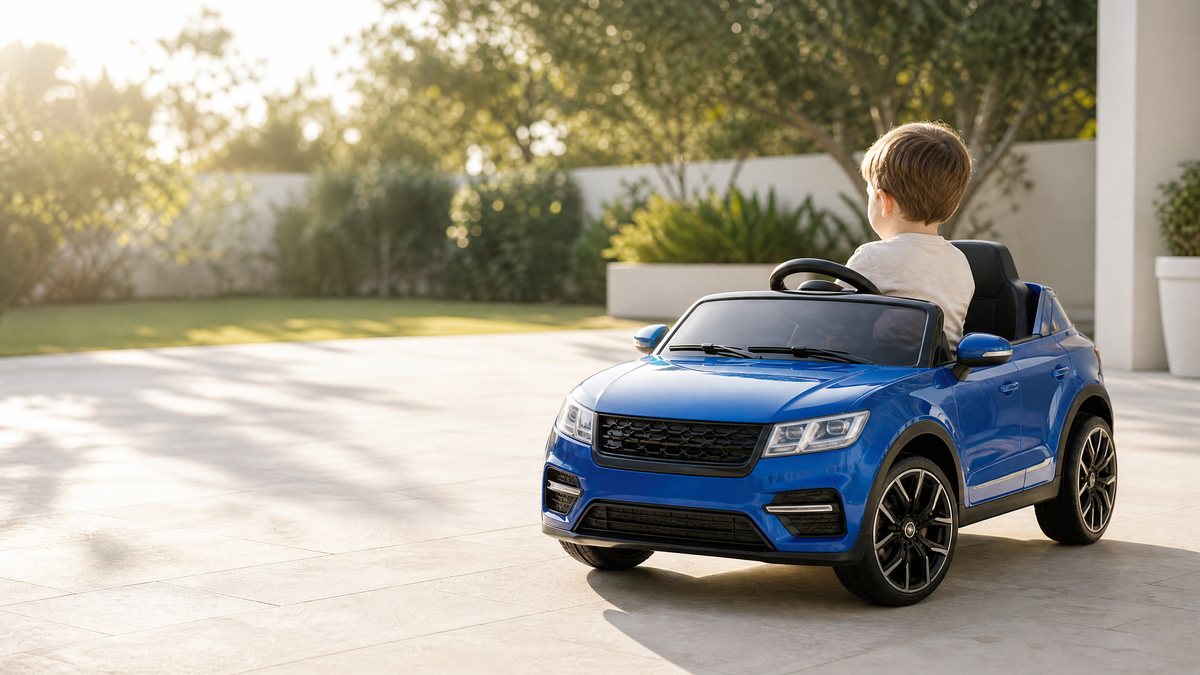
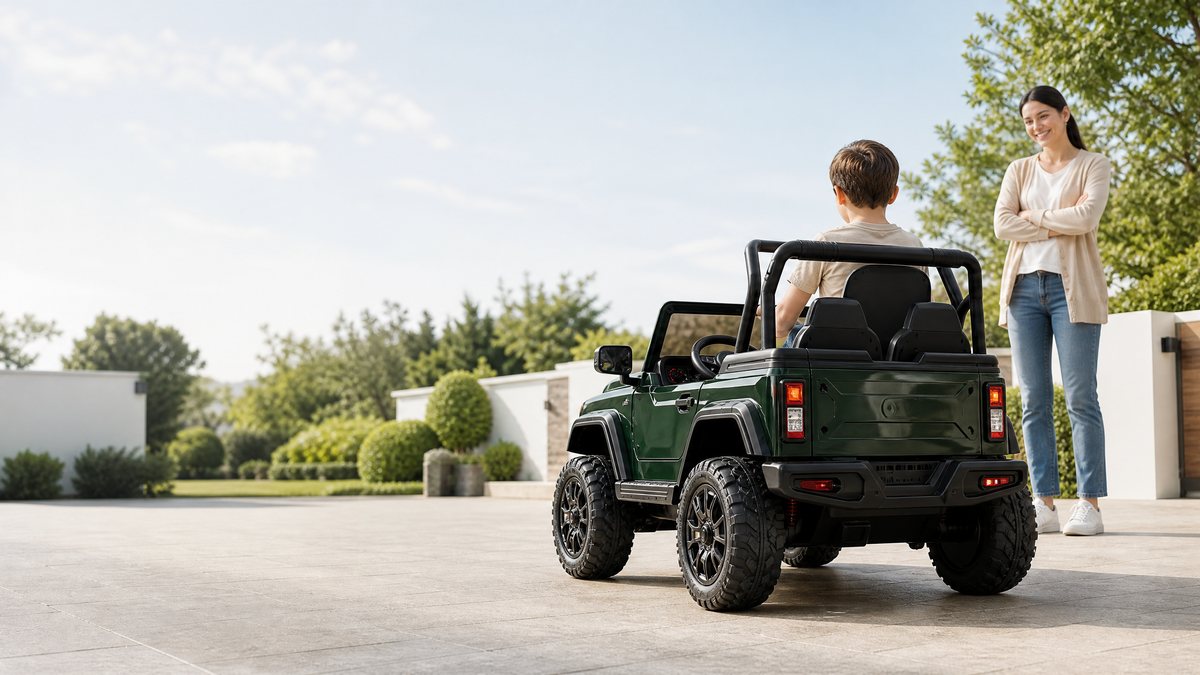
Supervision is paramount during the operation of any motorized ride-on vehicle. Adults must ensure that children operate these vehicles under constant visual supervision in controlled environments away from public roadways, steep driveways, swimming pools, and bodies of water. Furthermore, operators should always wear appropriate footwear and, where applicable, certified protective gear.
From a maintenance and care perspective, operators must strictly follow the manufacturer's guidelines regarding battery charging cycles, storage conditions, and weather exposure. Never attempt to modify internal electrical enclosures, bypass safety cutoffs, or alter factory wiring harnesses. If a vehicle exhibits unusual behavior—such as burning odors, smoke, erratic acceleration, unresponsive braking, or damaged charging cables—immediately cease operation, power down the unit, disconnect the battery, keep children away, and contact the manufacturer or a qualified technician for inspection.
Frequently Asked Questions (FAQ)
What is the most important factor to verify when buying a ride-on car online?
The single most crucial factor is verifying product compliance and safety certifications (such as ASTM F963 or EN 71) backed by verifiable test reports from accredited laboratories, ensuring the vehicle meets international safety and electrical standards.
How do I confirm the reliability of an online ride-on car supplier?
Buyers should check corporate registration details, review verifiable trade history, request official technical datasheets, examine clear warranty and return policies, and communicate directly with the supplier's sales or technical support team to assess responsiveness and transparency.
Are remote control features standard on all online ride-on car listings?
No. Parental remote control features vary significantly by model, trim level, and manufacturer. Buyers must carefully review individual product specifications to confirm whether a 2.4G Bluetooth remote control with parental priority override is included with the specific SKU being purchased.
What steps should be taken if a ride-on car arrives with missing or damaged components?
Inspect all shipment boxes immediately upon delivery, document any external damage with photographs, and contact the supplier or platform customer service immediately referencing the order number and specific part numbers required, adhering to the vendor's specified freight claim window.
Conclusion
Purchasing a ride-on car online requires a balance of enthusiasm and rigorous analytical diligence. By systematically evaluating seller credibility, verifying technical specifications against operational needs, inspecting authentic compliance certifications, and understanding warranty and support terms, buyers can mitigate risks and make informed, confident decisions. Whether outfitting a retail showroom or selecting a premium gift, adherence to a structured pre-purchase checklist guarantees superior satisfaction and long-term reliability.
Ready to secure premium, fully certified ride-on vehicles for your retail catalog or business venture? Request a wholesale quote today to connect with our professional sales division and explore our extensive catalog of compliant electric ride-on cars.
Official References
1. U.S. Consumer Product Safety Commission (CPSC) - General Toy Safety Education and Compliance Guidelines. Note: Official CPSC educational materials provide broad regulatory context and safety awareness, but do not replace specific vehicle operating manuals, certified lab reports, or model-specific safety instructions.
2. ASTM International - Standard Consumer Safety Specification for Toy Safety (ASTM F963). Reference framework for mechanical, electrical, and chemical safety evaluations in children's motorized products.
3. European Committee for Standardization (CEN) - European Standard for Safety of Toys (EN 71). Comprehensive guidelines governing electrical properties, migration of certain elements, and structural integrity for electric ride-on toys.
Official references
Explore these external resources for current regulatory and trade guidance. Confirm requirements with the relevant authority before placing an order.
Ready to Start?
Factory-Direct · CE & ASTM Certified · MOQ from 50 Units
Our export team works with buyers in 60+ countries. Get a quote within 24 hours.
KR
Written by KidsRideCar
China's leading kids electric ride-on car manufacturer. 500,000+ units shipped annually to 60+ countries. CE, ASTM & EN71 certified.