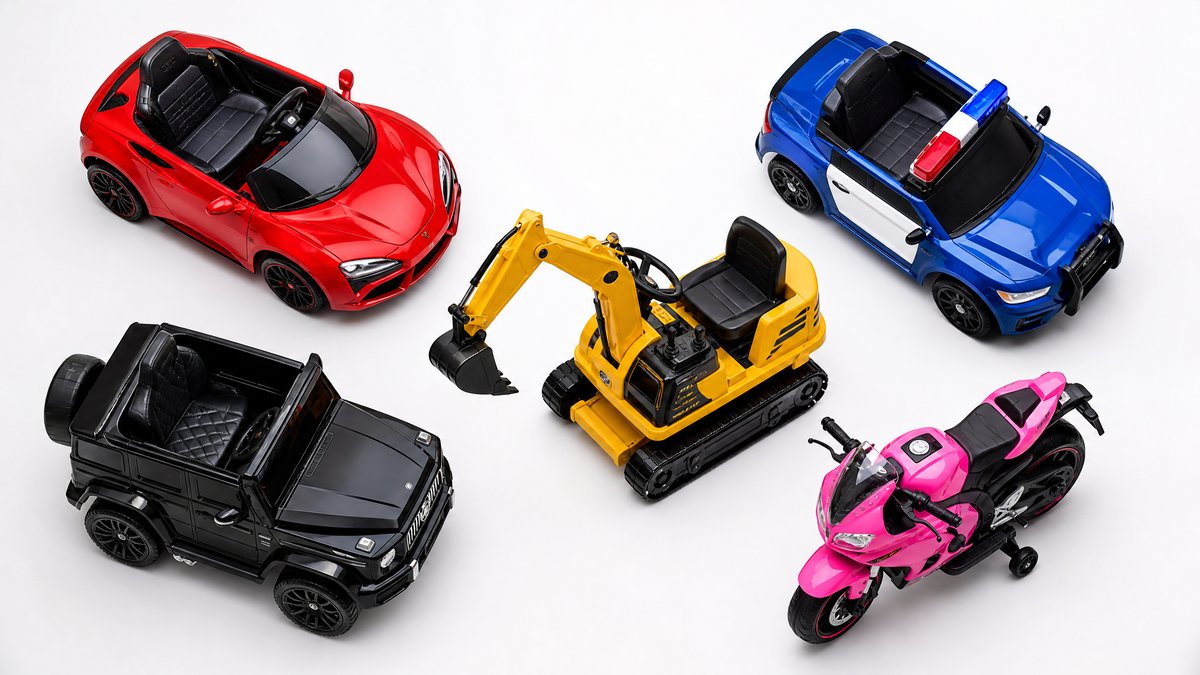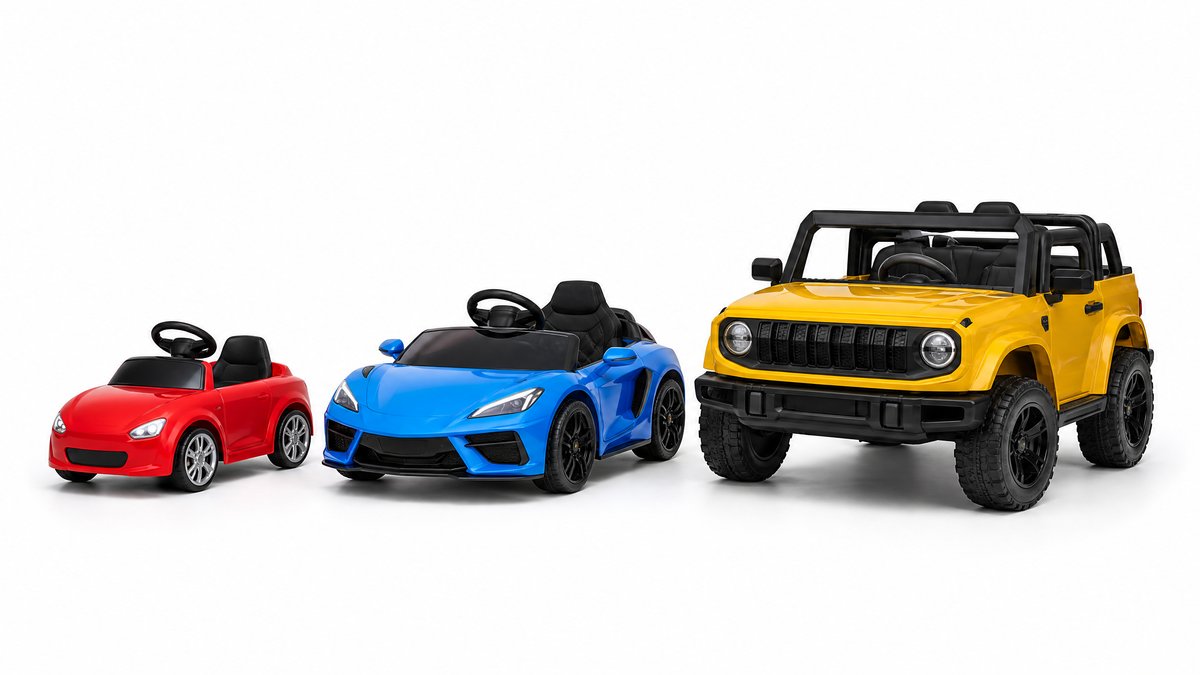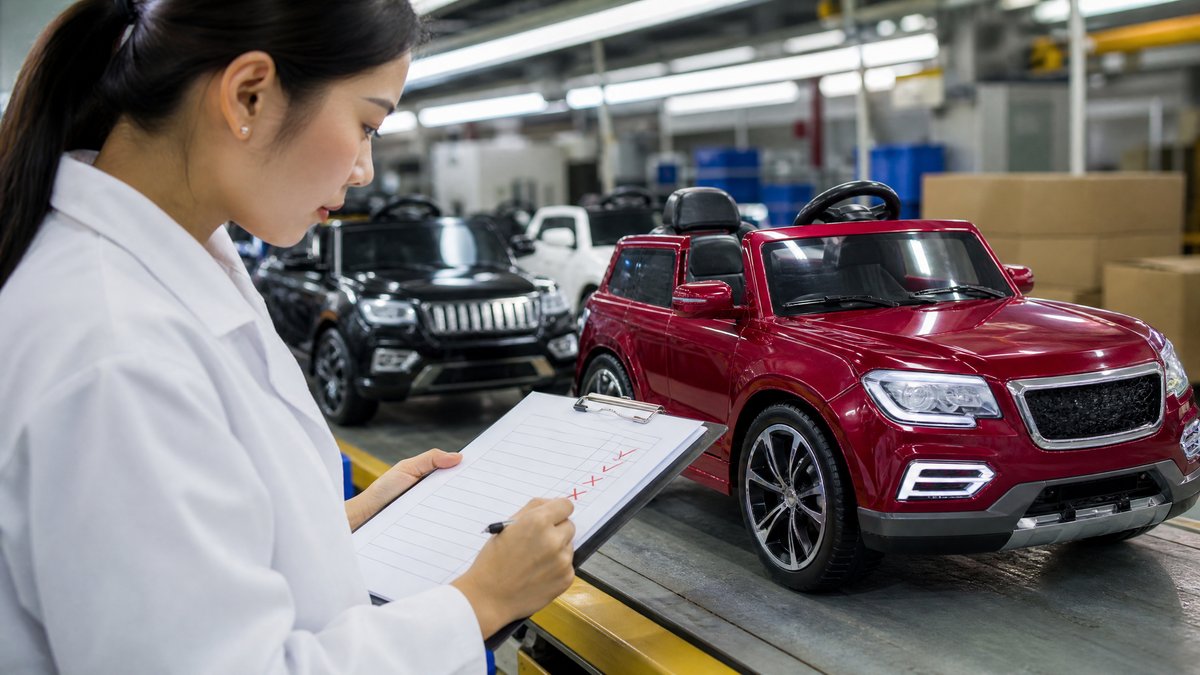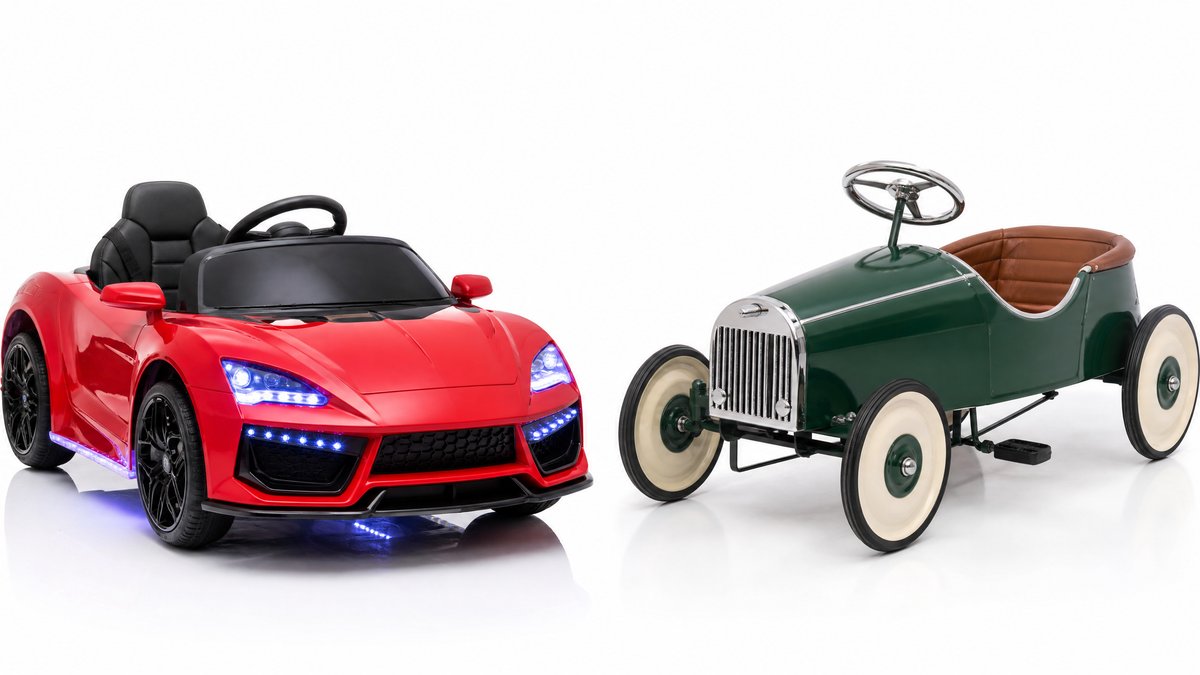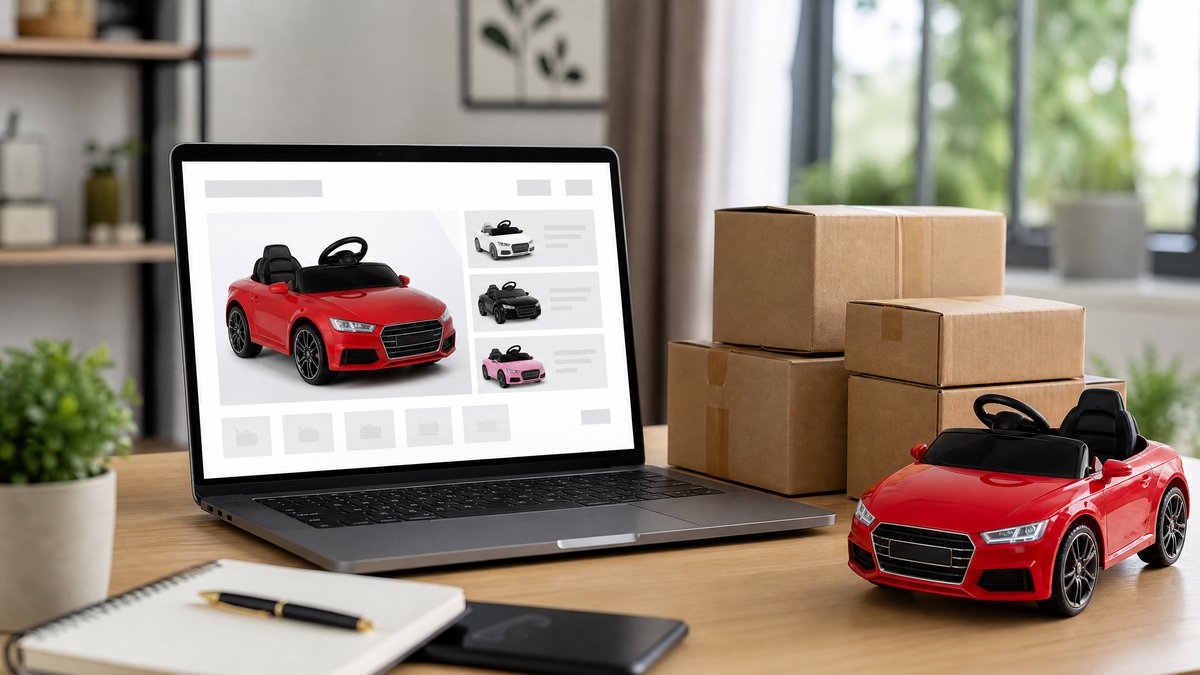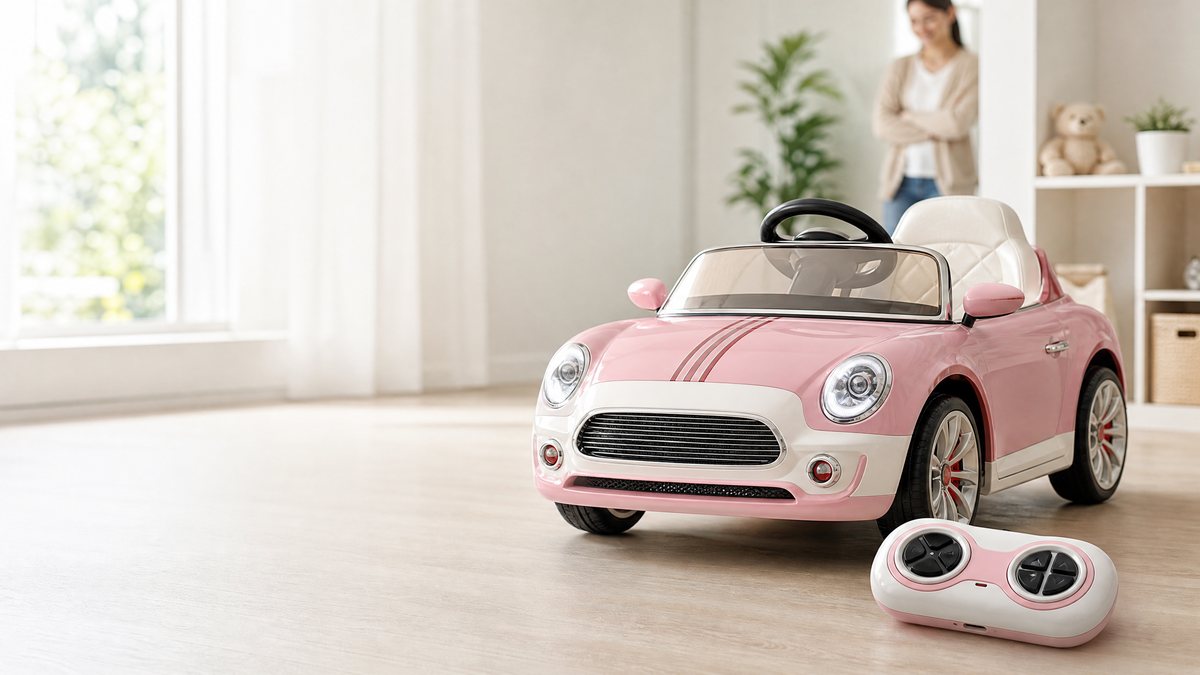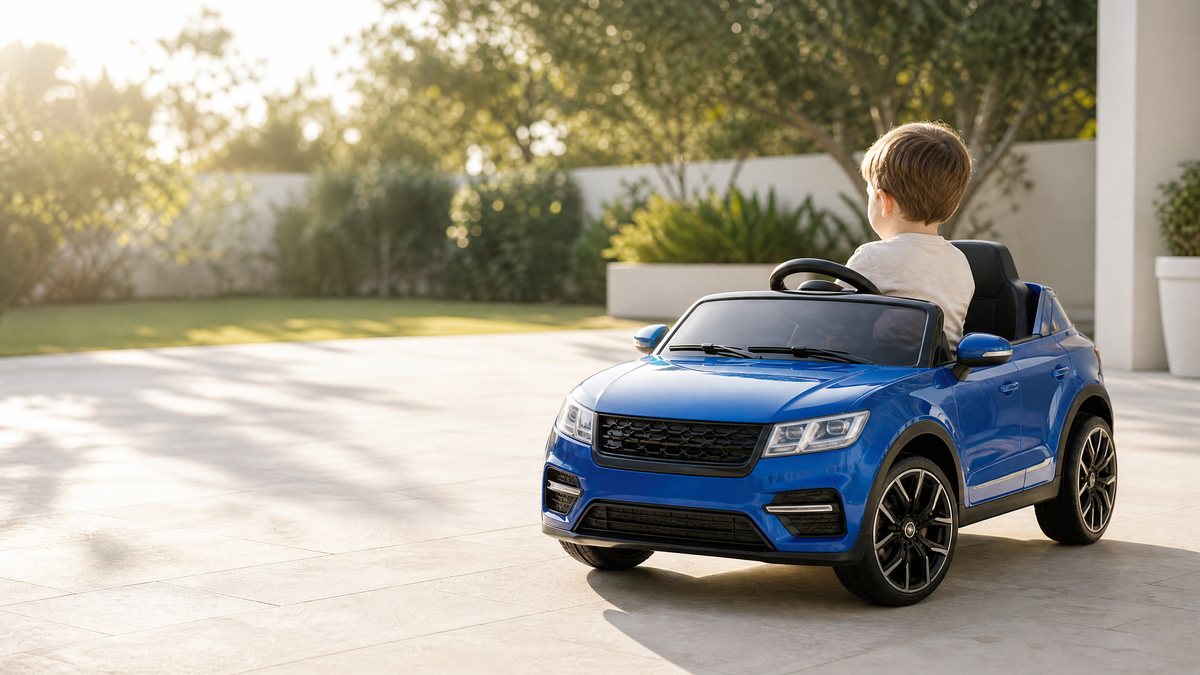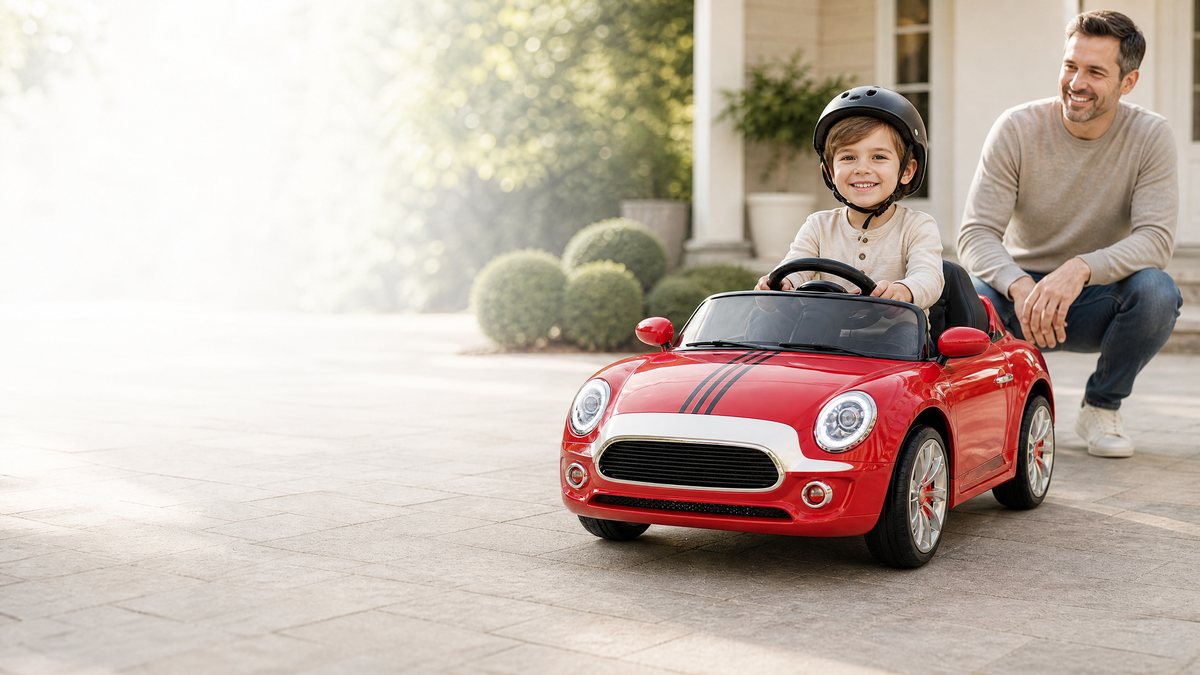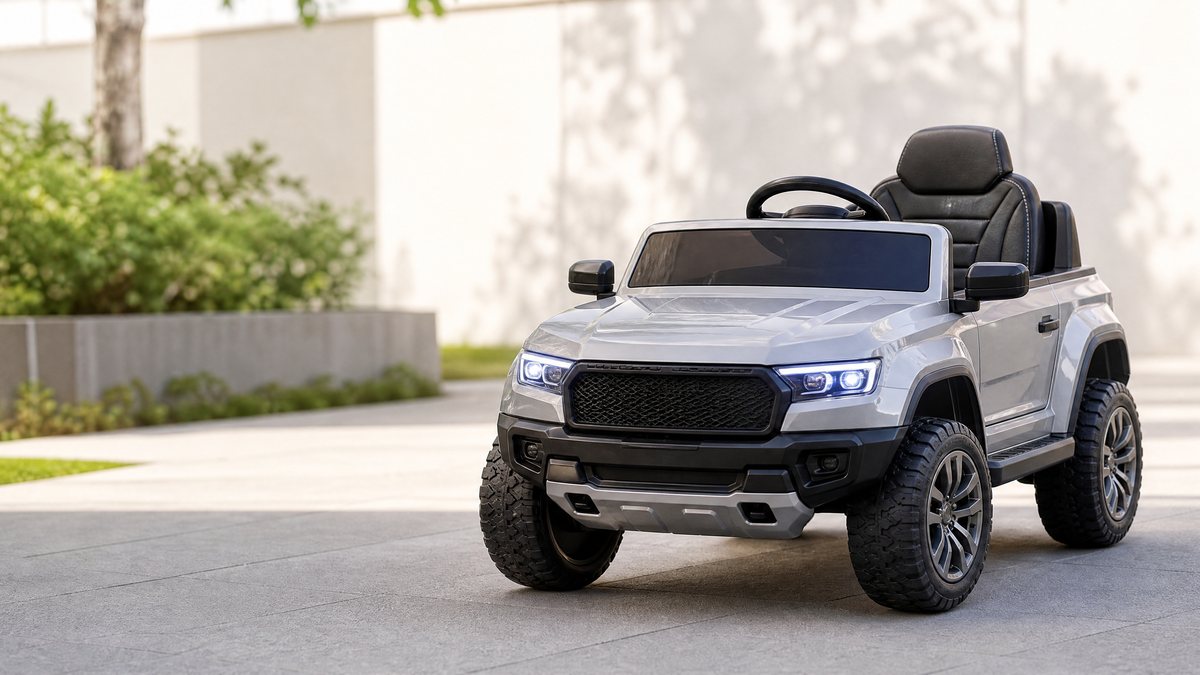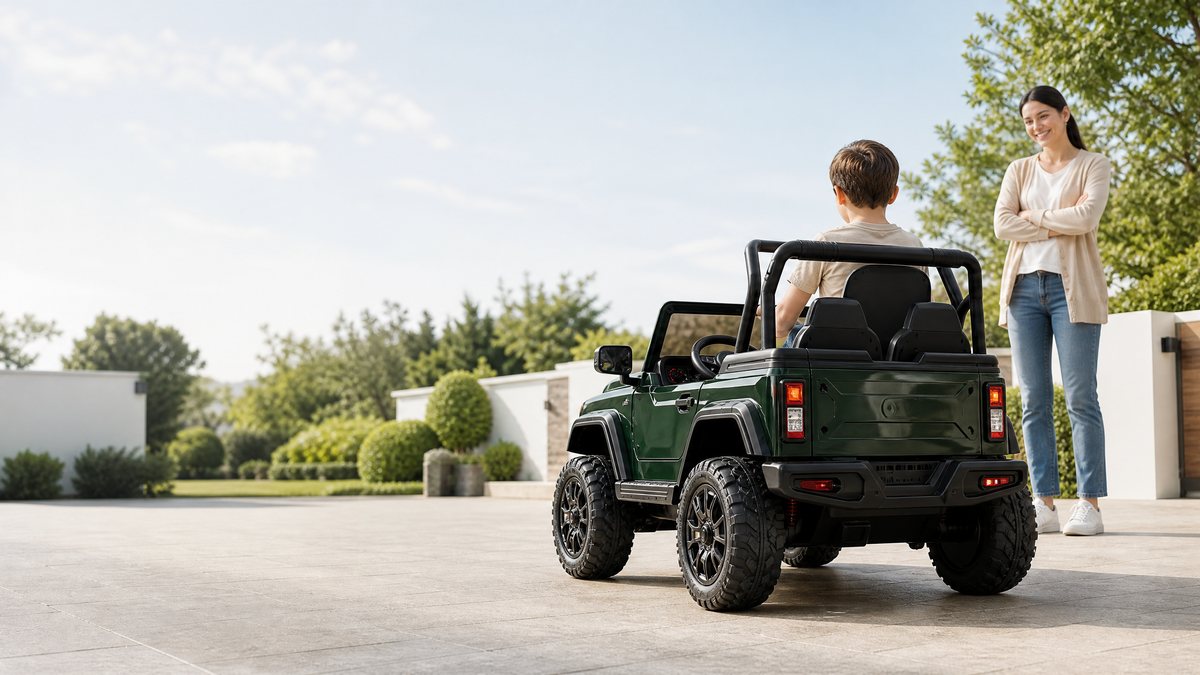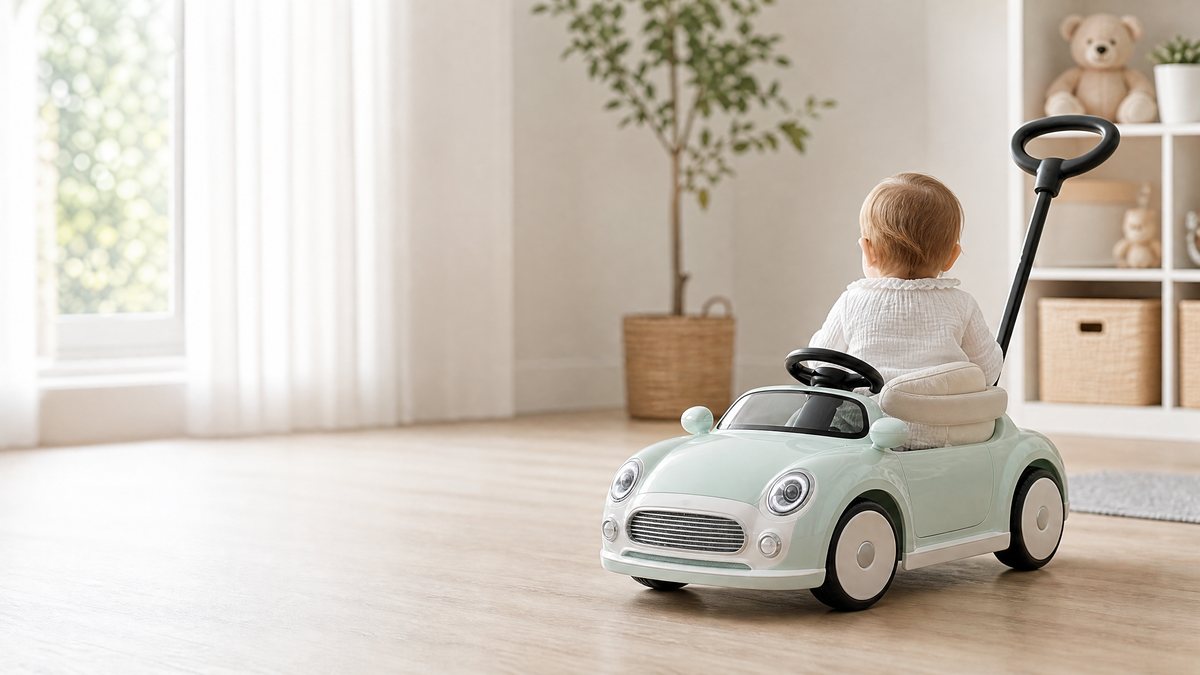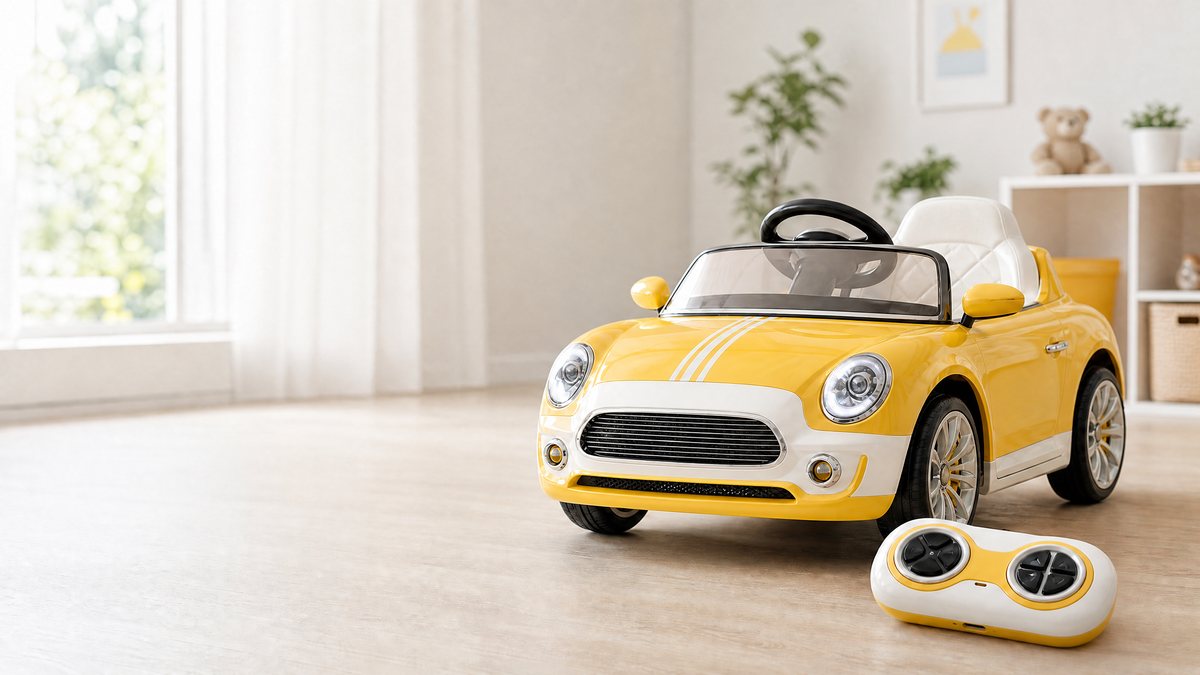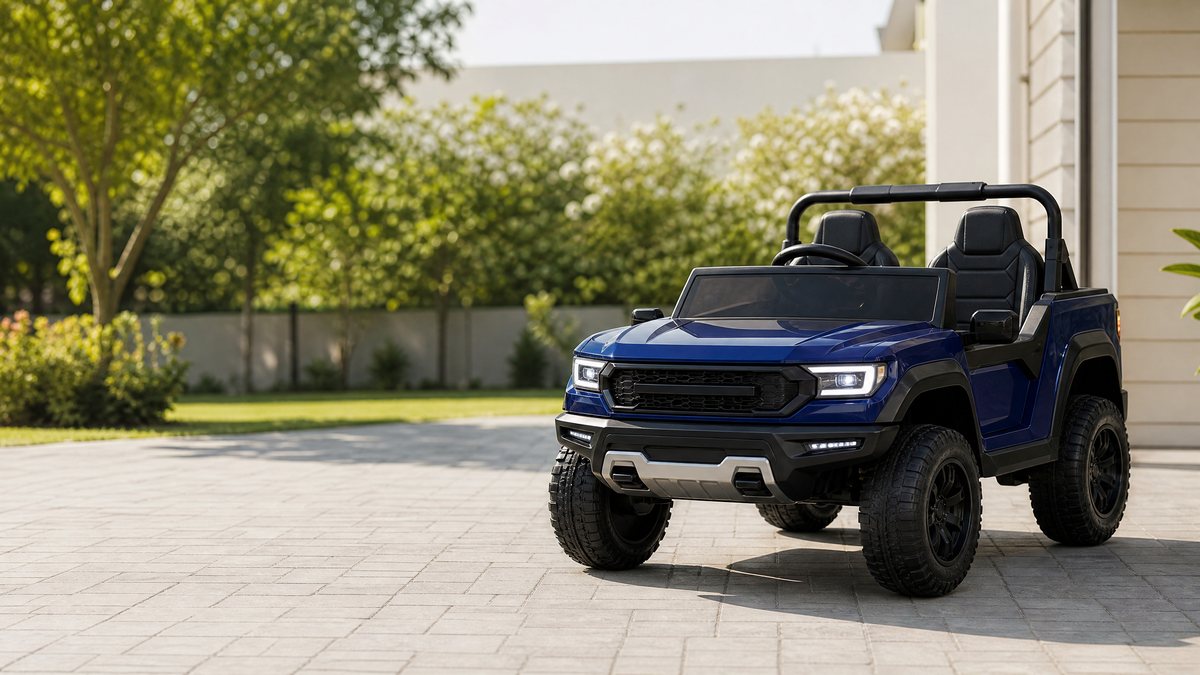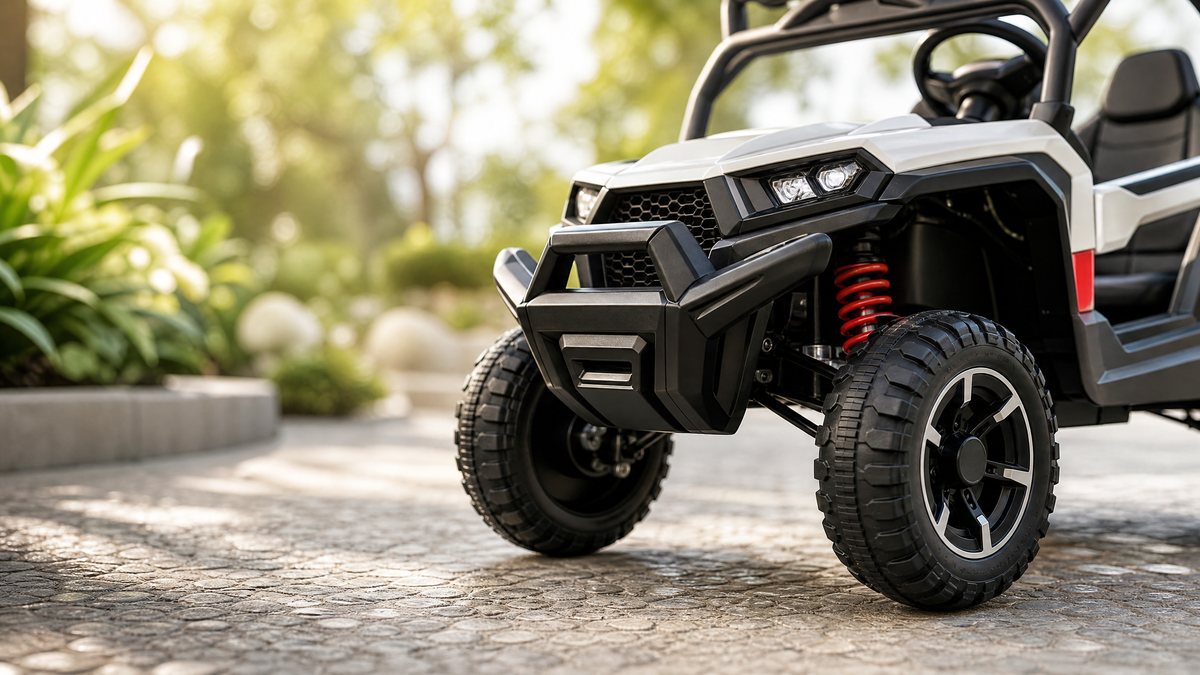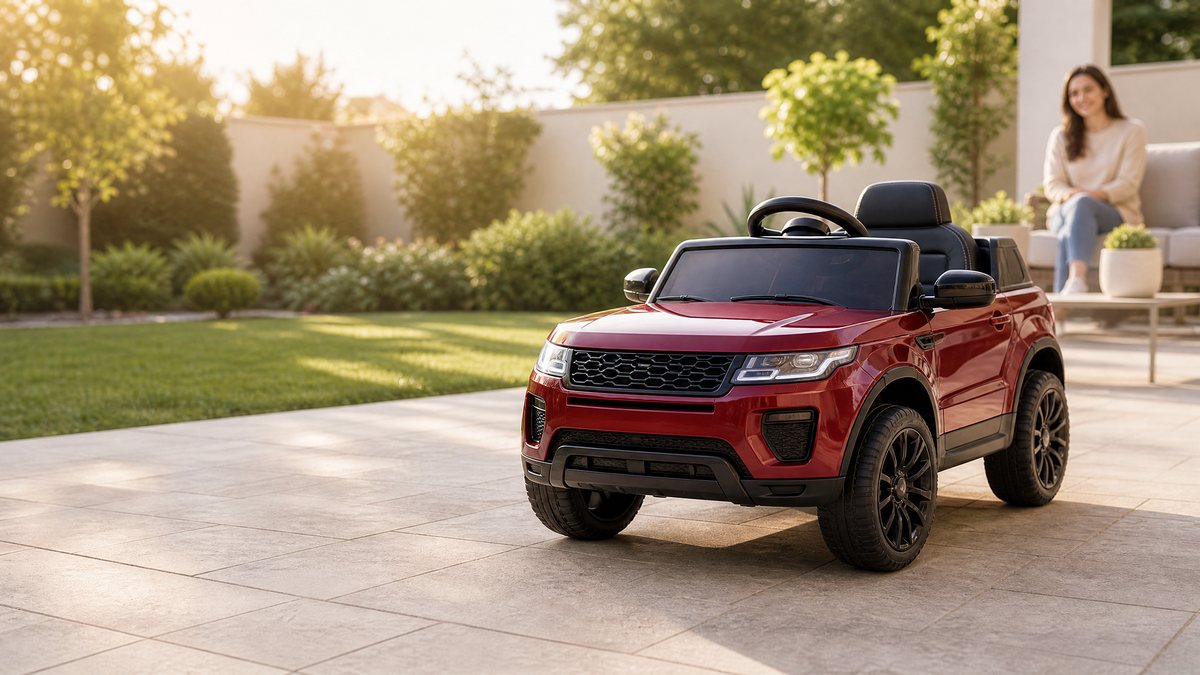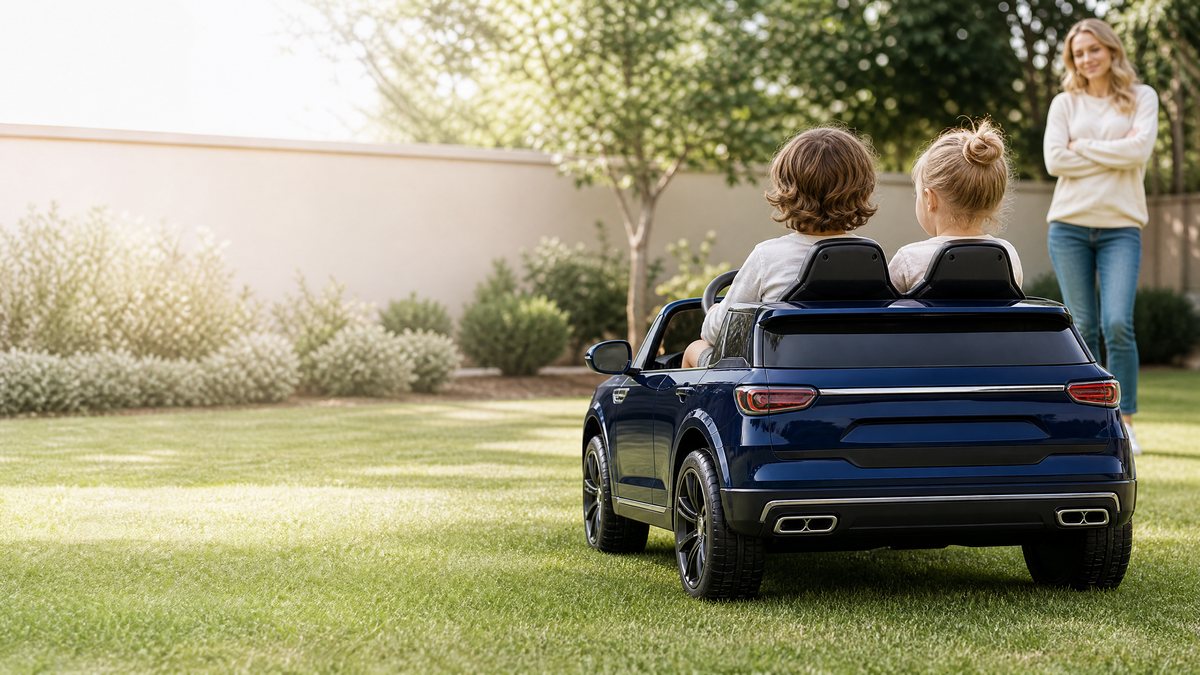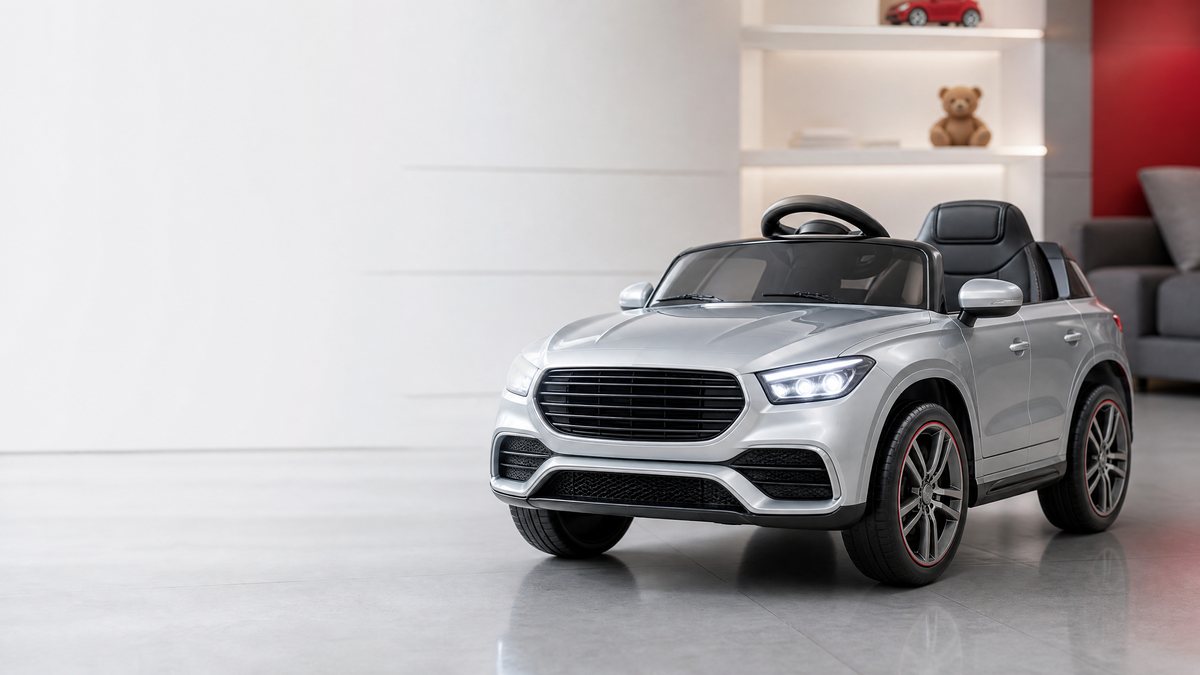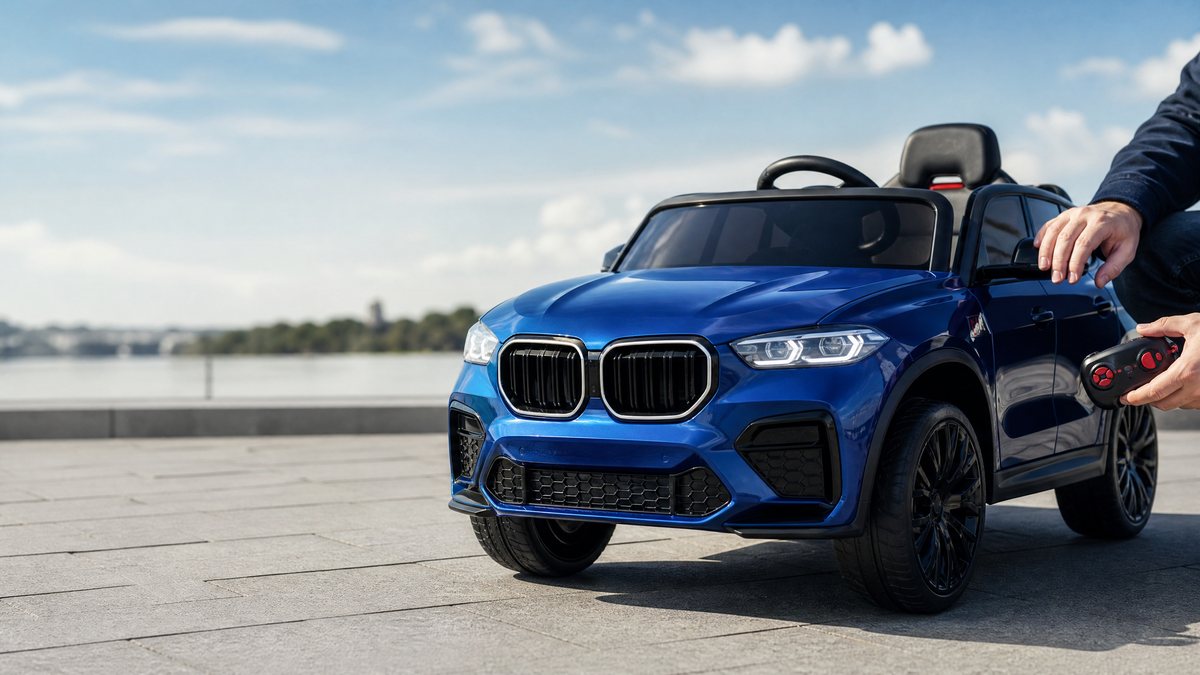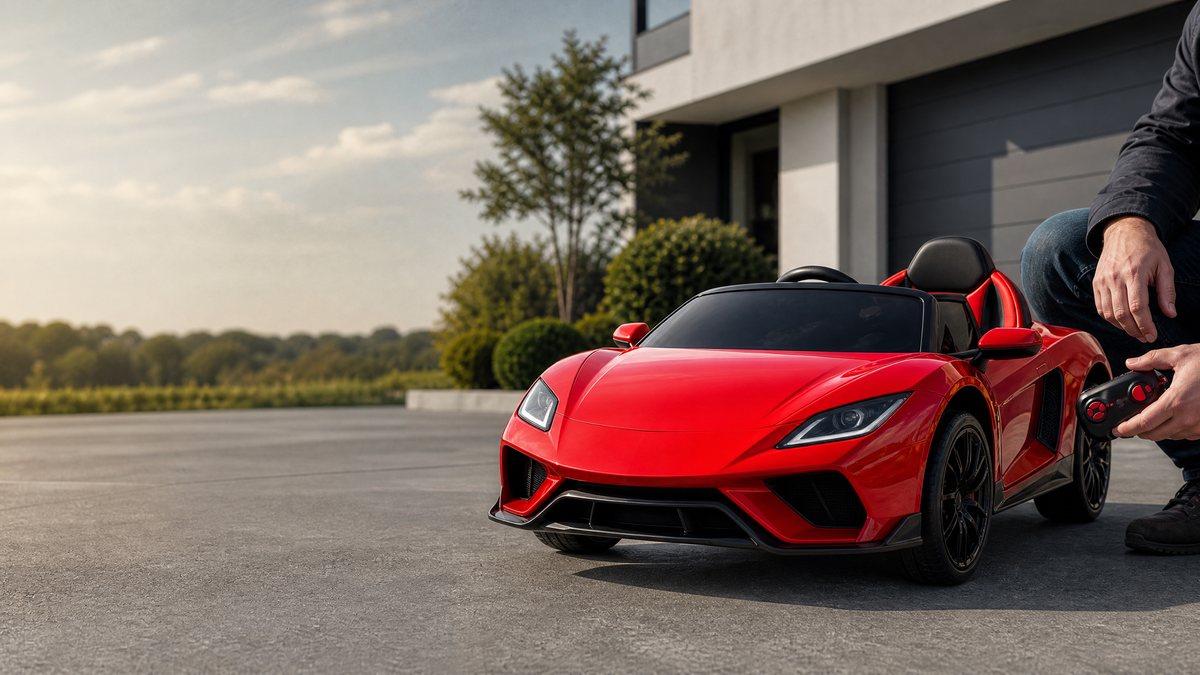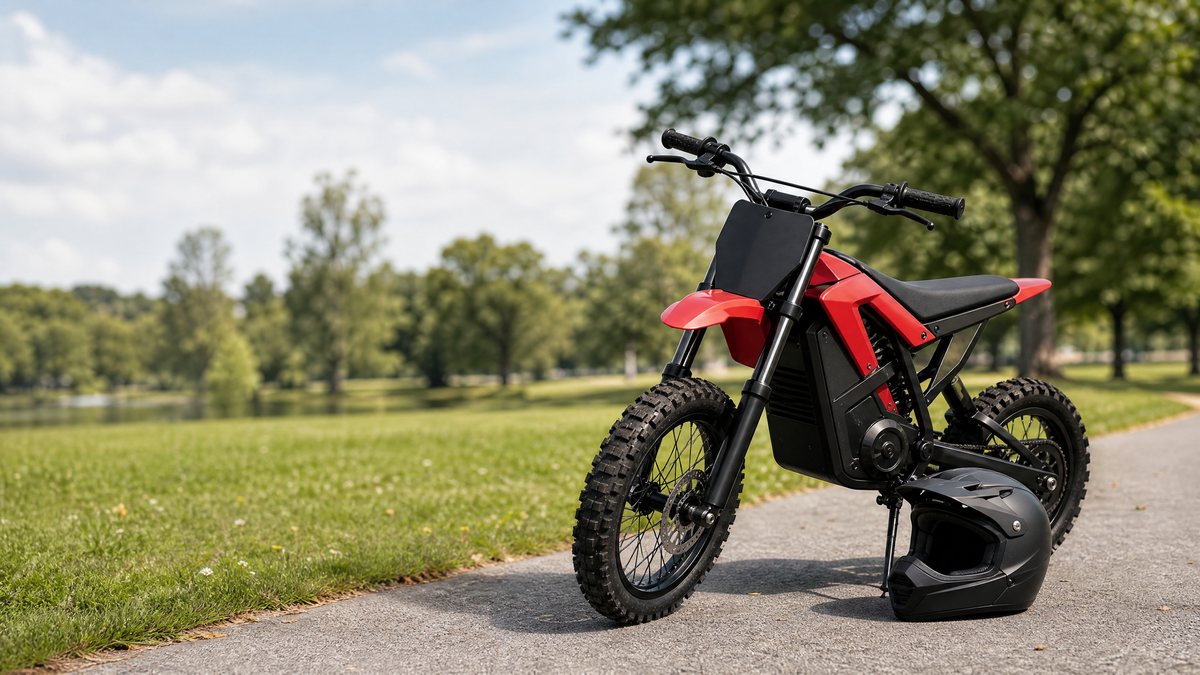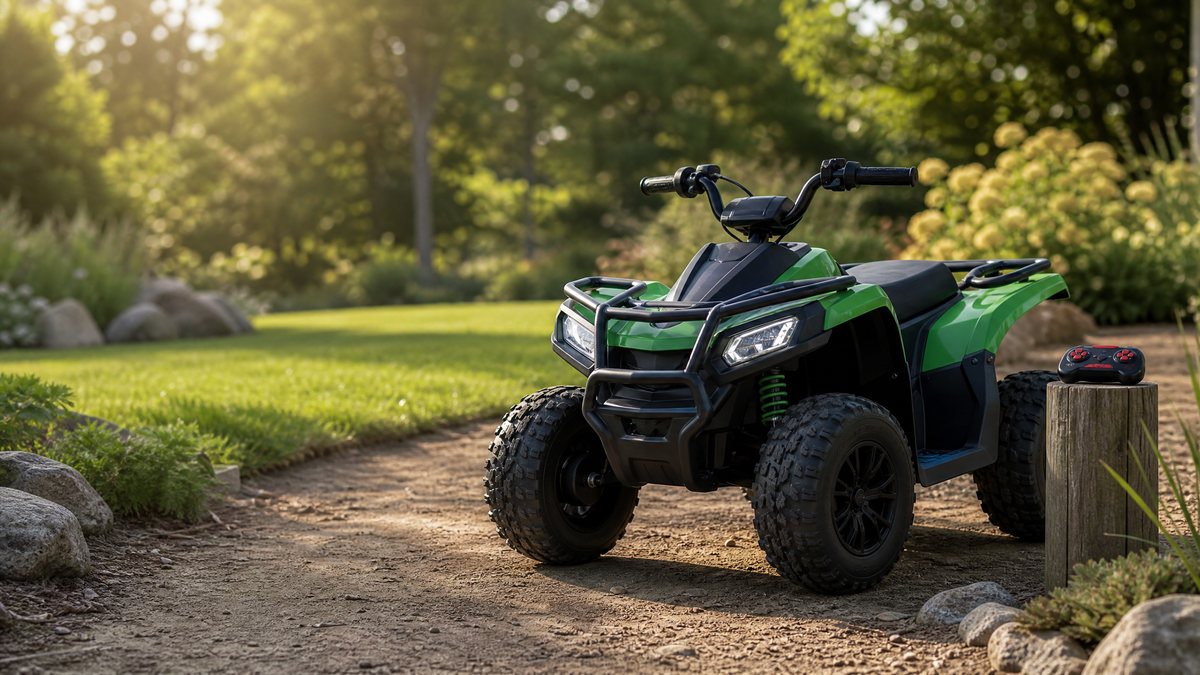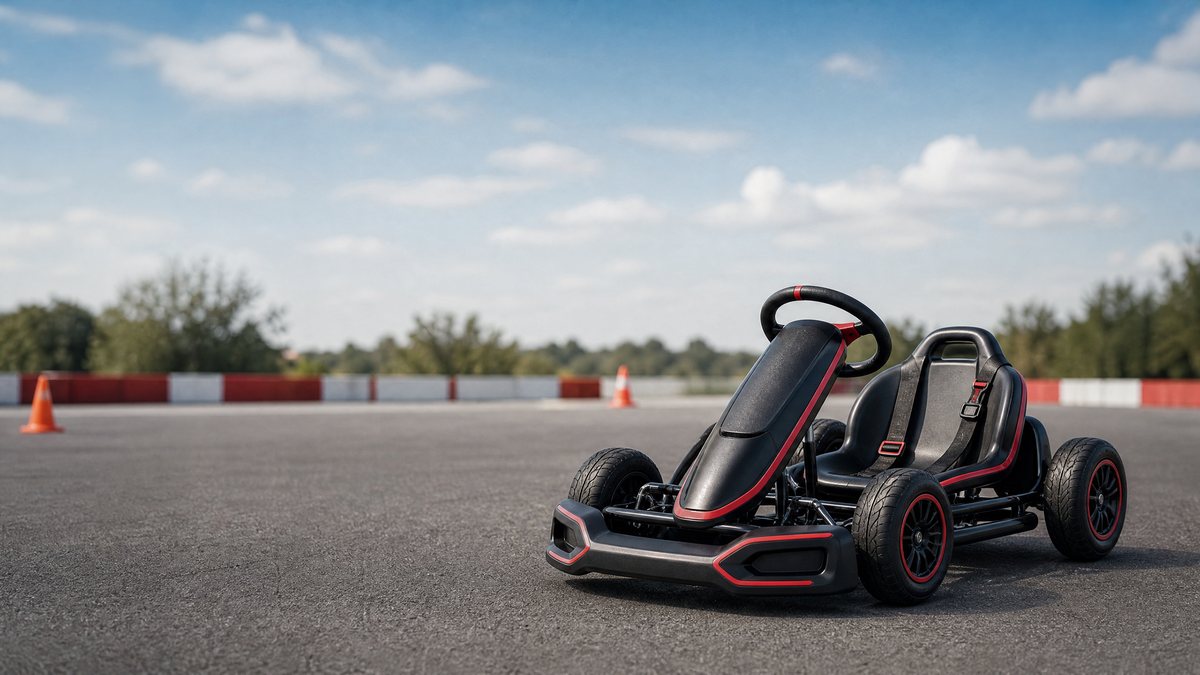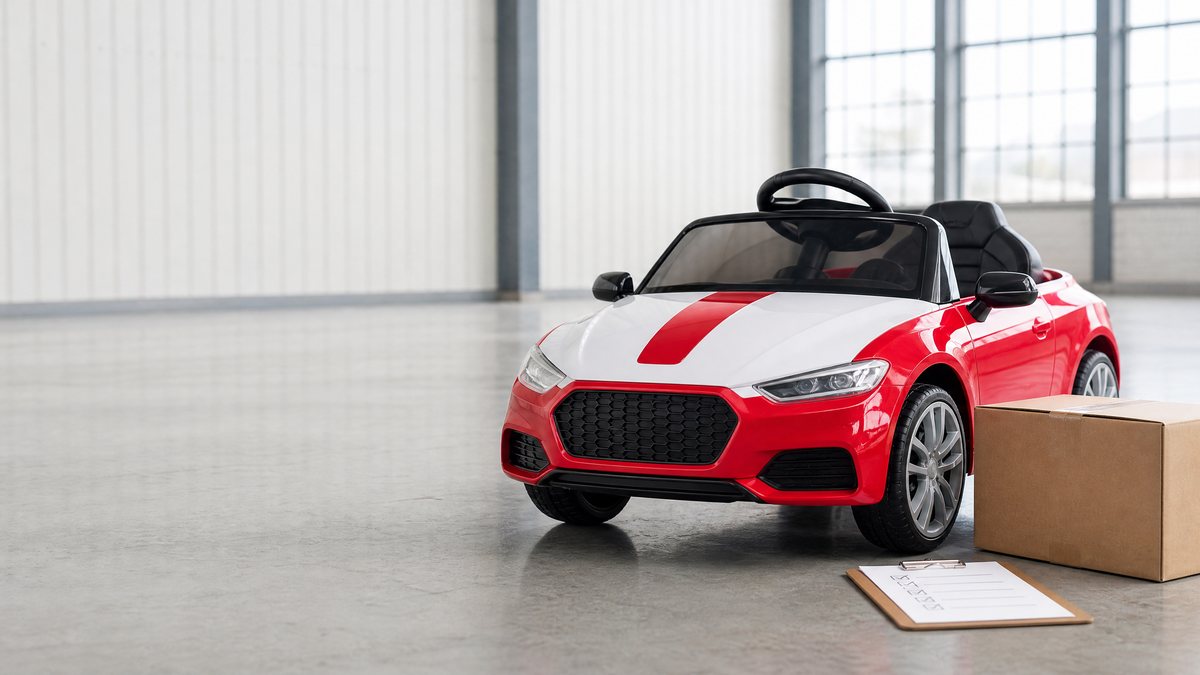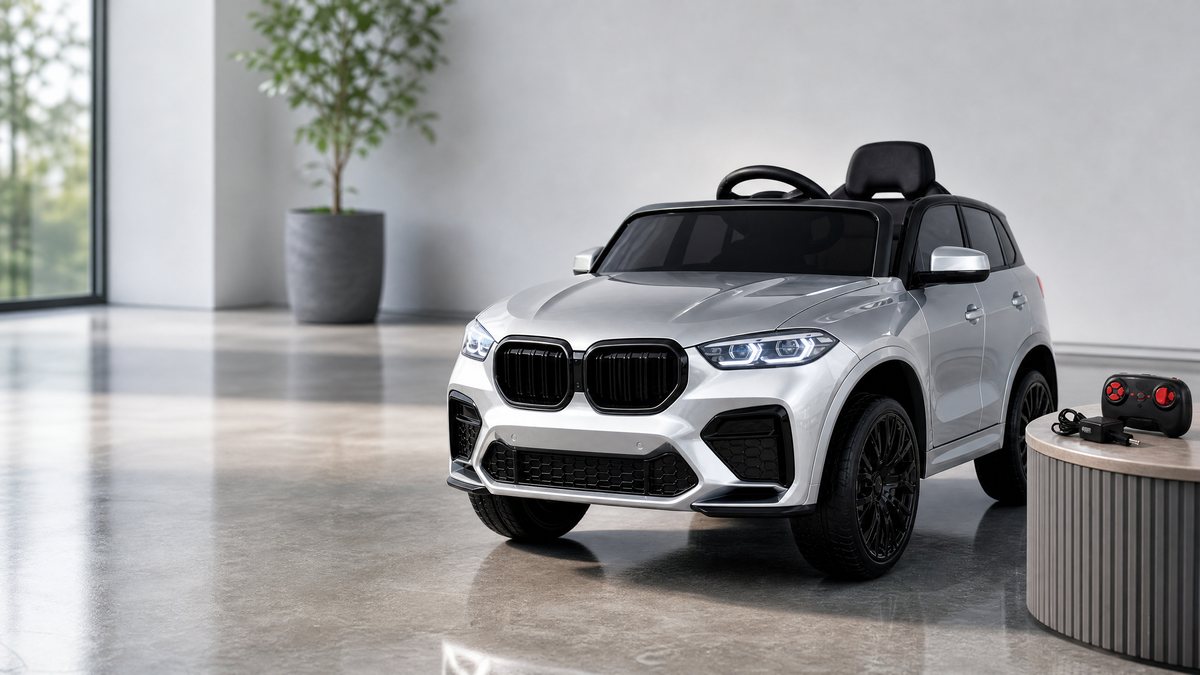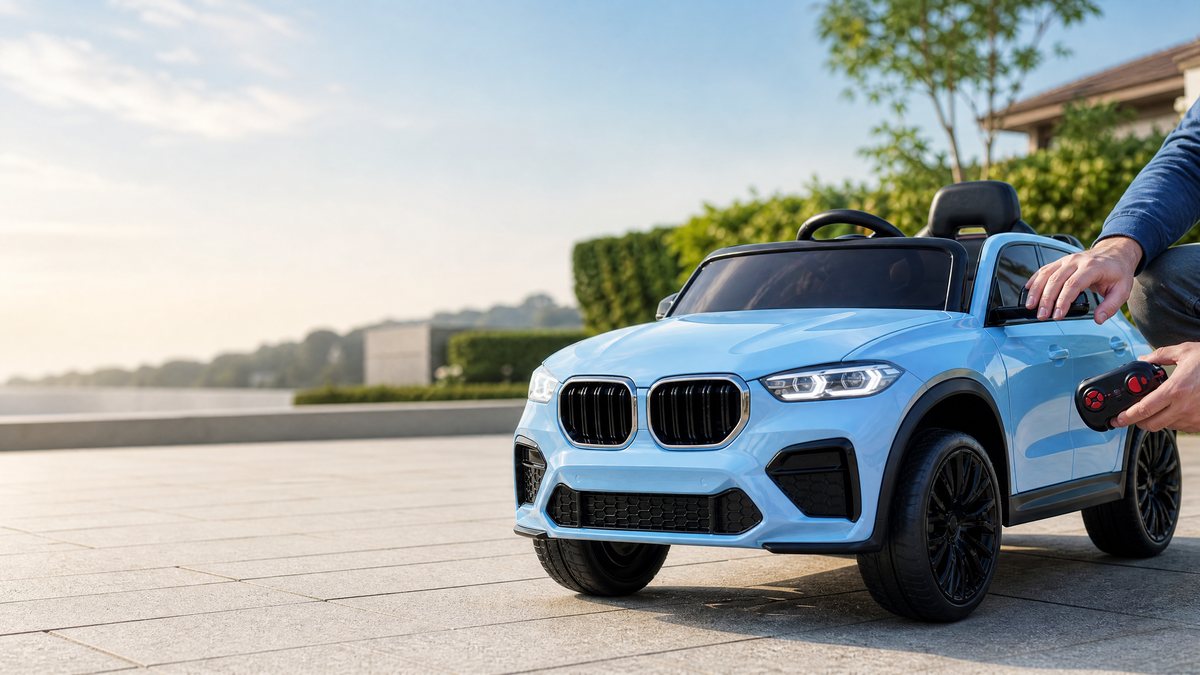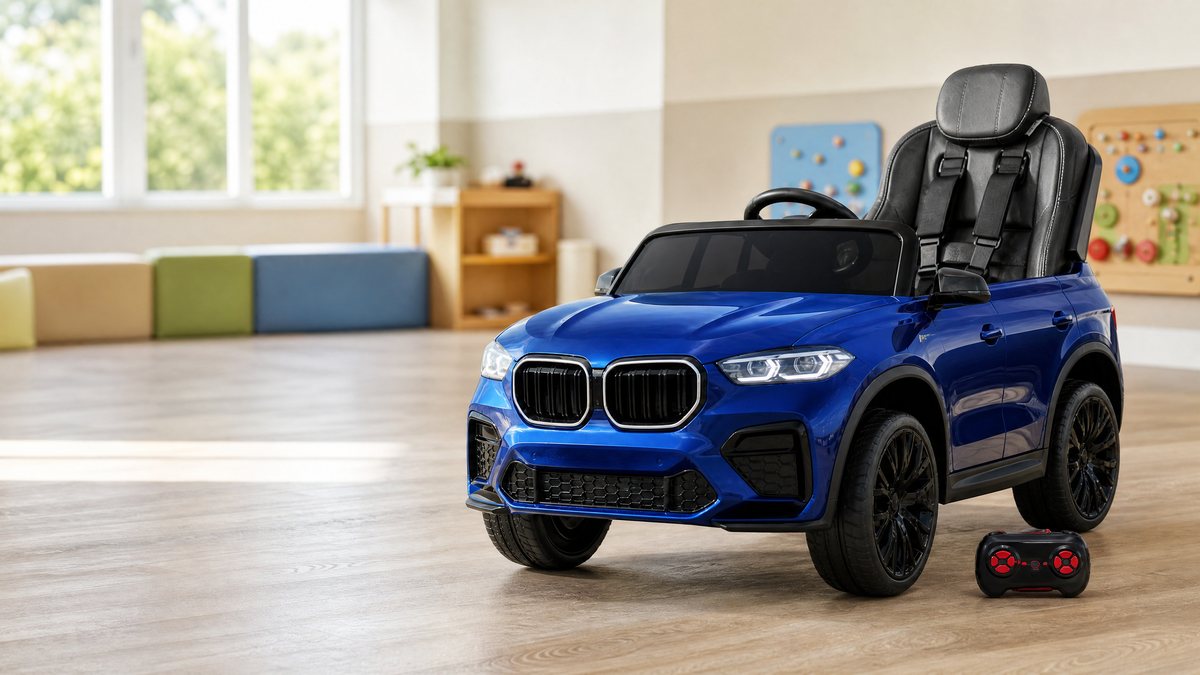
In contemporary pediatric care, education, and inclusive recreational planning, the significance of play as a vital medium for growth is universally recognized. For children with diverse developmental profiles, physical disabilities, or sensory processing differences, toys and recreational equipment serve far more than simple entertainment purposes; they act as catalysts for therapeutic engagement, social connection, and personal empowerment. Among the diverse array of recreational products available today, battery-powered ride-on cars have emerged as an exceptionally versatile tool. When integrated thoughtfully into supervised routines and aligned with professional medical or occupational therapy guidance, ride-on cars may support developmental milestones, foster autonomy, and offer joyful, inclusive play experiences.
As B2B distributors, therapeutic facility operators, specialty retailers, and educational institutions seek to expand their inclusive product portfolios, understanding the nuanced benefits and safety considerations of ride-on cars for children with special needs is essential. This article explores how ride-on vehicles can be integrated into supportive play environments, examining their potential contributions to motor skill acquisition, sensory integration, and social participation, while strictly adhering to safety standards and manufacturer guidelines. Furthermore, we examine commercial procurement considerations for institutions seeking durable, customizable fleet options that meet rigorous safety standards.
Request a wholesale quote to explore our wholesale catalog of certified, high-quality ride-on vehicles designed for diverse commercial, institutional, and therapeutic applications.
Understanding Inclusive Play and Pediatric Mobility
Inclusive play emphasizes creating environments and utilizing equipment that enable children of all abilities to participate together in meaningful recreational activities. Mobility is a cornerstone of childhood independence. For children with mobility limitations or developmental delays, traditional locomotion methods may present physical barriers that limit their ability to explore their surroundings freely, interact with peers on equal footing, or initiate self-directed play.
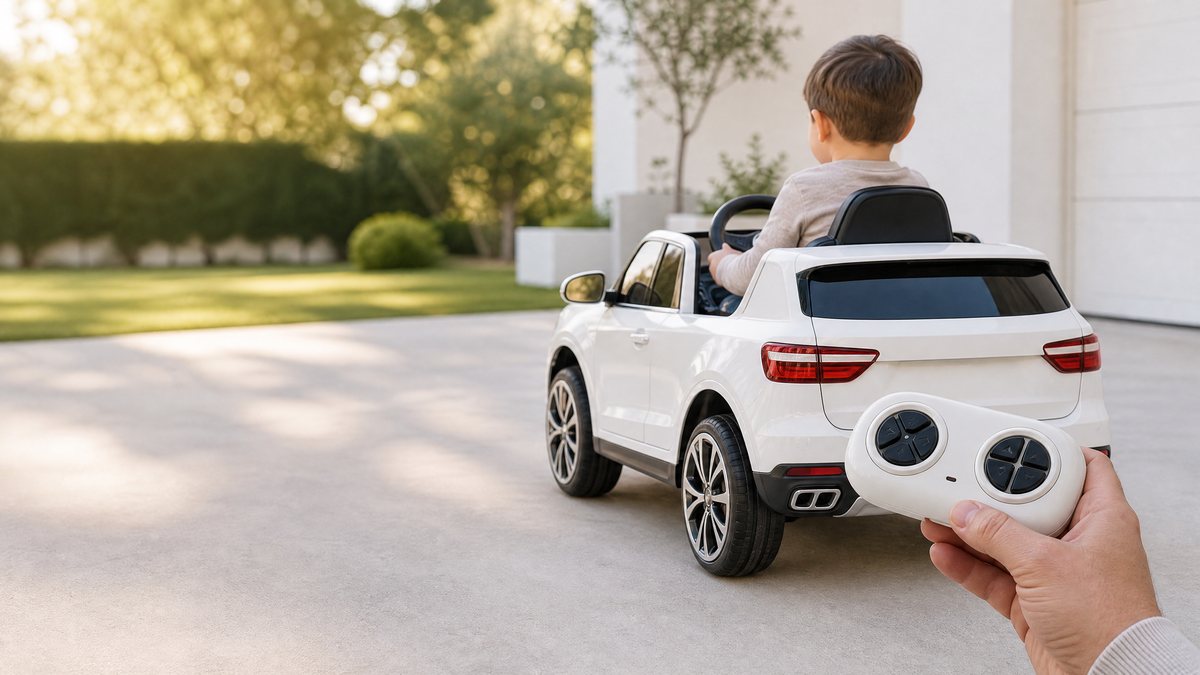
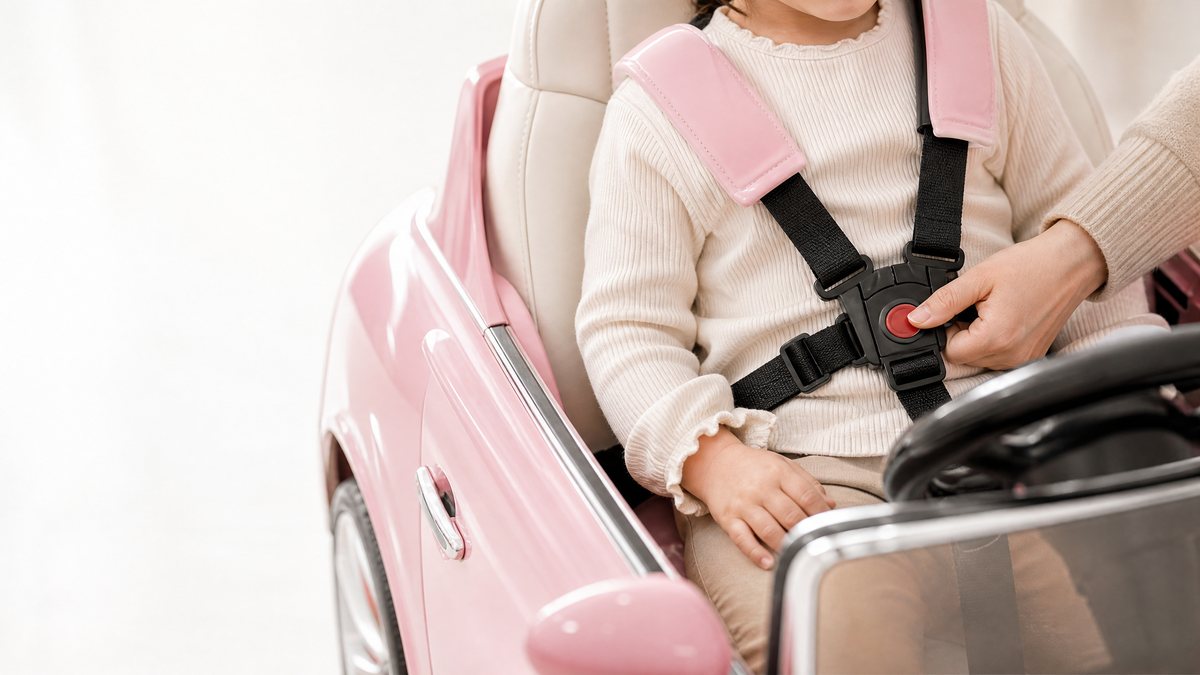
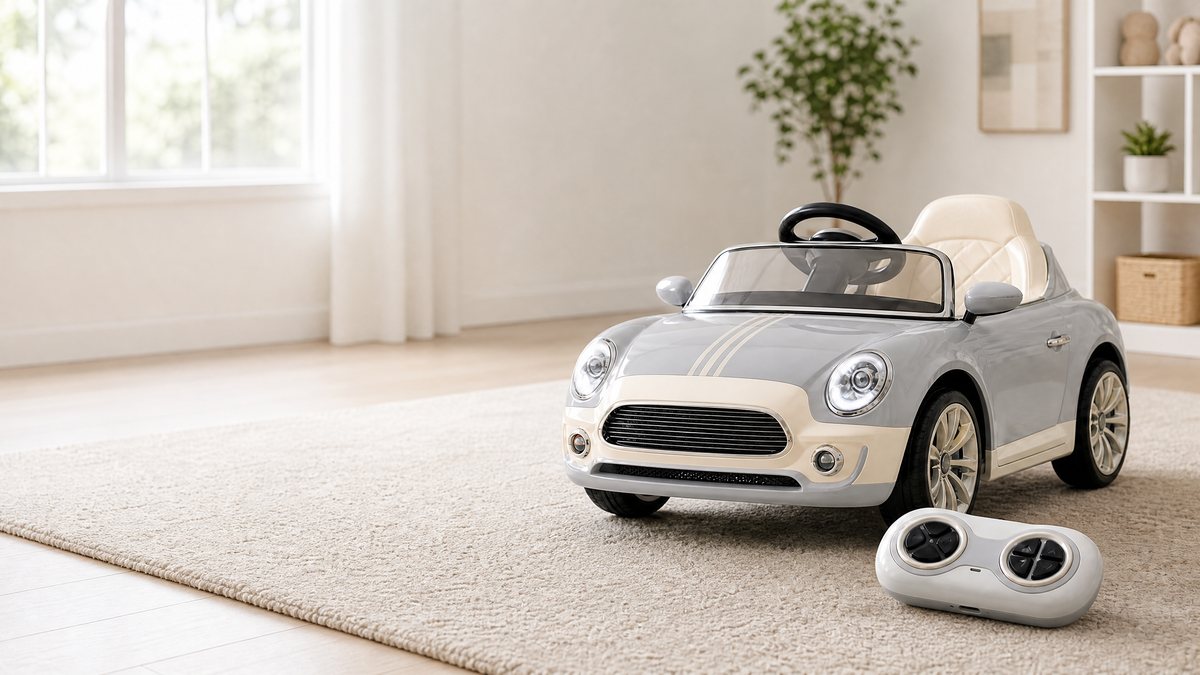
Ride-On vehicles bridge this gap by offering motorized or manually propelled mobility that can be customized to individual capabilities. Equipped with features such as parent remote controls, multi-point safety harnesses, and supportive seating inserts, these cars allow children who might otherwise struggle with unassisted movement to experience autonomous navigation. This sense of independent mobility can profoundly influence a child's psychological outlook, shifting their role from a passive observer of play to an active participant in their environment.
Furthermore, pediatric occupational therapists frequently emphasize that self-initiated movement is closely tied to cognitive and spatial development. When a child decides to steer toward a specific destination and observes the resulting environmental change, they reinforce cause-and-effect reasoning and spatial mapping. Ride-on cars provide a controlled, engaging platform for practicing these foundational cognitive and motor concepts within familiar backyard, clinic, or playground settings. B2B buyers serving pediatric clinics and therapy centers often look for models that combine structural durability with customizable control interfaces to accommodate varying patient requirements.
Sensory Engagement and Vestibular Stimulation
Sensory processing differences are common among children with neurodivergent profiles, including autism spectrum conditions, sensory processing disorders, and developmental delays. These children may experience hypersensitivity or hyposensitivity to vestibular (balance and movement), proprioceptive (body awareness), and tactile inputs. Providing appropriate sensory stimulation in a structured, enjoyable manner is a primary objective of many therapeutic interventions.
Riding in a battery-powered car naturally engages the vestibular system through acceleration, deceleration, gentle turning, and motion across varying terrain surfaces such as paved driveways, short grass, or indoor flooring. For children who seek vestibular input, the rhythmic motion of driving can be deeply calming and regulating. Conversely, for children working to modulate their sensory responses, controlling the vehicle provides predictable, manageable sensory feedback that they can moderate at their own comfort level.
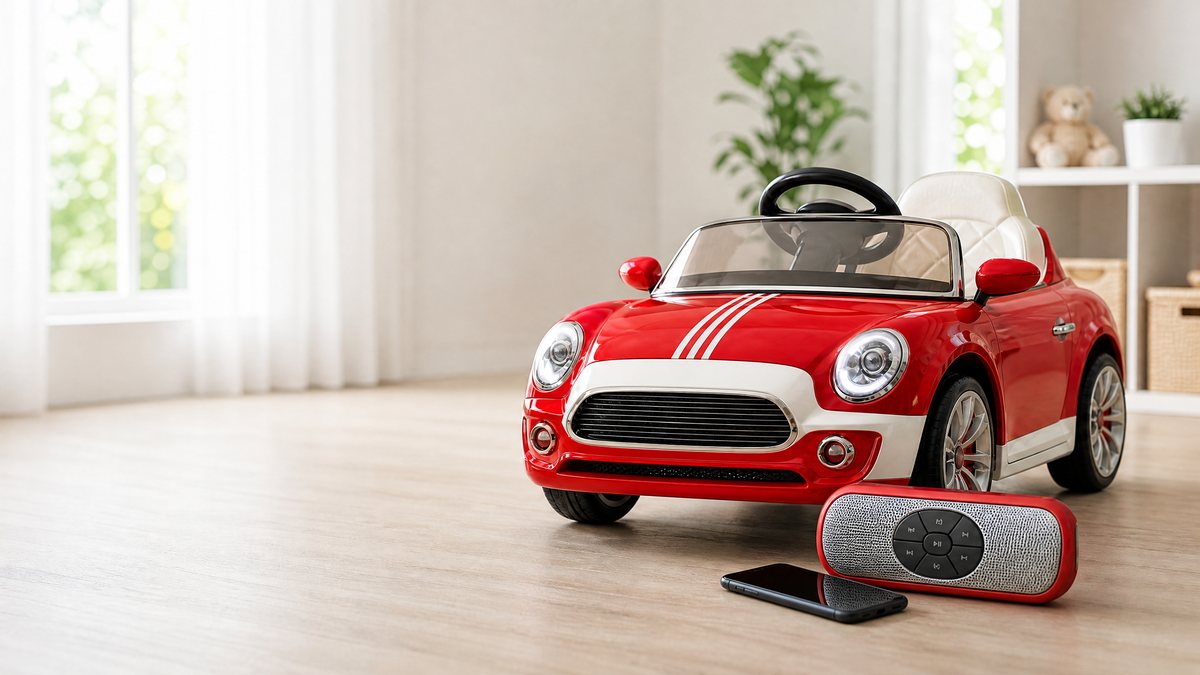
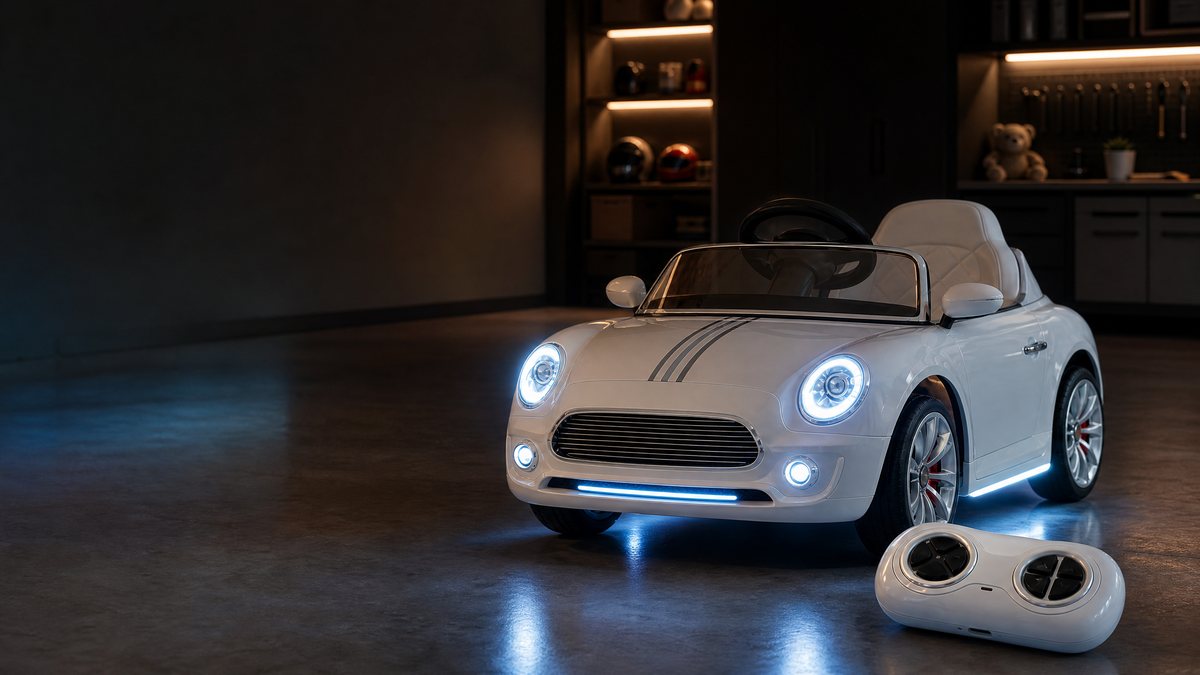
In addition to vestibular feedback, modern ride-on cars incorporate multiple tactile and auditory stimuli that can be tailored to the child's sensory preferences. Features such as steering wheel textures, dashboard buttons, operational horns, and working LED headlights offer multi-sensory engagement. Caregivers and therapists can utilize these features to encourage purposeful interaction, tactile exploration, and sensory integration exercises during play sessions. When sourcing equipment for sensory-focused environments, commercial buyers must ensure that lighting and sound features have adjustable volume or toggle options to prevent sensory overload in hypersensitive children.
Motor Skill Development and Spatial Awareness
The mastery of gross and fine motor skills is a critical component of early childhood development. Ride-on cars provide a dynamic environment for practicing and refining several key physical competencies under fully supervised conditions:
* Hand-Eye Coordination: Steering the vehicle requires visual tracking and synchronized hand movements to navigate curves, avoid obstacles, and maintain a desired trajectory across complex spatial layouts.
* Bilateral Coordination: Operating foot pedals while simultaneously steering or managing a dashboard gear shifter encourages bilateral motor planning, body awareness, and limb synchronization.
* Core Strength and Postural Stability: Maintaining an upright seated posture against the gentle forces of acceleration and turning engages abdominal, pelvic, and spinal stabilizing muscles.
* Spatial Judgment: Navigating through doorways, around yard furniture, or along designated outdoor paths helps children develop an intuitive understanding of scale, distance, and spatial boundaries.
For children undergoing physical therapy or rehabilitation, these motor challenges can be scaled according to individual progress. For instance, initial sessions may rely entirely on parental remote control operation while the child focuses on postural stability and sensory adjustment. As the child gains strength, coordination, and confidence, partial control can be transitioned to the child via foot pedals and steering, supported by adjustable speed settings and soft-start mechanisms.
Fostering Confidence, Social Interaction, and Independence
Psychological well-being and social inclusion are inextricably linked to a child's ability to engage in recreational play with peers and family members. Children with special needs often face social isolation or limited opportunities for collaborative play due to physical barriers or differing play styles. Ride-on cars serve as powerful social icebreakers in shared environments such as parks, inclusive preschools, and family gatherings.
Because ride-on cars are universally recognized as fun, desirable toys, other children are naturally drawn to them. This shared interest creates organic opportunities for peer interaction, cooperative games (such as driving to a designated destination together), and turn-taking practice. When a child with special needs successfully operates a vehicle alongside siblings or peers, their self-esteem and social confidence are visibly enhanced.
Moreover, the psychological impact of self-directed mobility cannot be overstated. Autonomy—the ability to make choices and act upon them independently—is a vital milestone in childhood development. Even with parental remote oversight safeguarding the play session, the subjective experience of driving one's own vehicle fosters a powerful sense of agency, pride, and personal independence. Educational institutions and community centers integrating these vehicles into inclusive playgrounds frequently report positive shifts in peer collaboration and cooperative play dynamics.
Evaluating Ride-On Car Features for Diverse Developmental Needs
When selecting or specifying ride-on vehicles for children with diverse developmental requirements, B2B buyers, therapists, and family purchasers must evaluate specific structural and functional features. Not all models are suitable for every child, and careful matching of vehicle specifications to individual user needs is essential for safety and therapeutic value.
The following table summarizes key ride-on car features and their specific considerations for supporting children with special needs during supervised play:
| Feature Category | Specific Feature | Functional Consideration & Application |
|---|---|---|
| Safety Control | Parent Remote Override | Allows caregivers to instantly take over steering, acceleration, and braking if the child becomes overwhelmed or approaches hazards. |
| Power Delivery | Soft-Start Mechanism | Prevents sudden jolts during acceleration, ensuring a smooth, gradual takeoff that reduces sensory startle responses. |
| Postural Support | Multi-Point Harness & Inserts | Provides secure upper-body positioning and postural stabilization for children with low muscle tone or balance challenges. |
| Speed Regulation | Adjustable Speed Settings | Enables adults to lock vehicles into low-speed modes appropriate for early-stage learners and developing motor skills. |
| Wheel Construction | EVA Foam or Rubber Tires | Offers enhanced traction and shock absorption across varied surfaces, resulting in a quieter, smoother ride. |
Purchasers and facility operators must verify that all selected features align with the specific physical and cognitive profile of the intended users, always referencing the manufacturer's technical specifications and user manuals. Commercial buyers should also examine warranty terms, spare parts availability, and compliance documentation when building sustainable fleets.
Safety, Supervision, and Professional Guidance Guidelines
Safety is paramount when incorporating ride-on vehicles into recreational or therapeutic programs for children with special needs. While these products provide substantial developmental benefits, they must be managed with rigorous adherence to safety protocols and operational guidelines:
* Adult Supervision: Continuous, attentive adult supervision is mandatory during all ride-on car activities. Caregivers must remain within immediate reach and maintain visual contact at all times.
* Professional Consultation: Parents, educators, and facility managers should consult with pediatricians, physical therapists, or occupational therapists before introducing ride-on vehicles to children with significant physical or sensory impairments.
* Adherence to Manuals: All assembly, operating, weight limit, and charging instructions provided in the official manufacturer manual must be strictly followed. Never exceed specified weight capacities or age recommendations.
* Environmental Safety: Play sessions must take place in flat, enclosed, hazard-free environments far away from public roads, swimming pools, steep inclines, and bodies of water.
* Prohibition of Unauthorized Modifications: Never attempt to modify internal electrical circuits, alter battery voltage, bypass safety fuses, or attach unapproved aftermarket seating or harnesses. All components must remain as certified by the manufacturer.
* Immediate Cessation Protocols: If any unusual odors, smoke, abnormal heating, excessive gear noise, erratic electrical behavior, or structural damage is observed, immediately turn off the vehicle, remove the child from the area, disconnect the charger or battery, and contact qualified service personnel or the manufacturer.
Frequently Asked Questions
Can ride-on cars replace formal physical or occupational therapy?
No. Ride-on cars are recreational and developmental support tools rather than medical or therapeutic treatments. While they can complement therapy goals such as motor skill practice and sensory engagement, they should be used in conjunction with guidance from qualified pediatric healthcare and therapy professionals.
How do parent remote controls assist children with special needs?
Parent remote controls allow supervising adults to manage steering, speed, and emergency braking. This ensures that children with limited strength, endurance, or reaction times can enjoy the experience of driving safely while adults maintain full control over navigation and hazard avoidance.
Are all ride-on cars suitable for children with low muscle tone or balance issues?
Not automatically. Standard ride-on cars may lack sufficient lateral trunk support for children with significant hypotonia or balance challenges. Buyers and caregivers should look for models featuring supportive high-back seats, adjustable multi-point harnesses, and stable four-wheel designs, or consult professionals regarding supplemental postural inserts.
What environmental conditions are safest for operating ride-on cars?
Operation should always occur on flat, smooth, paved surfaces or secure indoor areas free from traffic, water hazards, steep slopes, and obstacles. Rainy weather, nighttime conditions, and unpaved rough terrain should be avoided to ensure optimal traction, visibility, and vehicle stability.
Conclusion
Ride-on cars offer a remarkable intersection of recreation, developmental support, and joyful play for children of diverse abilities. By fostering independent mobility, stimulating vestibular and sensory processing, encouraging motor skill acquisition, and breaking down social barriers, these vehicles can be a valuable addition to inclusive play environments, therapeutic facilities, and family homes.
However, realizing these benefits requires a steadfast commitment to safety, continuous adult supervision, professional consultation, and careful selection of features tailored to each child's unique developmental profile. By prioritizing safety and thoughtful integration, B2B distributors and caregivers can provide enriching, empowering experiences that celebrate every child's potential for active, joyful play.
Request a wholesale quote to discuss wholesale partnership opportunities and secure premium, safety-certified ride-on vehicles for your commercial or institutional needs.
Official References
1. U.S. Consumer Product Safety Commission (CPSC). General Toy Safety Education and Consumer Guidance. Accessible via official CPSC public safety resources. Note: CPSC general educational materials do not replace specific manufacturer instructions, operating manuals, or product certifications.
2. American Academy of Pediatrics (AAP). Guidance on Play, Motor Development, and Inclusive Recreation in Childhood. Available through professional pediatric clinical publications and educational resources.
3. Pediatric Occupational Therapy Practice Frameworks. Principles of Sensory Integration and Assistive Recreational Tools in Child Development.
Official references
Explore these external resources for current regulatory and trade guidance. Confirm requirements with the relevant authority before placing an order.
Ready to Start?
Factory-Direct · CE & ASTM Certified · MOQ from 50 Units
Our export team works with buyers in 60+ countries. Get a quote within 24 hours.
KR
Written by KidsRideCar
China's leading kids electric ride-on car manufacturer. 500,000+ units shipped annually to 60+ countries. CE, ASTM & EN71 certified.