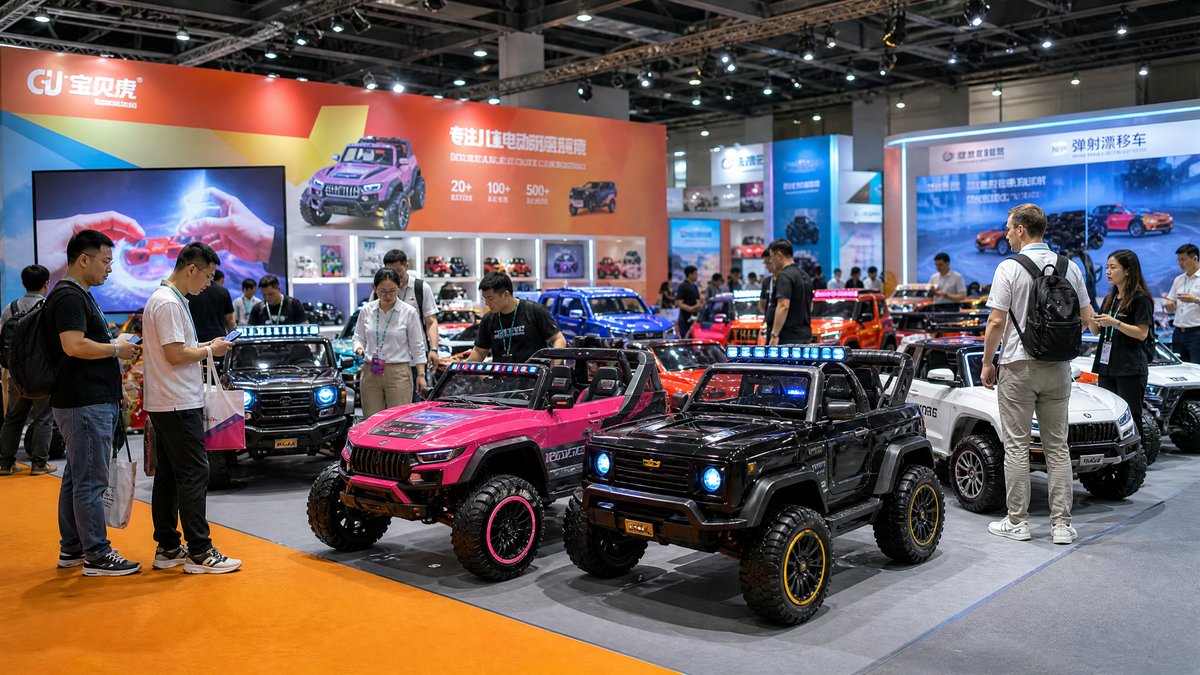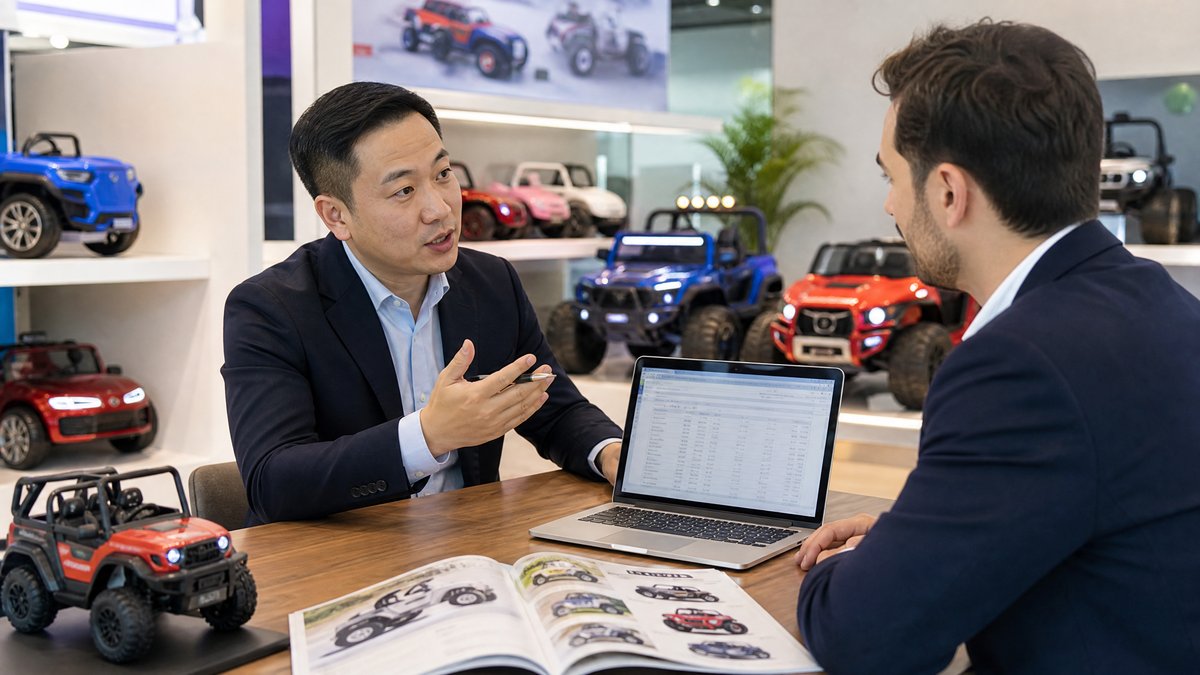
In the dynamic and high-stakes world of international toy distribution, the ride-on car category stands out as a significant driver of revenue and brand loyalty. However, its success is deeply intertwined with the ability of retailers and importers to navigate complex seasonal fluctuations. For B2B professionals, seasonal planning is not merely a task of ordering stock; it is a comprehensive orchestration of market analysis, procurement strategy, and supply chain resilience. As a manufacturer dedicated to supporting global partners, KidsRideCar emphasizes that effective seasonal management requires a proactive, data-driven approach that prioritizes safety, compliance, and operational efficiency.
This guide serves as a professional framework for B2B buyers to optimize their inventory for seasonal peaks, ensuring that procurement cycles are aligned with market demand while maintaining the highest standards of product integrity and consumer safety.
The Strategic Importance of Seasonal Forecasting
Seasonal demand in the ride-on car sector is driven by a variety of factors, ranging from cultural gift-giving traditions to climatic changes that influence outdoor play. For a retailer, the goal is to maximize sales during peak periods without incurring the costs of excessive overstock or the missed opportunities of stockouts.
Understanding Market Cyclicality
While the year-end holiday season is a primary driver in many markets, seasonal demand is multi-faceted. Spring and summer often see a surge in demand for outdoor vehicles, such as UTVs and off-road models, as families prepare for warmer weather. Additionally, regional holidays and cultural celebrations—such as Children's Day, Eid, or specific national festivals—create localized peaks that require tailored procurement strategies.
A professional B2B approach involves analyzing historical sales data and market trends to identify these patterns. Rather than relying on generic industry assumptions, retailers should develop a localized demand calendar that accounts for the specific cultural and environmental factors of their target markets.
The Role of Data in Forecasting
Effective forecasting relies on a combination of internal and external data sources. Retailers should examine:
- Historical Sales Performance: Reviewing previous years' sales by SKU to identify high-velocity models and seasonal preferences.
- Market Intelligence: Monitoring competitor activity, emerging design trends, and consumer sentiment in the ride-on car category.
- Economic Indicators: Considering consumer spending power and logistics costs that may impact purchasing behavior.
By integrating these data points, B2B buyers can create a more accurate projection of the required inventory levels, allowing for more precise communication with manufacturing partners.
The B2B Procurement Lifecycle: Managing Lead Times
One of the most critical elements of seasonal planning is the management of lead times. The journey from a production order to a retail-ready product involves multiple stages, each with its own set of variables and potential delays.
Establishing a Robust Planning Window
Retailers must account for the entire lifecycle of the procurement process, including:
- Product Selection and Specification: Finalizing the models, features, and branding requirements based on market demand.
- Manufacturing and Production: The time required for the factory to produce the order, which can vary based on the complexity of the models and the current production volume.
- Quality Control and Verification: The essential phase where products are inspected and documentation is verified against the agreed-upon standards.
- Logistics and Shipping: The transit time from the manufacturing facility to the destination port, followed by customs clearance and inland distribution.
To ensure resilience, B2B buyers should establish a planning window that includes a sufficient buffer for unforeseen circumstances, such as port congestion or production adjustments. Lead times should always be verified against the specific model documentation and current manufacturer capacity.
Coordinating with Manufacturing Partners
Early and transparent communication with manufacturers is vital. By sharing forecasted demand early, retailers can secure production slots during high-volume periods. This partnership approach allows for better resource allocation and ensures that the manufacturing process is aligned with the retailer's delivery schedule.
Inventory Management and SKU Optimization
A sophisticated inventory strategy is essential for balancing the high value of ride-on cars with the need for diverse product offerings.
SKU Categorization and Safety Stock
Retailers should categorize their inventory based on sales velocity and strategic importance:
- Core Models: High-demand, reliable sellers that form the backbone of the seasonal offering. These models should be prioritized for safety stock to prevent stockouts during the peak rush.
- Trend-Driven Models: Newer designs or models with specific features that cater to current consumer interests. These should be managed with a more flexible procurement approach.
- Niche and Specialty Vehicles: Products designed for specific segments, such as high-performance or themed vehicles. Inventory for these items should be based on targeted market analysis or pre-order data.
Warehouse Efficiency and Fulfillment
The physical management of ride-on car inventory presents unique challenges due to the size and weight of the products. During seasonal peaks, warehouse operations must be optimized for high-volume throughput. This includes:
- Strategic Slotting: Placing high-velocity SKUs in easily accessible areas to speed up fulfillment.
- Quality Assurance at Intake: Performing thorough checks upon arrival to ensure that the products match the shipping documentation and have not been damaged during transit.
- Packaging Integrity: Ensuring that the outer packaging is robust enough for the final delivery to the consumer, especially for e-commerce fulfillment.
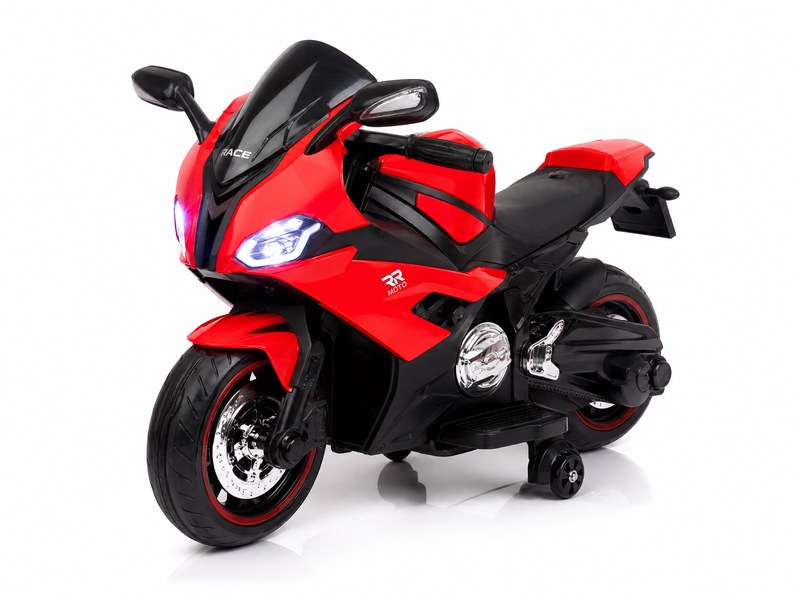
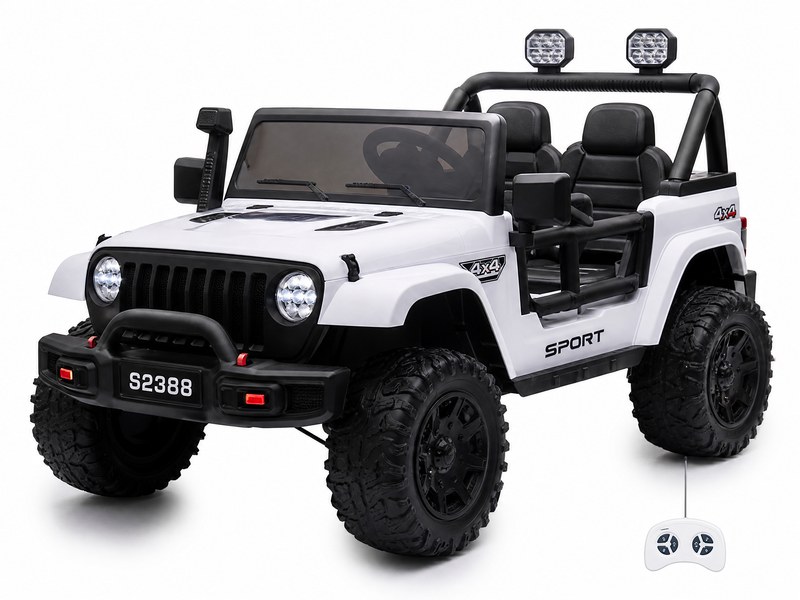
For seasonal assortment planning
Compare a compact model and an SUV format
A balanced range can start with different form factors. Confirm current availability, documentation and market requirements before setting a seasonal assortment.
Discuss your seasonal assortment →
Compliance and Quality Verification Standards
In the B2B ride-on car industry, compliance is not optional; it is a fundamental requirement for market access and consumer safety.
Verifying Market-Specific Requirements
Regulations governing children's products are subject to frequent updates and vary significantly by region. Retailers must ensure that every product they import meets the latest official requirements of their target market. This includes:
- Chemical Safety: Verifying that all materials, including plastics and coatings, comply with regulations regarding phthalates, lead, and other restricted substances.
- Mechanical and Physical Properties: Ensuring that the vehicle's construction, stability, and safety features meet the applicable standards for the intended age group.
- Electrical Safety: Confirming that batteries, chargers, and internal circuitry have been tested and verified according to the specific requirements for electric toys.
Rather than relying on general statements, B2B buyers must perform a thorough review of the documentation for each specific production run, ensuring that all certificates and test reports are current and relevant to the products being delivered.
The Role of Third-Party Inspection
To maintain the highest quality standards, retailers should utilize third-party inspection services. These independent evaluations provide an objective assessment of the product's compliance with the written specifications and safety requirements agreed upon in the B2B contract.
Risk Mitigation in the Global Supply Chain
The global nature of the ride-on car trade introduces various risks that must be managed through strategic planning and professional oversight.
Diversifying Logistics and Shipping
Relying on a single shipping route or provider can leave a retailer vulnerable to disruptions. A diversified logistics strategy might include:
- Multiple Shipping Modes: Utilizing a mix of ocean freight, rail, or air transport depending on the urgency and cost-effectiveness required for different inventory tiers.
- Strategic Port Selection: Considering alternative ports of entry to avoid congestion at major hubs.
- Comprehensive Insurance: Ensuring that all shipments are covered by insurance that reflects the full replacement value of the goods, providing financial protection against loss or damage during transit.
Financial and Contractual Safeguards
B2B transactions should be governed by clear, written contracts that outline the responsibilities of both parties. This includes detailed specifications, delivery timelines, payment terms, and procedures for addressing any quality issues. Additionally, retailers should consider currency hedging and other financial tools to manage the risks associated with international trade.
Safety and Professional Responsibility
As the link between the manufacturer and the end consumer, retailers have a profound responsibility to prioritize safety in every aspect of their business.
Promoting Age-Appropriate Use
Ride-on cars are designed for specific age groups and weight capacities. Retailers must ensure that all product information clearly states these limitations. Sales and marketing teams should be trained to emphasize the importance of selecting a vehicle that is appropriate for the child's developmental stage and physical size, as specified in the manufacturer's documentation.
Emphasizing Adult Supervision
The safety of a ride-on car is dependent on its proper use under adult supervision. All marketing materials, product descriptions, and instructional guides must prominently feature the requirement for continuous adult oversight. Retailers should also provide clear guidance on safe operating environments, emphasizing that these vehicles should never be used near traffic, water, or hazardous terrain.
Technical Support and Safety Boundaries
To protect consumers and maintain product integrity, retailers must adhere to strict boundaries regarding technical support and repairs. All technical and safety-related inquiries should be managed with the following priorities:
- Adherence to Official Documentation: The manufacturer's official instruction manual is the primary authority for all operational and maintenance procedures. Retailers should ensure every unit is accompanied by this documentation and that users are directed to follow it strictly.
- Professional Support Requirement: Any technical issues or performance concerns must be addressed through manufacturer-authorized support channels. This ensures that all maintenance is performed by qualified professionals according to the intended design.
- Safety Boundaries: Retailers must never encourage or provide guidance on unauthorized modifications or DIY electrical work. Maintaining the vehicle in its original, manufacturer-approved configuration is essential for consumer safety and liability protection.
Frequently Asked Questions
Q: What are the primary factors to consider when forecasting demand for a new market?
A: When entering a new market, retailers should conduct a thorough analysis of local cultural traditions, climate patterns, and the regulatory environment. It is essential to review historical data from similar markets and consult with manufacturing partners to understand which models have shown consistent performance in that region. All procurement decisions should be based on written specifications and market-specific compliance requirements.
Q: How can I ensure that my inventory remains compliant with changing regulations?
A: Compliance is an ongoing process. Retailers should establish a system for monitoring regulatory updates in their target markets and maintain close communication with their manufacturers. Before every production run, request the latest official documentation and third-party test reports to verify that the products meet the current standards. Never assume that previous certifications apply to new batches without written verification.
Q: What is the recommended approach for managing lead times during peak seasons?
A: During peak seasons, lead times can be impacted by increased production volume and logistics congestion. The most effective approach is to establish a comprehensive planning calendar that includes a significant buffer. Verify current production and shipping timelines with your partners regularly and place orders well in advance of the anticipated demand surge to ensure timely delivery.
Q: How should a retailer handle technical inquiries from customers regarding vehicle performance?
A: All technical inquiries should be handled with a focus on safety and adherence to manufacturer guidelines. Direct customers to the official instruction manual for all operational and maintenance information. If a technical issue arises that is not covered by the manual's basic troubleshooting, the customer should be referred to manufacturer-authorized support. Retailers must not provide instructions for DIY repairs or modifications to the vehicle's electrical or mechanical systems.
Conclusion
Successfully planning for seasonal ride-on car demand requires a sophisticated blend of market insight, operational discipline, and a steadfast commitment to safety. By implementing a data-driven forecasting model, managing procurement cycles with professional foresight, and maintaining rigorous compliance standards, B2B buyers can navigate the complexities of the global market with confidence.
At KidsRideCar, we are committed to providing our partners with the high-quality products and transparent documentation necessary for a successful retail season. However, the ultimate responsibility for market-specific due diligence and consumer safety lies with the professional importer and retailer. By following the frameworks outlined in this guide and always verifying requirements against the latest official documents, you can ensure a prosperous and safe experience for your business and your customers.
Request a wholesale quote
Disclaimer: *The information provided in this guide is for informational purposes only and is intended for B2B professionals. Market conditions, logistics timelines, and regulatory requirements are subject to change and may vary by region. All commercial transactions should be based on formal written contracts, specific model documentation, and verified third-party test reports. Buyers are responsible for performing their own due diligence and ensuring compliance with the latest official standards in their target markets.*
Official references
Explore these external resources for current regulatory and trade guidance. Confirm requirements with the relevant authority before placing an order.
Ready to Start?
Factory-Direct · CE & ASTM Certified · MOQ from 50 Units
Our export team works with buyers in 60+ countries. Get a quote within 24 hours.
KR
Written by KidsRideCar
China's leading kids electric ride-on car manufacturer. 500,000+ units shipped annually to 60+ countries. CE, ASTM & EN71 certified.