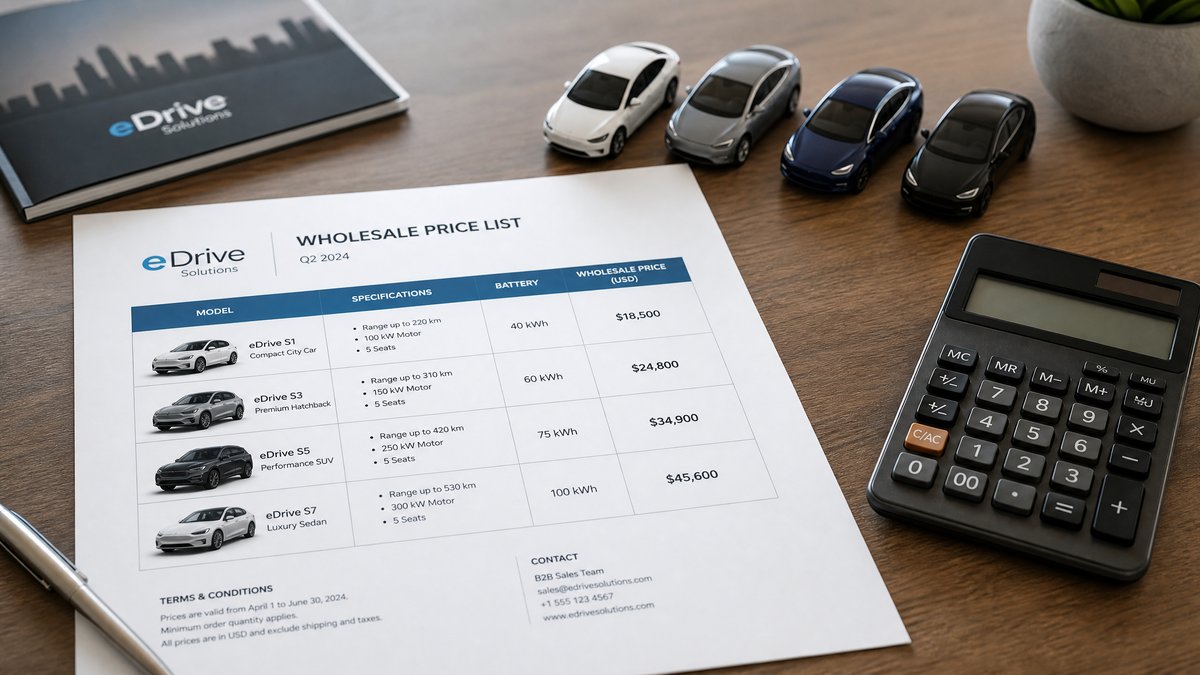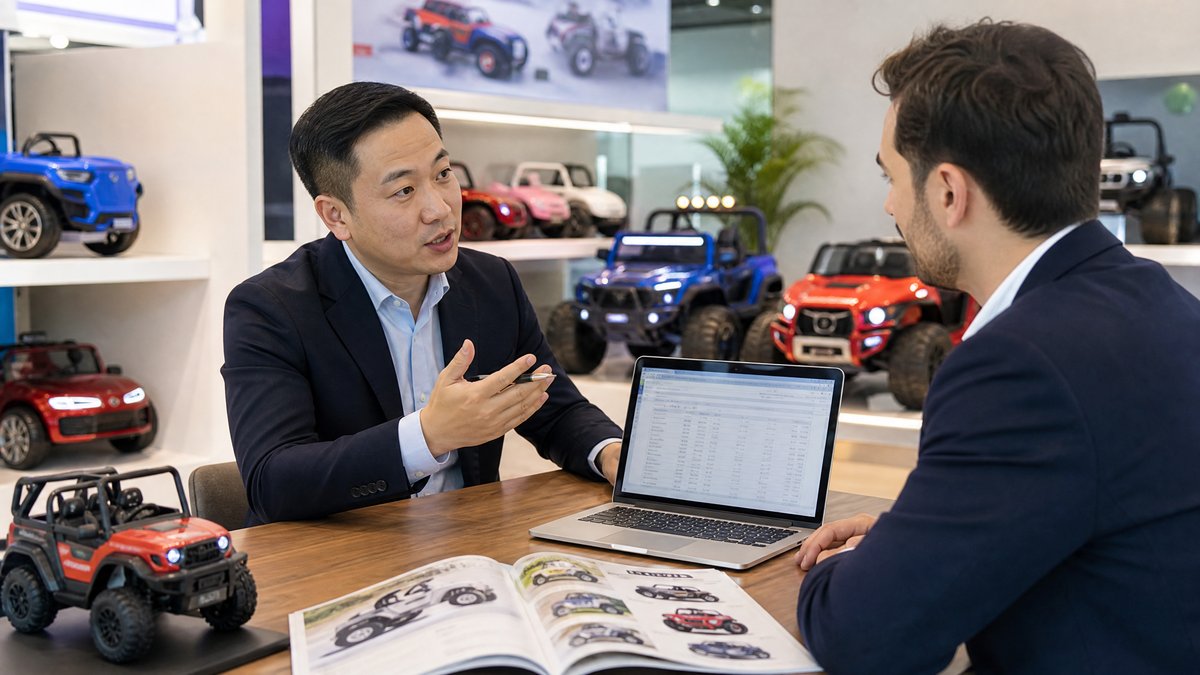
A professional ride-on car wholesale catalog is a critical technical document in the B2B procurement cycle. For importers and distributors, it serves as a primary tool for risk assessment, logistical planning, and compliance verification. In an industry with evolving safety standards, a well-structured catalog ensures products meet target market requirements while aligning with operational needs. By prioritizing verifiable technical data over aesthetics, professional buyers can reduce procurement risks and optimize their supply chain.
The Strategic Role of the Wholesale Catalog in B2B Procurement
The wholesale catalog functions as the technical blueprint for the business relationship. It allows B2B buyers to perform a gap analysis between product specifications and regional regulatory demands, avoiding costly customs delays or recalls. Furthermore, logistics data—such as packaging dimensions—is essential for calculating landed costs and managing warehouse space. The quality of a catalog reflects a manufacturer's commitment to supporting their wholesale partners.
Section 1: Technical Specifications and Performance Parameters
In a B2B context, performance metrics must be presented accurately to facilitate informed decision-making. All performance data should be viewed as nominal, with actual results dependent on specific model configurations.
Power Systems and Motor Configurations
A professional catalog should detail motor power ratings as specified in each model's technical documentation. Buyers must ensure these align with the intended use case, verifying performance against the manufacturer's data sheets.
Battery Capacity and Management
The catalog must list nominal voltage and ampere-hour (Ah) ratings. Distinguishing between battery technologies—such as lead-acid or lithium—is vital for charging cycles and shipping regulations. Importers must ensure all components are accompanied by necessary safety documentation, including MSDS and transport test reports.
Speed Control and Drive Mechanisms
Speed ranges must be outlined to ensure age-appropriateness and operational safety. Rather than providing fixed figures that may be subject to variation, professional catalogs should refer to the speed settings as specified in the official technical files for each model. Features such as 2.4G parental remote controls and soft-start technology are not merely optional extras; they are integral components of the vehicle's safety profile, providing an additional layer of control for parents and ensuring a smoother, safer experience for young riders. For B2B buyers, these features represent significant value propositions that should be clearly documented to justify product positioning in the premium market segments.
Material Integrity and Build Quality
The catalog should specify polymers used for the bodywork (e.g., PP or ABS) and materials for tires and seating. This allows buyers to assess product longevity and suitability for their target price points based on the specific bill of materials.
For wholesale catalogue planning
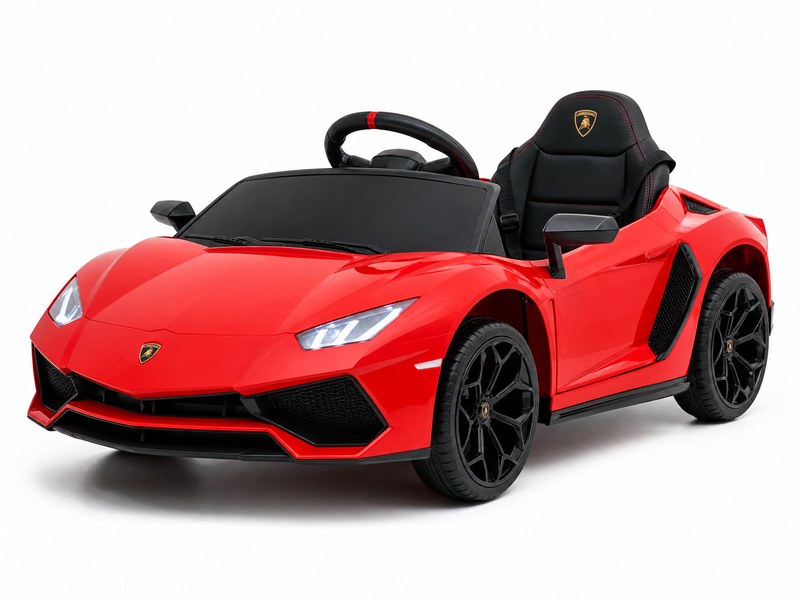
Review complementary car models for your range
Compare the documented specifications, available configurations and product materials before deciding which models belong in your next catalogue update.
Request current catalogue information →

Section 2: The Global Compliance and Certification Framework
Safety compliance in the international toy industry is a multifaceted challenge that requires a shared responsibility model. A professional wholesale catalog addresses these complexities with transparency, providing a framework that reflects the specific legal and safety requirements of the destination country. This collaborative approach ensures that both the manufacturer and the importer are aligned on the necessary standards to protect the end consumer and the integrity of the brand.
Target Market Regulatory Standards
Professional catalogs should state that all products are designed and tested according to the latest official requirements of the target market. Because regulations such as ASTM in the US or EN71 in the EU are subject to frequent updates, a static list of standards in a catalog is often insufficient. Buyers must proactively verify the most recent third-party test reports from accredited laboratories. This verification process is a critical step in the due diligence workflow, ensuring that the specific models being sourced remain compliant with the most current safety mandates.
Documentation and Customs Readiness
A manufacturer’s ability to provide essential documentation is a key indicator of their operational reliability and support for their wholesale partners. The catalog should clearly mention the availability of critical documents such as the Children’s Product Certificate (CPC) for North America, the Declaration of Conformity (DoC) for the European Union, and other market-specific licenses. Having these documents ready for inspection is essential for a smooth customs clearance process and for maintaining the legality of the retail operation. Importers should use the catalog to identify which models have an established compliance history in their region, which can significantly streamline the procurement timeline.
| Compliance Component | Description | Buyer Action |
|---|---|---|
| Safety Testing | Verification of mechanical, physical, and flammability properties. | Request latest 3rd-party lab reports. |
| Chemical Content | Assessment of lead, phthalates, and other restricted substances. | Review chemical analysis reports. |
| Electrical Safety | Testing of battery, charger, and internal circuitry. | Verify battery MSDS and charger certifications. |
| Radio Frequency | Compliance for remote control and wireless features. | Check FCC/RED or equivalent filings. |
Section 3: Logistics, Packaging, and Supply Chain Optimization
Logistics data is the foundation of landed cost calculations and inventory strategy.
Dimensional Data and Weight Specifications
Every model must include accurate product and packaging dimensions, including assembled size, carton size, net weight (NW), and gross weight (GW). This is vital for calculating shipping volumes and planning warehouse storage.
Container Loading and Shipping Efficiency
A professional catalog provides frameworks for estimating loading quantities for standard containers (20GP, 40GP, 40HQ). These are estimates, as actual capacity depends on packaging design and loading configurations. Final quantities should be confirmed during order finalization.
E-commerce and Fulfillment Readiness
The catalog should indicate if packaging is designed for individual courier transport (drop-test readiness). Reinforced packaging options, as specified in documentation, reduce transit damage and associated return costs.
Section 4: Safety Boundaries, Age-Appropriateness, and User Guidance
A professional catalog must emphasize the safe and intended use of ride-on vehicles.
Age Grading and Weight Capacity
The catalog must specify recommended age ranges and weight capacities as determined by manufacturer testing. Importers must ensure these warnings are displayed on packaging and in user manuals.
Adult Supervision and Operational Safety
Ride-on cars must be used under constant adult supervision. They should not be used on public roads or near hazards. The focus remains on a safe play environment as outlined in official documentation.
Maintenance and Technical Support
The catalog should direct end users to the instruction manual for the model-specific user-accessible maintenance steps. Any technical concern outside those documented steps should be routed to the retailer or manufacturer’s authorized support channel.
> "Safety is a collaborative effort. Manufacturers provide the framework, but it is the responsibility of the importer and the end-user to ensure that the vehicle is used within its designed boundaries and maintained according to official guidelines." — *Industry Safety Overview* [1]
Section 5: OEM/ODM Customization and Sample Validation Protocols
A professional catalog outlines the manufacturer's customization capabilities.
Branding and Aesthetic Customization
Customization options include private labeling and custom decal sets. These services should be agreed upon in writing, following a clear approval process involving digital mockups and samples.
Feature Enhancements and Technical Upgrades
Technical upgrades, such as enhanced lighting systems, premium seating materials, or specific electronic interface enhancements, must be meticulously documented in a comprehensive technical specification sheet. This document serves as the master reference for the production team and the quality control department. Standard B2B procurement practice requires the creation of a pre-production sample that incorporates all requested modifications. This sample must undergo a rigorous evaluation and approval process by the buyer before mass production commences. This non-negotiable step ensures that the final product meets all aesthetic, functional, and safety expectations, thereby mitigating the risk of large-scale production errors or buyer dissatisfaction.
Section 6: Marketing Support and Digital Asset Integration
Manufacturer support includes digital assets necessary for sales and marketing.
High-Resolution Visual Assets
The catalog should mention the availability of professional photography for e-commerce and marketing, helping importers accelerate time-to-market.
Educational and Support Media
Assembly videos and technical support media are significant value-adds, reducing the importer's customer service burden by providing clear user instructions. The catalog should indicate how to access these assets.
Section 7: A Structured Framework for Catalog Evaluation
Professional importers should use a systematic approach when evaluating a manufacturer's catalog. The following checklist provides a framework for assessing the quality and reliability of the information provided.
| Evaluation Category | Key Considerations | Verification Method |
|---|---|---|
| Technical Accuracy | Are motor, battery, and material specs clearly defined? | Cross-reference with technical data sheets. |
| Compliance Clarity | Is there a clear commitment to meeting target market standards? | Request and review recent lab test reports. |
| Logistical Detail | Are GW/NW and loading estimates provided for all models? | Verify with the logistics department. |
| Safety Focus | Are age, weight, and supervision requirements prominent? | Review sample manuals and packaging. |
| Customization Scope | Are OEM/ODM capabilities and sample protocols outlined? | Discuss specific requirements with sales. |
| Asset Availability | Does the manufacturer provide professional marketing media? | Request access to the digital asset library. |
Frequently Asked Questions
Q: Can the catalog be used as a substitute for official test reports during customs clearance?
A: No. While a catalog provides essential technical information, it is not a legal compliance document. Customs authorities require official, third-party test reports, Children’s Product Certificate (CPC), or Declarations of Conformity (DoC) that are specific to the shipment and the target market. The catalog serves as a guide to identify which products are likely to meet these requirements, but the actual documents must be verified separately for every shipment.
Q: How should I interpret the container loading quantities provided in the catalog?
A: Loading quantities should be viewed as estimated frameworks for planning purposes. The actual number of units that can be shipped depends on the final carton dimensions, the specific loading techniques used, and whether the goods are palletized. It is essential to confirm the final loading plan with the manufacturer's logistics team before finalizing the shipping arrangements to avoid unexpected shipping costs.
Q: What is the process for verifying the battery and motor specifications listed in the catalog?
A: The most reliable method for verification is to request the official technical data sheets and safety certificates (such as MSDS and UN38.3) for the specific components. Furthermore, B2B buyers should order samples to conduct their own performance evaluations and ensure the product meets their quality standards. All specifications should be confirmed in the final purchase agreement and documented in the quality control plan.
Q: What should I do if a product I am interested in does not list the specific certification required for my market?
A: If a required certification is not listed, you should contact the manufacturer to discuss the possibility of conducting the necessary tests. Not all products are pre-tested for every global market due to the varying costs and requirements. A professional manufacturer will work with you to arrange testing at an accredited laboratory, with the costs and timelines documented in a written agreement to ensure all market entry requirements are met.
Q: Are the customization options listed in the catalog guaranteed for every order?
A: Customization options are subject to factors such as order volume (MOQ), production schedules, and material availability. All customization requests must be reviewed and approved by the manufacturer's engineering and production teams. A formal written specification and a pre-production sample are required to ensure that all customized features are implemented correctly and safely.
Q: How can I ensure that the products I source are safe for the intended age group?
A: Safety is ensured by adhering to the age and weight recommendations provided by the manufacturer and verified through official testing. Buyers should review the product's safety documentation and ensure that all required warnings and instructions are included in the user manual. Constant adult supervision and adherence to the operational boundaries defined in the manual are the most critical factors for user safety and risk mitigation.
Q: What are the benefits of requesting a digital version of the wholesale catalog?
A: Digital catalogs offer several advantages for B2B buyers, including real-time updates on product specifications, direct links to technical documentation, and the ability to easily share information with internal stakeholders. Furthermore, digital assets can be quickly integrated into the buyer's own e-commerce platforms, reducing the time required to launch new products in the market.
Q: How does the catalog help in calculating the total cost of ownership (TCO) for a wholesale order?
A: By providing detailed information on product weight, packaging dimensions, and loading quantities, the catalog allows buyers to calculate shipping costs, customs duties, and warehousing expenses accurately. This data is essential for determining the total cost of ownership and setting competitive retail prices while maintaining healthy profit margins. Accurate logistical data in the catalog is the foundation of a sound financial strategy for any importer.
Conclusion: Building a Foundation for Sourcing Success
A wholesale catalog is the cornerstone of a B2B relationship, providing technical, logistical, and safety data for informed decision-making. By focusing on verifiable information, buyers can navigate the international toy market with confidence.
When sourcing, the catalog is the starting point for a technical dialogue. Importers should follow up with documentation reviews, sample testing, and clear written agreements to ensure a safe and profitable future in the industry.
Request a wholesale quote
References
1. CPSC: Toy Safety Business Education
2. U.S. Customs and Border Protection: Basic Importing and Exporting
3. International Safe Transit Association (ISTA): Packaging Standards
4. World Trade Organization (WTO): Technical Barriers to Trade
Official references
Explore these external resources for current regulatory and trade guidance. Confirm requirements with the relevant authority before placing an order.
Ready to Start?
Factory-Direct · CE & ASTM Certified · MOQ from 50 Units
Our export team works with buyers in 60+ countries. Get a quote within 24 hours.
KR
Written by KidsRideCar
China's leading kids electric ride-on car manufacturer. 500,000+ units shipped annually to 60+ countries. CE, ASTM & EN71 certified.