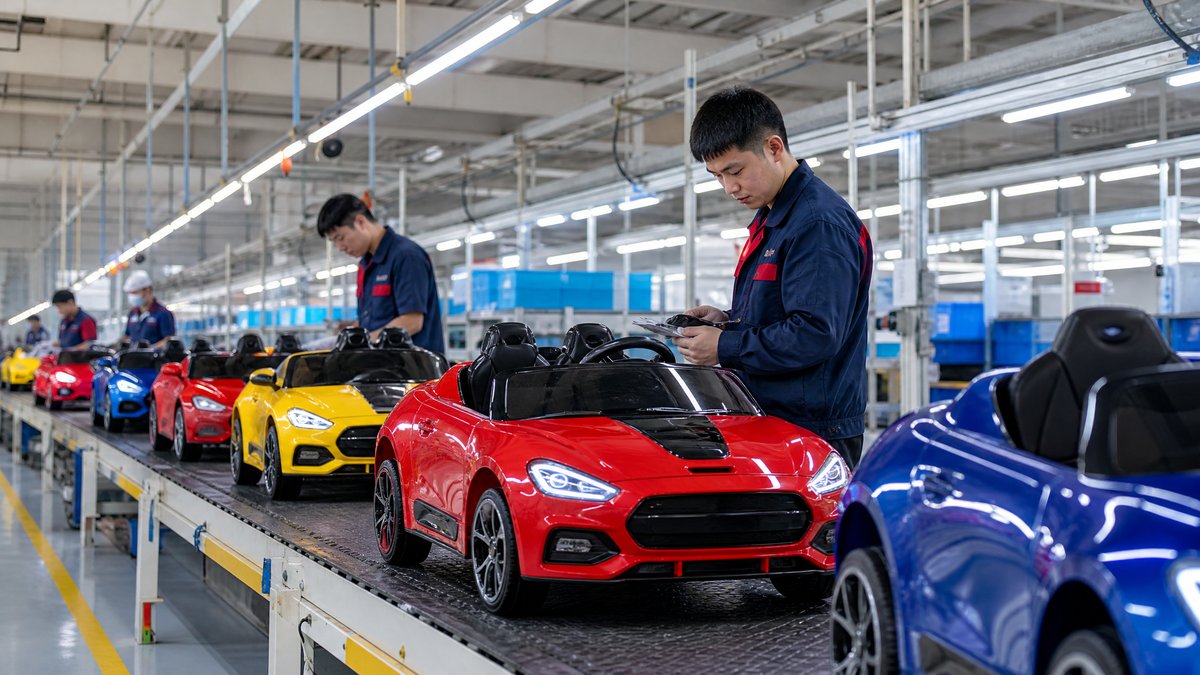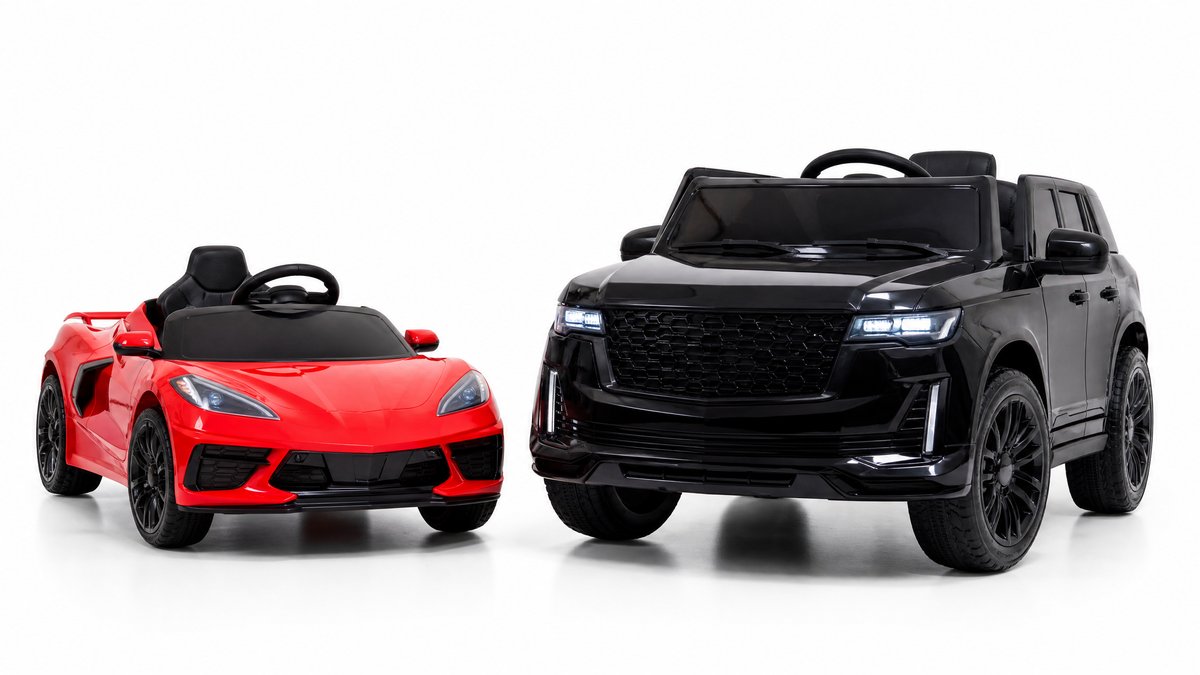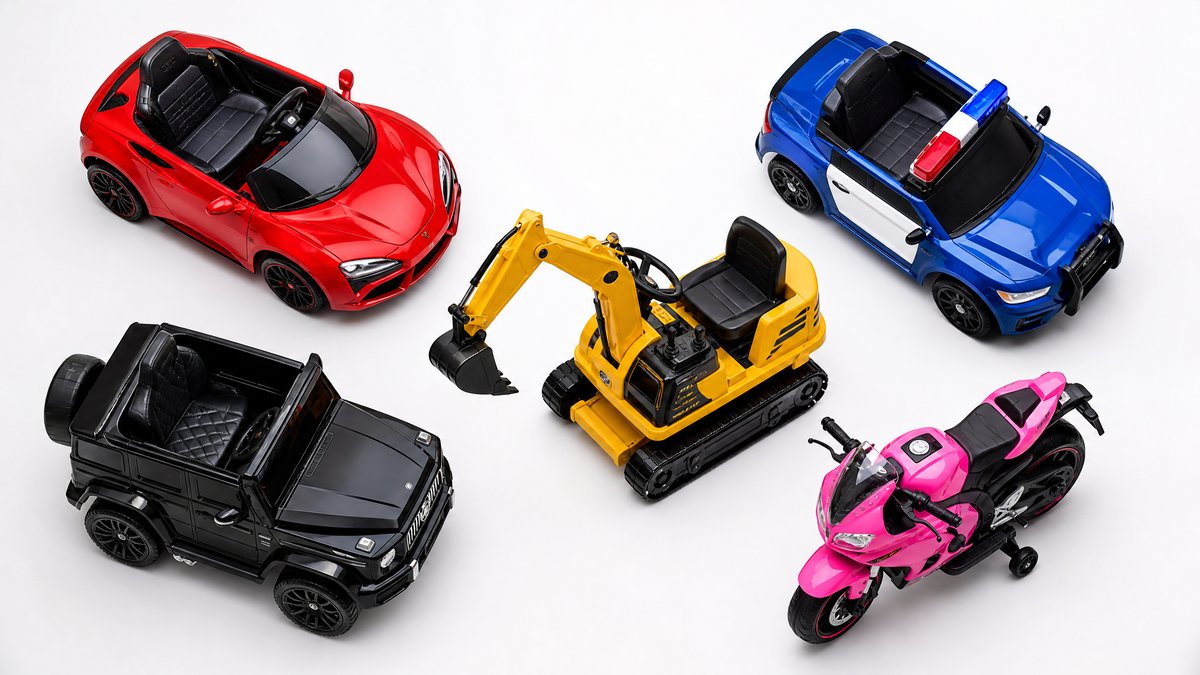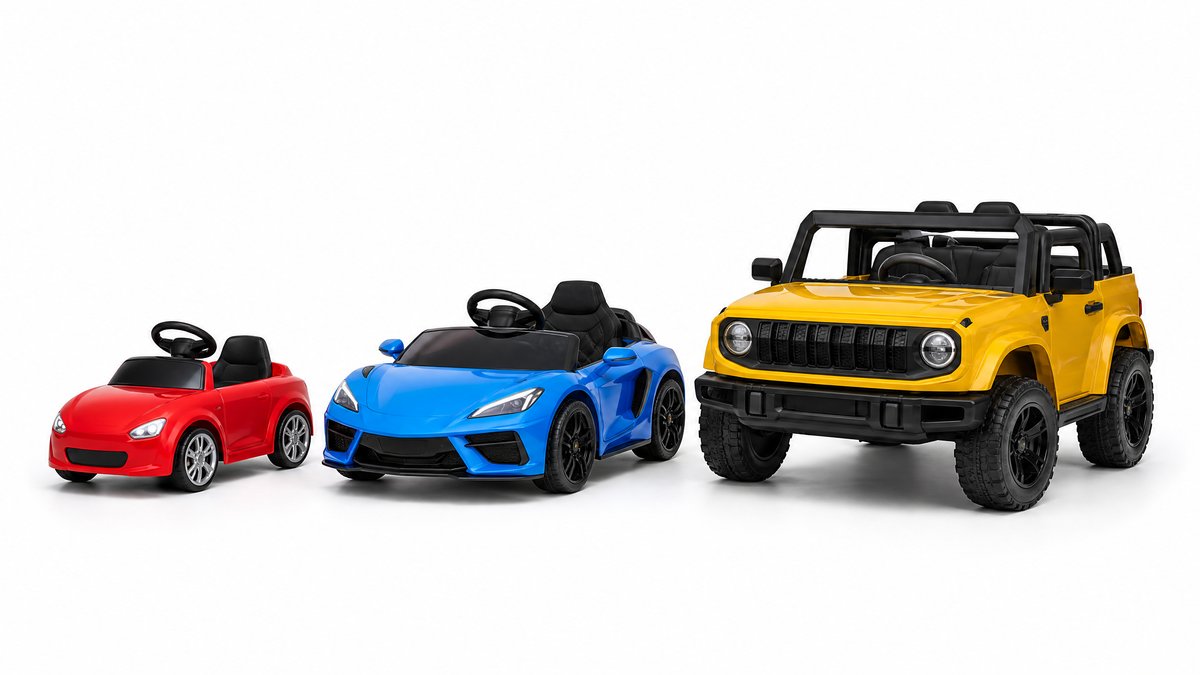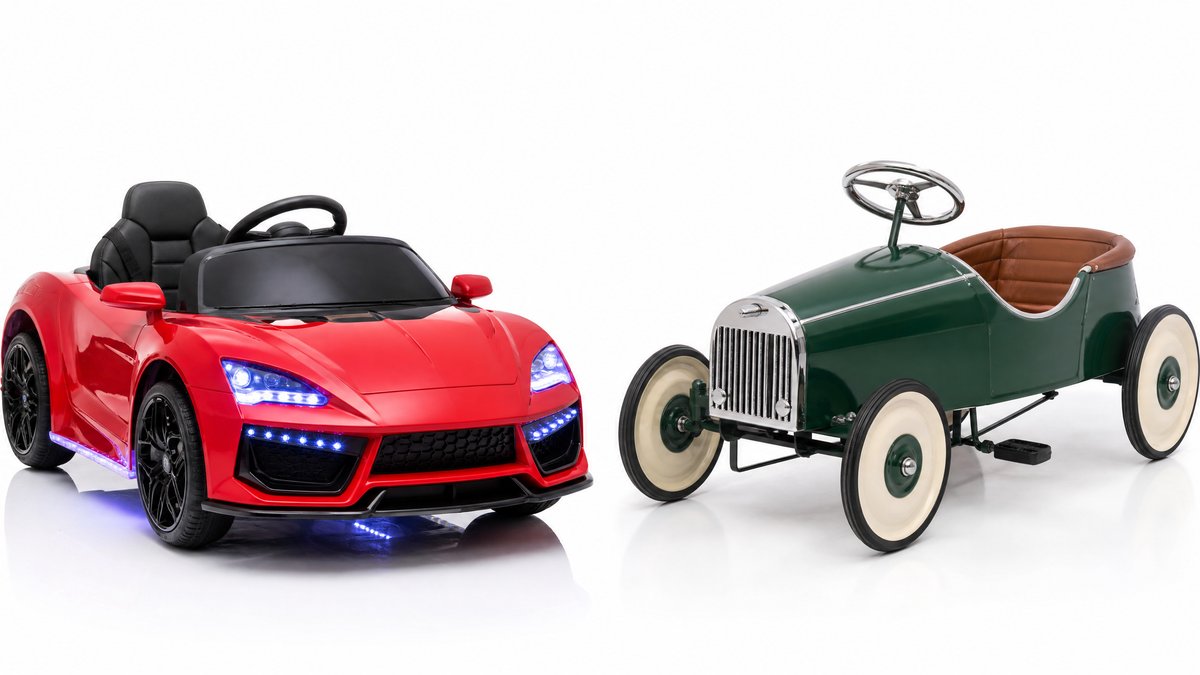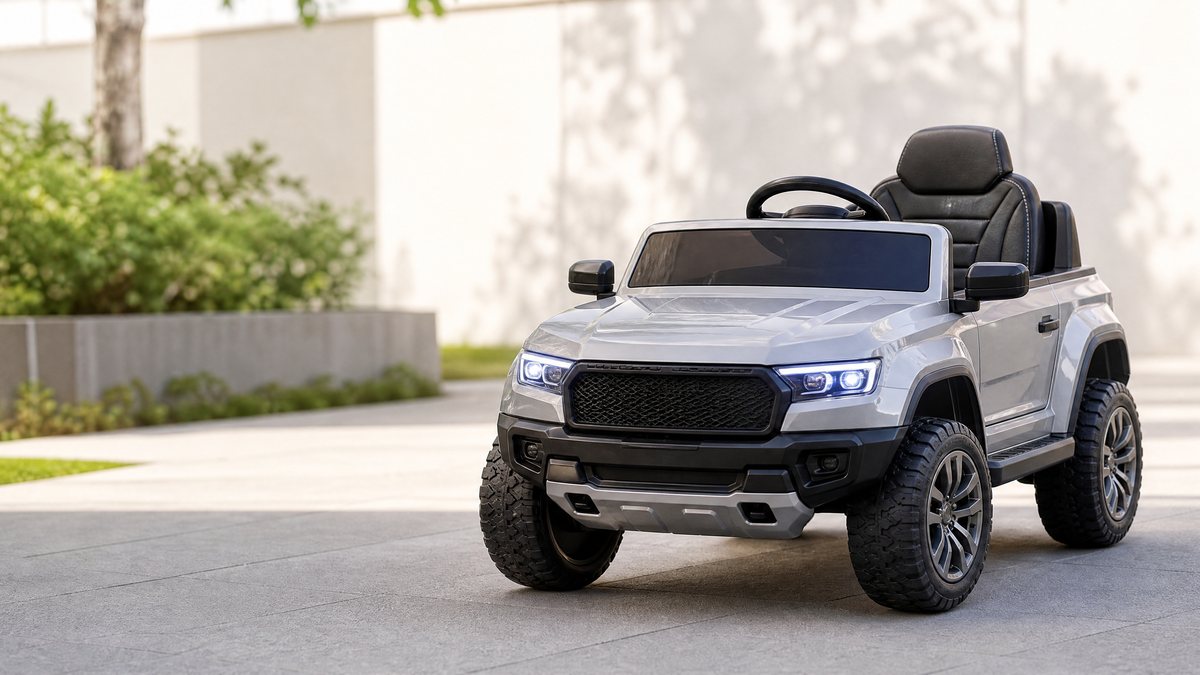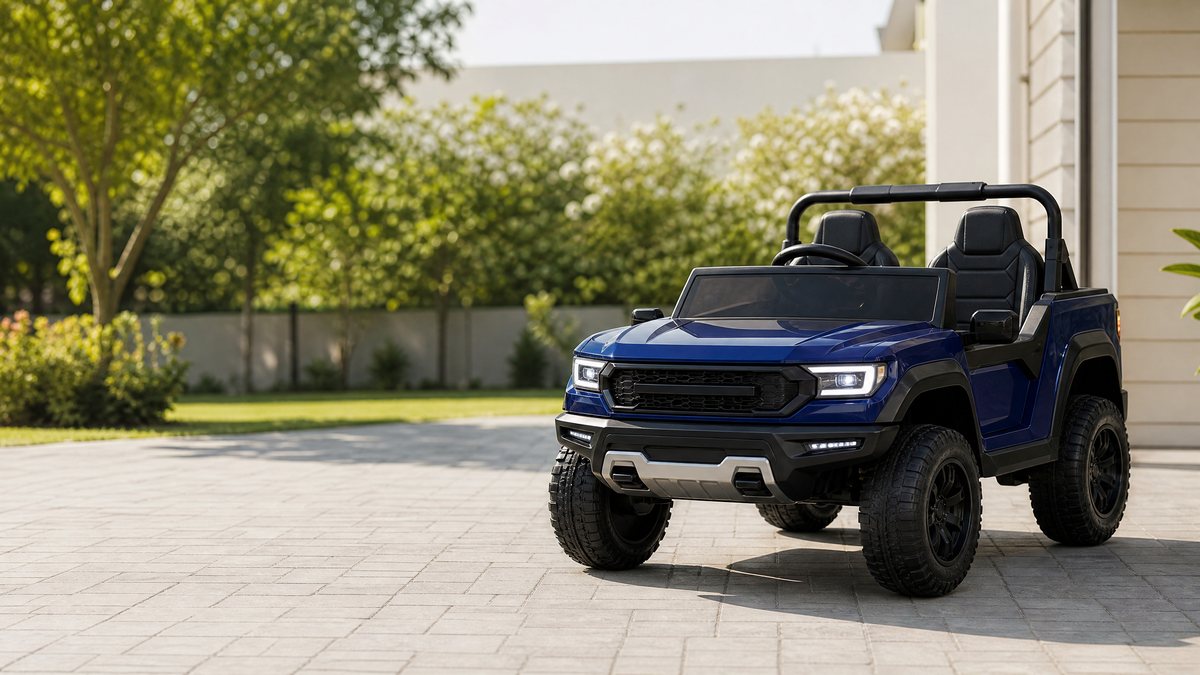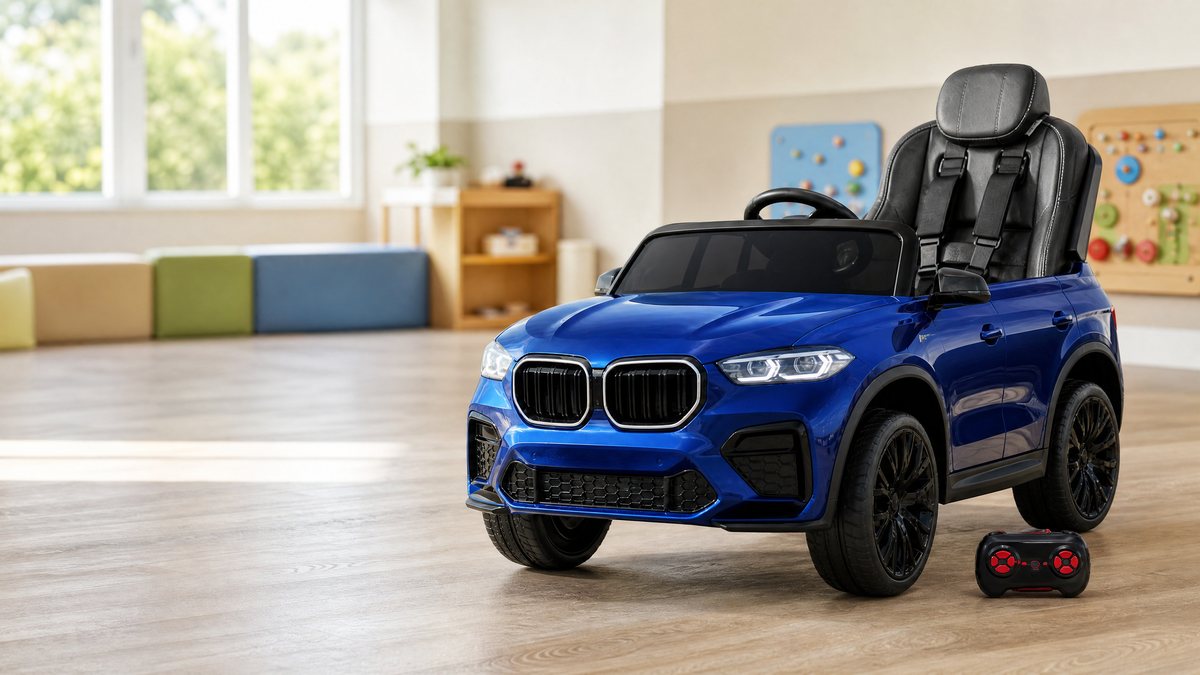
Selecting the appropriate motorized toy vehicle configuration for a four-year-old child involves balancing developmental readiness, physical sizing, terrain conditions, and technical specifications. Within the electric ride-on vehicle market, the distinction between 12-volt (12V) and 24-volt (24V) electrical architectures represents one of the most critical decisions for wholesale distributors, retail buyers, and parents alike. At age four, children exhibit diverse physical coordination, spatial awareness, and motor skill development. Consequently, neither voltage class is universally superior; rather, each serves distinct operational profiles, user competencies, and environmental contexts.
This comprehensive technical and procurement guide provides a structured evaluation framework to assist B2B partners, retail store owners, and discerning consumers in understanding the mechanical and electrical differences between 12V and 24V ride-on cars. By examining electrical architecture, power delivery, physical sizing compatibility, safety compliance, and maintenance protocols, stakeholders can make informed, evidence-based purchasing decisions without relying on generic marketing claims. All operational recommendations and model selections must strictly adhere to the manufacturer's rated nameplate specifications, official user manuals, and written instructions.
Understanding Electrical Architecture: 12V versus 24V Systems
To evaluate whether a 12V or 24V ride-on car is suitable for a four-year-old child, it is essential to examine the fundamental differences in their electrical and mechanical designs. The electrical system of a motorized ride-on car dictates its torque output, continuous operational duration, and overall responsiveness under load.
A standard 12V ride-on vehicle typically utilizes either a single 12V rechargeable battery or dual parallel-configured batteries powering one or two driving motors. These systems are engineered to deliver balanced performance suitable for flat indoor flooring, smooth concrete sidewalks, and gentle outdoor slopes. The power delivery in a 12V configuration is generally calibrated to provide smooth acceleration curves, making it approachable for children transitioning from manual foot-to-floor ride-ons or lower-voltage toddler vehicles.
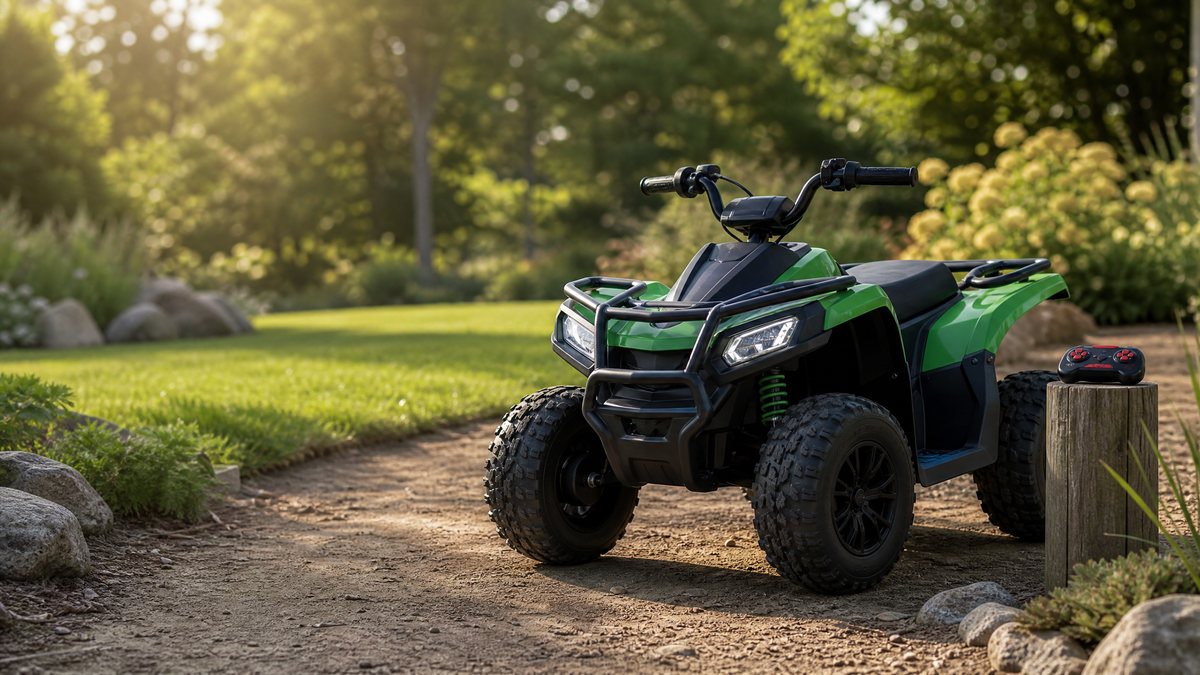
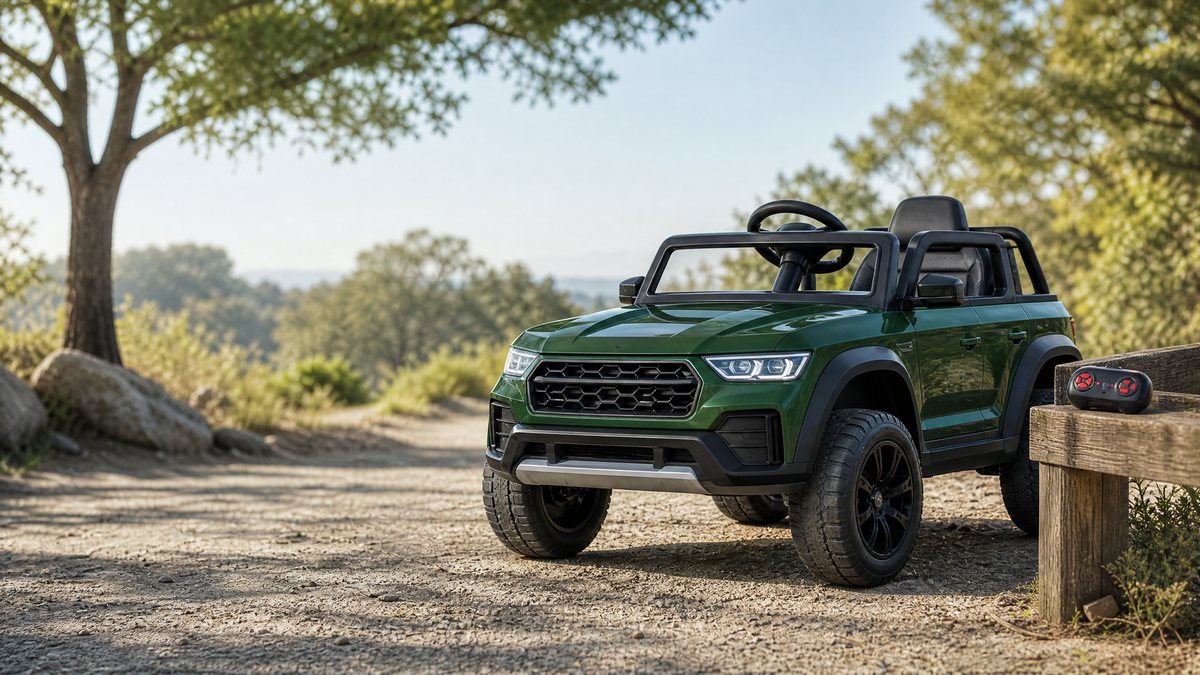
Conversely, a 24V ride-on vehicle employs a higher-capacity electrical architecture, frequently achieved by pairing dual 12V batteries in series or utilizing a dedicated 24V battery pack. This increased voltage drives heavier-duty gearboxes and more robust electric motors designed to generate superior torque. The primary engineering advantage of a 24V system lies in its ability to maintain operational momentum across challenging outdoor terrains, such as uneven gravel, short grass, and moderate inclines, without placing excessive thermal stress on the motor windings. However, higher voltage does not inherently equate to unregulated high speed; modern 24V commercial models incorporate sophisticated electronic control units (ECUs), soft-start modules, and multi-stage speed limiters to maintain controlled operation aligned with child developmental standards.
| Technical Parameter | Standard 12V Ride-On Configuration | Standard 24V Ride-On Configuration |
|---|---|---|
| Nominal Voltage | 12 Volts DC | 24 Volts DC |
| Typical Motor Setup | Dual 12V Drive Motors (or Single Large Motor) | Dual or Quad Heavy-Duty Gearbox Motors |
| Primary Terrain Suitability | Smooth asphalt, indoor flooring, packed dirt | Grass, gravel, inclines, uneven outdoor paths |
| Torque Delivery Profile | Moderate torque optimized for smooth surfaces | High torque optimized for load and resistance |
| Target User Competency | Beginner to intermediate drivers developing coordination | Experienced young drivers with established spatial control |
| Compliance Verification | Rated nameplate inspection & manual guidelines | Rated nameplate inspection & manual guidelines |
Developmental Readiness and Sizing for Four-Year-Old Children
Four years represents a transitional developmental stage in early childhood. Motor skills, bilateral coordination, reaction times, and depth perception vary significantly across this age group. When wholesale buyers evaluate inventory or retailers advise end-users, understanding the intersection between child ergonomics and vehicle voltage is paramount.
A four-year-old child typically possesses sufficient leg length and core stability to operate pedal-activated or steering-wheel-integrated throttle systems. However, psychological readiness and physical stature dictate whether a 12V or 24V platform is appropriate.
For children who are new to motorized toys, smaller in stature, or developing confidence in steering and braking coordination, a well-proportioned 12V vehicle offers a predictable operating environment. The lighter chassis weight and moderated acceleration profiles allow young drivers to master steering geometry and pedal response without feeling overwhelmed.
On the other hand, larger four-year-old children, or those residing in rural or suburban environments with expansive outdoor terrain, may find that a 12V vehicle struggles with rolling resistance on natural grass or inclines. In such scenarios, a 24V vehicle—when operated under strict adult supervision and configured with appropriate speed restrictions—provides the necessary mechanical advantage to prevent motor stalling and premature battery discharge. Wholesalers and retailers should encourage end-users to consult the manufacturer's specific age, weight, and height guidelines for each model rather than assuming age four automatically dictates a specific voltage tier.
Battery Chemistry, Power Management, and Thermal Protection
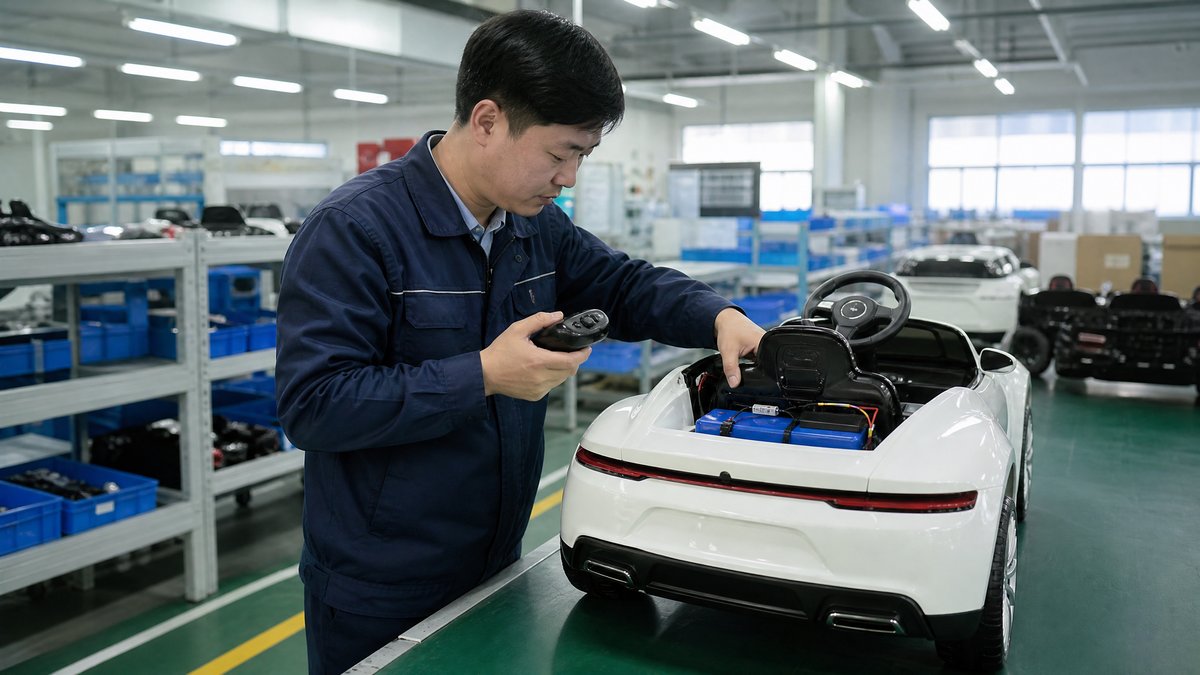
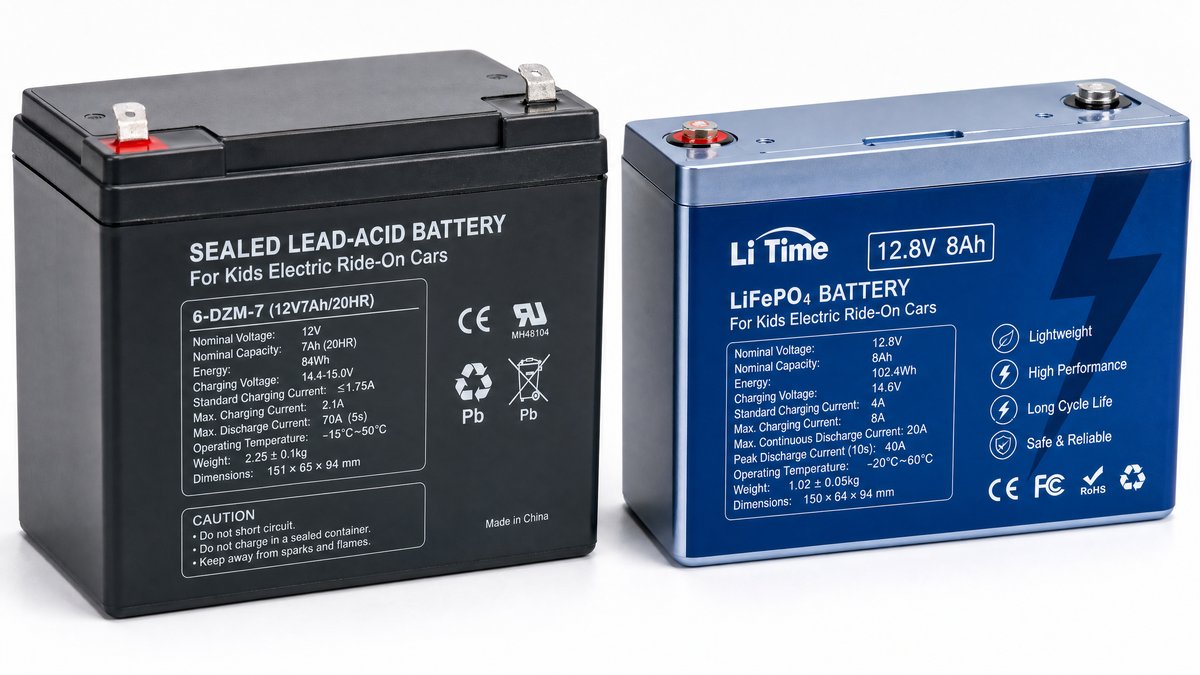
An often-overlooked aspect in retail and wholesale evaluation is the underlying battery chemistry and power management system integrated into ride-on vehicles. Both 12V and 24V configurations predominantly rely on sealed lead-acid (SLA) batteries or, in select premium models, advanced lithium-iron-phosphate (LiFePO4) power packs.
Understanding battery discharge rates and thermal protection mechanisms is essential for longevity and safety. A 24V system draws lower amperage than a 12V system under equivalent mechanical loads, which can reduce thermal stress on the wiring harness and switch contacts during uphill travel. However, higher voltage systems demand rigorous adherence to charging specifications. Utilizing mismatched chargers or exceeding recommended charging durations can result in sulfation, plate warping, or thermal runaway in lead-acid cells.
Retailers should inform consumers that battery lifespan is directly correlated with charging discipline, storage temperatures, and avoiding deep discharge cycles. Manufacturers equip modern ride-on vehicles with automatic thermal reset fuses that trip when motor current draw exceeds safe operational thresholds due to obstruction or overload. When a fuse trips, the vehicle will temporarily lose power—a built-in protective feature that prevents motor burnout. Operators must allow the system to cool and consult the manual rather than bypassing the fuse.
B2B Inventory Planning and Market Demand Analysis
For wholesale distributors and retail merchants, stocking decisions regarding 12V and 24V ride-on cars must be guided by regional consumer demographics, terrain prevalences, and seasonal demand cycles. Market analytics consistently indicate that 12V models represent the highest-volume entry tier due to their broad compatibility with urban and suburban residential environments. Conversely, 24V models command a growing premium segment driven by consumer demand for enhanced outdoor durability, multi-terrain capability, and dual-occupant seating capacity.
Wholesale buyers should maintain a balanced inventory mix that accounts for diverse buyer preferences. Retail showrooms benefit from clearly merchandising the operational differences between voltage tiers, enabling parents to select models that match their child's physical dimensions and local riding environment. Furthermore, B2B partners must ensure that all supplied documentation, marketing collateral, and user manuals emphasize compliance with safety standards and proper operational oversight. To discuss wholesale terms and inventory allocations, please Request a wholesale quote.
Evaluating Features, Ergonomics, and Accessory Integration
Modern ride-on cars are equipped with an array of technological and comfort features, including LED lighting arrays, digital dashboard displays, multimedia audio systems with Bluetooth connectivity, EVA foam rubber tires, and independent suspension systems. When assessing these features for four-year-old drivers, buyers must differentiate between cosmetic novelties and functional safety enhancements.
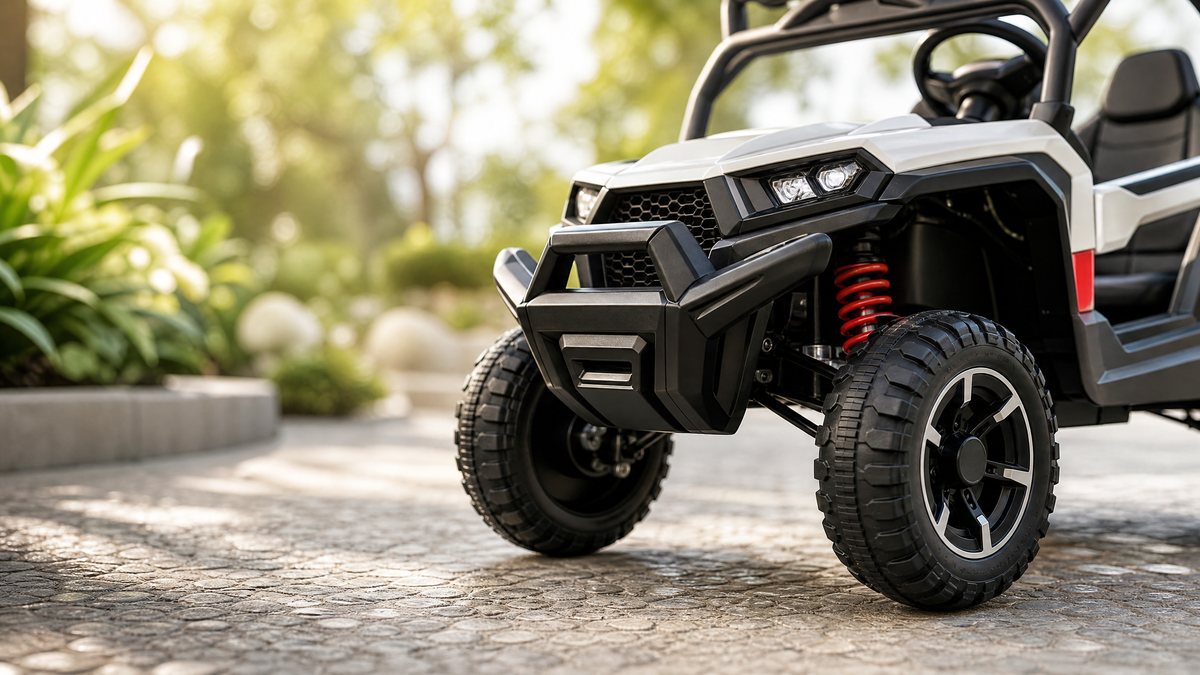
For instance, EVA (ethylene-vinyl acetate) foam tires offer superior traction and noise reduction compared to hard plastic wheels, improving grip across varying outdoor surfaces. Suspension systems absorb shocks from uneven terrain, protecting the chassis and providing a smoother ride for the child. Soft-start electronic modules prevent abrupt jerking upon initial throttle engagement, ensuring a gradual acceleration curve that is particularly beneficial for younger or more hesitant drivers.
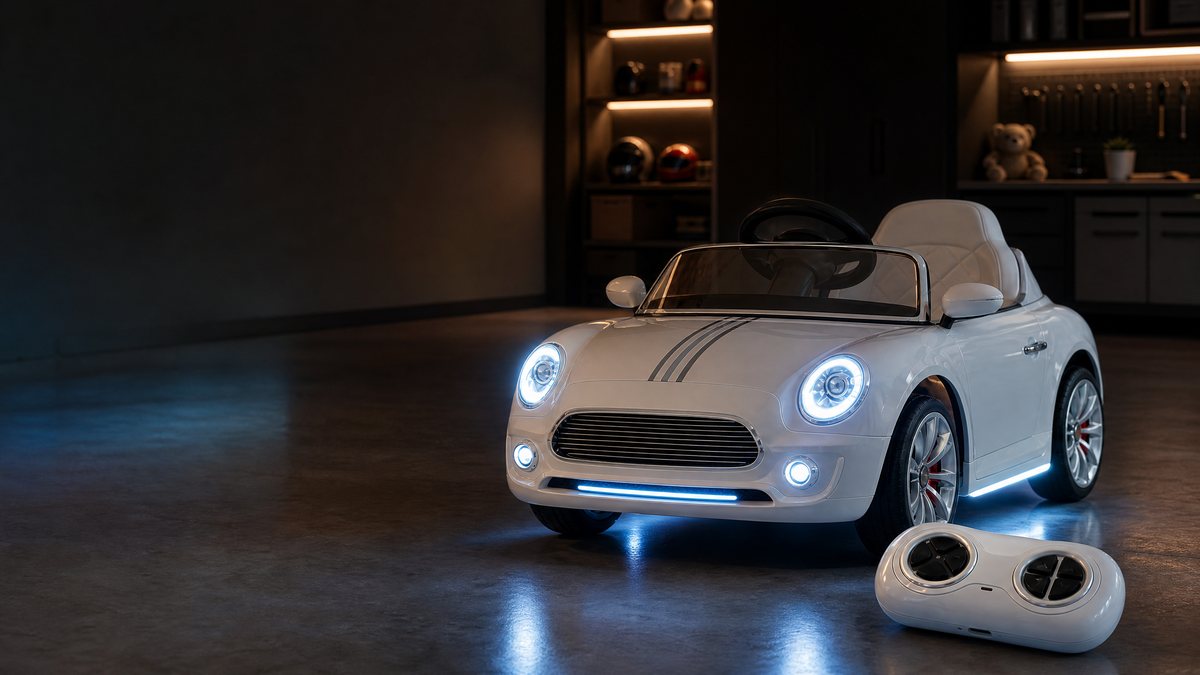
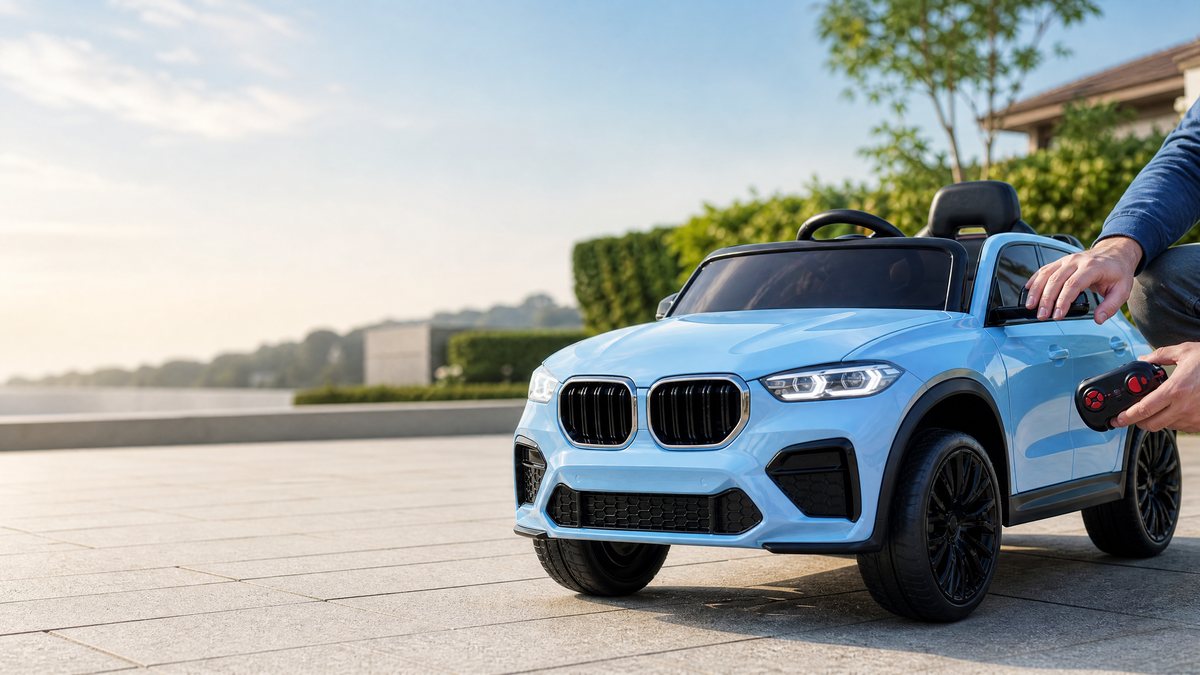
If equipped on that specific model, parental remote controls allow supervisors to override steering and braking inputs, providing an essential layer of safety. Wholesalers and retailers should verify that all electronic accessories comply with electromagnetic compatibility (EMC) standards and operate within safe low-voltage thresholds.
Safety Compliance, Supervision, and Operational Protocols
Regardless of whether a 12V or 24V ride-on car is selected, safety remains the foundational pillar of responsible distribution and operation. Motorized toys introduce kinetic energy that requires rigorous adherence to safety protocols.
Adult supervision is mandatory at all times during the operation of any ride-on vehicle. Caregivers must remain within immediate physical proximity and maintain direct visual contact, utilizing parental remote control overrides to manage speed and directional trajectory when necessary.
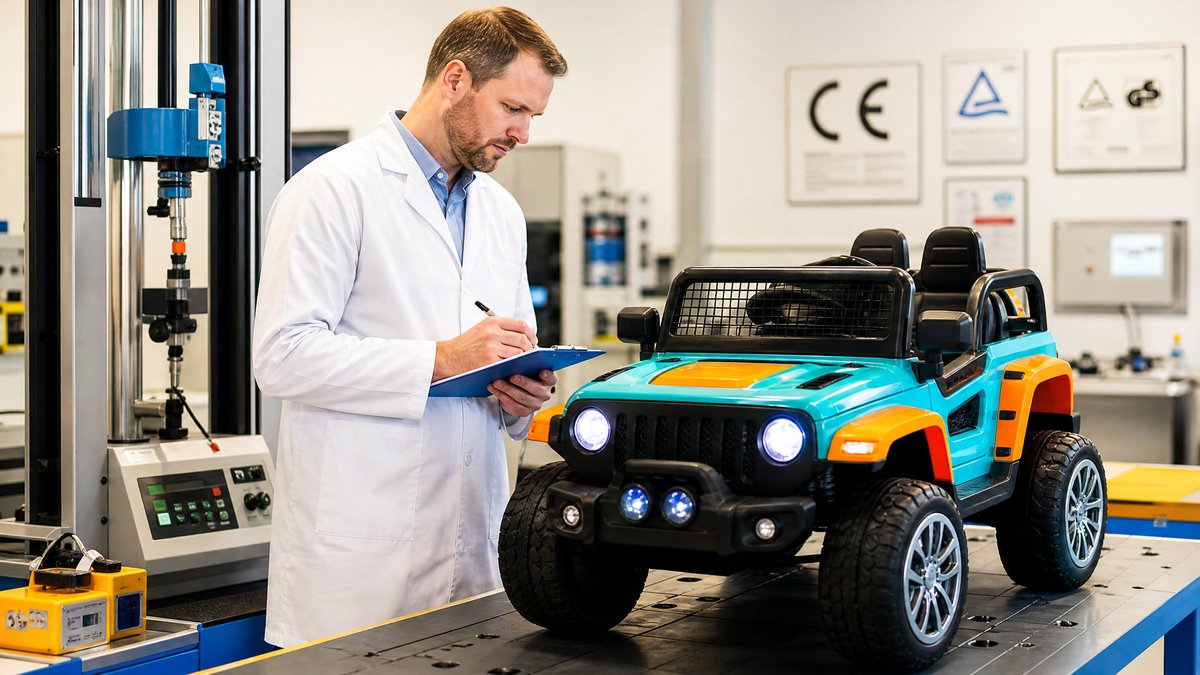
End-users and operators must strictly follow all instructions provided in the manufacturer's user manual. It is strictly prohibited to attempt unauthorized modifications, including bypassing thermal fuses, altering internal wiring harnesses, modifying motor controllers, or substituting unapproved higher-capacity batteries. Such alterations invalidate electrical safety certifications, create severe thermal and electrical hazards, and risk component failure.
Furthermore, operators must adhere to strict environmental boundaries. Ride-on cars must never be operated near public roadways, swimming pools, steep embankments, steps, or high-traffic pedestrian zones. Weather conditions also dictate safe usage: vehicles must not be driven through standing water, heavy rain, mud, or snow, as moisture ingress can compromise electrical connections, switches, and motor housings.
Maintenance, Troubleshooting, and Anomaly Response
Ensuring the longevity and safe operation of ride-on cars requires systematic maintenance and adherence to standardized troubleshooting procedures. Both 12V and 24V systems rely on rechargeable battery technologies that demand proper handling and periodic inspection.
Battery maintenance begins with correct charging protocols. Chargers must match the exact voltage and amperage specifications mandated by the manufacturer. Overcharging or utilizing third-party universal chargers can damage battery cells and lead to thermal hazards. Batteries should be charged in well-ventilated areas away from direct sunlight and flammable materials. When vehicles are placed in seasonal storage, batteries must be maintained at partial charge and disconnected to prevent deep discharge degradation.
Operators and maintenance personnel must remain vigilant for operational anomalies. In the event of unusual burning odors, visible smoke, excessive component heat, battery leakage, water immersion, exposed electrical wiring, damaged charging ports, erratic braking behavior, or persistent mechanical failure, the vehicle must be shut down immediately. Disconnect the power source, keep children away from the equipment, and cease all use and charging. Contact the manufacturer or a qualified service technician for inspection and repair. Under no circumstances should unqualified personnel attempt internal electronic repairs or voltage measurements.
Frequently Asked Questions (FAQs)
1. Is a 24V ride-on car too fast for a four-year-old child?
Vehicle velocity is determined by the motor gearing, controller programming, and manufacturer design rather than voltage alone. Many commercial 24V models feature multi-stage speed limiters and parental remote controls that allow supervisors to restrict maximum speed. However, four-year-old drivers with limited steering experience should be evaluated individually against the manufacturer's recommendations.
2. Can I upgrade a 12V ride-on car to a 24V battery system?
No. Upgrading electrical systems by installing higher-voltage batteries or unapproved motors compromises the wiring harness, switches, gearboxes, and thermal protection fuses. Such modifications void warranties, create electrical fire risks, and violate safety design standards. Always purchase a factory-engineered 24V model if higher power is required.
3. What terrain differences exist between 12V and 24V models?
Standard 12V models excel on flat indoor flooring, smooth asphalt, and paved driveways. 24V models are engineered with higher torque outputs to navigate challenging outdoor environments such as short grass, packed gravel, and moderate gentle slopes without stalling or overheating the drive motors.
4. How should ride-on cars be stored during winter months?
Vehicles should be stored in a dry, temperature-controlled environment protected from extreme cold and humidity. Batteries must be fully charged prior to storage, disconnected from the wiring harness, and recharged periodically according to the manufacturer's maintenance schedule to prevent permanent cell sulfation.
Conclusion
Choosing between a 12V and 24V ride-on car for a four-year-old child requires a balanced assessment of technical specifications, child developmental readiness, and operational environments. While 12V systems offer balanced performance and controlled handling for standard paved surfaces, 24V configurations provide the necessary torque for demanding outdoor terrains. Wholesale distributors, retail partners, and consumers must prioritize safety compliance, strict adherence to manufacturer manuals, and mandatory adult supervision above all other considerations.
For further details regarding bulk purchasing, technical documentation, and certified product availability, please Request a wholesale quote.
Official References
1. United States Consumer Product Safety Commission (CPSC): General Toy Safety Education Guidelines and Electrical Safety Standards for Motorized Ride-On Toys. (Note: CPSC educational materials provide general safety awareness and do not replace specific vehicle operating manuals, technical nameplates, or manufacturer certifications).
2. International Electrotechnical Commission (IEC): Safety of Electric Toys — Part 1: General Requirements (IEC 62115 compliance frameworks for motorized play equipment).
3. Manufacturer Technical Specifications & User Manual Documentation: Primary operational parameters, rated nameplate data, and battery charging guidelines supplied with individual certified vehicle models.
Official references
Explore these external resources for current regulatory and trade guidance. Confirm requirements with the relevant authority before placing an order.
Ready to Start?
Factory-Direct · CE & ASTM Certified · MOQ from 50 Units
Our export team works with buyers in 60+ countries. Get a quote within 24 hours.
KR
Written by KidsRideCar
China's leading kids electric ride-on car manufacturer. 500,000+ units shipped annually to 60+ countries. CE, ASTM & EN71 certified.