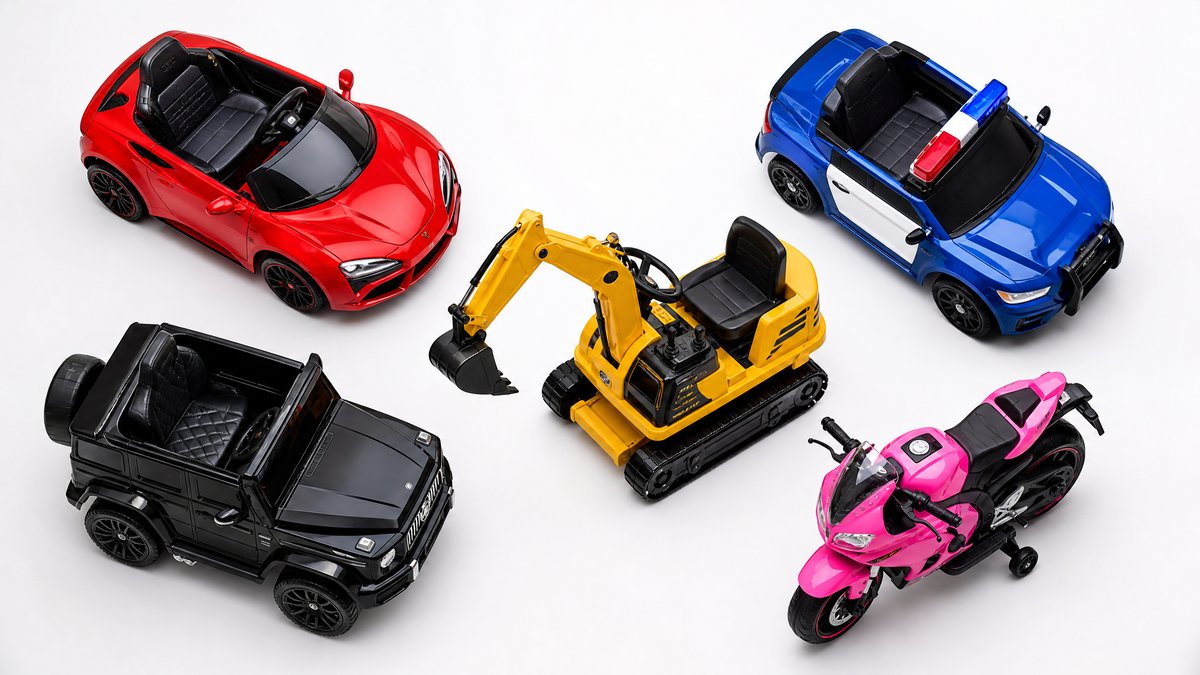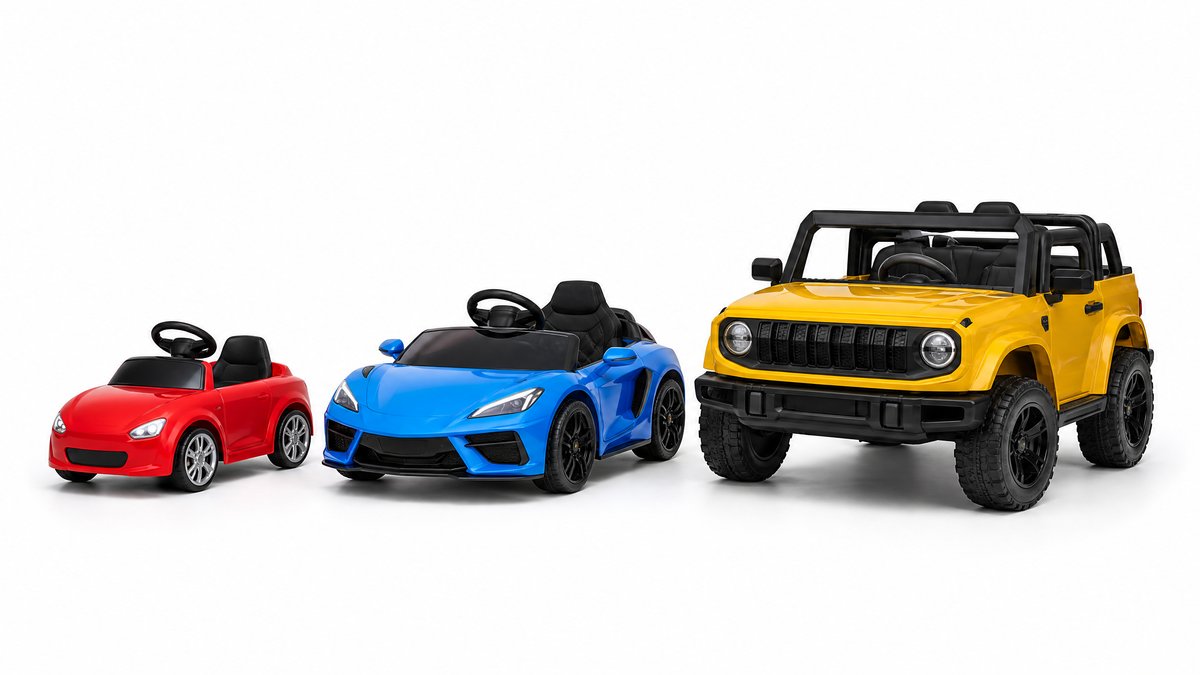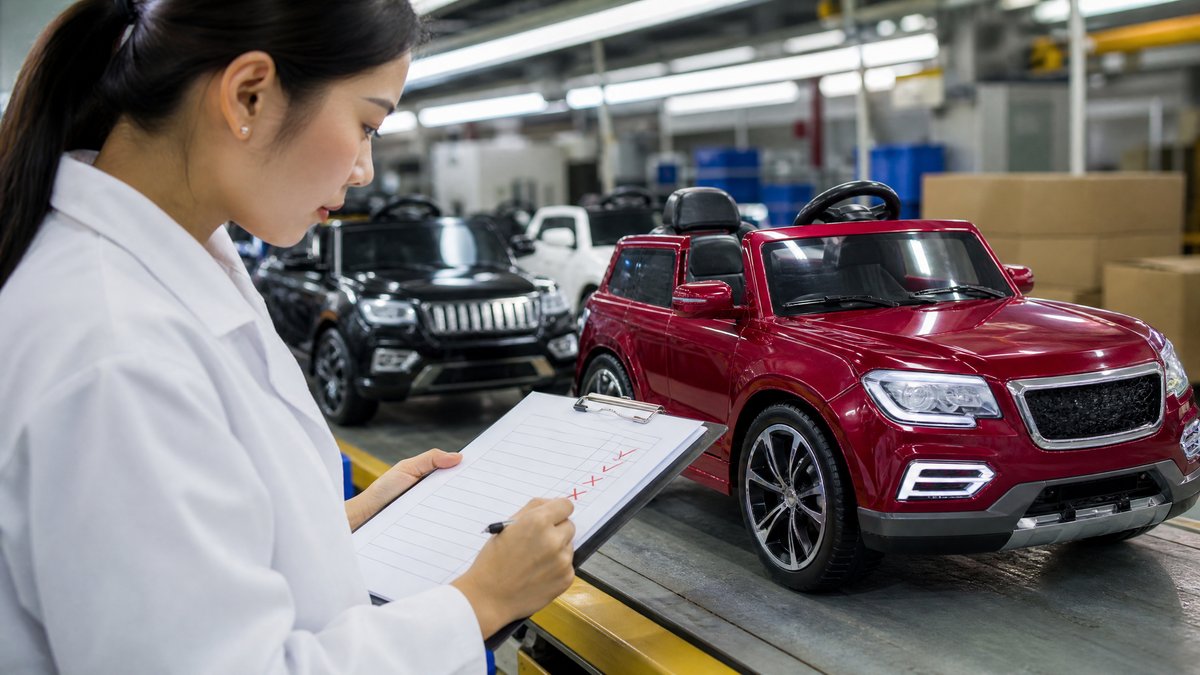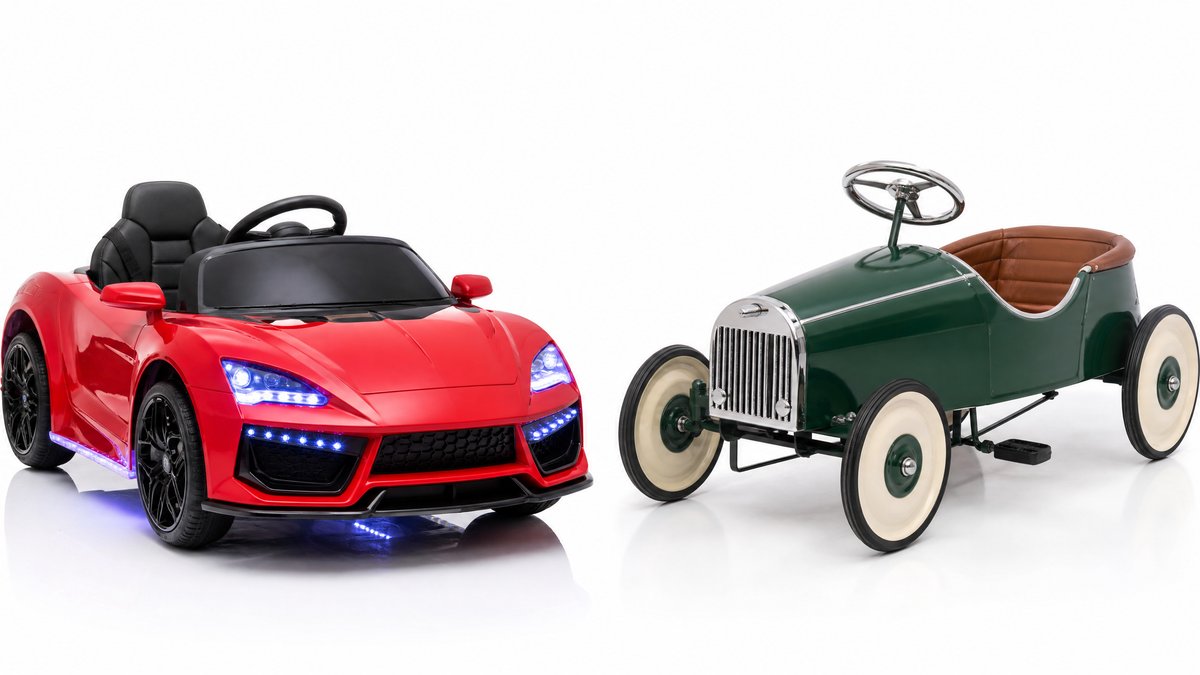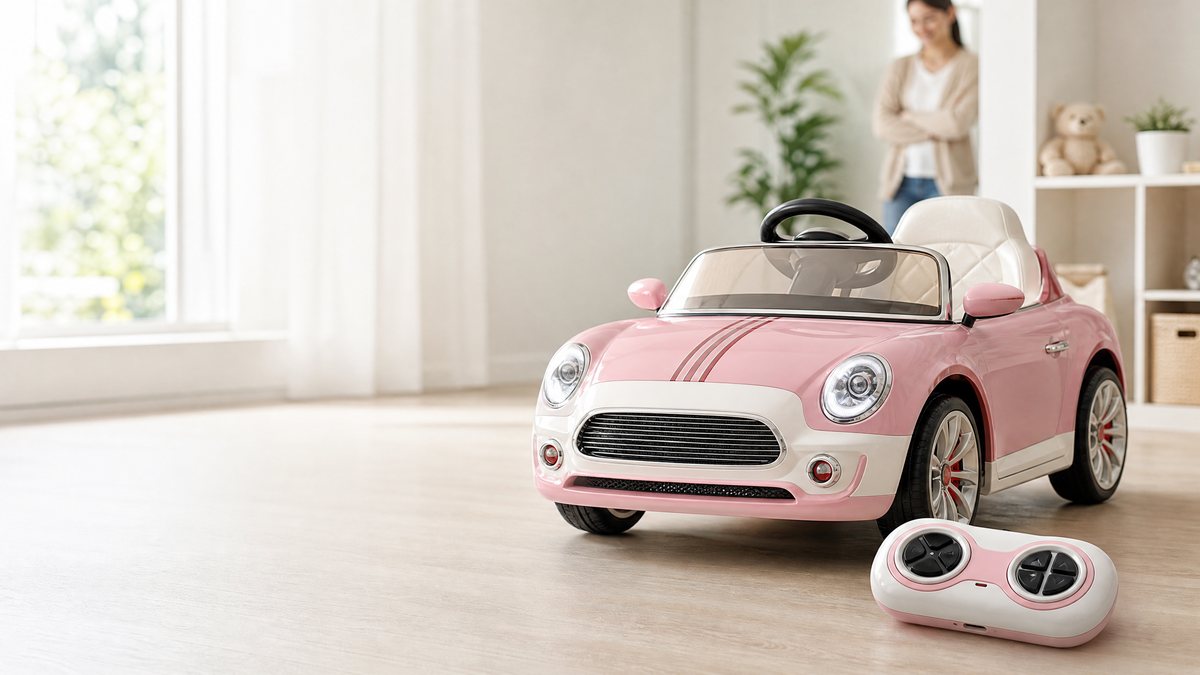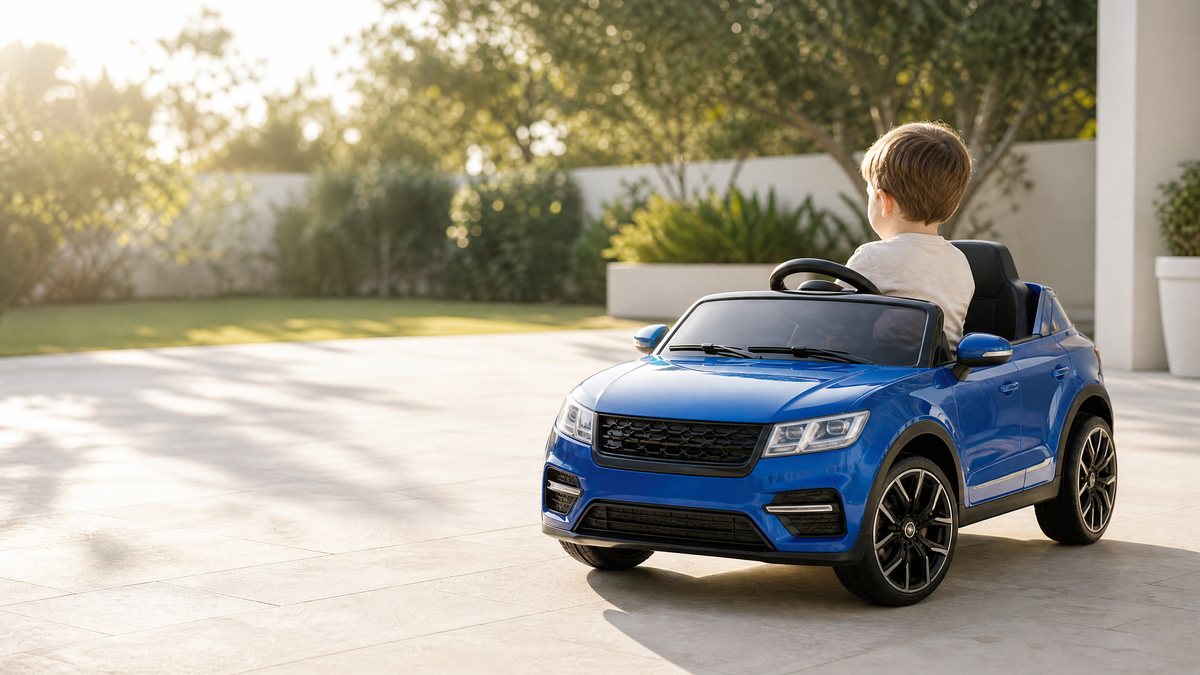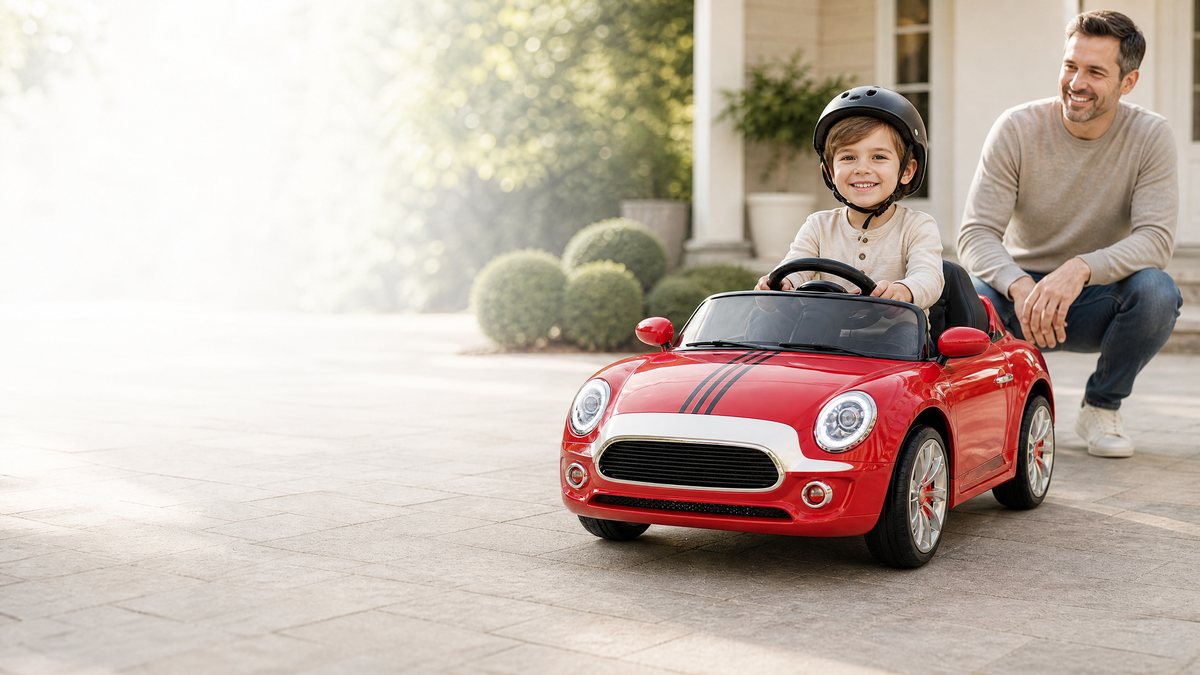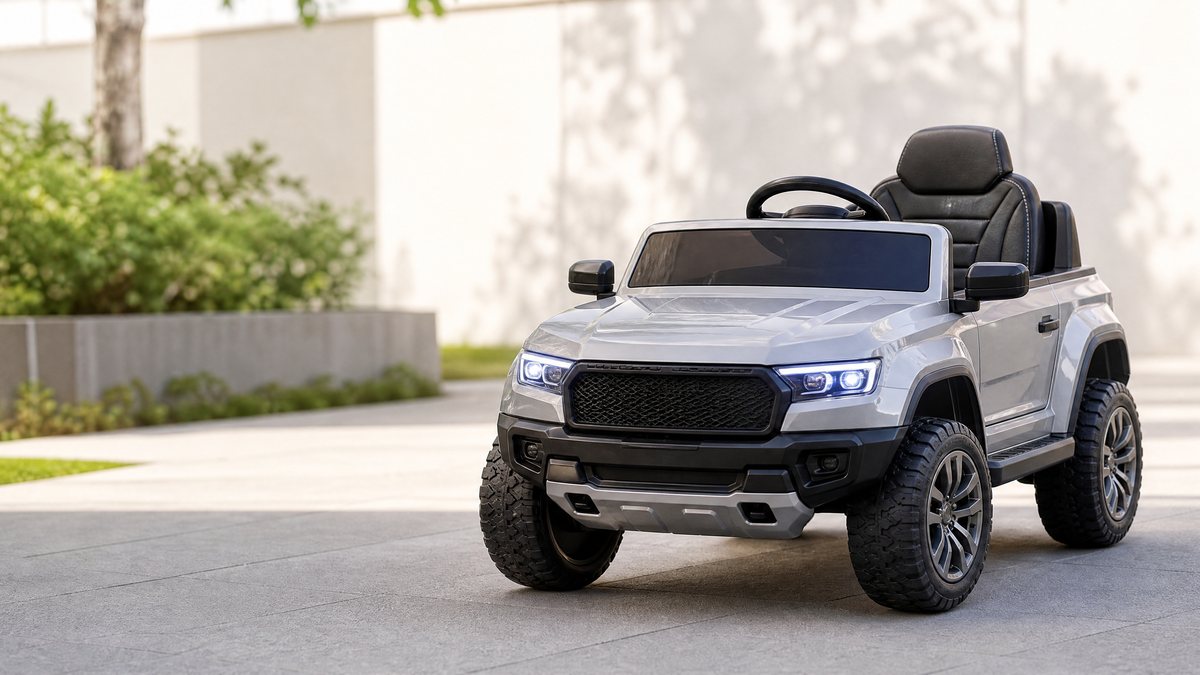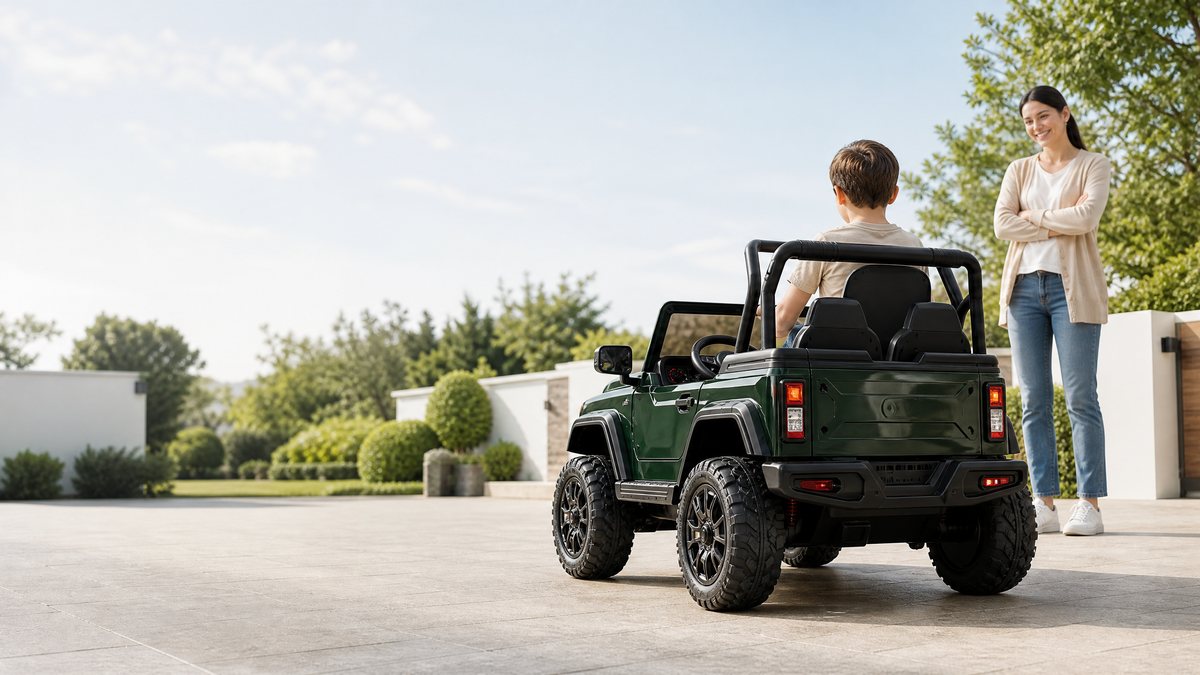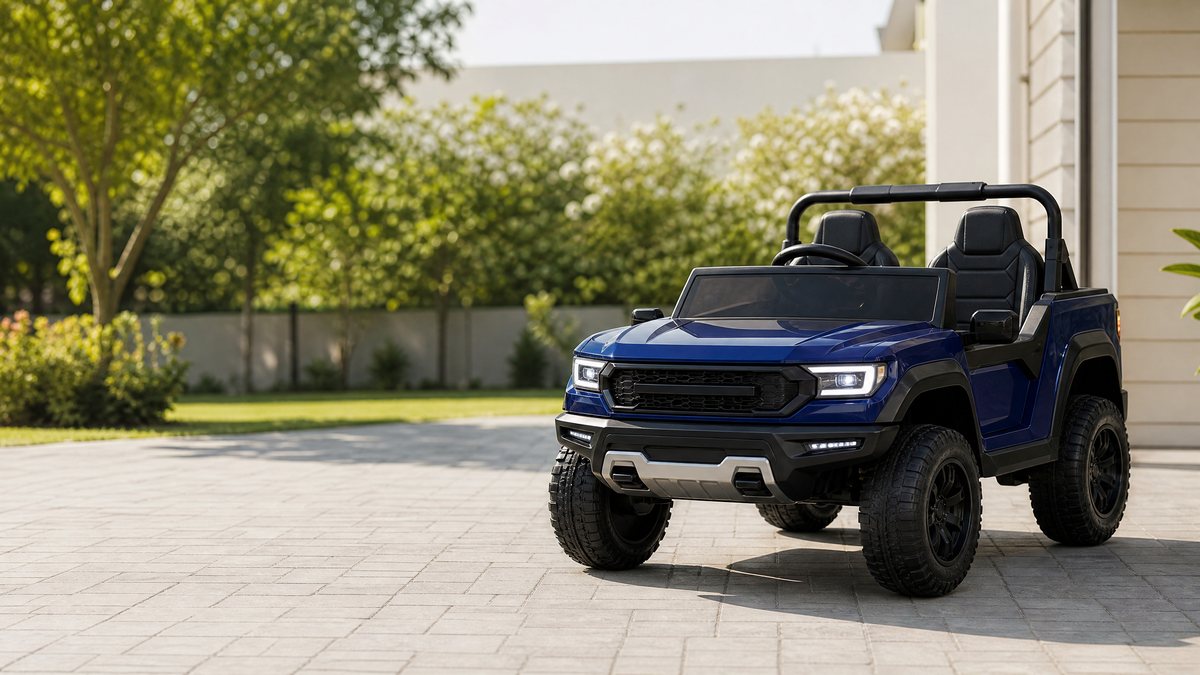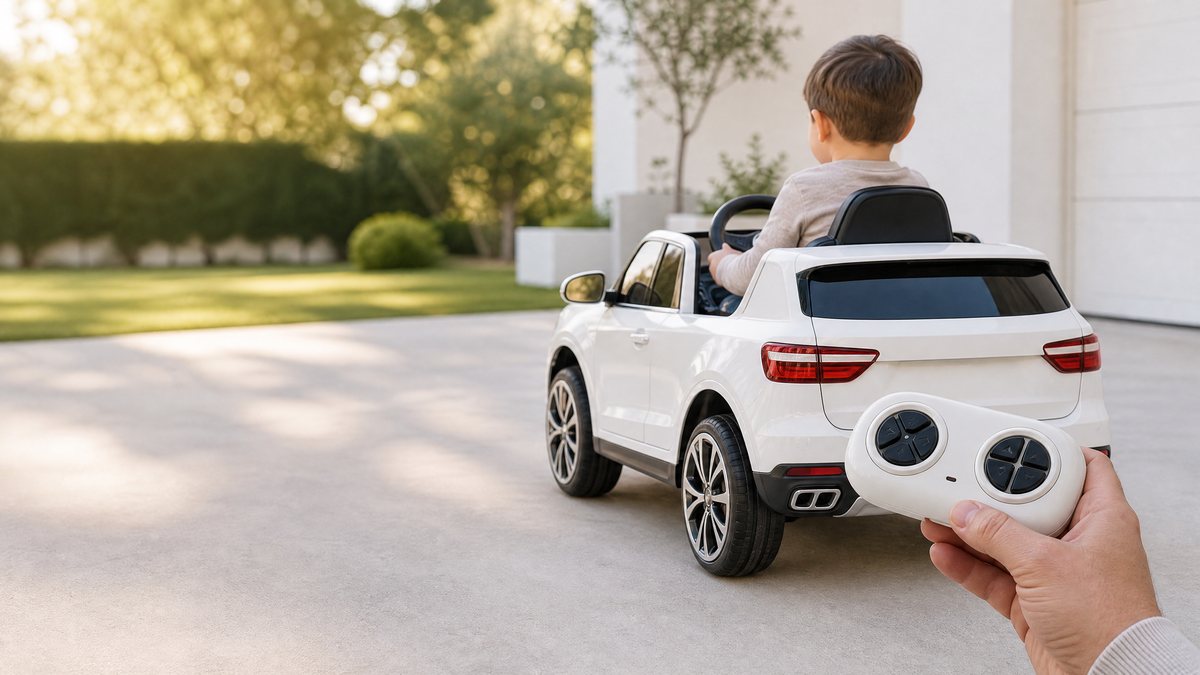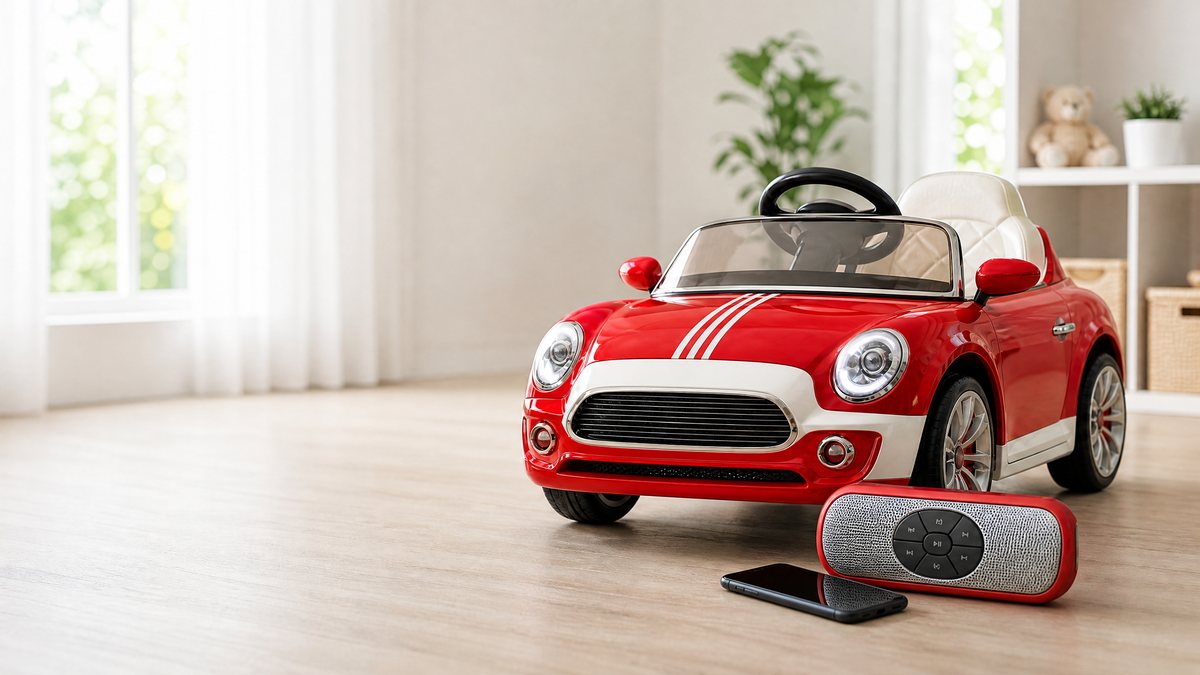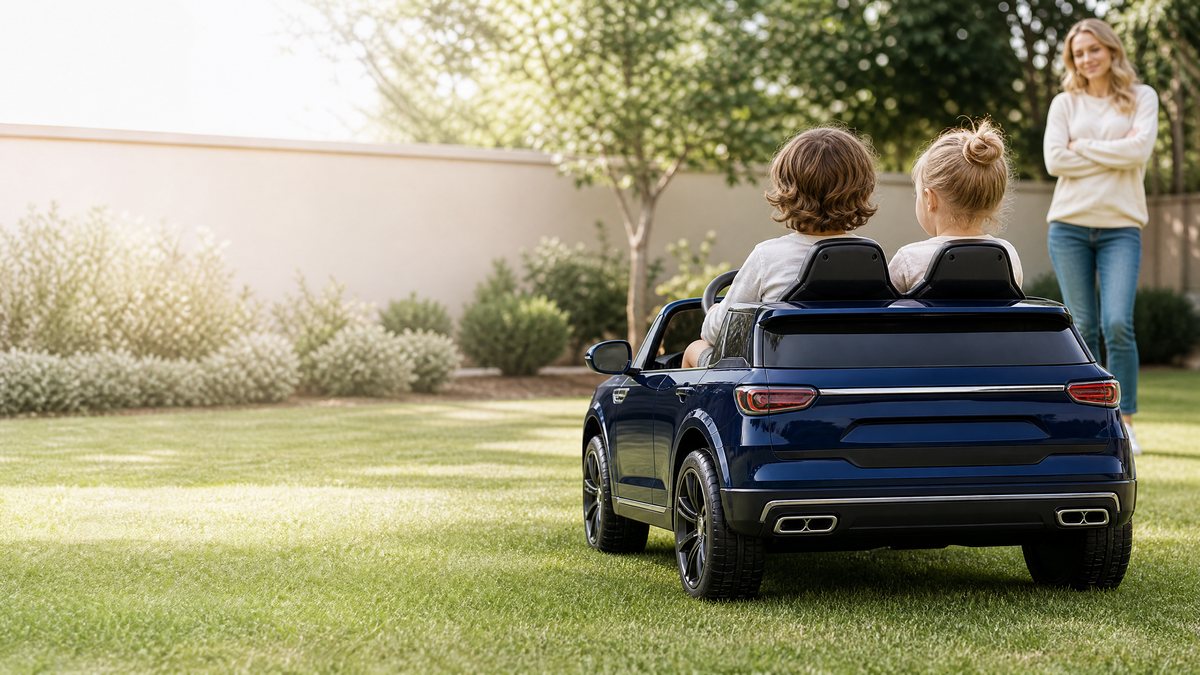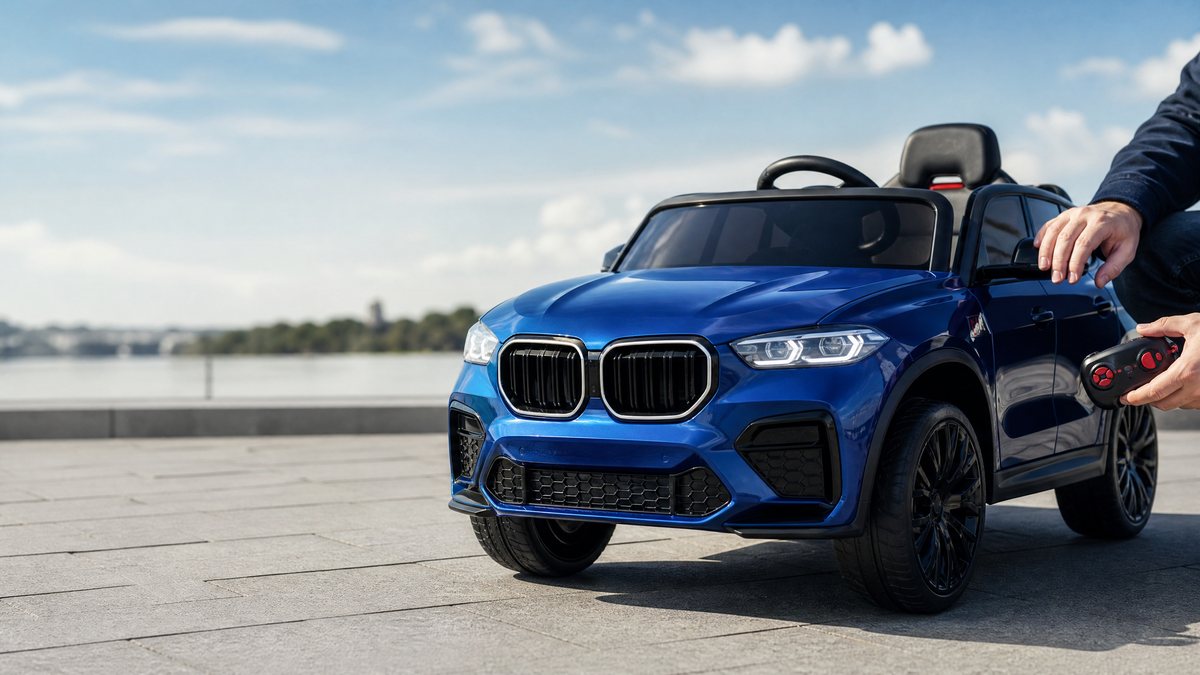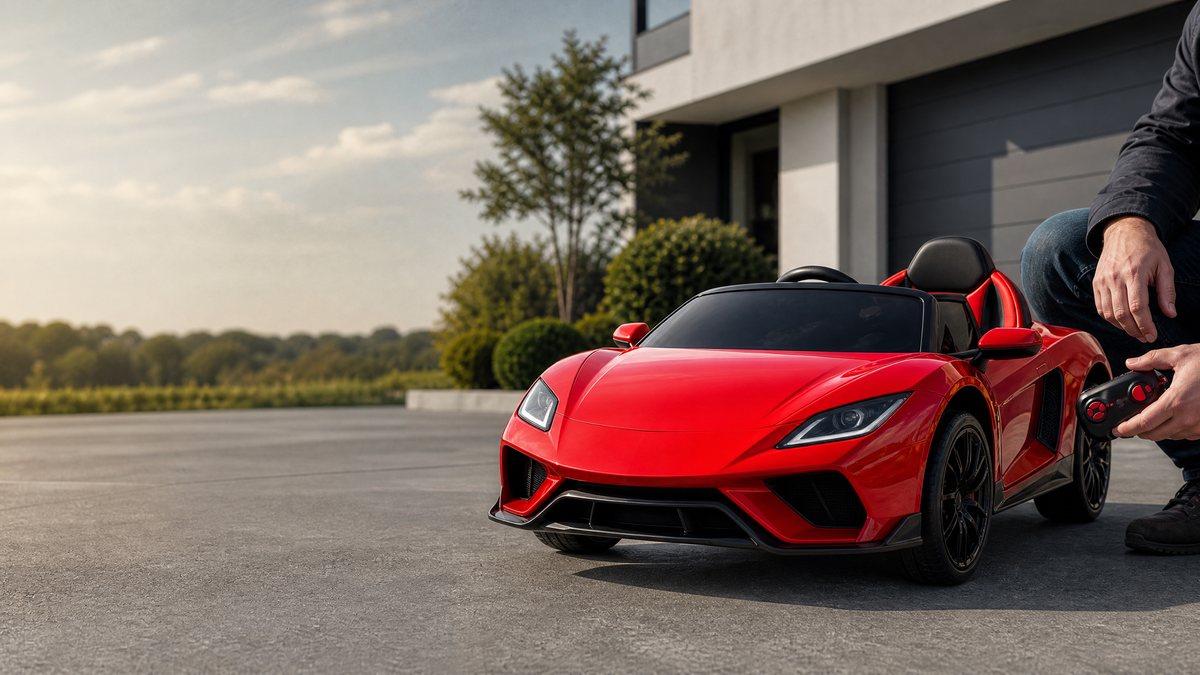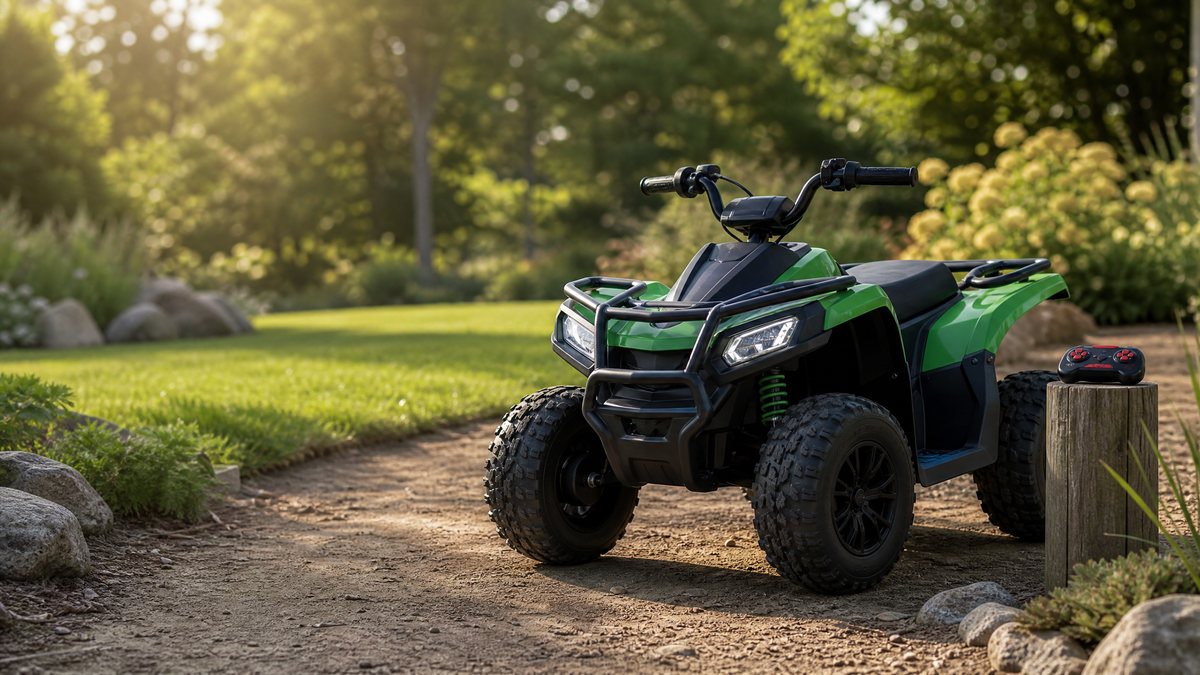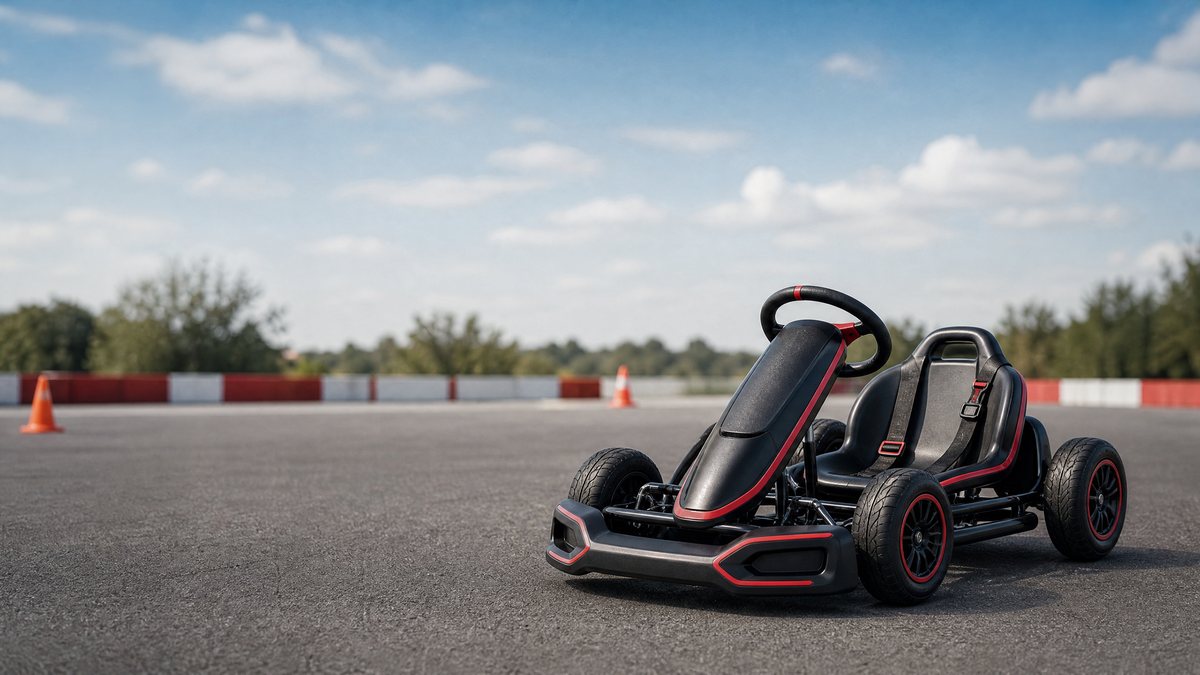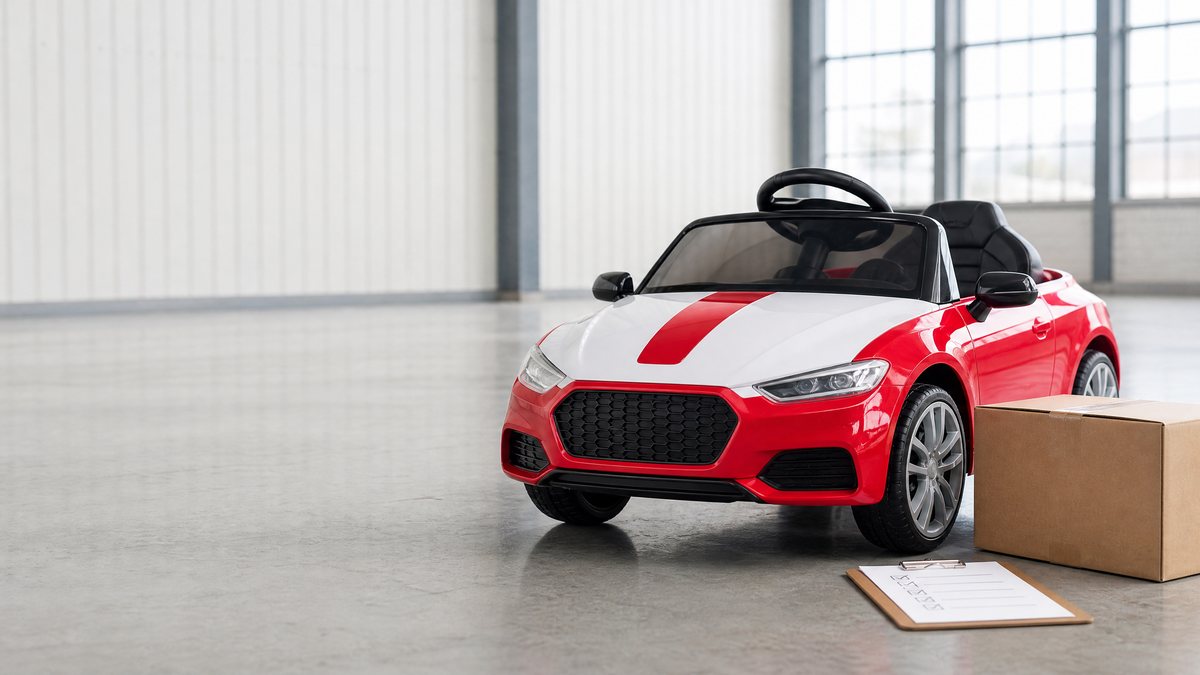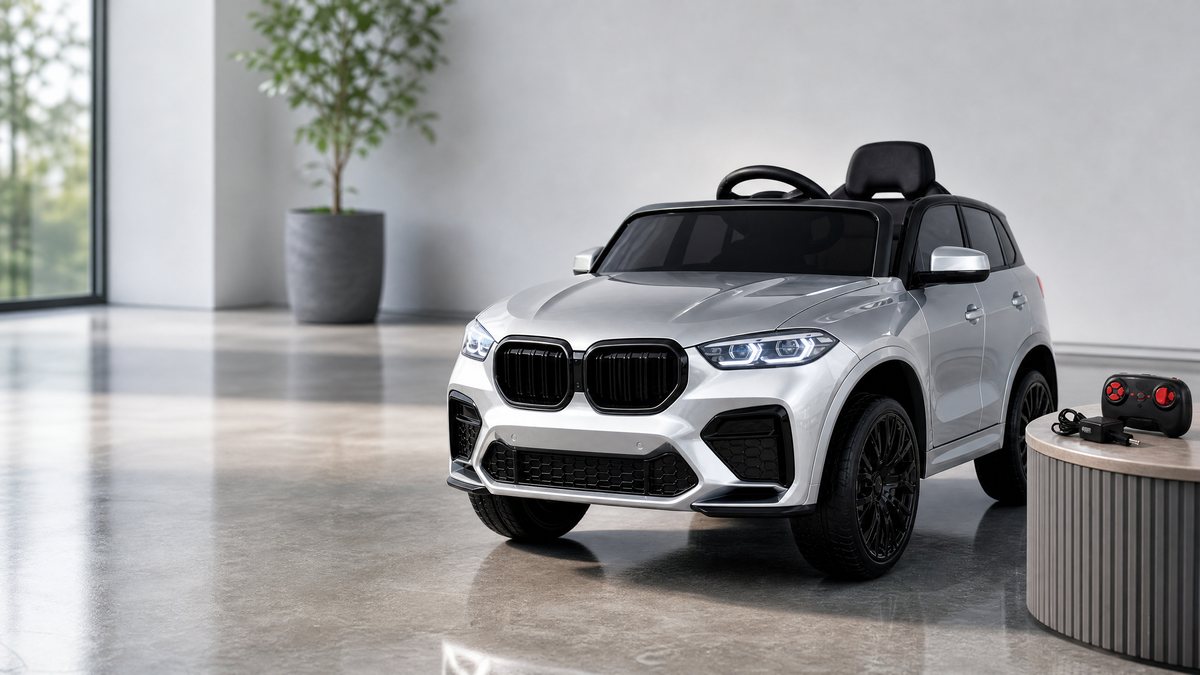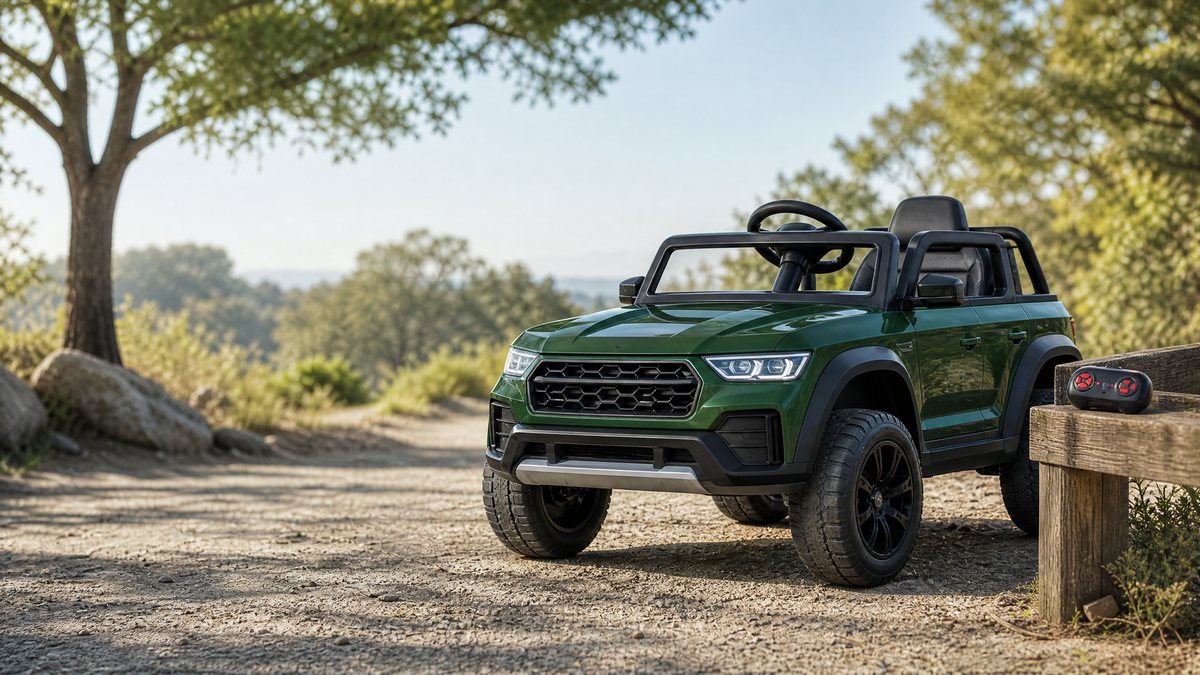
Electric ride-on cars provide children with engaging outdoor play experiences, fostering spatial awareness, motor coordination, and independent exploration under proper adult supervision. However, taking a motorized toy out of controlled indoor living spaces or suburban backyards and into open public environments like sandy beaches, expansive grassy parks, and sloping terrain introduces unique operational and mechanical challenges. B2B wholesale buyers, retail distributors, commercial park operators, and conscientious parents must thoroughly understand how to properly evaluate, prepare, maintain, and supervise ride-on car usage in these dynamic outdoor settings.
This comprehensive guide examines the technical, environmental, and safety considerations required when operating electric ride-on cars at beaches and parks. By adhering strictly to manufacturer specifications, implementing rigorous pre-ride mechanical inspections, and prioritizing active supervision protocols, stakeholders can ensure durable product performance and a secure recreational experience for young drivers.
Understanding Environmental Challenges: Beach and Park Terrains
Operating electric ride-on vehicles on natural outdoor surfaces differs fundamentally from driving on smooth indoor flooring, sealed concrete driveways, or paved residential sidewalks. Each outdoor environment presents distinct physical variables that directly affect vehicle traction, electrical battery load, motor durability, and overall mechanical wear rates.
Beach Environments: Sand, Salt, and Coastal Moisture
Beaches offer wide-open spaces for outdoor recreation, but they also present severe environmental hazards for electromechanical toys:
* Fine Particulate Ingestion: Loose sand particles can easily infiltrate wheel gearboxes, motor casings, steering linkages, and electrical switch assemblies. Accumulated sand causes abrasive friction, gear stripping, and premature electrical switch failure if not promptly cleaned.
* Moisture and Saltwater Exposure: Coastal air carries saline moisture that accelerates metallic corrosion on fasteners, axle bearings, and electrical terminals. Direct contact with damp sand or shallow tidal water can cause immediate electrical short circuits in battery compartments and control boards.
* High Rolling Resistance: Loose sand offers minimal structural support under vehicle wheels, causing tires to sink and spin in place. This dramatically increases electrical current draw on motors and electronic speed controllers, leading to rapid thermal buildup and shortened battery operating cycles.
Park Environments: Grass, Slopes, and Debris
Urban and suburban parks provide diverse landscapes, including rolling lawns, gravel paths, and asphalt trails:
* Terrain Resistance: Lush, thick grass significantly increases rolling resistance compared to hard surfaces. Electric motors must work harder to propel the vehicle, draining batteries faster and increasing thermal stress on internal speed controllers.
* Gravel and Uneven Grading: Loose gravel stones can jam steering mechanisms or puncture pneumatic tire treads (if applicable). Slopes and inclines test the braking efficiency of electromagnetic or mechanical braking systems.
* Biological Debris: Fallen twigs, leaves, and pine needles can wrap around drive axles or obstruct moving suspension components, requiring regular inspection and clearance.
The following table summarizes the operational impacts and required precautions across different outdoor terrains:
| Terrain Type | Primary Environmental Risk | Mechanical Impact | Recommended Operational Precautions |
|---|---|---|---|
| Sandy Beach | Fine abrasive sand & saline moisture | Gearbox abrasion, corrosion, motor overheating | Limit use to firmly packed damp sand near the shoreline; inspect and clean gearboxes thoroughly after every session; avoid direct contact with saltwater. |
| Grassy Park | High rolling resistance & hidden dips | Increased battery drain, thermal load on speed controllers | Keep grass trimmed short; avoid steep inclines; monitor motor temperature; do not overload vehicle weight capacity. |
| Gravel / Dirt Paths | Loose stones & uneven grading | Steering jams, tire wear, axle stress | Inspect steering linkages before use; maintain moderate speeds; avoid sharp turns on loose gravel surfaces. |
| Sloped Terrains | Gravitational pull & braking stress | Motor overload, rollback risk, loss of traction | Strictly adhere to manufacturer maximum gradient limits; ensure active parental remote supervision on all inclines. |
Pre-Ride Inspection and Preparation Checklist
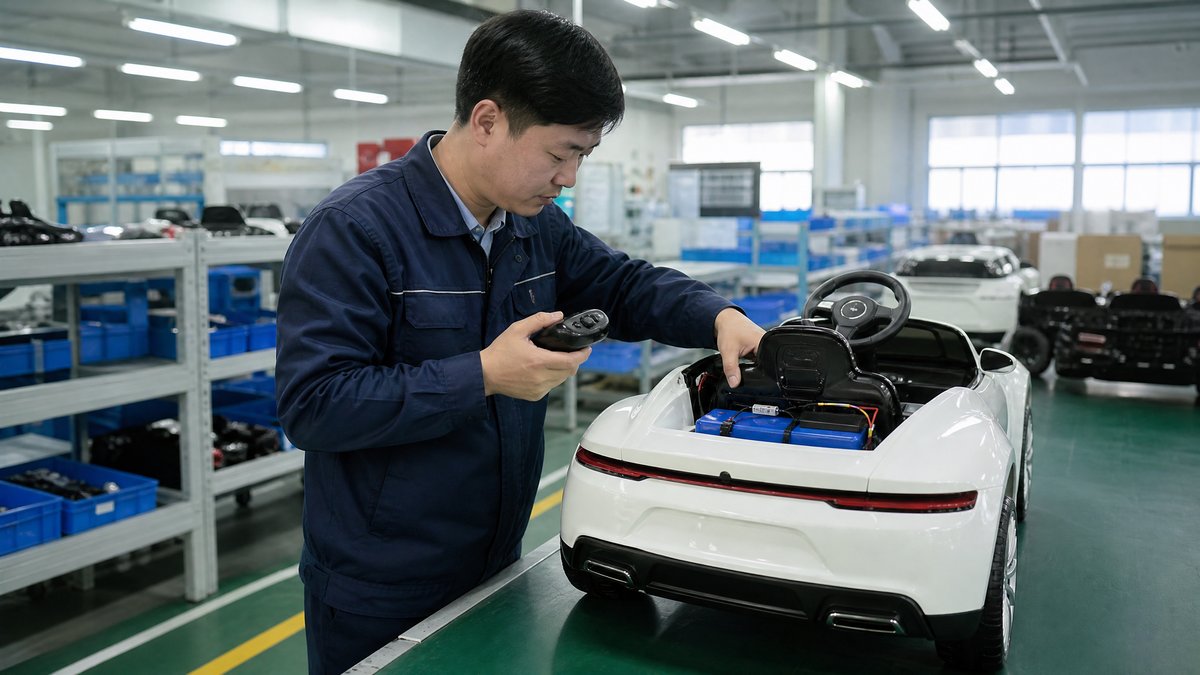
Before deploying any electric ride-on car to a public park or sandy beach, operators and supervising adults must perform a systematic pre-ride examination. Ensuring that the vehicle is in optimal mechanical and electrical condition prevents unexpected field failures and protects young riders.
1. Battery and Electrical System Verification
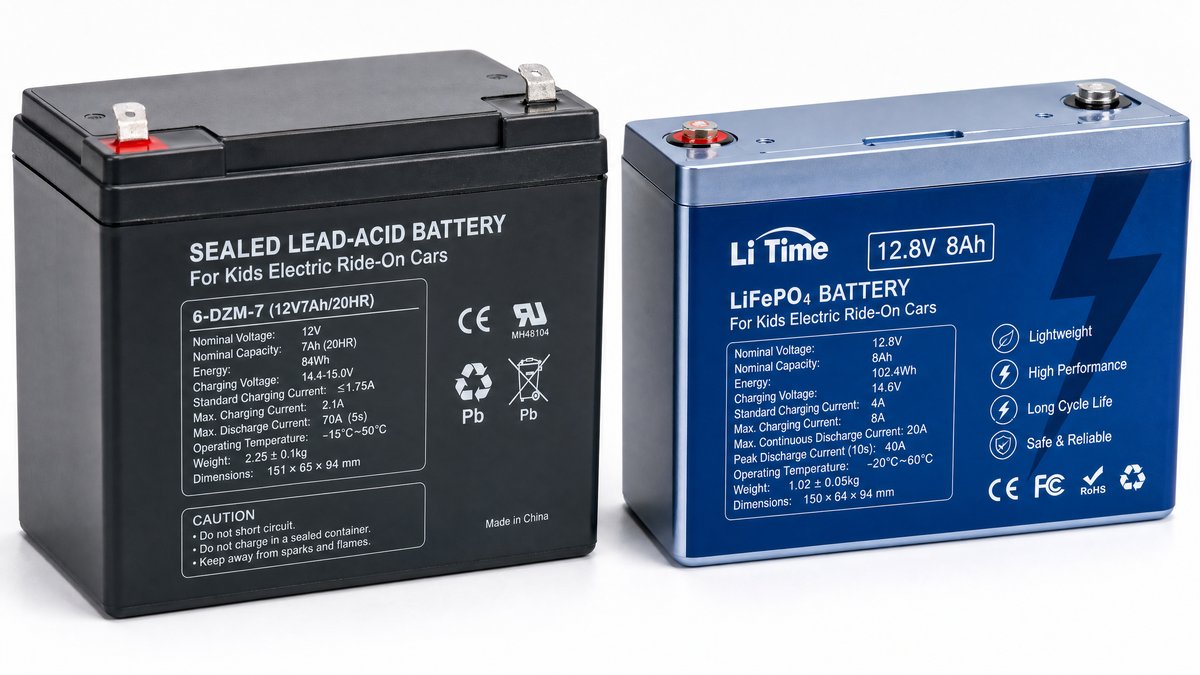
* Charge Status: Verify that the battery is fully charged prior to transport using the manufacturer-approved charger. Never attempt rapid charging or unauthorized power modifications.
* Visual Inspection: Inspect the exterior housing for cracks, loose terminal covers, or exposed wiring. Ensure the battery compartment latch is securely locked to prevent sand or water ingress.
* Switch and Throttle Check: Test the accelerator pedal, directional switches, and remote control override functions to ensure responsive operation.
2. Mechanical and Drivetrain Inspection
* Wheel and Axle Alignment: Check that wheels spin freely without rubbing against body panels. Verify that axle retaining pins and cotter pins are intact.
* Steering Linkage: Ensure the steering wheel turns smoothly and responds instantly to front wheel positioning without excessive play or binding.
* Braking Responsiveness: Confirm that the automatic braking system (releasing the accelerator pedal) engages promptly.
Request a wholesale quote
Safe Operating Protocols in Public Spaces
Parks and beaches are multi-use public areas shared by pedestrians, cyclists, pets, and other recreational visitors. Because ride-on cars operate at controlled walking-to-jogging speeds, safety depends heavily on active adult supervision and situational awareness.
Establishing Clear Boundaries and Supervision
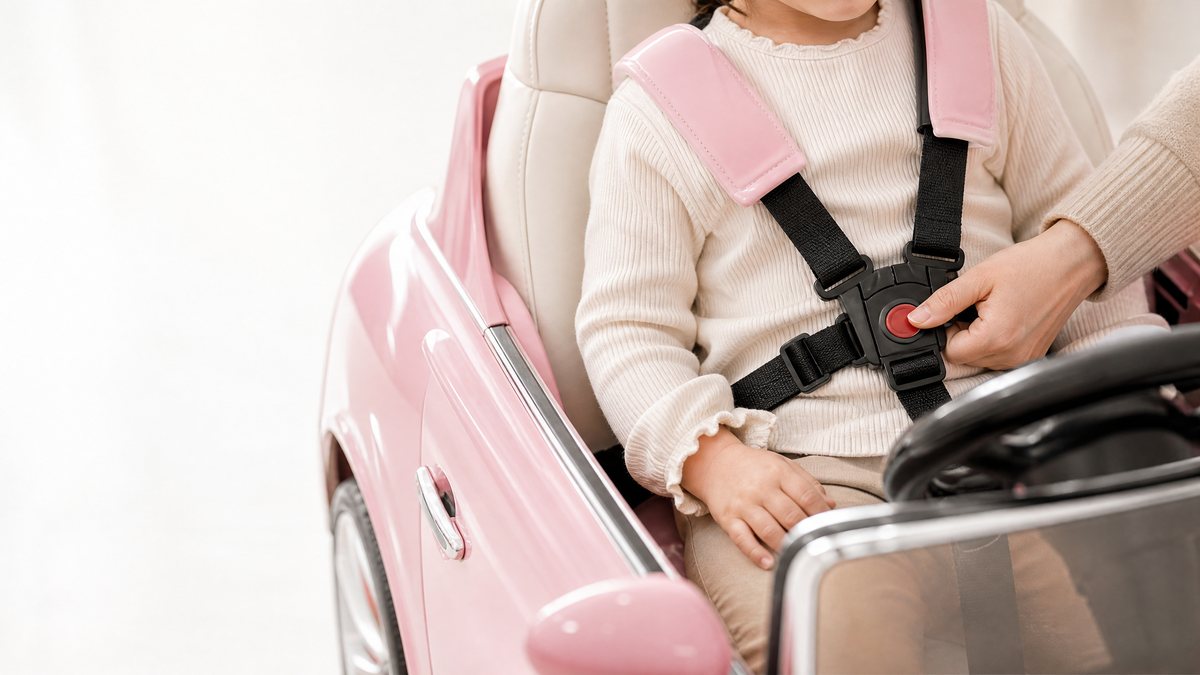
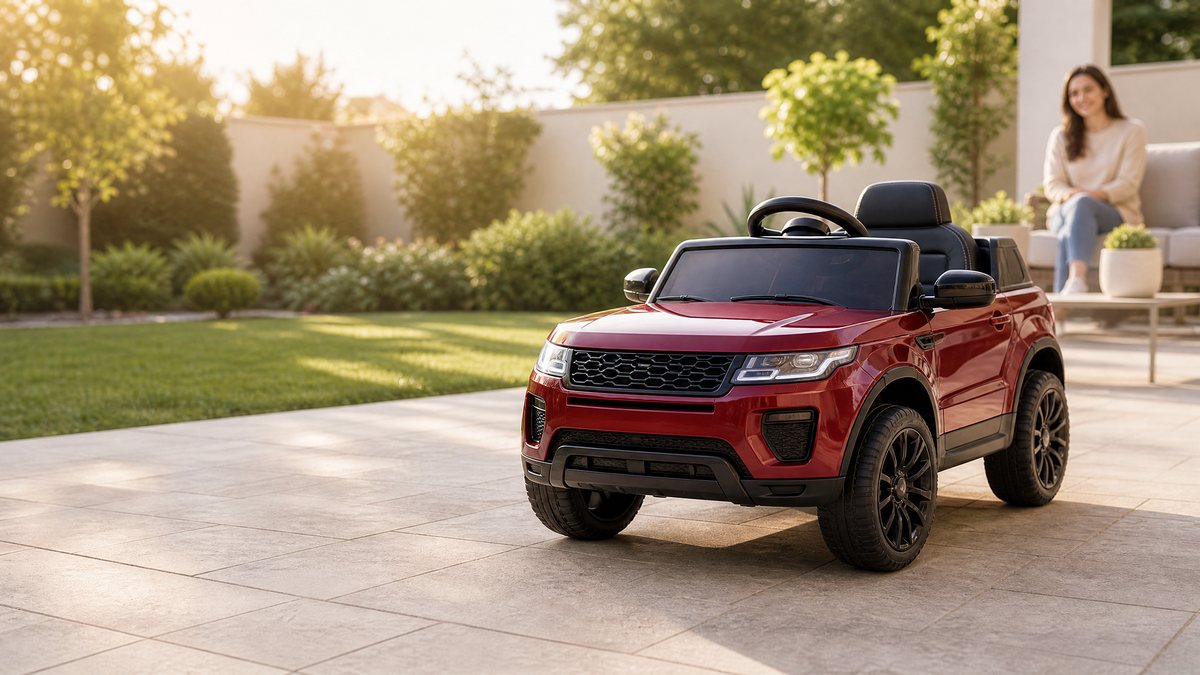
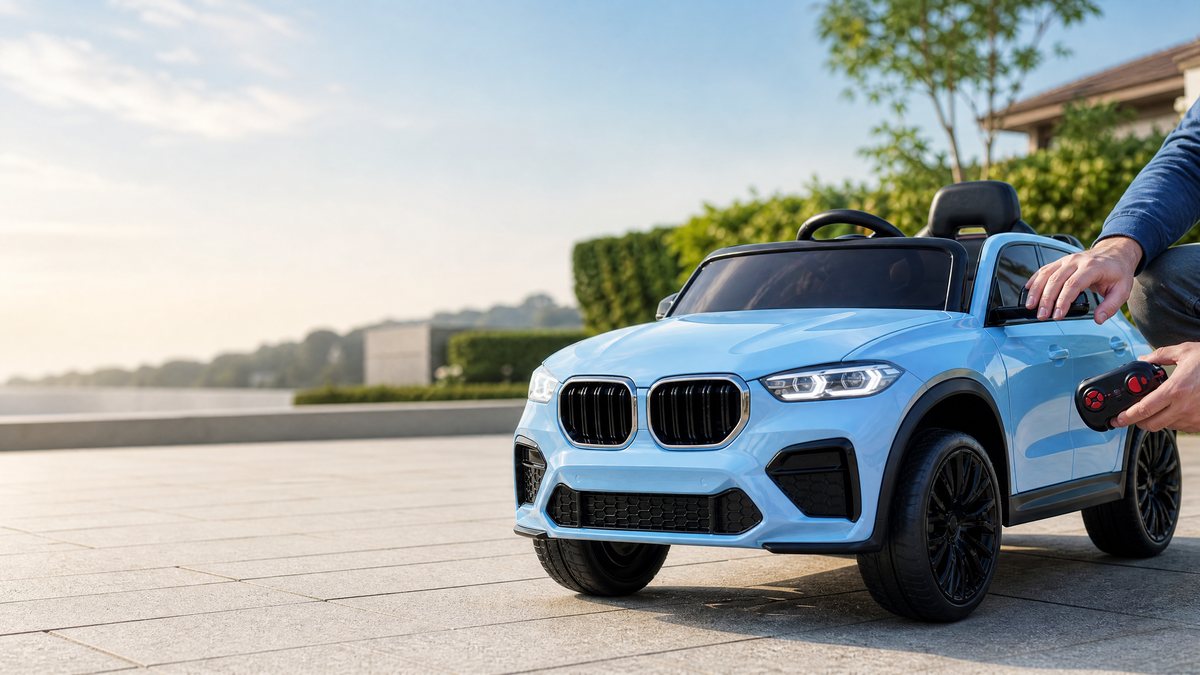
* Adult Proximity: Supervising adults must maintain visual contact and close physical proximity at all times. For younger children or remote-enabled models, the supervising adult should retain the parental remote control unit within immediate reach.
* Geographical Limits: Define clear boundary markers (e.g., picnic blankets, walkways, or distinct landscape features) beyond which the child is not permitted to drive.
* Crowd and Obstacle Awareness: Avoid operating ride-on cars in congested pedestrian zones, sports fields during active games, or near parking lots and roadways.
Managing Weather and Environmental Conditions
* Solar Radiation and Hydration: Direct sunlight at beaches and open parks can cause rapid surface heating on plastic components and steering wheels. Ensure children wear appropriate sun protection and stay hydrated.
* Wind and Visibility: Avoid operating vehicles during high wind warnings, blowing sandstorms, or approaching rainstorms. Moisture compromises electrical safety and reduces tire traction on slick surfaces.
Post-Operation Cleaning and Maintenance
Post-ride maintenance is critical for extending the operational lifespan of electric ride-on vehicles, especially after exposure to outdoor elements like beach sand, salt air, and park grass.
Cleaning Procedures
1. Power Off and Disconnect: Always turn off the main power switch and disconnect the battery before performing any cleaning or maintenance.
2. Debris Removal: Use a dry, soft-bristled brush or compressed air to gently clear loose sand, grass clippings, and dirt from wheel wells, motor vents, and pedal housings. Never use high-pressure water washers or garden hoses directly on electrical components or dashboard switches.
3. Wipe Down: Clean exterior plastic bodies with a damp microfiber cloth and mild soap. Dry thoroughly with a clean towel.
4. Storage Environment: Store the vehicle in a cool, dry, well-ventilated indoor space protected from direct sunlight, extreme temperatures, and coastal humidity.
Evaluating Ride-On Car Features for Outdoor Durability
B2B wholesale buyers and retail merchants advising commercial clients or family consumers should evaluate specific engineering and design features that enhance outdoor durability:
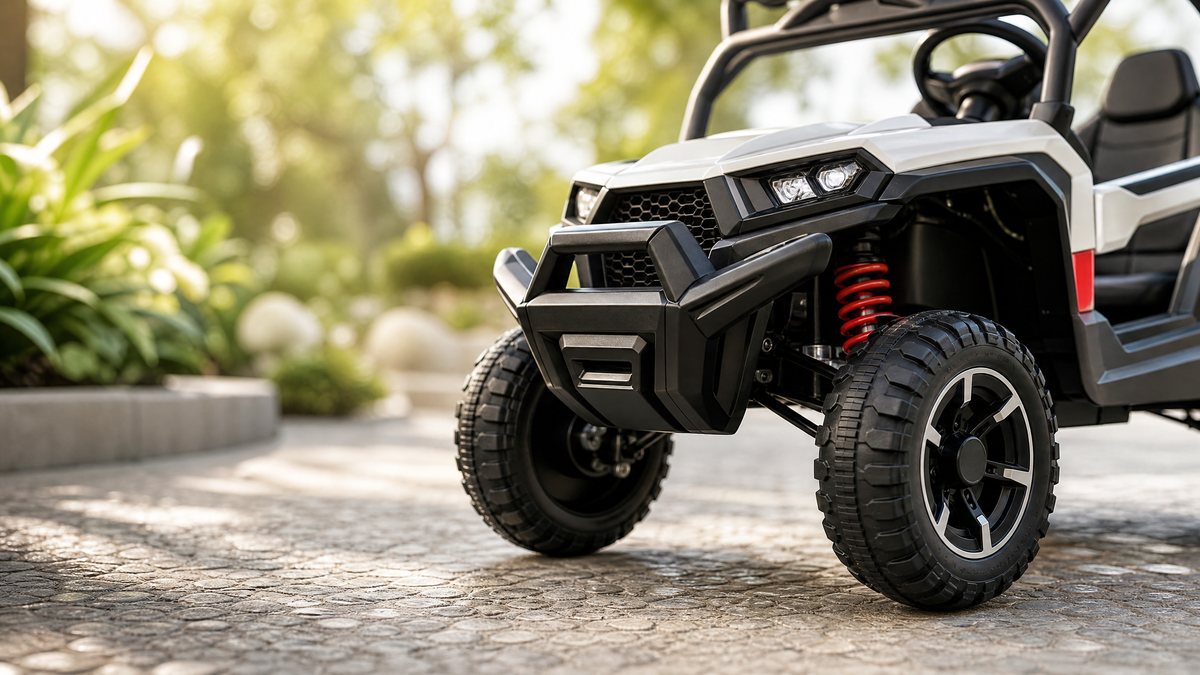
* Wheel Material: EVA foam tires or rubber-treaded wheels offer superior grip and shock absorption on uneven outdoor terrain compared to rigid hard plastic wheels.
* Motor Configuration: Dual-motor or four-wheel-drive (4WD) configurations provide enhanced torque for navigating grassy slopes and sandy surfaces without stalling.
* Sealed Electronic Enclosures: Control boards housed within weather-resistant or gasket-sealed compartments prevent moisture and dust infiltration during outdoor play.
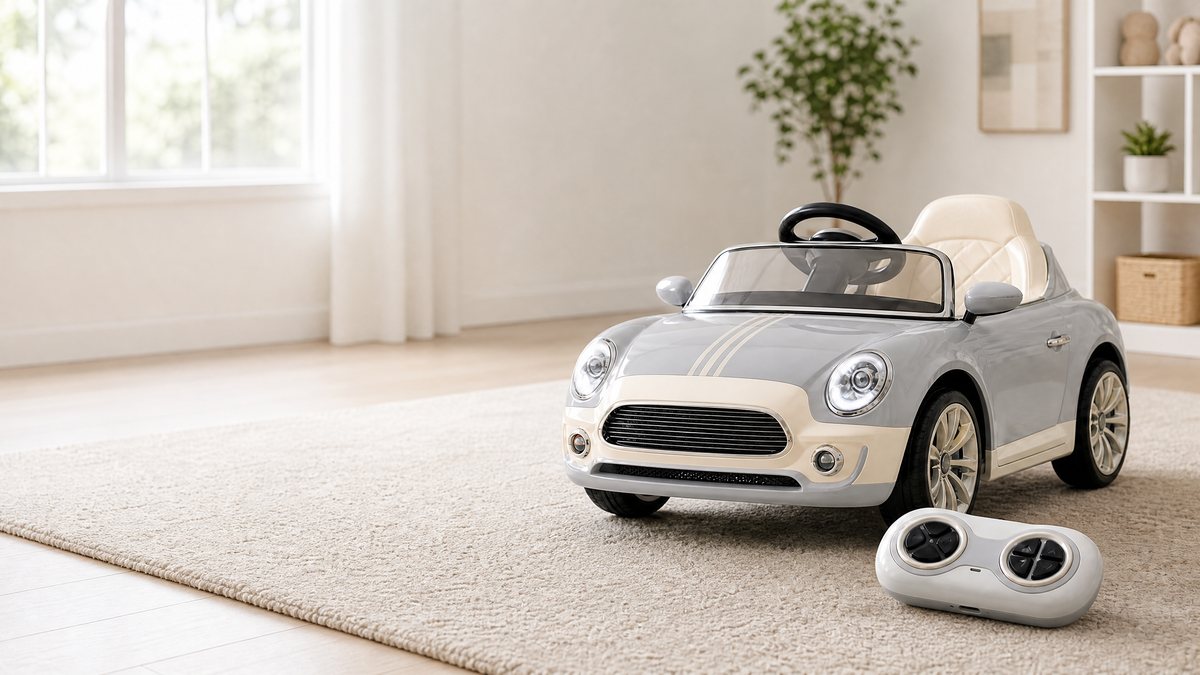
* Parental Remote Override: 2.4G Bluetooth parental remote controls with an emergency stop button allow supervising adults to instantly override manual steering and throttle inputs when navigating busy park pathways.
Frequently Asked Questions
Terrain and Environment
* Can ride-on cars be driven on dry deep sand at the beach?
Driving on loose, deep dry sand is generally discouraged because it creates excessive rolling resistance, causes wheels to spin in place, and can quickly overheat motors or drain batteries. If operating near a beach, stick strictly to firmly packed, damp sand near the shoreline where the surface is stable, and always perform a thorough cleaning afterward to remove abrasive salt and sand particles.
* Are electric ride-on cars waterproof for use in wet park grass?
Electric ride-on cars are water-resistant to light environmental exposure, but they are not waterproof. Driving through deep puddles, heavy rain, or waterlogged grass can allow moisture to enter electrical wiring harnesses, switches, and battery compartments, resulting in short circuits or permanent control board damage. Always operate in dry conditions.
Safety and Supervision
* What is the proper protocol for parental supervision in public parks?
Supervising adults must maintain continuous line-of-sight and close physical proximity to the vehicle. If the model includes a 2.4G parental remote control, the adult should hold the remote unit at all times to instantly manage speed or stop the vehicle in crowded or unpredictable park environments.
* What should I do if the vehicle encounters an unexpected mechanical or electrical fault outdoors?
If the vehicle emits strange odors, smoke, unusual grinding noises, or experiences sudden power loss, immediately turn off the main power switch, disconnect the battery, and remove the child from the vehicle. Do not attempt unauthorized internal repairs. Contact the manufacturer or qualified technical service personnel for professional evaluation.
Maintenance and Storage
* How should a ride-on car be cleaned after a trip to the beach?
First, ensure the power is completely turned off and the battery is disconnected. Use a soft dry brush or compressed air to remove loose sand from mechanical parts and wheel hubs. Wipe down exterior surfaces with a slightly damp cloth, avoiding direct water streams on electrical panels. Ensure all components are completely dry before storage.
* Can I upgrade the battery or motors to improve performance on grass and hills?
No. Never attempt to install unapproved high-voltage batteries, larger aftermarket motors, or modified wiring harnesses. Unauthorized electrical modifications void manufacturer warranties, increase fire risks, and compromise built-in safety features. Always rely on standard, manufacturer-certified replacement parts.
Wholesale and Purchasing
* What specifications should B2B buyers look for in outdoor-oriented ride-on cars?
Wholesale buyers sourcing vehicles for outdoor recreational markets should prioritize models featuring high-torque dual or 4WD gearboxes, durable EVA foam wheels, robust suspension systems, and sealed electronic control units. Requesting comprehensive product specification sheets and compliance documentation ensures alignment with regional safety standards.
* How should wholesale distributors advise retail clients regarding outdoor warranty terms?
Distributors should clearly communicate that standard manufacturer warranties cover factory defects under normal operating conditions. Commercial rental use or unauthorized modifications (such as altered electrical systems or unapproved battery upgrades) typically void warranty coverage. Retailers should provide end-users with clear guidance on environmental care.
Conclusion
Operating electric ride-on cars at beaches and parks offers children wonderful opportunities for active outdoor play when managed with proper preparation, environmental awareness, and diligent adult supervision. By respecting terrain limitations, selecting vehicles equipped with robust outdoor features, and adhering to strict maintenance and safety protocols, distributors, retailers, and parents can ensure long-lasting enjoyment and safety.
Request a wholesale quote
Official References
1. U.S. Consumer Product Safety Commission (CPSC) - General Toy Safety Education and Playground Safety Guidelines. (Note: These general educational guidelines supplement but do not replace model-specific manufacturer instructions, operating manuals, and regional regulatory certifications).
2. International Consumer Product Safety Standards - Electric Ride-On Toy General Safety and Mechanical Durability Frameworks.
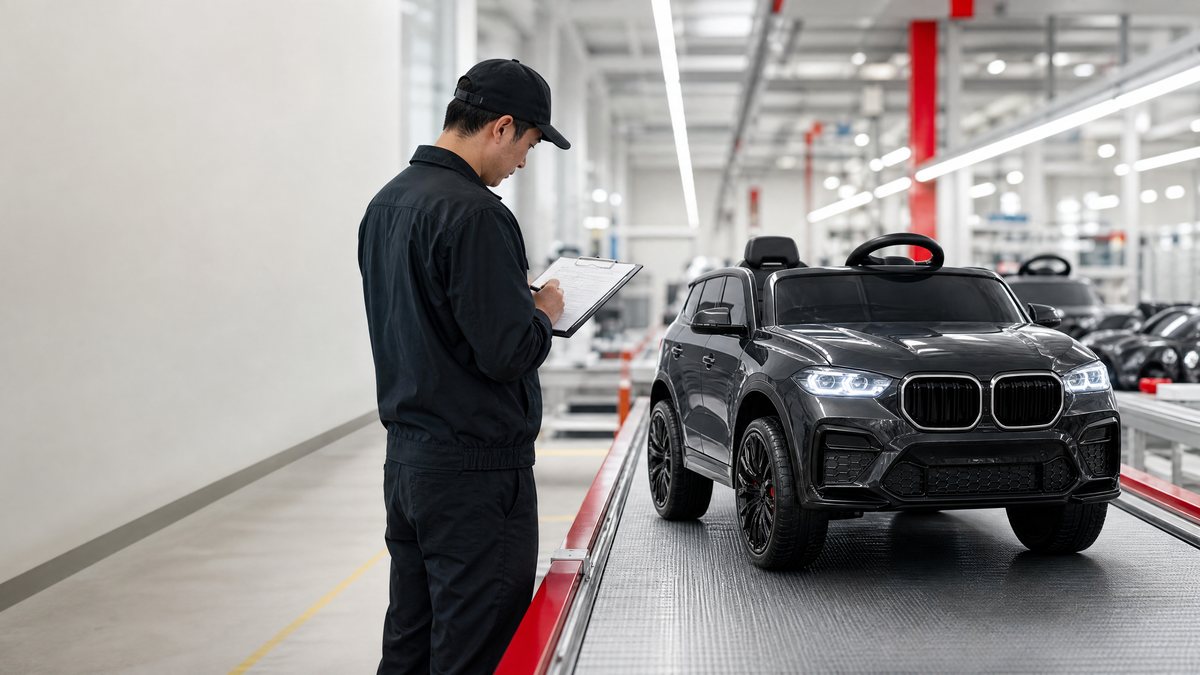
Additionally, commercial park operators and rental fleet managers must establish robust routine inspection schedules. High-traffic recreational areas subject electric ride-on fleets to accelerated wear and tear. Implementing a structured daily and weekly maintenance log—covering battery voltage checks, wheel alignment verification, and gearbox lubrication inspections—ensures fleet longevity, minimizes unexpected operational downtime, and maintains high standards of user safety. B2B partners who provide comprehensive maintenance guidelines alongside their vehicle shipments empower retail buyers and end-users to maximize product value while safeguarding children during outdoor adventures.
Official references
Explore these external resources for current regulatory and trade guidance. Confirm requirements with the relevant authority before placing an order.
Ready to Start?
Factory-Direct · CE & ASTM Certified · MOQ from 50 Units
Our export team works with buyers in 60+ countries. Get a quote within 24 hours.
KR
Written by KidsRideCar
China's leading kids electric ride-on car manufacturer. 500,000+ units shipped annually to 60+ countries. CE, ASTM & EN71 certified.