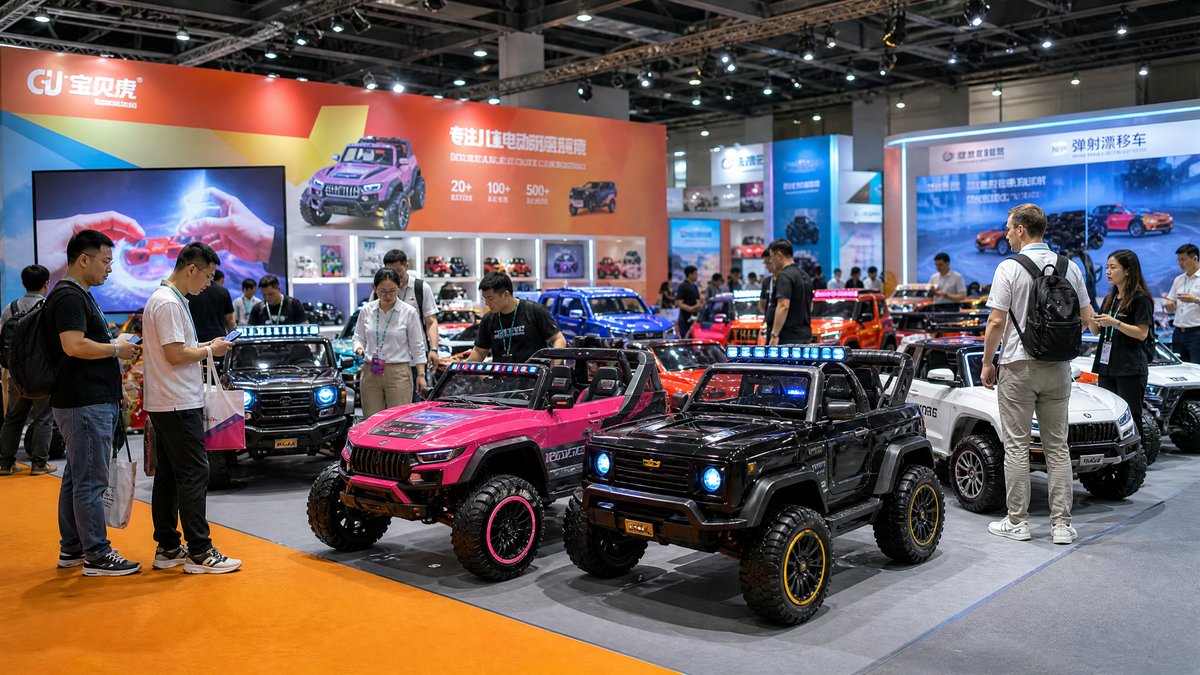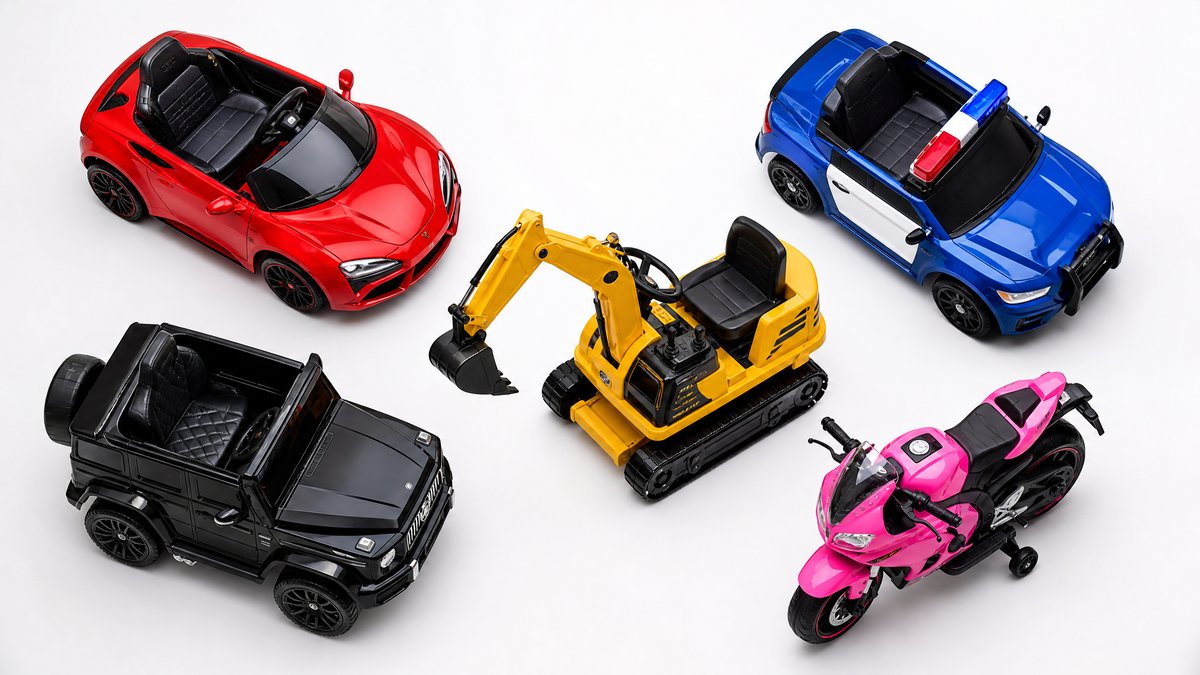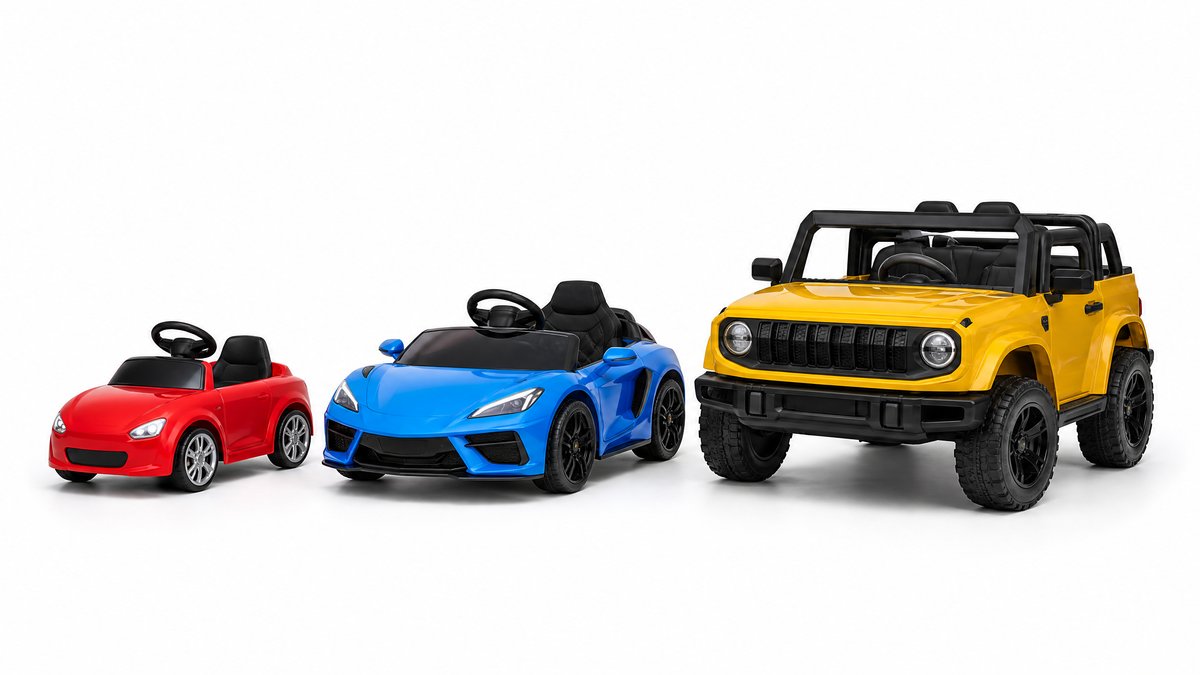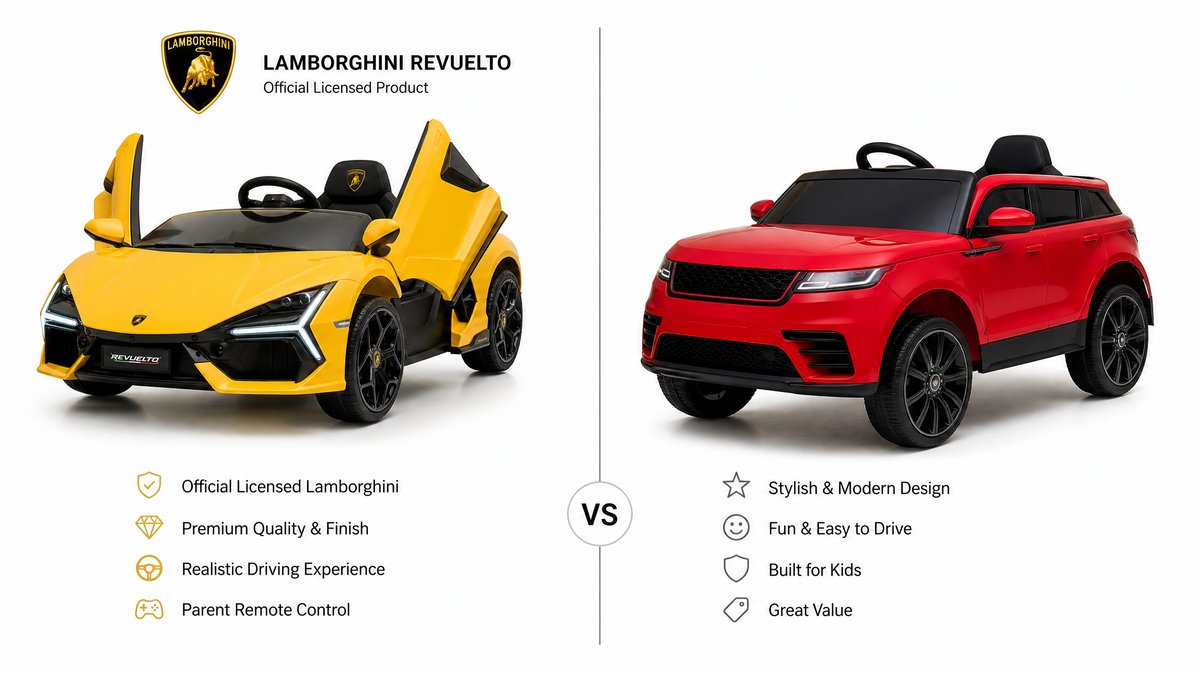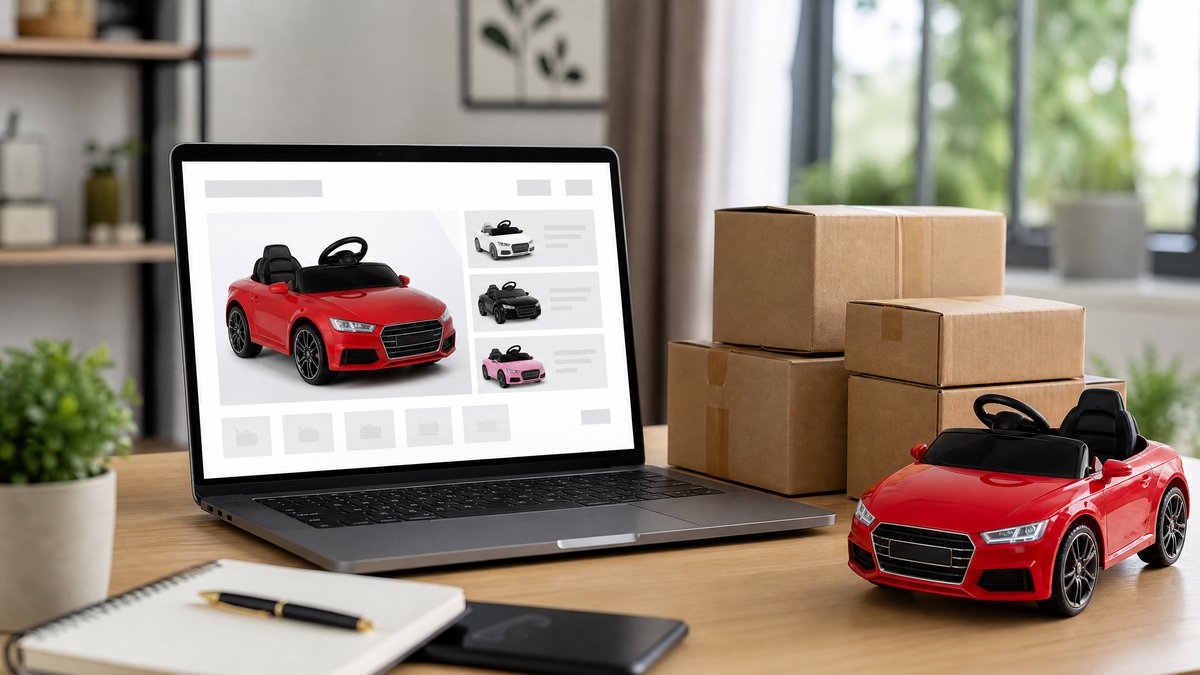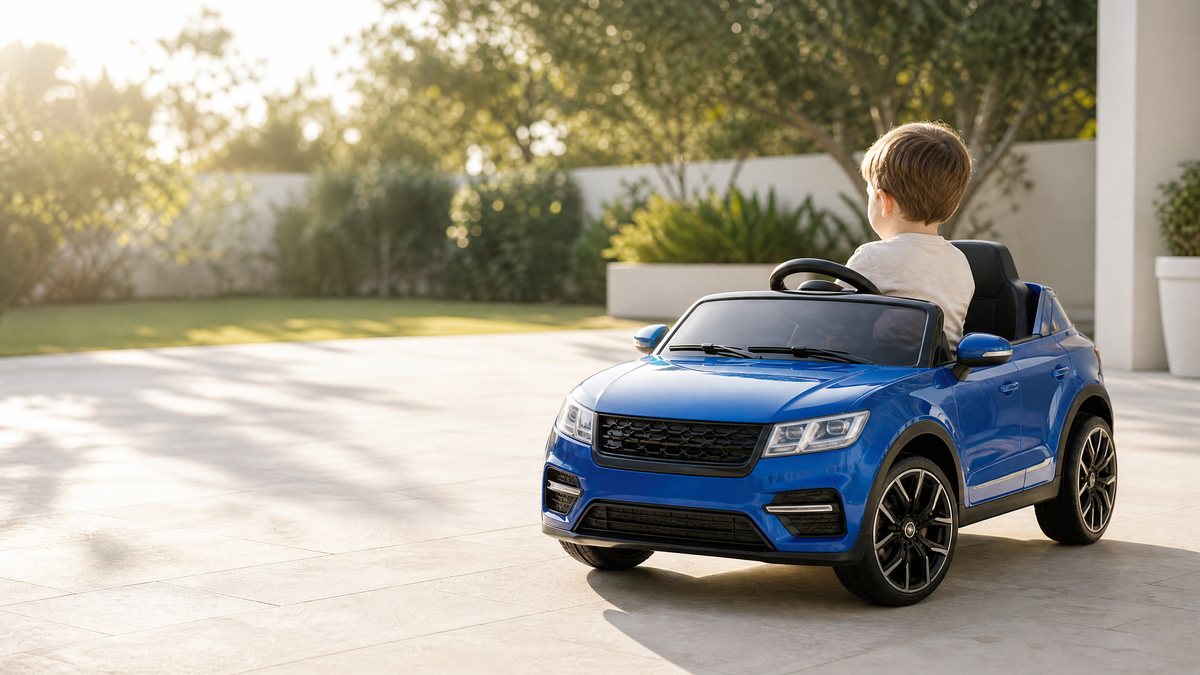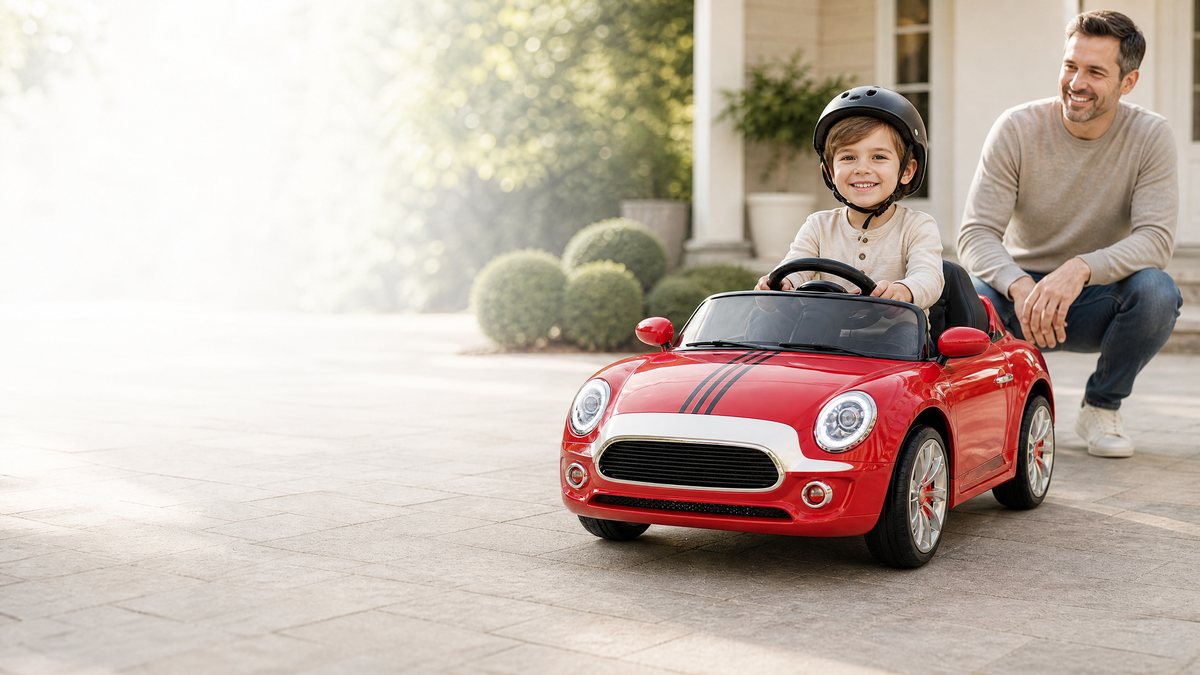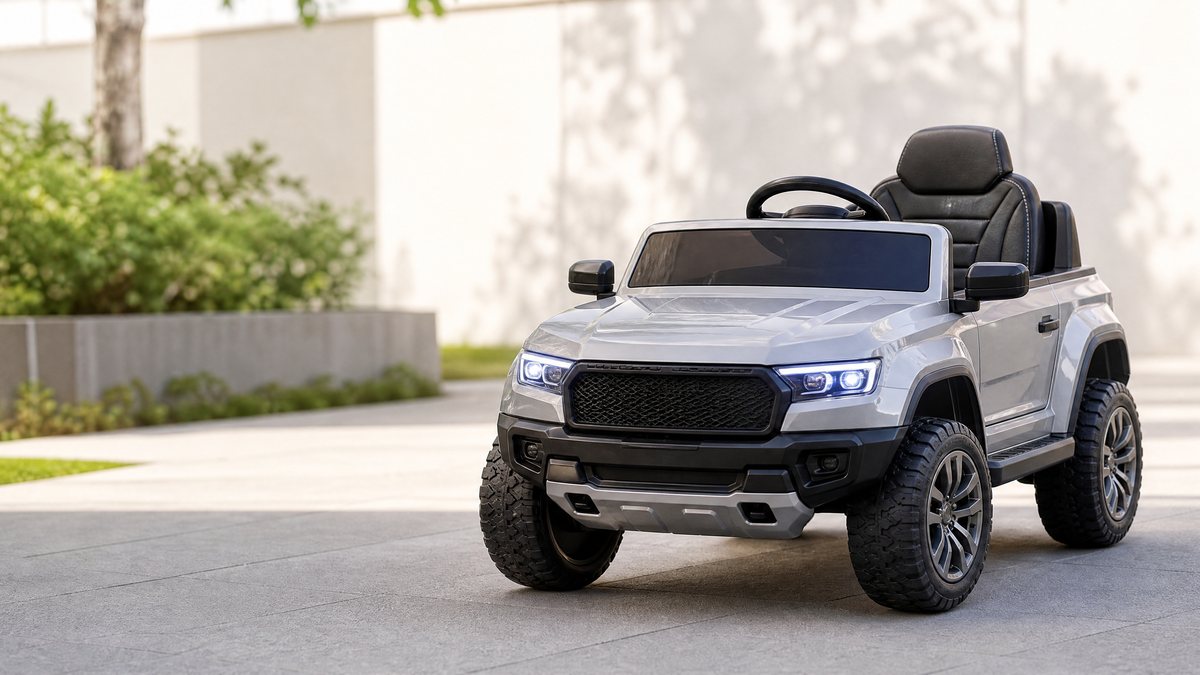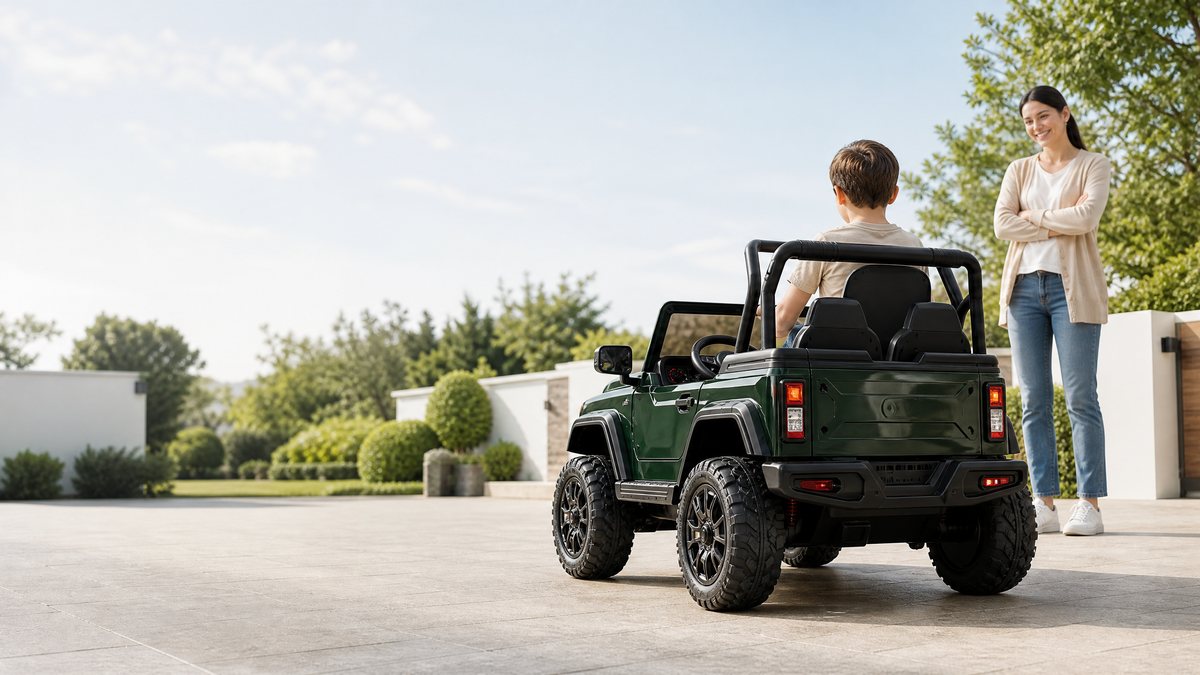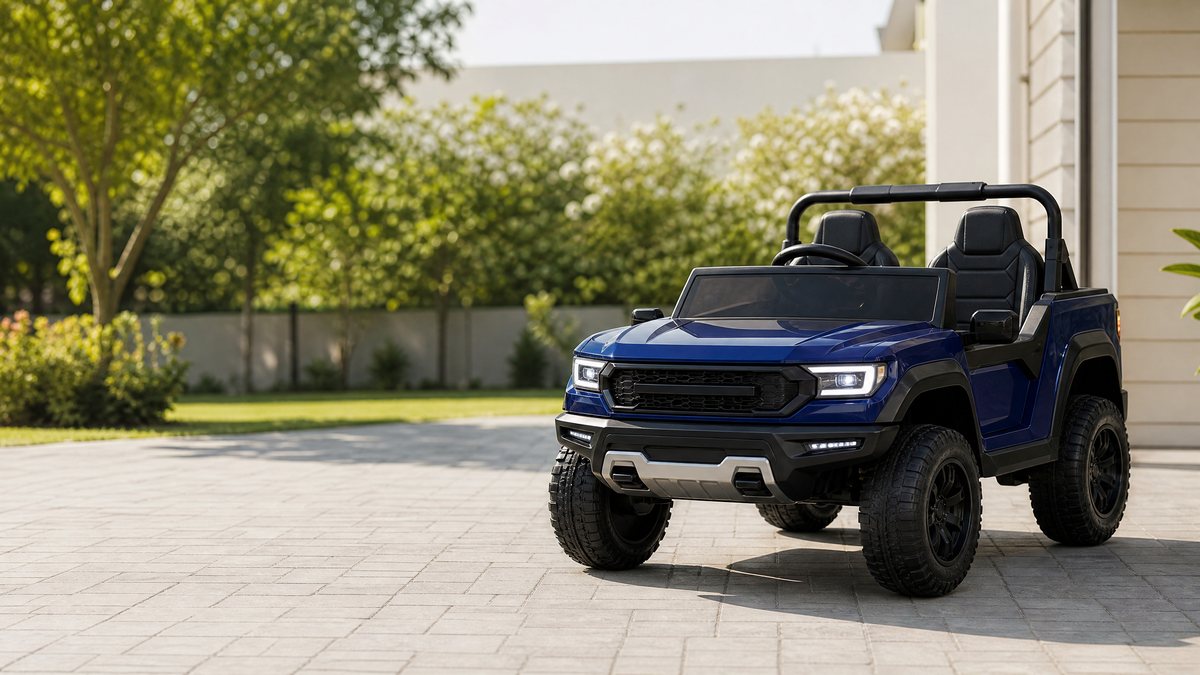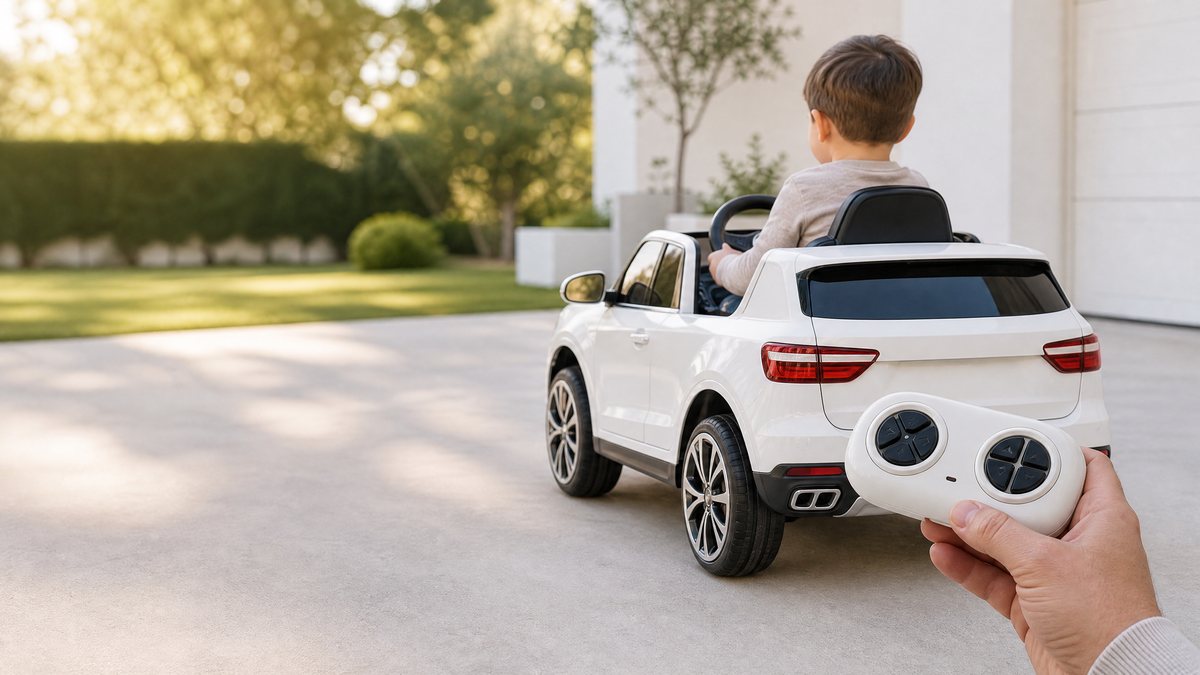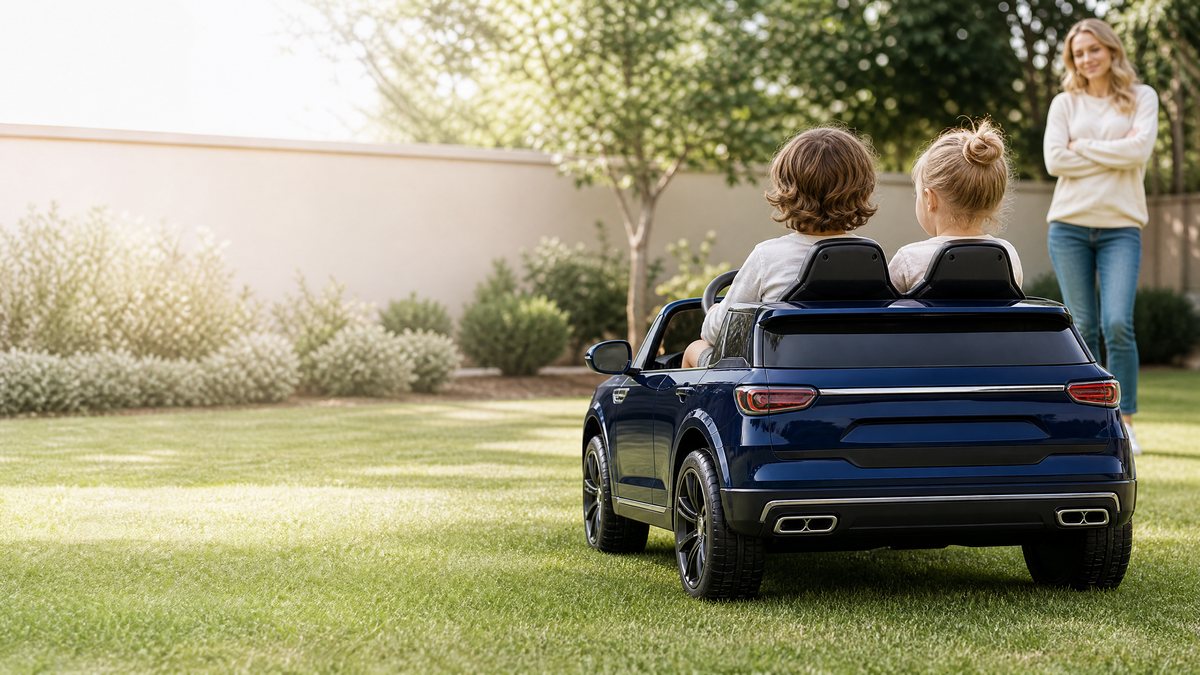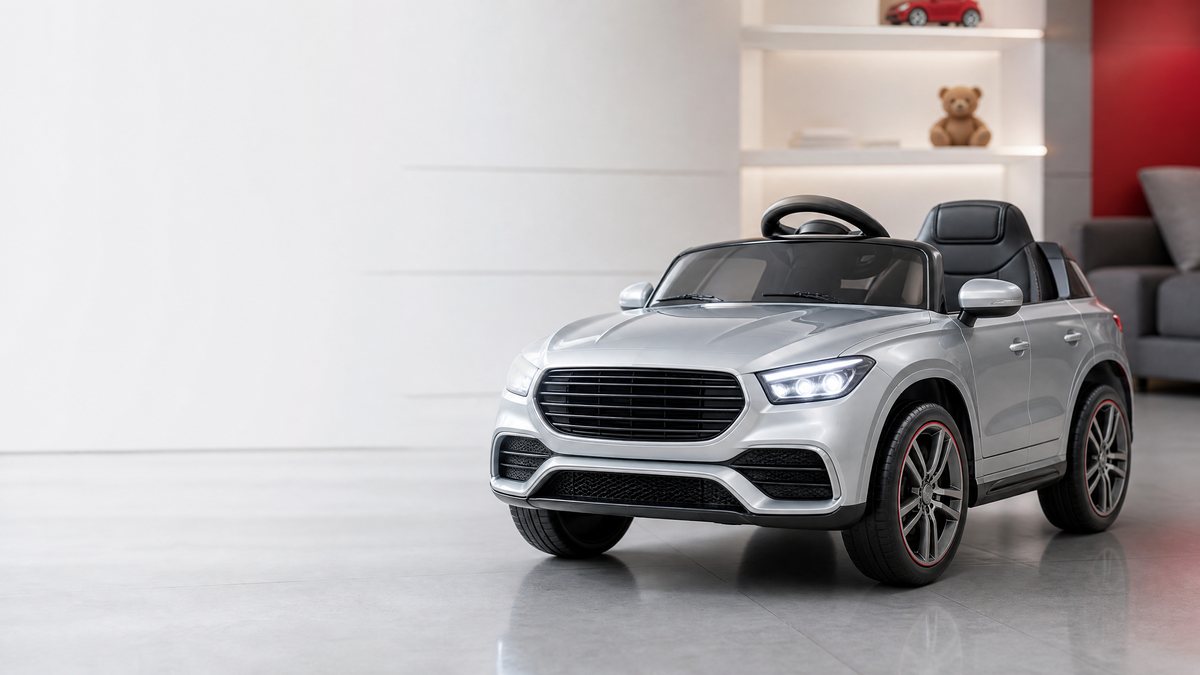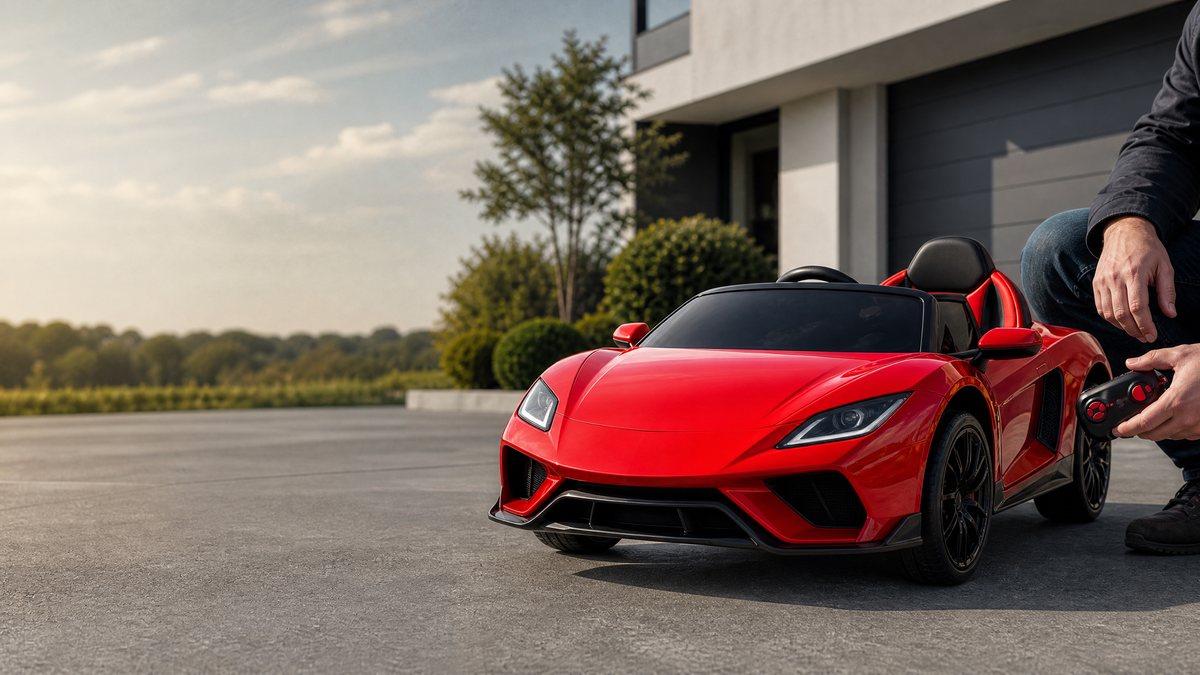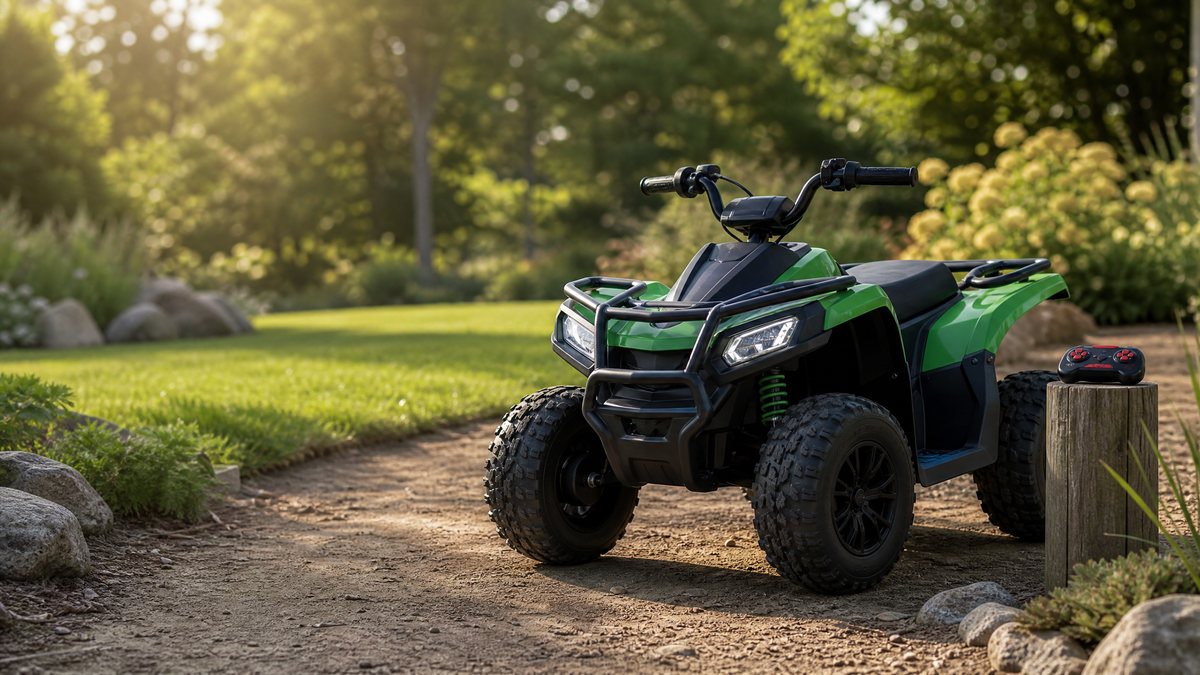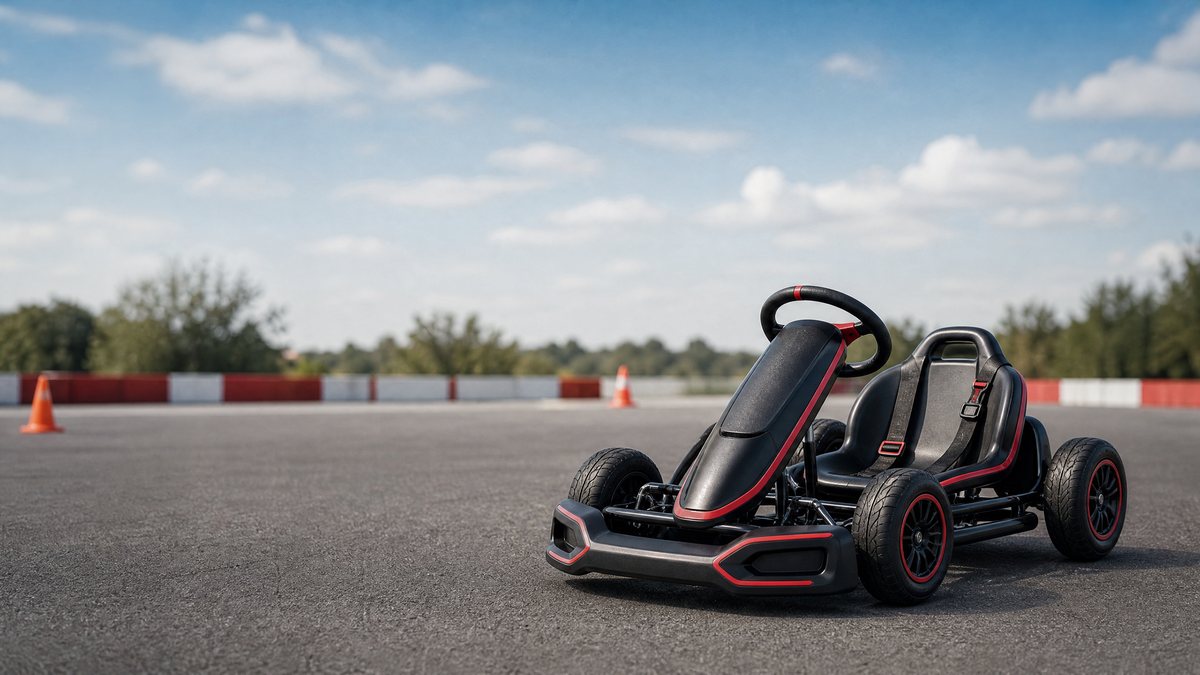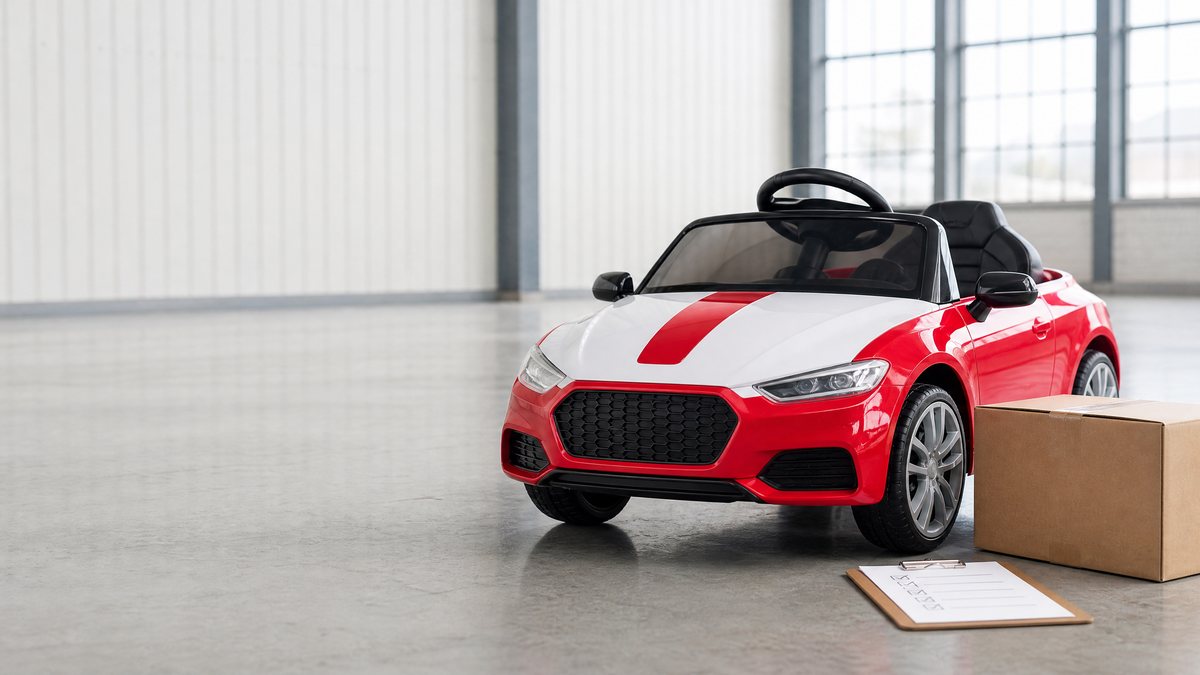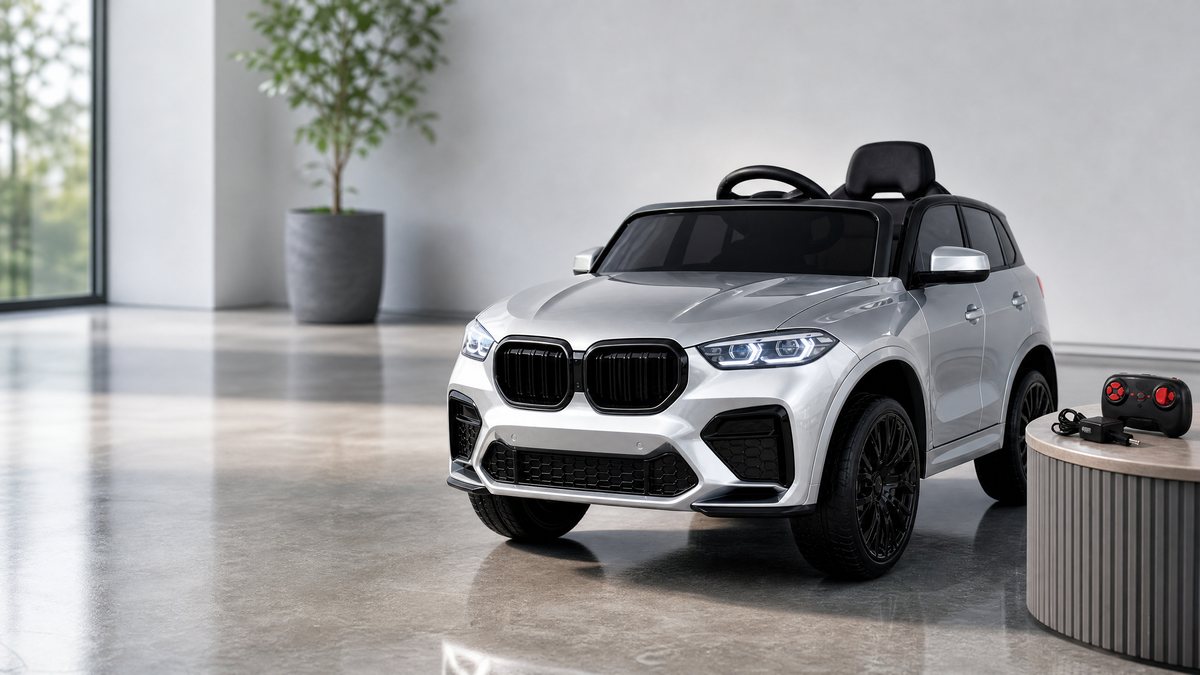
As children\'s electric ride-on vehicles continue to dominate the seasonal toy and juvenile product markets, branded and styled ride-ons consistently command high consumer interest. Among these, ride-on cars modeled after iconic automotive brands such as BMW represent a significant share of wholesale inquiries and retail inventory. For B2B buyers, importers, and distributors, navigating the market requires more than simply selecting aesthetically pleasing models. It demands a rigorous evaluation of manufacturing standards, documentation integrity, structural specifications, and supply chain reliability.
This guide provides a professional evaluation framework for B2B buyers looking to source electric ride-on cars styled after BMW vehicles, ensuring compliance, safety, and consumer satisfaction without relying on unverified claims or fabricated performance metrics.
Understanding the Market Landscape for Branded Ride-On Cars
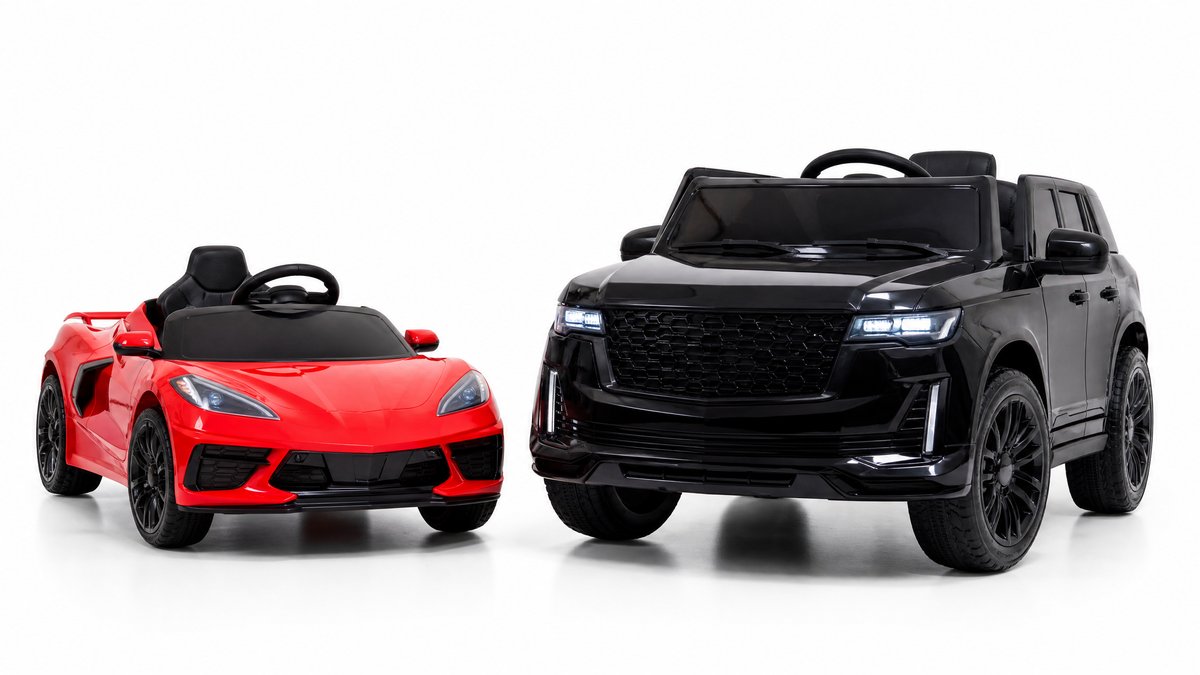
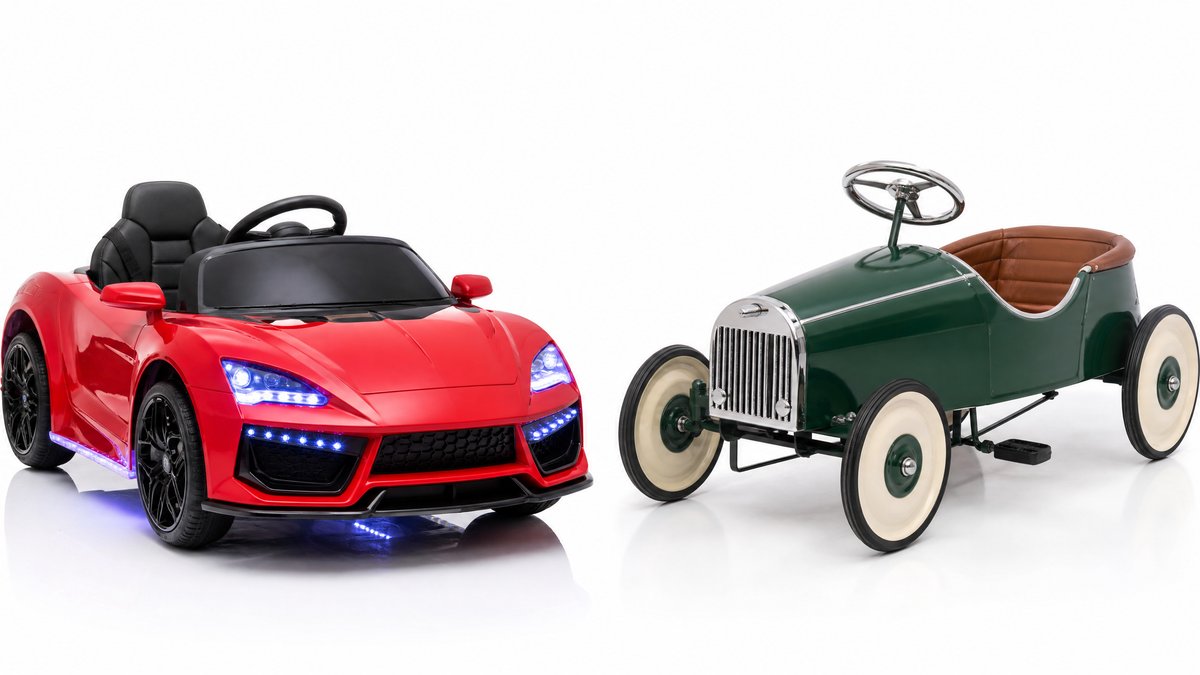
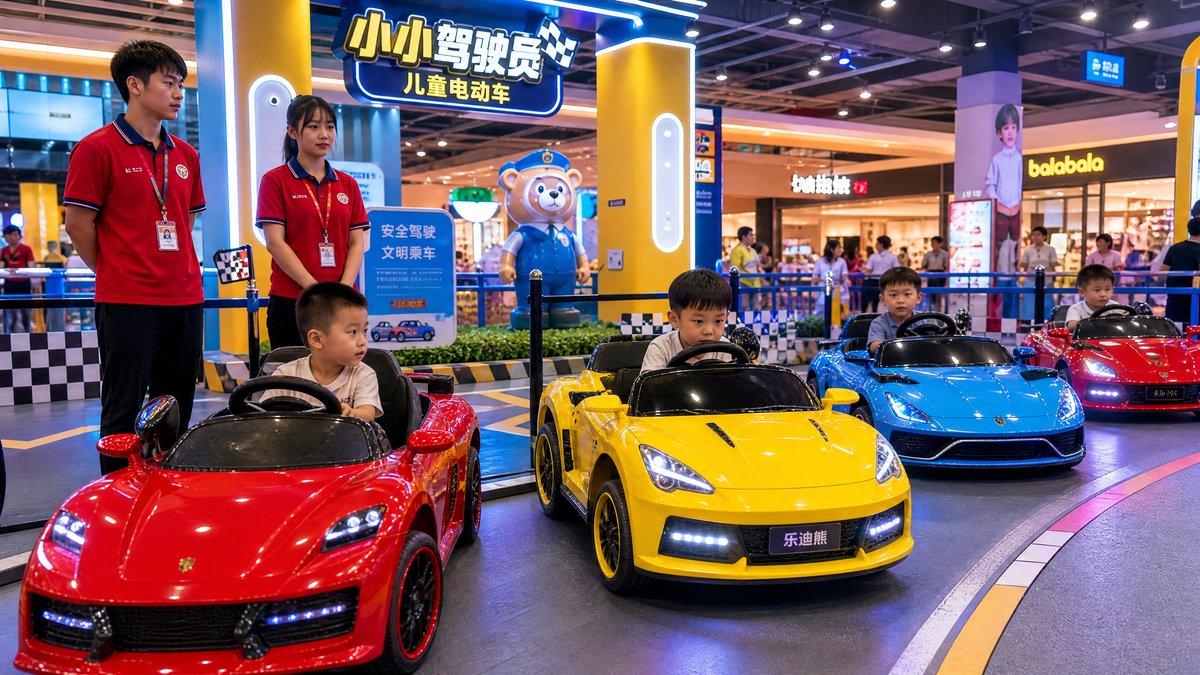
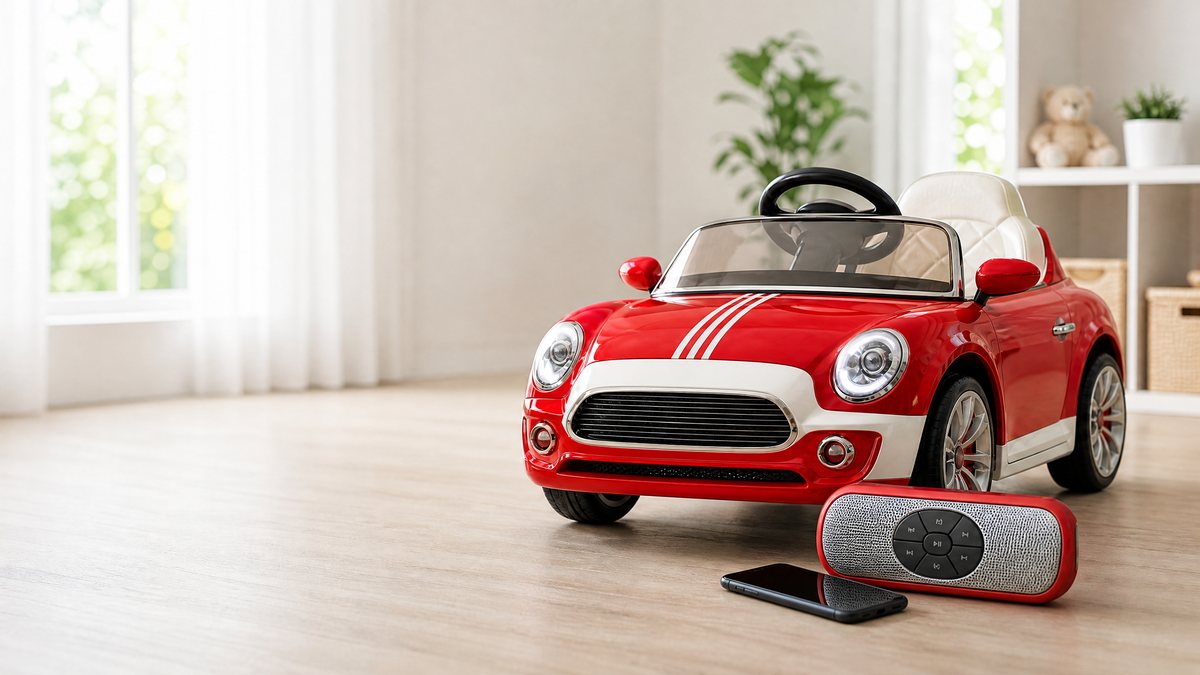
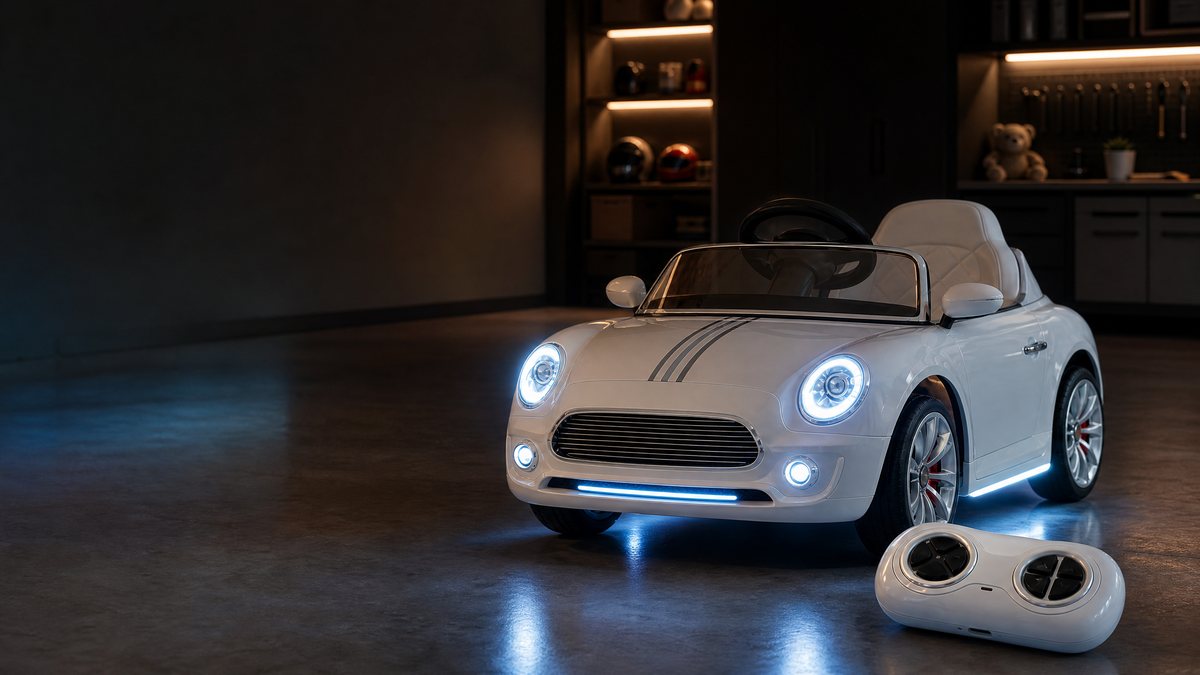
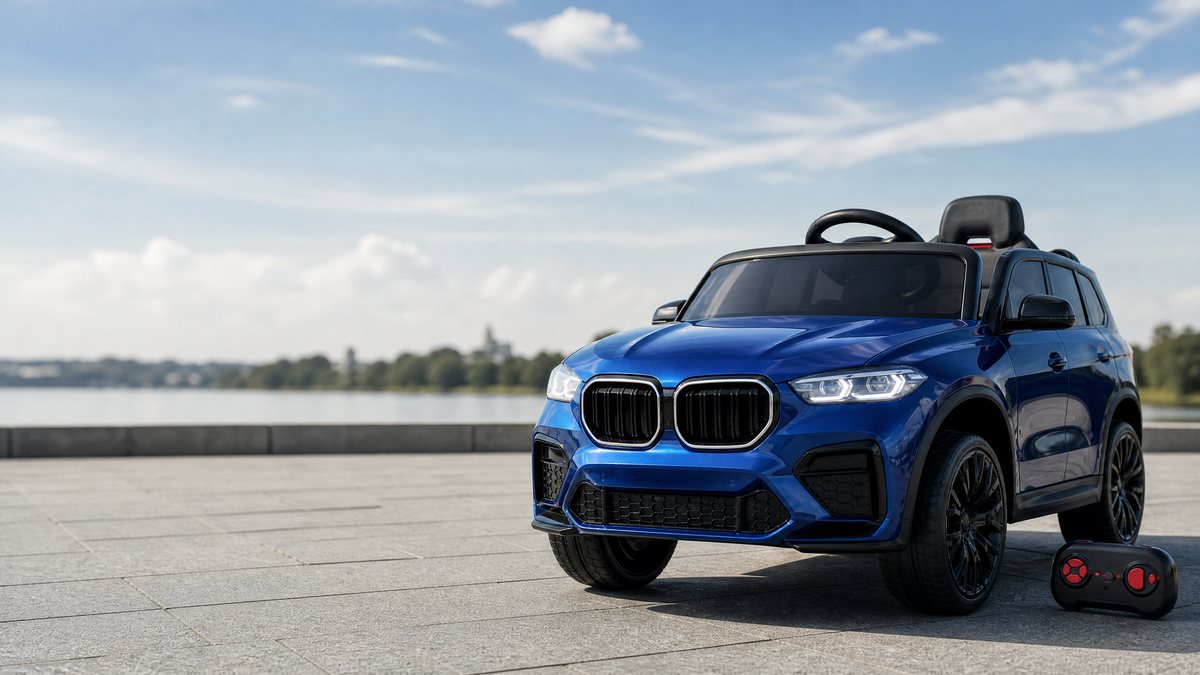
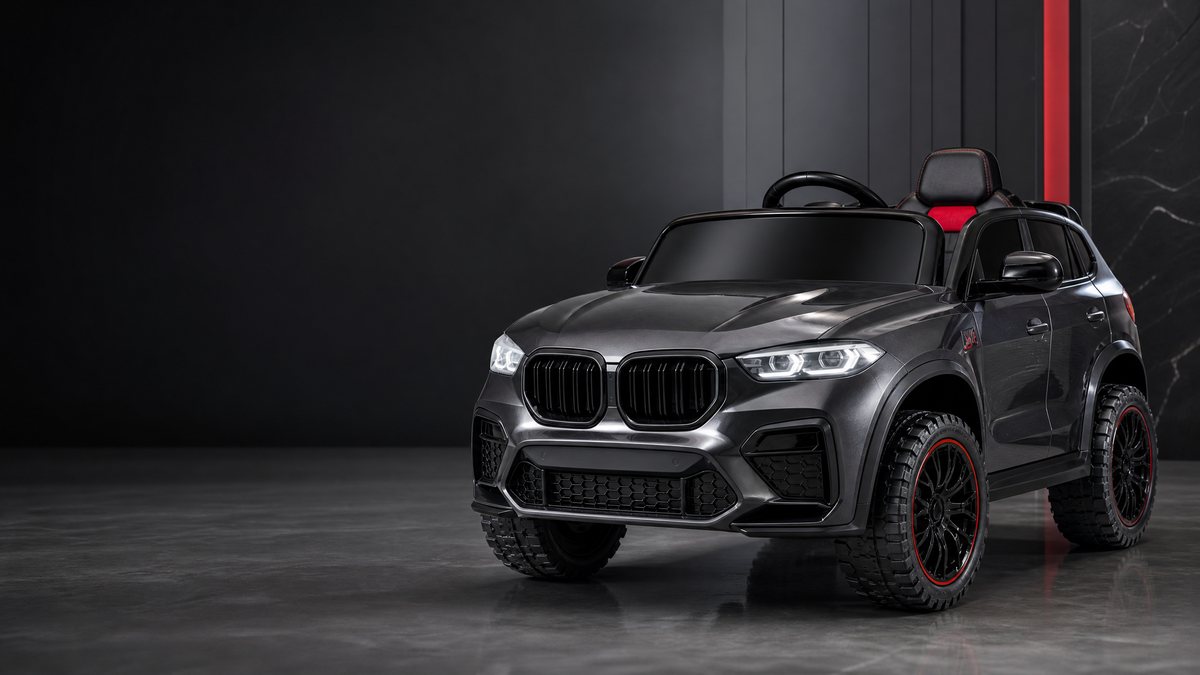
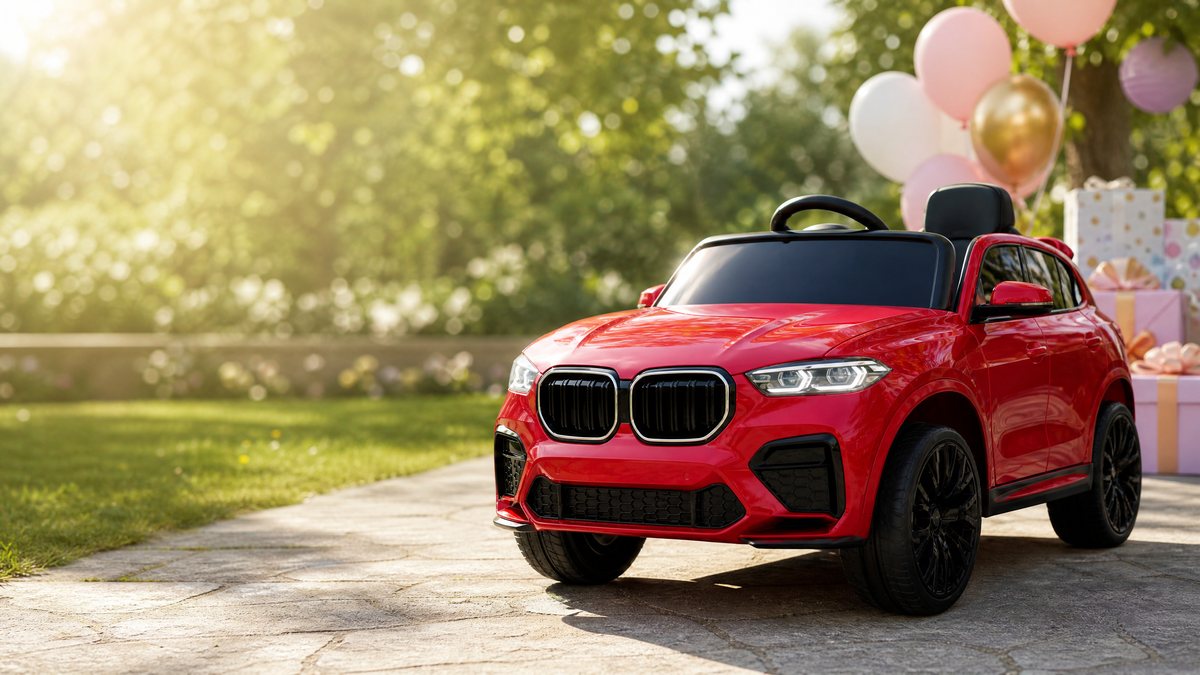
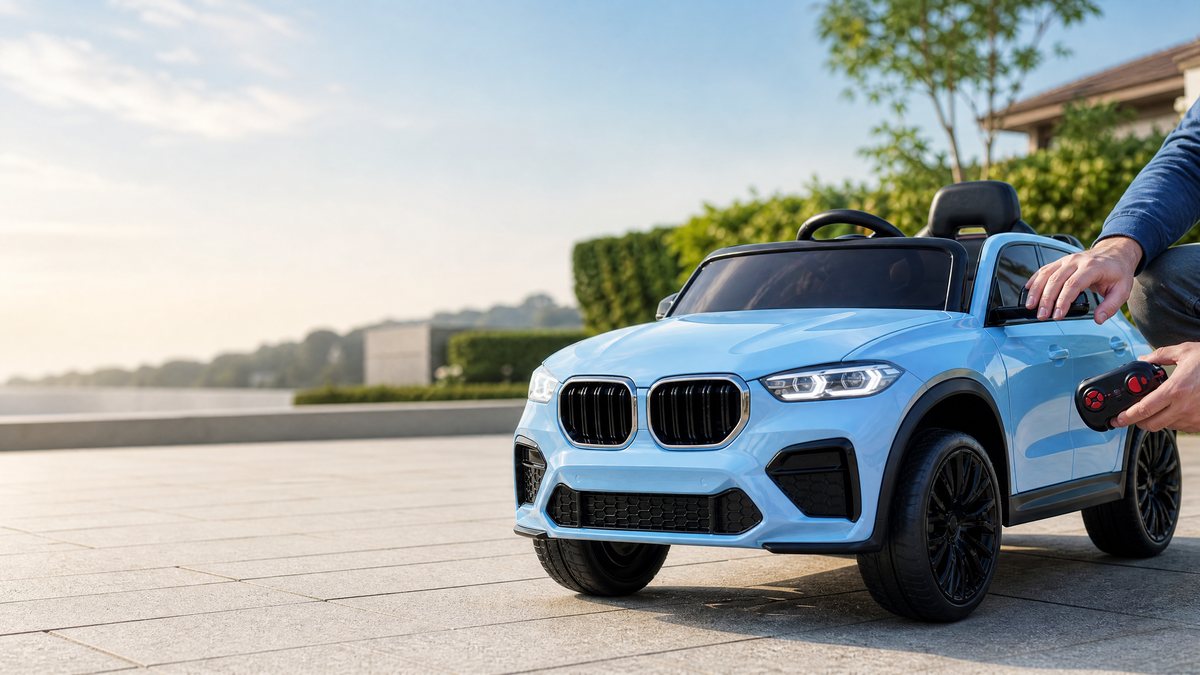
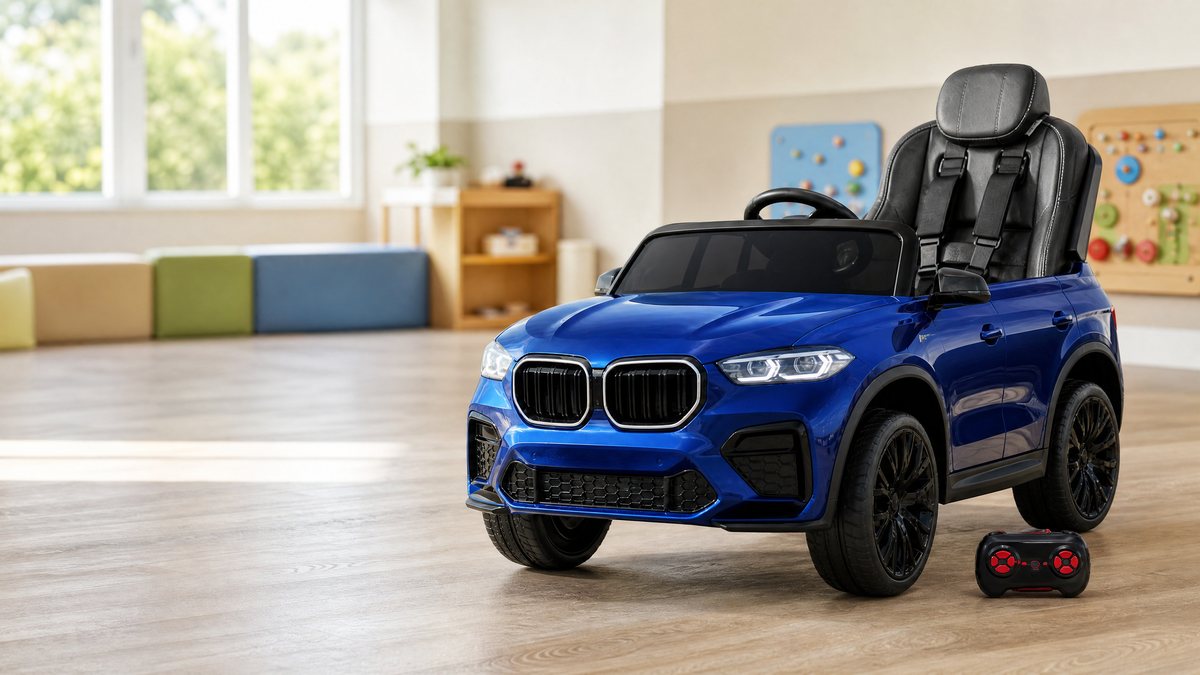
Ride-on vehicles featuring styling cues from luxury automotive manufacturers like BMW appeal heavily to parents and gift-buyers seeking authentic aesthetics. Miniature roadsters, SUVs, and sports cars bearing signature kidney grilles, sleek headlights, and distinct body lines create strong visual appeal on retail floors and e-commerce platforms alike.
However, commercial buyers must distinguish between generic replicas and officially licensed products. Official licensing agreements typically involve strict quality control guidelines set by the automotive brand holder, ensuring that the miniature vehicle accurately reflects the design proportions, branding elements, and safety standards associated with the parent brand.
The Importance of Verification in B2B Sourcing
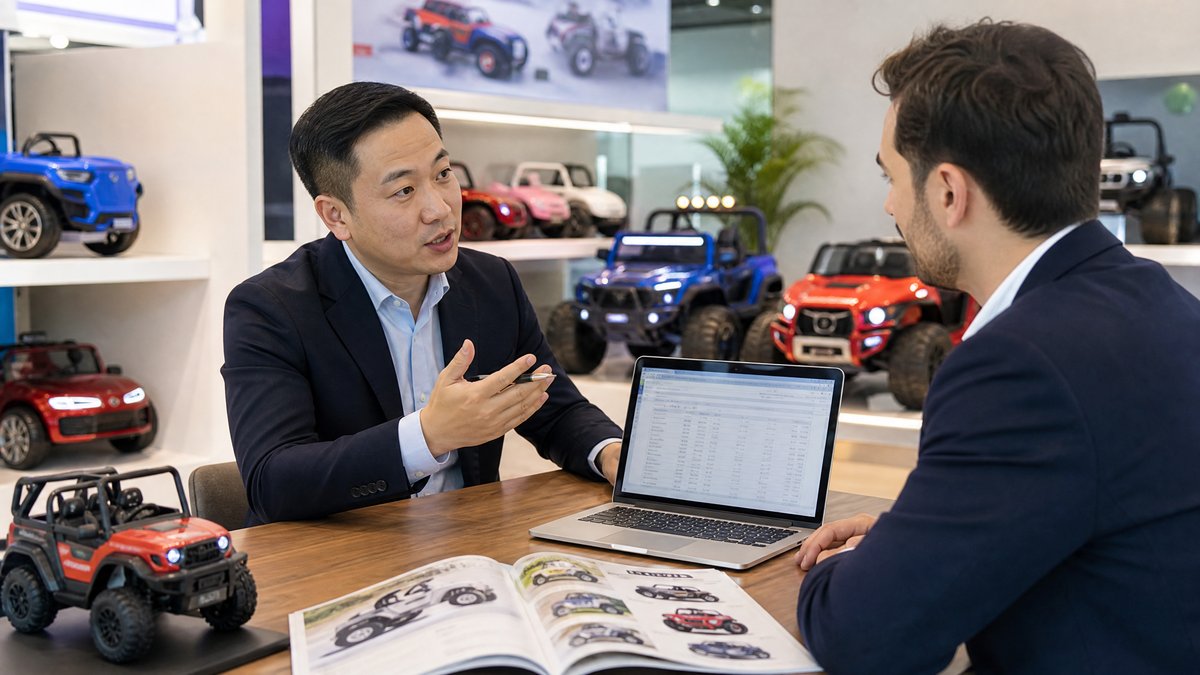
When engaging with manufacturers or wholesale suppliers, procurement professionals should never assume product compliance or brand authorization based solely on marketing brochures or product imagery. Establishing a structured verification protocol protects your enterprise from legal liabilities, customs seizures, intellectual property disputes, and reputational damage in your target retail markets.
Key Evaluation Criteria for Wholesale Buyers
To assess the viability and quality of ride-on vehicles before placing bulk orders, wholesale buyers should systematically review several core technical and administrative categories.
| Evaluation Category | Key Inspection Parameters | Importance to B2B Importers |
|---|---|---|
| Brand Documentation | Trademark authorization letters, licensing verification, factory authorization certificates | Ensures legal compliance and prevents customs border detentions |
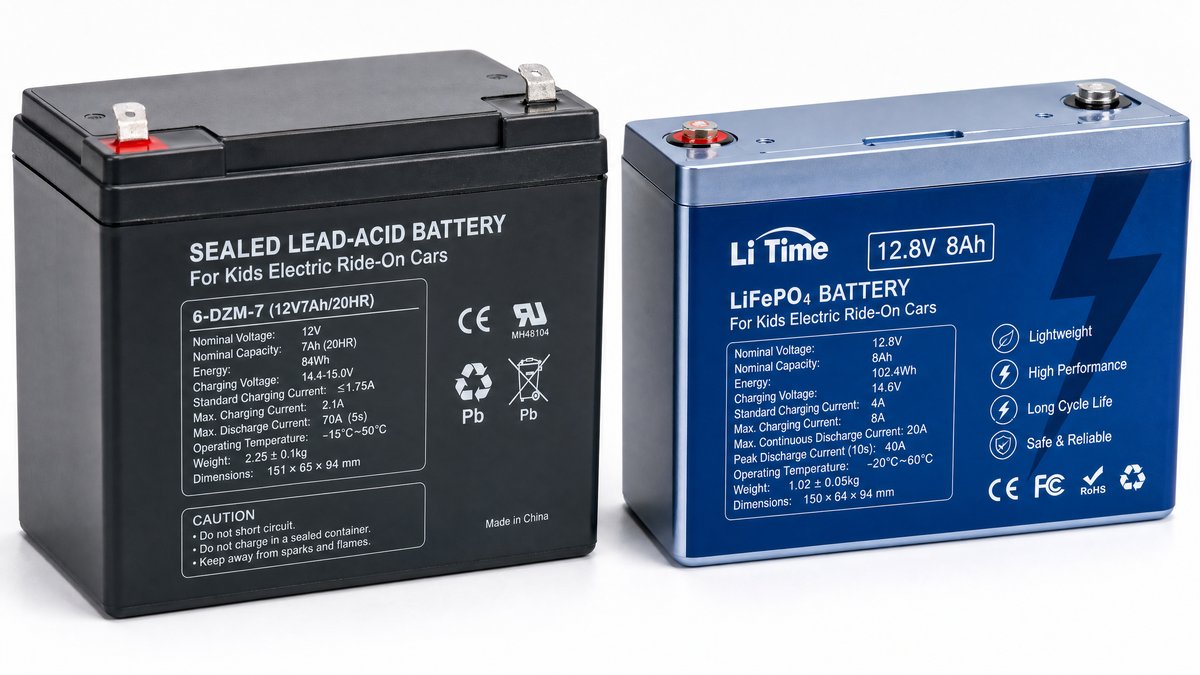
| Electrical Architecture | Voltage specifications (12V/24V), battery chemistry, charger certifications (CE, UL, RoHS) | Determines operational reliability, safety, and regulatory market access |
| Structural Integrity | Chassis material thickness, wheel construction (EVA foam vs. hard plastic), load capacity | Impacts product durability, warranty claim rates, and end-user safety |
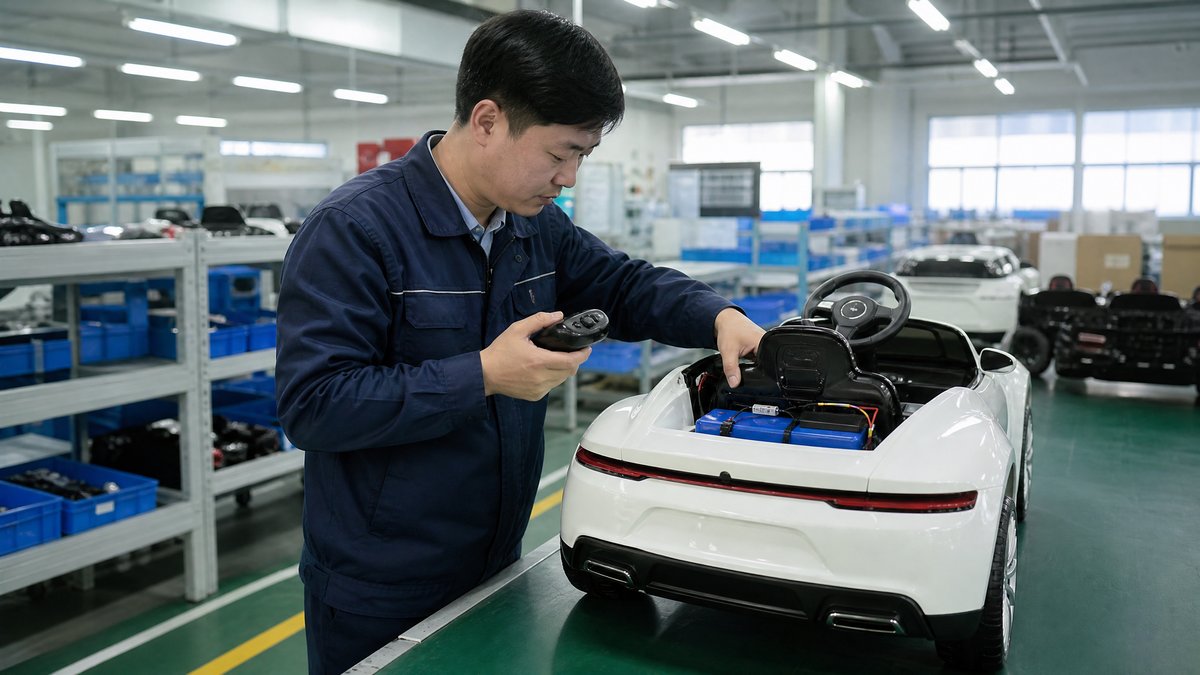
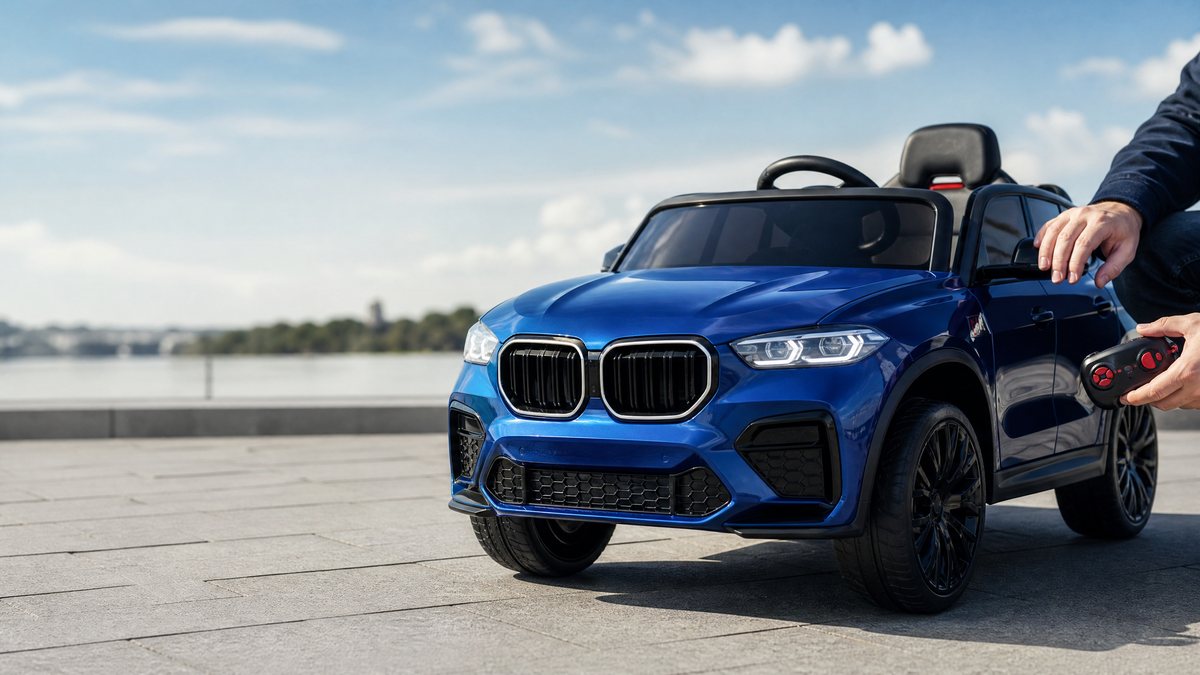
| Control Systems | Parental remote control frequency (2.4G Bluetooth), soft-start acceleration, braking mechanisms | Essential for toddler safety and regulatory compliance in target markets |
1. Brand Authorization and Legal Compliance
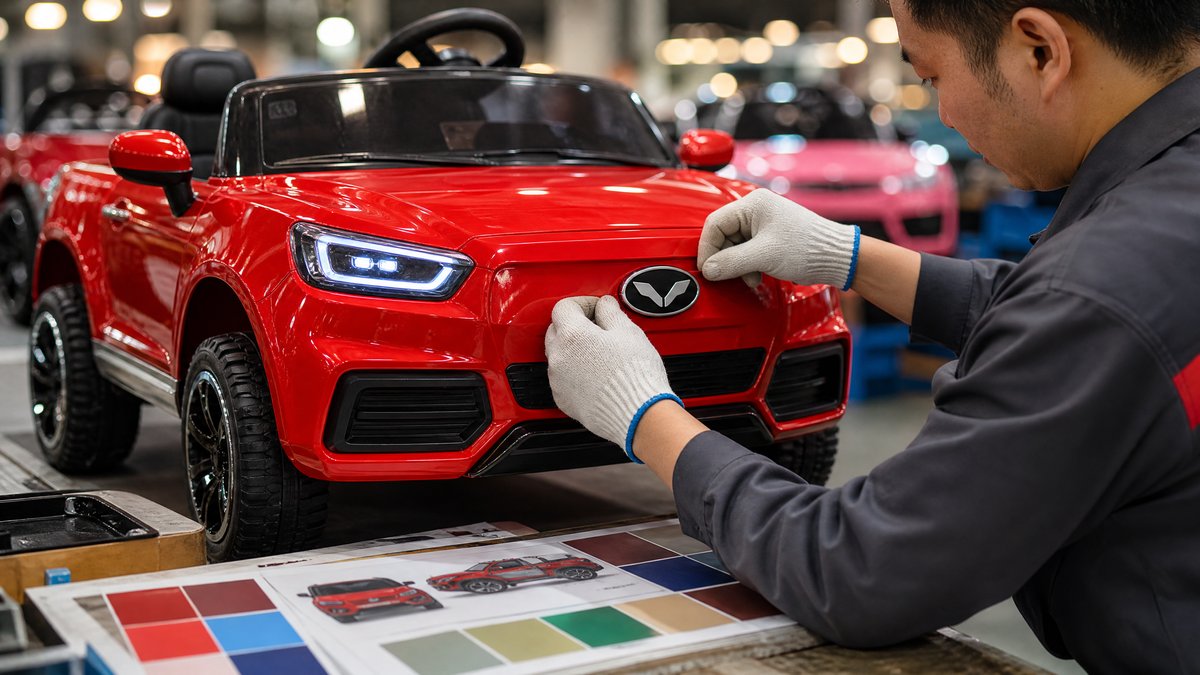
Vehicles marketed as "licensed" require careful scrutiny of supply chain documentation. Importers must request official proof of licensing from the manufacturing factory, verifying that the production facility holds a valid sub-license or direct agreement to utilize the automotive brand\'s intellectual property.
*Disclaimer: Inclusion of brand styling references in manufacturing does not constitute a direct endorsement or authorization by BMW AG unless explicit, verifiable legal licensing documentation is provided for the specific manufacturing batch and model.*
2. Electrical Specifications and Safety Standards
The internal electrical system dictates the performance ceiling and safety profile of any electric ride-on car. Wholesale buyers should review technical datasheets covering:
* Battery Output: Standard configurations typically range from 12-volt single or dual-motor setups to higher-voltage systems. Verify that batteries feature overcharge protection, thermal fuses, and secure terminal housings.
* Charger Compliance: Ensure that power adapters comply with destination market standards (e.g., CE, FCC, UL, or UKCA) to mitigate fire and electrical hazards during charging cycles.
* Speed Limiting: Adjustable speed settings or parental override controls are crucial for managing user safety across different age groups and skill levels.
3. Materials and Ergonomic Build Quality
Consumer perception of quality is heavily influenced by tactile feedback and structural resilience. Inspect physical samples for:
* Body Shells: High-impact injection-molded plastics with UV-resistant coatings to prevent fading and cracking under outdoor sunlight exposure.
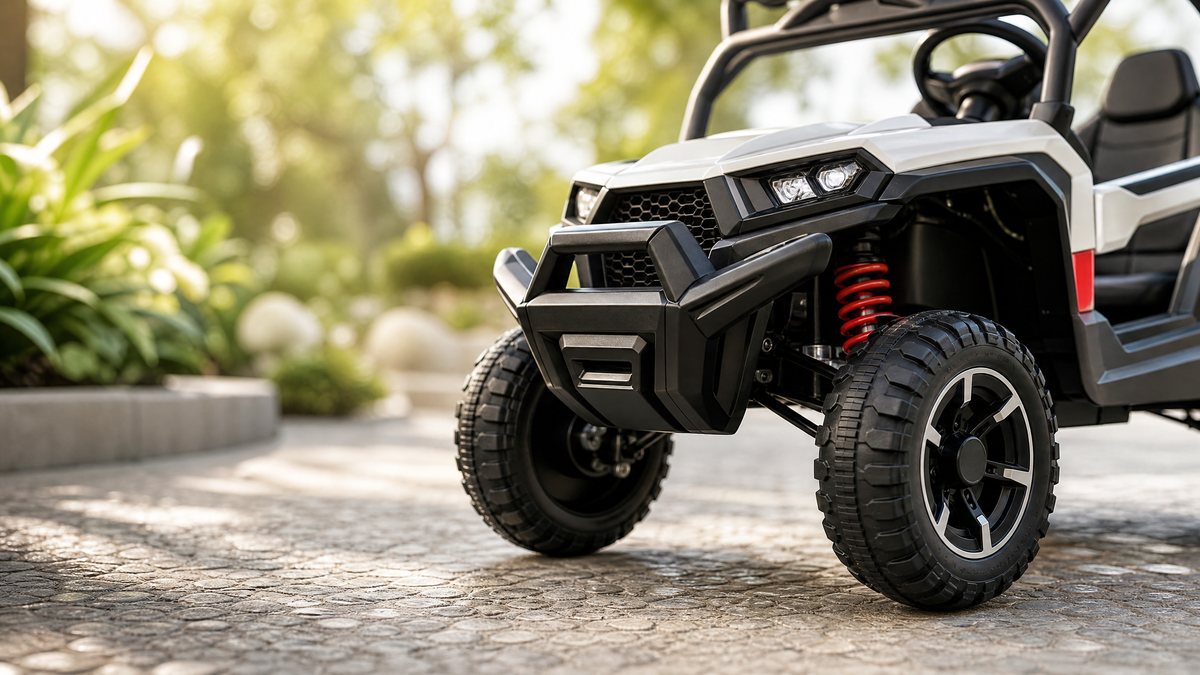
* Tires: Molded EVA (Ethylene-Vinyl Acetate) foam tires offer quieter operation, better traction on hard surfaces, and superior wear resistance compared to rigid plastic wheels.
* Seating and Restraints: Ergonomically contoured seats paired with adjustable safety harnesses ensure proper occupant positioning during operation.
Supply Chain Logistics and Container Optimization
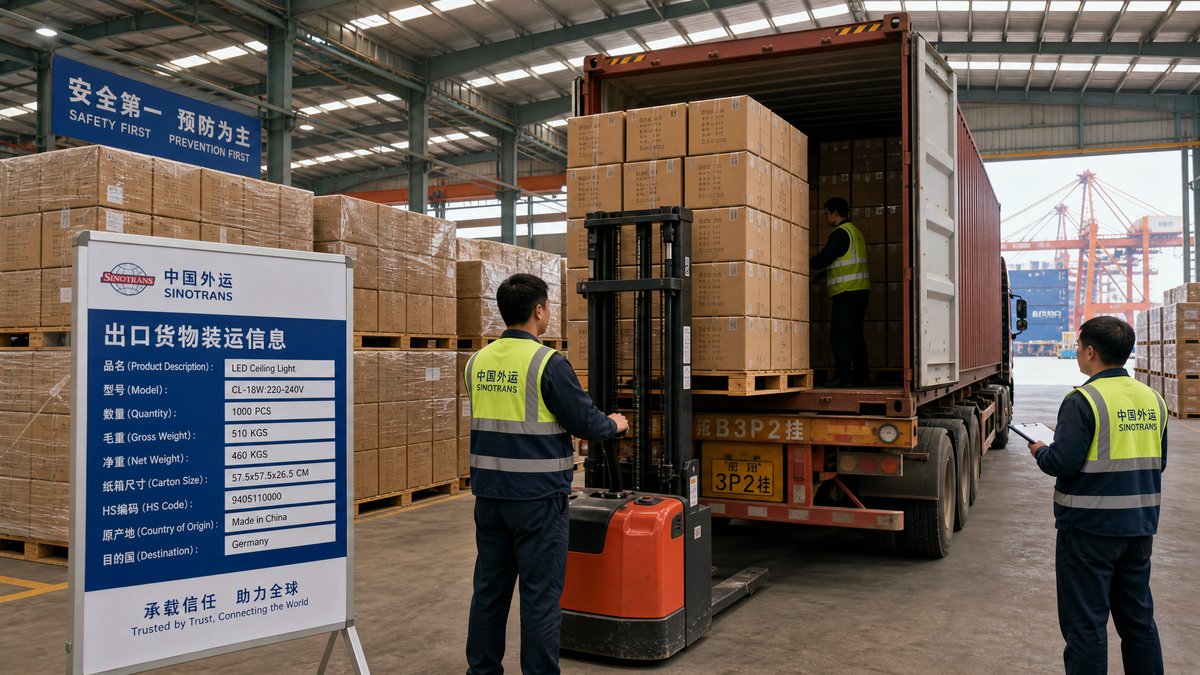
For wholesale distributors and retail buyers managing bulk shipments, optimizing container loading and logistics is just as critical as product quality. Ride-on cars are bulky items with significant volumetric weight, making freight efficiency a primary driver of landed cost.
Packaging and Carton Design
Manufacturers must utilize reinforced double-wall corrugated cartons designed to withstand international transit stress and multiple warehouse handlings. Internal bracing, foam padding, and protective film wrapping prevent cosmetic scratching on glossy plastic body panels and windshields.
Freight Calculation and CBM Utilization
When planning ocean freight shipments, buyers should analyze Cubic Meter (CBM) utilization across standard 40-foot high cube (40HQ) and 20-foot standard (20GP) containers. Knock-down (KD) or semi-knock-down (SKD) packaging designs allow for higher unit density per container, significantly reducing per-unit shipping expenses.
Comprehensive Quality Assurance Protocols for Importers
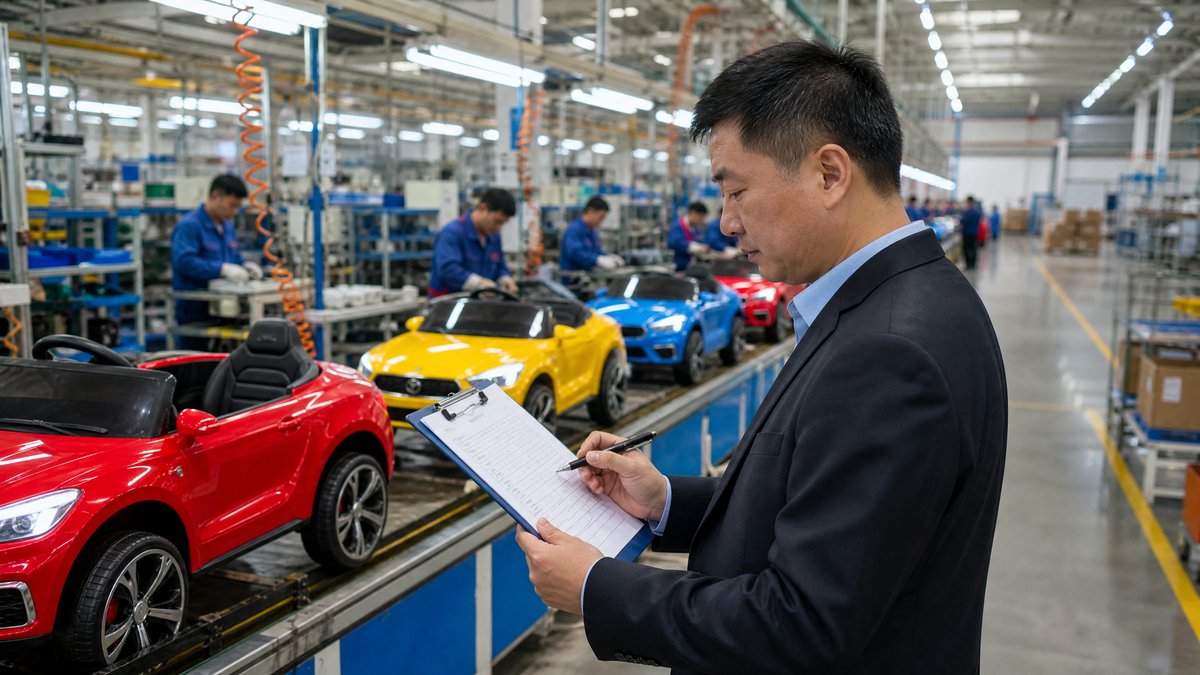
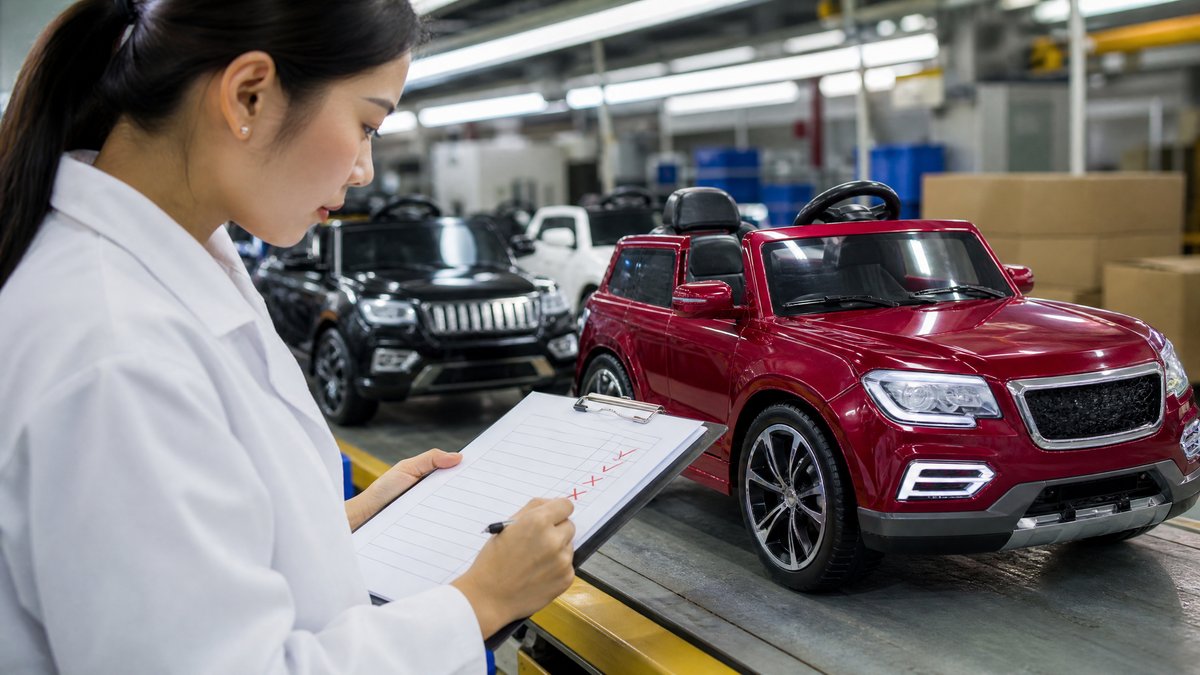
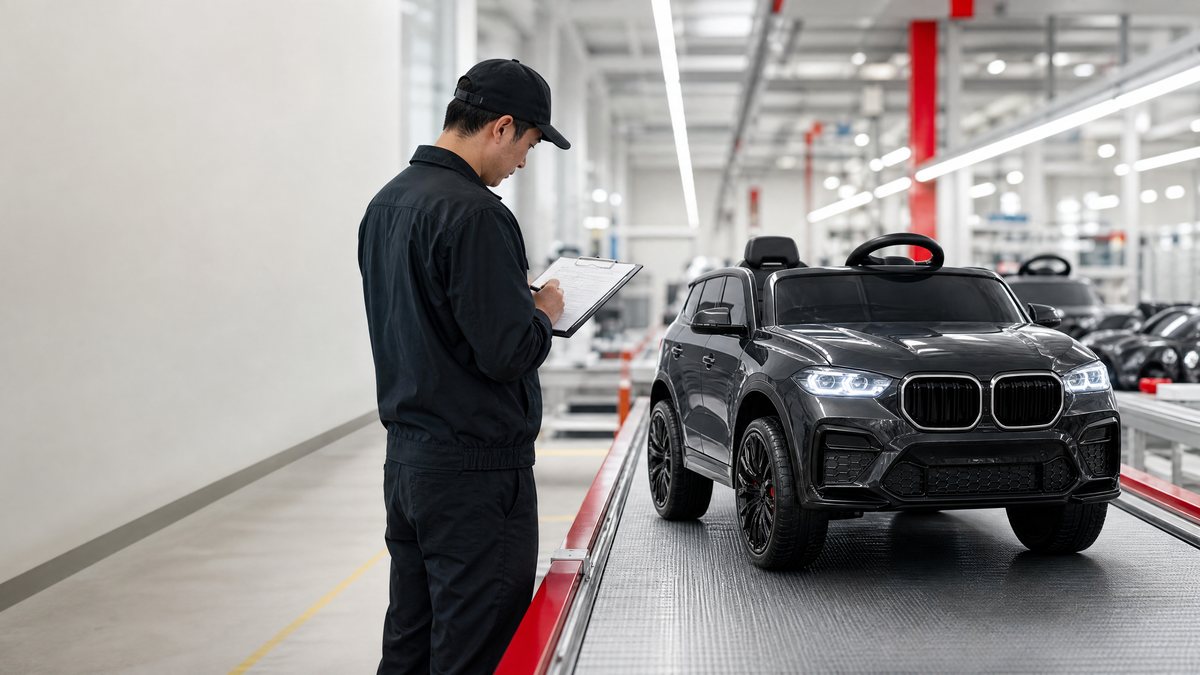
Executing quality assurance (QA) inspections at various stages of production minimizes defect rates and ensures consistent product delivery. Importers should implement a three-tier inspection strategy:
1. Pre-Production Inspection (PPI): Review raw materials, molded plastic components, and component grade sheets before assembly begins.
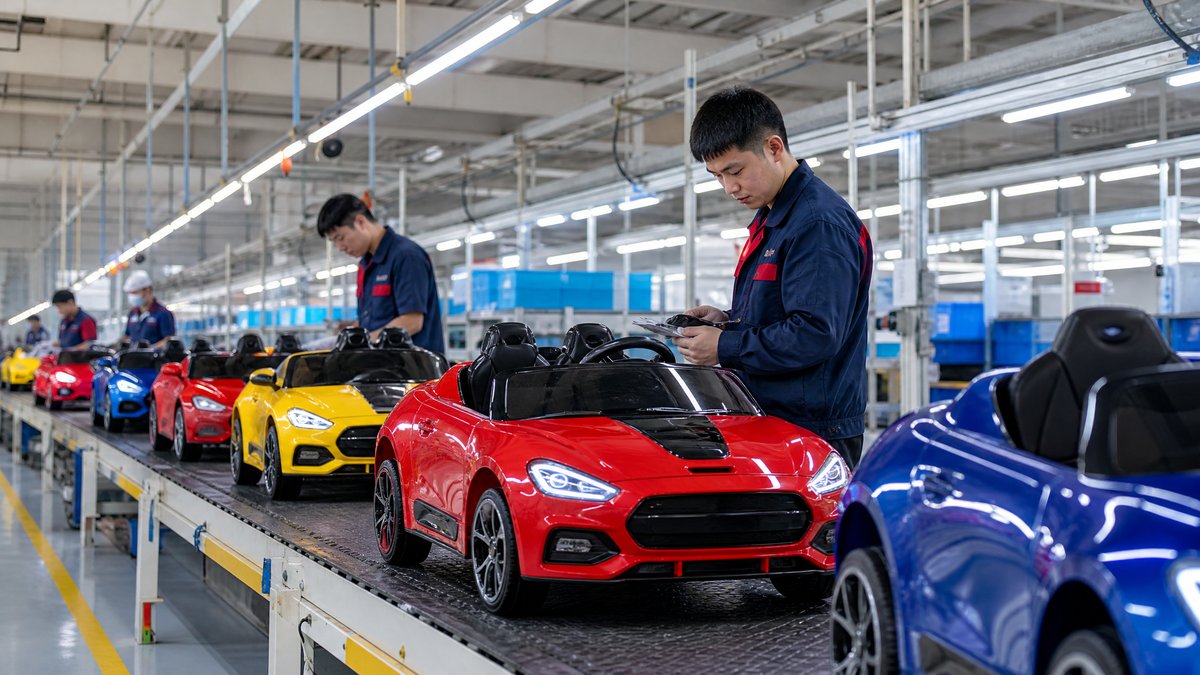
2. During Production (DUPRO): Monitor electrical wiring integration, gearbox assembly, and motor performance testing on the factory floor.
3. Pre-Shipment Inspection (PSI): Conduct random sampling based on Acceptable Quality Limit (AQL) standards to verify carton drop tests, barcode scanning, manual inclusion, and unit functionality.
Buyer\'s Checklist for Sourcing Ride-On Vehicles
Before finalizing purchase orders with overseas factories or trading companies, procurement teams should execute the following verification steps:
- [ ] Request Factory Credentials: Verify the manufacturer\'s export licenses, ISO quality management certifications, and social compliance audits.
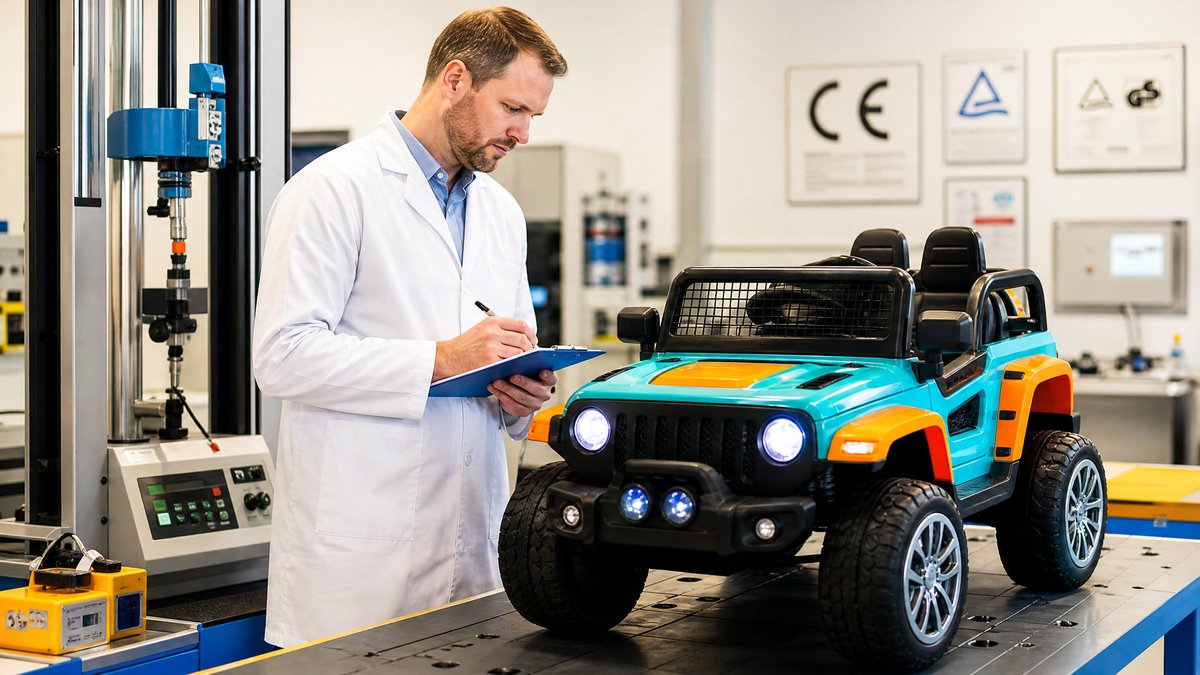
- [ ] Inspect Compliance Test Reports: Obtain independent laboratory test reports (e.g., EN71, ASTM F963) verifying mechanical, physical, and chemical safety compliance.
- [ ] Review Intellectual Property Documentation: Examine official brand licensing agreements and trademark certificates associated with the specific vehicle design.
- [ ] Evaluate Sample Units: Order physical production samples to test assembly ease, structural rigidity, remote control responsiveness, and battery performance under load.
- [ ] Examine Packaging and Manuals: Ensure user manuals are available in the target market\'s primary languages and that packaging materials meet drop-test standards for transit protection.
Frequently Asked Questions (FAQ)
What documentation is required to import licensed ride-on cars?
Importers typically need commercial invoices, packing lists, bills of lading, certificates of origin, independent laboratory test reports (such as ASTM F963 or EN71), electrical certification documents for chargers, and valid brand licensing authorization certificates connecting the manufacturer to the trademark holder.
How do 12V and 24V ride-on systems differ for wholesale buyers?
12V systems are standard for general-purpose toddlers and younger children, offering moderate speeds and simpler electrical architectures. 24V systems typically feature dual motors or higher-output gearboxes designed for rougher terrain or older children, requiring more robust battery management systems and heavier-duty wiring harnesses.
Are EVA foam wheels superior to plastic wheels?
Yes, EVA foam tires generally provide superior shock absorption, quieter operation on indoor and outdoor surfaces, and better grip compared to hollow injection-molded hard plastic wheels, enhancing the end-user experience and reducing return rates.
Conclusion
Sourcing electric ride-on vehicles styled after premier automotive brands requires a balanced approach combining aesthetic appeal with rigorous compliance and technical evaluation. By prioritizing documented safety standards, verifying manufacturing credentials, optimizing container freight, and establishing clear quality control protocols, B2B buyers can build reliable product portfolios that meet international regulatory requirements and satisfy retail consumer expectations.
For wholesale inquiries, catalog requests, or detailed technical specifications regarding our range of electric ride-on vehicles, please contact our trade desk at sales@kidsridecar.com.
Official references
Explore these external resources for current regulatory and trade guidance. Confirm requirements with the relevant authority before placing an order.
Ready to Start?
Factory-Direct · CE & ASTM Certified · MOQ from 50 Units
Our export team works with buyers in 60+ countries. Get a quote within 24 hours.
KR
Written by KidsRideCar
China's leading kids electric ride-on car manufacturer. 500,000+ units shipped annually to 60+ countries. CE, ASTM & EN71 certified.