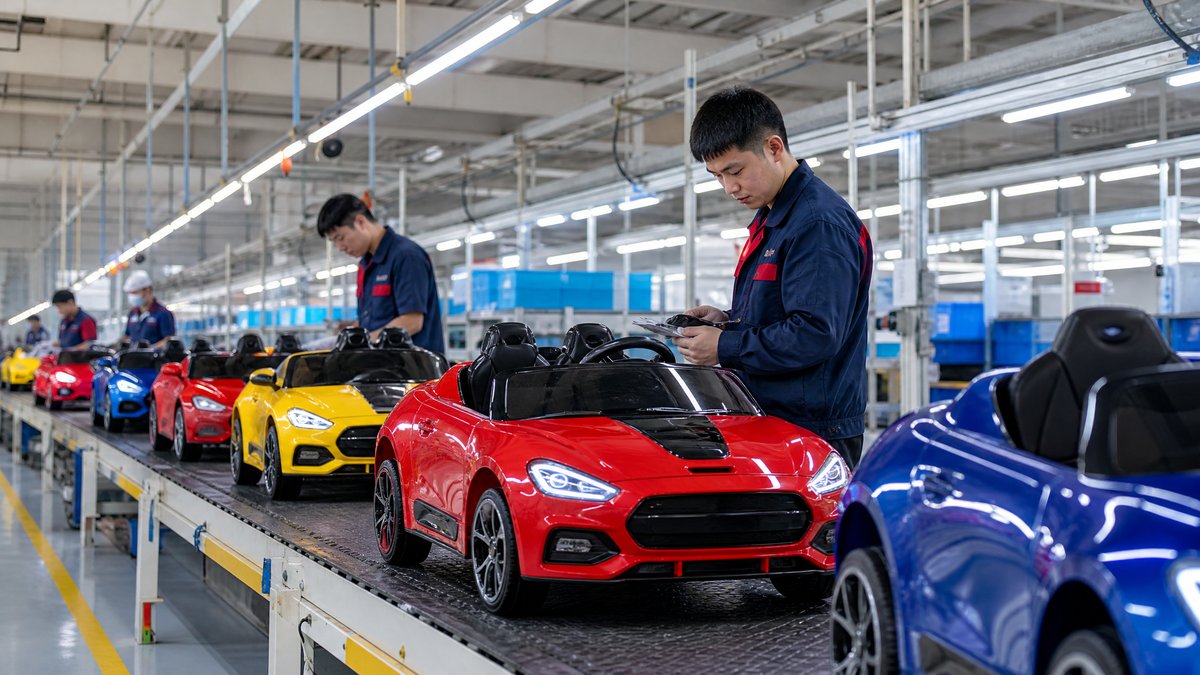
In the contemporary landscape of children's electric mobility, the selection of supervisory control mechanisms and motion management features represents a critical junction for professional importers, global distributors, and specialized retailers. The transition from simple mechanical playthings to sophisticated electronic platforms has necessitated a more rigorous approach to procurement. For a business operating in the international trade of these products, the focus must transcend mere aesthetic appeal or basic functionality. Instead, the emphasis should be placed on the integrity of signal communication, the hierarchy of control priority, and the implementation of graduated motion profiles. All such selections must be grounded in a thorough review of the written model documentation and the current supplier evidence provided by the manufacturing partner.
The strategic importance of these features cannot be overstated. From a commercial perspective, a robust suite of supervision tools serves as a fundamental pillar of risk management. It minimizes the likelihood of product returns due to perceived instability and enhances the long-term reputation of the brand. When a distributor evaluates a potential new model, they are not simply looking at a toy; they are assessing a complex system that must operate within the boundaries of applicable destination-market requirements. By prioritizing features that offer a high degree of supervisory oversight, businesses can effectively segment their market offerings, catering to a broad range of developmental stages while maintaining a consistent standard of quality.
The Strategic Importance of Supervisory Features in Professional Sourcing
For the professional buyer, the supervision mechanisms of a children's vehicle are both its most compelling value proposition and its primary area of operational focus. A vehicle that lacks clear, prioritized control logic presents a challenge for both the end-user and the distributor. When navigating the complexities of global sourcing, the objective is to identify manufacturing partners who integrate these features into a cohesive safety ecosystem. This approach ensures that the product remains a viable commercial asset throughout its lifecycle.
High-quality control systems and motion limiters serve several key business objectives. Firstly, they allow for effective market differentiation. By offering products with adjustable motion settings, a single vehicle platform can be marketed to various age groups, from those just beginning to explore their surroundings to more experienced young drivers. Secondly, these features contribute significantly to the mechanical longevity of the product. Technologies that manage the initial application of power reduce the physical stress on the internal gears and transmission systems, leading to fewer warranty claims and higher customer satisfaction. Finally, a documentation-first approach to these features ensures that all products meet the necessary standards for the intended region of sale.
Qualitative Assessment of Supervisory Control Systems
The primary active supervision feature in modern children's vehicles is the handheld control unit. This device allows an adult to maintain a constant link with the vehicle, providing a necessary layer of oversight for younger operators. When selecting a supplier, the focus should be on the technology used to maintain this link and the logic that governs how the vehicle responds to inputs.
Signal Integrity and Digital Pairing
Importers should prioritize systems that utilize advanced digital pairing technology. Older methods of communication are often susceptible to interference from other electronic devices, which can lead to unpredictable behavior in a retail environment or a public space. Modern digital systems establish a unique, secure handshake between the handheld unit and the vehicle, ensuring that the supervisor has exclusive control. The benefits of this technology include a more reliable range of operation and a significant reduction in signal latency. This ensures that the supervisor's commands are translated into motion without delay, providing a more responsive and secure experience.
The Hierarchy of Control Priority
A fundamental technical aspect to verify with any manufacturing partner is the hierarchy of control. In a well-designed system, the commands issued by the supervisor must always take precedence over the manual inputs of the child. This means that if a corrective action is required, the vehicle's internal logic must prioritize the signal from the handheld unit. Importers should seek written supplier confirmation that the control system uses a high-priority interrupt logic. This ensures that the adult always has the final word in the vehicle's direction and motion, which is essential for maintaining a secure environment.
Motion Management and Smooth Acceleration Technology
The way a vehicle manages its movement is a key indicator of its overall quality. For the professional buyer, the focus should be on how the vehicle handles the transition from a stationary state to motion and how it manages different levels of velocity.
Graduated Motion Profiles for Diverse Skill Levels
Modern vehicles should offer multiple motion settings to accommodate different developmental stages. The ability to lock the vehicle into a lower velocity setting is a valuable feature for importers, as it allows the product to grow with the child. A lower setting is ideal for those just starting out, while a more advanced setting can be used as the child gains confidence and skill. Importers must ensure that the maximum velocity of the vehicle aligns with the appropriate product markings and the specific requirements of the destination market.
The Role of Smooth Acceleration Systems
One of the most common issues in lower-quality vehicles is a sudden, jarring start. This occurs when the full power of the energy source is applied to the motors instantaneously. A more sophisticated approach involves the use of smooth acceleration technology, which gradually increases the power over a short period. For the professional buyer, this is a vital durability feature. By eliminating the sudden spike in torque, the system protects the internal mechanical components from excessive wear. This leads to a more reliable product and a better experience for the consumer, as the vehicle moves away smoothly without any abrupt movements.
Integrated Supervision and Visual Monitoring
Beyond the primary control unit, several other features contribute to the overall supervisory capabilities of the vehicle. These features provide the adult with the information and tools necessary to maintain a secure environment. The handheld control unit should include a dedicated mechanism for an immediate halt. When activated, this function should bring the vehicle to a complete stop, regardless of any other inputs. The vehicle should remain stationary until the supervisor manually releases the halt command. This is a critical feature for managing the vehicle in areas with potential hazards.
Effective supervision also requires a clear understanding of the vehicle's status. A visible power level indicator on the dashboard allows the adult to monitor the remaining energy in the power source. This ensures that the vehicle has sufficient energy to complete its journey and prevents it from becoming stationary in an inconvenient location. A clear, visual display is a hallmark of a well-designed product and a key point for professional evaluation. Furthermore, the quality of the seating and restraint system is a major indicator of the manufacturer's attention to detail. Importers should look for vehicles equipped with multi-point harness systems that are securely attached to the main structure of the vehicle.
A Strategic Framework for Supplier Selection
When evaluating potential manufacturing partners, professional buyers should use a structured approach to assess the quality of the supervision and control features. The following table provides a qualitative comparison of high-quality specifications versus potential indicators of lower quality.
| Feature Category | High-Quality Indicator | Potential Concern |
|---|---|---|
| Communication Technology | Secure digital pairing with unique handshake | Analog signals prone to external interference |
| Control Hierarchy | Supervisor commands have absolute priority | Manual inputs can conflict with supervisor |
| Acceleration Profile | Graduated power application for smooth starts | Abrupt, jarring motion upon activation |
| Halt Mechanism | Dedicated, immediate halt on handheld unit | Lack of a dedicated pause or stop function |
| Velocity Settings | Multiple selectable profiles via the controller | Single fixed motion setting only |
| Status Monitoring | Clear visual display of remaining power levels | No indicator or vague status light |
| Documentation | Comprehensive manuals and supplier evidence | Incomplete or poorly translated instructions |
Sourcing Checklist for Importers and Distributors
To ensure a successful procurement process, importers should follow a detailed checklist when evaluating new models or suppliers. This checklist focuses on the qualitative aspects of the product and the strength of the supplier's documentation.
- Request Written Supplier Confirmation: Always obtain formal documentation regarding the control logic and signal integrity of the vehicle.
- Review Current Supplier Evidence: Examine the manufacturer's history and their commitment to quality in the children's mobility sector.
- Conduct an External Visual Check: Inspect the build quality of the handheld unit and the vehicle's dashboard indicators.
- Perform a Non-Destructive Assessment: Evaluate the seating and restraint systems to ensure they are robustly attached.
- Verify Appropriate Product Markings: Ensure that the vehicle displays all necessary markings for the intended market.
- Assess Manual-Led Setup Procedures: Review the instructions to ensure they are clear and provide a logical path for the user.
- Evaluate After-Sales Support: Confirm that the manufacturer offers manufacturer-approved support for any technical inquiries.
Operational Boundaries and Safety Philosophies
As a professional distributor, it is essential to establish clear boundaries for product maintenance and support. This protects the business and ensures that the products remain in a secure state throughout their use. The information provided to the end-consumer should focus exclusively on external tasks. This includes keeping the vehicle and the handheld unit clean, ensuring the power source is charged according to the manual, and conducting regular external visual checks. By limiting the user's involvement to these non-technical tasks, the distributor can maintain the integrity of the vehicle's internal systems.
For any concerns involving the internal electronics or the control systems, the following guidelines should be strictly observed:
- Avoid Internal Access: Users should never be encouraged to access the internal components or the power source area.
- No Modifications: The internal connections and control logic must remain in their original, manufacturer-approved state.
- Qualified Support Only: Any technical issues that cannot be resolved through external checks should be referred to qualified support or manufacturer-approved service centers.
- Stop Use if There is a Concern: If any aspect of the vehicle's operation seems unusual, the recommendation should always be to stop use and seek professional advice.
Frequently Asked Questions
Q: How can a distributor verify the priority of the supervisor's control unit during the procurement process?
A: During the evaluation of a sample, the procurement team should conduct a practical assessment. While the vehicle is being operated manually, the supervisor should use the handheld unit to issue a conflicting command, such as an immediate halt. A high-quality system will prioritize the supervisor's input instantly. Importers should also request written supplier confirmation that this priority is hard-coded into the vehicle's control logic to ensure consistent performance across all units.
Q: What is the best approach for managing technical inquiries from customers regarding the control systems?
A: The most effective strategy is to provide clear, manual-led setup instructions and to emphasize the importance of adult supervision. If a customer reports an issue with the connection between the handheld unit and the vehicle, the first step is an external visual check and a review of the pairing process as described in the manual. If the issue persists, the distributor should offer manufacturer-approved support or a module-level replacement rather than suggesting any internal investigation.
Q: Why is smooth acceleration technology considered a critical feature for professional sourcing?
A: Beyond the obvious benefits for the child's experience, smooth acceleration is a key factor in the mechanical durability of the vehicle. By managing the application of power, the system prevents the sudden torque spikes that can damage internal gears and other components. For a distributor, this means a lower rate of mechanical failure, fewer warranty claims, and a more positive brand image in the marketplace.
Conclusion
The selection of parental remote controls, motion settings, and supervision features is a cornerstone of a successful business-to-business strategy in the children's electric vehicle market. By focusing on qualitative indicators of quality, such as signal integrity, control priority, and mechanical protection, importers can build a product portfolio that stands out for its reliability and excellence. Always prioritize clear documentation and maintain strict boundaries on technical maintenance to ensure the long-term success of your business.
Request a wholesale quote
Official references
Explore these external resources for current regulatory and trade guidance. Confirm requirements with the relevant authority before placing an order.
Ready to Start?
Factory-Direct · CE & ASTM Certified · MOQ from 50 Units
Our export team works with buyers in 60+ countries. Get a quote within 24 hours.
KR
Written by KidsRideCar
China's leading kids electric ride-on car manufacturer. 500,000+ units shipped annually to 60+ countries. CE, ASTM & EN71 certified.