Introduction
In the global commercial landscape of children's electric ride-on vehicles, understanding and communicating accurate weight limits is paramount for safety, product longevity, and regulatory compliance. For B2B importers, wholesale distributors, and retail partners, the weight capacity of a ride-on car is not merely a marketing metric or a casual suggestion; it is a fundamental engineering threshold determined by chassis structural integrity, motor torque capacity, electrical circuit design, and suspension dynamics. When commercial buyers source electric ride-on cars from manufacturing partners, evaluating the precise rated load capacity ensures that the end-users—children of varying ages, physical statures, and developmental percentiles—operate the vehicles within safe mechanical parameters specified by the manufacturer. Exceeding these specified thresholds introduces severe structural stress, accelerates mechanical wear, compromises braking efficiency, diminishes steering responsiveness, and increases tip-over risks, ultimately leading to premature product failure, warranty implications subject to specific model terms, and commercial liability concerns.
This comprehensive technical guide examines the underlying engineering principles governing ride-on car weight limits, analyzes how structural chassis variations and motor load dynamics influence load distribution, outlines crucial safety protocols for malfunction handling, and provides a structured procurement specification review for commercial buyers. All technical evaluations, load recommendations, and operational parameters remain strictly subject to the model's rated nameplate, user manual, and manufacturer written instructions.
1. Fundamentals of Ride-On Car Weight Ratings and Chassis Engineering
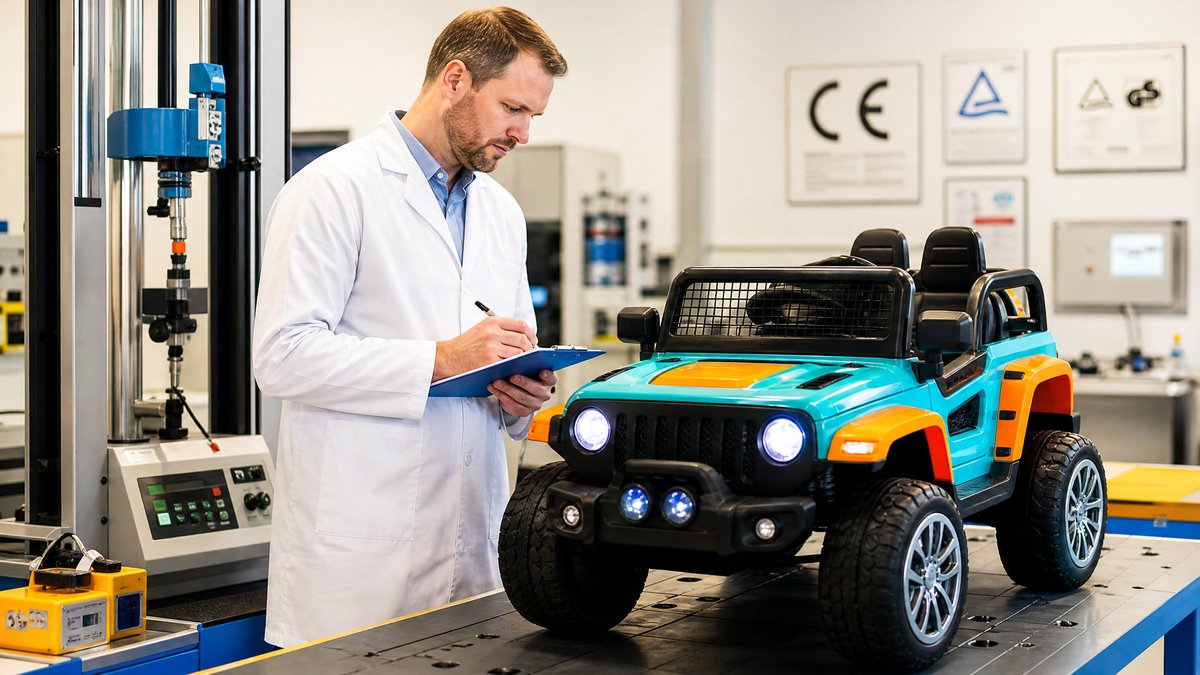
The weight rating assigned to a children's electric ride-on car represents the maximum cumulative load—including the driver, passenger, and any carried items or accessories—that the vehicle's structural and mechanical systems can safely support under normal operating conditions. This rating is established through rigorous structural engineering calculations, stress evaluations, and physical prototype testing under simulated dynamic stress as defined by the manufacturer. However, the rated capacity varies significantly depending on the underlying chassis architecture and material selection outlined in official technical documentation.
> Engineering Principle: The structural load limit of a ride-on vehicle is dictated by the weakest link in its mechanical load path, whether that is the injection-molded plastic chassis wall thickness, the steel axle diameter, the wheel hub bearing assembly, or the suspension attachment points, as established in official manufacturer specifications.
Chassis Construction Variations and Structural Integrity
Ride-on vehicles generally employ distinct chassis construction typologies that dictate their load-bearing capabilities according to manufacturer engineering standards:
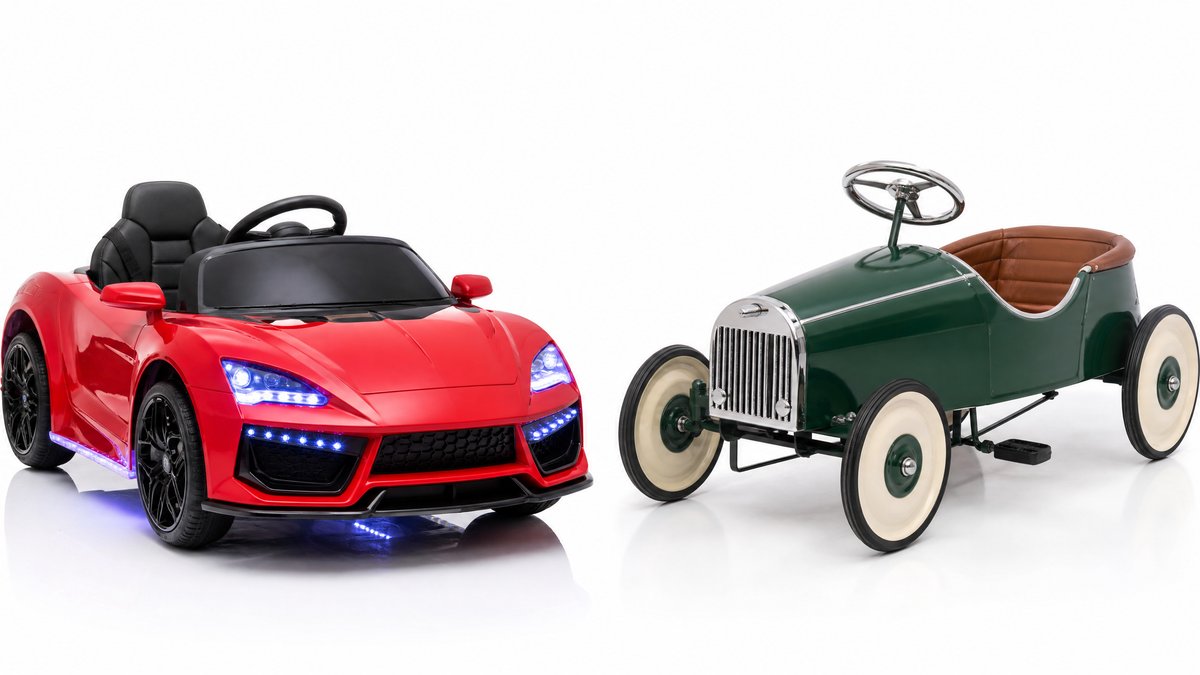
1. Monocoque Injection-Molded Plastic Frames: Common in lightweight, entry-level models designed for younger, lighter children. While modern high-impact polypropylene and polymer plastics offer excellent impact resistance, weather durability, and aesthetic versatility, their structural rigidity under concentrated point loads is inherently limited by design. Without internal reinforcement specified by the manufacturer, monocoque frames can experience flexure, causing gear misalignment and premature fatigue. Load capacities for these structures strictly follow the manufacturer's rated nameplate and manual guidelines.
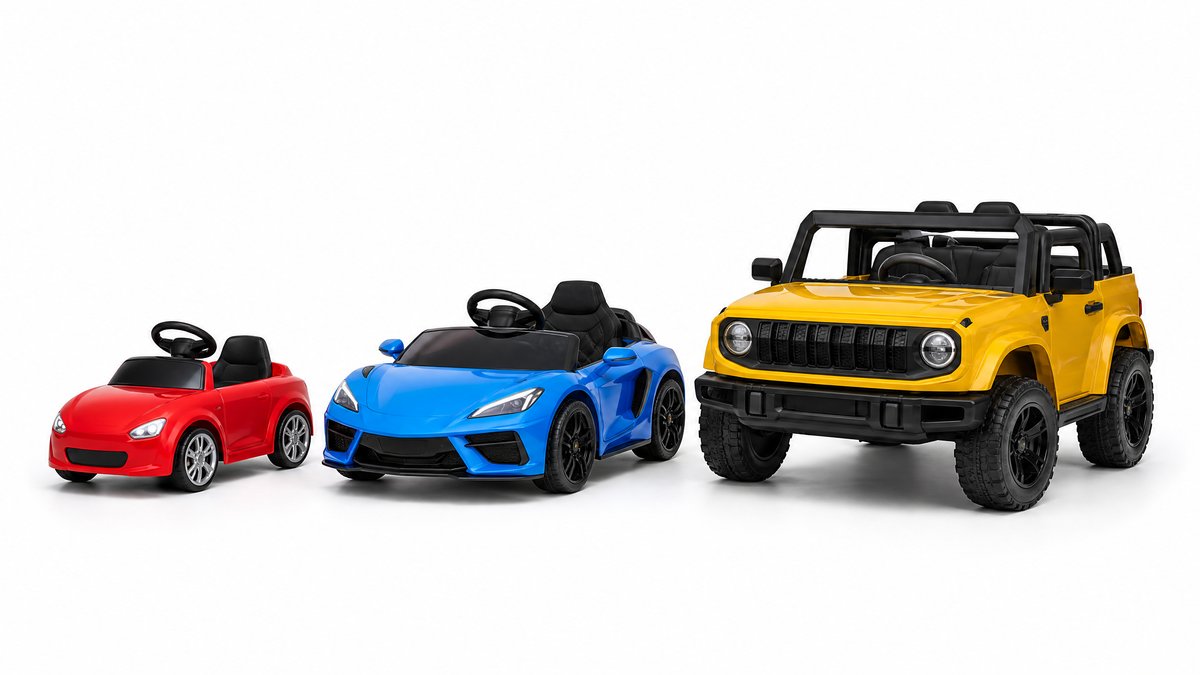
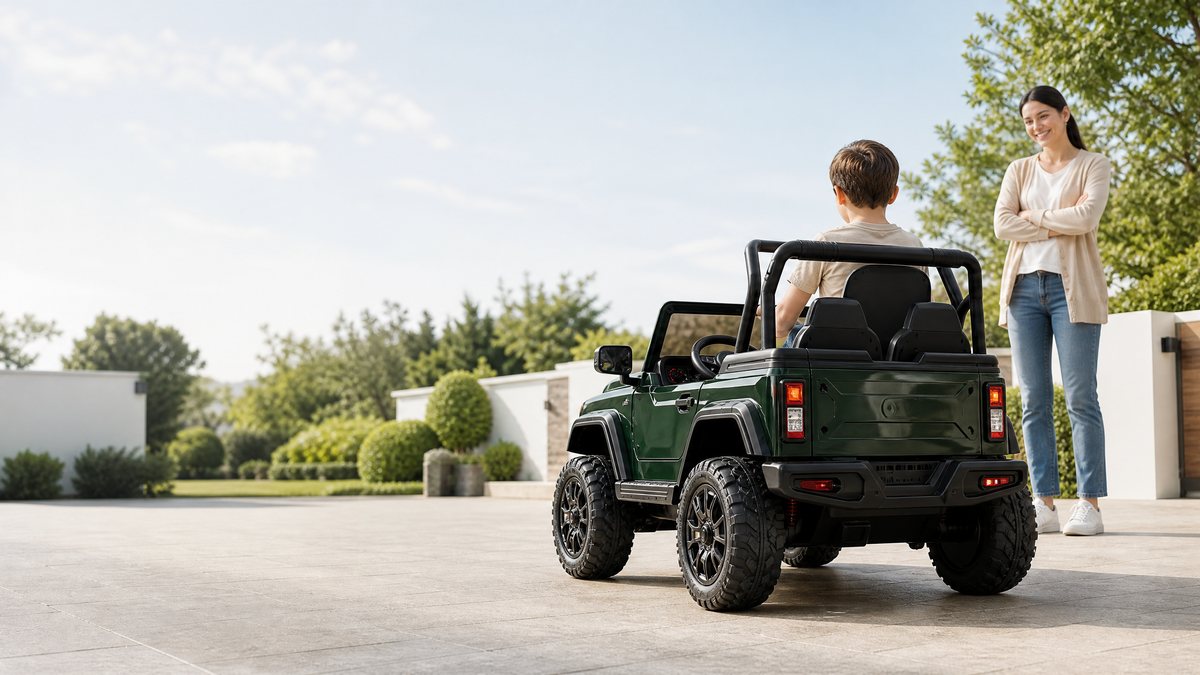
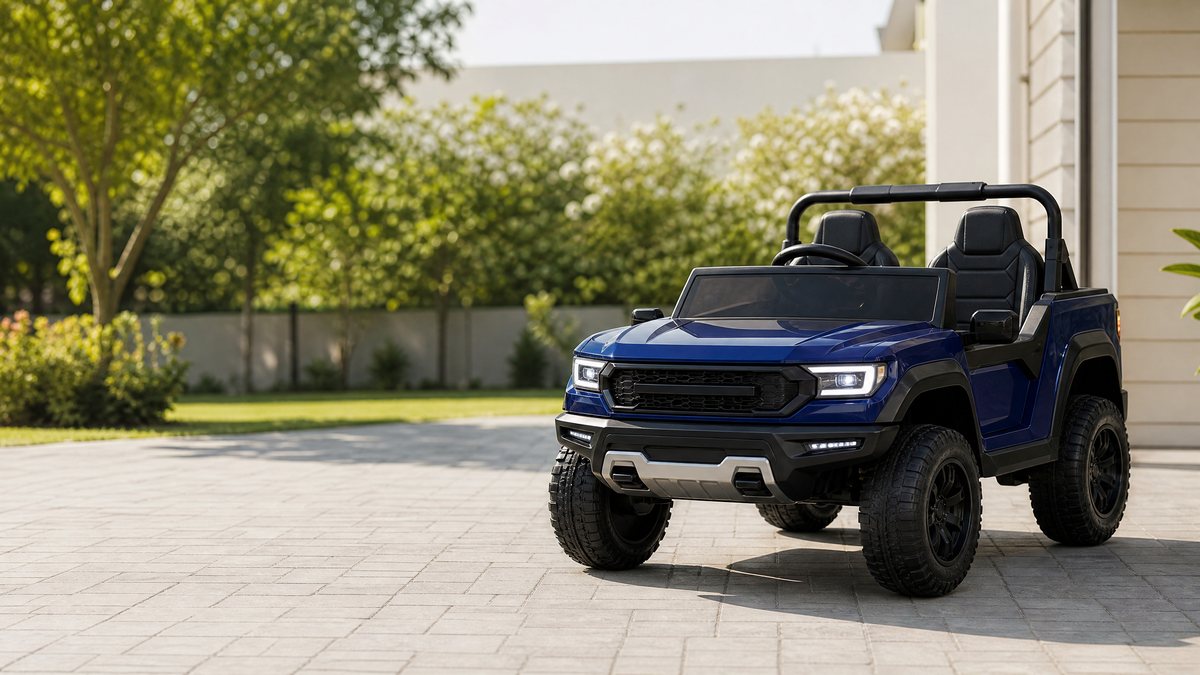
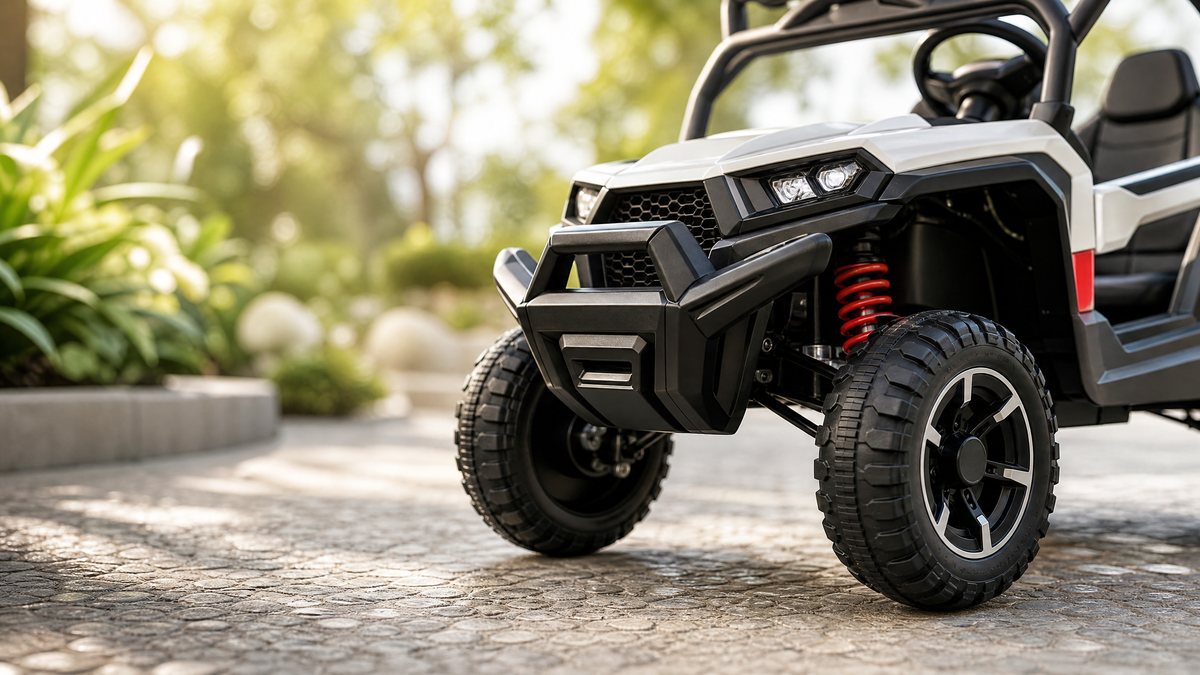
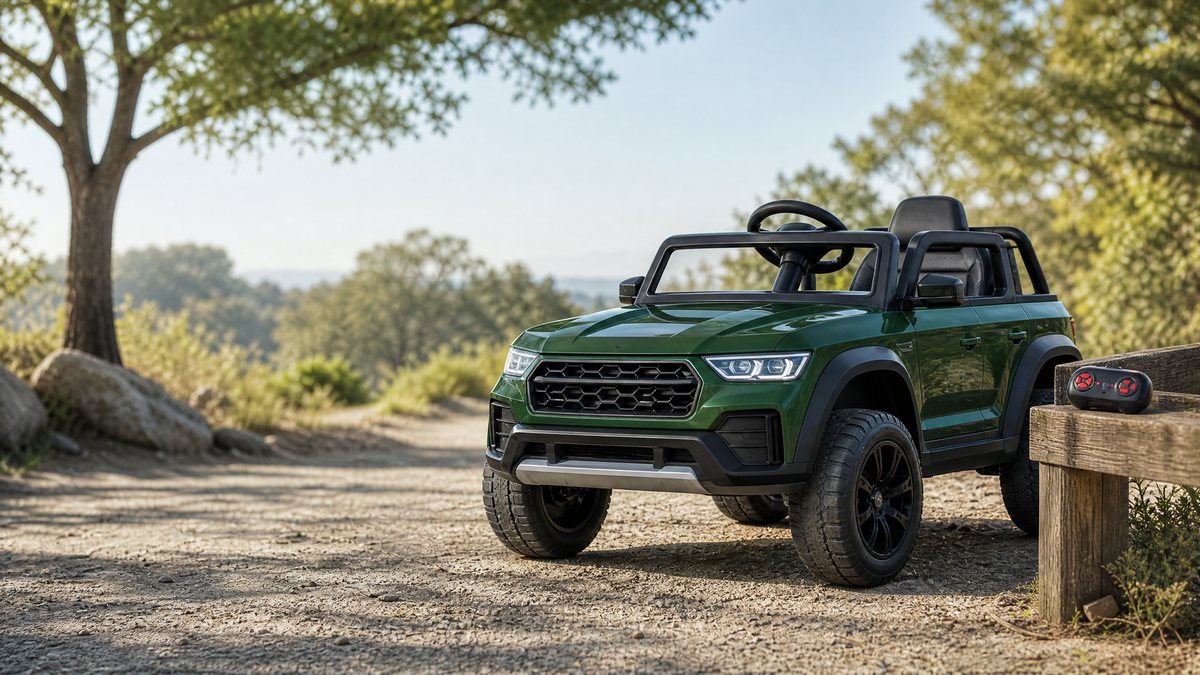
2. Steel-Reinforced Tubular Frames: Utilized in high-performance and multi-passenger utility ride-on vehicles designed for rugged outdoor use as specified by the manufacturer. These advanced frames incorporate welded structural steel tubing frameworks that support the aesthetic plastic body shell, transferring driver weight directly to heavy-duty axle assemblies and independent suspension struts. Such robust engineering allows maximum weight capacities to align strictly with the vehicle's official engineering documentation and safety certifications.
Axle, Wheel Hub, and Suspension Load Bearings
Beyond the primary frame, load distribution relies heavily on steel drive axles, steering linkages, and wheel hub assemblies. Solid high-carbon steel axles withstand torsional bending stresses according to manufacturer design parameters. Furthermore, independent suspension systems absorb dynamic impact loads when traversing terrain, preventing shock loads from fracturing plastic mounting brackets and transmission housings. Commercial buyers must verify that axle diameters, bearing tolerances, and suspension mounting points match the declared weight capacity on the manufacturer specification sheet and user manual.
2. Passenger Count Dynamics: Single Versus Multi-Seater Load Distribution
A common point of confusion in commercial procurement and retail marketing is the relationship between physical seating capacity and total weight limits. Retailers frequently encounter consumer assumptions that any multi-seater ride-on car can automatically accommodate multiple children of any age within the target demographic range. Engineering realities, however, require strict adherence to cumulative weight limits rather than simple headcounts, as mandated by the manufacturer's technical instructions.
Single-Seater Load Distribution
Single-seater ride-on cars are engineered to centralize the driver's weight directly over the centerline of the vehicle chassis, aligning symmetrically with the primary drive axle and steering pivot. This centralized load distribution optimizes lateral stability, traction across drive wheels, and steering responsiveness in accordance with the manufacturer's design specifications.
Multi-Seater Load Distribution and Center of Gravity Shifts
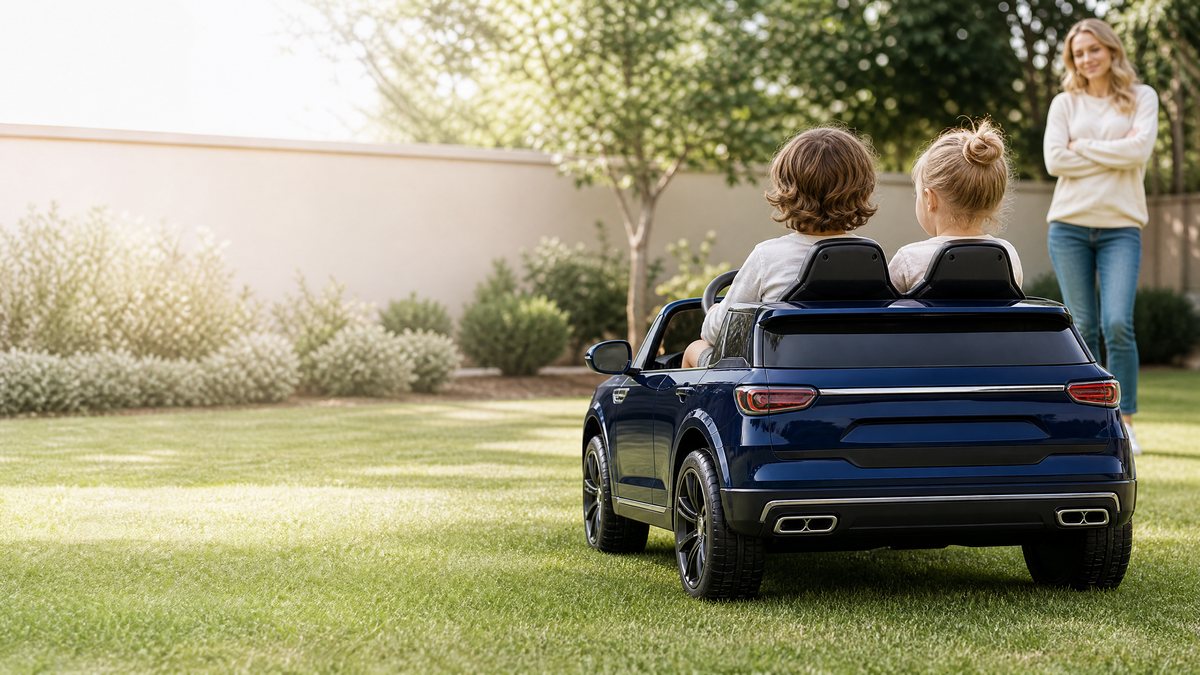
Multi-seater models introduce complex multi-point load dynamics. When multiple children occupy the vehicle, the cumulative weight must not exceed the manufacturer's specified maximum limit outlined in the official user manual. More importantly, off-center seating arrangements shift the vehicle's center of gravity laterally and longitudinally, requiring strict adherence to operational boundaries set by the manufacturer.
| Seating Configuration | Structural Class Reference | Primary Structural Focus | Stability Risk Factors & Operational Limits |
|---|---|---|---|
| Single Seater (Entry Level) | Manufacturer Base Spec | Centralized floor pan & basic chassis | Minimal lateral tipping; limited by motor and chassis design per manual. |
| Single Seater (Sport Variant) | Manufacturer Performance Spec | Reinforced seat base & rear axle | Moderate incline stress; high-speed steering sensitivity per documentation. |
| Multi-Seater (Standard Utility) | Manufacturer Standard Dual Spec | Dual seat pan & subframe | Uneven passenger weight distribution; turning body roll per manual limits. |
| Multi-Seater (Heavy Utility) | Manufacturer Heavy-Duty Spec | Tubular steel frame reinforcement | High kinetic energy; extended braking distance under load per specifications. |
When passengers sit side-by-side or in a tandem configuration, lateral weight imbalances can occur during turns. Commercial procurement specifications must clearly distinguish between passenger seating capacity and maximum weight thresholds established by the manufacturer to prevent dangerous overloading scenarios.
3. Electrical and Mechanical Impact of Motor Load and Overload
The weight limit of a ride-on car is constrained just as severely by its electrical propulsion system as by its physical chassis architecture. Every electric ride-on vehicle relies on electric DC motors paired with reduction gearboxes to generate sufficient propulsion torque according to the manufacturer's electrical schematic.
Motor Torque, Amperage, and Thermal Dissipation
When a vehicle operates under heavy load, the electric motor draws electrical current (amperage) to overcome the gravitational and frictional resistance imposed by the added weight, subject to the manufacturer's electrical design limits.
* Overcurrent Conditions: Exceeding the rated weight limit forces the motor to draw current levels exceeding its thermal design parameters defined by the manufacturer. This rapid amperage spike generates excessive internal heat within the motor windings.
* Gearbox and Transmission Stress: High torque demands place immense mechanical shear stress on reduction gears housed within the gearbox assembly as specified in engineering documentation. Overloading frequently results in stripped gear teeth, permanent motor stalling, and drivetrain failure.
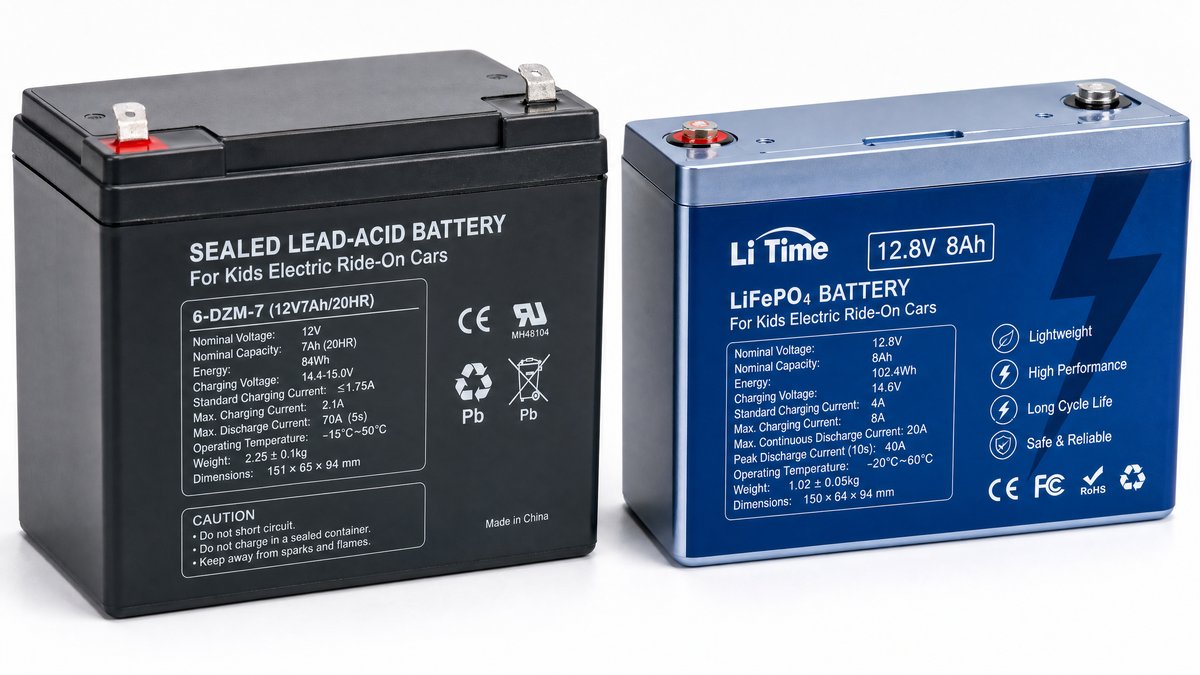
* Battery Discharge Acceleration: Increased motor load drains the battery bank at an accelerated rate, causing severe voltage sag, chemical stress, and a reduction in overall battery cycle life as outlined in the manufacturer's battery maintenance guidelines.
All safety-critical conclusions and operational load limits remain strictly subject to the model's rated nameplate, user manual, and manufacturer written instructions. Wholesalers must ensure that end-user documentation clearly explains the direct correlation between excessive weight and premature electrical breakdown.
4. Safety Risks of Overloading and Malfunction Protocols
Operating an electric ride-on car beyond its specified weight limit introduces multi-faceted safety hazards that affect vehicle dynamics, structural integrity, and electrical safety.
Identified Safety Risks
1. Degraded Braking Performance: Increased kinetic energy combined with worn braking mechanisms significantly extends stopping distances, increasing collision hazards on slopes and hard surfaces, as highlighted in manufacturer safety warnings.
2. Steering Sluggishness and Loss of Control: Excessive front-axle loading binds the steering column and degrades steering geometry, making the vehicle unresponsive to directional inputs per manufacturer operational guidelines.
3. Tip-Over Hazards: Overloaded vehicles climbing inclines experience pronounced rearward weight transfer, elevating the risk of backward tipping and passenger ejection as detailed in the user manual.
Mandatory Malfunction and Emergency Protocols
In the event of severe operational anomalies—such as water ingress into the battery compartment, persistent motor overheating, unusual burning odors, smoke emission, exposed or frayed wiring, damaged charging plugs, abnormal braking behavior, or evidence of unauthorized battery and circuit modifications—strict emergency protocols must be followed:
* Immediately cease vehicle operation and power down the unit following manufacturer instructions.
* Disconnect the main battery power harness where safely accessible without risking personal injury.
* Keep children and bystanders at a safe distance from the equipment.
* Escalate the issue exclusively to qualified repair personnel or authorized manufacturer technical support for professional inspection and remediation.
> Strict Warning: Never encourage or attempt customer-level modifications, voltage upgrades, or the bypassing of integrated circuit protection devices (such as thermal fuses and current-limiting controllers). Bypassing safety hardware violates compliance standards and creates severe fire, electrical shock, and injury risks. Any unauthorized modification may be subject to limitations under this model's warranty terms.
5. B2B Procurement Specification Review: Checklist for Wholesalers and Retailers
To maintain commercial reliability, minimize return rates, and ensure end-user safety, B2B buyers must implement a rigorous specification review process when sourcing ride-on vehicles. The following procurement checklist serves as an operational baseline for wholesale and retail quality assurance teams based on manufacturer documentation.
B2B Procurement Quality Checklist
- [ ] Verify Nameplate Ratings: Confirm that the physical manufacturer nameplate and user manual explicitly state the certified maximum weight limit in accordance with official engineering specifications.
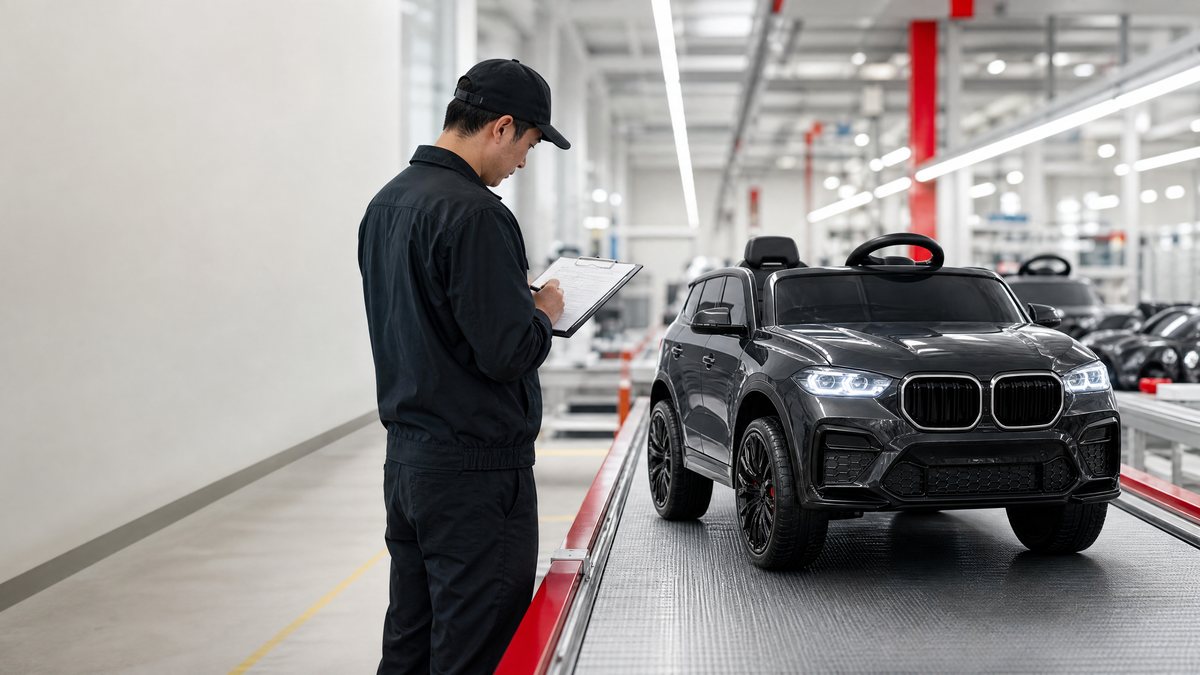
- [ ] Chassis Material Audit: Inspect engineering validation reports to ensure the frame utilizes steel reinforcement or polymer matrices rated for the target load per manufacturer data.
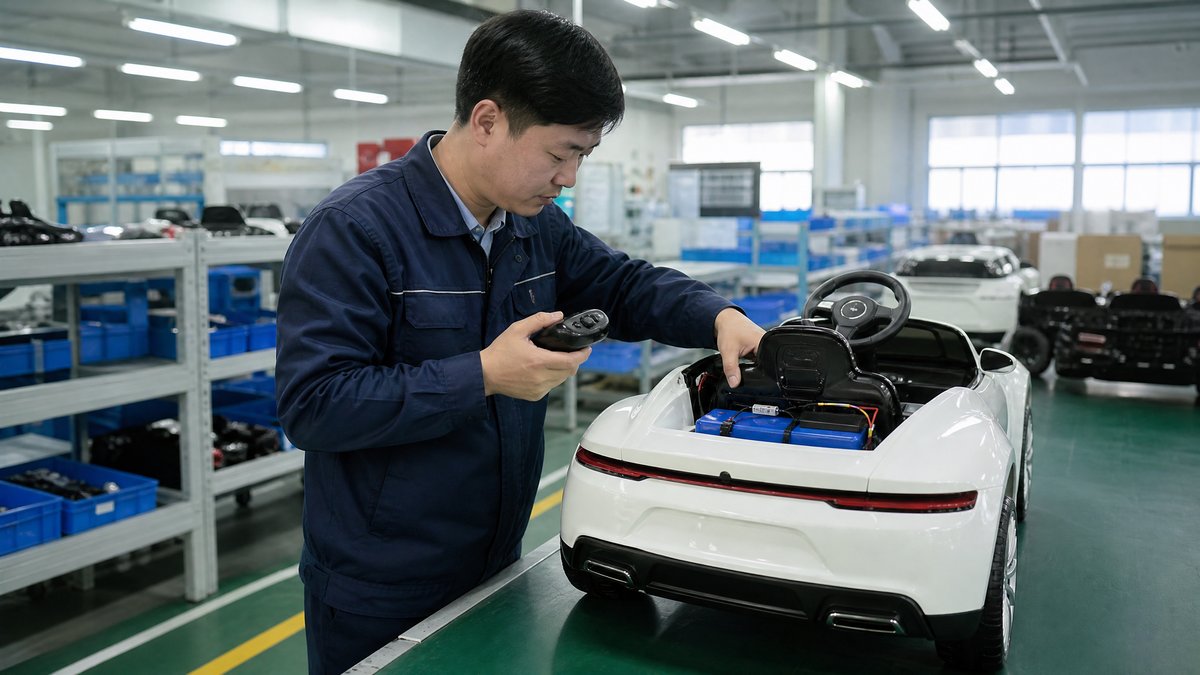
- [ ] Motor & Gearbox Matching: Verify that motor specifications and gearbox reduction ratios correspond correctly to the stated passenger capacity and vehicle class defined by the manufacturer.
- [ ] Braking System Verification: Ensure braking systems are tested and rated to halt the vehicle at maximum gross vehicle weight (GVW) on standard surfaces as specified in the user manual.
- [ ] Documentation Clarity: Confirm that warning labels regarding weight limits, age grades, and parental supervision are permanently affixed to the vehicle body and clearly printed in the user manual.
- [ ] Compliance Certification: Review third-party laboratory test reports validating mechanical stability and electrical safety under maximum rated load conditions as required by local regulations.
Frequently Asked Questions (FAQs)
Q1: What happens if a child exceeds the stated weight limit of a ride-on car?
Exceeding the stated weight limit places excessive mechanical stress on the drive gears, axles, and suspension components while forcing the electric motor to draw overcurrent beyond its thermal design parameters. This leads to accelerated wear, potential motor burnout, stripped gearbox teeth, and drastically reduced braking efficiency. Operation must always remain within manufacturer-specified limits and user manual instructions.
Q2: Are multi-seater ride-on cars always capable of carrying double the weight of single-seaters?
No. While multi-seater models feature wider chassis and higher weight capacities established by the manufacturer, their limits are constrained by overall structural geometry, motor power, and tire load ratings. Wholesalers must review individual model specifications rather than relying on seating count assumptions.
Q3: How should retailers communicate weight limits to end consumers to minimize liability and returns?
Retailers should prominently display weight limits on product packaging, digital listing specifications, and physical hangtags in accordance with manufacturer documentation. Clear instructional messaging helps parents select appropriately sized vehicles, thereby reducing warranty claims, customer dissatisfaction, and safety incidents.
Q4: What immediate steps should be taken if a ride-on car shows signs of motor overheating or electrical burning odor due to heavy loads?
Immediately stop operating the vehicle, power it off, and disconnect the battery if safe to do so following manufacturer guidelines. Keep children away from the unit and contact authorized manufacturer technical support or qualified repair technicians for professional evaluation. Never attempt unauthorized electrical repairs or bypass internal circuit protection devices.
Conclusion
Understanding the weight limits of children's electric ride-on cars is essential for maintaining mechanical durability, ensuring regulatory compliance, and safeguarding young operators. By analyzing chassis construction, passenger load distribution, motor electrical thresholds, and rigorous procurement standards, B2B wholesalers and retailers can curate safe, high-performing product portfolios. All technical specifications, load capacities, and safety guidelines remain strictly subject to the model's rated nameplate, user manual, and manufacturer written instructions, emphasizing proper adult supervision and age-appropriate usage at all times.
Wholesale Partnership & Procurement Inquiries
For professional procurement inquiries, volume wholesale pricing, OEM customization, and comprehensive technical compliance documentation for our premium electric ride-on vehicle lineup, please contact our commercial sales division:
* Commercial Inquiries: Request a wholesale quote
Official References
* Consumer Product Safety Commission (CPSC): CPSC Toy Safety Guidance - Official regulatory guidance regarding battery-operated toys. This CPSC page outlines battery accessibility, labeling, overheating, and supplied charger requirements for battery-powered toys; ride-on toy stability and overload requirements; and instruction requirements for some ride-on, adult-assembled, and battery-powered toys. This reference provides general regulatory guidance and must not be described as an individual certification for every vehicle model.
Official references
Explore these external resources for current regulatory and trade guidance. Confirm requirements with the relevant authority before placing an order.
Ready to Start?
Factory-Direct · CE & ASTM Certified · MOQ from 50 Units
Our export team works with buyers in 60+ countries. Get a quote within 24 hours.
KR
Written by KidsRideCar
China's leading kids electric ride-on car manufacturer. 500,000+ units shipped annually to 60+ countries. CE, ASTM & EN71 certified.