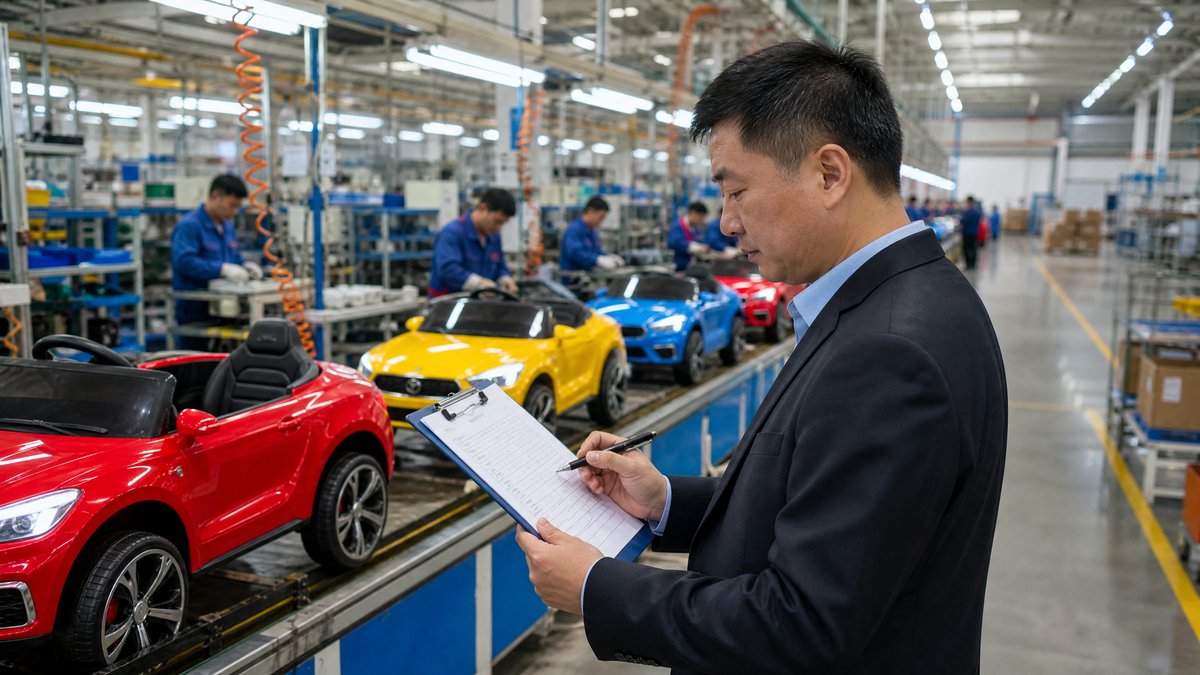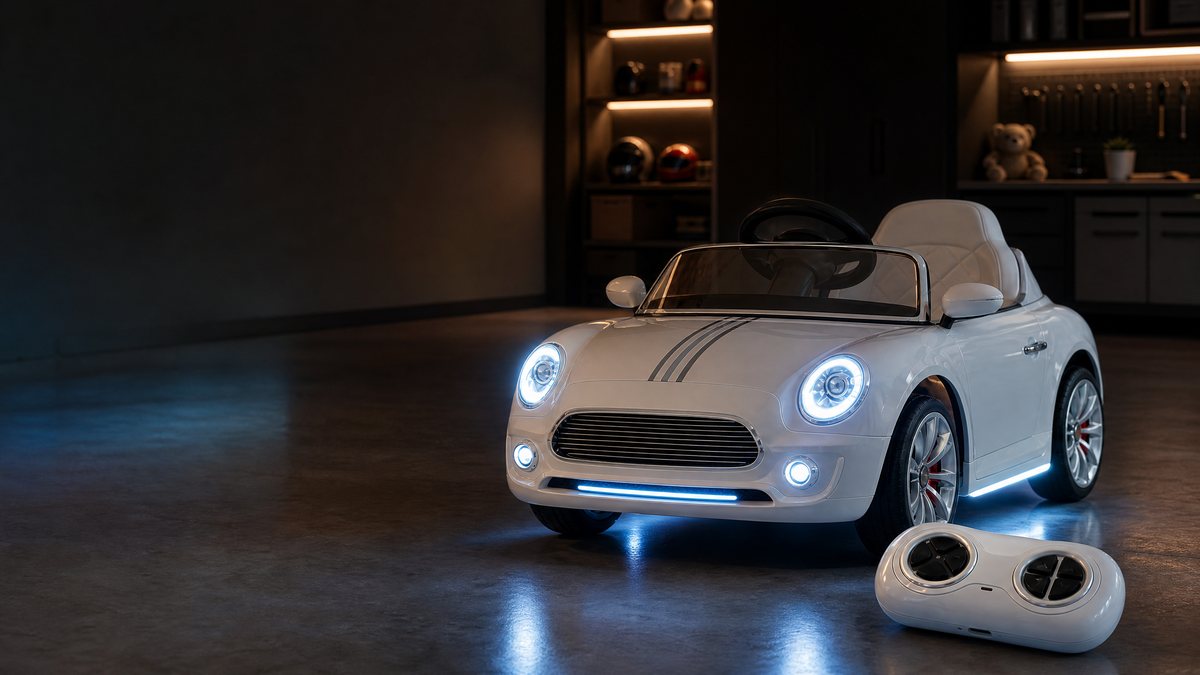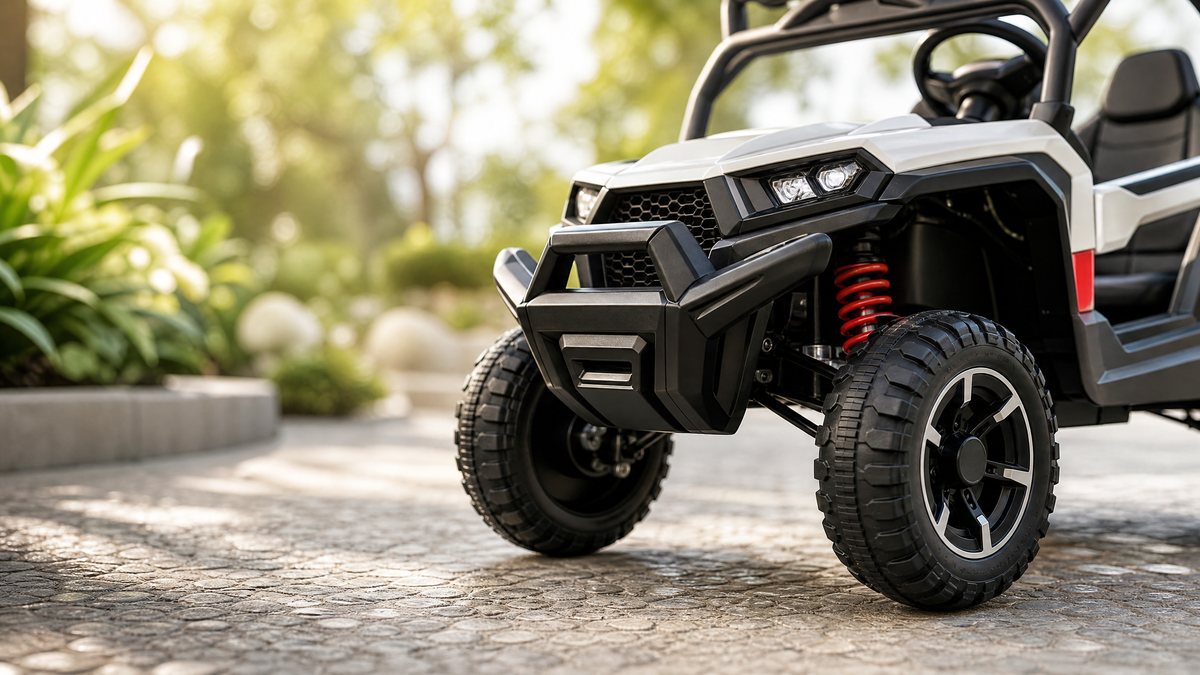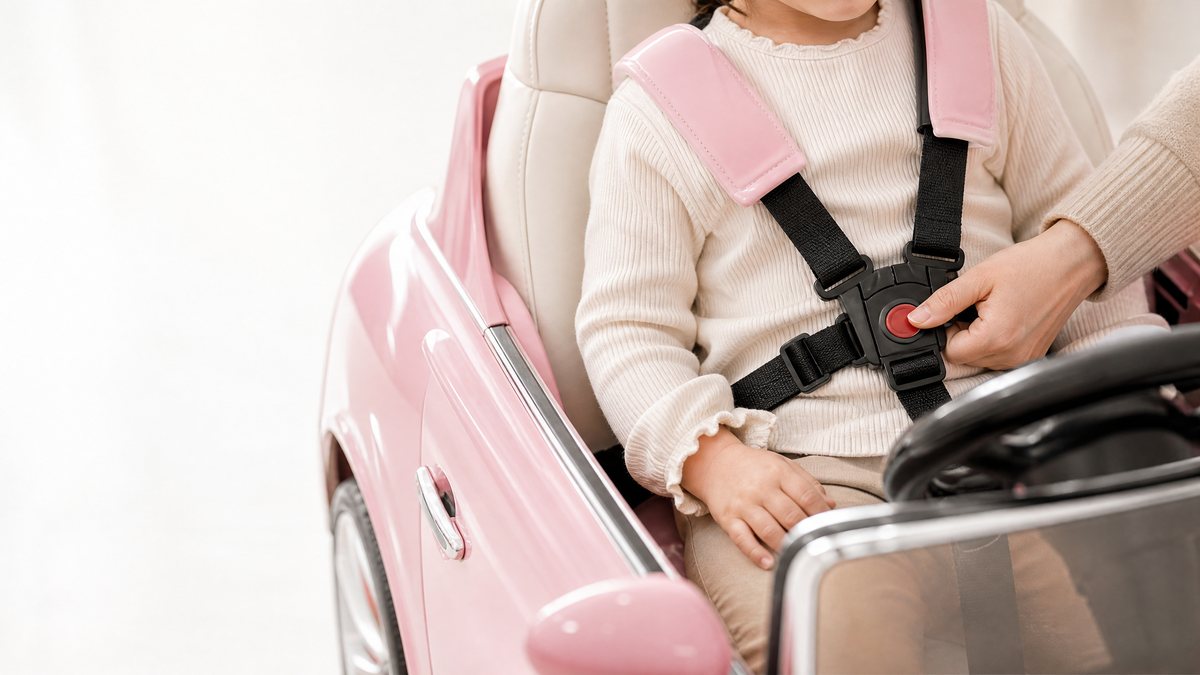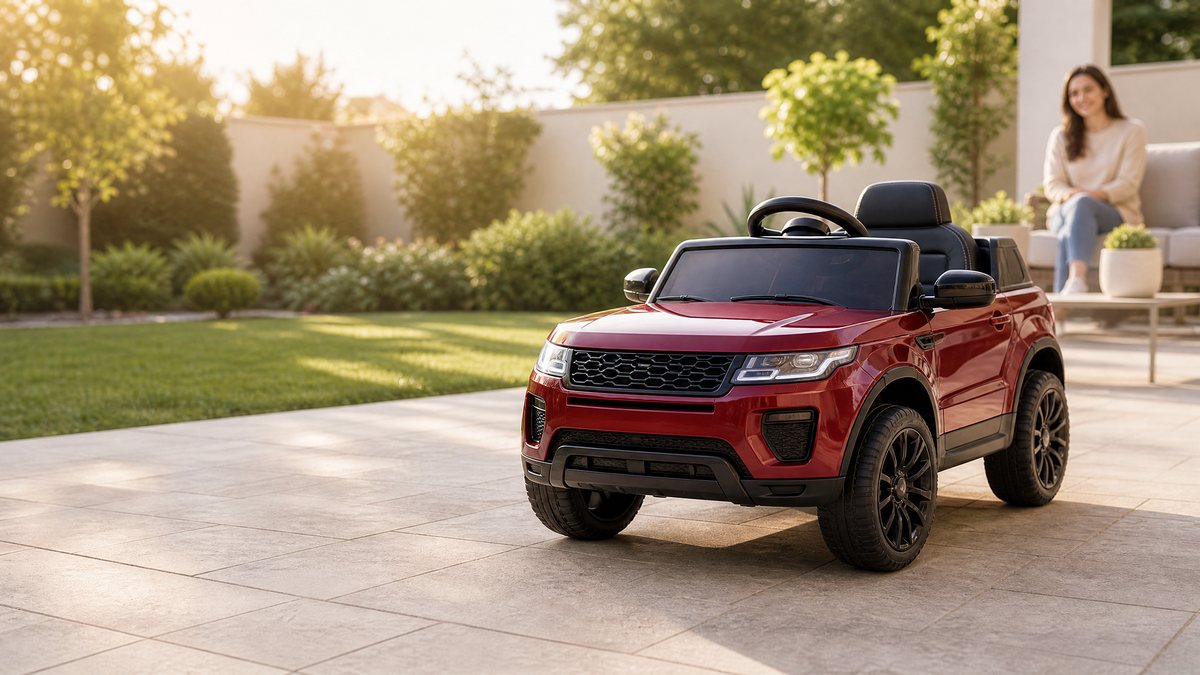
Navigating the global market for children's battery-powered ride-on vehicles requires B2B importers, wholesale distributors, and discerning retail buyers to look beyond superficial marketing claims. In an industry characterized by rapid manufacturing expansion across global supply chains, identifying which ride-on car brand to trust involves a rigorous examination of engineering standards, material sourcing transparency, safety compliance documentation, and long-term supply chain reliability. The question of brand trustworthiness is not answered by a single universal ranking or promotional accolade; rather, it is established through verifiable manufacturing practices, consistent quality control protocols, and clear adherence to international toy safety standards. For B2B partners and volume purchasers, establishing trust requires evaluating how a manufacturer handles structural integrity, electrical component sourcing, compliance verification, and after-sales support frameworks. Because specifications, regional certifications, and warranty terms vary by model, region, and seller, stakeholders must always review exact manuals, official product listings, and written commercial agreements rather than relying on generalized assumptions.
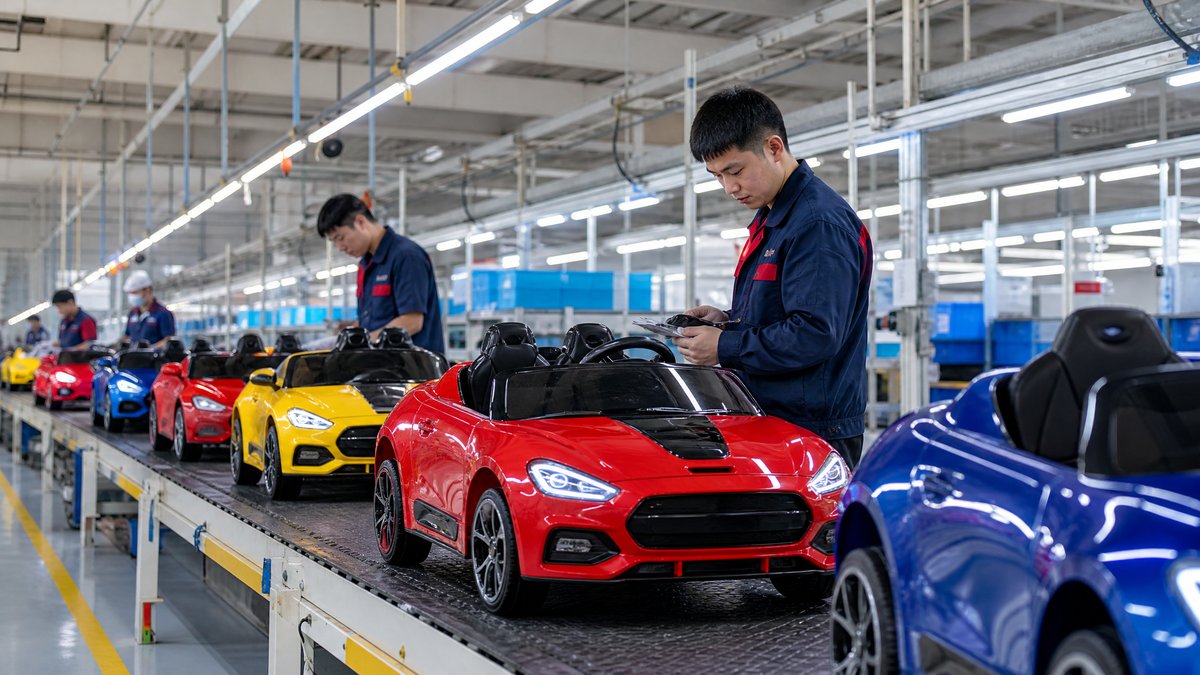
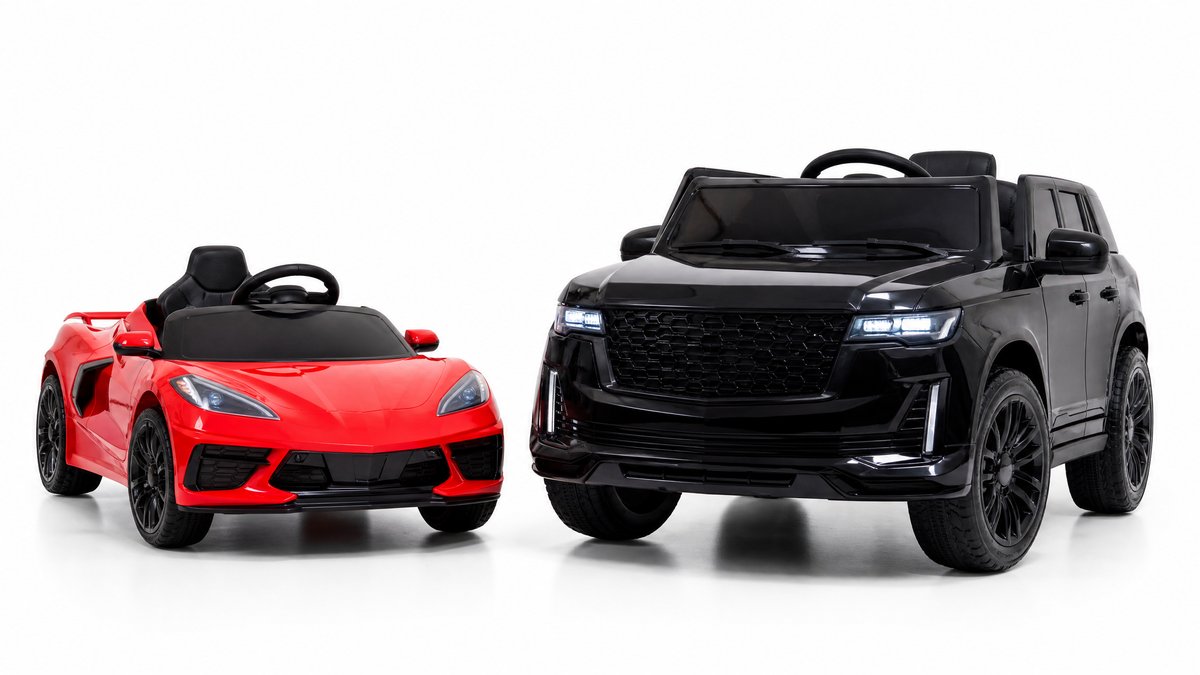
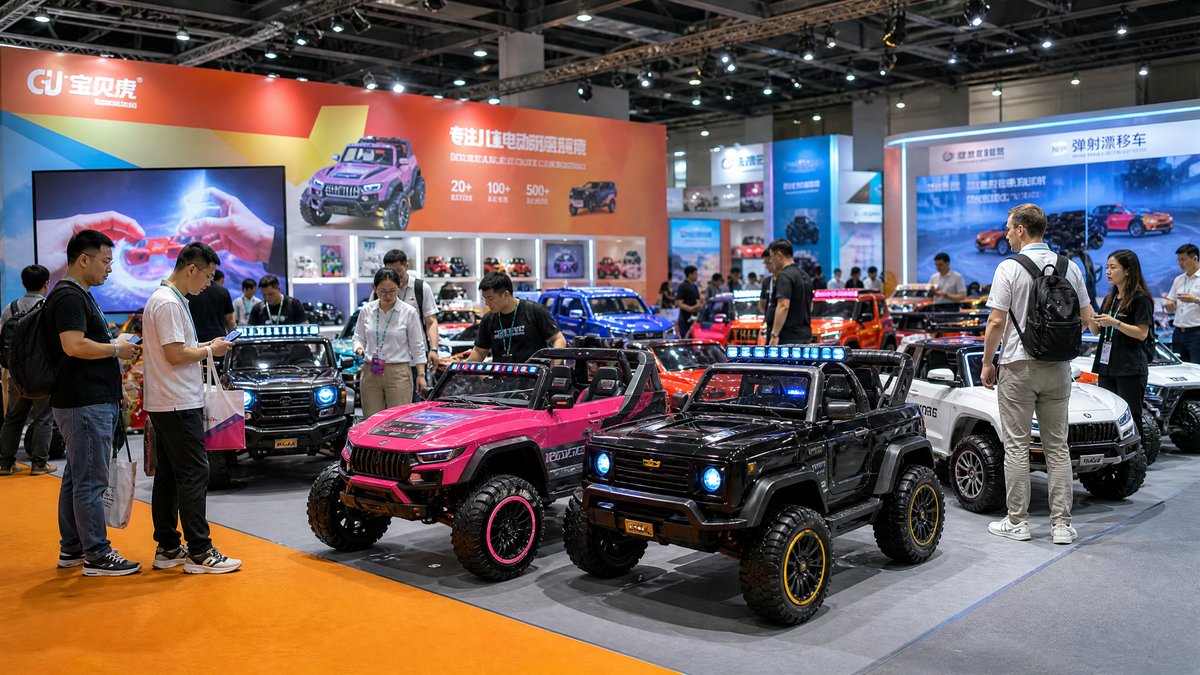
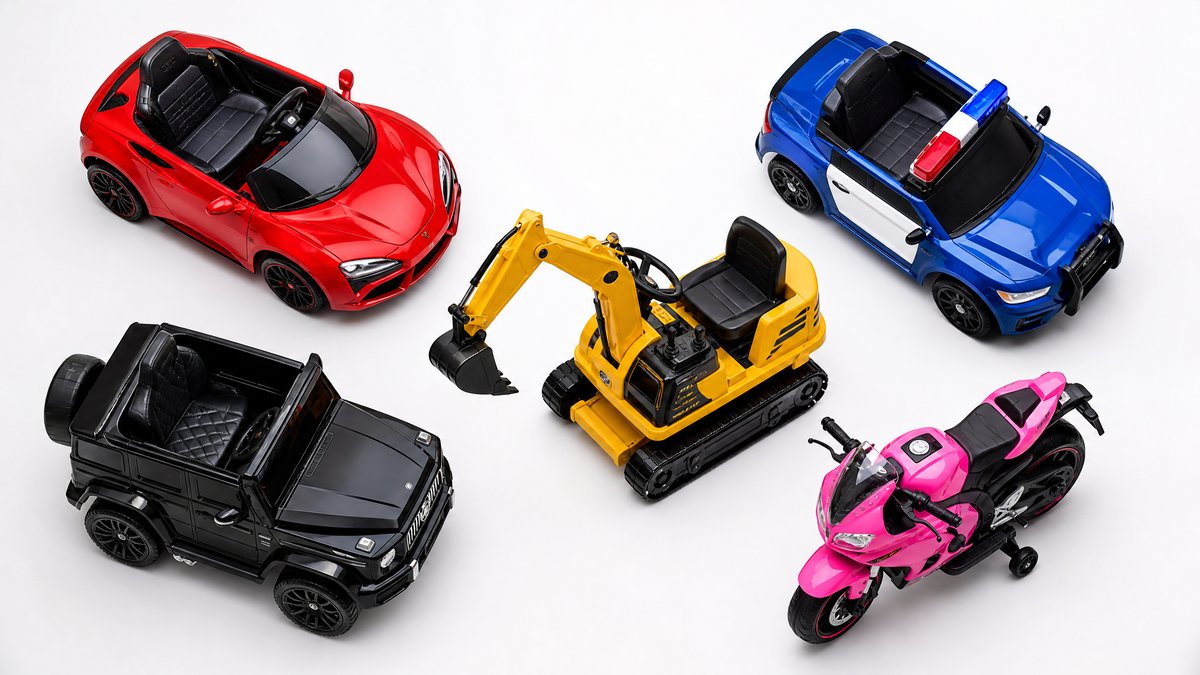
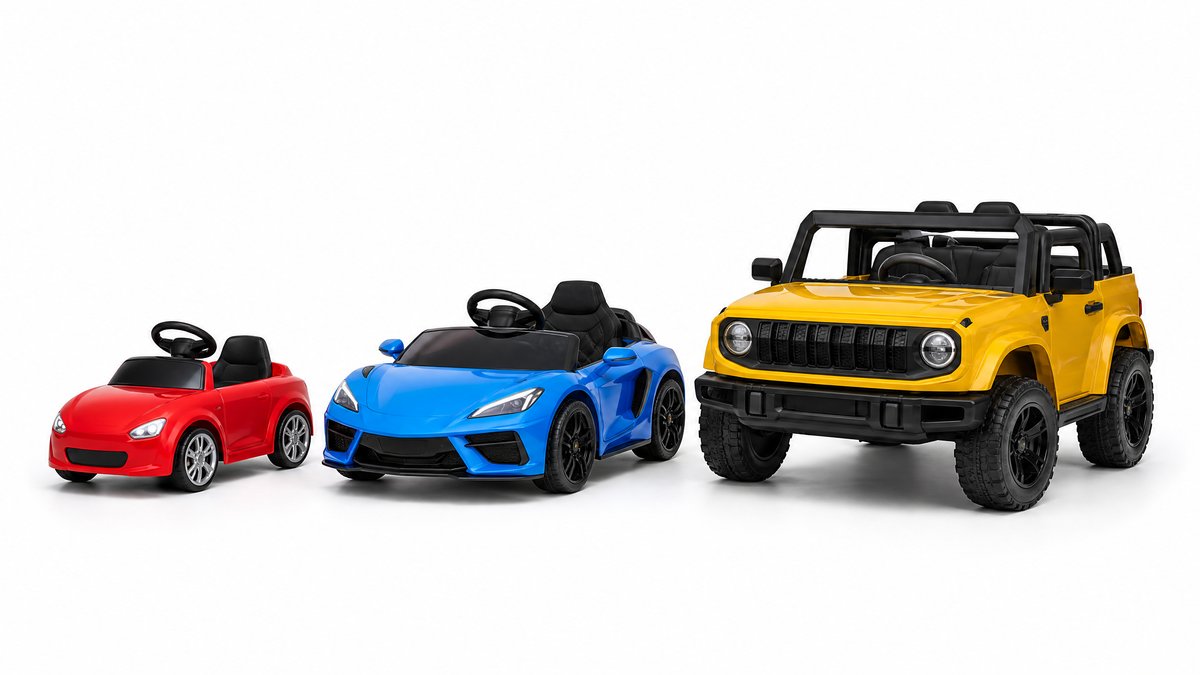
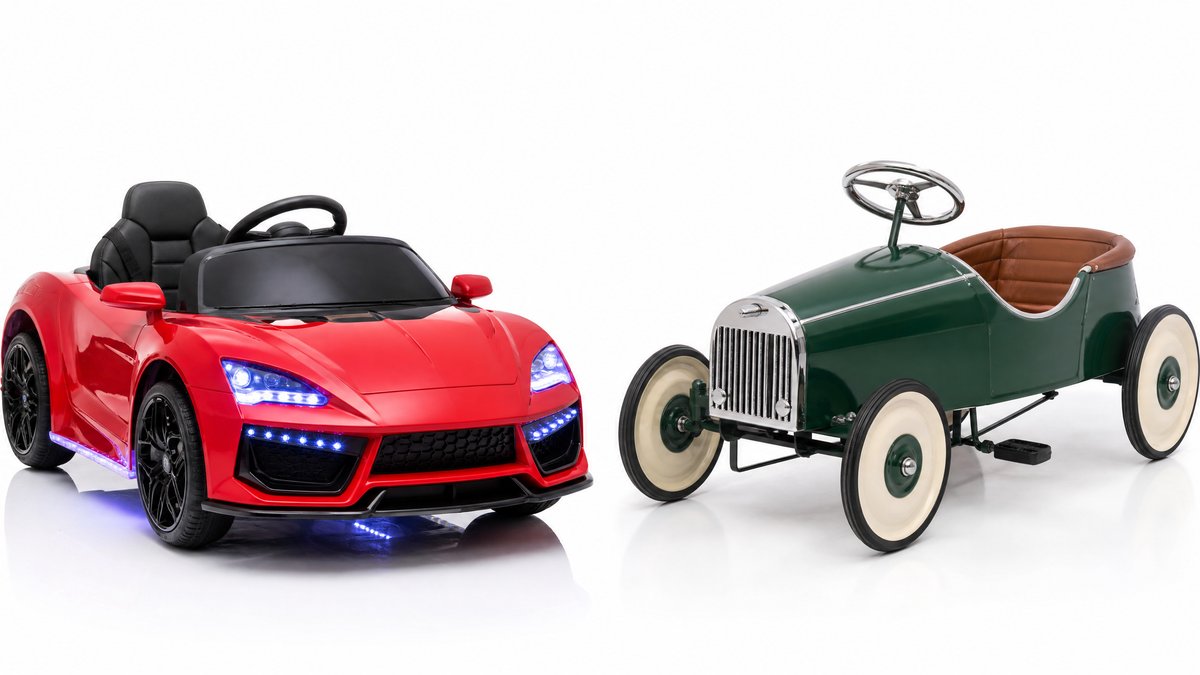
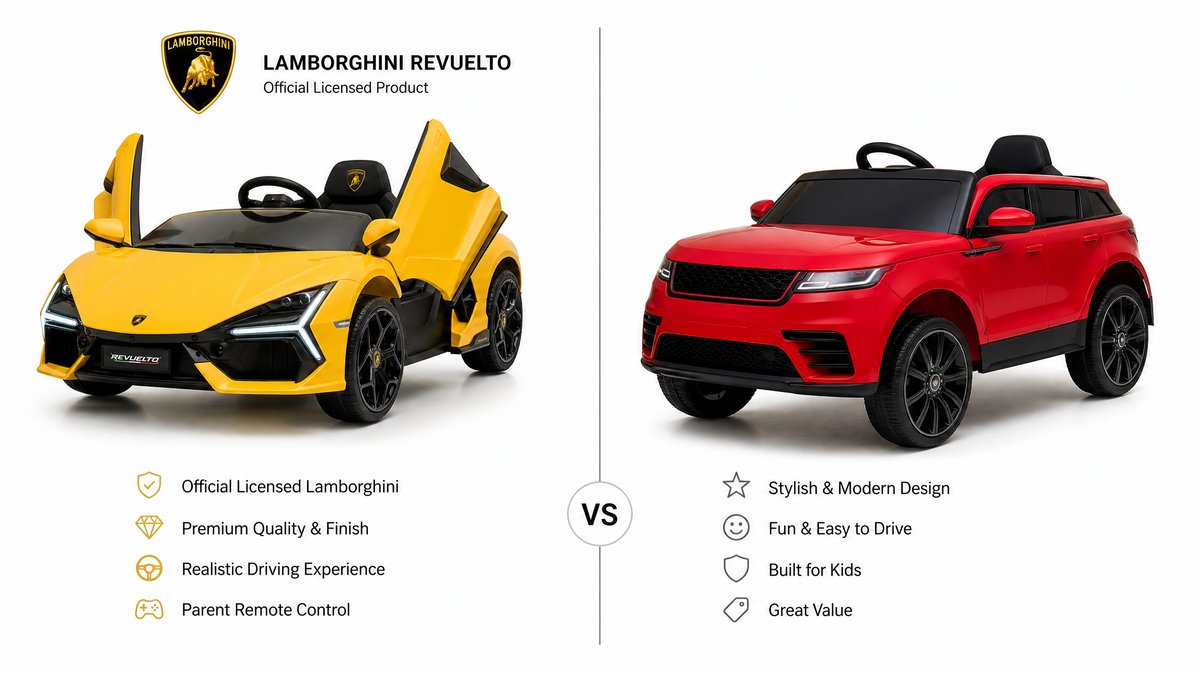
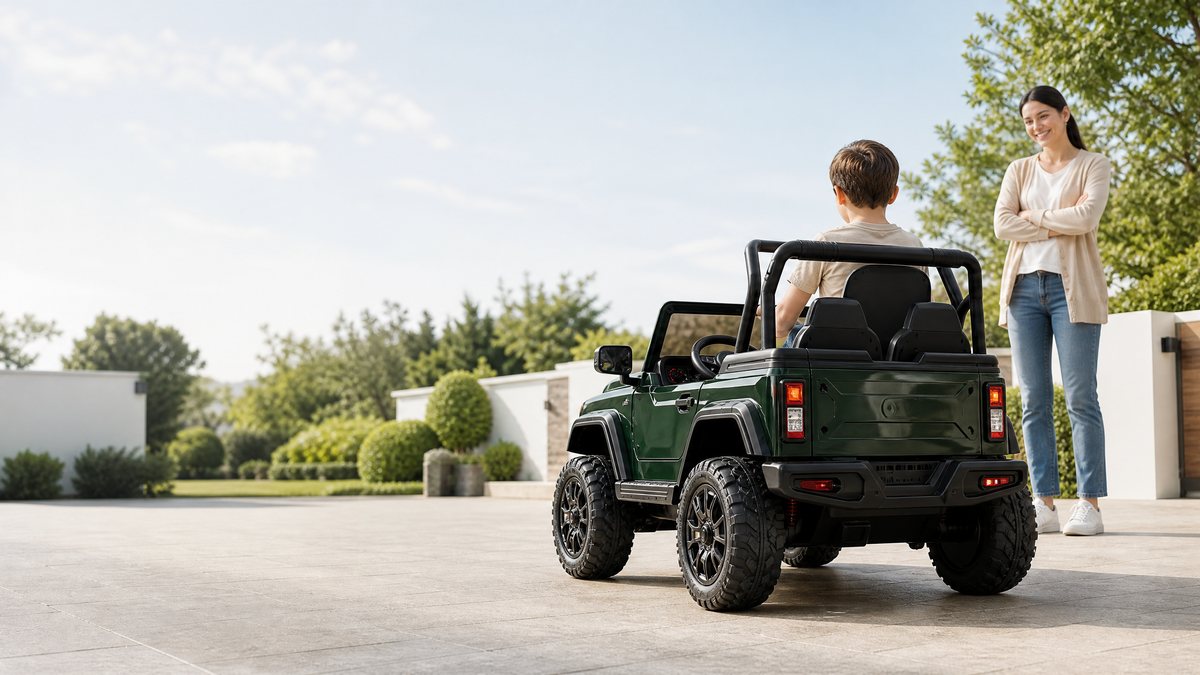
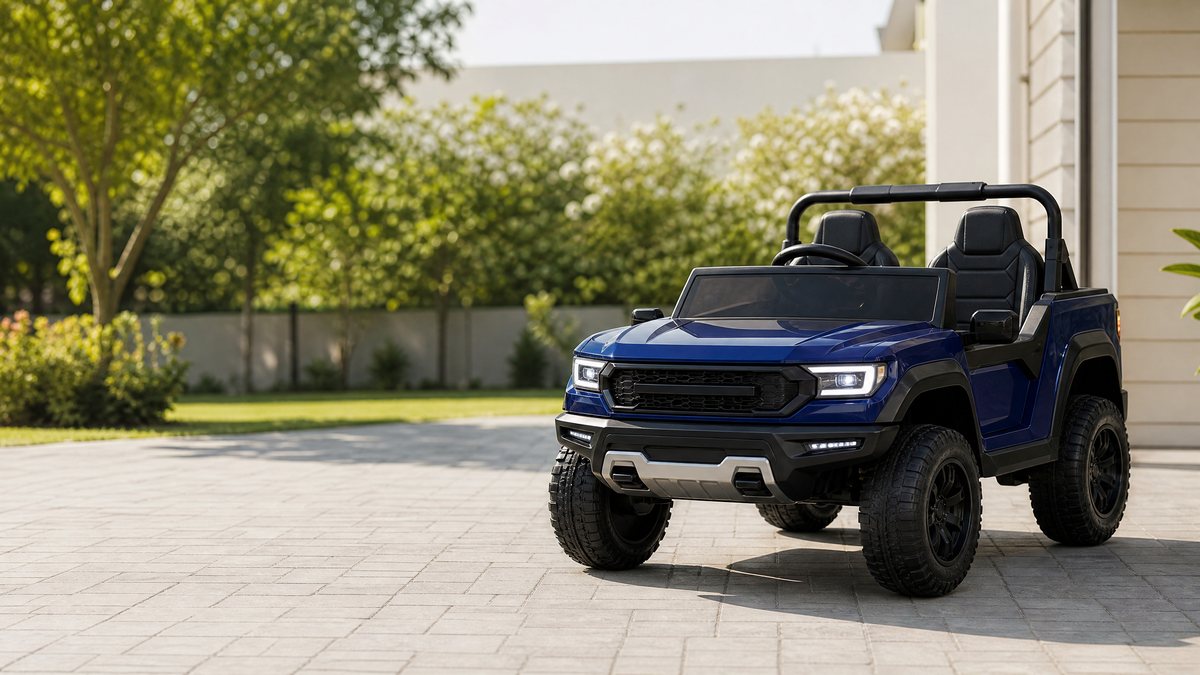
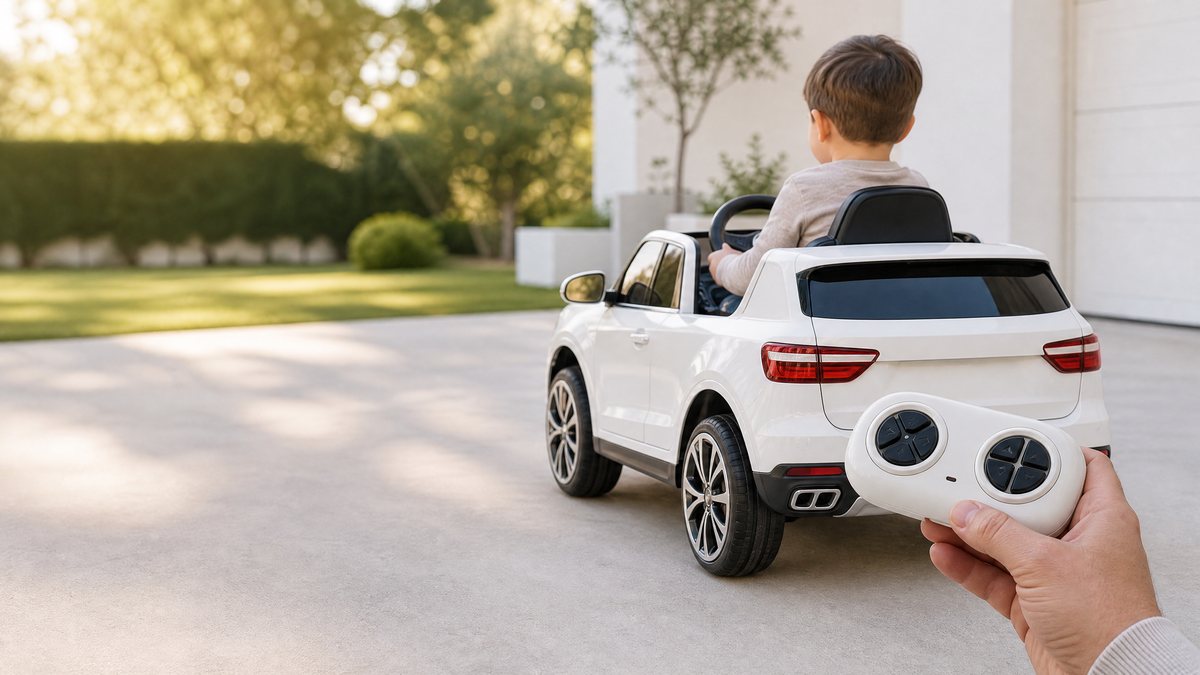
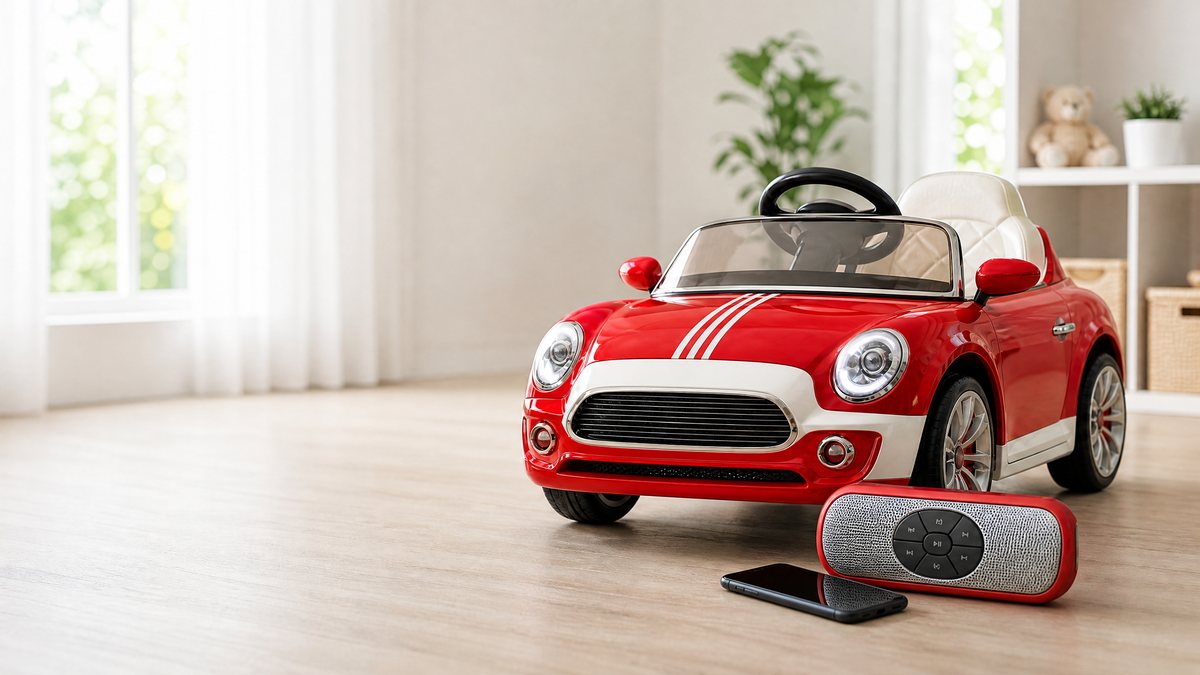
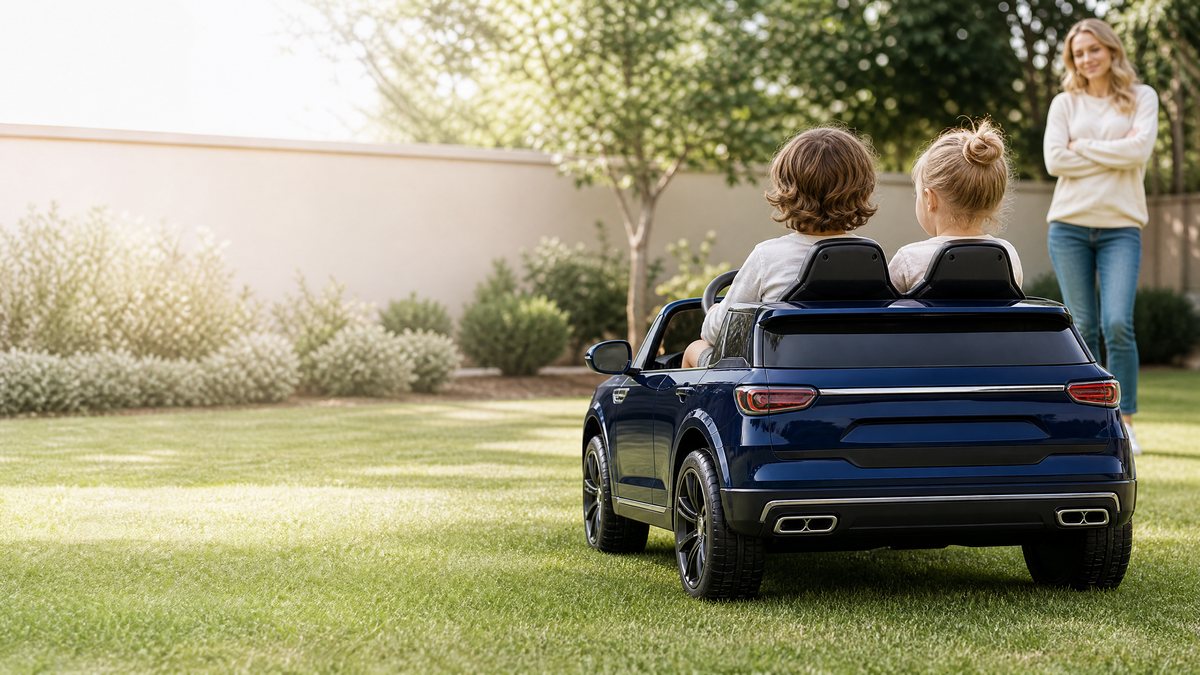
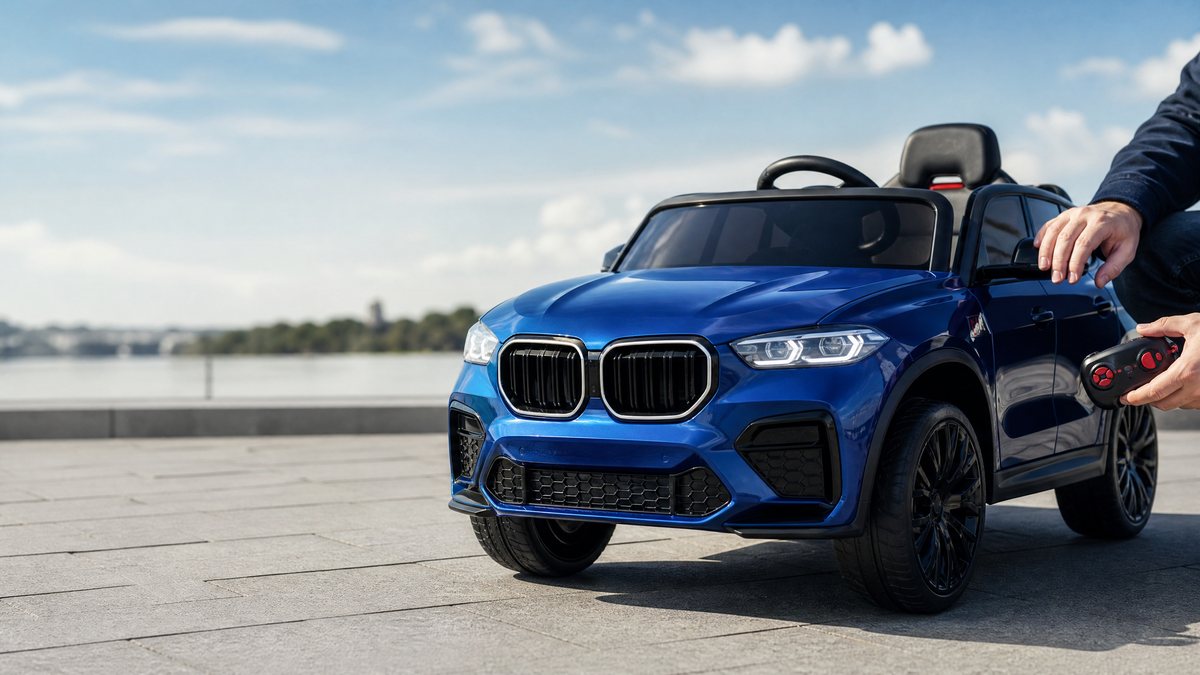
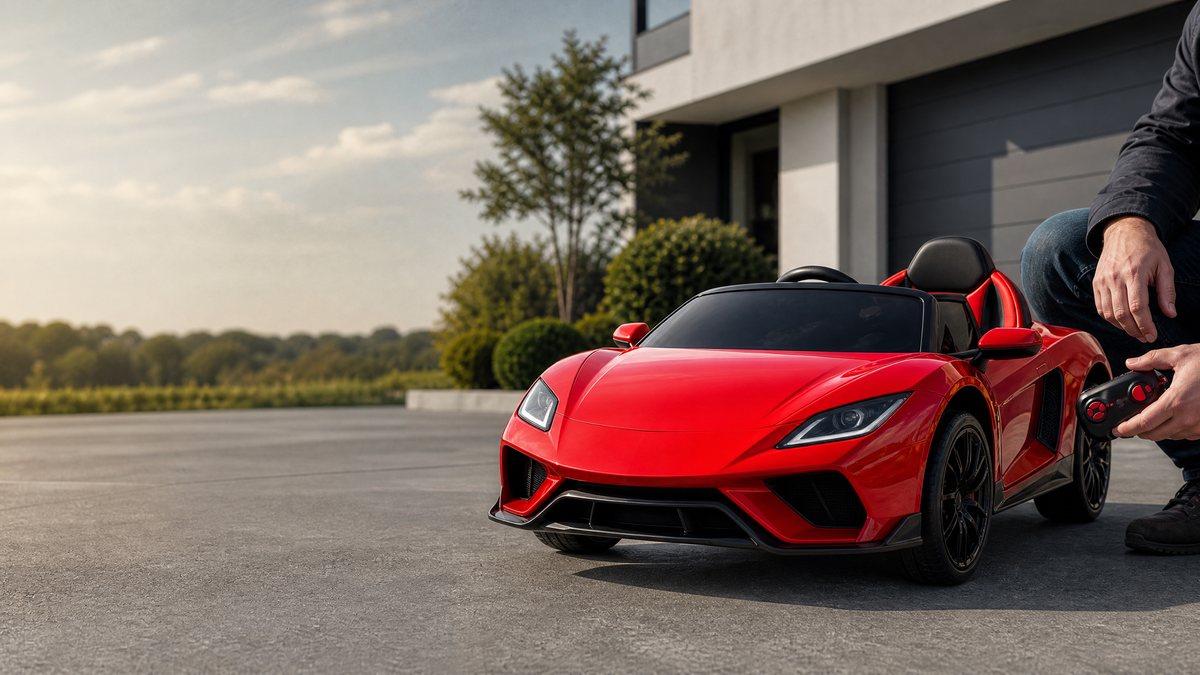
The modern children's ride-on vehicle sector encompasses an extensive array of configurations, ranging from compact single-motor push cars to large, multi-functional battery-operated utility vehicles and licensed replica models. As consumer expectations and regulatory scrutiny intensify across major international markets, the distinction between substandard production and trustworthy manufacturing has become increasingly pronounced. Trustworthy brands invest heavily in structural drop-testing, non-toxic polymer sourcing, standardized wiring harnesses, and robust quality assurance checkpoints throughout the assembly line. Furthermore, commercial buyers must recognize that features such as parental remote control operation, dual-seat capacity, licensed branding, and growth-adaptation mechanisms vary by model, region, and seller; check the exact manual, listing, and written terms for definitive operational parameters. This comprehensive analysis explores the core criteria, evaluation frameworks, and due diligence practices essential for determining trustworthiness in the ride-on car manufacturing landscape.
The Evolution of Global Ride-On Car Manufacturing and Market Dynamics
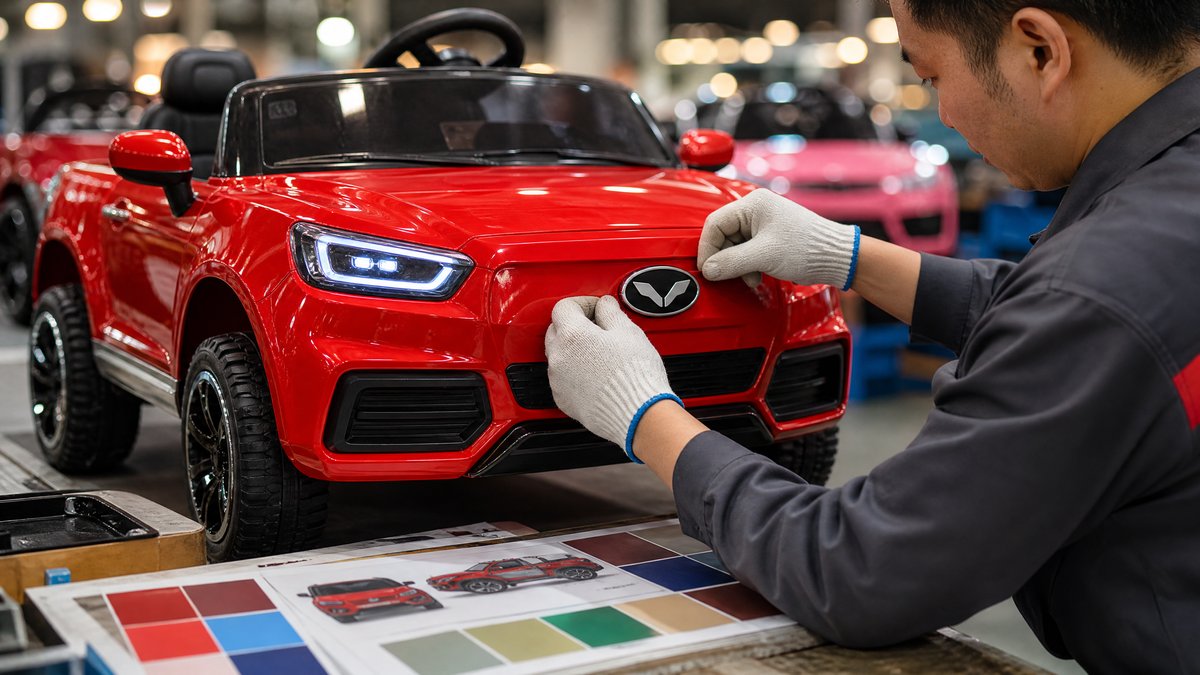
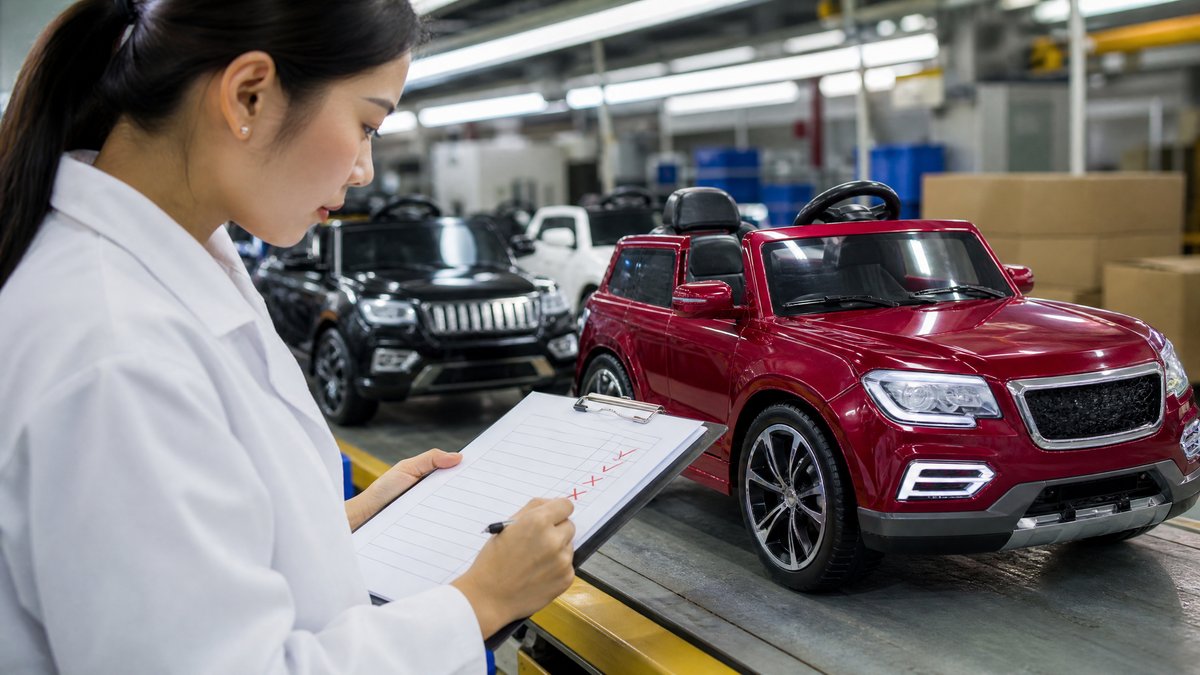
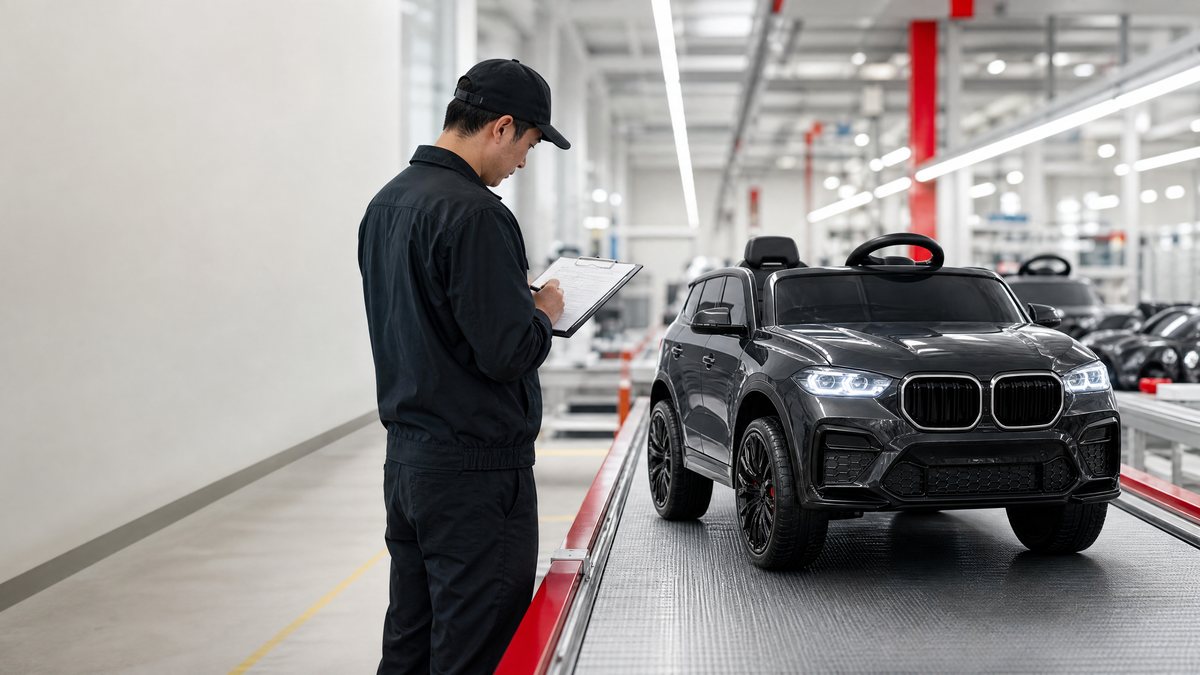
The global manufacturing landscape for children's electric ride-on cars has undergone substantial transformation over the past decade. Driven by advancements in injection molding technology, battery chemistry efficiency, and streamlined international logistics, production hubs have scaled rapidly. However, rapid market expansion has also introduced variability in component quality, assembly precision, and regulatory adherence among various manufacturing entities. Trustworthy brands distinguish themselves by maintaining direct oversight of raw material procurement, ensuring that plastics utilized for body shells and chassis components meet strict mechanical resilience and chemical safety thresholds. In addition, reputable producers implement systematic batch testing to monitor structural durability under simulated stress conditions, ensuring that each unit delivered to wholesale distribution channels maintains consistent quality standards.
Market dynamics also dictate that commercial trust is closely linked to supplier transparency and operational stability. Importers and retail buyers operating in competitive global markets require stable lead times, predictable packaging integrity, and reliable access to documentation. Trustworthy manufacturers provide comprehensive technical datasheets, clear compliance certificates, and transparent production timelines. However, fulfillment parameters, shipping durations, and logistical terms vary by model, region, and seller; check the exact manual, listing, and written terms to align procurement schedules with market demand. Understanding these foundational dynamics enables B2B buyers to filter out transient suppliers and partner with established manufacturers capable of supporting long-term commercial growth and consumer safety.
Key Evaluation Pillars for Identifying Trustworthy Ride-On Car Brands
Determining the trustworthiness of a ride-on car brand necessitates a structured assessment across several critical operational and engineering pillars. The first pillar is material compliance and chemical safety. Reputable manufacturers ensure that all accessible plastic components, paints, and adhesives conform to international toy safety directives regarding heavy metals, phthalates, and restricted substances. The second pillar is mechanical and structural engineering. Trustworthy brands design vehicle frames, steering linkages, and wheel assemblies to withstand normal operational wear while incorporating rounded edges, secure fastening systems, and protective housing for moving mechanical parts.
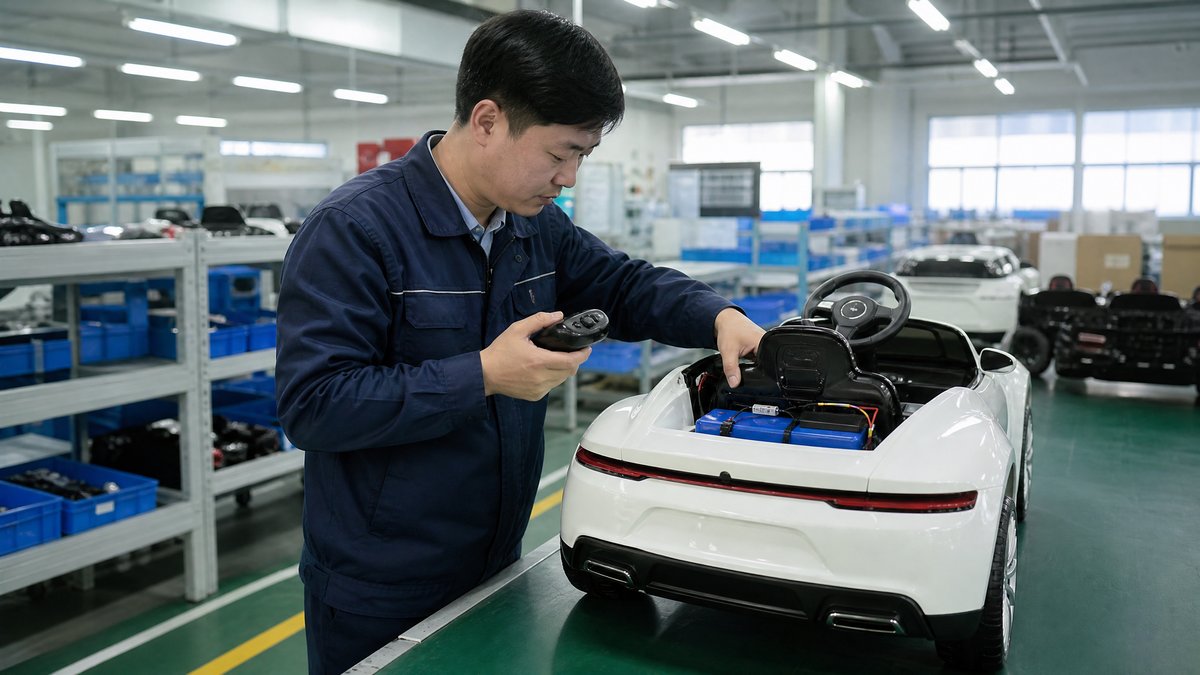
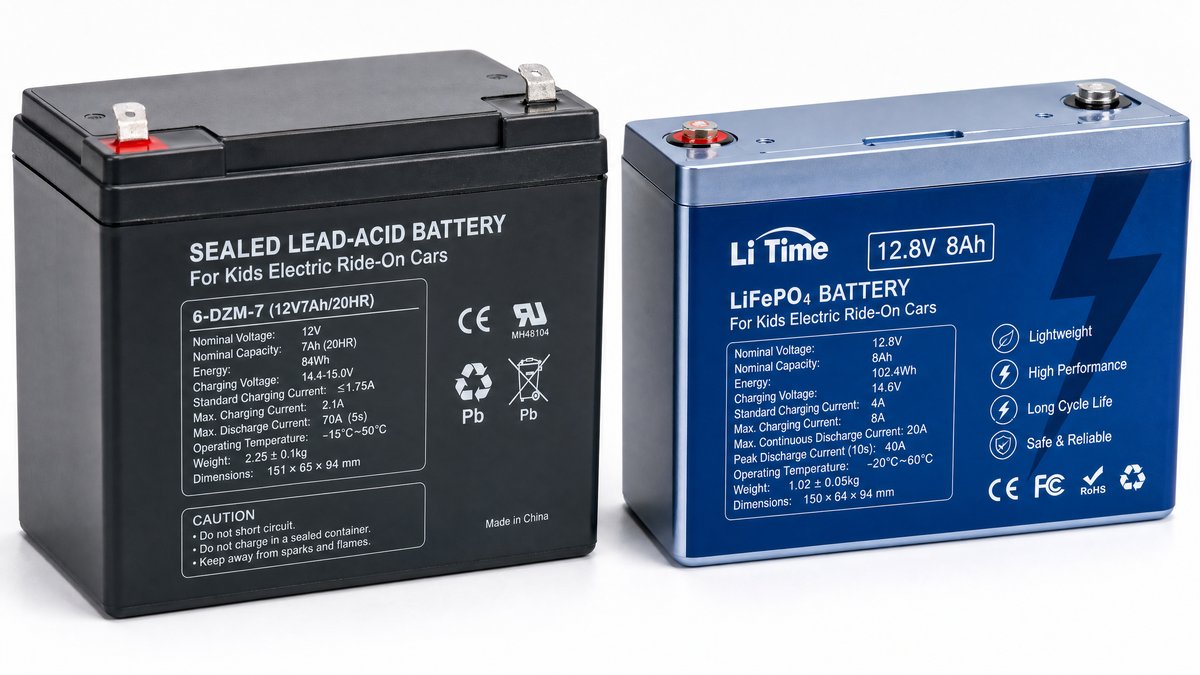
The third pillar encompasses electrical system architecture and safety integration. Reliable ride-on car brands utilize standardized wiring enclosures, circuit protection fuses, and designated battery housing compartments designed to minimize environmental exposure and mechanical stress. It is crucial for all stakeholders to note that safety procedures strictly prohibit internal electrical repairs, terminal or wiring harness manipulation, control board modifications, multimeter testing, or battery and motor upgrades unless executed by authorized technicians under strict manufacturer guidelines. Furthermore, in the event of strange odors, overheating, smoking, water ingress, cable damage, or persistent mechanical failure, operators must immediately stop use and charging, power off the vehicle, keep children away, and contact the manufacturer or a qualified service technician. Because specifications regarding battery capacity, charging parameters, and motor output vary by model, region, and seller, check the exact manual, listing, and written terms for all technical guidance.
Comparative Evaluation of Brand Reliability Factors
To assist B2B buyers and retail procurement teams in conducting systematic supplier due diligence, the following comparative framework outlines the core evaluation factors, verification methodologies, and associated compliance considerations when assessing ride-on car brands.
| Evaluation Pillar | Key Indicators of Trust | Verification Methodology | Compliance & Commercial Caveat |
|---|---|---|---|
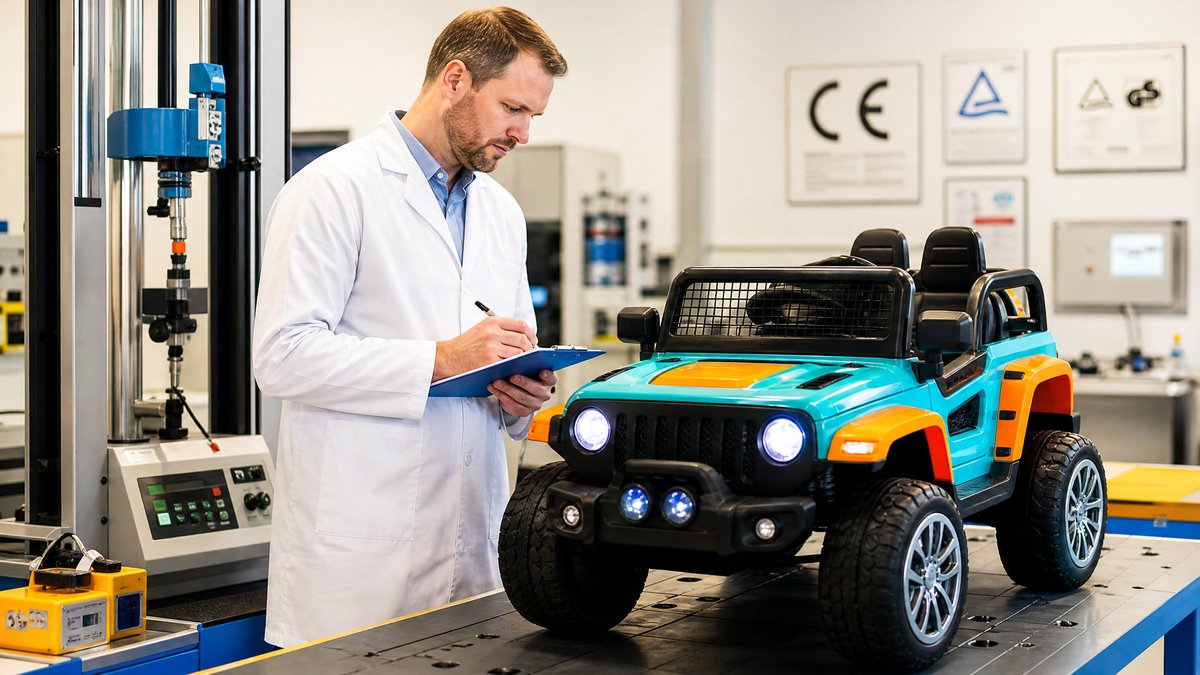
| Structural Integrity | Uniform wall thickness, robust chassis welding, secure axle mounting | Physical sample inspection, drop-test reports, material density analysis | Load capacity and chassis design vary by model, region, and seller; check exact specifications. |
| Electrical Safety | Standardized wiring enclosures, fused circuits, insulated battery compartments | Third-party laboratory test reports, schematic reviews, component audits | Internal electrical modifications, wiring harness tampering, or unauthorized repairs are strictly prohibited. |
| Chemical Compliance | Restriction of hazardous substances, non-toxic surface coatings | Material safety data sheets (MSDS), RoHS/REACH compliance declarations | Regulatory certification scope and regional standards vary by jurisdiction and sales channel. |
| Supply Chain Transparency | Traceable raw material sourcing, consistent batch auditing, clear documentation | Factory audits, direct supplier communication, production tracking logs | Shipping timelines, packaging standards, and inventory availability vary by model and region. |
| After-Sales Support | Accessible technical documentation, clear replacement part availability | Review of warranty terms, user manuals, and distributor support agreements | Warranty coverage, return policies, and replacement part terms vary by model, region, and seller. |
The comparative matrix above illustrates that brand trustworthiness is multifaceted, requiring verification across physical, electrical, and commercial dimensions. Importers must examine whether a manufacturer provides verifiable third-party documentation rather than relying solely on marketing assurances. Furthermore, commercial terms, including warranty provisions, spare parts supply, and regional compliance validation, vary by model, region, and seller; check the exact manual, listing, and written terms for complete clarity.
Regulatory Compliance, Toy Safety Standards, and Documentation
Compliance with international toy safety standards is a non-negotiable benchmark for any ride-on car brand seeking long-term trust in the global marketplace. Trustworthy manufacturers proactively submit their products to accredited testing laboratories to verify adherence to established standards such as ASTM F963 in North America, EN 71 in Europe, and corresponding national safety codes across other global regions. These standards evaluate mechanical hazards, sharp points, pinch points, stability limits, and electrical safety parameters. For wholesale buyers, possessing complete and verifiable test reports and compliance declarations is essential for customs clearance, retail distribution, and mitigating commercial liability.
In addition to laboratory testing, trustworthy brands maintain rigorous internal quality control documentation for every production batch. This includes tracking raw material lots, monitoring assembly line precision, and conducting pre-shipment inspections. However, buyers must be aware that regulatory approvals, labeling requirements, and certification validity vary by model, region, and seller; check the exact manual, listing, and written terms to ensure full local market compliance. Retailers and distributors should never assume universal certification across diverse product lines; every specific model requires individual verification of its compliance documentation.
Evaluating Supply Chain Transparency and Wholesale Partnership Reliability
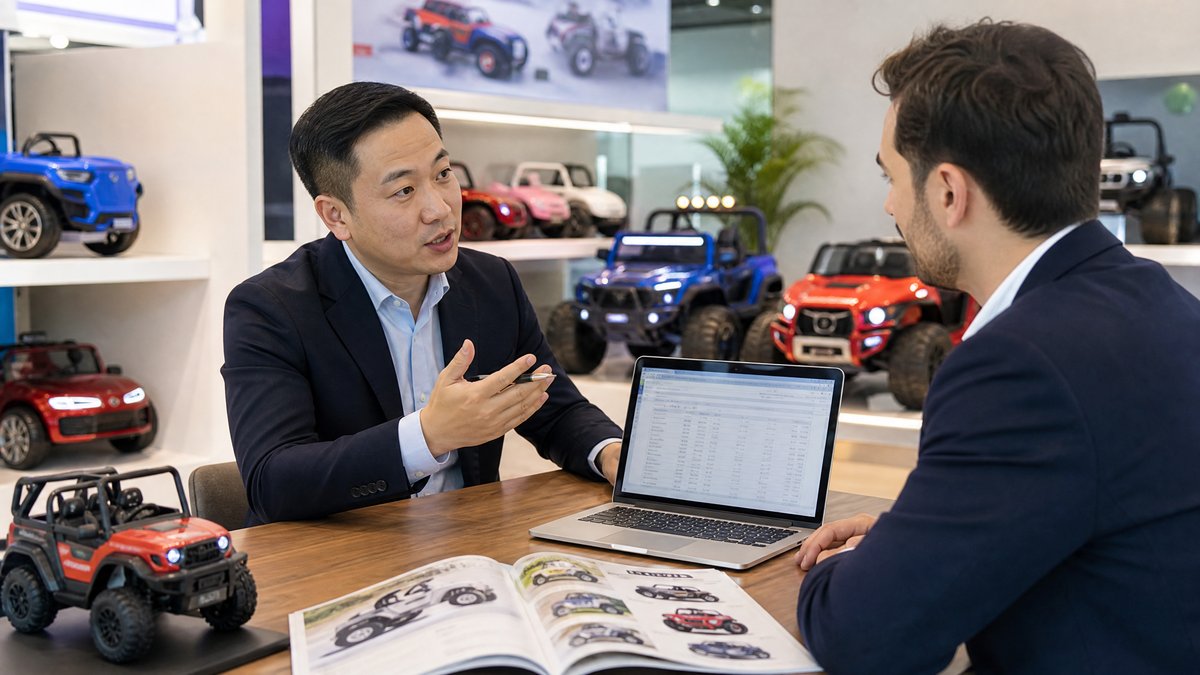
For B2B buyers, supply chain transparency and partnership reliability are paramount considerations when selecting a ride-on car brand. A trustworthy manufacturing partner offers clear visibility into production lead times, factory capacities, packaging specifications, and quality assurance protocols. Transparent communication regarding material availability, shipping logistics, and minimum order quantities enables wholesale distributors to plan inventory effectively and maintain strong relationships with downstream retail partners. Trustworthy brands also provide comprehensive B2B support, including high-resolution marketing assets, detailed technical manuals, and structured channels for addressing operational inquiries.
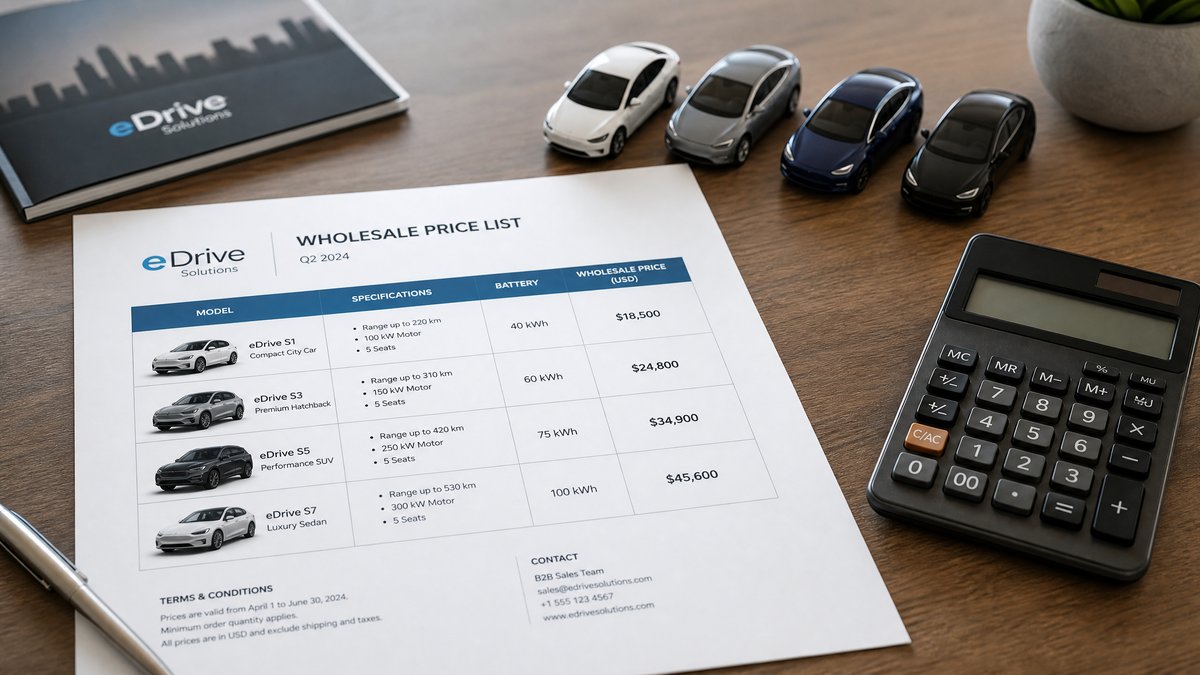
Procuring commercial quantities of ride-on vehicles requires establishing clear expectations regarding delivery schedules, freight terms, and commercial agreements. Because shipping logistics, import tariffs, regional distribution rights, and wholesale pricing structures vary by model, region, and seller, check the exact manual, listing, and written terms before finalizing any bulk purchase agreement. To initiate a professional wholesale inquiry, business partners can connect directly with our commercial team by utilizing the link below:
Request a wholesale quote
Frequently Asked Questions
What criteria define a trustworthy ride-on car brand in the B2B market?
A trustworthy ride-on car brand is defined by consistent manufacturing quality, transparent sourcing of non-toxic materials, robust electrical and mechanical safety engineering, and verifiable compliance with international toy safety standards. Furthermore, reliable brands provide comprehensive technical documentation and responsive commercial support. Specific performance parameters, warranty terms, and compliance scopes vary by model, region, and seller; check the exact manual, listing, and written terms.
How can wholesale buyers verify the safety compliance of a ride-on car manufacturer?
Wholesale buyers can verify safety compliance by requesting accredited third-party laboratory test reports (such as ASTM F963 or EN 71 certifications), reviewing material safety data sheets, and conducting factory audits or pre-shipment inspections. Verification procedures and regional certification applicability vary by model, region, and seller; check the exact manual, listing, and written terms for definitive documentation.
Are features like parental remote control and dual seating standard across all models?
No, advanced features such as 2.4G parental remote controls, dual-seat configurations, licensed brand badges, suspension systems, and multi-speed settings vary significantly across different vehicle models and production tiers. Stakeholders must not assume universal feature inclusion; always check the exact manual, product listing, and written terms to confirm specifications.
What immediate steps should be taken if a ride-on car exhibits strange odors, smoke, or overheating?
If any ride-on vehicle exhibits strange odors, overheating, smoking, water ingress, cable damage, or persistent mechanical failure, operators must immediately stop use and charging, power off the vehicle, keep children away, and contact the manufacturer or a qualified service technician. Never attempt internal electrical repairs, wiring modifications, or multimeter testing. Specific troubleshooting and support protocols vary by model, region, and seller; check the exact manual and written terms.
Conclusion and Next Steps for B2B Importers and Retailers
Identifying the best ride-on car brand to trust requires a balanced evaluation of manufacturing standards, compliance documentation, safety engineering, and supply chain transparency. By prioritizing brands that demonstrate unwavering commitment to product safety, structural integrity, and rigorous quality control, B2B importers and retail distributors can build sustainable, high-performing product portfolios. While market conditions and commercial terms vary, partnering with experienced manufacturers ensures long-term customer satisfaction and brand reputation. To discuss wholesale opportunities, distribution partnerships, or specific model specifications, please reach out to our team:
Request a wholesale quote
***
*Regulatory Reference Notice: For comprehensive guidance on toy safety, risk management, and consumer education, stakeholders may consult the CPSC General Toy Safety Education resources. Please note that general safety guidelines serve as educational frameworks and do not replace specific product user manuals, manufacturer instructions, or regional regulatory compliance requirements.*
Official references
Explore these external resources for current regulatory and trade guidance. Confirm requirements with the relevant authority before placing an order.
Ready to Start?
Factory-Direct · CE & ASTM Certified · MOQ from 50 Units
Our export team works with buyers in 60+ countries. Get a quote within 24 hours.
KR
Written by KidsRideCar
China's leading kids electric ride-on car manufacturer. 500,000+ units shipped annually to 60+ countries. CE, ASTM & EN71 certified.