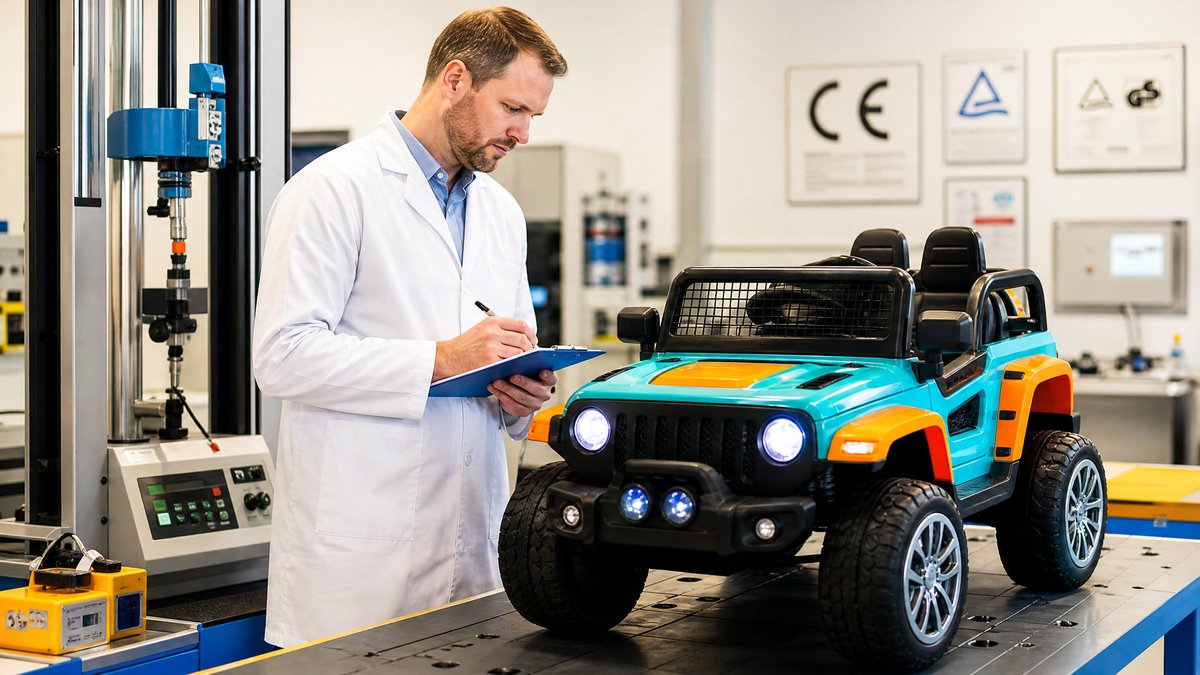
Introduction
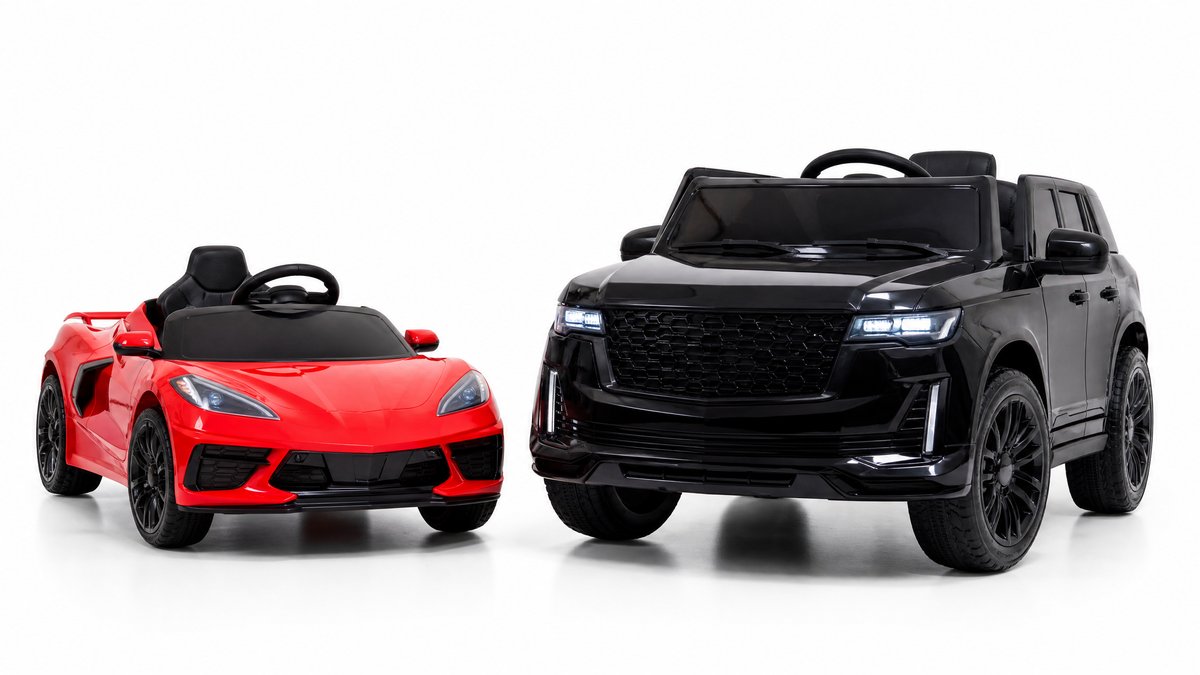
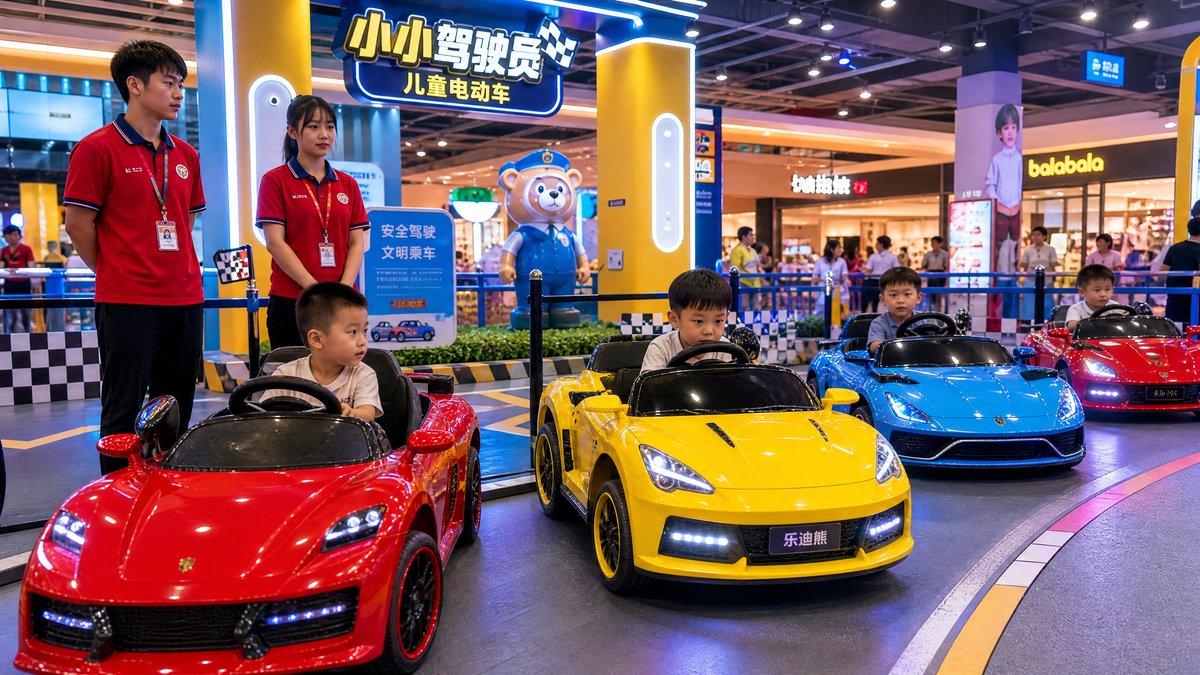
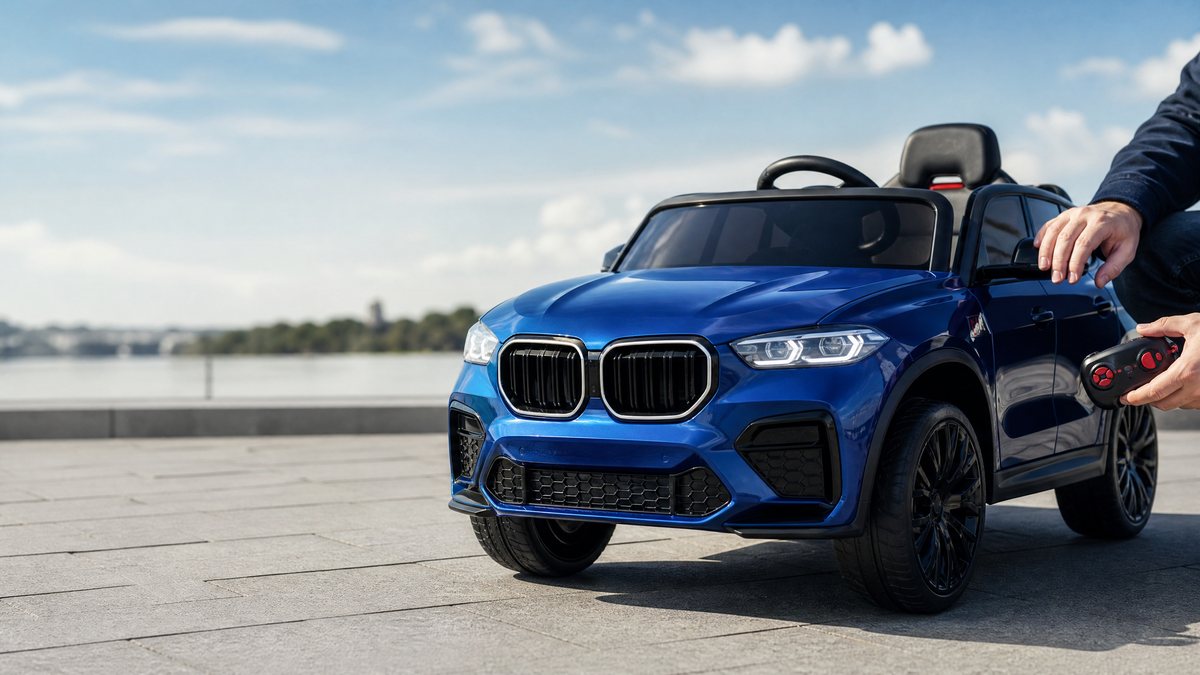
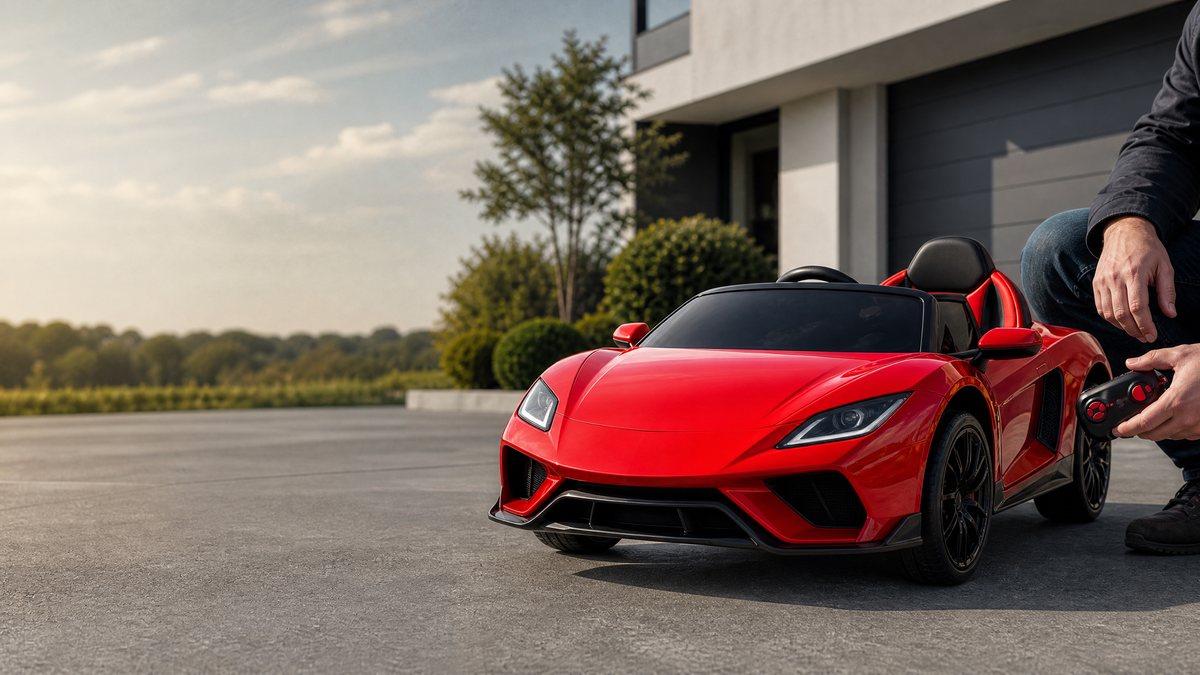
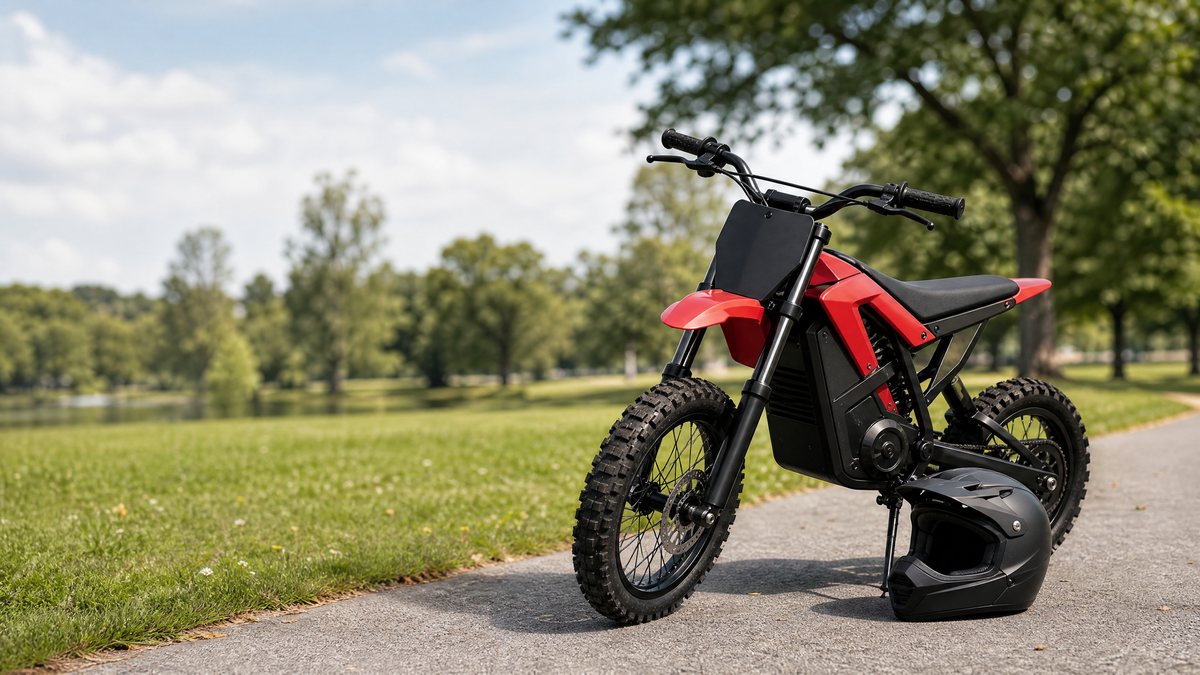
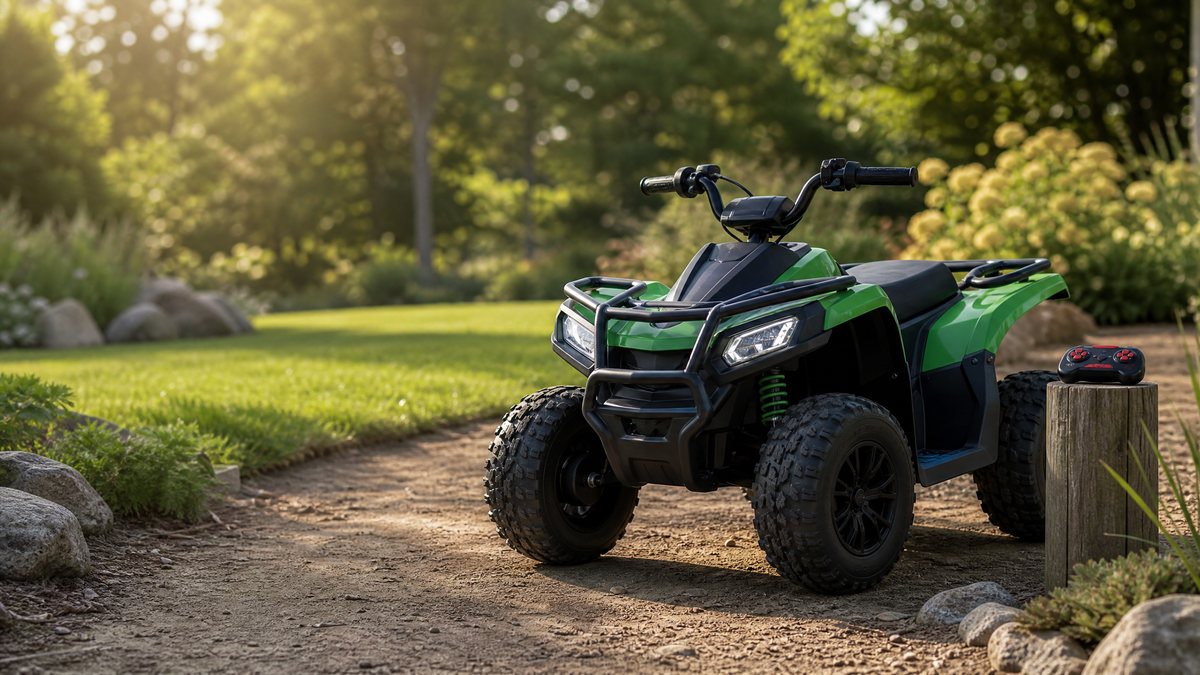
The global market for children's electric ride-on cars has experienced extraordinary growth over the past decade. From miniature sports cars and rugged utility vehicles to licensed luxury replicas, these battery-powered toys offer children immersive developmental play, outdoor engagement, and endless hours of entertainment. However, for parents, gift-givers, and retail buyers navigating a vast market with dramatic price disparities, a persistent and critical question arises: *Is a cheap ride-on car safe, and what should one look for before making a purchase?*
When browsing online marketplaces and wholesale catalogs, consumers frequently encounter budget-friendly ride-on vehicles priced at a fraction of premium, brand-name models. While affordability is a major attraction, particularly for seasonal gifts or high-volume retail inventory, lower price tags often prompt legitimate concerns regarding material quality, electrical safety, structural durability, and compliance with international toy safety standards. Rather than dismissing budget-tier vehicles outright or assuming that high cost guarantees absolute perfection, a rigorous, transparent evaluation framework is essential.
Evaluating the safety of an economical ride-on car requires looking beyond marketing claims and analyzing specific engineering components, manufacturing materials, electrical circuit protections, assembly requirements, and operational boundaries. By understanding where manufacturers reduce costs, how to identify critical safety features, and why strict adherence to user manuals and adult supervision is non-negotiable, buyers can make informed, risk-conscious decisions. This comprehensive guide explores the structural and electrical realities of budget ride-on cars, provides a practical inspection checklist, answers frequently asked questions, and establishes clear benchmarks for wholesale buyers and retail families alike.
Understanding the Economics of Ride-On Car Manufacturing
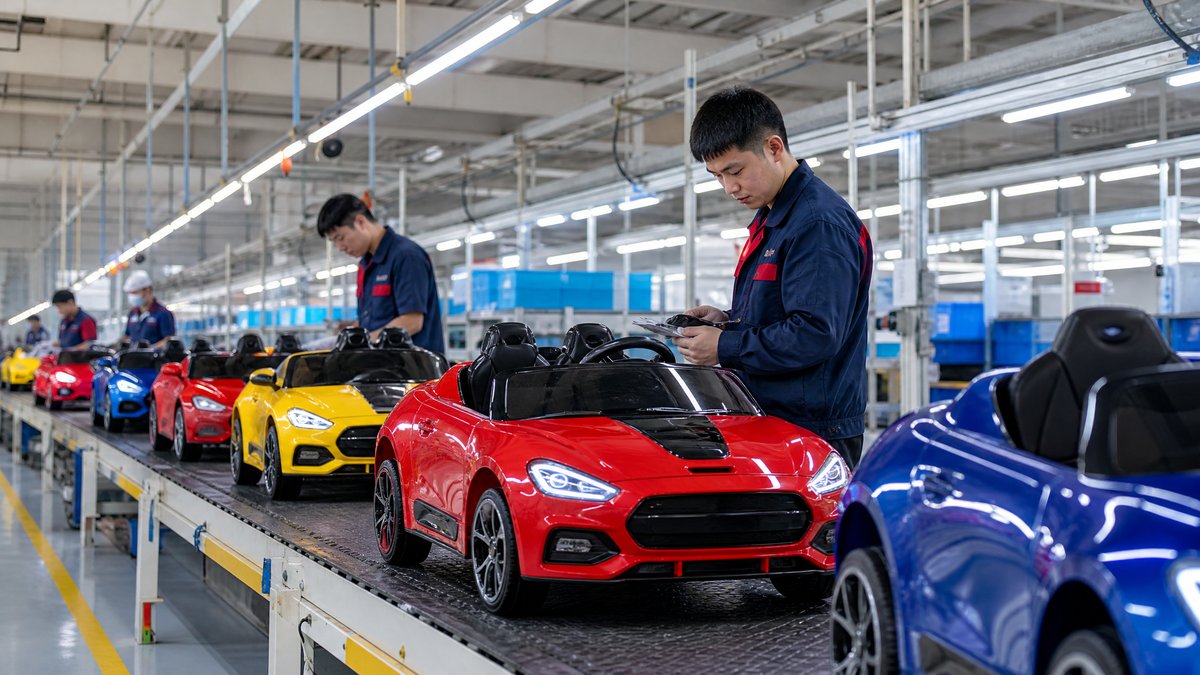
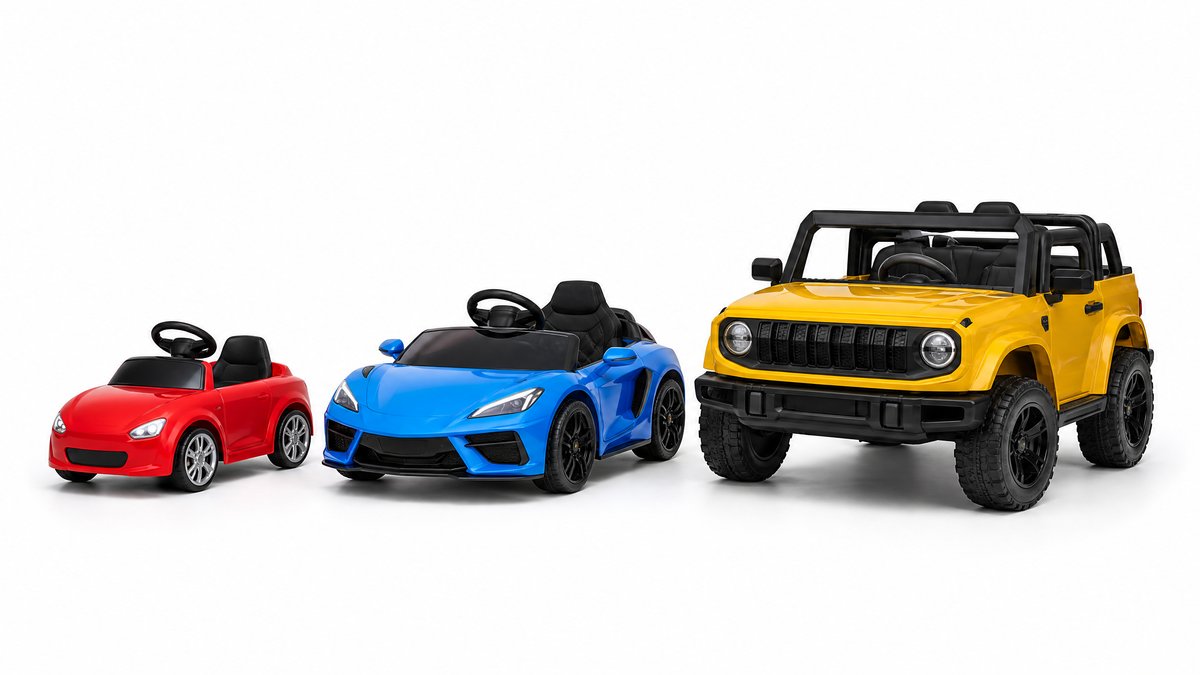
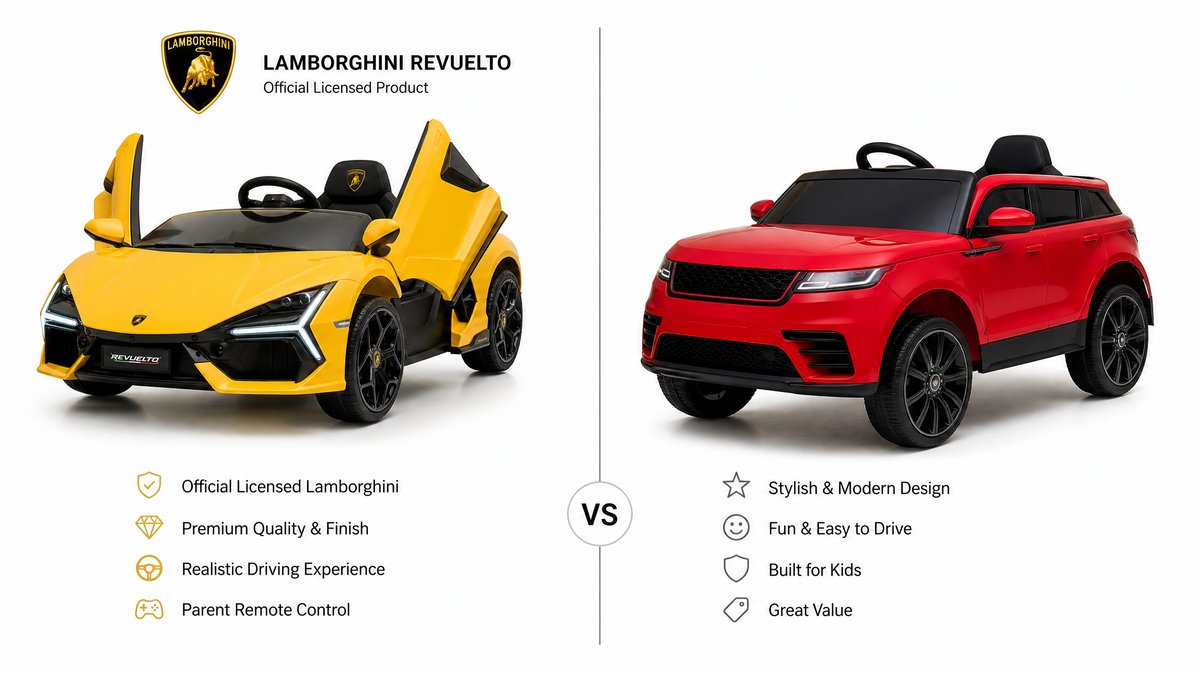
To evaluate whether a budget-priced electric ride-on car is safe, it is helpful to understand how manufacturing economies of scale and material selection influence retail pricing. When consumers observe a significant price gap between a basic entry-level ride-on and a luxury multi-motor flagship model, the price difference is rarely arbitrary. Instead, it reflects distinct choices in raw materials, component complexity, assembly labor, testing protocols, and distribution logistics across international supply chains.
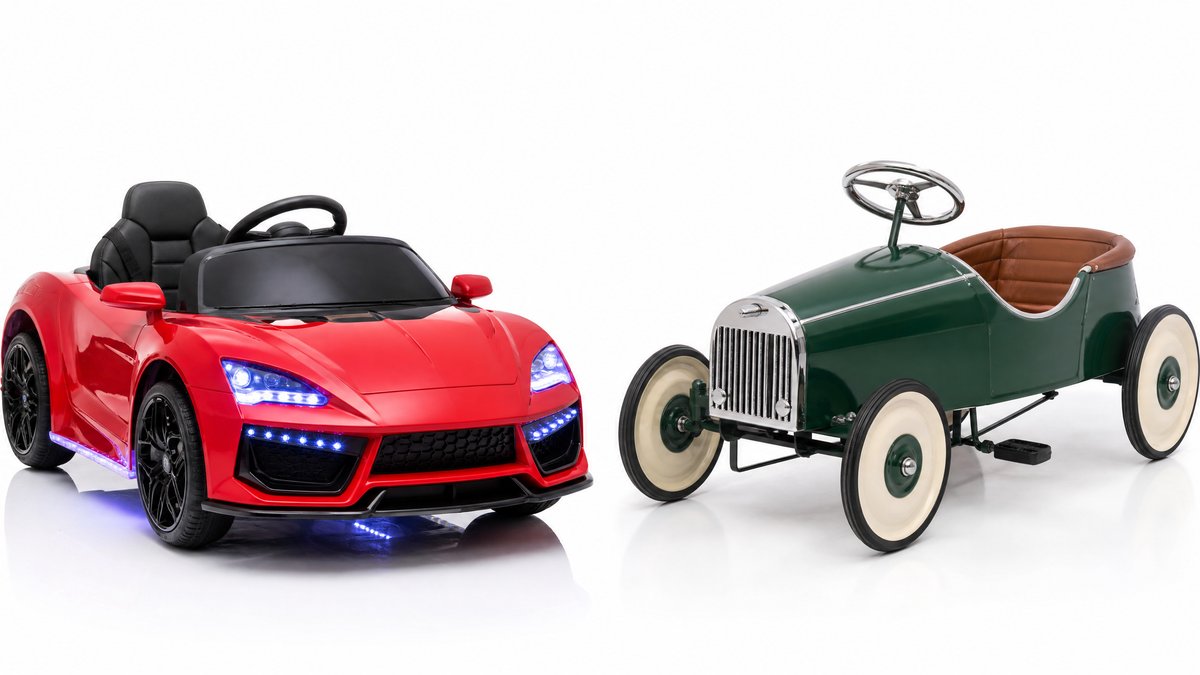
In budget-tier ride-on cars, cost reduction is typically achieved through several standardized manufacturing practices. First, simpler electrical architectures are employed. While premium models often feature complex dual-speed gearboxes, independent four-wheel drive systems, advanced digital motherboards, and sophisticated soft-start acceleration modules, budget models frequently utilize a single rear-wheel drive motor paired with a basic relay switch circuit. Second, material variations play a substantial role. Budget vehicles commonly utilize injection-molded rigid plastic wheels rather than premium EVA (ethylene-vinyl acetate) foam tires with rubber treads. While rigid plastic wheels are durable on smooth indoor surfaces or paved driveways, they offer reduced traction and produce more noise on rough terrain.
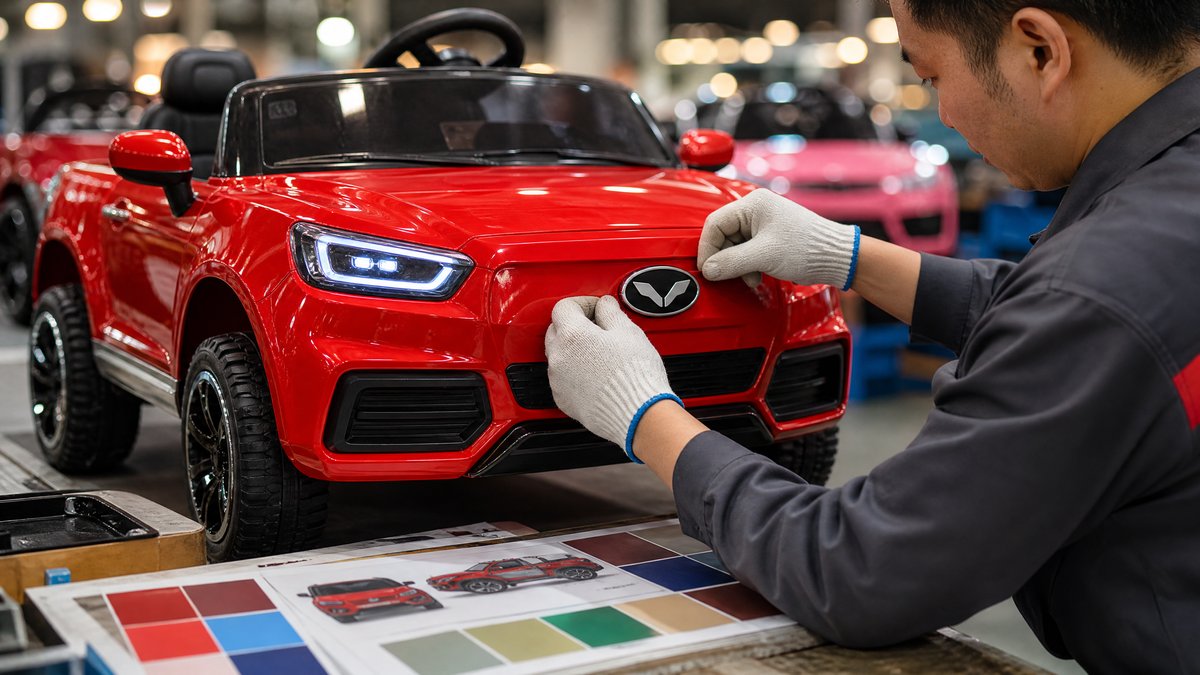
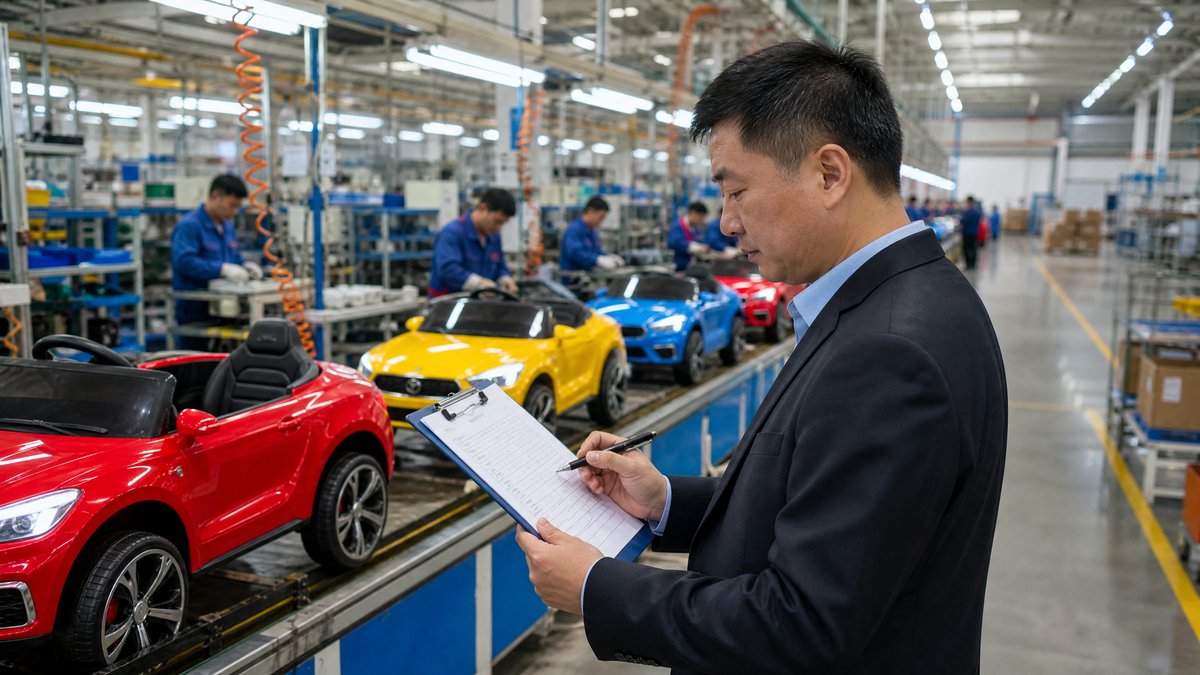
Furthermore, body shells on budget models may utilize thinner gauge plastics and simplified steel chassis frames. While these materials remain structurally adequate for standard residential use under appropriate weight limits, they lack the heavy-duty reinforcement found in commercial-grade or high-end collector replicas. Crucially, a lower manufacturing cost does not inherently render a vehicle unsafe. Many economical ride-on cars comply fully with baseline mechanical and electrical safety requirements. However, the margin for error is narrower, making rigorous pre-purchase inspection, careful assembly, and strict adherence to operational guidelines vital for ensuring a secure play experience. Importers and wholesale buyers must evaluate factory auditing reports and material certifications to ensure compliance regardless of the retail price point.
Core Safety Indicators: What Makes a Ride-On Car Compliant and Secure?
When examining any electric ride-on car—regardless of its price point—certain baseline engineering indicators serve as non-negotiable benchmarks for safety. Buyers must look past aesthetic styling and focus on functional mechanics and electrical safeguards that protect young operators during play.
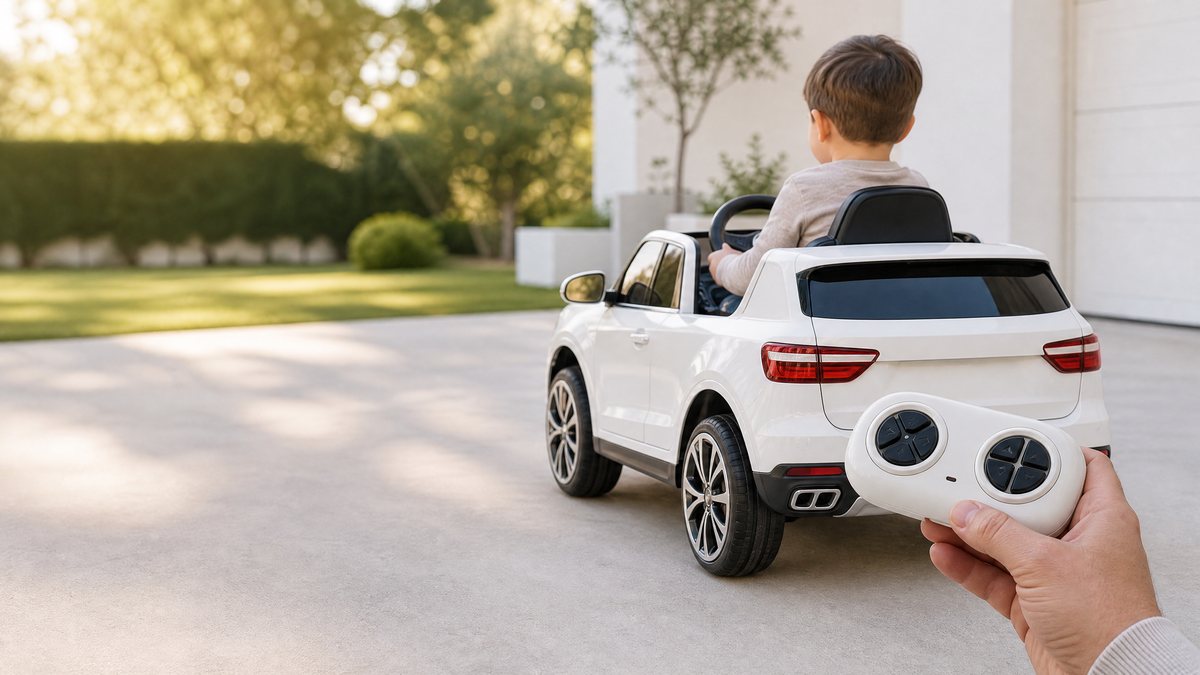
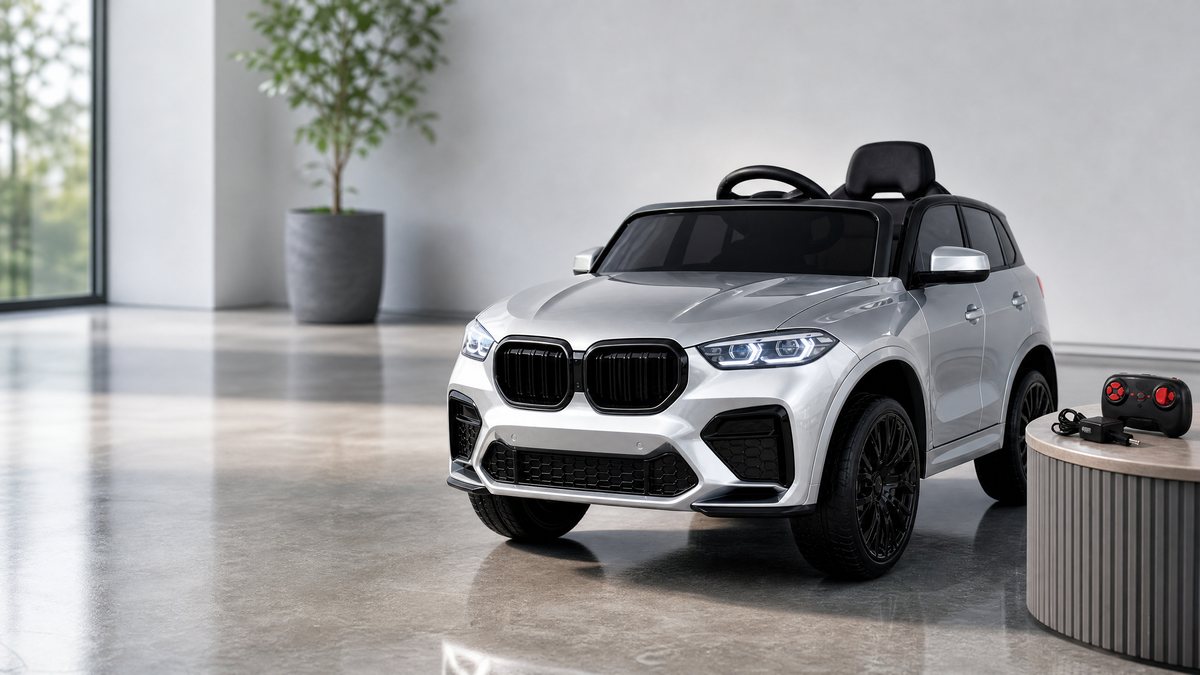
A primary safety indicator is the presence of an effective braking system. In most standard electric ride-on cars, braking is managed through an automatic motor-braking mechanism: when the child releases the accelerator foot pedal, the circuit disengages and the motor acts as a natural brake, bringing the vehicle to a controlled stop. Budget cars must still execute this transition smoothly without abrupt locking that could jolt the rider. Additionally, remote control override functionality is a critical safety feature, especially for younger children. A reliable parental remote control allows supervising adults to steer, brake, and halt the vehicle instantly if the child encounters an unexpected obstacle or loses directional control.
Structural integrity also depends heavily on secure steering linkages and proper weight capacity ratings. Steering columns must be securely anchored with metal fasteners rather than fragile plastic snaps. Furthermore, seating configurations should include a secure lap restraint or safety belt. While these belts are designed primarily to encourage good habits and keep the child properly positioned rather than functioning as heavy-duty automotive restraints, their anchor points must be robustly attached to the vehicle frame.
| Evaluation Category | Budget-Tier Characteristics | Premium-Tier Characteristics | Critical Safety Focus |
|---|---|---|---|
| Drive System | Single rear motor, basic relay switch | Dual or quad motors, advanced electronic control unit | Ensure smooth power delivery and responsive stop mechanics |
| Wheels & Tires | Injection-molded rigid plastic or basic treaded plastic | EVA foam tires with rubber grip strips | Verify traction performance on intended riding surfaces |
| Acceleration | Standard direct-engagement pedal switch | Electronic soft-start module | Prevent sudden jerking during initial takeoff |
| Control Interface | Direct driver control with optional basic remote | 2.4G Bluetooth parental remote with emergency stop | Ensure reliable wireless override responsiveness |
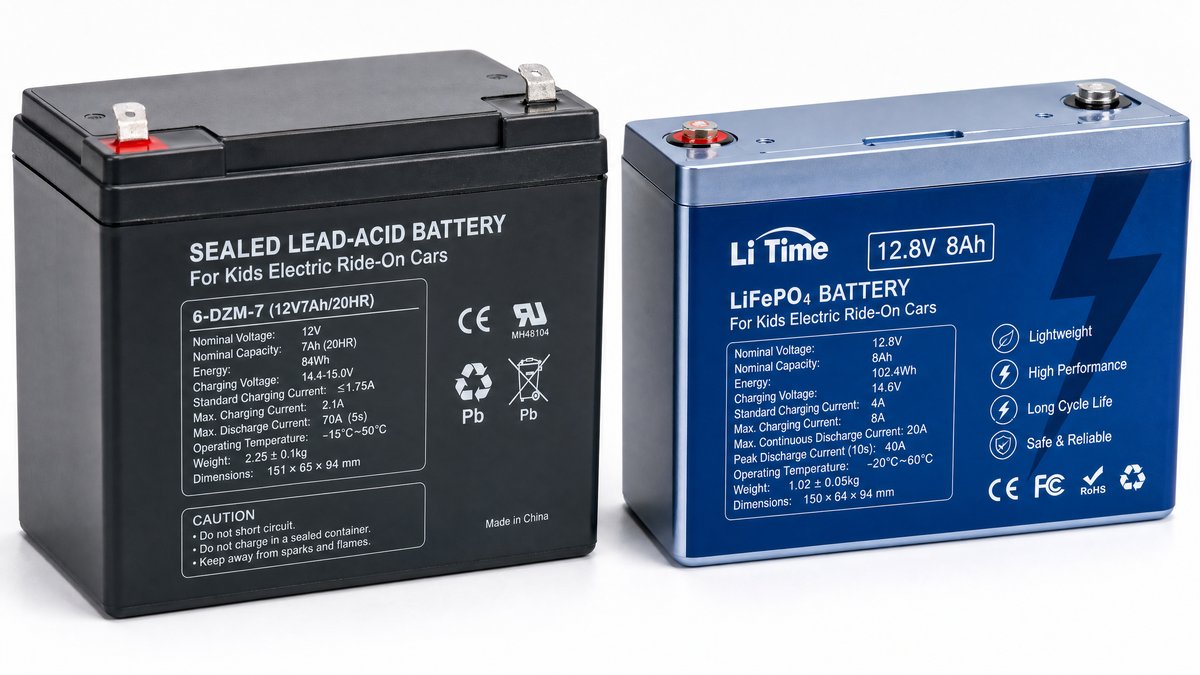
| Battery System | 6V or 12V standard lead-acid battery | 12V/24V high-capacity or removable lithium packs | Check for overcurrent protection fuses and secure terminal covers |
Electrical and Battery Safety: The Hidden Risk Factors
Electrical systems represent the most critical dimension of ride-on car safety. Because these vehicles operate on rechargeable battery power—typically ranging from 6-volt to 12-volt configurations in budget categories—the integrity of the wiring harness, charging port, and battery housing demands utmost attention.
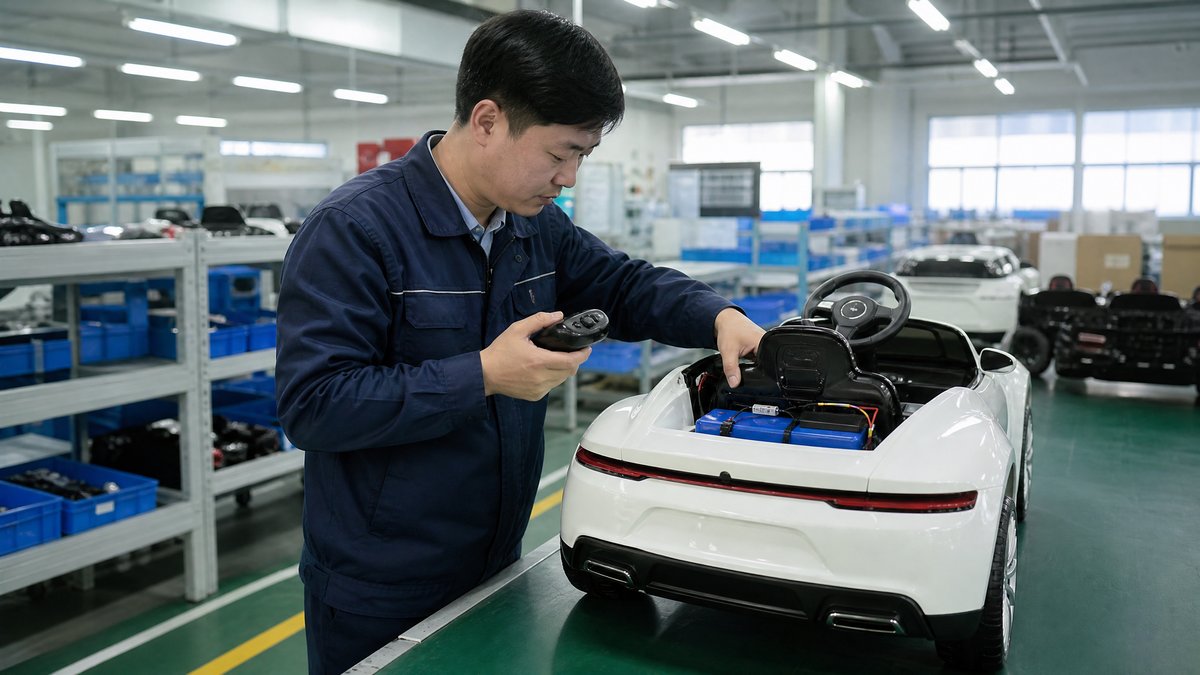
In economical ride-on cars, wiring harnesses may utilize thinner insulation or simpler connectors. While these meet basic functional standards, they require careful handling during assembly and ongoing maintenance to prevent pinching or fraying. A secure battery compartment that isolates electrical terminals from accidental contact by children or foreign objects is essential. Furthermore, ride-on car designs may incorporate an inline thermal fuse or circuit breaker designed to cut power automatically in the event of an electrical overload, short circuit, or stalled motor.
Safety protocols regarding battery charging and handling are strict and universal. Users and supervisors must observe the following mandatory safety guidelines:
- Adult supervision is mandatory during all operating and charging cycles.
- Always follow the manufacturer's user manual regarding compatible chargers and specified charging durations.
- Never attempt to disassemble internal electrical housings, touch battery terminals directly, measure internal voltages, or bypass built-in circuit protection fuses.
- Avoid any unauthorized modifications to the battery, wiring, or motor systems.
- If the vehicle exhibits unusual odors, smoke, excessive heat, fluid leakage, water ingress, exposed or frayed wiring, damaged charging plugs, erratic braking, or persistent electrical failure, immediately cease operation and charging, turn off the master power switch, keep children away from the vehicle, and contact the manufacturer or qualified repair personnel.
Mechanical Stability, Assembly Quality, and Structural Integrity
Beyond electrical considerations, the physical assembly and mechanical stability of a budget ride-on car dictate its daily operational safety. Because many economical vehicles arrive in partially disassembled state requiring home assembly, the quality of the final build rests significantly on the person assembling the unit according to factory specifications and safety protocols.
Correct assembly of steering knuckles, front and rear axle assemblies, wheel retention pins, and seat fixings is paramount. Missing washers, improperly tightened locking nuts, or unseated steering pins can compromise handling stability. Supervisors must verify that all mechanical fasteners are securely tightened and periodically checked as part of routine ongoing maintenance.
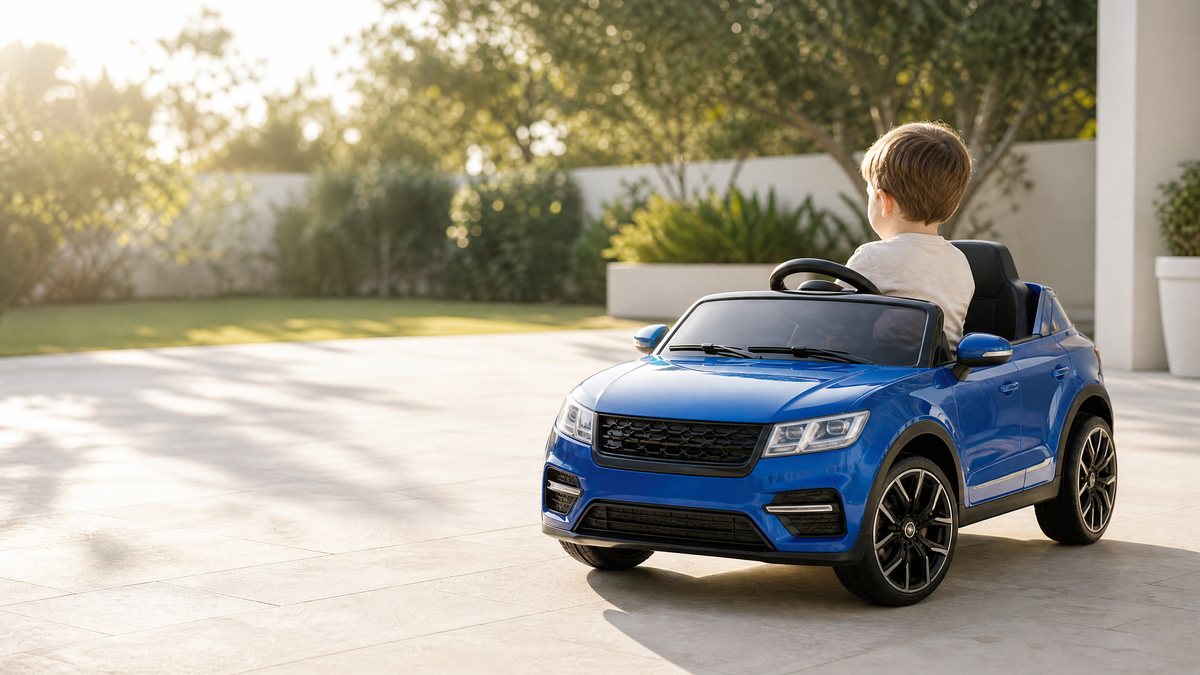
Operating environment is another vital consideration for structural safety. Budget ride-on cars are engineered primarily for smooth, flat surfaces such as paved driveways, concrete walkways, residential sidewalks, or indoor floors. Attempting to operate lightweight budget models on steep inclines, deep sand, muddy terrain, gravel pits, or public roadways introduces severe mechanical strain and rollover risks. Adhering strictly to maximum weight capacity limits specified in the official user manual prevents chassis overload, premature gearbox wear, and steering failure.
For B2B wholesale buyers and commercial importers, partnering with reputable manufacturers who enforce stringent quality control during parts fabrication ensures that even entry-level models maintain reliable structural tolerances and safety margins. Request a wholesale quote to discuss compliant vehicle specifications and bulk supply options tailored to your retail market demands.
Frequently Asked Questions (FAQ)
Are inexpensive ride-on cars constructed with toxic plastics or lead-containing paints?
Compliance with material safety standards depends entirely on the manufacturing factory's commitment to regulatory frameworks such as ASTM F963, EN71, and RoHS directives. Reputable budget manufacturers utilize non-toxic, BPA-free plastics and certified surface coatings. Buyers should always verify that products carry official compliance documentation and testing certifications from recognized laboratories before purchasing or distributing inventory.
How can parents and retailers verify that a budget ride-on car meets baseline safety standards?
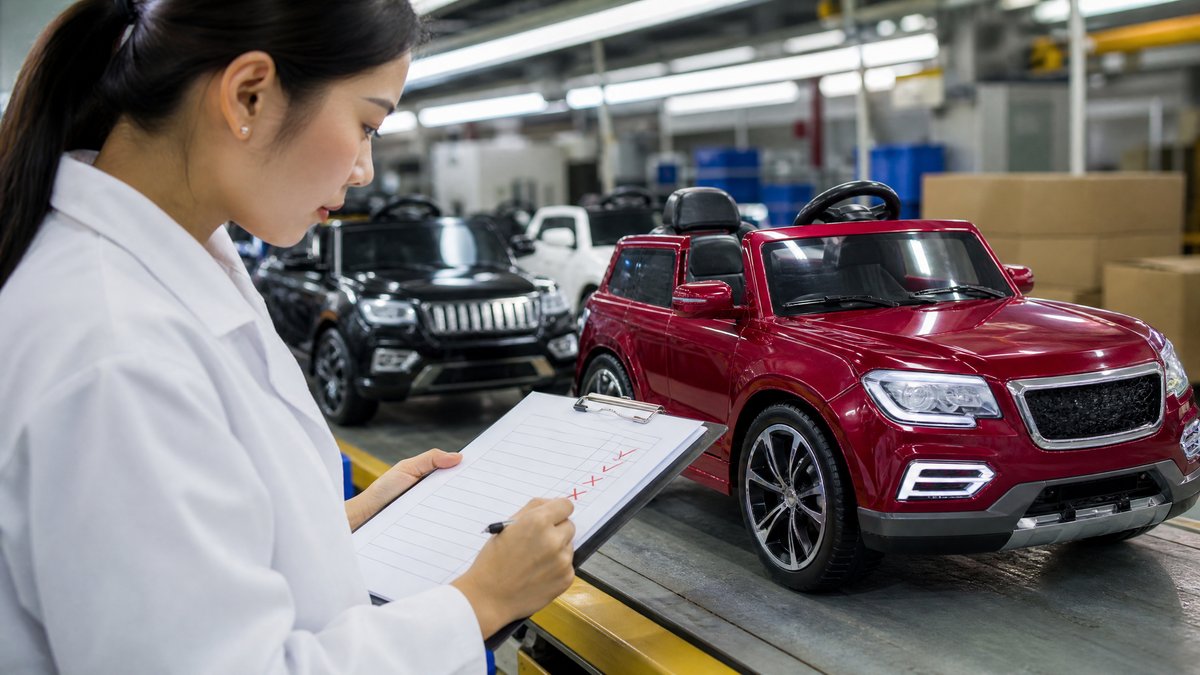
Verification involves inspecting product documentation, checking for clear warning labels, examining the robustness of mechanical joints, and confirming the presence of essential safety features such as an automatic motor brake, enclosed gearboxes, and secure battery compartment covers. Reviewing the official user manual and ensuring transparent communication with the supplier are key steps in confirming compliance.
What should be done if a budget ride-on car exhibits strange electrical behavior, unusual heat, or motor hesitation?
If any abnormal electrical behavior occurs—such as intermittent power loss, smoking, burning odors, excessive battery heating, or unresponsive braking—operation must be stopped immediately. Turn off the vehicle master switch, disconnect the charger if plugged in, remove children from the vicinity, and contact the manufacturer or a qualified service technician for professional inspection. Never attempt DIY electrical repairs on internal power components.
Is it safe to upgrade the battery or motor of a cheap ride-on car to increase speed?
No. Unauthorized modifications involving higher-voltage batteries, unapproved replacement motors, or altered wiring harnesses void the manufacturer's warranty and pose severe electrical, thermal, and structural hazards. Budget ride-on cars are engineered for specific mechanical tolerances and speed limits; altering these parameters compromises safety systems and increases the risk of component failure or thermal overload.
Conclusion and Pre-Purchase Action Checklist
Purchasing a budget-friendly electric ride-on car does not require compromising on safety, provided buyers and parents approach the market with an informed, rigorous evaluation framework. While economical models may omit luxury cosmetic flourishes or advanced multi-motor drive trains, they can deliver a secure, highly enjoyable play experience when manufactured responsibly, assembled correctly, and operated within strict safety boundaries.
Before finalizing any purchase, buyers should utilize a structured pre-purchase checklist:
1. Verify supplier reputation, compliance documentation, and adherence to international toy safety standards.
2. Confirm the presence of essential safety mechanisms, including responsive motor brakes and parental remote override.
3. Review weight capacity limitations and match the vehicle scale to the operator's age and physical size.
4. Establish a routine maintenance schedule to inspect mechanical fasteners, wheel alignment, and electrical connections.
5. Commit to constant adult supervision and strict adherence to the manufacturer's official user manual.
By prioritizing transparency, safety verification, and operational discipline, families and retail partners can embrace affordable ride-on vehicles with confidence. Request a wholesale quote today to explore our full catalog of certified, high-value children's ride-on vehicles designed for safety and durability.
Official References
1. U.S. Consumer Product Safety Commission (CPSC). General Toy Safety Education and Electric Ride-On Toy Guidance. CPSC Document #325.
2. International Organization for Standardization (ISO). Safety of Toys - Part 1: Mechanical and Physical Properties (ISO 8124-1) and Electrical Safety Specifications.
3. European Committee for Standardization (CEN). European Standard for Toy Safety EN 71-1, EN 71-2, and EN 71-3 Compliance Guidelines.
4. Manufacturer User Manuals and Technical Compliance Specifications for Electric Ride-On Vehicles. Note: Official manufacturer documentation and model-specific user manuals always supersede general educational guidelines.
Official references
Explore these external resources for current regulatory and trade guidance. Confirm requirements with the relevant authority before placing an order.
Ready to Start?
Factory-Direct · CE & ASTM Certified · MOQ from 50 Units
Our export team works with buyers in 60+ countries. Get a quote within 24 hours.
KR
Written by KidsRideCar
China's leading kids electric ride-on car manufacturer. 500,000+ units shipped annually to 60+ countries. CE, ASTM & EN71 certified.