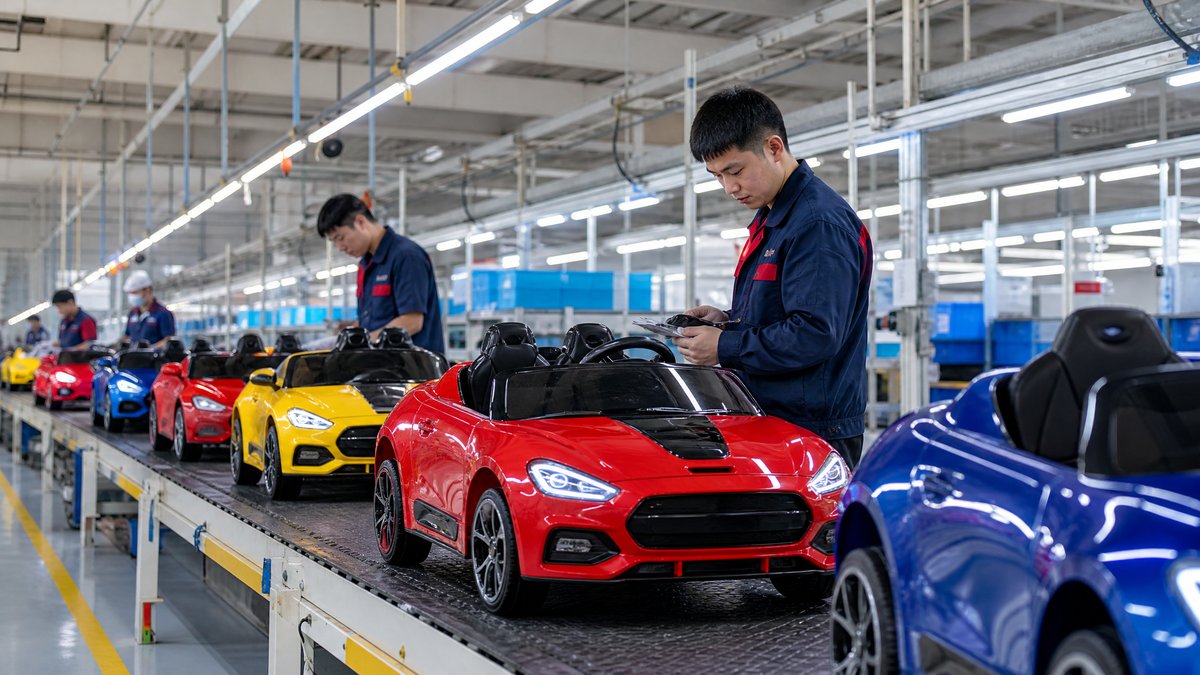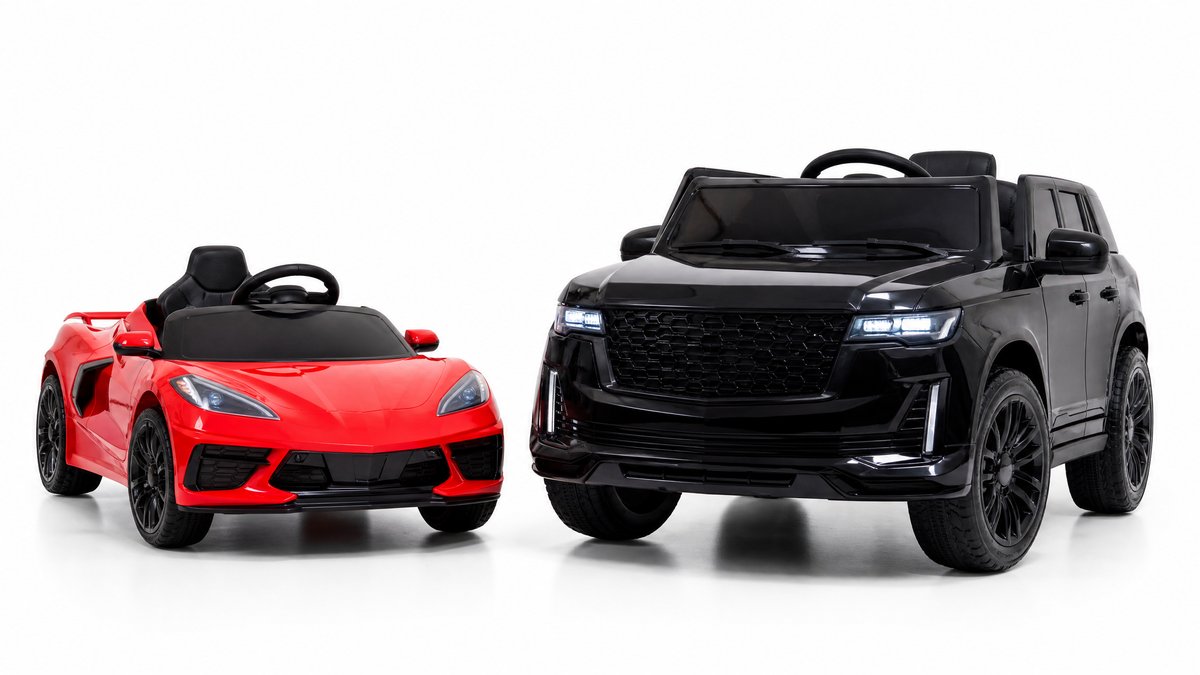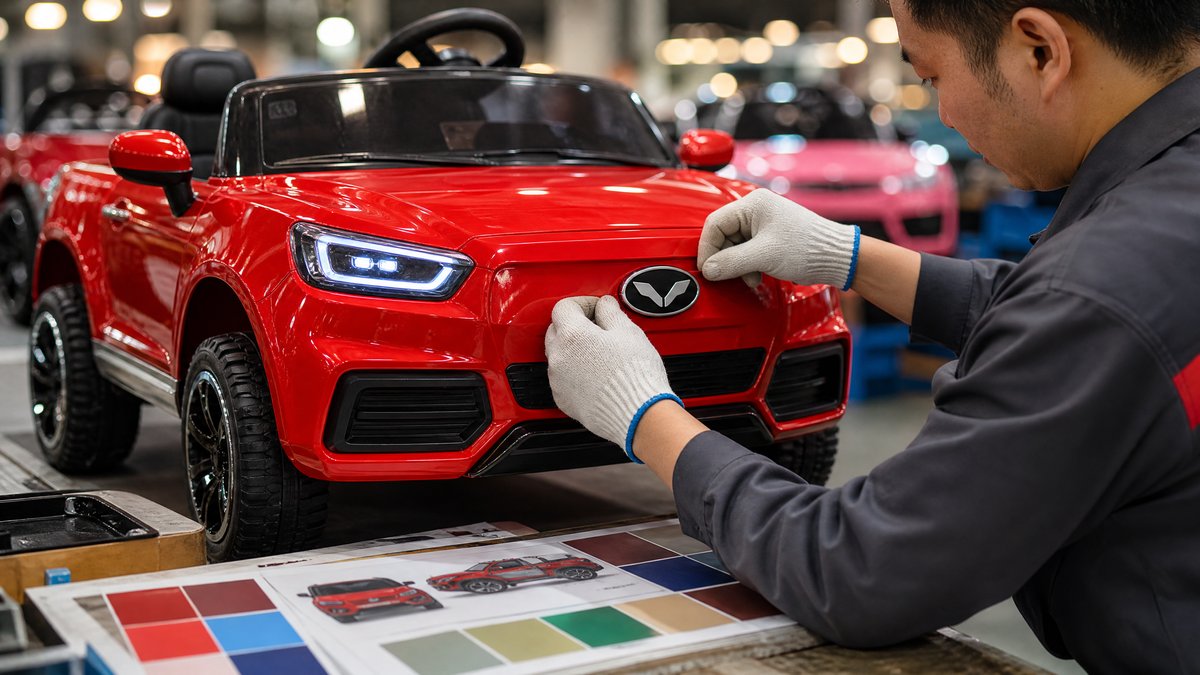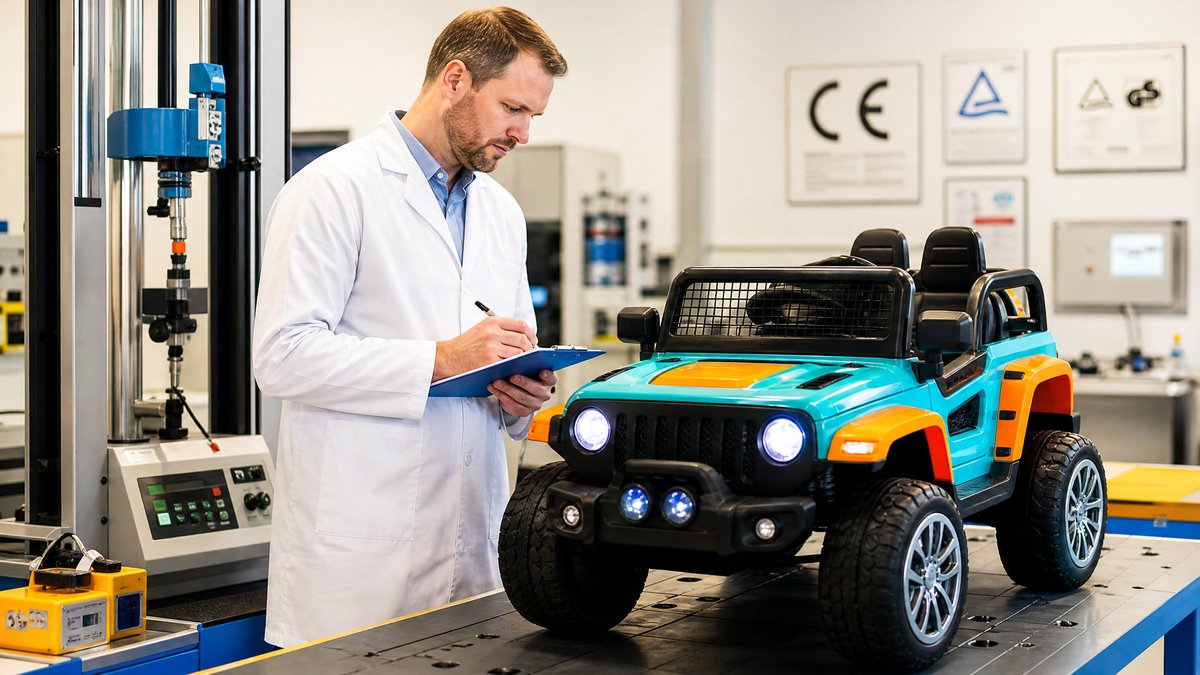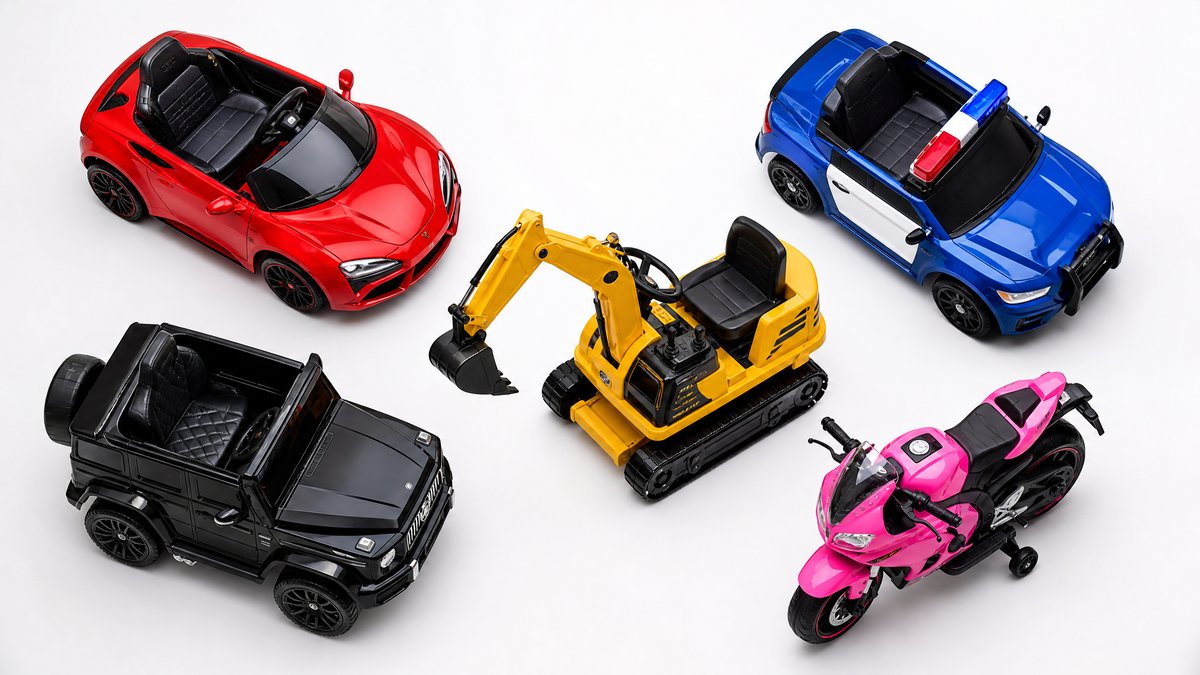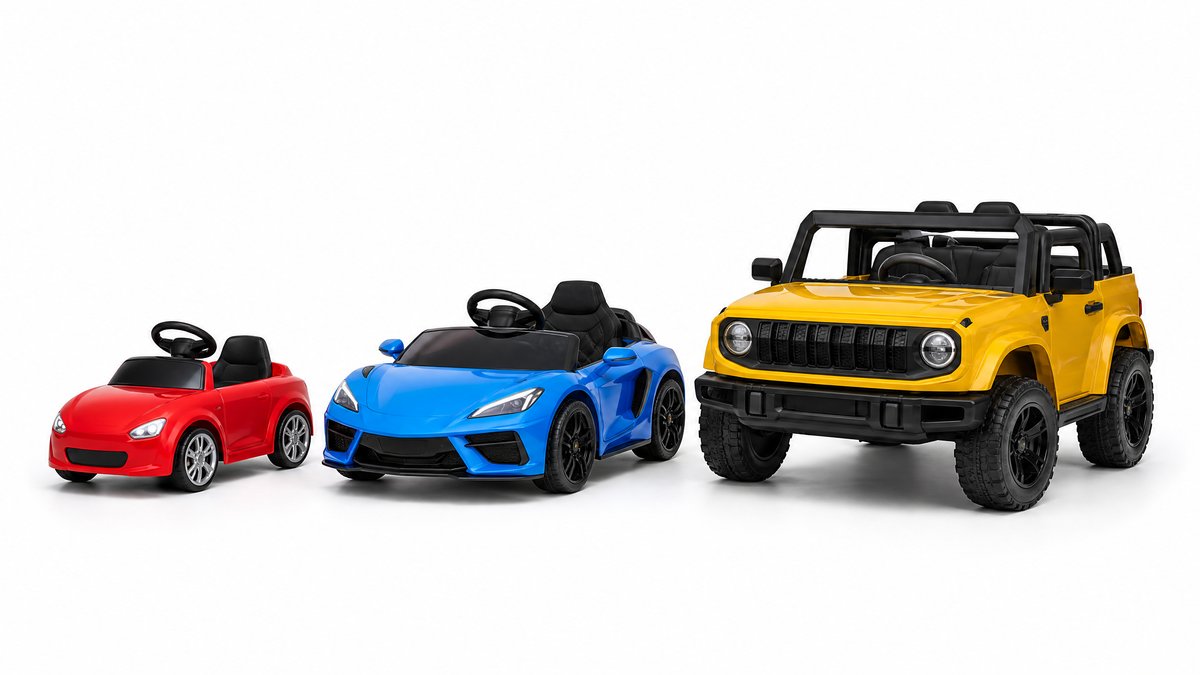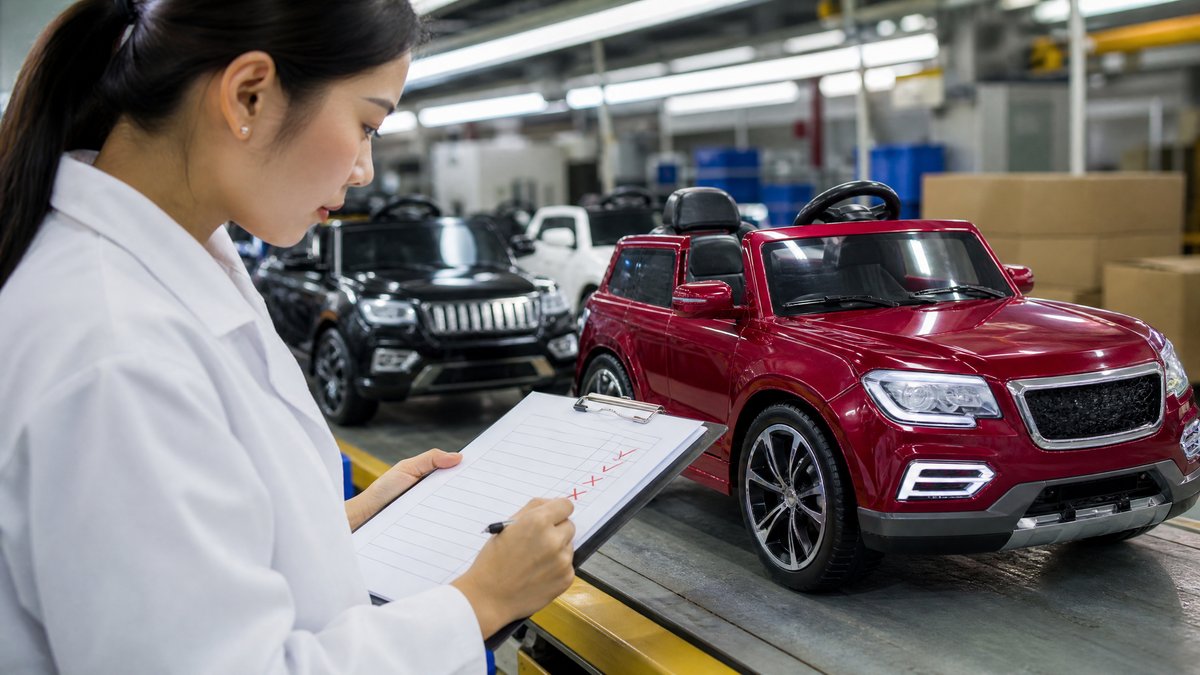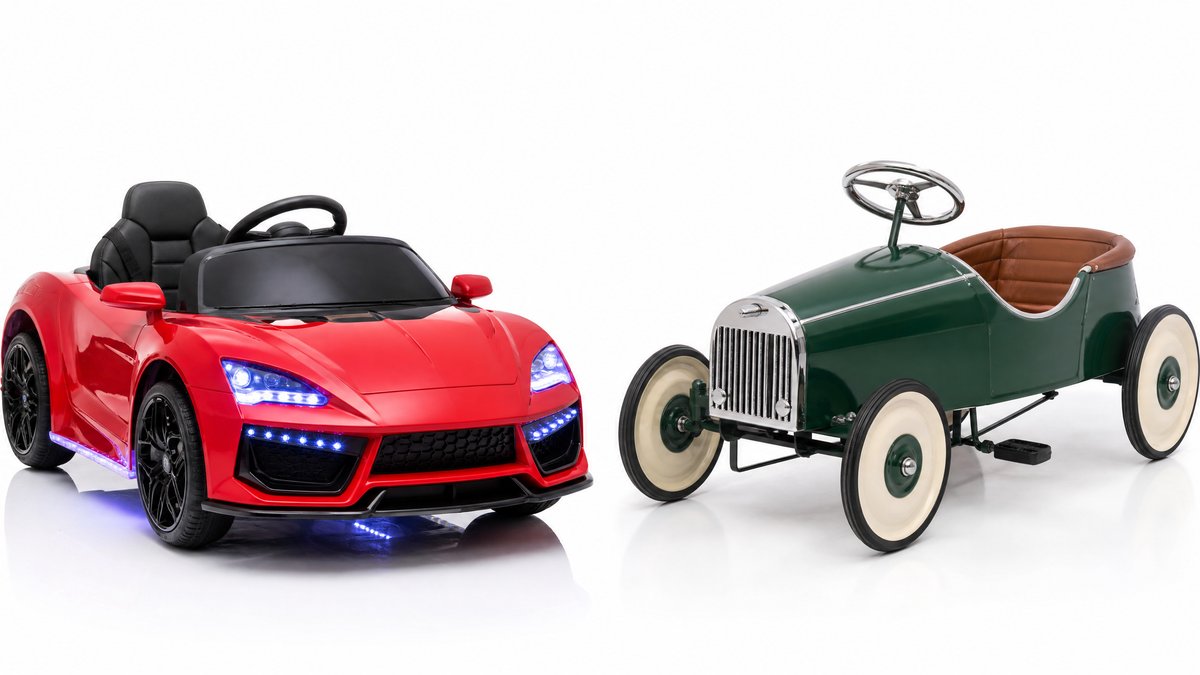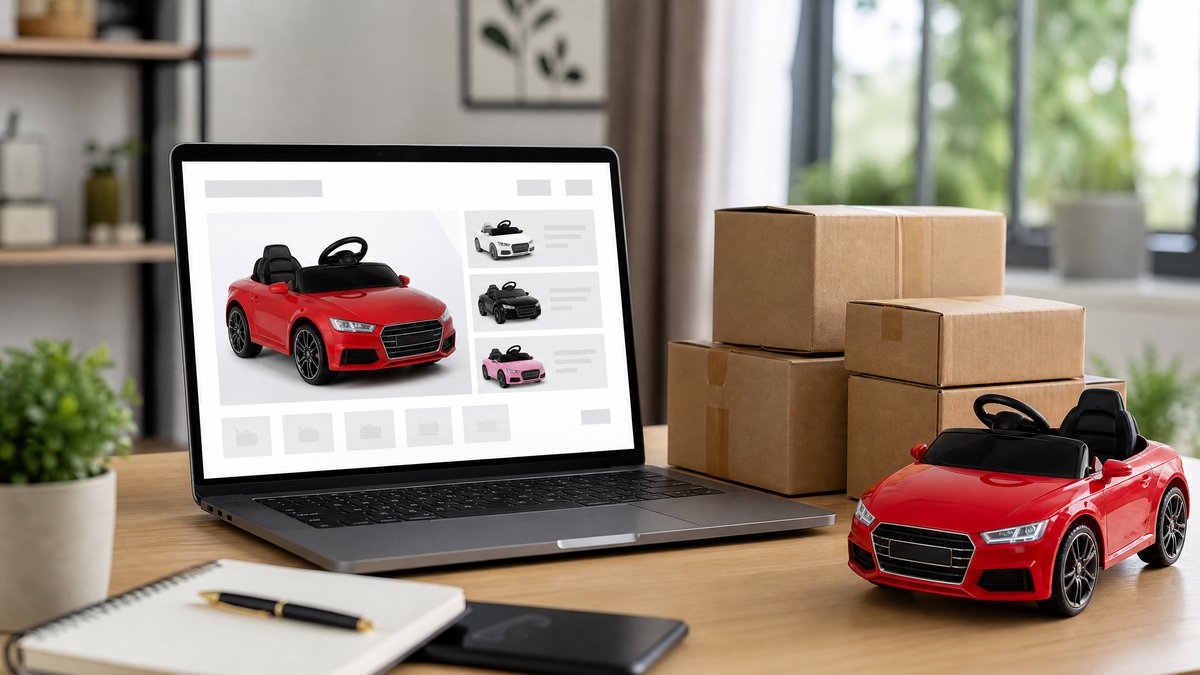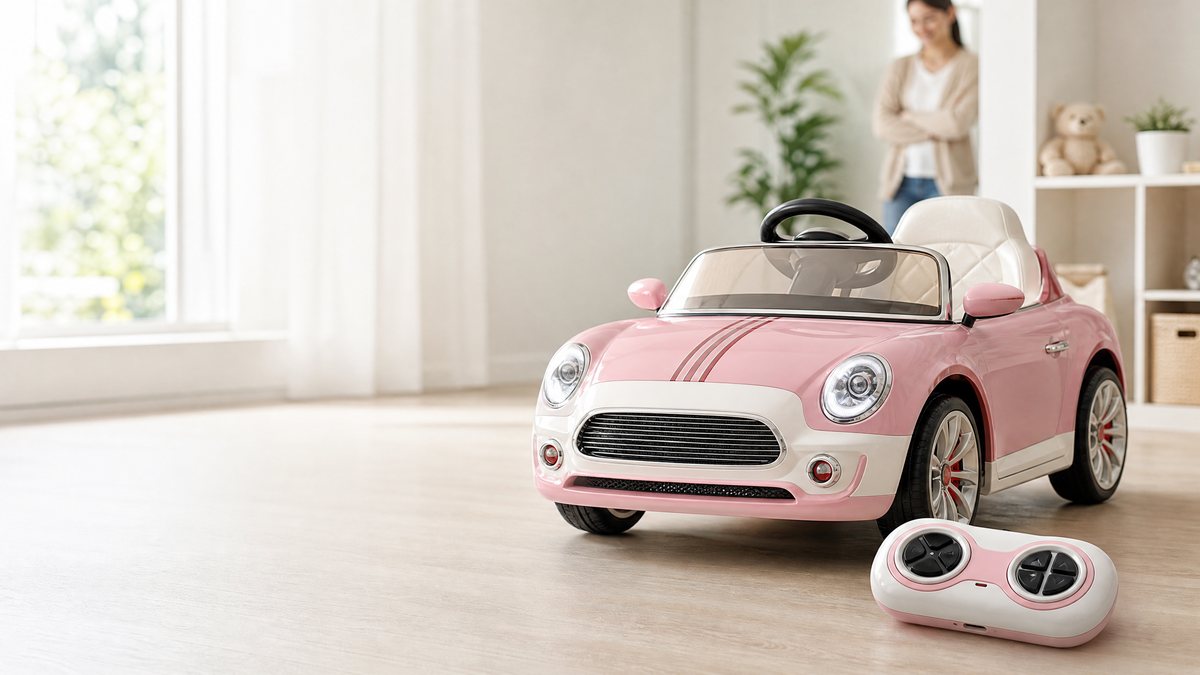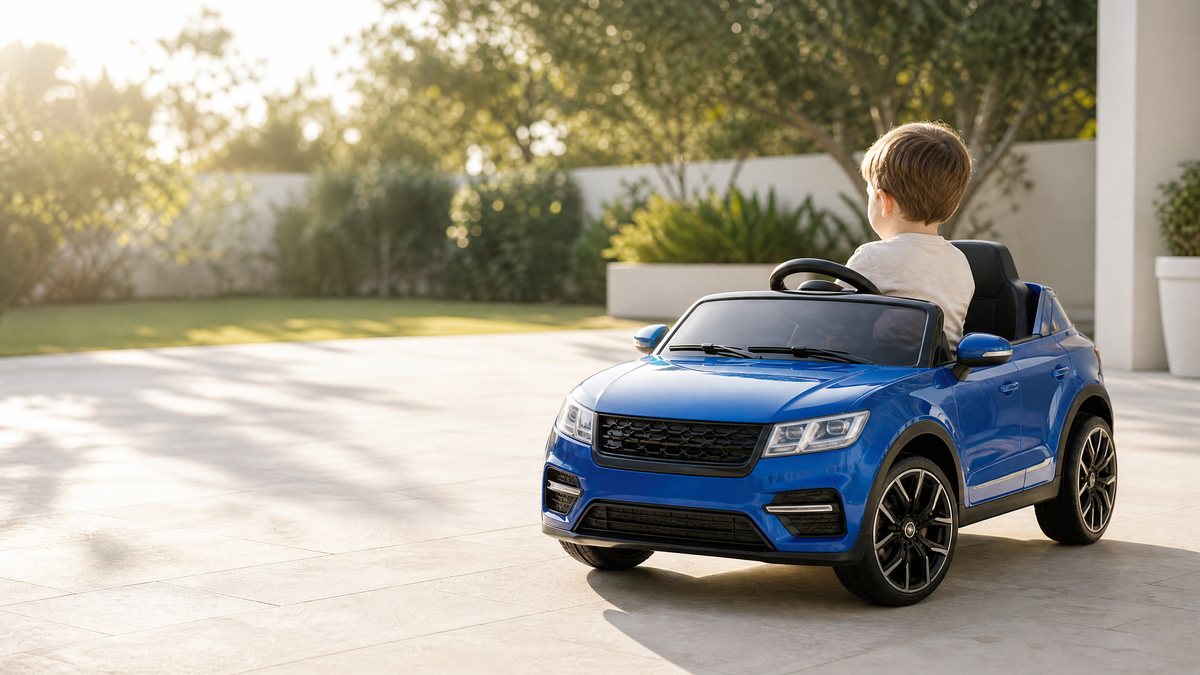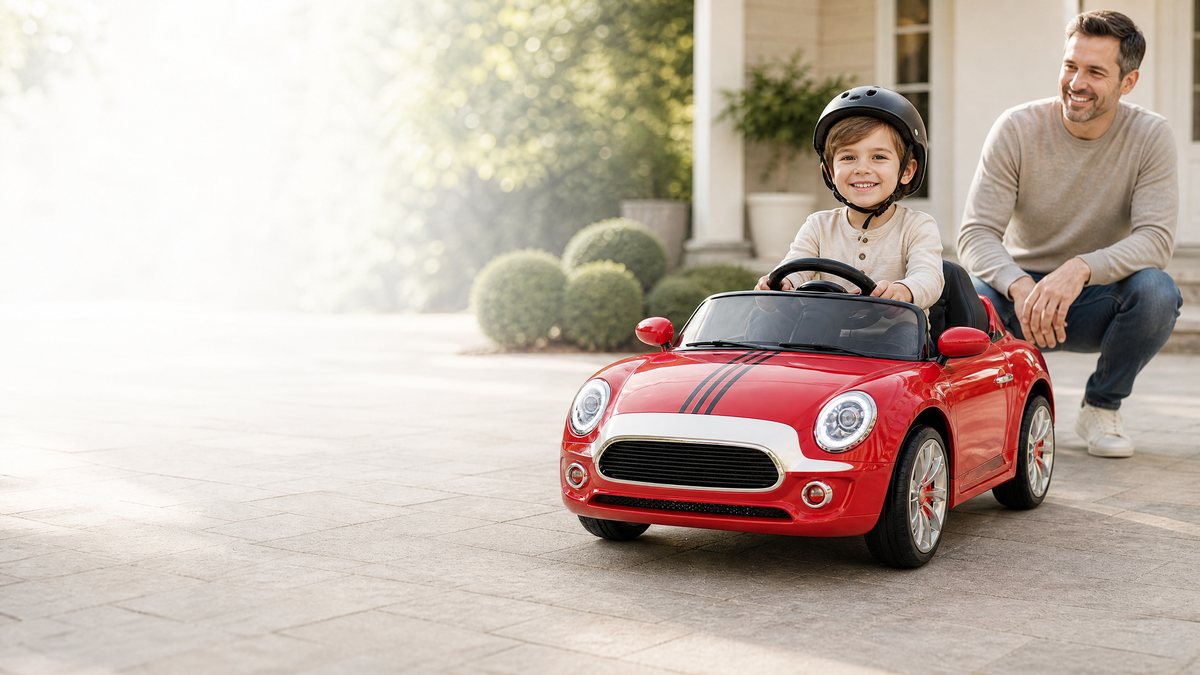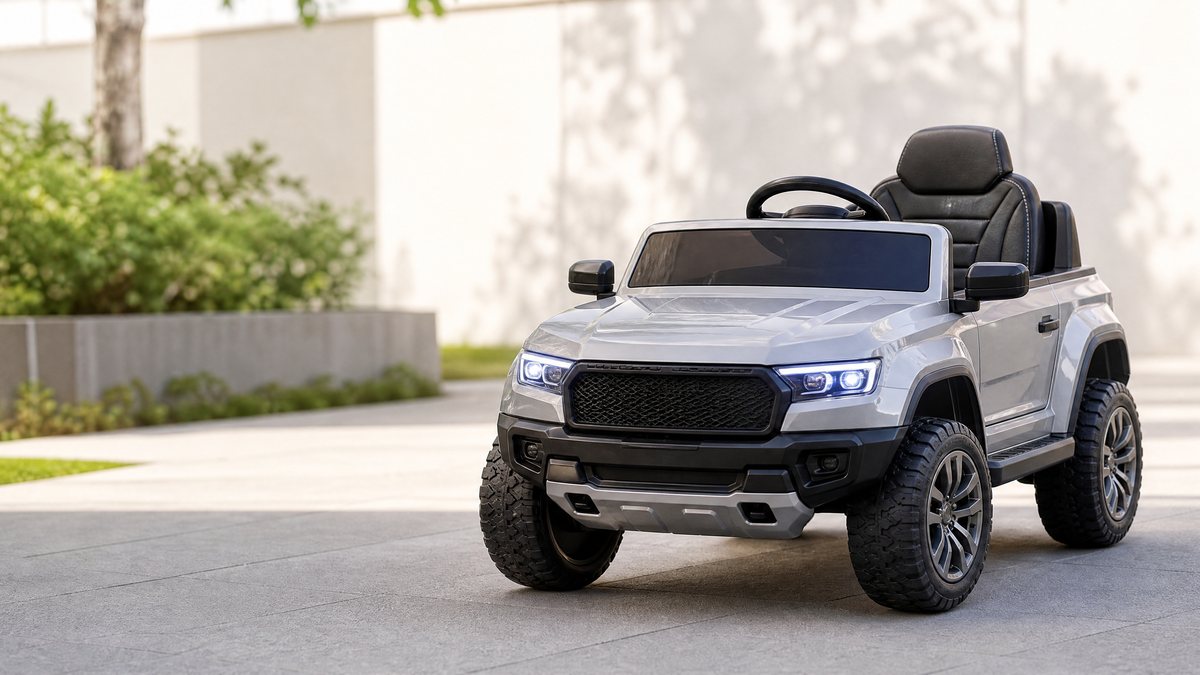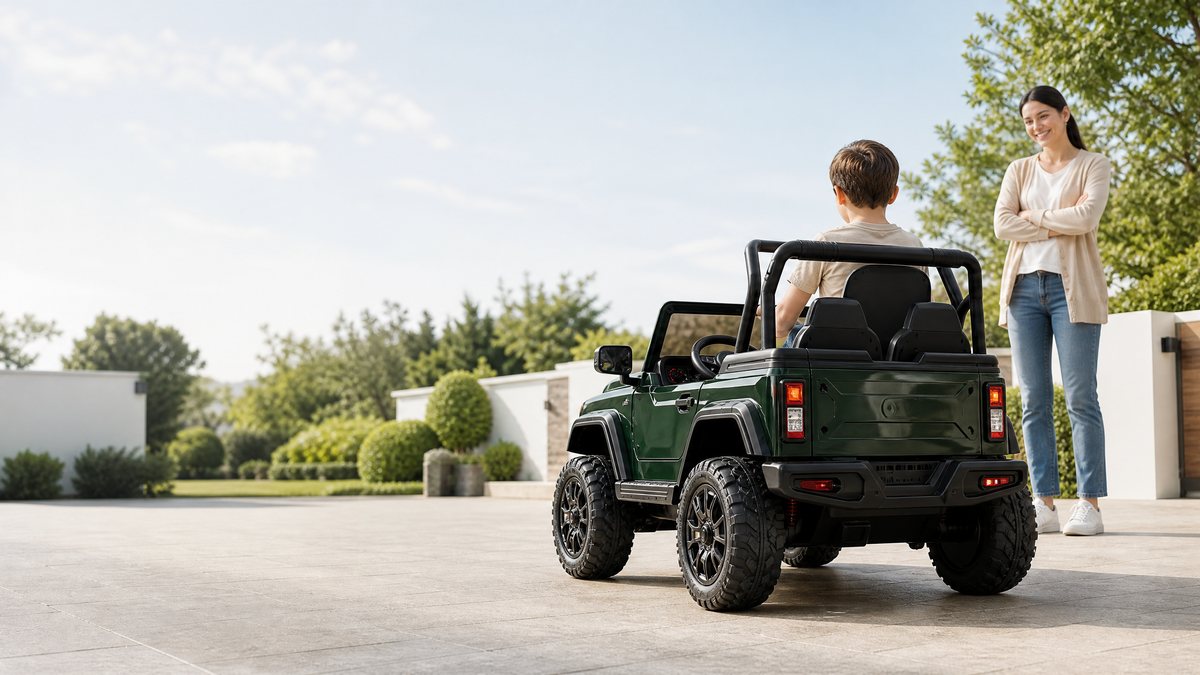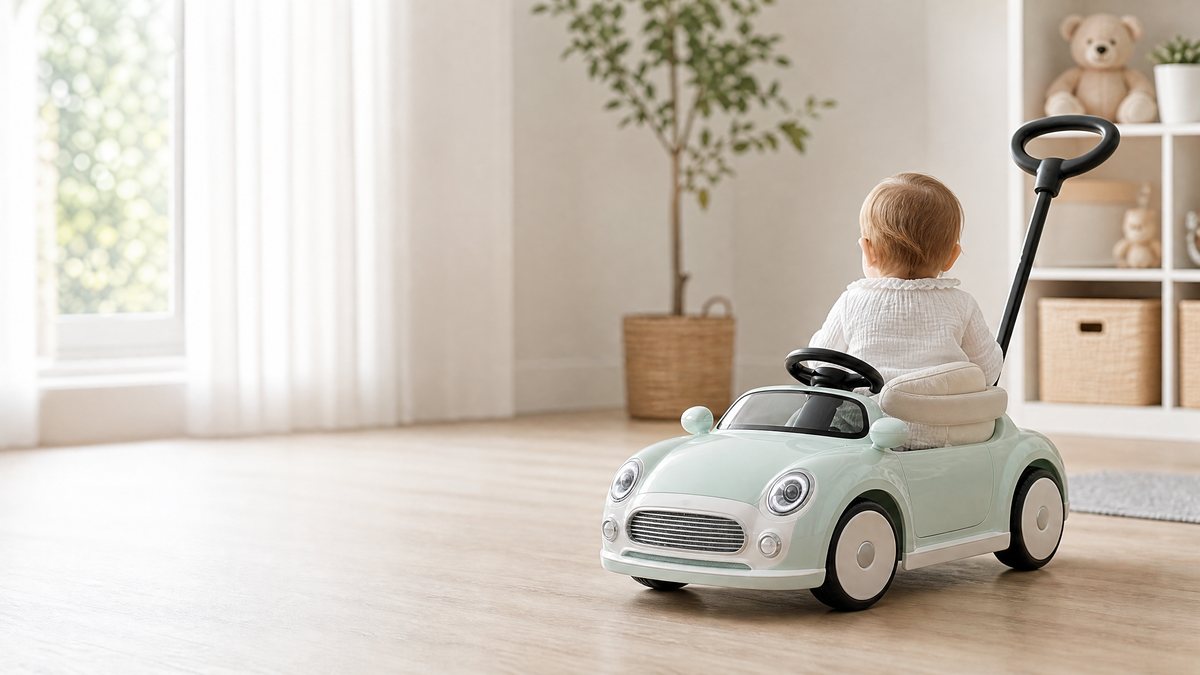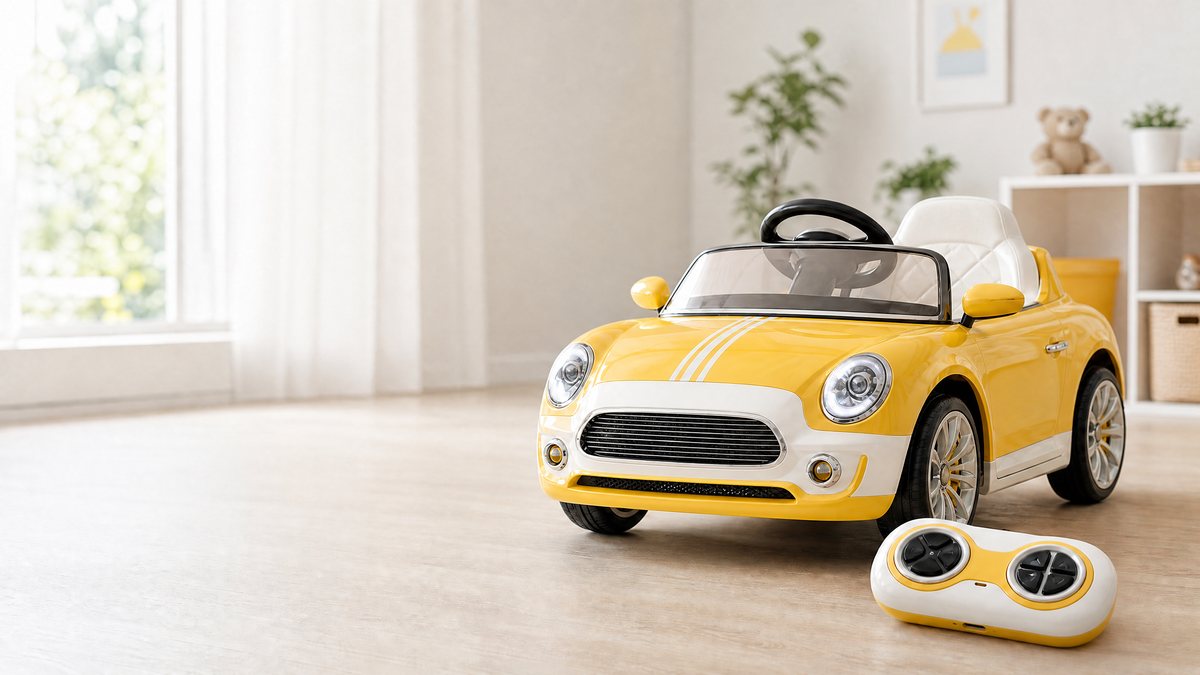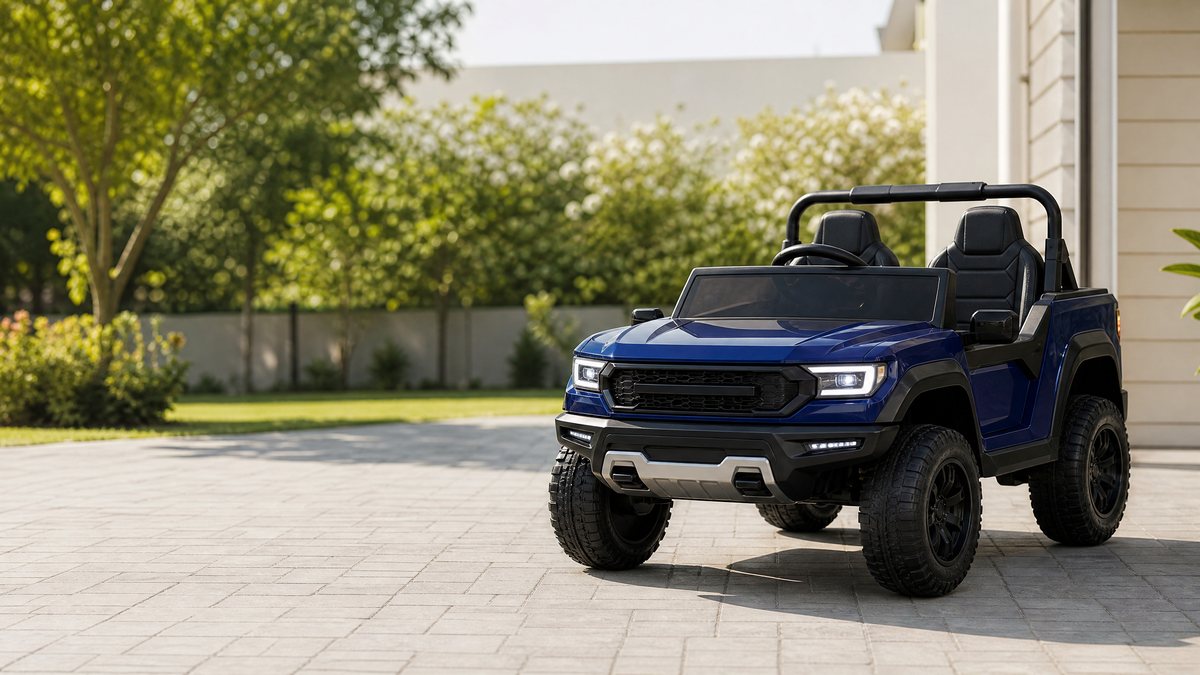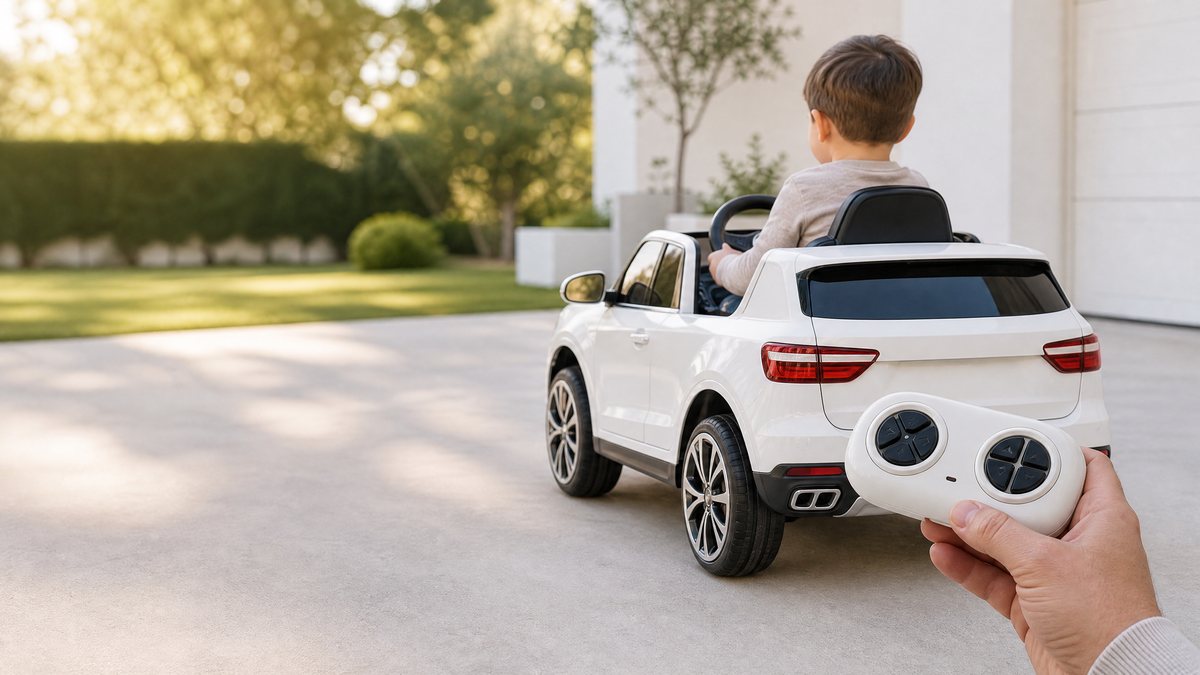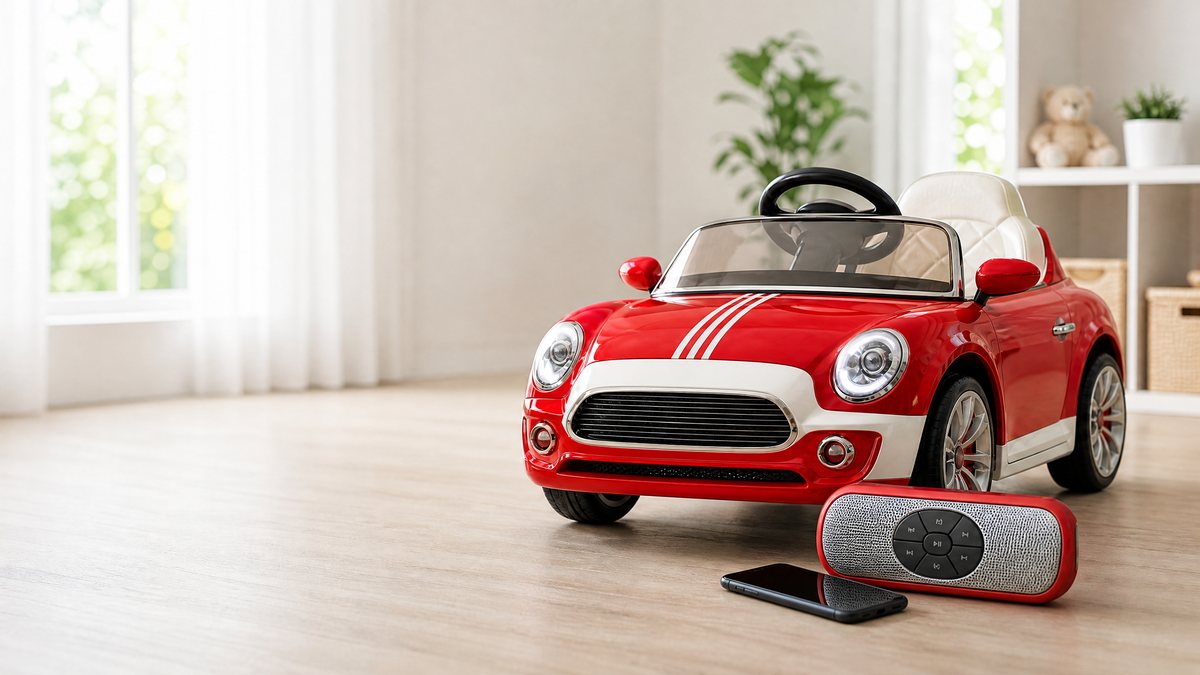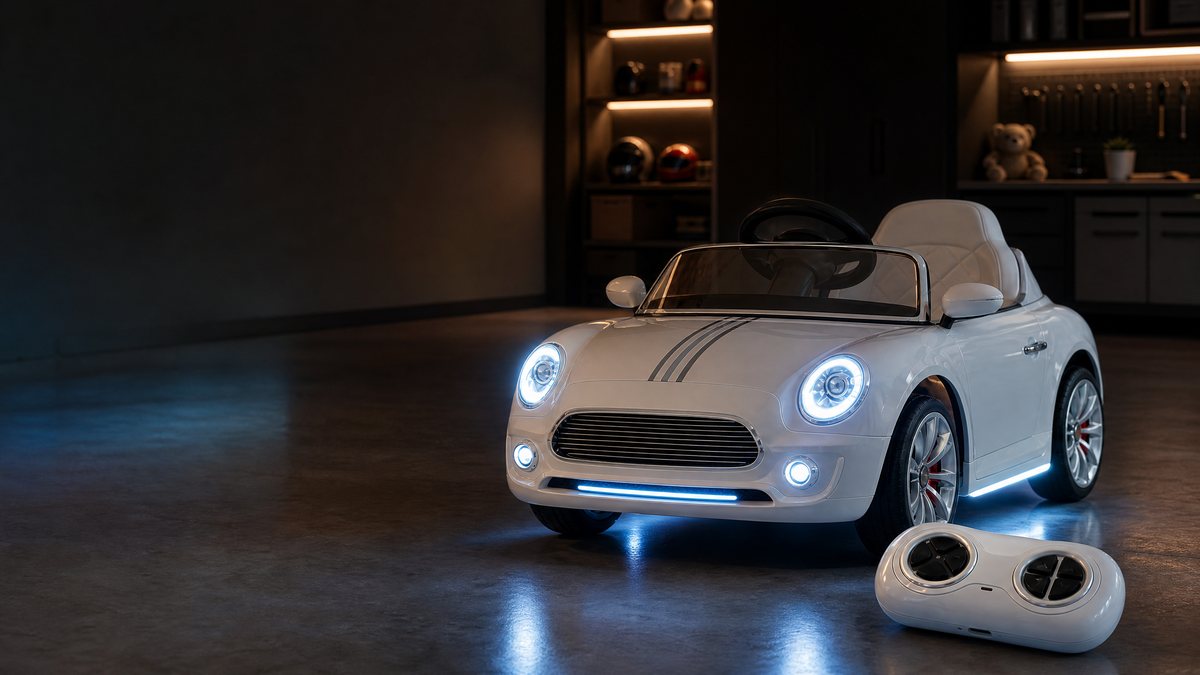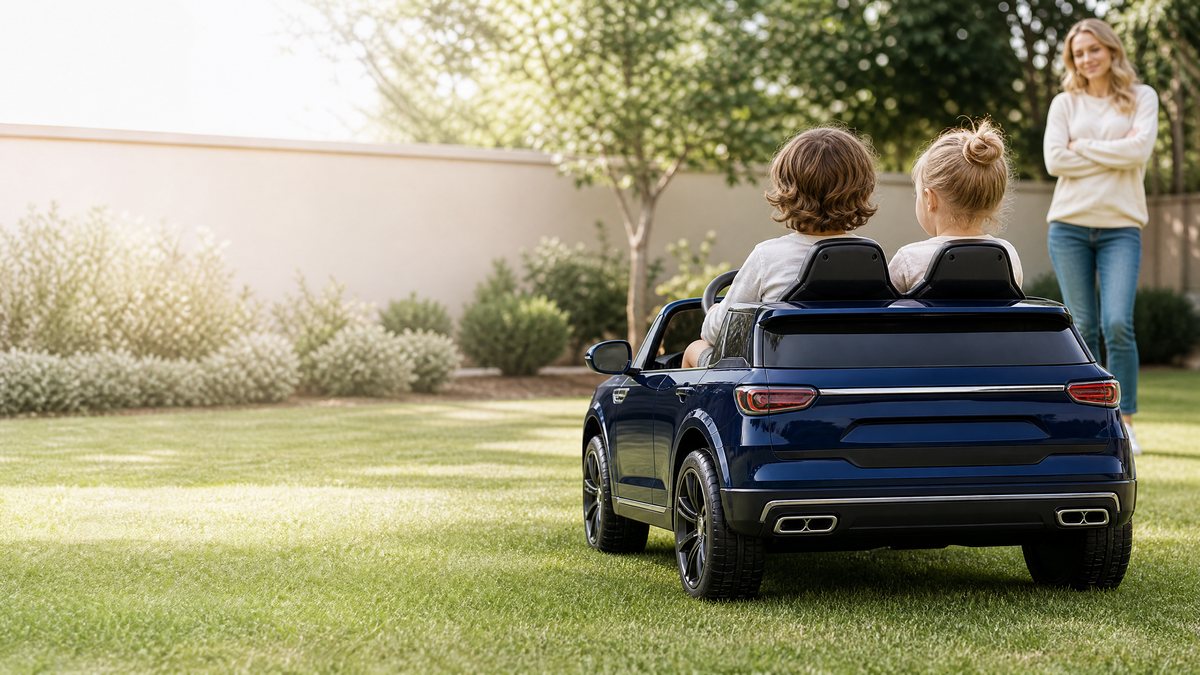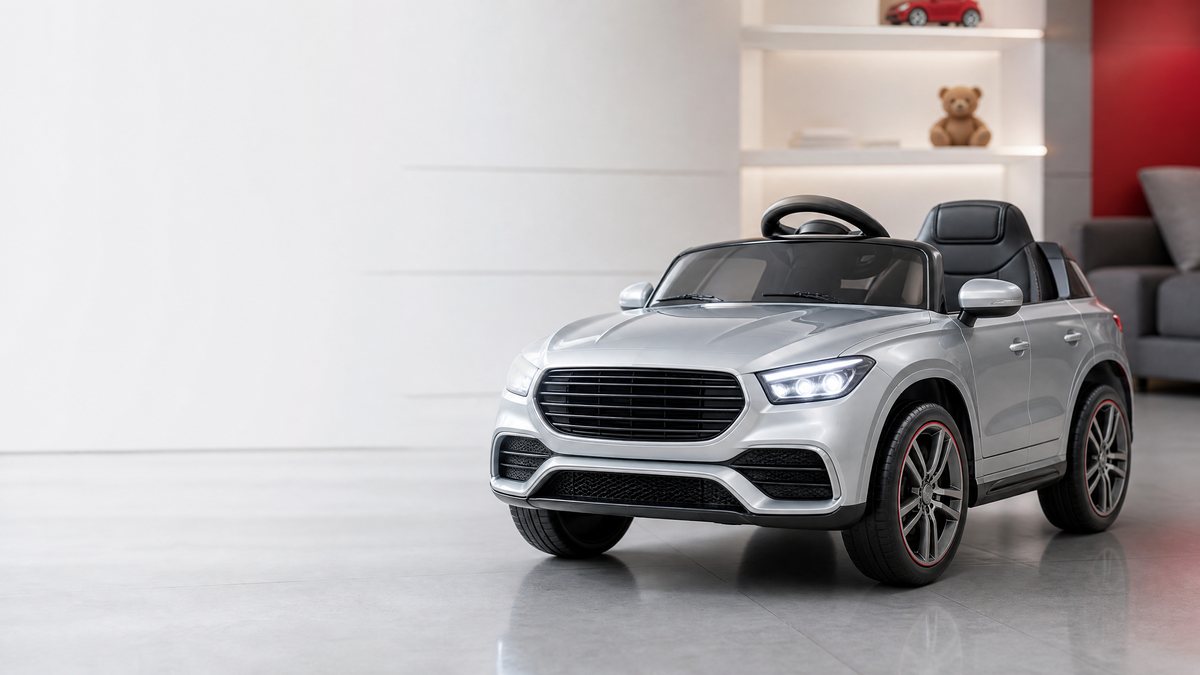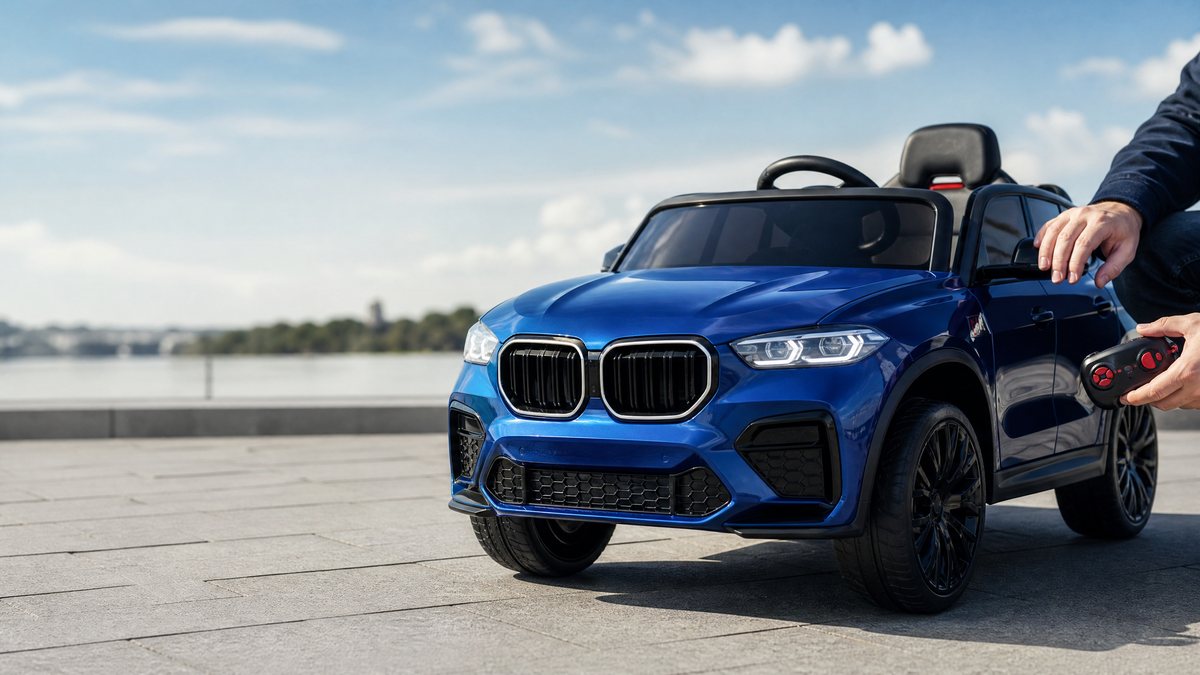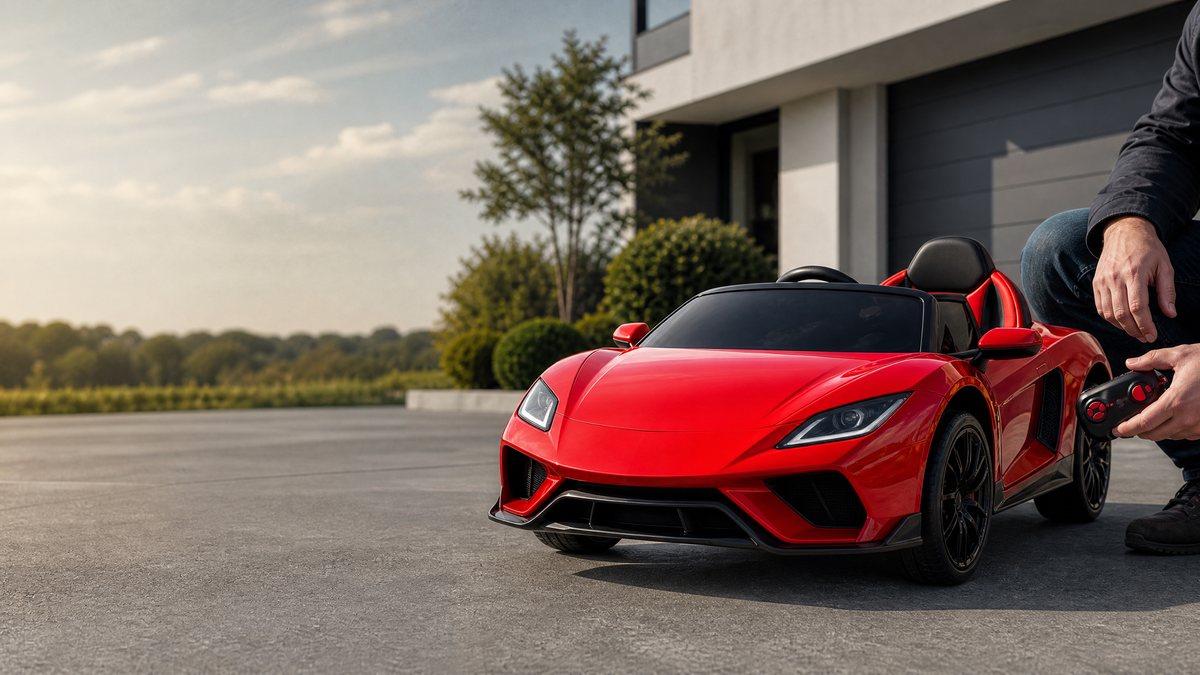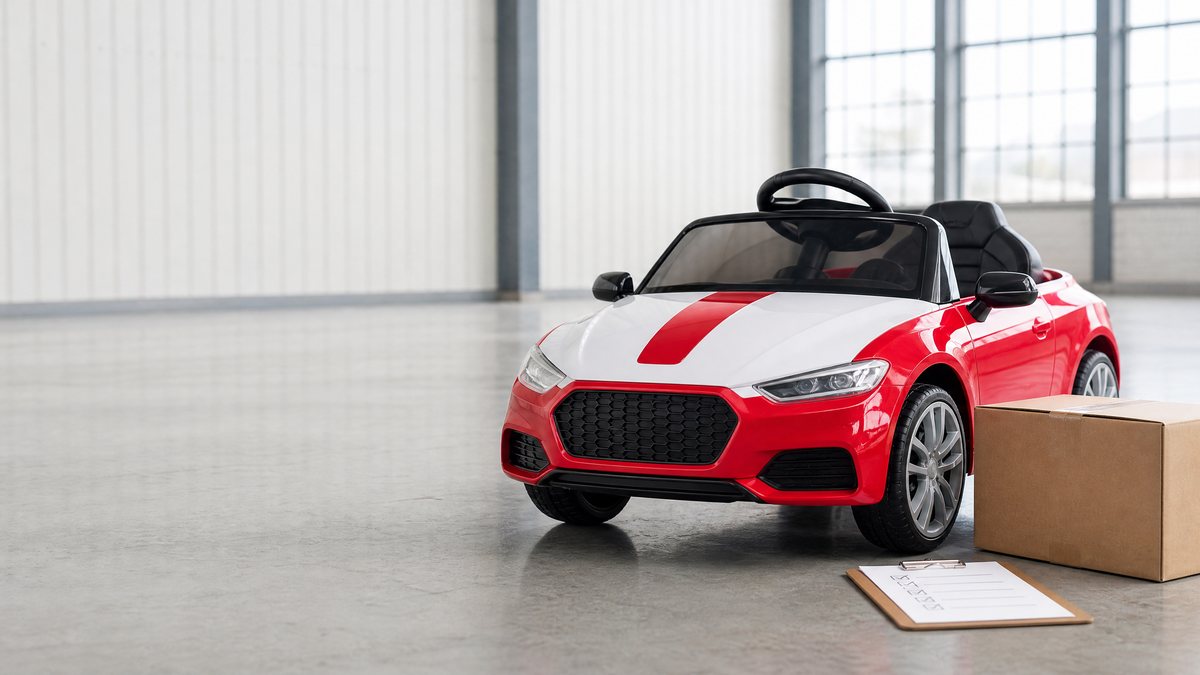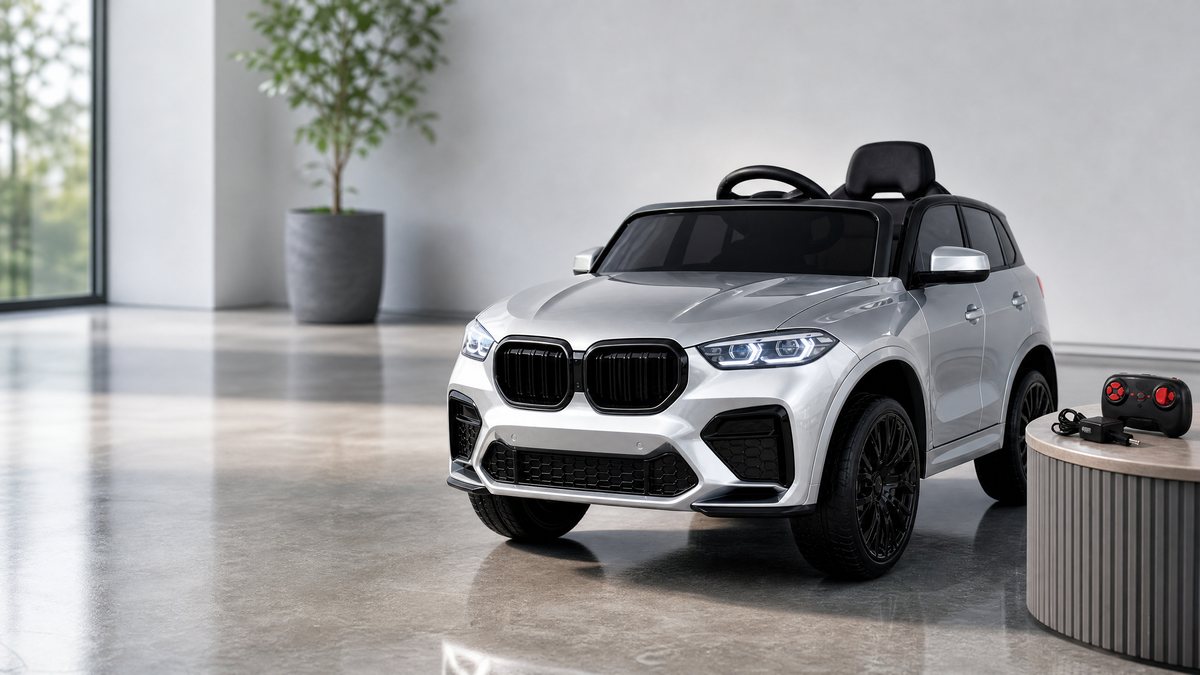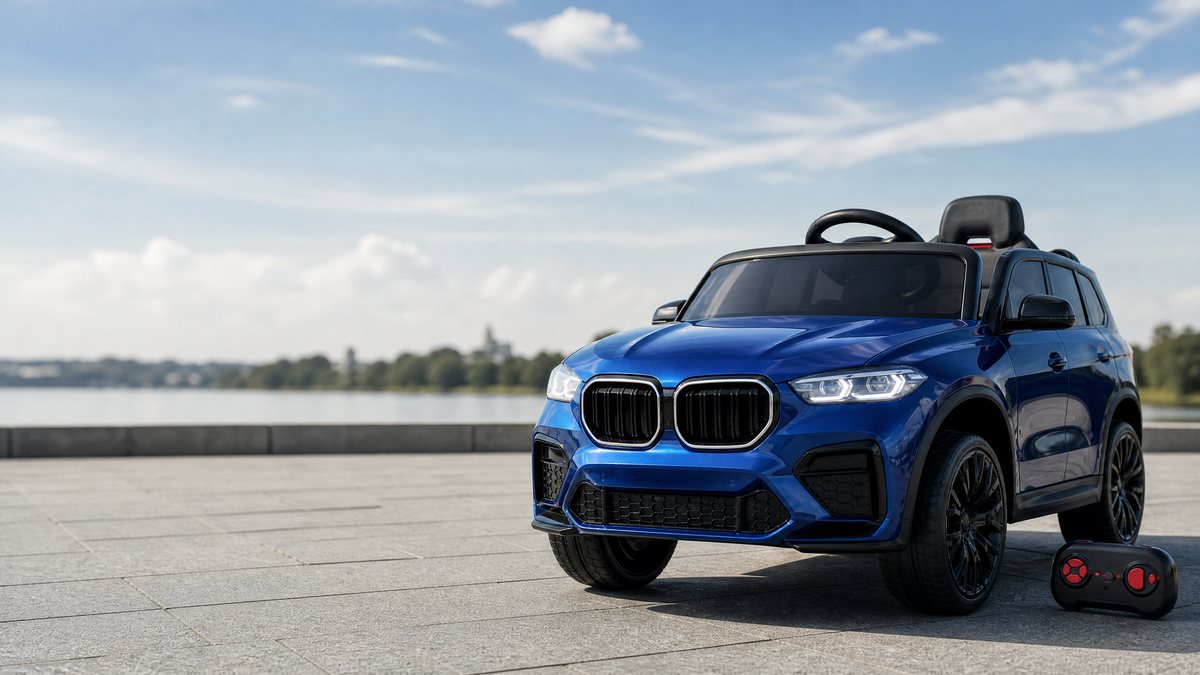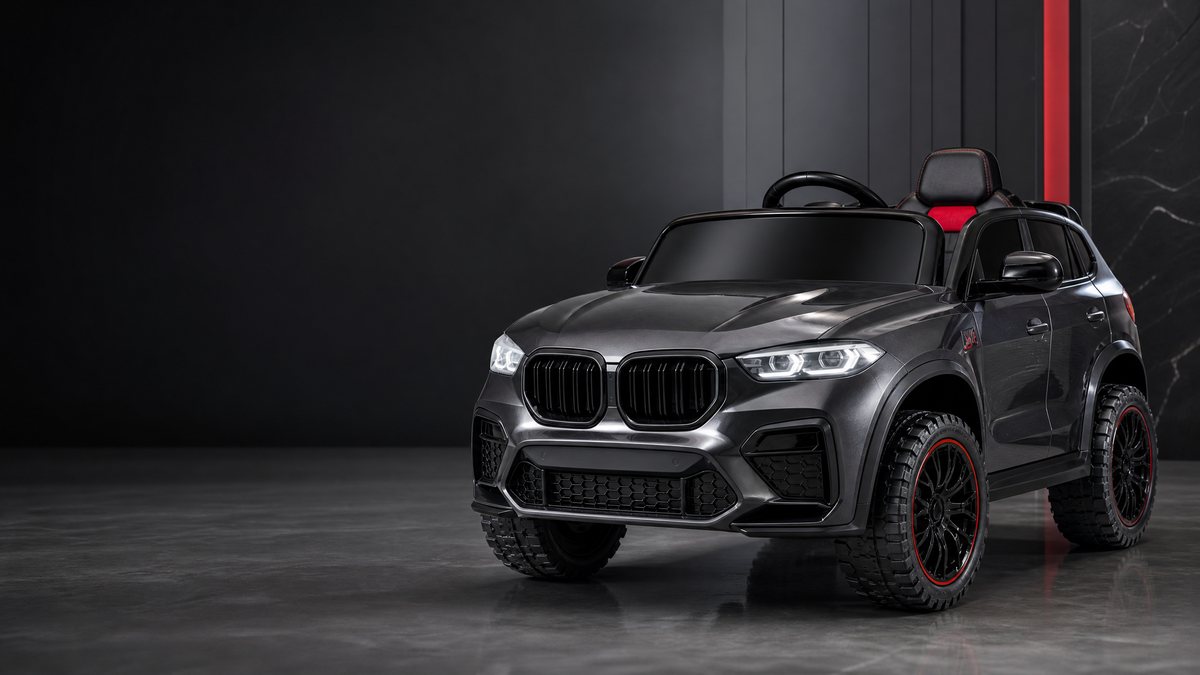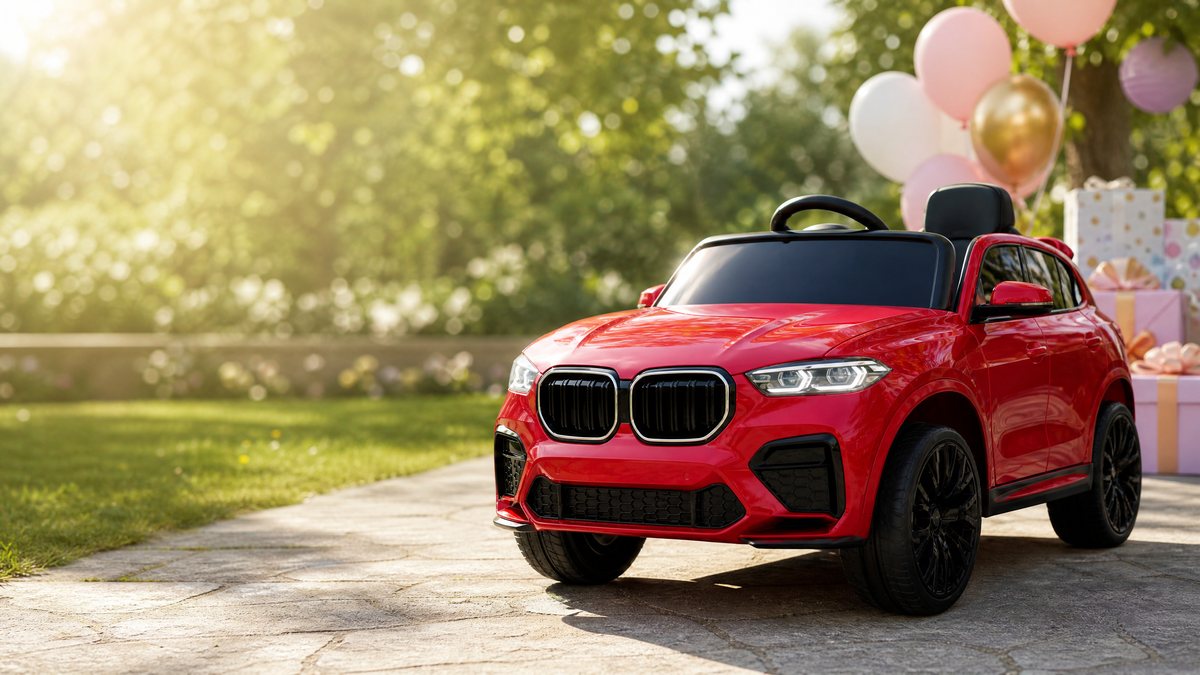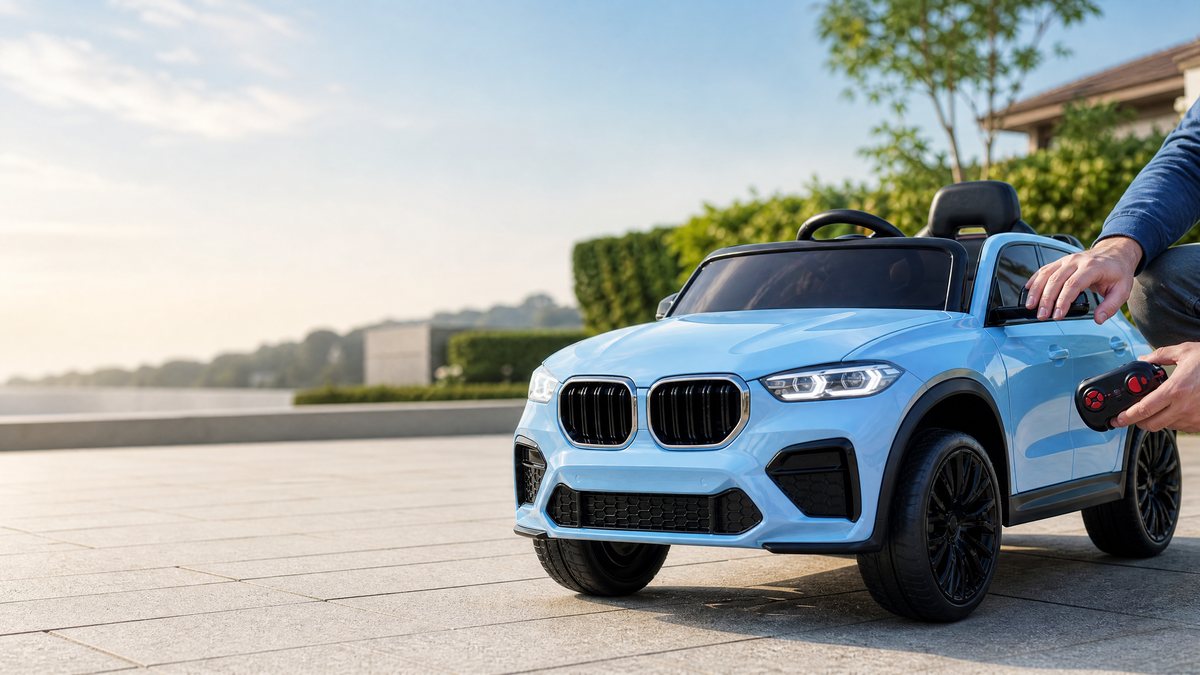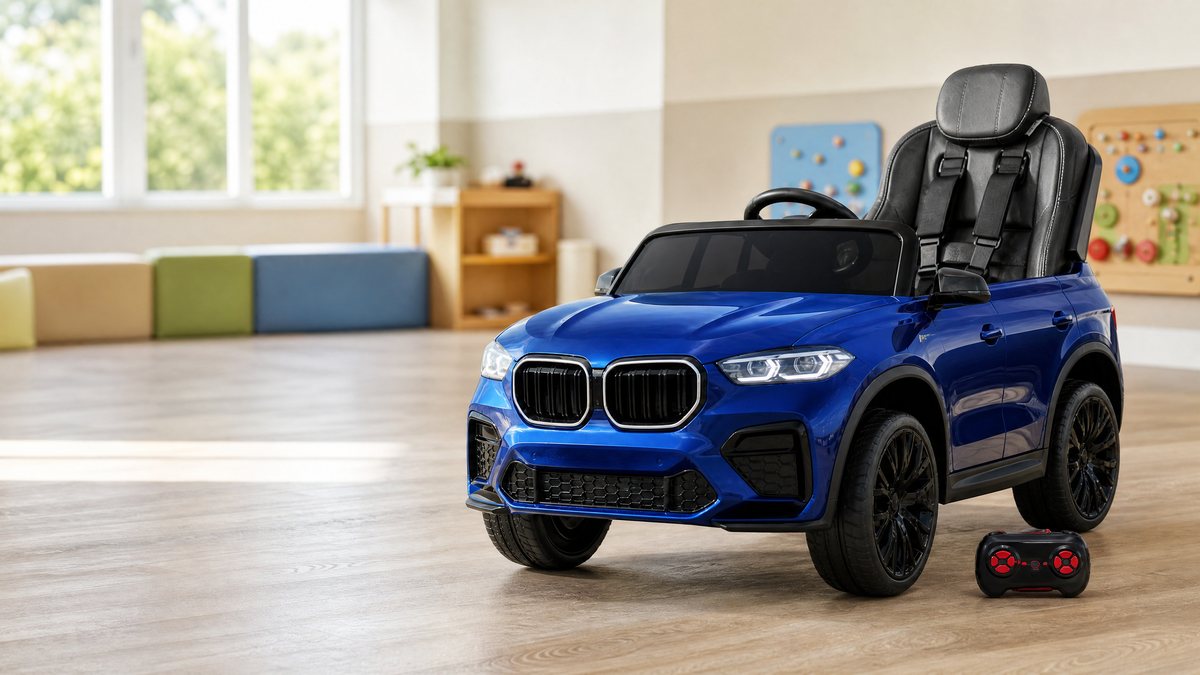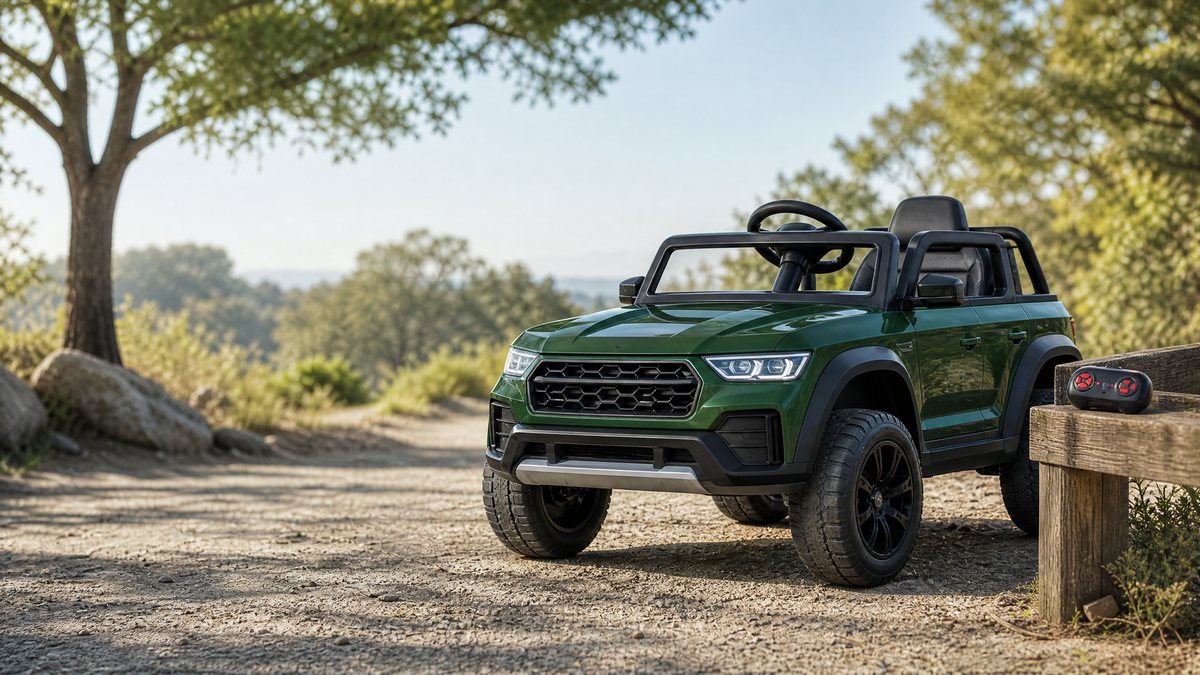
The evolution of children's electric ride-on vehicles has transitioned far beyond simple motorized mobility into sophisticated miniature engineering marvels. Modern wholesale buyers, retail distributors, and discerning parents increasingly evaluate ride-on cars not merely on battery capacity and motor output, but on sensory integration, visual feedback systems, and aesthetic detailing. Among these design attributes, integrated LED lighting systems have emerged as a cornerstone of both visual appeal and operational functionality. When equipped on specific vehicle models, advanced LED headlights, taillights, dash illumination, and underglow accents contribute significantly to the user experience, transforming a standard toy into an immersive driving simulation. This comprehensive guide explores the multifaceted ways LED lighting systems elevate ride-on cars, examining safety visibility, psychological engagement, manufacturing standards, and commercial evaluation criteria for global B2B partners and retail purchasers.
Understanding how lighting technology interfaces with young operators requires an appreciation of child development, sensory play, and ergonomic design. While traditional incandescent bulbs generated excessive heat, drained battery reserves rapidly, and suffered from fragile filament construction, modern surface-mounted diode (SMD) LED technology offers high luminance, exceptional energy efficiency, and robust physical durability. For wholesale importers and retail catalog curators, understanding these technical nuances enables more accurate product positioning, clearer consumer education, and elevated safety standards across global distribution channels. As consumer expectations shift toward premium realism, incorporating reliable, well-designed lighting subsystems has become a key differentiator in the competitive children's vehicle market.
The Evolution of Illumination in Children's Electric Vehicles
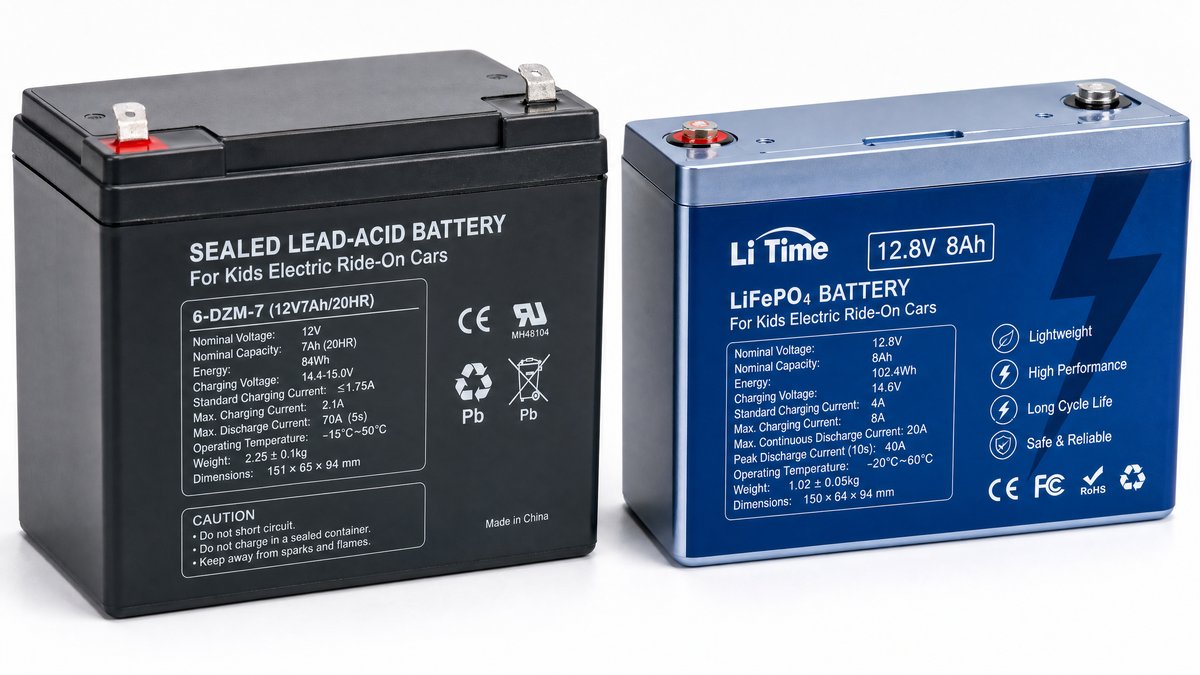
Historically, children's ride-on vehicles featured static plastic lenses or basic single-bulb incandescent headlights that served primarily cosmetic functions. These early configurations offered minimal real-world illumination, consumed disproportionate electrical current from 6V or 12V lead-acid batteries, and frequently cracked under standard play impacts. The introduction of LED technology revolutionized this category by providing bright, directional illumination while consuming a fraction of the operating current. This efficiency is critical in battery-powered vehicles, where every milliamp-hour saved directly extends operational play sessions.
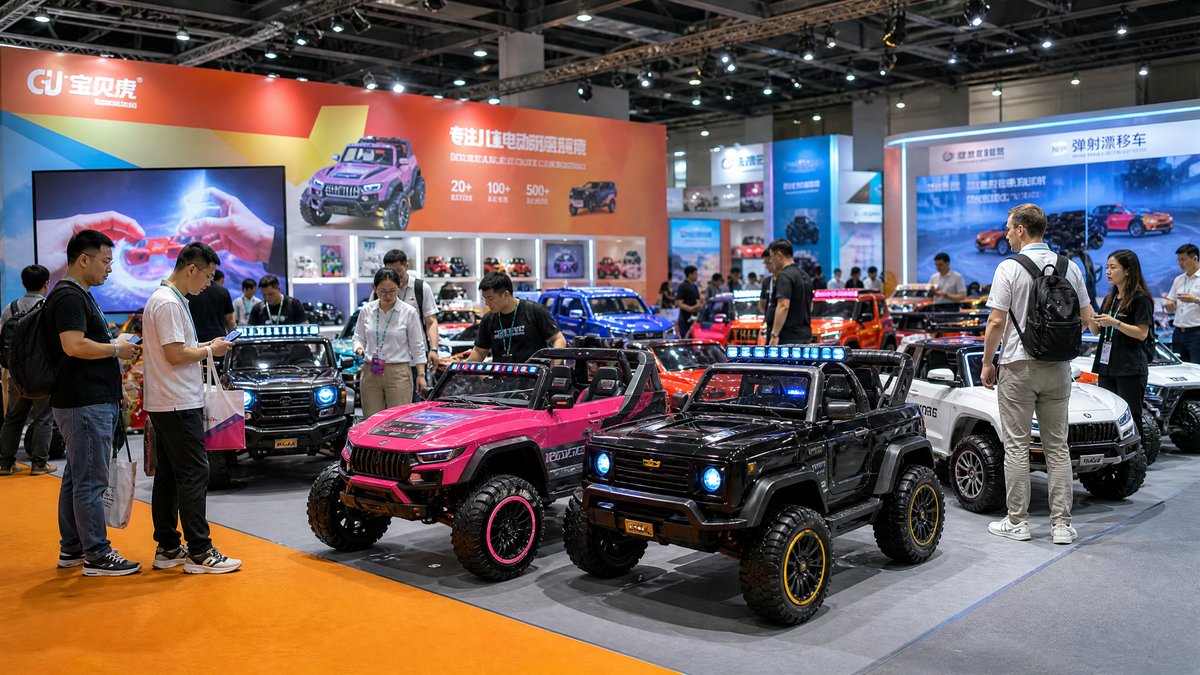
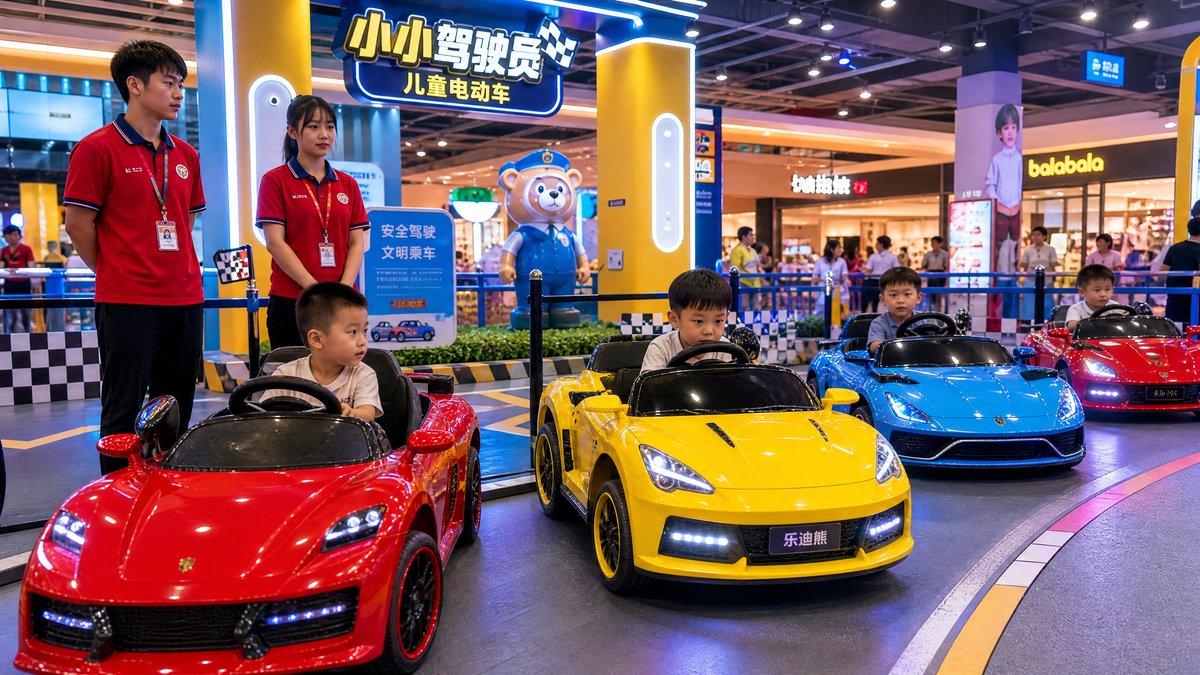
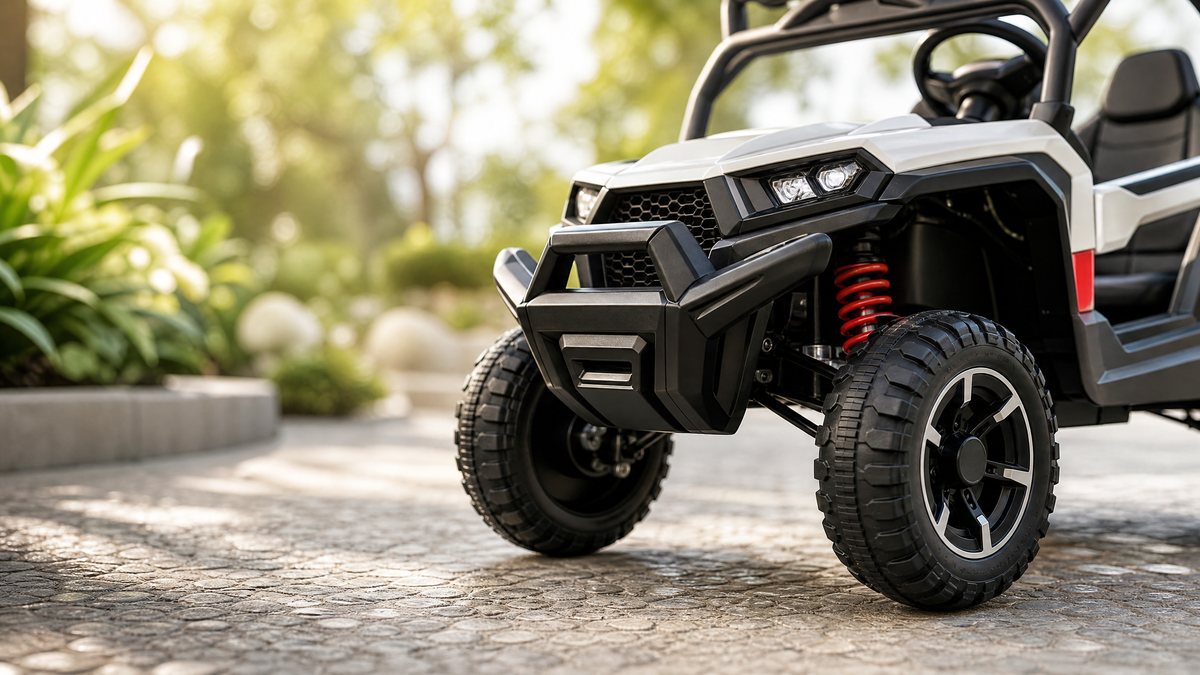
Furthermore, the versatility of LED diodes allows manufacturers to integrate multi-point lighting arrays across various vehicle zones. Beyond standard dual headlights and rear brake indicators, contemporary premium models incorporate dashboard backlighting, illuminated steering wheel accents, grille strips, and functional roll-bar light bars. This architectural integration transforms the vehicle's aesthetic profile, making twilight and indoor play visually engaging while providing immediate status feedback to the young operator regarding power status and system readiness. Manufacturers invest heavily in optical engineering to ensure beam distribution mimics full-scale luxury automobiles without causing optical glare or distraction.
| Lighting Zone | Functional Purpose | Aesthetic Impact | Energy Consumption Profile |
|---|---|---|---|
| Front Headlights | Low-light path awareness and realism | High realism; mimics full-scale automotive styling | Low to Moderate (SMD array) |
| Rear Taillights / Brake Lamps | Visual presence and backing awareness | Enhanced night-time visibility and safety signaling | Low |
| Dashboard & Switch Illumination | Operational feedback and tactile guidance | Immersive cockpit simulation | Minimal |
| Underglow & Accent Strips | Environmental styling and modern flair | Distinctive showroom appeal and night play engagement | Moderate |
Enhancing Safety and Visibility During Supervised Play
While aesthetic appeal drives initial consumer interest, safety and visibility remain paramount considerations for parents, institutional buyers, and regulatory compliance officers. Operating a ride-on vehicle during late afternoon hours, overcast days, or indoor play environments requires clear visual markers to ensure that both the young driver and surrounding adults maintain constant situational awareness. Integrated LED lighting systems directly contribute to this safety framework by significantly enhancing vehicle conspicuity.
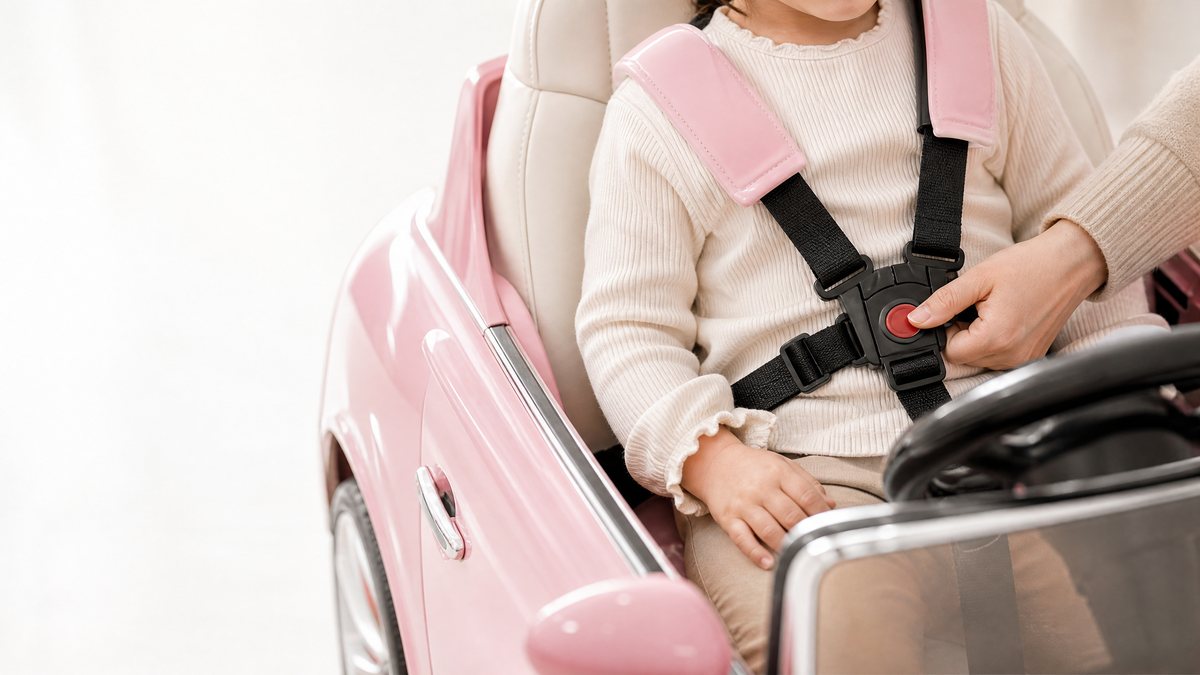
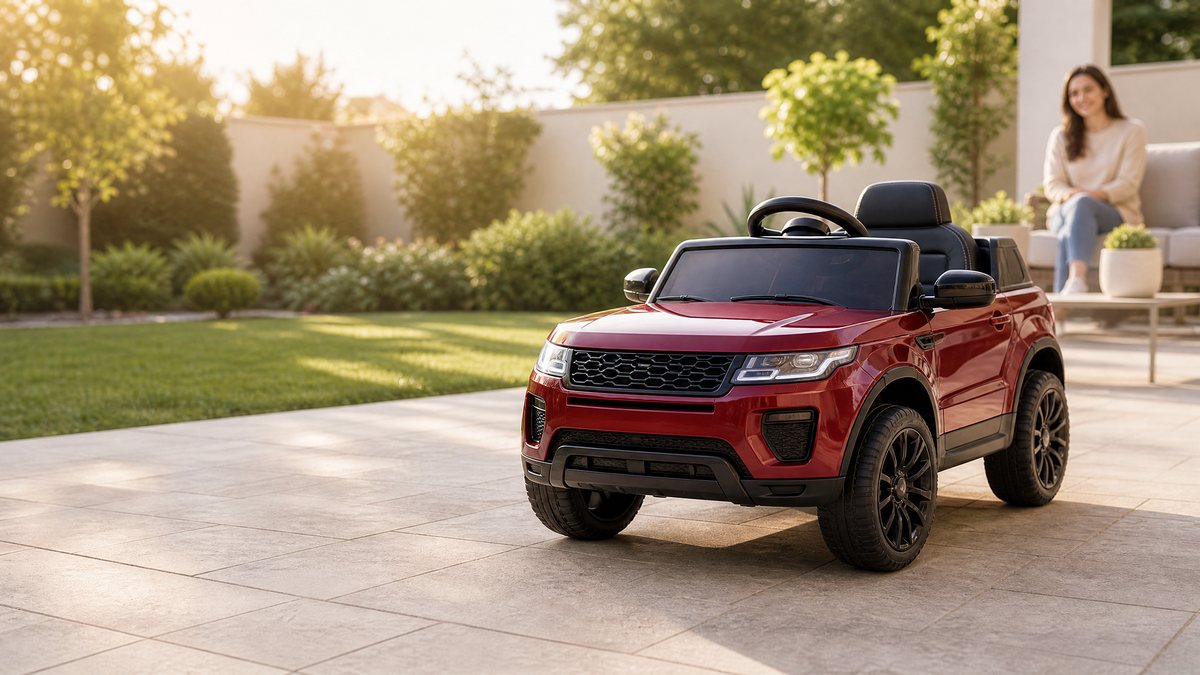
When equipped with functioning headlights and marker lights, a ride-on car is substantially more visible to supervising adults walking nearby, pedestrians, and cyclists in shared community spaces. However, it is vital to emphasize that LED lights on ride-on vehicles serve as supplementary visibility aids rather than independent night-driving safety guarantees. All outdoor operation must occur under strict adult supervision and in strict compliance with the manufacturer's user manual and safety guidelines. Parents and guardians must never permit unsupervised operation, particularly in areas with vehicular traffic, inclines, water bodies, or uneven terrain.
Maintaining consistent supervision ensures that if unexpected environmental obstacles arise, adults can intervene immediately. Lighting aids in tracking the vehicle's position during dusk, but it does not replace the fundamental requirement of attentive parental oversight. Furthermore, lighting systems must be inspected regularly to ensure lenses remain intact and wiring connections secure, preventing intermittent failures during active play sessions.
| Operational Condition | Recommended Lighting Usage | Safety & Supervision Protocol |
|---|---|---|
| Daytime Outdoor Play | Optional / Daytime running lights active | Maintain continuous line-of-sight supervision |
| Twilight / Low-Light Hours | Full headlight and taillight activation | Restrict play to enclosed, hazard-free zones |
| Indoor / Basement Play | Accent and dash illumination active | Ensure clear spatial boundaries and obstacle removal |
| Storage & Charging State | Power off; verify master switch position | Disconnect charger upon full cycle completion |
Sensory Engagement and Developmental Play Value
Beyond physical safety and exterior styling, LED lighting systems play a supportive role in sensory engagement and cognitive development during early childhood. Play is the primary vehicle through which young children explore spatial relationships, cause-and-effect dynamics, and role-playing scenarios. When a child depresses the foot accelerator and immediately observes the headlights activating in synchronization with motor startup sounds and dashboard illumination, a clear cause-and-effect cognitive loop is established.
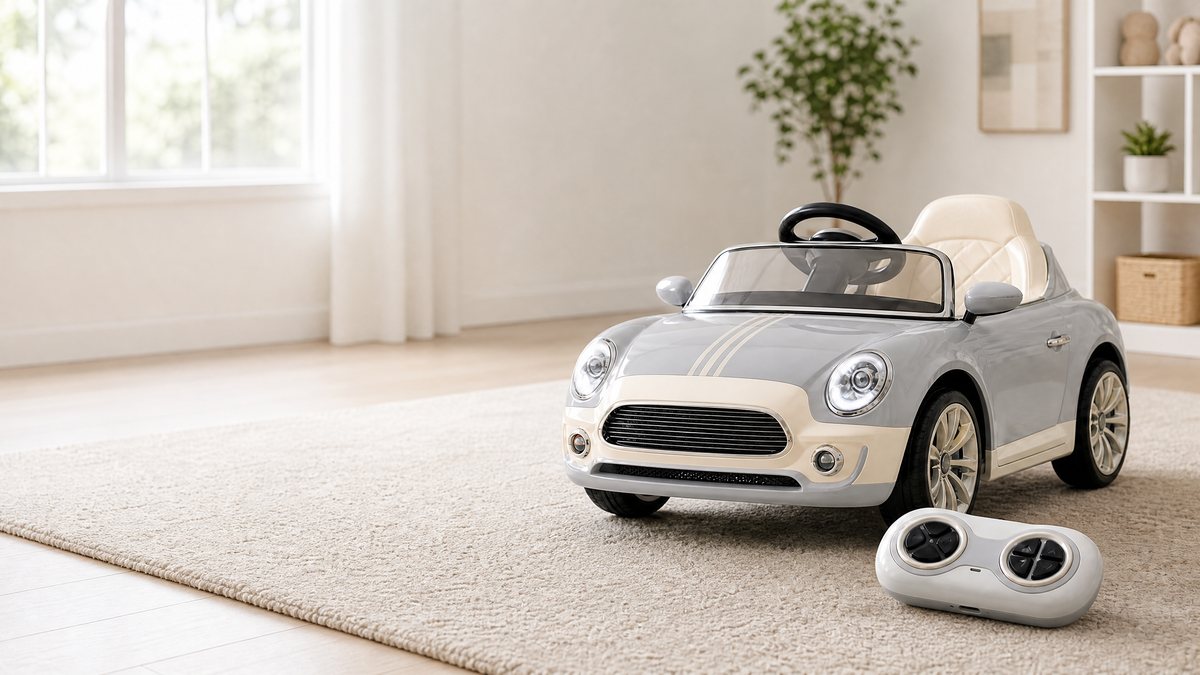
Sensory integration—combining visual feedback from flashing or steady lights, auditory feedback from horn and engine audio modules, and tactile feedback from steering and pedal controls—enriches the overall play experience. For children with diverse developmental needs or sensory processing profiles, structured play involving responsive lighting can support engagement, focus, and emotional regulation. It is important to note that such interactions are supplementary; toys and lighting features do not constitute medical treatments or guaranteed developmental outcomes. Caregivers and developmental specialists should evaluate individual child readiness and sensory preferences when selecting play equipment.
Role-playing scenarios—such as imagining driving a police cruiser, emergency vehicle, or luxury sports car equipped with authentic lighting arrays—encourage imaginative storytelling and social cooperation among peers. When children share ride-on vehicles under supervision, operational lights help them signal turns, stops, and directional intent, fostering early concepts of shared spatial rules.
Technical Specifications and Manufacturing Quality Standards
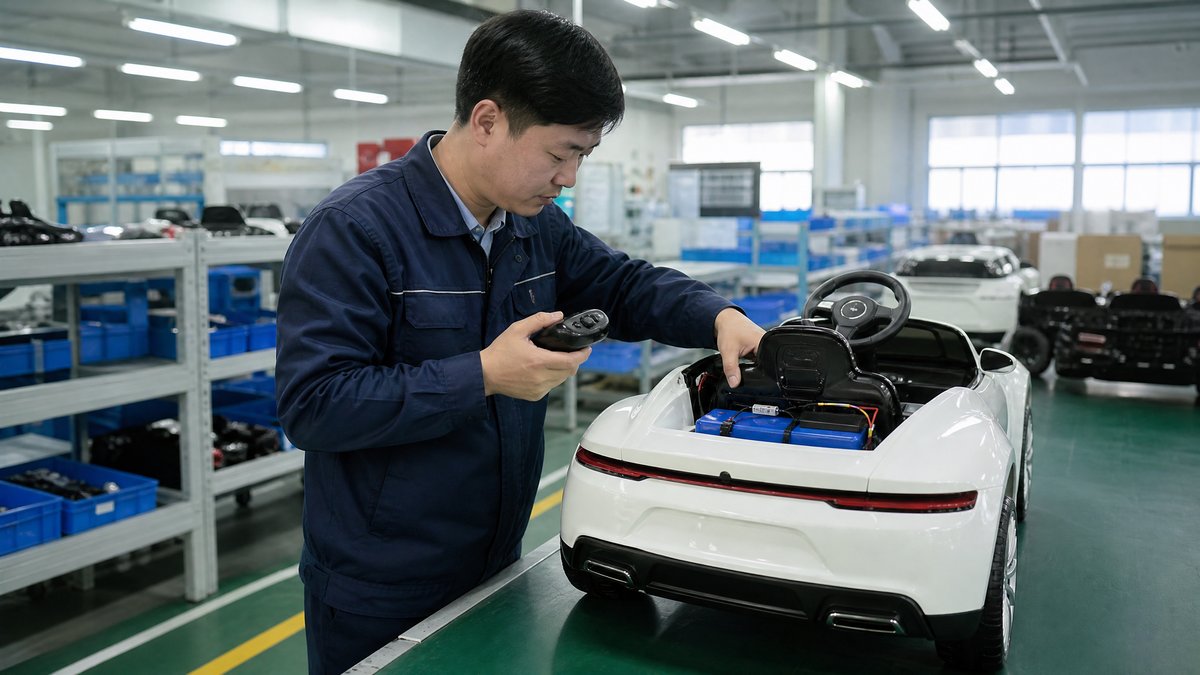
For B2B wholesale buyers, sourcing electric ride-on cars with reliable electrical subsystems is essential for brand reputation and minimizing return rates. Lighting circuits in high-quality ride-on vehicles are typically integrated into the central control board (often featuring 12V or 24V architecture with soft-start programming). Sourcing partners must evaluate whether lighting components feature secure wiring harnesses, weather-resistant connector housings, and stable voltage regulation to prevent premature burnout caused by power surges from the main drive motors.
Furthermore, compliance with international toy safety standards—such as ASTM F963 in North America, EN 71 in Europe, and equivalent national standards—governs the physical integrity of light lenses, battery compartment security, and electrical insulation. Importers should request comprehensive test reports and verification documentation from manufacturers to ensure every batch meets strict regulatory thresholds.
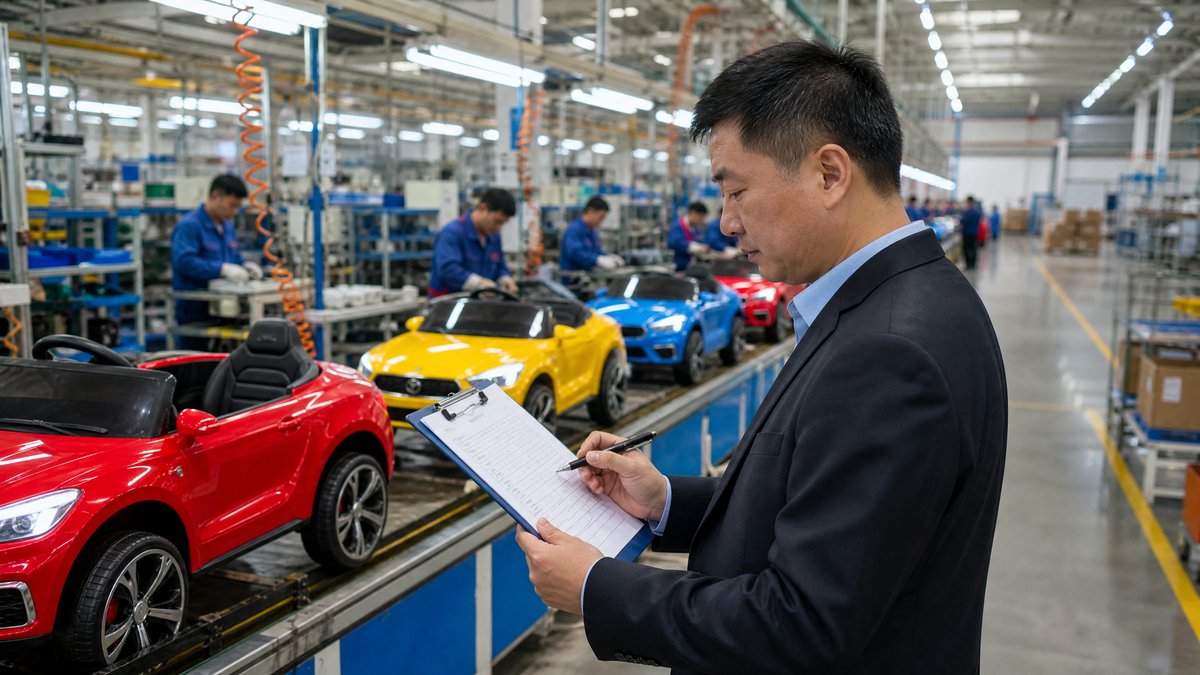
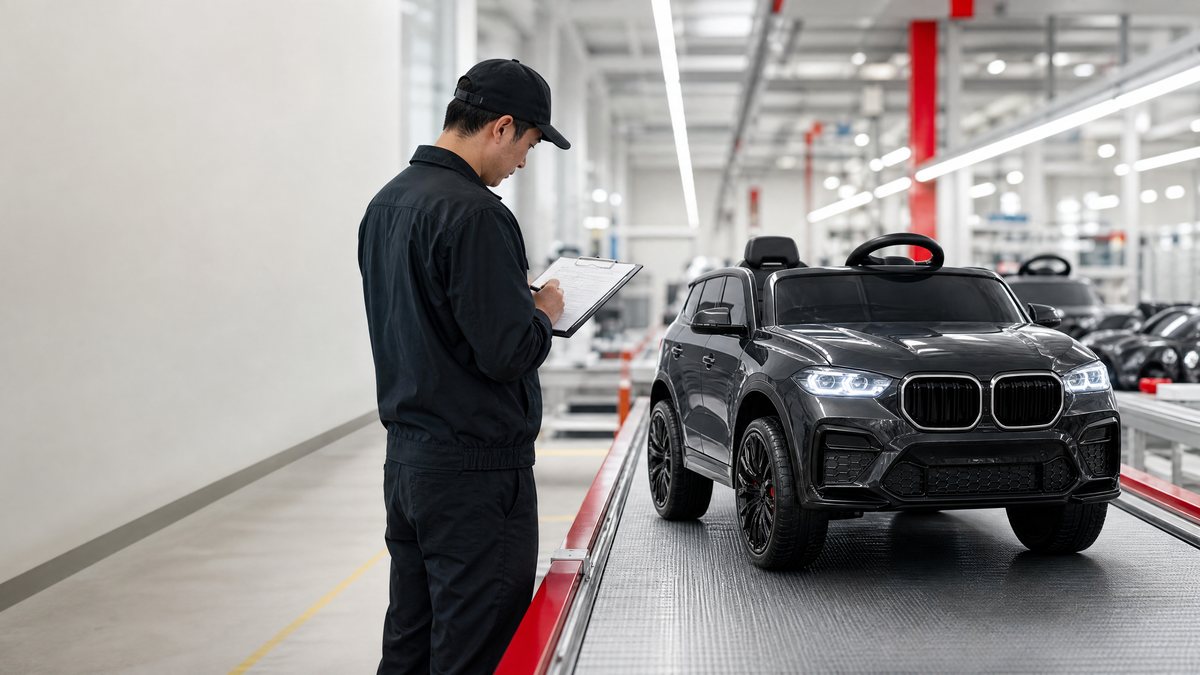
When evaluating manufacturing partners, wholesale buyers should examine solder quality on circuit boards, water resistance ratings (such as IP-rating equivalents for outdoor toy electronics), and the mechanical durability of exterior lens covers against impact. Ensuring robust construction prevents common field failures such as cracked lenses, loose contact pins, or short circuits caused by morning dew or light splashing. To discuss specific model configurations, LED lighting options, and container load planning for your retail network, Request a wholesale quote with our commercial team today.
Global Market Trends and Regional Compliance Considerations
As electric ride-on vehicles are distributed across diverse international markets, compliance with regional electrical standards and consumer safety expectations becomes increasingly critical. European markets emphasize strict Electromagnetic Compatibility (EMC) testing to ensure that integrated LED driver circuits and remote control modules do not emit interference or suffer from external signal degradation. Similarly, North American distribution channels require rigorous verification of low-voltage electrical circuits, secure battery retention systems, and flame-retardant plastics for all housing components.
Wholesale buyers must work closely with manufacturing partners who maintain transparent quality control protocols throughout production. Evaluating supplier reliability involves reviewing third-party laboratory audit reports, verifying material declarations, and ensuring that replacement components—such as modular wiring harnesses and LED cluster assemblies—are readily available for after-sales support. By aligning product specifications with regional regulatory demands, distributors can mitigate compliance risks and ensure long-term brand equity in competitive retail environments.
Pre-Purchase Inspection and Verification Framework
When evaluating ride-on car inventories or preparing retail purchasing guides, buyers must implement a systematic verification framework. Because manufacturing specifications vary widely across global factories, distinguishing between superficial plastic styling and genuinely functional, durable electrical systems is critical. Retailers should examine product specification sheets to verify whether LED assemblies are rated for continuous operation, whether replacement lenses or modular wiring harnesses are available, and how power is distributed from the primary battery source.
Consumers and commercial purchasers must also adhere to strict safety protocols regarding electrical maintenance. Under no circumstances should users attempt to modify internal wiring harnesses, bypass fuse protections, measure live electrical voltages with multimeters without proper training, or install unapproved high-intensity aftermarket light bars that exceed the control board's power rating. Any persistent electrical fault, such as flickering lights accompanied by burning odors, smoke, unusual battery heating, water ingress, or sudden loss of motor power, requires immediate cessation of use. The vehicle must be turned off immediately, the battery disconnected under safe conditions, and the manufacturer or qualified repair personnel contacted for guidance.
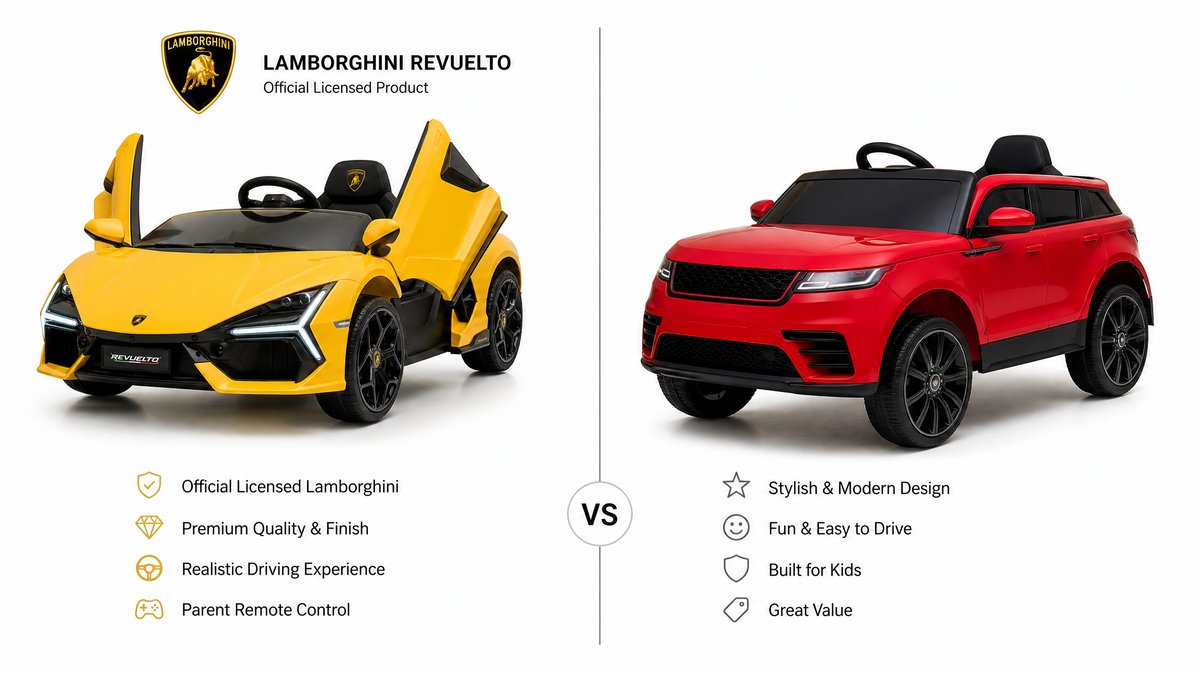
Retailers are advised to provide clear pre-purchase guidance to end consumers, highlighting that features such as multi-color underglow, realistic headlight beams, and digital dash readouts depend entirely on the specific model tier selected. Transparent product descriptions prevent consumer misinterpretation and build long-term brand trust.
Frequently Asked Questions
Do all ride-on cars come equipped with functional LED lighting systems?
No. Feature sets vary significantly across models and price tiers. Entry-level models may feature static plastic reflectors or non-operational decorative bezels, while mid-tier and premium models typically feature functional LED headlights, taillights, and dashboard illumination. Buyers and consumers must review the specific product data sheet and user manual for each model to confirm exact feature inclusions.
Can LED lights on a ride-on car drain the main drive battery quickly?
Modern surface-mounted diode (SMD) LED lights are exceptionally energy-efficient, consuming minimal electrical current compared to traditional incandescent bulbs. While operating lights does draw power from the main 12V or 24V battery, the impact on overall drive time is negligible under normal operating conditions. However, users should always switch off vehicle power when play concludes to prevent gradual battery depletion.
Are aftermarket LED lighting modifications safe to install on children's vehicles?
No unapproved electrical modifications should ever be performed on electric ride-on vehicles. Installing third-party light kits, splicing into existing wiring harnesses, or bypassing factory control boards can overload the electrical circuit, create short-circuit hazards, void manufacturer warranties, and compromise child safety. Always rely on factory-installed, certified lighting configurations.
What should I do if the vehicle's LED lights begin flickering or fail completely?
First, ensure that the main power switch is fully engaged and that the battery is adequately charged following the manufacturer's guidelines. If lights flicker or fail while the motor functions, check for loose wiring connections accessible through safe inspection panels without dismantling sealed housings. If internal wiring is suspect, or if burning odors or smoke occur, immediately stop using the vehicle, disconnect the power source, and contact the manufacturer or qualified support personnel.
Conclusion
Integrated LED lighting systems represent a sophisticated synthesis of aesthetic realism, enhanced operational visibility, and engaging sensory feedback in modern children's electric ride-on vehicles. For wholesale distributors, retail buyers, and parents alike, understanding the technical distinctions, safety parameters, and verification frameworks ensures a high-quality, reliable ownership experience. By prioritizing certified manufacturing standards, adhering to strict adult supervision protocols, and maintaining transparent communication with manufacturing partners, stakeholders can successfully navigate the expanding global market for premium ride-on cars. To explore our complete catalog of certified electric ride-on vehicles equipped with advanced LED lighting packages, Request a wholesale quote today.
Official References
- United States Consumer Product Safety Commission (CPSC): General Toy Safety Education and Electrical Safety Guidelines for Children's Products. Note: Official educational summaries serve as general safety references and do not replace specific vehicle user manuals, warning labels, or manufacturer certifications.
- International Electrotechnical Commission (IEC) / ASTM International: Standards for Safety of Toys (ASTM F963 / EN 71 electrical safety and mechanical integrity benchmarks).
Official references
Explore these external resources for current regulatory and trade guidance. Confirm requirements with the relevant authority before placing an order.
Ready to Start?
Factory-Direct · CE & ASTM Certified · MOQ from 50 Units
Our export team works with buyers in 60+ countries. Get a quote within 24 hours.
KR
Written by KidsRideCar
China's leading kids electric ride-on car manufacturer. 500,000+ units shipped annually to 60+ countries. CE, ASTM & EN71 certified.