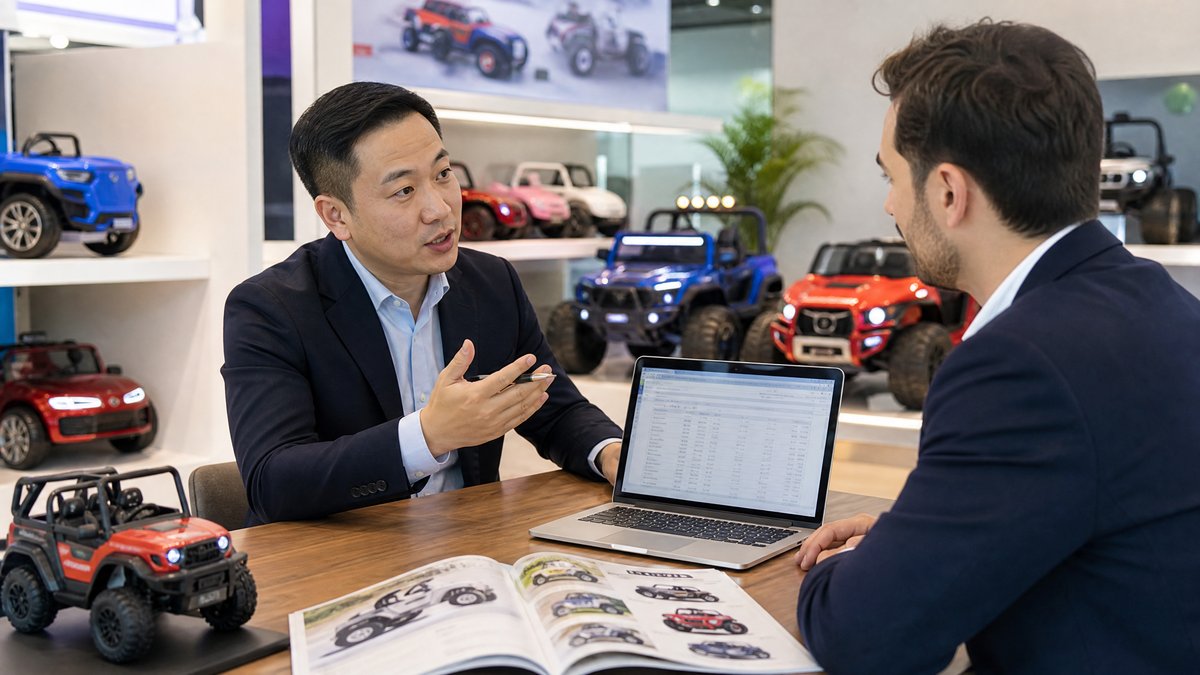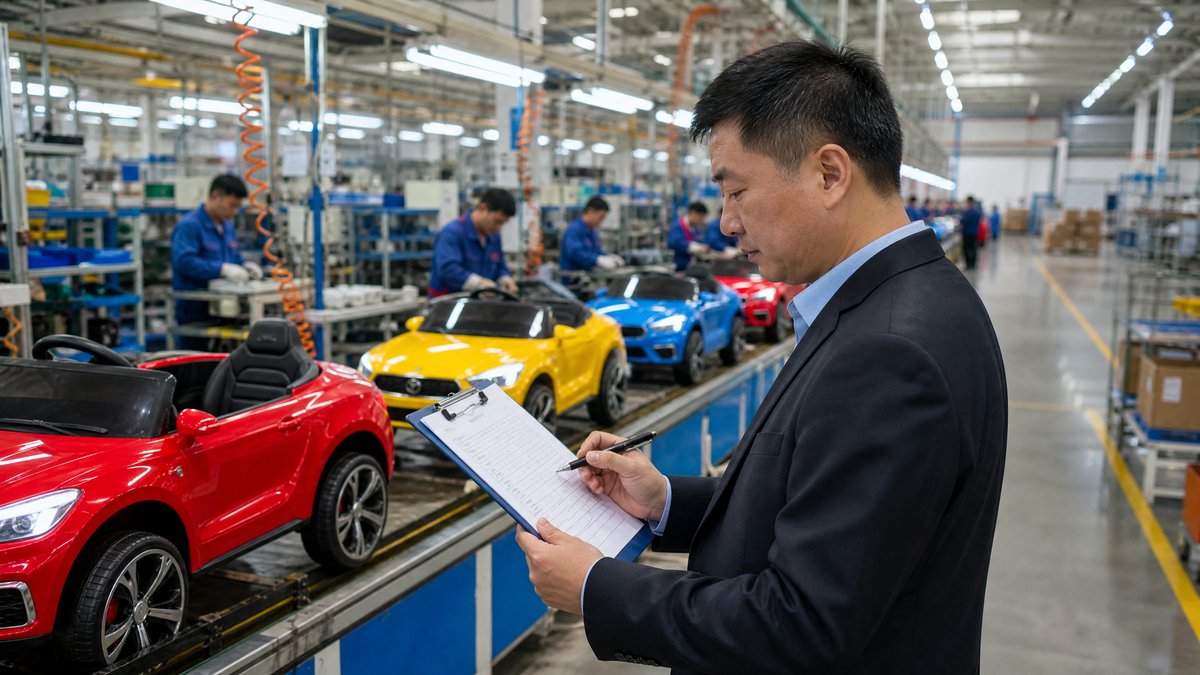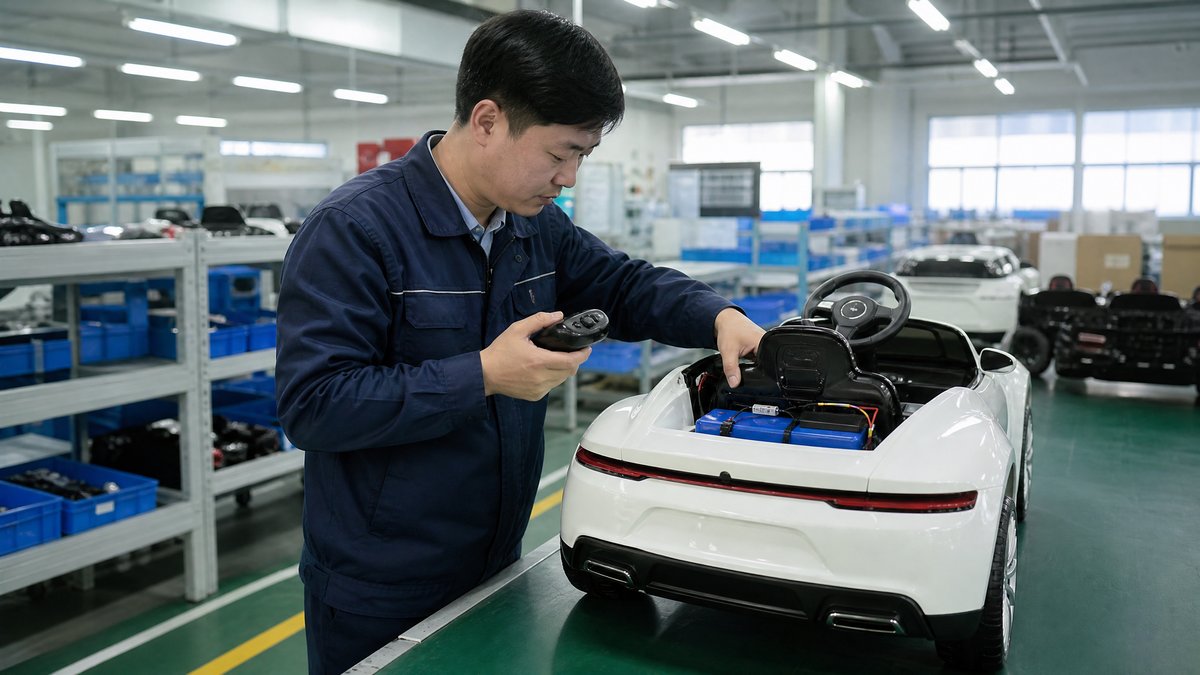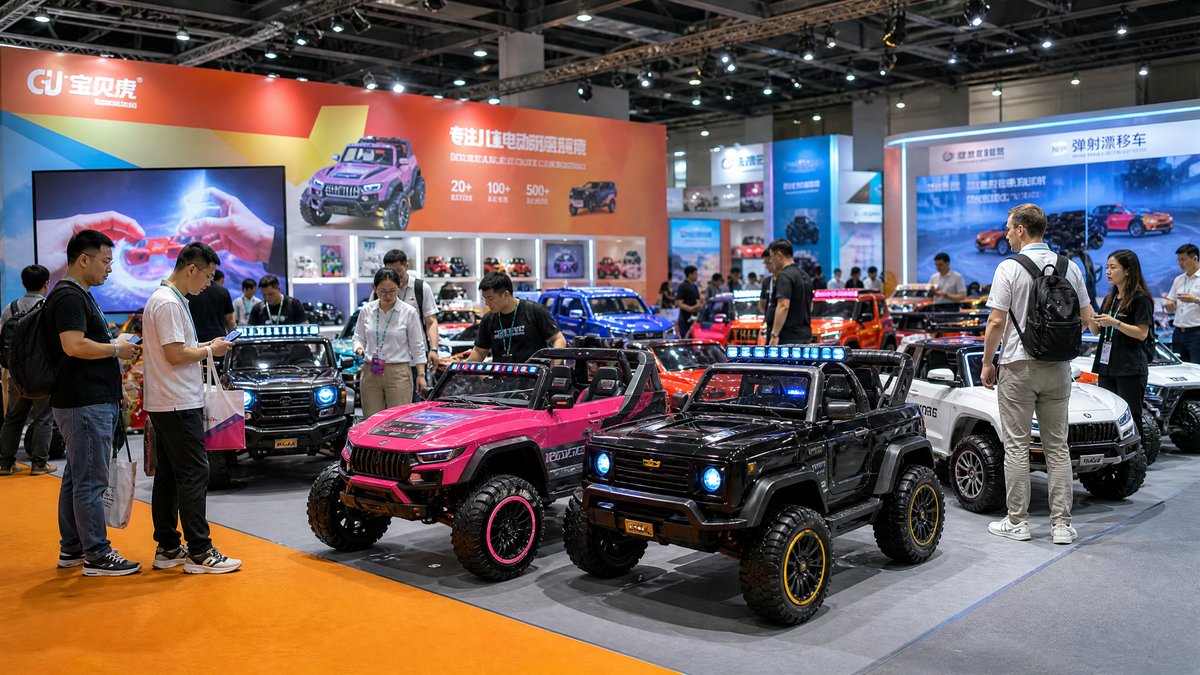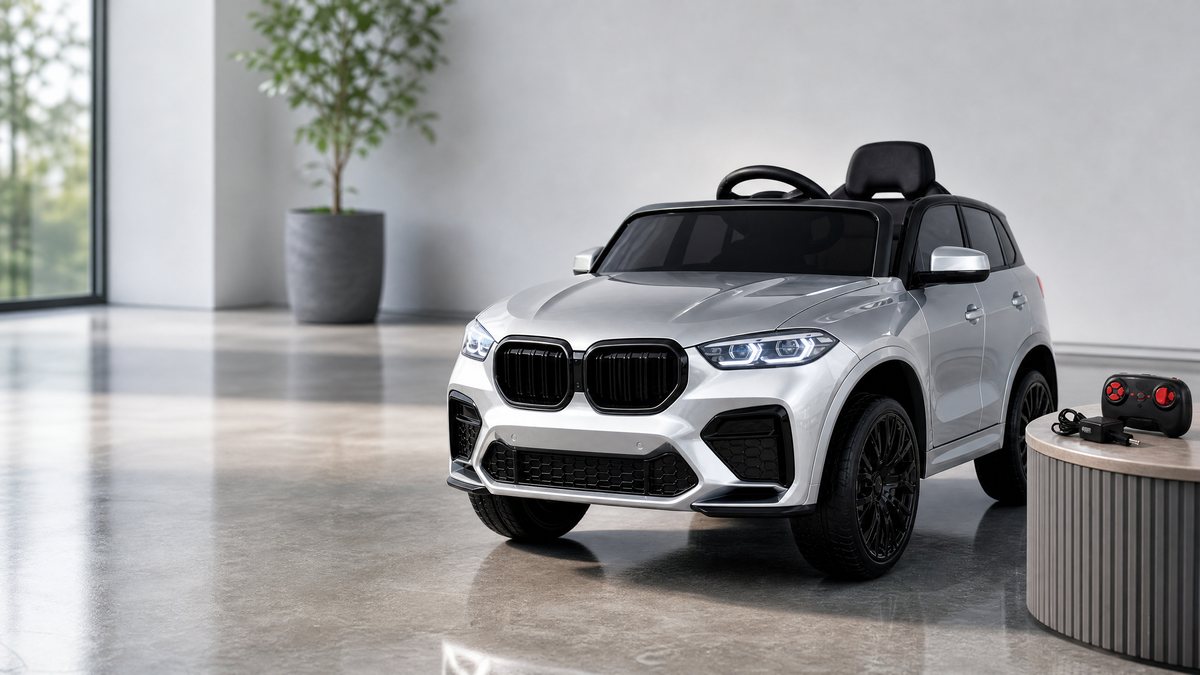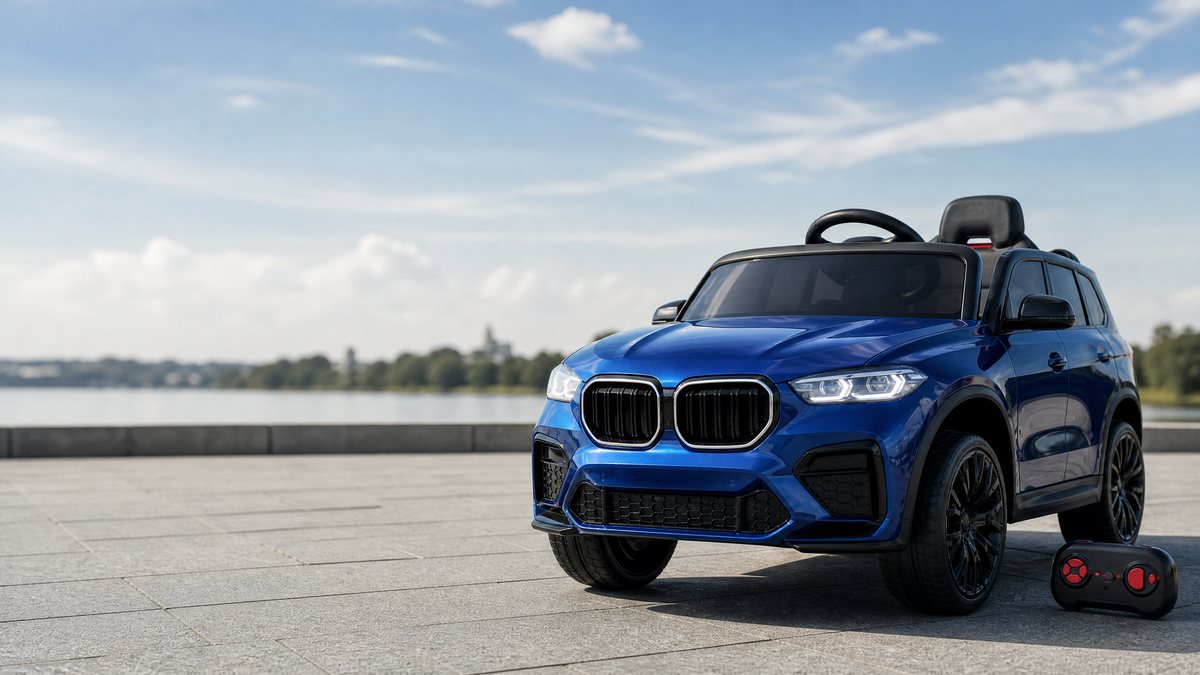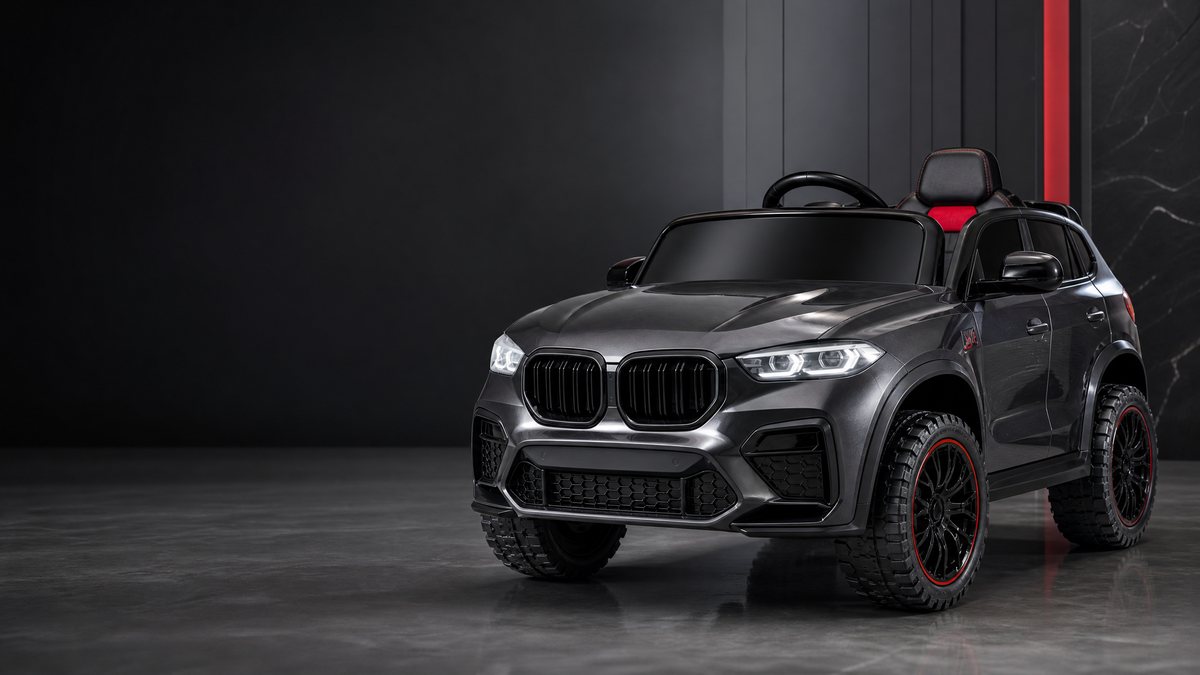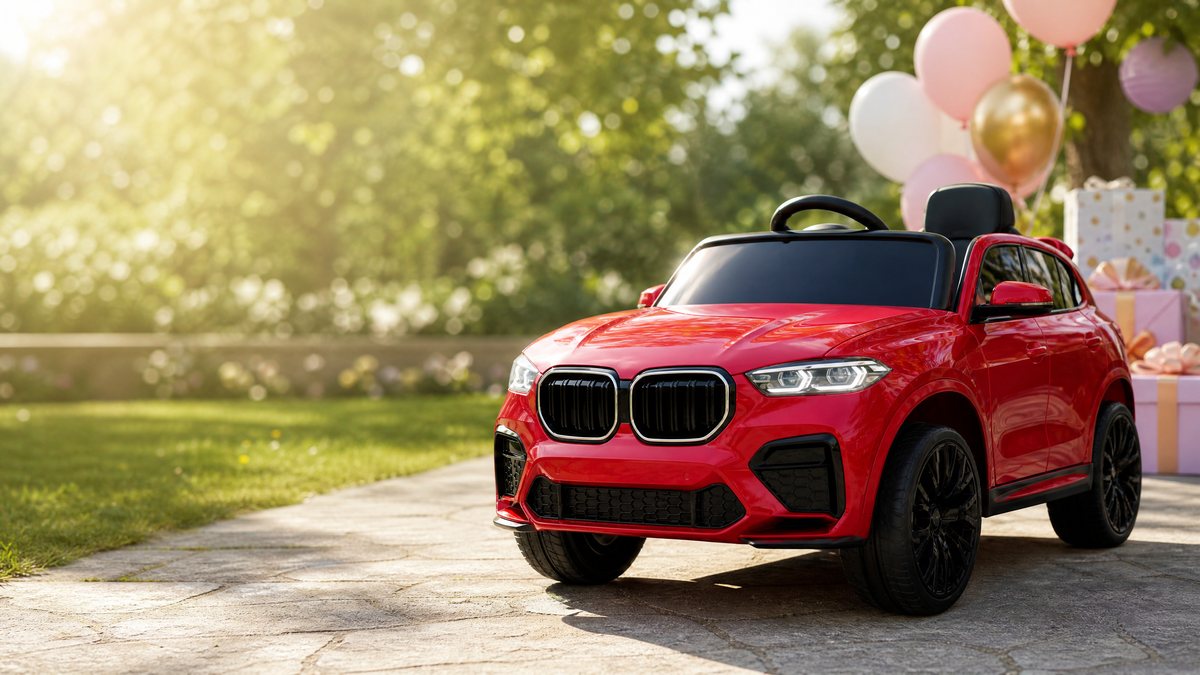
For an only child, selecting the ideal motorized ride-on car involves balancing independent developmental engagement, solo-play imaginative immersion, robust safety architecture, and long-term mechanical durability. Because single children often spend more time in solo-play scenarios or interacting directly with adult supervisors and parents during their early childhood years, their recreational toy vehicles must offer exceptional interactive value, reliable remote-control override capabilities, and intuitive handling characteristics. Whether you are a parent curating a premium backyard play experience or a B2B distributor stocking high-demand items for single-child households, understanding the nuances of vehicle configurations, power outputs, and ergonomic designs is essential. Specifications, feature sets, seating capacities, and age suitability vary by model, region, and seller; always review the exact manufacturer manual, product listing, and written sales terms before purchase or wholesale deployment.
Understanding Only Child Play Dynamics and Vehicle Selection Criteria
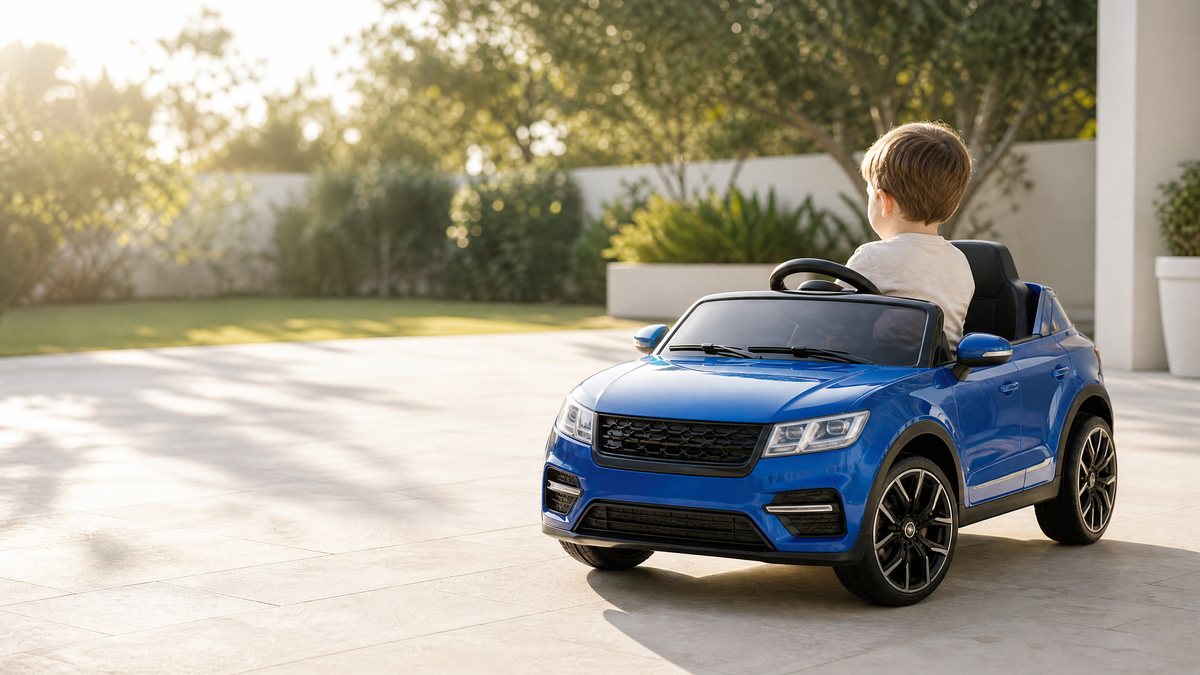
Only children frequently develop advanced imaginative skills, focused concentration routines, and independent play habits at an early age. Without siblings immediately present to share, negotiate, or direct play activities, a motorized ride-on car acts as a central focal point for outdoor exploration, role-play adventures, and spatial coordination development. When evaluating options for a solo driver, the selection criteria shift slightly compared to multi-child households. Rather than focusing primarily on accommodating multiple passengers or sibling sharing, the emphasis centers on immersive standalone features, ease of independent operation, and responsive parental safety controls that bridge the gap between toddlerhood and autonomous driving.
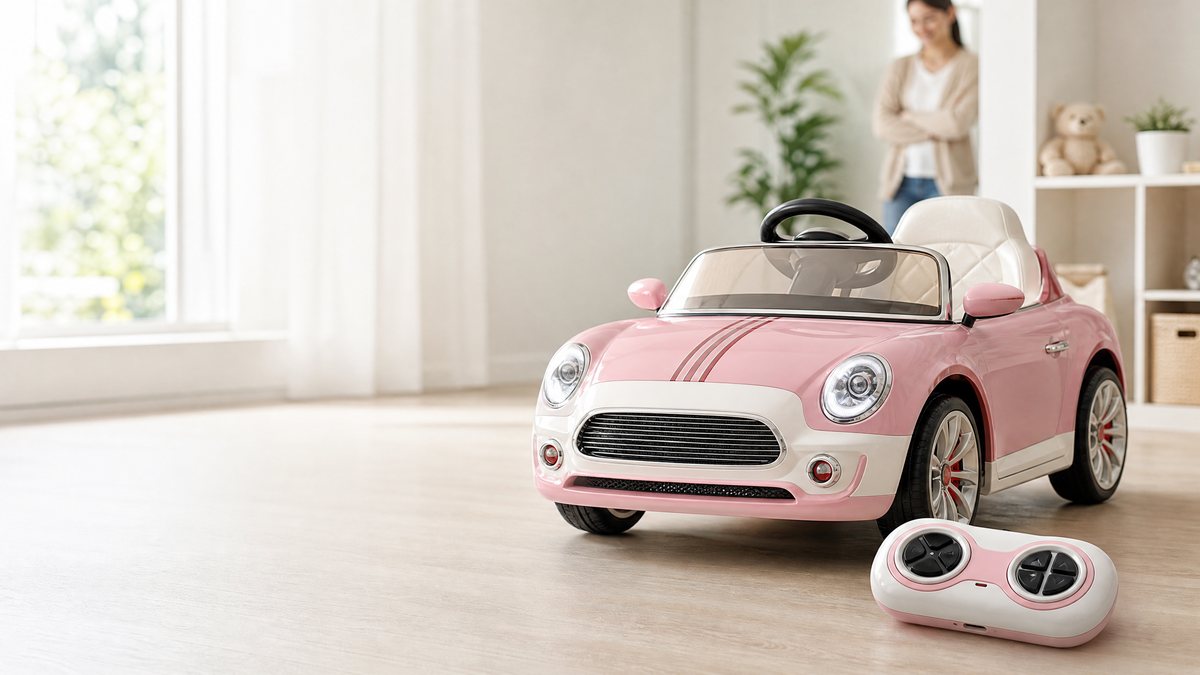
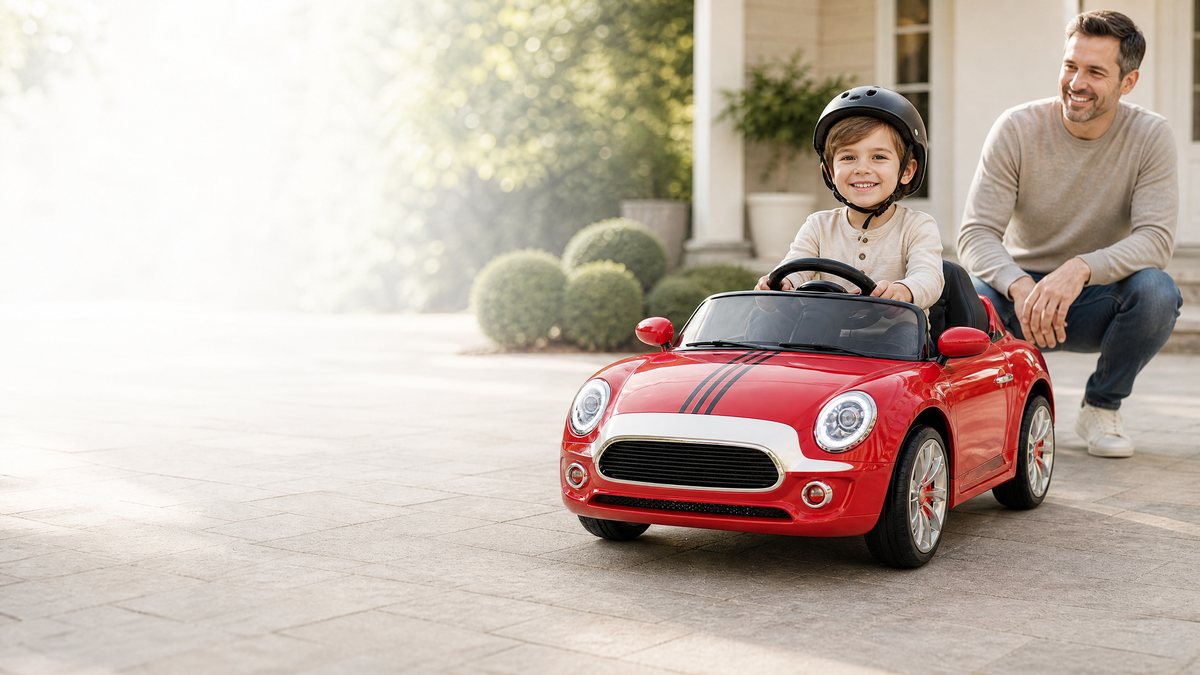
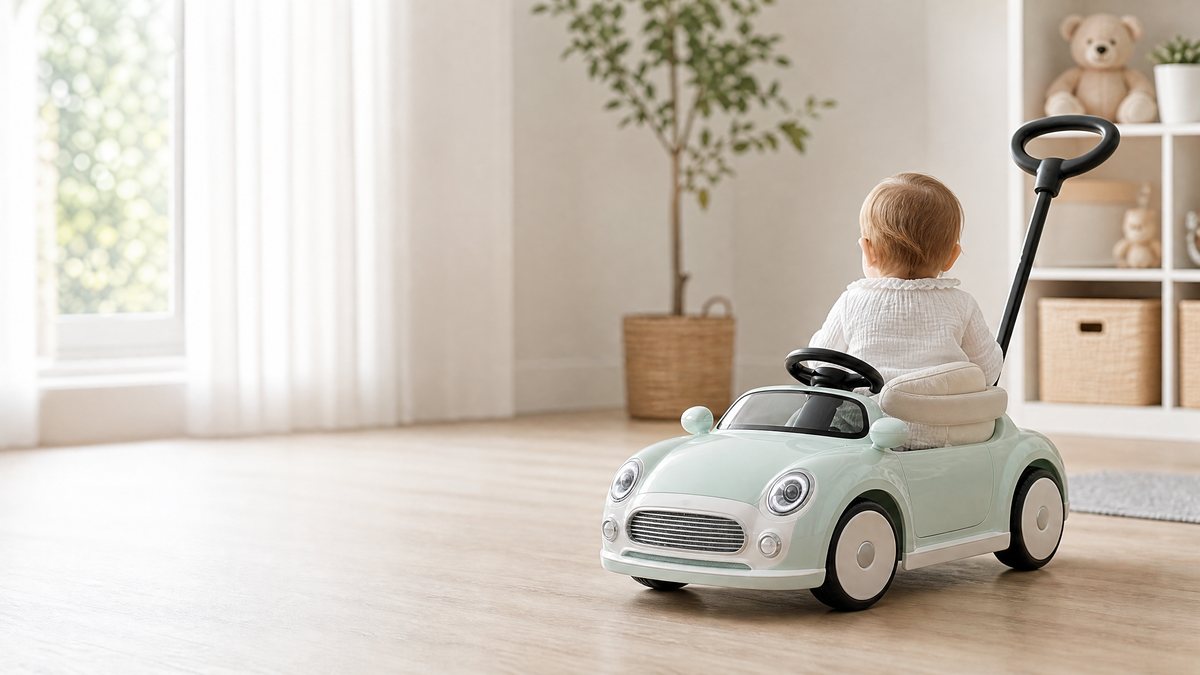
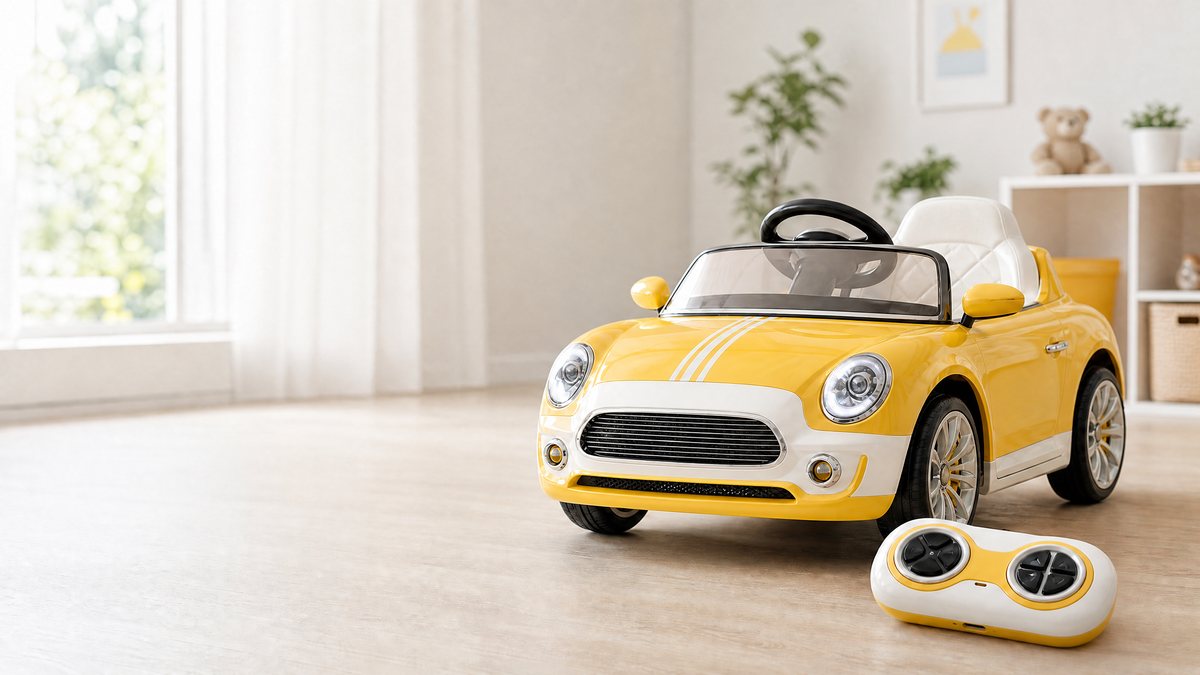
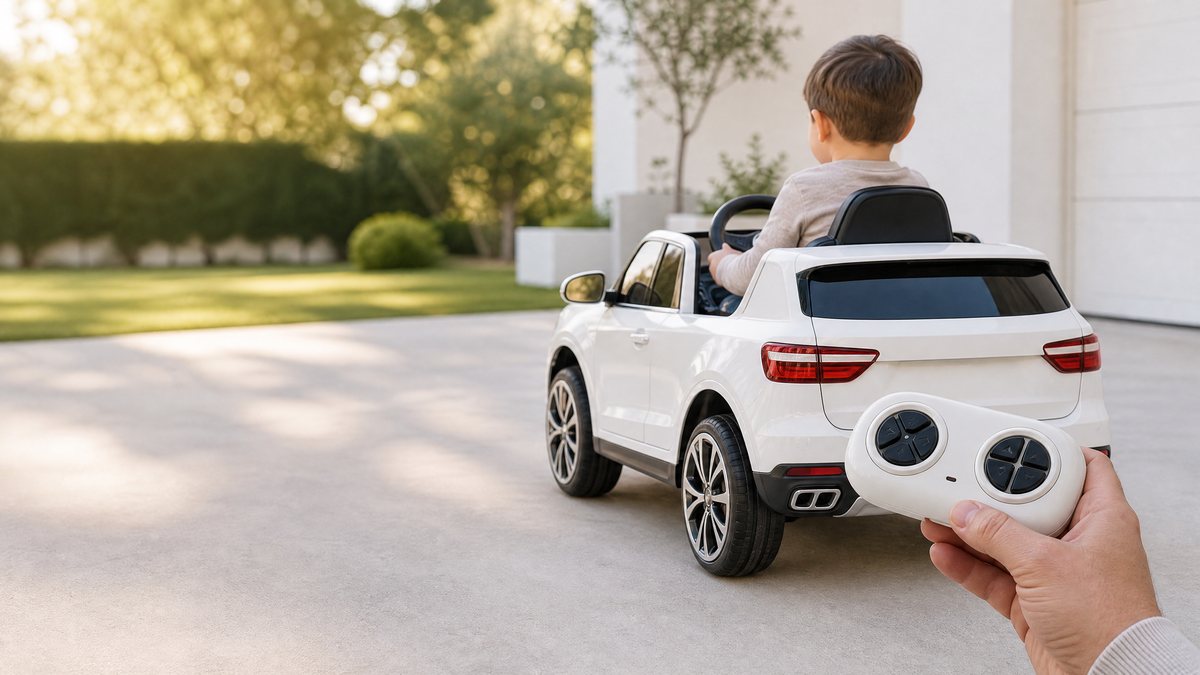
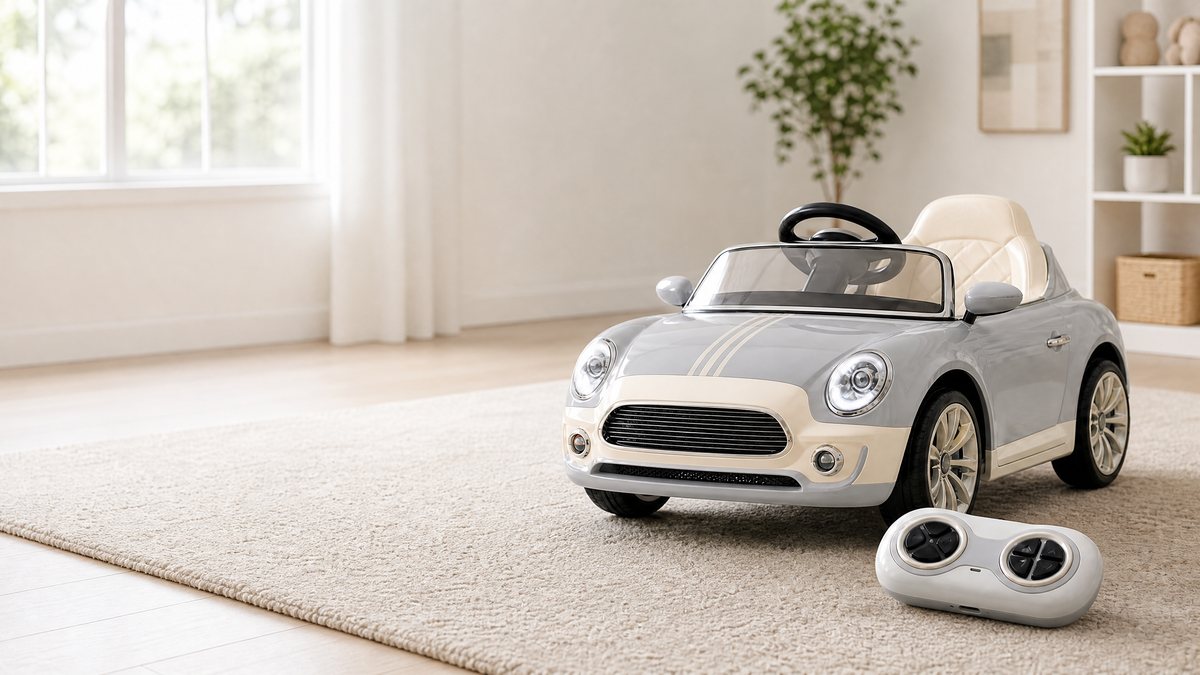
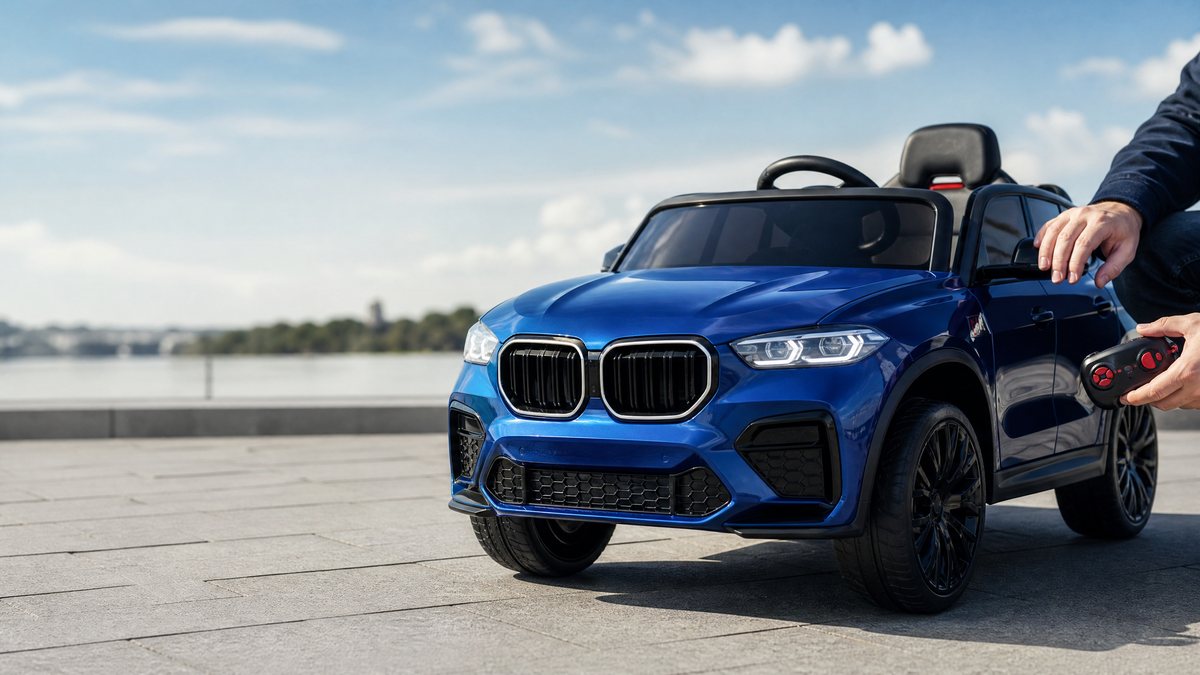
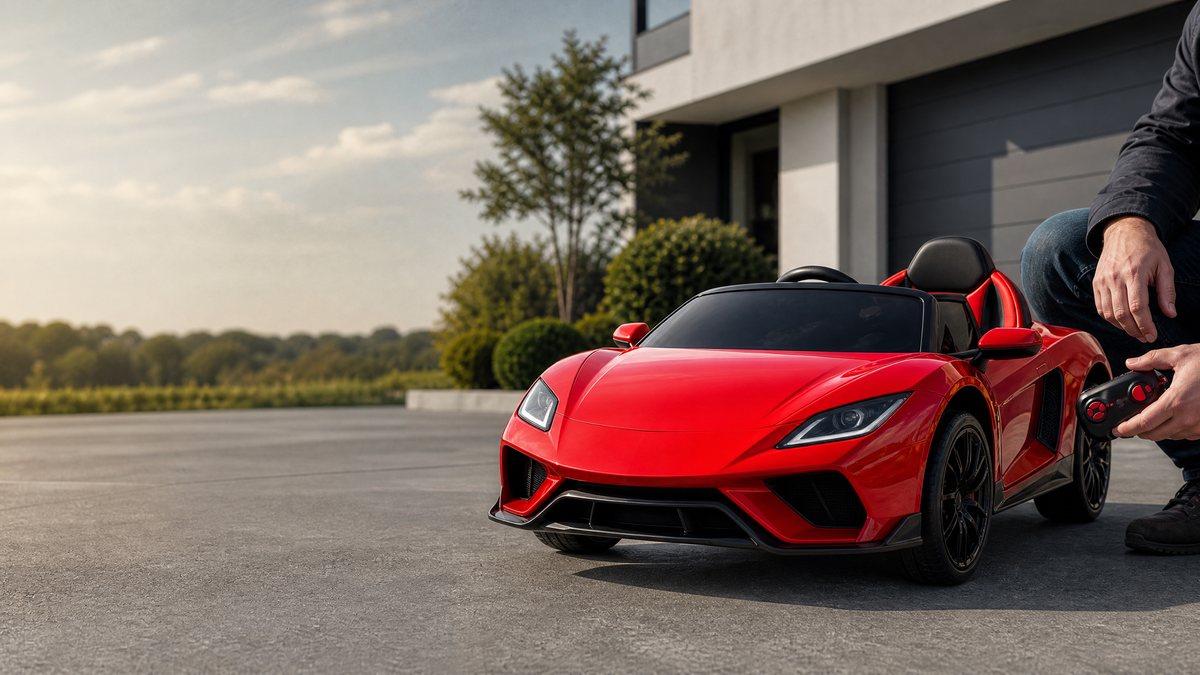
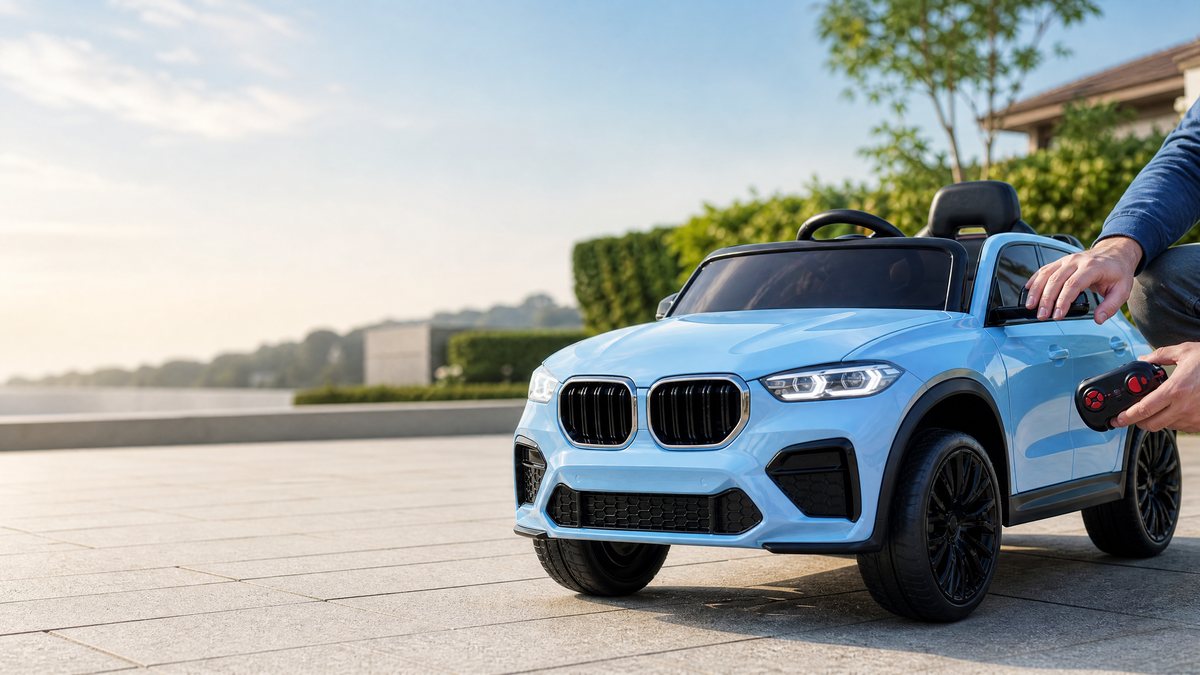
In early toddlerhood, single children heavily rely on adult-guided play where parents steer via 2.4G remote controls while the child enjoys the driving experience and sensory feedback. As the child grows into preschool and early elementary years, the vehicle must seamlessly transition to independent foot-pedal acceleration and steering. Consequently, dual-mode functionality—combining parental remote override with independent manual driving—represents a cornerstone requirement for this demographic. All technical specifications, motor counts, battery voltages (such as 12V versus 24V), and speed thresholds vary by model, region, and seller; verify all operational limits through the official product manual and written terms.
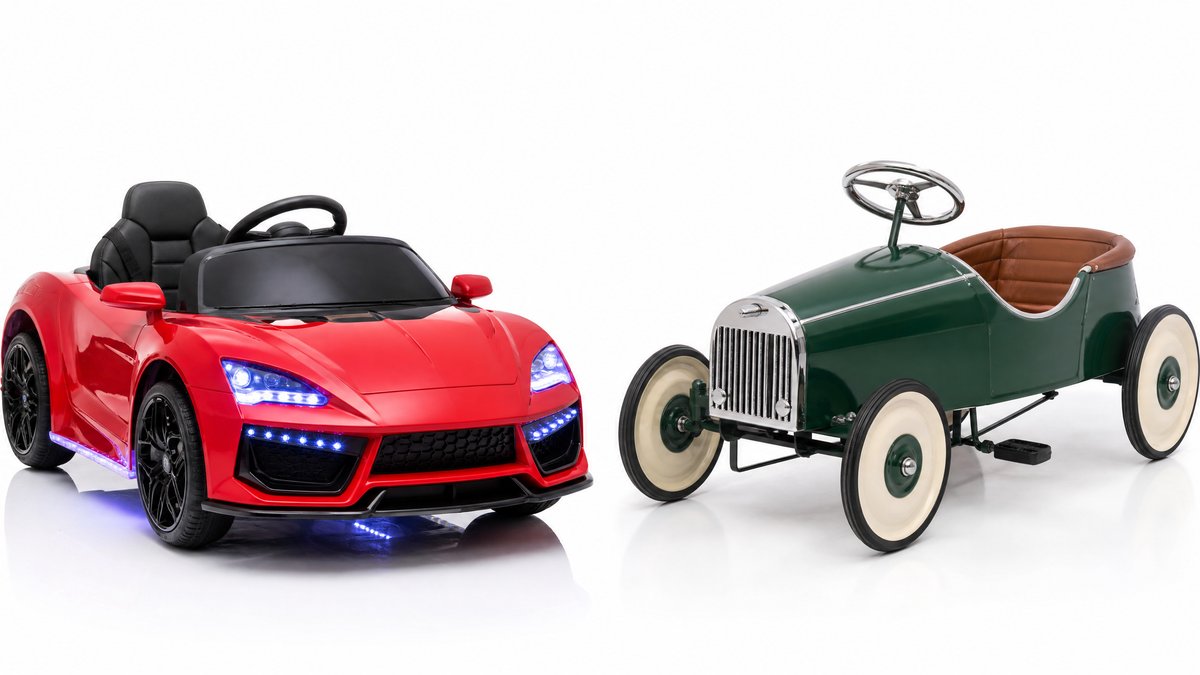
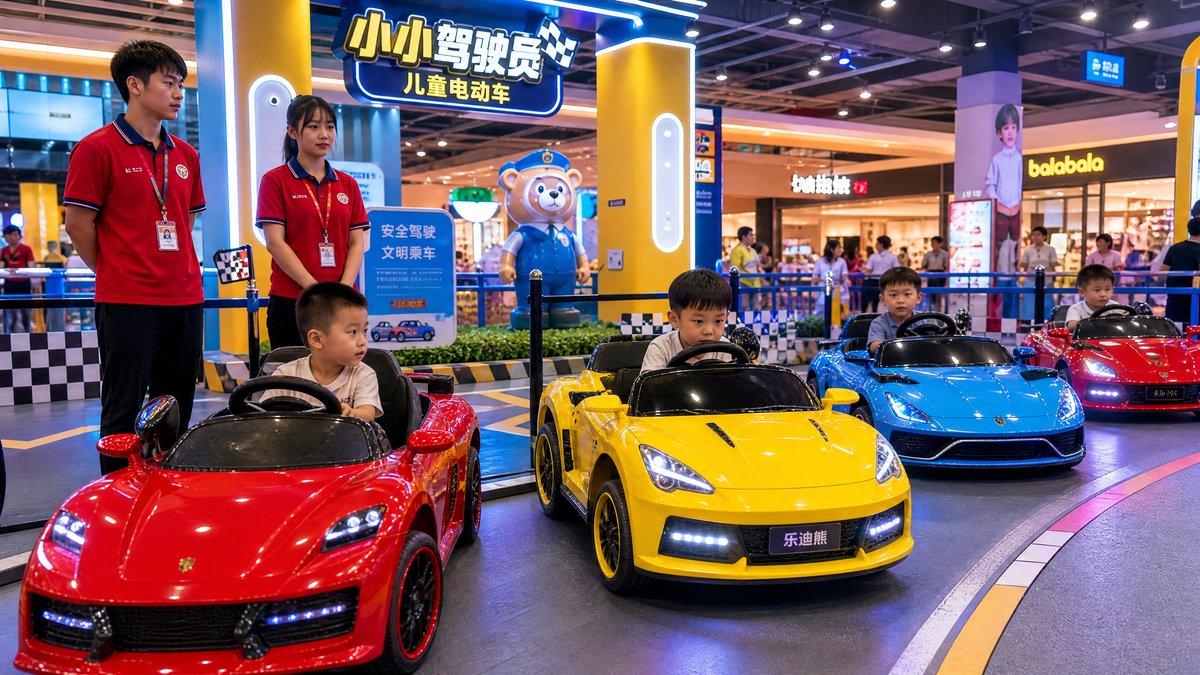
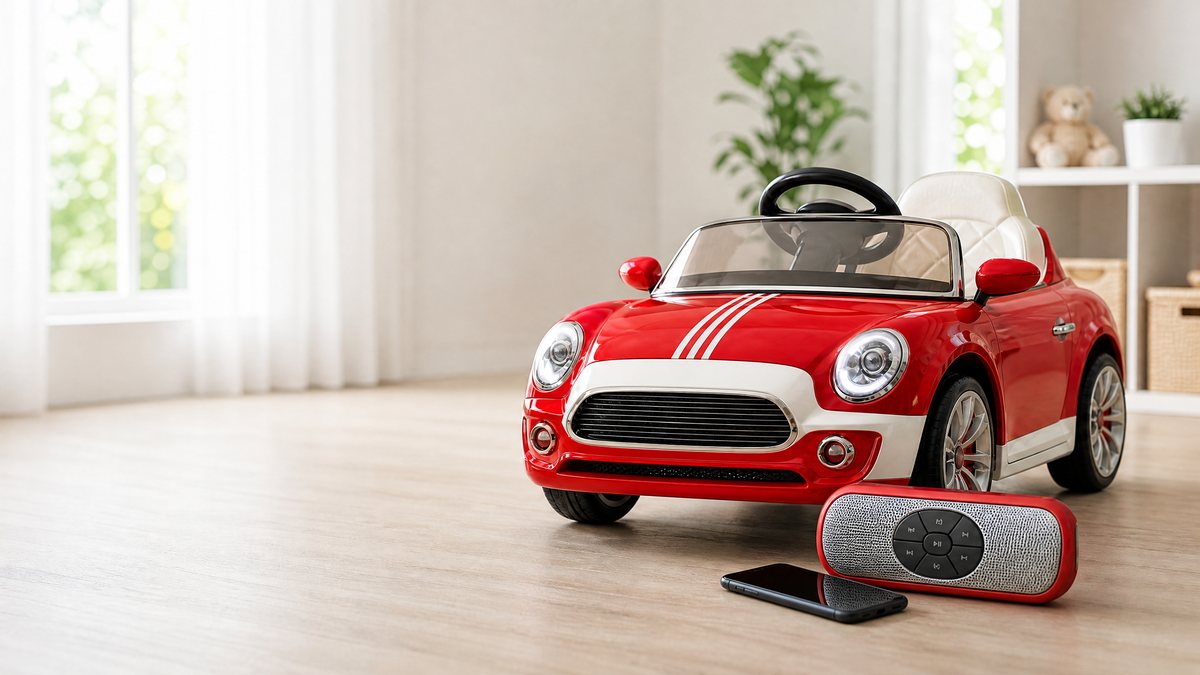
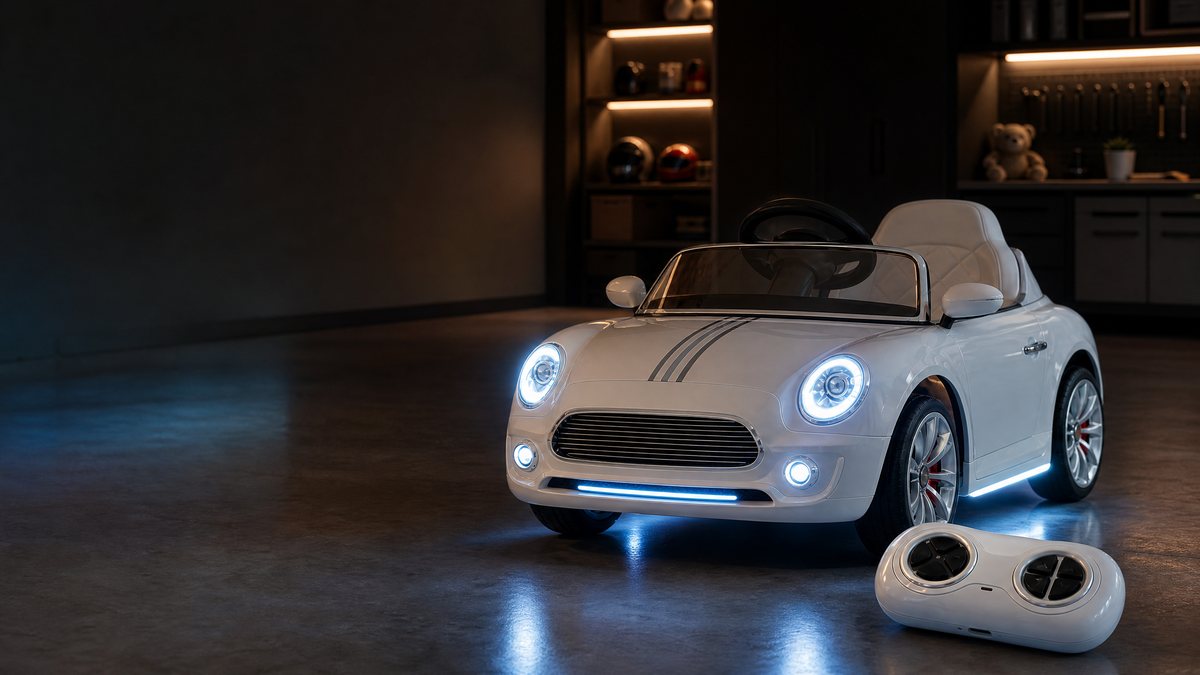
Furthermore, solo play environments require vehicles that encourage cognitive engagement. Features such as realistic dashboard instrumentation, working LED headlights, functional horn buttons, and multimedia sound systems (including USB or Bluetooth music streaming) provide an immersive cockpit environment. For single children who may spend considerable time playing independently in enclosed backyards or secure driveways, these interactive elements stimulate creative role-play, mimicking adult driving behaviors and supporting early motor skill refinement.
Comparative Evaluation: Single-Seater vs. Compact Two-Seater for Solo Drivers
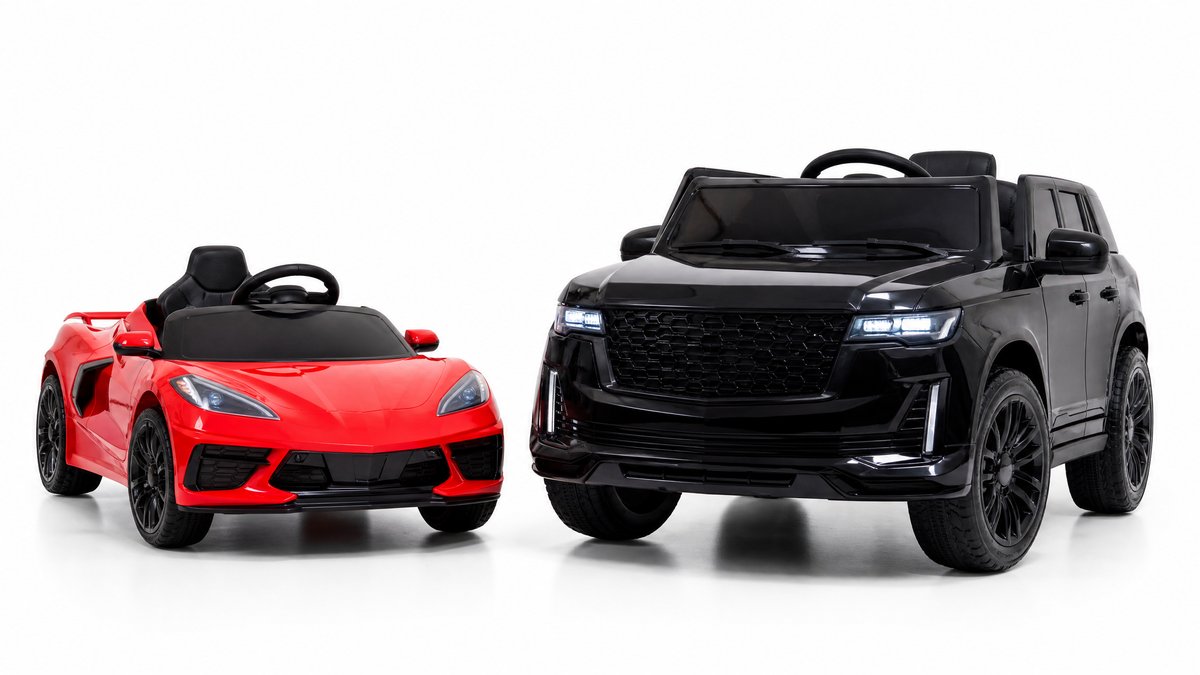
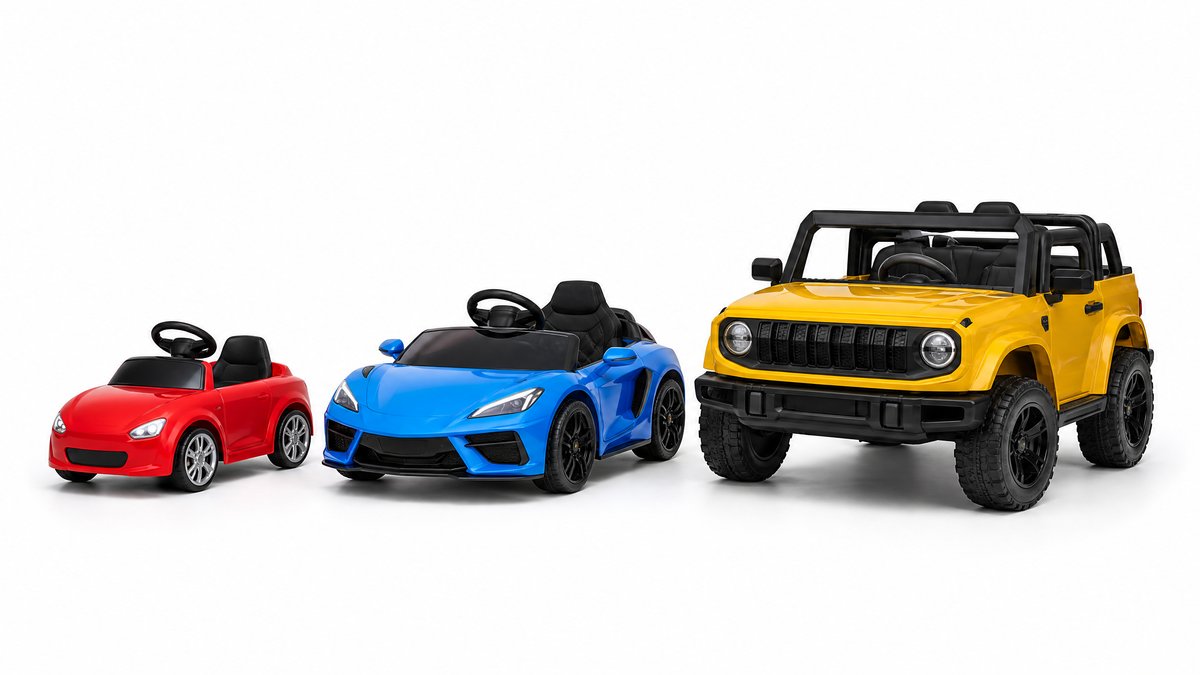
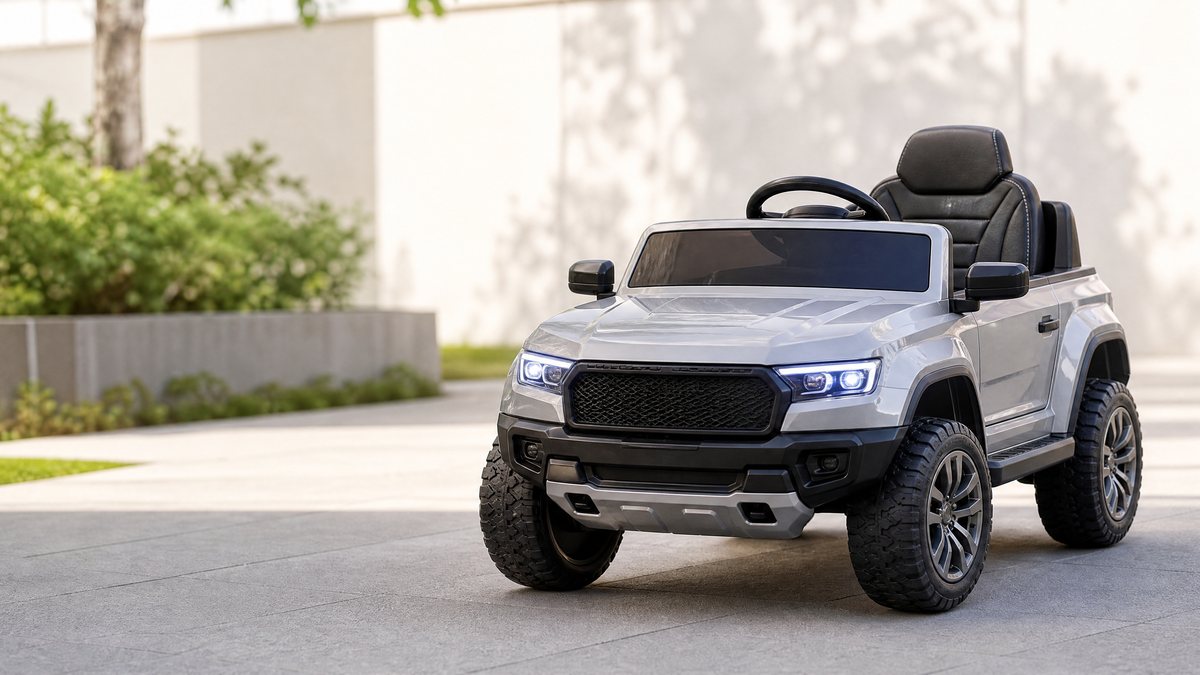
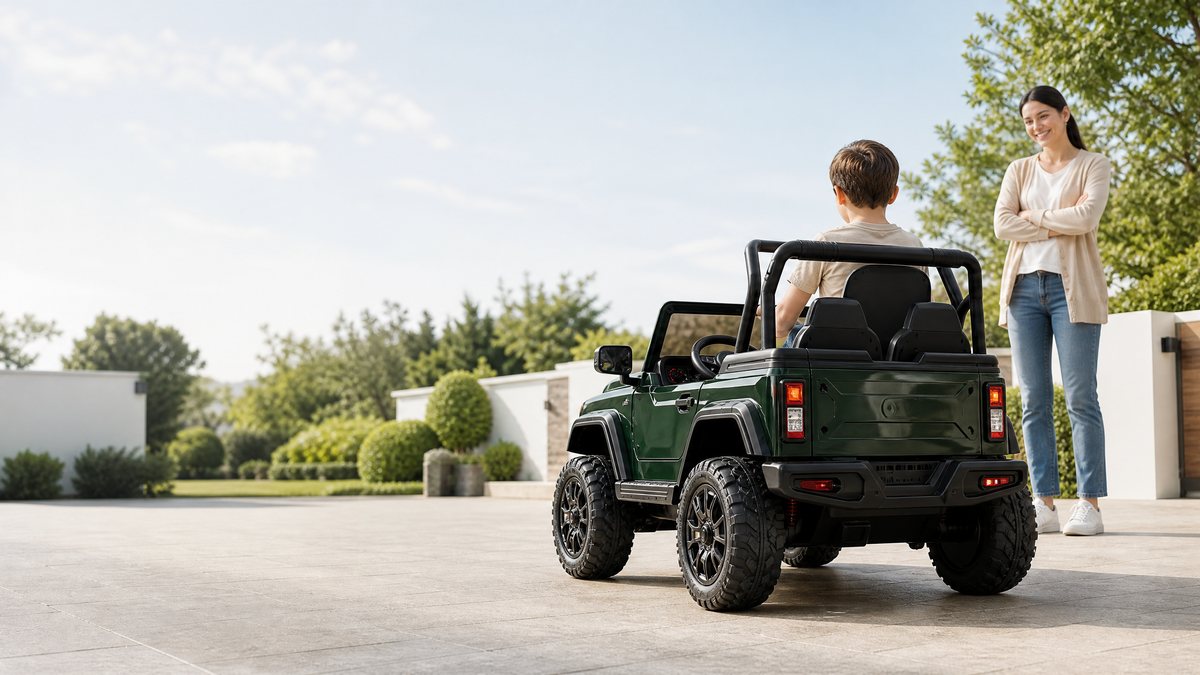
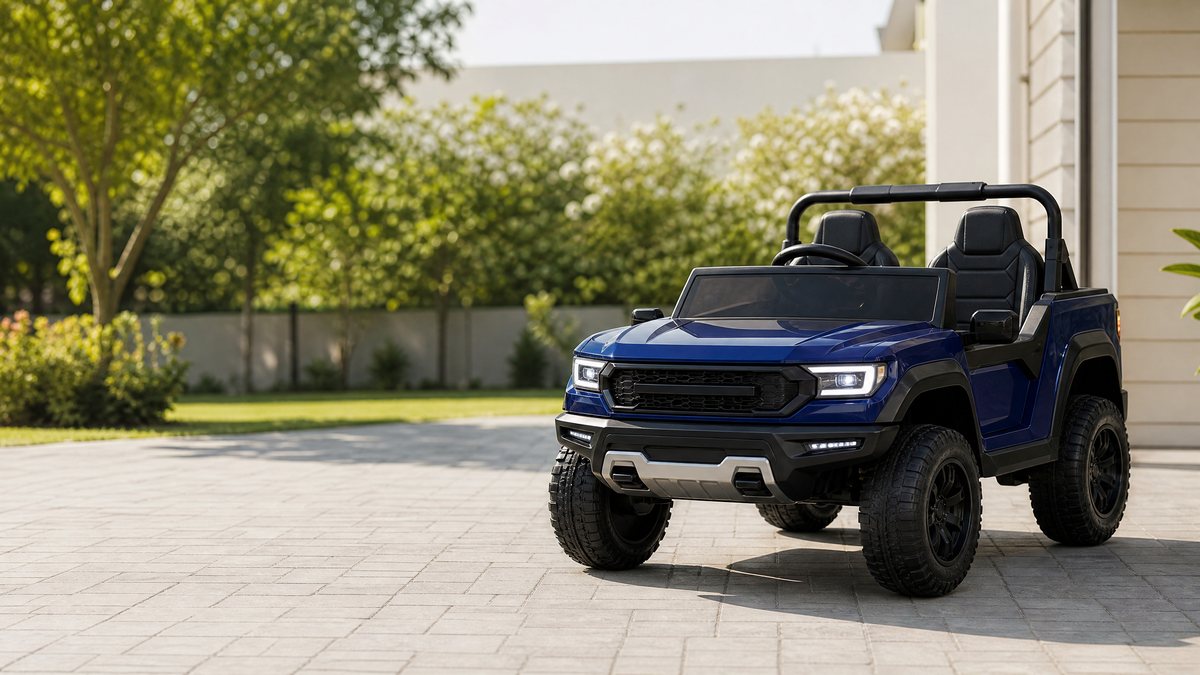
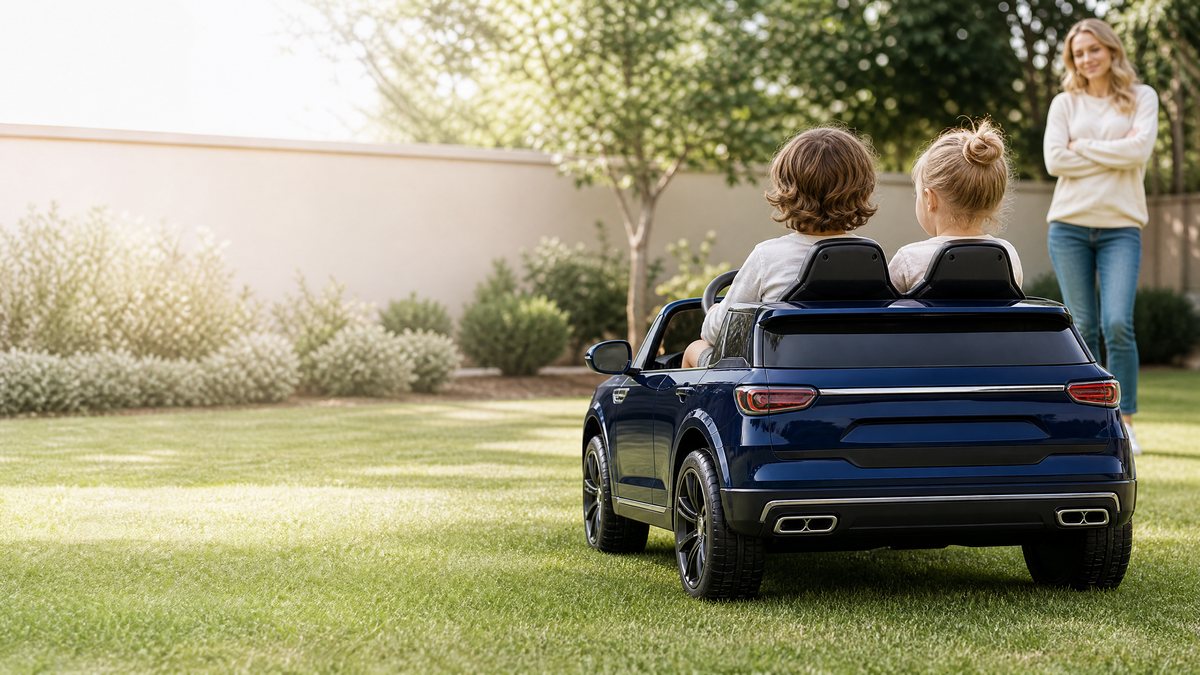
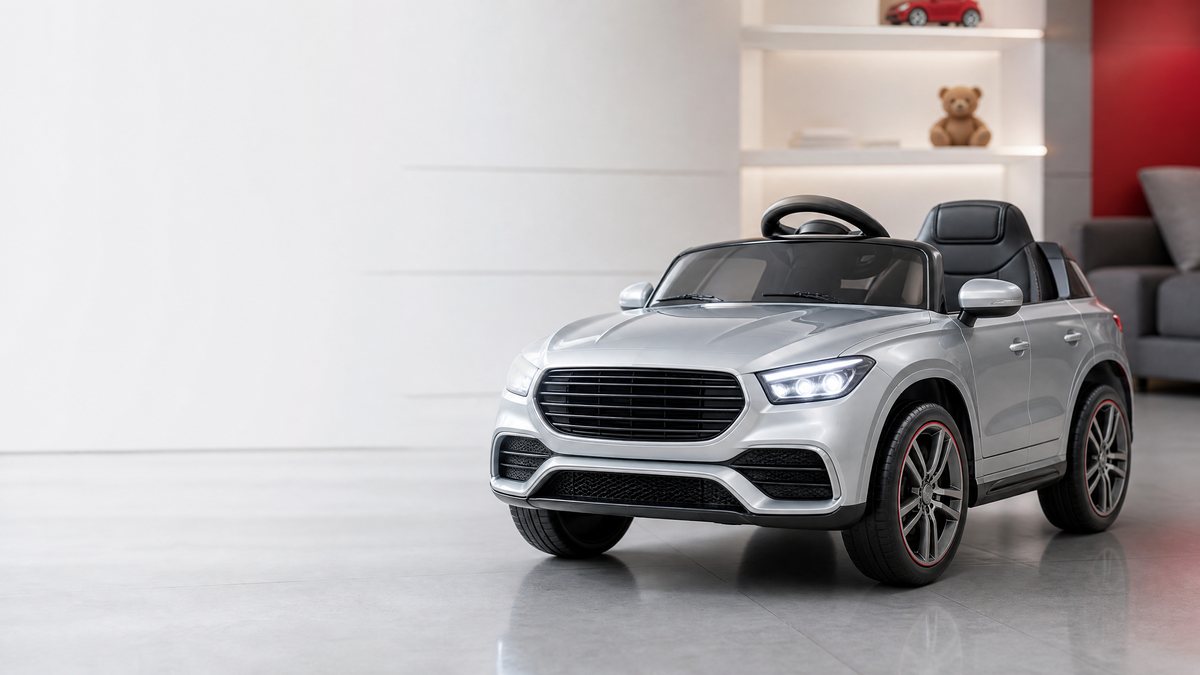
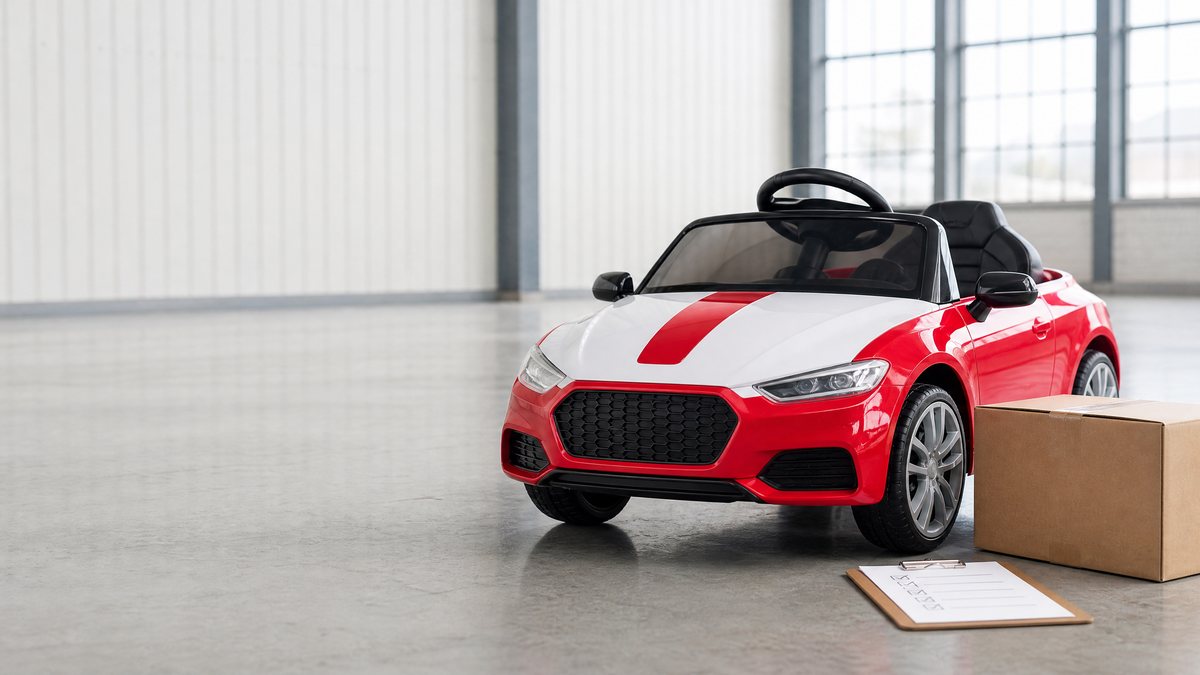
A common strategic question among B2B buyers and retail parents purchasing for an only child is whether to invest in a sleek single-seater sports car or a compact two-seater utility vehicle. While a single child does not strictly need a passenger seat for a sibling, many parents and gift-buyers opt for two-seaters to allow room for visiting neighborhood friends, stuffed animal companions, or extended legroom as the child grows through different developmental milestones. However, single-seater models offer distinct advantages in maneuverability, turning radius, chassis weight, and indoor storage efficiency.
The following comparative decision matrix outlines the operational and structural differences between single-seater and compact two-seater ride-on cars for solo child users:
| Feature / Evaluation Axis | Single-Seater Ride-On Cars | Compact Two-Seater Ride-On Cars |
|---|---|---|
| Primary Solo Utility | Tailored precisely to individual driver ergonomics, lightweight chassis, and agile handling. | Accommodates a passenger, heavier cargo, or extended legroom; broader cabin space. |
| Maneuverability & Turning Radius | Tighter turning circle; highly responsive in smaller courtyards or indoor spaces. | Wider turning footprint requiring more open operating space and clearance. |
| Power & Drivetrain Configuration | Commonly features 12V single or dual motor setups optimized for moderate solo loads. | Frequently utilizes robust 12V or 24V dual- or quad-motor systems to support heavier combined weights. |
| Storage & Transport Footprint | Compact dimensions simplify garage storage, shed placement, and retail pallet loading. | Broader frame and increased weight require dedicated storage space and careful freight planning. |
| Growth Adaptability & Age Range | Varies by model; cabin dimensions are optimized for single-occupant comfort across specific developmental stages. | Offers wider seating, though maximum weight limits and age ratings vary by model, region, and seller—check exact manual. |
Essential Feature Checklist for Importers, Retailers, and Parents
When procuring or selecting ride-on cars for single-child households, quality and safety feature integration take precedence over superficial cosmetic styling. B2B buyers, retail inventory planners, and discerning parents should prioritize vehicles equipped with comprehensive safety architecture and certified electrical assemblies.
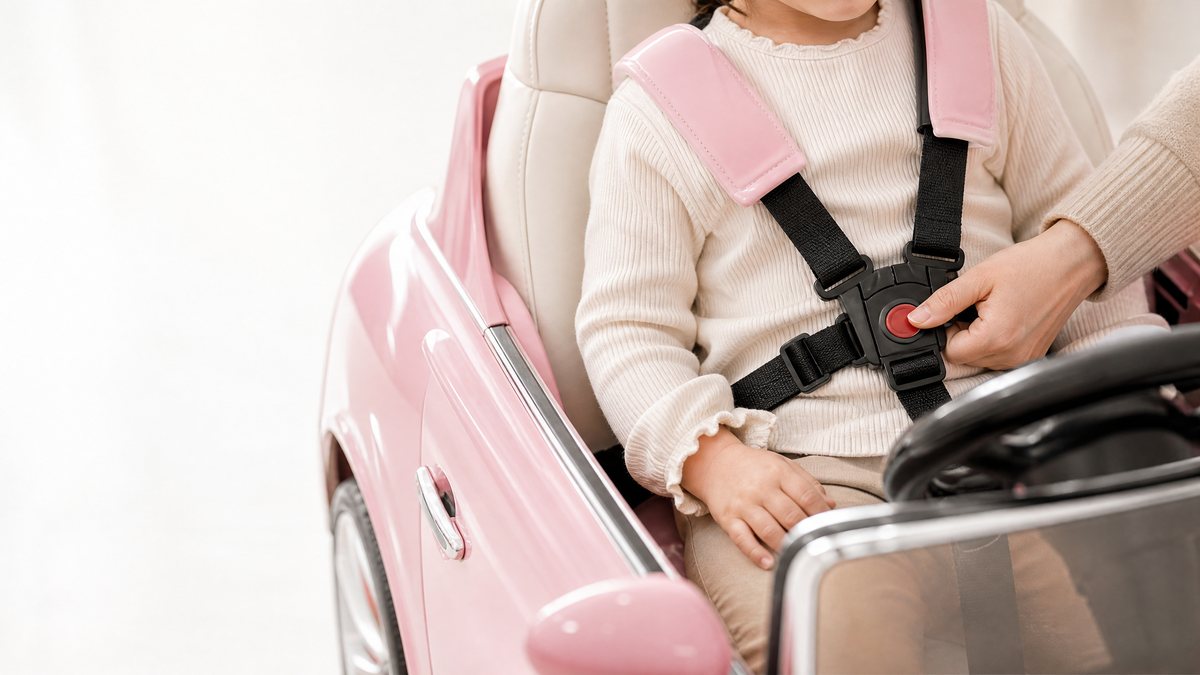
1. Safety Restraint Systems: Look for secure 3-point lap belts or adjustable harnesses that keep solo drivers securely positioned during sudden directional shifts, acceleration, or uneven terrain traversal.
2. Soft-Start Acceleration: Essential for younger toddlers, soft-start programming prevents abrupt jerks upon initial pedal engagement, ensuring smooth, gradual acceleration that avoids startle responses.
3. Emergency Remote Brake Override: The inclusion of a dedicated 2.4G parental remote control with an immediate stop function allows supervising adults to halt the vehicle instantly if the child encounters an obstacle, gradient hazard, or unexpected traffic area.
4. Interactive Entertainment & Lighting: Working LED headlights, horn sounds, and pre-loaded music or Bluetooth audio integration enhance imaginative solo play. Note: Entertainment options, sound modules, and lighting configurations vary by model, region, and seller; check the exact manual, listing, and written terms.
Request a wholesale quote
Indoor Versus Outdoor Play Environments and Surface Adaptability
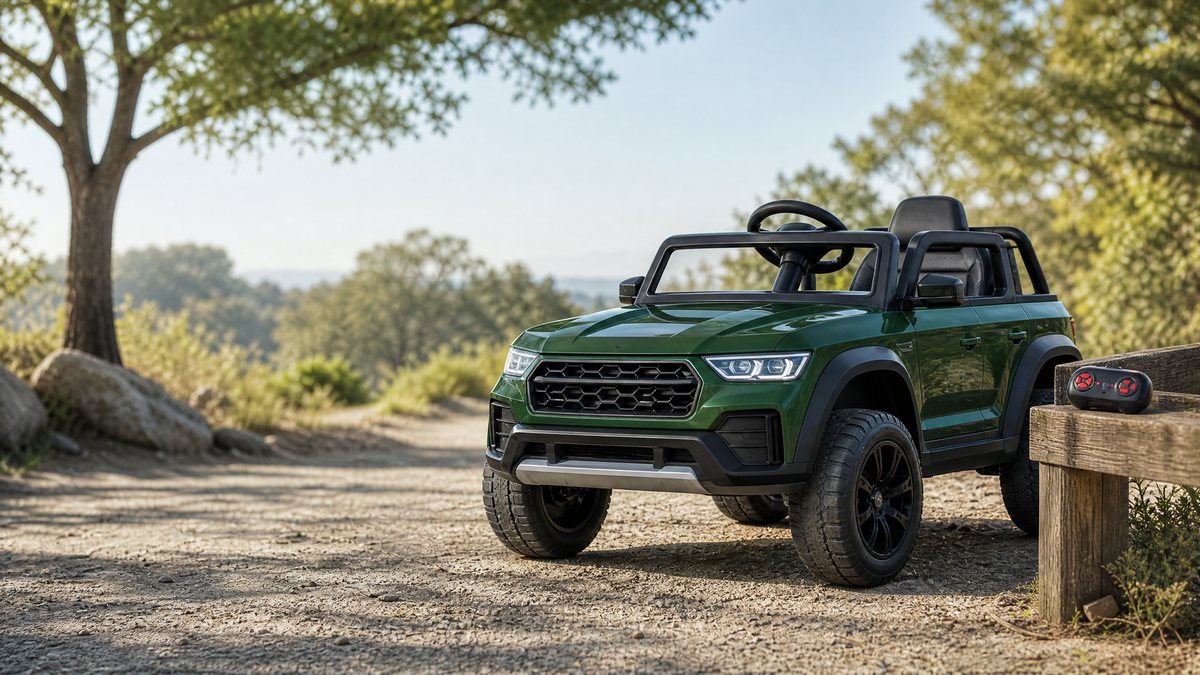
An only child's ride-on car is frequently operated across diverse environments, ranging from indoor hardwood floors and tiled playrooms to outdoor paved driveways, concrete patios, and backyard grass lawns. Evaluating surface adaptability is crucial for ensuring longevity, traction, and operational safety.
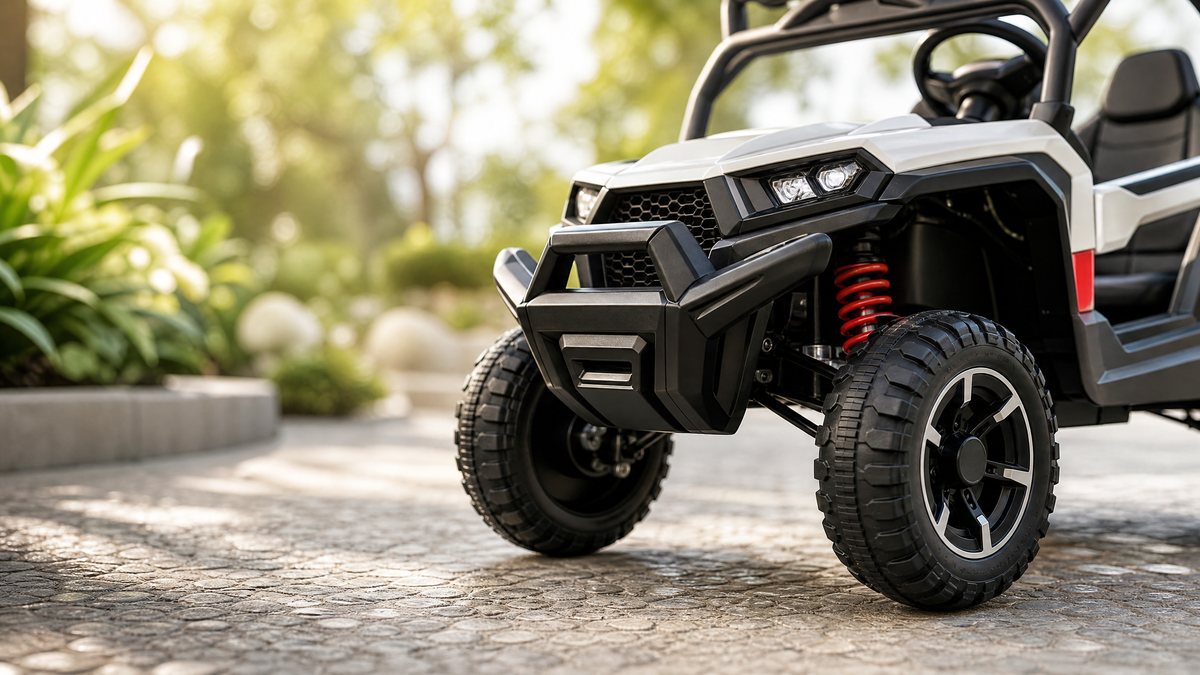
Vehicles designed for versatile use typically incorporate specialized wheel construction and suspension dampening. High-grade EVA (Ethylene-Vinyl Acetate) foam tires provide superior traction on outdoor asphalt while reducing noise and preventing floor scratching during indoor operation. In contrast, hard plastic wheels may slip on smooth indoor surfaces or loose gravel. Additionally, spring suspension systems on front and rear axles absorb shocks from bumps and cracks in pavement, protecting the chassis and ensuring a comfortable ride for the child. Surface traction, tire material resilience, and suspension travel vary by model, region, and seller; always consult technical specifications and product documentation before deployment.
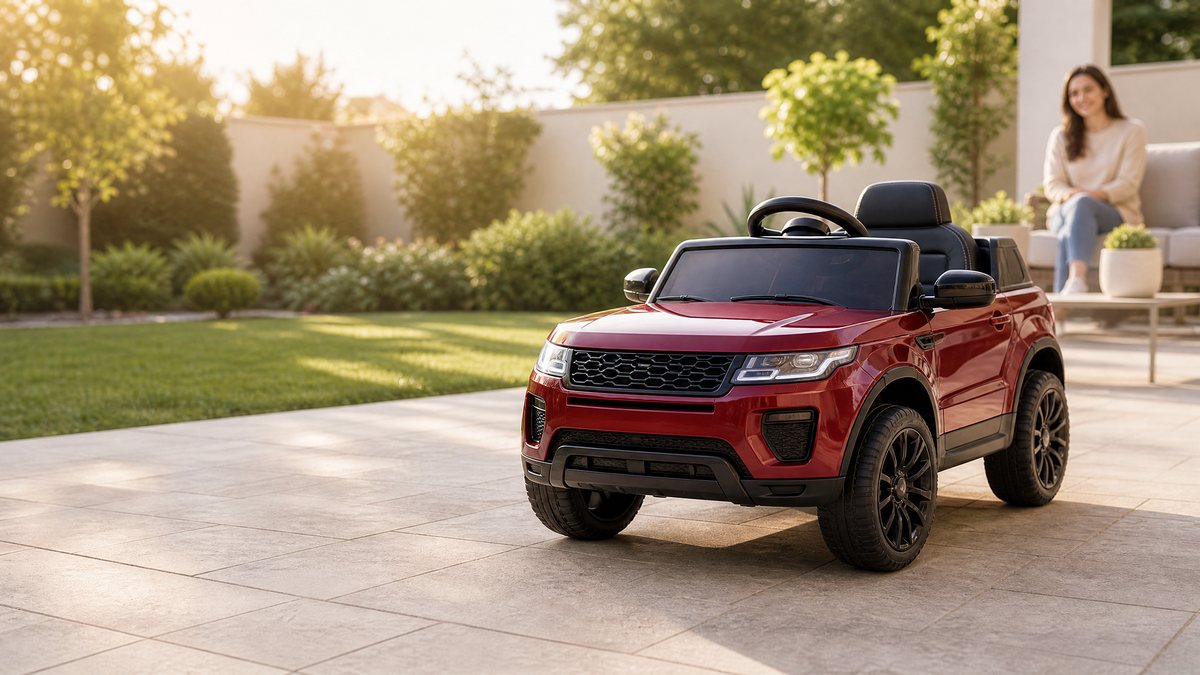
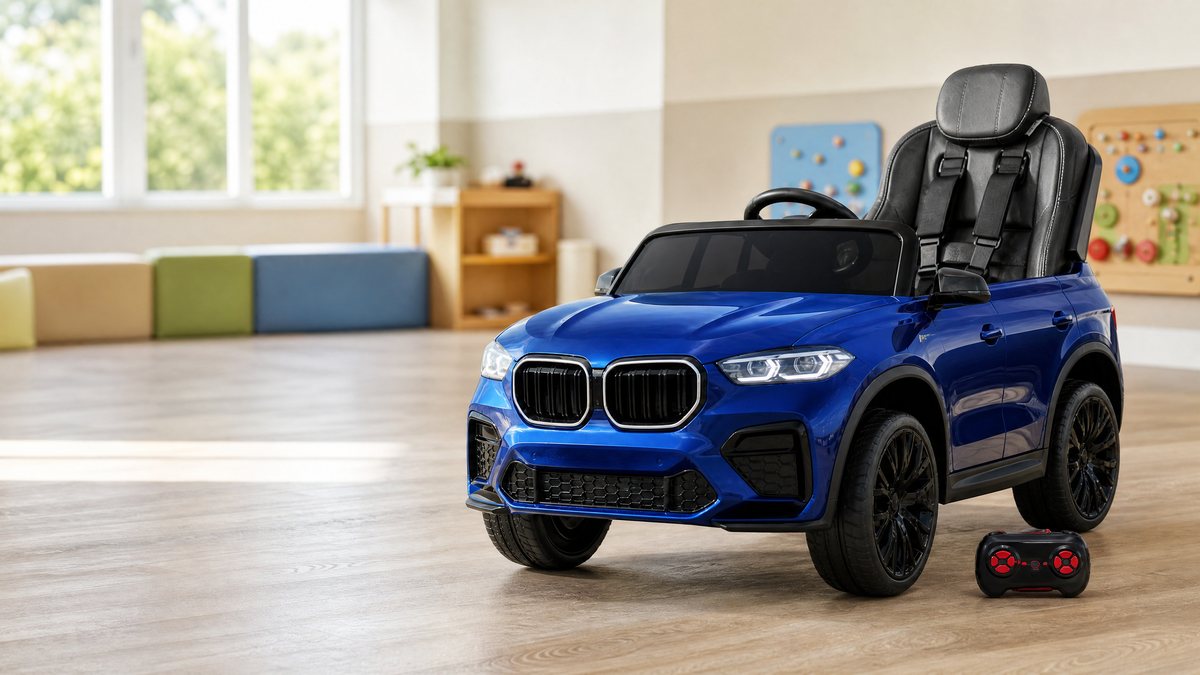
When operating indoors, parents must ensure adequate clear perimeter space, as motorized vehicles require substantial stopping distances depending on surface friction and battery charge state. Conversely, outdoor deployment demands rigorous boundary enforcement, particularly in unfenced yards or near active driveways. The deployment of 2.4G parental remote override remains an indispensable supervisory safeguard across all operating environments.
B2B Procurement and Commercial Inventory Strategies for Single-Child Markets
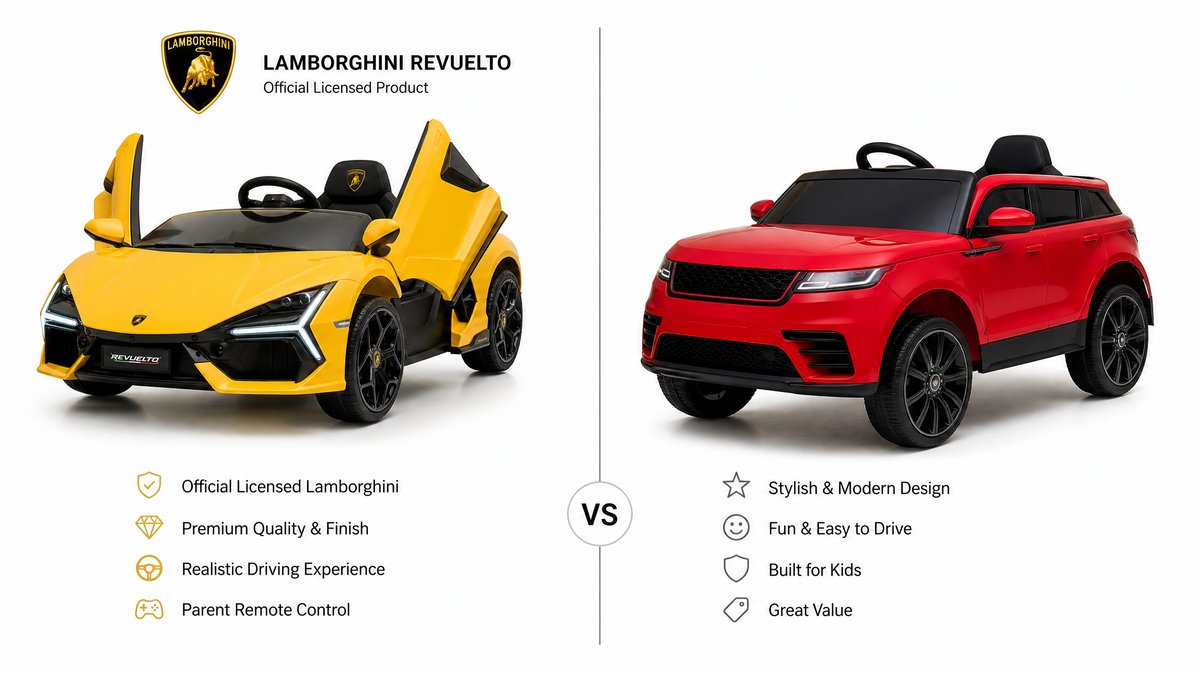
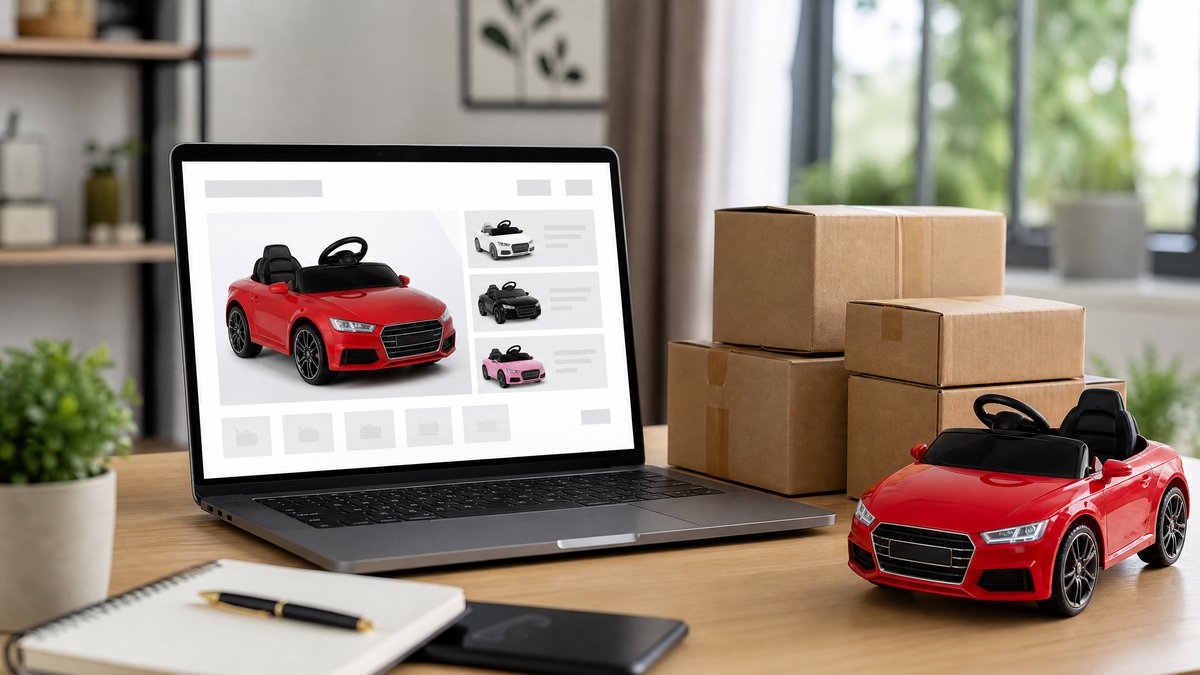
For B2B wholesalers, distributors, and specialty toy retailers, targeting households with only children presents unique marketing and inventory opportunities. Parents investing in an only child are often willing to pay a premium for superior build quality, advanced safety features, and high-realism licensed designs (such as replica Mercedes, BMW, Audi, or Jeep models).
When building a retail assortment, distributors should maintain a balanced mix of 12V single-seaters for urban apartment dwellers with limited storage space and robust 24V two-seaters for suburban families with spacious backyards. Furthermore, clear documentation regarding minimum order quantities (MOQs), replacement parts availability, and warranty terms is critical. All commercial terms, stock availability, pricing structures, and shipping lead times vary by model, region, and seller; verify all procurement details through official wholesale agreements.
Retailers should also emphasize customer education in their merchandising materials, guiding buyers on how to match vehicle specifications with the child's age, weight, and developmental stage. Providing transparent assembly guidelines, battery care brochures, and clear safety warnings builds long-term brand trust and reduces post-purchase support overhead.
Maintenance, Operational Safety, and Safe Charging Protocols
Maintaining a motorized ride-on car requires adherence to structured operational and charging routines to maximize battery life and ensure ongoing safety. Solo operators depend entirely on the mechanical and electrical integrity of the vehicle, making regular inspections vital.
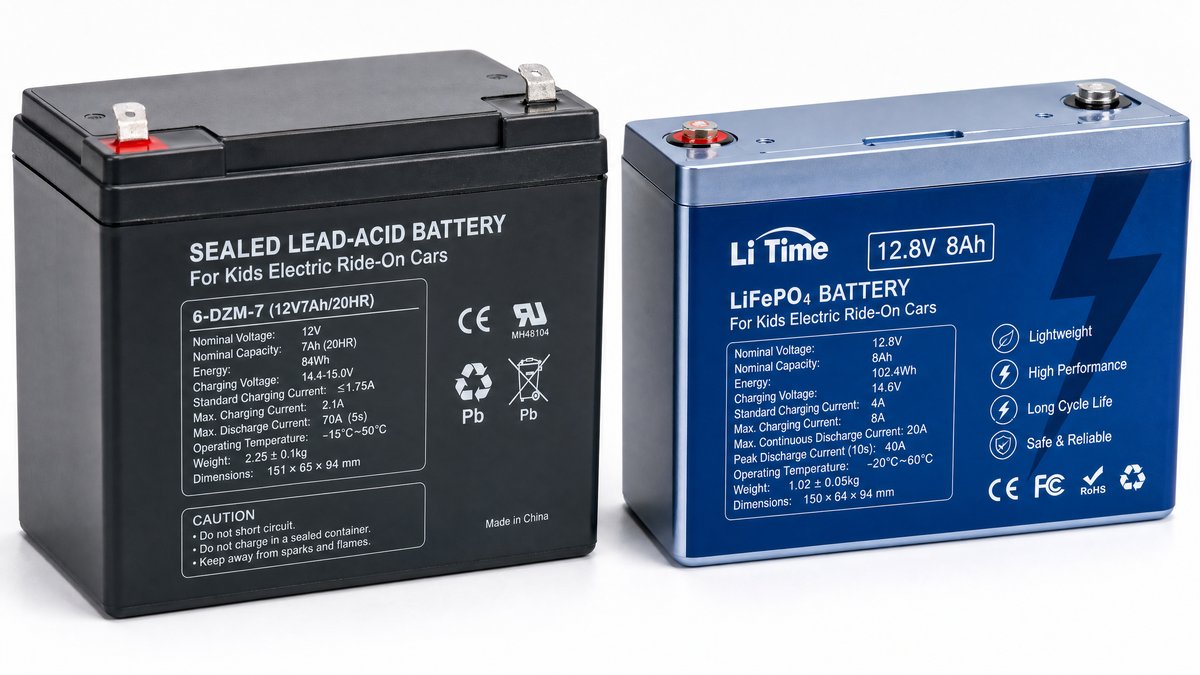
* Battery Charging Discipline: Always utilize the manufacturer-supplied charger matching the exact voltage rating (e.g., 12V or 24V). Never leave batteries connected to power sources beyond recommended charging cycles to prevent thermal overload.
* Storage Conditions: Store vehicles in dry, temperature-controlled environments away from direct sunlight, extreme frost, and moisture to protect electrical wiring and plastic body panels.
* Mandatory Safety Discontinuation: In the event of unusual odors, audible buzzing from electrical components, excessive heat generation, visible smoke, water ingress, cable fraying, or continuous mechanical failure, immediately stop operating and charging the vehicle. Turn off the main power switch, keep children away from the unit, and contact the manufacturer or qualified service personnel immediately.
* Strict Restriction on Modifications: Do not attempt internal electrical repairs, terminal modifications, wiring harness alterations, control board rewiring, multimeter testing, or unauthorized battery/motor upgrades. All service interventions must follow official guidelines.
Frequently Asked Questions
Is a two-seater ride-on car recommended for an only child?
While an only child does not require a passenger seat for a sibling, many buyers select compact two-seaters to accommodate visiting neighborhood friends, stuffed animal companions, or to provide extra legroom as the child grows. However, single-seaters offer lighter chassis weights and tighter turning radii. Specifications and seating capacities vary by model, region, and seller; check the exact manual and listing.
What age is most appropriate to introduce a motorized ride-on car?
Most motorized ride-on cars are designed for children aged 3 to 8 years for independent manual driving, while younger toddlers aged 1 to 3 years can safely enjoy vehicles operated via 2.4G parental remote control. Age suitability and maximum weight capacities vary by model, region, and seller; verify exact product specifications before purchase.
How do parental remote controls benefit solo riders and parents?
A 2.4G parental remote control provides supervising adults with absolute directional and speed control, allowing them to guide solo riders safely away from hazards, driveways, or steep inclines. As the child develops spatial awareness and coordination, parents can gradually transition control to the child's manual foot pedal and steering wheel.
What steps should be taken if a ride-on car experiences electrical faults or unusual odors?
If you detect unusual odors, smoke, overheating, cable damage, water ingress, or continuous mechanical failure, immediately stop using and charging the vehicle. Turn off the main power switch, keep children away, and contact the manufacturer or qualified service personnel. Never attempt unauthorized internal electrical repairs or modifications.
Conclusion
Selecting the best ride-on car for an only child requires careful evaluation of solo-play developmental needs, spatial constraints, control flexibility, and robust safety mechanisms. By prioritizing vehicles with dual-mode operation (parental remote override and independent foot-pedal driving), high-grade traction tires, and reliable safety harnesses, buyers can ensure an engaging and secure driving experience. As procurement professionals and parents navigate the diverse market offerings, verifying exact technical specifications, warranty terms, and compliance documentation remains paramount.
Request a wholesale quote
General Safety Resource
For comprehensive consumer safety education regarding toy standards and safe play practices, consult the CPSC Toy Safety Education Guidance. Please note that general regulatory resources serve as educational references and do not replace specific model manuals, manufacturer safety instructions, or written sales terms.
Official references
Explore these external resources for current regulatory and trade guidance. Confirm requirements with the relevant authority before placing an order.
Ready to Start?
Factory-Direct · CE & ASTM Certified · MOQ from 50 Units
Our export team works with buyers in 60+ countries. Get a quote within 24 hours.
KR
Written by KidsRideCar
China's leading kids electric ride-on car manufacturer. 500,000+ units shipped annually to 60+ countries. CE, ASTM & EN71 certified.