When importing wholesale kids' electric ride-on cars from Chinese manufacturers, securing the right payment terms is just as critical as negotiating unit prices. For international toy distributors, importers, and large-scale retailers, cash flow management and risk mitigation can make or break profit margins. Standard manufacturing practices in China often require upfront deposits, but savvy global buyers can leverage various financial instruments—such as Telegraphic Transfer (T/T), Documentary Letters of Credit (L/C), and structured trade finance options—to protect their capital and build long-term, trust-based supplier relationships.
This comprehensive guide explores the mechanics of payment terms in the ride-on car manufacturing sector, comparing popular instruments, analyzing risk factors, and offering actionable strategies for successful negotiation with Chinese factories.
Understanding Standard Payment Practices in Chinese Toy Manufacturing
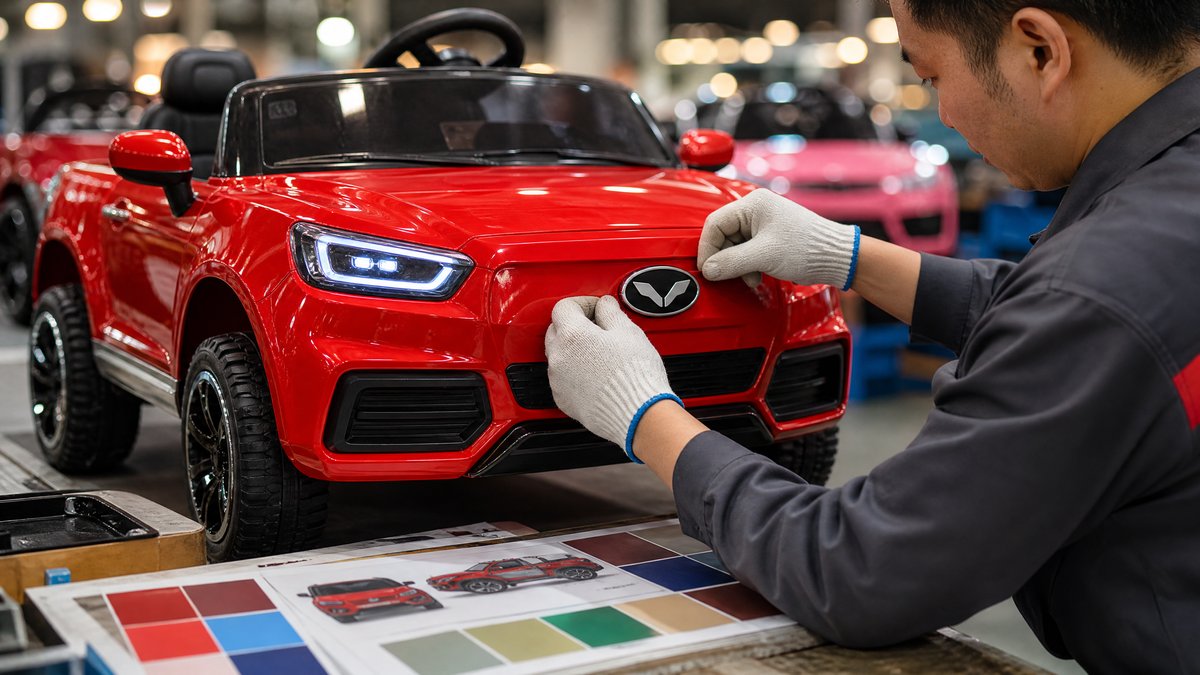
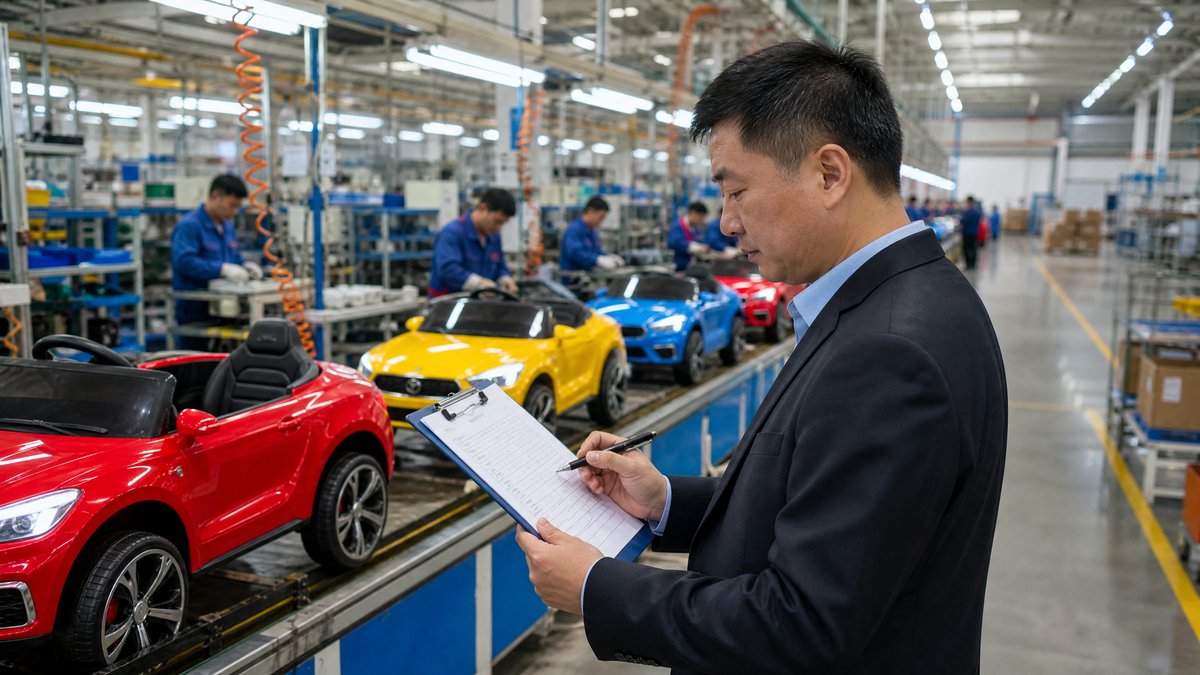
The Chinese manufacturing ecosystem, particularly in production hubs like Zhejiang (Pinghu and Ningbo) and Guangdong (Shantou and Shenzhen)—the primary clusters for ride-on cars—operates on standard volume-based production cycles. Because ride-on cars require customized tooling, molded plastic bodies, electronic control units (ECUs), and battery packs, factories invest heavily in raw materials before assembly begins.
Consequently, most Chinese suppliers are reluctant to ship goods on open account (O/A) terms unless a buyer has established a multi-year history of high-volume orders. Instead, standard industry norms typically revolve around deposit-and-balance structures.
The Baseline Deposit Structure
* Standard Term: 30% deposit via T/T upon order confirmation, with the remaining 70% balance paid against the copy of the Bill of Lading (B/L) or after passing third-party pre-shipment inspection (PSI).
* Customized/OEM Tooling Term: For bespoke designs featuring custom molds, proprietary body styles, or licensed branding (e.g., Mercedes-Benz, BMW, Lamborghini ride-ons), factories often demand a 50% tooling deposit upfront, followed by 30% upon production commencement and 20% upon completion.
Comparative Analysis of Payment Instruments
Choosing the right payment mechanism depends on your order volume, creditworthiness, trust level with the supplier, and risk appetite. The table below outlines the primary payment methods utilized when sourcing children's electric vehicles from China.
| Payment Method | Risk for Buyer | Risk for Supplier | Typical Cost / Fees | Best Suited For |
|---|---|---|---|---|
| Telegraphic Transfer (T/T) - 30/70 | Moderate to High | Low | Low wire fees ($20-$50 per transaction) | Established relationships, repeat orders under $50,000 |
| Irrevocable Letter of Credit (L/C) at Sight | Low | Low to Moderate | High bank opening/negotiation fees ($300-$1000+) | Large container orders ($100,000+), new tier-1 suppliers |
| Documentary Collections (D/P) | Moderate | High | Moderate bank collection fees | Mid-sized orders with trusted trading partners |
| Escrow / Third-Party Services (e.g., Alibaba Trade Assurance) | Low | Low | Moderate platform fees (1% - 3%) | First-time transactions, medium-sized trial orders |
Deep Dive into Core Payment Options
1. Telegraphic Transfer (T/T): Speed and Simplicity
T/T remains the most common payment method in international trade due to its simplicity and low direct banking fees.
* The 30/70 Split: Never agree to 100% advance payment for bulk manufacturing. A 30% deposit secures factory capacity and raw material procurement, while the 70% balance should be tied to tangible milestones—specifically, passing an independent quality control inspection (such as SGS or TÜV) or sighting the Bill of Lading.
* Mitigating T/T Risks: To protect your 30% deposit, ensure you sign a legally binding Proforma Invoice (PI) and a Manufacturing Supply Agreement governed by international commercial law, detailing delivery timelines, penalty clauses for delays, and specific product compliance standards (e.g., EN71, ASTM F963).
2. Letters of Credit (L/C): Maximum Security for Volume Importers
For large enterprise buyers placing high-volume seasonal orders (e.g., stocking up for the Q4 holiday rush), an Irrevocable Letter of Credit issued by a reputable international bank provides robust protection.
* How It Works: Your bank guarantees payment to the factory’s bank *only* when the factory submits strict shipping documents proving that goods meeting exact contractual specifications have been loaded onto a vessel.
* Drawbacks: L/Cs involve complex paperwork, strict adherence to document timelines, and substantial banking fees. If there is a minor discrepancy between the B/L and the L/C terms, banks may freeze payment or delay release, straining factory relations. Thus, L/Cs are generally inefficient for orders below $50,000.
3. Platform Escrow and Trade Assurance
For emerging importers and mid-sized toy distributors, B2B platform payment protections offer a balanced middle ground. Services like Alibaba Trade Assurance or specialized B2B escrow accounts freeze buyer funds in escrow until the order is successfully manufactured, inspected, and shipped according to agreed terms. This puts pressure on factories to maintain high quality standards, as negative platform reviews or delayed deliveries impact their supplier ranking.
Advanced Negotiation Strategies for Importers
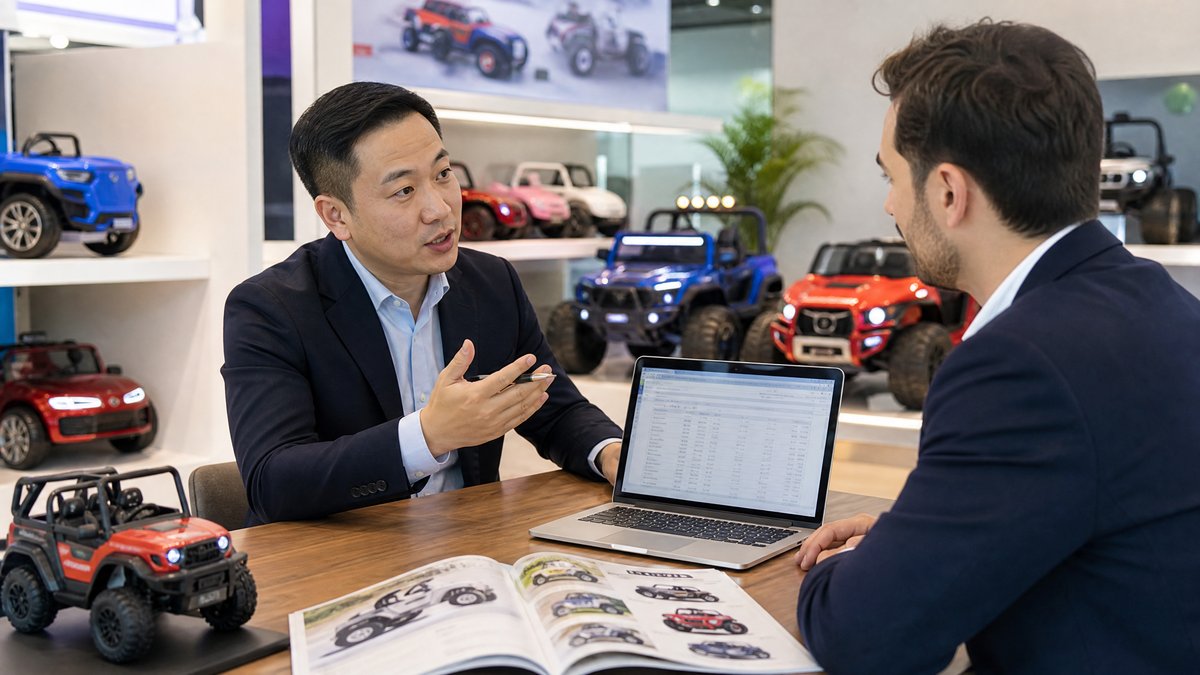
When negotiating with Chinese ride-on car manufacturers, your bargaining power scales with your order consistency, projected annual volume, and financial transparency. Implement these strategies to secure favorable terms:
Leverage Volume Scaling and Phased Milestones
If a factory insists on a strict 50% deposit, negotiate a tiered milestone structure. For example, offer 20% upon contract signing, 30% when raw material assembly begins (verified via video or inspection report), 40% upon successful pre-shipment inspection, and a 10% retention balance paid 30 days after container arrival to account for hidden manufacturing defects or missing spare parts.
Utilize Supply Chain Finance and Factoring
As your business expands, explore supply chain financing solutions through international fintech platforms or trade banks. These institutions can issue supplier guarantees or early payment financing, allowing you to secure extended payment terms (such as Net 60 or Net 90 days) while ensuring the Chinese factory receives prompt payment upon shipment.
Build Trust Through Transparent Forecasting
Factories are more willing to grant flexible credit terms to buyers who share accurate, rolling 12-month sales forecasts. Demonstrating consistent inventory turnover and long-term market commitment transforms you from a spot-market buyer into a strategic distribution partner worthy of credit support.
Frequently Asked Questions (FAQ)
1. Is it safe to pay a 30% deposit via T/T to a new Chinese kids' car factory?
Paying a 30% T/T deposit is standard industry practice, but you must verify the factory's legitimacy before wiring funds. Always verify their business license through official Chinese government registries, confirm their corporate bank account matches their registered company name, and execute transactions through formal corporate channels rather than personal accounts.
2. What should be included in the Pre-Shipment Inspection (PSI) clause regarding payment balance?
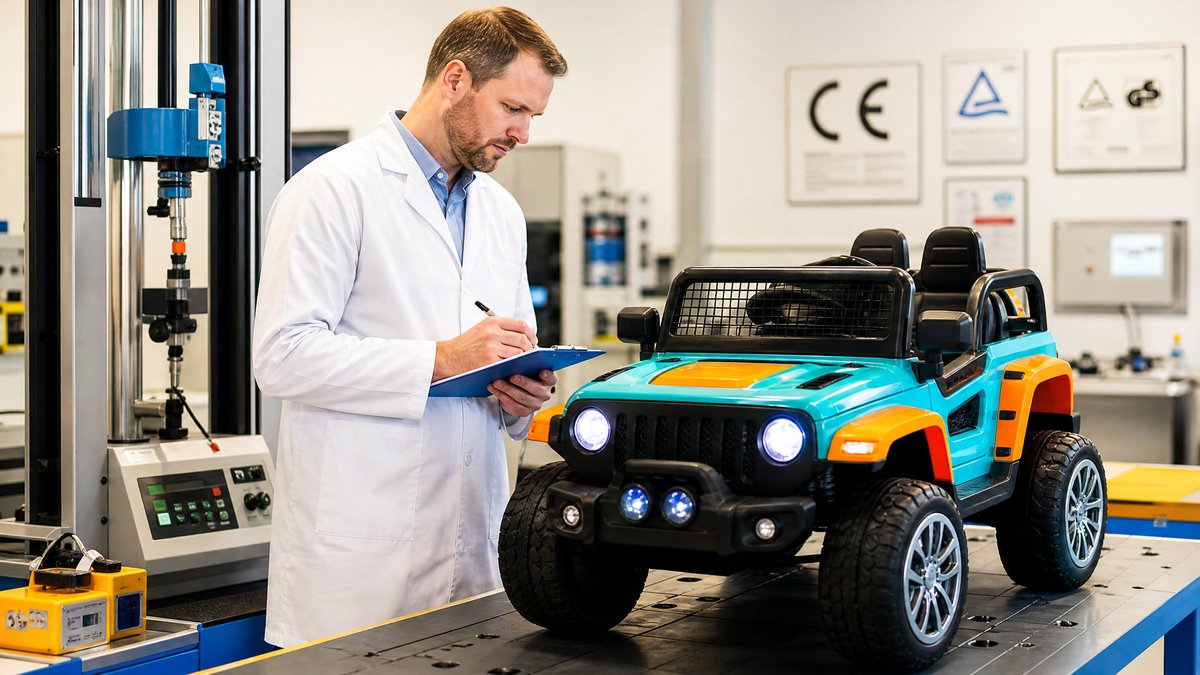
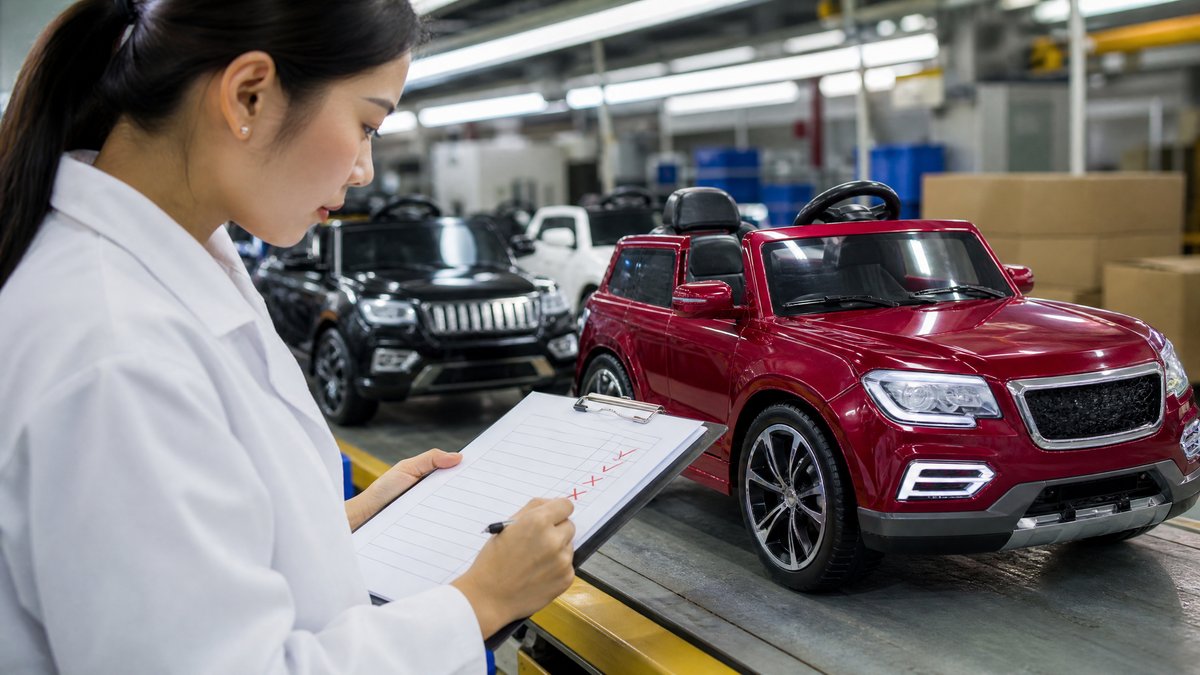
Your contract should explicitly state that the remaining 70% balance will only be released after a third-party inspection agency (such as Bureau Veritas or SGS) verifies that the ride-on cars meet all regulatory safety standards (e.g., EN71, CE, ASTM) and match the approved golden sample in battery capacity, motor power, and packaging.
3. Can I negotiate Net 30 or Net 60 payment terms with Chinese manufacturers?
Net payment terms (e.g., Net 30/60 days after B/L date) are extremely rare for first-time buyers and are typically reserved for Fortune 500 retailers or long-standing clients with millions in annual volume. If you require extended credit, consider partnering with a specialized trade finance house or utilizing bank-backed L/Cs with deferred payment clauses.
4. What happens if the factory delays production after I've paid my deposit?
Your Proforma Invoice and purchase contract should feature a clear Liquidated Damages clause. This clause should specify that if shipment is delayed beyond the agreed grace period (usually 7-14 days) due to factory fault, a penalty percentage (e.g., 0.5% per day, capped at 5-10% of the total order value) will be deducted from the final balance payment.
Secure Your Supply Chain with KidsRideCar
Navigating international trade finance requires precision, transparency, and reliable manufacturing partners. At KidsRideCar, we work closely with global wholesalers, distributors, and retail brands to establish flexible, secure sourcing partnerships tailored to your cash flow requirements.
Whether you are scaling your seasonal inventory or developing custom-tooled electric ride-on cars, our team is ready to support your business growth. Contact us today to discuss wholesale pricing, custom OEM options, and flexible trade terms.
* Email: info@kidsridecar.com
* Website: https://kidsridecar.com
Official references
Explore these external resources for current regulatory and trade guidance. Confirm requirements with the relevant authority before placing an order.
Ready to Start?
Factory-Direct · CE & ASTM Certified · MOQ from 50 Units
Our export team works with buyers in 60+ countries. Get a quote within 24 hours.
KR
Written by KidsRideCar
China's leading kids electric ride-on car manufacturer. 500,000+ units shipped annually to 60+ countries. CE, ASTM & EN71 certified.