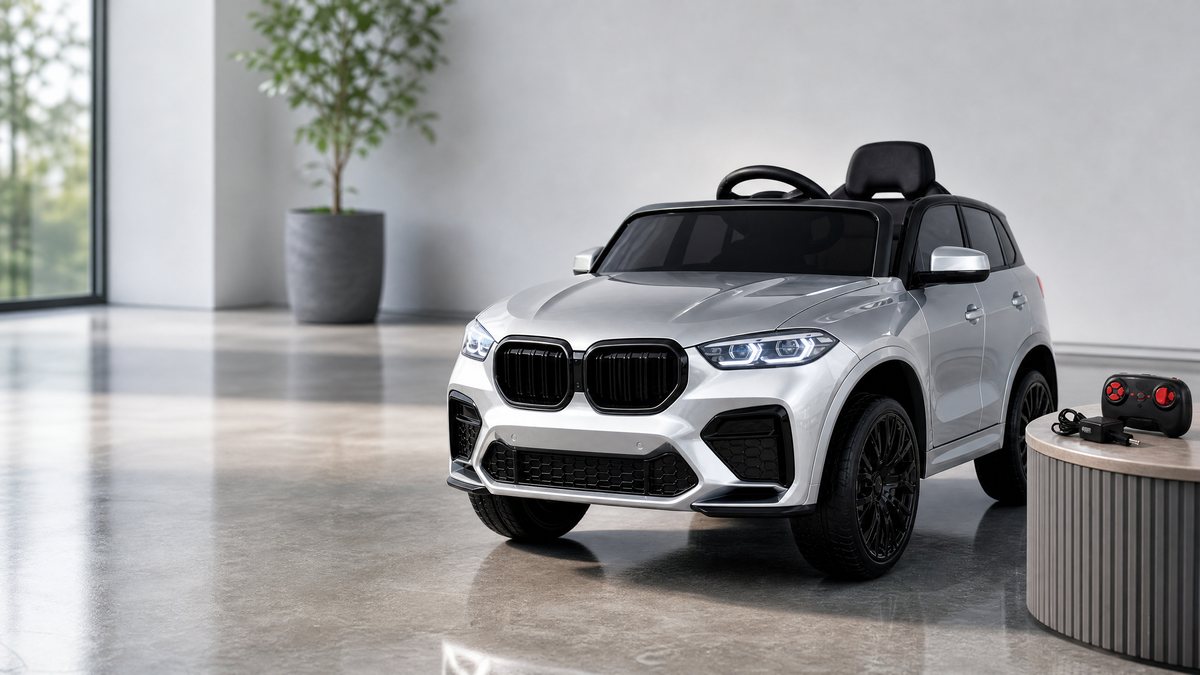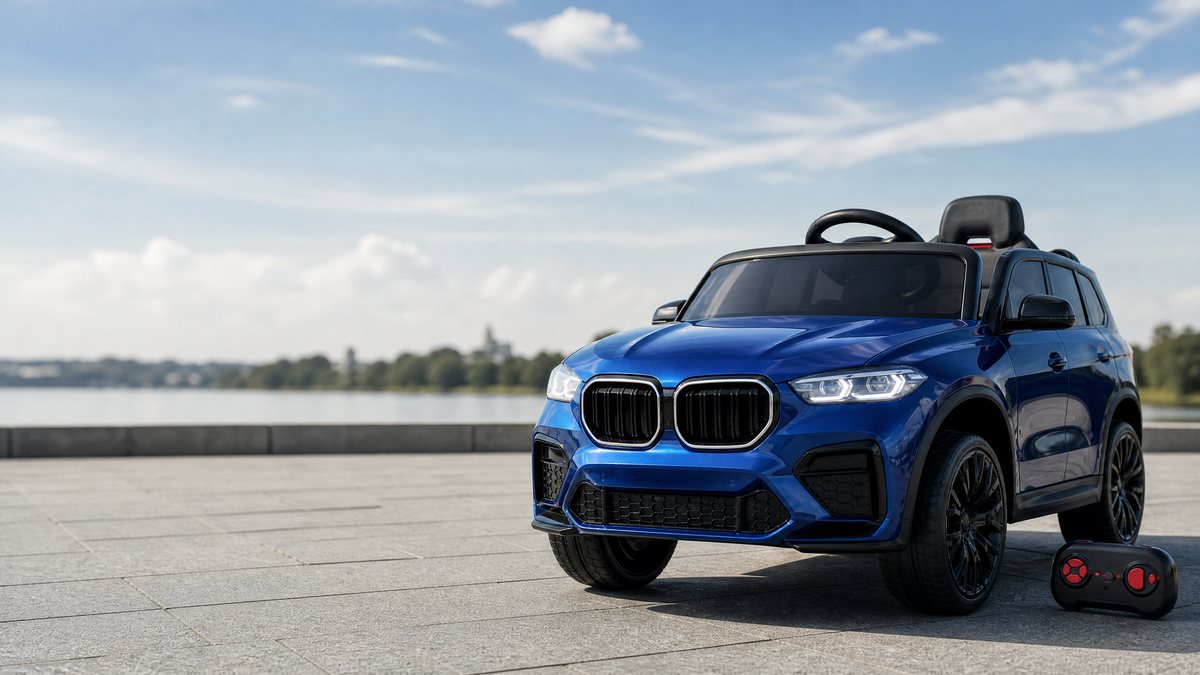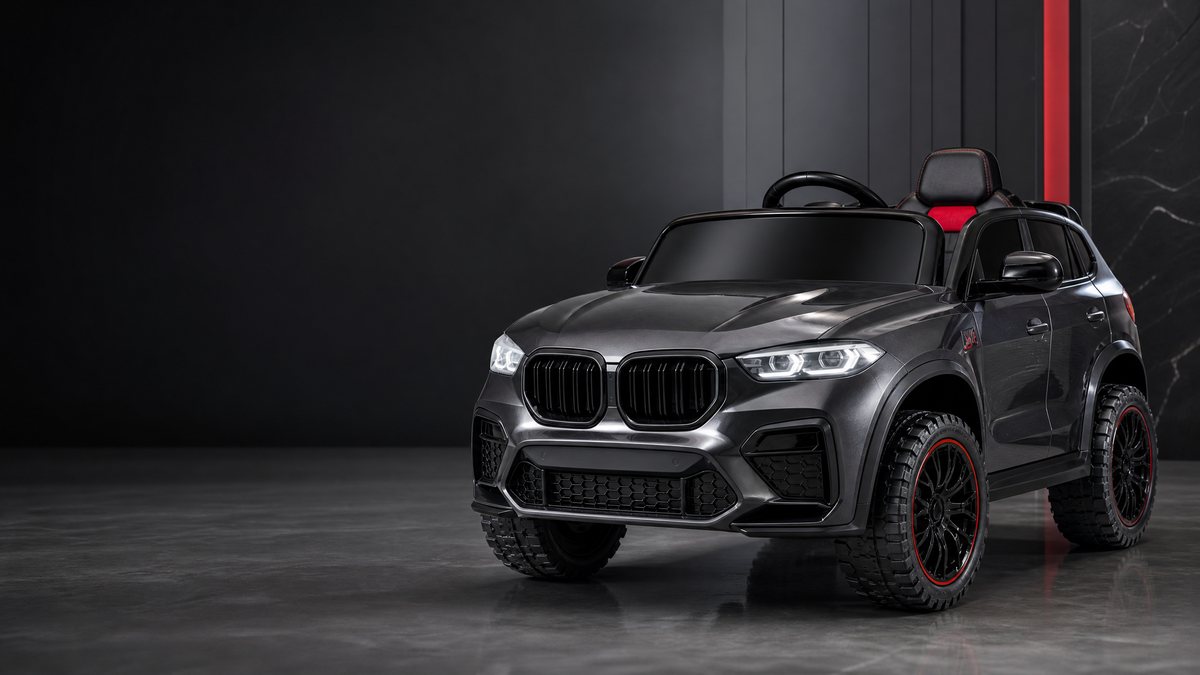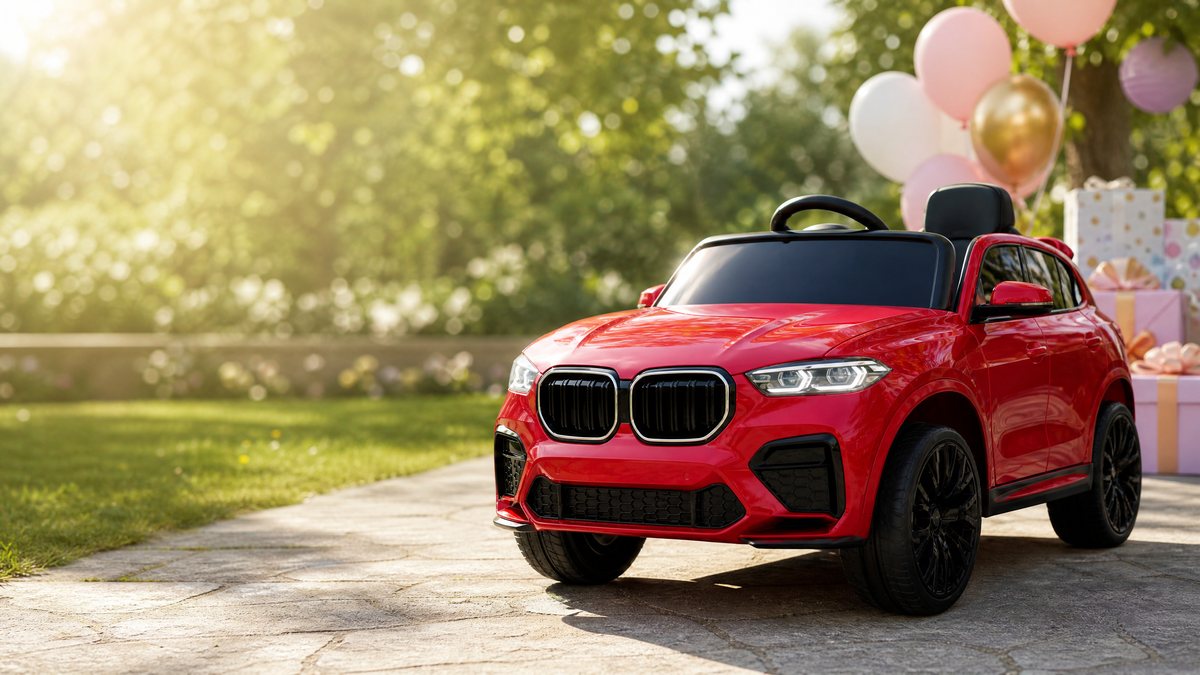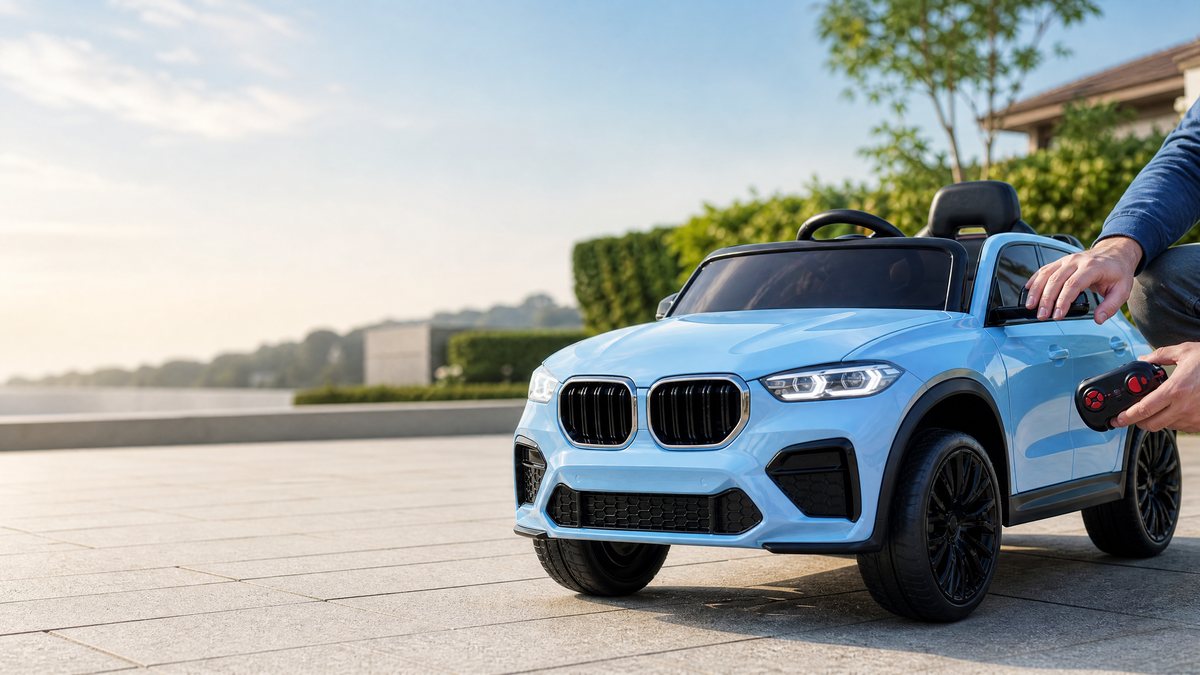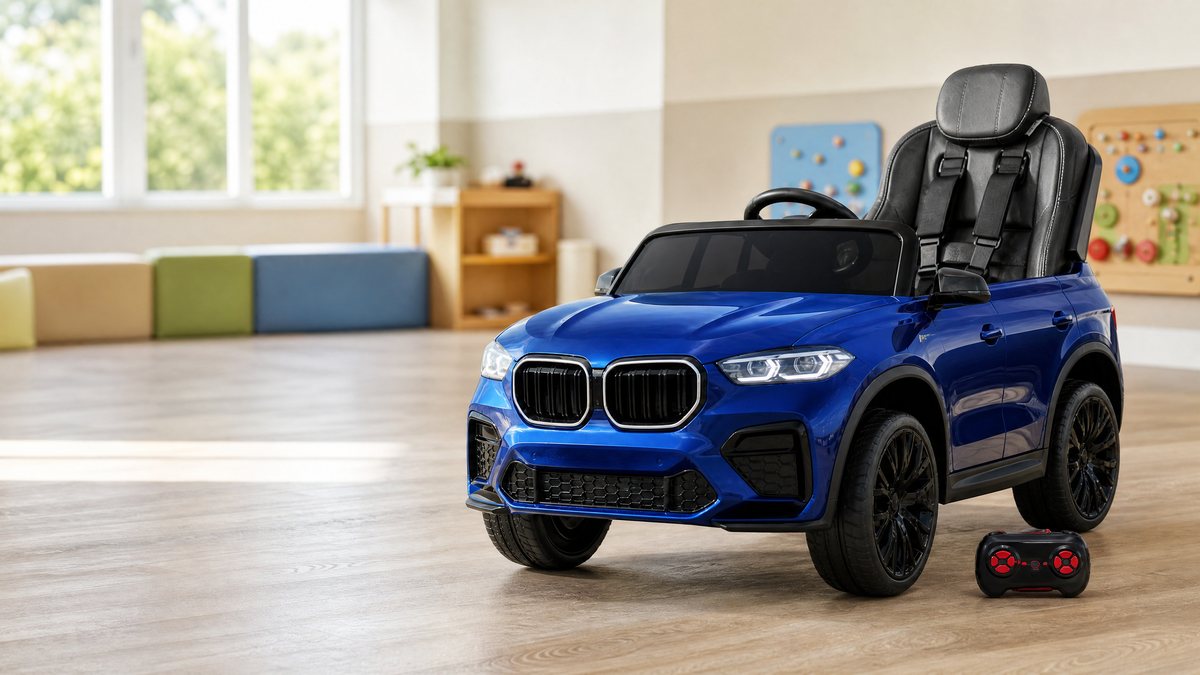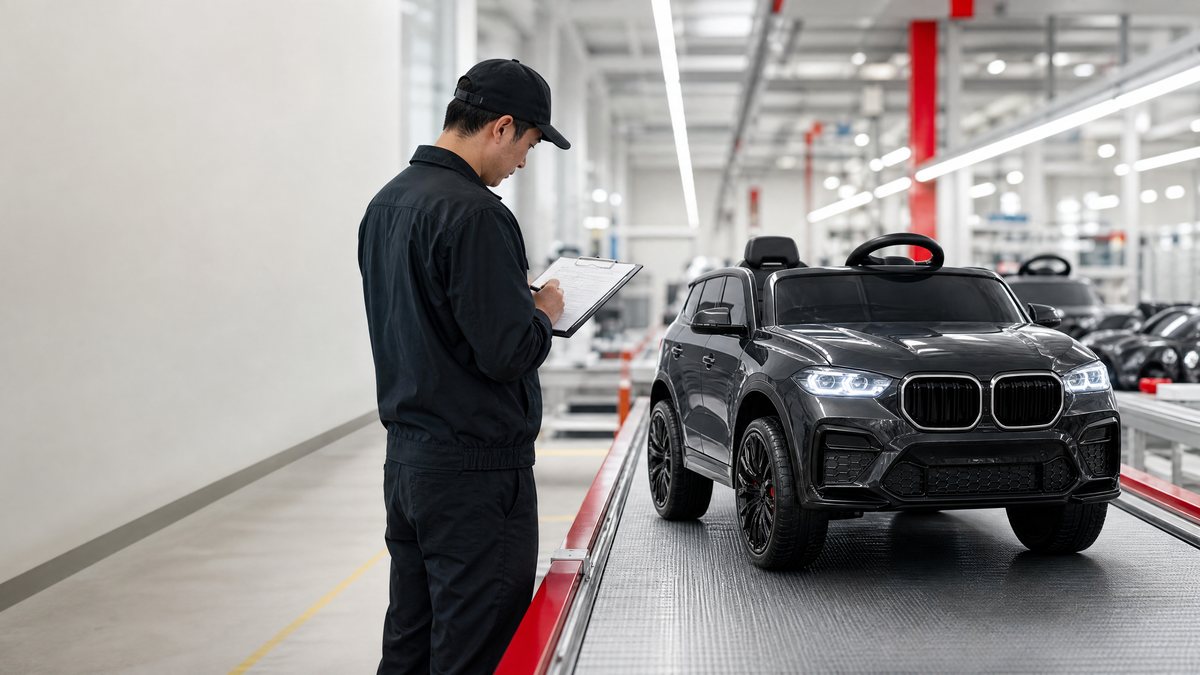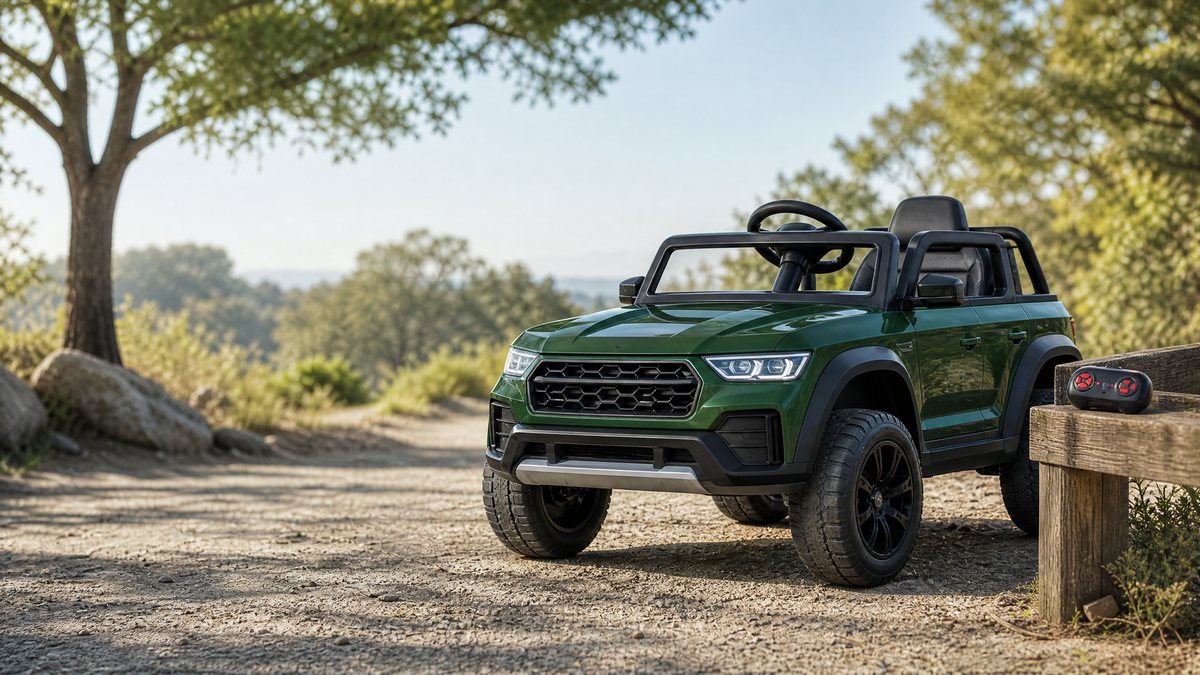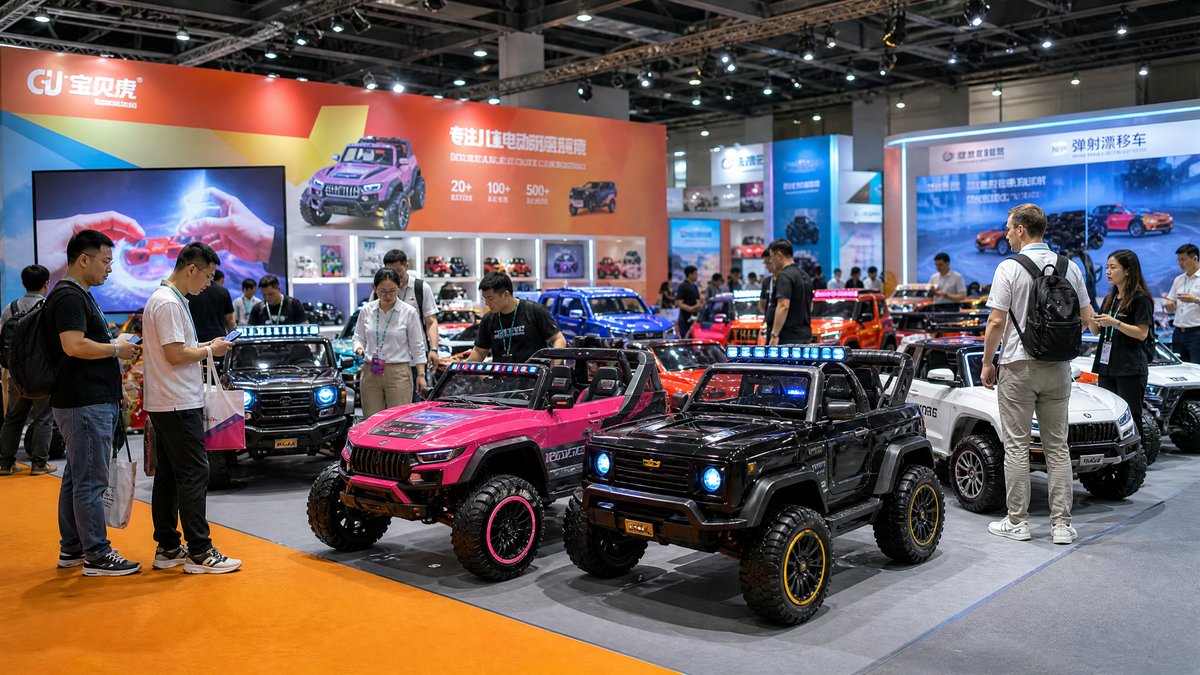
Introduction to Imaginative Play with Ride-On Vehicles
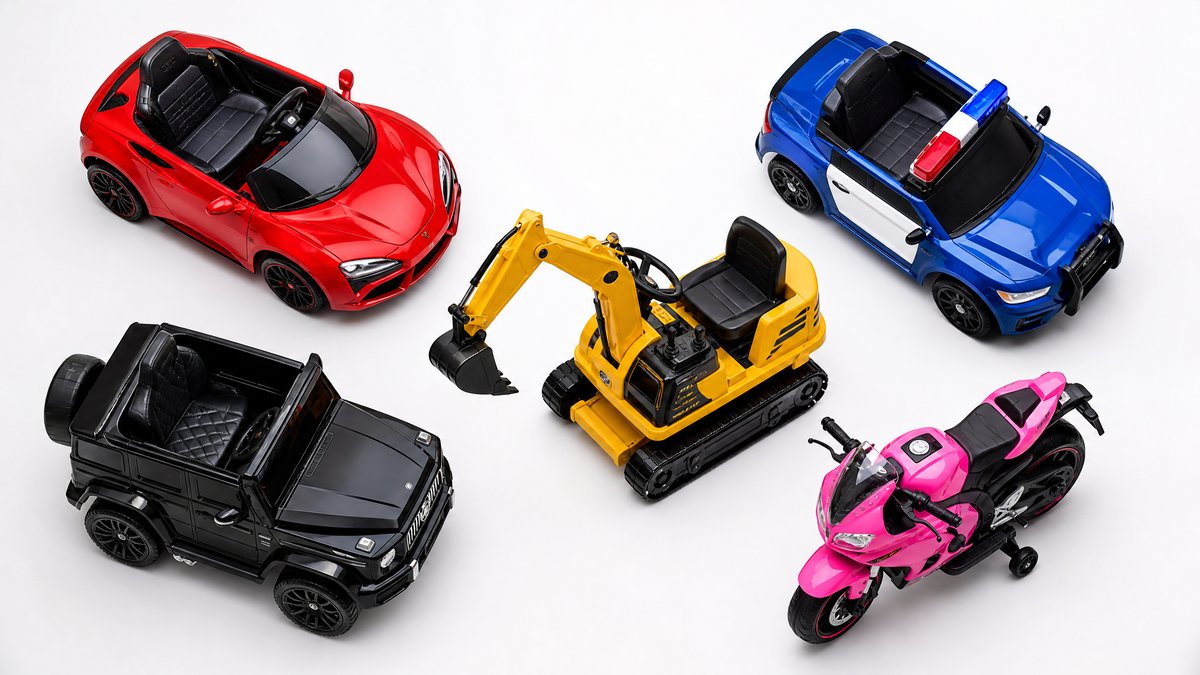
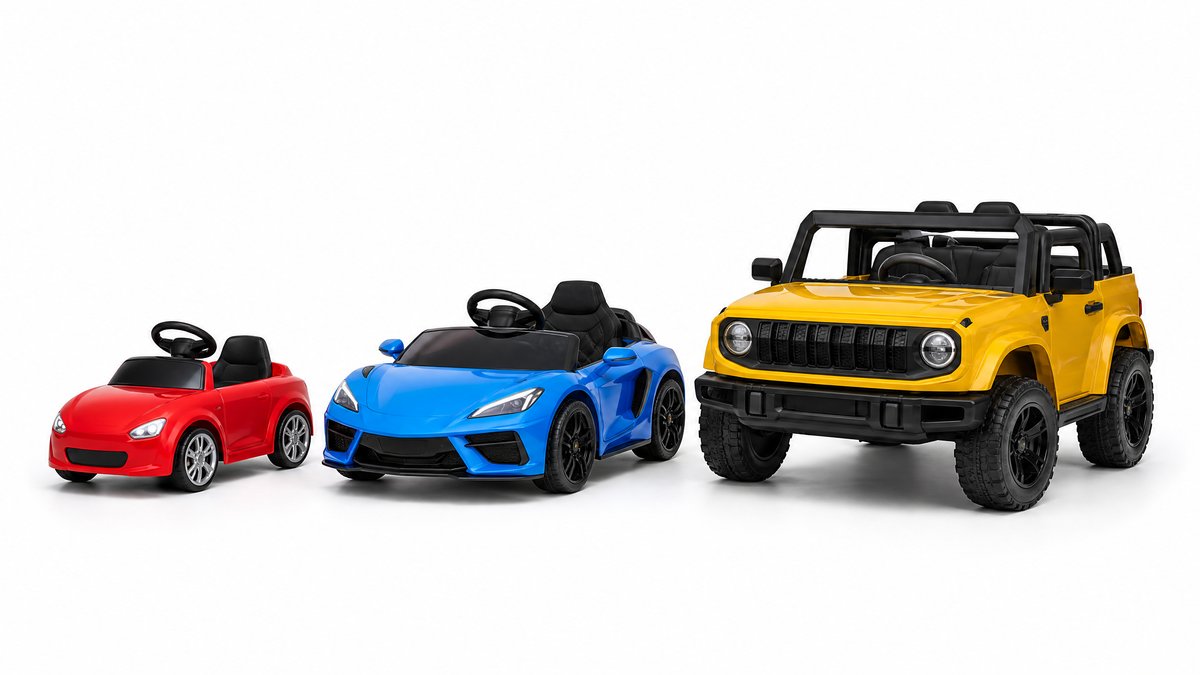
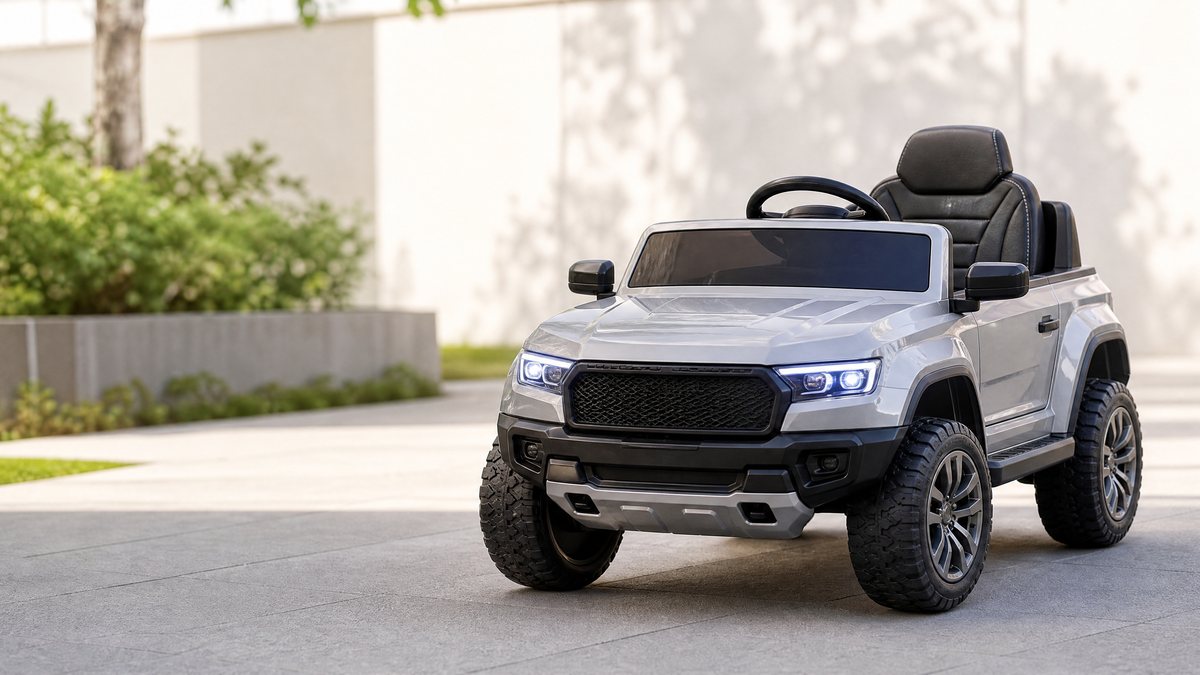
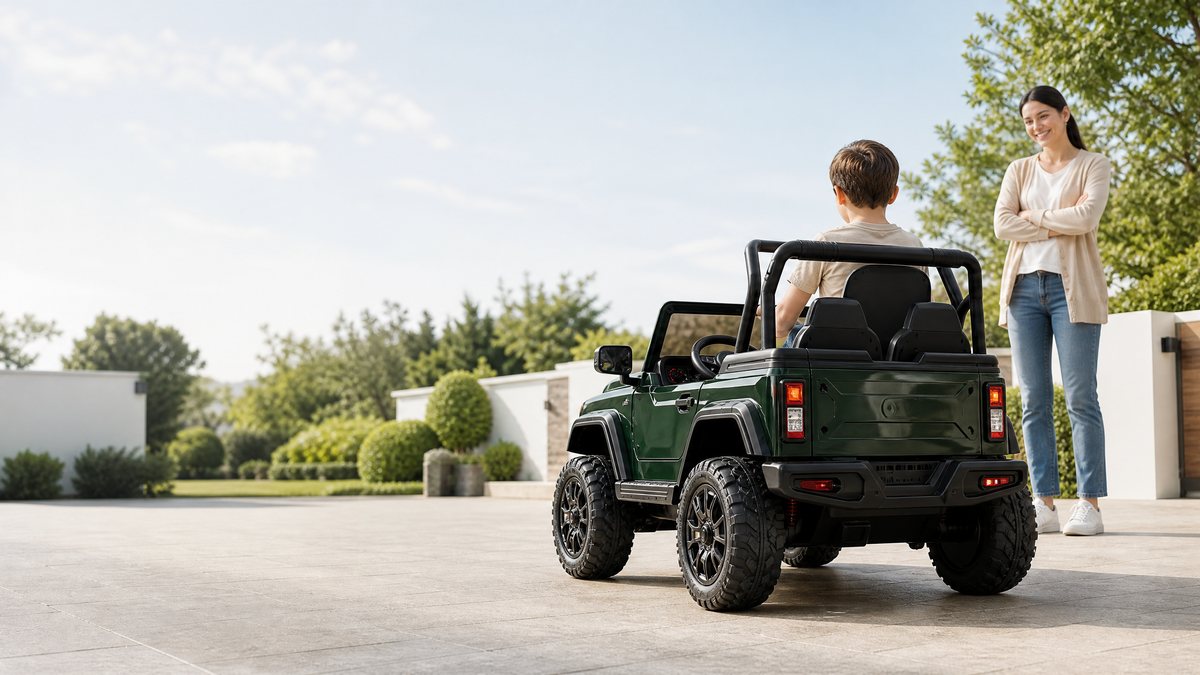
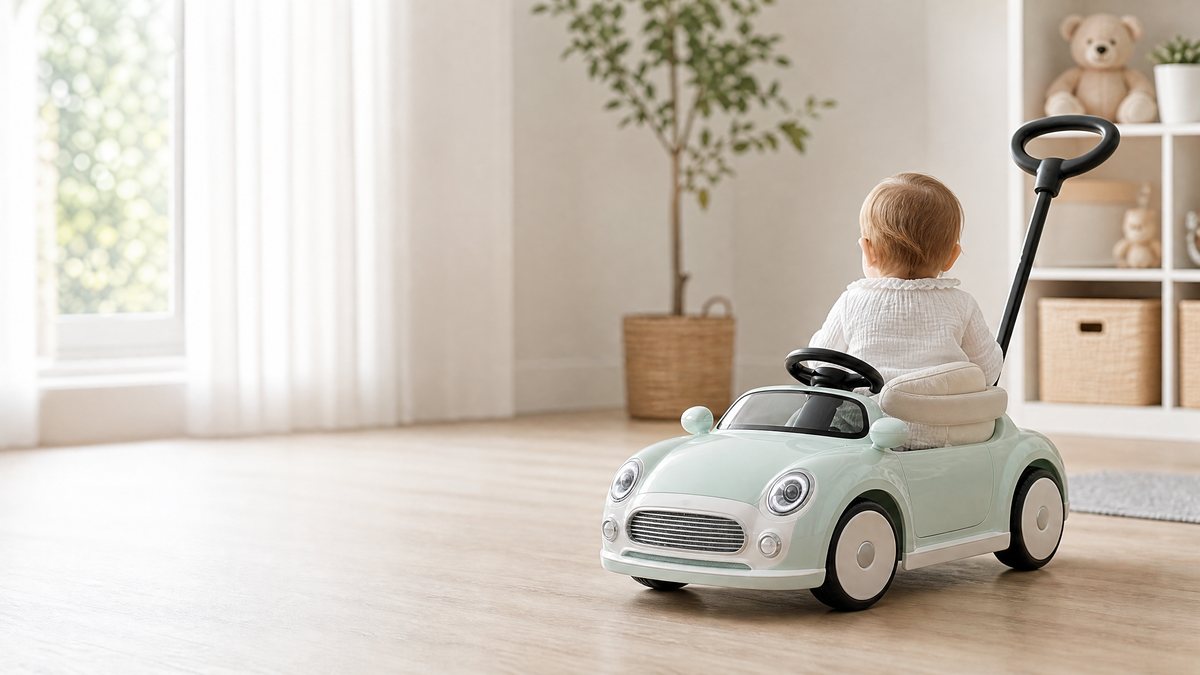
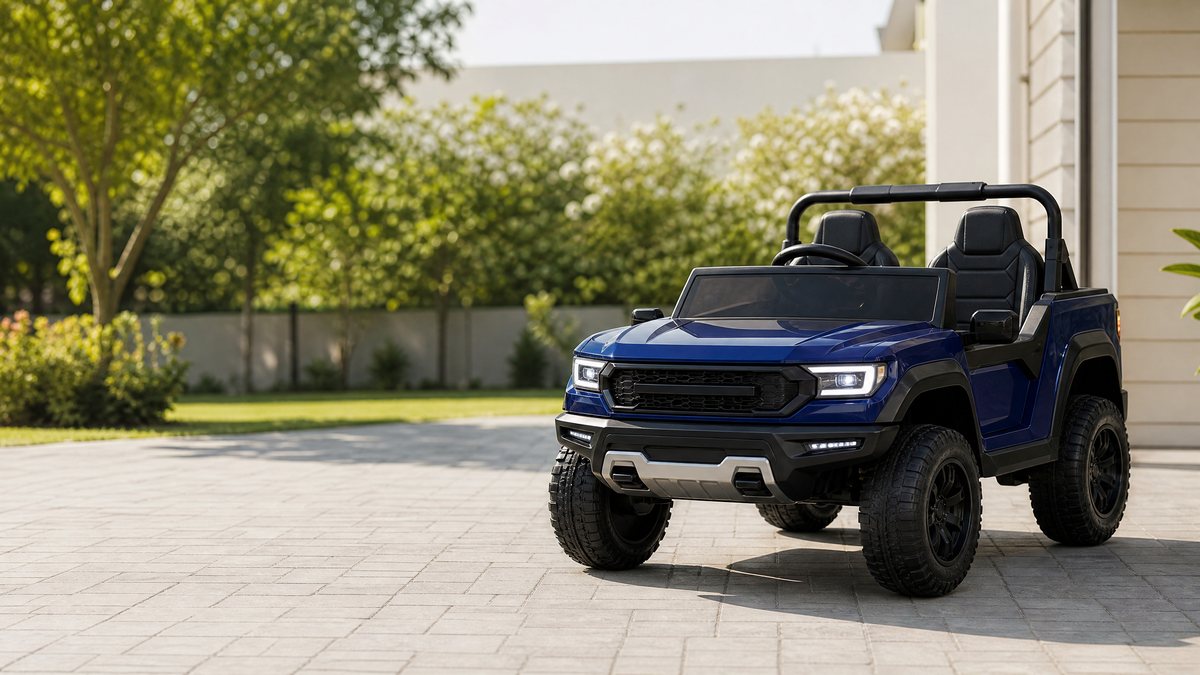
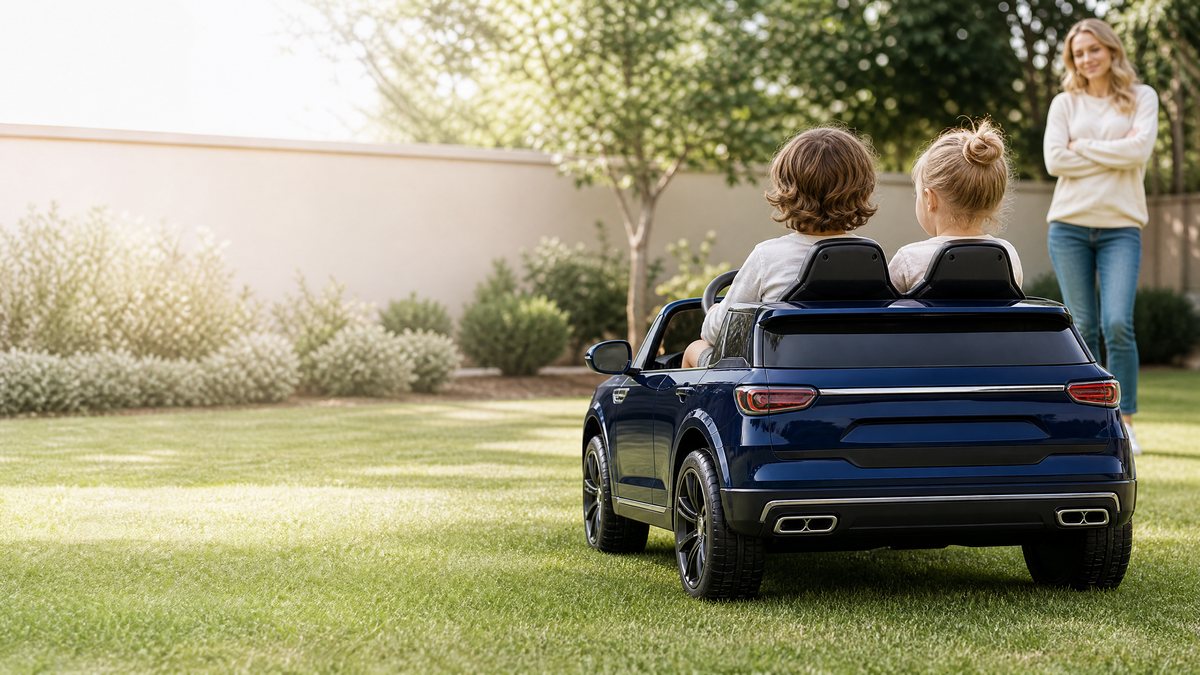
In the contemporary landscape of children's recreational products and developmental goods, ride-on cars occupy a uniquely versatile and esteemed position. Beyond their primary mechanical appeal as motorized or manual vehicles, motorized and foot-to-floor ride-on cars serve as dynamic catalysts for imaginative play, symbolic thinking, and collaborative social interaction. For wholesale buyers, specialty toy retailers, and educational distributors, understanding how ride-on vehicles facilitate sophisticated creative scenarios provides invaluable merchandising insights and commercial advantages. When young children sit behind the steering wheel of a ride-on vehicle, they make a profound psychological transition from passive observers into active participants in complex narrative worlds. Whether portraying emergency responders navigating a bustling city, postal carriers delivering crucial packages across residential streets, or intrepid explorers traversing uncharted wilderness terrain, young riders engage in dramatic play that directly supports cognitive flexibility, emotional regulation, and expressive language acquisition.
This comprehensive guide examines how caregivers, educators, and retail specialists can encourage structured, imaginative play scenarios using ride-on cars while maintaining rigorous adherence to safety standards, adult supervision protocols, and manufacturer documentation. By focusing on developmental frameworks, interactive role-playing themes, and commercial presentation strategies, B2B partners can better communicate the multifaceted value of ride-on cars to end consumers and institutional clients, ensuring both recreational enjoyment and developmental enrichment across diverse global retail markets.
Theoretical Foundations of Vehicle-Based Role-Play
Child development research consistently highlights symbolic and imaginative play as a foundational cornerstone of early childhood growth and psychological maturity. When children utilize a physical object to represent an abstract entity—such as transforming a ride-on car into a planetary rover, a rescue ambulance, or a municipal maintenance truck—they practice advanced abstract thinking, perspective-taking, and symbolic representation. Ride-on cars provide a deeply embodied experience where physical navigation and spatial movement align seamlessly with cognitive storytelling and narrative creation.
As children navigate spatial boundaries, steer carefully around imaginary obstacles, and coordinate their movements with peers, they integrate sensory-motor feedback with executive function skills. Unlike static toys or handheld figurines, ride-on vehicles demand physical positioning, directional decision-making, and continuous spatial awareness. Retailers, wholesale suppliers, and educational institutions can highlight these developmental dimensions to differentiate standard inventory from conventional recreational items, appealing directly to discerning parents and institutional buyers seeking purposeful, engaging play equipment that nurtures holistic growth. Furthermore, educational psychologists emphasize that open-ended play involving vehicles encourages divergent thinking, allowing children to invent multiple solutions to simulated challenges without rigid pre-determined rules.
| Play Category | Developmental Objective | Example Scenario | Supervision Focus |
|---|---|---|---|
| Cooperative Role-Play | Social negotiation & turn-taking | Delivery service with multiple vehicle operators | Monitoring spatial proximity & peer sharing |
| Problem-Solving | Spatial reasoning & route planning | Navigating complex backyard obstacle courses | Ensuring safe, clear operational boundaries |
| Expressive Narrative | Language development & vocabulary | Emergency rescue vehicle dispatch operations | Encouraging creative dialogue and teamwork |
| Physical Coordination | Gross motor skills & balance | Steering control and controlled stopping | Verifying safe, dry, and flat operating surfaces |
Designing Immersive Role-Playing Scenarios
To maximize the play value of ride-on cars, caregivers, parents, and educators frequently establish structured thematic environments and open-ended play prompts. Rather than relying entirely on unstructured wandering, children thrive when provided with gentle narrative frameworks that spark cooperative group play and sustained engagement. Wholesale distributors and specialty retailers can suggest these thematic setups directly in product catalogs, digital marketing materials, or point-of-sale showroom displays to inspire end users and demonstrate product versatility.
Community Helper and Municipal Role-Play Frameworks
One of the most intuitive and enduringly popular frameworks involves civic community roles. Children constantly observe mail carriers, delivery couriers, municipal maintenance workers, and emergency service personnel operating within their neighborhoods. By equipping a ride-on car with removable storage crates, toy clipboards, or designated delivery route markers, children can enact daily civic operations with remarkable enthusiasm. This immersive framework introduces fundamental concepts of community structure, social responsibility, economic exchange, and sequential task execution while encouraging active physical movement and gross motor engagement.
Exploration, Adventure, and Environmental Expeditions
Outdoor environments transform rapidly when viewed through the imaginative lens of exploration. A standard backyard lawn or neighborhood courtyard can be reimagined as an uncharted wilderness, a remote archaeological site, or a wildlife safari reserve. Children navigating these diverse terrains on ride-on cars practice risk assessment within carefully controlled boundaries, environmental awareness, and imaginative world-building. Adults can facilitate these expeditions by providing non-structural auxiliary props—such as toy binoculars, exploration maps, or lightweight hard hats—that complement the ride-on vehicle without altering its mechanical design or structural integrity.
Request a wholesale quote
Cognitive, Social, and Emotional Benefits of Ride-On Play
The integration of ride-on cars into imaginative play offers profound benefits across multiple developmental domains. From enhancing spatial awareness to building self-confidence, these vehicles serve as powerful tools for holistic child development.
Enhancing Spatial Intelligence and Motor Planning
Operating a ride-on vehicle requires complex motor planning and spatial intelligence. Children must judge distances, calculate turning radiuses, and coordinate accelerator or steering inputs to navigate successfully. When integrated into imaginative play—such as parking a rescue vehicle inside a designated garage or maneuvering an exploration rover through narrow garden pathways—these physical actions become intrinsically motivated. This intrinsic motivation deepens engagement and accelerates mastery of gross motor coordination and balance.
Fostering Social Collaboration and Communication
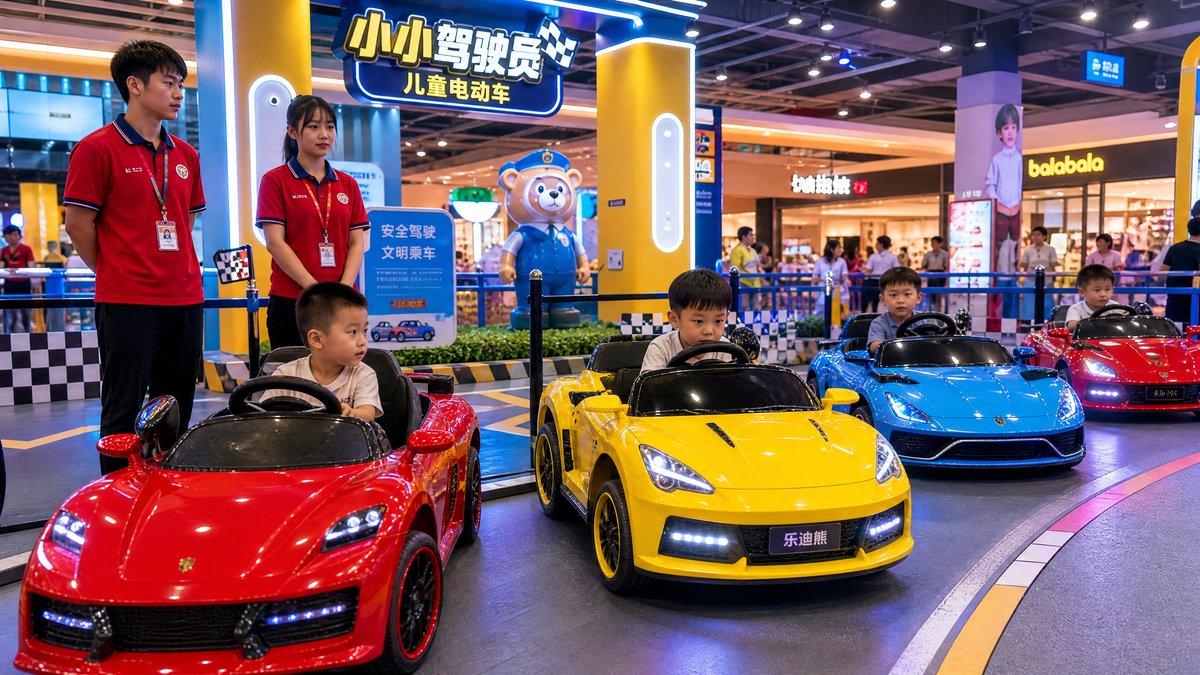
When multiple children engage with ride-on cars simultaneously, natural opportunities for social negotiation arise. Establishing rules of the road, assigning roles (such as police escort and delivery truck driver), and managing traffic flow require effective communication, empathy, and compromise. Caregivers and educators can guide these interactions to help children develop vital interpersonal skills, conflict resolution strategies, and collaborative teamwork abilities that extend far beyond the play session.
Evaluating Vehicle Features for Imaginative Play
When stocking or selecting ride-on cars for retail inventories, commercial buyers must consider how specific vehicle features support imaginative scenarios. While core mechanical safety and build quality remain paramount, certain functional attributes can significantly enrich the role-playing experience for children.
Integration of Interactive Elements
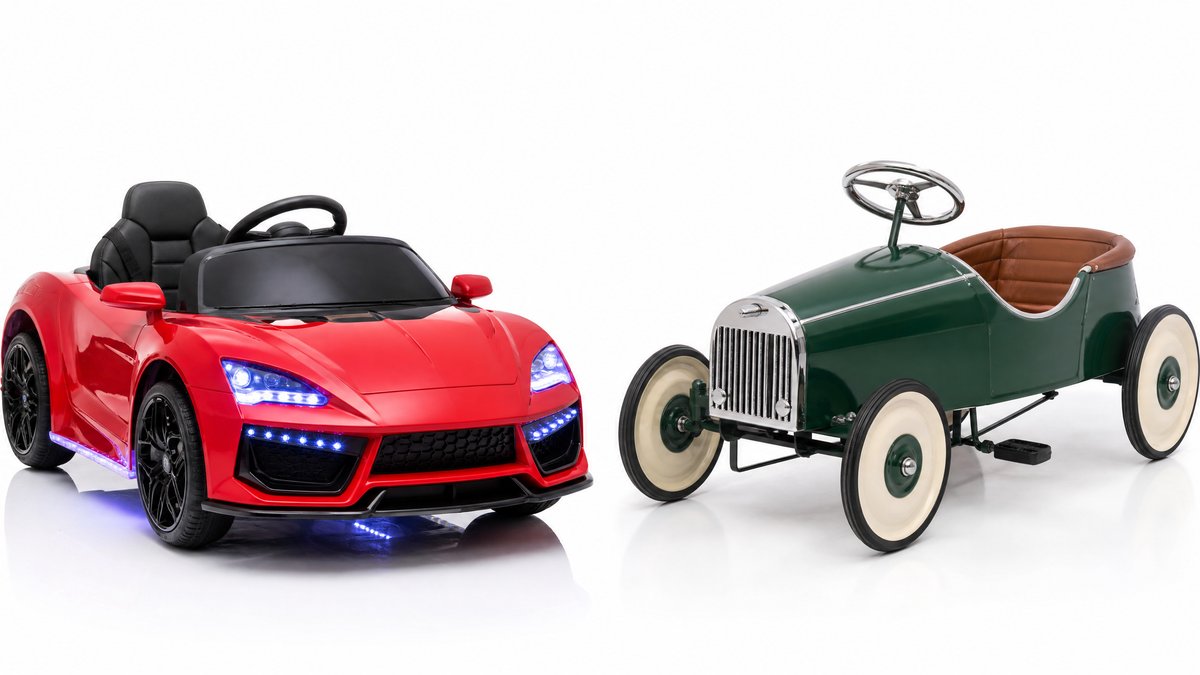
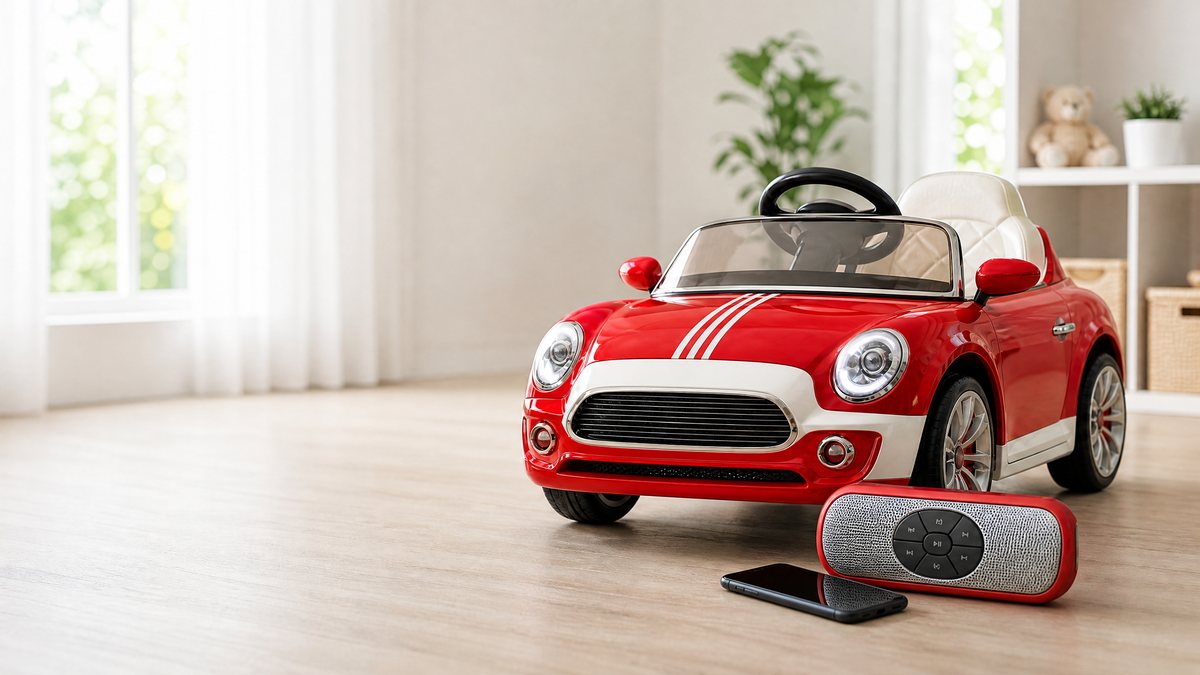
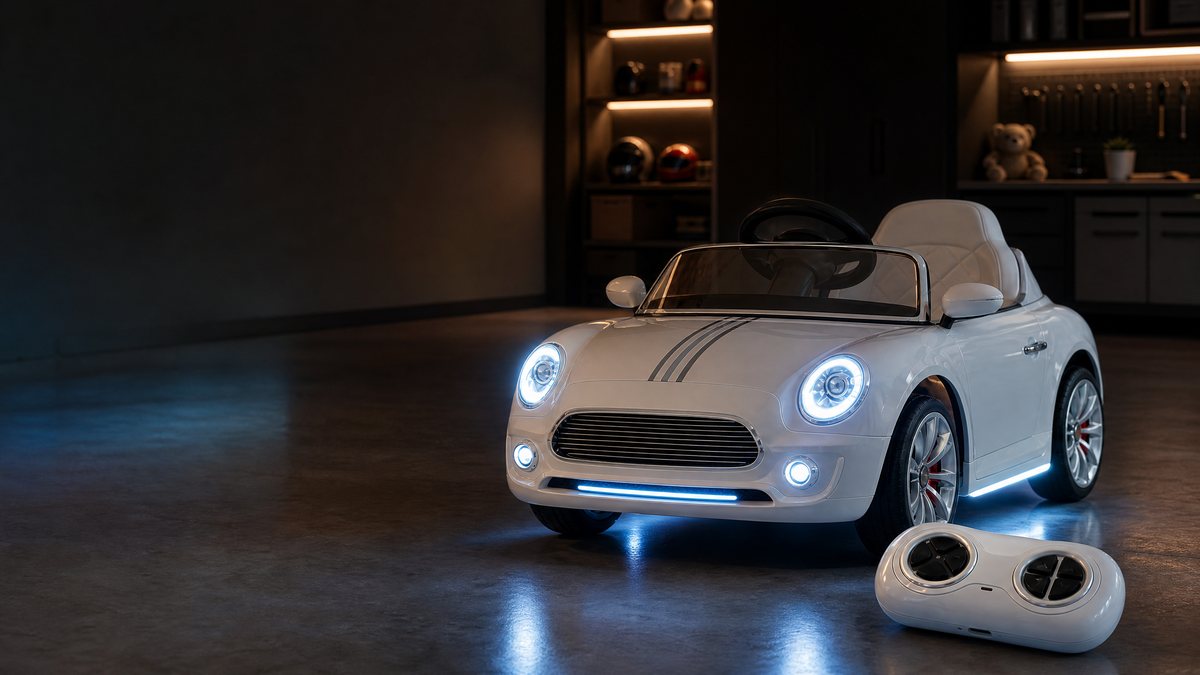
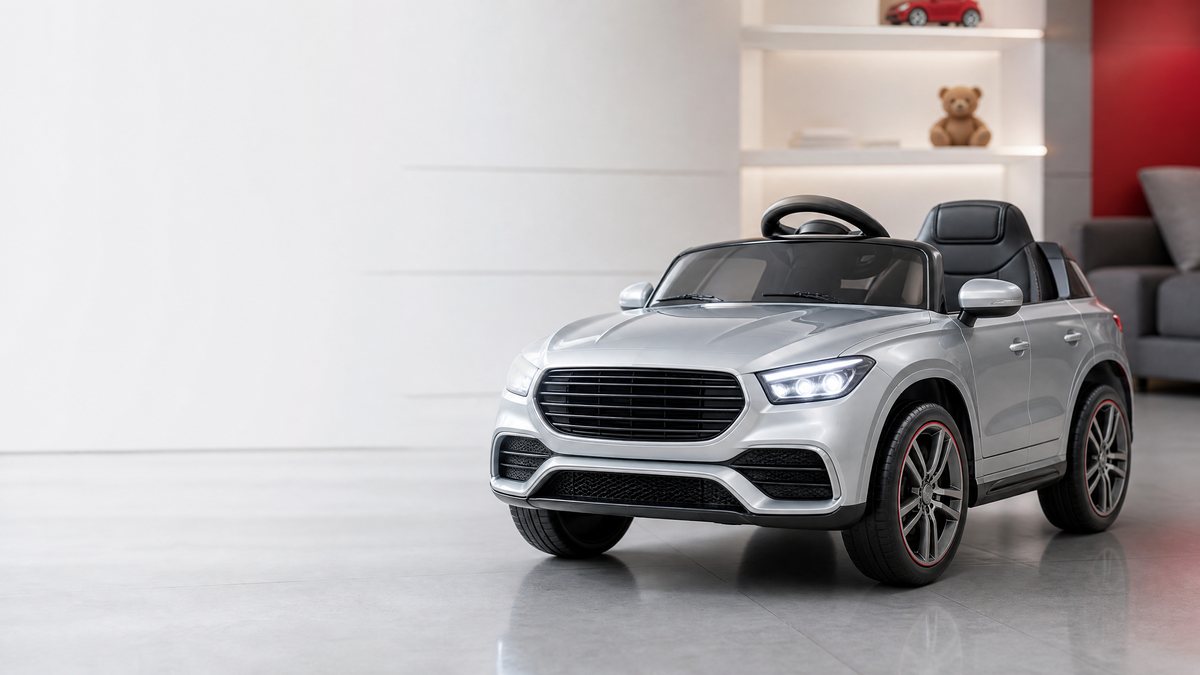
Features such as working LED headlights, horn sounds, realistic engine start tones, and auxiliary media connectivity (such as Bluetooth or MP3 inputs on specific equipped models) can elevate the realism of role-playing scenarios. For example, emergency response vehicles equipped with working lights and sirens provide immediate auditory and visual cues that enhance dramatic play. Retailers should emphasize that these features vary by specific model and trim level, advising customers to review individual product documentation.
Control Flexibility and Parental Oversight
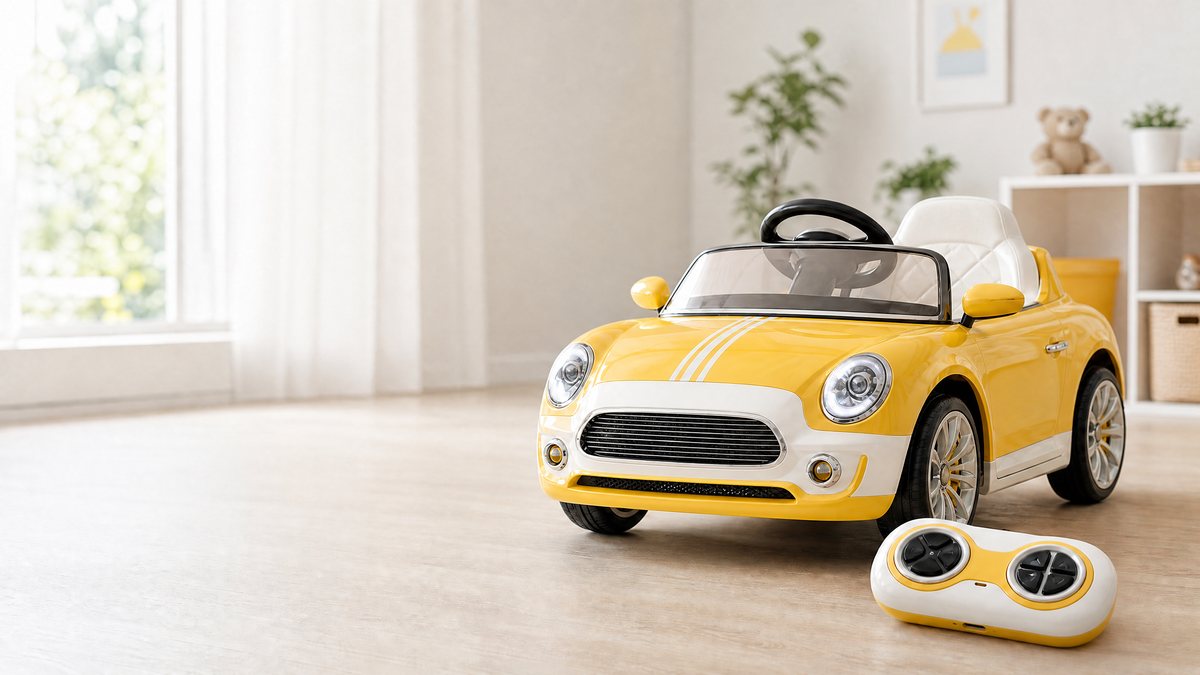
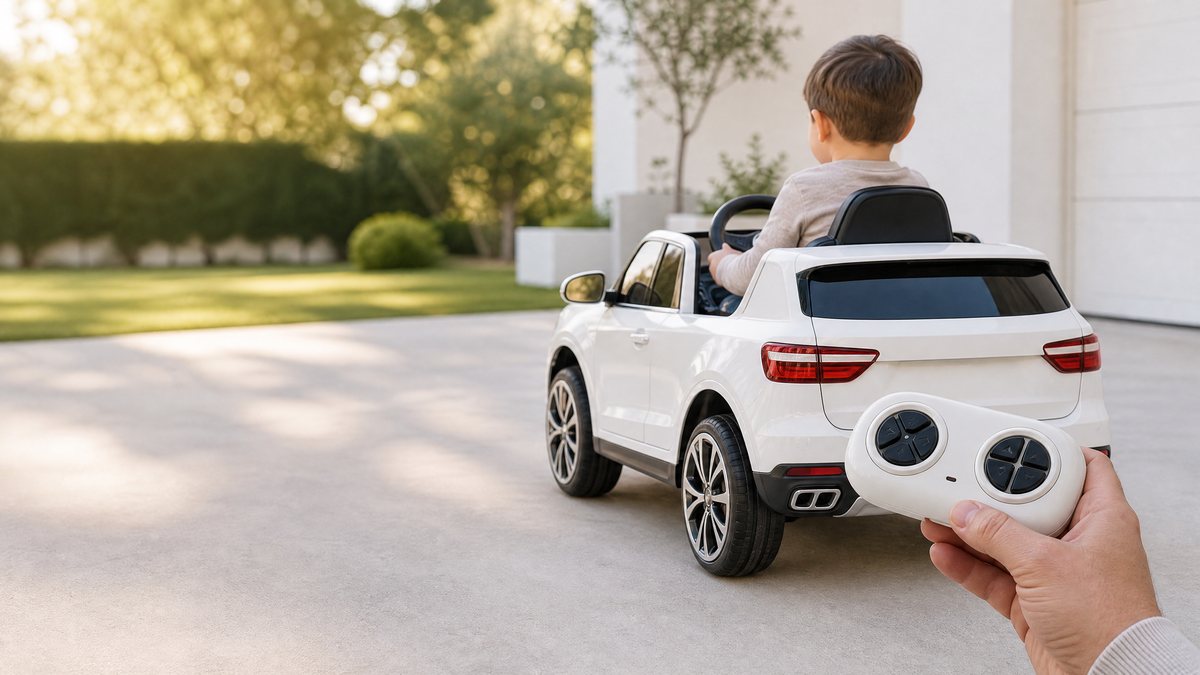
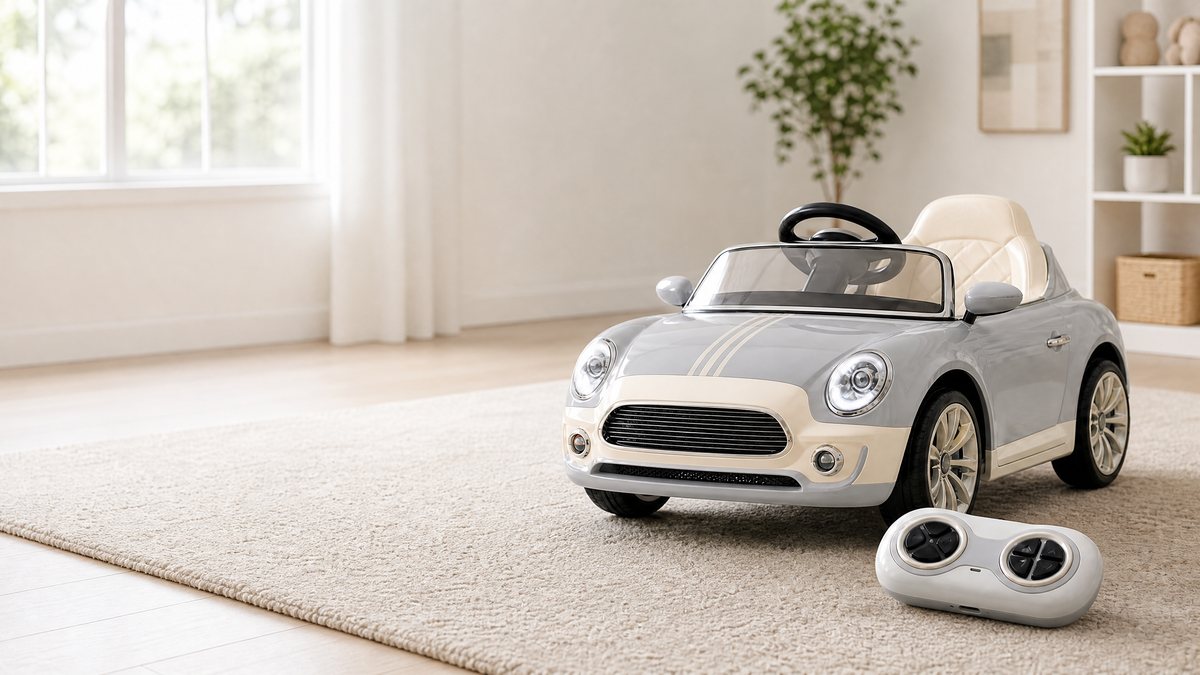
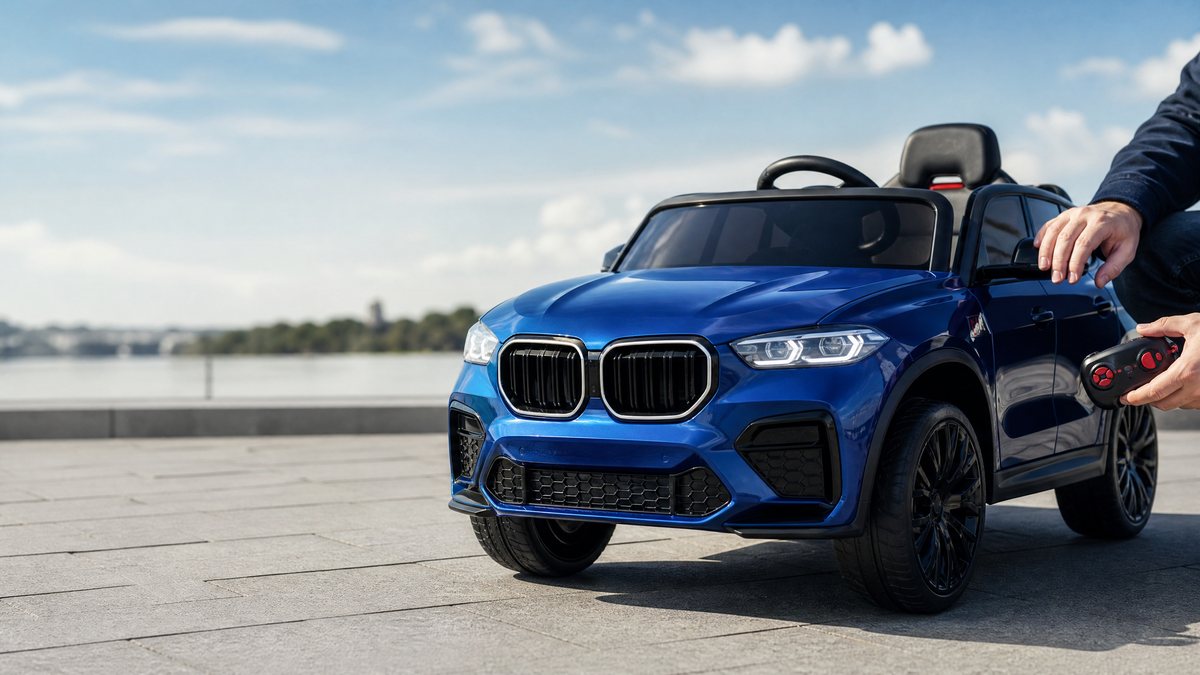
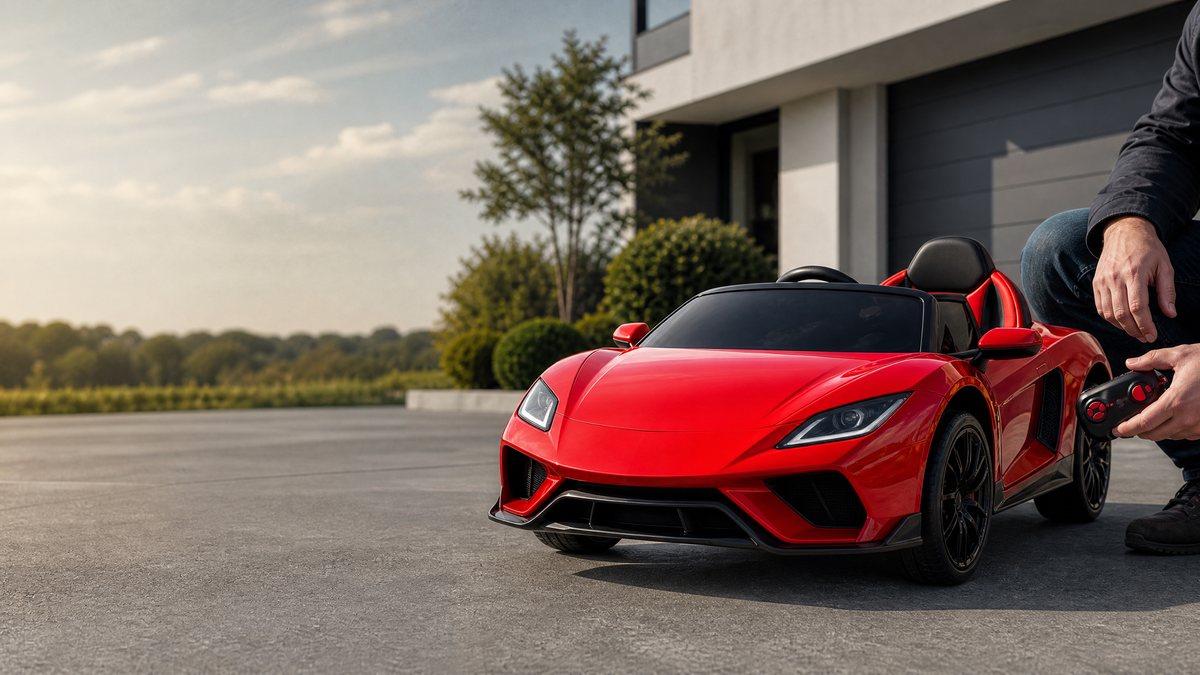
The inclusion of parent remote control overrides in motorized models offers a vital dual benefit: ensuring comprehensive safety oversight while allowing younger children to participate in guided navigation play. Parents can gently steer or halt the vehicle during complex role-playing narratives, ensuring children remain within safe operational zones while feeling entirely independent in their pretend journey.
Wholesale Inventory Planning and Seasonal Merchandising
For commercial buyers, distributors, and retail store owners, positioning ride-on cars as vehicles for imaginative play requires a strategic merchandising approach that goes beyond standard product placement. Understanding seasonal trends and consumer preferences enables businesses to optimize inventory turnover and strengthen customer relationships.
Seasonal Campaign Alignment
Imaginative play campaigns can be tailored to seasonal cycles. During spring and summer months, marketing materials can emphasize outdoor exploration, backyard safari expeditions, and community helper scenarios. In contrast, during cooler autumn or indoor play seasons, retailers can highlight modular garage setups, indoor obstacle navigation, and role-playing games that foster social interaction. B2B suppliers provide marketing toolkits and product imagery that reflect these diverse scenarios, empowering retail partners to run targeted promotional campaigns throughout the year.
Staff Training and Customer Education
Equipping retail sales staff with knowledge regarding the developmental benefits of ride-on cars transforms customer interactions. Instead of focusing solely on battery life or speed ratings, trained associates can guide parents through selecting models that match their child's developmental stage and play preferences. Providing clear, transparent guidance on safety protocols, recommended operating surfaces, and manufacturer documentation builds lasting trust and enhances brand reputation across retail networks.
Safety, Supervision, and Structural Integrity in Play
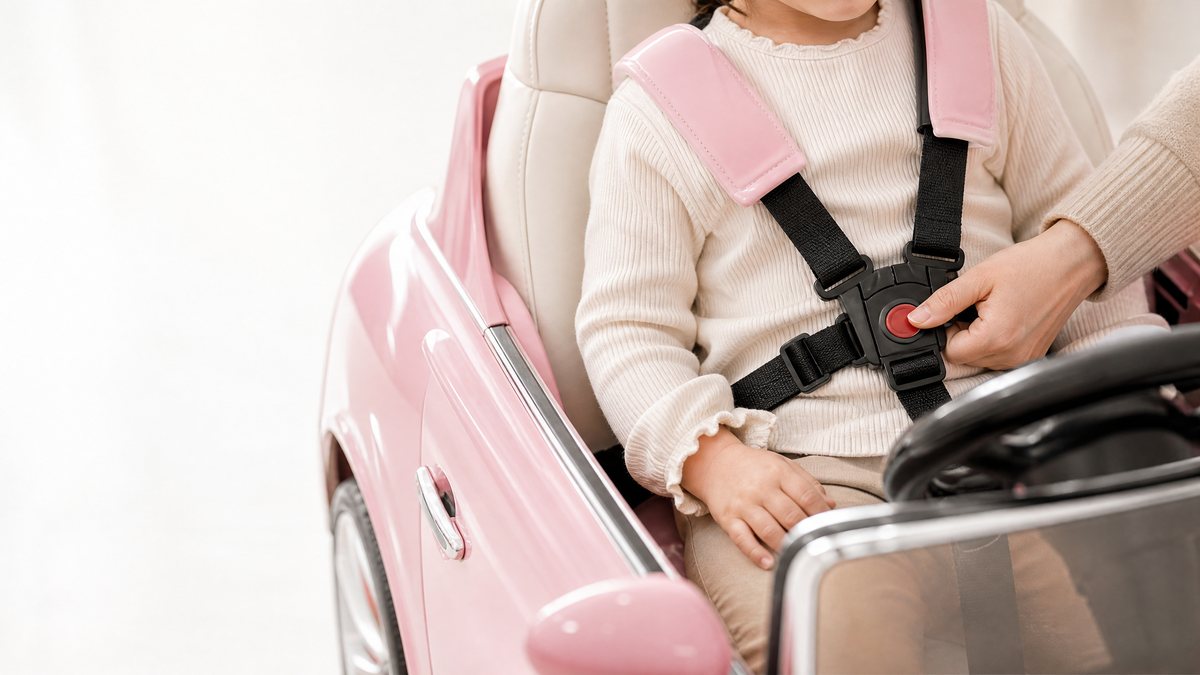
While imaginative play fosters boundless creativity and cognitive growth, safety remains paramount in any vehicle-based activity. Retailers, distributors, and commercial buyers must emphasize that ride-on cars—whether battery-powered motorized units or manual foot-to-floor models—require diligent adult supervision and strict adherence to manufacturer instructions at all times.
Adult supervisors should establish clear operational boundaries before play commences, defining safe pathways away from public roadways, steep slopes, swimming pools, or uneven environmental hazards. Furthermore, maintaining structural integrity is essential. Under no circumstances should users attempt unauthorized modifications, such as altering electrical systems, bypassing safety cut-offs, or installing unapproved seating attachments. All operational limits regarding surface types, weather conditions, and weight capacities must be observed strictly as outlined in the specific model's user manual.
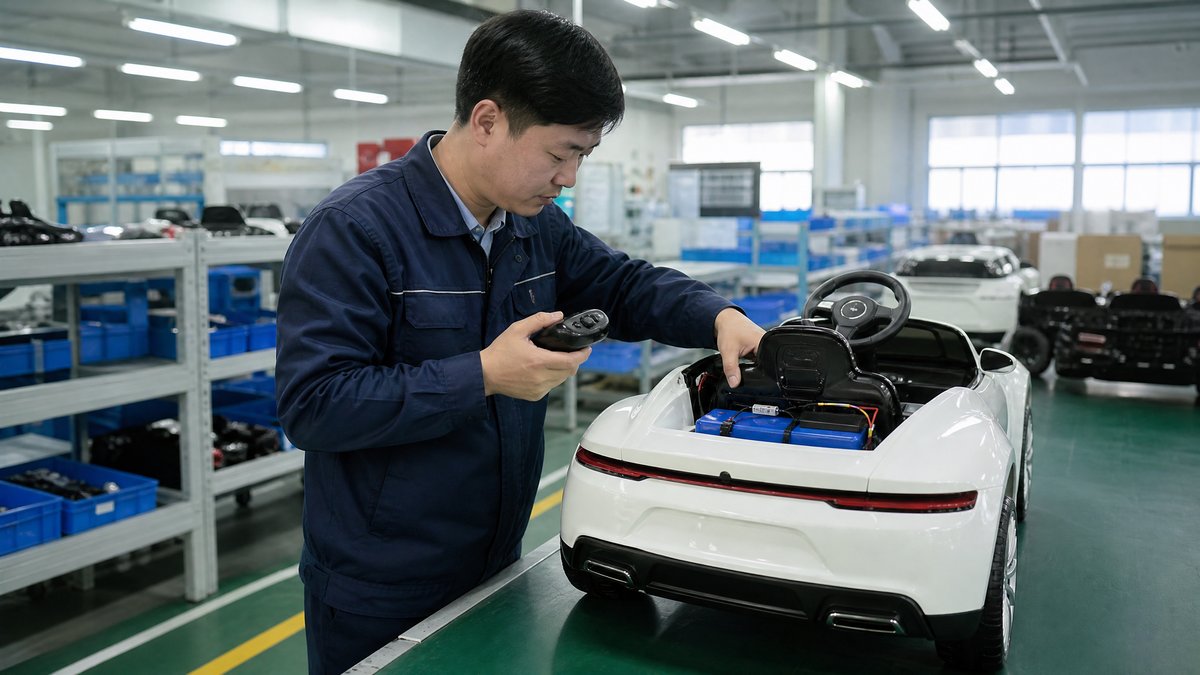
In the event of any mechanical or electrical irregularity—such as unusual motor noises, erratic braking response, localized heating around battery compartments, or exposed wiring—operation must cease immediately. The vehicle should be powered down, disconnected from any power source, and kept out of reach of children until evaluated by qualified service personnel or the manufacturer.
Commercial Presentation and Merchandising Strategies
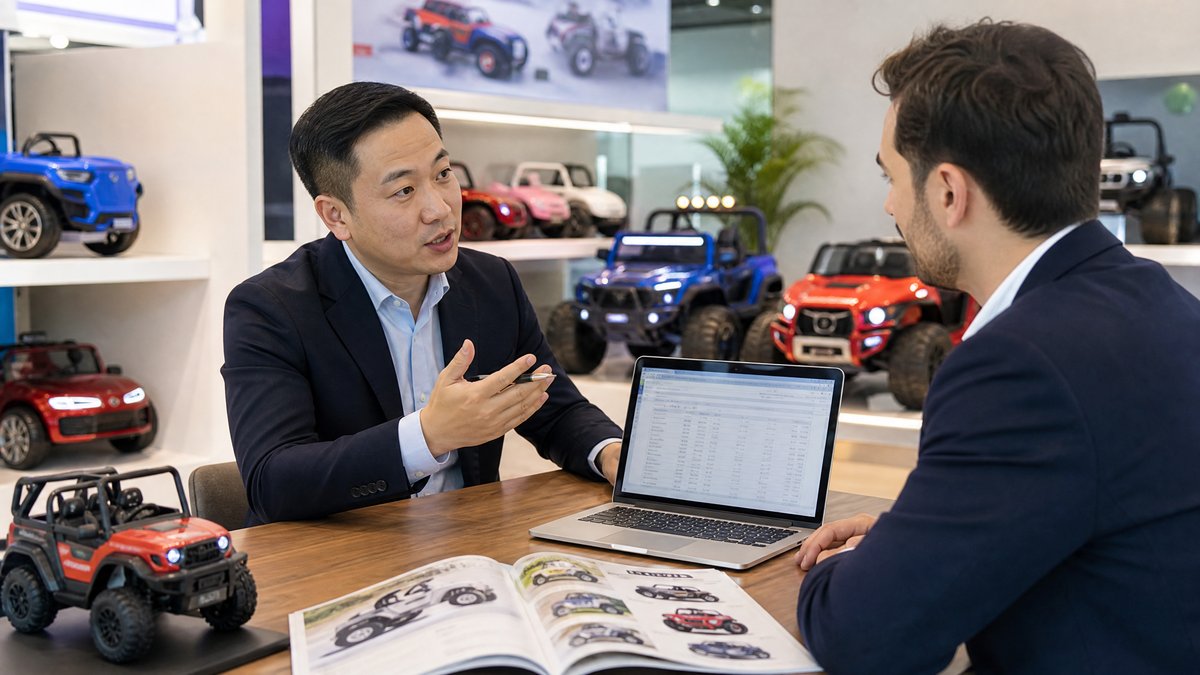
For B2B partners, retail buyers, and showroom operators, presenting ride-on cars as tools for imaginative play rather than mere mechanical toys opens up sophisticated marketing pathways and enhances customer loyalty. Traditional marketing often focuses strictly on technical specifications, cosmetic features, or battery voltage. However, modern discerning consumers increasingly value educational depth, developmental outcomes, and open-ended play potential.
Showrooms and online catalogs can showcase ride-on cars alongside complementary developmental themes—such as cooperative play sets, outdoor activity guides, and modular obstacle accessories. By training sales associates to discuss how ride-on vehicles support social-emotional learning, cooperative communication, and gross motor coordination, wholesale clients can elevate their market positioning and provide deeper value to retail buyers and institutional purchasers.
Frequently Asked Questions
1. How can caregivers encourage imaginative play without overwhelming children with rules?
Caregivers should establish clear physical and safety boundaries first, then introduce open-ended props and gentle narrative prompts. Allowing children to take the lead in directing the storyline fosters autonomy while maintaining a safe environment under adult supervision.
2. Are ride-on cars suitable for children with diverse developmental needs?
Ride-on cars can be incorporated into supervised play routines for children with varying developmental profiles, provided that activities match individual capabilities. Caregivers and educators should consult pediatric specialists or therapists to tailor activities safely.
3. What safety protocols are essential when operating ride-on cars outdoors?
Adult supervision is mandatory at all times. Operation must be restricted to smooth, flat, dry surfaces away from traffic, water bodies, and steep inclines. Always follow the specific vehicle's user manual for weight limits and environmental restrictions.
4. Can ride-on car features like remote controls or sound systems enhance imaginative play?
When equipped on specific vehicle models, features such as parent remote controls, working LED lights, or audio inputs can add realism to role-playing scenarios. Buyers should review individual model documentation for feature availability and operating guidelines.
Conclusion
Ride-on cars transcend traditional toy categories by bridging physical activity with rich imaginative storytelling and cognitive development. For wholesale buyers, retailers, and educational distributors, framing these vehicles as dynamic tools for cognitive growth, social collaboration, and creative role-play enhances product value and consumer engagement. By combining thoughtful play design with rigorous safety standards, adult supervision, and strict adherence to manufacturer instructions, industry partners can deliver rewarding experiences for children while supporting sustainable commercial success.
Request a wholesale quote
Official References
1. Consumer Product Safety Commission (CPSC) - General Toy Safety Education and Supervision Guidelines. Accessible via public safety portals; note that official federal guidelines serve as general educational resources and do not replace specific model manuals or manufacturer instructions.
2. National Association for the Education of Young Children (NAEYC) - Principles of Child Development and Play-Based Learning Frameworks.
3. International Play Association (IPA) - The Child's Right to Play and Developmental Significance of Symbolic Play Environments.
Official references
Explore these external resources for current regulatory and trade guidance. Confirm requirements with the relevant authority before placing an order.
Ready to Start?
Factory-Direct · CE & ASTM Certified · MOQ from 50 Units
Our export team works with buyers in 60+ countries. Get a quote within 24 hours.
KR
Written by KidsRideCar
China's leading kids electric ride-on car manufacturer. 500,000+ units shipped annually to 60+ countries. CE, ASTM & EN71 certified.