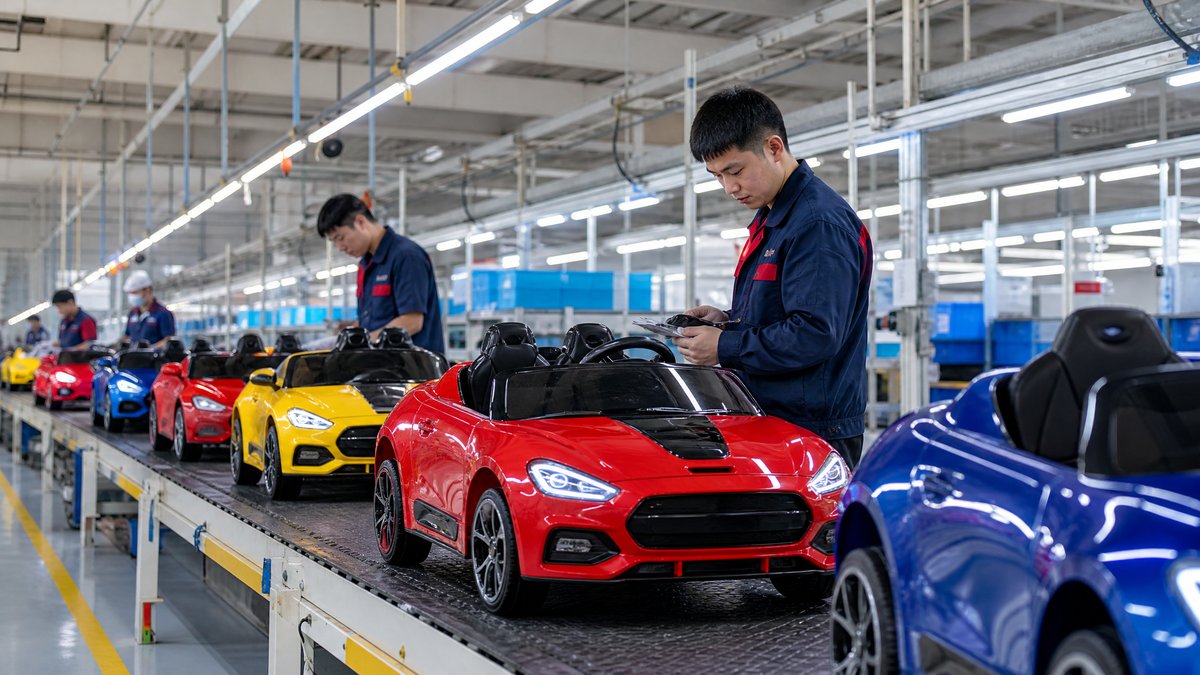
Professional oversight regarding the upkeep of juvenile vehicular products represents a cornerstone of successful wholesale operations. For importers and distributors, establishing a robust framework for monitoring the condition of various units ensures that the inventory remains in peak condition for retail partners. This discussion focuses on the external assessment and general care of essential parts such as wheels, directional units, and supplementary components, all while adhering to the highest standards of professional conduct and destination-market expectations. The goal is to provide a comprehensive guide that helps Business-to-Business entities manage their stock effectively without ever needing to perform invasive technical work.
Maintaining a high standard of product readiness requires a systematic approach. Instead of invasive procedures, professionals should rely on an external visual check and non-destructive assessment. By focusing on written model documentation and manual-led setup, businesses can provide clear guidance to their clients without straying into technical areas that require specialized factory intervention. This proactive stance not only preserves the value of the inventory but also ensures that every unit delivered to a retailer meets the high expectations of the modern consumer.
The Strategic Importance of Professional Oversight
In the competitive landscape of juvenile leisure products, the longevity of a fleet or retail stock depends heavily on consistent monitoring. Importers who prioritize current supplier evidence and written supplier confirmation regarding part durability often find themselves better positioned in the market. A well-maintained product line reduces the frequency of concerns and strengthens the relationship between the distributor and the retailer. When a business can demonstrate a commitment to quality through regular assessments, it builds trust and fosters long-term partnerships.
Professional care starts the moment a shipment arrives at the warehouse. An initial external visual check of the packaging and the visible parts of the vehicle can identify potential issues before they reach the consumer. This proactive stance is essential for maintaining brand reputation and ensuring that all items meet the applicable destination-market requirements. By documenting these initial checks, importers can provide proof of quality to their partners and resolve any potential discrepancies with the manufacturer early in the process.
Wheel and Exterior Assessment
The wheels of a juvenile vehicle are among the most visible and active parts of the unit. Proper care involves regular cleaning and an external visual check to ensure that no debris has become lodged in the tread or around the axle area. For products featuring soft-touch materials or durable synthetics, a gentle wipe with a damp cloth is often sufficient. This simple act of cleaning can prevent the buildup of abrasive materials that might otherwise affect the appearance of the wheels over time.
Material Considerations and Care Protocols
Different materials require slightly different approaches to care. While some units use solid synthetic wheels, others may feature specialized textures designed for specific surfaces. Regardless of the material, the primary goal is to maintain the integrity of the exterior surface. For example, units with soft-touch synthetic wheels should be monitored for signs of surface wear that could impact the aesthetic appeal of the product.
- Synthetic Wheels: These should be checked for surface wear. If a concern arises, the professional should refer to the written model documentation for the appropriate next steps.
- Textured Surfaces: Dirt and sand can accumulate in the grooves of the wheels. A soft brush can be used for a non-destructive assessment of the wheel condition.
- Axle Interfaces: While the internal mechanisms should never be accessed, an external visual check can confirm that the wheel rotates freely without obstruction.
Storage Practices for Inventory Longevity
Proper storage is a form of maintenance that is often overlooked. Vehicles should be kept in a cool, dry environment away from direct sunlight. Excessive heat can affect the exterior finish and the integrity of the materials. By following a manual-led setup for storage, distributors can ensure that their stock remains in excellent condition for several seasons. Stacking units too high should be avoided to prevent pressure on the wheels of the bottom vehicles. Instead, using appropriate shelving or pallet systems is recommended to distribute the weight evenly.
Directional and Signal Units
The units used to guide the vehicle, including the steering mechanisms and the handheld signal devices, are vital for the intended use of the product. These components should be handled with care and kept away from moisture. A well-functioning steering system is essential for a positive user experience, and the signal device must remain reliable to provide the necessary parental oversight.
Signal Device Care and Signal Integrity
The handheld signal device is a sensitive piece of equipment. It should be stored in a dry place, and the external surface should be kept clean. When preparing a unit for a showroom or a client, professionals should ensure that the device is paired according to the manual-led setup. If the device does not respond as expected, the first step is to consult the written model documentation rather than attempting any internal diagnostics.
Maintaining signal integrity is also about the environment. Signal devices should be kept away from large metal objects or other electronic equipment that might interfere with their function. During an external visual check, the professional should ensure that the buttons move freely and that there are no signs of external damage to the casing. If the device appears compromised, it is best to seek manufacturer-approved support for a replacement unit.
Steering Alignment and External Visual Checks
The steering wheel and the front axle assembly should be checked for smooth movement. An external visual check can confirm that the steering wheel is properly attached and that the wheels turn in the correct direction. If the movement feels restricted, the professional should look for external obstructions like tangled fibers or small stones. Any deeper concerns that cannot be resolved through a simple external check should be directed toward qualified support. By sticking to a non-destructive assessment, businesses can ensure that the vehicle remains within its original design parameters and continues to meet all applicable destination-market requirements.
Management of Supplementary Parts
A comprehensive maintenance strategy includes the careful management of replacement parts and accessories. For Business-to-Business entities, having a clear inventory of these items is essential for providing prompt service to retail partners. This proactive approach to part management can significantly reduce the downtime for a customer and improve overall satisfaction.
Sourcing Genuine Parts
When a part needs to be replaced, it is crucial to use items that have current supplier evidence of compatibility. Importers should rely on written supplier confirmation to ensure that the replacement part matches the original specifications of the model. This practice maintains the integrity of the vehicle and ensures that it continues to meet the applicable destination-market requirements. Using generic or third-party parts can lead to unforeseen issues and may void the support provided by the original manufacturer.
Importers should maintain a stock of common replacement items such as wheels, seats, and signal devices. By having these parts readily available, they can support their retail partners more effectively. Each replacement part should be accompanied by the relevant written model documentation to ensure that the installation is performed correctly according to the manual-led setup.
Documentation and Tracking
Keeping a record of all assessments and part replacements is a professional best practice. A maintenance log can track the history of each unit, providing valuable data for future sourcing decisions. This documentation should include the date of the check, the findings of the external visual check, and any actions taken based on the written model documentation. Such records are invaluable for identifying trends in part wear and for providing feedback to the manufacturer. By sharing observations with the manufacturer, importers can contribute to the continuous improvement of the product line.
Model-Neutral Sourcing and Use Framework
To assist wholesale partners in establishing their own protocols, we propose the following framework. This model is designed to be applicable across various types of juvenile vehicles without focusing on specific technical details.
- Phase One: Initial Assessment. Perform a thorough external visual check upon receipt of goods from the manufacturer.
- Phase Two: Documentation Review. Verify all written model documentation and ensure the presence of appropriate product markings.
- Phase Three: Environmental Control. Store products in conditions that meet the manufacturer-approved support guidelines to prevent material degradation.
- Phase Four: Routine Monitoring. Schedule regular non-destructive assessments for all showroom and warehouse stock to ensure readiness.
- Phase Five: Qualified Escalation. Direct all technical concerns or complex issues to qualified support or the original manufacturer.
This framework provides a clear path for managing product quality without the need for technical expertise. By following these steps, businesses can ensure that they are providing the best possible service to their clients while minimizing the risk of issues.
Professional Maintenance Checklist
The following table provides a comparison of various maintenance tasks and the appropriate professional response.
| Area of Focus | Routine Action | Professional Boundary |
|---|---|---|
| Wheels and Tires | External visual check for debris and surface wear. | Avoid internal mechanical adjustments or changes. |
| Steering System | Confirm smooth movement and proper attachment. | Direct restricted movement to qualified support. |
| Signal Devices | Keep clean and dry; follow manual-led setup. | Stop use if there is a concern about signal integrity. |
| Exterior Body | Wipe with a damp cloth; check for surface integrity. | Do not attempt to alter the exterior finish. |
| Replacement Parts | Verify compatibility through written supplier confirmation. | Use only manufacturer-approved support for sourcing. |
Frequently Asked Questions
Q: What is the most effective way to ensure the longevity of a large inventory of juvenile vehicles?
A: The most effective approach is to implement a regular schedule of external visual checks and to store the units in a controlled environment as described in the written model documentation. By focusing on non-destructive assessment and avoiding any internal intervention, distributors can maintain the quality of their stock for extended periods. Consistent monitoring allows for the early detection of potential issues, which can then be addressed through manufacturer-approved support.
Q: How should a distributor handle a situation where a unit does not operate according to the manual?
A: If a vehicle exhibits behavior that is inconsistent with the manual-led setup, the distributor should immediately stop use if there is a concern. The next step is to consult the written model documentation and, if necessary, reach out for qualified support or manufacturer-approved support. Technical issues should always be handled by professionals who have the current supplier evidence needed to address the specific model. Attempting to resolve such issues without the proper guidance can lead to further complications.
Q: Is it appropriate for warehouse staff to perform adjustments to the internal components of a vehicle?
A: No. All maintenance should be limited to external visual checks and tasks explicitly described in the manual. Any work involving internal parts or the electrical system should be avoided to ensure that the product remains within the applicable destination-market requirements. For any concern that goes beyond basic exterior care, always seek manufacturer-approved support. This policy protects the integrity of the product and the reputation of the business.
Q: How can an importer verify the quality of a new shipment without performing technical tests?
A: Importers should rely on a non-destructive assessment that includes a thorough external visual check of a representative sample of the shipment. They should also verify that all units have the appropriate product markings and that the written supplier confirmation matches the shipment details. By comparing the physical product with the written model documentation, importers can ensure that the shipment meets their quality standards.
Q: What should be done if a replacement part does not seem to fit correctly?
A: If a part does not align with the manual-led setup or the written model documentation, the professional should stop the installation immediately. The next step is to verify the part against the written supplier confirmation and the current supplier evidence for that specific model. If the discrepancy persists, the importer should contact manufacturer-approved support for clarification and a potential replacement part.
Request a wholesale quote
Official references
Explore these external resources for current regulatory and trade guidance. Confirm requirements with the relevant authority before placing an order.
Ready to Start?
Factory-Direct · CE & ASTM Certified · MOQ from 50 Units
Our export team works with buyers in 60+ countries. Get a quote within 24 hours.
KR
Written by KidsRideCar
China's leading kids electric ride-on car manufacturer. 500,000+ units shipped annually to 60+ countries. CE, ASTM & EN71 certified.