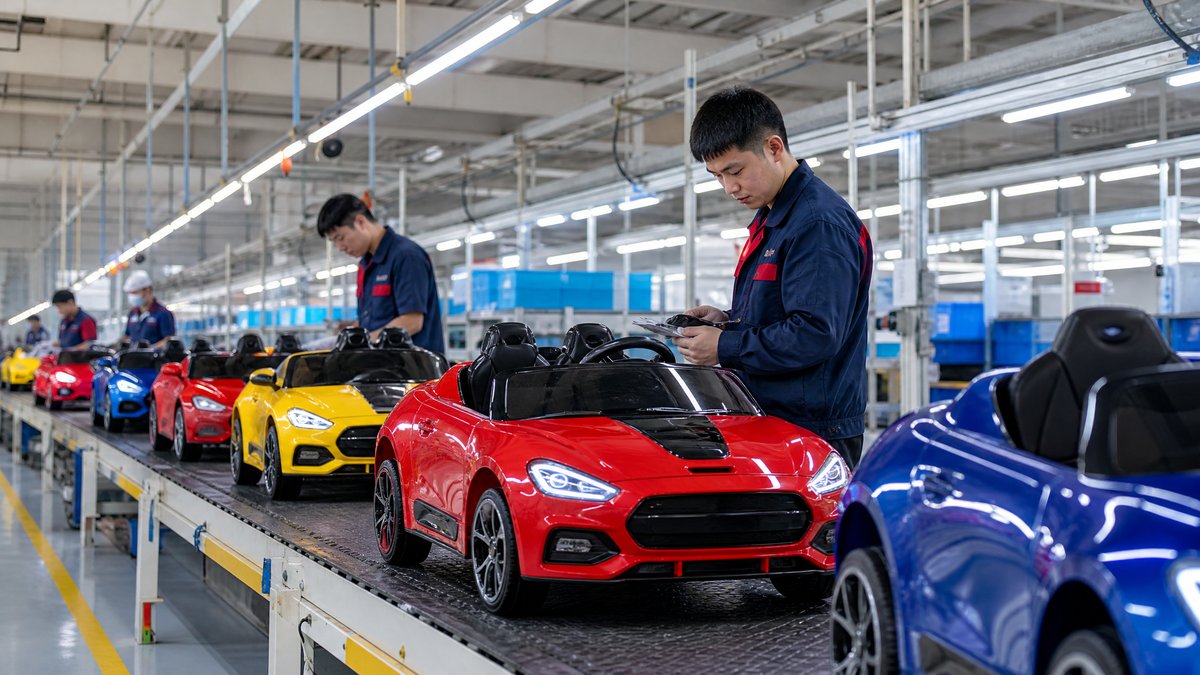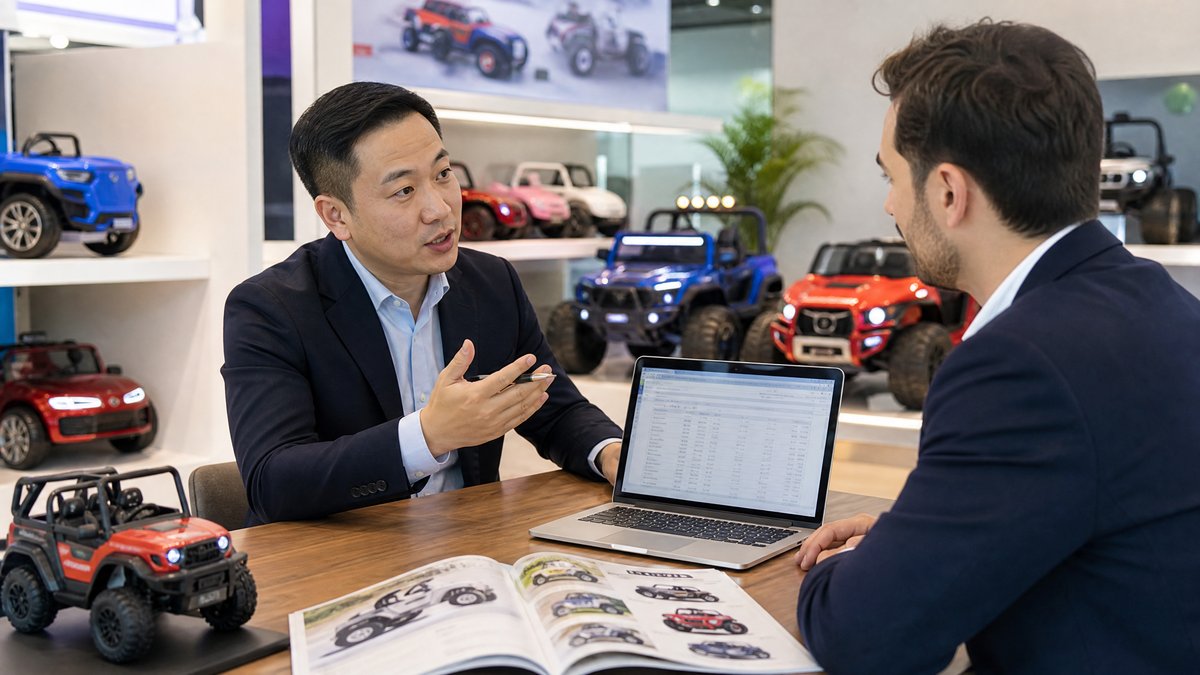
For overseas wholesalers, importers, and retailers in the kids' electric vehicle industry, the moment of shipment is both a milestone and a point of high risk. A single container of defective ride-on cars can translate into thousands of dollars in returns, damaged brand reputation, and complex legal liabilities. Unlike smaller consumer electronics, ride-on cars are bulky, expensive to ship, and subject to stringent toy safety regulations across different jurisdictions. Therefore, relying solely on a factory’s internal "Passed" sticker is rarely sufficient for a professional B2B procurement strategy.
A practical quality inspection checklist is your final line of defense. It ensures that the goods leaving the factory gates are exactly what you paid for and, more importantly, what your customers expect. This guide breaks down the essential components of a pre-shipment inspection (PSI) tailored specifically for the kids' ride-on car market, focusing on document review, physical comparison, functional testing, and the critical role of third-party verification [1].
1. The Foundation: Document Review and Compliance Verification
Before a single carton is opened for physical inspection, the process must begin with a thorough review of the paperwork. In the B2B world, compliance is not just about safety; it is about the legality of your import. If the documentation is flawed, your shipment could be seized by customs or rejected by major retail platforms.
The inspector should verify that the manufacturer possesses valid and up-to-date test reports for the specific models being shipped. Common international standards include ASTM F963 for the United States, EN71 and EN62115 for the European Union, and ISO 8124 for global markets [2]. You should request written confirmation from your supplier that the production batch uses the same components, especially batteries and motors, as those used in the certified test samples.
| Documentation Item | Inspection Focus | B2B Requirement |
|---|---|---|
| Instruction Manuals | Language accuracy and diagram clarity | Must match destination country language |
| Safety Warnings | Compliance with local toy safety laws | Mandatory icons and age-grading warnings |
| Assembly Guides | Step-by-step clarity for end-users | Reduce assembly-related returns |
| Compliance Certificates | Validity of ASTM, EN71, or ISO reports | Ensure legal entry into the target market |
A common point of failure in mass production is the inclusion of incorrect or poorly translated manuals. The checklist must ensure that mandatory warnings, such as "Not suitable for children under 36 months" or "Adult supervision required," are clearly visible and correctly phrased according to local regulations [4]. Furthermore, the inspector must cross-reference the item numbers, SKUs, and descriptions on the cartons and products against the original Proforma Invoice and Purchase Order. Discrepancies here are major red flags that require immediate communication with the manufacturer.
2. Physical Comparison: The "Golden Sample" vs. Mass Production
In manufacturing, quality is defined as adherence to specifications. The most effective way to measure this is by comparing the mass-produced units against the "Golden Sample"—the approved prototype that was signed off by the buyer before production began. Ride-on cars are high-ticket items where visual appeal is a major selling point, making aesthetic consistency a top priority.
The inspection checklist should cover color matching, paint finish, and material quality. Variations in dye lots can lead to off-color units that look inconsistent, while poor paint application on premium models can result in bubbles or scratches. Beyond the exterior, the internal components must be checked against the approved bill of materials. This includes verifying the battery voltage (6V, 12V, or 24V) and the Ah rating, as well as ensuring the motors installed match the power rating specified in the contract [3].
| Physical Attribute | Standard for Comparison | Potential Defect |
|---|---|---|
| Body Color | Must match the approved Golden Sample | Color deviation or uneven dye |
| Paint & Finish | Smooth application without bubbles | Scratches, peeling, or overspray |
| Material Quality | Correct plastic thickness and seat material | Use of recycled or thinner plastics |
| Component Specs | Battery and motor must match the BOM | Lower capacity or incorrect voltage |
Inspectors should also look for signs of sloppy assembly that could indicate broader production issues. This includes checking for sharp edges or points, which is a critical safety failure. No plastic flashing or exposed screws should be present. The alignment of body panels should be consistent, as large or uneven gaps can suggest poor mold quality or rushed assembly. Finally, all decals and logos should be applied straight and without air bubbles to maintain the professional appearance of the brand.
3. Quantity, Packing, and Labeling Records
Logistics and warehousing efficiency depend heavily on the accuracy of packing and labeling. For B2B buyers, errors in this area lead to inventory discrepancies and increased labor costs at the destination warehouse. The inspector must verify the total number of finished and packed units, confirming that the carton count matches the packing list exactly [1].
If the contract specifies a percentage of spare parts, such as extra motors, chargers, or remote controls, the inspector should verify that these are present and correctly packed. Ride-on cars are susceptible to damage during transit due to their weight and the fragility of plastic components. Therefore, the checklist must include a verification of the carton quality and the presence of internal protection materials like foam blocks or bubble wrap.
| Packing Record | Inspection Protocol | B2B Importance |
|---|---|---|
| Total Quantity | Physical count of all master cartons | Avoid short shipping and inventory gaps |
| Spare Parts | Verification of motors, chargers, and remotes | Ensure easy after-sales support |
| Carton Integrity | Burst strength and drop test verification | Minimize transit damage claims |
| Shipping Marks | Accuracy of port, weight, and dimensions | Prevent customs and logistics delays |
Incorrect labeling is a major cause of customs delays. The checklist must verify that shipping marks, gross weight, net weight, and carton dimensions are printed clearly and correctly. Furthermore, the barcodes on the carton must scan correctly and match the product inside. The inspector should also confirm that the product has the required tracking labels and manufacturer information required by the destination country's toy safety laws [4].
4. Functional and Safety Field Tests
The core of the inspection is the functional test. For ride-on cars, this involves testing the electronic systems, mechanical components, and safety features to ensure they perform as intended. The battery is the heart of the vehicle, and its performance should be verified using a multimeter to ensure it is fully charged and holding the correct voltage. The charger functionality must also be tested to ensure the indicator lights work and the port is secure [3].
The car must be operated to ensure the mechanical systems are sound. This includes testing all speed settings in both forward and reverse directions, as well as ensuring the steering wheel moves freely without grinding. Most ride-on cars use automatic electromagnetic braking, and the inspector should verify that the car stops immediately when the foot pedal is released. For models equipped with a parental remote control, the pairing process and range must be verified, and the remote must be able to override the child's manual inputs at any time.
| Functional Test | Pass Criteria | Safety Consideration |
|---|---|---|
| Drive Train | Smooth operation in all speed settings | Prevent motor burnout or gear failure |
| Steering System | Full range of motion without grinding | Ensure child control and safety |
| Remote Override | Remote input takes priority over pedal | Essential for parental safety control |
| Braking System | Immediate stop upon pedal release | Prevent collisions and accidents |
While secondary to safety, multimedia features like lights, sounds, and Bluetooth connectivity drive sales and should be tested for quality. Headlights, taillights, and dashboard lights must function correctly, and the music player should produce clear sound without distortion. Non-electronic safety features, such as seatbelts and speed limiters, must also be checked. The seatbelt should be securely anchored, and the buckle must function correctly. For certain markets, speed limiters must be in place as per the order requirements.
5. Capturing Evidence: The Role of Photo and Video Documentation
In a B2B relationship, trust is built on transparency. Since most importers cannot be at the factory in person for every shipment, photo and video evidence serve as your eyes on the ground. A professional inspection report should not just state that a product passed; it should provide visual proof of the entire process [1]. A comprehensive photo set should include the loading process, showing the empty container, the half-full container, and the fully loaded container with the seal attached.
Static photos cannot capture the performance of a motor or the range of a remote control. Therefore, we recommend requesting short video clips of functional tests. A walk-around video provides a 360-degree view of a randomly selected unit, showing the overall finish and light functionality. A drive test video showing the car moving under both manual and remote control is also essential. These visual records provide invaluable leverage if a dispute arises after the goods have been delivered.
Any defect found during the inspection, no matter how minor, must be photographed with a scale or pointer for clarity. This documentation allows the buyer to make an informed decision about whether to accept the shipment, demand a discount, or require a full rework. By standardizing the photo and video protocol, you ensure that the factory and the inspector are held to a high level of accountability.
6. Why Professional Third-Party Inspection Is Non-Negotiable
Many B2B buyers question the need for an external inspector when the factory has its own quality control team. However, the conflict of interest inherent in internal reporting makes third-party verification essential. A factory's internal team is often under pressure to meet shipping deadlines and may overlook minor defects to keep the production line moving. A third-party inspector, on the other hand, is only accountable to the buyer.
Most professional inspections use the Acceptable Quality Level standard, typically ISO 2859-1. This statistical method determines the number of units to be inspected based on the total lot size and defines the maximum number of defects allowed [2]. For ride-on cars, critical defects involving safety risks, such as exposed wires or fire hazards, should always have an AQL of zero. A third-party report provides an objective assessment, giving the buyer the leverage to demand fixes before final payment is released.
| Inspection Stage | Recommended Focus | Strategic Value |
|---|---|---|
| Initial Production | Raw materials and first units | Prevent mass production of errors |
| During Production | Systemic assembly issues | Catch defects before final packing |
| Pre-Shipment | Final quality and packing | Last defense before international transit |
| Loading Supervision | Quantity and container state | Prevent short shipping and transit damage |
When negotiating with suppliers, it is wise to include a clause in your contract stating that final payment is contingent upon a successful third-party inspection. You should also define who bears the cost of a re-inspection if the first one fails. Standard industry practice is for the factory to pay for any subsequent inspections after a failure. This approach incentivizes the manufacturer to maintain high standards throughout the production process.
Conclusion: Securing Your Supply Chain
Quality control in the ride-on car industry is not a luxury; it is a fundamental operational requirement. By implementing a practical quality inspection checklist that covers everything from document review to functional field tests, you protect your business from the catastrophic costs of defective merchandise. A professional inspection is not just about finding what is wrong; it is about confirming that everything is right, giving you the confidence to scale your brand in a competitive global market.
For any specific questions regarding safety certifications, MOQ requirements, or return policies, we strongly recommend obtaining written confirmation from your manufacturer. Always verify compliance with local regulations at your destination port, as toy safety laws are subject to frequent updates. By maintaining a disciplined approach to quality assurance, you ensure the long-term success and sustainability of your B2B operations.
Request a wholesale quote
Frequently Asked Questions (FAQ)
Q: Can I skip the third-party inspection if I have worked with the factory for years?
A: Even with long-term partners, quality fade can occur as factories look for ways to cut costs or as staff turnover leads to assembly errors. An occasional third-party check keeps the factory's internal QC team sharp and ensures that the standards agreed upon in your initial contract are consistently maintained over time.
Q: What should I do if the inspection report shows Major defects?
A: Do not authorize the shipment or release the final payment. Request a detailed rework plan from the factory and schedule a follow-up inspection once the issues are resolved. It is far more cost-effective to fix problems at the source than to handle expensive international returns and damage to your brand reputation.
Q: Are there specific safety warnings for ride-on car batteries?
A: Yes, battery safety is paramount. However, these components should only be handled by qualified professionals. Never attempt to disassemble, repair, or bypass the battery protection circuits yourself, as this can lead to fire or electrical hazards. If you encounter battery issues, refer to the manufacturer’s instruction manual or contact authorized service personnel.
Q: How do I verify if a third-party inspection company is reputable?
A: Look for companies that are ISO 17020 accredited and have specific experience in the toy or consumer electronics industry. Ask for sample reports for ride-on cars to see the depth of their functional testing protocols and ensure they use standardized AQL sampling methods.
Q: Who should be responsible for the cost of the inspection?
A: Typically, the buyer pays for the initial inspection as part of their quality assurance budget. However, the supplier should be responsible for the cost of any re-inspections required due to a failed first attempt. This should be clearly stated in your purchase agreement to avoid disputes later.
References
1. HQTS Group, "A Close Look to a Pre-Shipment Inspection Report for Electric Toys"
2. V-Trust, "Toy Quality Control Services in Asia"
3. SIT Inspection, "Electronic Toys Quality Control and Inspection"
4. U.S. Consumer Product Safety Commission, "Toy Safety Business Guidance"
Official references
Explore these external resources for current regulatory and trade guidance. Confirm requirements with the relevant authority before placing an order.
Ready to Start?
Factory-Direct · CE & ASTM Certified · MOQ from 50 Units
Our export team works with buyers in 60+ countries. Get a quote within 24 hours.
KR
Written by KidsRideCar
China's leading kids electric ride-on car manufacturer. 500,000+ units shipped annually to 60+ countries. CE, ASTM & EN71 certified.