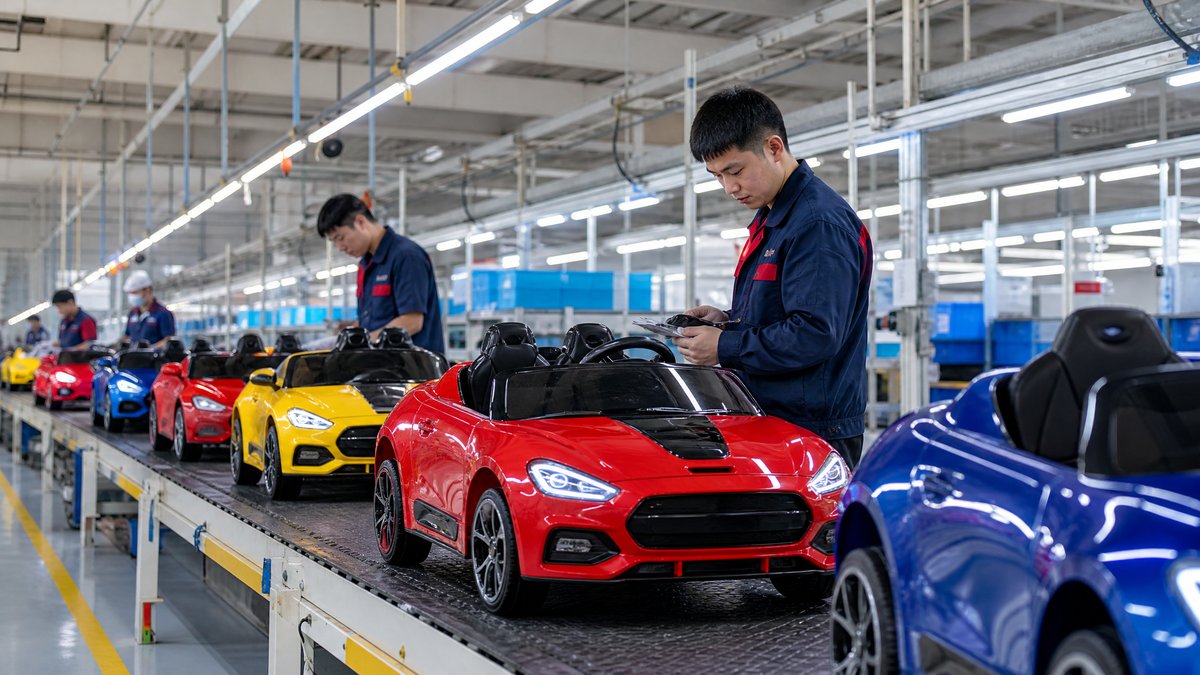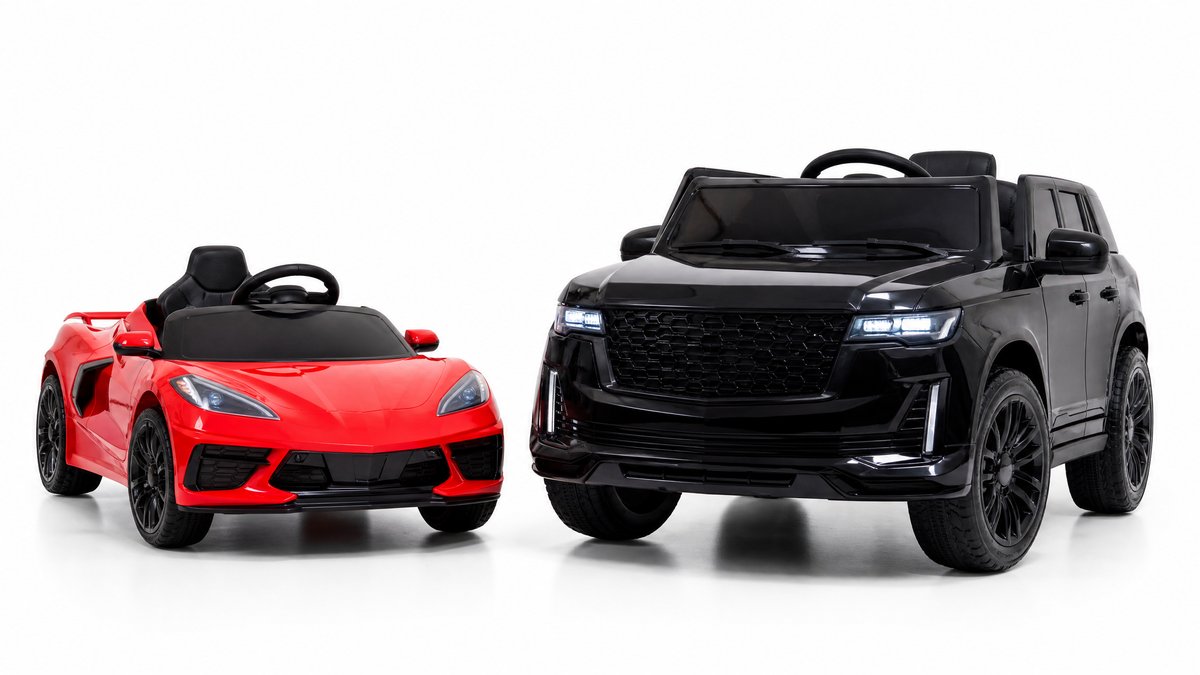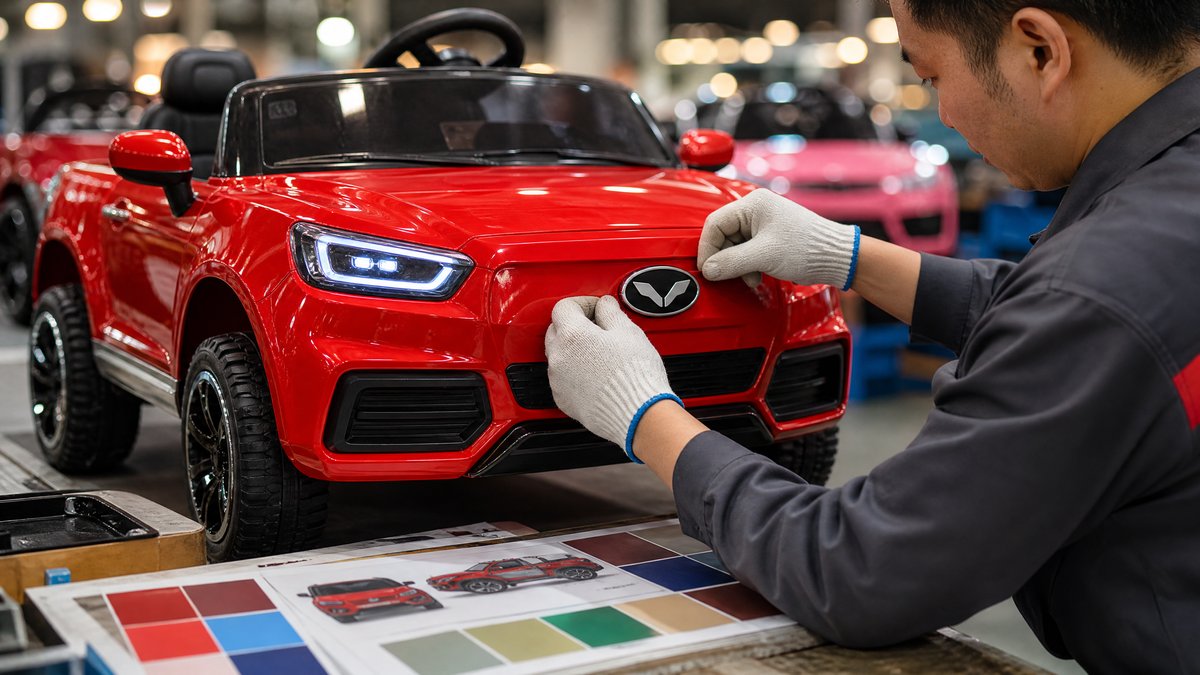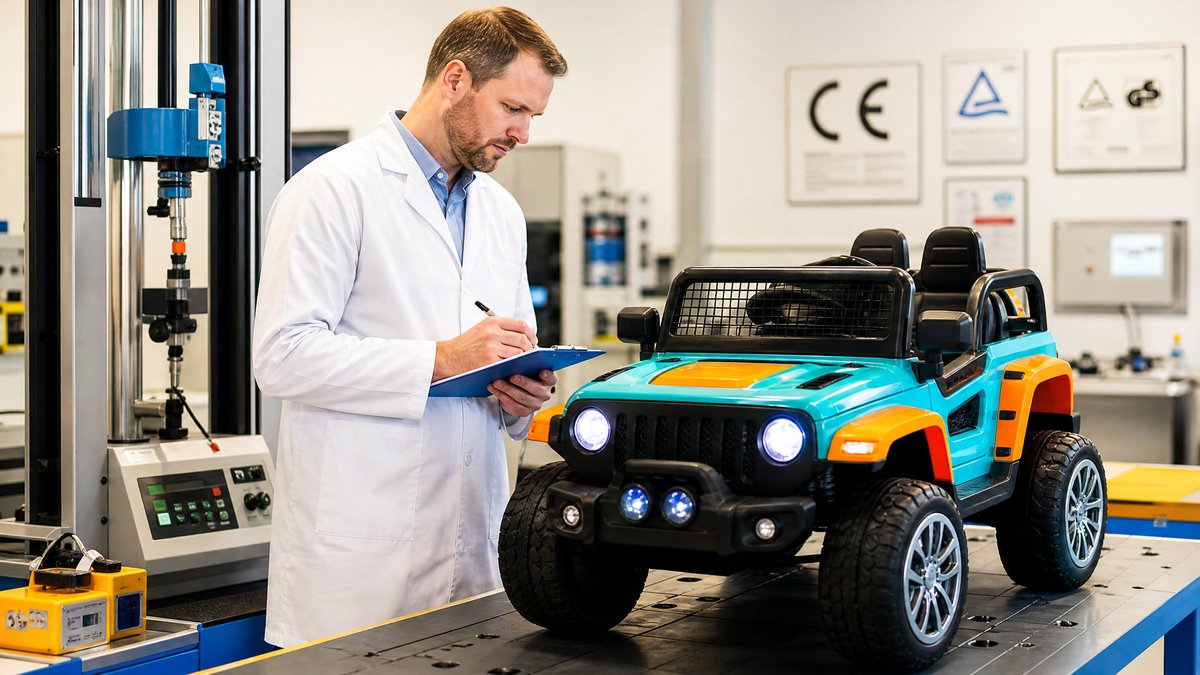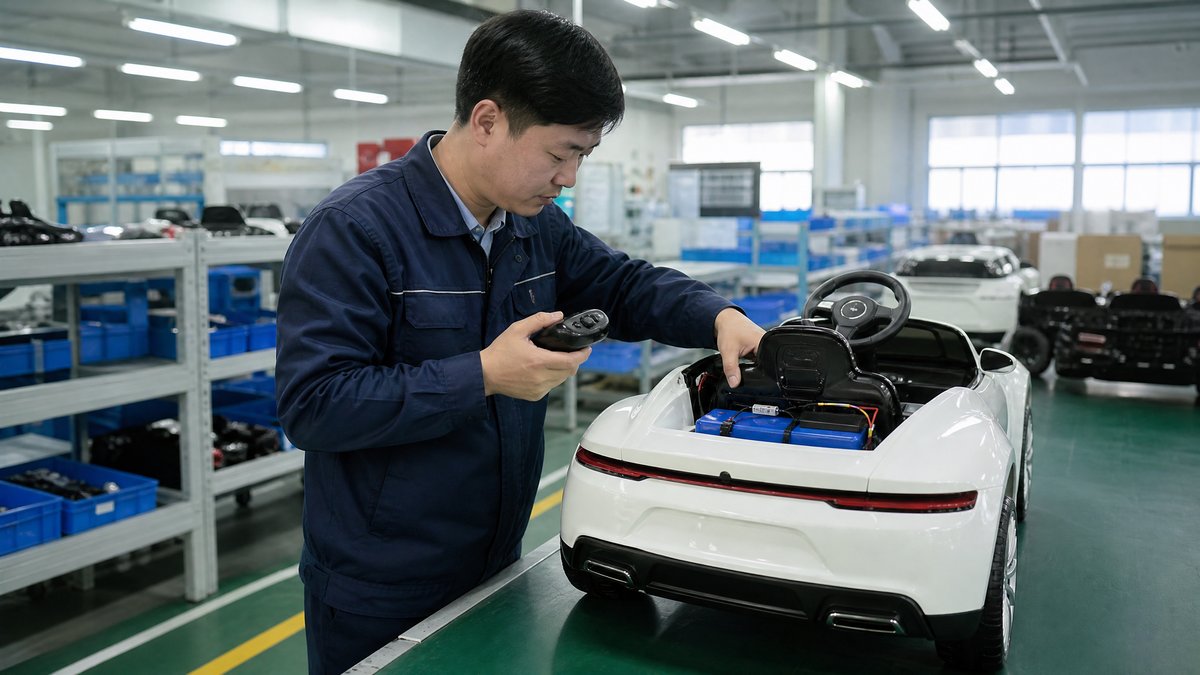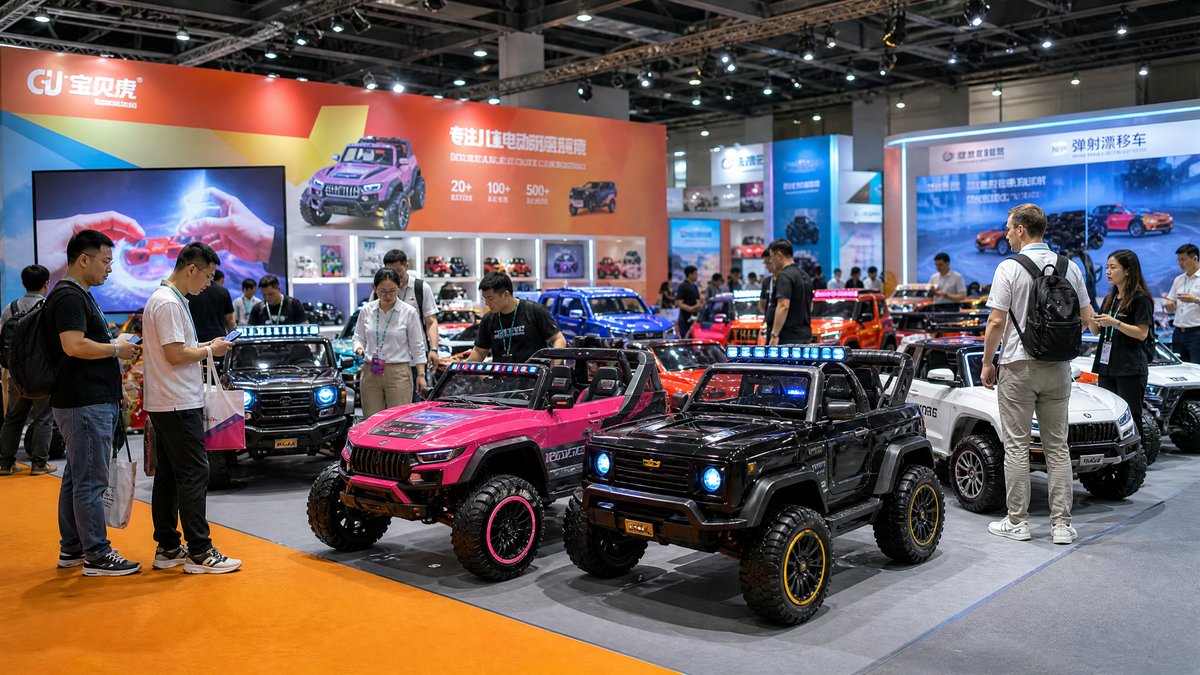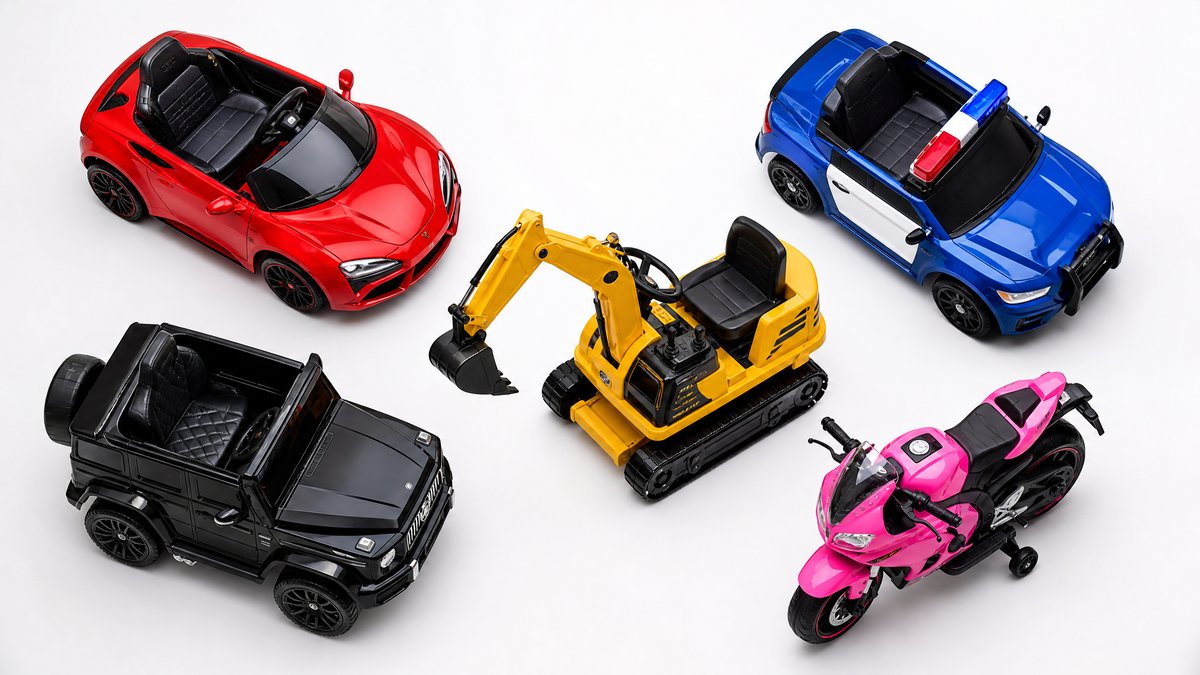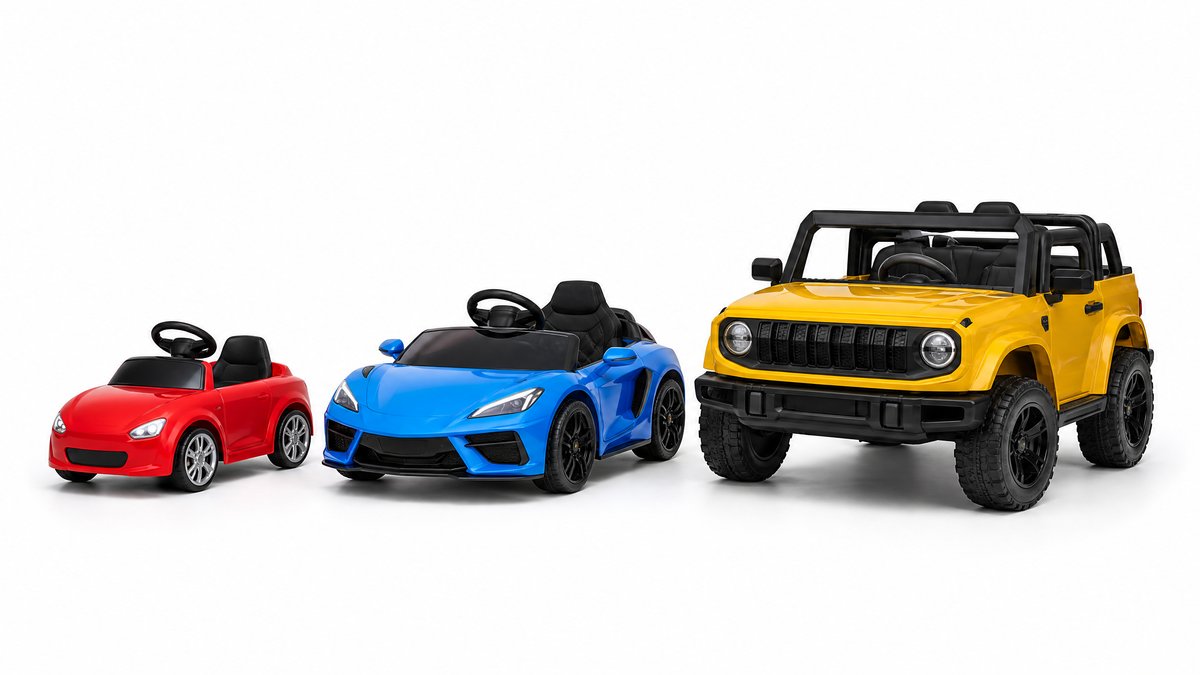
In the highly competitive landscape of commercial toy distribution, retail purchasing, and family entertainment supply chains, electric ride-on cars represent a significant capital investment for wholesale distributors and retail partners alike. B2B buyers, institutional procurement officers, and volume retailers must navigate numerous operational variables, ranging from electrical component reliability, mechanical integrity, and structural resilience to strict international safety compliance, regulatory adherence, quality benchmarks, and long-term product durability. A written 12-month warranty, if offered for the exact order, can be one element of a buyer's risk-management process. This comprehensive guide explores how a structured one-year warranty protects ride-on car purchases, outlines essential evaluation frameworks for wholesale buyers, details standard coverage parameters and exclusions, and provides actionable pre-purchase verification checklists to ensure long-term operational success across diverse retail markets worldwide.
For commercial importers and retail partners, understanding warranty mechanics is not merely an administrative formality; it is a fundamental pillar of operational risk management and quality assurance. Ride-on cars integrate complex electromechanical systems, including direct-current electric motors, rechargeable power storage units, multi-function control boards, remote transmission modules, and precision-molded thermoplastic chassis components. Given the rigorous operational environments these vehicles frequently encounter—ranging from indoor showrooms to outdoor parks, commercial entertainment venues, and recreational facilities—component vulnerabilities can emerge over time. A clearly written warranty can help buyers understand who is responsible for a defined claim, but its effect depends on the exact written scope, exclusions, jurisdiction, seller, and claim process. Furthermore, a well-defined warranty policy enhances end-user trust, reduces customer service friction, and elevates the professional standing of retail distributors in an increasingly discerning global marketplace where consumers demand durable, high-performance recreational goods.
Request a wholesale quote
Understanding the Core Framework of a 12-Month Ride-On Car Warranty
A 12-month warranty is not a universal feature or promise. When a supplier offers one, buyers should obtain the complete written document before purchase and confirm the start date, covered party, geography, included items, exclusions, remedy, shipping responsibility, claim evidence, and applicable law. A warranty is separate from any retailer return policy.
The architectural integrity of a reliable warranty framework rests upon clear definitions of responsibility, structured claim procedures, and transparent documentation standards. Buyers should request written warranty terms and confirm the exact coverage duration, component scope, exclusions, claim channel, service provider, and remedy. Do not assume that any factory, seller, insurer, or distributor will offer a particular response time, spare-parts availability, or cross-border remedy. Procurement professionals must also evaluate how warranty terms adapt to fluctuating supply chain dynamics, seasonal inventory turnover rates, and varying regional climatic conditions that may impact battery and electrical performance across different geographic territories and climate zones.
What Manufacturer Warranties Typically Cover (And What They Exclude)
Navigating warranty documentation requires a granular understanding of what standard agreements protect versus what commercial operations must manage independently. Coverage must be read from the exact written warranty. It may name particular components, exclude others, require an authorized assessment, or offer a limited remedy. Buyers should not assume that motors, gearboxes, electronics, batteries, labor, shipping, or replacement parts are covered.
Conversely, standard commercial warranties maintain strict exclusion boundaries to prevent liability arising from misuse, environmental exposure, or unauthorized modification. Consumable items subject to natural friction and operational wear—such as exterior tread surfaces on plastic or EVA wheels, cosmetic body decals, rearview mirror attachments, and manual steering linkages—are routinely excluded unless proven to be defective upon unboxing. Crucially, many written warranties may limit or exclude coverage in instances of unauthorized alterations, such as electrical system bypasses, battery voltage upgrades, motor overvolting, or structural modifications that violate rated nameplate specifications. Environmental damage resulting from prolonged outdoor storage in heavy rain, standing water immersion, or severe chemical exposure is also systematically excluded. Buyers must enforce strict operational guidelines within their distribution networks to ensure end-users adhere strictly to manufacturer-specified usage protocols.
| Component Category | Standard Warranty Coverage | Common Exclusions | Verification & Documentation Requirement |
|---|---|---|---|
| Motors & Gearboxes | Only if explicitly listed in the written warranty. | Refer to the written exclusions. | Follow the supplier's stated claim procedure. |
| Electronics | Only if explicitly listed in the written warranty. | Refer to the written exclusions. | Follow the supplier's stated claim procedure. |
| Battery or charging items | Only if explicitly listed in the written warranty. | Refer to the written exclusions. | Follow the supplier's stated claim procedure. |
| Chassis & body | Only if explicitly listed in the written warranty. | Refer to the written exclusions. | Follow the supplier's stated claim procedure. |
Evaluating B2B Supplier Warranty Terms and Documentation Standards
For wholesale importers, commercial distributors, and institutional procurement managers, evaluating supplier warranty terms is a critical step in vendor qualification. A professionally drafted warranty agreement reflects the manufacturer’s confidence in its engineering standards and quality control protocols. When assessing potential supply partners, procurement teams must look beyond marketing claims and examine the fine print regarding claim settlement times, shipping cost allocations for replacement parts, and the availability of spare parts inventories. Ask suppliers for written information about spare-part availability and claim handling; do not infer inventory levels or response timing from marketing language.
Documentation standards form the backbone of efficient warranty administration. Professional suppliers require systematic record-keeping, including commercial invoices, batch production numbers, serial number tracking logs, and standardized claim forms accompanied by photographic or video evidence of reported defects. B2B buyers should establish internal quality control procedures upon receiving inventory shipments to catch initial anomalies immediately, thereby streamlining subsequent warranty communications. Additionally, buyers must ensure that all warranty terms comply with the legal and regulatory requirements of the destination markets, including regional electrical safety directives, electromagnetic compatibility rules, and general consumer product safety standards. Transparent administrative workflows reduce processing delays, prevent misunderstandings, and foster long-term commercial trust across all distribution tiers.
Request a wholesale quote
The Buyer’s Pre-Purchase Verification Checklist for Warranty Protection
Proactive risk mitigation begins long before a purchase order is finalized. Establishing a rigorous pre-purchase verification checklist enables B2B buyers to filter out unreliable suppliers and secure enforceable warranty protection. This checklist should encompass legal review, technical specification audits, operational guideline assessments, and logistical readiness evaluations. By systematically verifying each parameter, commercial buyers can prevent costly post-purchase disputes and establish a transparent foundation for long-term vendor collaboration across international borders.
1. Supplier Credentials & Factory Auditing: Verify that the supplier is the original equipment manufacturer (OEM) or an authorized primary exporter with verifiable production facilities and robust quality management certifications.
2. Written Warranty Scope Inspection: Obtain and review the complete, unedited manufacturer warranty document, paying close attention to exact coverage periods, excluded components, and geographic validity limits.
3. Spare Parts Availability Agreement: Ask whether replacement parts are available for the exact model, on what written terms, and for how long; do not assume a lifecycle guarantee.
4. Claim Resolution Workflow Audit: Understand the exact step-by-step procedure for filing warranty claims, including required evidence formats, response time commitments, and shipping responsibility terms.
5. Regulatory Compliance Verification: Ensure that the vehicles and their electrical charging accessories possess authentic compliance documentation aligned with target market safety standards.
Navigating Warranty Claims, Parts Replacement, and Customer Support
Even with rigorous pre-purchase verification, occasional component failures are inevitable in high-volume consumer product distribution. When a defect arises within the 12-month warranty window, navigating the claim process efficiently is vital to maintaining customer satisfaction and operational continuity. Commercial buyers should act as an effective bridge between retail clients or end-users and the manufacturing supplier, collecting necessary diagnostic data without violating safety protocols or attempting unauthorized repairs.
When initiating a claim, buyers must compile comprehensive documentation, including the original commercial invoice, serial number, clear photographs or video clips illustrating the specific malfunction, and a brief description of operating conditions prior to the failure. Under no circumstances should buyers or end-users attempt to dismantle internal electrical housings, measure live battery voltage with uncalibrated tools, or bypass internal circuit protections during troubleshooting. If a vehicle exhibits abnormal braking behavior, persistent electrical burning odors, smoke, excessive heat generation, or compromised charging ports, operations must cease immediately. The vehicle should be powered down, secured away from children, and evaluated in accordance with manufacturer technical guidance. The supplier should respond according to the written warranty process; buyers should retain all written communications and follow the specified claim route.
Frequently Asked Questions
FAQ 1: What does a standard 12-month ride-on car warranty typically cover?
A standard 12-month manufacturer warranty covers defects in materials and workmanship for core electromechanical components, including electric drive motors, internal gearboxes, main control circuit boards, and factory-installed wiring harnesses, under normal operating conditions.
FAQ 2: Are cosmetic parts and plastic wheels covered under the one-year warranty?
Cosmetic components, exterior body decals, rearview mirrors, manual steering linkages, and normal tread wear on plastic or EVA wheels are generally excluded from warranty coverage unless proven defective upon initial unboxing and inspection.
FAQ 3: How should commercial buyers prepare for verifying warranty claims with suppliers?
Commercial buyers should maintain detailed inventory records, including batch numbers, serial number logs, commercial invoices, and standardized inspection checklists completed upon receiving initial shipments to streamline any future claim submissions.
FAQ 4: What steps should be taken if a ride-on car exhibits unexpected electrical or mechanical faults?
If a vehicle exhibits unusual behavior such as persistent electrical burning odors, smoke, excessive heat, or abnormal braking, operations must stop immediately. Power down the vehicle, secure it away from children, and contact the manufacturer or authorized supplier with documented details for professional guidance.
Conclusion
A structured 12-month manufacturer warranty is an indispensable asset for B2B buyers, commercial distributors, and retail partners navigating the electric ride-on car market. By establishing clear accountability, protecting against unexpected manufacturing defects, and providing a reliable framework for parts replacement, a comprehensive warranty safeguards both capital investments and brand reputation. Wholesale buyers who prioritize rigorous pre-purchase verification, transparent documentation standards, and adherence to manufacturer operating guidelines will successfully mitigate commercial risks and foster enduring, profitable business relationships across the global toy supply chain. Ensuring that every transaction is backed by verifiable documentation, professional support, and strict operational compliance guarantees sustainable commercial growth and lasting consumer satisfaction across all target distribution channels.
Official References
1. U.S. Consumer Product Safety Commission (CPSC): General Toy Safety Education and Regulatory Guidelines, providing foundational oversight principles for children's products. Note that official CPSC educational materials supplement but do not replace specific manufacturer user manuals, nameplate ratings, or certified compliance documentation.
2. International Electrotechnical Commission (IEC): Safety of Electric Toys and Battery-Operated Play Equipment Standards, outlining general testing methodologies and electrical insulation parameters.
3. ISO Quality Management Standards: Guidelines for commercial manufacturing quality assurance, defect tracking, and supply chain accountability in consumer goods production.
Official references
Explore these external resources for current regulatory and trade guidance. Confirm requirements with the relevant authority before placing an order.
Ready to Start?
Factory-Direct · CE & ASTM Certified · MOQ from 50 Units
Our export team works with buyers in 60+ countries. Get a quote within 24 hours.
KR
Written by KidsRideCar
China's leading kids electric ride-on car manufacturer. 500,000+ units shipped annually to 60+ countries. CE, ASTM & EN71 certified.