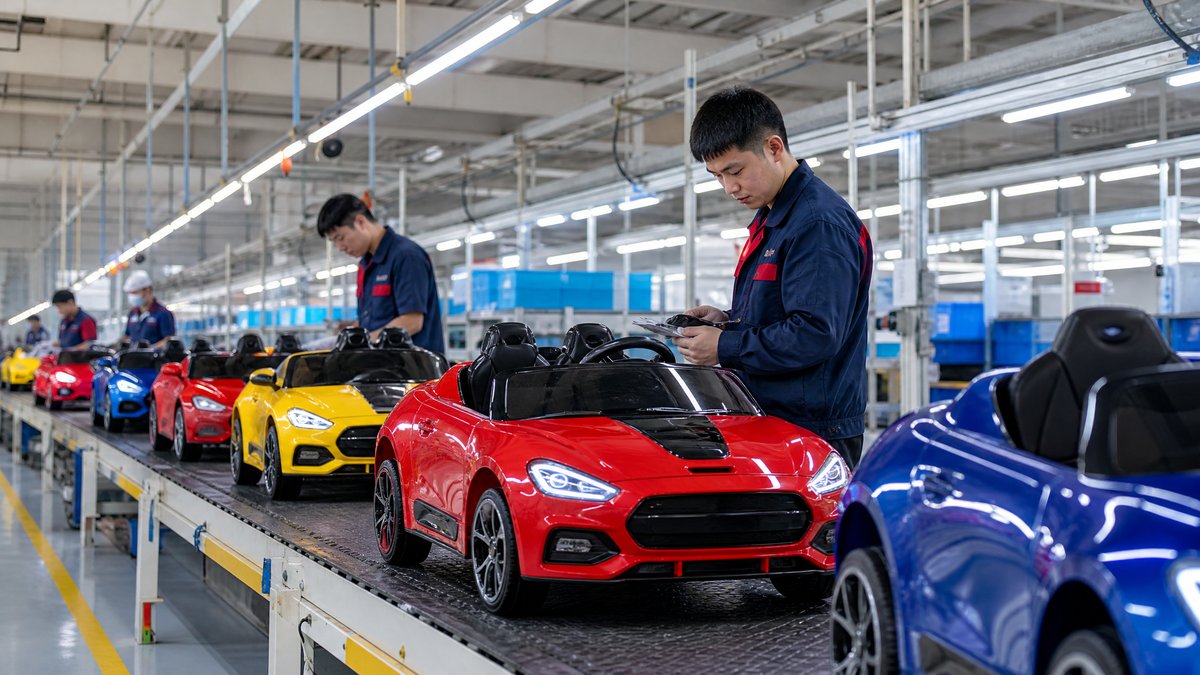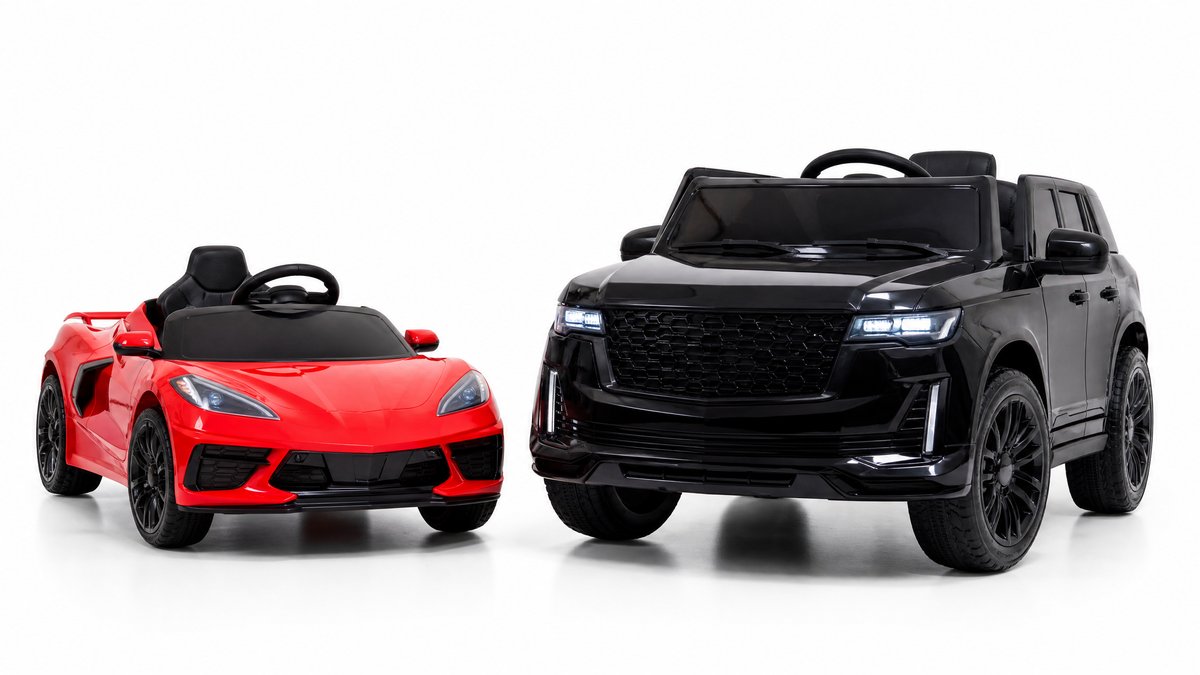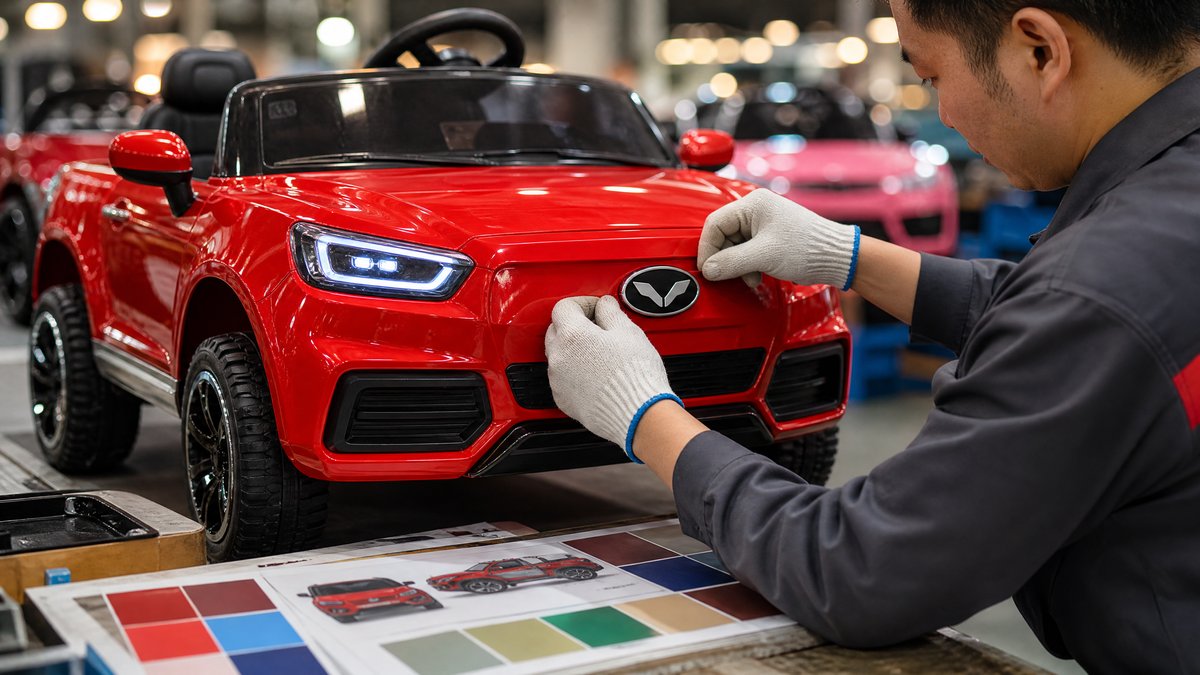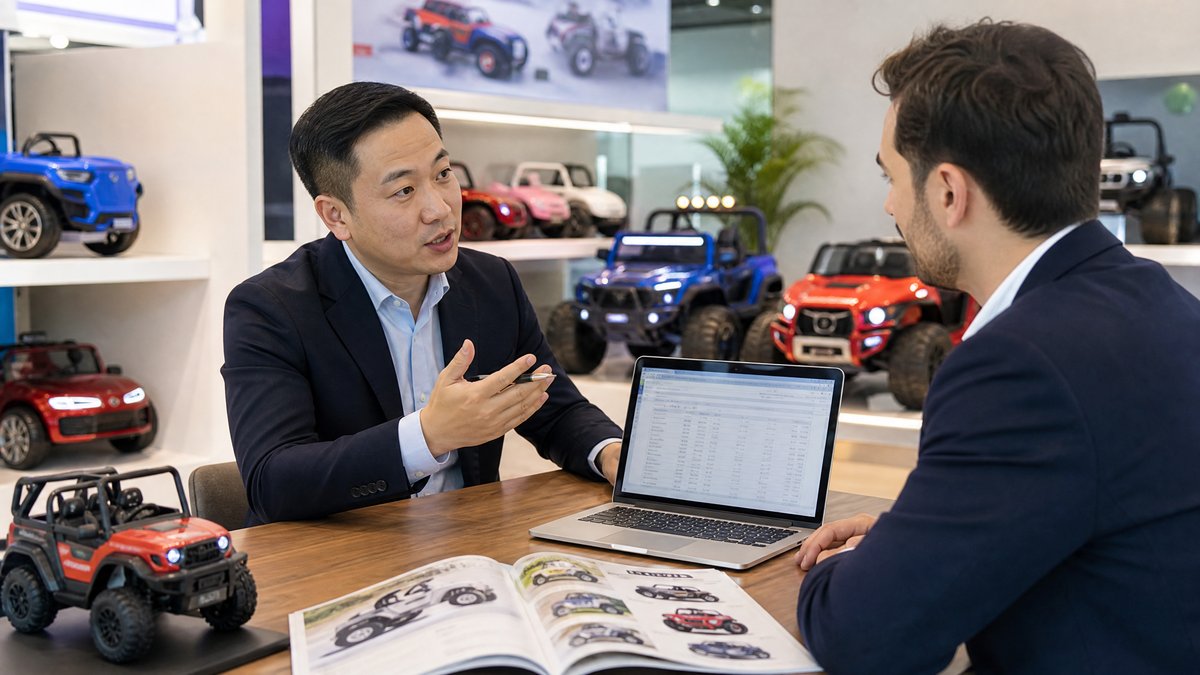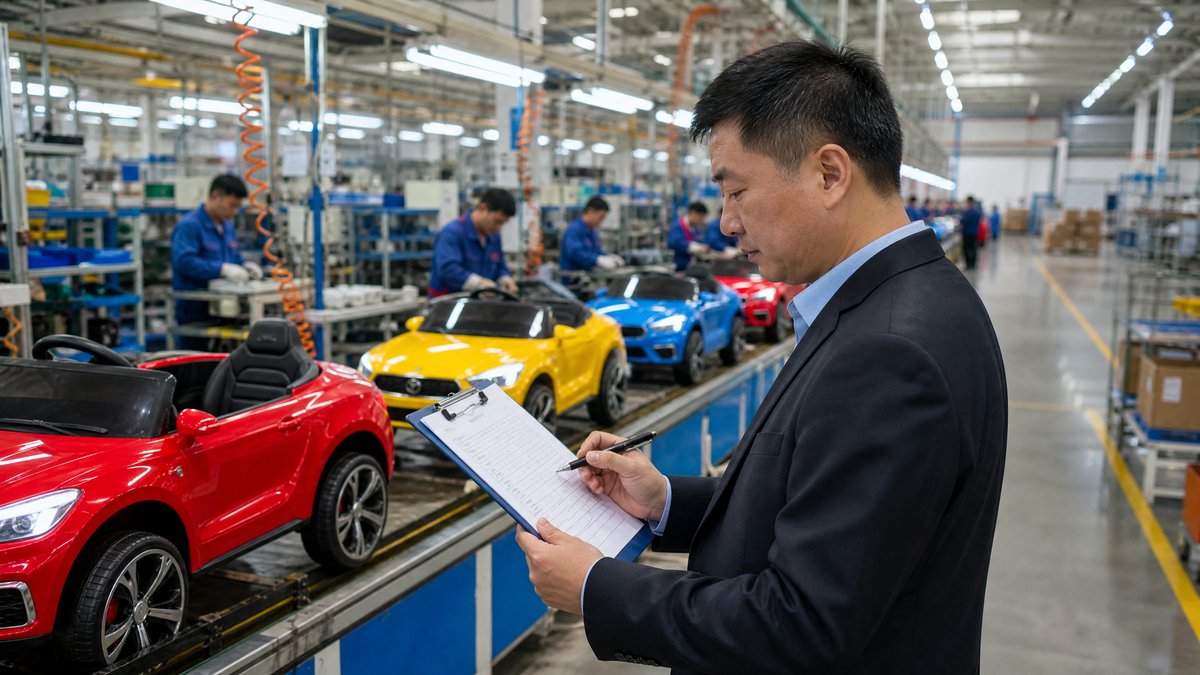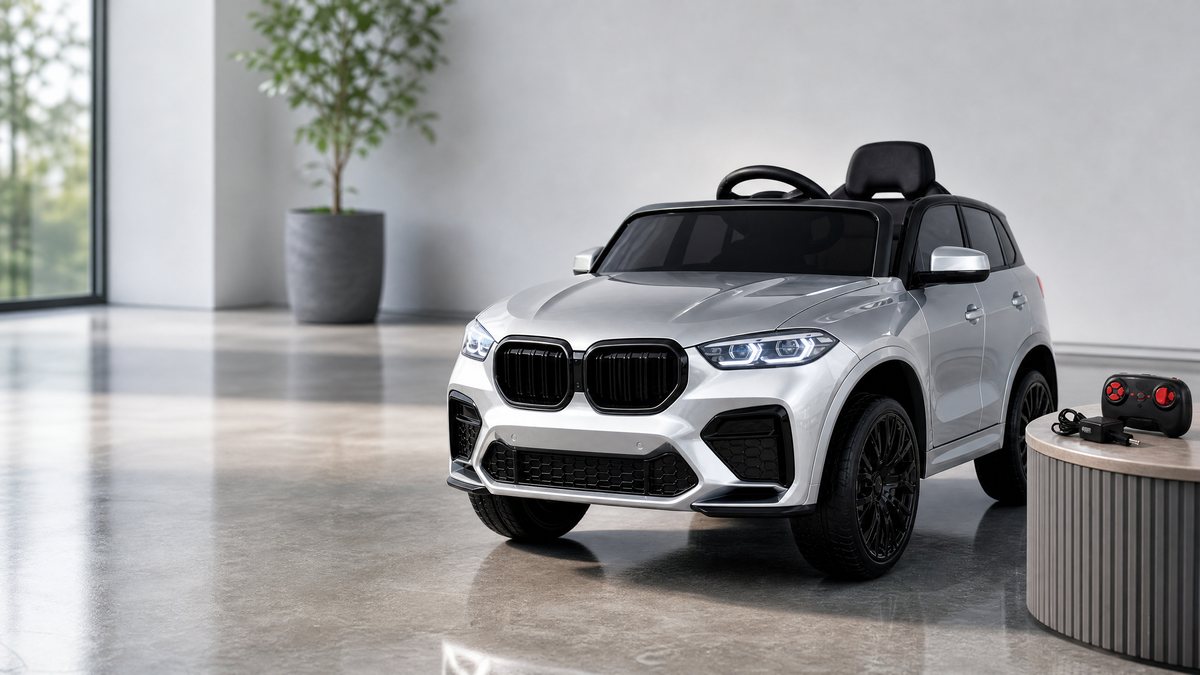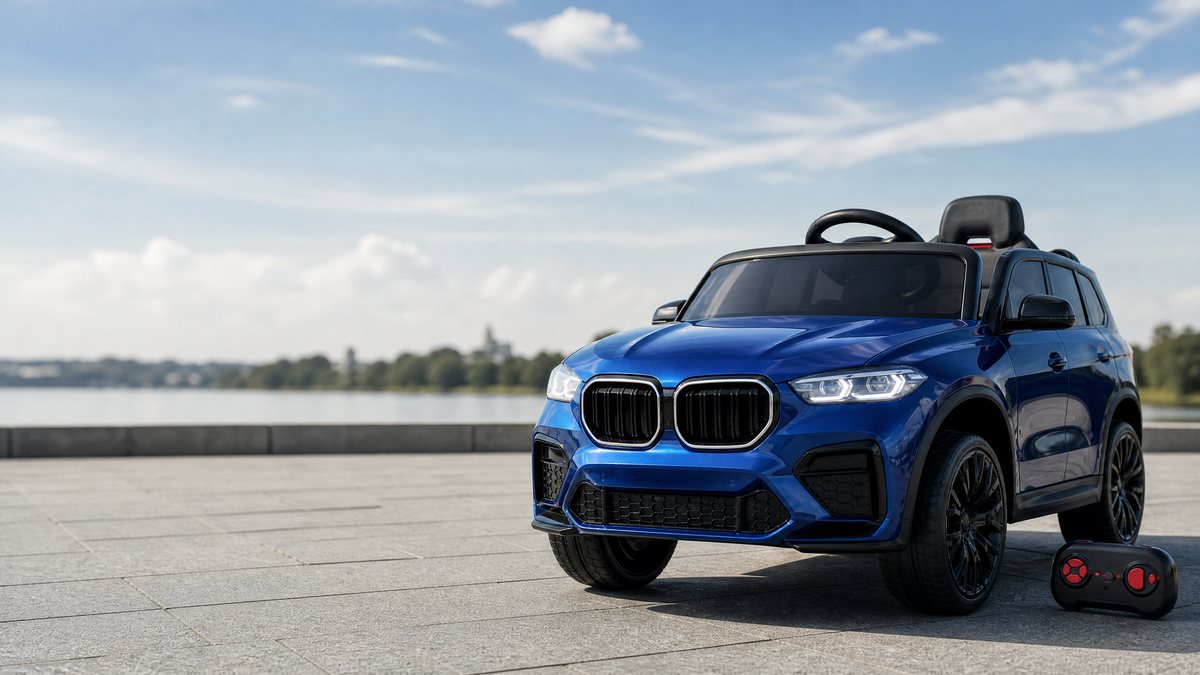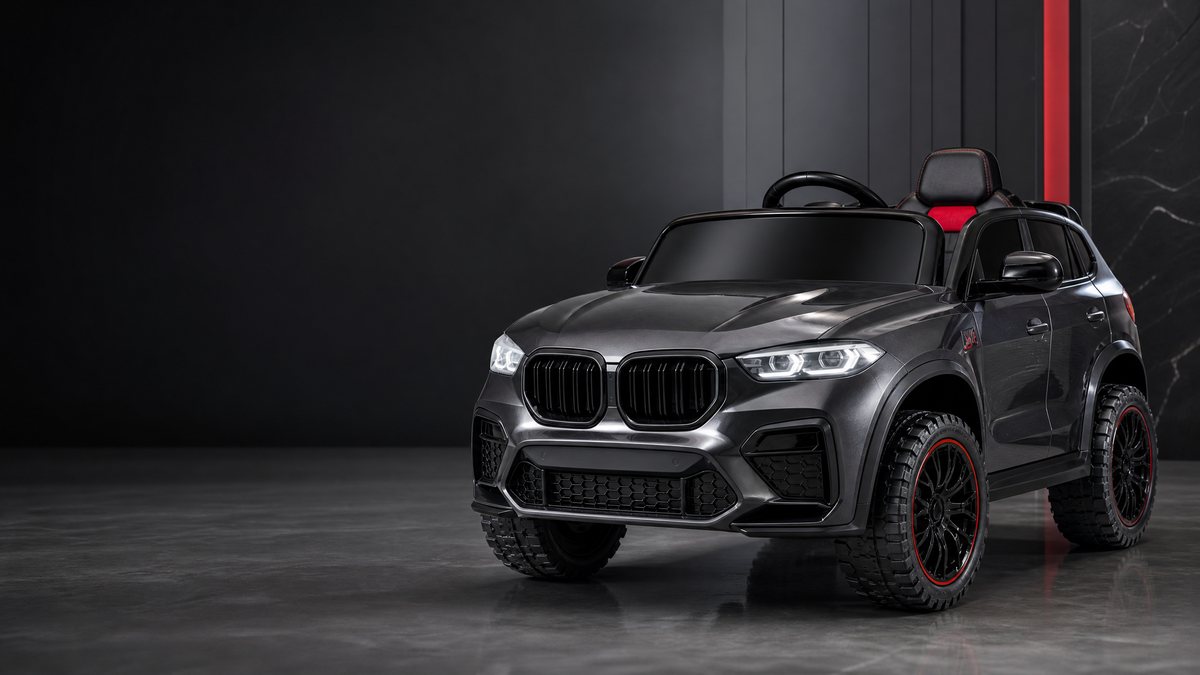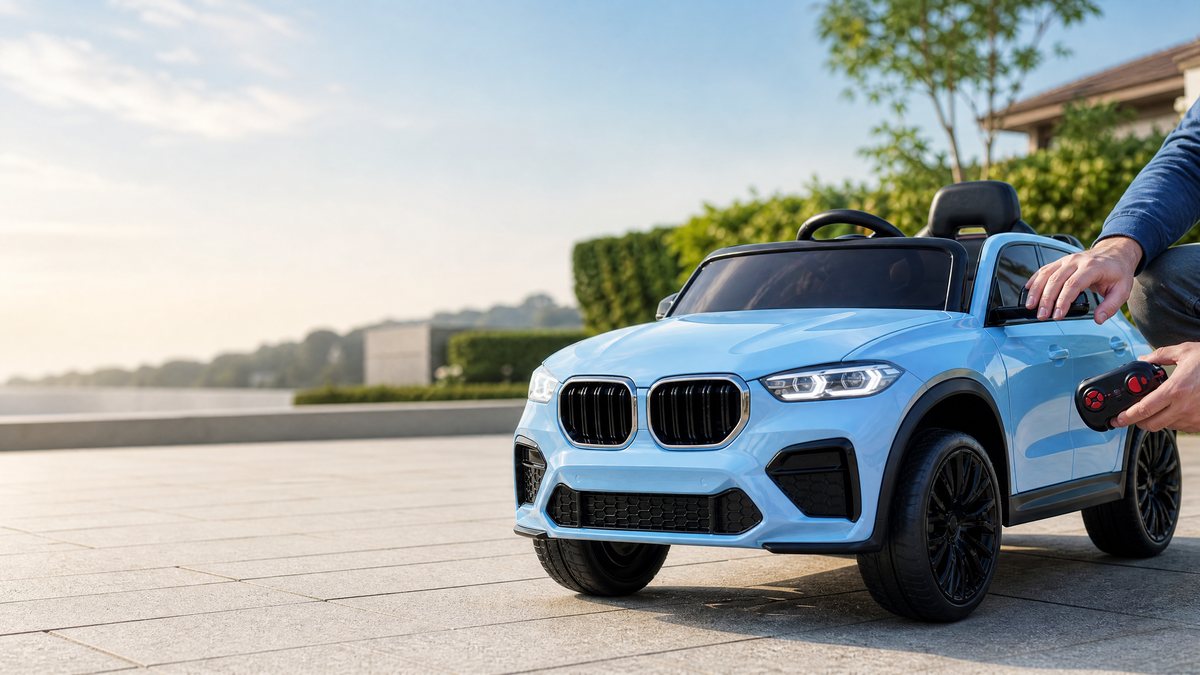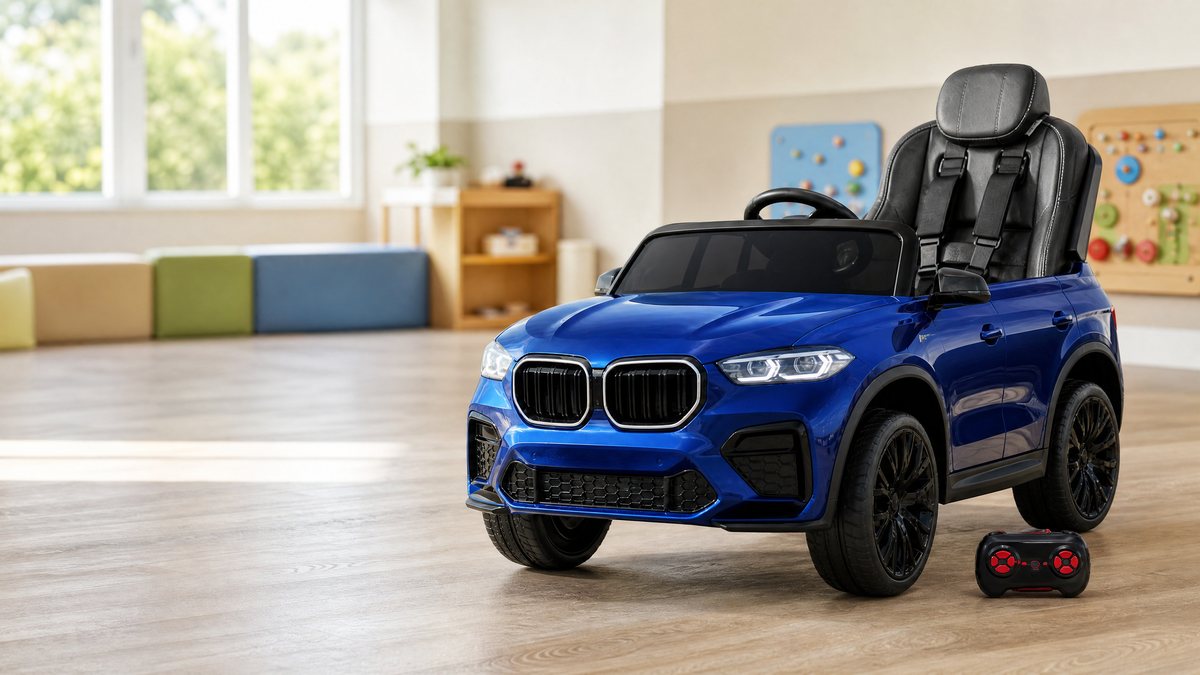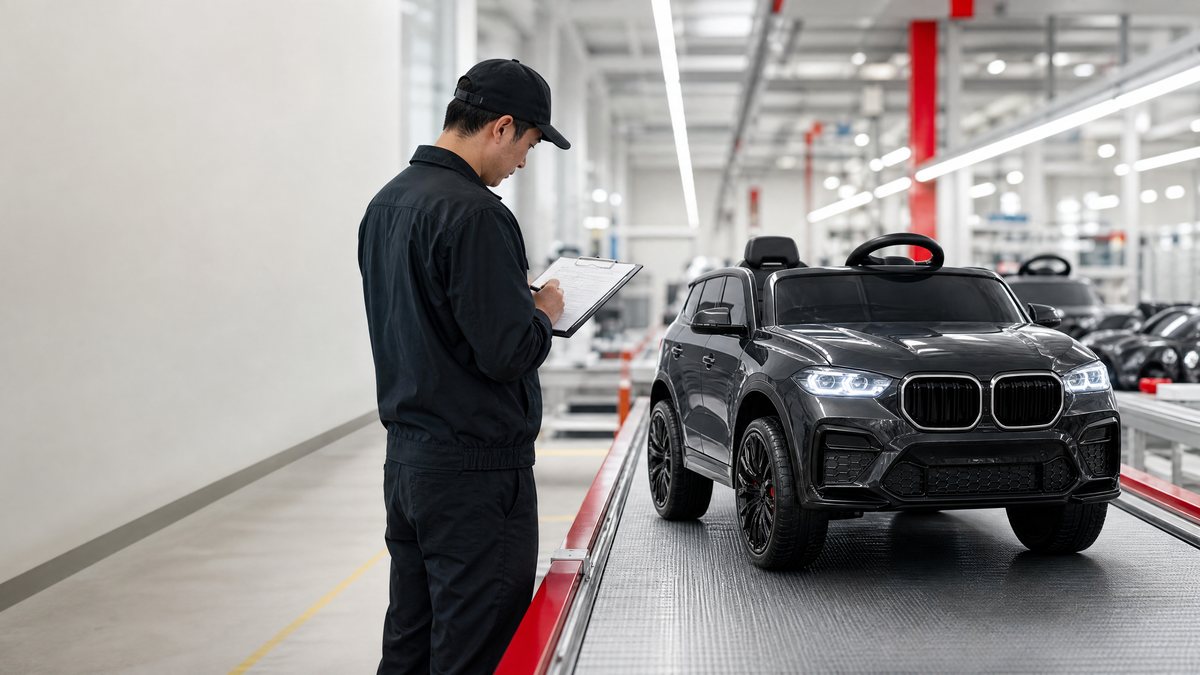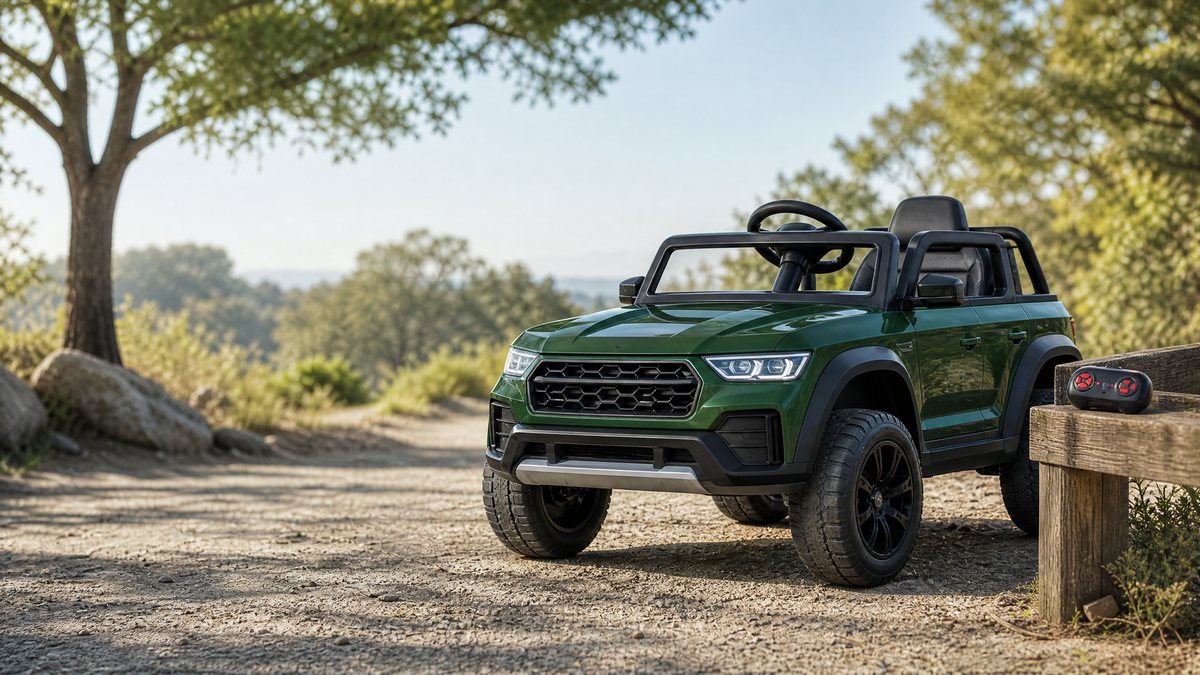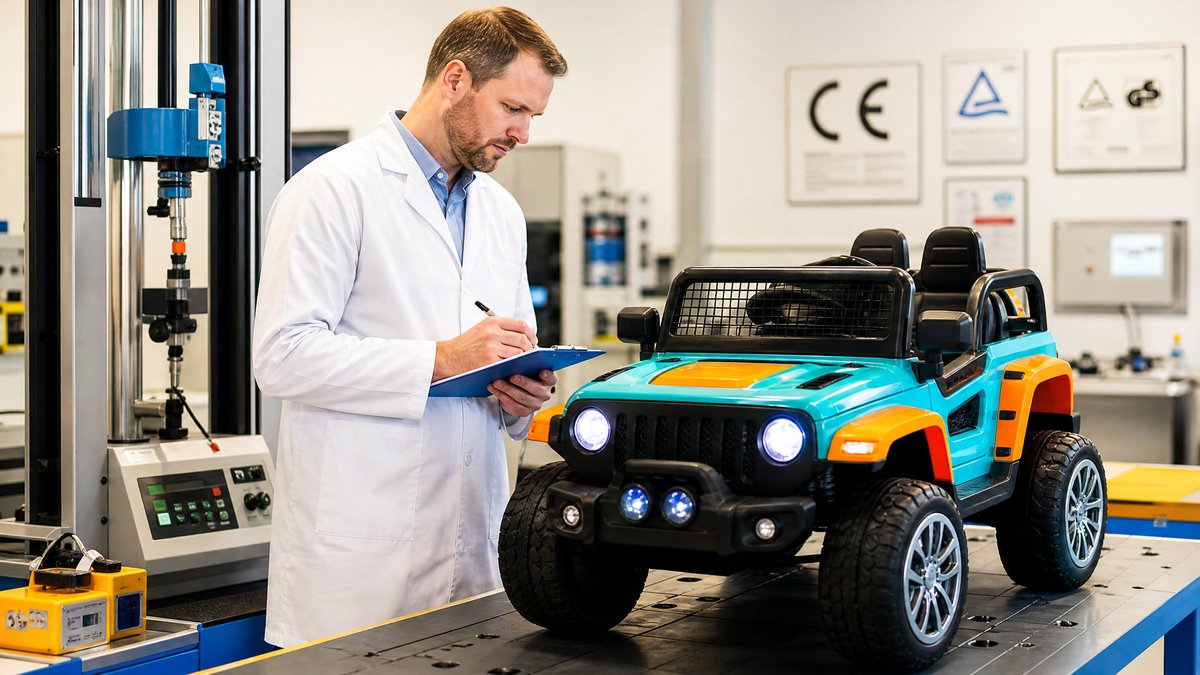
For international toy retailers, distributors, and importers, sourcing children's electric ride-on cars is a high-stakes balancing act. End-users—children and their parents—expect sleek styling, realistic features, and flawless operation. However, B2B buyers know that aesthetics are only skin-deep. The true test of a ride-on vehicle's market viability lies in its structural integrity, mechanical endurance, and resistance to environmental wear.
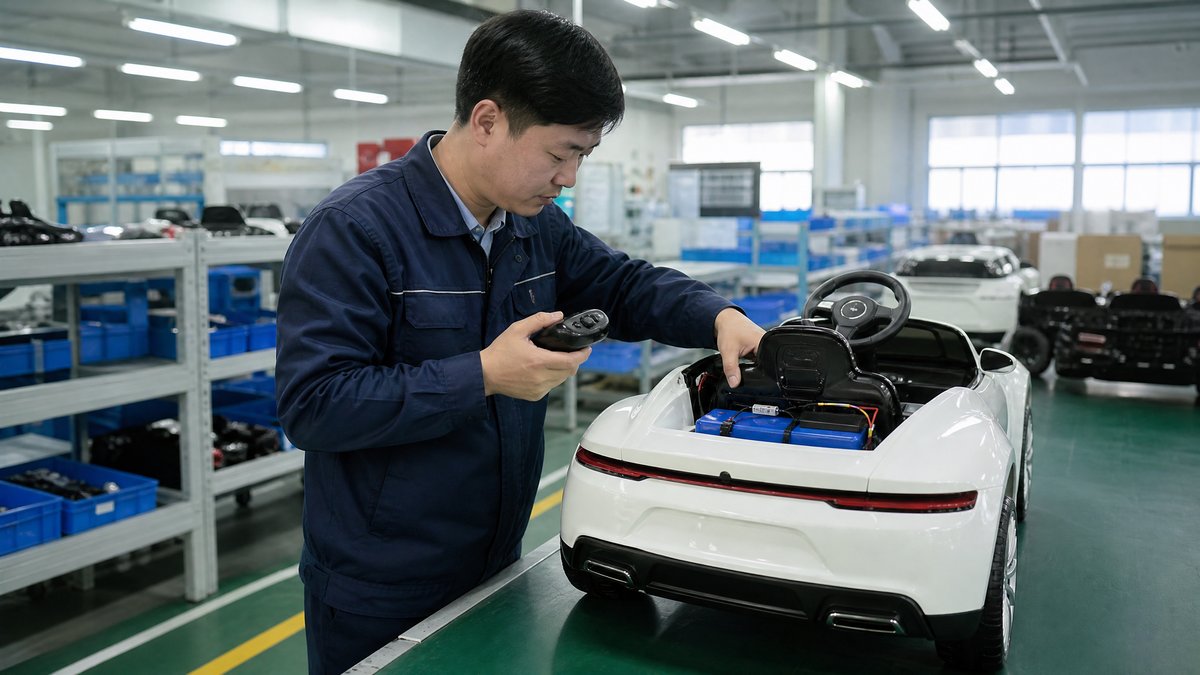
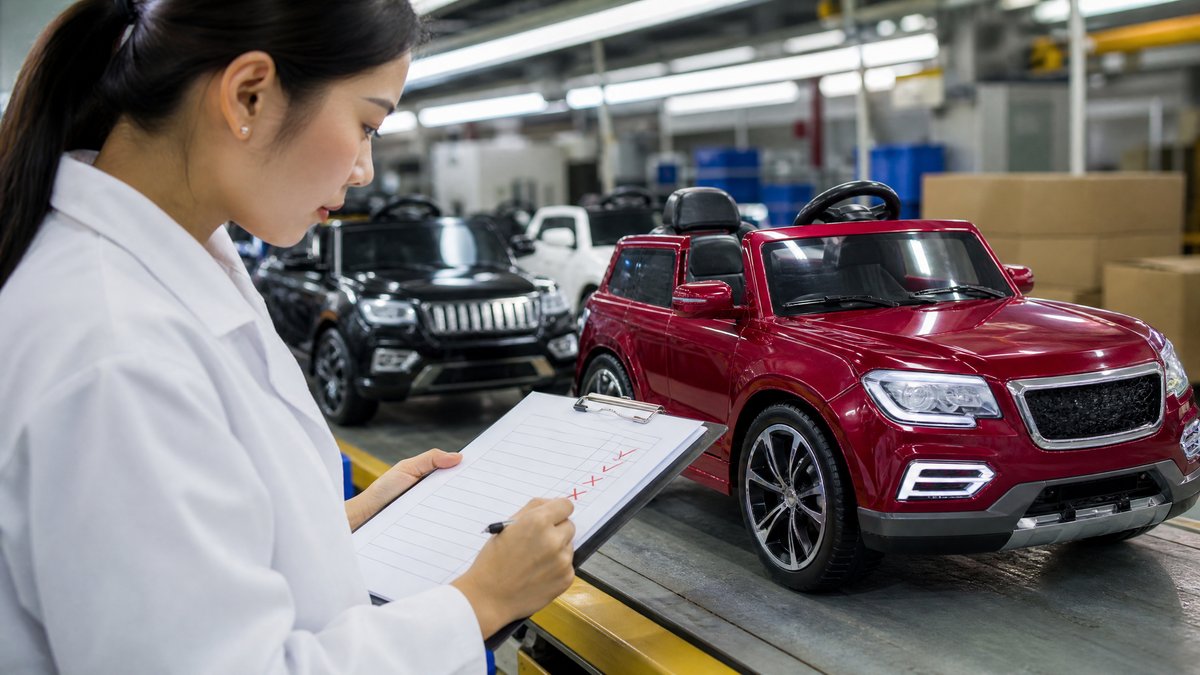
At KidsRideCar, we believe in radical transparency. To help our B2B partners make informed procurement decisions, our quality assurance laboratory recently subjected our core lineup of 12V and 24V electric ride-on cars to a punishing, multi-phase durability test. This report details our testing methodology, stress-test metrics, and what these findings mean for your retail inventory.
The B2B Imperative: Why Durability Dictates Profit Margins
In the consumer toy sector, a product failure does not just mean a single dissatisfied customer; it triggers costly return logistics, warranty claims, and long-term brand erosion. For wholesalers and storefront retailers, minimizing the RMA (Return Merchandise Authorization) rate is essential for protecting profit margins.
Children's ride-on vehicles operate in uniquely harsh conditions. Unlike indoor electronics, they face:
- Unforgiving Terrain: Asphalt, gravel, wet grass, and uneven paving stones.
- Dynamic Overloading: Children growing rapidly or sharing vehicles with siblings.
- Weather Exposure: UV degradation, humidity, and occasional accidental moisture contact.
Evaluating a vehicle's build quality before placing a bulk order is no longer optional—it is a cornerstone of professional supply chain management.
Durability Testing Methodology
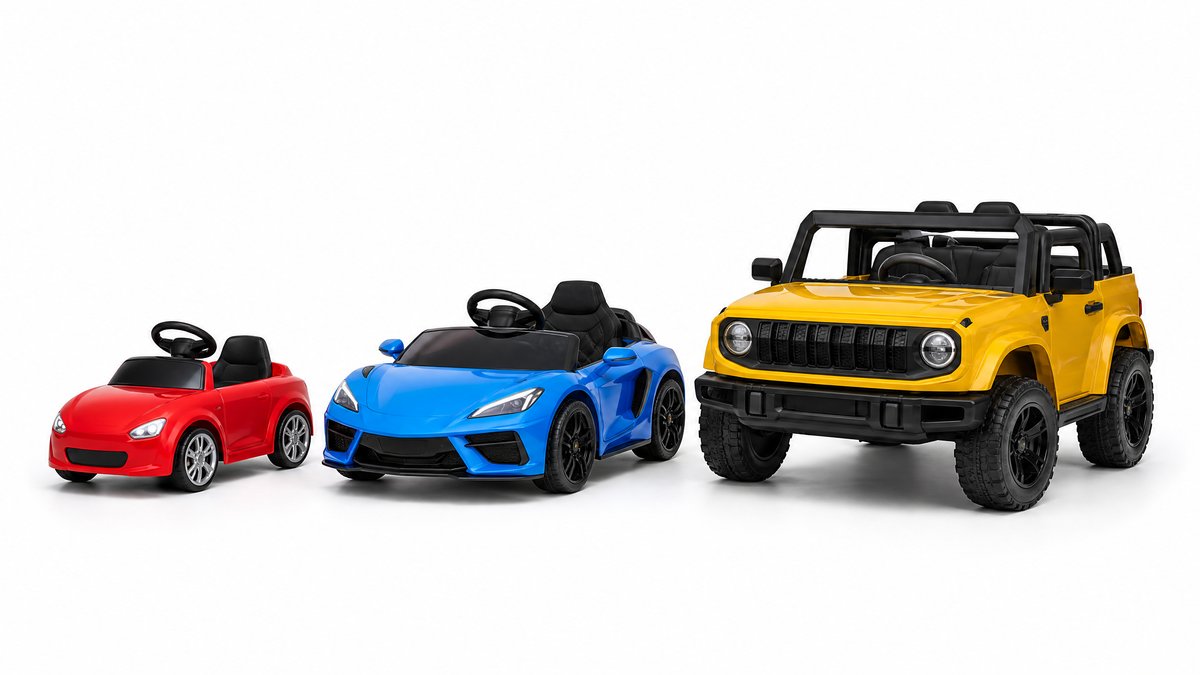
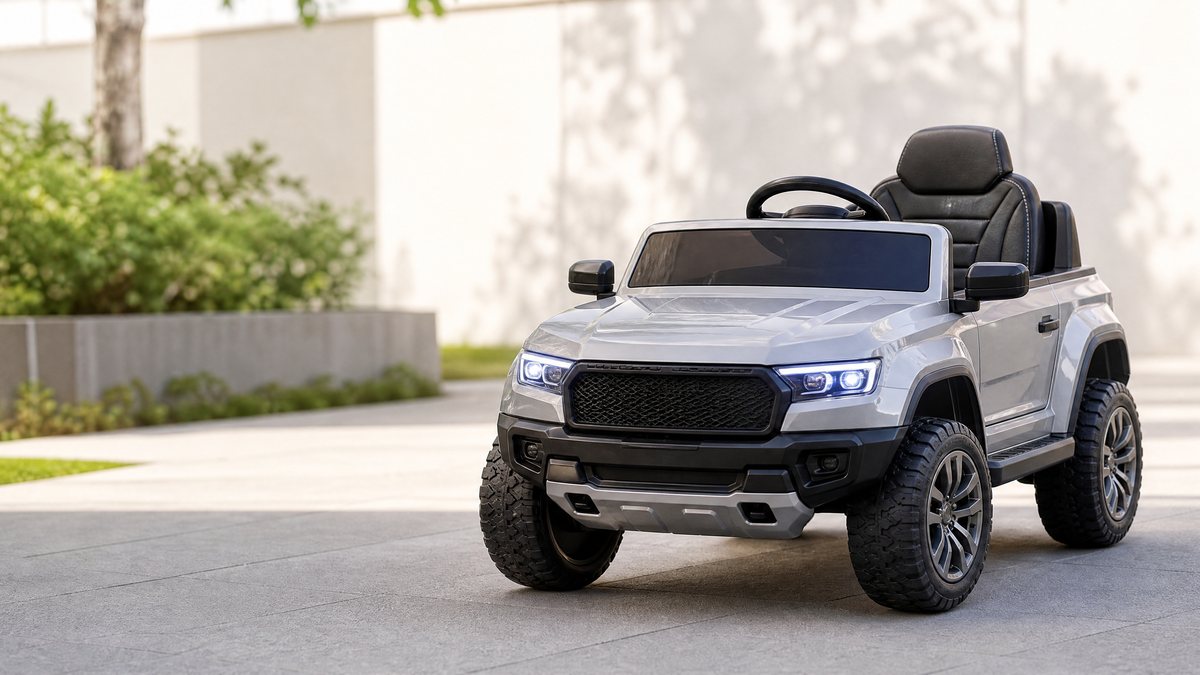
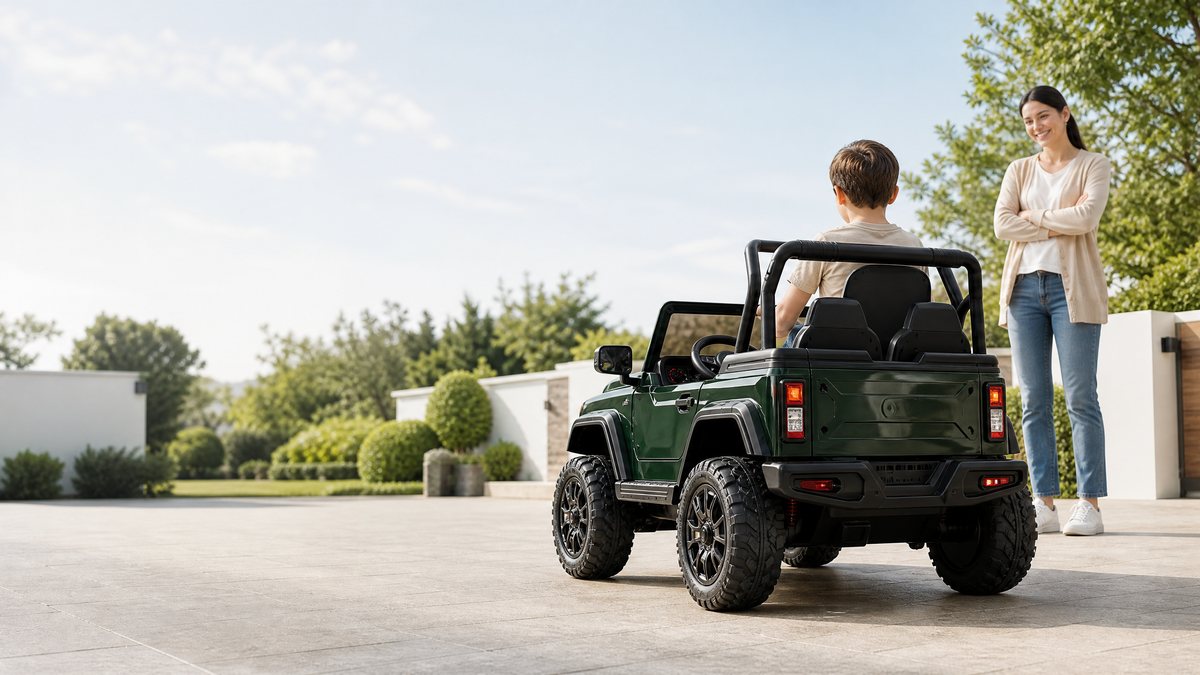
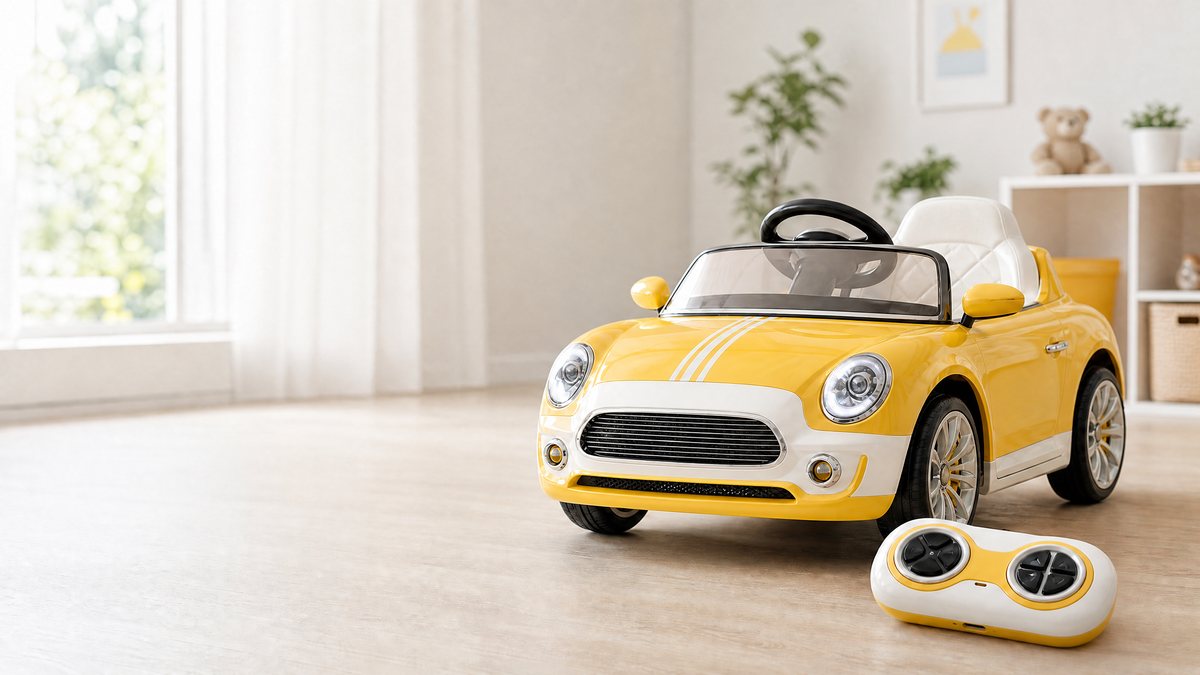
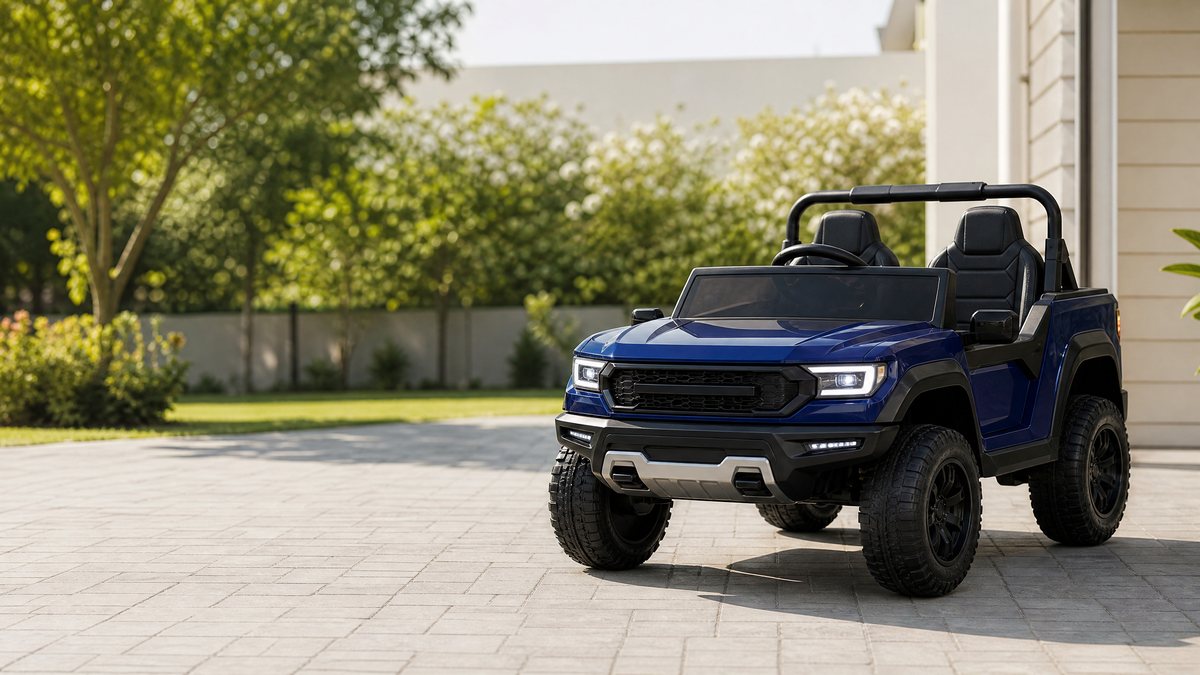
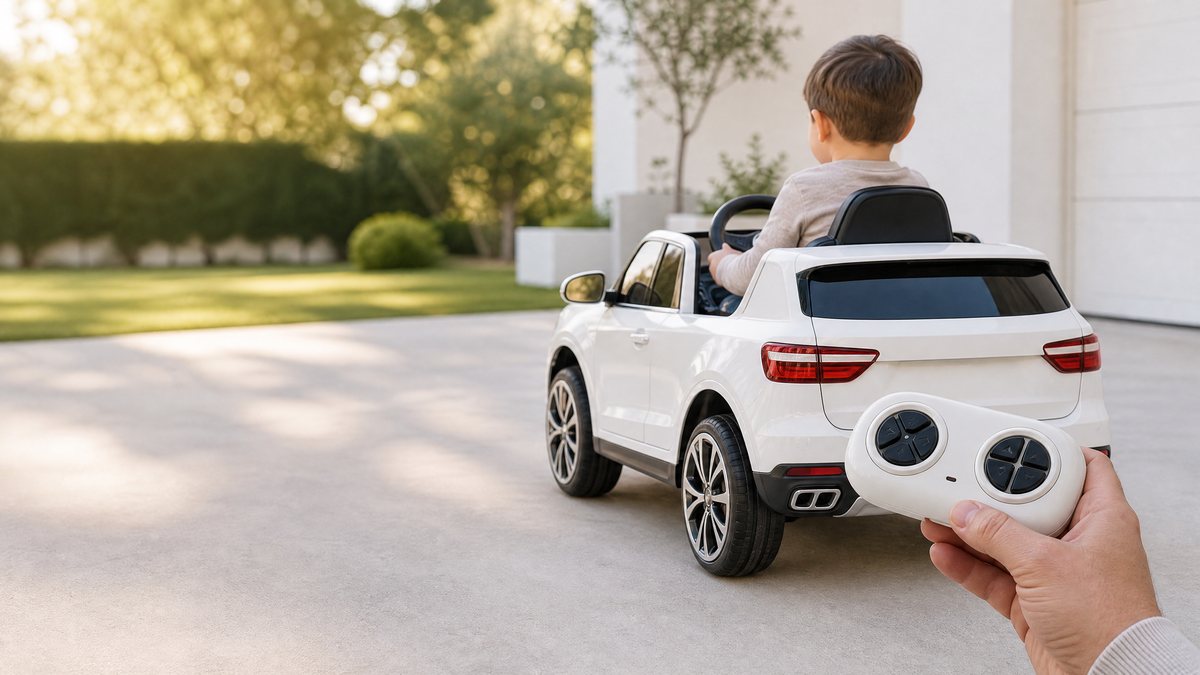
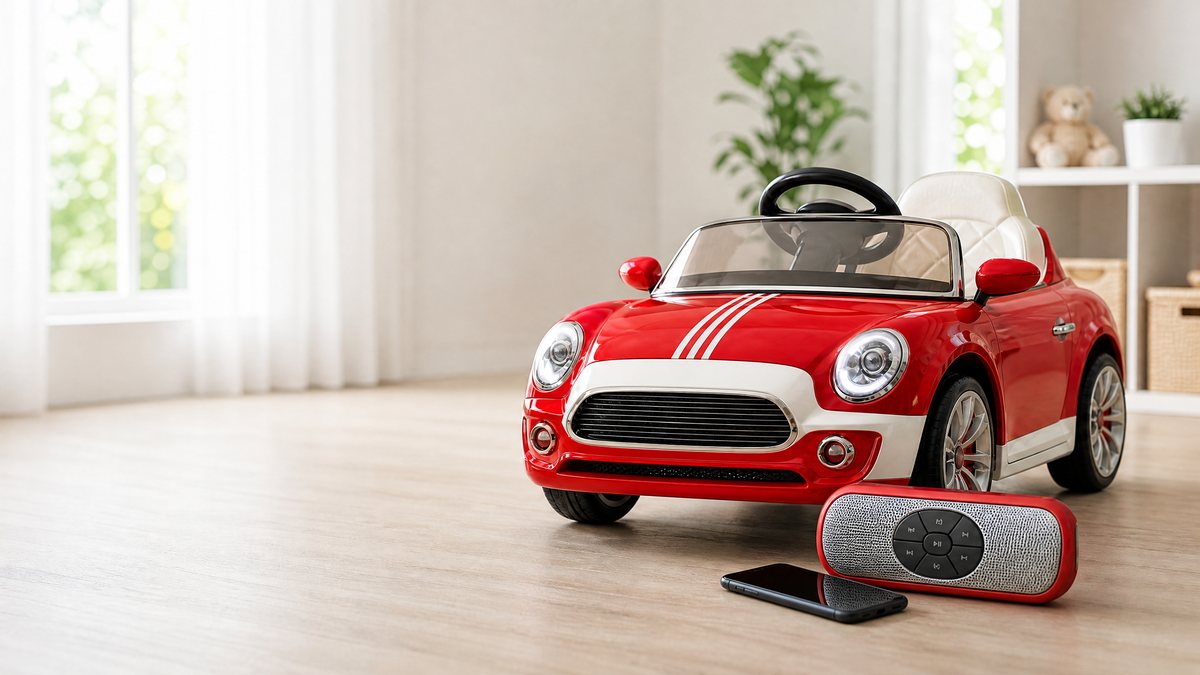
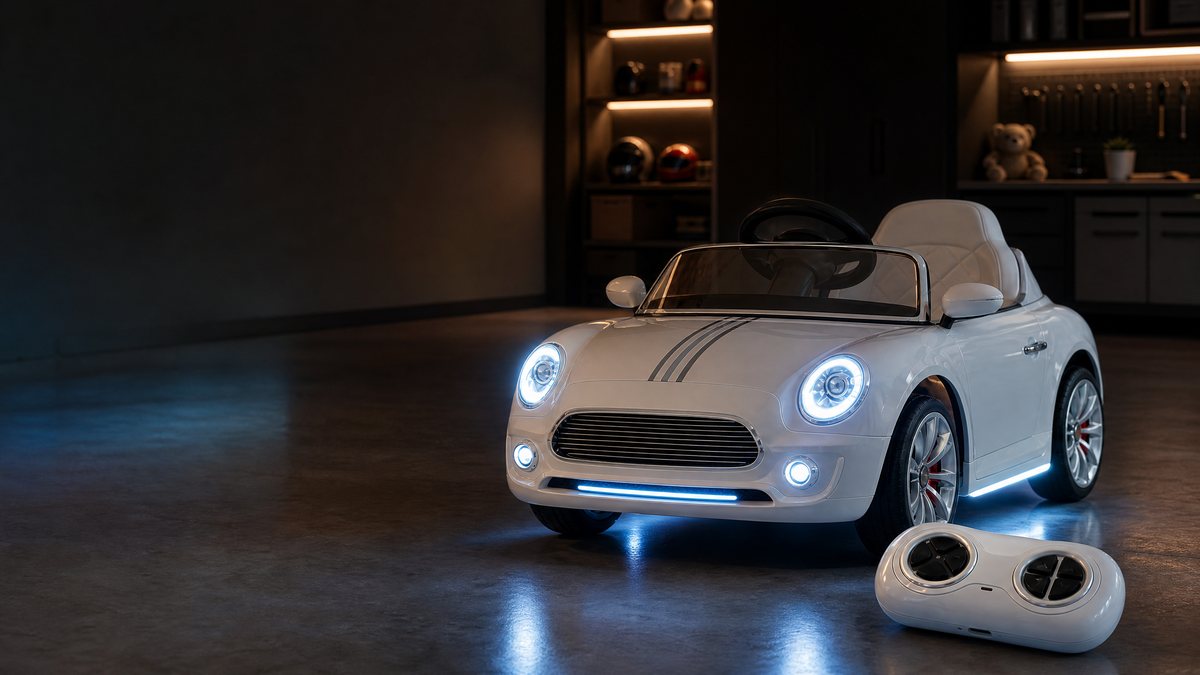
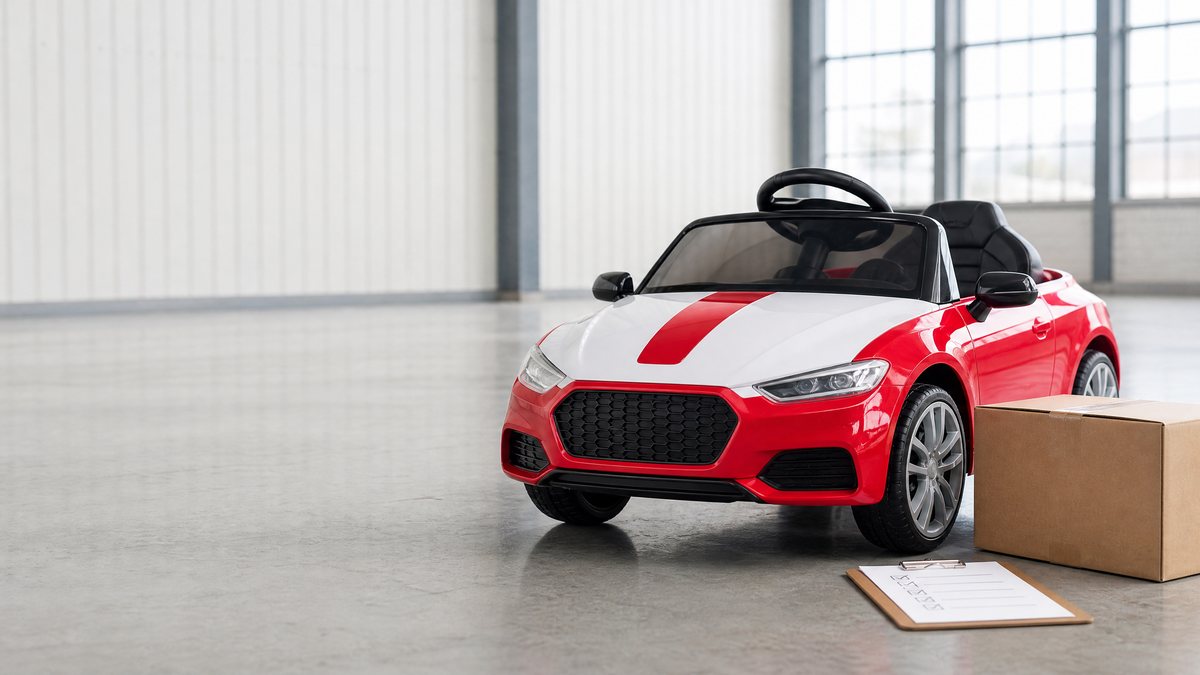
Our engineering team designed a rigorous testing protocol simulating 12 months of aggressive consumer use within a compressed two-week timeframe. Three representative models—a standard 12V Jeep-style utility vehicle, a premium 24V UTV, and a compact 12V sports car—were evaluated across four primary stress categories.
| Test Category | Testing Protocol | Target Standard | Key Evaluation Metric |
|---|---|---|---|
| Chassis & Frame Stress | Continuous weighted drop test & uneven obstacle traversal | 150,00s impact cycles at max rated load | Structural deformation, weld cracking, axle bending |
| Motor & Gearbox Endurance | Continuous dynamometer running under full load (forward/reverse shift cycles) | 200 hours continuous operation at 35°C ambient | Thermal runaway threshold, gear stripping, RPM degradation |
| Wheel & Traction Wear | Automated abrasive drum roll test (simulating asphalt and gravel) | 50 km continuous rolling distance | Tread depth reduction, cracking, separation from hub |
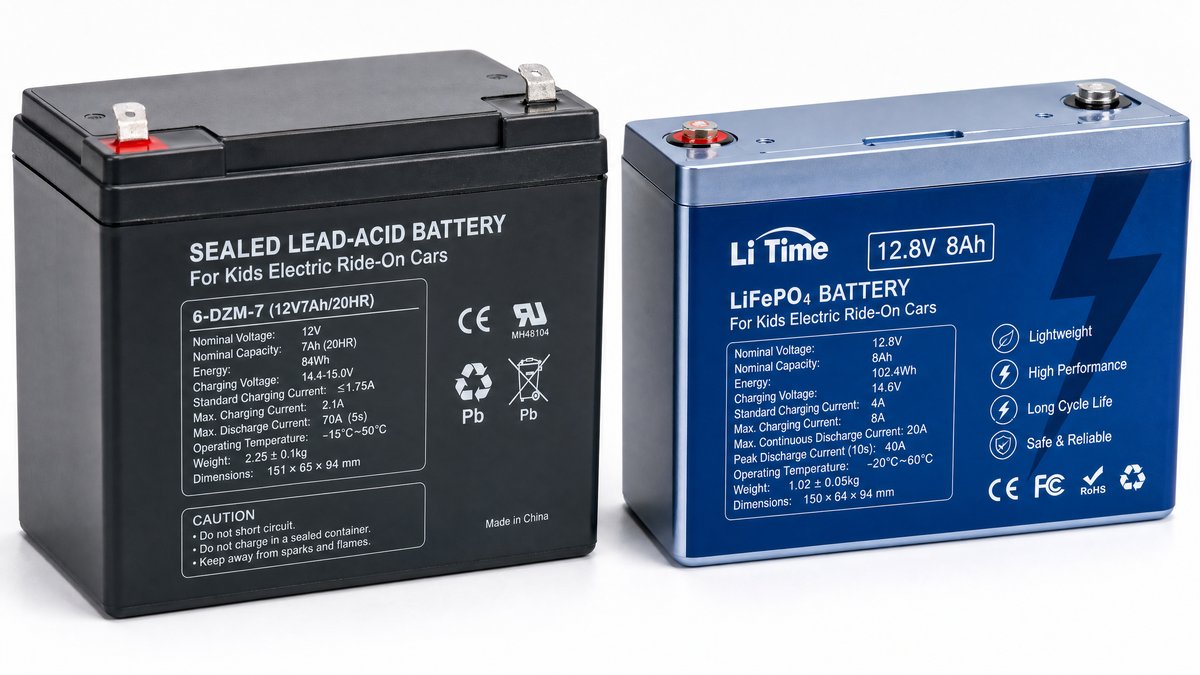
| Electrical & Battery Cycle | Deep discharge and recharge cycles with surge monitoring | 300 full charge-discharge cycles | Capacity retention rate, BMS stability, connector thermal health |
Phase 1: Structural Integrity and Frame Stress
The foundation of any ride-on car is its chassis. While many entry-level models rely solely on thin-wall injection-molded plastic, commercial-grade ride-on cars integrate reinforced steel subframes and high-impact polypropylene (PP) body panels.
Drop-Test and Impact Findings
During our drop tests, vehicles loaded with 1.25x their maximum rated weight were subjected to repetitive 15cm drop impacts onto concrete.
- Standard 12V Models: Exhibited minor flex in the steering column housing after 5,000 cycles, though structural failure was avoided through the use of reinforced nylon brackets.
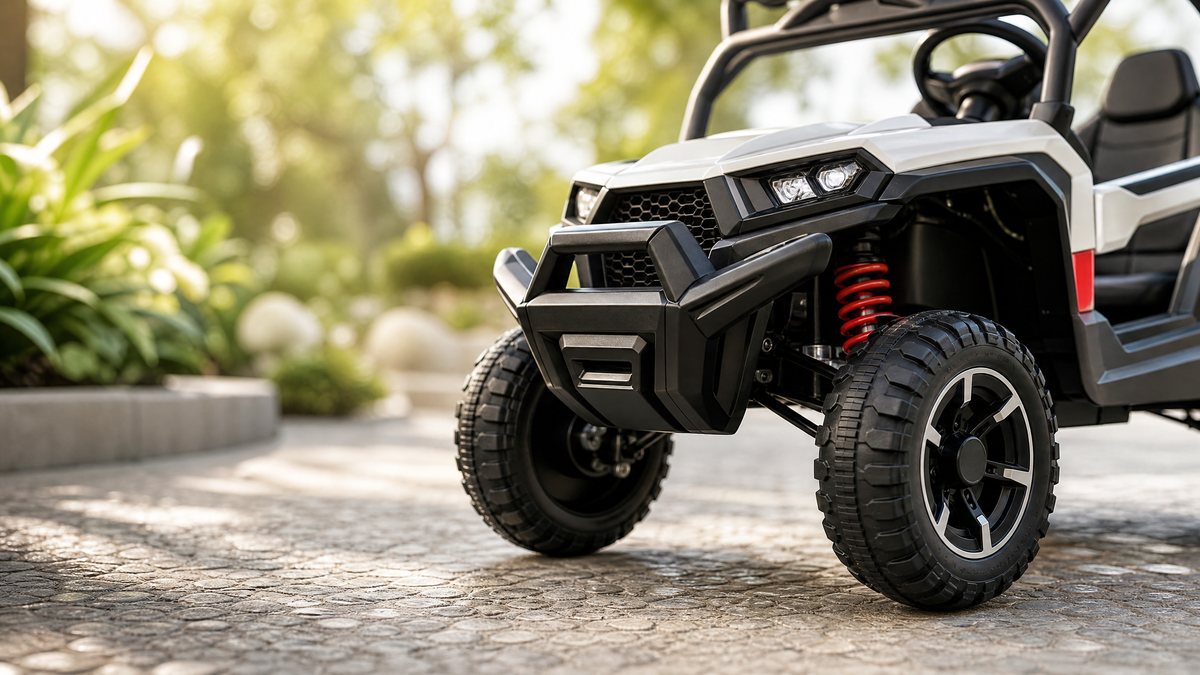
- Premium 24V UTVs: Featuring tubular steel roll cages and heavy-duty chassis bracing, these units showed zero structural compromise, validating their suitability for rougher outdoor terrains.
Retailer Takeaway: When evaluating supplier samples, inspect the thickness of the underbody chassis molding and verify whether steering linkages utilize metal-to-metal joints rather than direct plastic-on-plastic friction.
Phase 2: Mechanical Endurance—Motors and Gearboxes
The propulsion system is the heart of the electric ride-on car. Premature gearbox failure is the #1 cause of consumer returns in the ride-on category.
The Gearbox Dilemma: Plastic vs. Steel-Reinforced Gears
Our dynamometer endurance tests revealed stark differences between gearbox configurations:
1. Standard RS550 12V Motors: Equipped with POM (polyoxymethylene) plastic gears, these motors performed exceptionally well under normal load, showing stable thermal properties up to 45 minutes of continuous operation. However, rapid forward-to-reverse gear shifting without stopping caused micro-chipping on the primary drive gear teeth.
2. High-Torque 24V Brushless/Brushed Systems: Designed for dual-seater UTVs, these gearboxes utilized hardened steel primary gears paired with high-tensile secondary wheels. They endured 200 hours of stress testing with less than a 4% drop in output torque.
```
[Battery Pack] ---> [Intelligent Controller] ---> [Heavy-Duty Gearbox] ---> [EVA Foam Tires]
| | | |
BMS Protection Thermal Regulation Steel-Reinforced High Abrasion
& Cell Balance Cut-Offs Drive Gears Resistance
```
Retailer Takeaway: Stocking models equipped with thermal overload protection circuits prevents motor burnout when children stall the vehicle against walls or heavy obstacles.
Phase 3: Wheel Material and Traction Evolution
Wheels dictate both the ride quality and the perceived value of the vehicle. Hard plastic wheels wear down quickly, generate excessive noise on hard surfaces, and offer poor traction.
EVA Foam vs. Hard Plastic Wheels
Our abrasive drum testing compared traditional blow-molded plastic wheels with modern EVA (Ethylene-Vinyl Acetate) solid foam tires:
- Hard Plastic Wheels: Lost an average of 2.8mm of tread depth over the 50 km simulated test, accompanied by severe surface scratching and loud acoustic resonance.
- EVA Foam Tires: Demonstrated superior shock absorption and minimal tread wear (less than 0.6mm loss). More importantly, EVA tires maintained high friction coefficients on wet concrete and turf surfaces.
Frequently Asked Questions (FAQ)
1. How do 12V and 24V ride-on cars differ in long-term durability?
24V models are typically engineered for older children and rougher terrains, incorporating heavy-duty steel frames, larger motors, and robust gearboxes that naturally offer superior long-term durability. However, premium 12V models with reinforced gearboxes also achieve excellent longevity when matched with appropriate weight limits.
2. What is the most common point of failure reported by retailers?
Historically, drive gear stripping caused by abrupt directional changes and battery sulfation from improper off-season storage are the most frequent issues. Modern designs mitigating these with soft-start controllers and smart chargers have significantly reduced these rates.
3. How can B2B buyers verify durability before bulk purchasing?
Always request factory test reports covering CE/EN71, ASTM F963 compliance, and drop-test certifications. Furthermore, ordering sample units for in-house stress testing remains the gold standard for quality verification.
4. Do EVA foam wheels degrade faster in extreme weather?
EVA foam is highly stable against UV radiation and moisture. Unlike low-grade rubber, it does not dry-rot or crack when stored in unheated warehouses during winter months.
Conclusion and Procurement Recommendations
Durability is not an accident of manufacturing; it is the result of intentional engineering choices. For wholesale distributors and retail buyers, investing in models featuring reinforced steel frames, EVA foam wheels, and thermal-protected gearboxes translates directly into higher customer satisfaction, reduced warranty servicing costs, and stronger brand reputation.
At KidsRideCar, our entire export catalog undergoes rigorous quality control and stress testing to ensure your inventory stands the test of time—and terrain.
Ready to elevate your product lineup with factory-tested, high-durability electric ride-on cars? Contact our B2B sales team today at info@kidsridecar.com to request our latest catalog, wholesale pricing tiers, and sample testing programs.
Official references
Explore these external resources for current regulatory and trade guidance. Confirm requirements with the relevant authority before placing an order.
Ready to Start?
Factory-Direct · CE & ASTM Certified · MOQ from 50 Units
Our export team works with buyers in 60+ countries. Get a quote within 24 hours.
KR
Written by KidsRideCar
China's leading kids electric ride-on car manufacturer. 500,000+ units shipped annually to 60+ countries. CE, ASTM & EN71 certified.