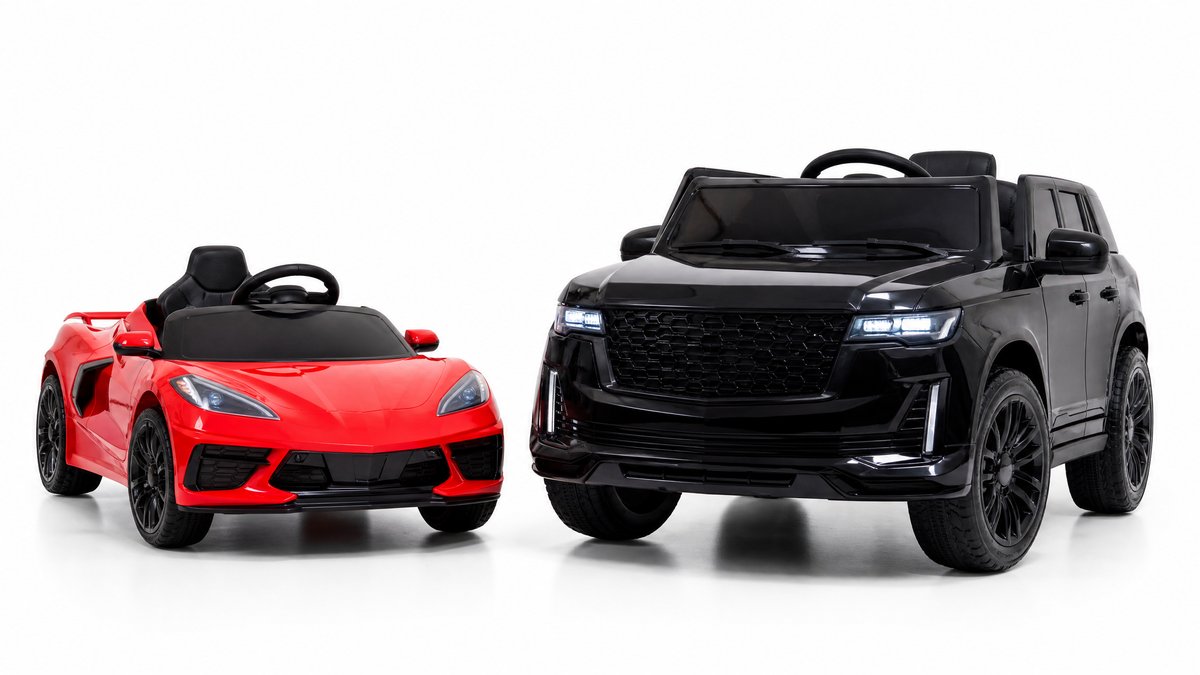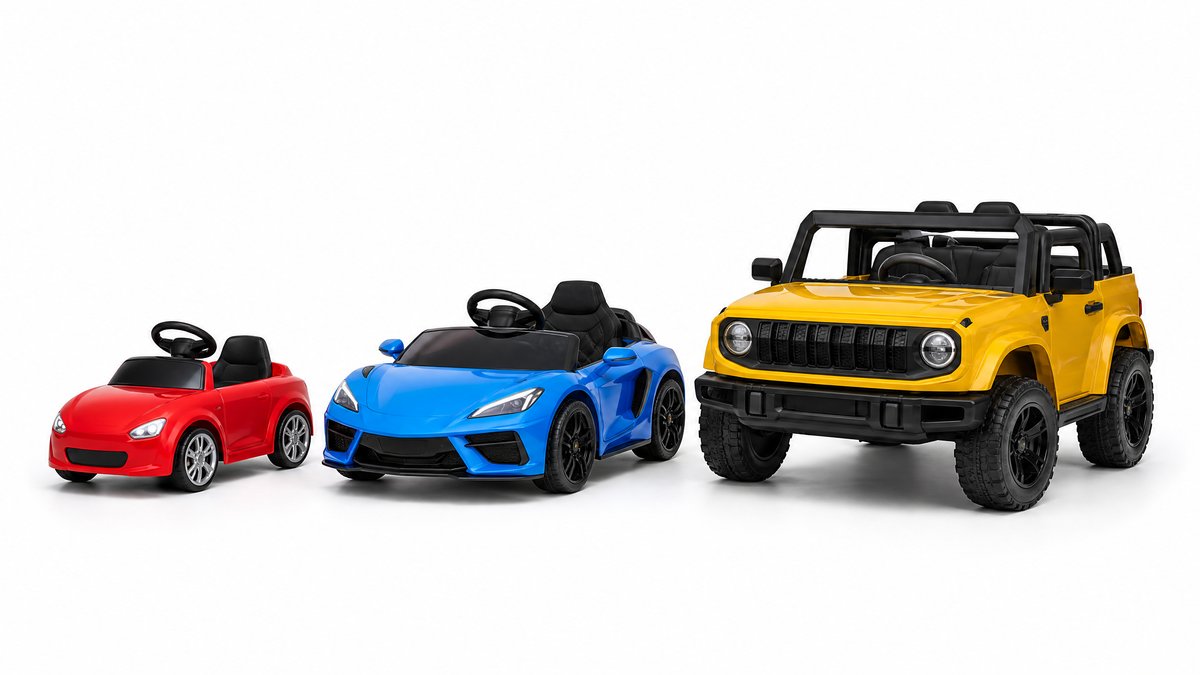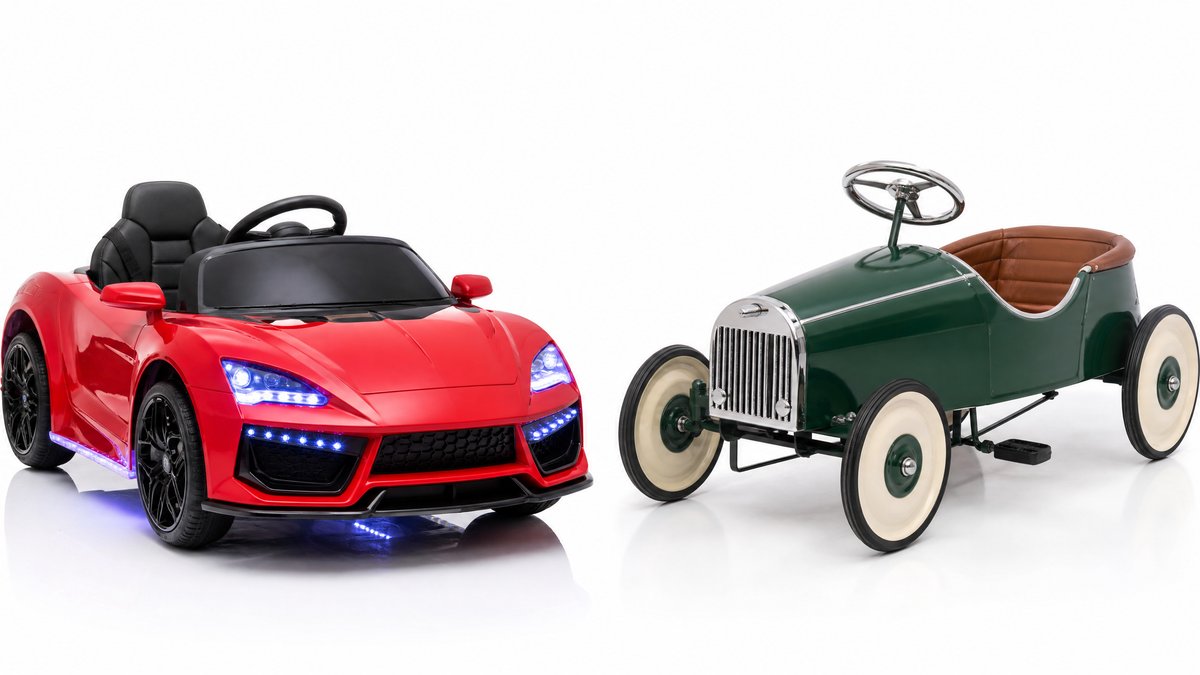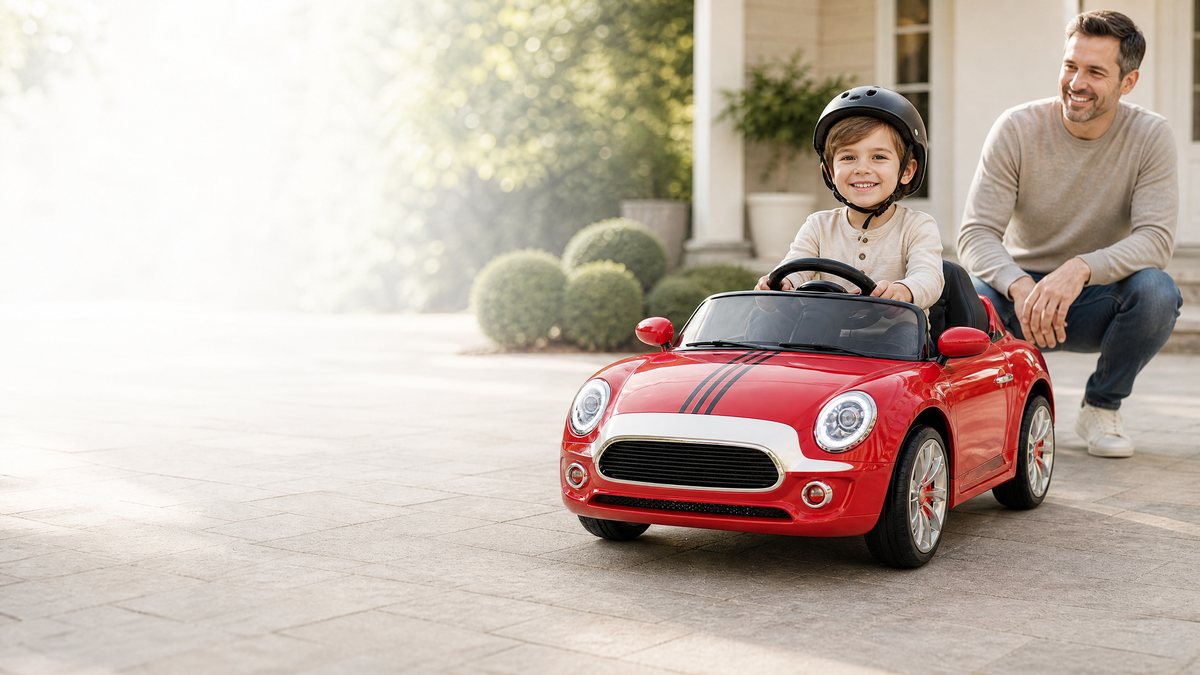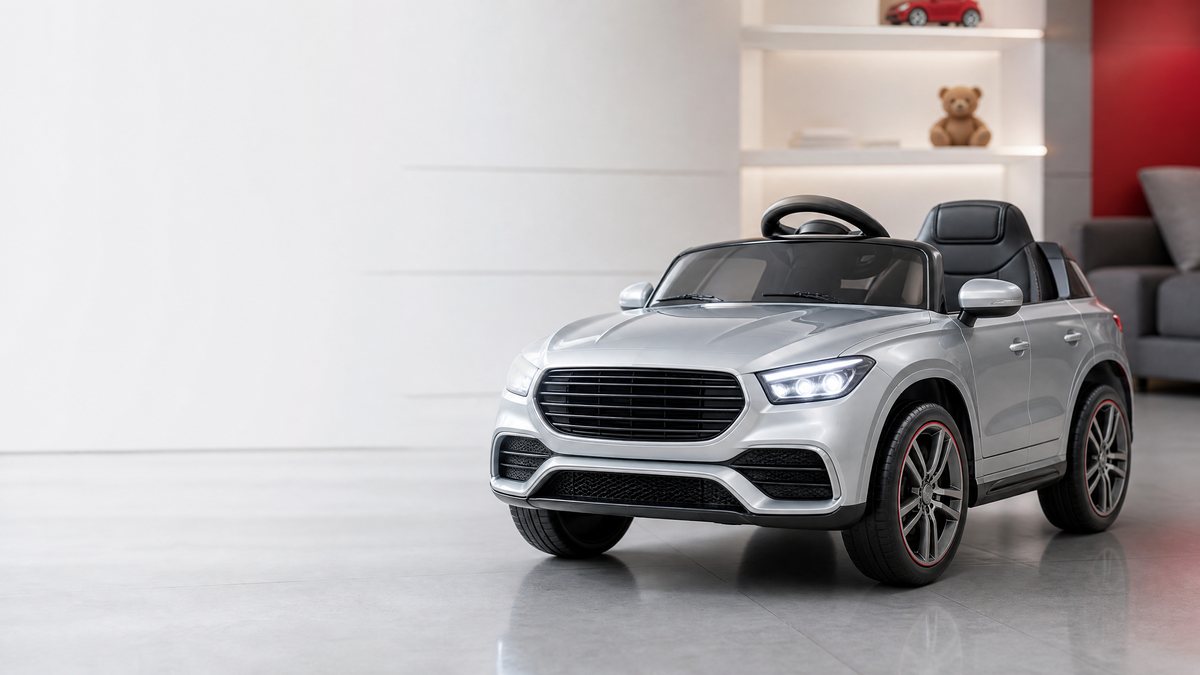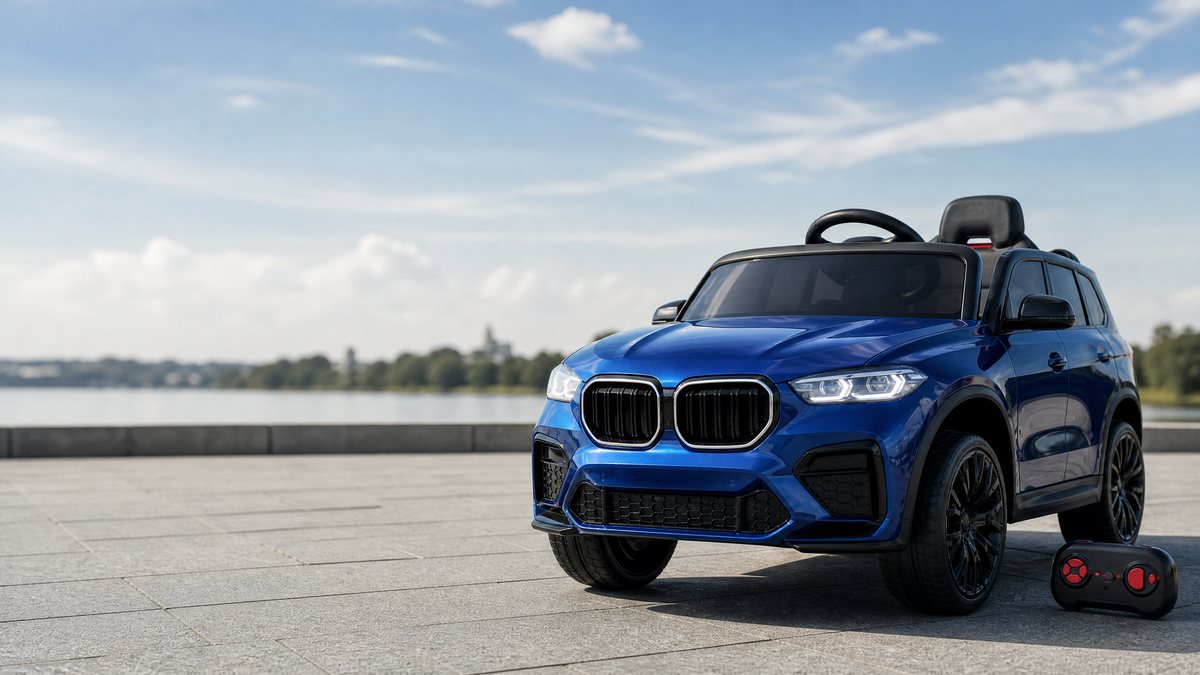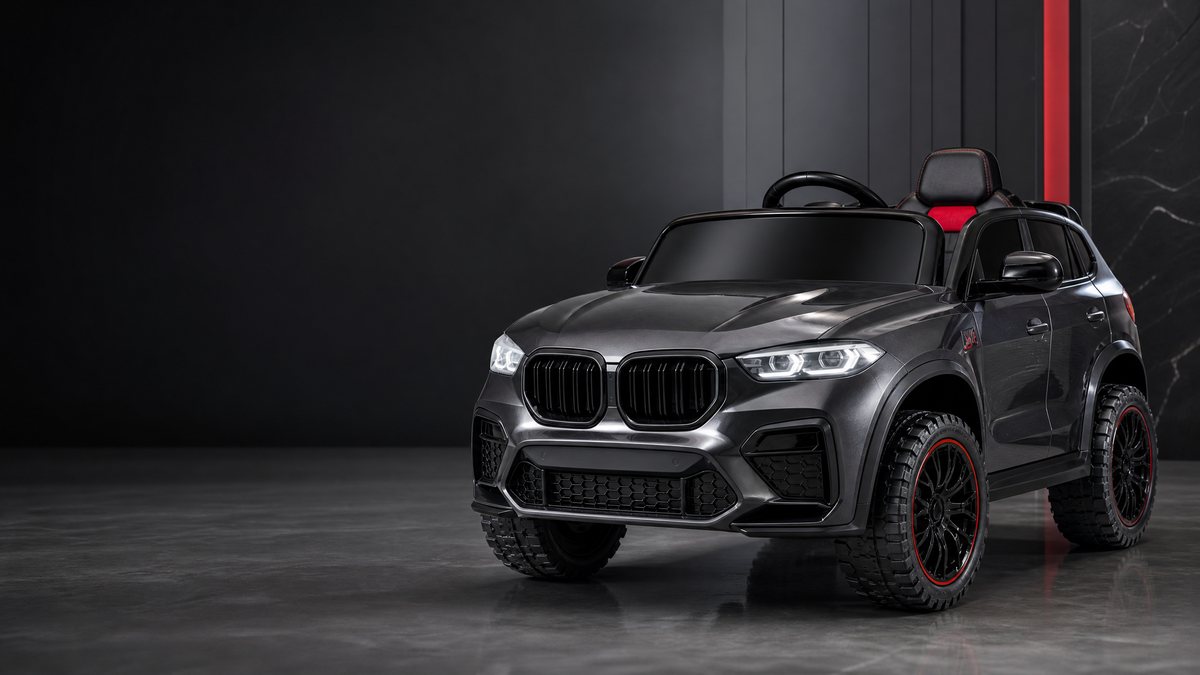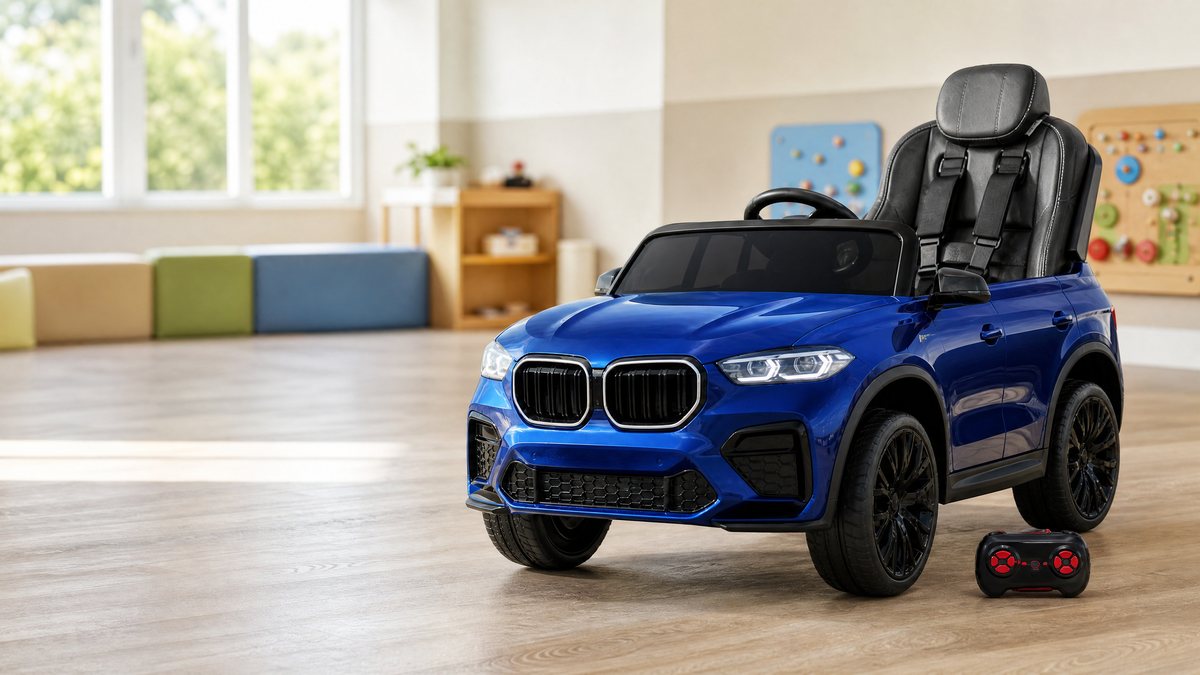
As children grow, standard 12V ride-on vehicles often fall short of their physical size and power requirements. Traditional ride-on toys engineered for toddlers frequently cap out at weight limits of 30 to 65 pounds and feature seating compartments that quickly become cramped for older or taller children, typically aged 6 to 9. When pre-teens or larger kids attempt to operate undersized vehicles, performance suffers noticeably: motors strain on inclines, battery discharge accelerates rapidly, and overall driving enjoyment diminishes.
To accommodate older children, manufacturers have expanded the market for 24V ride-on cars. These high-capacity vehicles combine robust electrical systems, reinforced structural frames, and expanded cabin dimensions to deliver sustained performance across diverse outdoor terrains. However, identifying the "best" 24V ride-on car requires looking beyond marketing claims and analyzing specific engineering parameters, safety compliance, and individual user requirements. This editorial guide provides parents, retail buyers, and importers with a transparent framework for evaluating 24V ride-on vehicles.
Understanding the Shift from 12V to 24V Systems
The transition from standard 12V electrical systems to 24V architectures is driven by fundamental physics. A higher voltage allows electrical systems to deliver increased power output to the drive wheels without drawing excessive current that can overheat standard wiring harnesses.
For heavier riders, this translates into several distinct operational advantages:
- Enhanced Torque Delivery: Higher voltage systems paired with heavy-duty gearboxes provide the necessary torque to navigate uneven lawns, gravel pathways, and gentle outdoor inclines without stalling.
- Sustained Speed Under Load: While standard 12V models may experience a significant drop in velocity when carrying a heavier child, 24V configurations maintain a consistent, manageable cruising speed.
- Extended Structural Integrity: Vehicles built for 24V electrical layouts typically feature heavier-gauge steel chassis reinforcements and high-impact resin bodies designed to withstand increased mechanical stress.
Core Decision Framework for Selecting a 24V Ride-On
When assessing 24V ride-on cars for older children, decision-makers must evaluate several critical criteria before making a purchase or stocking inventory.
1. Weight Capacity and Cabin Ergonomics
Weight limits are among the most critical specifications. While many entry-level 24V models support up to 75 to 88 pounds, heavy-duty utility UTVs and multi-passenger models can accommodate 110 to 150 pounds of combined rider weight. Beyond total weight capacity, physical dimensions matter immensely. Taller children require adequate legroom, adjustable seat positions, and high backrests to maintain proper posture and control during operation.
2. Motor Configuration and Drivetrain
The propulsion mechanism dictates how a vehicle handles varying surfaces. Most 24V ride-on cars utilize either dual high-output gearboxes (one on each rear wheel) or advanced multi-motor setups. When reviewing specifications, verify whether the gearboxes feature metal gears or reinforced resin composites, as metal components generally offer enhanced durability under sustained heavy loads.
3. Battery Capacity and Charging Specifications
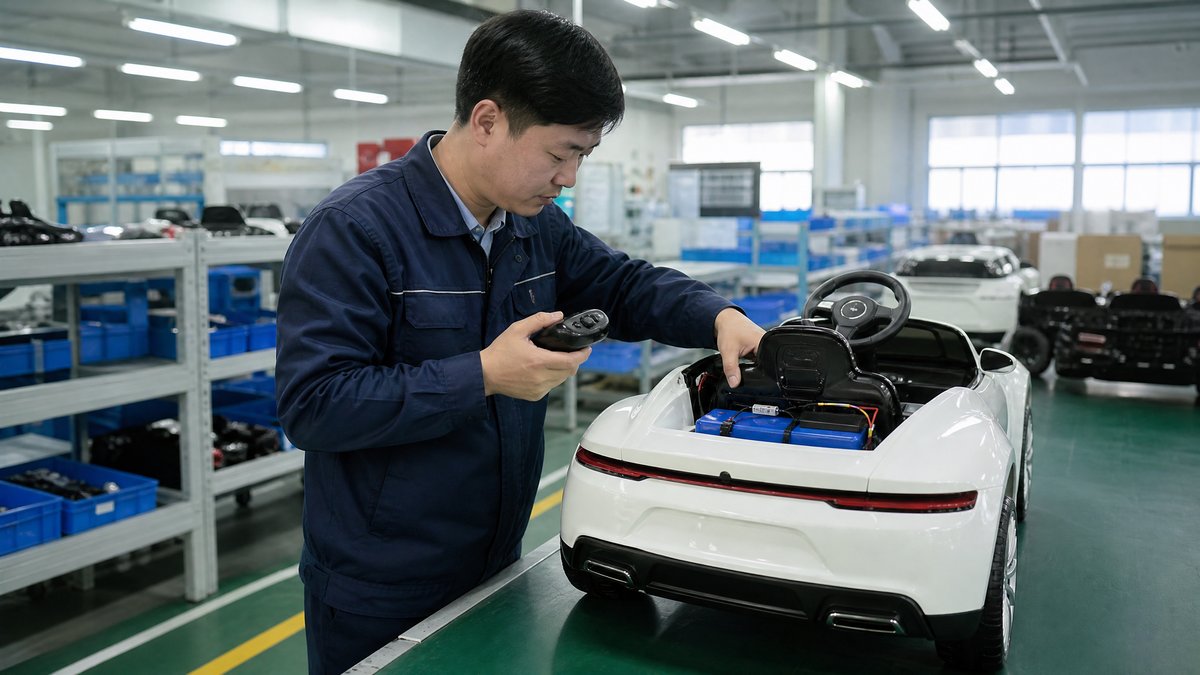
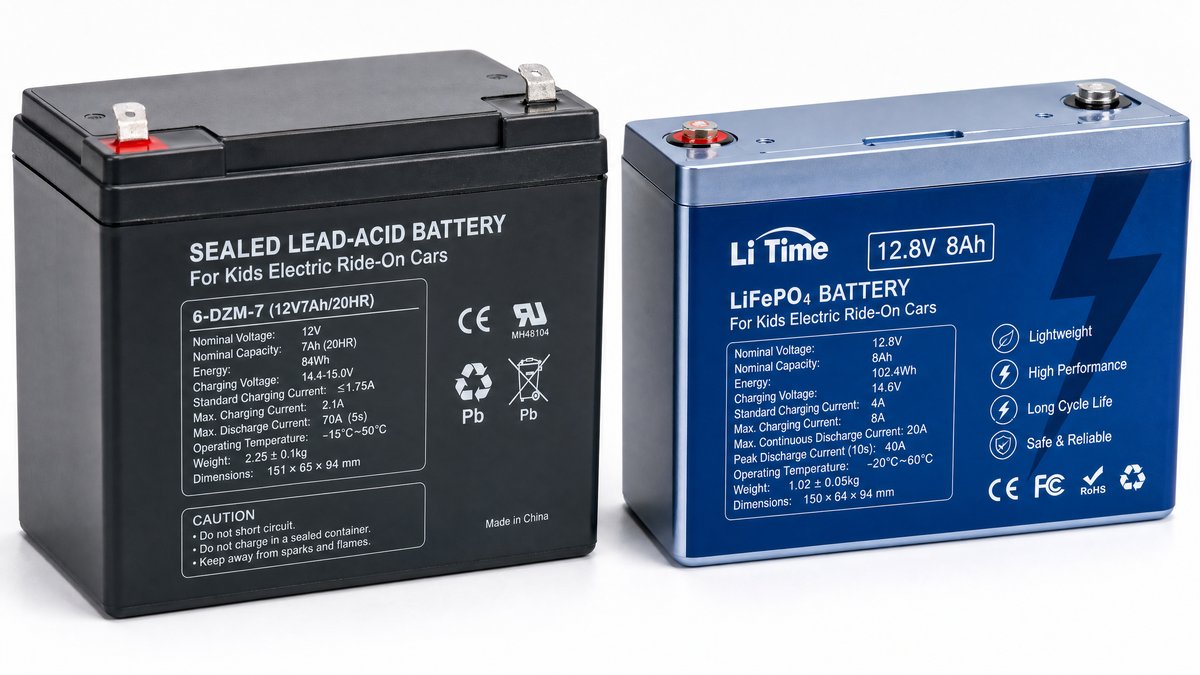
Voltage alone does not determine run time; battery amperage-hour (Ah) ratings are equally important. A standard 24V system may utilize two wired-in-series 12V batteries or a single integrated 24V block. Importers and buyers should examine charging cycles, Over-Current Protection (OCP) circuits, and recommended charging durations to ensure dependable daily operation.
4. Wheel Construction and Suspension
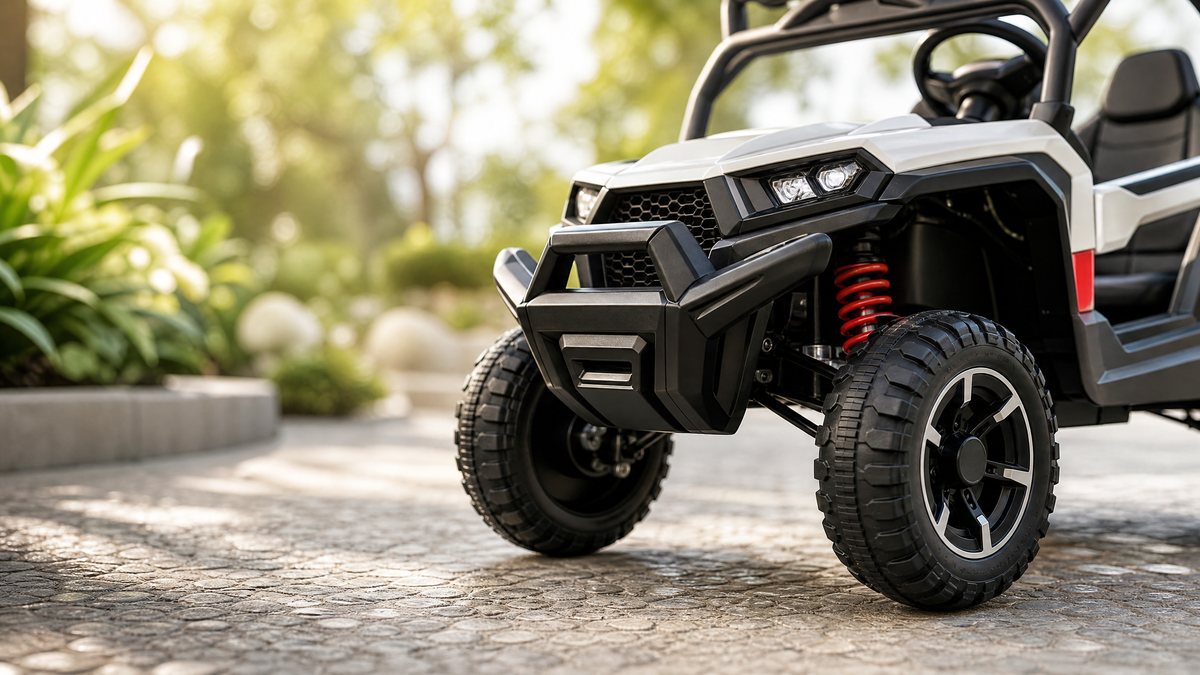
Hard plastic wheels can slip on grass and generate excessive noise on pavement. The best 24V vehicles incorporate foam-filled EVA (Ethylene-Vinyl Acetate) rubber tires paired with functional independent spring suspension systems. This combination absorbs shock impacts, improves traction, and protects the internal drivetrain from harsh shocks.
Comparison of 24V Ride-On Vehicle Categories
To assist buyers in categorizing available designs, the following comparison outlines the primary 24V vehicle tiers found in the marketplace.
| Vehicle Category | Typical Weight Capacity | Motor Configuration | Primary Terrain Suitability | Ideal Target User |
|---|---|---|---|---|
| Standard 24V Utility Buggy | Up to 75–88 lbs (35–40 kg) | Dual 24V Gearboxes | Flat asphalt, manicured lawns | Younger big kids transitioning from 12V models |
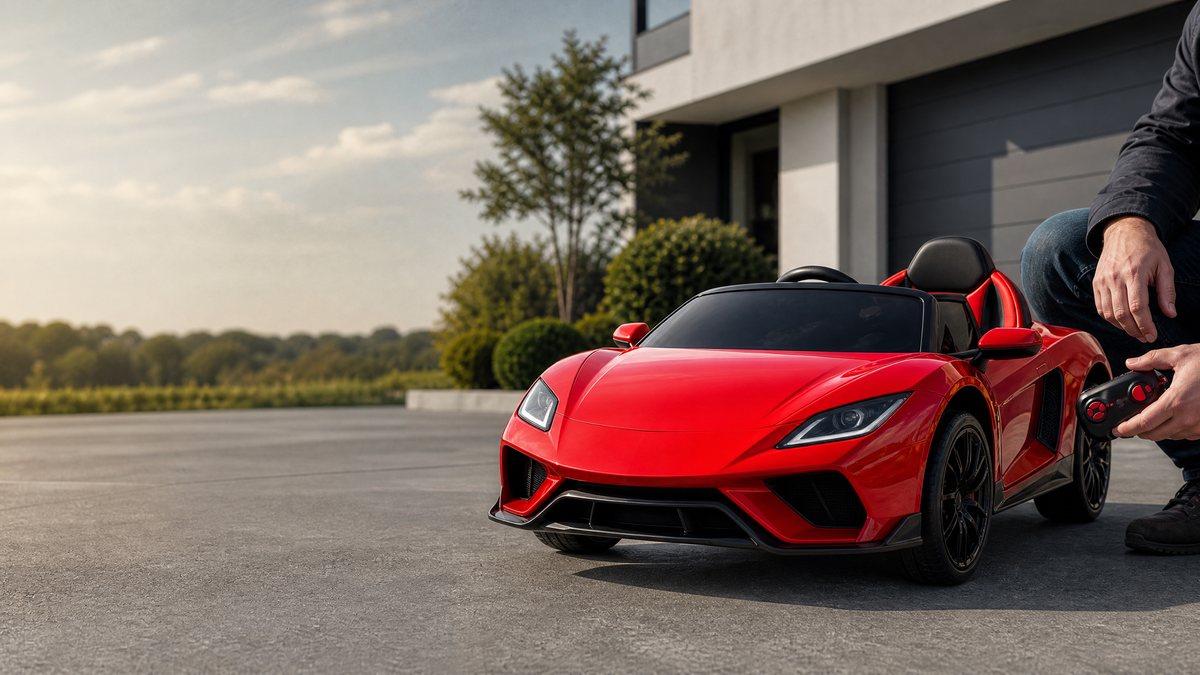
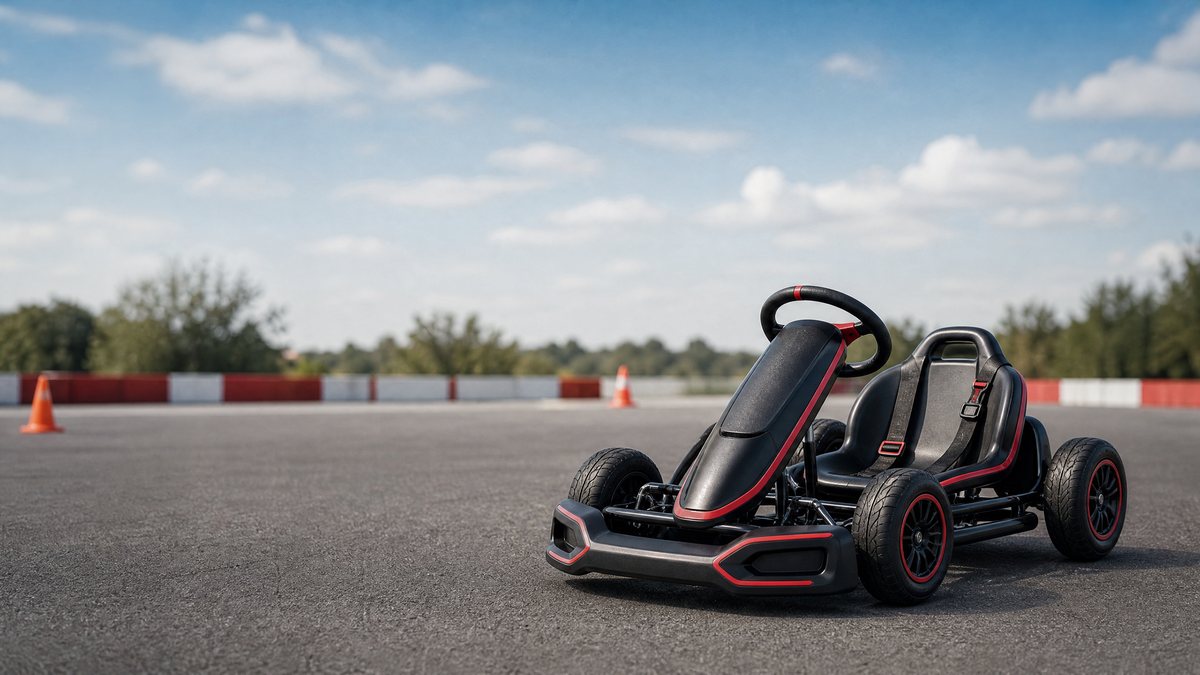
| Heavy-Duty Sports & Drift Car | Up to 110 lbs (50 kg) | Dual High-Torque Motors | Paved driveways, smooth concrete | Older children seeking responsive handling and styling |
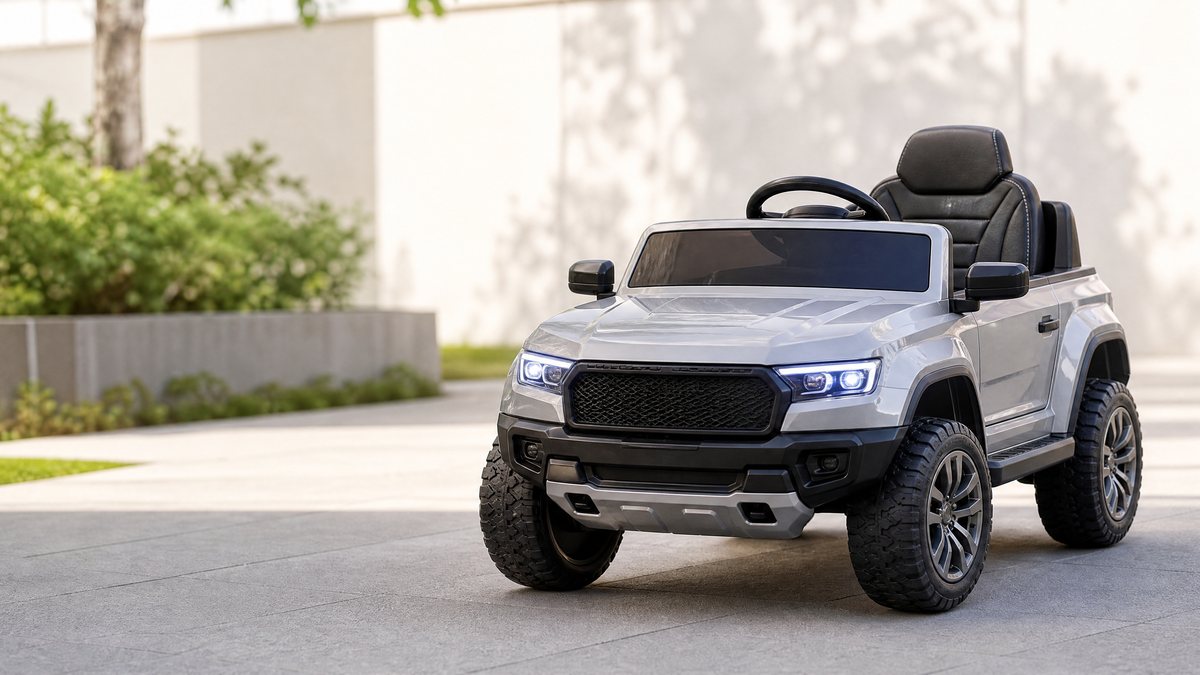
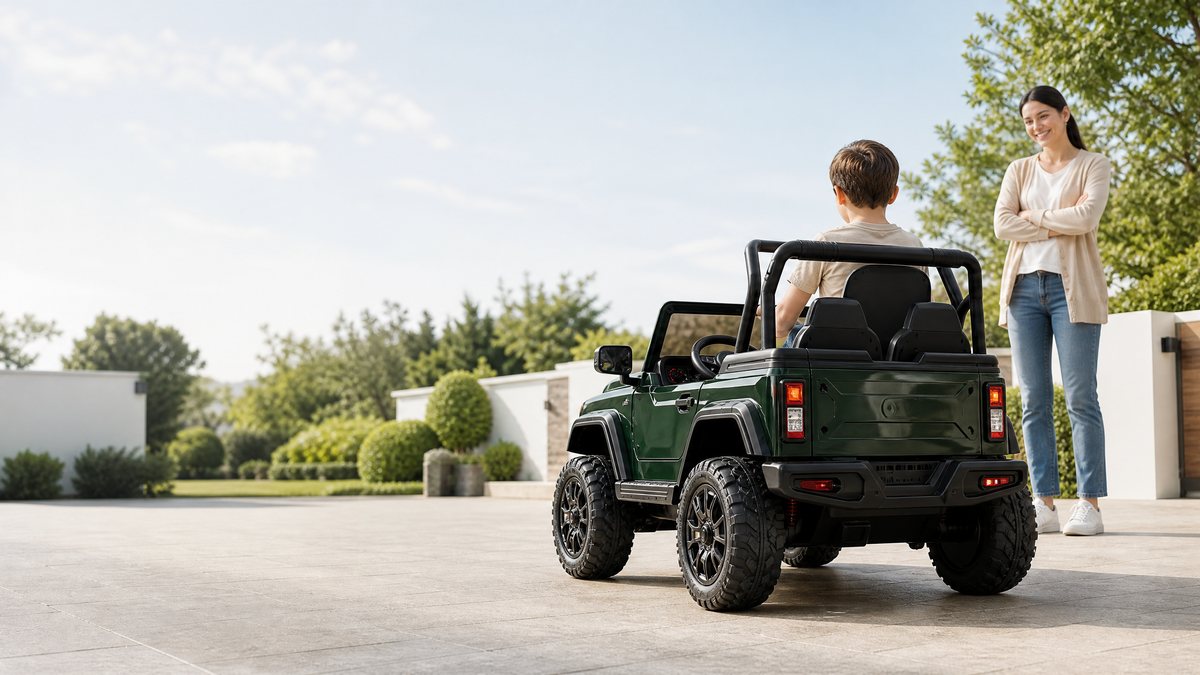
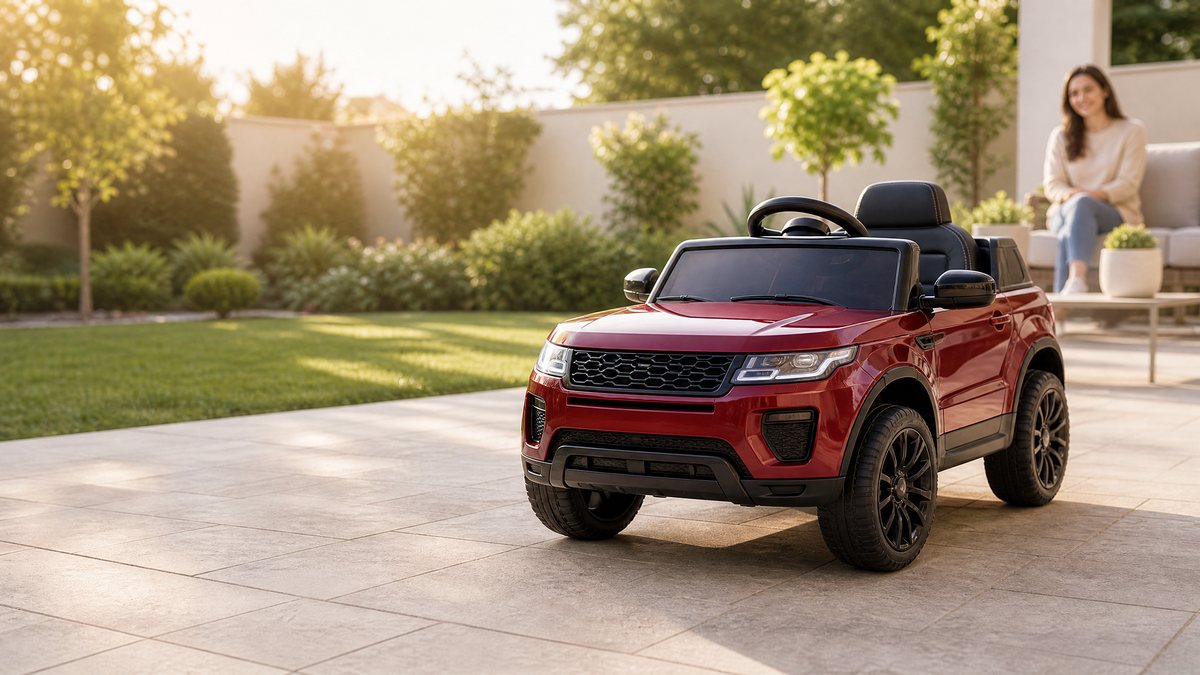
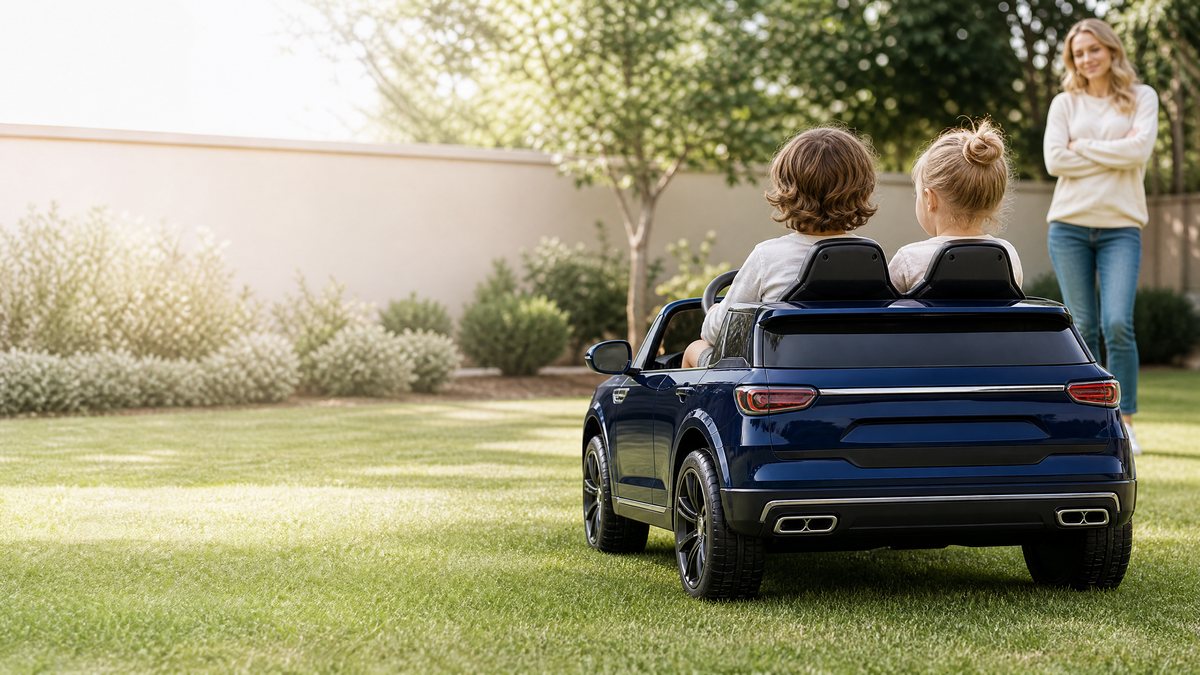
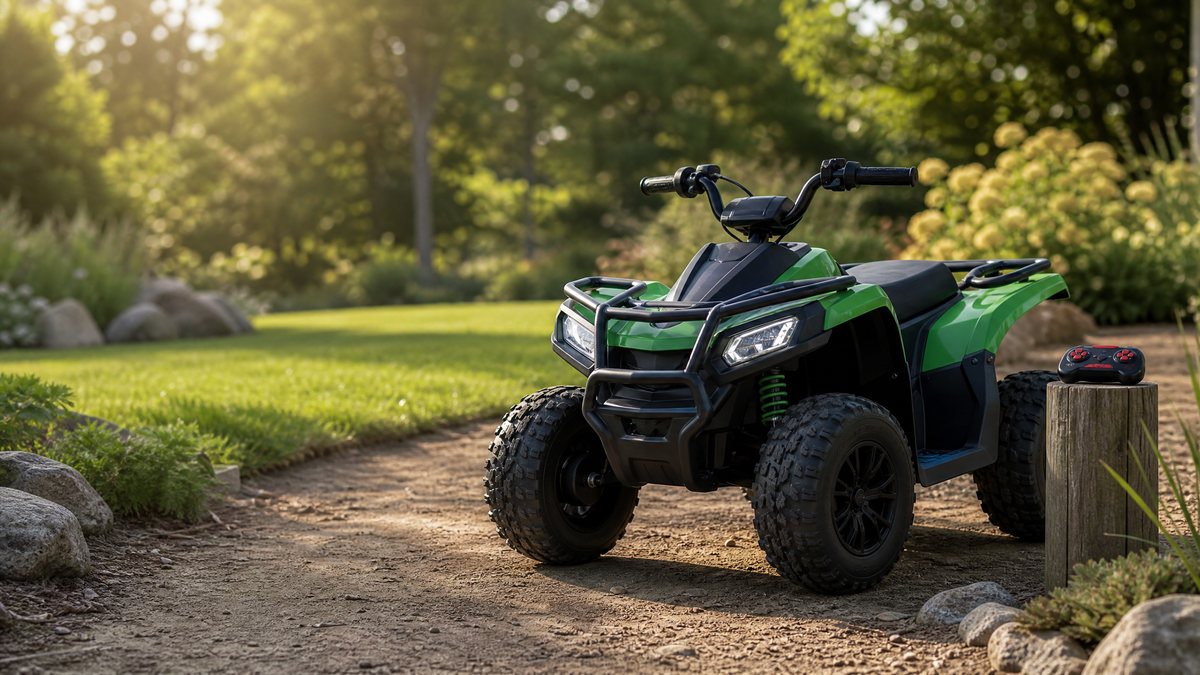
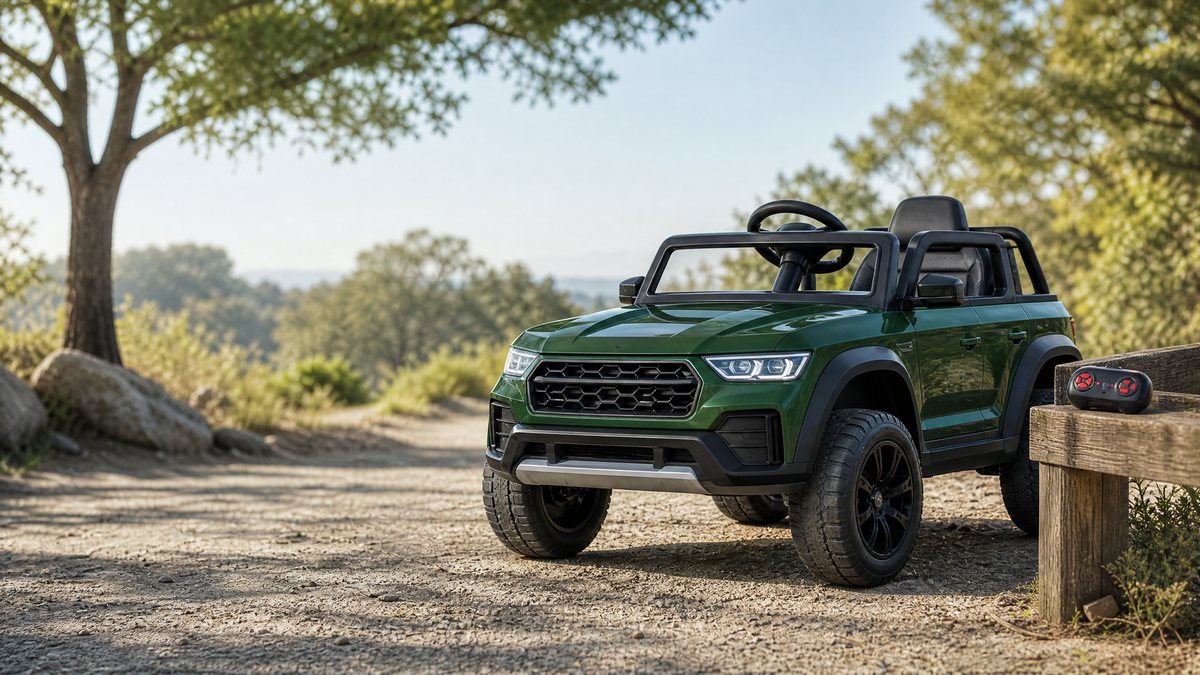
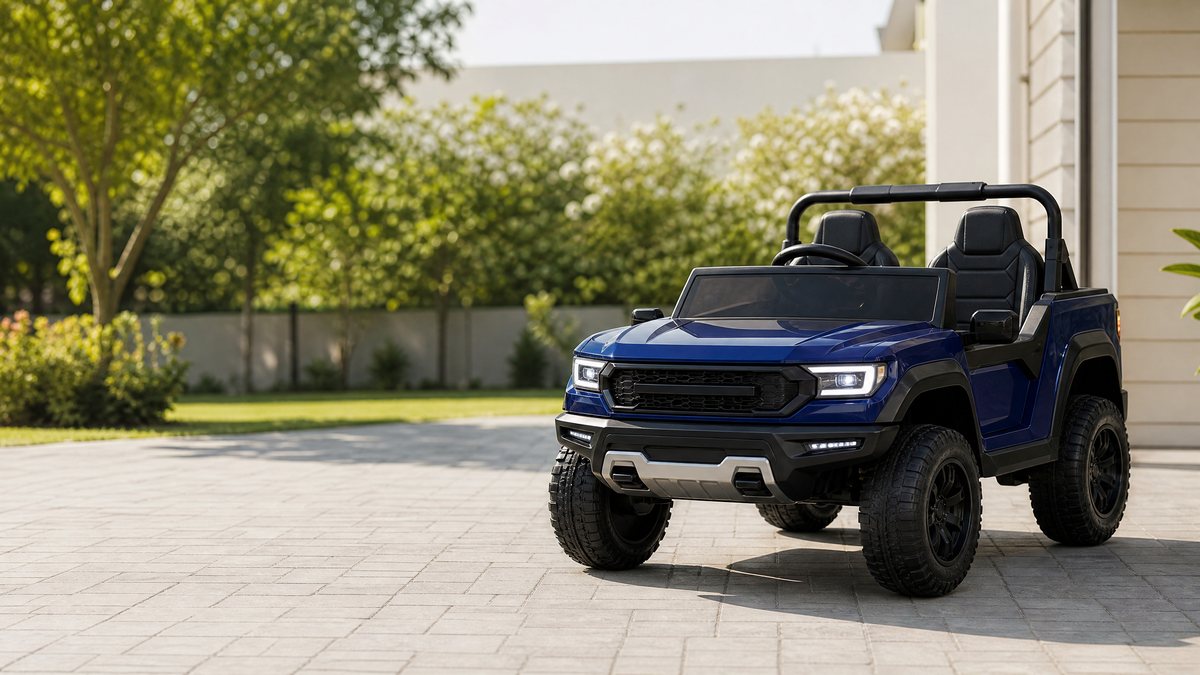
| Tandem / Two-Seater Off-Road UTV | Up to 130–150 lbs (combined) | Dual or Quad Heavy-Duty Motors | Grass, gravel, gentle inclines | Siblings or single older riders requiring extra legroom |
Safety and Fit Checklist for Parents and Operators
Ensuring a safe operating environment is paramount when introducing higher-voltage ride-on vehicles to older children. Stakeholders should review the following checklist prior to initial use:
- Physical Clearance Verification: Ensure the rider's knees do not strike the steering wheel and that their feet rest securely on the accelerator pedal without overextending.
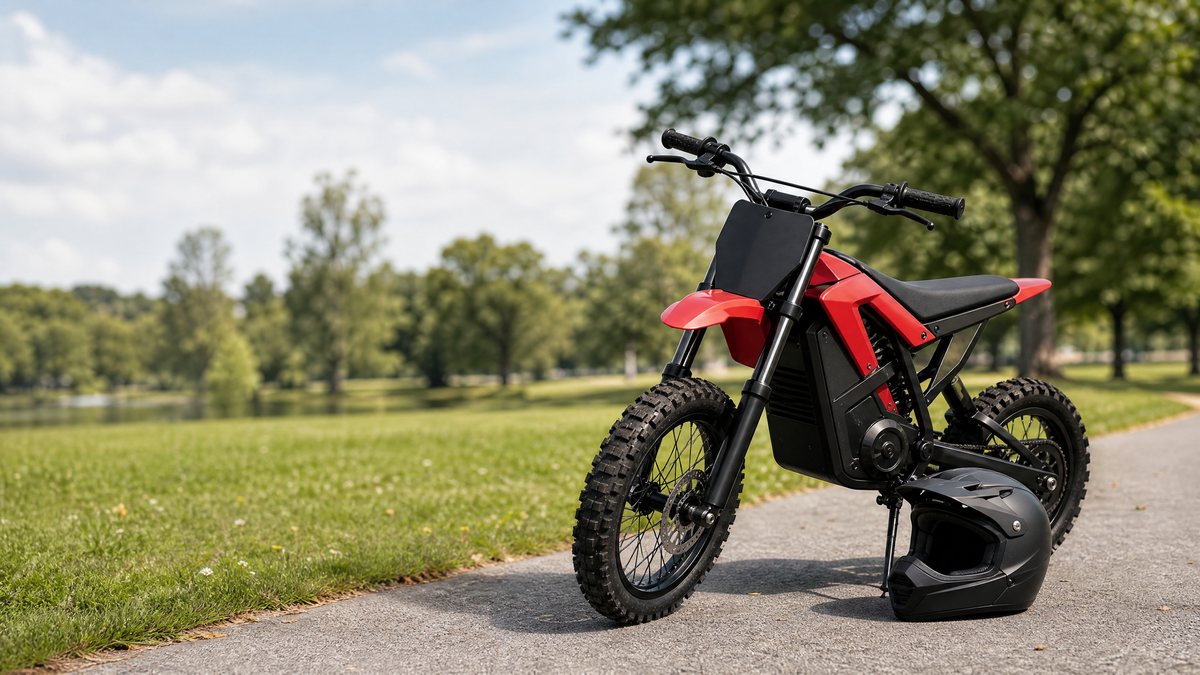
- Personal Protective Equipment: Operators should wear a properly fitted, certified bicycle or multi-sport helmet along with sturdy, closed-toe footwear.
- Operational Boundaries: Establish clear geographic limits. Ride-on cars should never be operated near public roadways, steep hills, swimming pools, or unsupervised driveways.
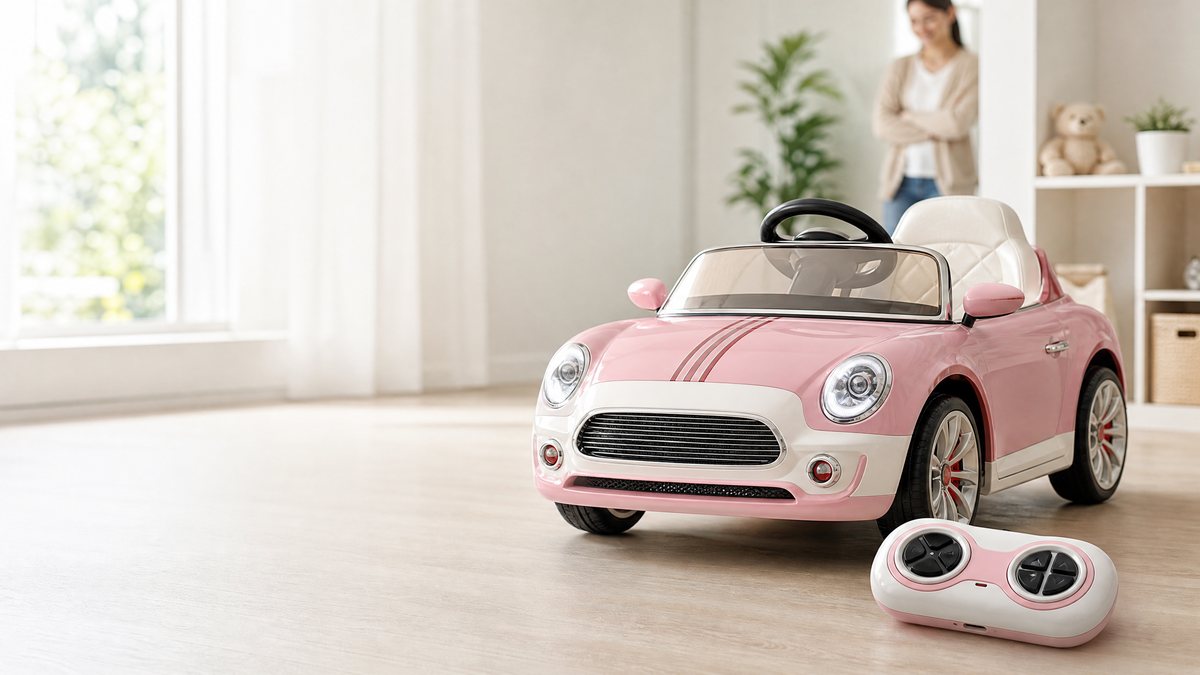
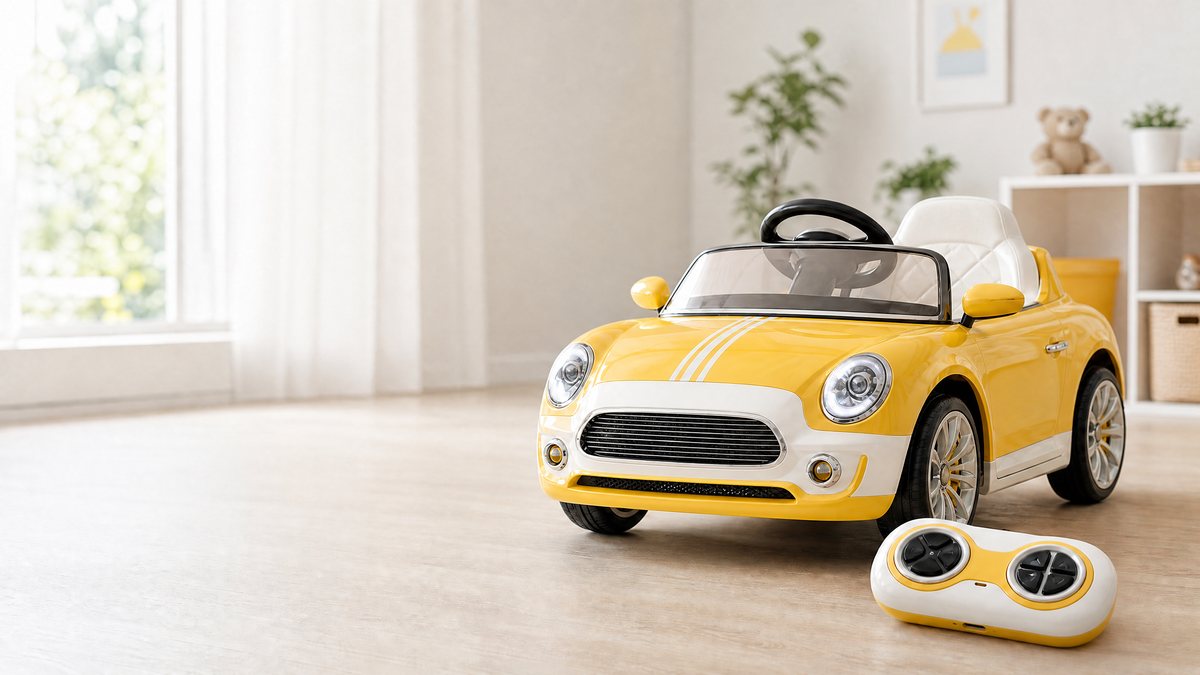
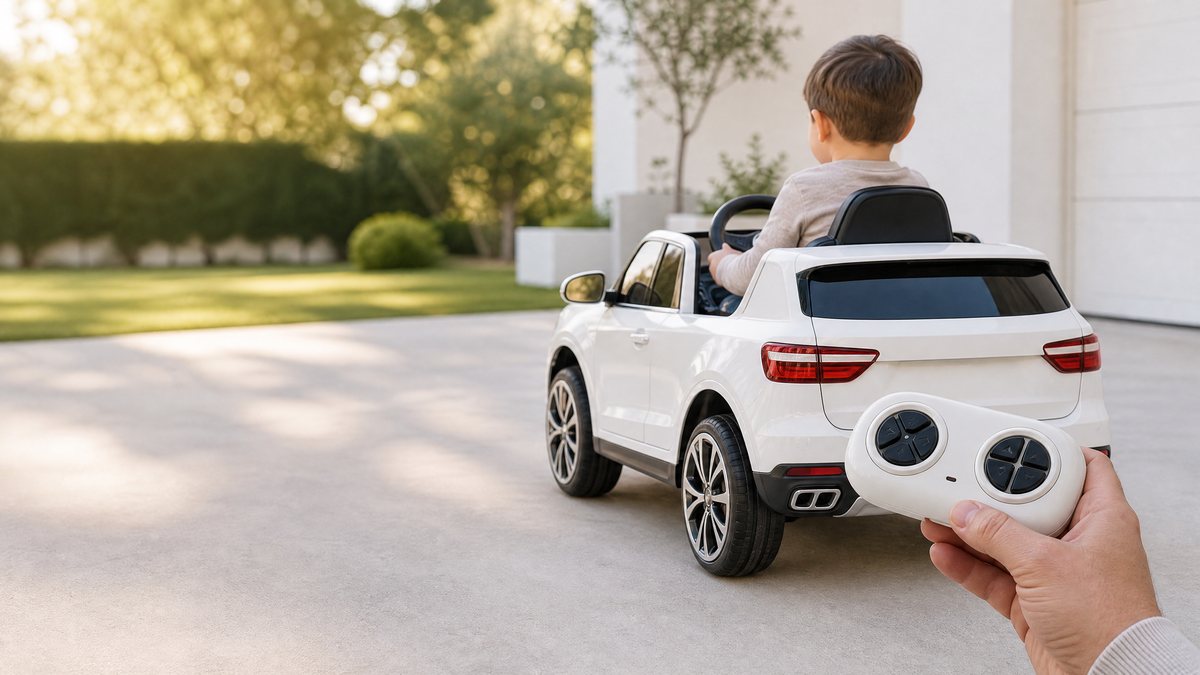
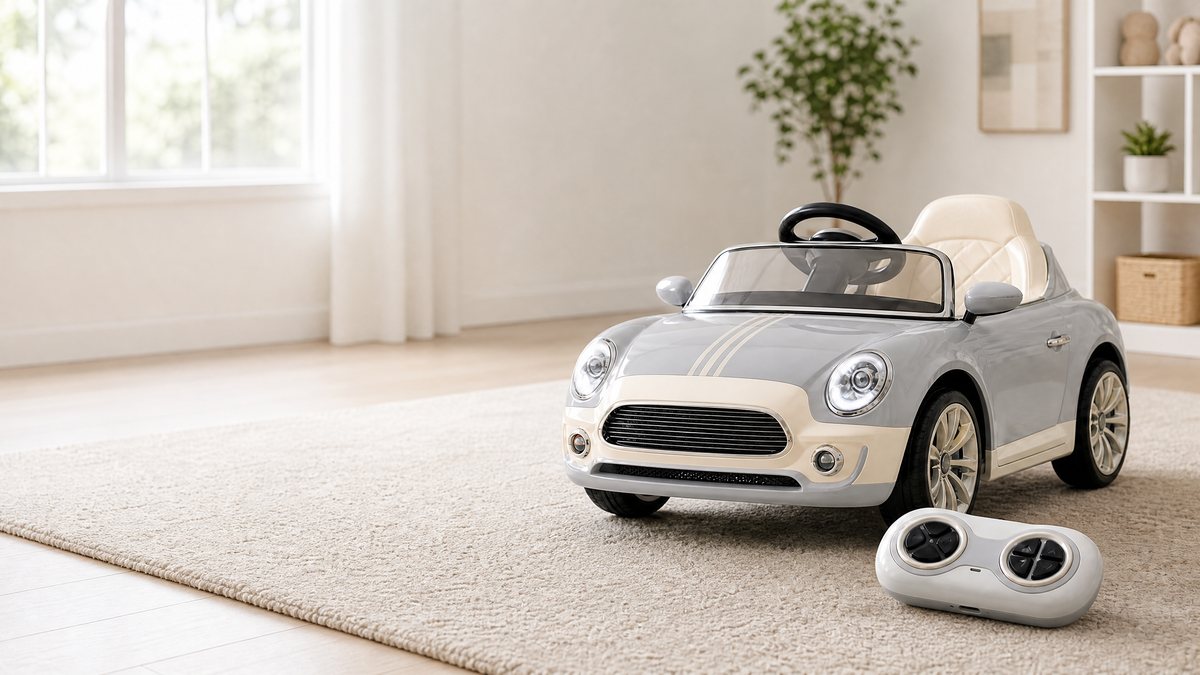
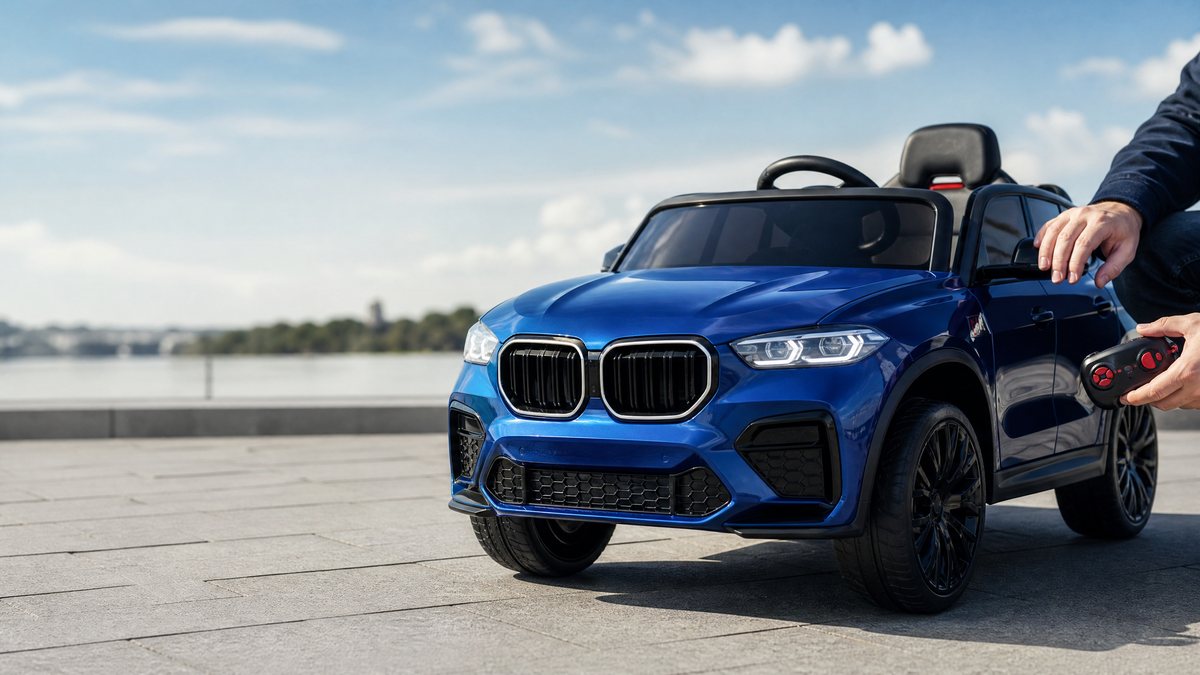
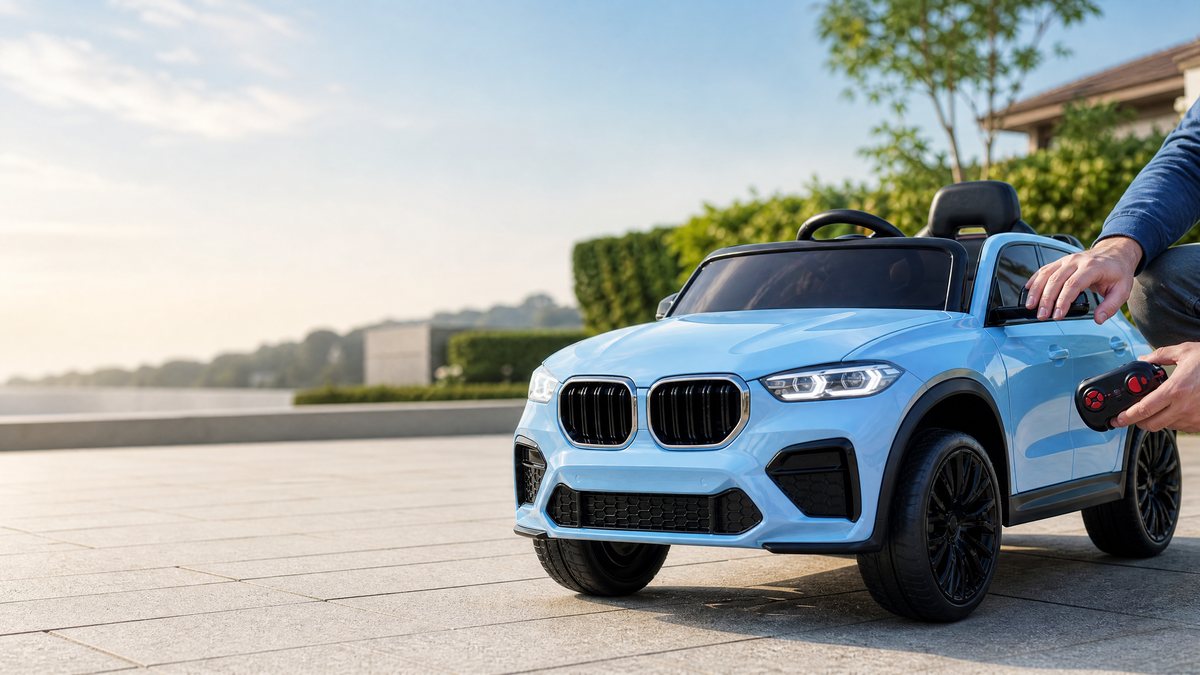
- Parental Control Features: Many modern 24V models include 2.4G Bluetooth parental remote controls, allowing supervising adults to override steering and braking when necessary.
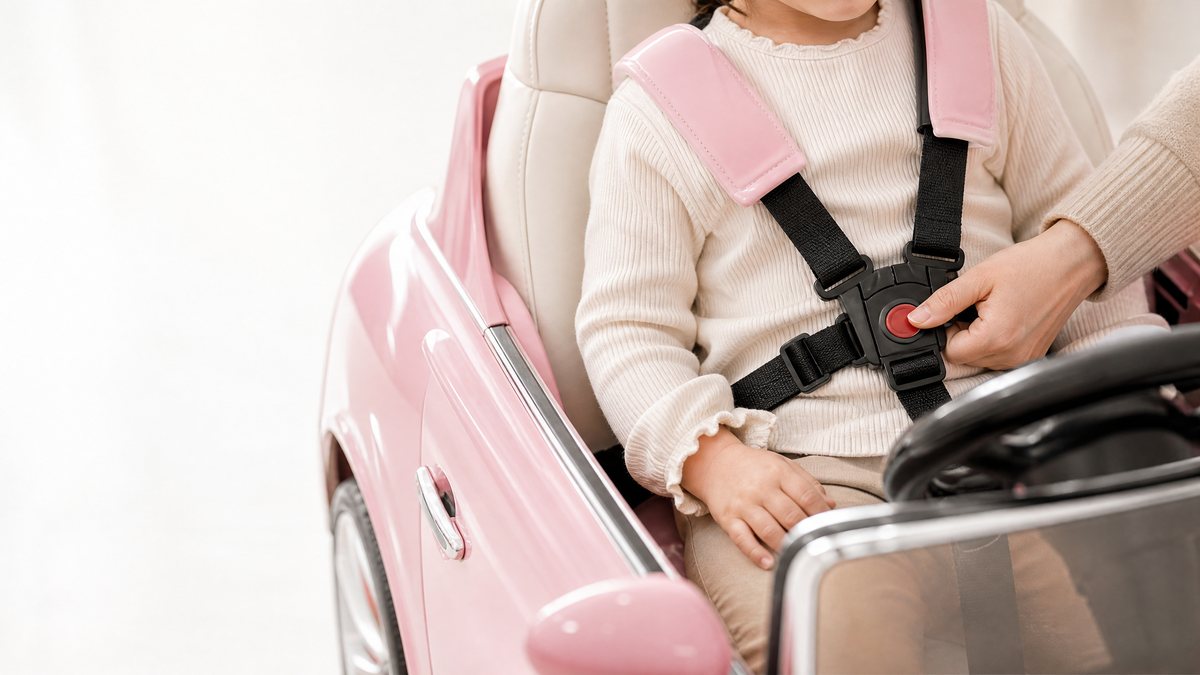
- Braking Responsiveness: Confirm that the automatic braking system (which engages immediately upon releasing the accelerator pedal) functions correctly across all terrain types.
Considerations for Retailers and Importers
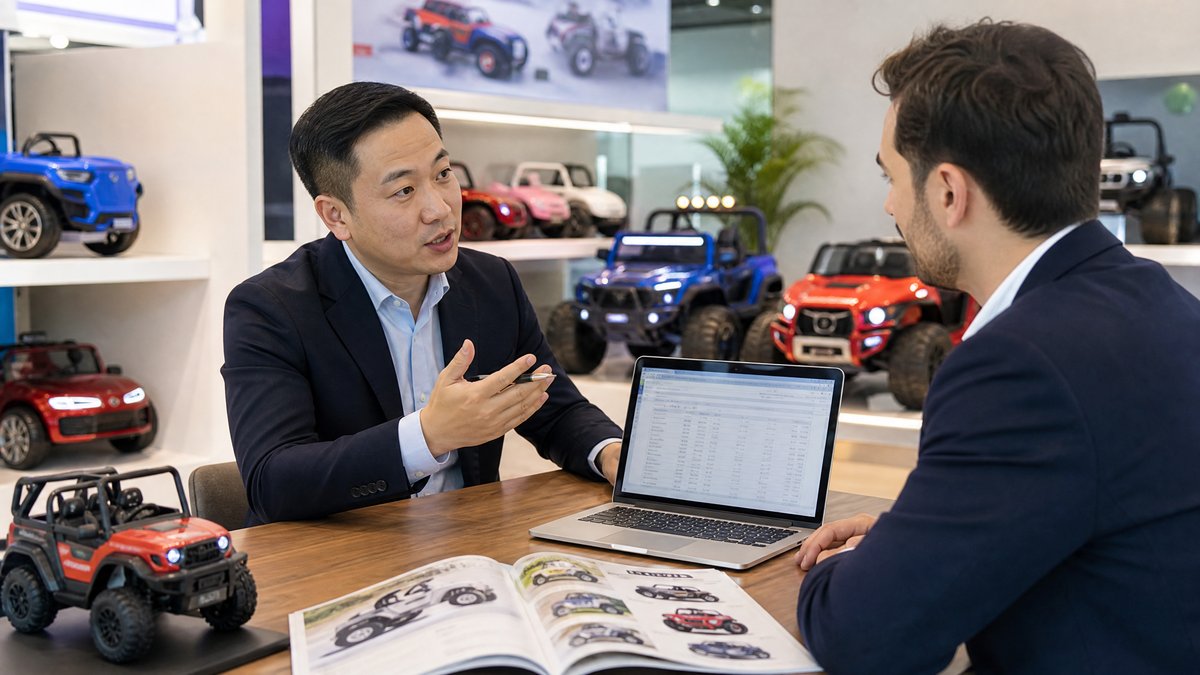
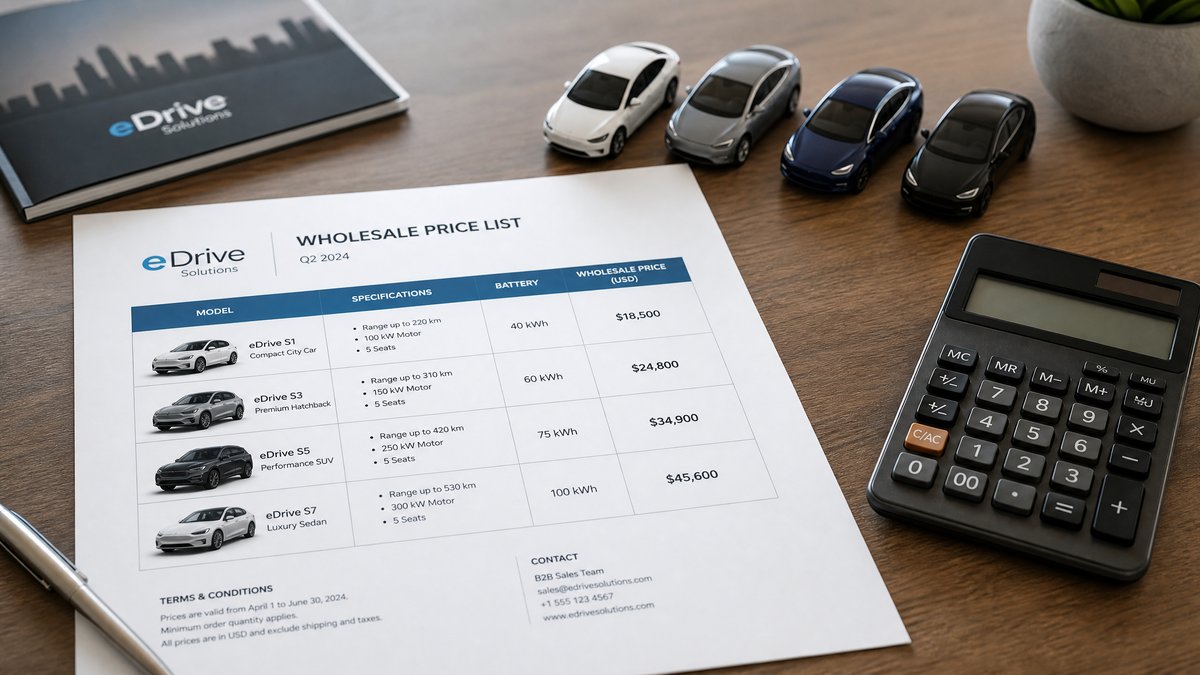
For commercial buyers, retail shop owners, and wholesale importers, stocking 24V ride-on cars requires careful attention to regulatory compliance and market demand.
Regulatory Compliance and Documentation
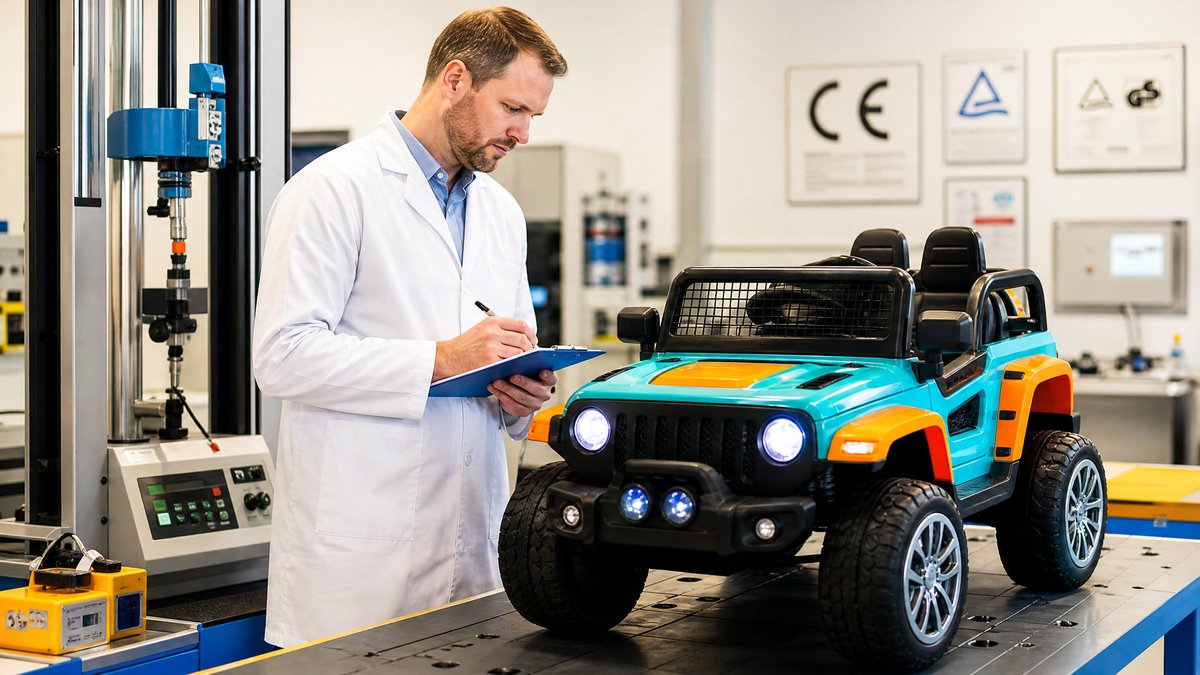
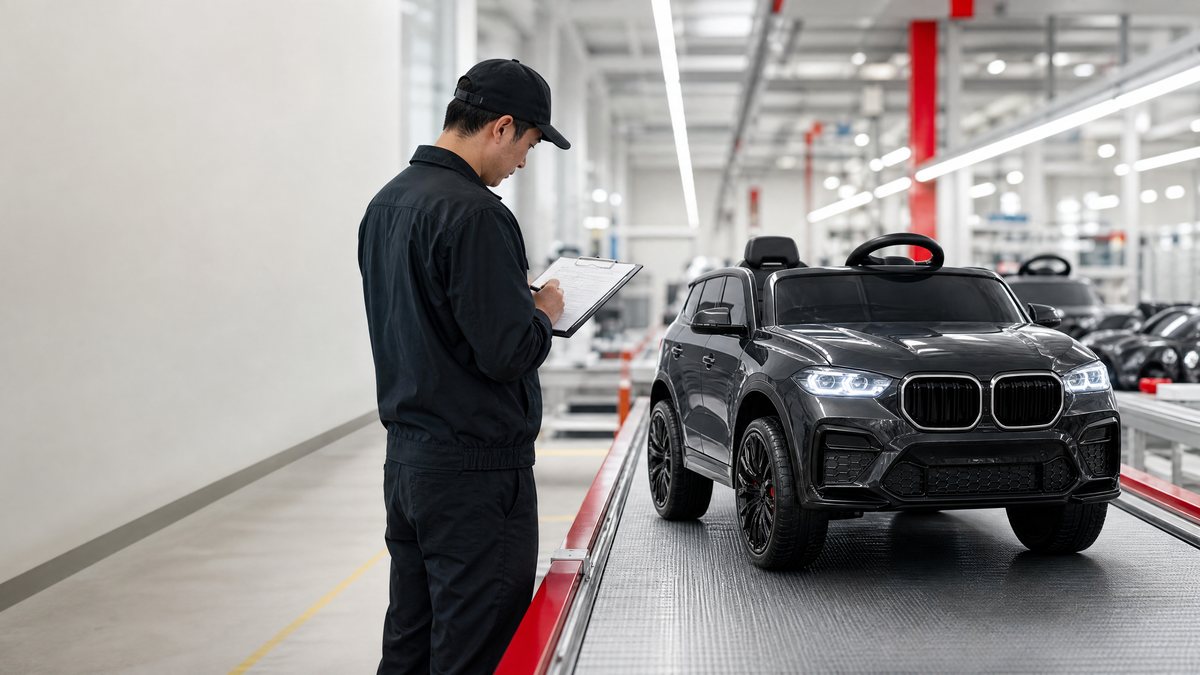
Importers must verify that products comply with recognized international toy safety standards, such as the ASTM F963 standard in the United States or the EN 71 directives in Europe [1, 2]. These standards govern chemical composition, mechanical hazards, electrical safety, and small parts restrictions. Requesting comprehensive third-party test reports from manufacturers is essential before committing to bulk inventory.
Logistics and Packaging
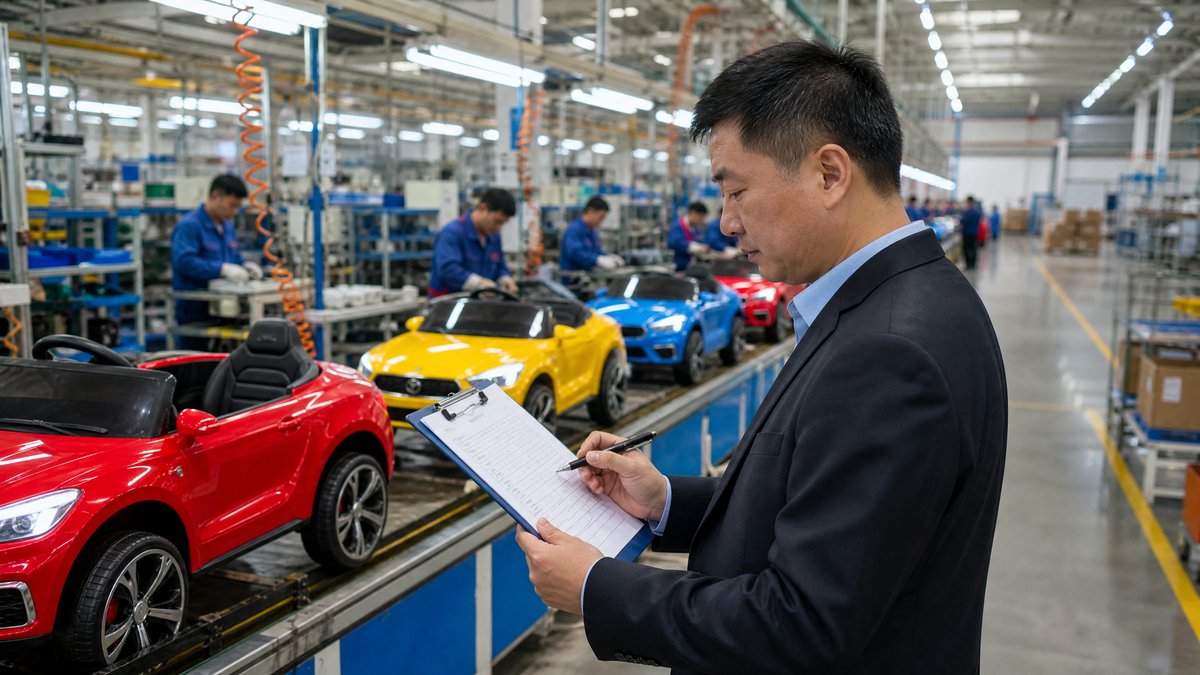
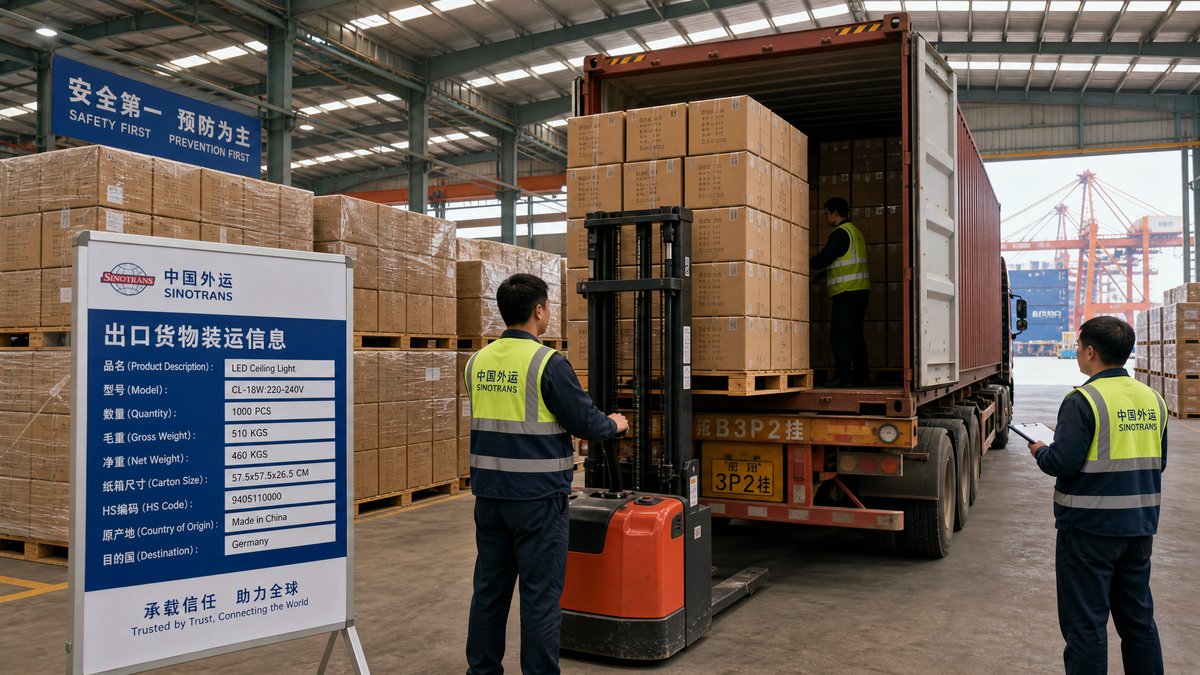
Because 24V vehicles feature larger chassis, heavier batteries, and reinforced motors, shipping dimensional weight is higher than standard 12V toys. Retailers should evaluate knockdown (KD) packaging efficiency, assembly complexity for end-users, and the availability of standardized replacement parts (such as replacement battery packs and spare gearboxes) to ensure seamless after-sales support.
Frequently Asked Questions (FAQs)
1. What age group is typically suited for 24V ride-on cars?
24V ride-on cars are generally engineered for children aged 6 to 9 years old, though suitability is determined primarily by weight capacity and physical dimensions rather than chronological age alone. Always review manufacturer sizing guidelines.
2. Can a 24V ride-on car handle grass and unpaved surfaces?
Yes. Thanks to higher voltage output, dual motors, and pneumatic or EVA foam tires, 24V vehicles offer significantly better torque and traction on grass, dirt paths, and gentle outdoor slopes compared to standard 12V models.
3. How do 24V systems differ from 12V systems in daily use?
While 12V cars are optimized for lower speeds and lighter loads (under 65 lbs), 24V systems provide sustained power under heavier loads, preventing motor strain and delivering consistent performance across varied terrains.
4. What maintenance is required for 24V rechargeable batteries?
Batteries should be fully charged before initial use, recharged after every outing, and never left in a fully depleted state for extended periods. During winter or off-season storage, batteries should be kept in a temperate environment and charged periodically.
5. Are safety certifications mandatory for commercial retail sale?
Yes. Retailers and importers must ensure that products carry verifiable safety certifications (such as CPSC compliance or ASTM F963 test certificates) to meet legal import requirements and ensure consumer safety [1, 2].
Conclusion
Choosing the best 24V ride-on car for big kids involves balancing physical sizing, weight thresholds, motor durability, and safety features. By moving away from unverified marketing claims and focusing on transparent engineering specifications—such as battery capacity, motor configuration, and certified safety standards—parents and retail buyers can make informed decisions.
For retail businesses, wholesale importers, and distributors looking to source reliable, high-capacity 24V ride-on vehicles, partnering with experienced manufacturers ensures consistent product quality and regulatory compliance.
Request a wholesale quote
References
1. Consumer Product Safety Commission (CPSC). *Toy Safety Guidance and Mandatory Standards*. U.S. Government Publishing Office.
2. ASTM International. *ASTM F963 - Standard Consumer Safety Specification for Toy Safety*. West Conshohocken, PA.
3. European Committee for Standardization (CEN). *EN 71 - Safety of Toys Directives*. Brussels, Belgium.
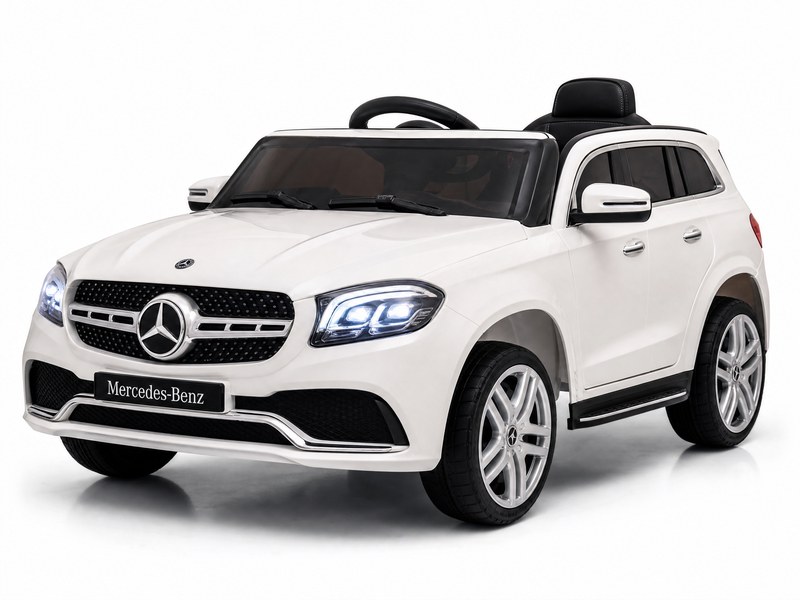
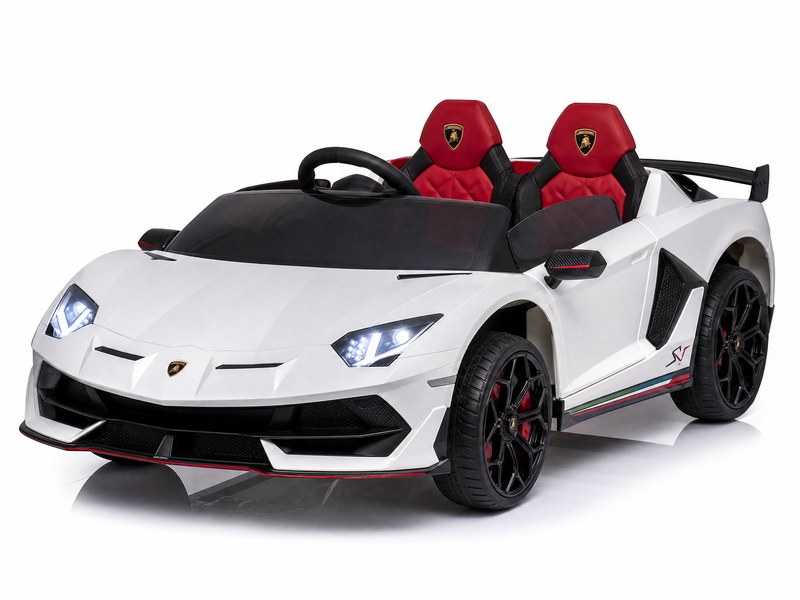
Explore matching models
View product details for this guide
Compare current specifications, age guidance and available options before requesting a quote.
Official references
Explore these external resources for current regulatory and trade guidance. Confirm requirements with the relevant authority before placing an order.
Ready to Start?
Factory-Direct · CE & ASTM Certified · MOQ from 50 Units
Our export team works with buyers in 60+ countries. Get a quote within 24 hours.
KR
Written by KidsRideCar
China's leading kids electric ride-on car manufacturer. 500,000+ units shipped annually to 60+ countries. CE, ASTM & EN71 certified.