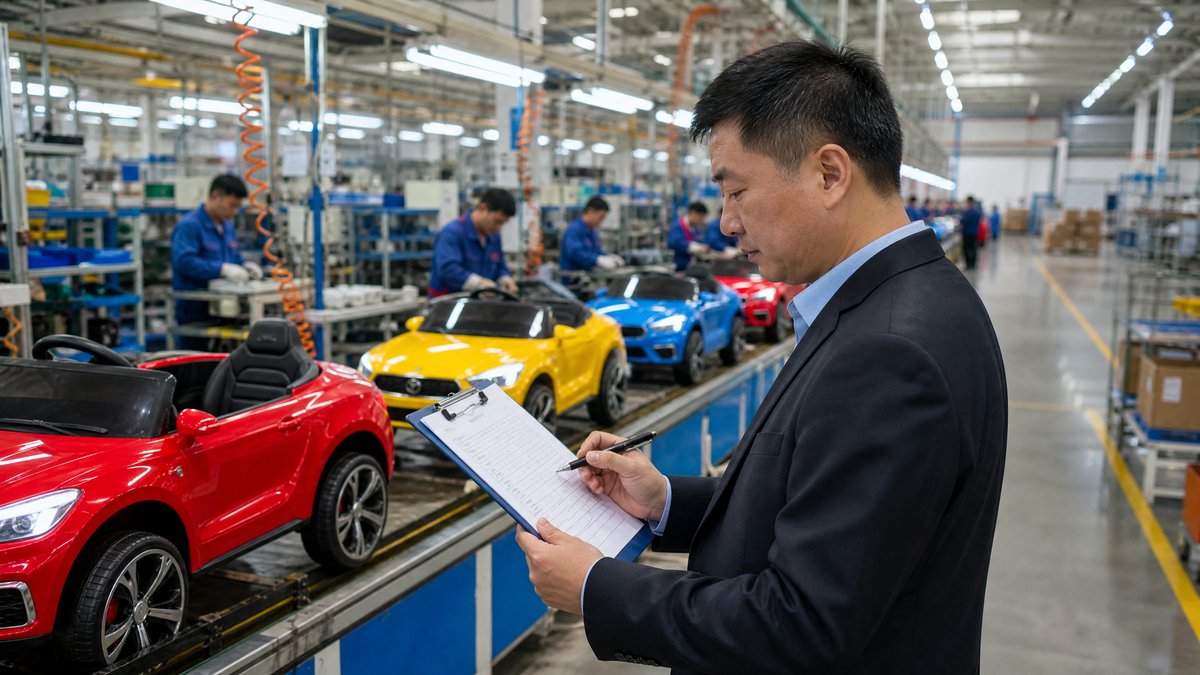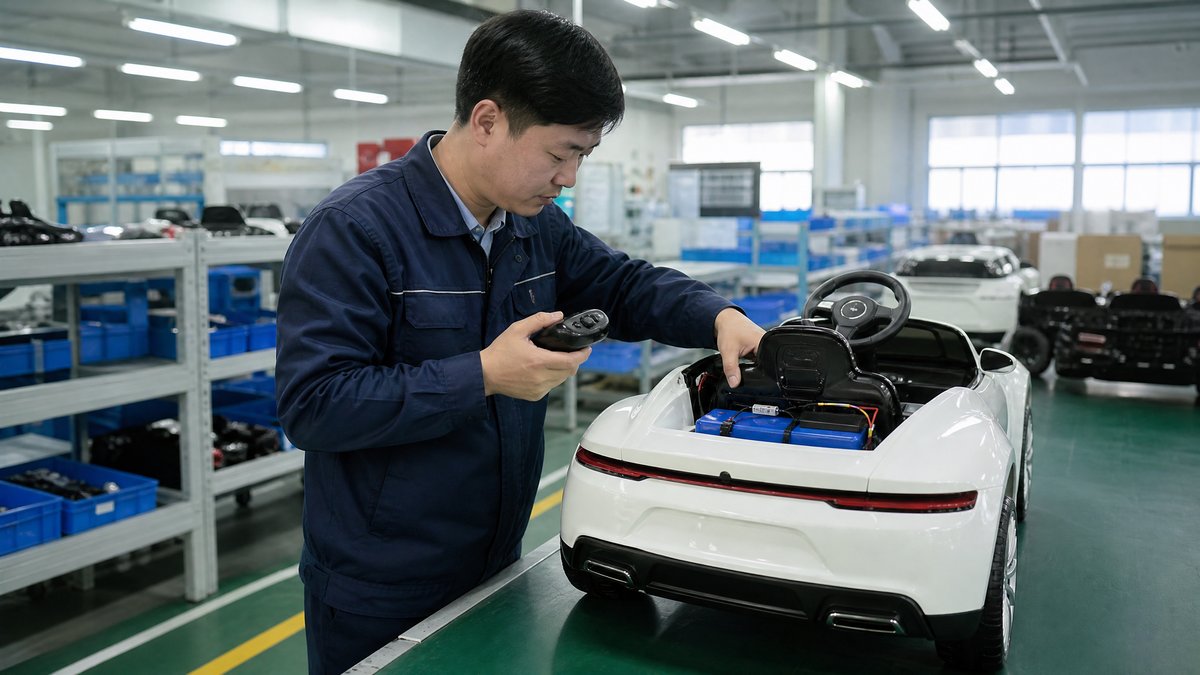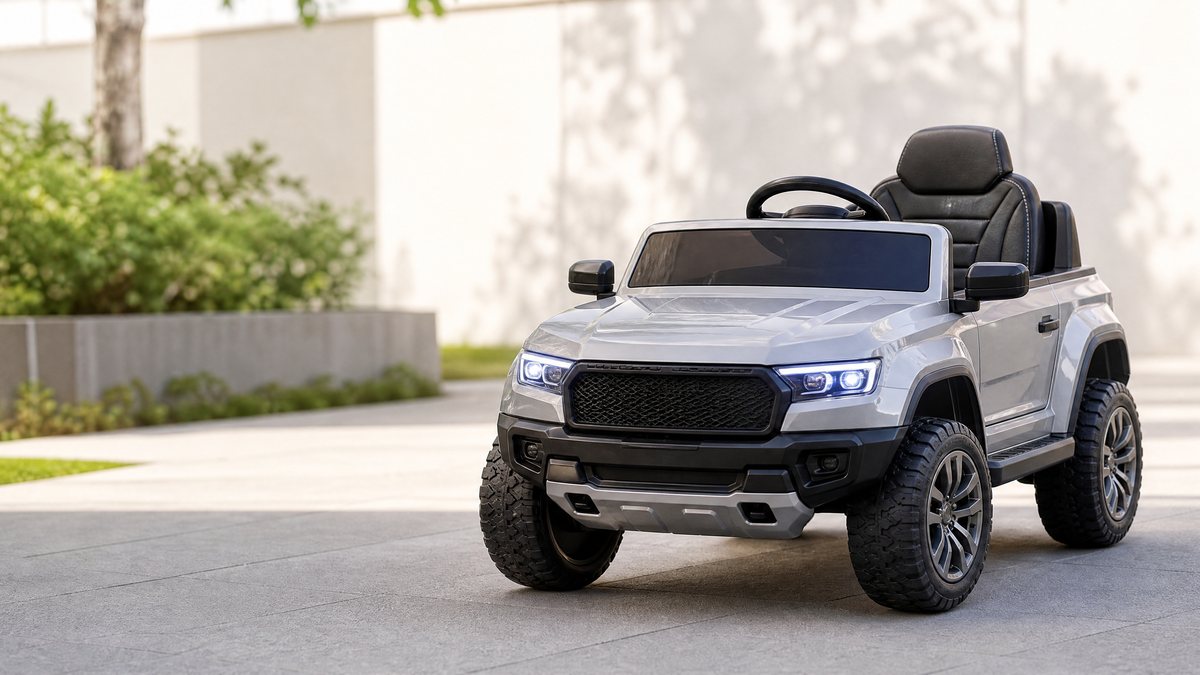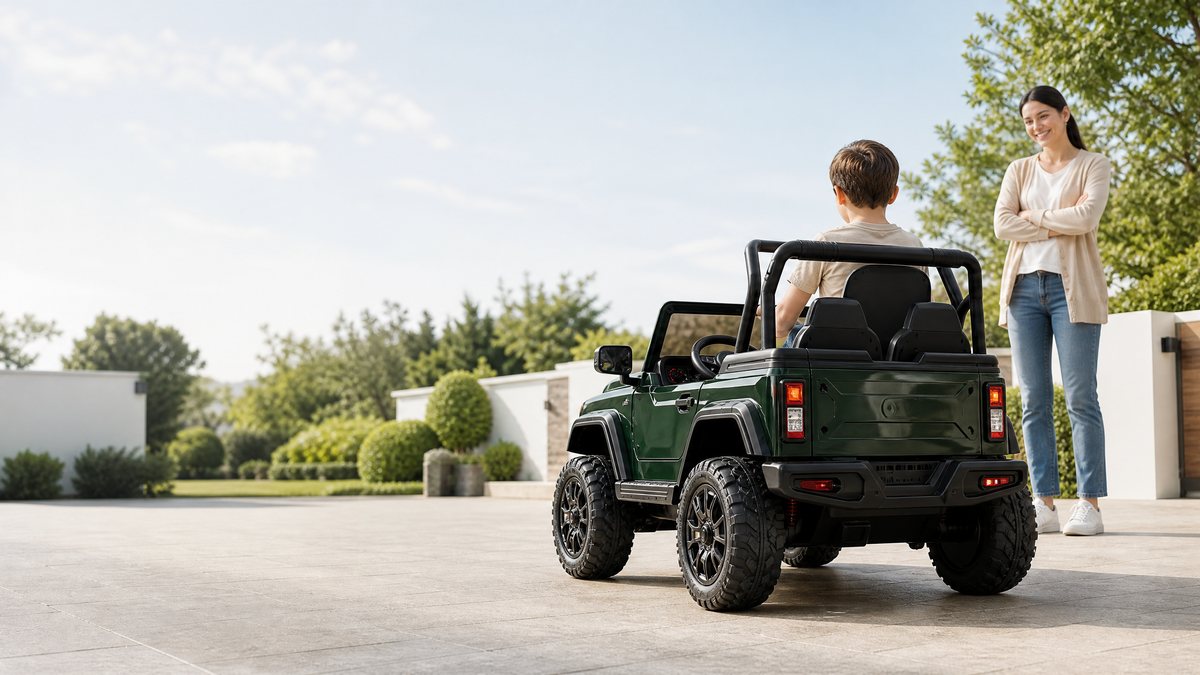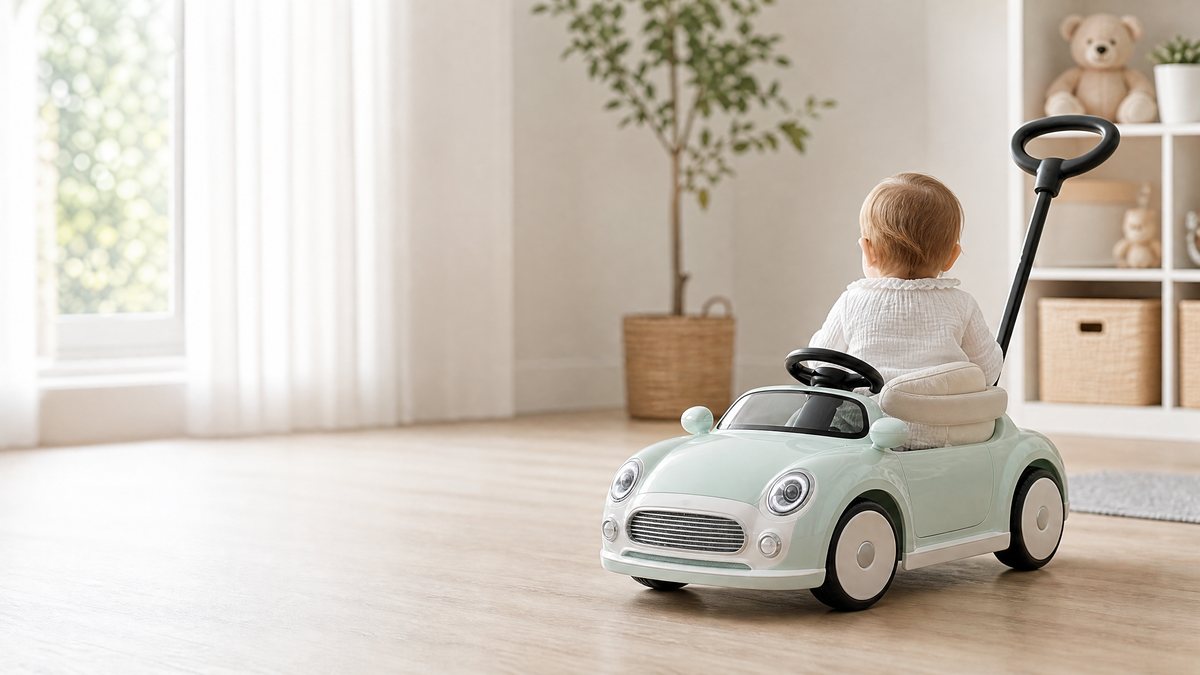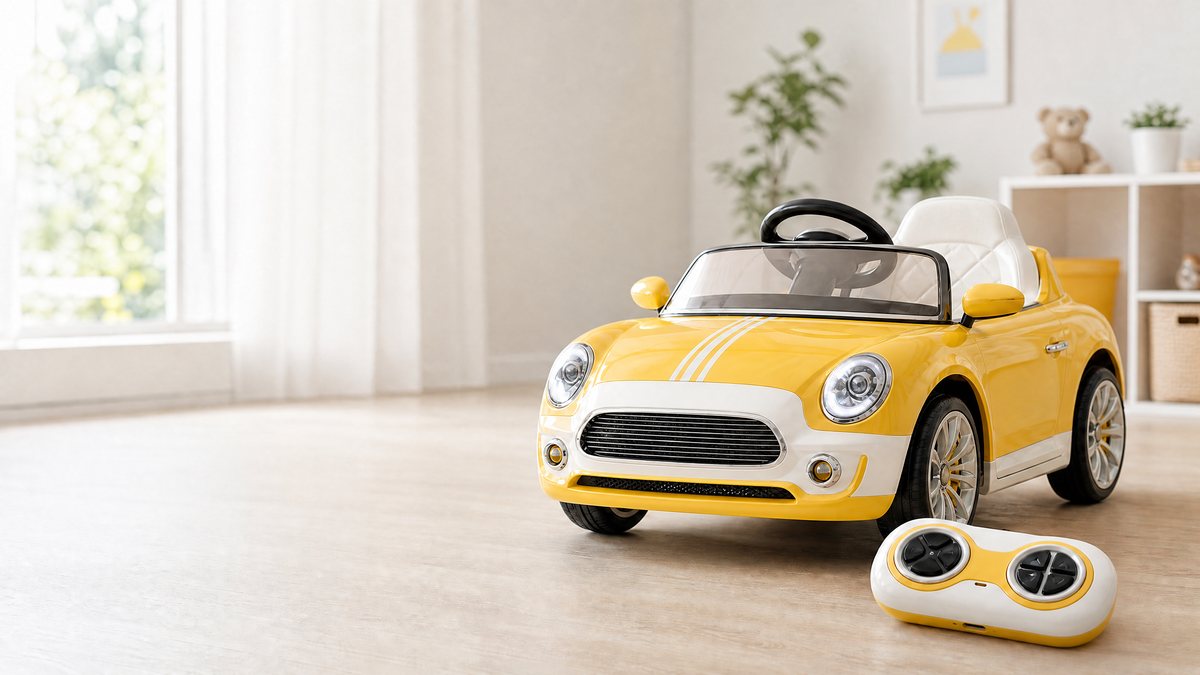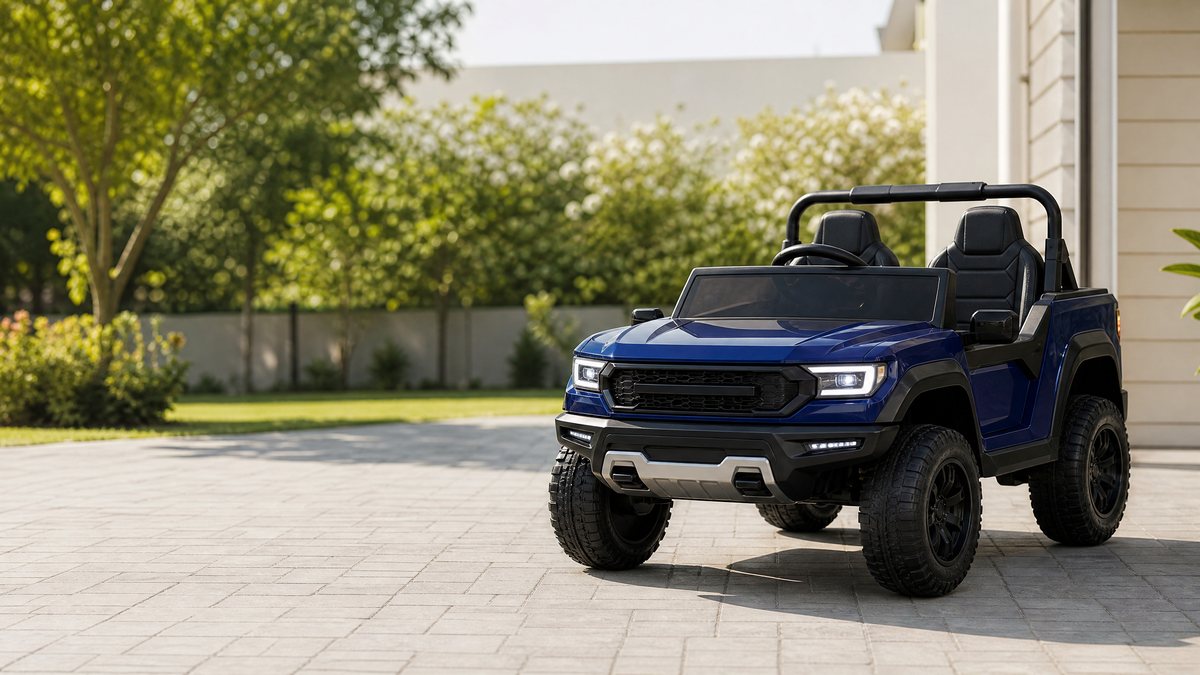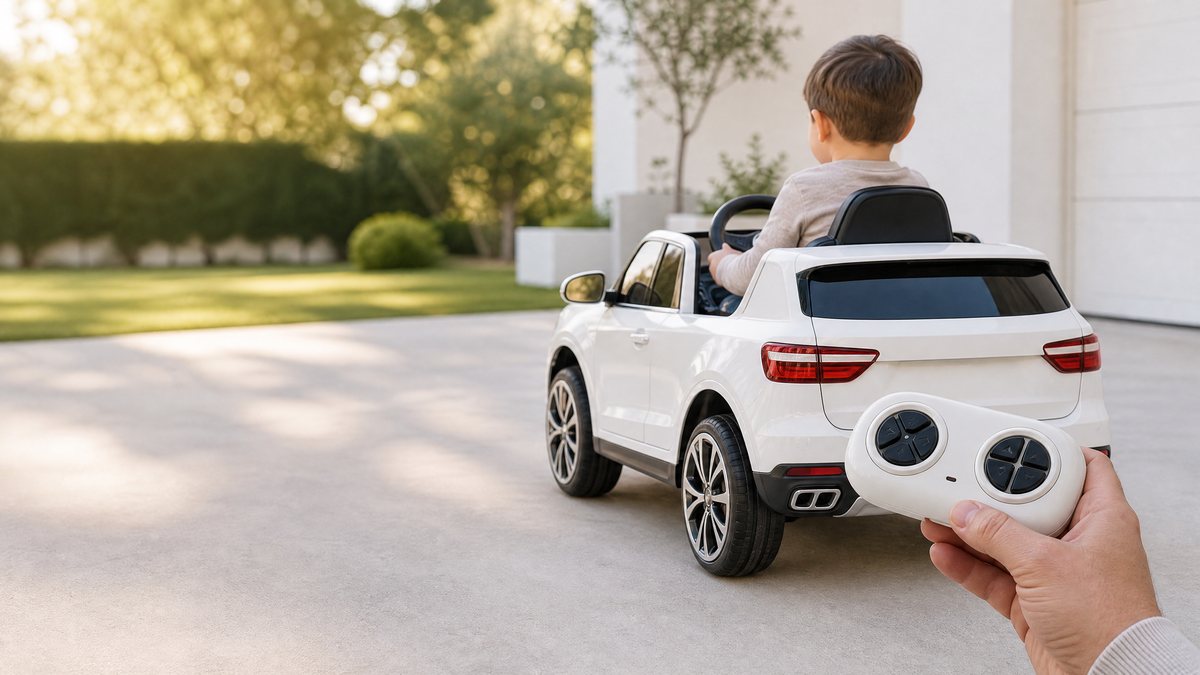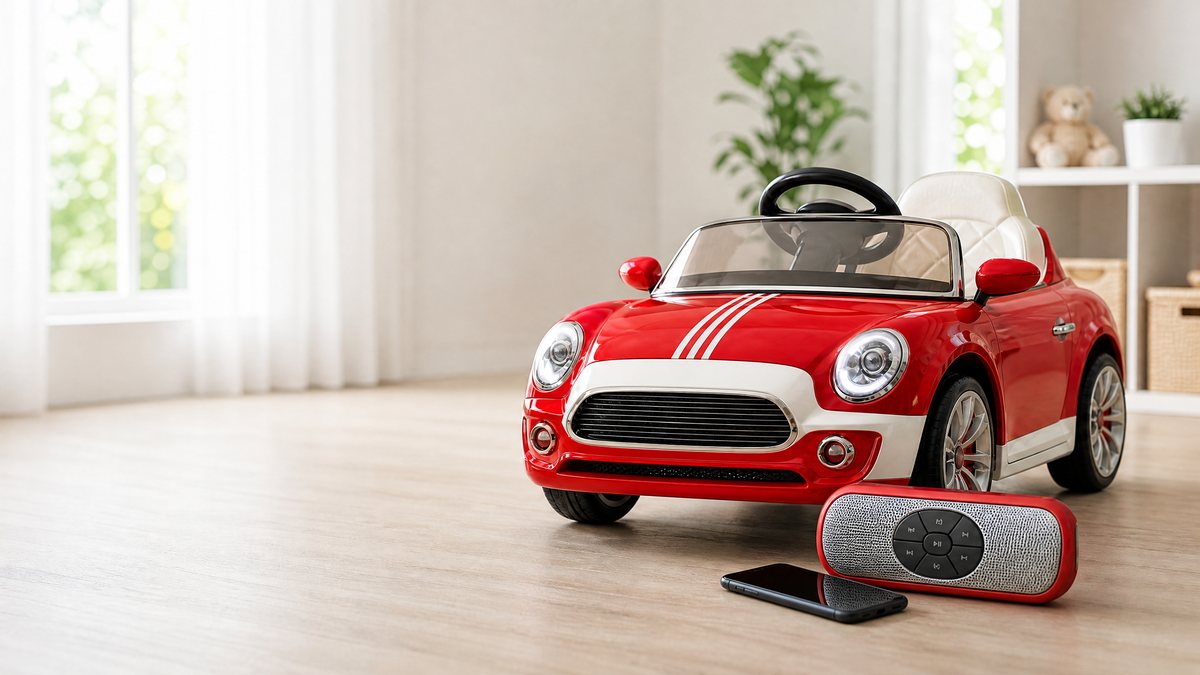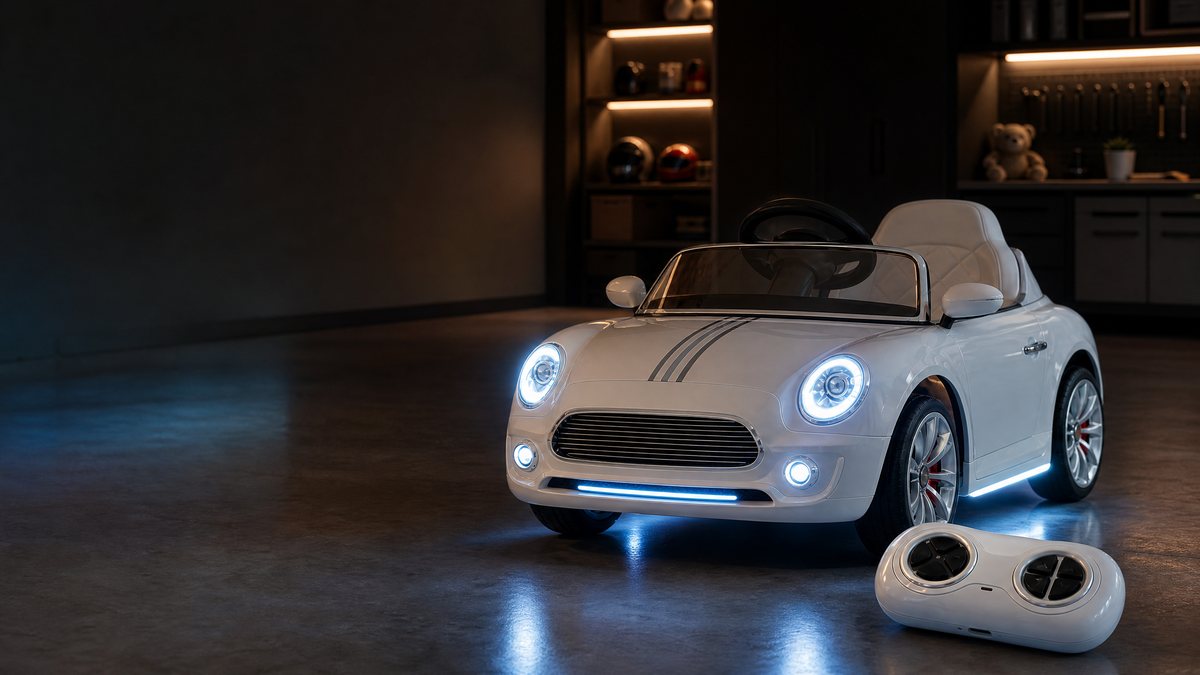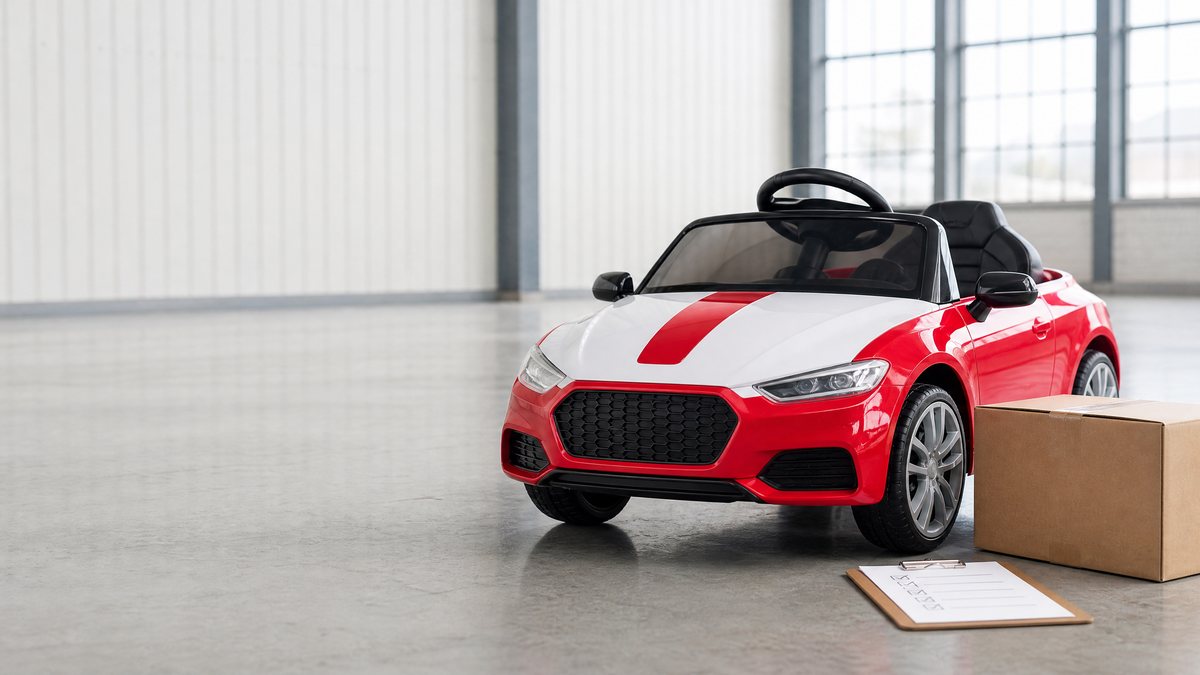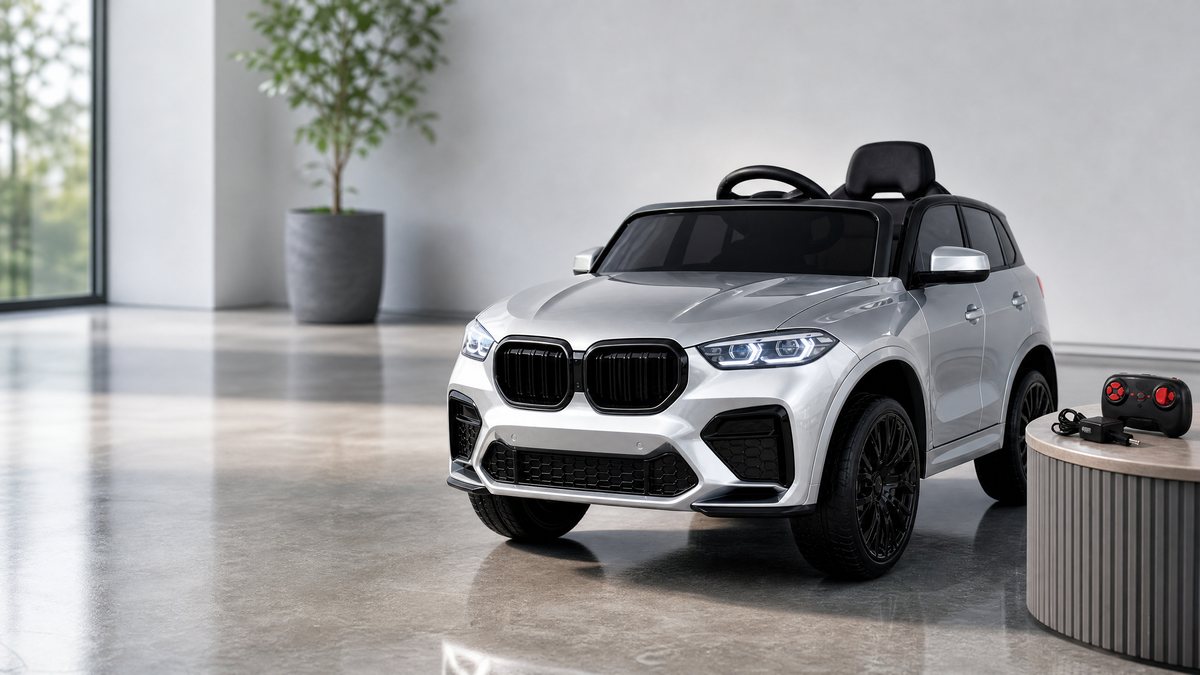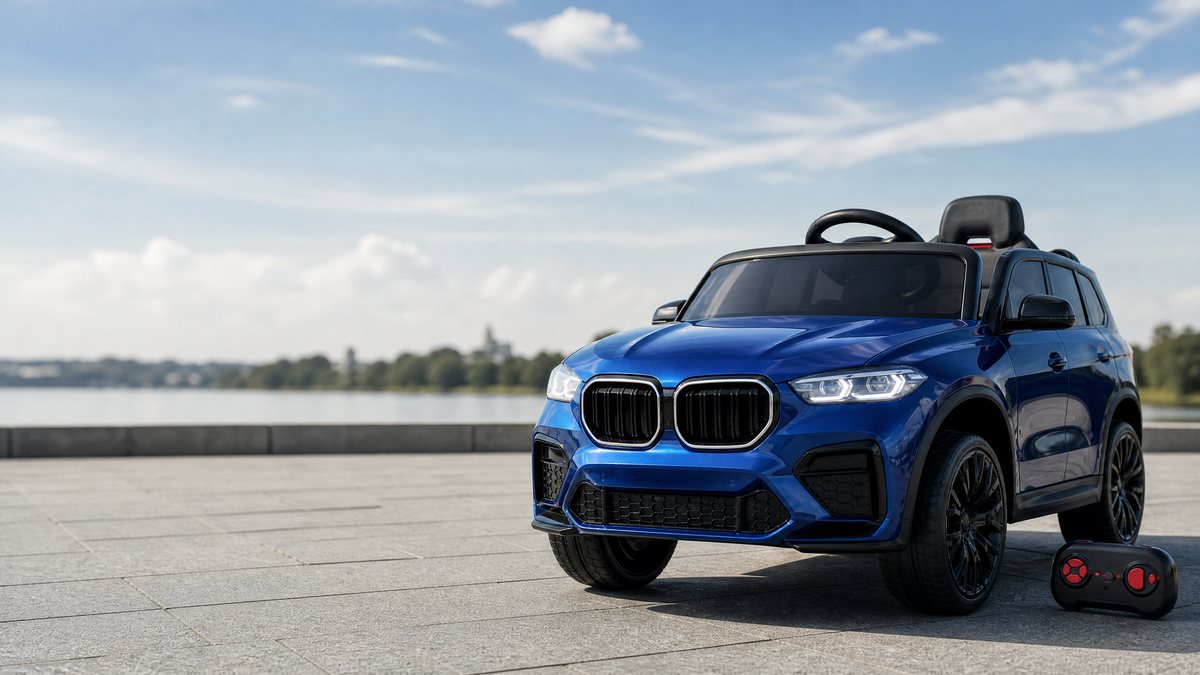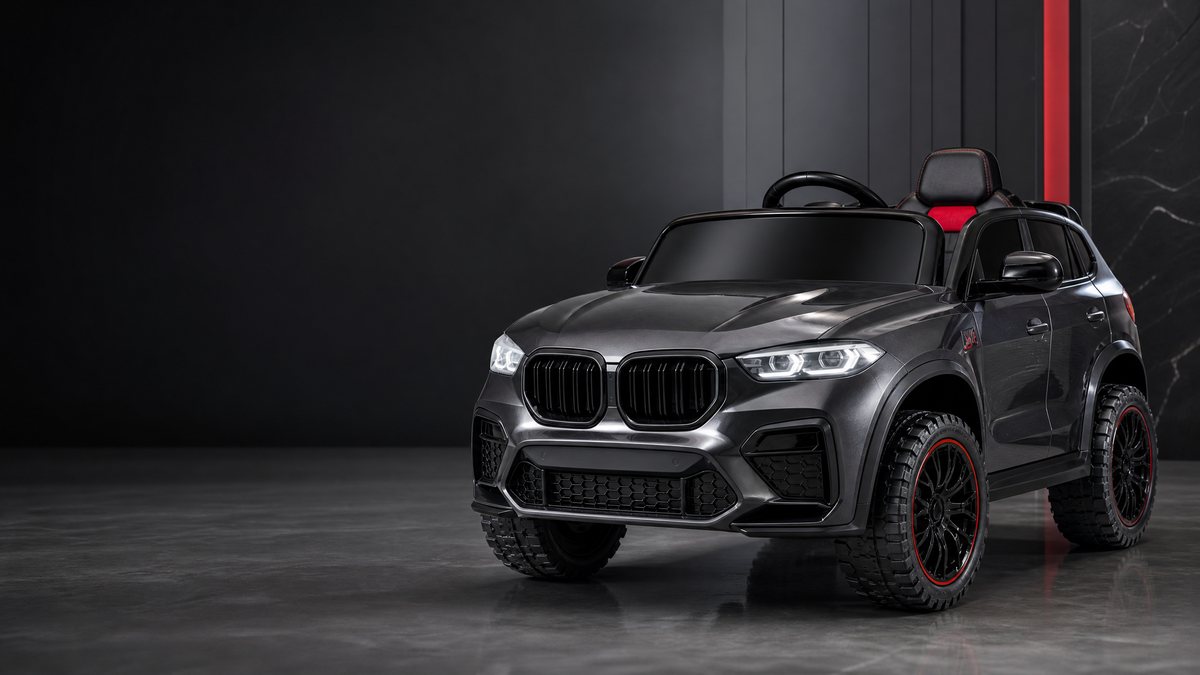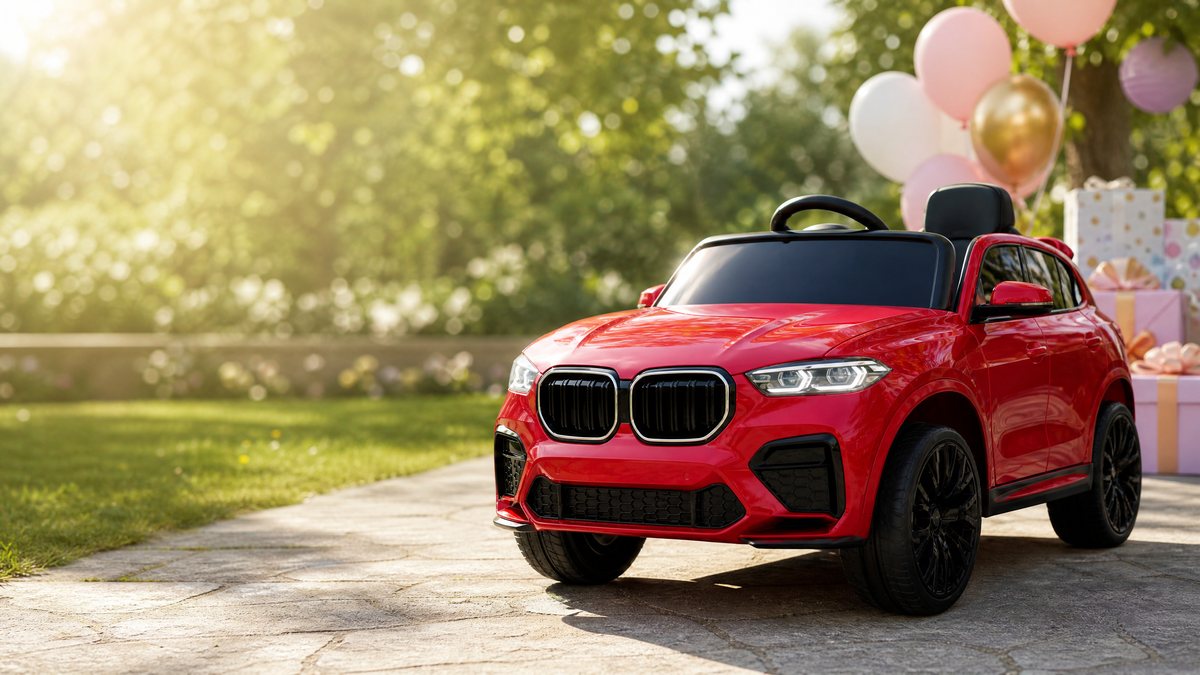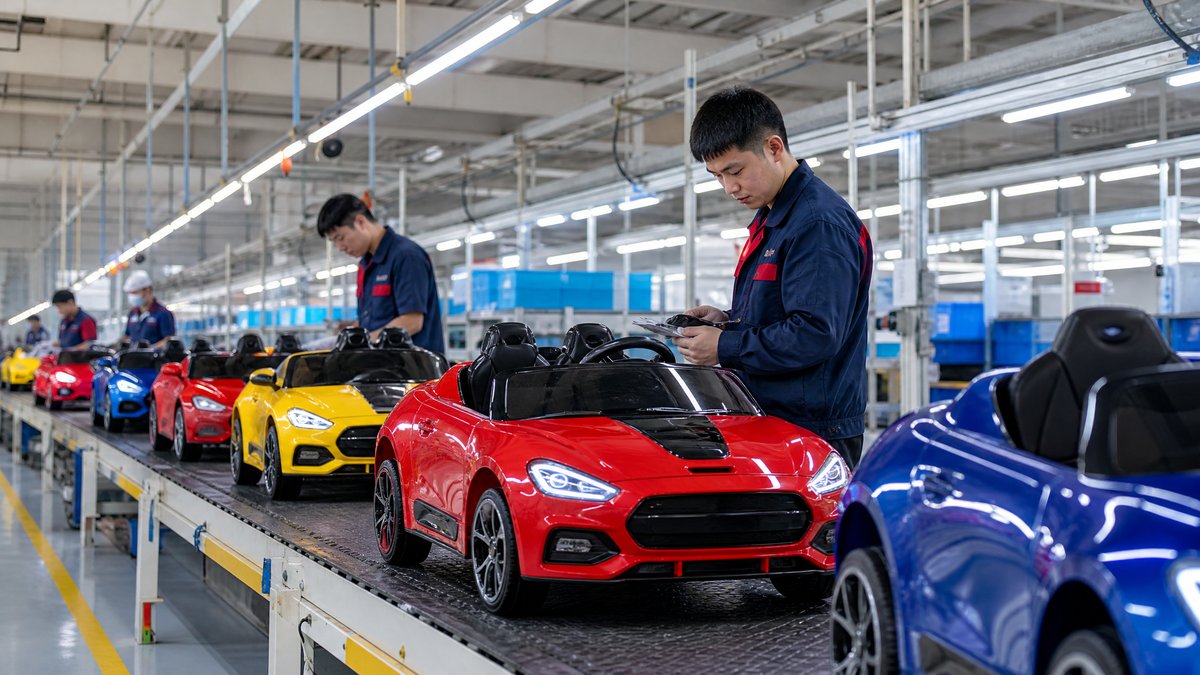
Sourcing kids electric ride-on cars for wholesale distribution, retail chains, or e-commerce platforms requires navigating a complex landscape of safety regulations, manufacturing standards, and logistics. For B2B buyers entering the ride-on toy market—or scaling existing product lines—partnering with the right factory involves asking the right questions from the outset.
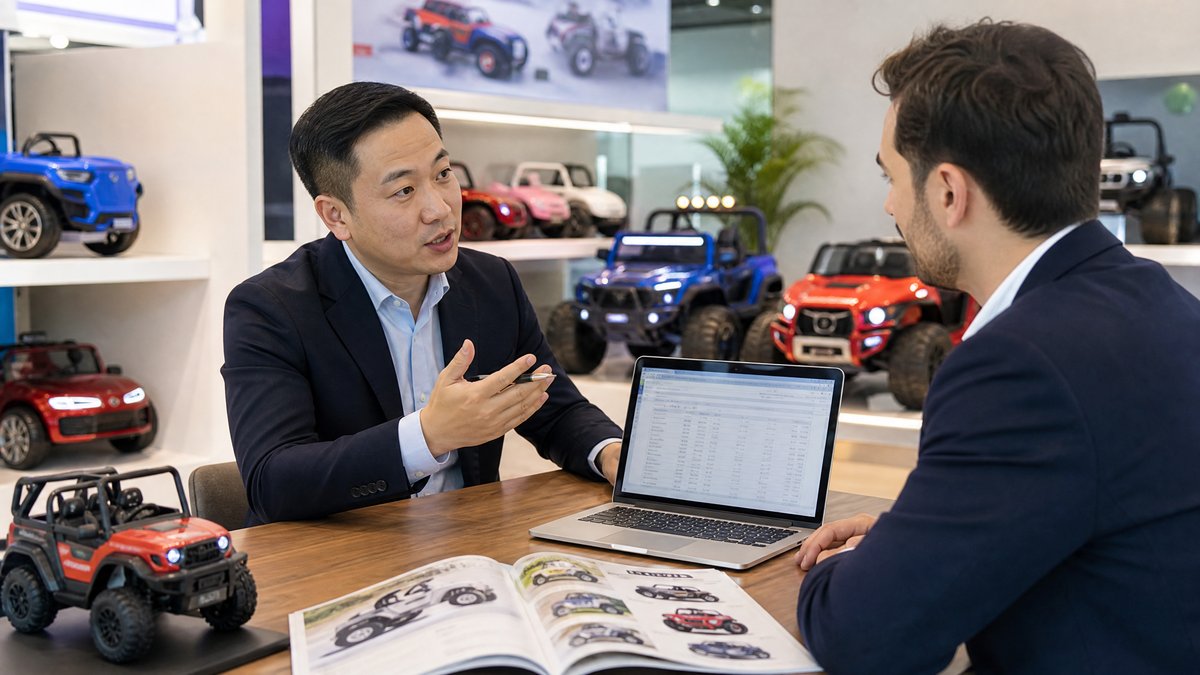
At KidsRideCar, we work closely with global importers, distributors, and large-scale retailers. Below, we break down the top 10 questions wholesale buyers frequently ask when sourcing children's electric vehicles, providing professional insights to help you optimize your supply chain and maximize profit margins.
1. What Are the Mandatory Safety Certifications Required for Import?
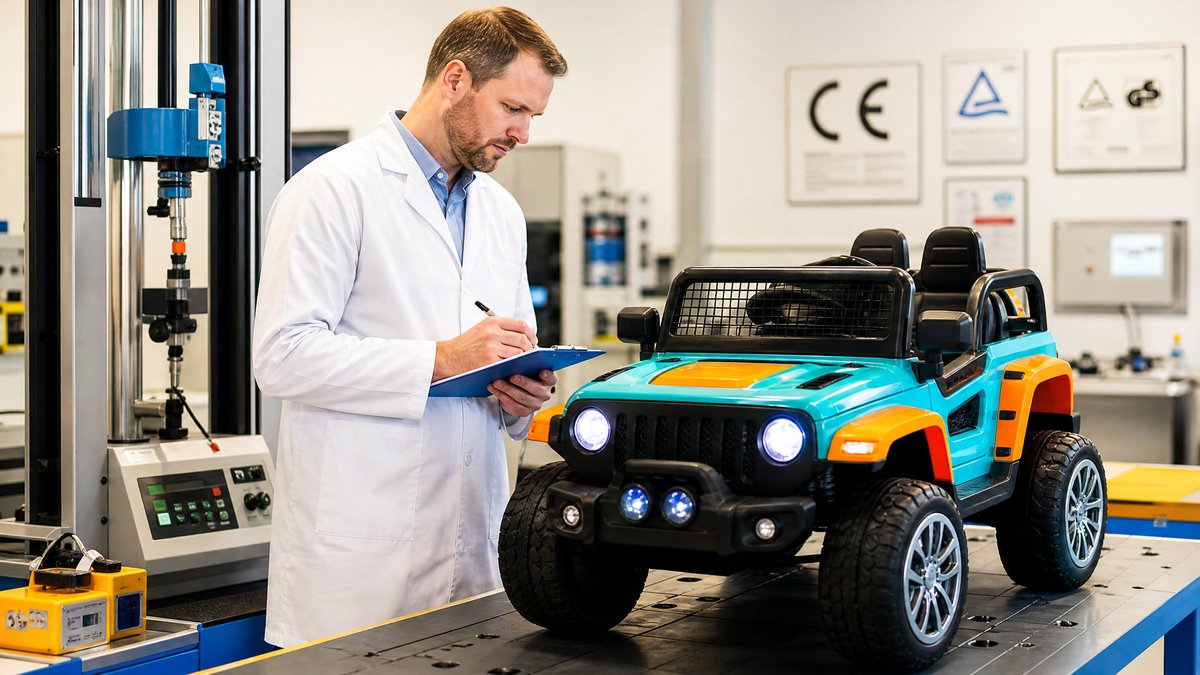
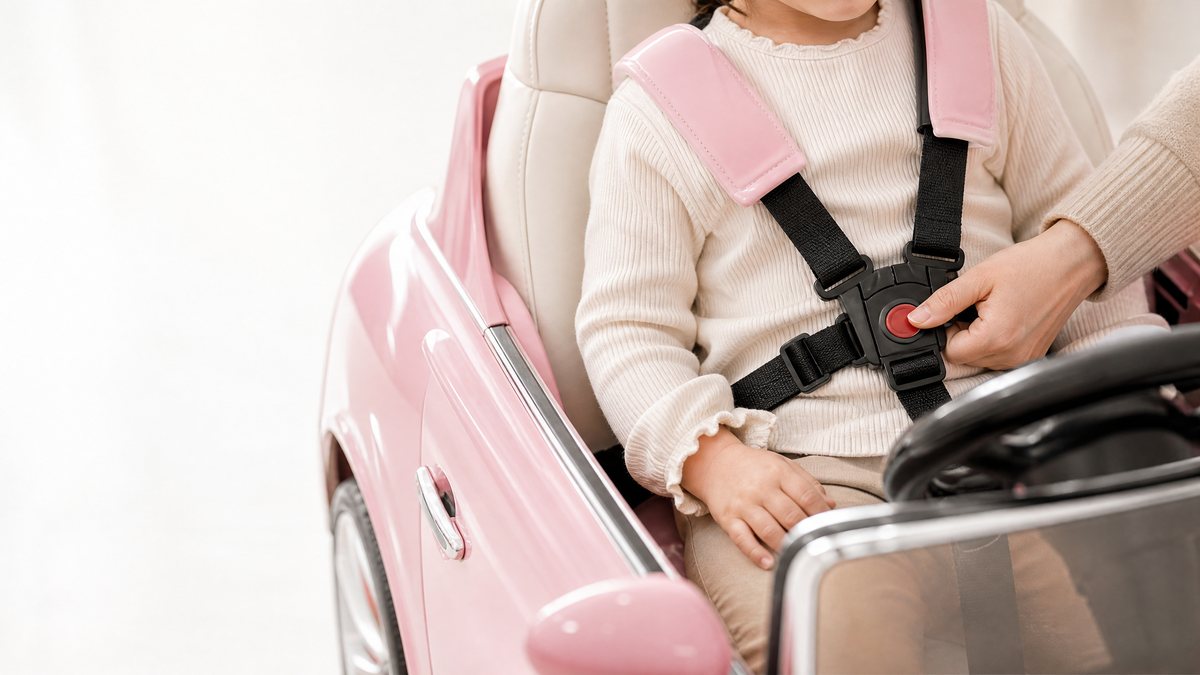
Safety compliance is the single most critical factor when importing children's ride-on toys. Without proper testing and documentation, your shipments risk being impounded at customs, leading to costly recalls and severe liability issues.
Depending on your target market, you must ensure the manufacturer provides valid, third-party laboratory test reports (such as from SGS, TÜV, or Intertek) verifying compliance with regional standards:
* North America: ASTM F963 and CPSIA (for the US), SOR/2011-17 (for Canada).
* European Union: EN71 (Parts 1, 2, and 3), EN62115 (Electric Toys), and CE marking.
* Other Regions: AS/NZS ISO 8124 (Australia/New Zealand).
Always request complete compliance certificates before placing a bulk order, and verify that the factory's production batch matches the tested sample.
2. What Is the Standard Minimum Order Quantity (MOQ) for Custom Production?
For standard models currently active on the factory assembly line, MOQs are often relatively low—frequently starting around 50 to 100 units per color or model, allowing smaller distributors to test market demand.
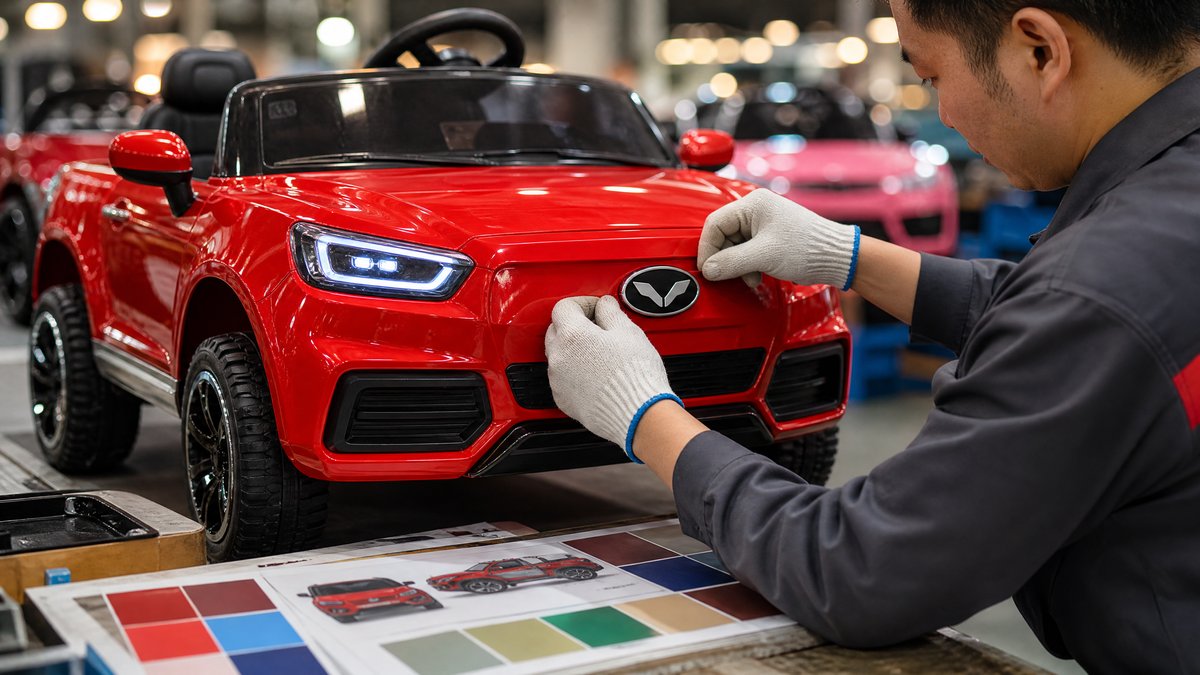
However, if you require customized branding, specific color Pantone matching, custom packaging, or localized electronic features (such as regional power plugs or customized dashboards), MOQs typically increase to 300 to 500 units per model. Understanding these thresholds helps you balance inventory investment with product differentiation.
3. How Do 12V and 24V Ride-On Cars Compare for Retail Markets?
Voltage selection directly impacts target age groups, performance, pricing, and shipping logistics. Buyers must curate a balanced product catalog catering to different consumer segments.
| Feature / Specification | 12V Entry-to-Mid Level Models | 24V High-Performance / Drift Models |
|---|---|---|
| Target Age Group | 3 to 6 years old | 6 to 10+ years old (or dual rider) |
| Average Speed | 3 - 5 km/h (1.9 - 3.1 mph) | 7 - 12 km/h (4.3 - 7.5 mph) |
| Motor Configuration | Dual 35W – 45W motors | Quad motors or powerful 24V brushless/chain-driven |
| Retail Price Point | Budget to Mid-Range ($150 - $250) | Premium / High-End ($300 - $600+) |
| Market Demand | High volume, steady year-round gift item | High seasonal demand, enthusiast gift market |
4. What Is the Typical Production Lead Time?
Lead times vary depending on the manufacturing season, component availability, and customization level. During normal operational periods (Q1 to Q2), standard production lead times range from 30 to 45 days after deposit confirmation and artwork approval.
However, for the peak Q3 holiday shopping season (preparing for Black Friday, Christmas, and New Year sales), factory schedules fill rapidly. Importers should place orders no later than June or July to secure timely ocean freight delivery and avoid port congestion delays.
5. What Packaging and Drop-Test Standards Are Used for Export?
Children's ride-on cars are bulky, heavy, and susceptible to rough handling during international transit. Damaged packaging results in returned inventory, dissatisfied retail customers, and high replacement costs.
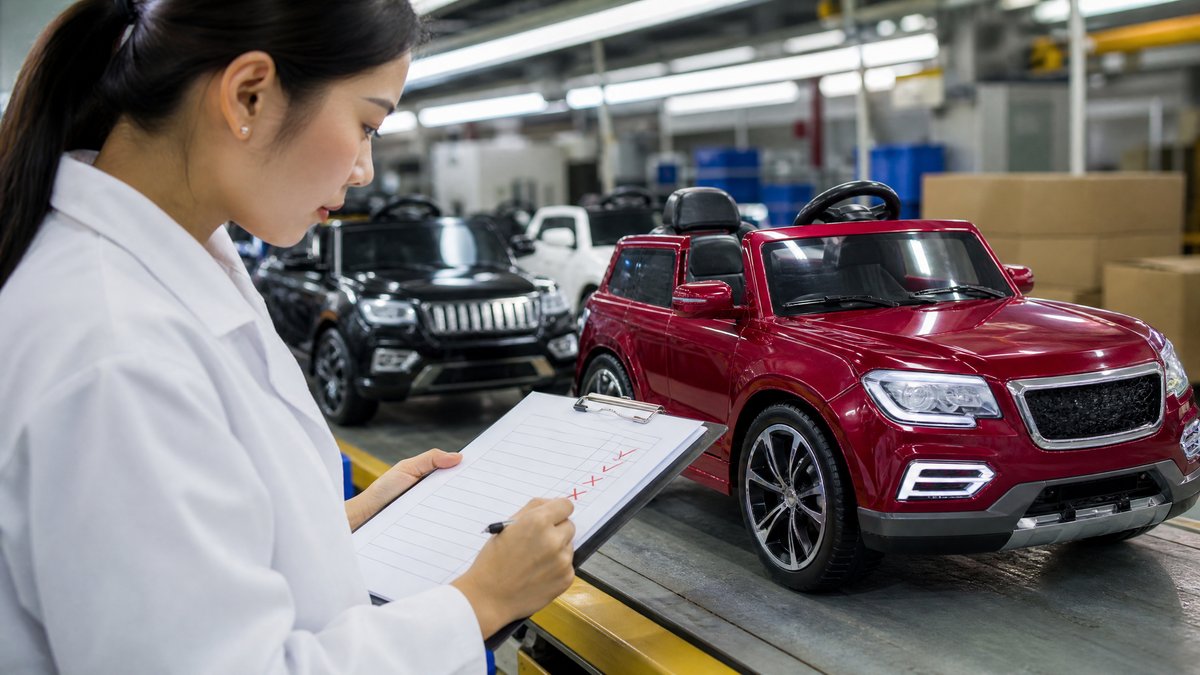
Professional manufacturers utilize 5-layer or 7-layer reinforced corrugated master cartons, supplemented by high-density molded EPS foam or EPE pearl cotton corner protectors to immobilize heavy components like wheels and steering columns. Ensure your supplier conducts rigorous ISTA (International Safe Transit Association) drop tests on packaged samples to guarantee the carton can withstand multi-leg international shipping.
6. How Are Warranties, Spare Parts, and Defect Rates Handled?
In consumer electronics and motorized ride-ons, a minor defect rate is statistically inevitable. Wholesale buyers must establish a clear, pre-negotiated after-sales policy with their supplier.
* Spare Parts Provision: Reputable factories provide a 1% to 2% free-of-charge spare parts allowance (including motherboards, remote controls, chargers, and gearboxes) shipped alongside bulk container orders to cover warranty claims.
* Component Warranty: Standard industry warranties cover critical electrical components (motors, control boxes, and batteries) for 6 to 12 months from the date of factory shipment.
7. What Container Loading Capacities Should We Calculate for Logistics?
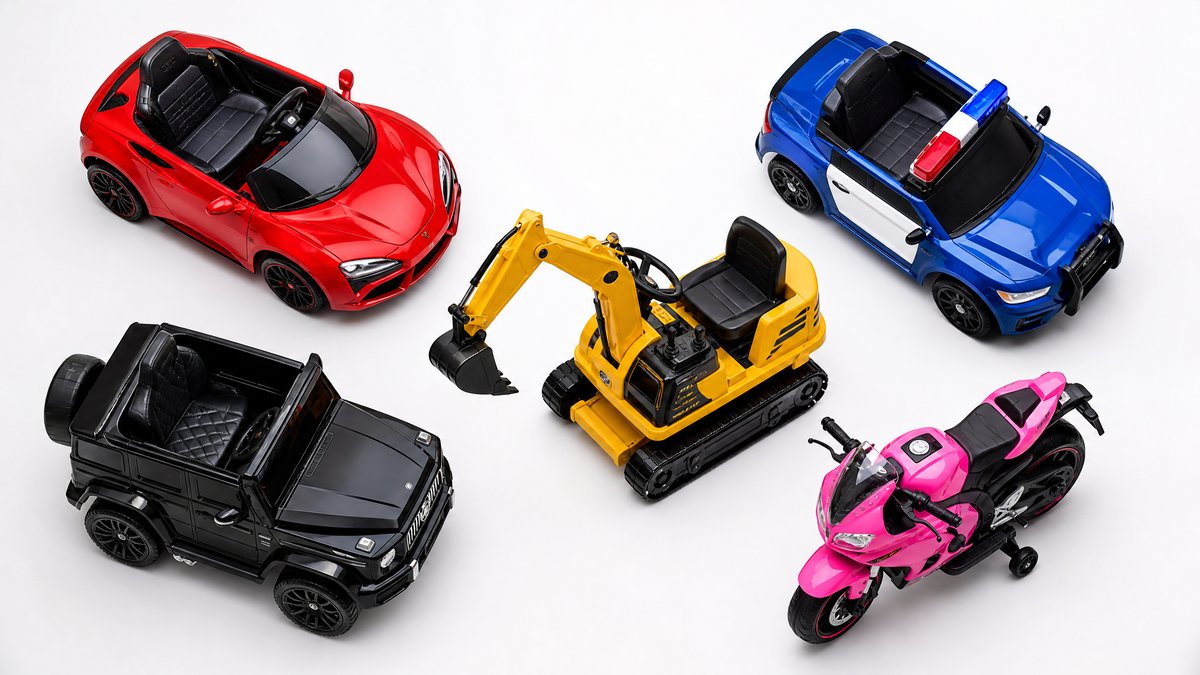
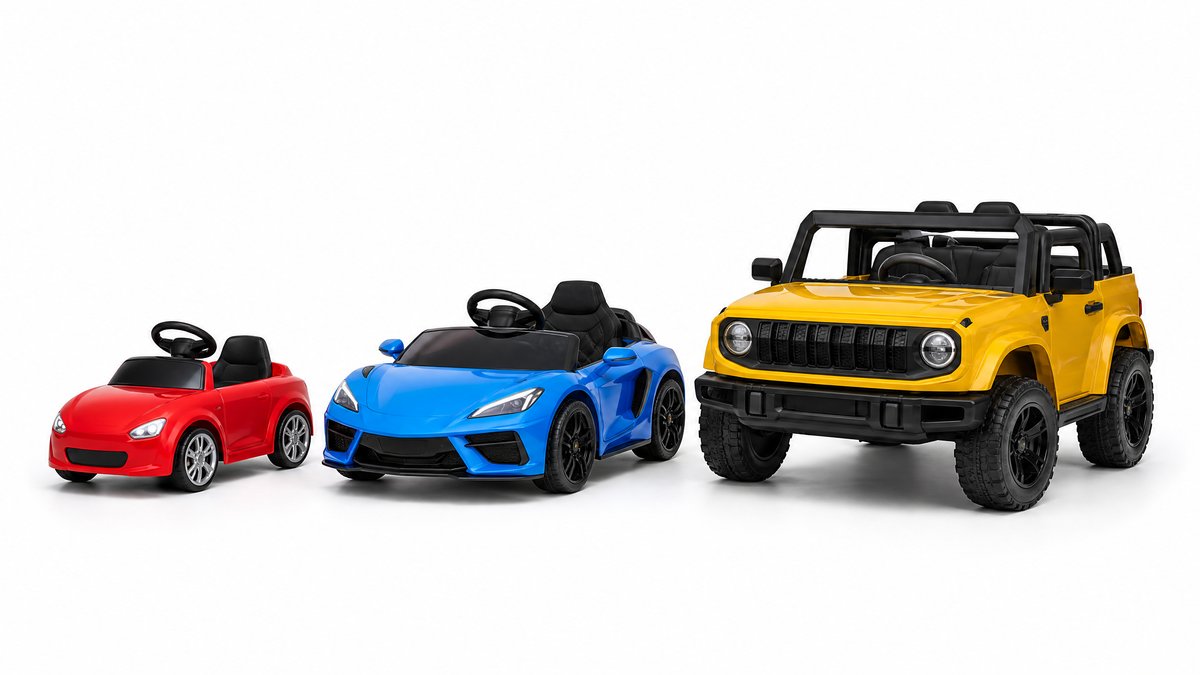
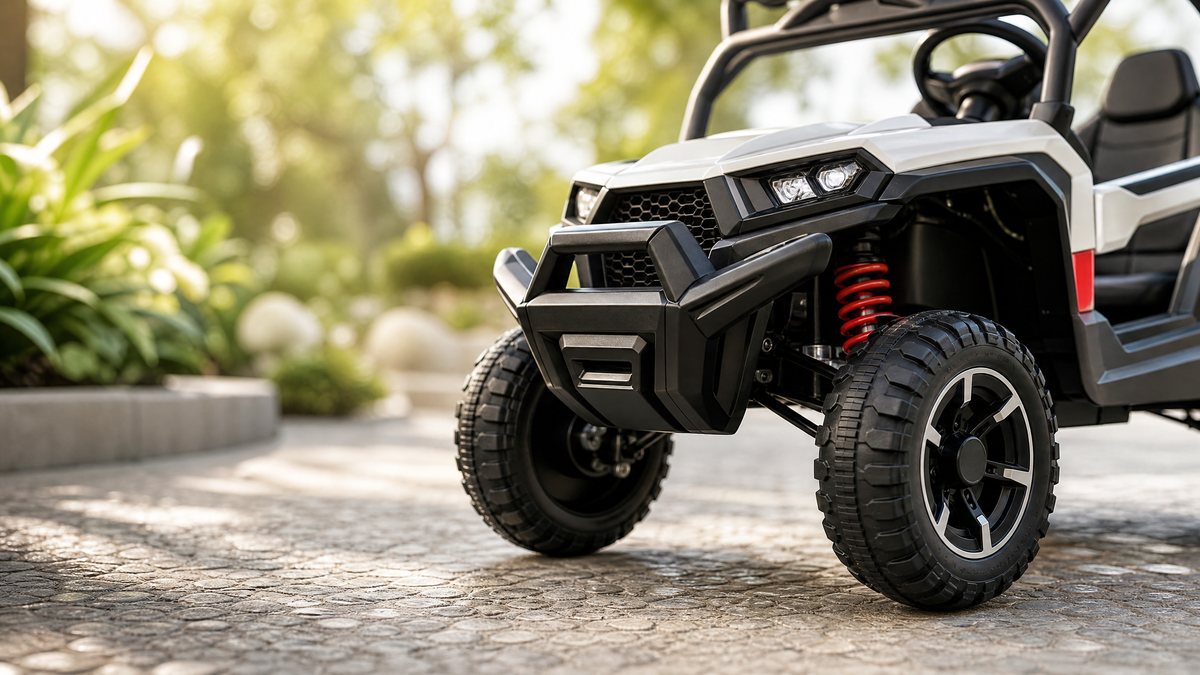
Maximizing container space is essential to reducing per-unit shipping costs. Because ride-on cars vary significantly in physical dimensions (from compact single-seat sports cars to massive licensed two-seater UTVs and tractors), loading calculations require careful planning.
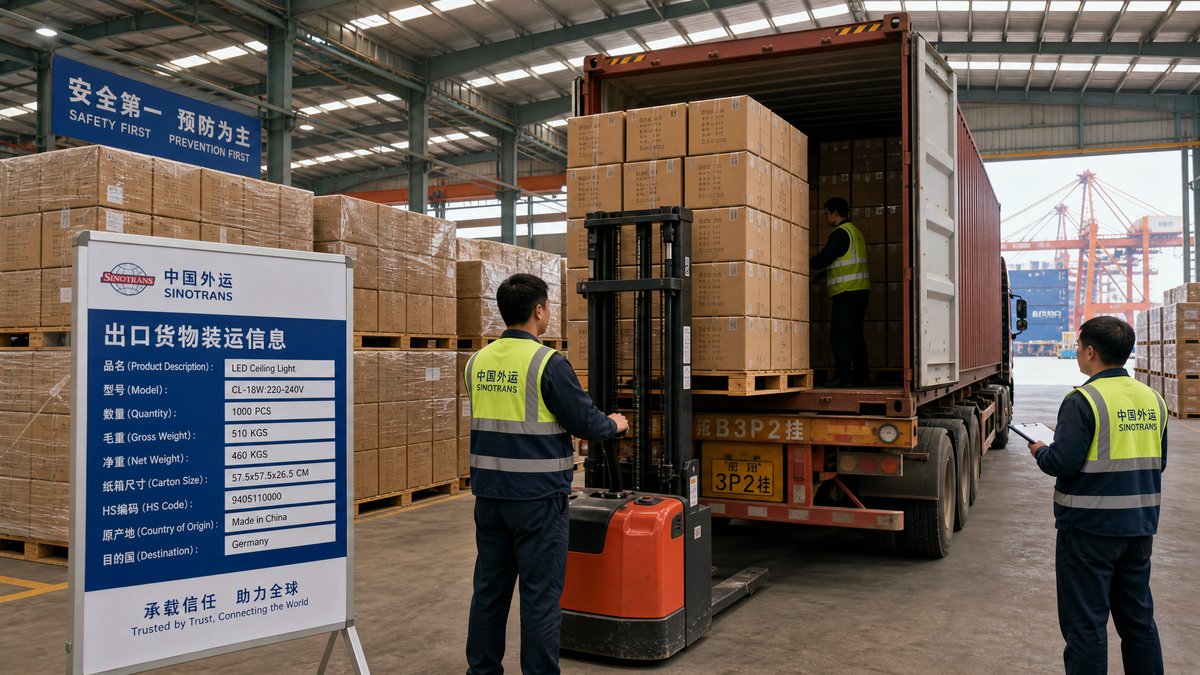
* 20ft Container (20GP): Typically accommodates between 110 to 180 units, depending on vehicle size and whether boxes are palletized.
* 40ft High Cube Container (40HQ): Typically accommodates between 280 to 450 units, offering the most cost-effective ocean freight economy of scale.
8. Can Manufacturers Provide Official Brand Licensing?
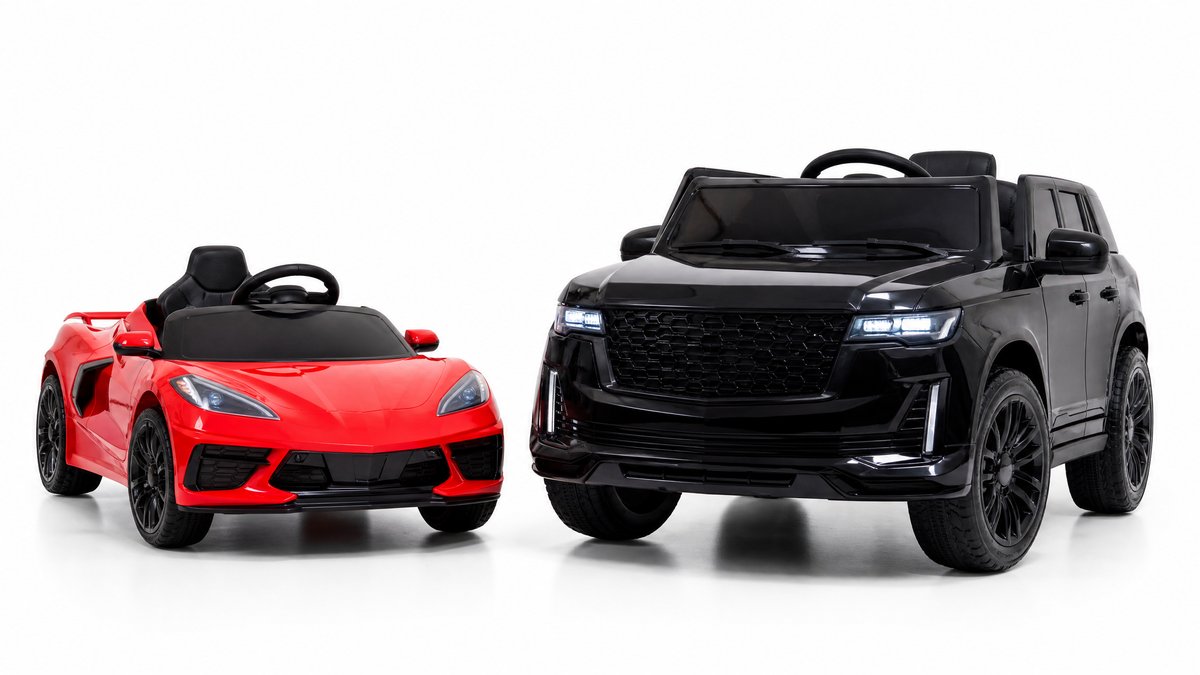
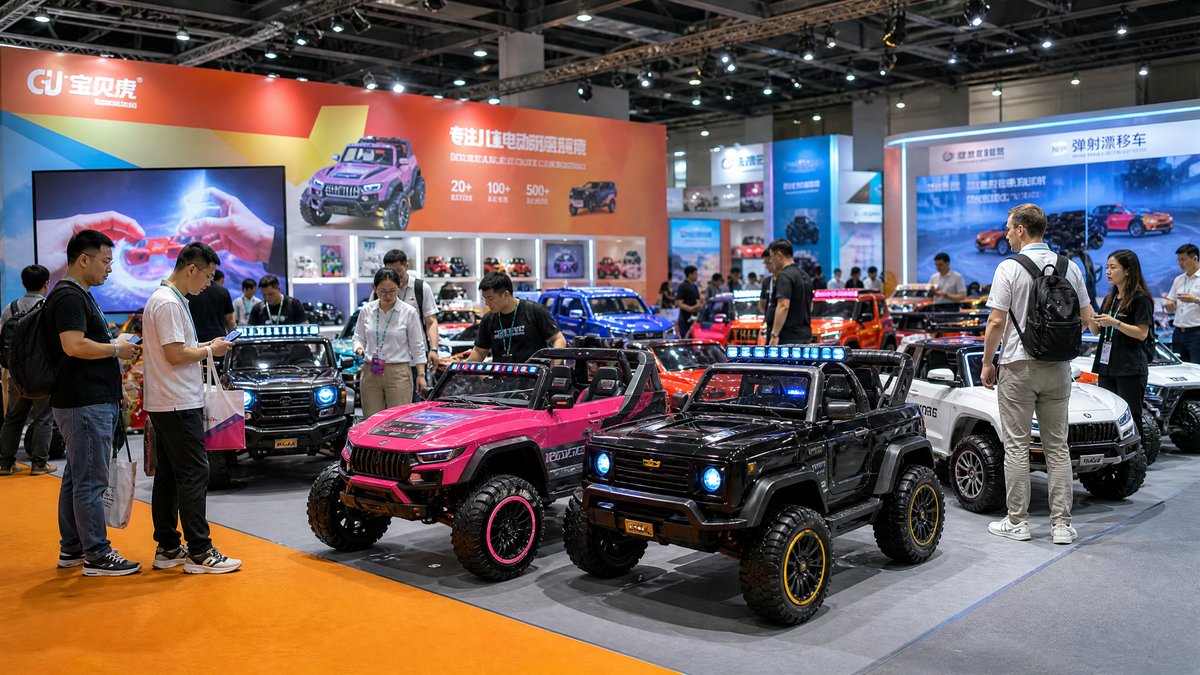
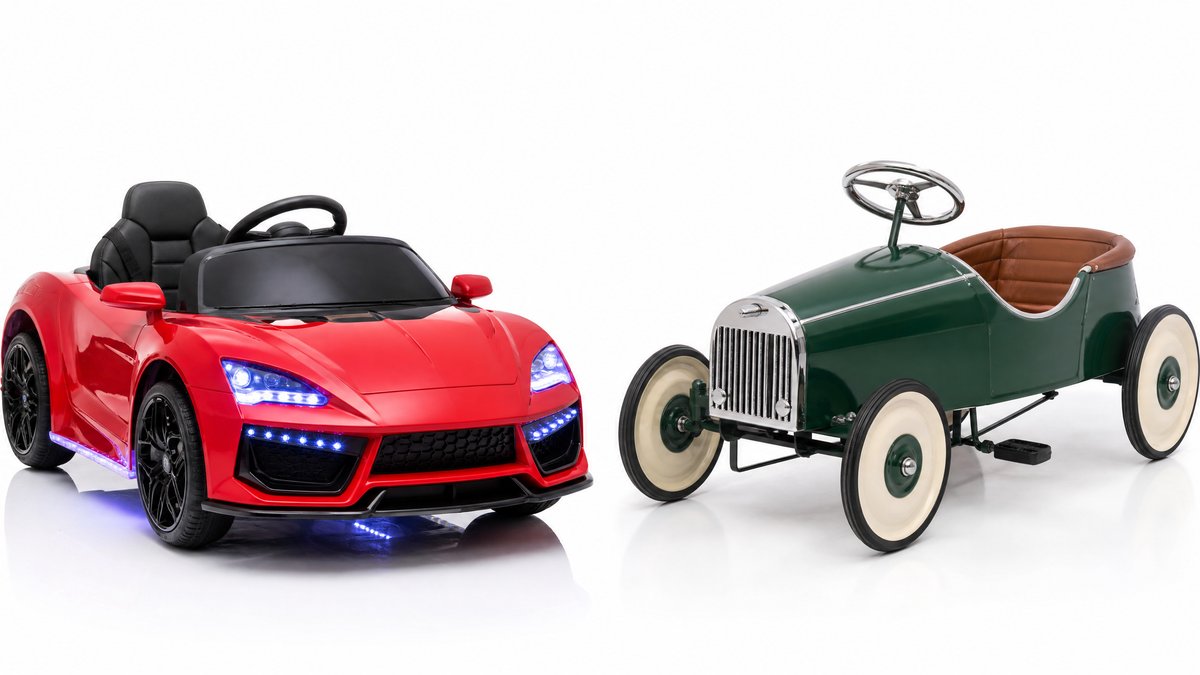
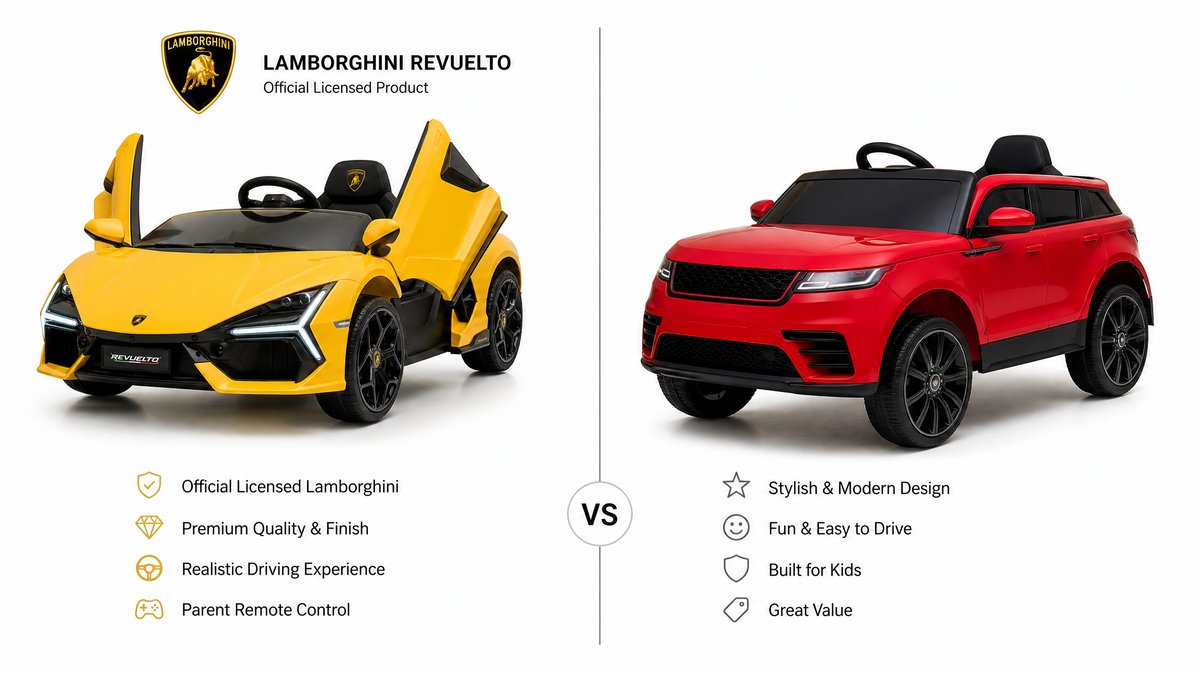
Many high-end retail buyers demand officially licensed replicas of luxury and off-road automotive brands (such as Mercedes-Benz, BMW, Audi, Lamborghini, Ford, and Jeep).
Direct manufacturers with official brand authorization can legally produce these replicas, complete with authentic badges, accurate body styling, and branded dashboards. Always verify that your supplier holds valid licensing agreements from the automotive brand holder to prevent customs seizure of counterfeit goods.
9. What Payment Terms Are Standard in B2B Toy Manufacturing?
International B2B manufacturing transactions generally operate on standardized risk-mitigation terms between the buyer and the factory:
* Standard Deposit: 30% T/T advance deposit upon contract signing to initiate raw material procurement and production scheduling.
* Balance Payment: 70% balance against copy of the Bill of Lading (B/L), or via Letter of Credit (L/C) at sight for large-scale enterprise buyers.
* Avoid suppliers demanding 100% upfront payment via unsecured channels.
10. How Can Customization (OEM/ODM) Enhance Profit Margins?
Private labeling and custom design allow wholesale distributors to escape price competition and build proprietary brand equity in their local markets.
OEM/ODM customization options include custom body colors, branded startup logos on the multimedia dashboard, customized user manuals in local languages, and bespoke retail color boxes. Discussing these options with your manufacturer early in the sourcing phase ensures tooling and printing costs are optimized for your target margin structure.
Frequently Asked Questions (FAQ)
Q1: What is the average lifespan of a kids electric car battery?
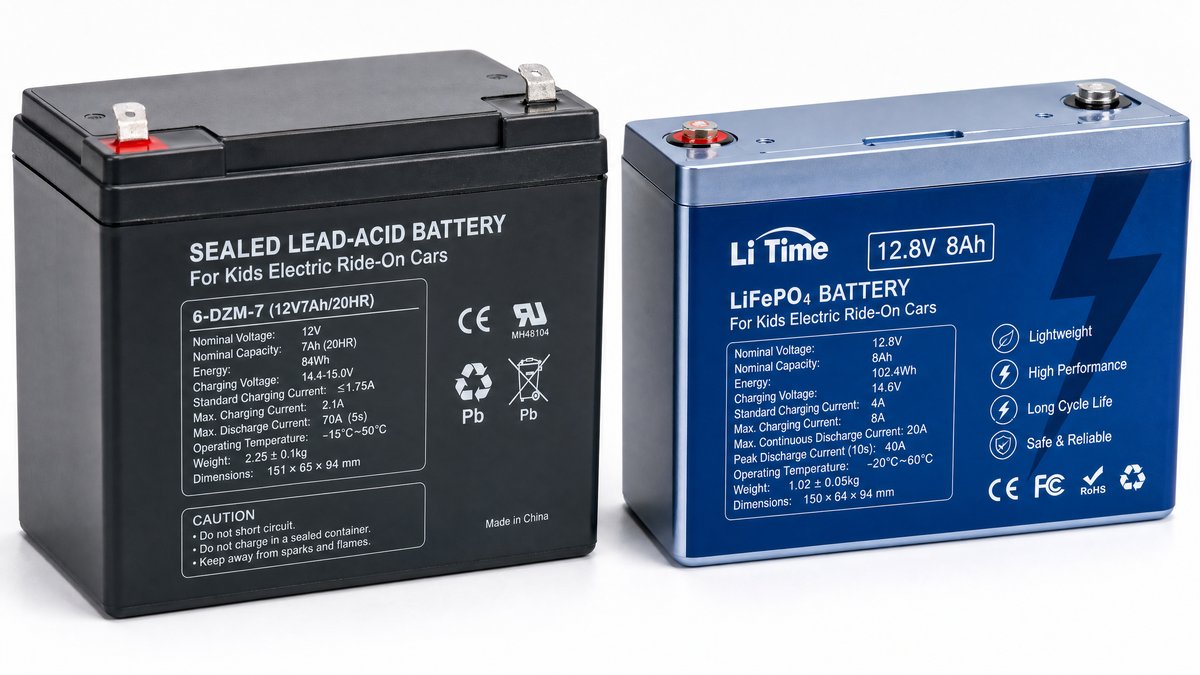
A: Standard lead-acid batteries (12V 7Ah or 12V 10Ah) typically last between 1 to 2 years (approximately 300 charge cycles) depending on usage frequency and proper maintenance. Upgraded lithium-ion options offer longer lifespans and faster charging times but increase initial production costs.
Q2: Do ride-on cars arrive fully assembled, or is end-user assembly required?
A: To optimize shipping volume and reduce container shipping costs, ride-on cars are semi-knocked down (SKD) packed in export cartons. End-users or retail stores typically need to attach the steering wheel, wheels, windshield, and seat, which takes approximately 20 to 30 minutes following the included manual.
Q3: What is the minimum order quantity for custom branded packaging?
A: For fully customized color cartons and branded user manuals, manufacturers generally require a minimum order of 300 to 500 units per model. For simpler customizations, such as custom logo stickers applied to standard packaging, lower MOQs may apply.
Ready to Scale Your Ride-On Car Product Line?
Sourcing high-quality, certified children's electric ride-on cars requires a manufacturing partner with proven export experience, stringent quality control, and reliable after-sales support. At KidsRideCar, we supply global distributors and retailers with top-tier 12V and 24V ride-ons backed by full international certifications.
Contact our wholesale team today at info@kidsridecar.com to request our latest product catalog, factory pricing, and sample evaluations.
Official references
Explore these external resources for current regulatory and trade guidance. Confirm requirements with the relevant authority before placing an order.
Ready to Start?
Factory-Direct · CE & ASTM Certified · MOQ from 50 Units
Our export team works with buyers in 60+ countries. Get a quote within 24 hours.
KR
Written by KidsRideCar
China's leading kids electric ride-on car manufacturer. 500,000+ units shipped annually to 60+ countries. CE, ASTM & EN71 certified.