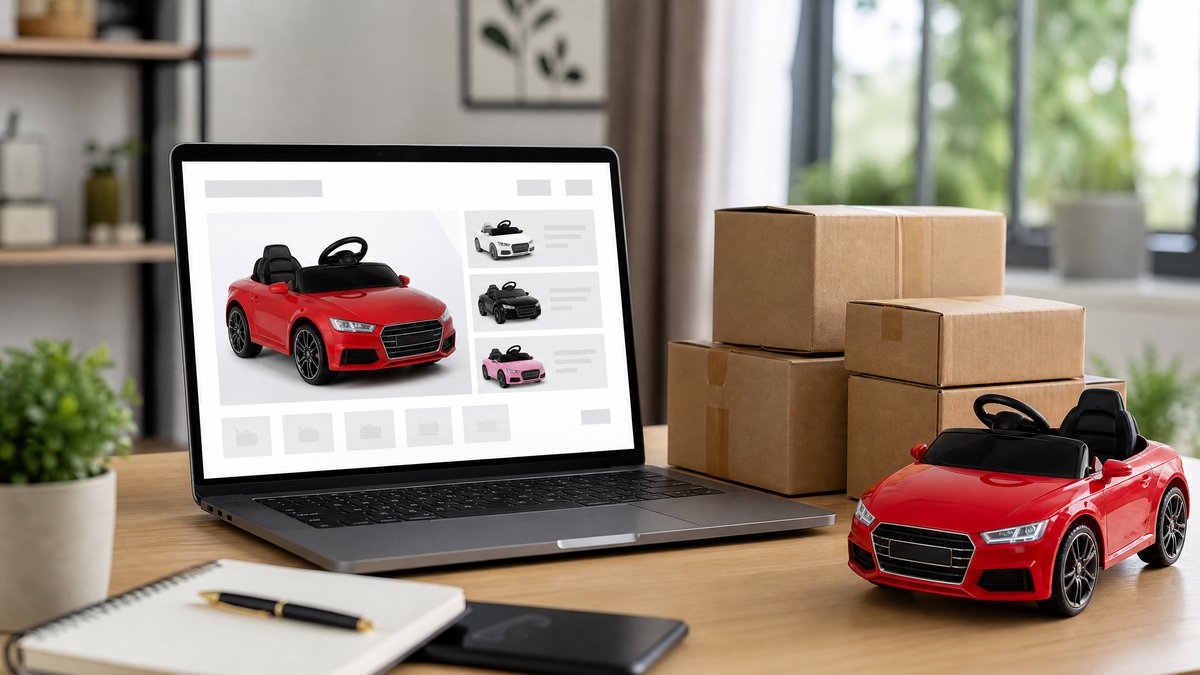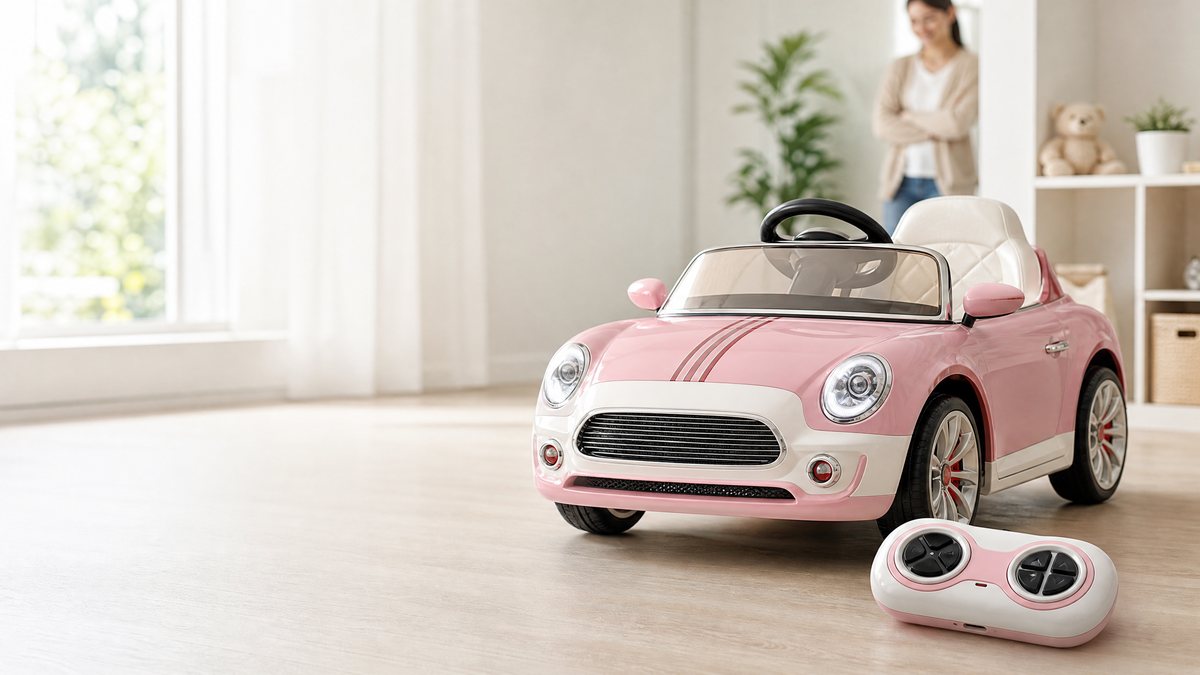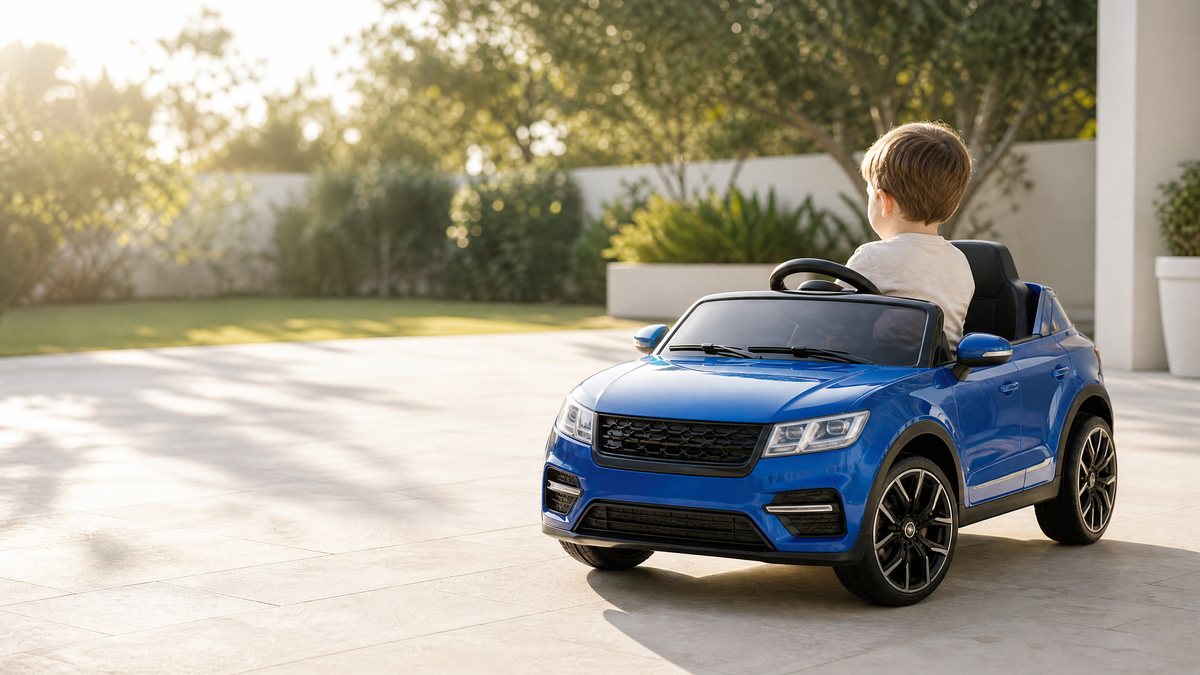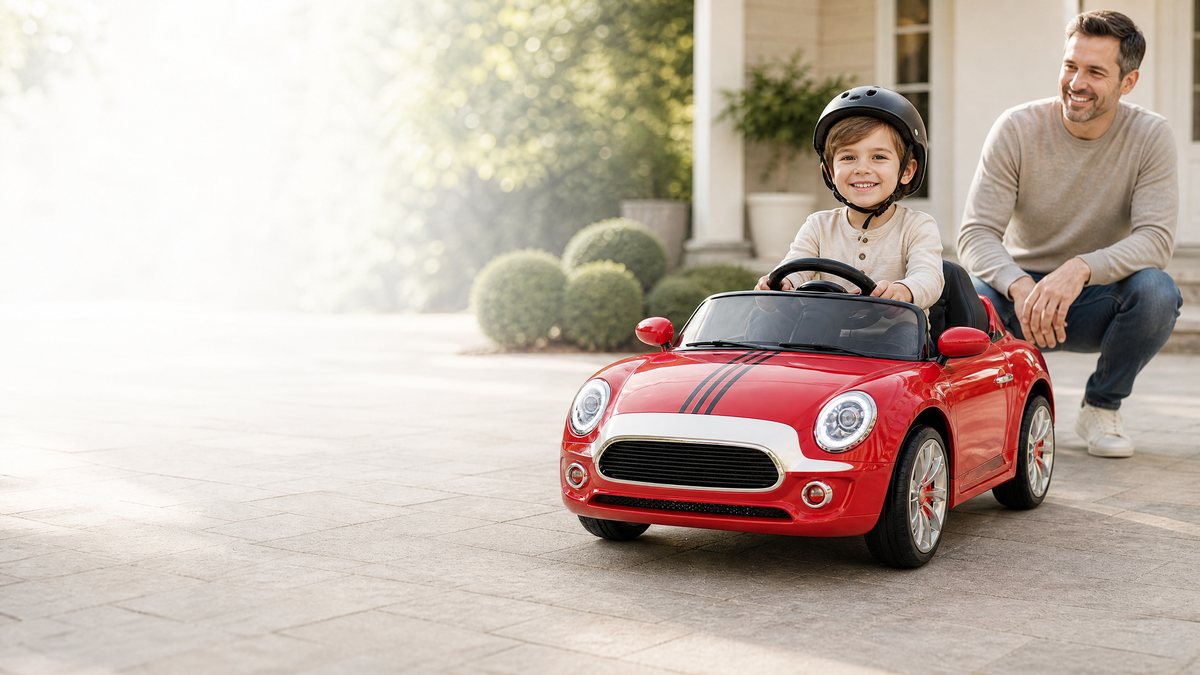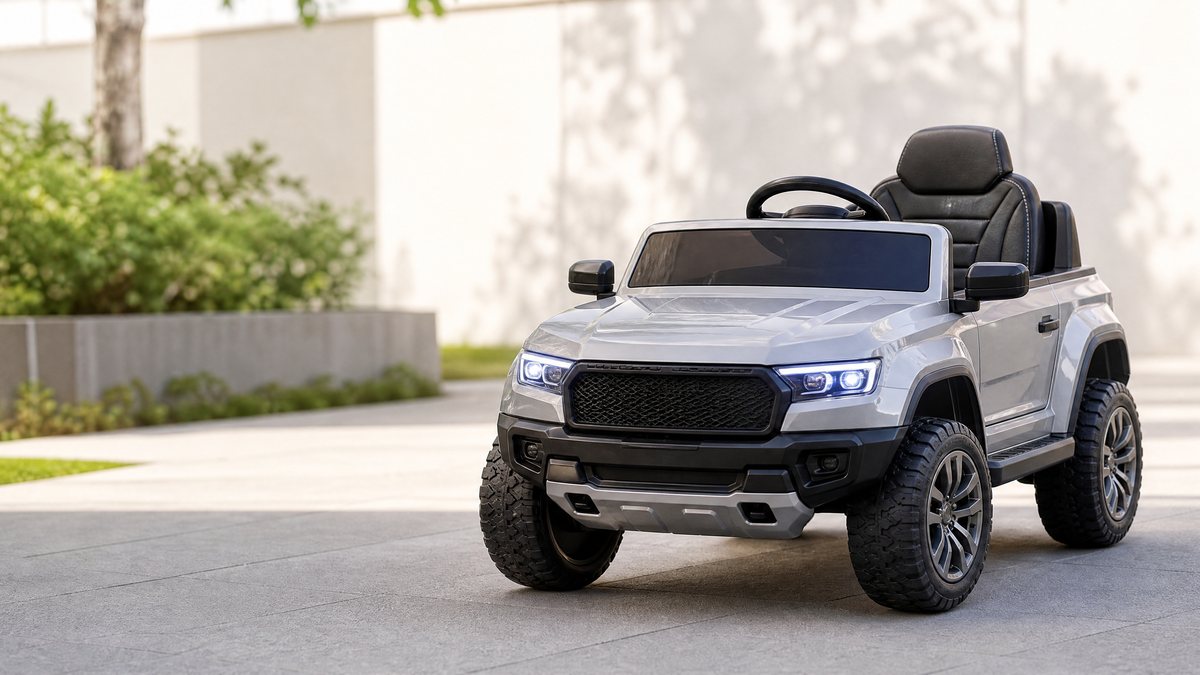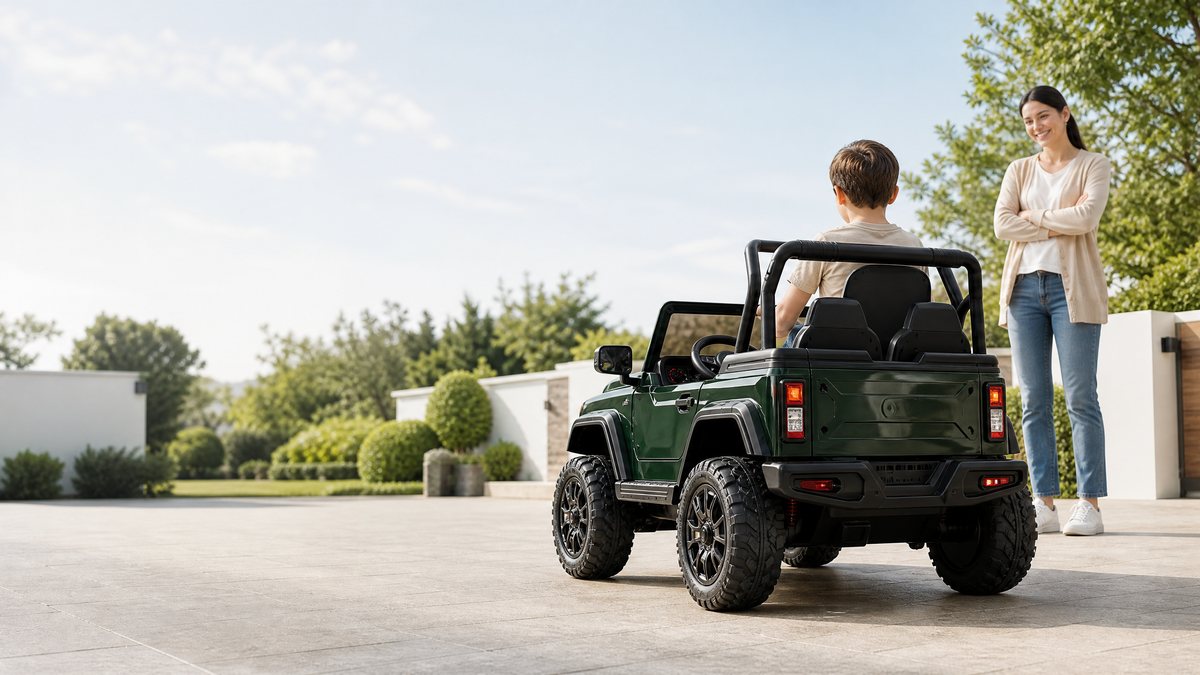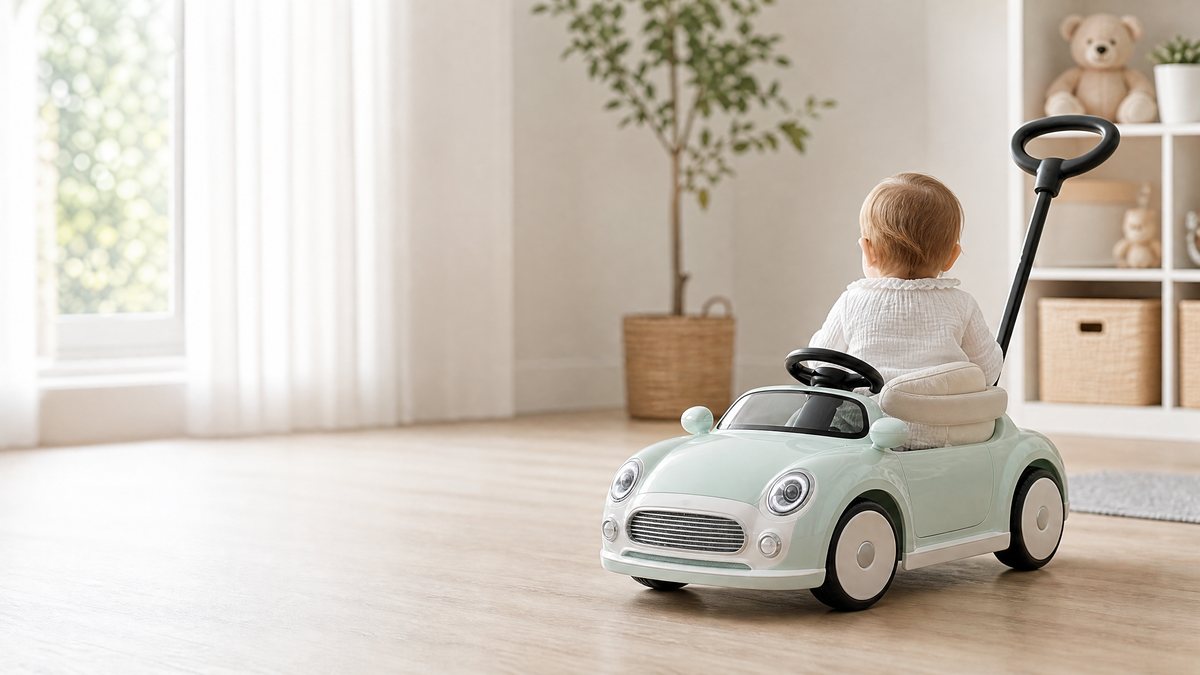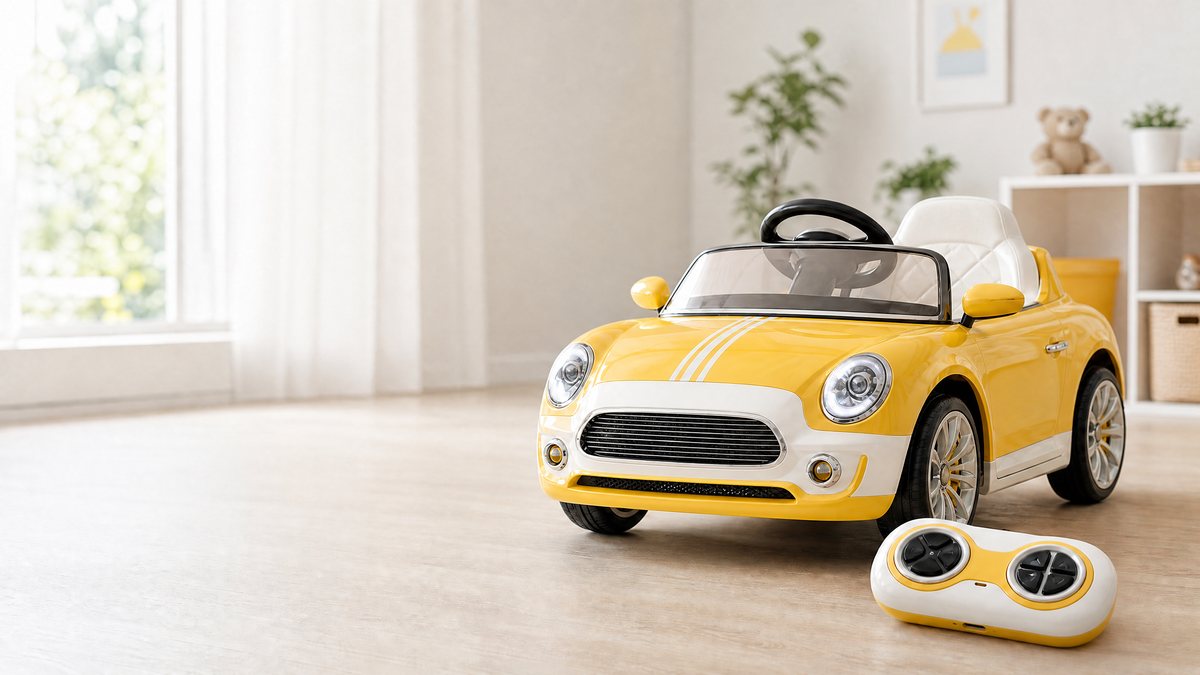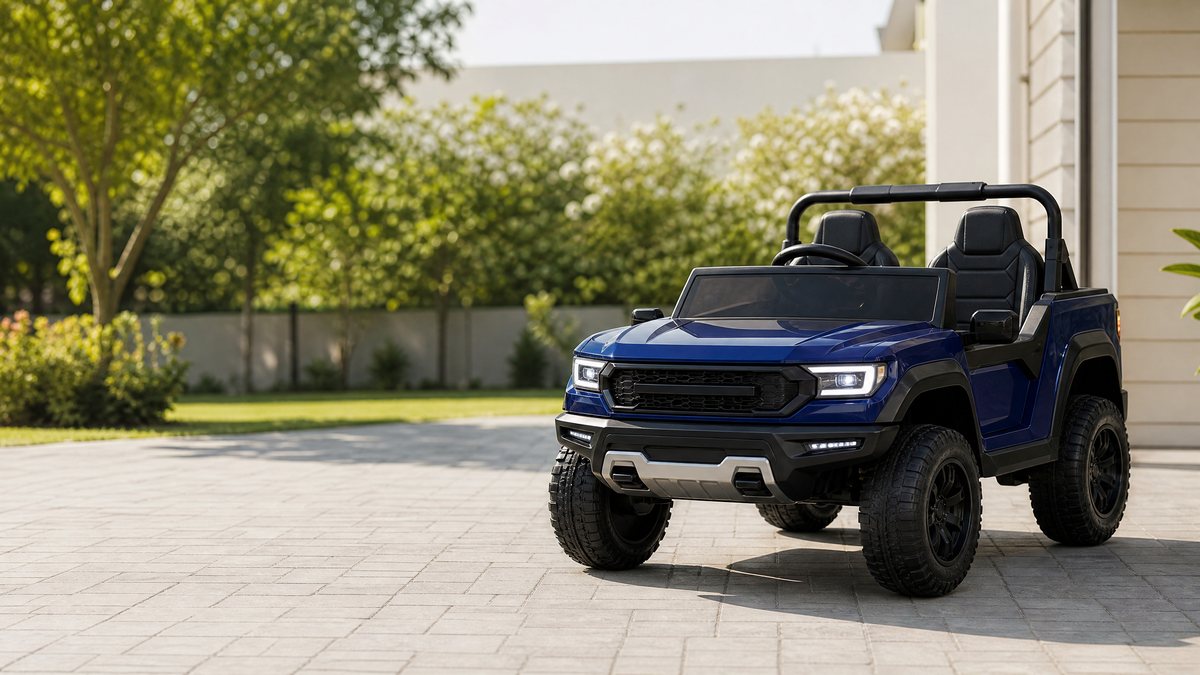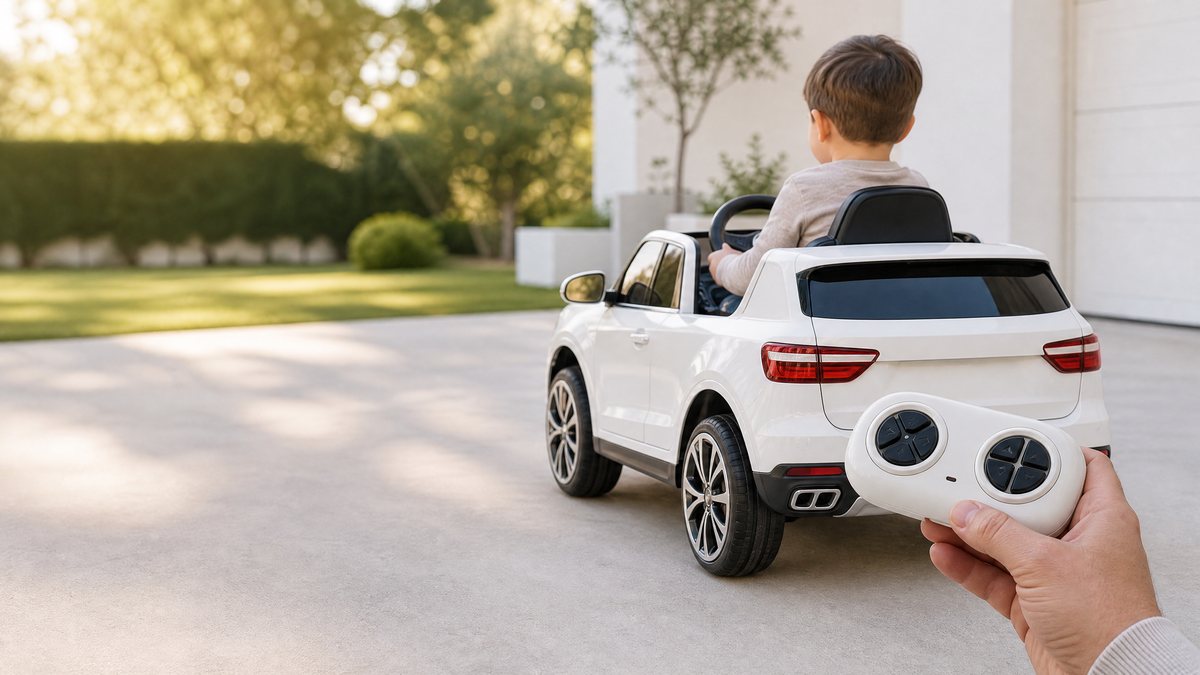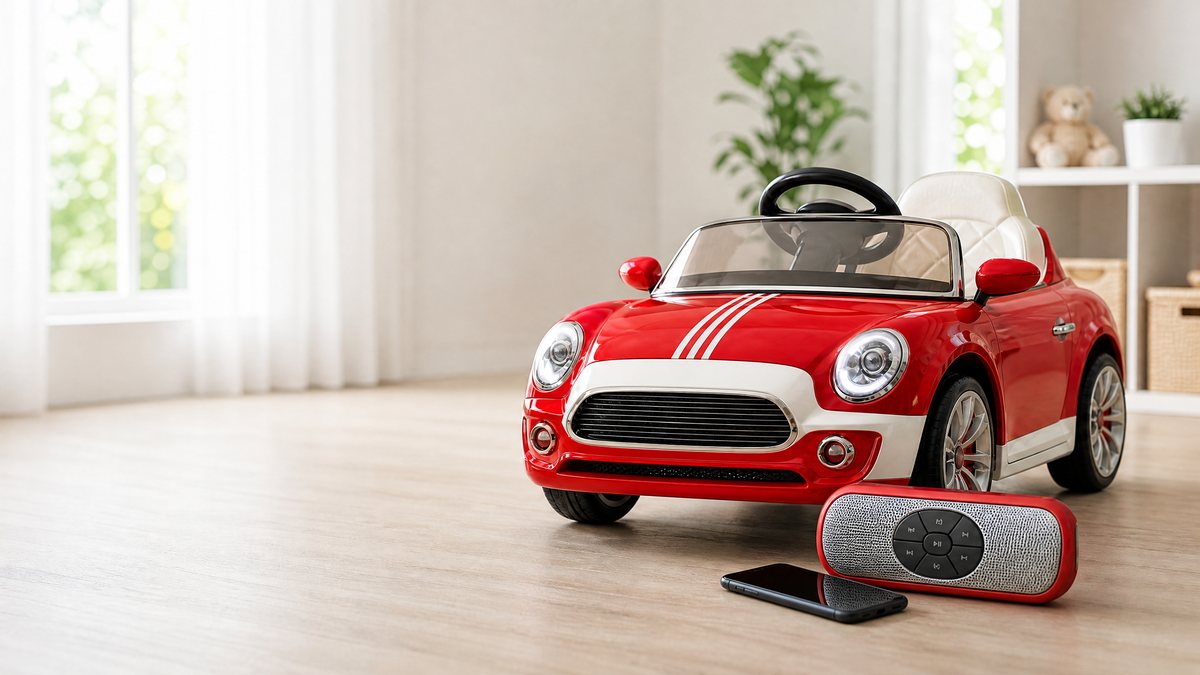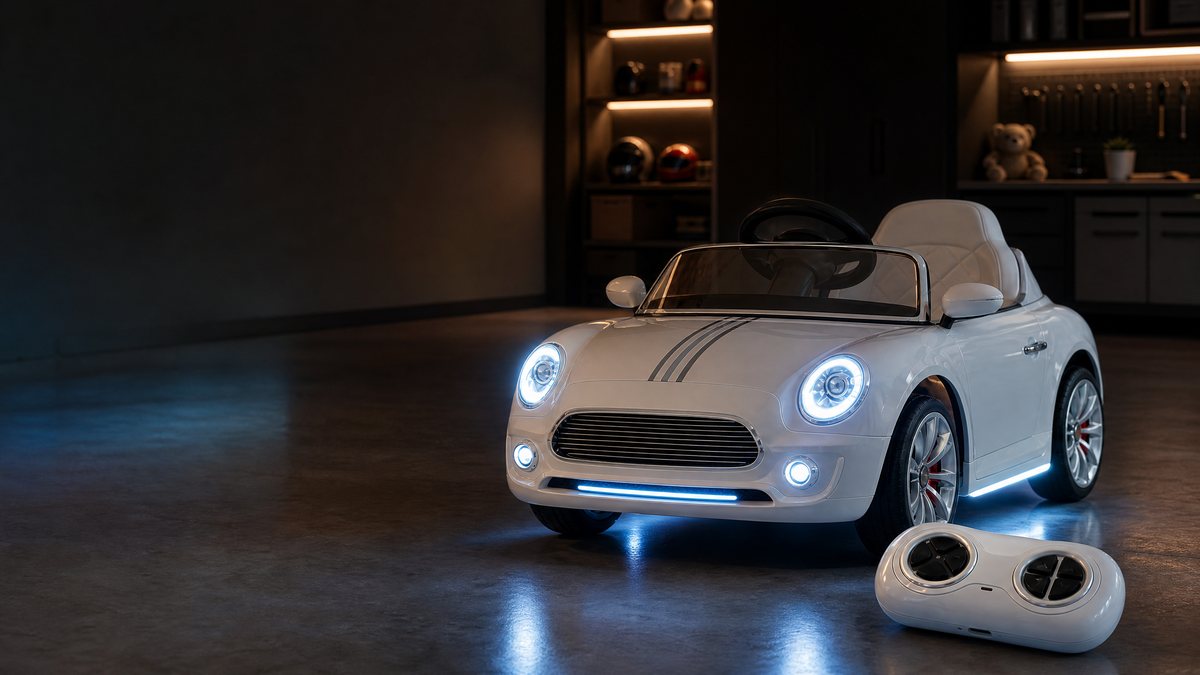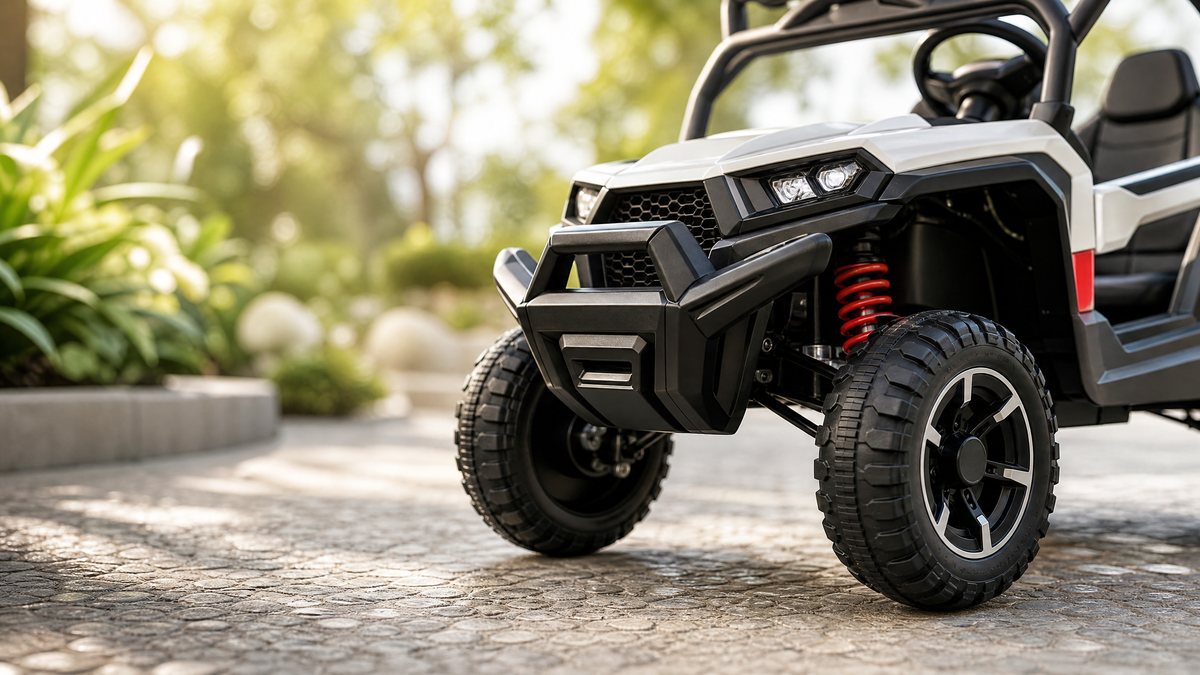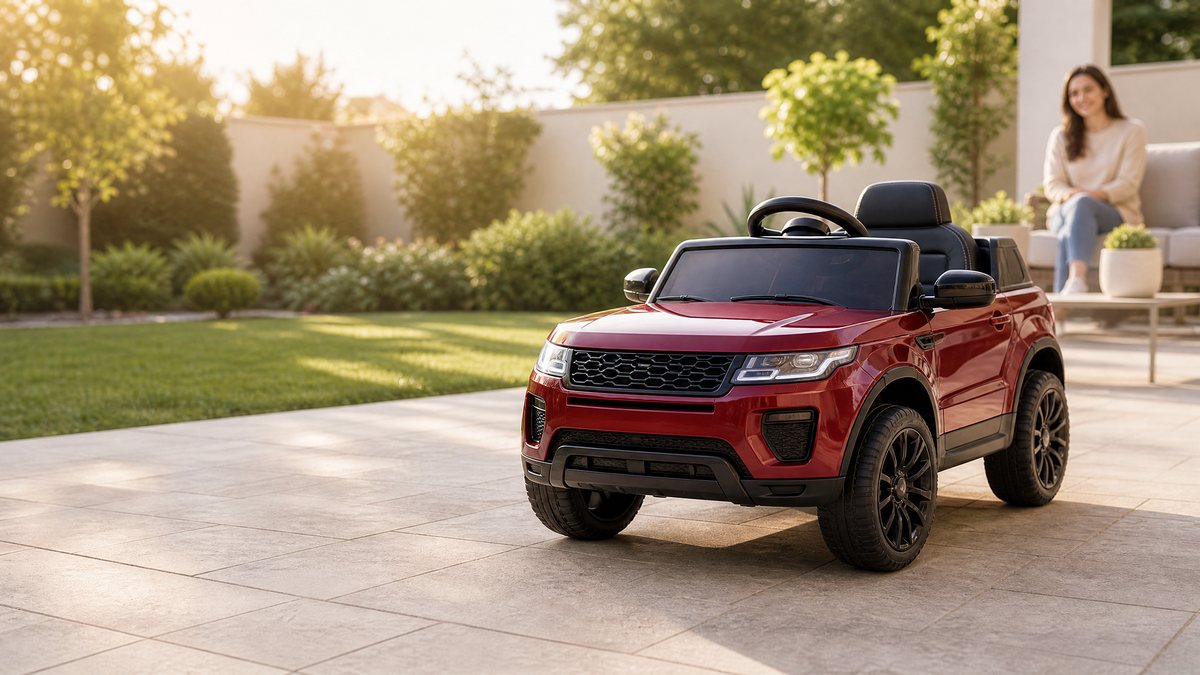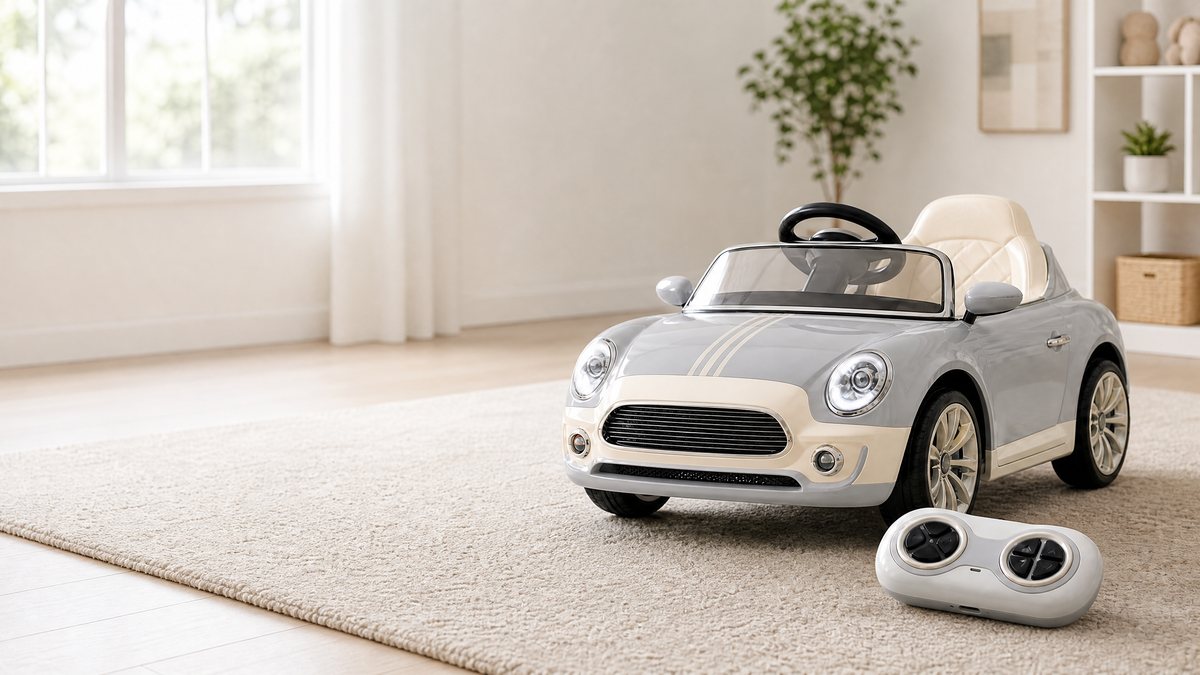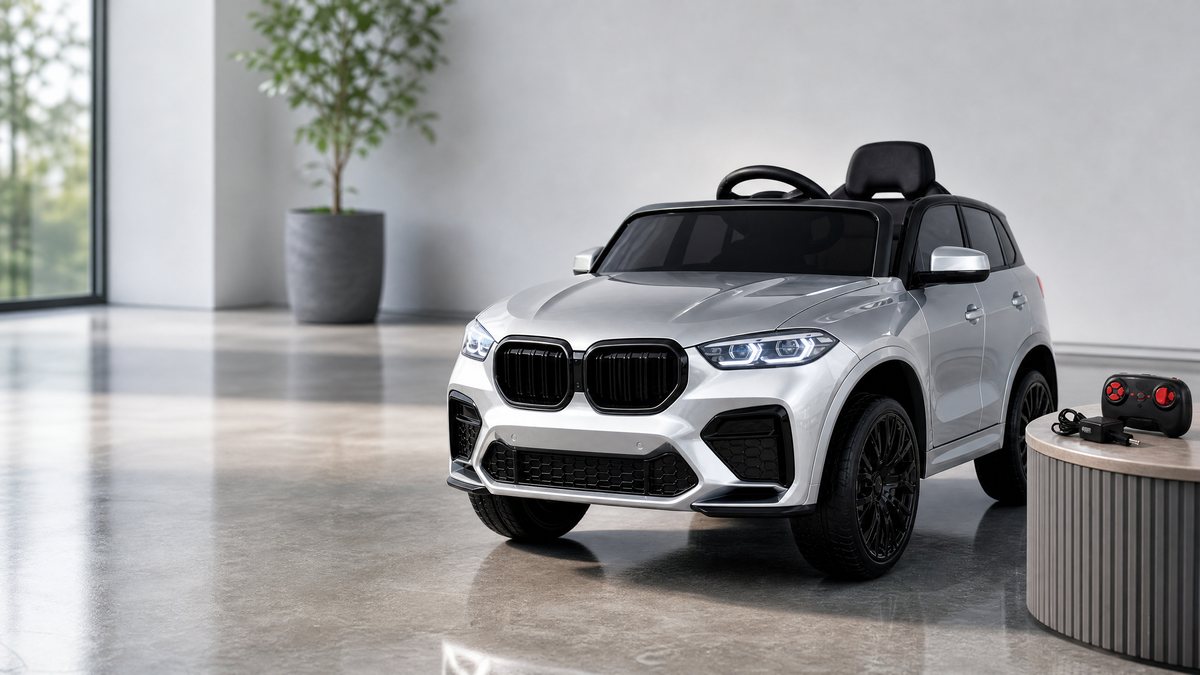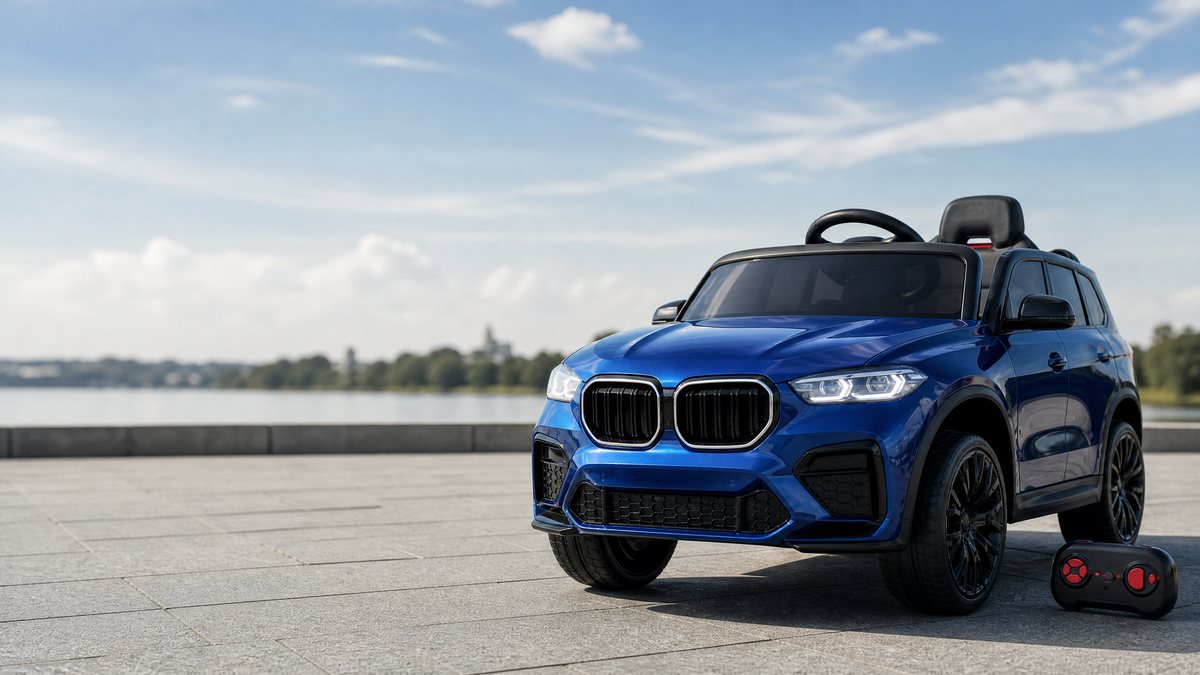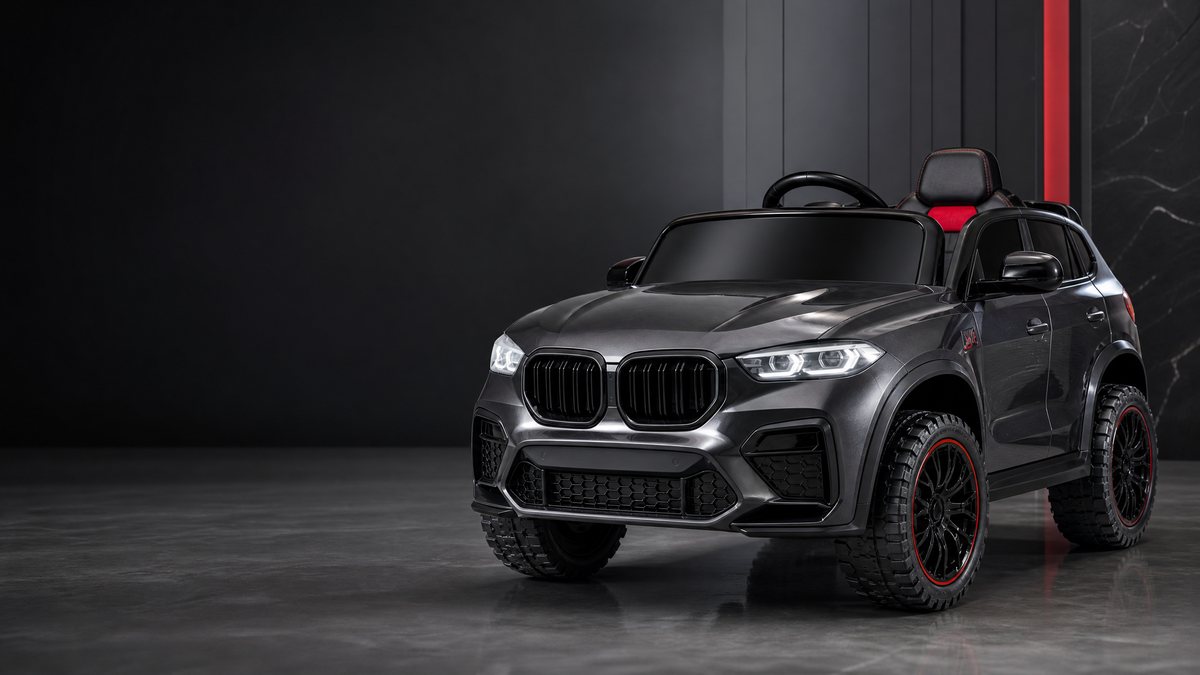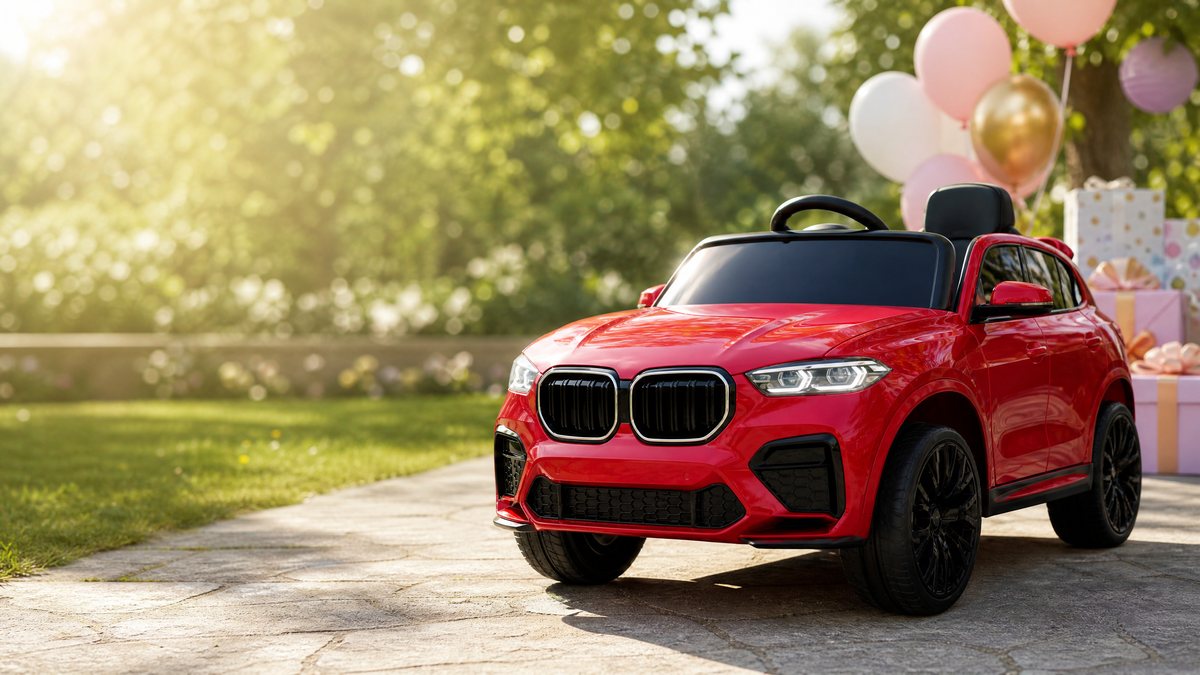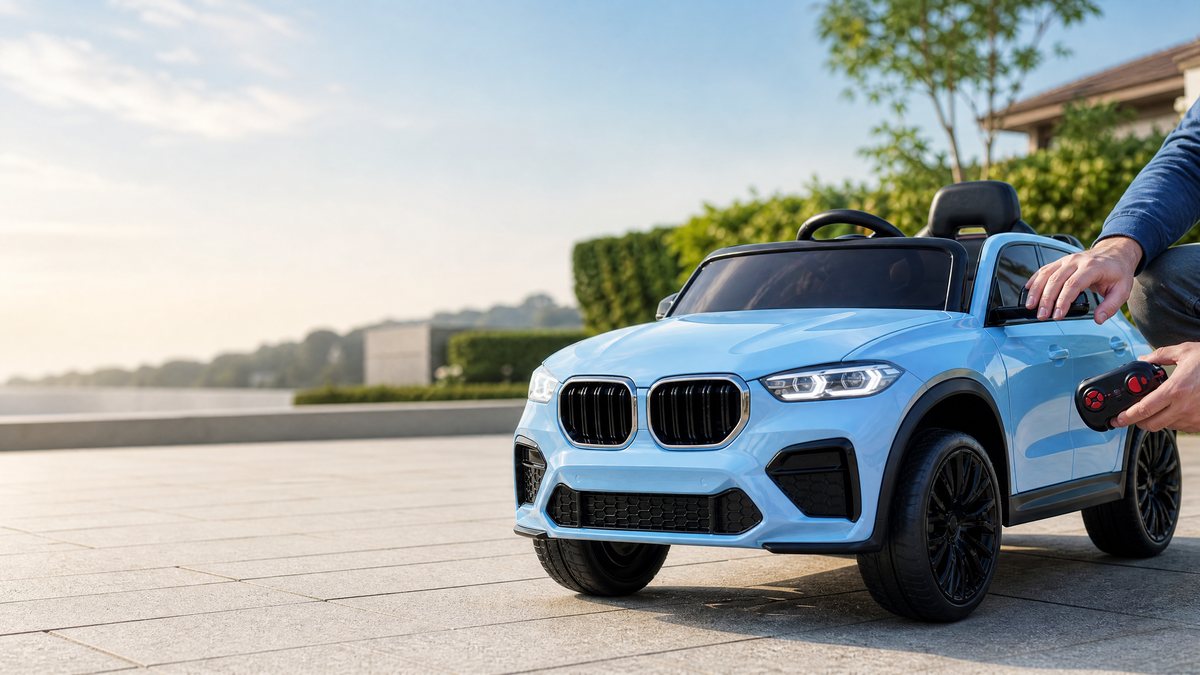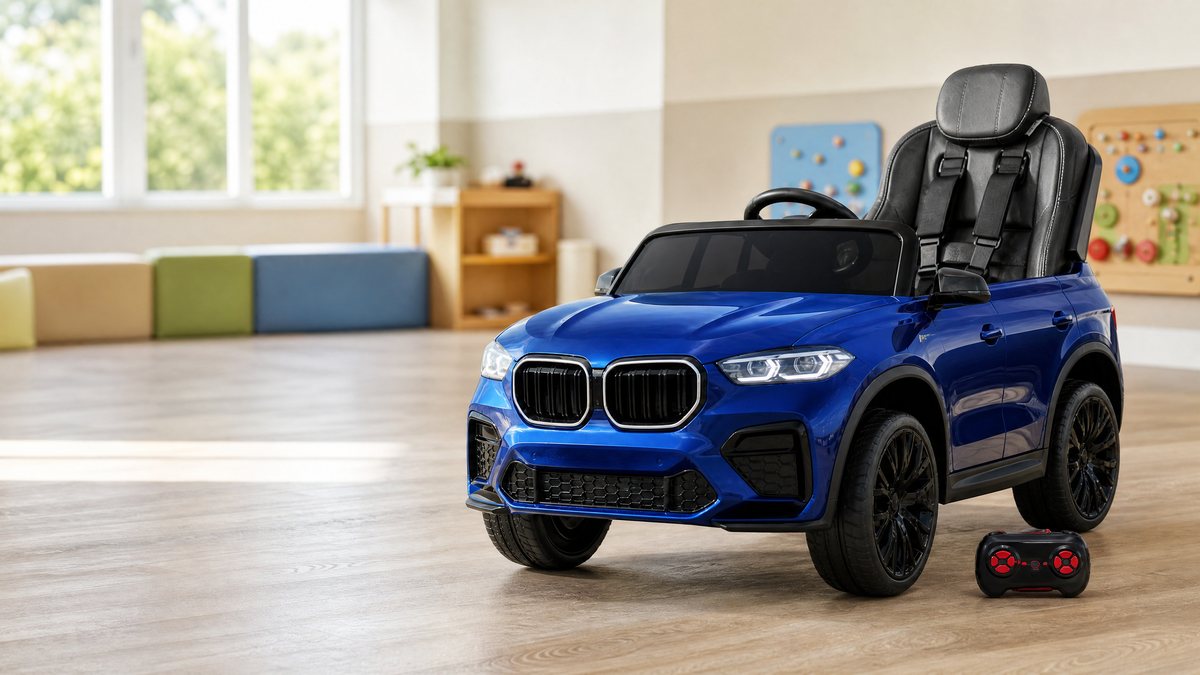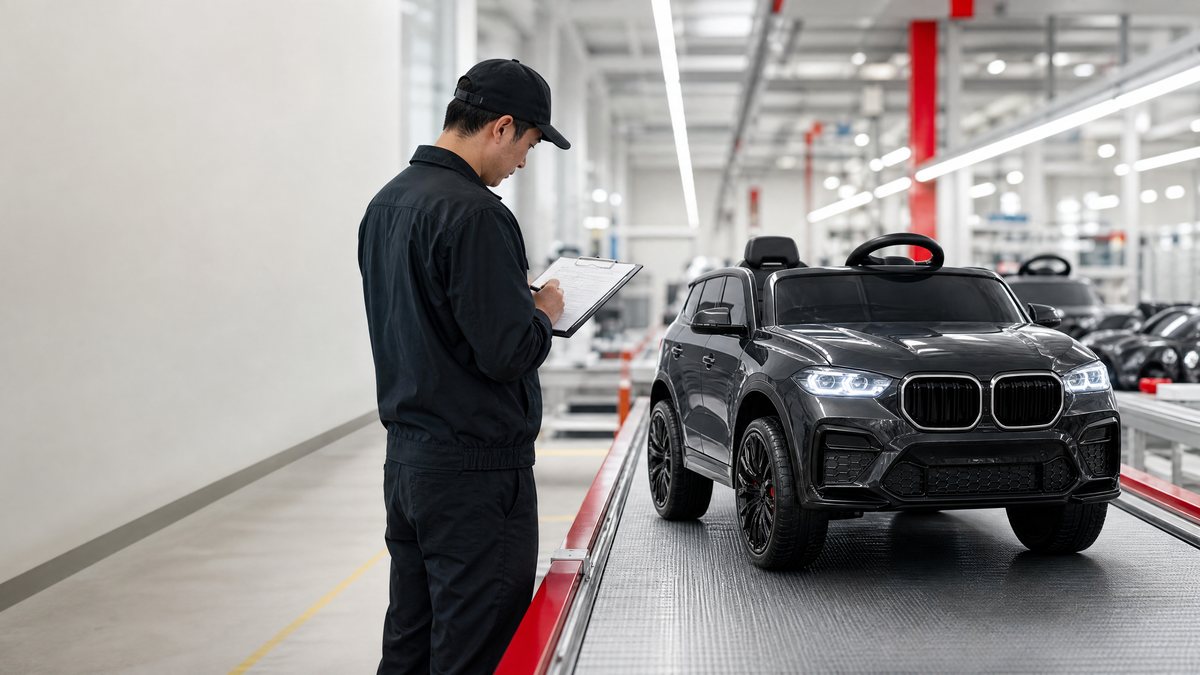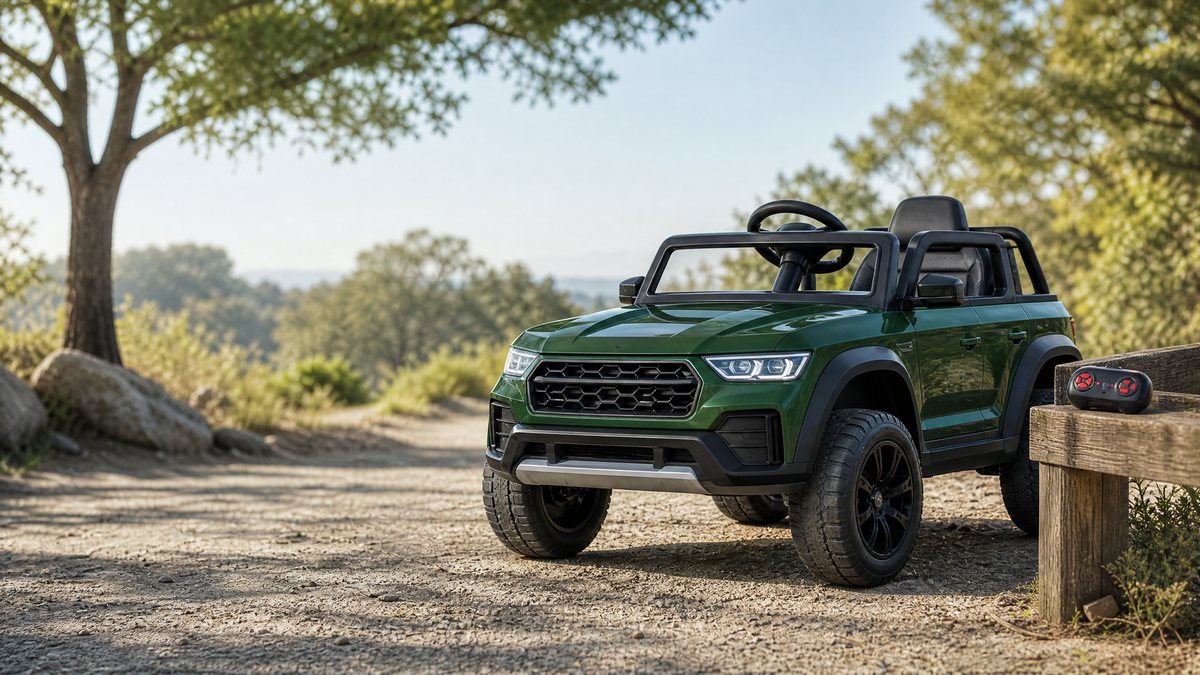
As the global market adoption, engineering sophistication, and consumer popularity of motorized children’s ride-on cars continue to expand across North America, Europe, Asia-Pacific, and emerging international markets, commercial importers, wholesale distributors, retail merchants, and parents frequently encounter complex regulatory and compliance inquiries. Among the most frequent questions directed toward manufacturers, wholesale exporters, and retail partners is whether children's ride-on cars—ranging from 6V and 12V entry-level cruisers to high-performance 24V utility vehicles (UTVs) and licensed electric luxury sports car replicas—need to be formally registered with government agencies, motor vehicle departments, or municipal authorities. Navigating the legal status of battery-powered toy vehicles requires a thorough understanding of toy safety classifications, jurisdictional distinctions between private property and public infrastructure, municipal traffic bylaws, and the fundamental legal differences between consumer recreational playthings and street-legal motor vehicles. This comprehensive guide examines the regulatory landscape governing ride-on cars, providing international B2B partners, wholesale importers, and retail purchasers with a structured framework to evaluate compliance, assess operational boundaries, and ensure responsible usage across diverse global markets.
The legal classification of children's ride-on vehicles under international safety standards establishes the foundational premise for how governments regulate their distribution and operation. Regulatory bodies and standardization agencies such as the Consumer Product Safety Commission (CPSC) in the United States, Health Canada, the European Committee for Standardization (CEN) under the EN 71 directives, and equivalent international authorities categorize motorized ride-on cars strictly as recreational toys rather than motor vehicles. Consequently, traditional motor vehicle registration requirements—such as Department of Motor Vehicles (DMV) titling, official license plates, state emissions inspections, mandatory automotive liability insurance, and driver licensing—do not apply to standard children's ride-on cars. When reviewing general educational resources from regulatory bodies such as the Consumer Product Safety Commission (CPSC), stakeholders should note that these publications provide general toy safety educational materials only, serving as broad guidance rather than specific product certifications or individual model endorsements. Ride-on cars are engineered, tested, and certified to comply with rigorous toy safety standards, which govern maximum allowable speeds, structural stability, electrical isolation, battery management systems, and non-toxic material composition. However, while toy classification exempts these vehicles from standard automotive registration, local municipal bylaws, public park authorities, and residential homeowners association rules introduce specific operational restrictions that international importers, regional retailers, and end-users must carefully evaluate and respect.
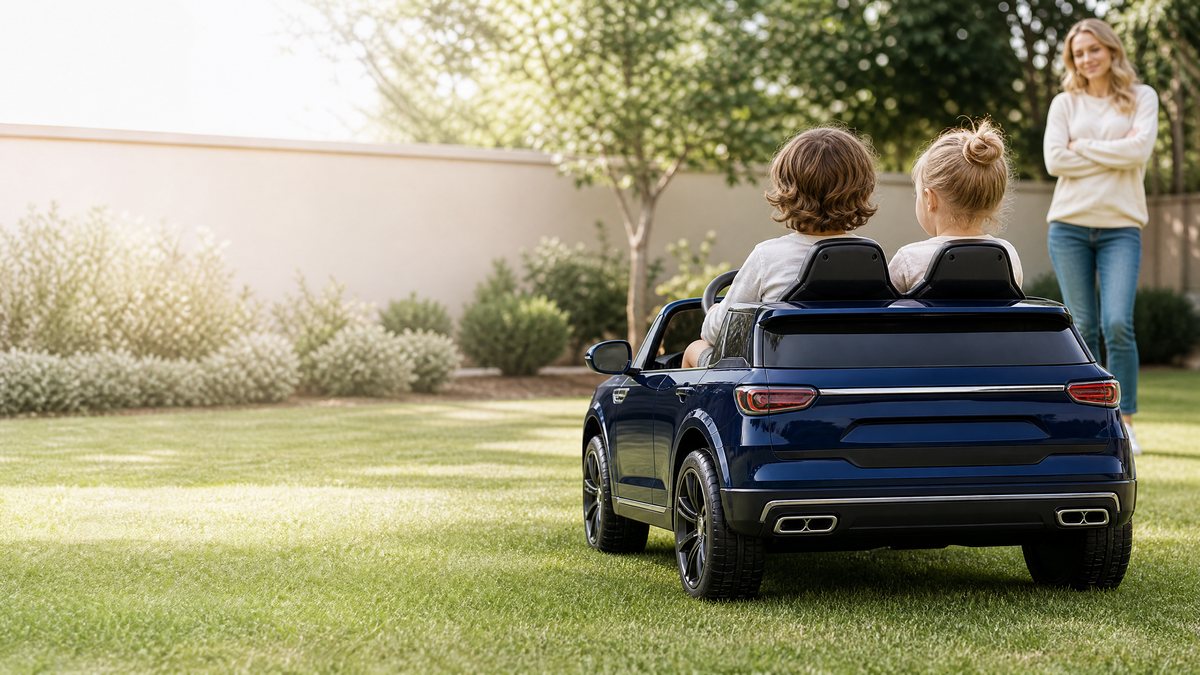
Understanding the critical distinction between private property and public infrastructure is essential for establishing where and how motorized ride-on cars may be operated safely and legally. While a ride-on car does not require statutory registration to be driven across a private residential driveway, enclosed backyard, or indoor playroom, operating these vehicles in public spaces involves varying municipal regulations and local traffic ordinances. Many local city councils, municipal governments, and parks departments enforce strict ordinances prohibiting motorized ride-on toys on public sidewalks, municipal roadways, public bicycle lanes, and community parks due to potential safety hazards involving pedestrian traffic and vehicular proximity. In some jurisdictions, local authorities may classify motorized ride-on devices under general municipal bylaws governing wheeled recreational equipment, skateboards, or non-certified electric conveyances. Therefore, commercial buyers, B2B wholesale partners, and retail merchants must advise their retail customers to consult local municipal codes and community association guidelines before operating ride-on vehicles outside of private property. Furthermore, operations in specialized environments—such as gardens, beaches, public parks, campings, theme parks, or kindergarten grounds—must strictly avoid public roads, commercial thoroughfares, or unauthorized zones, emphasizing site permission, adherence to local rules, utilization of flat and dry allowed surfaces, continuous adult supervision, and strict compliance with the product manual.
To assist international importers, retail buyers, and compliance officers in evaluating regulatory frameworks across different operational environments, the following comparative matrix outlines key distinctions in vehicle classification, legal registration requirements, and operational oversight.
| Operational Environment | Vehicle Classification | Registration / Titling Required? | Typical Governing Rules & Oversight |
|---|---|---|---|
| Private Residential Property | Consumer Toy / Recreational Device | No | Governed by parental supervision and manufacturer user manual guidelines. |
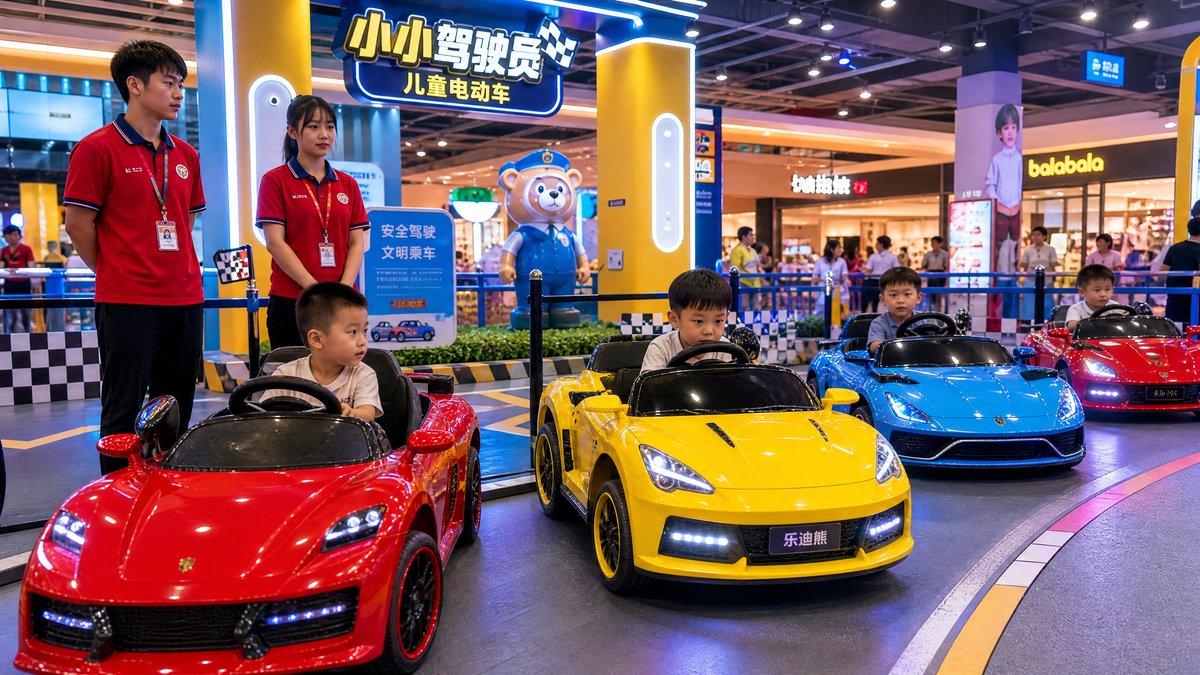
| Private Commercial Venues (e.g., Resorts, Event Spaces) | Recreational Play Equipment | No | Subject to venue liability policies, supervisory staff oversight, and designated track boundaries. |
| Public Sidewalks & Walkways | Motorized Recreational Device | Varies by Municipality | Subject to local pedestrian safety bylaws; frequently restricted or prohibited. |
| Public Roadways & Streets | Non-Compliant Motorized Vehicle | Prohibited | Strictly prohibited on public streets due to lack of automotive safety equipment (e.g., airbags, DOT headlights). |
The absence of a formal vehicle registration requirement under national motor vehicle acts does not imply an absence of safety regulations, operational responsibilities, or liability considerations. Manufacturers, trade associations, and consumer safety agencies emphasize that safety is maintained through strict adherence to recommended operational guidelines, routine mechanical maintenance protocols, and rigorous adult supervision. Because children's ride-on cars lack the structural crash protection, advanced hydraulic braking responsiveness, impact-absorbing crumple zones, and high-intensity lighting systems of full-sized automobiles, they are never suitable for operating on active roadways or uneven public infrastructure. Importers and retail sellers must ensure that all product documentation, user manuals, packaging inserts, and digital listings clearly communicate these operational limitations to retail purchasers, fostering a culture of safety awareness and responsible product stewardship.
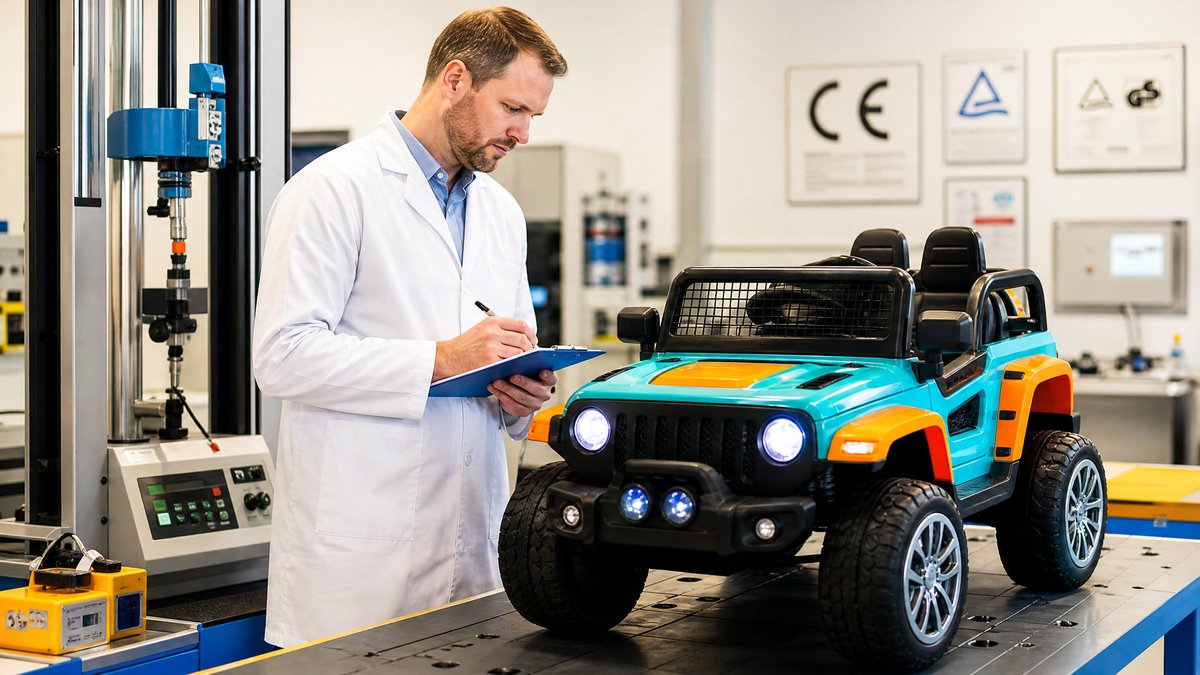
When retail buyers and commercial distributors evaluate ride-on cars for international procurement or retail distribution, assessing product features and safety certifications requires a systematic and professional approach. Modern ride-on vehicles frequently incorporate advanced technological features—such as 2.4G parental remote control override systems, electronic soft-start acceleration mechanisms, electromagnetic emergency braking, integrated LED headlights and taillights, and multimedia entertainment interfaces—if equipped on specific models, noting that features may vary by model and must be confirmed in the manual. These innovative features greatly enhance the control, monitoring, and supervision capabilities of parents and caregivers, but they do not alter the underlying legal status of the vehicle as a non-registered recreational toy. Importers must review the manufacturer's compliance documentation, including CE, ASTM F963, EN 71, EN 62115, or equivalent regional toy safety test reports, to ensure that every commercial production batch meets statutory requirements for electrical insulation, mechanical stability, small parts safety, and chemical composition.
Furthermore, international supply chain due diligence requires that commercial importers verify the authenticity and traceability of all safety certifications provided by manufacturing partners. Retailers should actively request complete test summaries, conformity certificates, and factory audit reports to ensure full alignment with destination market regulations. Establishing robust documentation protocols safeguards retail brands against regulatory liabilities and reassures end consumers regarding product reliability and safety standards. When navigating commercial procurement, wholesale sourcing, or online retail channels, buyers should always check the current product page, seller terms, and platform policies directly on the respective marketplace or retailer website, as inventory availability, promotional terms, and platform guidelines fluctuate continuously. No platform or brand should be assumed to offer guaranteed pricing, exclusive return periods, or universal service standards without direct verification.
For B2B buyers, wholesalers, and retail distributors seeking to procure high-quality, fully compliant children's ride-on vehicles for global markets, establishing a direct, transparent communication channel with experienced, certified manufacturers is essential for long-term business success. Our manufacturing operations provide comprehensive compliance documentation, detailed model specifications, and professional export support tailored to international distribution networks. We invite interested commercial partners to reach out for detailed catalog inquiries, sample evaluations, and tailored commercial discussions. Request a wholesale quote to connect with our export specialists and explore our complete portfolio of premium children's ride-on vehicles.
Maintenance and proper mechanical handling represent critical components of long-term product safety, operational longevity, and consumer satisfaction. While ride-on cars do not require statutory registration inspections or emissions testing like adult automobiles, regular routine inspections conducted by adult supervisors are mandatory before every play session. Operators must check wheel alignment, steering linkage integrity, battery charger condition, and plastic housing security prior to use prior to every play session. Under no circumstances should unauthorized internal repairs, testing, or modifications be attempted: users must never inspect or touch main battery terminals, internal wire harnesses, internal fuses, electronic control boards, or gearboxes, nor should they use multimeters, electrical bypasses, or substitute non-approved higher-spec parts. Bluetooth connectivity, speed settings, and diagnostic troubleshooting must be restricted strictly to low-risk external operations and adherence to the manufacturer user manual. If any unusual chemical odors, visible smoke, excessive thermal heating, battery fluid leaks, water ingress, exposed wiring, damaged charging plugs, abnormal braking response, or continuous electrical malfunctions are observed, adult supervisors must immediately cease operation and charging, power off the vehicle, disconnect the power source, keep children away from the unit, and contact the manufacturer or a qualified service technician for professional evaluation.
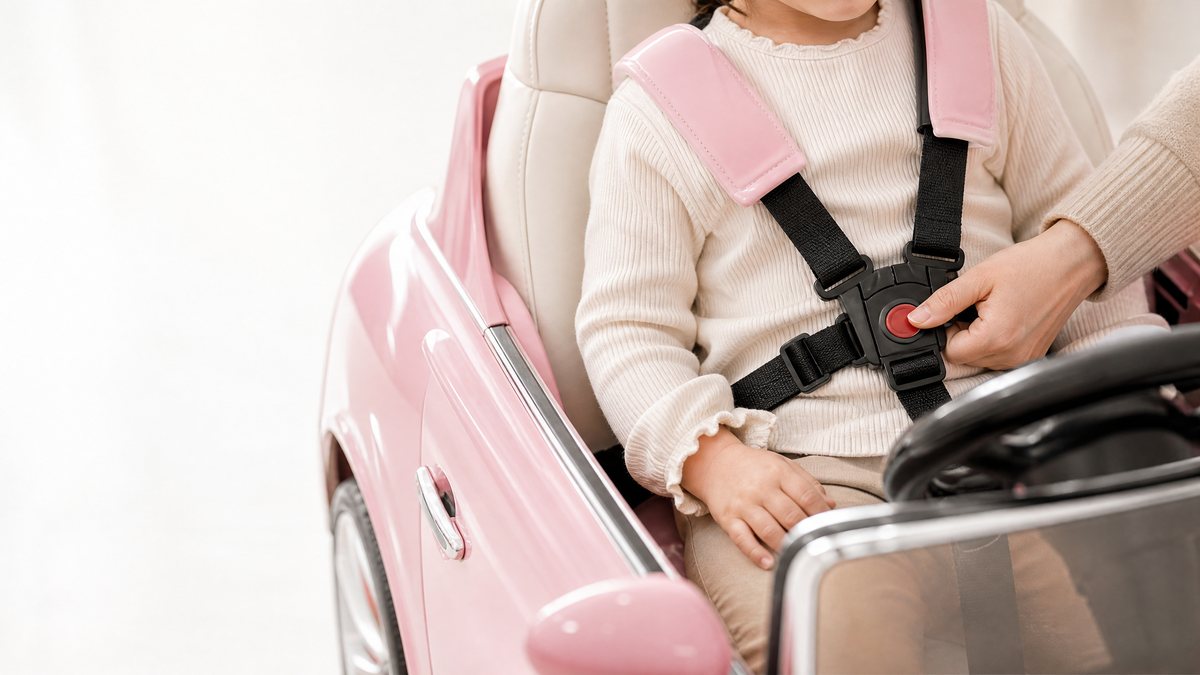
The integration of ride-on cars into recreational play routines also offers significant developmental engagement for young children, actively supporting motor skill acquisition, spatial awareness, directional coordination, and independent confidence-building. For children transitioning from strollers or engaging in supervised sensory play, driving a battery-powered car under active parental guidance can be a rewarding developmental milestone. However, these activities must be approached without making medical, therapeutic, or developmental guarantees. Parents, caregivers, and pediatric specialists should evaluate each child's individual developmental readiness, physical coordination, and cognitive maturity before introducing a motorized ride-on toy. Furthermore, safety belts and seating configurations must be used exactly as specified in the manufacturer user manual; no aftermarket harnesses, non-standard seating additions, or unapproved structural modifications should ever be introduced. Special attention must be paid to individual sensory needs, motor skills development, and personal physical fitness, emphasizing continuous adult supervision, personal product fit, and professional healthcare advice where appropriate.
Navigating online retail platforms, third-party marketplaces, and seasonal sales events requires careful commercial due diligence. Consumers and commercial buyers frequently encounter listings on major e-commerce platforms featuring varying pricing structures and promotional claims. It is vital to recognize that platform-specific pricing, promotional discounts, inventory availability, and return policies fluctuate continuously and are governed entirely by the respective retailer or marketplace platform policies; always check the current product page, seller terms, and platform policies directly. Buyers should never rely on unverified third-party sellers or uncorroborated marketing claims regarding vehicle capabilities, speed metrics, or legal registration status. Instead, commercial purchasers must verify seller credentials, review official product specification sheets, and carefully examine warranty coverage terms provided directly by authorized manufacturers.
Addressing common inquiries regarding ride-on car regulations and operational compliance helps clarify misconceptions for both commercial partners and retail consumers. The following section provides structured answers to frequently asked questions concerning vehicle registration, legal operation, municipal rules, and safety standards.
Frequently Asked Questions
FAQ 1: Do children's ride-on cars require a driver's license or state registration?
No. Children's ride-on cars are legally classified as recreational toys rather than motor vehicles. They do not require Department of Motor Vehicles (DMV) registration, official titling, license plates, or driver's licenses. However, operators must always adhere to local municipal bylaws and private property rules governing where recreational equipment may be used.
FAQ 2: Can ride-on cars be driven on public streets or sidewalks?
Generally, ride-on cars are strictly prohibited on public streets, active roadways, and municipal thoroughfares due to the complete absence of automotive safety features and the high risk of collision with motor vehicles. Regarding public sidewalks, municipal regulations vary significantly by city and local jurisdiction. Many local authorities restrict motorized toy vehicles on public pedestrian walkways. Importers and retailers should advise customers to check local municipal codes before use.
FAQ 3: What safety certifications should commercial buyers look for when importing ride-on cars?
Commercial buyers and wholesale importers must verify that ride-on cars comply with recognized international toy safety standards. Key certifications include ASTM F963 (United States), EN 71 and EN 62115 (European Union), and equivalent national standards governing mechanical safety, flammability, electrical insulation, and chemical composition. Always request formal test reports from authorized testing laboratories. Note that CPSC materials are general educational resources rather than specific product certifications.
FAQ 4: How should adult supervisors manage safety and operational risks during use?
Adult supervision is mandatory at all times when a child is operating a ride-on car. Supervisors must ensure that children wear appropriate protective gear, operate the vehicle exclusively on flat, smooth, and dry surfaces, and remain well away from swimming pools, staircases, inclines, and vehicular traffic. In addition, all operational instructions and weight capacity limits specified in the manufacturer's user manual must be strictly followed.
FAQ 5: What immediate steps should be taken if an electrical or mechanical fault occurs?
If any unusual chemical odors, visible smoke, excessive thermal heating, battery fluid leaks, water ingress, exposed wiring, damaged charging plugs, abnormal braking response, or continuous electrical malfunctions are observed, adult supervisors must immediately cease operation and charging, power off the vehicle, disconnect the power source, keep children away from the unit, and contact the manufacturer or a qualified service technician for professional evaluation. Never attempt internal repairs or modifications.
As international trade and consumer demand for children's ride-on cars continue to evolve, maintaining rigorous standards of compliance, transparency, and safety education remains paramount for manufacturers, distributors, and retail partners alike. By understanding that ride-on cars are classified as recreational toys exempt from statutory motor vehicle registration—yet subject to municipal bylaws, safety guidelines, and responsible adult supervision—stakeholders can ensure a secure and enjoyable experience for young drivers. For further information on wholesale opportunities, product specifications, and partnership terms, please contact our commercial division directly. Request a wholesale quote to initiate discussions with our export team.
Official References
1. U.S. Consumer Product Safety Commission (CPSC) - General Toy Safety Education and Regulatory Guidelines (Note: General guidance only; not a specific product certification or model endorsement): https://www.cpsc.gov
2. European Committee for Standardization (CEN) - EN 71 Safety of Toys Standards Framework: https://www.cen.eu
3. International Organization for Standardization (ISO) - Safety Requirements for Recreational and Toy Vehicles: https://www.iso.org
*Disclaimer: The information provided in this article is for general informational and educational purposes only and does not constitute legal or regulatory advice. Municipal bylaws, state regulations, and international toy safety standards are subject to change. Always check current product pages, seller terms, platform policies, local municipal codes, and the specific manufacturer user manual for authoritative guidance regarding vehicle operation and safety compliance.*
Official references
Explore these external resources for current regulatory and trade guidance. Confirm requirements with the relevant authority before placing an order.
Ready to Start?
Factory-Direct · CE & ASTM Certified · MOQ from 50 Units
Our export team works with buyers in 60+ countries. Get a quote within 24 hours.
KR
Written by KidsRideCar
China's leading kids electric ride-on car manufacturer. 500,000+ units shipped annually to 60+ countries. CE, ASTM & EN71 certified.