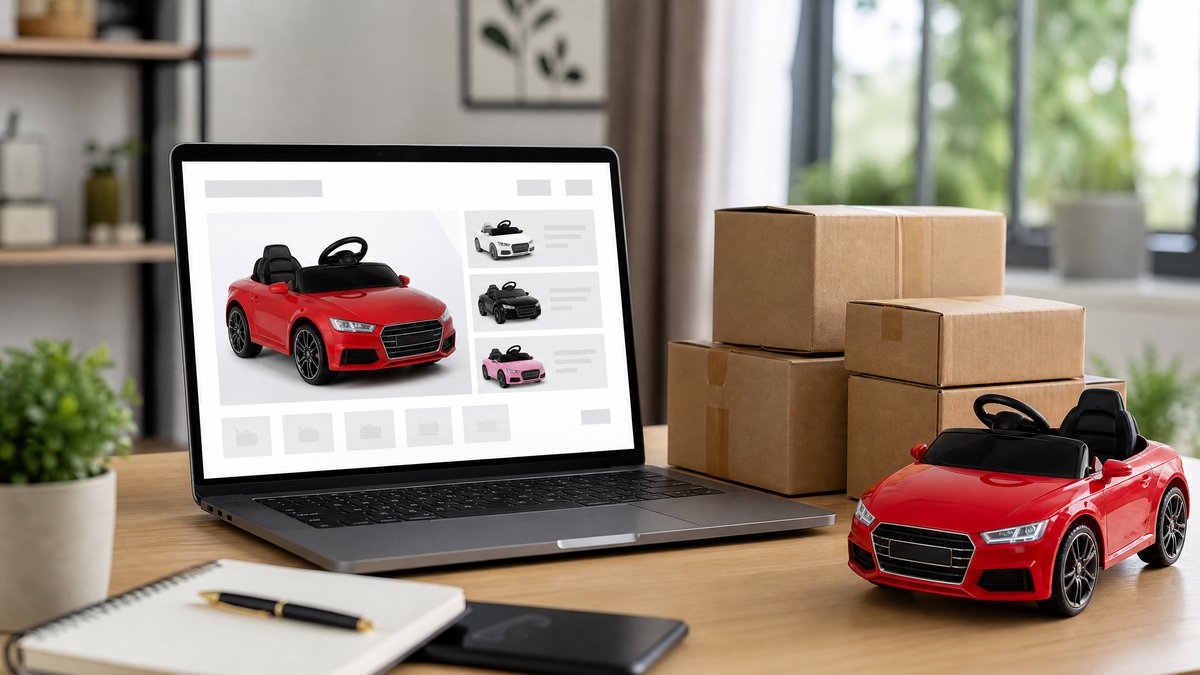
Operational excellence in the wholesale distribution of electric ride-on cars depends on the robustness of the after-sales support framework. For B2B buyers, establishing a comprehensive strategy for managing service requests and part replacements is a core logistical function. This guide provides an operational roadmap for planning these processes, focusing on documentation, communication, and factual verification. By framing every aspect of the support cycle as a buyer-defined item to be recorded and discussed with suppliers under written project terms, distributors can maintain clarity and efficiency throughout the product lifecycle.
This document serves as an operational planning guide. It does not provide professional advice regarding technical, financial, or policy matters. Instead, it outlines the steps necessary for a buyer to organize their internal workflows and external interactions to ensure that every service interaction is grounded in factual evidence and aligned with agreed-upon standards. The focus remains on creating a predictable environment where information flows seamlessly between the manufacturer, the distributor, and the end-user.
Establishing Robust Identification and Documentation Standards
The first pillar of an effective after-sales strategy is the implementation of rigorous identification standards. Without a clear method for tracking individual units and orders, the process of resolving issues becomes prone to error. B2B buyers should prioritize the creation of external model and order identifiers that allow for immediate cross-referencing with shipping records and production batches. These identifiers should be easily accessible on the product packaging and the unit itself, ensuring that every claim is linked to a specific transaction and manufacturing run.
Maintaining factual records from the moment of receipt is essential. Buyers should establish a protocol for inspecting the external condition of shipments as they arrive at the warehouse. Any observations regarding the state of the packaging or the presence of visible anomalies should be recorded immediately. This documentation serves as the baseline for all future discussions with the supplier. By comparing the received state of the goods to the written scope of the order, buyers can identify discrepancies early and initiate the appropriate communication routes.
Factual record-keeping extends beyond the initial receipt. Every interaction regarding a specific unit should be logged, including the date of sale and any observations reported by the end-user. Centralizing this data allows B2B buyers to identify patterns for discussion with the manufacturer, moving the support process toward a systematic analysis of product performance.
Request a wholesale quote
Defining Evidence Collection Protocols for Factual Verification
Efficiency in addressing reported issues is linked to the quality of the evidence provided. B2B buyers must define clear standards for the documentation required to support a service request. This typically includes high-resolution photographs and videos that demonstrate the observed condition of the product. These records must be gathered under normal conditions of use, as specified in the official product manual, and should focus on external symptoms rather than internal components.
When an end-user reports a concern, the documentation protocol should guide them to capture the specific behavior of the unit. For instance, a video showing the product's response to controls—conducted strictly according to the manual's instructions—provides the manufacturer with the necessary information to determine the appropriate resolution. Documentation should never involve the removal of covers or the manipulation of internal components. The goal is to record the product as it exists in its normal, assembled state.
Batch codes and serial numbers are also critical, allowing the manufacturer to trace the unit back to a specific production run. B2B buyers should ensure that their staff and retail partners are trained to locate and record these identifiers accurately. This information forms the basis for a professional and efficient resolution process.
Structuring Communication Routes and Fulfillment Pacing
A well-defined communication route is the backbone of a successful B2B partnership. Buyers should establish a dedicated channel for all after-sales inquiries, ensuring that information is directed to the appropriate teams at the manufacturing facility. This channel should be supported by standardized forms that prompt the user for all necessary information, from order numbers to evidence links. By streamlining the flow of information, buyers can reduce the need for back-and-forth communication and accelerate the decision-making process.
Fulfillment pacing—the speed at which replacement parts and resolutions are delivered—is a critical item for discussion during the project planning phase. Rather than relying on assumptions about delivery times, B2B buyers should work with their suppliers to define realistic expectations based on current logistical conditions and production schedules. These agreed-upon parameters should be recorded in the written project terms, providing a benchmark against which actual performance can be measured.
Managing expectations with retail customers requires transparency. By understanding the supplier's fulfillment pacing, distributors can provide accurate information to the market. The communication strategy should include regular updates on pending requests, ensuring all parties are aware of the progress toward a resolution.
Verification of Service against Written Project Scope
Every service interaction should conclude with a verification step where the outcome is compared to the written project scope. This involves reviewing the resolution provided—whether it is a replacement part, a technical consultation, or another form of support—to ensure it aligns with the agreed-upon terms. B2B buyers should maintain a comprehensive log of these outcomes, tracking the effectiveness of different resolution methods and the supplier's adherence to the established protocols.
This verification process is not just about individual claims; it is about the health of the overall partnership. By analyzing the records of resolved issues, buyers can identify areas where the written project terms may need to be adjusted or where communication routes could be improved. This continuous feedback loop allows both the buyer and the manufacturer to refine their processes, leading to greater operational efficiency and a higher standard of support for the end-user.
Financial aspects must be reconciled with factual records. Any adjustments to the account balance or the provision of parts should be linked to specific claim identifiers. This ensures that the after-sales operation is transparent and accountable, providing a clear audit trail.
Request a wholesale quote
Prioritizing Operational Safety and Professional Consultation
In the management of electric ride-on cars, operational safety is the paramount consideration. B2B buyers must ensure that their support protocols prioritize the well-being of the end-user by providing clear instructions for handling potential hazards. The primary directive for any reported issue involving the power system or structural integrity is to follow the official product manual for normal external use. The manual serves as the authoritative guide for the safe operation of the unit.
If a product exhibits signs of visible damage, such as a compromised external casing, or if there are reports of excessive overheating during the charging process, the buyer's protocol must mandate an immediate cessation of use. The unit should be removed from the power source and moved to a safe location. In these instances, the focus of the support process shifts from standard documentation to urgent safety mitigation. B2B buyers should have a direct communication route to the manufacturer's safety teams to report these incidents and seek professional guidance.
It is a fundamental principle that B2B staff and end-users should never attempt to access internal compartments or manipulate the internal architecture of the product. Activities such as disassembling the unit, attempting to restore function to internal circuits, or modifying the factory-installed wiring are strictly outside the scope of normal use. Such actions pose significant safety risks. Instead, all restoration efforts should be conducted through manufacturer-approved methods, typically involving the replacement of external components as defined in the written project terms.
When a situation exceeds the scope of manual-based troubleshooting, B2B buyers should seek support from the manufacturer or a competent professional. This ensures that any remediation is performed by individuals with the necessary expertise and that the product remains compliant with original safety specifications. By maintaining these clear boundaries, distributors protect the integrity of the products they sell and ensure that their after-sales operations are conducted with the highest regard for safety and professional standards.
Conclusion: The Strategic Value of Operational Planning
Planning a comprehensive after-sales and service process is a strategic investment that pays dividends in operational efficiency and partnership stability. By moving away from reactive support and toward a structured, data-driven framework, B2B buyers can transform a potential cost center into a source of valuable market insight. The keys to success lie in the implementation of identification standards, the maintenance of factual records, and the establishment of clear communication routes that prioritize safety and professional consultation.
As the market evolves, reliable and transparent support will remain a key differentiator. By framing every service interaction as a buyer-defined item to be recorded and verified, buyers can navigate the complexities of international trade with confidence.
Operational Planning Framework for B2B After-Sales
The following table outlines the key categories of operational planning and the corresponding documentation and verification steps that B2B buyers should implement.
| Planning Category | Factual Documentation Requirements | Verification and Review Steps |
|---|---|---|
| Product Identification | External model identifiers, batch codes, and unique order numbers. | Cross-reference identifiers with production logs and shipping manifests. |
| Condition Monitoring | High-resolution photos and videos of the product in its "received state". | Compare visual evidence against the written scope and manual specifications. |
| Communication Routes | Standardized submission forms and logs of all correspondence. | Review the consistency and clarity of information flow to identify bottlenecks. |
| Fulfillment Pacing | Records of delivery schedules and arrival dates of components. | Compare actual delivery times against the agreed-upon project terms. |
| Safety Protocols | Incident reports detailing any signs of overheating or visible damage. | Verify that all safety incidents were escalated and use was stopped. |
| Service Reconciliation | Logs of all resolutions provided, including part numbers. | Match each resolution to a specific claim ID to ensure transparency. |
| Professional Support | Records of consultations with the manufacturer or professionals. | Ensure that all remediation was performed according to approved standards. |
Frequently Asked Questions
How should a B2B buyer document the condition of products upon arrival?
Documentation should begin the moment a product is received. Staff should inspect the external packaging for any signs of distress and record these observations immediately. High-resolution photographs should be taken of the shipment in its original, sealed state if any anomalies are noted. These factual records should then be compared to the shipping documentation and the written project scope to ensure that the received goods match the expected standards. This baseline documentation is essential for any future discussions regarding the state of the product.
What is the protocol for addressing reports of overheating or visible damage?
In the event of reported overheating or visible damage, the primary protocol is to prioritize safety. The buyer must instruct the user to stop using the product immediately and to remove it from any power source. The incident should be documented with factual records describing the symptoms and the conditions under which they occurred. This information should then be routed through the established communication channels to the manufacturer for urgent professional consultation. At no point should any attempt be made to access the internal components of the unit.
How can distributors ensure that service requests are processed efficiently?
Efficiency is achieved through standardized documentation and clear communication routes. B2B buyers should develop internal forms that require all essential information—such as batch codes, order numbers, and visual evidence—before a request is submitted. By ensuring that the documentation package is complete and factual from the outset, buyers can reduce the time spent on follow-up inquiries. Additionally, regular reviews of fulfillment pacing help to ensure that the process remains aligned with the agreed-upon project terms.
What role does the official product manual play in the after-sales process?
The official product manual is the primary reference for both the end-user and the B2B buyer. It defines the parameters for normal external use and provides the standard against which product performance is measured. During the support process, the manual should be used to verify that the product was operated correctly and to guide any manual-based troubleshooting. If a reported issue cannot be resolved by following the instructions in the manual, it is a clear indicator that professional support from the manufacturer is required.
How should B2B buyers handle the verification of resolved service requests?
Verification is the final step in the service cycle. Once a resolution has been provided, the buyer should verify that the item matches the required specifications and addresses the original concern. This outcome should be recorded in the central log and linked to the specific claim identifier. Furthermore, any financial adjustments or parts provided should be reconciled with the buyer's inventory and accounting records to ensure full transparency and adherence to the written project terms.
Why is it important to avoid accessing internal product components?
Accessing the internal architecture of a ride-on car, such as the wiring or power modules, is outside the scope of normal use and poses safety risks. Such actions can also compromise the factual record of the product's condition, making it difficult for the manufacturer to provide an accurate resolution. B2B buyers should ensure that all support activities are focused on external components and that any internal issues are handled exclusively by the manufacturer or competent professionals as defined in the project agreement.
Official references
Explore these external resources for current regulatory and trade guidance. Confirm requirements with the relevant authority before placing an order.
Ready to Start?
Factory-Direct · CE & ASTM Certified · MOQ from 50 Units
Our export team works with buyers in 60+ countries. Get a quote within 24 hours.
KR
Written by KidsRideCar
China's leading kids electric ride-on car manufacturer. 500,000+ units shipped annually to 60+ countries. CE, ASTM & EN71 certified.