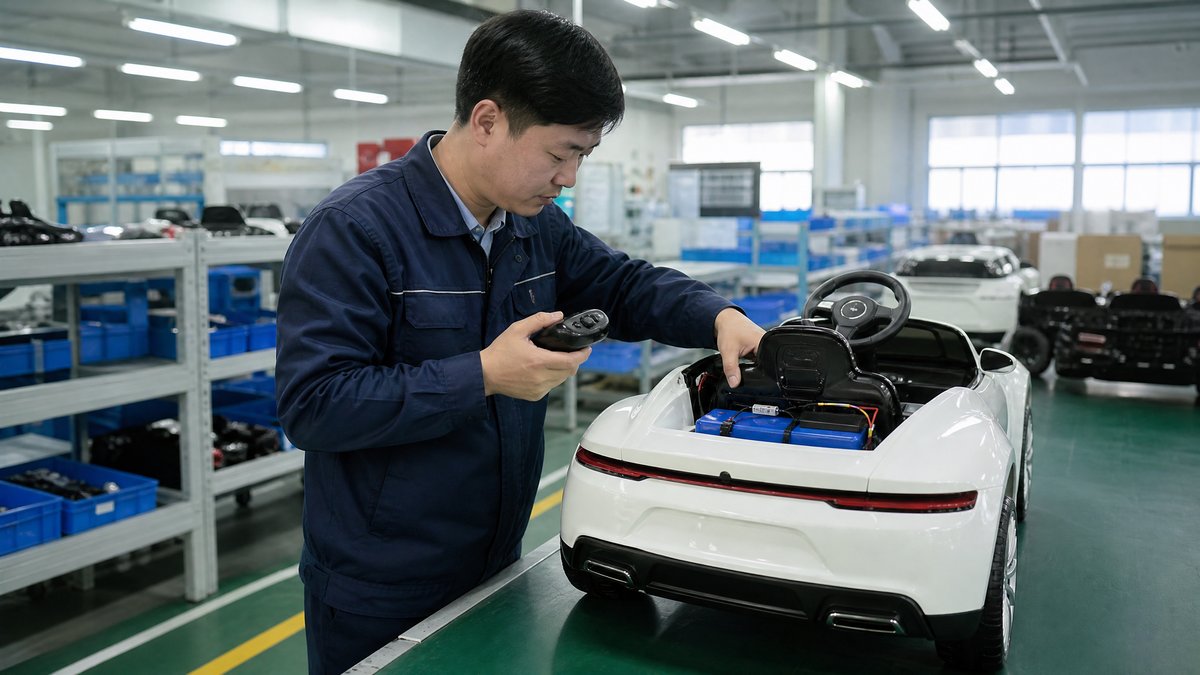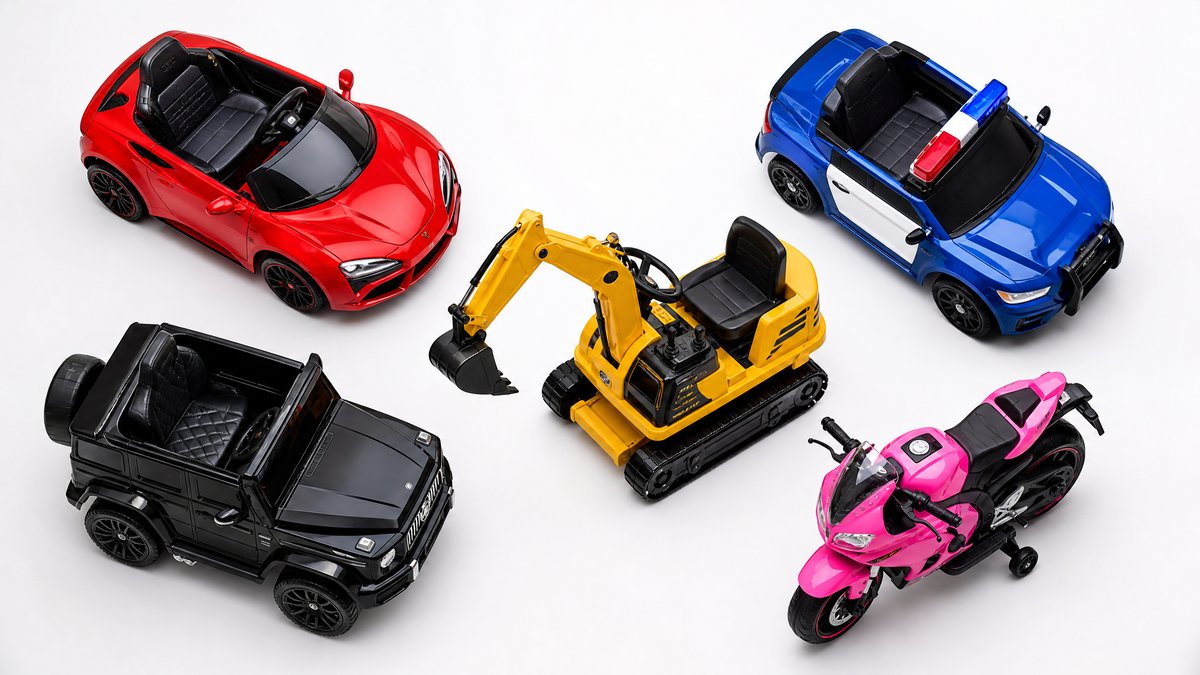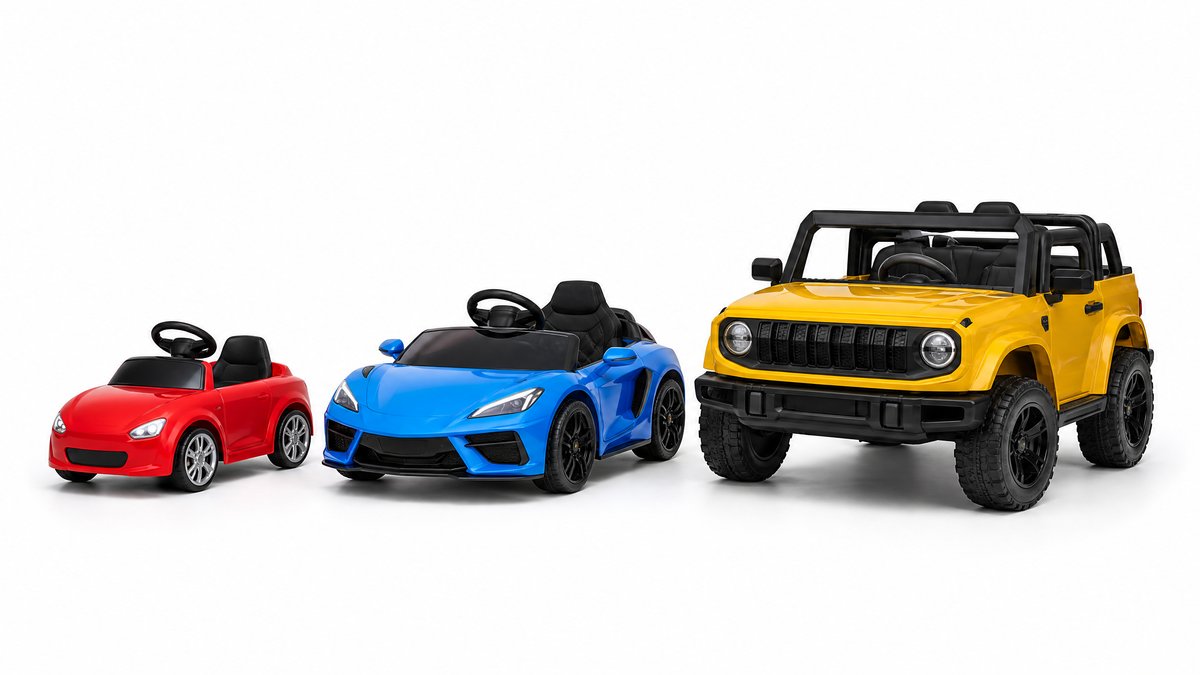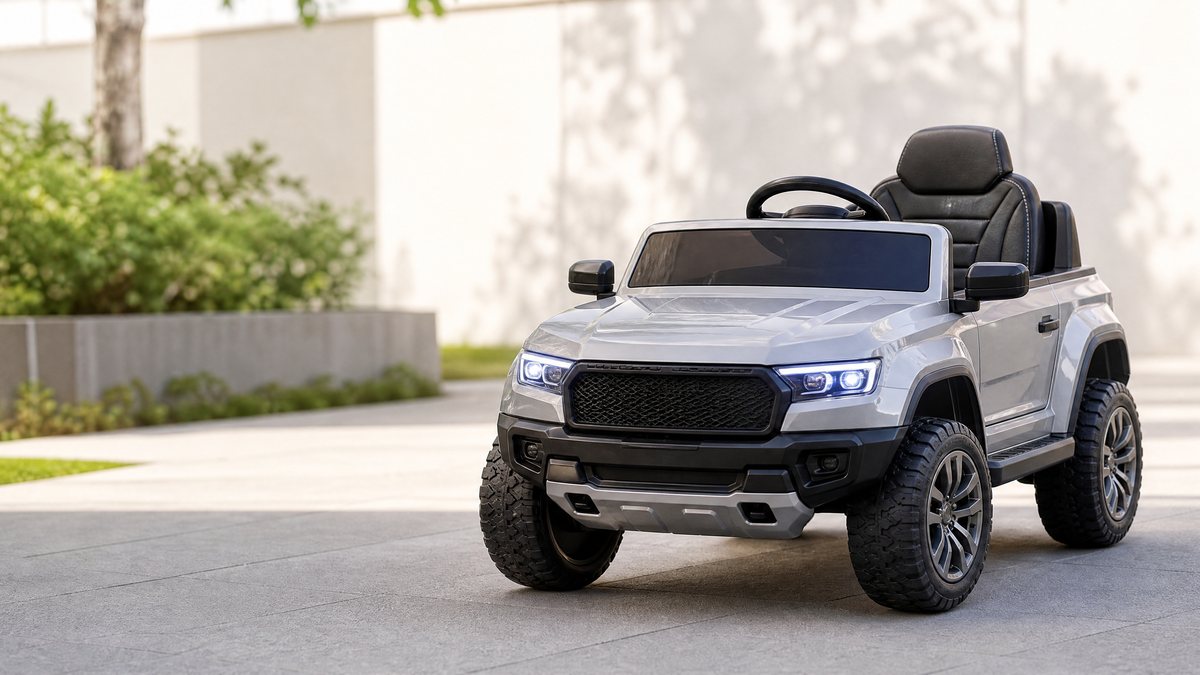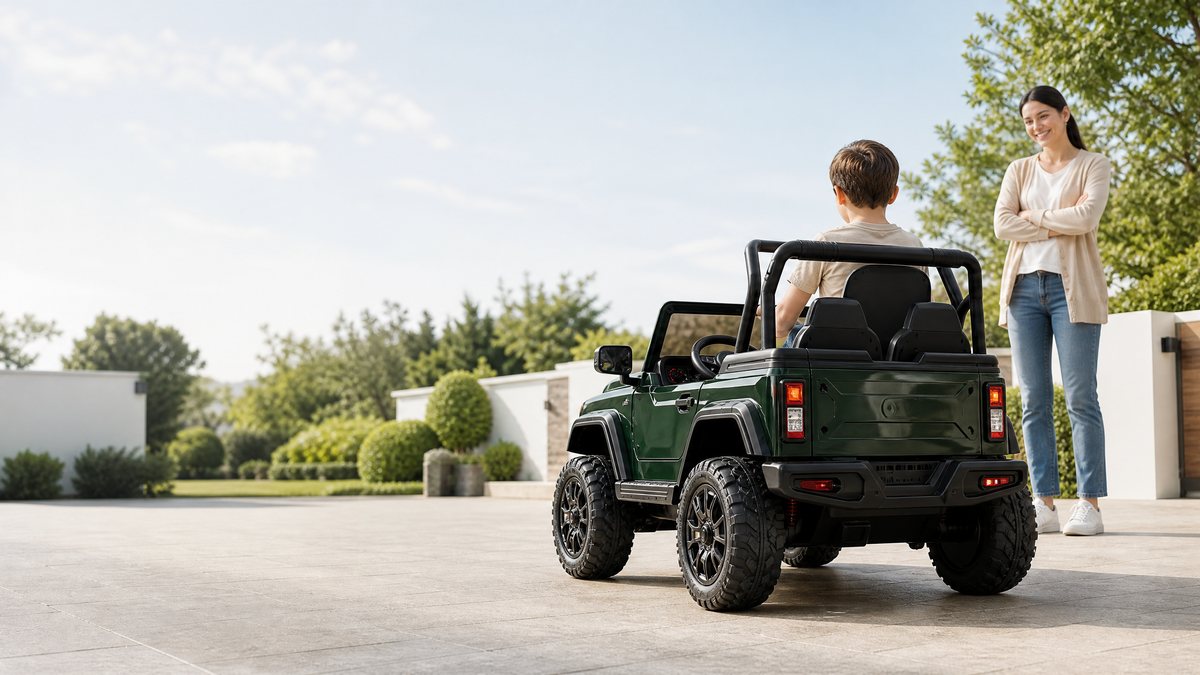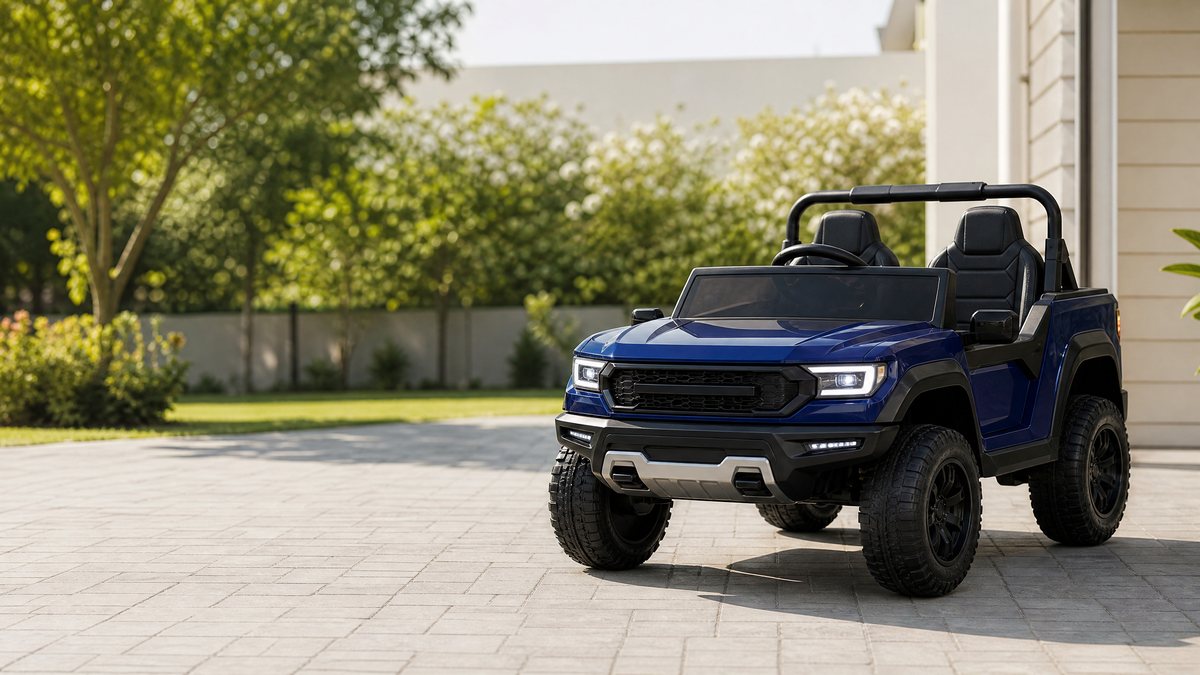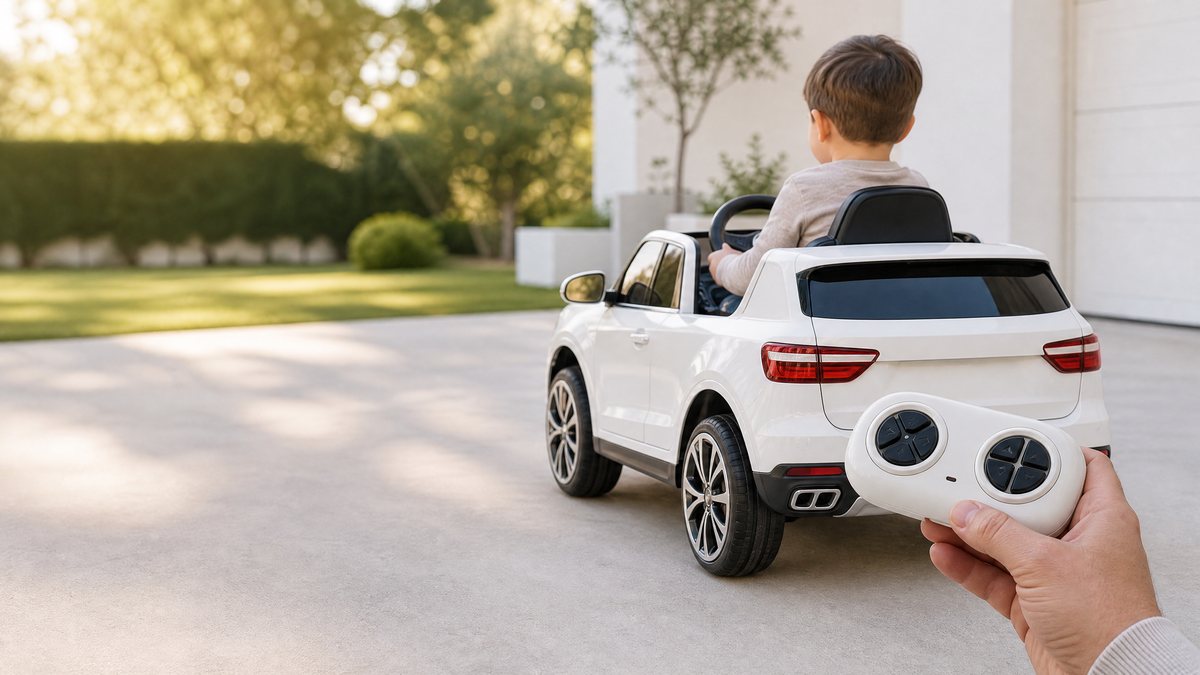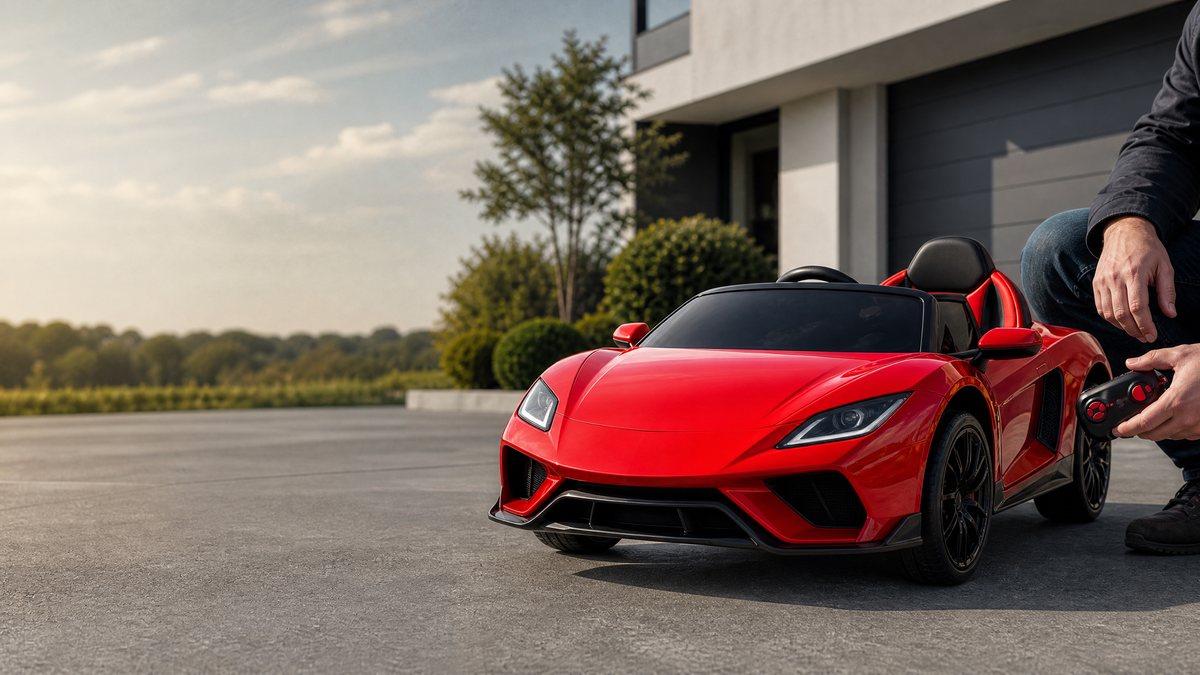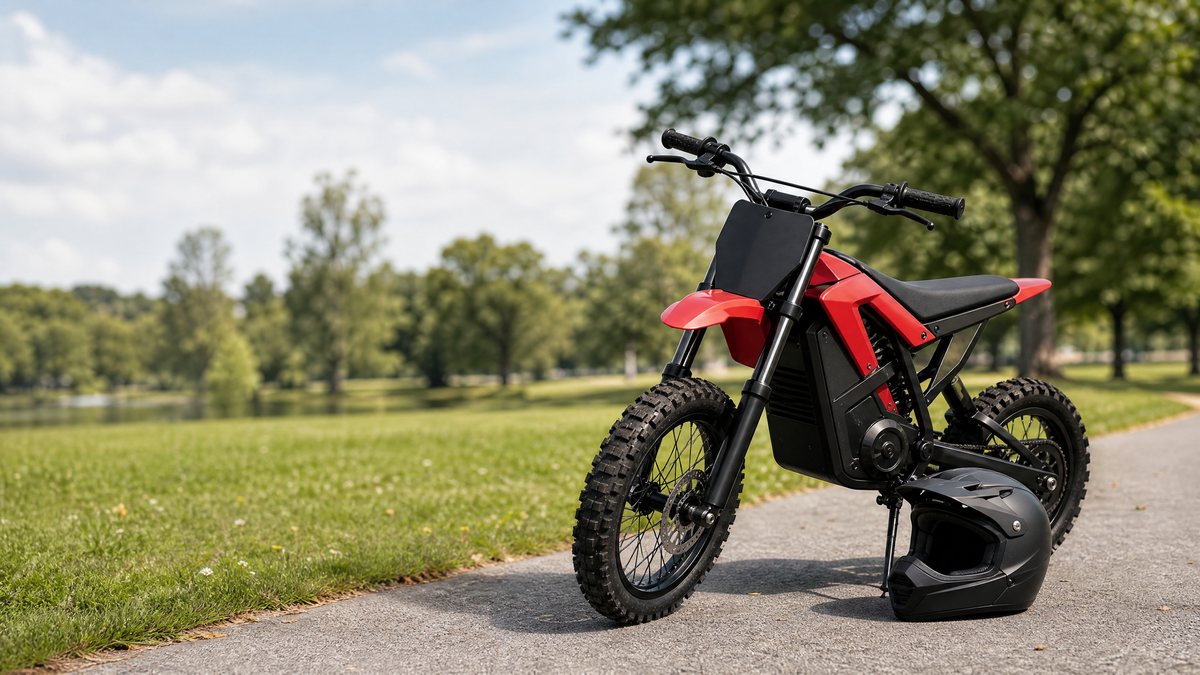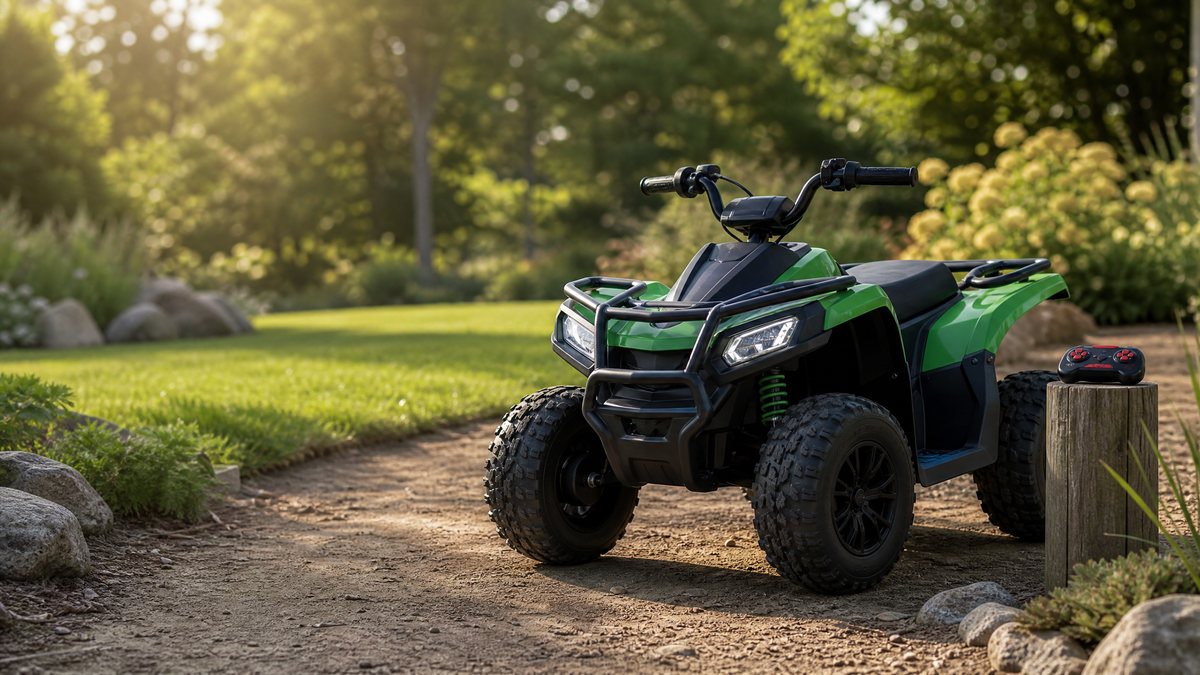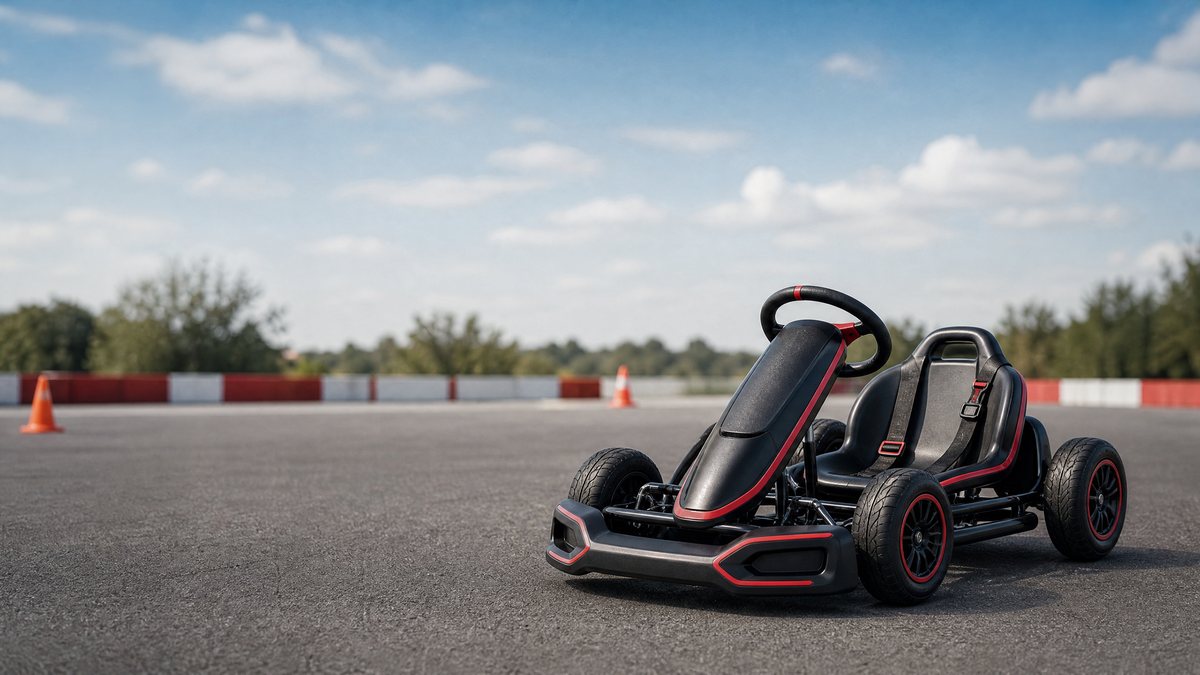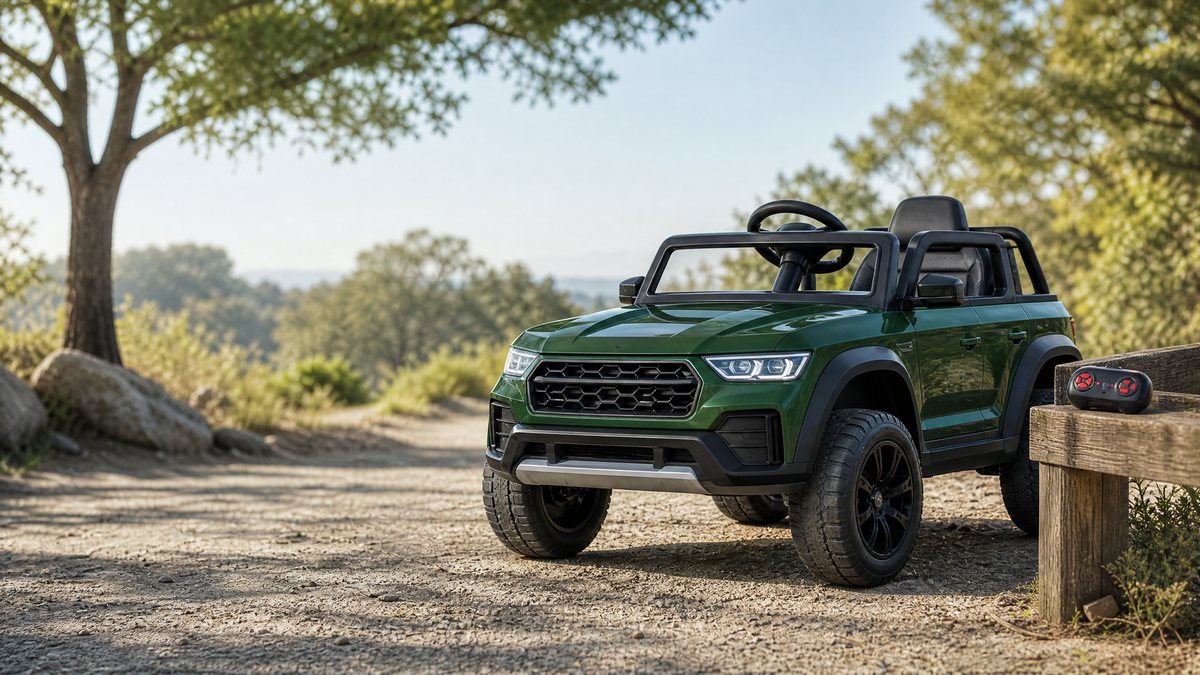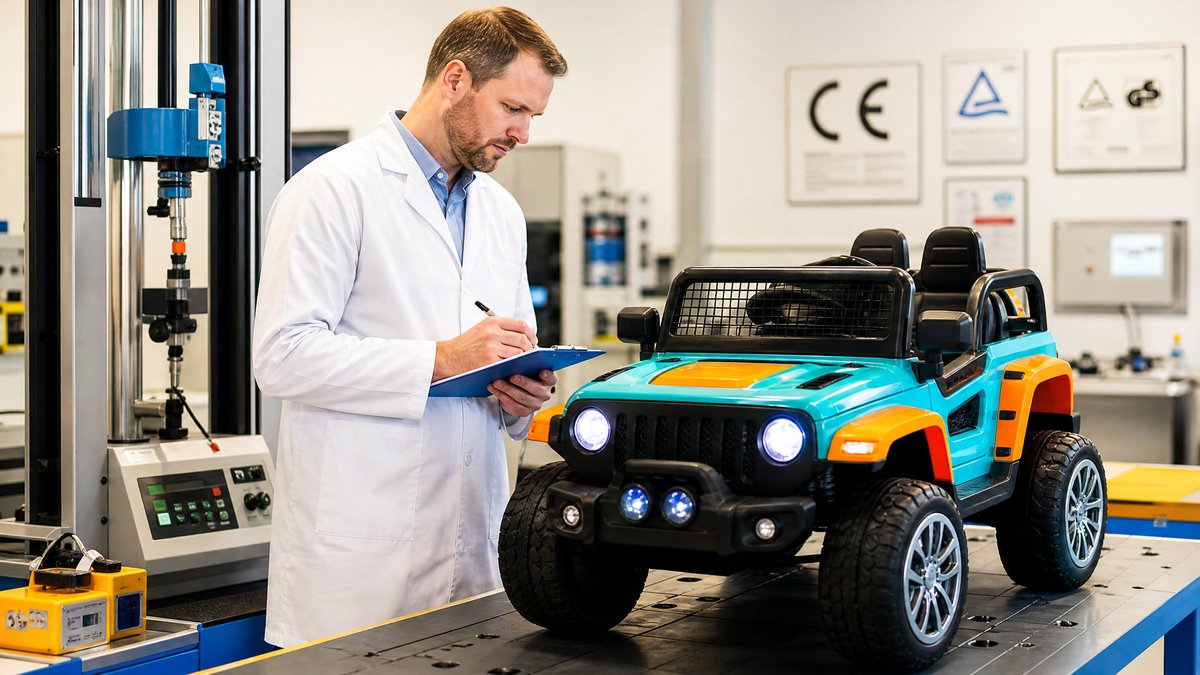
Electric ride-on cars have become a staple offering in children's toy markets worldwide, captivating young drivers with realistic styling, functional headlights, and engaging entertainment features. However, behind the glossy exterior and engaging dashboard controls lies a fundamental discipline of mechanical engineering: vehicle stability dynamics. For B2B importers, distributors, and retail buyers, understanding the structural engineering that prevents vehicle rollovers is paramount. Among all design parameters, the vehicle's footprint—specifically its wheelbase and track width—plays the most decisive role in mitigating tipping hazards during operation across diverse play environments.
When evaluating children's battery-operated vehicles, safety and structural integrity must always precede aesthetic appeal. A narrow vehicle stance, while potentially advantageous for compact packaging or shipping logistics, introduces significant physical vulnerabilities when navigating turns or uneven outdoor terrain. Conversely, a wide wheelbase distributes gravitational forces across a broader surface area, substantially increasing lateral stability. This comprehensive engineering evaluation examines the physics of vehicle geometry, center of gravity calculations, comparative structural configurations, and actionable procurement checklists for commercial buyers seeking to stock reliable, safety-conscious ride-on vehicles.
For global distributors and commercial partners looking to source engineered ride-on vehicles built with robust stability metrics, we invite you to Request a wholesale quote to discuss volume availability, technical documentation, and compliance frameworks.
The Engineering Fundamentals: Wheelbase, Track Width, and Footprint
To understand why a wide stance prevents tipping, one must first examine the precise definitions of automotive geometry terms as applied to scaled electric ride-on cars. In standard automotive engineering, the wheelbase refers to the longitudinal distance between the centers of the front and rear axles. Meanwhile, the track width (or tread width) defines the transverse distance between the centerlines of the left and right wheels on the same axle. In the context of consumer ride-on toys, industry parlance frequently uses "wide wheelbase" as an umbrella term encompassing both longitudinal axle spacing and lateral track width—collectively known as the vehicle's ground footprint.
The footprint acts as the foundational polygon upon which the vehicle rests. According to classical mechanics, a body remains stable as long as the vertical line passing downward through its combined center of gravity (CoG) falls strictly within the boundary of its tire contact patch with the ground. When external forces—such as centrifugal acceleration during a turn or gravitational pull on a slope—shift this line of action outside the boundary, the vehicle experiences an overturning moment.
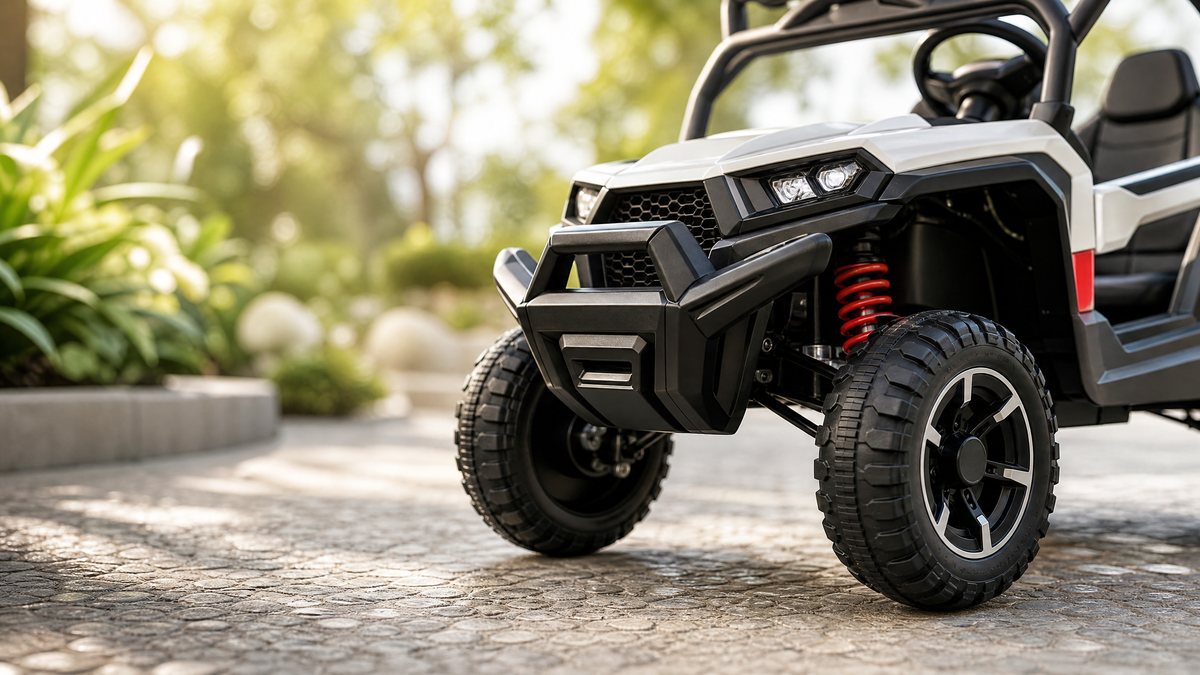
A wider track width directly expands this stability polygon. By pushing the outer wheels further apart, engineers create a wider physical buffer that resists tipping moments. Even when a child shifts their weight abruptly toward one side of the vehicle or navigates a gentle incline, the broader lateral span ensures that the center of gravity remains securely contained within the tire base, preventing the catastrophic lift-off of the inner wheels. Furthermore, a longer longitudinal wheelbase prevents pitching moments during sudden acceleration or braking, ensuring balanced weight transfer across all four wheels.
The Physics of Tipping: Center of Gravity and Lateral Forces
The physics governing ride-on car stability involve a delicate interplay between mass distribution, gravitational vectors, and lateral acceleration. Unlike adult automobiles, which benefit from a low center of gravity due to heavy chassis components and floor-mounted battery packs, children's ride-on cars present a unique design challenge. The occupant—the child—represents a substantial percentage of the total operating mass, and the child's seating position places this combined mass relatively high above the ground plane.
When a vehicle executes a turn, it generates centrifugal force acting outward from the turning center. This lateral force creates a rotational torque around the outer wheels, attempting to lift the inner wheels off the ground. The magnitude of this tipping torque depends directly on two variables: the height of the combined center of gravity and the lateral distance from the center of gravity to the pivot axis (the outer tire contact patch).
To counteract this tipping tendency without restricting vehicle performance, manufacturers must optimize lateral track width. A wider stance increases the lever arm through which gravitational stabilizing torque acts, effectively countering the overturning moment generated during cornering. Furthermore, positioning heavy internal components—such as drive motors and sealed lead-acid or lithium battery packs—as low as possible within the chassis lowers the overall center of gravity, working in tandem with the wide wheelbase to create a doubly secure platform. When retail buyers review vehicle specifications, understanding this relationship between mass centralization and track geometry is critical for selecting superior inventory.
Comparative Structural Analysis: Narrow Stance vs. Wide Stance Designs
In commercial manufacturing and wholesale sourcing, product designers constantly balance shipping volume efficiencies against dynamic stability performance. Evaluating the structural trade-offs between narrow-stance models and wide-stance configurations reveals distinct operational differences across various retail environments and end-user applications.
| Design Parameter | Narrow Stance Configuration | Wide Stance Configuration |
|---|---|---|
| Lateral Stability Index | Moderate to low; susceptible to tipping during sharp cornering or uneven terrain traversal. | High; significantly reduces rollover risks and maintains all-wheel ground contact. |
| Cornering Performance | Prone to inner-wheel lift under high lateral acceleration; requires restricted steering sensitivity. | Stable and predictable; allows smooth cornering and balanced weight distribution. |
| Storage & Shipping Efficiency | High packaging density; lower logistics and container freight costs per unit. | Lower packaging density; requires optimized carton dimensions to manage freight volume. |
| Operational Versatility | Best suited for flat indoor flooring, smooth carpets, and supervised nursery environments. | Versatile performance across flat outdoor surfaces, paved park paths, and gentle slopes. |
| Structural Footprint | Compact profile suitable for smaller play spaces and restricted apartment storage. | Broad physical footprint requiring adequate storage space and wider entry clearance. |
While narrow-stance vehicles offer packaging advantages for international shipping containers, safety-conscious B2B buyers prioritize wide-stance configurations for outdoor-market durability. Ensuring that a vehicle features an appropriately proportioned track width is a fundamental quality indicator for wholesale distributors seeking long-term customer satisfaction and reduced warranty claims.
Evaluating Ride-On Car Specifications: A Pre-Purchase Checklist for Commercial Buyers
For importers, retail buyers, and fleet operators, assessing vehicle stability requires looking beyond marketing brochures and examining verifiable physical parameters. Establishing a rigorous pre-purchase evaluation framework ensures that sourced inventory meets high safety expectations and complies with recognized international toy safety standards.
1. Track Width to Height Ratio: Review engineering drawings or physical samples to verify that the lateral distance between outer tire treads is proportional to the maximum seating height of the intended age group. A wider ratio directly correlates with improved rollover resistance.
2. Axle Material and Mount Integrity: A wide wheelbase is only as effective as the structural members supporting it. Verify that front and rear axles utilize reinforced steel or high-tensile composite housings capable of withstanding lateral torsional stress during cornering.
3. Chassis Weight Distribution: Examine the internal layout specifications. Batteries and drive motors should be secured in low, central compartments to maintain a low center of gravity, preventing top-heavy instability.
4. Compliance Documentation: Ensure that the manufacturer provides verifiable test reports from accredited laboratories confirming adherence to relevant standards such as ASTM F963 (USA) or EN71 (Europe), which include specific stability and mechanical strength evaluations.
5. Manufacturer Rating Plates and Manuals: All operational guidelines, maximum weight capacities, and recommended terrain limits must be explicitly documented in the user manual and rating plate attached to the vehicle. Never rely on unverified performance claims.
Operational Safety Guidelines: Supervision and Environment Management
Even with superior mechanical engineering and an optimized wide wheelbase, no ride-on car is entirely immune to misuse or extreme operating conditions. Commercial buyers should educate retail partners and end-users on fundamental operational safety practices to ensure safe play experiences.
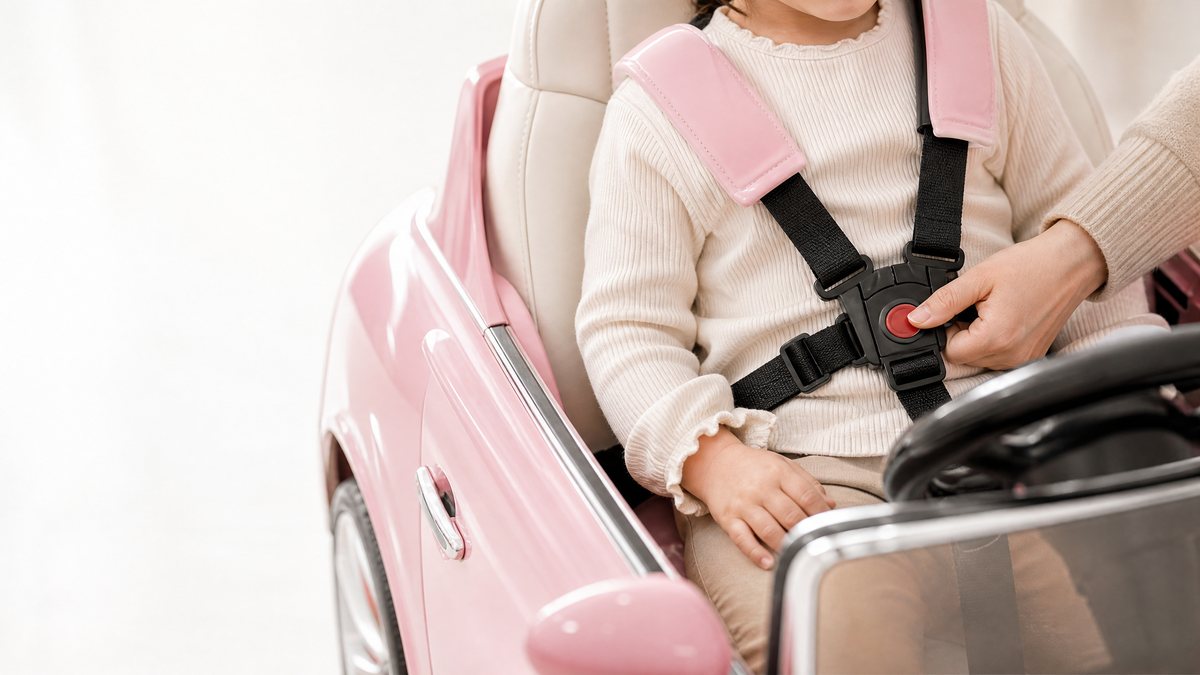
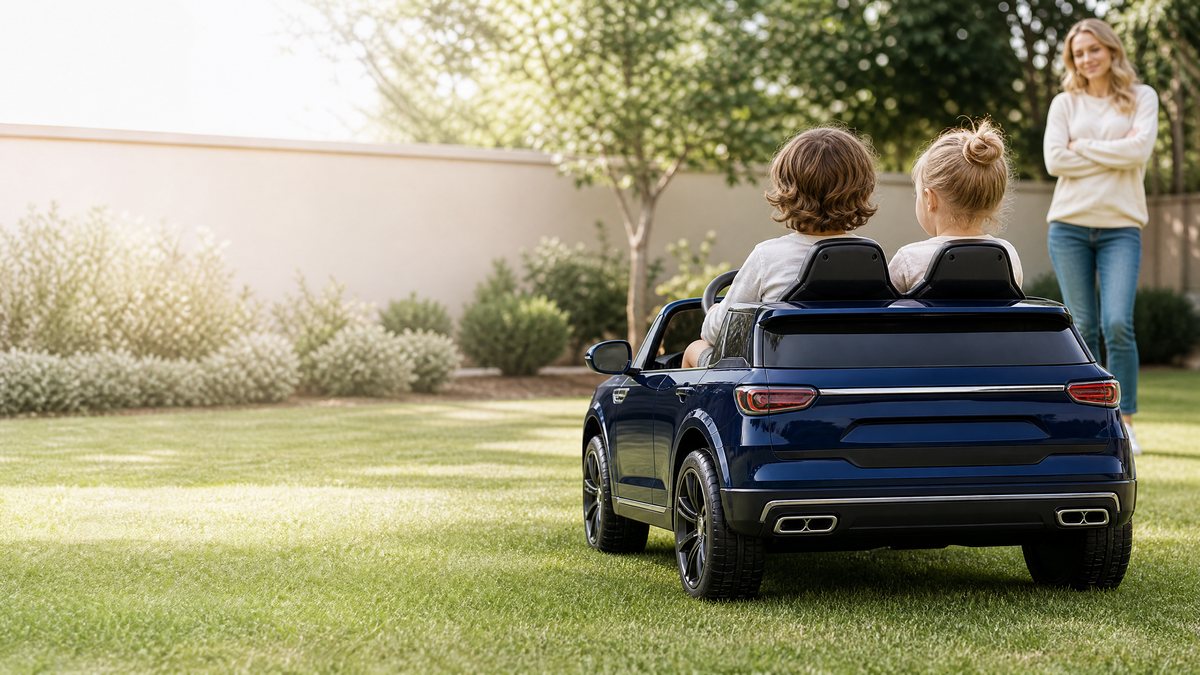
Mandatory Adult Supervision: Children operating electric ride-on vehicles must be supervised by a competent adult at all times. Adults must ensure that drivers remain seated correctly, keep hands and feet inside the vehicle body, and avoid reckless maneuvers that compromise stability.
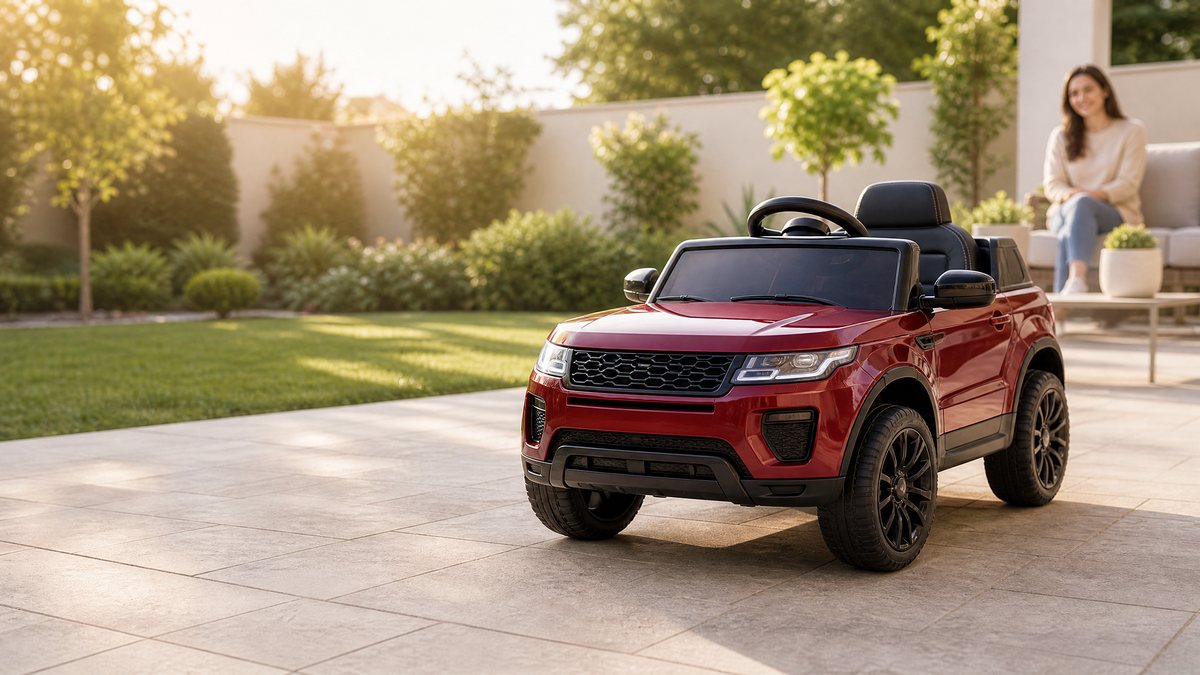
Surface Suitability and Slope Limits: Wide-wheelbase vehicles are engineered for stable operation on firm, flat, paved surfaces. Importers and retailers must inform customers to avoid operating vehicles on steep inclines, loose gravel, wet grass, muddy terrain, or near public roadways, swimming pools, and staircases.
Electrical and Mechanical Maintenance Protocols: Regular inspections of steering linkages, wheel hub assemblies, and fasteners are essential. If a vehicle exhibits abnormal mechanical resistance, steering play, unusual electrical odors, smoke, overheating, or compromised wiring harnesses, operation must be suspended immediately. The vehicle should be powered down, isolated from children, and inspected by qualified technical personnel or the manufacturer. Under no circumstances should untrained individuals attempt to modify internal circuitry, bypass protective fuses, or alter battery configurations.
The Role of Suspension and Tire Dynamics in Rollover Prevention
Beyond static chassis geometry, dynamic elements such as suspension travel and tire material compound significantly influence how a ride-on car handles lateral loads. Independent suspension systems on front and rear axles allow individual wheels to absorb shocks independently without transmitting sudden tilting forces to the main chassis body. When a vehicle encounters a bump on one side during a turn, a well-calibrated suspension absorbs the vertical displacement, preventing the chassis from lurching upward and shifting the center of gravity beyond the stability threshold.
Furthermore, tire traction and tread design dictate how lateral forces interact with the ground surface. High-grade EVA foam tires or rubber-strip pneumatic wheels provide optimal frictional grip without causing abrupt high-traction biting that might induce tripping on smooth asphalt. Manufacturers designing for stability ensure that tire width is harmonized with track width, maximizing the contact patch area and enhancing overall rollover resistance across varied operational environments.
Commercial Implications for Retailers and Importers
For businesses operating in the children's ride-on vehicle sector, product safety and structural reliability directly impact brand equity and liability management. Sourcing vehicles from manufacturers that prioritize engineering rigor—such as incorporating wide wheelbases, robust axle reinforcements, and low-slung battery positioning—mitigates post-purchase issues and warranty returns. Retailers benefit from marketing vehicles with transparent safety features, educating parents on the importance of vehicle geometry in protecting young drivers.
Moreover, regulatory scrutiny across major global markets continues to tighten regarding mechanical stability and toy safety compliance. Importers who verify that their manufacturing partners adhere strictly to established testing protocols avoid costly customs delays, product recalls, and compliance failures. Investing in thorough pre-purchase evaluation and partnering with reliable producers ensures sustainable commercial success in the competitive children's electric vehicle industry.
Frequently Asked Questions (FAQ)
How does track width differ from wheelbase in structural stability discussions?
While wheelbase refers to the longitudinal distance between the front and rear axle centers, track width measures the transverse distance between left and right wheels on the same axle. In consumer discussions regarding rollover prevention, both dimensions contribute to the vehicle's overall ground footprint, though lateral track width is the primary mechanical defense against side-to-side tipping forces.
Does a wide wheelbase negatively impact the turning radius or maneuverability of a ride-on car?
A wider stance slightly increases the lateral turning sweep compared to an ultra-narrow vehicle; however, modern ride-on car engineering incorporates optimized steering angle geometry and responsive steering gearboxes to ensure tight, manageable turning radiuses while preserving maximum lateral stability.
What role does battery placement play in lowering the center of gravity?
Heavy components like rechargeable battery packs and drive motors represent a significant portion of the vehicle's total mass. Positioning these elements centrally and close to the chassis floor lowers the combined center of gravity, which works synergistically with a wide wheelbase to resist tipping forces.
How should B2B buyers verify stability claims when evaluating new manufacturer models?
Wholesale buyers should request complete technical datasheets, CAD dimension profiles, accredited third-party test reports (such as EN71 or ASTM F963 compliance documentation), and physical pre-production samples to measure track width, axle robustness, and weight distribution firsthand before committing to volume orders.
Conclusion
Vehicle stability is not a matter of chance; it is the direct result of rigorous mechanical engineering, precise weight distribution, and thoughtful geometrical design. A wide wheelbase and optimized track width form the frontline defense against tipping and rollovers in children's electric ride-on cars. For B2B importers, distributors, and retail buyers, prioritizing structurally sound, wide-stance vehicles ensures customer satisfaction, brand reputation, and adherence to international safety expectations.
For detailed catalog specifications, wholesale pricing tiers, and customized partnership inquiries, we invite you to Request a wholesale quote today.
Official References
1. U.S. Consumer Product Safety Commission (CPSC): Toy Safety Education and Mechanical Hazard Mitigation Guidelines. https://www.cpsc.gov
2. ASTM International: ASTM F963 - Standard Consumer Safety Specification for Toy Safety (Mechanical and Physical Properties). https://www.astm.org
3. European Committee for Standardization (CEN): EN 71-1: Safety of Toys - Part 1: Mechanical and Physical Properties. https://www.cen.eu
4. International Organization for Standardization (ISO): Road Vehicles and Wheeled Mobility Stability Principles Reference Framework. https://www.iso.org
Official references
Explore these external resources for current regulatory and trade guidance. Confirm requirements with the relevant authority before placing an order.
Ready to Start?
Factory-Direct · CE & ASTM Certified · MOQ from 50 Units
Our export team works with buyers in 60+ countries. Get a quote within 24 hours.
KR
Written by KidsRideCar
China's leading kids electric ride-on car manufacturer. 500,000+ units shipped annually to 60+ countries. CE, ASTM & EN71 certified.