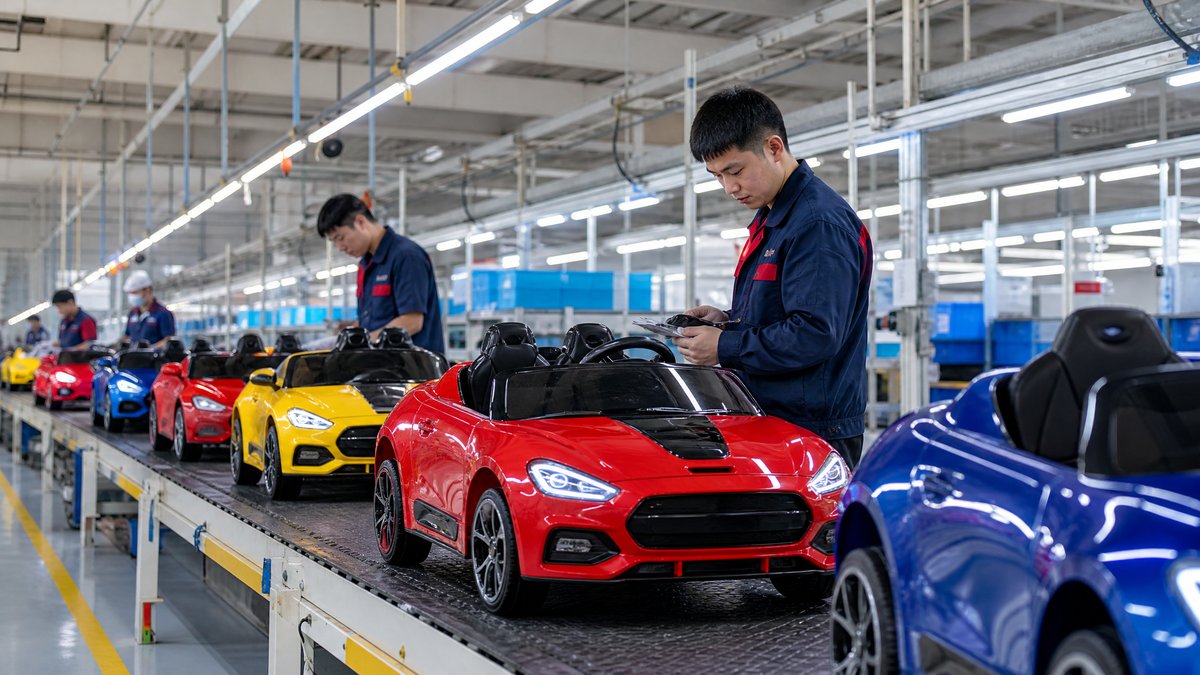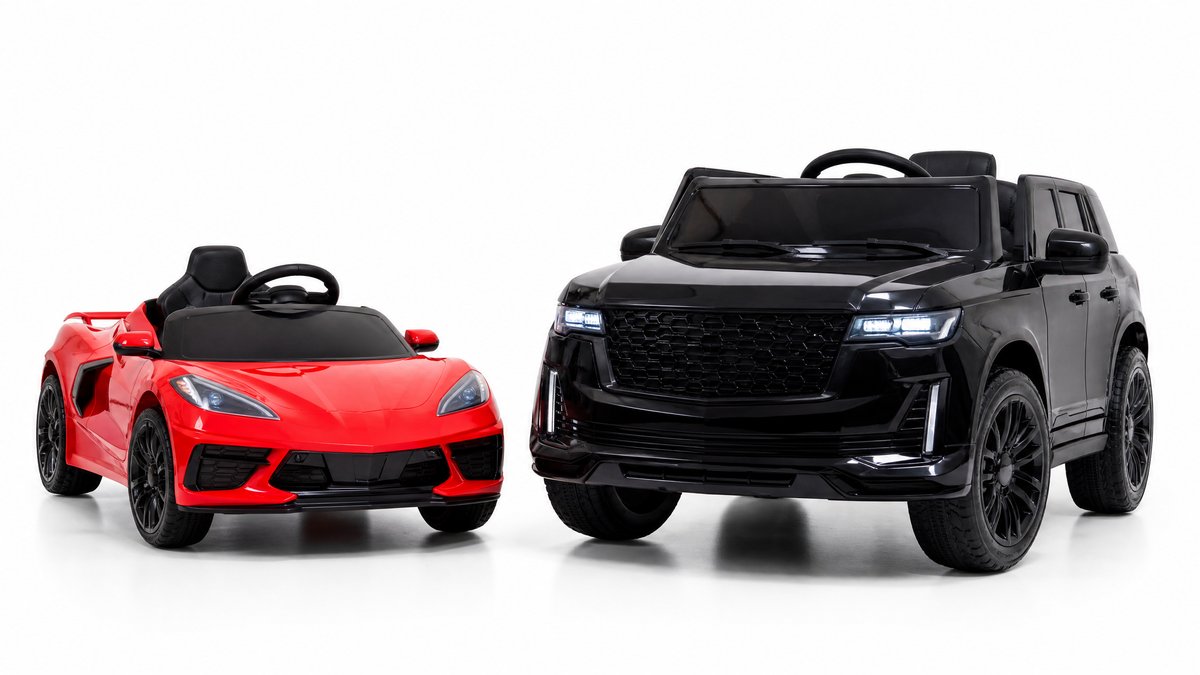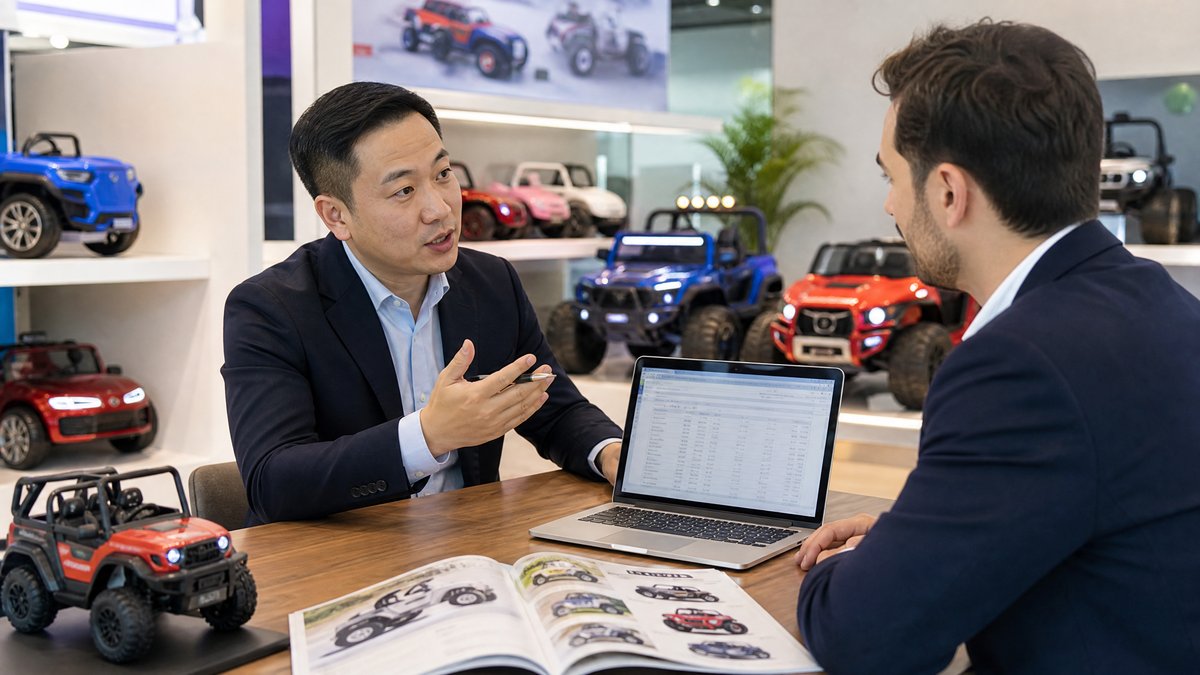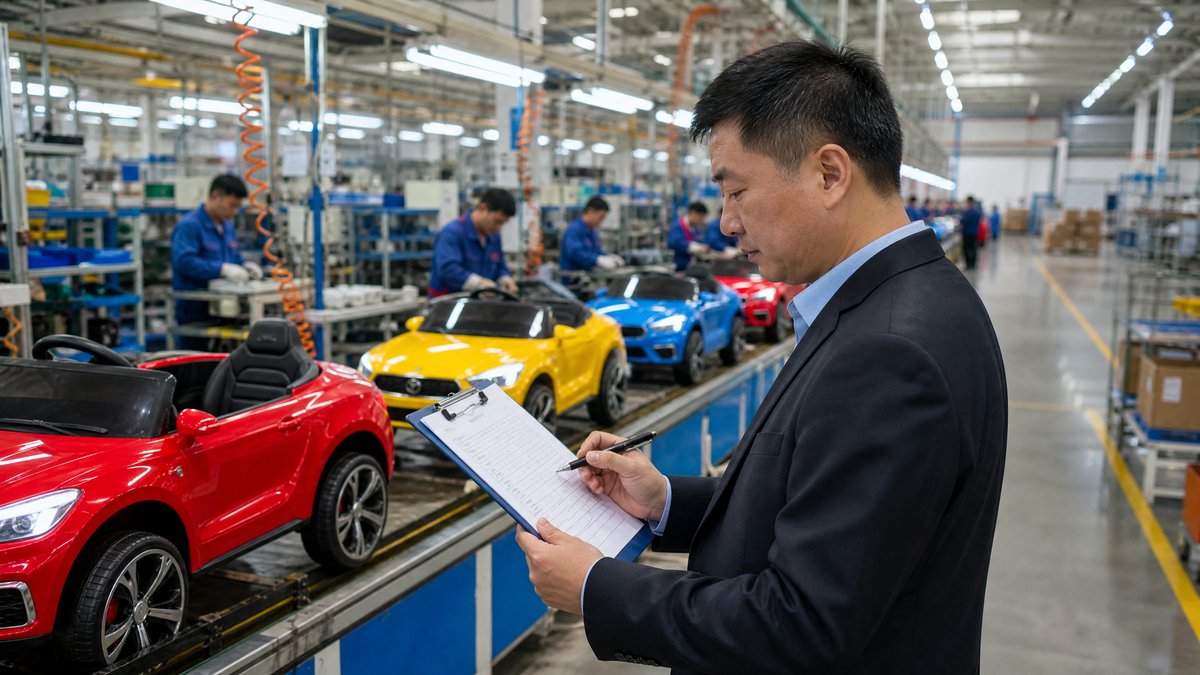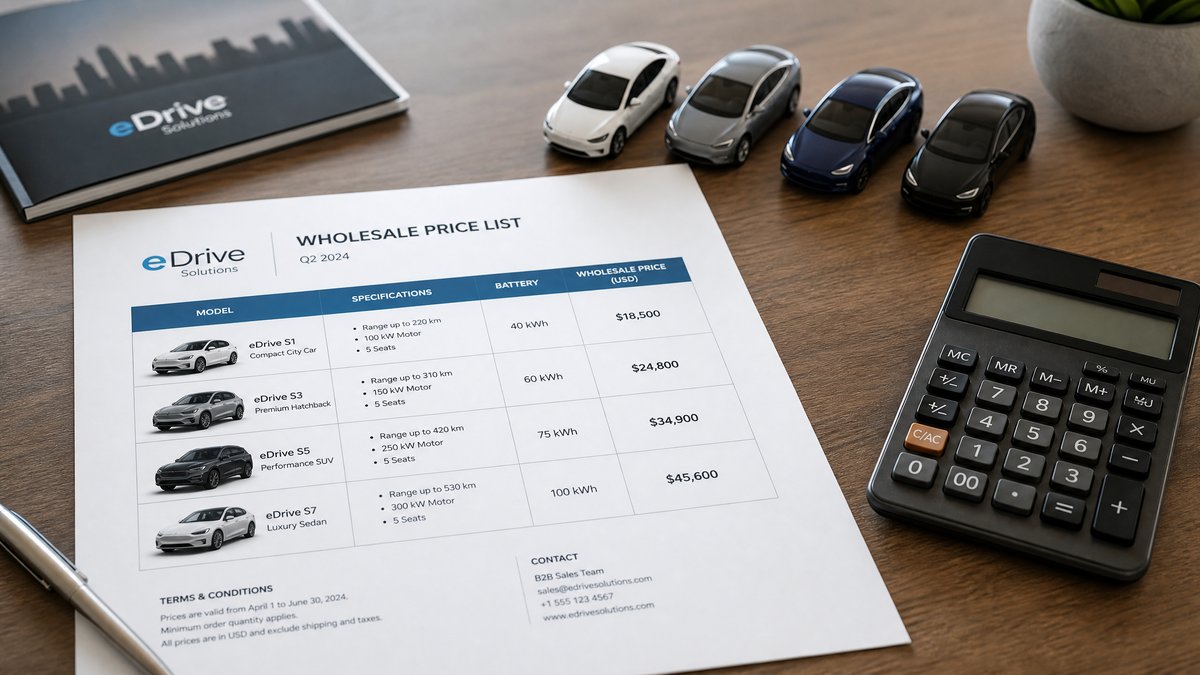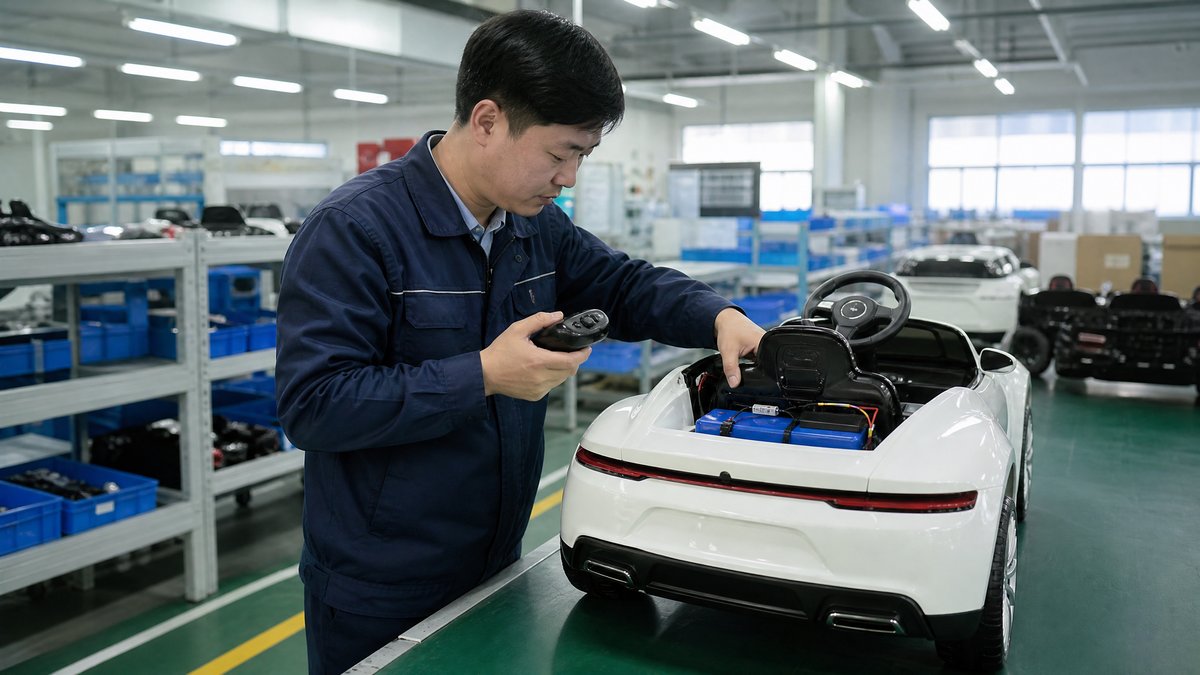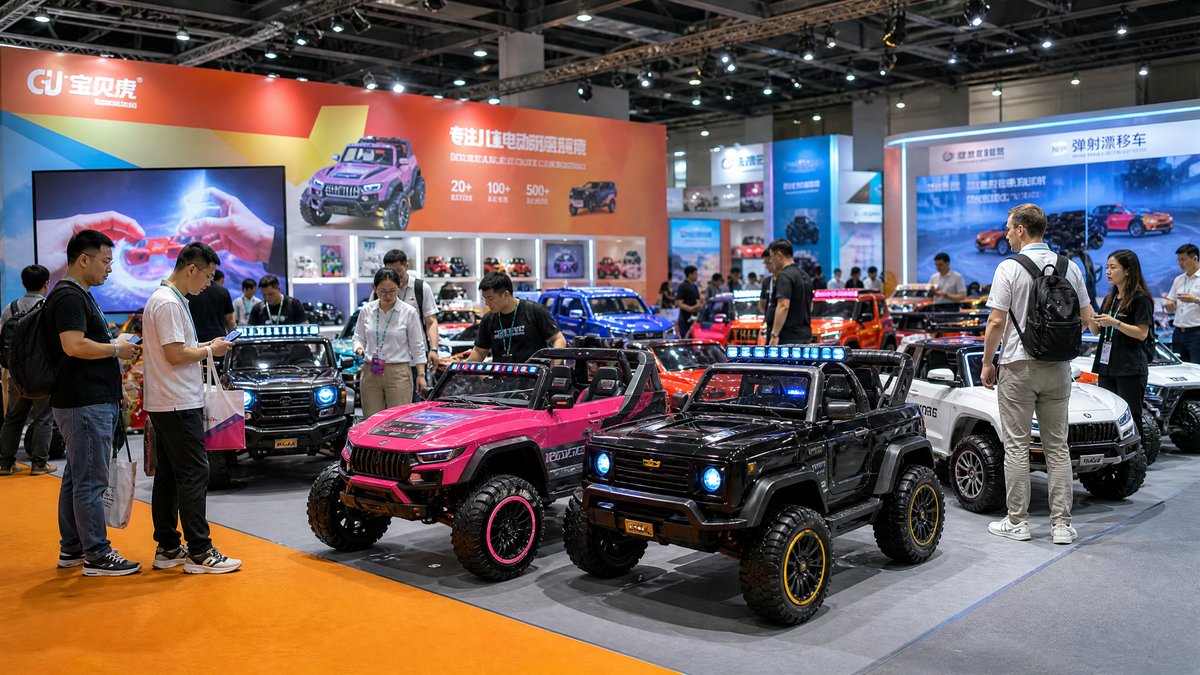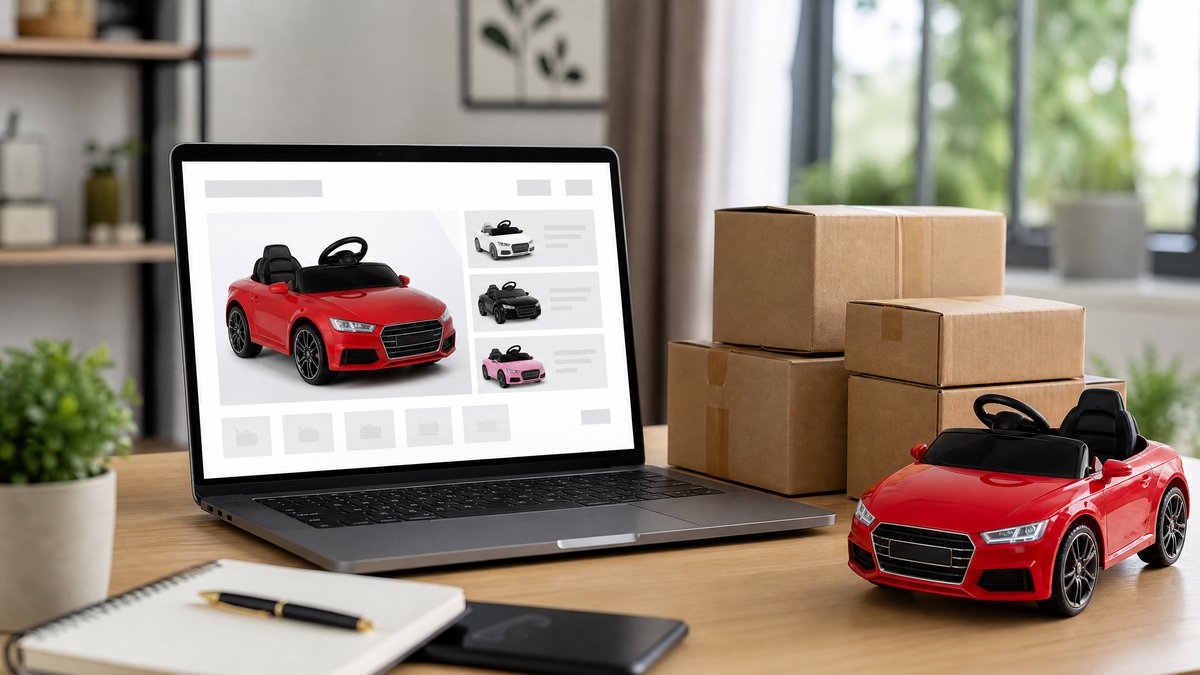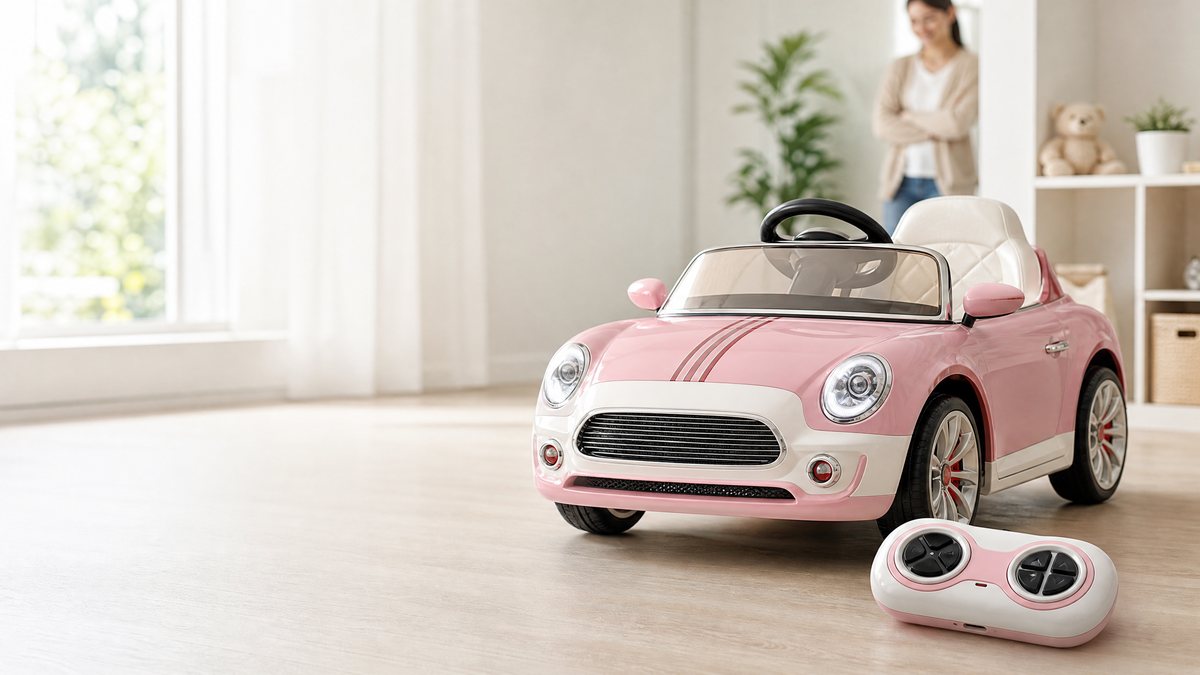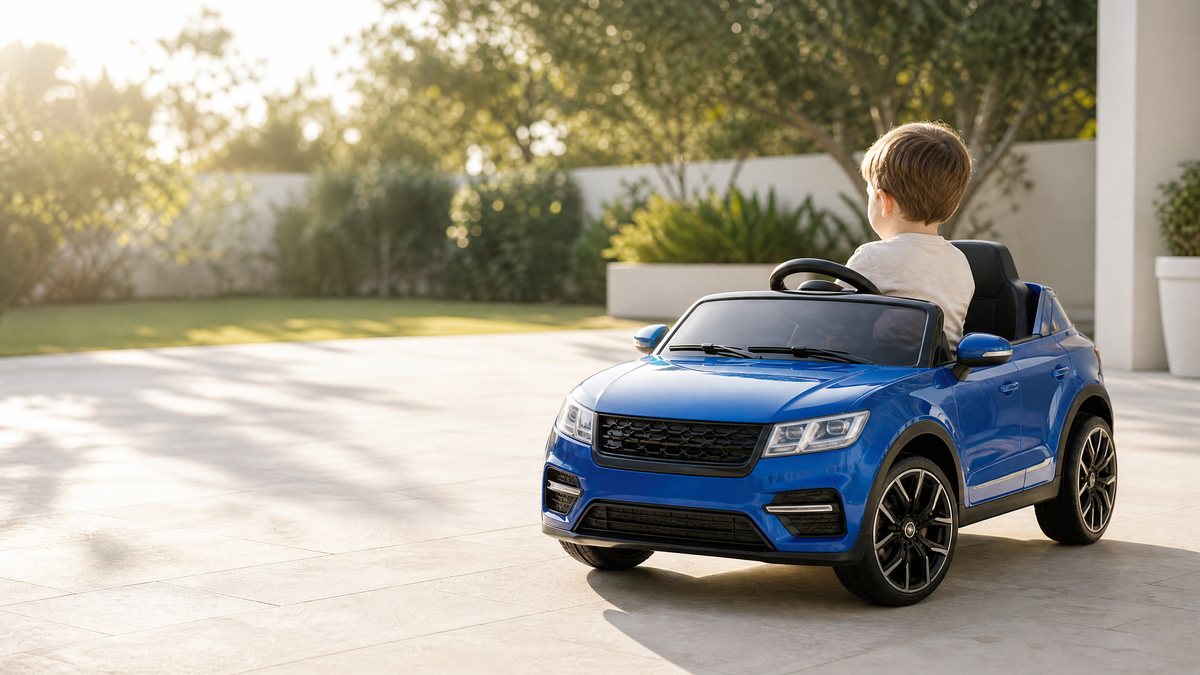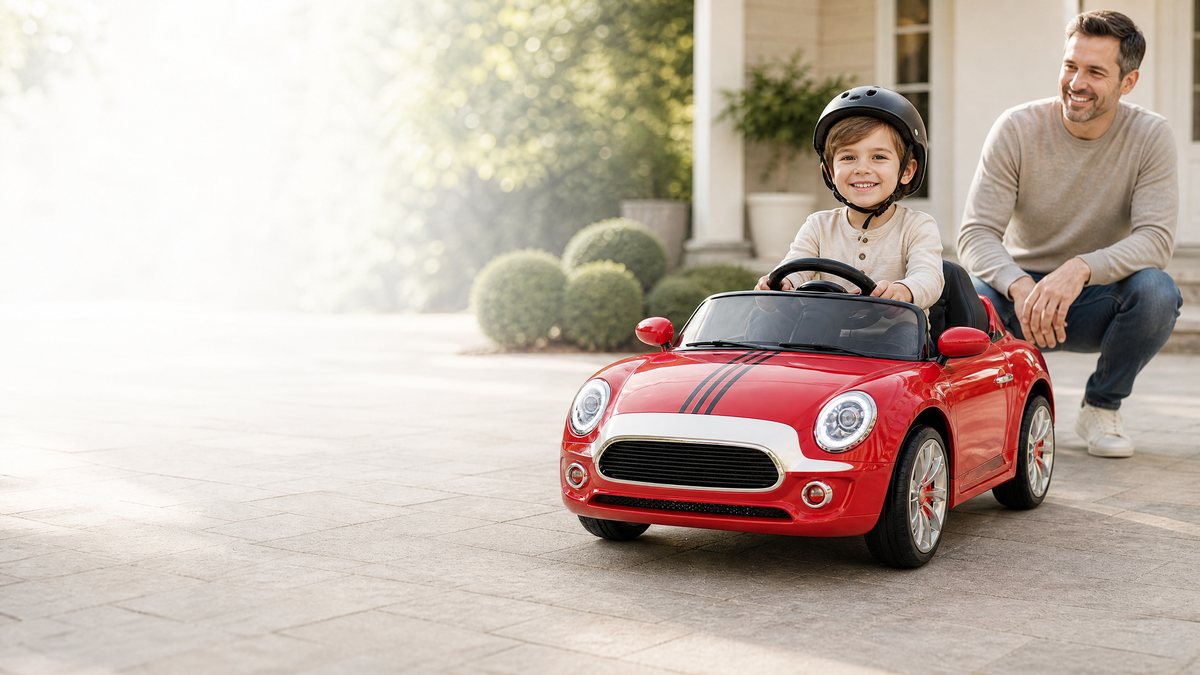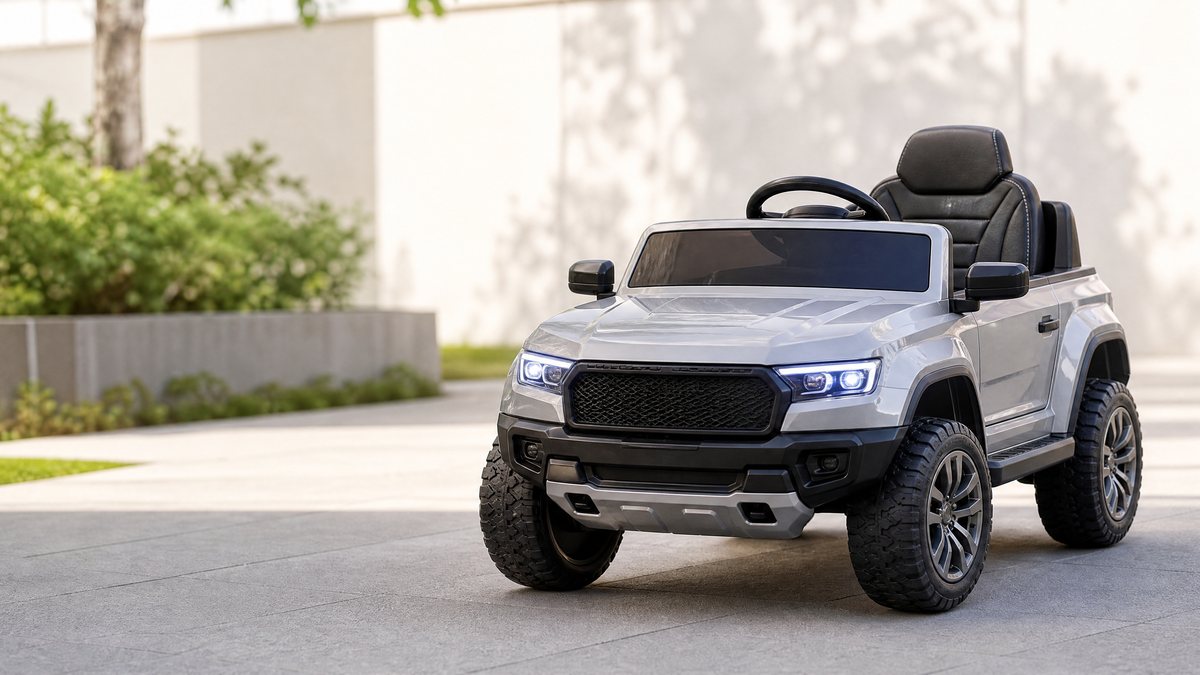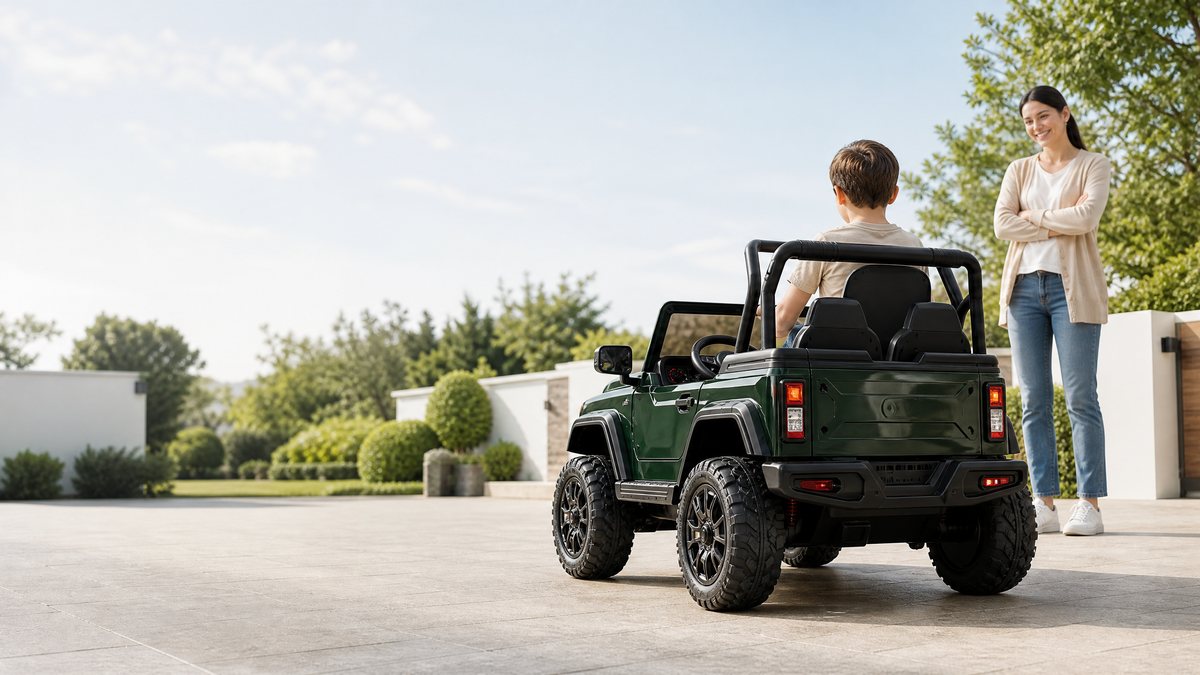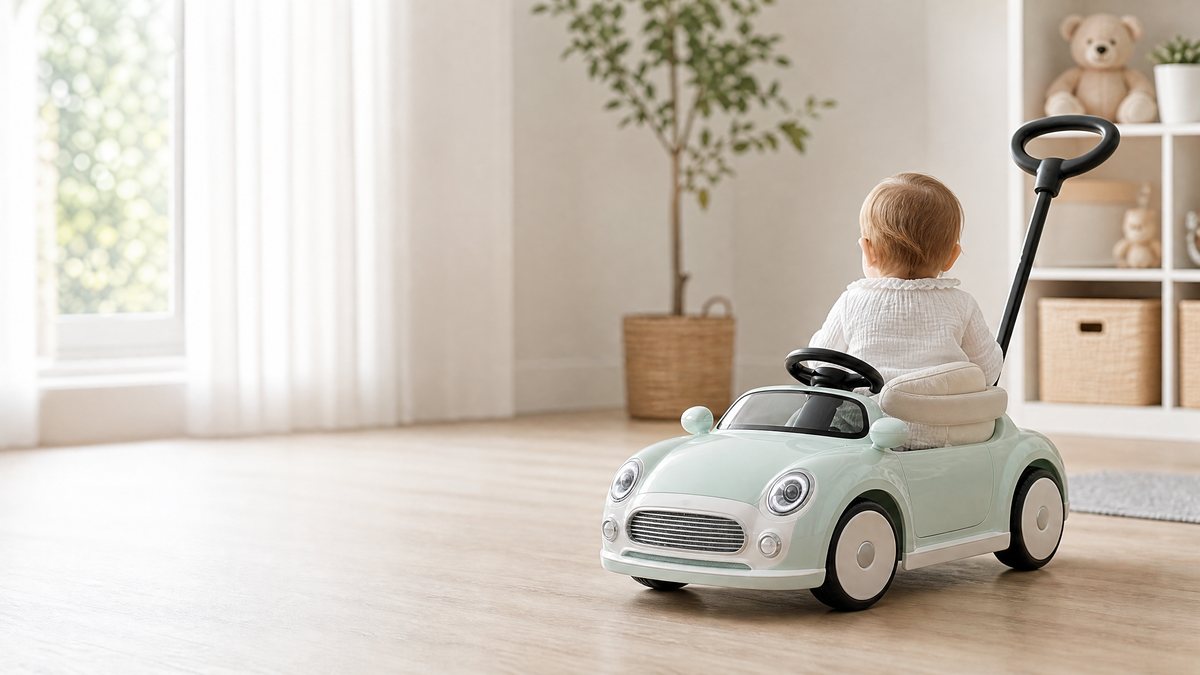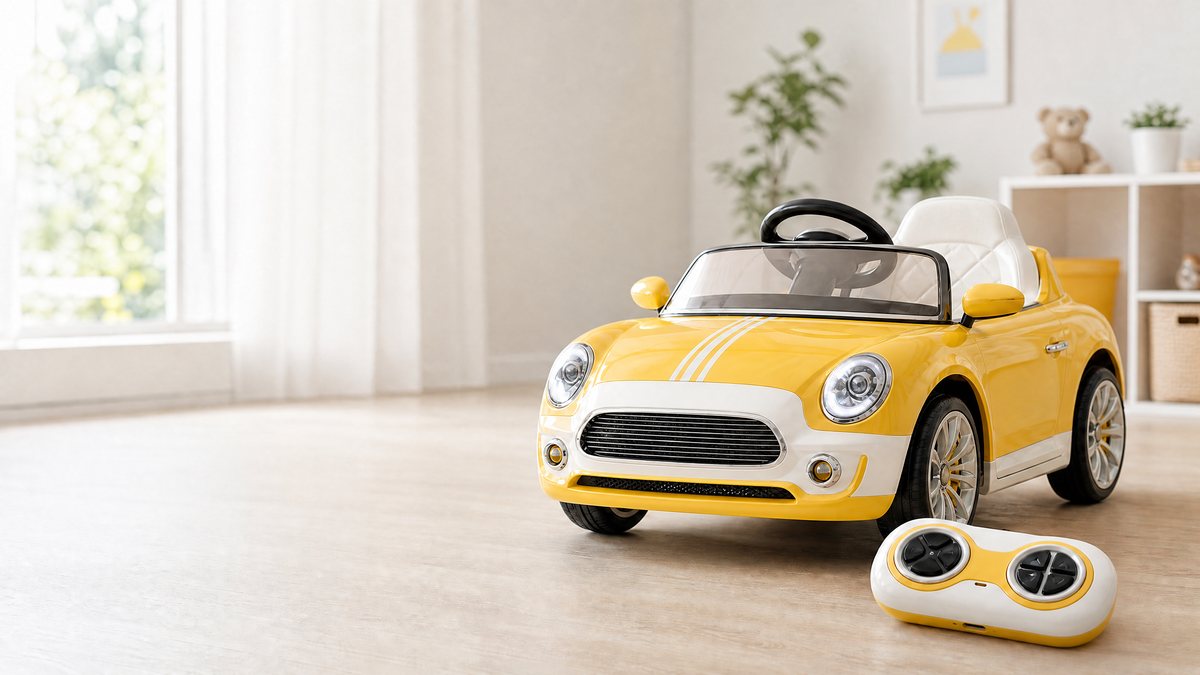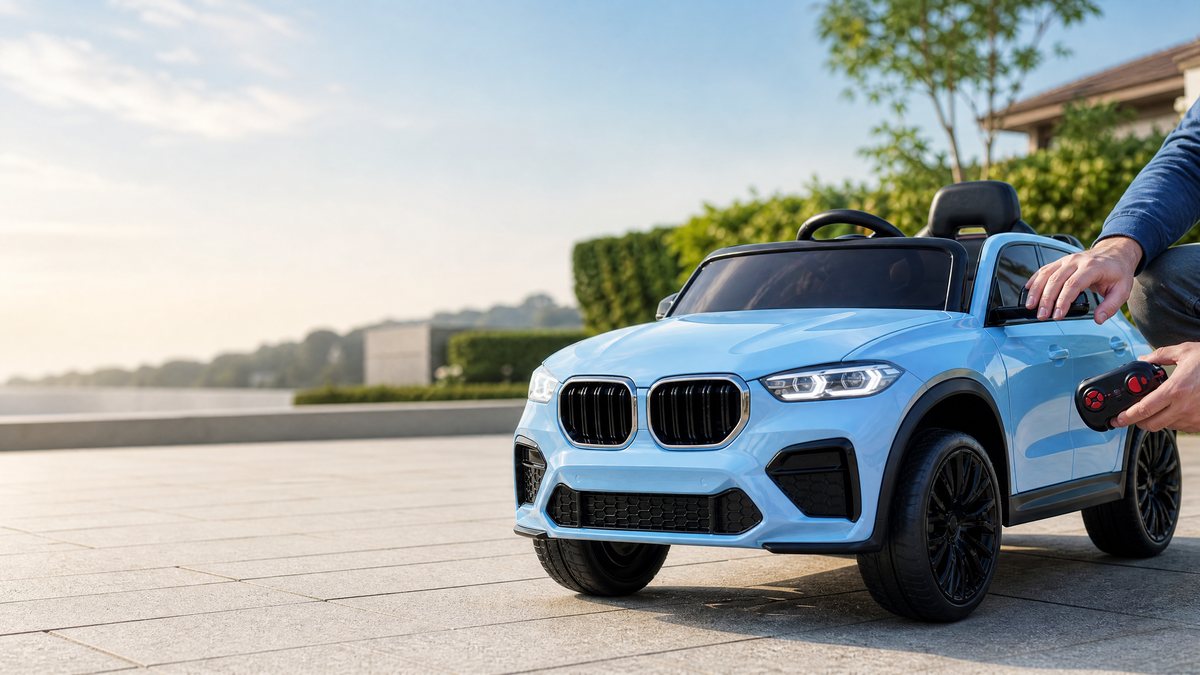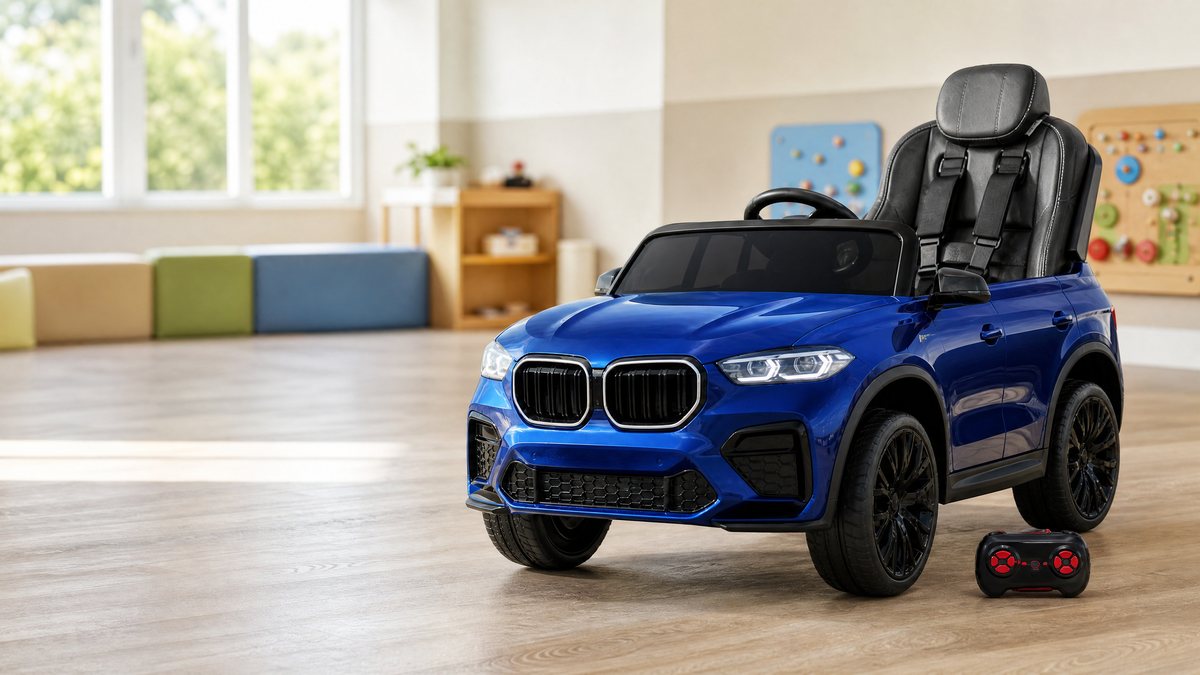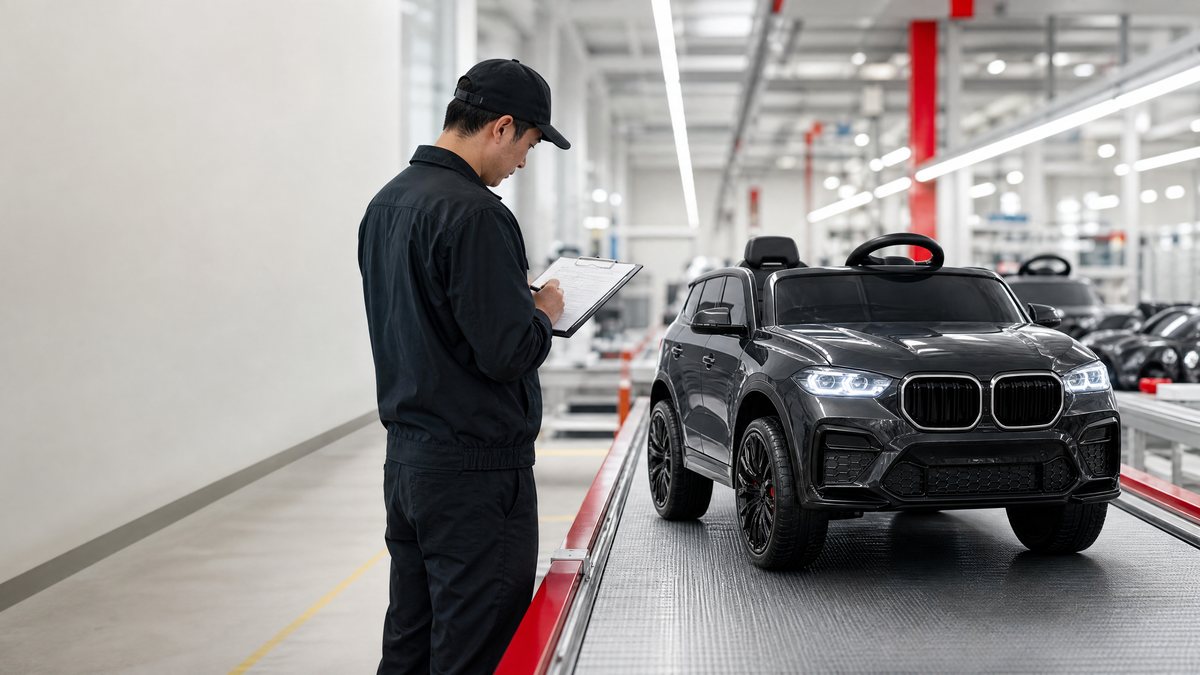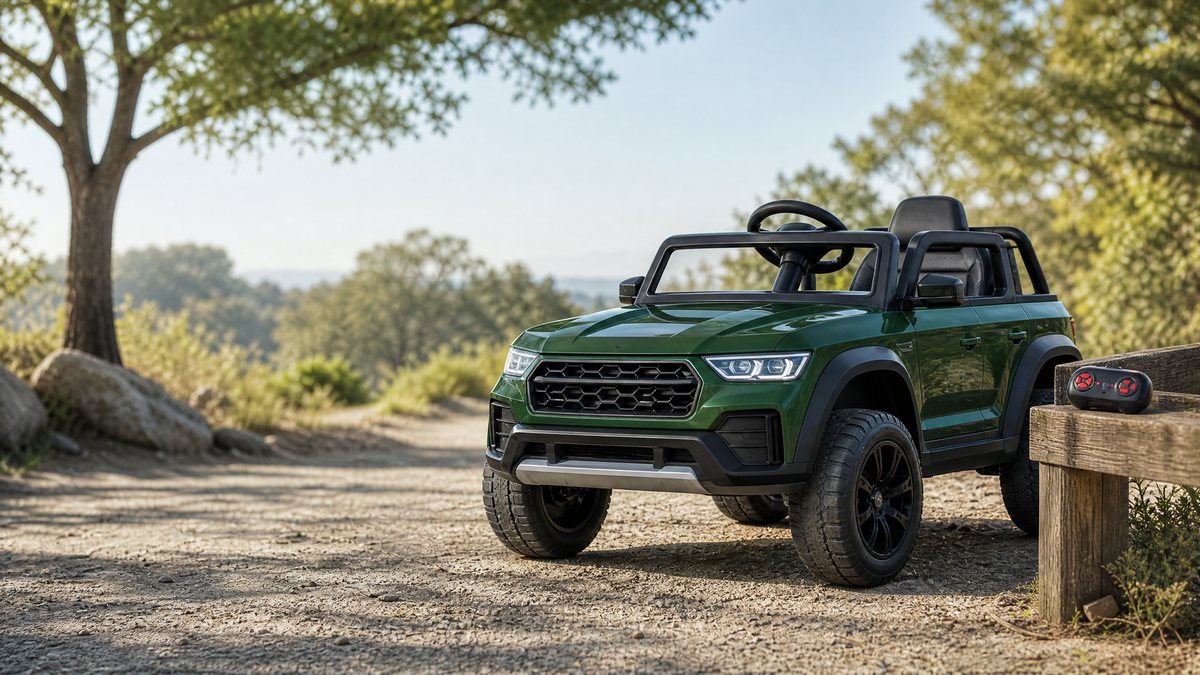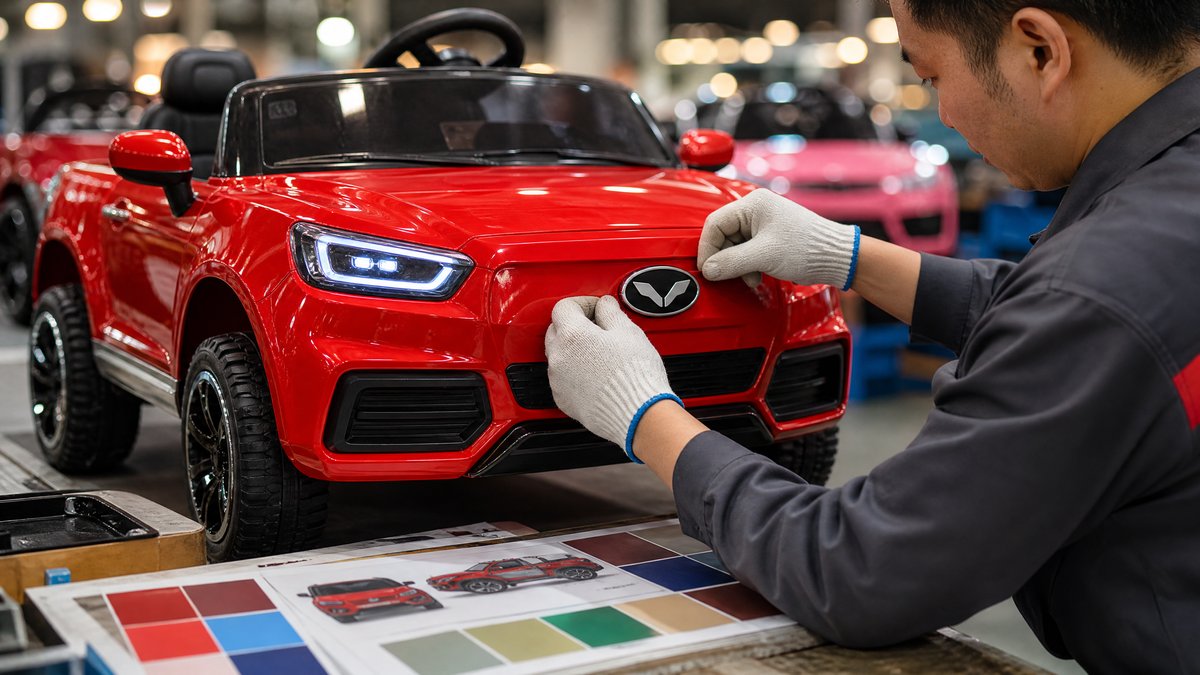
In the competitive global toy market, securing shelf space and satisfying online retail giants like Amazon, Walmart, and target distributors starts long before the product hits the showroom floor. For B2B importers, wholesalers, and brand owners sourcing kids' electric ride-on cars, packaging is not merely a protective shell—it is a critical logistics asset, a brand differentiator, and a silent salesperson.
Poor packaging leads to transit damage, inflated freight costs, high return rates, and disappointed retail partners. Conversely, optimized, retail-ready packaging minimizes volumetric weight, withstands rigorous international drop tests, and communicates high perceived value at the point of sale.
This comprehensive OEM guide explores the engineering, material selection, logistics, and visual branding strategies required to design high-performance packaging for children's battery-operated ride-on vehicles.
1. The Dual Role of Ride-On Car Packaging: Protection vs. Retail Impact
When designing packaging for heavy, bulky items like 12V and 24V ride-on cars (typically weighing between 18kg to 35kg), engineers must balance two often conflicting objectives: structural integrity and commercial appeal.
Protective Structural Engineering
Ride-on cars feature complex electronics, heavy rechargeable batteries, molded plastic bodies, and delicate steering assemblies. During international container shipping, warehousing, and last-mile delivery, cartons face:
* Vertical compression: Stacking loads in high-cube containers.
* Shock and vibration: Multi-modal transport via ocean freight, rail, and courier networks.
* Drop impacts: Handling by automated sorting facilities and residential delivery drivers.
Commercial and Shelf Appeal
Whether stacked in a big-box retail aisle or unboxed in an e-commerce unboxing video, the packaging must convey premium quality. Importers targeting high-end toy boutiques or omnichannel retail chains require striking high-resolution flexographic or lithographic printing that highlights product features, safety certifications, and brand identity.
2. Material Selection and Structural Specifications
Choosing the right corrugated cardboard grades and internal cushioning materials is the foundation of damage-free transit. Because ride-on cars are high-value, bulky goods, substandard packaging results in costly warranty claims and retailer chargebacks.
Corrugated Board Specifications
Standard single-wall cartons are insufficient for products exceeding 15kg. Importers should mandate high-performance double-wall or triple-wall corrugated boards.
* Flute Combinations: BC-flute or AB-flute double-wall boards are the industry standard for ride-on cars, offering superior burst strength and vertical crush resistance (ECT - Edge Crush Test).
* Kraft Linerboard: Virgin kraft outer liners provide superior moisture resistance and tear strength compared to recycled testliners, essential for humid ocean transit and long-term warehouse storage.
Internal Cushioning Systems
Molded expanded polystyrene (EPS) remains common, but modern sustainable packaging trends favor eco-friendly alternatives without compromising shock absorption:
* High-Density EPE Foam Inserts: Custom-cut polyethylene foam blocks placed at critical stress points (bumpers, wheel axles, steering columns) absorb kinetic impact effectively.
* Heavy-Duty Corrugated Inserts: Die-cut honeycomb paperboard and structured corrugated braces immobilize the vehicle, preventing shifting and surface scuffing during transit.
3. Optimizing CBM and Logistics Efficiency
In international B2B trade, freight costs are directly tied to cubic meters (CBM) and dimensional weight. A poorly engineered box wastes valuable container space, driving up landed costs per unit.
Container Loading Optimization
When designing custom packaging with your OEM/ODM manufacturer, dimensions should be meticulously calculated against standard container sizes (20GP, 40HQ) and standard pallet dimensions (EUR-pallet or US standard pallets).
* Knocked-Down vs. Semi-Knocked-Down (SKD): Most ride-on cars are shipped in SKD format (wheels, steering wheel, and windshield detached) to minimize box volume.
* Dimensional Reduction: Trimming even 2 cm off each dimension of a master carton can increase container loading capacity by 8% to 12%, significantly improving profit margins for wholesale importers.
| Packaging Metric | Standard / Traditional Design | Optimized OEM Design | Logistics & Cost Impact |
|---|---|---|---|
| Carton Material | Single-Wall + Thin EPS | Double-Wall (AB Flute) + Die-Cut Honeycomb | 35% higher stacking strength, zero crush failure |
| Volumetric Size (CBM) | 0.38 CBM per unit | 0.31 CBM per unit | ~18% more units per 40HQ container |
| Drop Test Survival Rate | 82% pass rate (ISTA 1A) | 98% pass rate (ISTA 3A) | 75% reduction in transit damage returns |
| Assembly Time for End-User | 45 minutes (Complex parts) | 20 minutes (Tool-free click-in wheels) | Higher customer satisfaction, fewer support tickets |
4. Drop Testing and International Compliance Standards
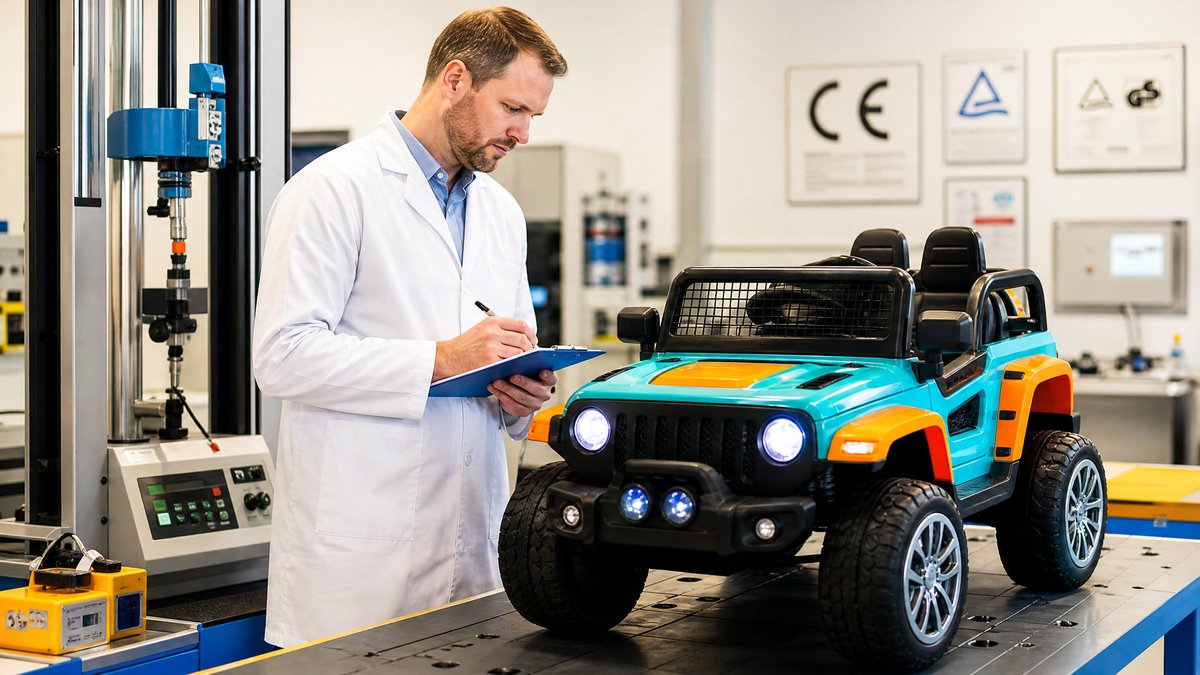
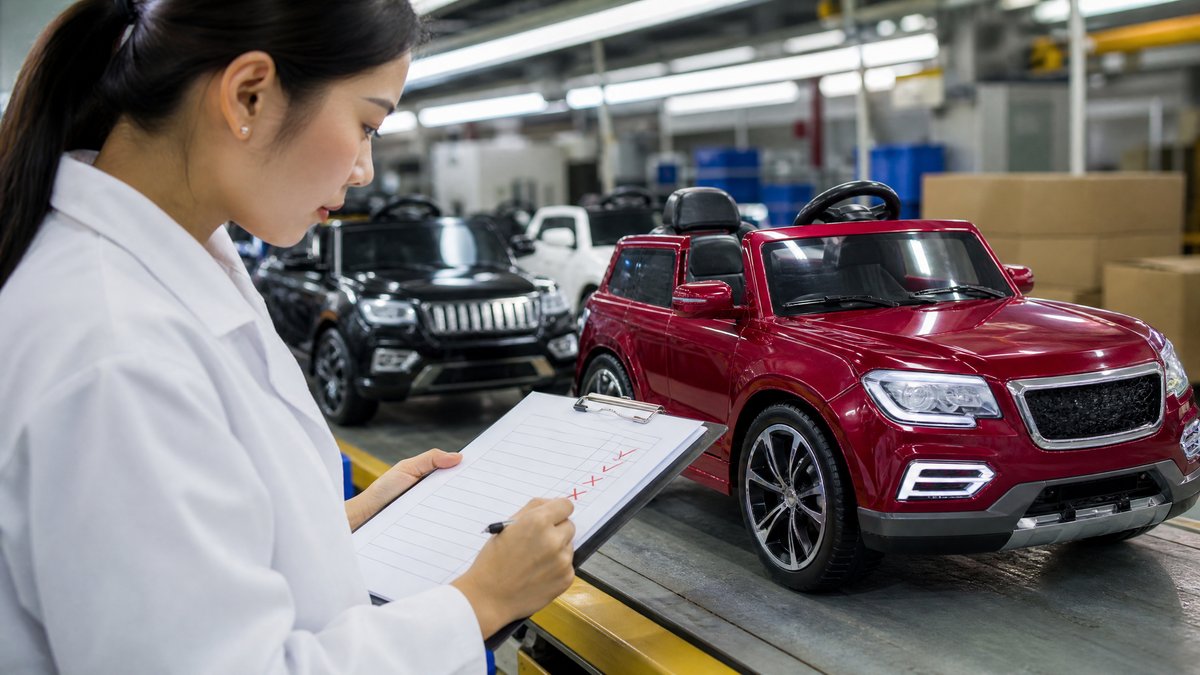
Before mass production, prototype packaging must undergo rigorous laboratory testing to simulate real-world logistics hazards. Importers should require factory testing reports adhering to recognized global standards.
Key Testing Protocols
* ISTA 1A / ISTA 3A (International Safe Transit Association): Simulates vibration, compression, and drop impacts typical of parcel delivery and palletized freight networks. A standard drop test involves dropping the packaged vehicle from preset heights on its base, corners, and faces.
* ASTM D4169: Standard practice for performance testing of shipping containers and systems.
* Drop-Height Thresholds: For boxes weighing 20kg–30kg, drop tests are typically executed from a height of 450mm to 600mm to ensure internal mechanical components remain locked in place.
5. Retail-Ready and E-Commerce-Ready Design Strategies
Modern distribution channels demand distinct packaging adaptations depending on whether the product is sold through traditional brick-and-mortar retail or direct-to-consumer (DTC) e-commerce.
Brick-and-Mortar Retail Packaging
* High-Impact Graphics: Utilize vibrant 4-color flexographic printing with gloss aqueous coating to showcase high-action photography of children driving the vehicle.
* Clear Feature Callouts: Prominently display key selling points on the principal display panel (PDP): battery voltage (e.g., 12V Dual Motor), parental remote control, MP3/Bluetooth connectivity, and safety certifications (CE, ASTM F963, EN71).
* Carry Handles and Ergonomics: Integrated die-cut hand holes assist warehouse staff and retail customers in lifting heavy boxes safely.
E-Commerce & Drop-Shipping Packaging
* Drop-Test Certified (FRSA / Frustration-Free): E-commerce packaging must withstand drop shipping via couriers like FedEx, UPS, and DHL without outer overboxing.
* Concealed Branding vs. Brand Protection: Some premium brands utilize plain brown outer mailer cartons with high-quality branded inner cartons to prevent theft and weather damage during doorstep delivery.
* Clear Assembly QR Codes: Printing a large, scannable QR code linking to an assembly video tutorial drastically reduces customer service inquiries and negative reviews.
6. Frequently Asked Questions (FAQ)
Q1: How can I reduce the CBM of my ride-on car packaging without risking transit damage?
A: Work with your OEM manufacturer to optimize the Knocked-Down (SKD) configuration. Designing nesting components, detachable steering wheels, and modular seating allows the vehicle profile to compact tightly inside a smaller double-wall carton, saving ocean freight costs while maintaining structural integrity with high-density EPE foam corner guards.
Q2: What is the difference between ISTA 1A and ISTA 3A packaging tests?
A: ISTA 1A evaluates the basic ruggedness of a packaged product against vibration and shock under constant laboratory conditions. ISTA 3A is a more comprehensive, advanced test protocol that simulates real-world distribution hazards across complex parcel delivery systems, including random vibration profiles and varied drop sequences tailored to parcel delivery weights.
Q3: Should I use full-color litho-laminated boxes or direct flexographic printing?
A: It depends on your distribution channel. Full-color litho-laminated boxes offer premium shelf presence ideal for high-end toy stores and big-box retail chains, but carry a higher unit cost and minimum order quantity (MOQ). Direct flexographic printing on high-grade kraft corrugated board is more cost-effective, highly durable, and ideal for e-commerce and wholesale B2B distribution.
Q4: How do I ensure compliance with international recycling and packaging waste regulations?
A: Ensure your packaging supplier uses 100% recyclable corrugated cardboard and eco-friendly water-based inks. Many global markets (such as the EU and certain US states) enforce strict extended producer responsibility (EPR) packaging laws and labeling requirements (e.g., recycling mobius loop symbols).
Conclusion and Call to Action
Investing in superior packaging design for kids' electric ride-on cars protects your profit margins, safeguards your brand reputation, and secures valuable retail partnerships. By optimizing carton corrugated grades, engineering drop-test resilience, and fine-tuning CBM efficiency, B2B importers can scale operations smoothly across global markets.
Ready to elevate your ride-on car product line with custom, retail-ready OEM packaging? Partner with an experienced manufacturer that delivers end-to-end engineering excellence from factory floor to retail shelf.
Contact our expert engineering and sales team today at mailto:info@kidsridecar.com to request packaging samples, structural design templates, and OEM/ODM catalog quotes.
Official references
Explore these external resources for current regulatory and trade guidance. Confirm requirements with the relevant authority before placing an order.
Ready to Start?
Factory-Direct · CE & ASTM Certified · MOQ from 50 Units
Our export team works with buyers in 60+ countries. Get a quote within 24 hours.
KR
Written by KidsRideCar
China's leading kids electric ride-on car manufacturer. 500,000+ units shipped annually to 60+ countries. CE, ASTM & EN71 certified.