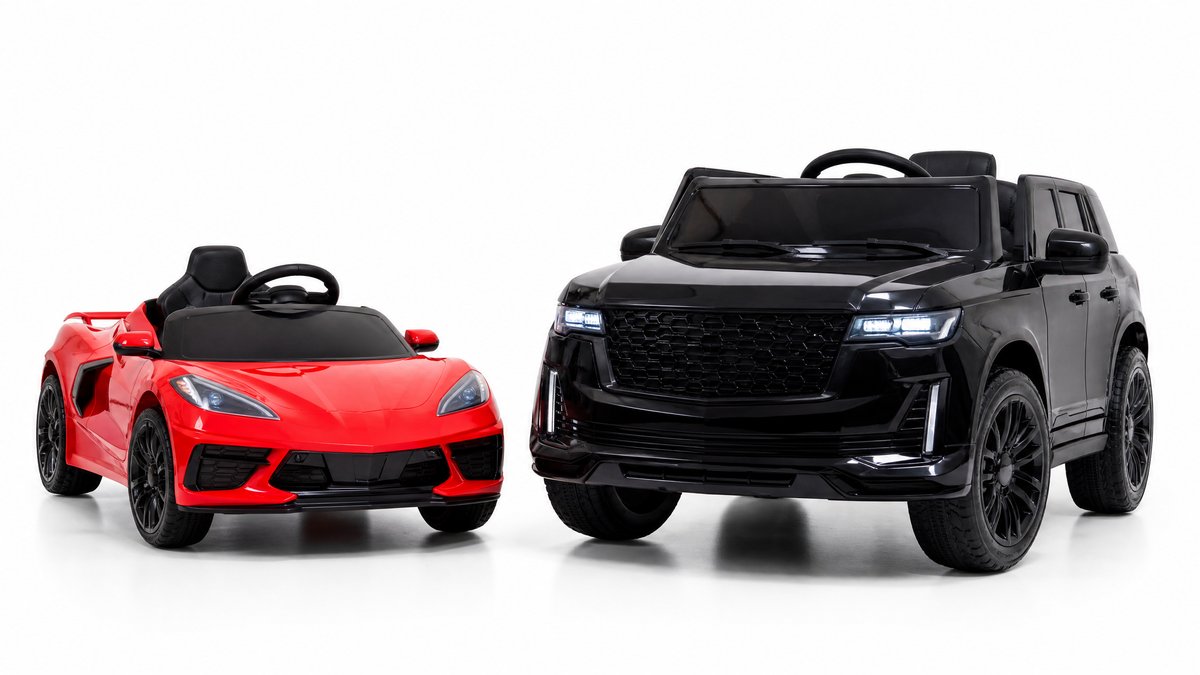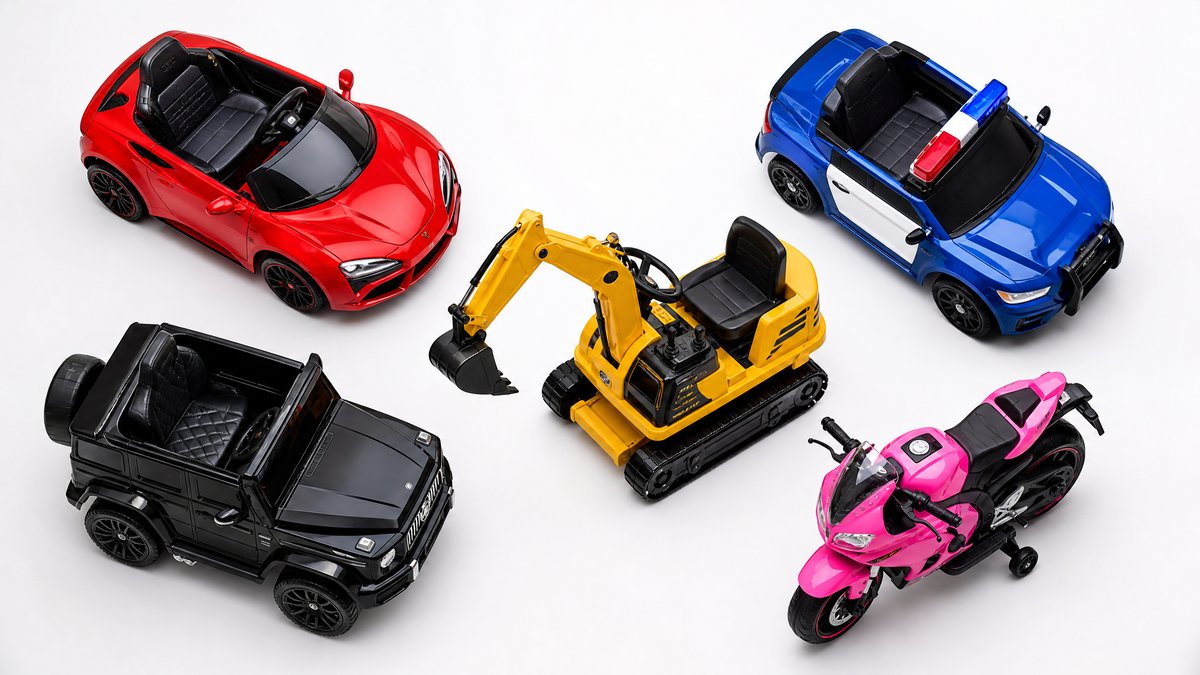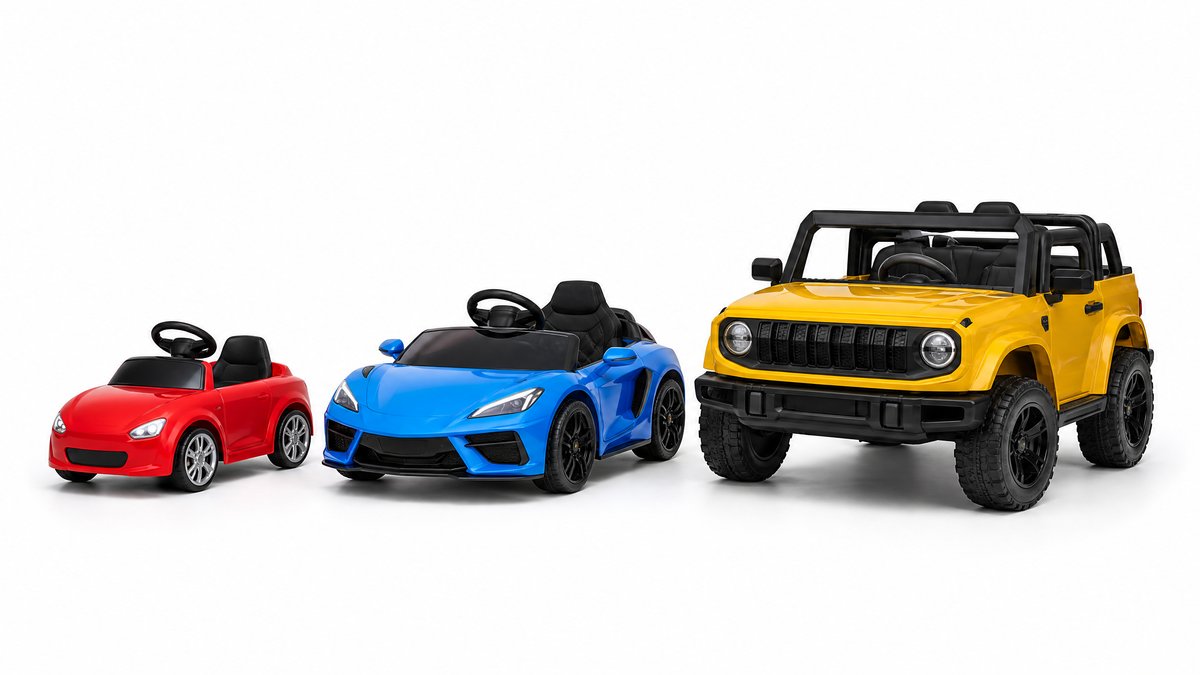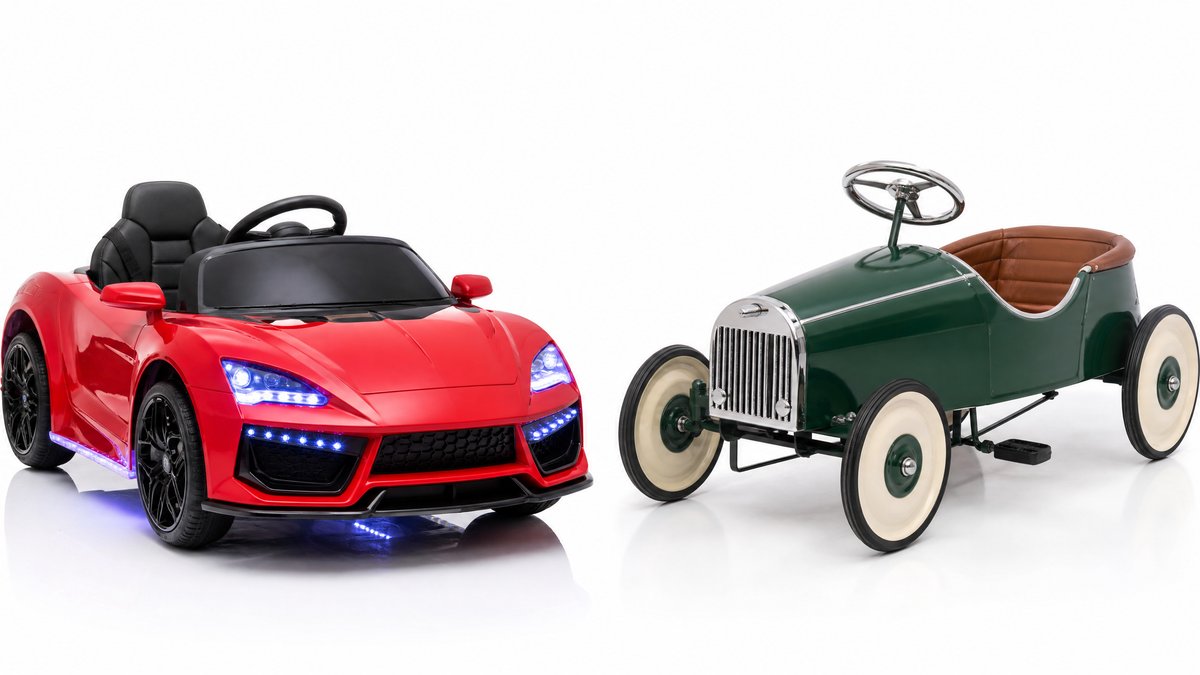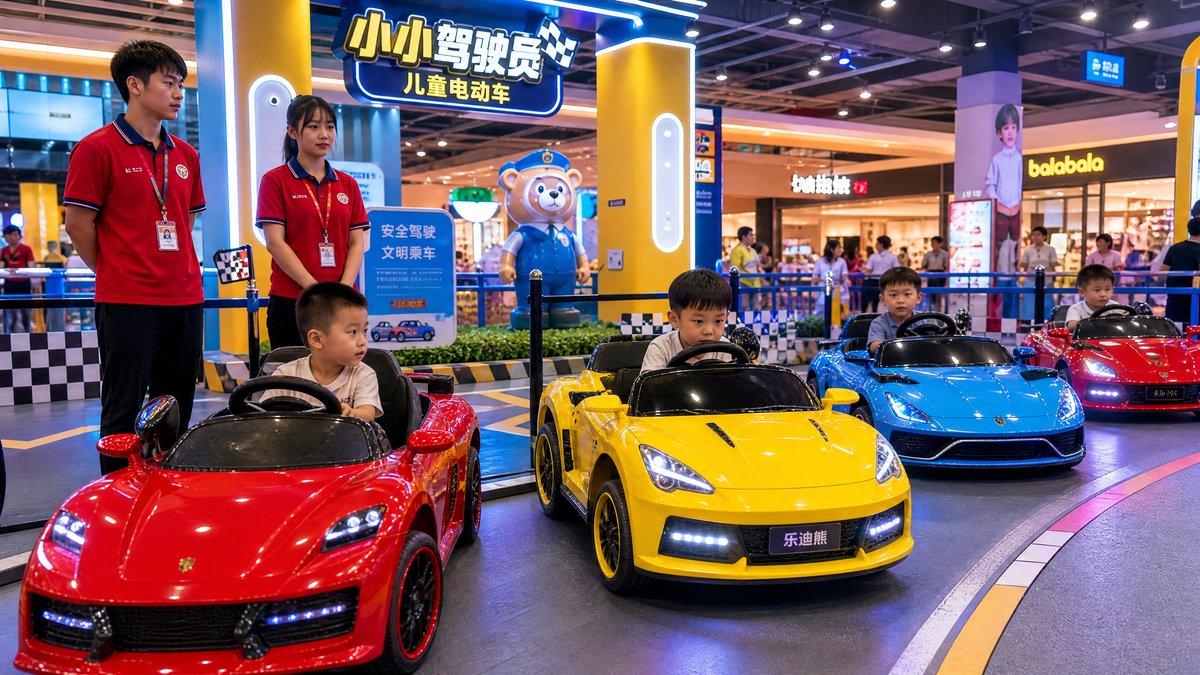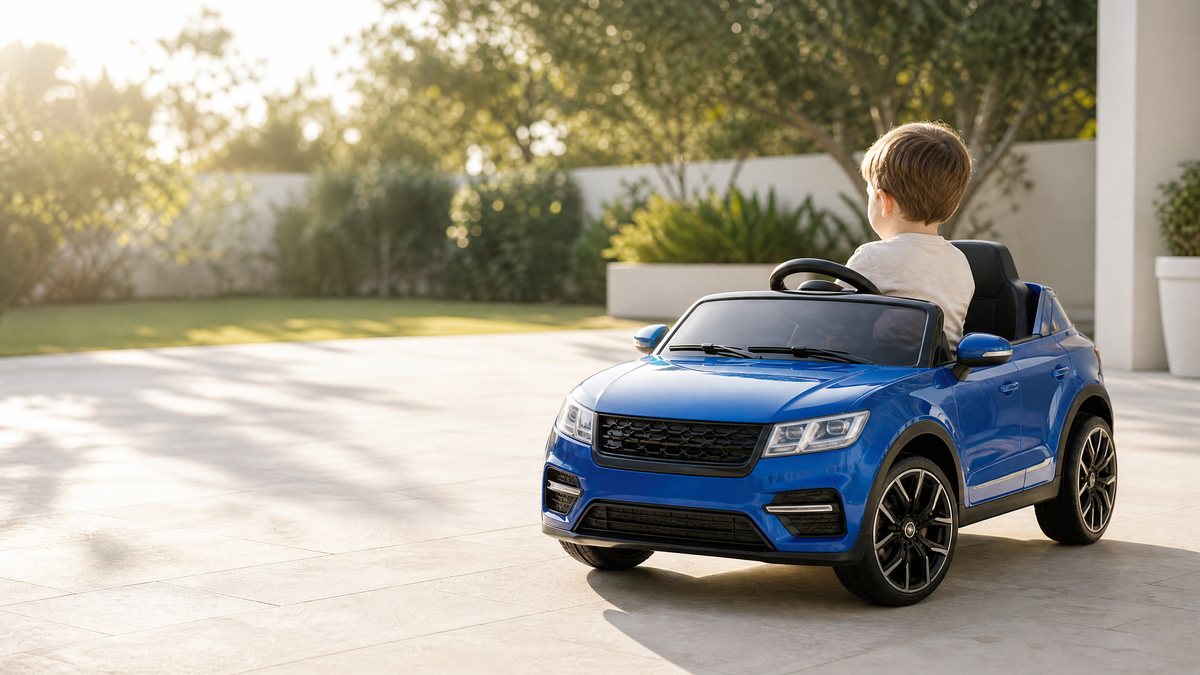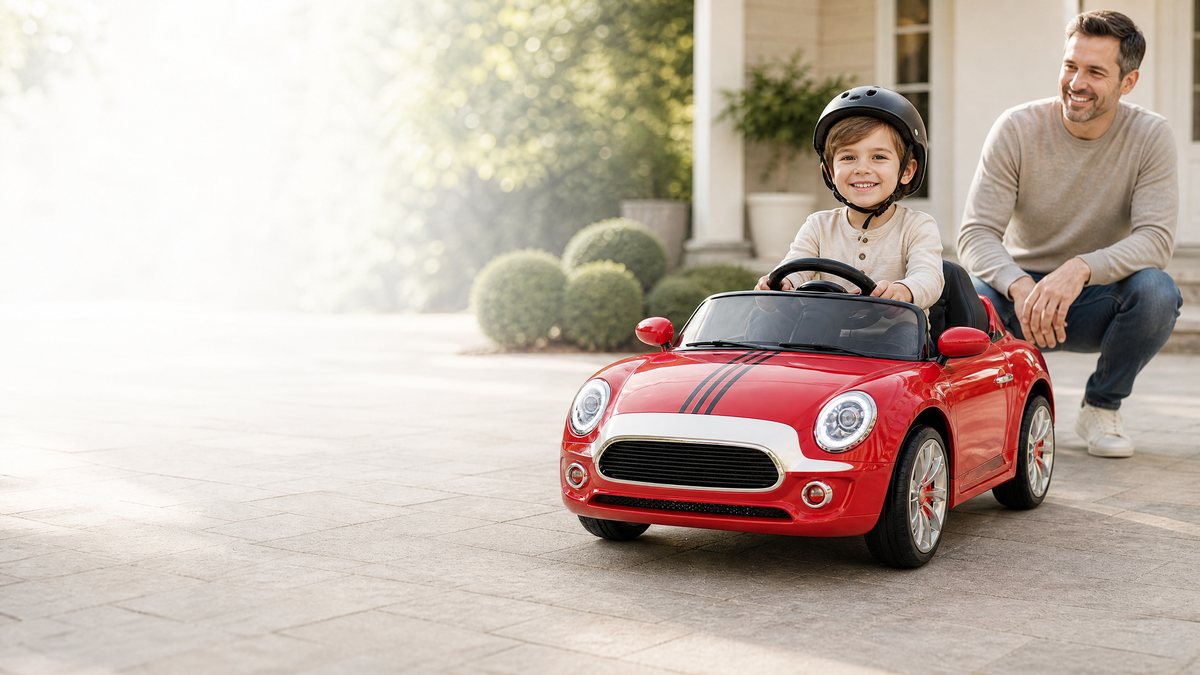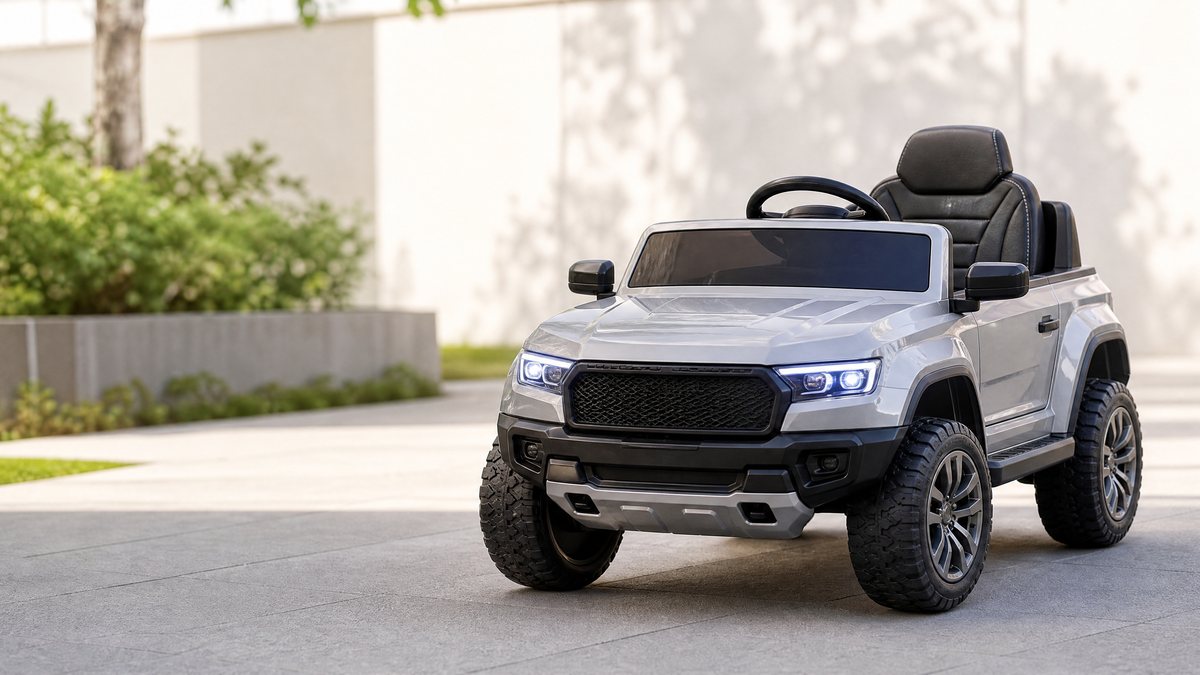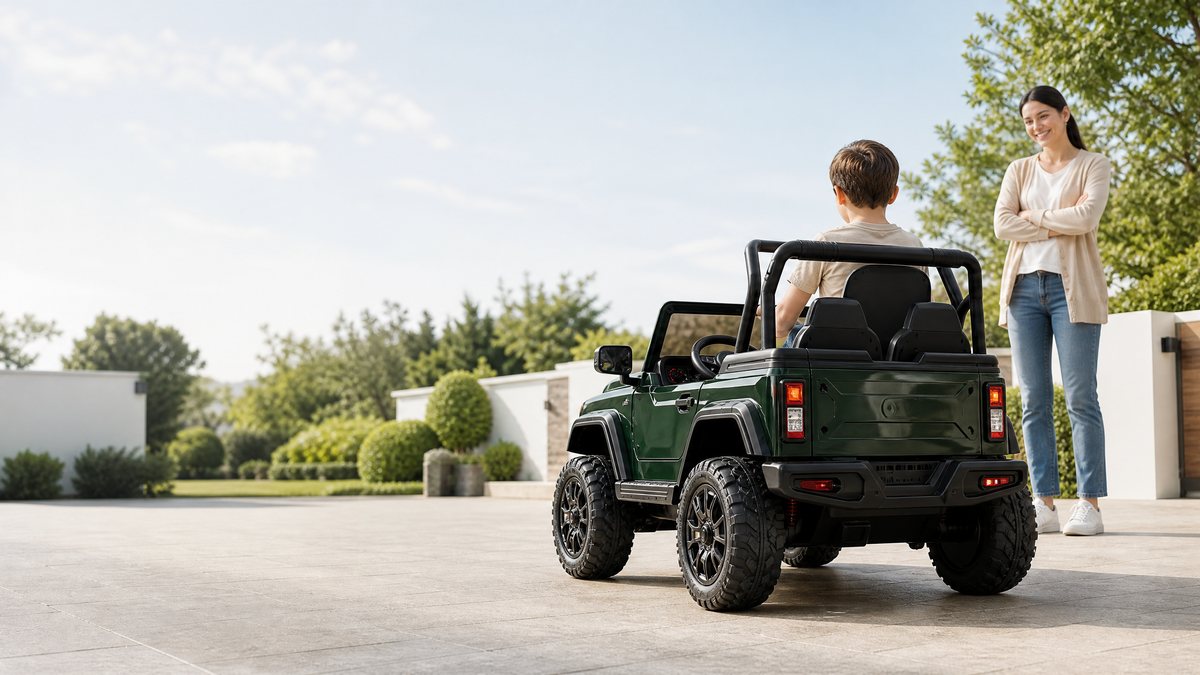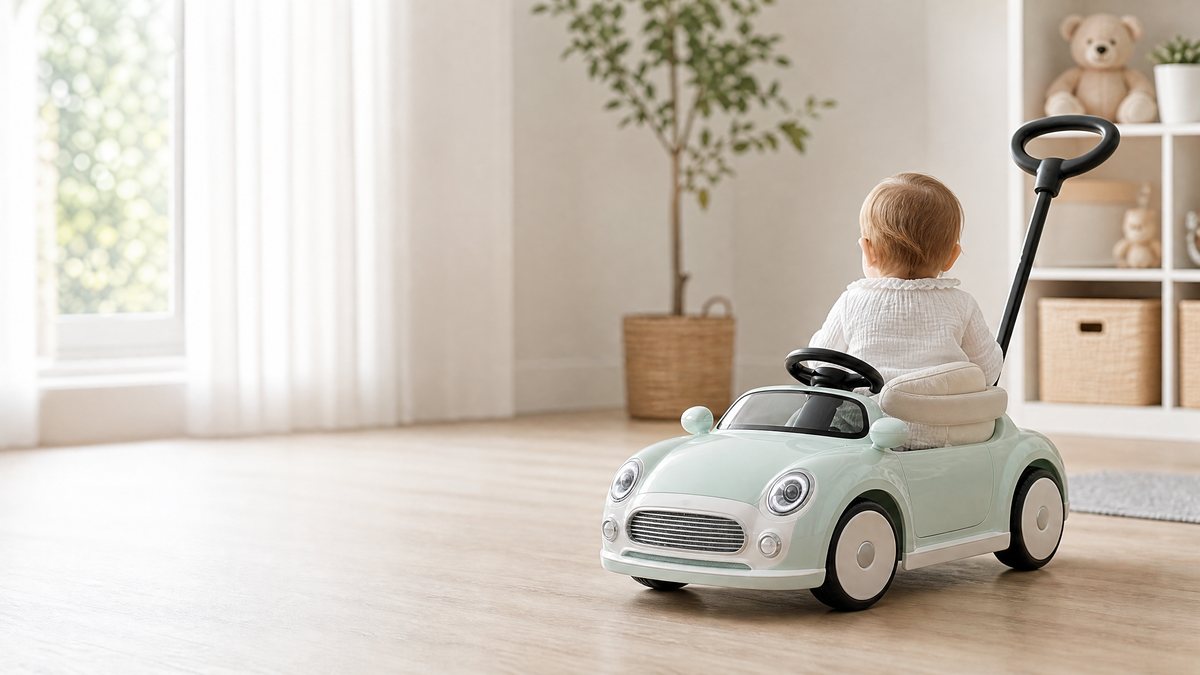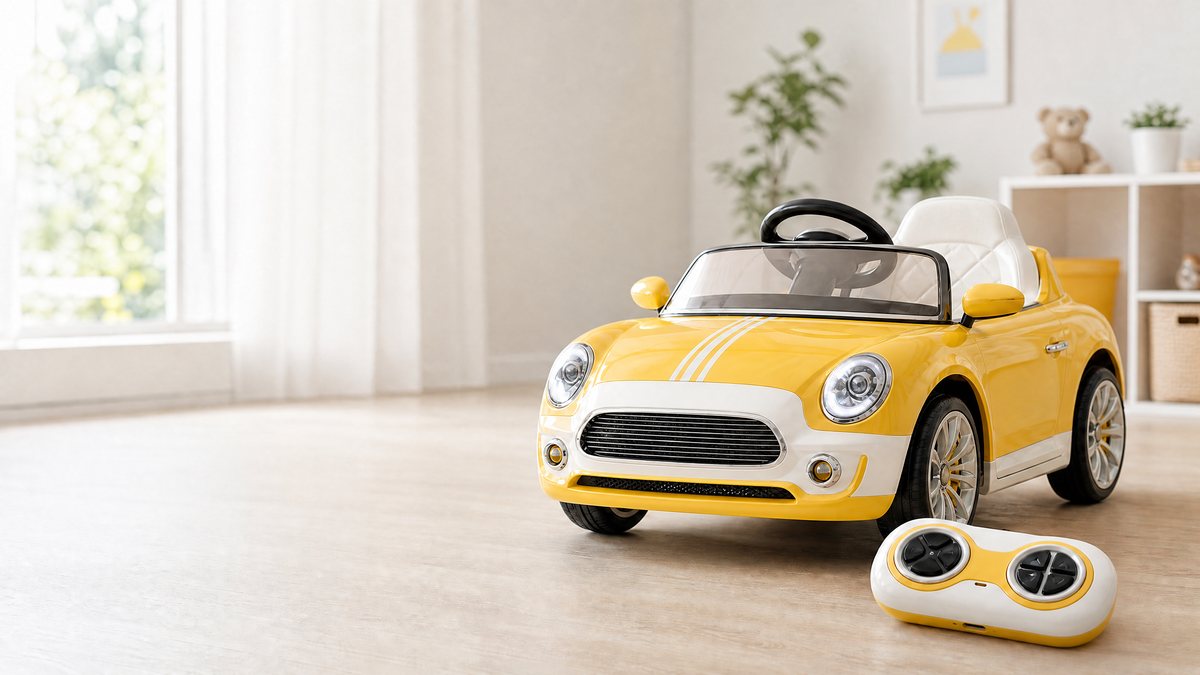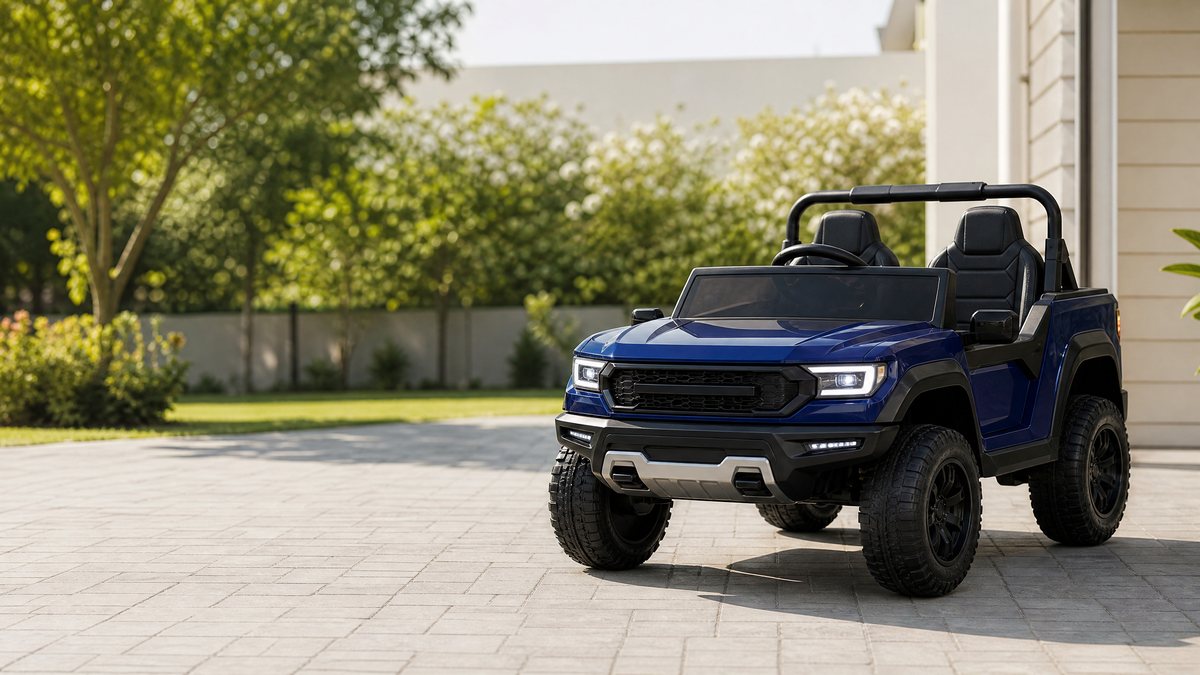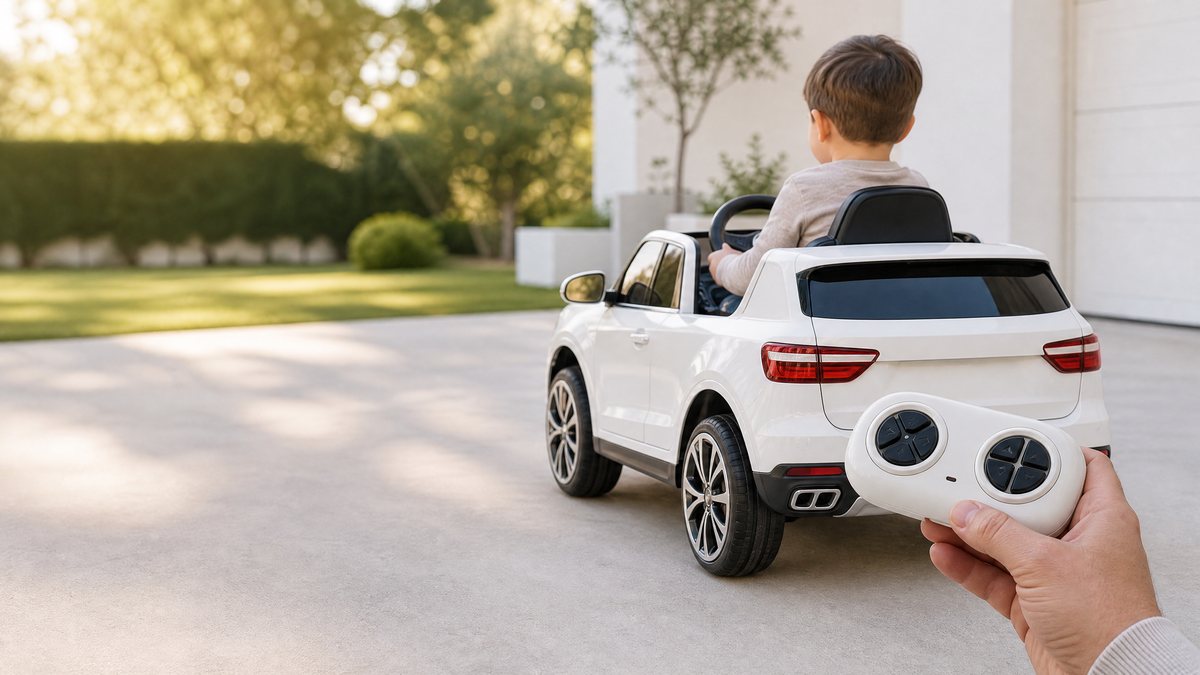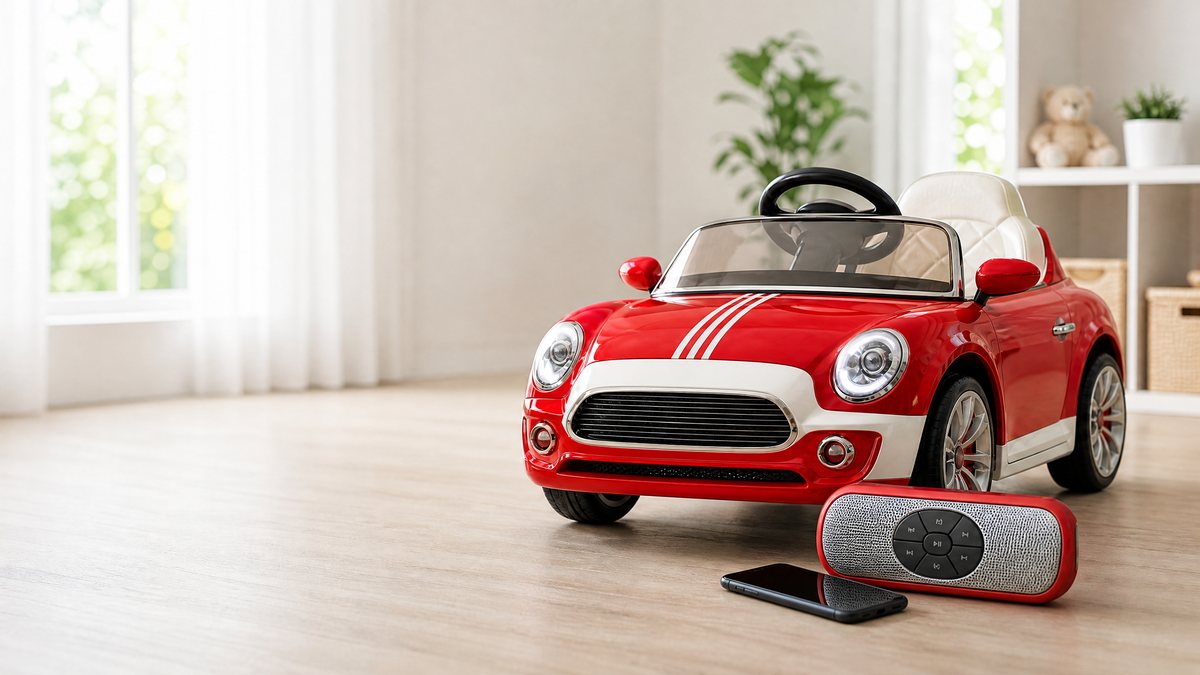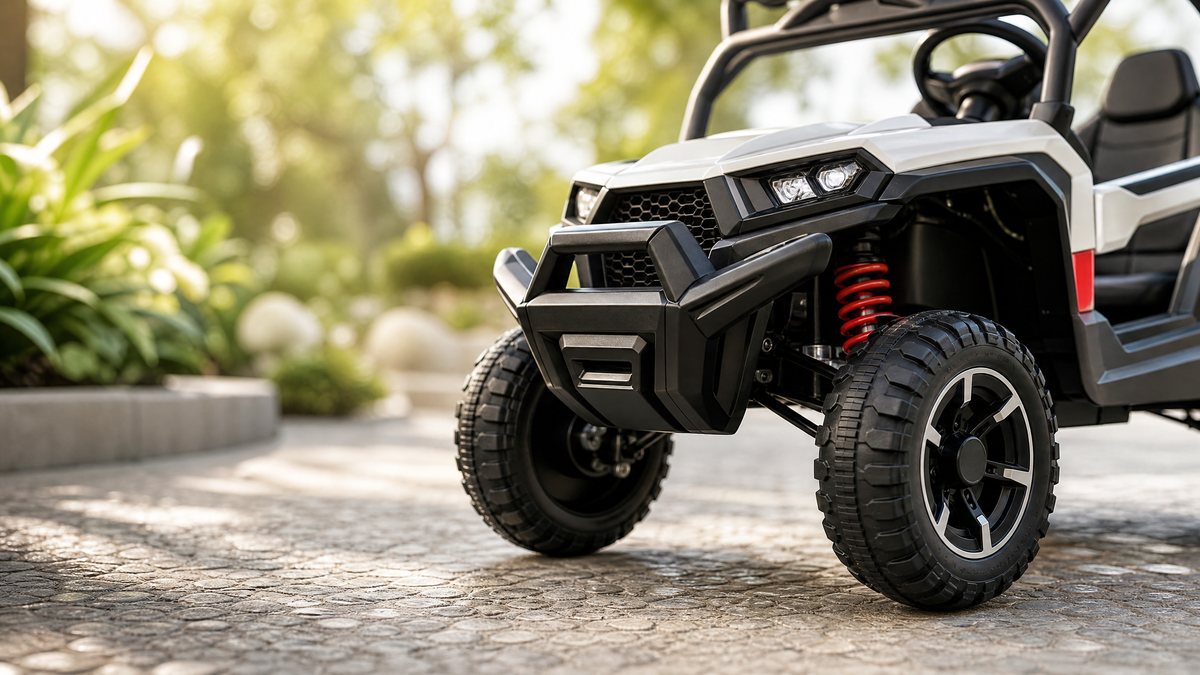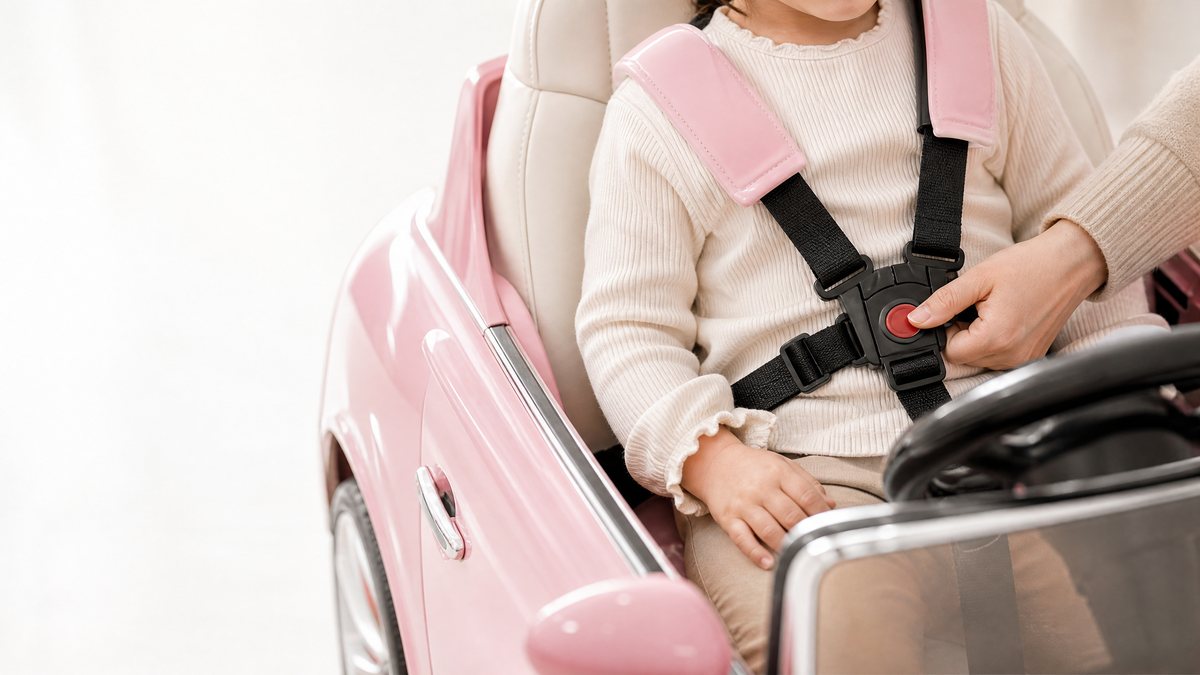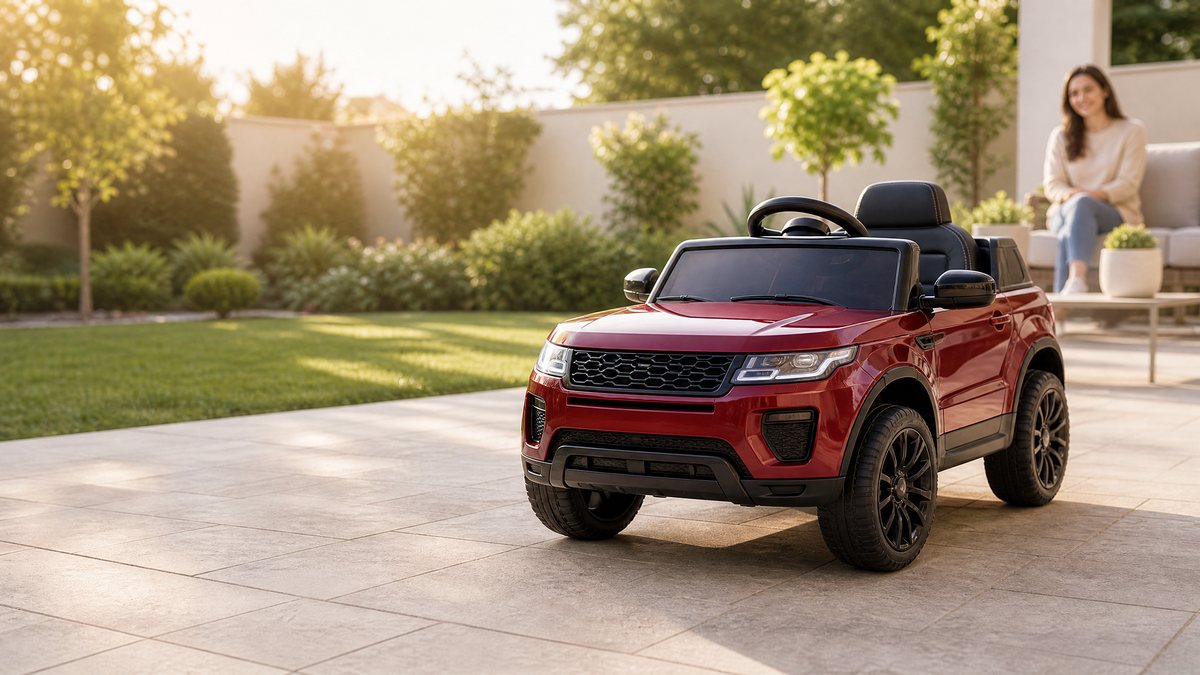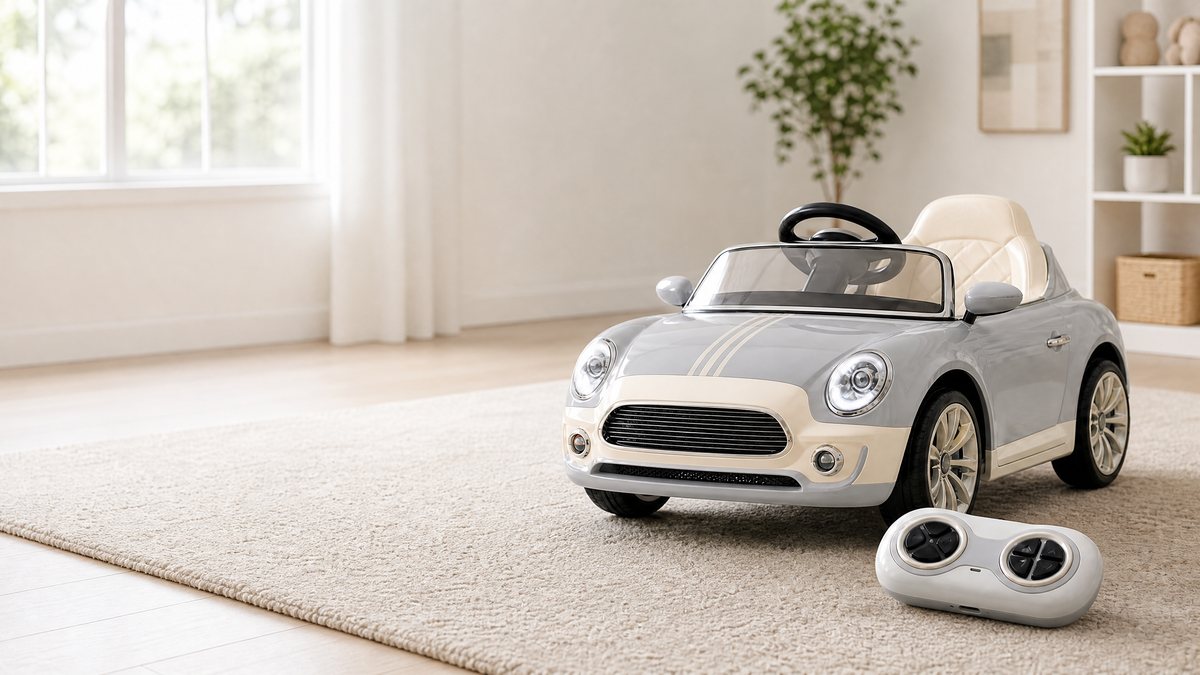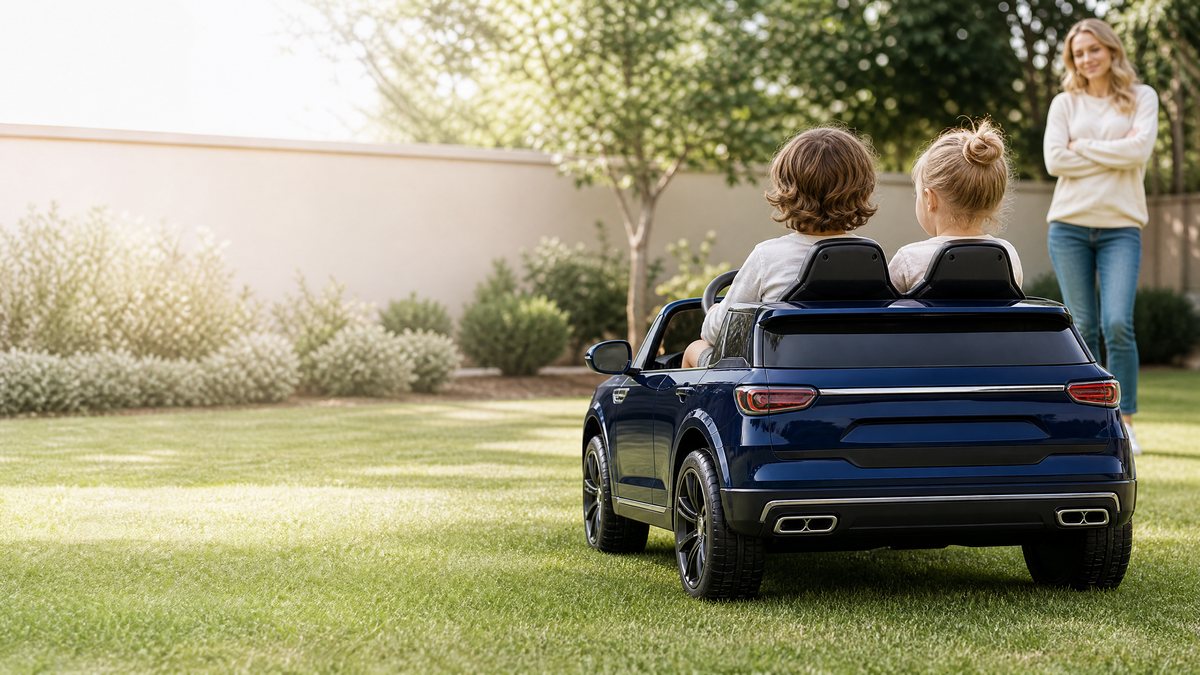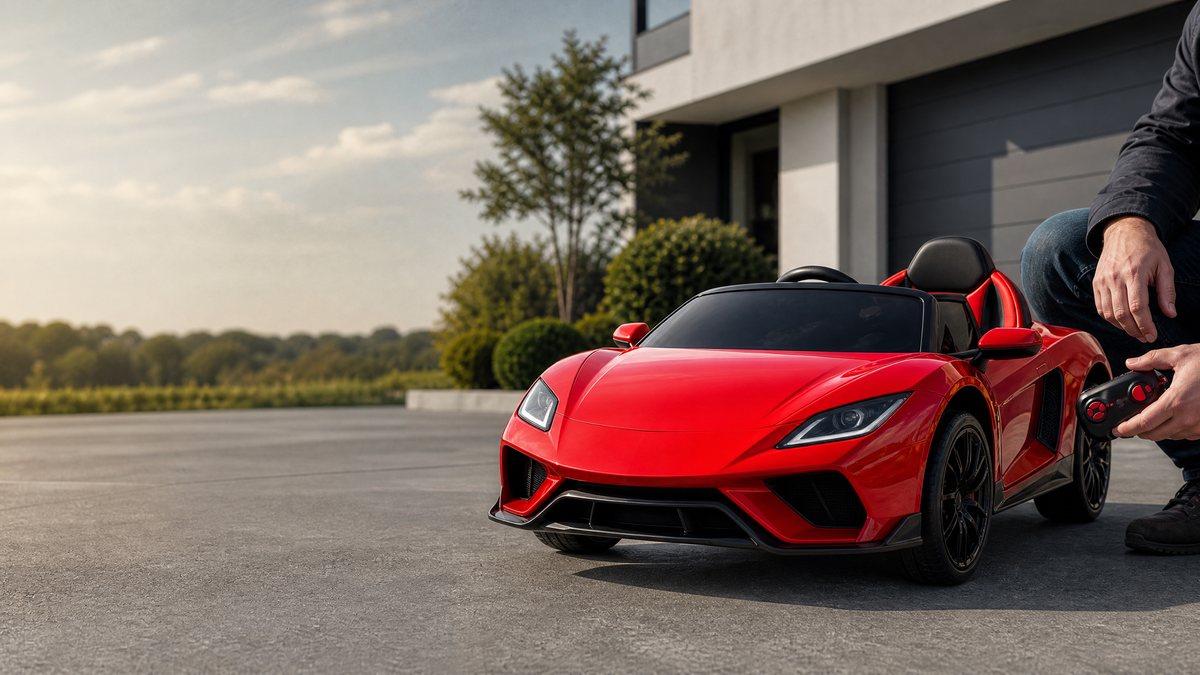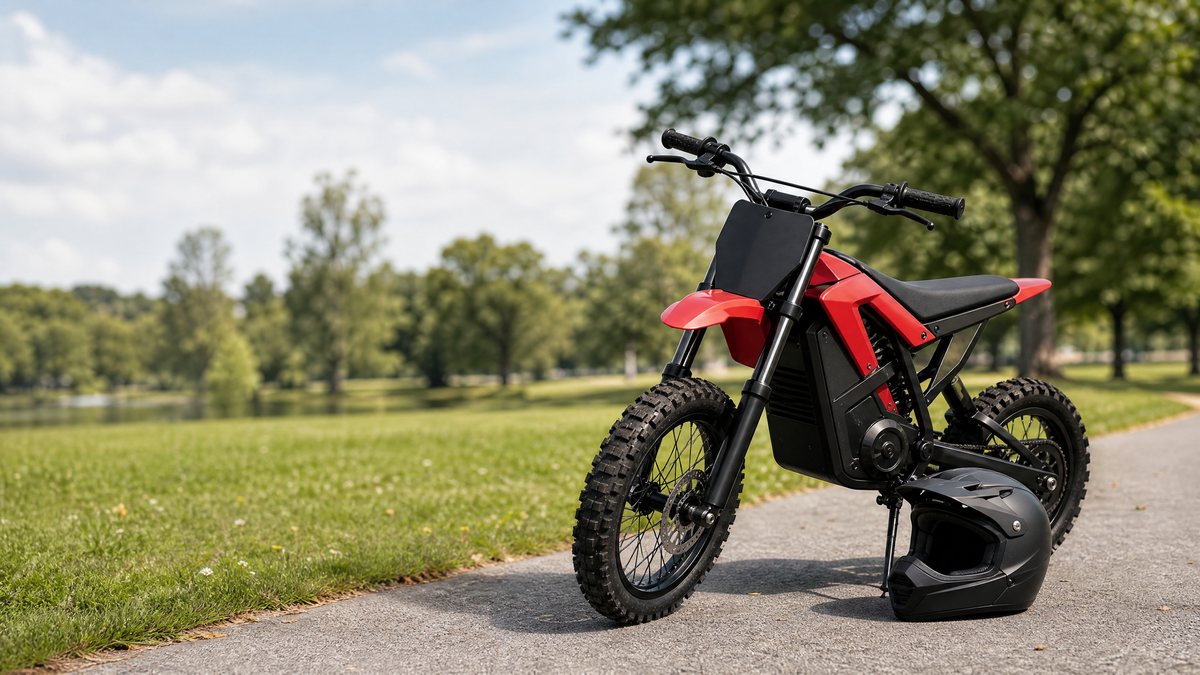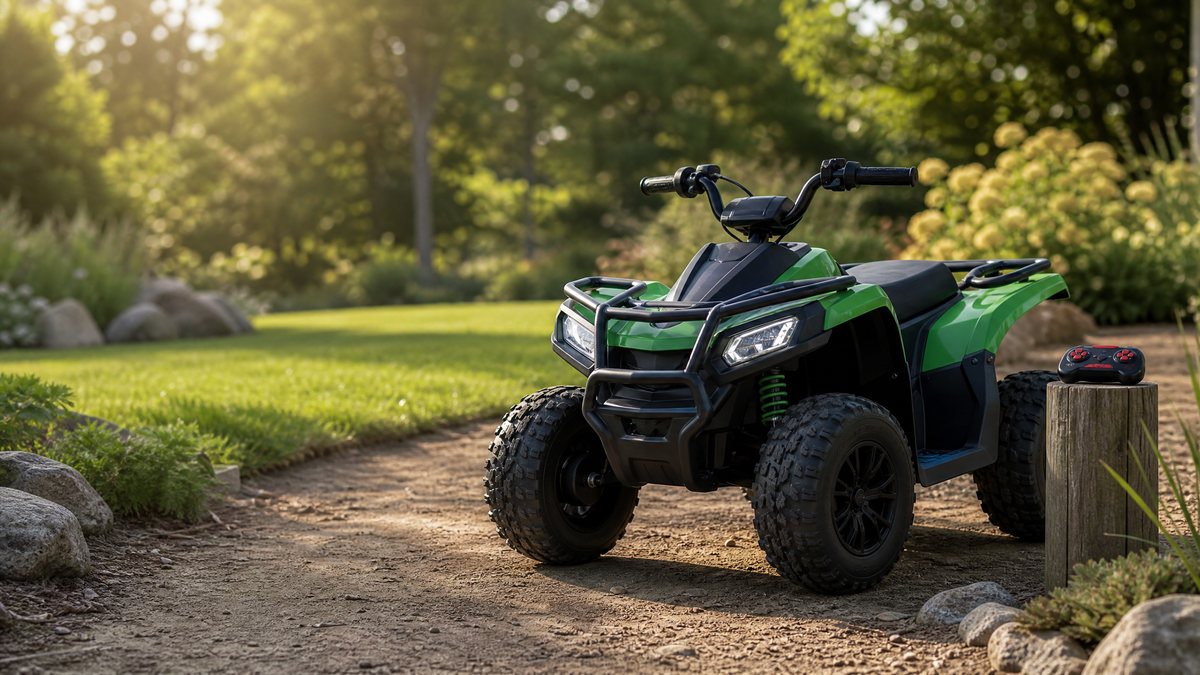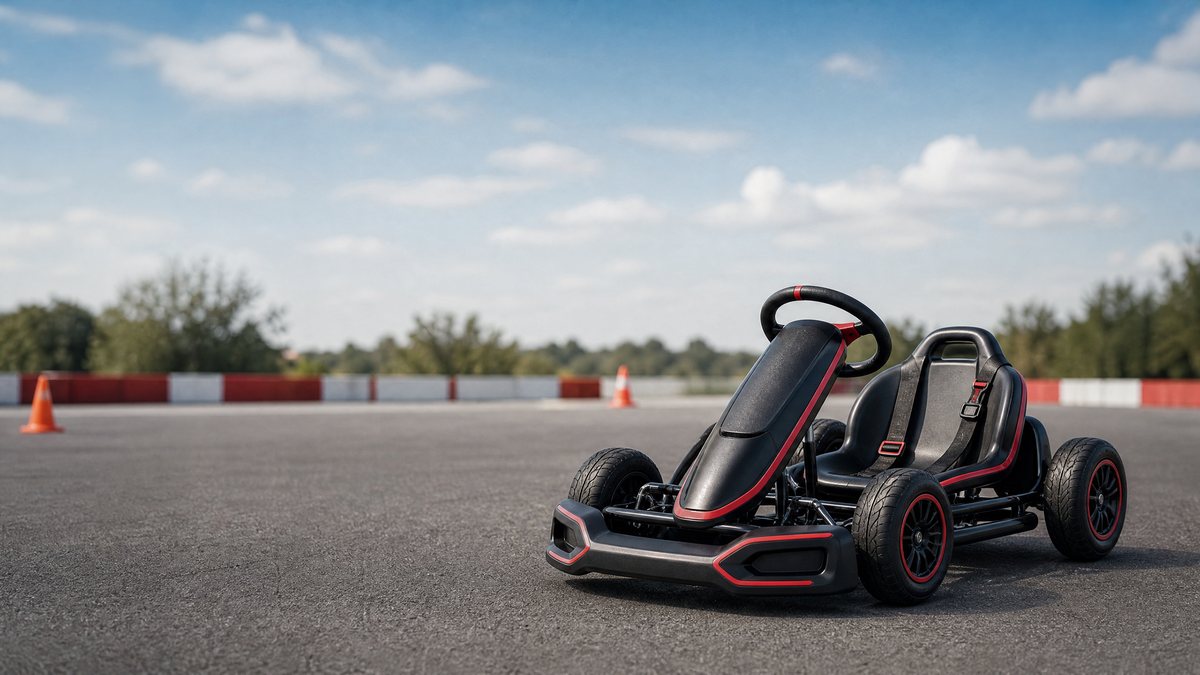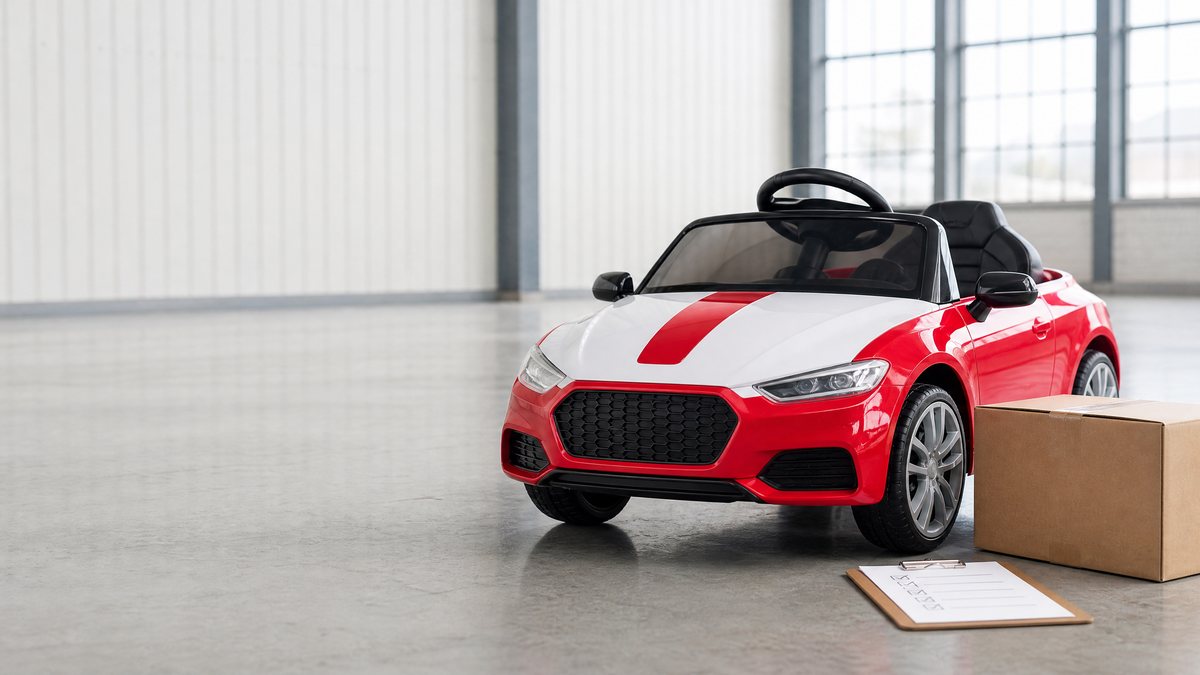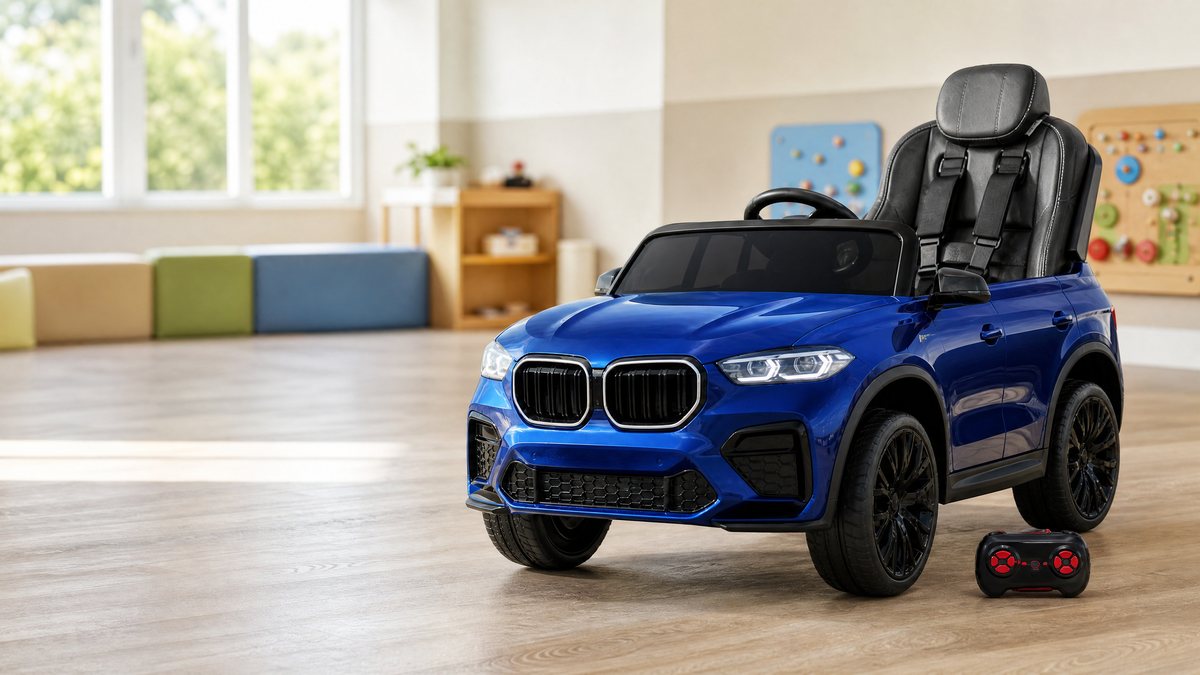
In contemporary early childhood education, play is universally recognized as the primary vehicle through which young children learn, explore, and master fundamental physical, cognitive, and social skills. Early learning centers, kindergarten campuses, and preschool facilities continually seek innovative playground equipment and outdoor play enhancements that engage children while actively promoting physical literacy. Among the diverse array of gross motor apparatuses available to modern educators, electric and pedal ride-on vehicles have emerged as dynamic additions to kindergarten play areas. When integrated thoughtfully into structured outdoor curricula, these vehicles provide children with engaging opportunities to refine spatial awareness, balance, coordination, gross motor control, and cooperative social play within a controlled, supportive institutional environment.
However, introducing motorized and non-motorized ride-on cars into commercial and institutional preschool settings requires careful planning, robust safety protocols, rigorous supervision frameworks, administrative oversight, and strict adherence to manufacturer guidelines. Facility directors, educators, and B2B wholesale buyers must evaluate how these assets fit into daily routines, surface requirements, supervision ratios, and fleet maintenance schedules. This comprehensive guide examines the pedagogical value, operational integration, safety management, group dynamics, facility maintenance, and procurement considerations associated with utilizing ride-on cars in kindergarten environments.
Pedagogical Value and Supervised Motor Skill Development
The physical development of children aged three to six years old is characterized by rapid advancements in gross motor coordination, balance, core stability, and directional control. Utilizing ride-on cars within a supervised kindergarten play area supports these developmental milestones in several distinct and measurable ways. Steering a steering wheel, operating foot pedals or dashboard accelerator switches, and navigating around playground structures or designated tracks require bilateral coordination, visual-motor integration, and reactive decision-making.
Pedagogical observation suggests that structured interactions with ride-on vehicles may support children in developing spatial awareness, depth perception, and environmental orientation. As children maneuver through sweeping turns, reverse away from boundary markers, and judge distances between peers, they actively engage cognitive mapping skills. Furthermore, maneuvering these vehicles encourages core muscle strength, lower limb power, endurance, and vestibular balance. Educators often observe that children who engage in active, supervised vehicular play exhibit improved posture, spatial confidence, and physical self-regulation within open play spaces.
It is important for educators and childcare providers to approach these activities as supportive elements of a balanced physical education program rather than guaranteed therapeutic solutions. All activities involving ride-on cars must be conducted under continuous adult supervision, ensuring that children participate at their own comfort level and in accordance with specific instructional guidelines provided in the manufacturer manuals.
Integrating Electric Ride-On Cars into Structured Outdoor Play
To maximize the developmental and recreational benefits of ride-on cars in a kindergarten setting, early childhood facilities typically establish structured play routines rather than relying on unstructured, chaotic free-for-alls. Structured play integration involves designated driving zones, traffic loops, and scheduled rotation periods that teach children sharing, turn-taking, patience, and basic observational safety rules.
Kindergarten play areas are often partitioned into distinct operational zones that accommodate different activity levels and pedagogical goals. Quiet zones for sensory exploration and block building are separated from active gross motor zones where tricycles, push cars, and electric ride-on vehicles operate. By establishing clear pathways, directional arrows, and simulated pedestrian crossings on asphalt or rubberized playground surfaces, educators transform physical play into an interactive learning environment that mirrors community traffic concepts and promotes rule-following behavior.
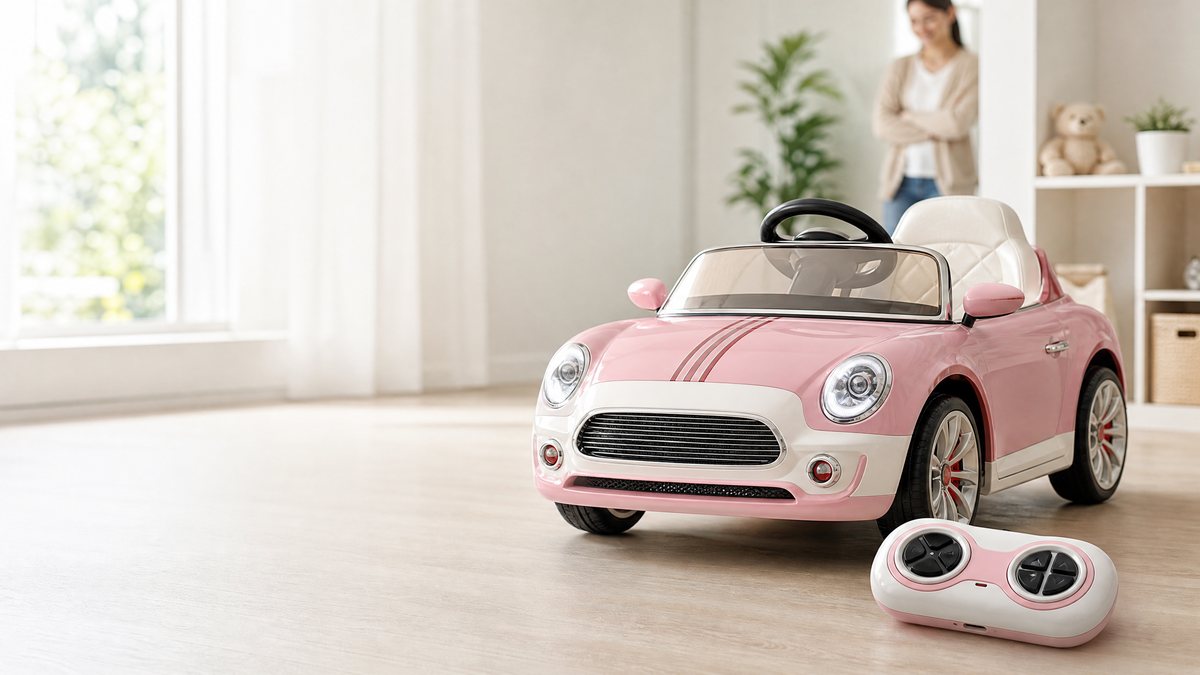
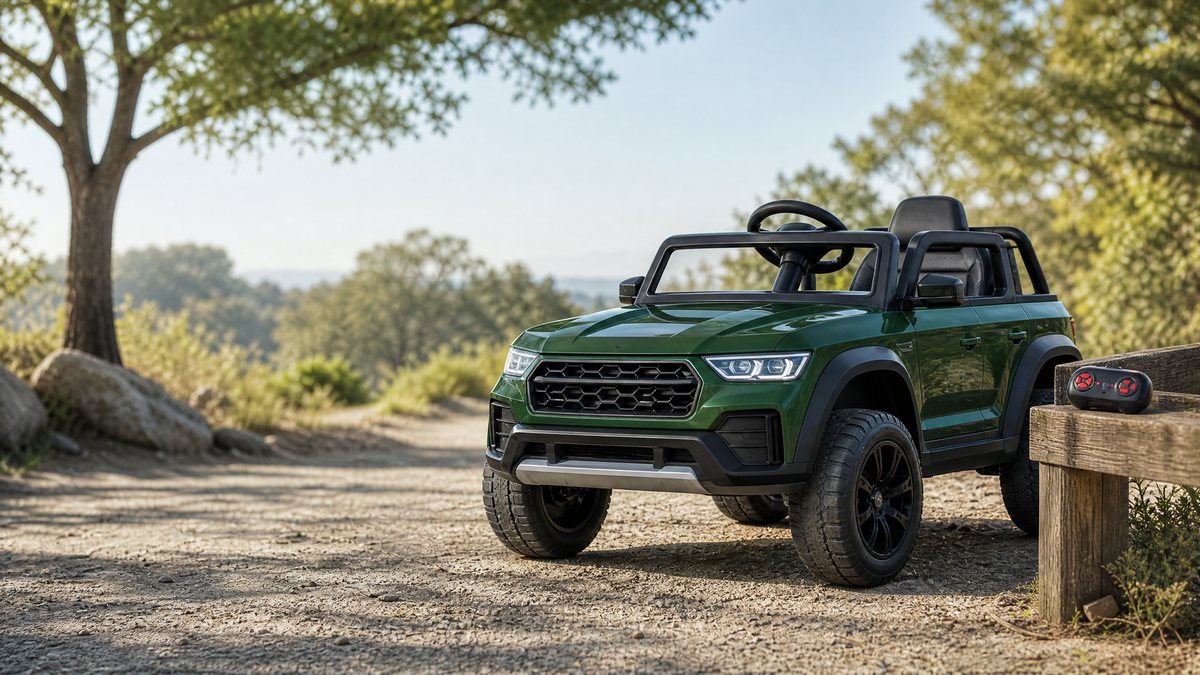
When specific vehicle models are equipped with features such as remote control overrides, adjustable speed limits, or soft-start acceleration systems (as detailed in individual vehicle specifications), educators and designated staff retain administrative control over the pace and safety of play. This allows teachers to moderate vehicle speeds according to group size, weather conditions, and individual children's familiarity with the equipment, ensuring that every child experiences a safe and enjoyable play session.
| Play Area Zone | Primary Equipment | Supervision Ratio | Recommended Surface |
|---|---|---|---|
| Active Transit Loop | Electric & Pedal Ride-On Cars | 1 Staff per 6-8 Children | Smooth Poured Rubber / Asphalt |
| Skill & Obstacle Course | Push Cars & Small Trikes | 1 Staff per 5 Children | Interlocking Rubber Tiles |
| Free Play Courtyard | General Playground Apparatus | 1 Staff per 10 Children | Synthetic Turf / Impact Mats |
| Maintenance & Staging | Charging Docks & Storage | Dedicated Facility Staff | Sealed Concrete / Covered Shed |
Commercial Durability, Fleet Management, and Facility Maintenance
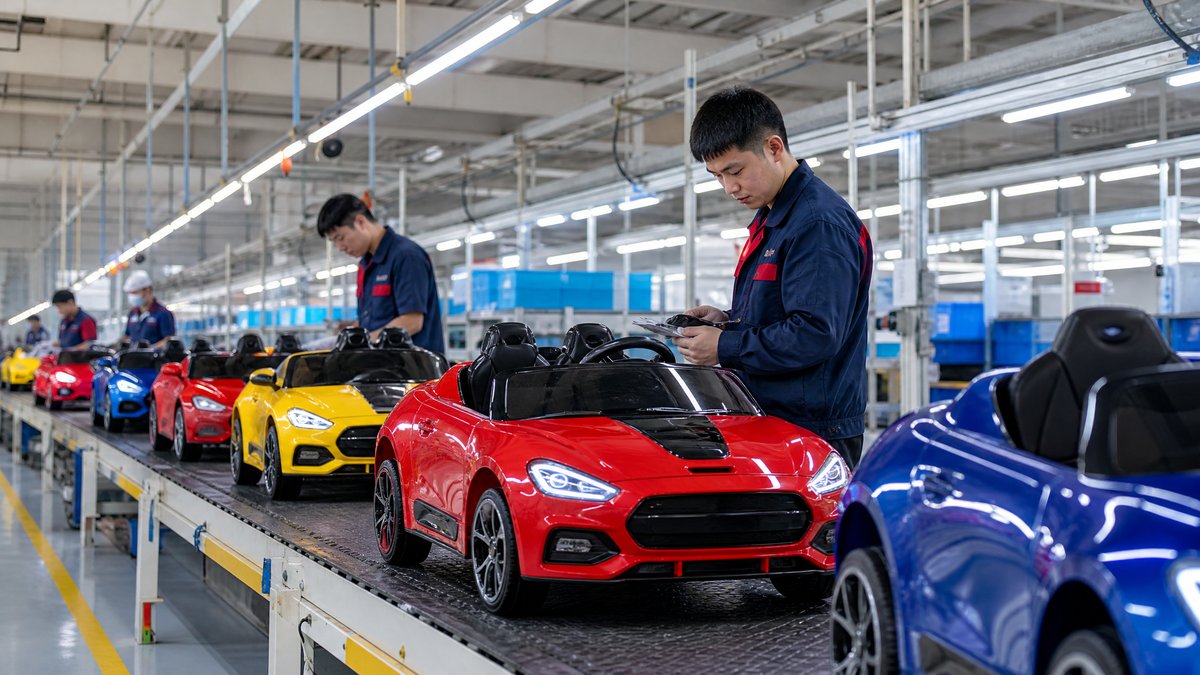
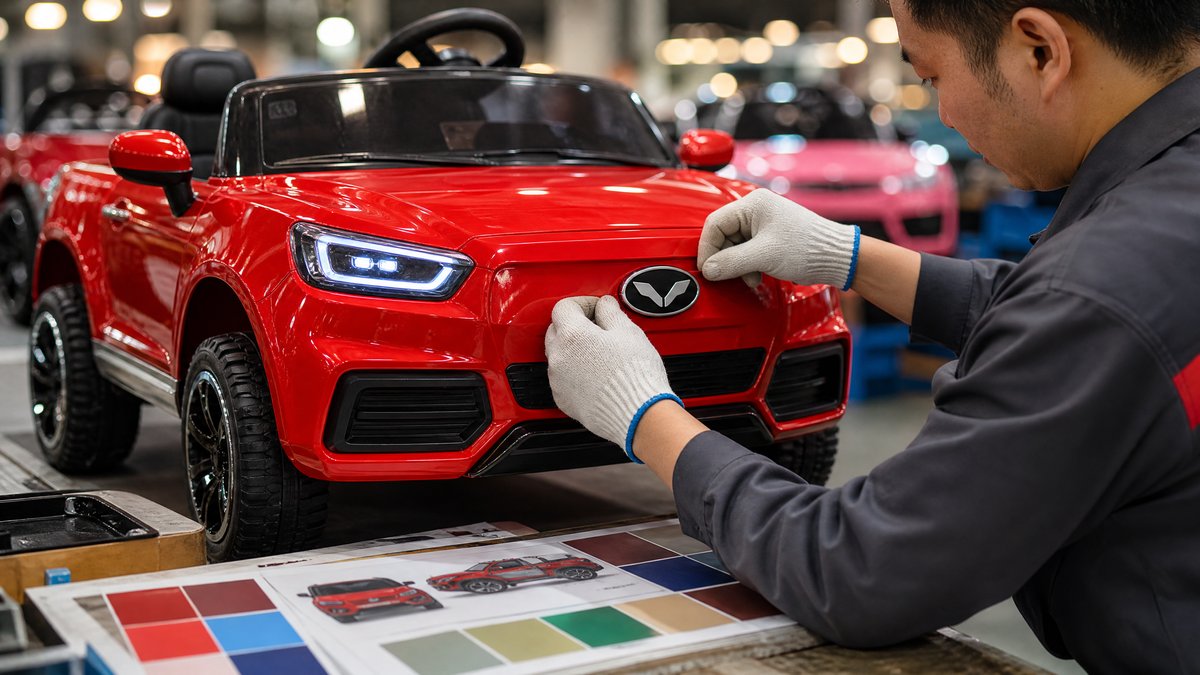
Kindergarten play areas demand equipment of significantly higher resilience than residential backyards. Institutional environments experience intensive daily usage, varying weather conditions, and exposure to diverse soil and moisture levels. Therefore, wholesale buyers and facility administrators sourcing ride-on cars for commercial preschool use must prioritize commercial-grade durability, robust frame construction, weather-resistant body panels, and ease of routine maintenance.
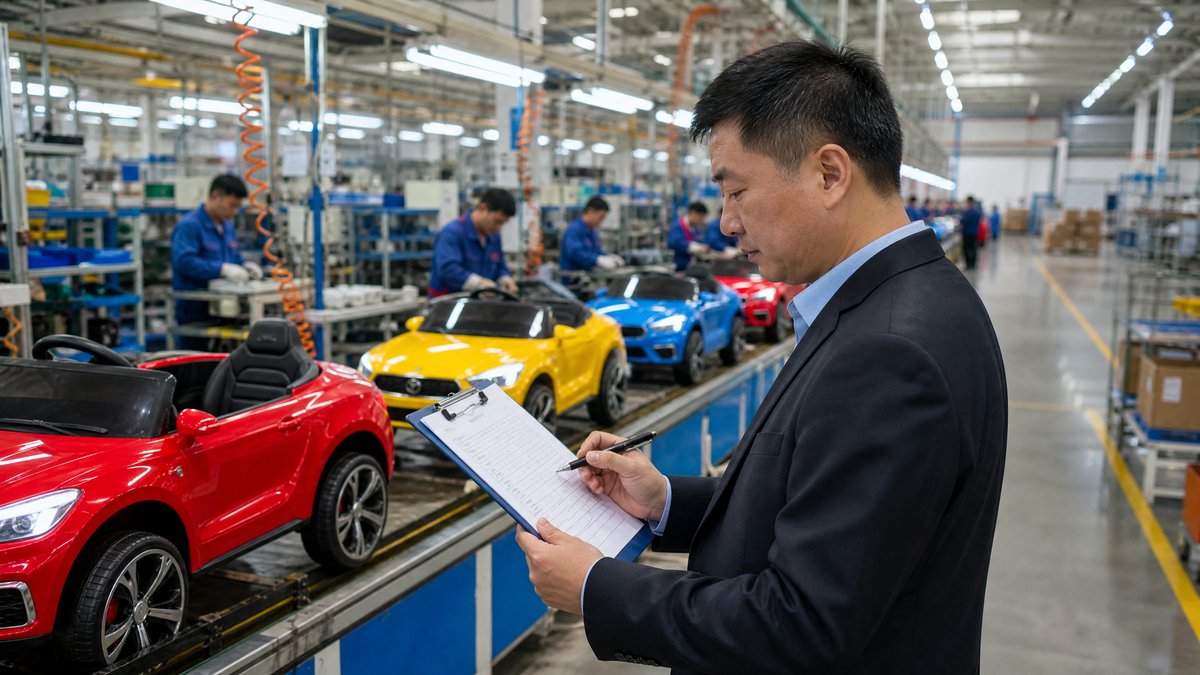
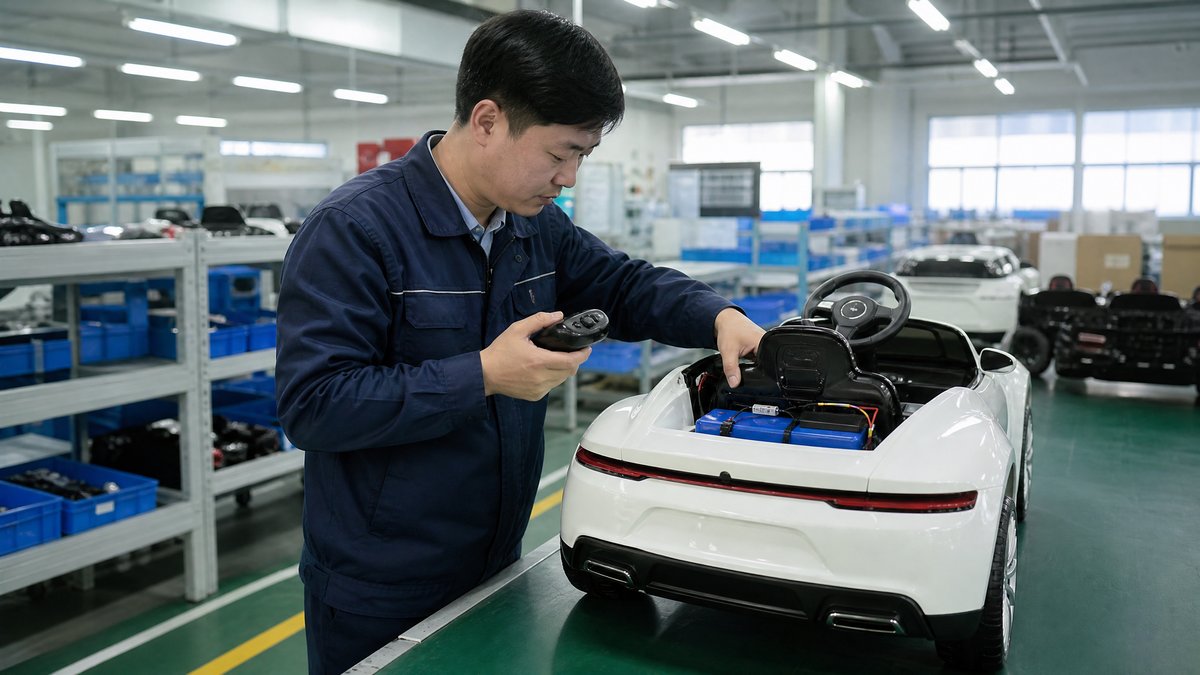
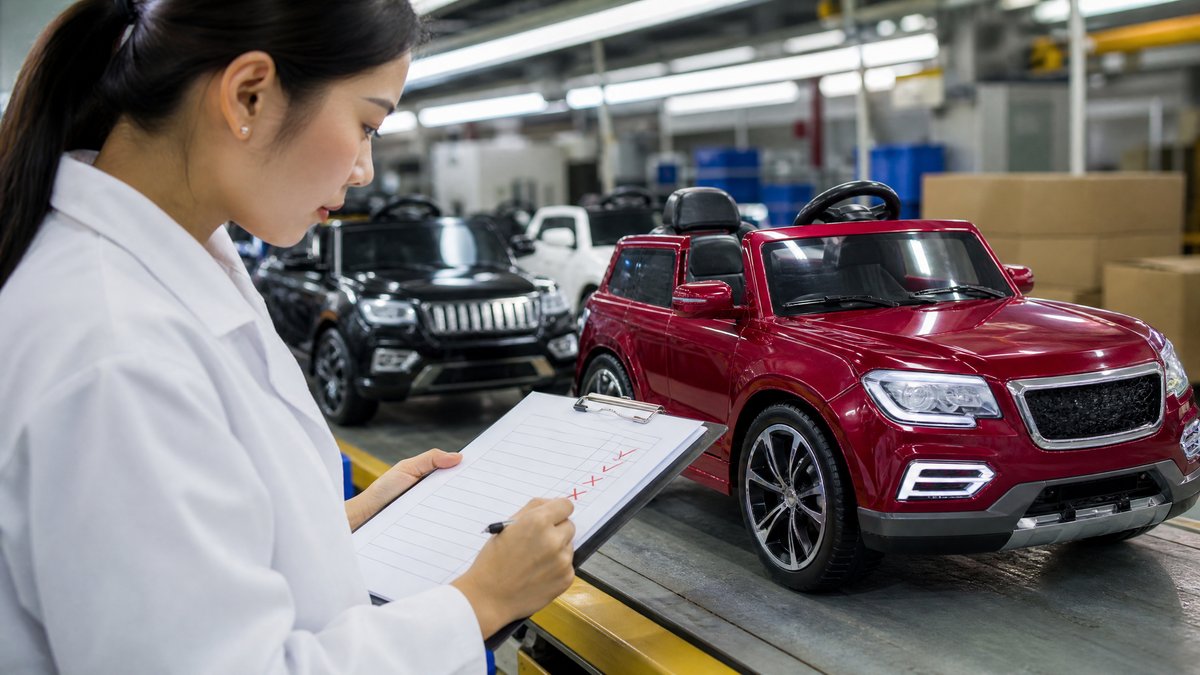
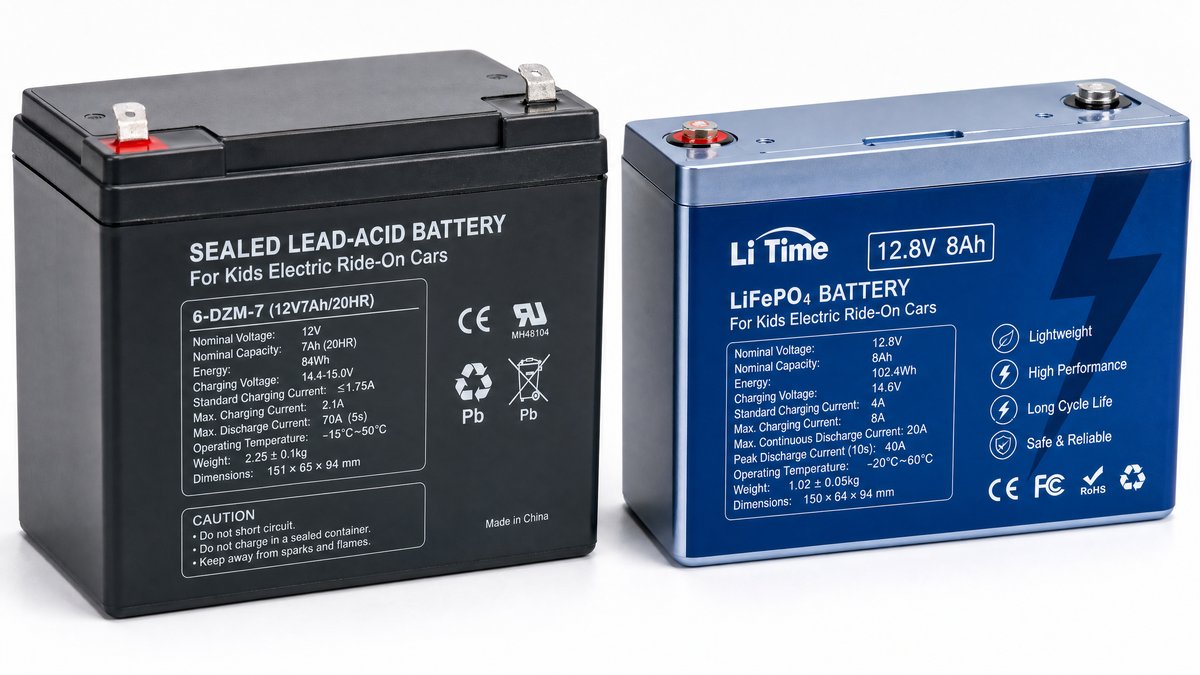
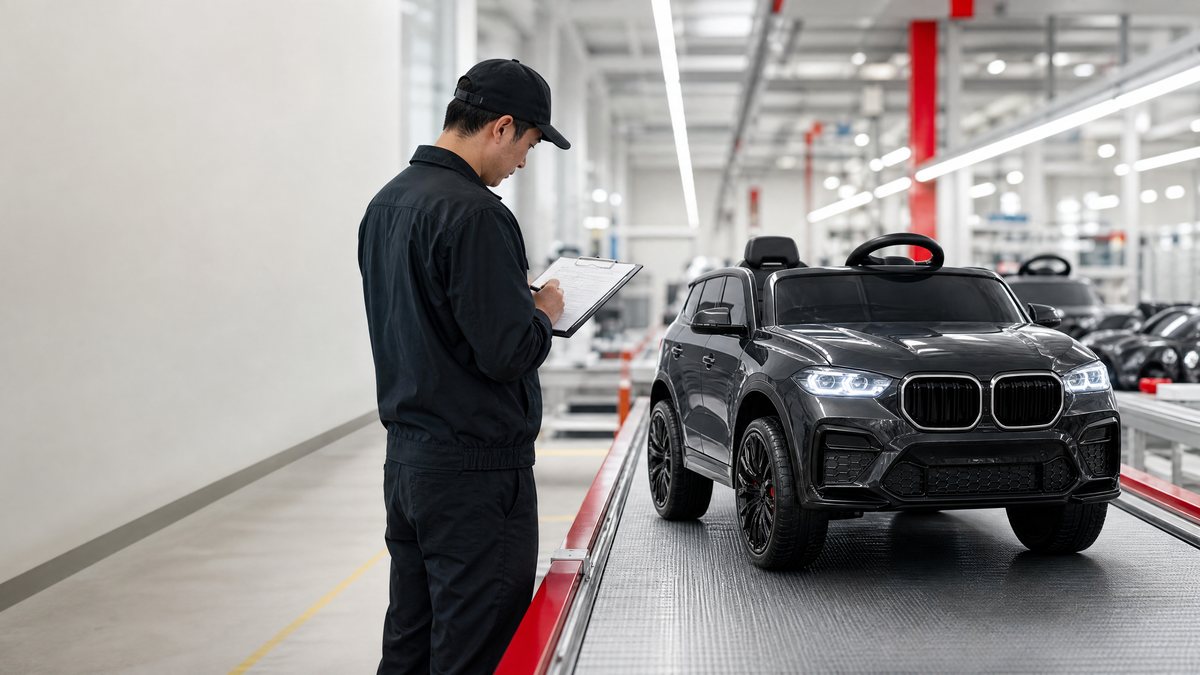
Fleet management in a kindergarten setting involves daily pre-use inspections, systematic battery recharging protocols, and routine cleaning of body panels and wheels. Designated maintenance staff should regularly inspect wheels for excessive wear, check steering linkage stability, and ensure that all external fasteners remain secure. For electric models, battery charging must be conducted in dedicated, well-ventilated staging areas away from children, strictly adhering to the charging parameters specified in the manufacturer documentation.
If any vehicle exhibits abnormal behavior—such as irregular braking responses, unusual motor noises, damaged wiring harnesses, or erratic power delivery—facility staff must immediately remove the unit from service, switch off the main power source, and secure it in a restricted maintenance area until qualified technical personnel can examine the equipment. Never attempt internal electronic repairs or modifications without explicit written authorization from the manufacturer.
Request a wholesale quote
Safety Protocols, Supervision Standards, and Manufacturer Guidelines
Safety is the paramount concern in any institutional kindergarten play area. Operating ride-on cars in the presence of multiple young children requires strict supervision frameworks, clear behavioral boundaries, and clearly communicated expectations. Educators must establish mandatory safety rules before children are permitted to operate any vehicle. These rules typically include mandatory helmet usage, remaining seated while the vehicle is in motion, maintaining a safe following distance from peers, and obeying designated stop signs or teacher whistle signals.
Adult supervision must be active and attentive at all times. Staff positioning should provide clear lines of sight across the entire play zone, eliminating blind spots where children might collide. In addition to supervising active play, facility directors must ensure that all vehicles are stored securely in weather-protected sheds or storage rooms overnight to prevent unauthorized access and exposure to precipitation.
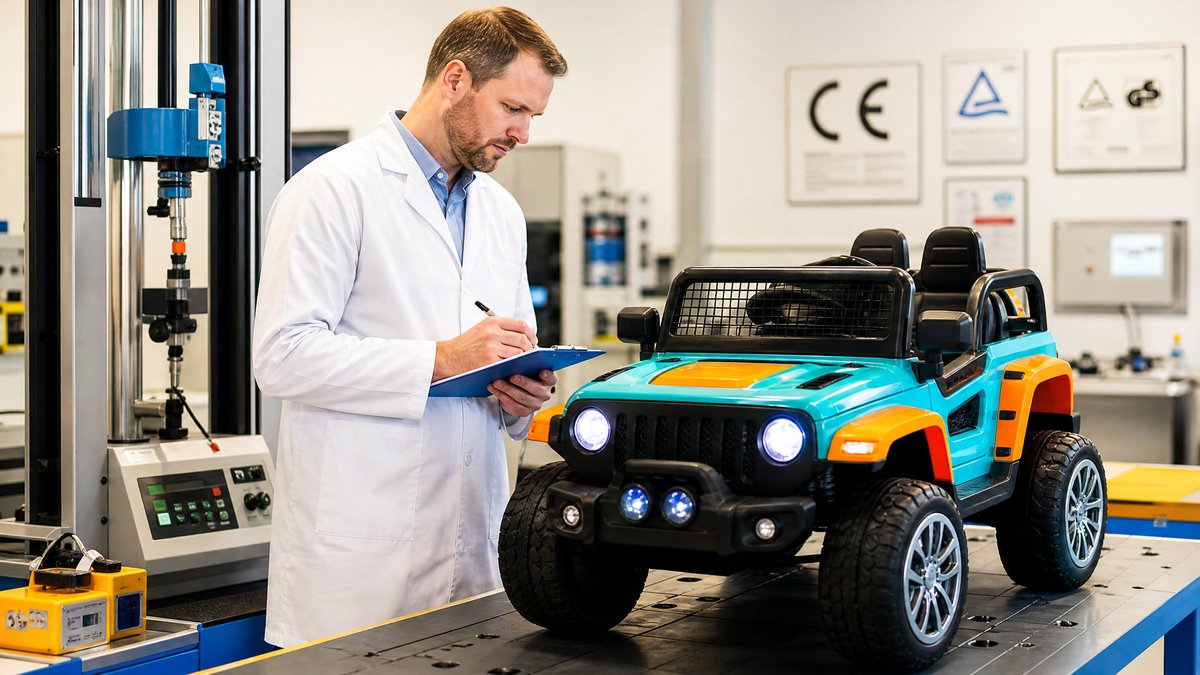
In accordance with established toy safety standards and guidelines published by consumer product safety authorities regarding general toy safety and playground apparatus usage, administrators are reminded that institutional play environments require rigorous risk management [1]. Manufacturer user manuals, rating plates, and safety warnings must be maintained on file and reviewed periodically by all teaching staff. Under no circumstances should non-standard parts, unapproved batteries, or unauthorized mechanical modifications be introduced to any vehicle, as such actions may compromise structural integrity and void compliance certifications.
Social Cooperation and Group Dynamics in Preschool Settings
Beyond individual motor skill acquisition, ride-on car play sessions in kindergartens offer valuable opportunities for fostering social-emotional development and cooperative peer interactions. In a typical preschool classroom, children are actively learning how to share limited resources, negotiate turns, and respect communal boundaries. When ride-on vehicles are introduced as shared institutional assets rather than individual personal toys, children naturally encounter scenarios that require communication and compromise.
Teachers often organize group activities where children take turns serving as drivers, pedestrians, or traffic crossing monitors. This role-playing structure enhances empathy and situational awareness, as children experience different perspectives within the simulated street grid. Furthermore, cooperative play encourages verbal communication as children discuss driving routes, coordinate movements around shared obstacles, and encourage their classmates. Educators observe that such structured social play helps reduce conflicts over equipment while strengthening classroom cohesion and peer bonding.
To maintain a harmonious play environment, early learning centers establish transparent rotation schedules and equitable sharing protocols. When children understand that vehicle usage time is fairly distributed, anxiety over resource scarcity diminishes, allowing them to focus entirely on the enjoyment of movement and imaginative play.
Procurement Considerations for Early Learning Centers and Distributors
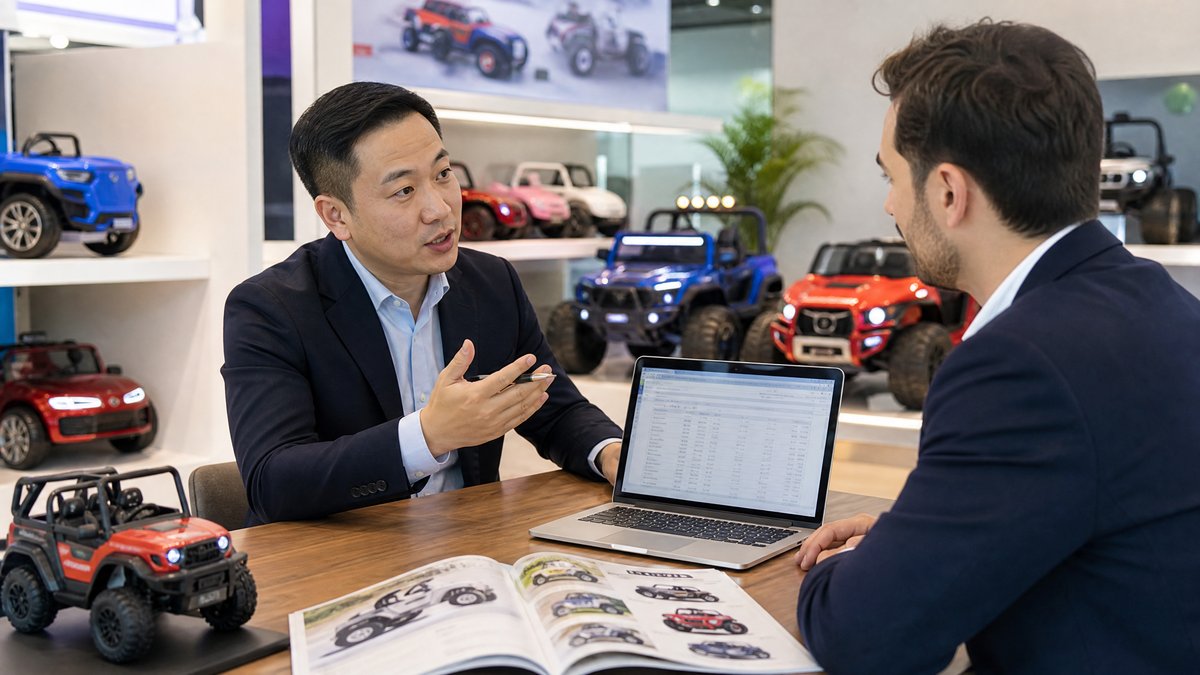
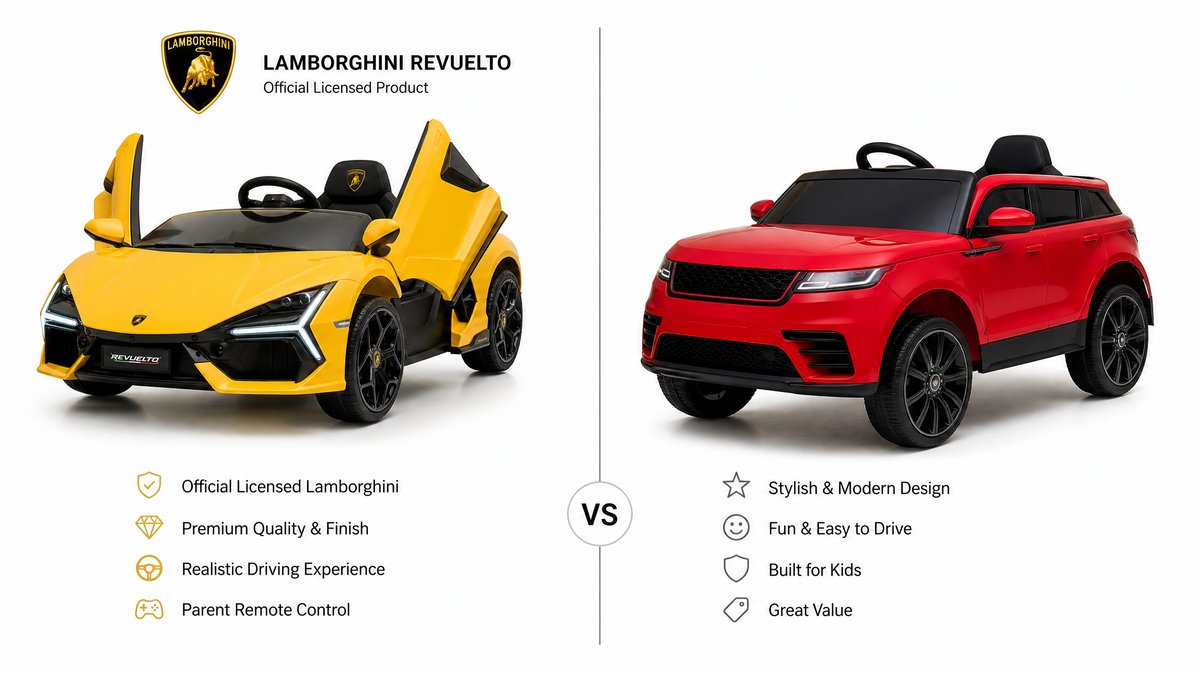
For B2B buyers, early learning center administrators, and international toy distributors, sourcing ride-on cars for kindergarten applications involves evaluating specific commercial criteria. Unlike retail consumers who purchase single units for individual home use, institutional buyers must consider bulk consistency, spare parts availability, warranty coverage terms, batch testing documentation, and compliance with regional safety directives such as EN71 or ASTM F963 standards (subject to specific model documentation and batch verification).
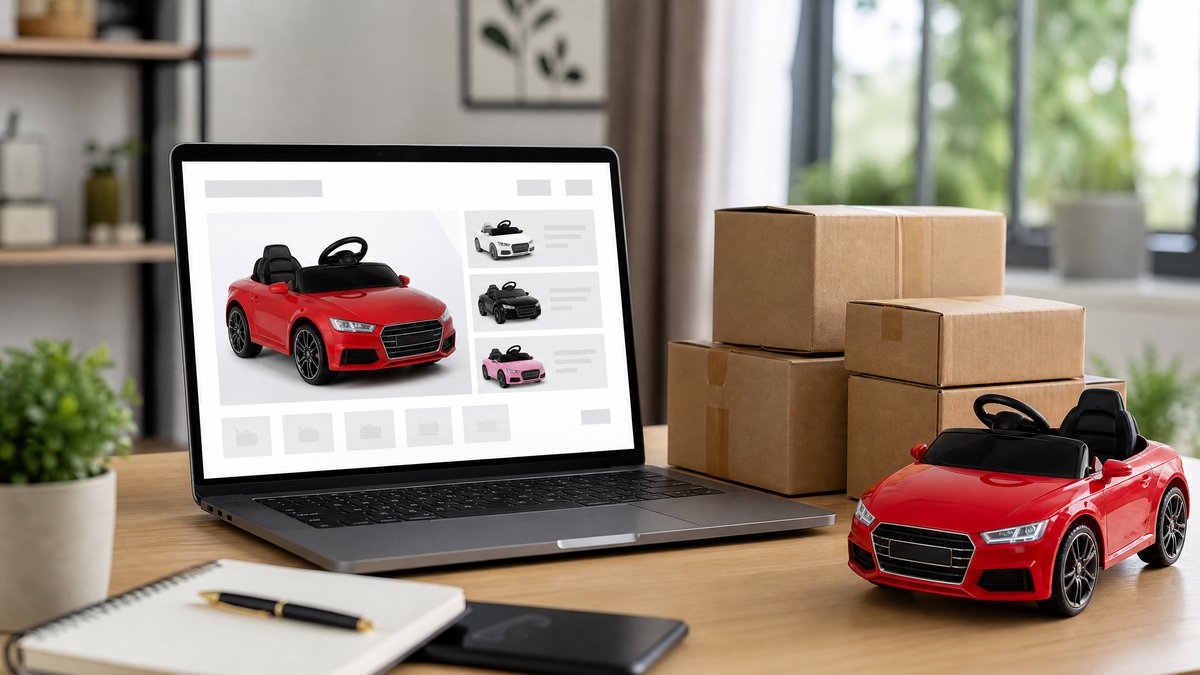
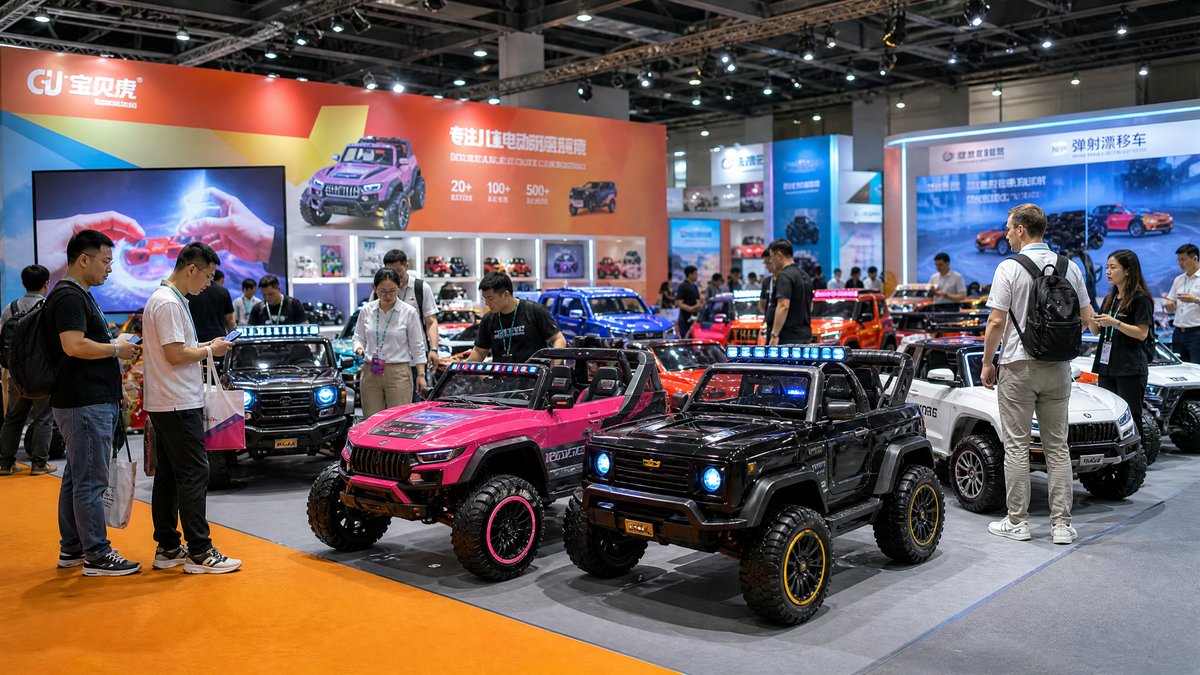
When reviewing supplier catalogs, procurement teams should request comprehensive technical data sheets, compliance declarations, assembly guides, and maintenance manuals. It is essential to verify that selected models feature stable wheel bases, appropriate ground clearance for outdoor playground surfaces, secure battery compartments with tamper-resistant closures, and reliable braking mechanisms. Sourcing from reputable manufacturers ensures that replacement parts—such as drive motors, switches, wheels, and chargers—remain readily accessible over the multi-year lifecycle of the institutional fleet. Furthermore, establishing direct wholesale partnerships ensures transparent pricing, reliable shipping schedules, and dedicated customer service for ongoing institutional requirements.
Furthermore, distributors supplying kindergartens should offer comprehensive after-sales support, clear warranty frameworks, and transparent guidance on assembly and operational best practices. Establishing a direct dialogue with manufacturers helps facility directors align their equipment purchases with local licensing requirements, municipal playground codes, and educational safety standards. Institutional buyers should also evaluate supplier reliability, spare parts inventory depth, logistical capabilities, and comprehensive warranty support to ensure seamless long-term fleet expansion, absolute operational continuity, and enduring educational value across diverse campus locations and regional distribution networks.
Frequently Asked Questions (FAQ)
What age group is most appropriate for ride-on cars in kindergarten play areas?
Ride-on cars in kindergarten settings are generally suitable for children aged three to six years old, depending on the specific model's dimensions, weight capacity, and control mechanism. Educators must always consult the manufacturer's rating plate and user manual to match vehicle specifications with the developmental stage and physical size of the children.
How can educators maintain safety during busy outdoor play sessions?
Maintaining safety requires low child-to-staff ratios, clearly demarcated driving lanes, mandatory helmet policies, and continuous active supervision. Establishing predictable traffic rules, such as one-way loops and designated stopping zones, helps prevent collisions and encourages orderly, cooperative play among children.
What surface types are best suited for operating ride-on cars outdoors?
Smooth, level surfaces such as poured-in-place rubber flooring, high-density interlocking rubber tiles, or well-maintained asphalt are ideal for ride-on car operation. Rough gravel, deep sand, muddy terrain, or steep slopes should be avoided to prevent traction loss, tipping hazards, and excessive mechanical wear.
How should institutional facilities handle routine maintenance and battery care?
Facility staff should perform daily visual checks of wheels, steering assemblies, and body panels. Electric models require systematic charging schedules using only the designated manufacturer-supplied charger in a dry, ventilated area. If any electrical or mechanical defect is detected, the vehicle must be taken out of service immediately and inspected by qualified personnel.
Conclusion
Integrating ride-on cars into kindergarten play areas offers early childhood educators a powerful pedagogical tool for fostering gross motor development, spatial awareness, and cooperative social interaction. By combining durable commercial-grade vehicle selection with structured play routines, attentive adult supervision, and rigorous maintenance protocols, early learning facilities can provide safe, enriching, and memorable outdoor play experiences for every single child in their care. Wholesale buyers, institutional facility directors, and educational distributors seeking to equip kindergarten campuses with reliable ride-on vehicle fleets should prioritize uncompromising safety standards, robust mechanical construction, and strict manufacturer compliance.
Request a wholesale quote
Official References
1. U.S. Consumer Product Safety Commission (CPSC). Safety Education and Playground Equipment Guidelines for Educational Facilities. Available from official CPSC educational publications and regional toy safety directives. Note: These general educational resources complement but do not replace specific manufacturer instructions, safety labels, and product certification documents.
Official references
Explore these external resources for current regulatory and trade guidance. Confirm requirements with the relevant authority before placing an order.
Ready to Start?
Factory-Direct · CE & ASTM Certified · MOQ from 50 Units
Our export team works with buyers in 60+ countries. Get a quote within 24 hours.
KR
Written by KidsRideCar
China's leading kids electric ride-on car manufacturer. 500,000+ units shipped annually to 60+ countries. CE, ASTM & EN71 certified.