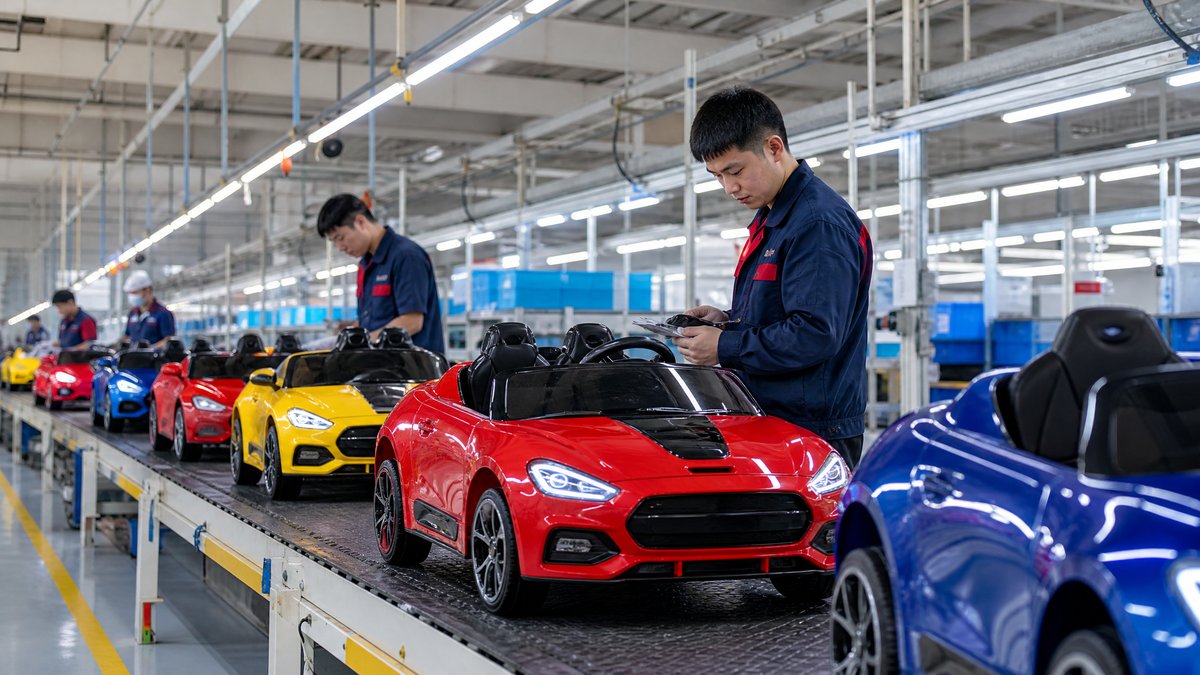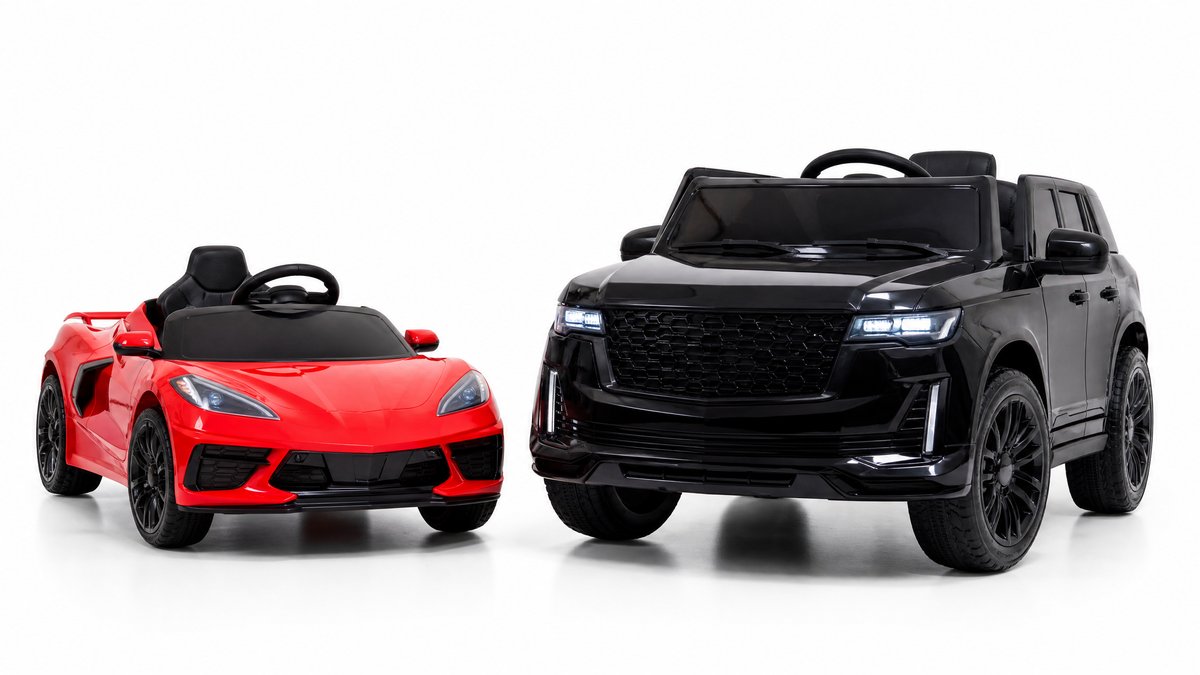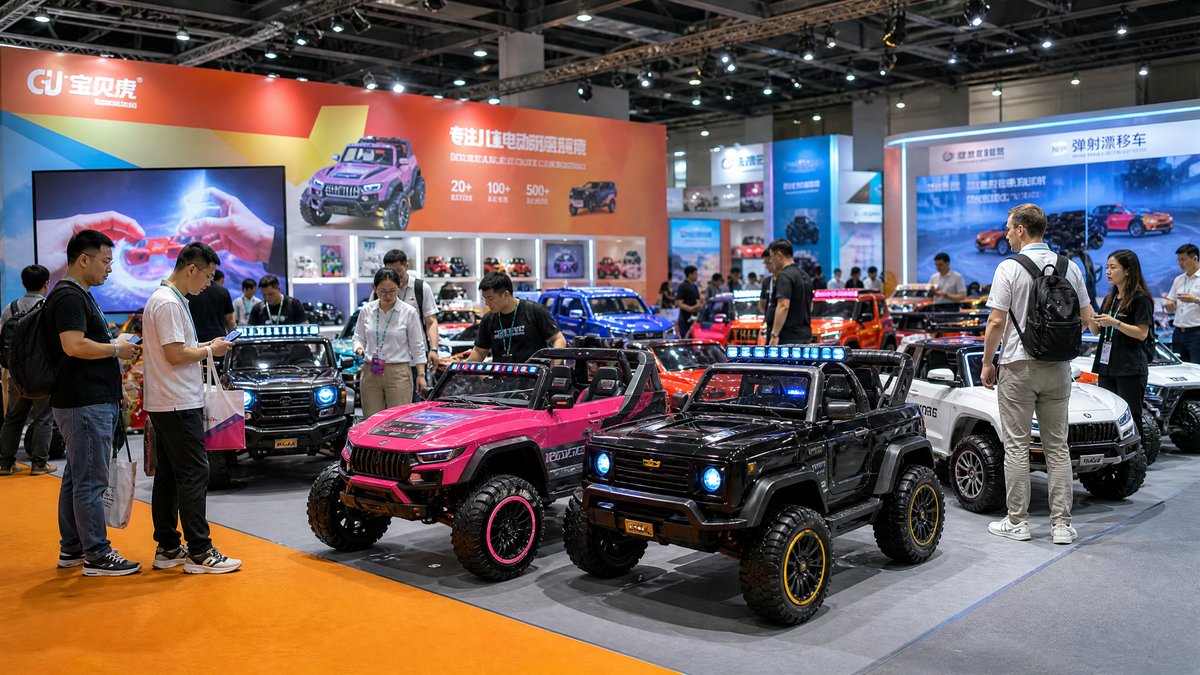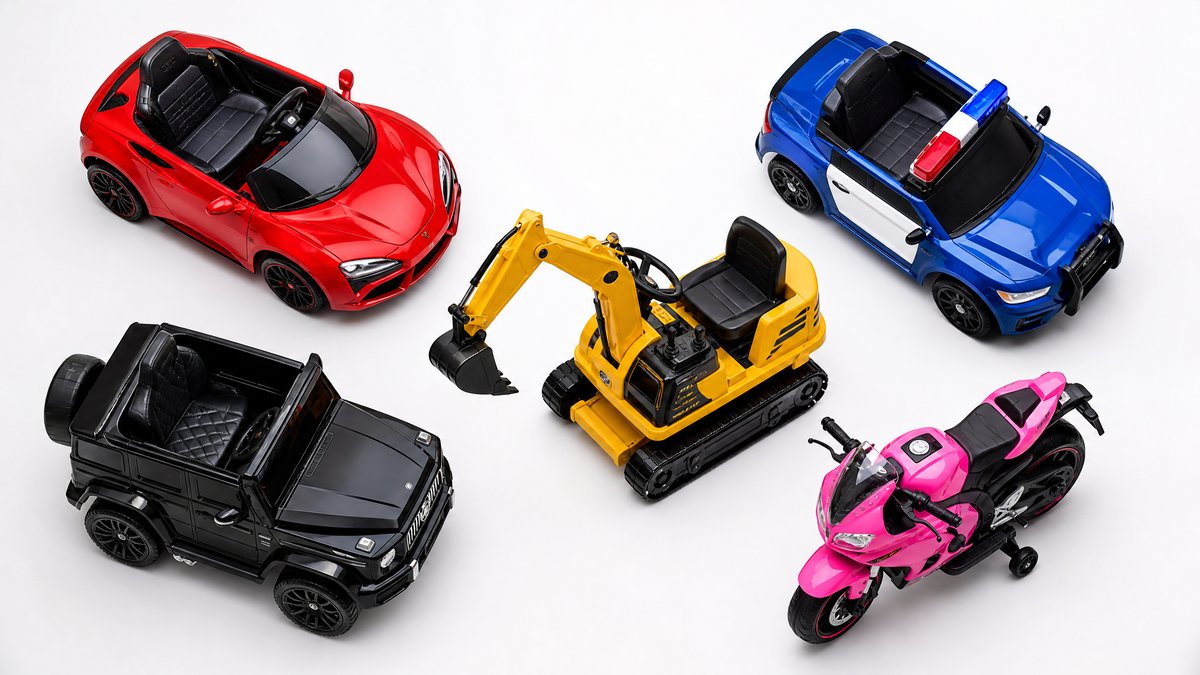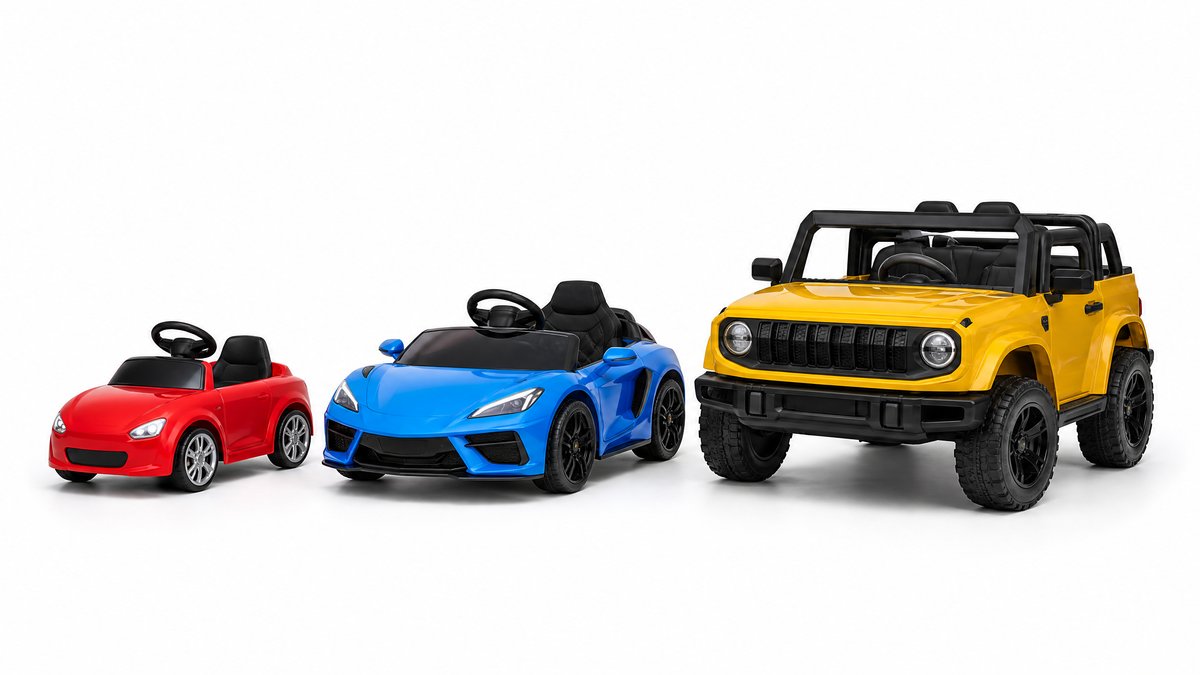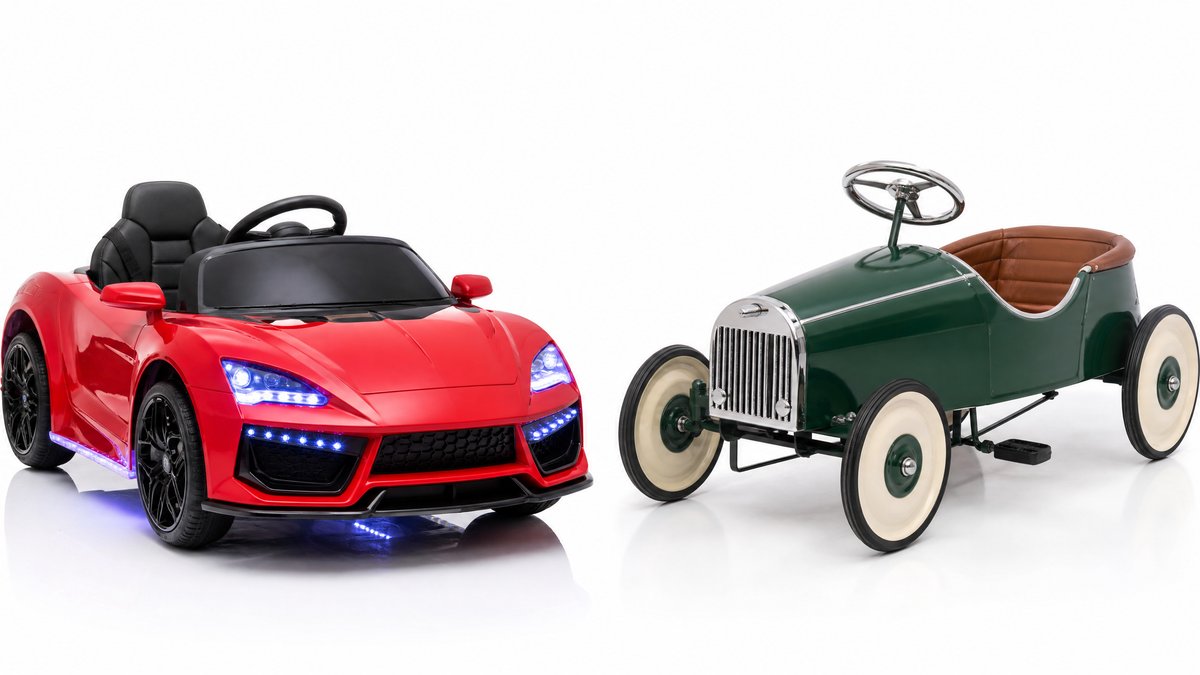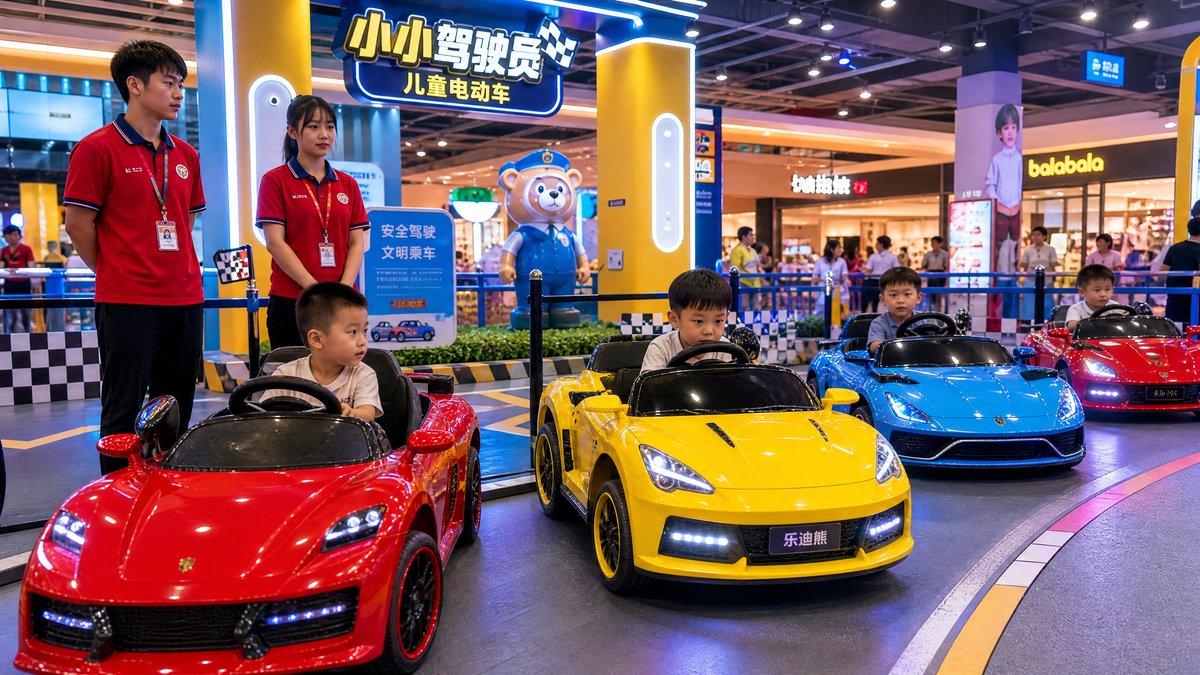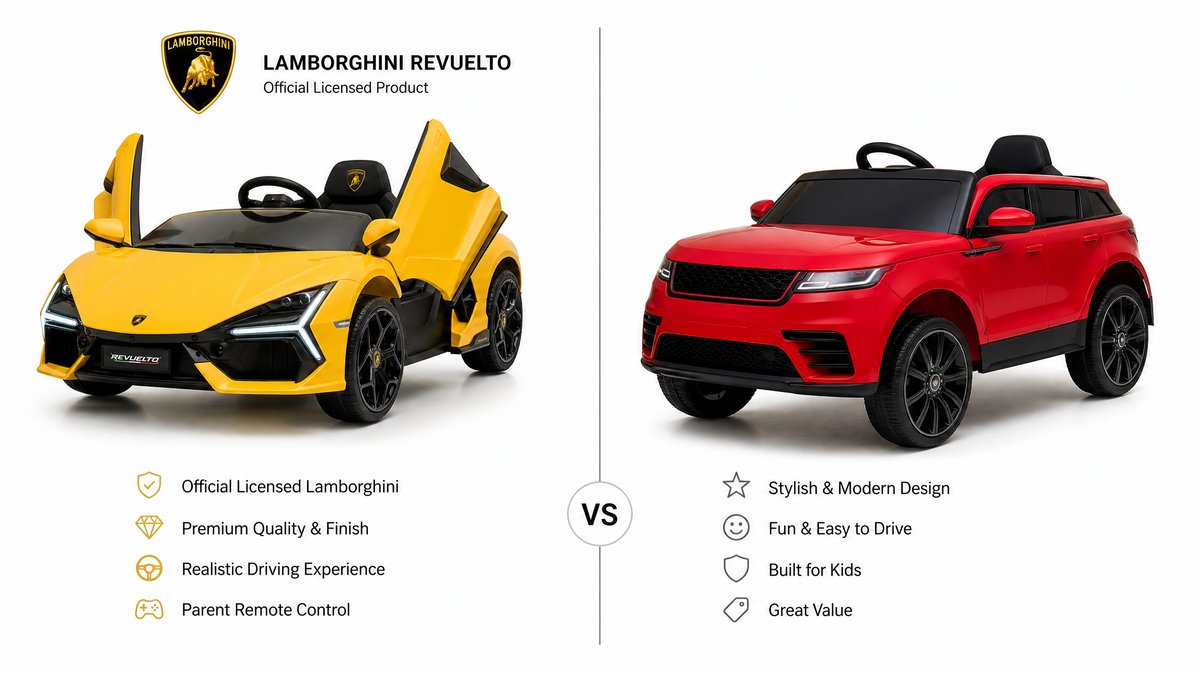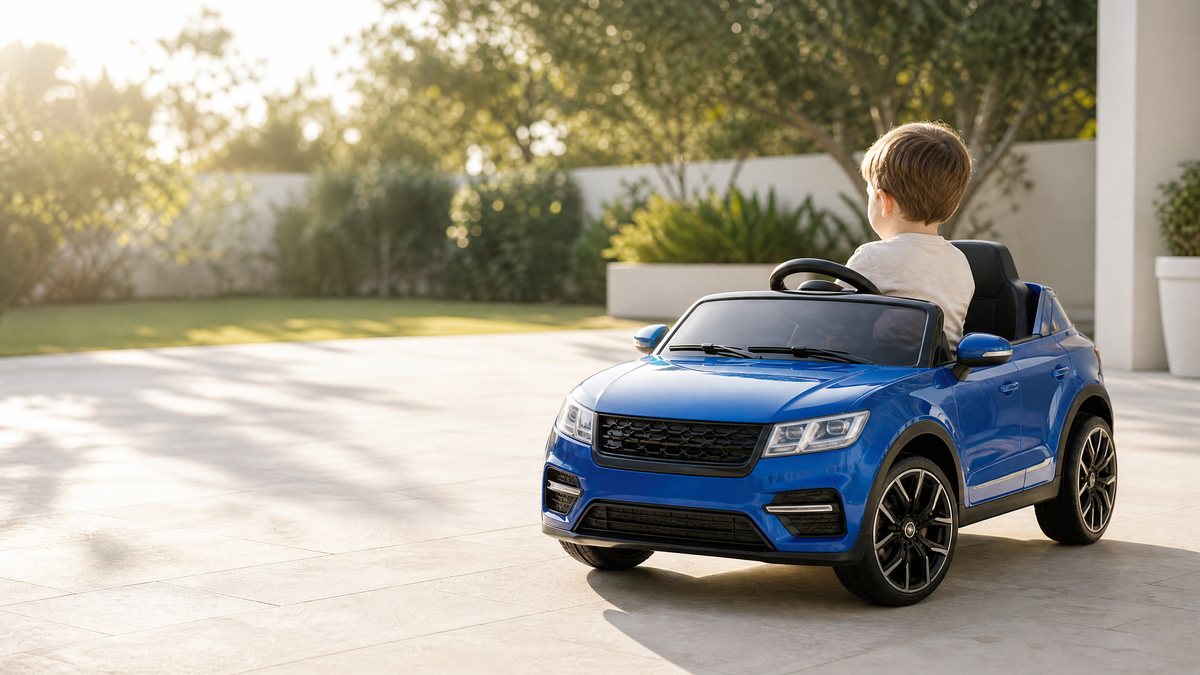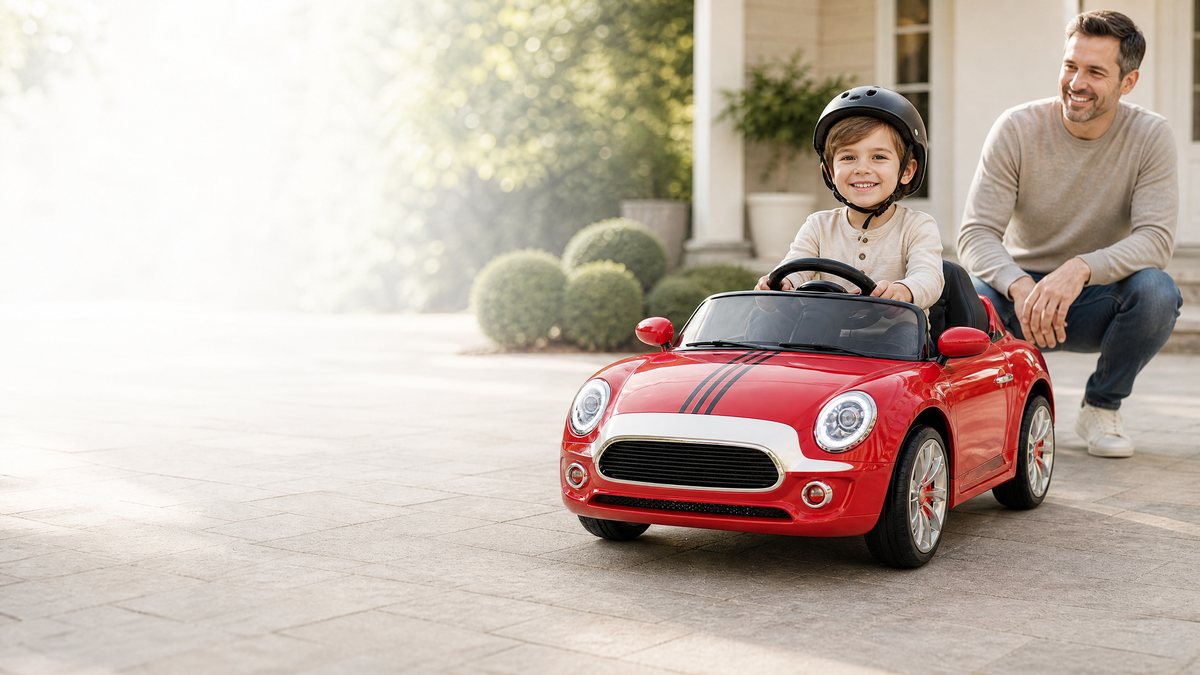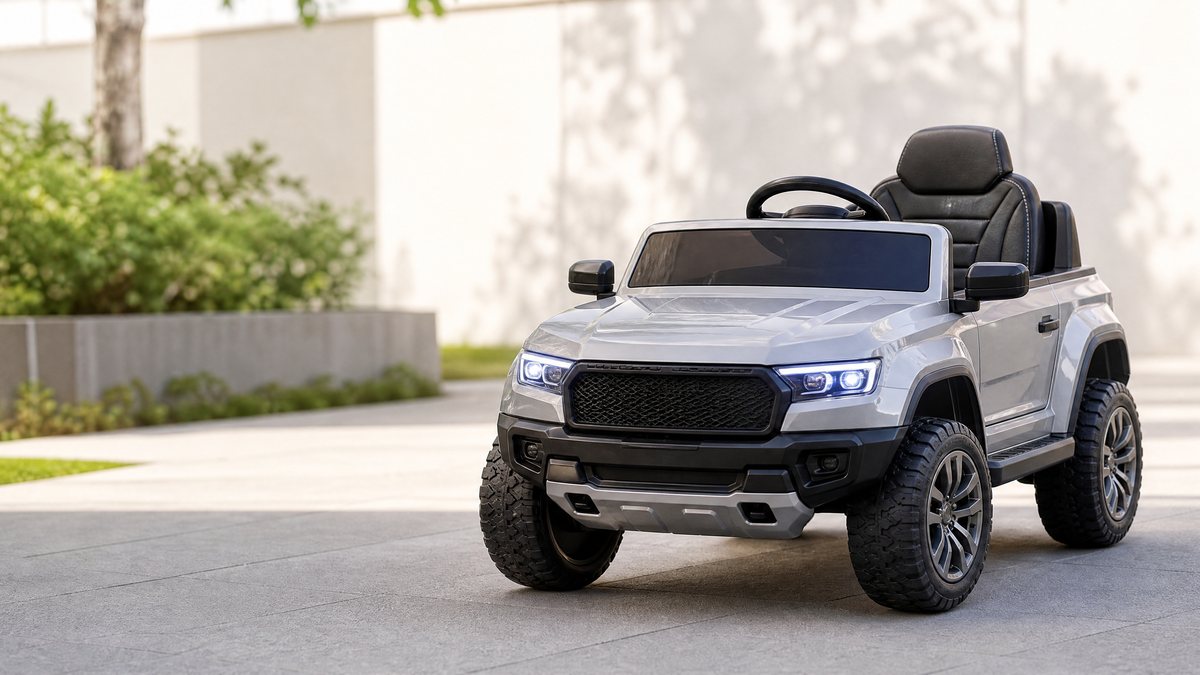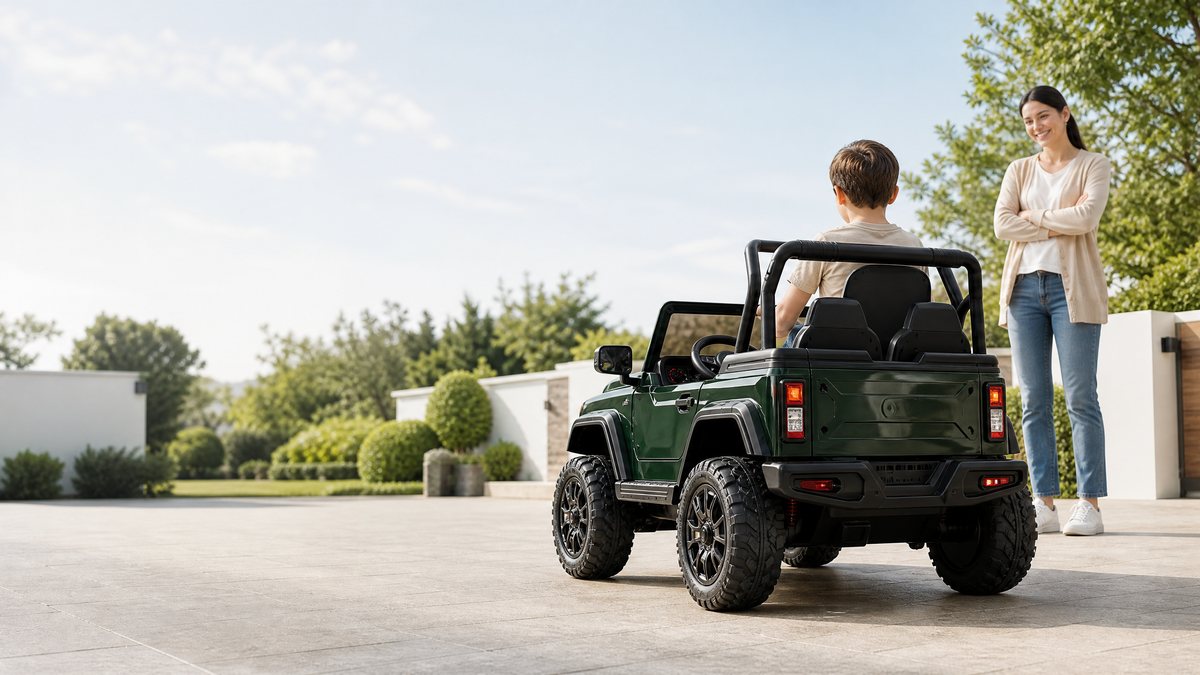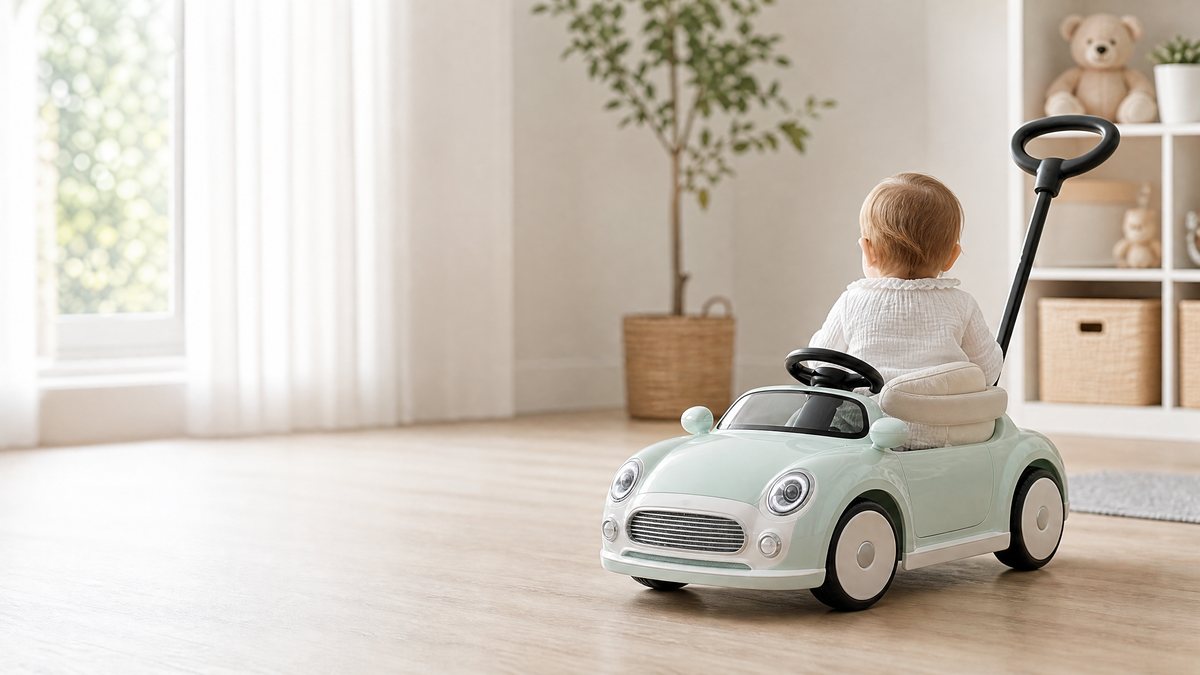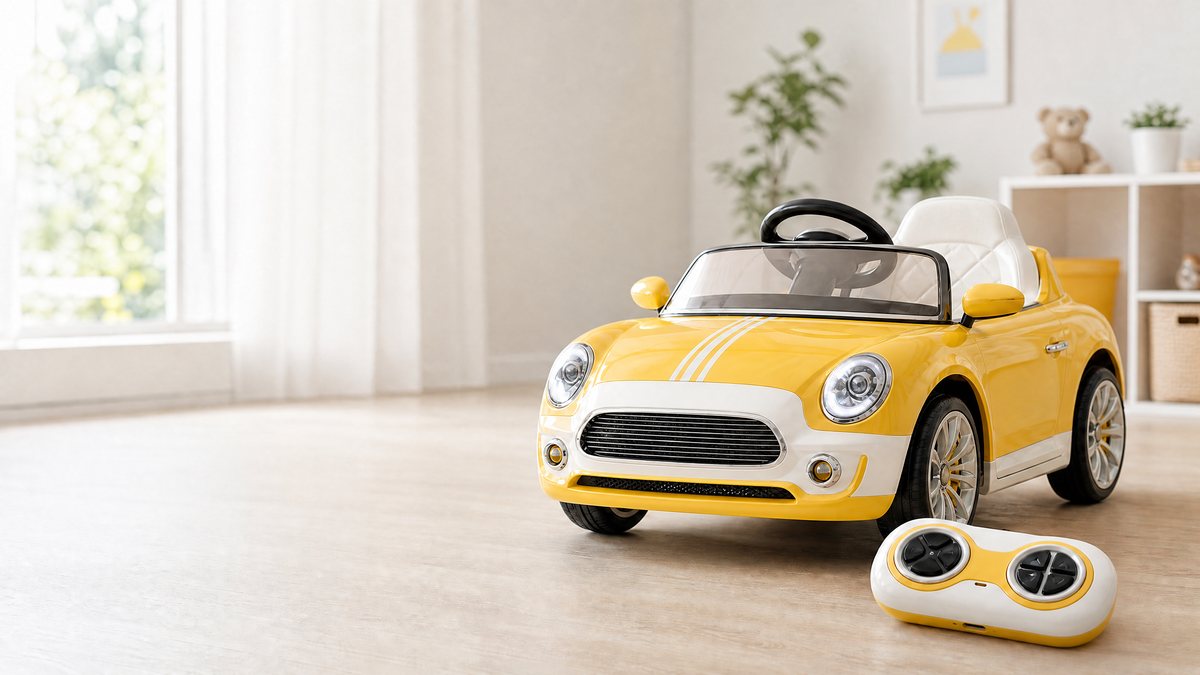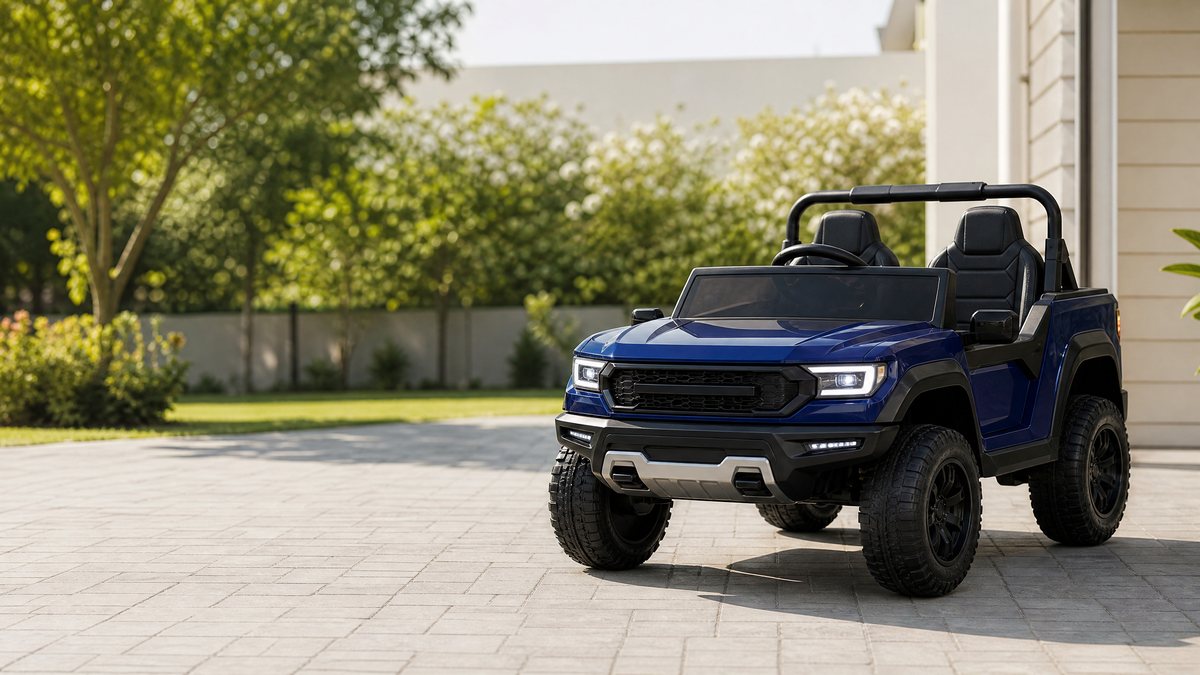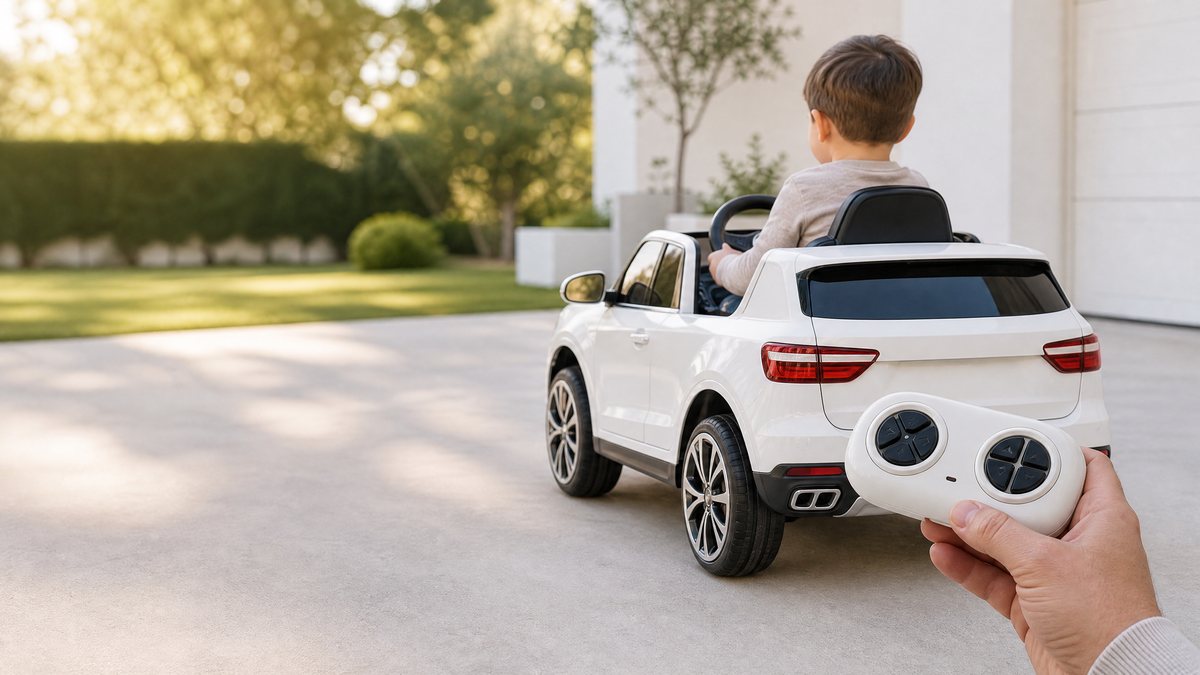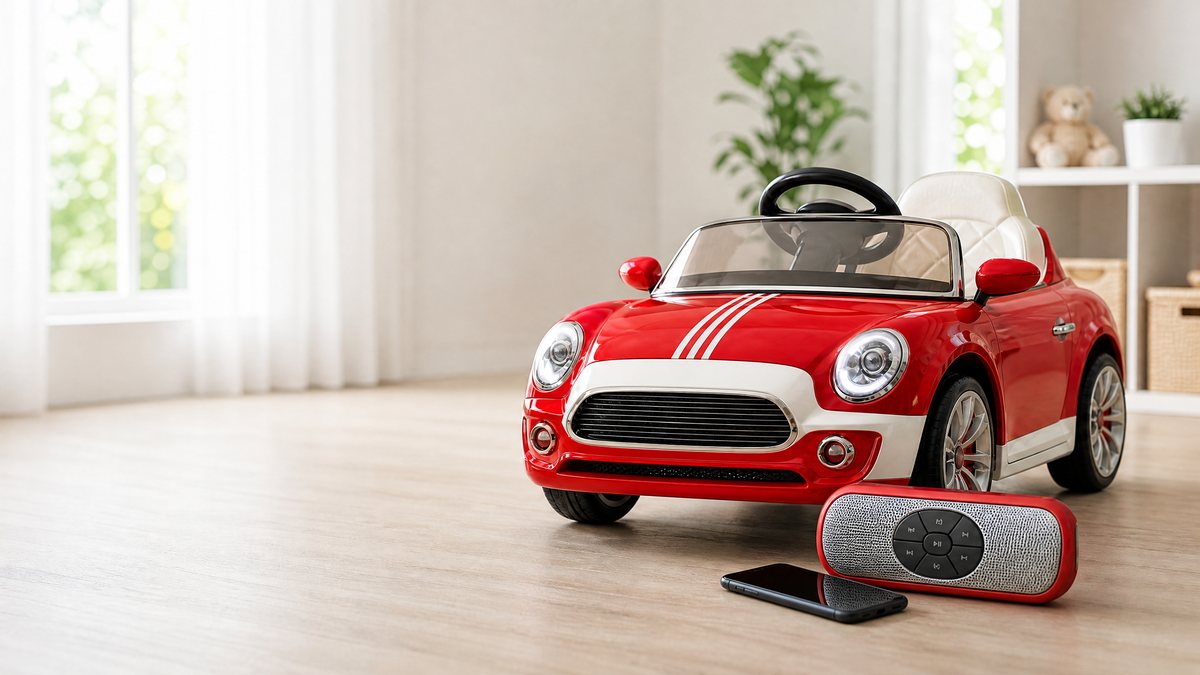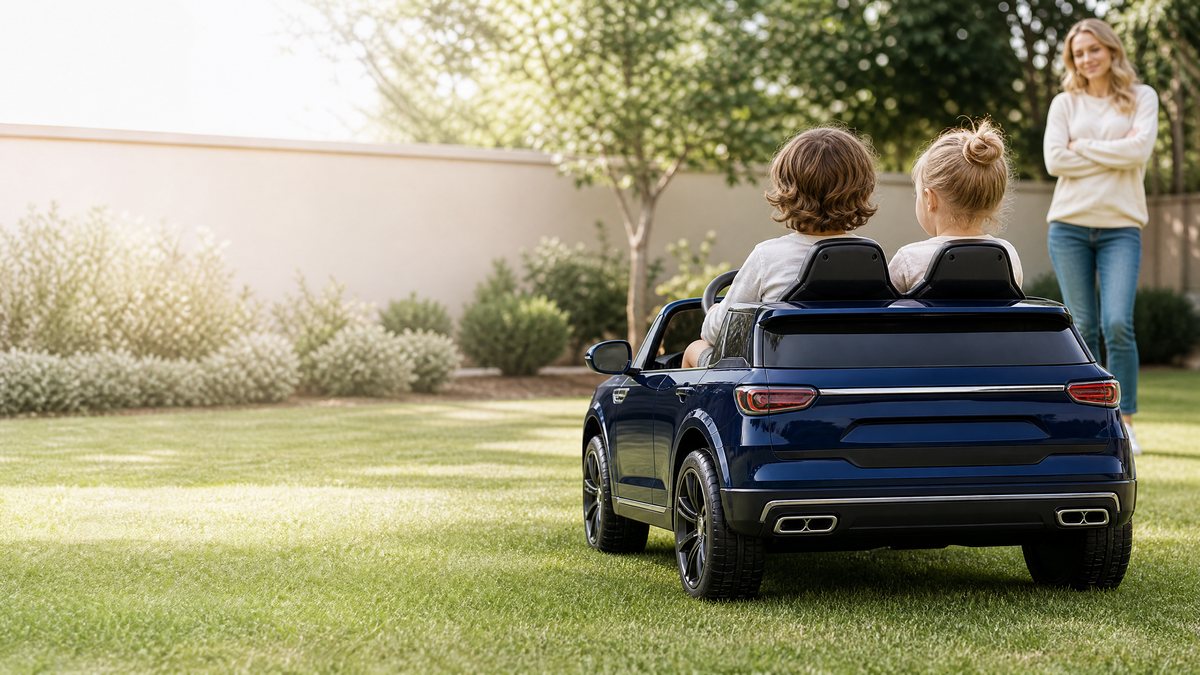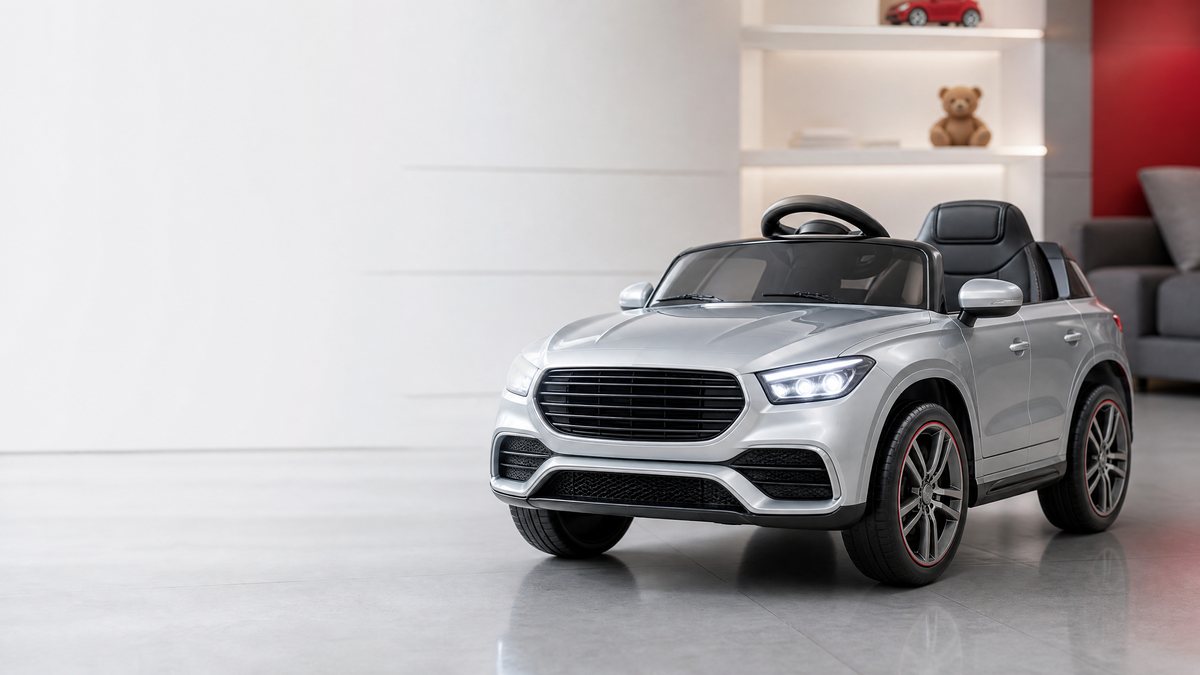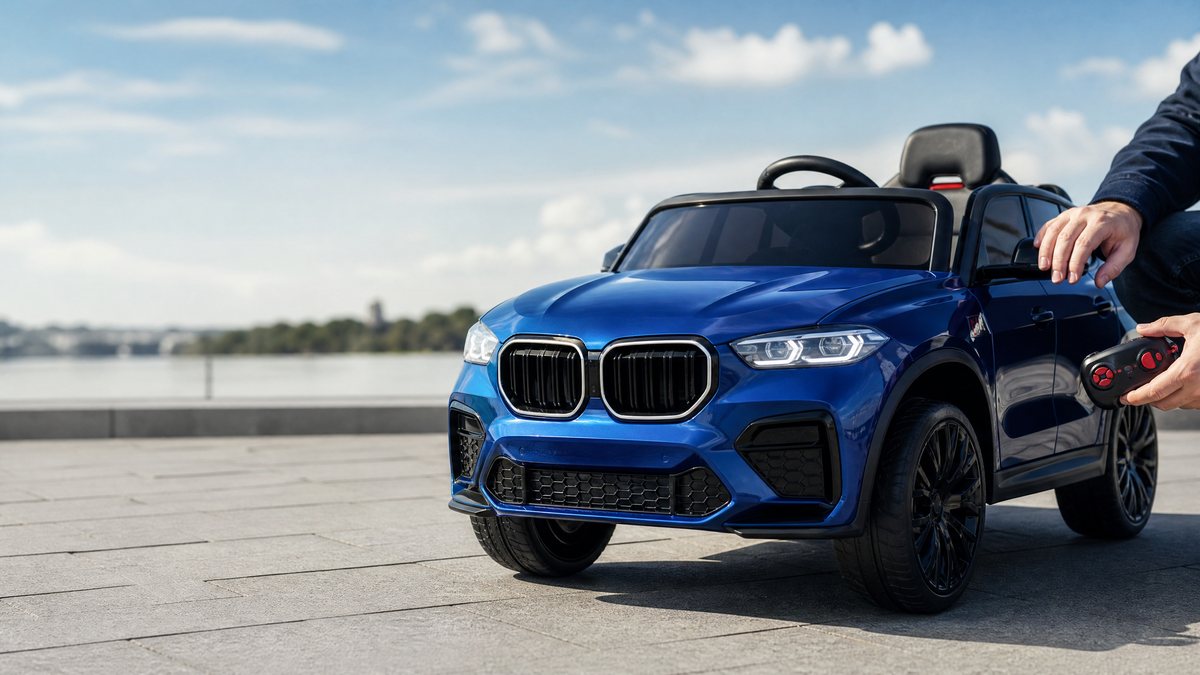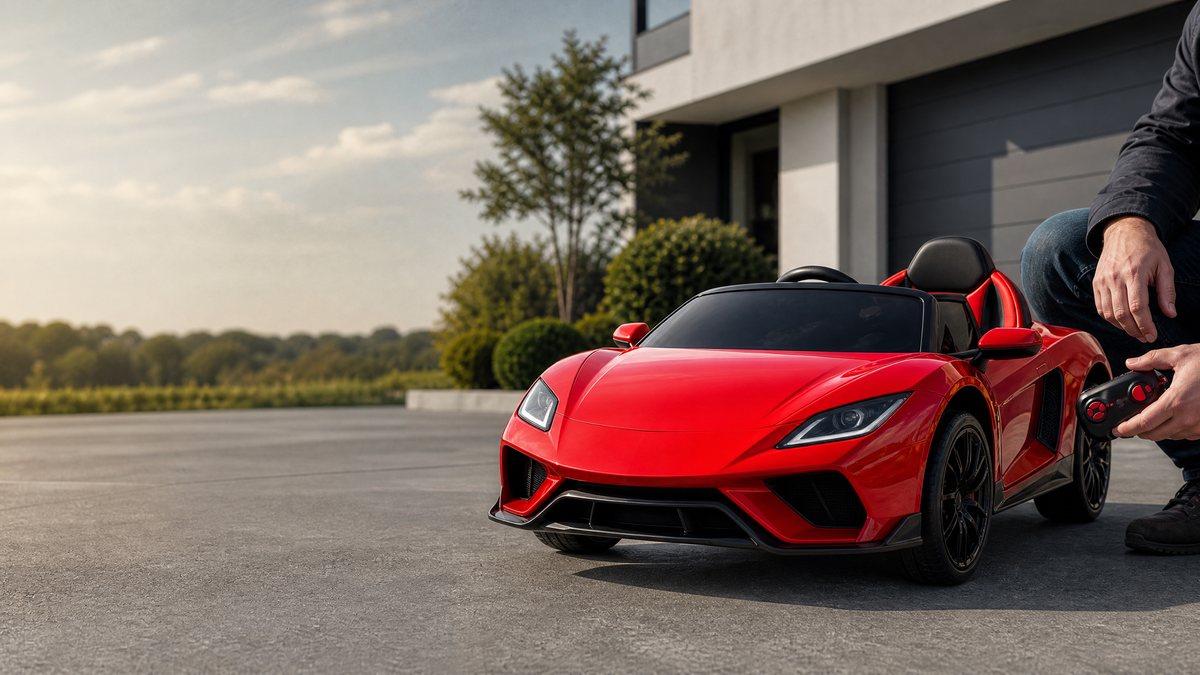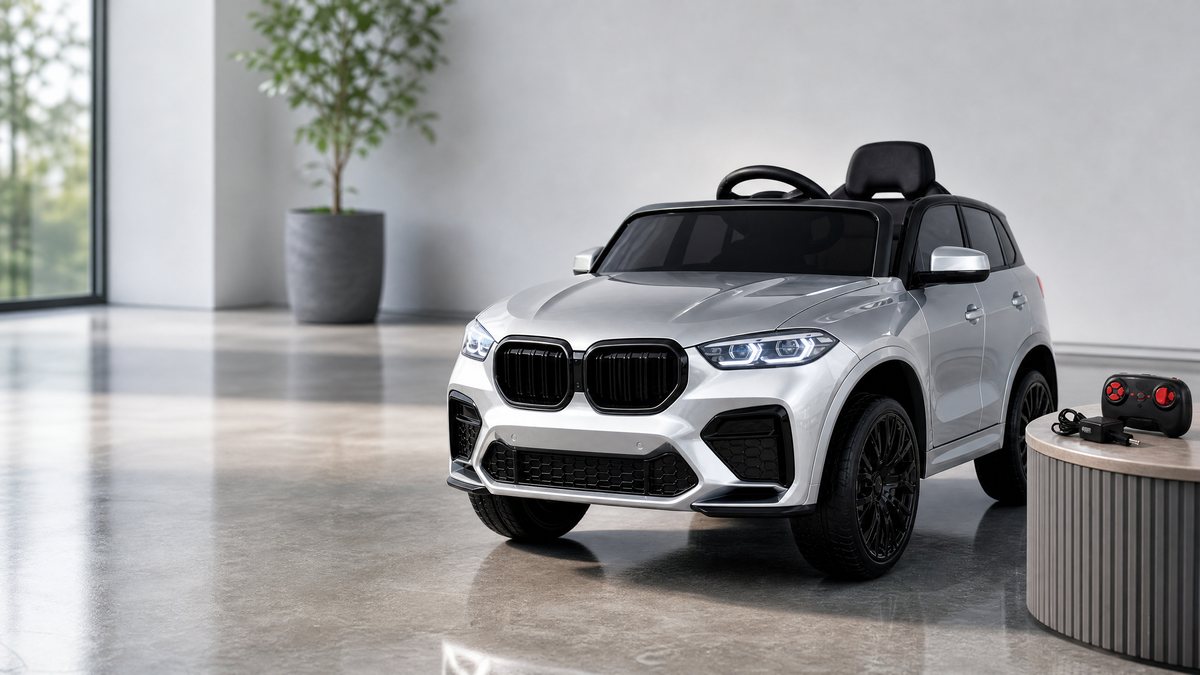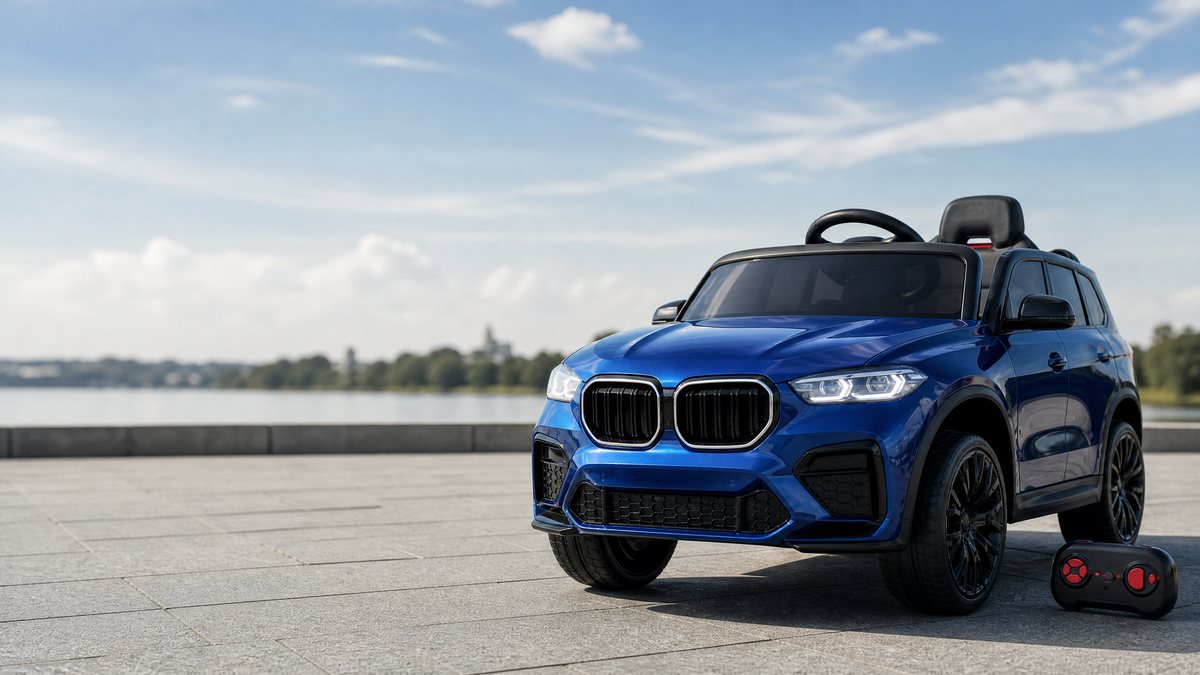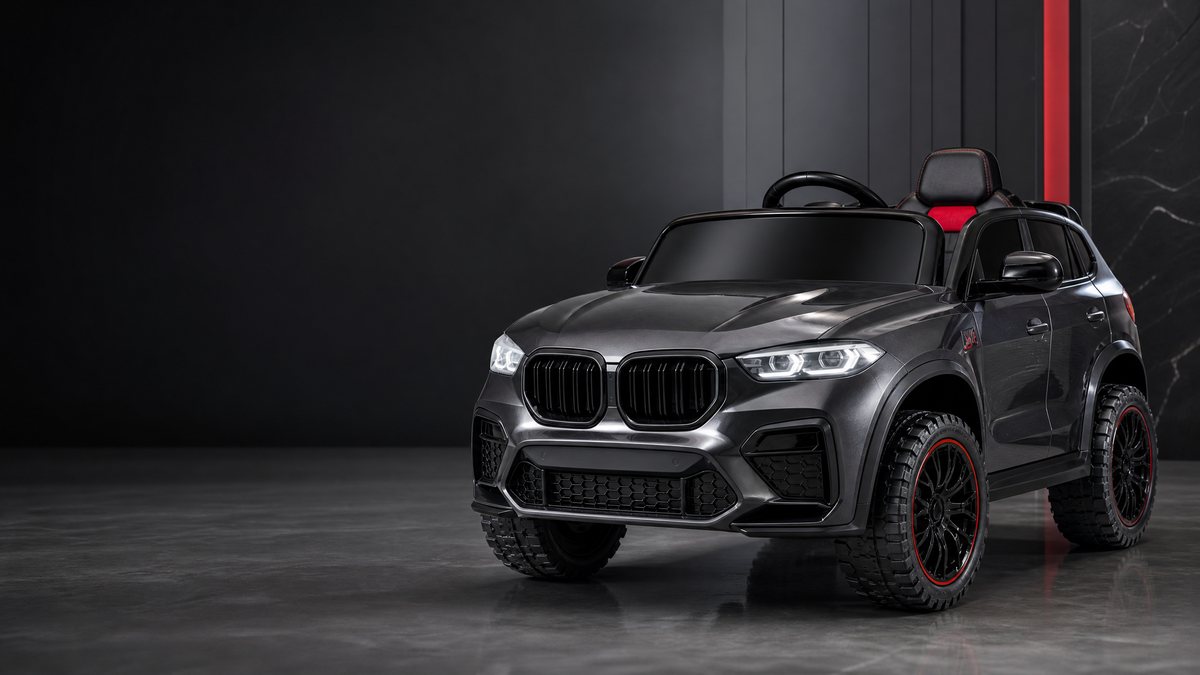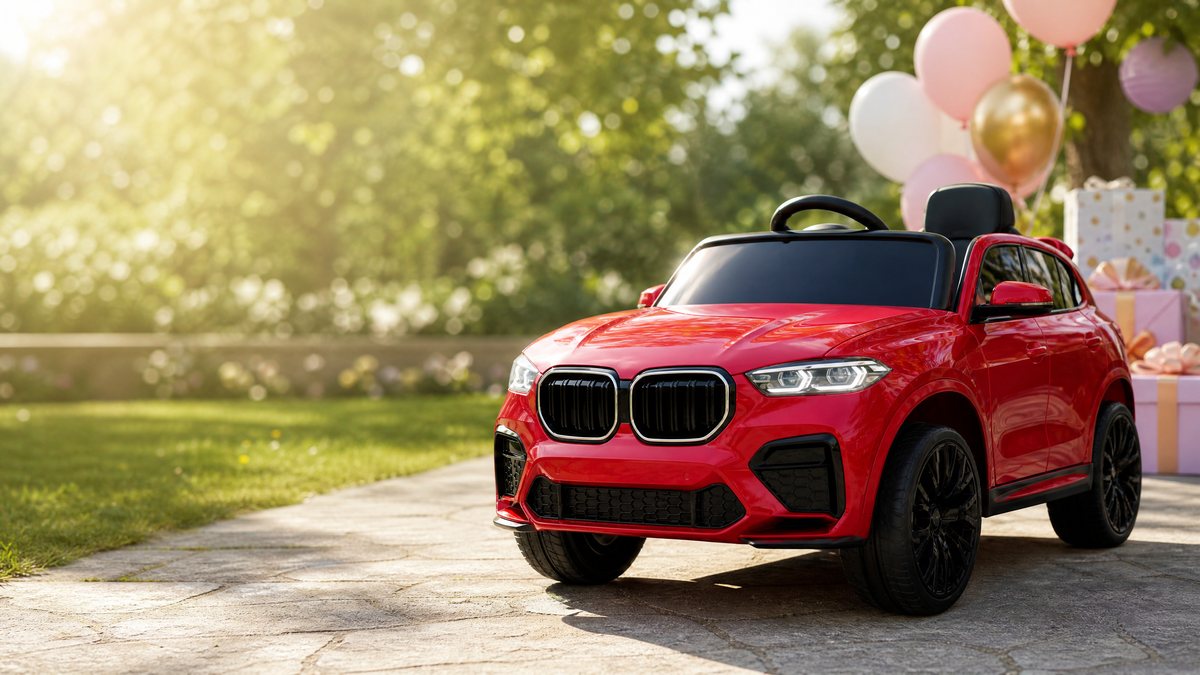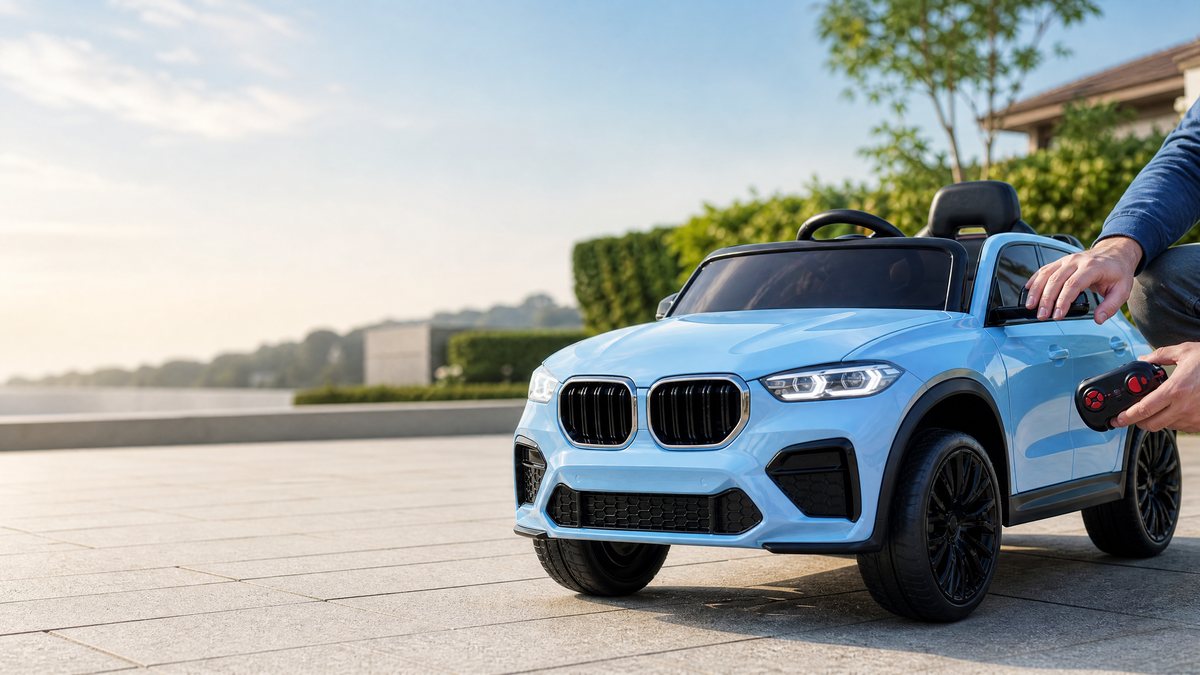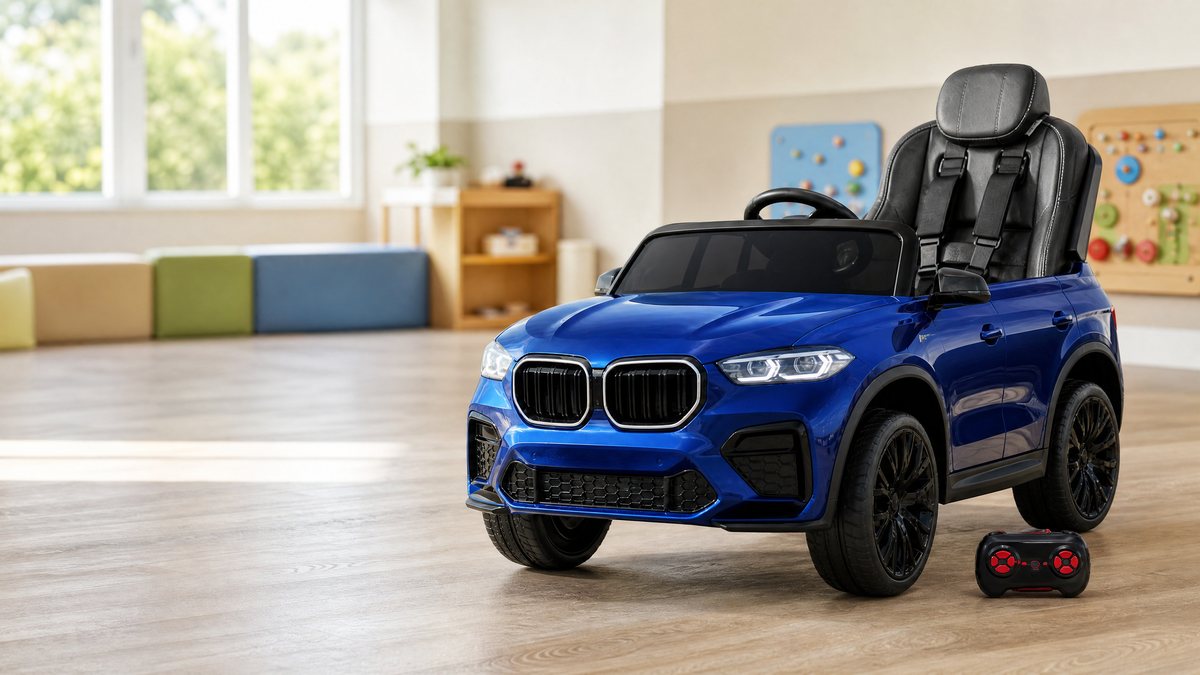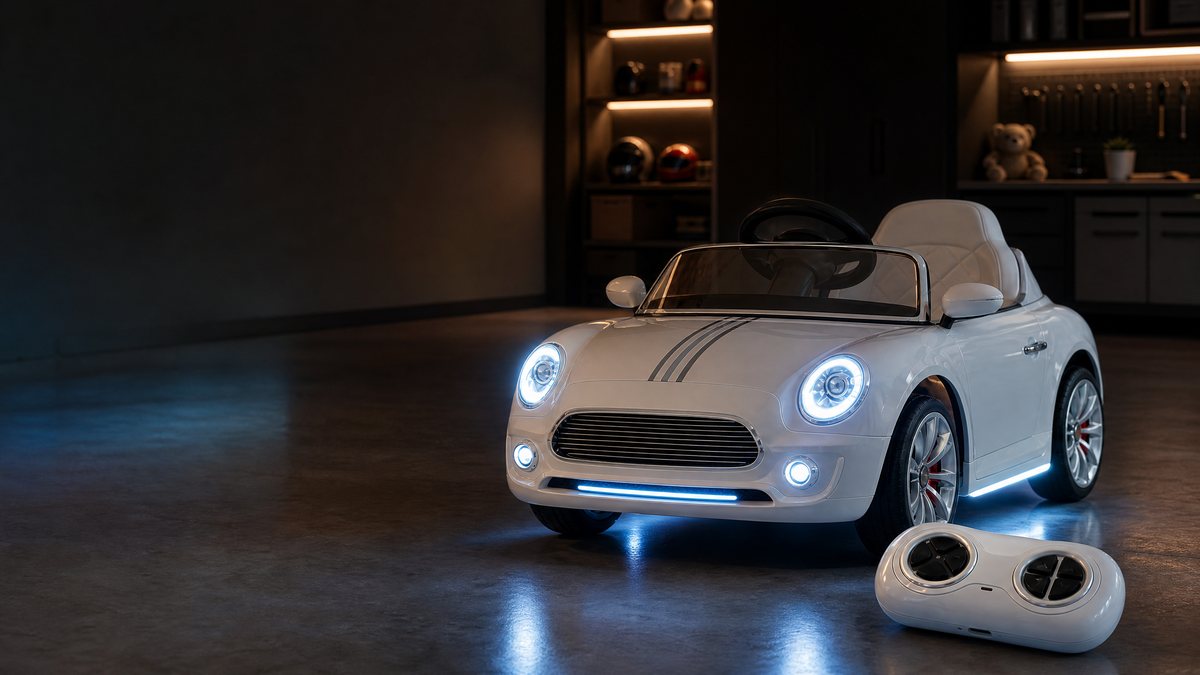
Electric ride-on cars have evolved from basic plastic toys into sophisticated miniature vehicles equipped with functional dashboards, pneumatic-feeling tires, parental remote controls, and immersive LED lighting arrays [1]. Modern consumer demand has shifted noticeably toward models featuring dynamic LED headlights, tail lights, underglow strips, and illuminated wheel hubs. Beyond mere aesthetic appeal, high-intensity LED systems provide practical visibility during evening twilight play and contribute to overall pedestrian safety. This editorial selection guide examines the essential engineering parameters, classification frameworks, regulatory compliance standards, and procurement considerations for ride-on cars equipped with advanced LED lighting packages.
The Evolution and Functional Value of LED Lighting in Ride-On Vehicles
Early generations of battery-powered ride-on toys relied on incandescent bulbs or static plastic reflectors that drained power rapidly and offered minimal illumination. The integration of surface-mount device (SMD) and chip-on-board (COB) LED technologies has transformed ride-on vehicle design. LED systems consume significantly less electrical current from the onboard 12V or 24V battery architecture, ensuring that lighting features do not severely compromise operational runtime [2]. Furthermore, manufacturers now incorporate programmable lighting control modules that allow children or parents to toggle between daytime running lights, high-beam headlights, and decorative RGB underglow profiles. From a safety perspective, enhanced visibility in low-light outdoor environments ensures that supervisors can easily track the vehicle's trajectory across driveways, parks, or residential pathways.
Comparative Analysis of LED Ride-On Categories
To assist buyers, retail catalog curators, and wholesale importers in evaluating market offerings, ride-on vehicles with LED configurations are commonly segmented into three primary design tiers. Each tier balances speed, structural capacity, and lighting complexity differently.
Core Technical Evaluation Criteria
When assessing ride-on cars featuring LED lighting systems, procurement professionals and discerning consumers must look beyond superficial cosmetic features. Engineering integrity dictates long-term product reliability.
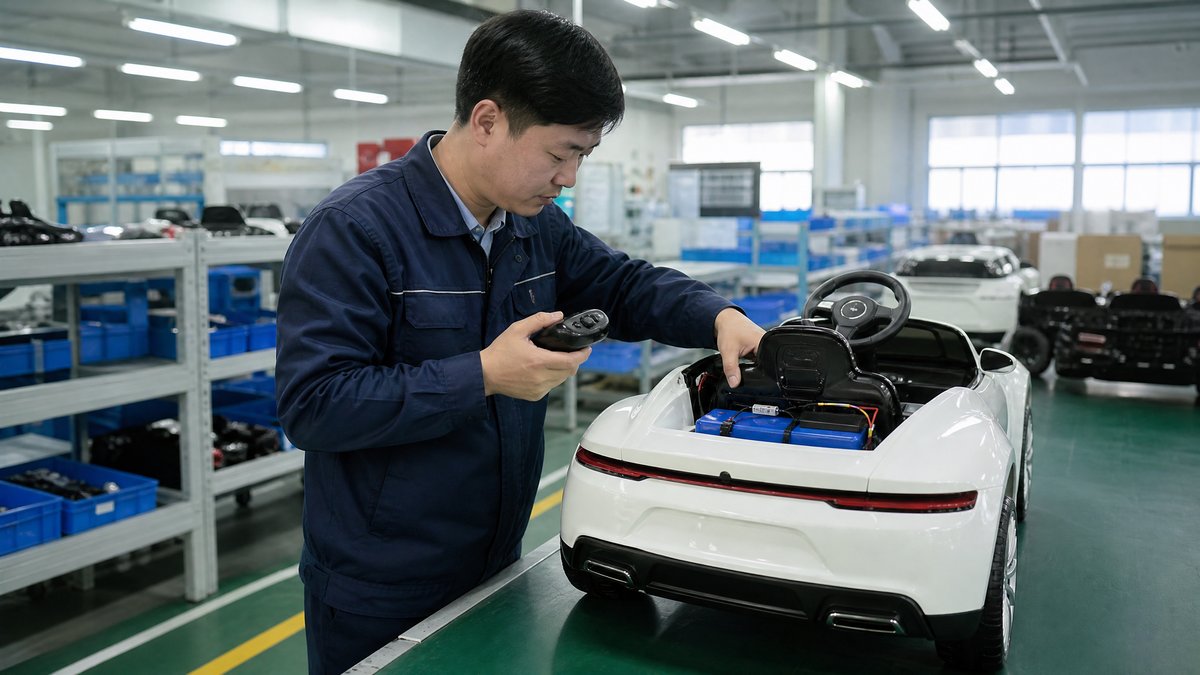
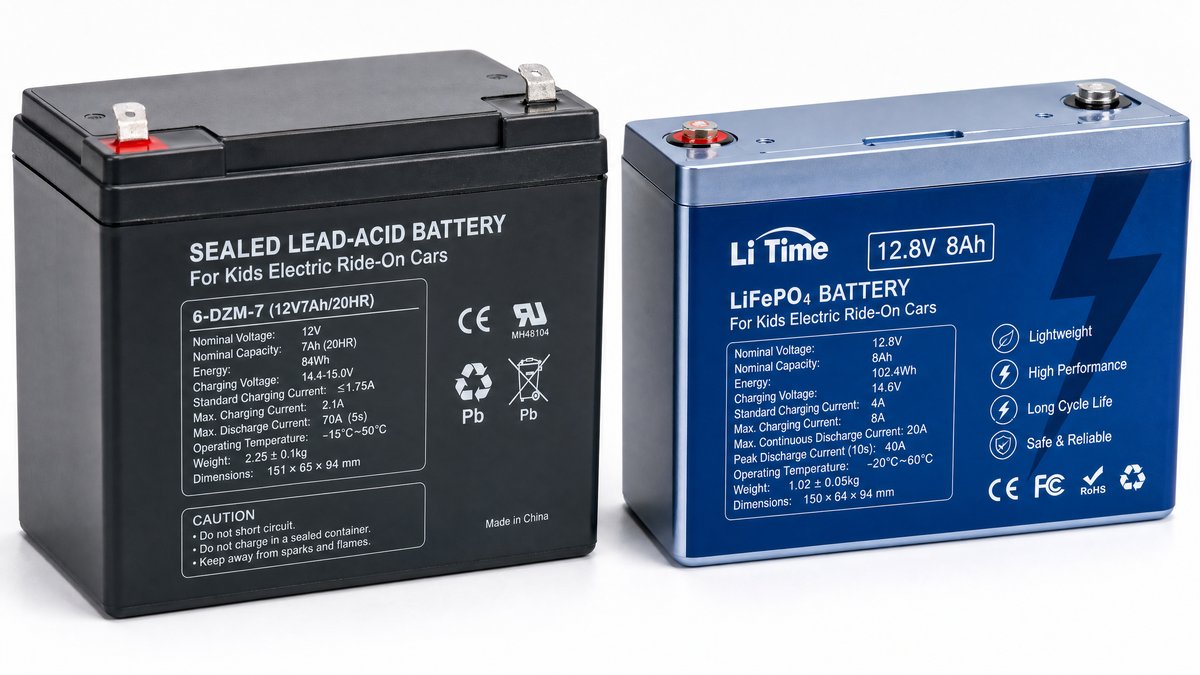
First, power distribution and battery efficiency are paramount. Vehicles utilizing 24V systems driven by dual or quad independent motors require robust power management circuits. If auxiliary LED arrays draw directly from the primary motor circuit without voltage stabilization, flickering or premature battery degradation may occur. Quality models incorporate dedicated auxiliary power rails or efficient DC-DC step-down converters.
Second, chassis durability and material composition dictate structural lifespan. High-density polyethylene (HDPE) or injection-molded polypropylene (PP) bodies provide impact resistance while maintaining lightweight agility. Electrical wiring harnesses connecting the LED modules to the central control unit must feature weather-resistant connectors (such as IP44 or higher ratings) to prevent moisture ingress during outdoor operation or washing.
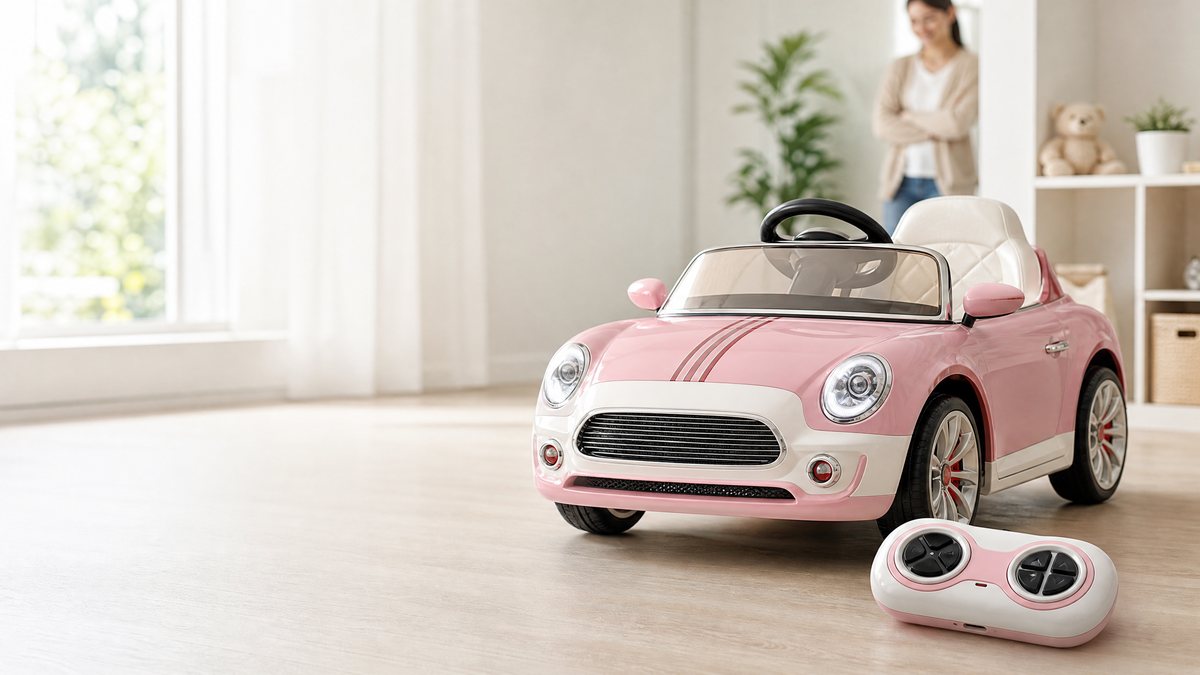
Third, safety and control mechanisms remain non-negotiable. 2.4G parental remote control override systems allow supervisors to take immediate directional and braking control, superseding manual accelerator input. Soft-start programming ensures that the vehicle accelerates gradually rather than jerking forward, protecting young riders from sudden momentum shifts that could disrupt balance.
Buyer Checklist for LED Ride-On Vehicles
- Voltage & Battery Capacity: Verify whether the unit operates on a standard 12V system or an upgraded 24V system, ensuring matching UL-certified or CE-certified chargers are included.
- Lighting Integration: Inspect the wiring housing to ensure LED strips and bulbs are securely recessed behind protective polycarbonate lenses rather than exposed adhesive strips.
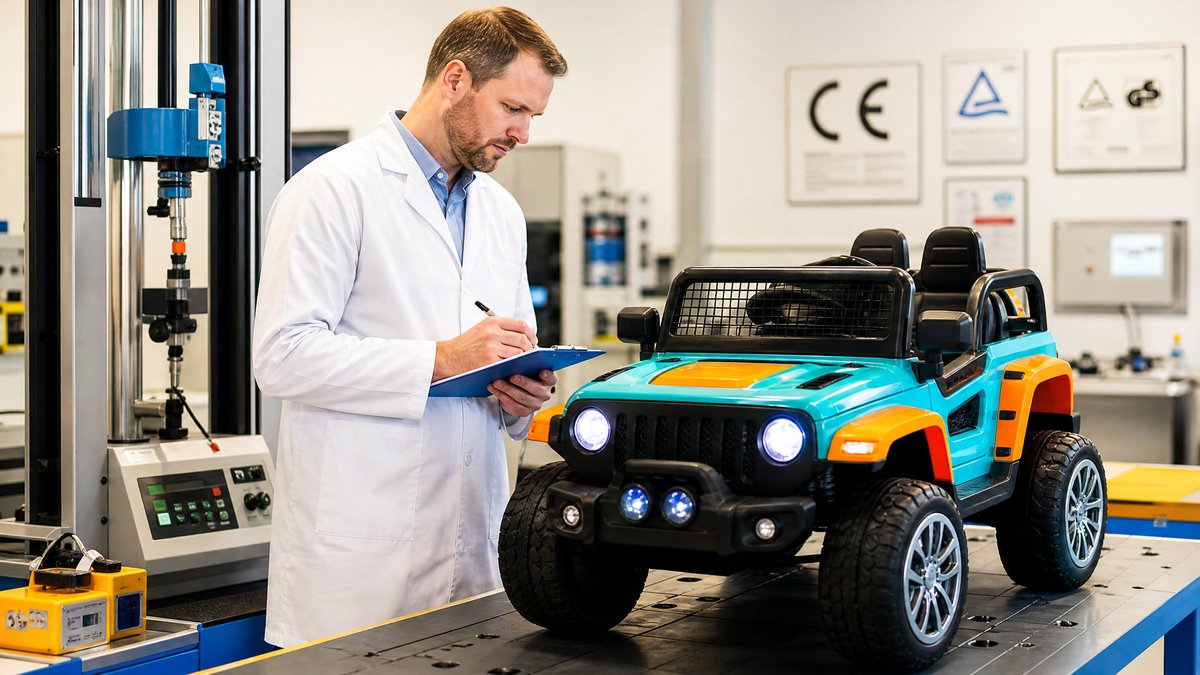
- Safety Certifications: Confirm compliance with recognized toy safety standards, including ASTM F963 (United States) and EN71 (European Union).
- Control Options: Ensure both manual foot-pedal operation and 2.4G Bluetooth parental remote control are fully functional.
- Suspension & Tires: Look for spring-suspended axles and EVA foam rubber tires rather than hard plastic wheels for improved traction and noise reduction.
B2B and Wholesale Procurement Considerations
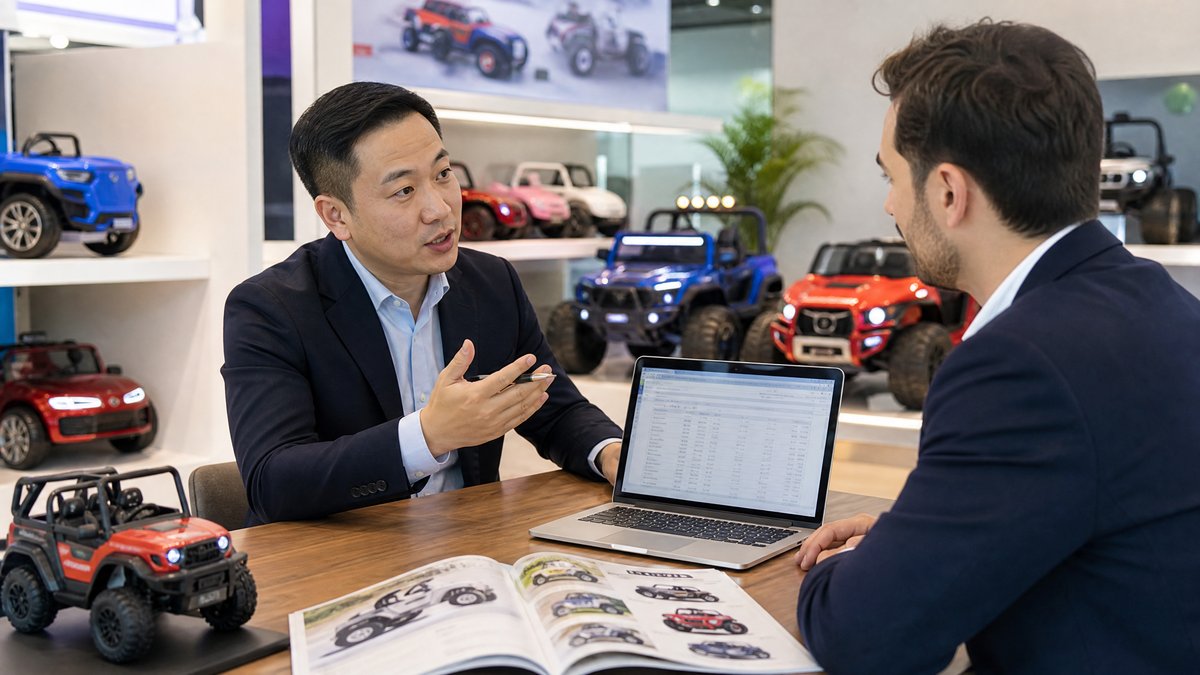
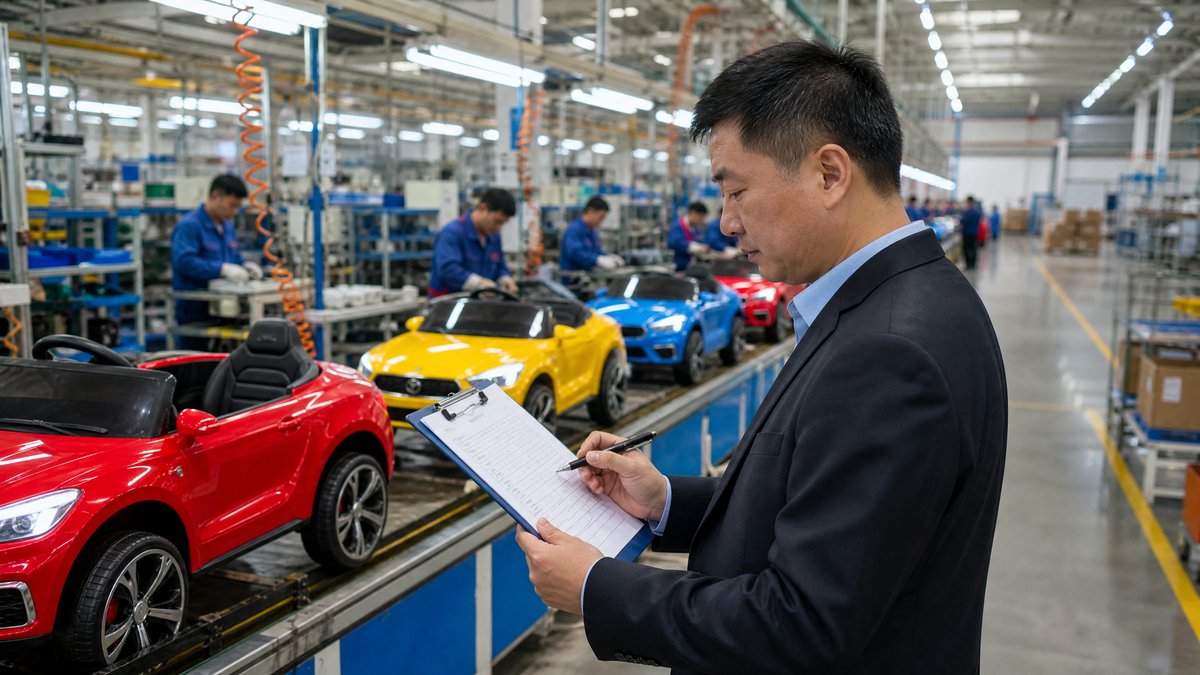
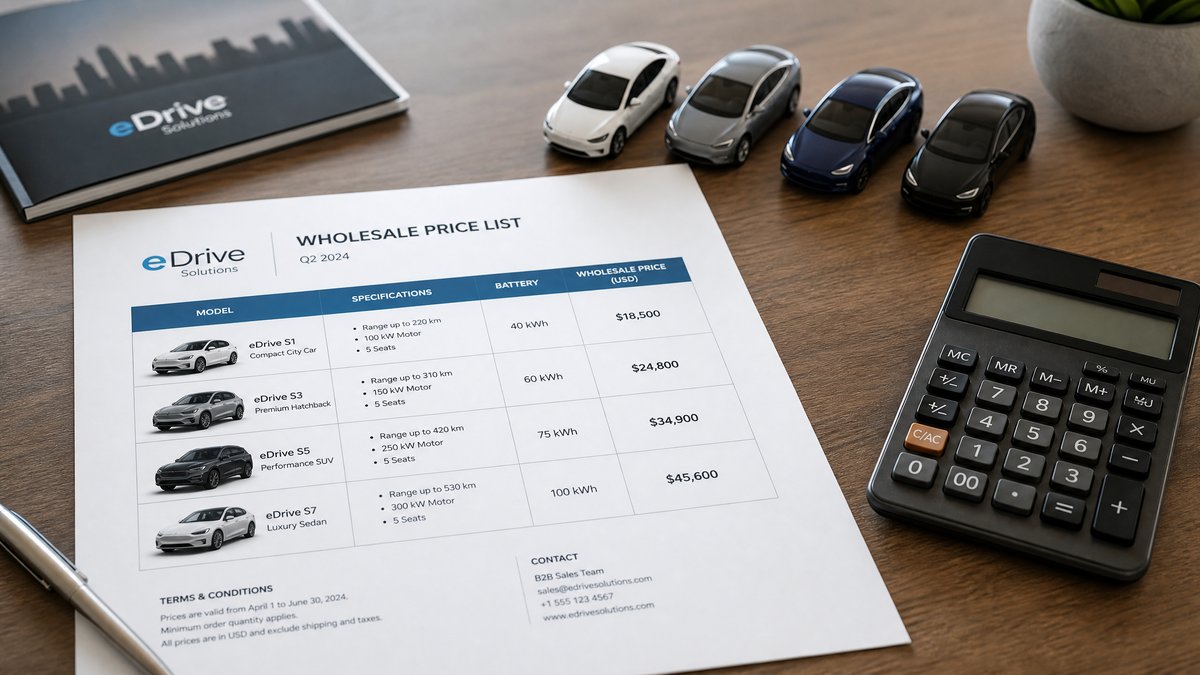
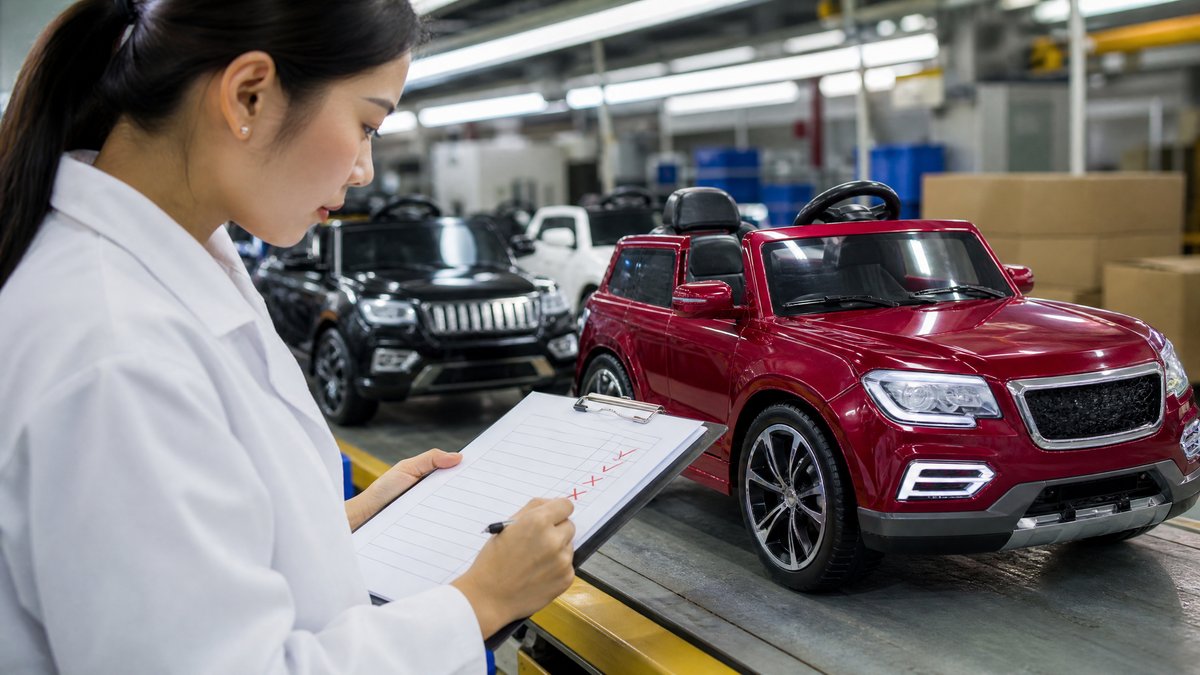
For commercial importers, distributors, and retail buyers sourcing ride-on cars in volume, evaluating manufacturing quality and regulatory documentation is critical. Compliance audits must verify that all electronic components, including lithium or sealed lead-acid (SLA) batteries and LED driver boards, meet international electromagnetic compatibility (EMC) and restriction of hazardous substances (RoHS) directives. Furthermore, packaging integrity—such as drop-test-certified corrugated master cartons and multilingual instruction manuals—minimizes transit damage and consumer return rates. Importers should request comprehensive factory test reports and verify intellectual property clearances for licensed automotive replicas (e.g., Mercedes-Benz, BMW, Jeep, or Ford designs).
Frequently Asked Questions (FAQs)
1. Do LED lights significantly reduce the battery runtime of a ride-on car?
No. Modern LEDs consume minimal electrical power compared to drive motors. Operating headlights and accent lights typically reduces overall runtime by less than 3 to 5 percent.
2. Can replacement LED bulbs or strips be easily installed if damaged?
Most quality ride-on cars utilize modular plug-and-play wiring harnesses. However, replacement components should be sourced directly from the manufacturer or authorized distributors to ensure correct voltage matching.
3. Are 24V ride-on cars safe for younger children?
24V models are generally recommended for children aged 5 and older due to higher torque and top speeds (often reaching 5 to 7 mph). Parents should utilize the 2.4G parental remote control during initial operation.
4. What safety certifications should I check for before purchasing wholesale batches?
Ensure products carry ASTM F963, CPSIA, and EN71 certifications, along with CE and FCC marks for electronic and wireless remote control components.
Conclusion and Wholesale Inquiries
Selecting the ideal ride-on car with LED lights requires a balanced assessment of aesthetic appeal, robust electrical engineering, and stringent safety compliance. Whether you are expanding a retail toy inventory or sourcing premium products for seasonal distribution, prioritizing certified quality ensures long-term customer satisfaction. For detailed B2B catalog requests, wholesale pricing structures, and container load specifications, please contact our commercial division at <a href="mailto:wholesale@example-toy-procurement.com">wholesale@example-toy-procurement.com</a>.
References
[1] United States Consumer Product Safety Commission (CPSC). Safety Standard for Toy Safety (ASTM F963-17 Overview). Available at: https://www.cpsc.gov/
[2] European Committee for Standardization (CEN). Safety of Toys - Part 1: Mechanical and Physical Properties (EN 71-1). Available at: https://www.cen.eu/
The Evolution and Functional Value of LED Lighting in Ride-On Vehicles
Early generations of battery-powered ride-on toys relied on incandescent bulbs or static plastic reflectors that drained power rapidly and offered minimal illumination. The integration of surface-mount device (SMD) and chip-on-board (COB) LED technologies has transformed ride-on vehicle design. LED systems consume significantly less electrical current from the onboard 12V or 24V battery architecture, ensuring that lighting features do not severely compromise operational runtime [2]. Furthermore, manufacturers now incorporate programmable lighting control modules that allow children or parents to toggle between daytime running lights, high-beam headlights, and decorative RGB underglow profiles. From a safety perspective, enhanced visibility in low-light outdoor environments ensures that supervisors can easily track the vehicle's trajectory across driveways, parks, or residential pathways.
Comparative Analysis of LED Ride-On Categories
To assist buyers, retail catalog curators, and wholesale importers in evaluating market offerings, ride-on vehicles with LED configurations are commonly segmented into three primary design tiers. Each tier balances speed, structural capacity, and lighting complexity differently.
| Vehicle Tier | Typical Voltage & Drive | LED Lighting Feature Set | Target Age & Weight Capacity | Best Suited For |
|---|---|---|---|---|
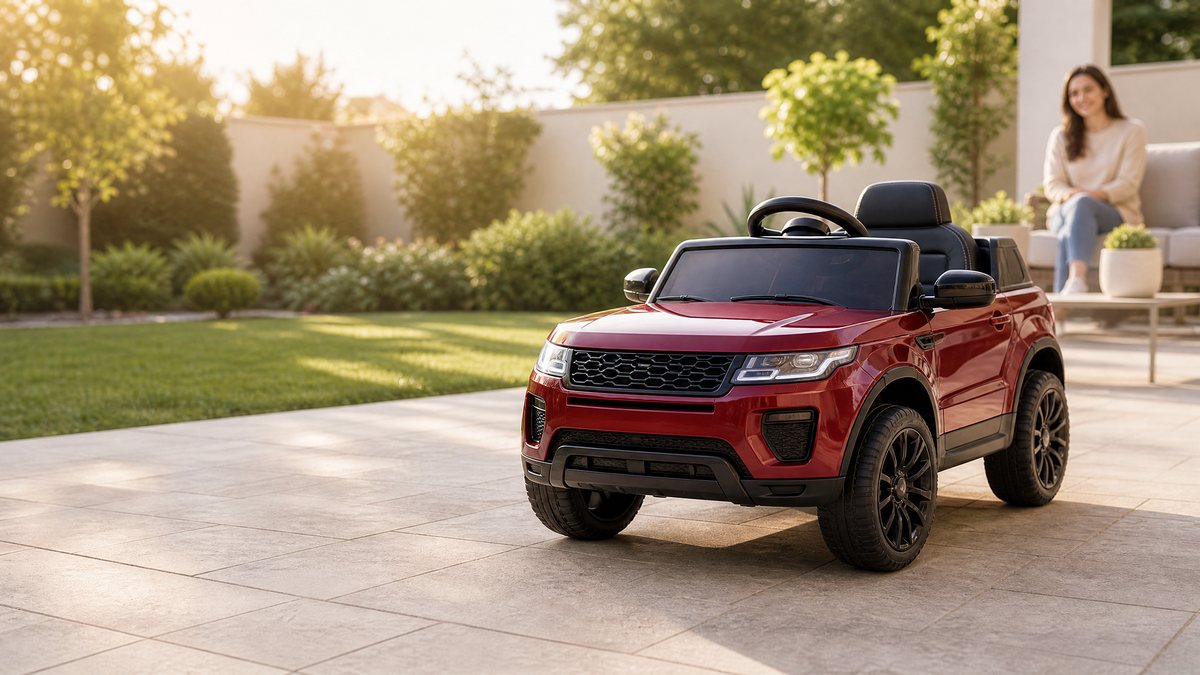
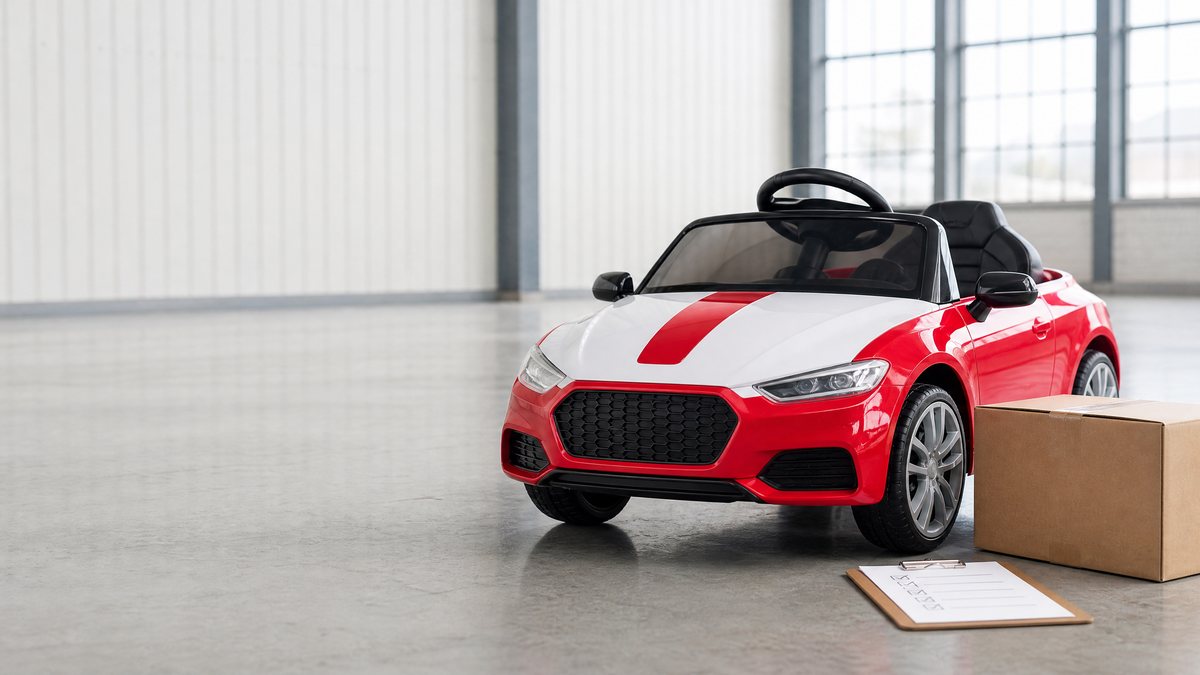
| Luxury Sport Coupe | 12V Dual Motor | Realistic HID-style LED headlights, functional tail lamps, illuminated dashboard gauges | 3–6 years (Up to 30 kg) | Smooth paved driveways, backyard patios, indoor exhibition |
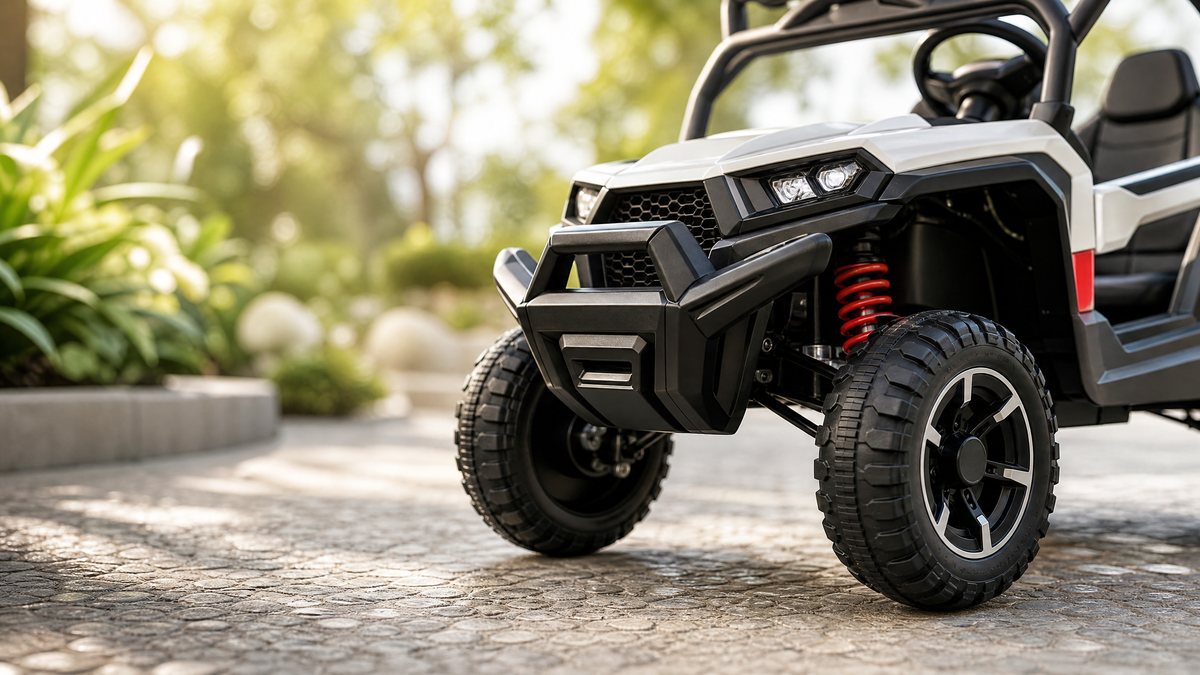
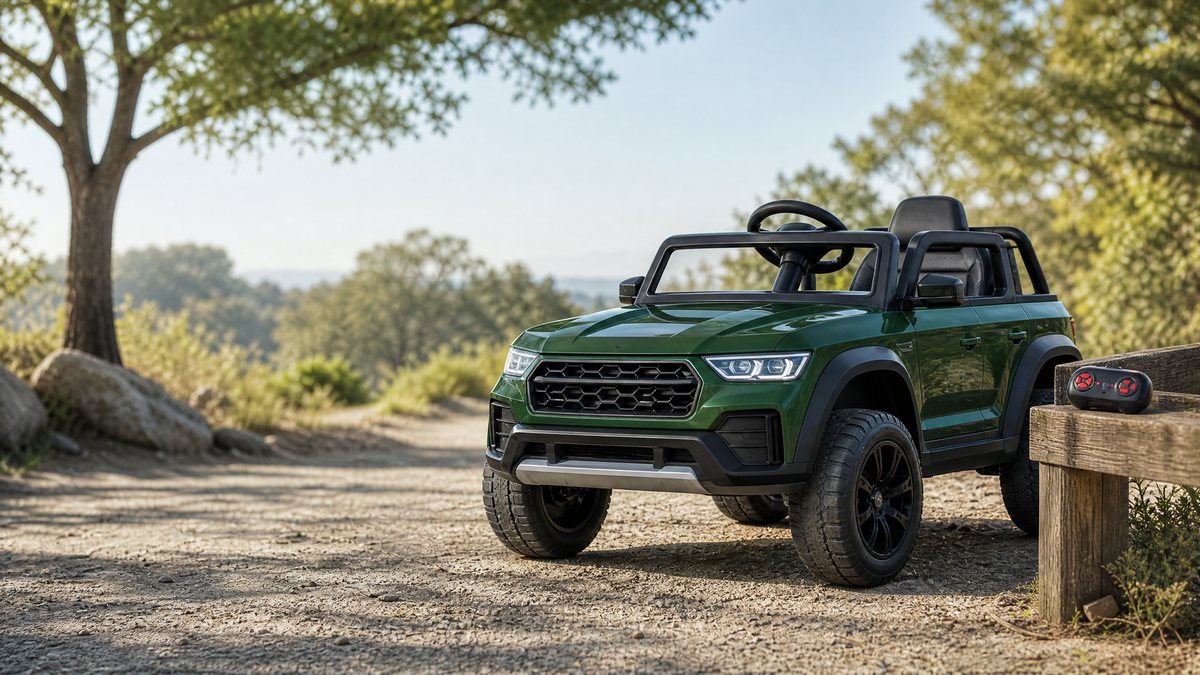
| Heavy-Duty Off-Road SUV | 24V Quad Motor | Roll-bar mounted LED light bars, grille floodlights, flashing strobe accents | 5–9 years (Up to 50 kg) | Grass lawns, gravel tracks, uneven terrain |
| Commercial Utility Truck | 24V High-Torque | Perimeter safety lighting, amber warning beacons, tailgate clearance LEDs | 4–8 years (Up to 45 kg) | Interactive play, multi-terrain hauling, heavy-duty usage |
Core Technical Evaluation Criteria
When assessing ride-on cars featuring LED lighting systems, procurement professionals and discerning consumers must look beyond superficial cosmetic features. Engineering integrity dictates long-term product reliability.
First, power distribution and battery efficiency are paramount. Vehicles utilizing 24V systems driven by dual or quad independent motors require robust power management circuits. If auxiliary LED arrays draw directly from the primary motor circuit without voltage stabilization, flickering or premature battery degradation may occur. Quality models incorporate dedicated auxiliary power rails or efficient DC-DC step-down converters.
Second, chassis durability and material composition dictate structural lifespan. High-density polyethylene (HDPE) or injection-molded polypropylene (PP) bodies provide impact resistance while maintaining lightweight agility. Electrical wiring harnesses connecting the LED modules to the central control unit must feature weather-resistant connectors (such as IP44 or higher ratings) to prevent moisture ingress during outdoor operation or washing.
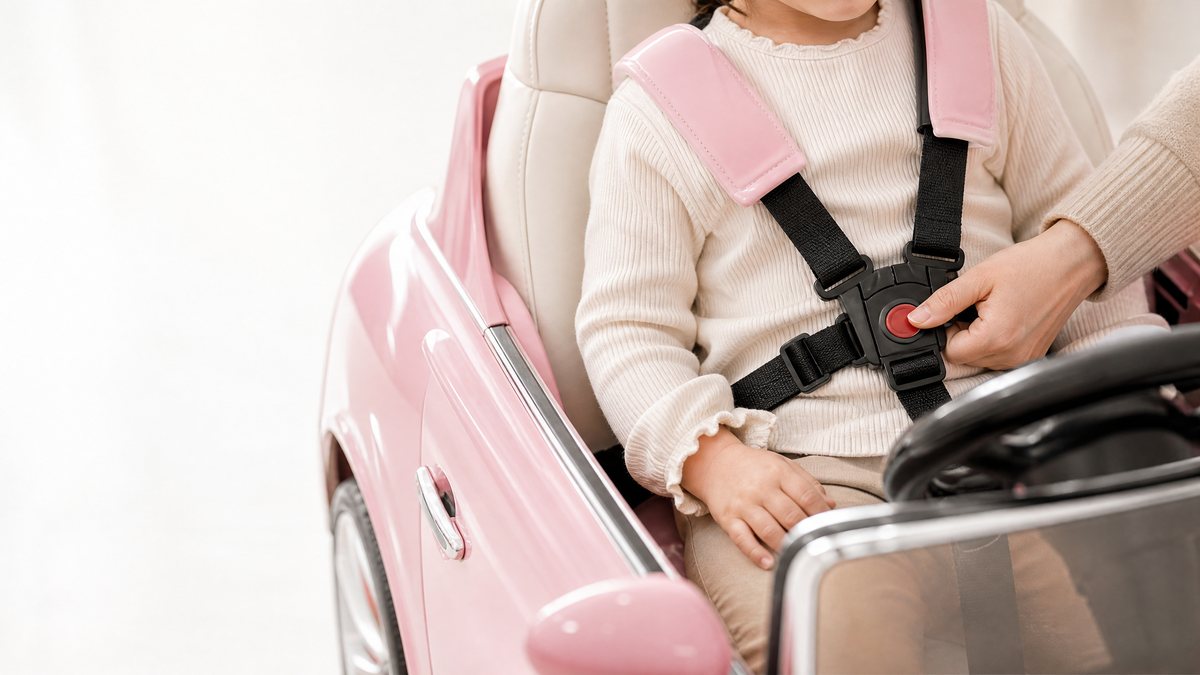
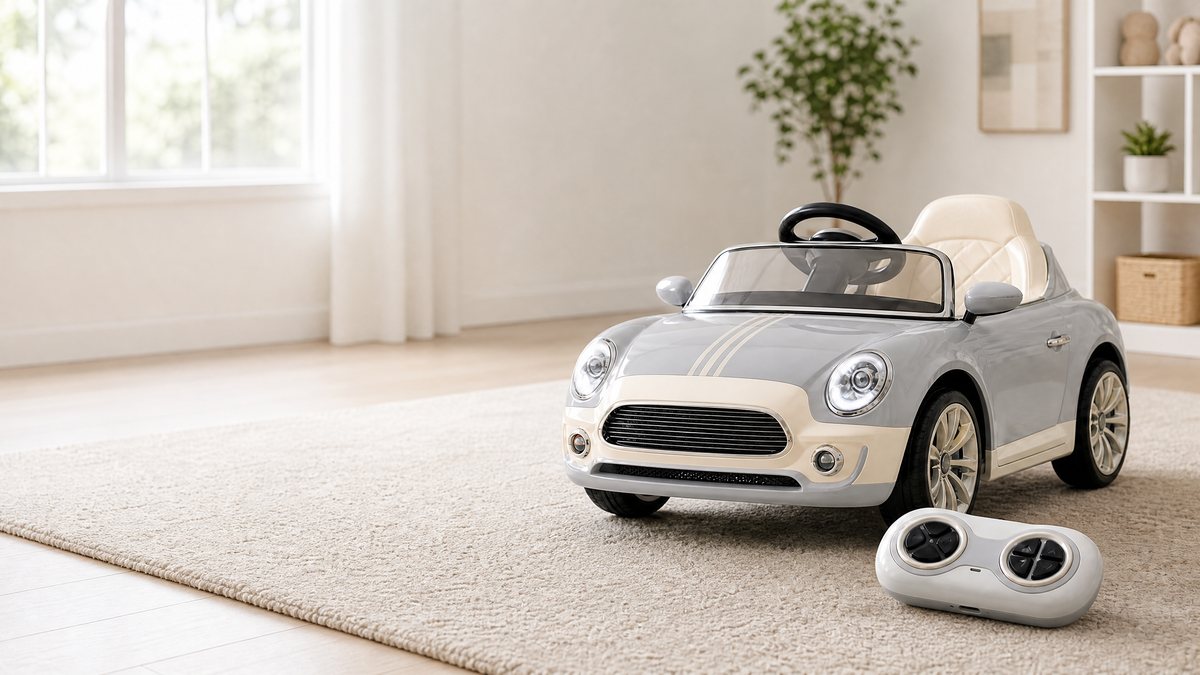
Third, safety and control mechanisms remain non-negotiable. 2.4G parental remote control override systems allow supervisors to take immediate directional and braking control, superseding manual accelerator input. Soft-start programming ensures that the vehicle accelerates gradually rather than jerking forward, protecting young riders from sudden momentum shifts that could disrupt balance.
Buyer Checklist for LED Ride-On Vehicles
- Voltage & Battery Capacity: Verify whether the unit operates on a standard 12V system or an upgraded 24V system, ensuring matching UL-certified or CE-certified chargers are included.
- Lighting Integration: Inspect the wiring housing to ensure LED strips and bulbs are securely recessed behind protective polycarbonate lenses rather than exposed adhesive strips.
- Safety Certifications: Confirm compliance with recognized toy safety standards, including ASTM F963 (United States) and EN71 (European Union).
- Control Options: Ensure both manual foot-pedal operation and 2.4G Bluetooth parental remote control are fully functional.
- Suspension & Tires: Look for spring-suspended axles and EVA foam rubber tires rather than hard plastic wheels for improved traction and noise reduction.
B2B and Wholesale Procurement Considerations
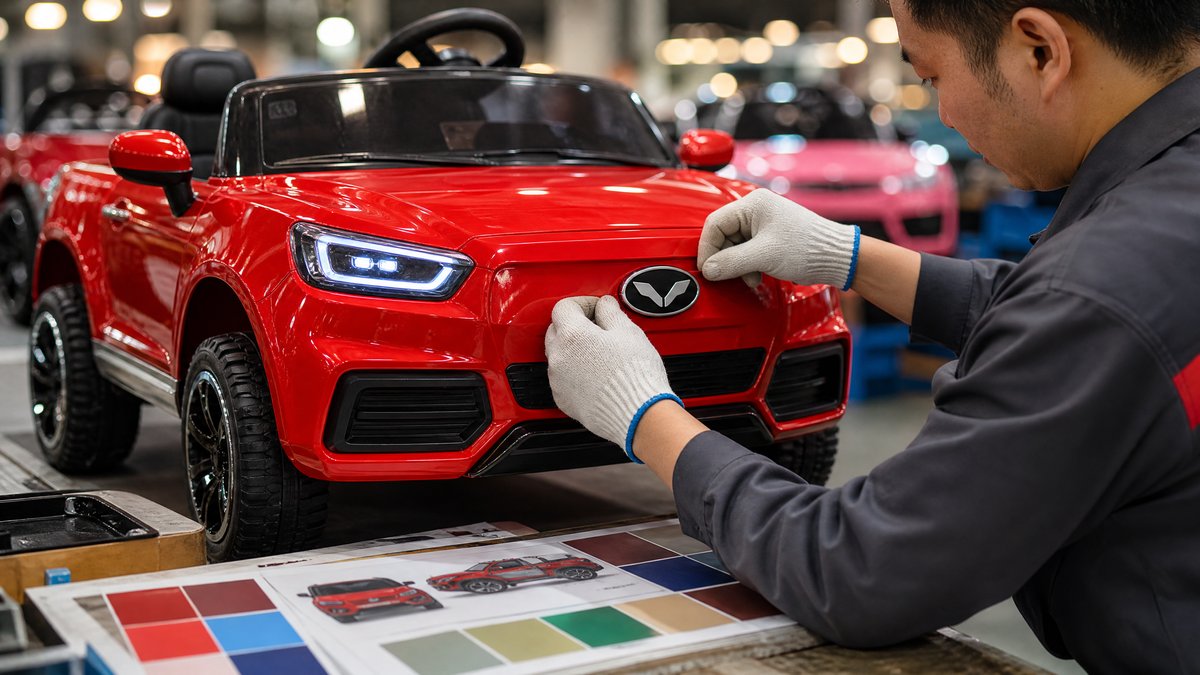
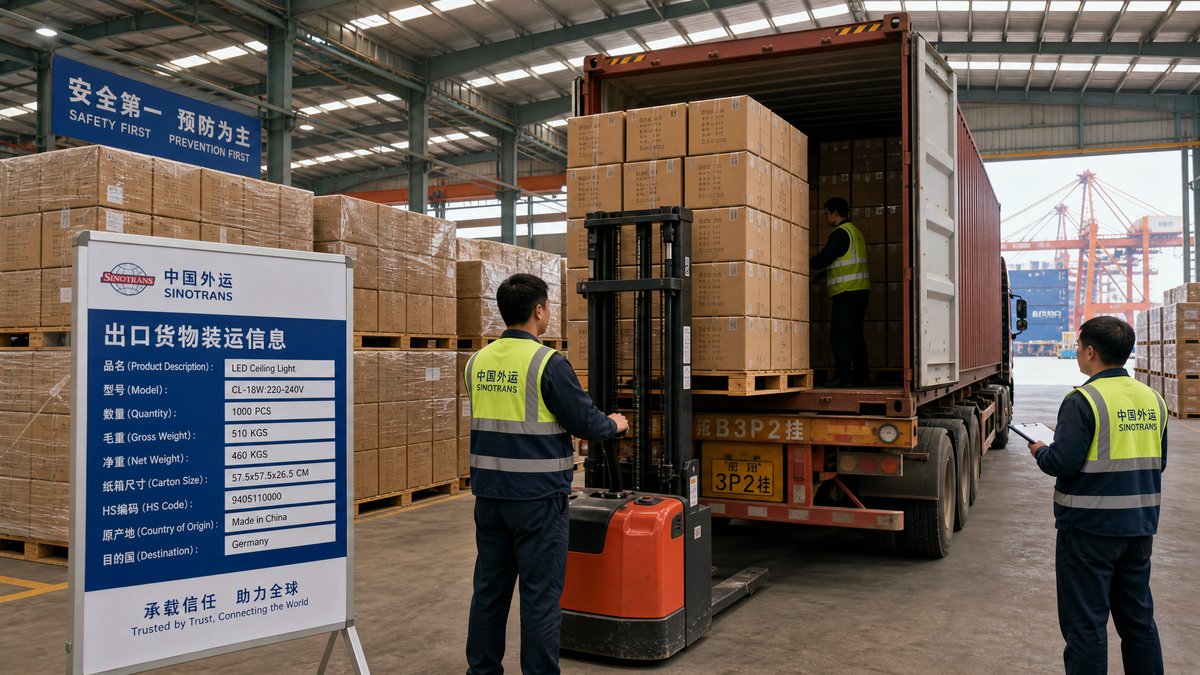
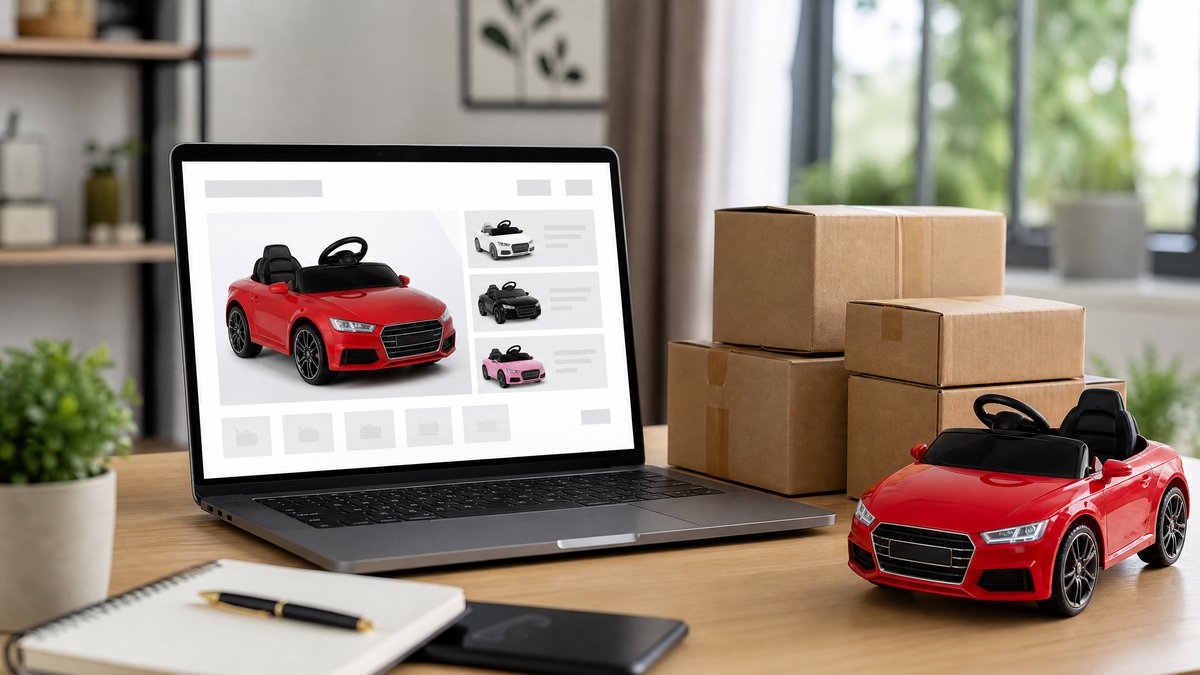
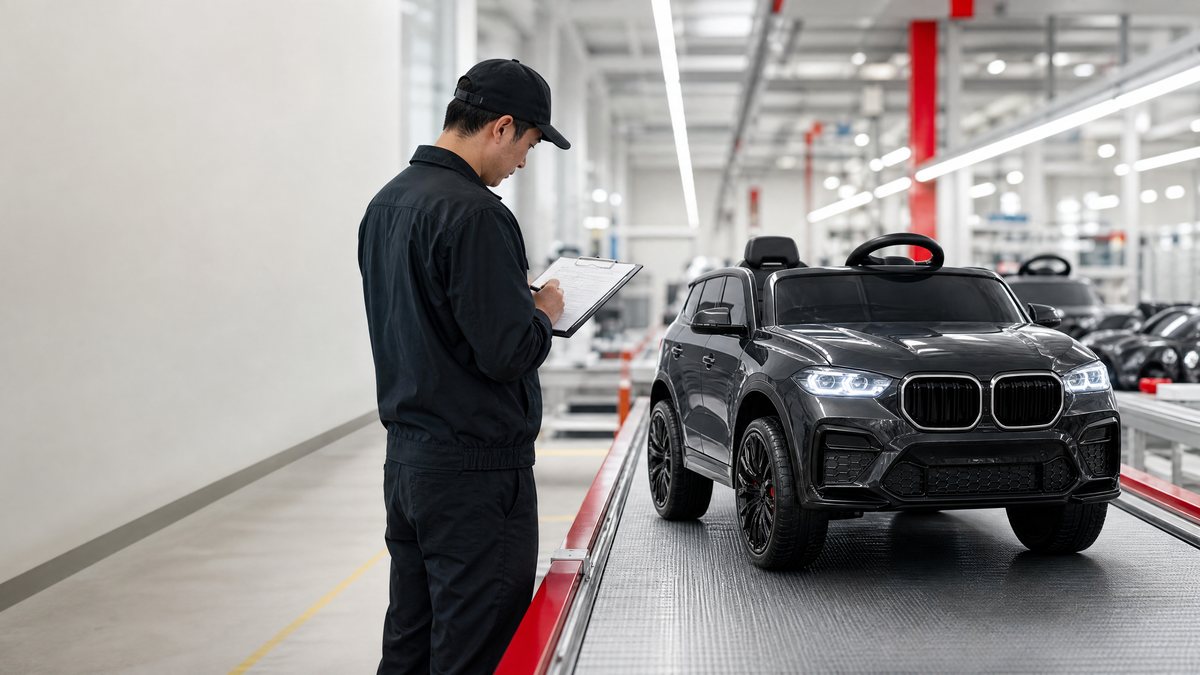
For commercial importers, distributors, and retail buyers sourcing ride-on cars in volume, evaluating manufacturing quality and regulatory documentation is critical. Compliance audits must verify that all electronic components, including lithium or sealed lead-acid (SLA) batteries and LED driver boards, meet international electromagnetic compatibility (EMC) and restriction of hazardous substances (RoHS) directives. Furthermore, packaging integrity—such as drop-test-certified corrugated master cartons and multilingual instruction manuals—minimizes transit damage and consumer return rates. Importers should request comprehensive factory test reports and verify intellectual property clearances for licensed automotive replicas (e.g., Mercedes-Benz, BMW, Jeep, or Ford designs).
Frequently Asked Questions (FAQs)
1. Do LED lights significantly reduce the battery runtime of a ride-on car?
No. Modern LEDs consume minimal electrical power compared to drive motors. Operating headlights and accent lights typically reduces overall runtime by less than 3 to 5 percent.
2. Can replacement LED bulbs or strips be easily installed if damaged?
Most quality ride-on cars utilize modular plug-and-play wiring harnesses. However, replacement components should be sourced directly from the manufacturer or authorized distributors to ensure correct voltage matching.
3. Are 24V ride-on cars safe for younger children?
24V models are generally recommended for children aged 5 and older due to higher torque and top speeds (often reaching 5 to 7 mph). Parents should utilize the 2.4G parental remote control during initial operation.
4. What safety certifications should I check for before purchasing wholesale batches?
Ensure products carry ASTM F963, CPSIA, and EN71 certifications, along with CE and FCC marks for electronic and wireless remote control components.
Conclusion and Wholesale Inquiries
Selecting the ideal ride-on car with LED lights requires a balanced assessment of aesthetic appeal, robust electrical engineering, and stringent safety compliance. Whether you are expanding a retail toy inventory or sourcing premium products for seasonal distribution, prioritizing certified quality ensures long-term customer satisfaction. For detailed B2B catalog requests, wholesale pricing structures, and container load specifications, please contact our commercial division at <a href="mailto:wholesale@example-toy-procurement.com">wholesale@example-toy-procurement.com</a>.
References
[1] United States Consumer Product Safety Commission (CPSC). Safety Standard for Toy Safety (ASTM F963-17 Overview). Available at: https://www.cpsc.gov/
[2] European Committee for Standardization (CEN). Safety of Toys - Part 1: Mechanical and Physical Properties (EN 71-1). Available at: https://www.cen.eu/
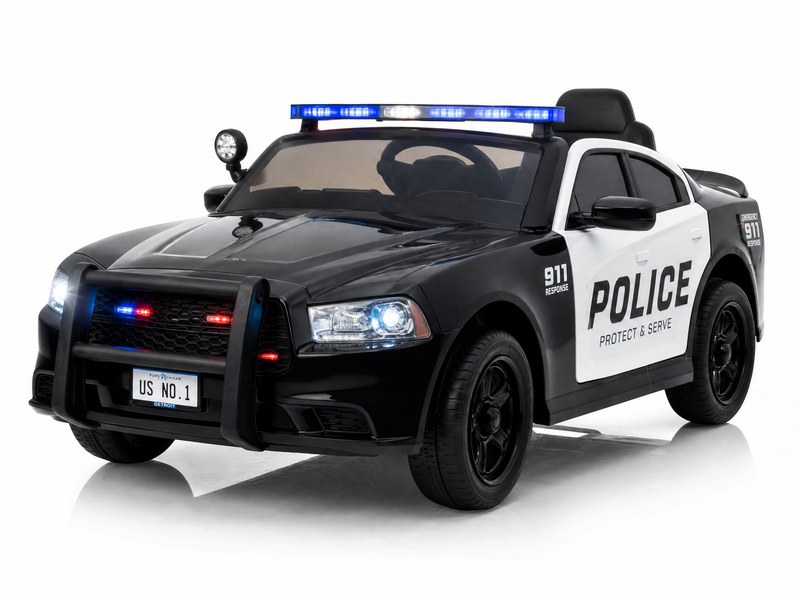
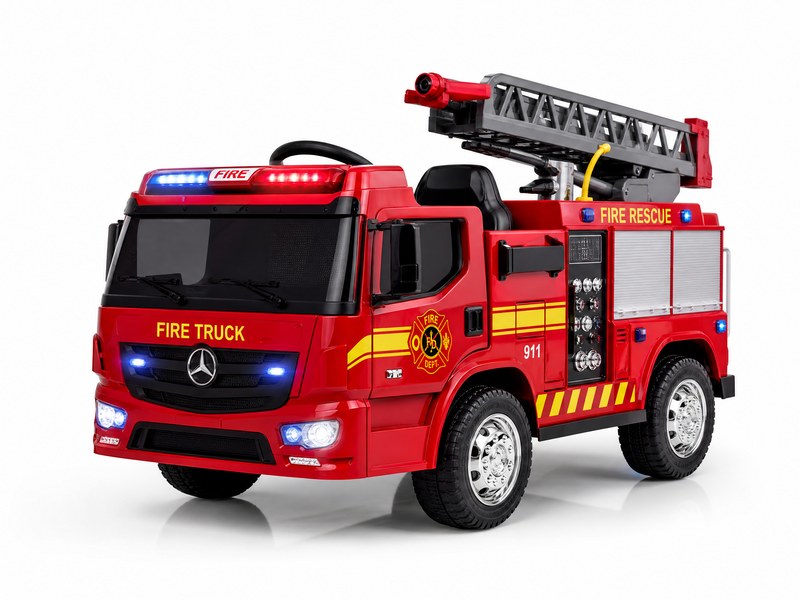
Explore matching models
View product details for this guide
Compare current specifications, age guidance and available options before requesting a quote.
Official references
Explore these external resources for current regulatory and trade guidance. Confirm requirements with the relevant authority before placing an order.
Ready to Start?
Factory-Direct · CE & ASTM Certified · MOQ from 50 Units
Our export team works with buyers in 60+ countries. Get a quote within 24 hours.
KR
Written by KidsRideCar
China's leading kids electric ride-on car manufacturer. 500,000+ units shipped annually to 60+ countries. CE, ASTM & EN71 certified.