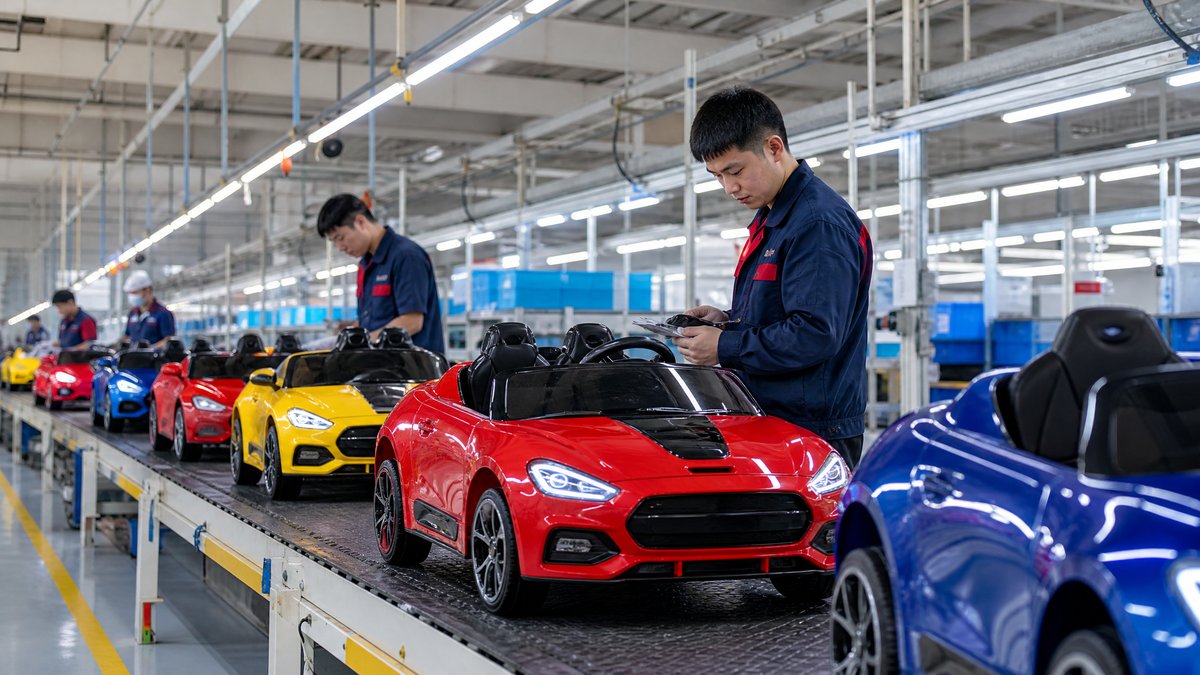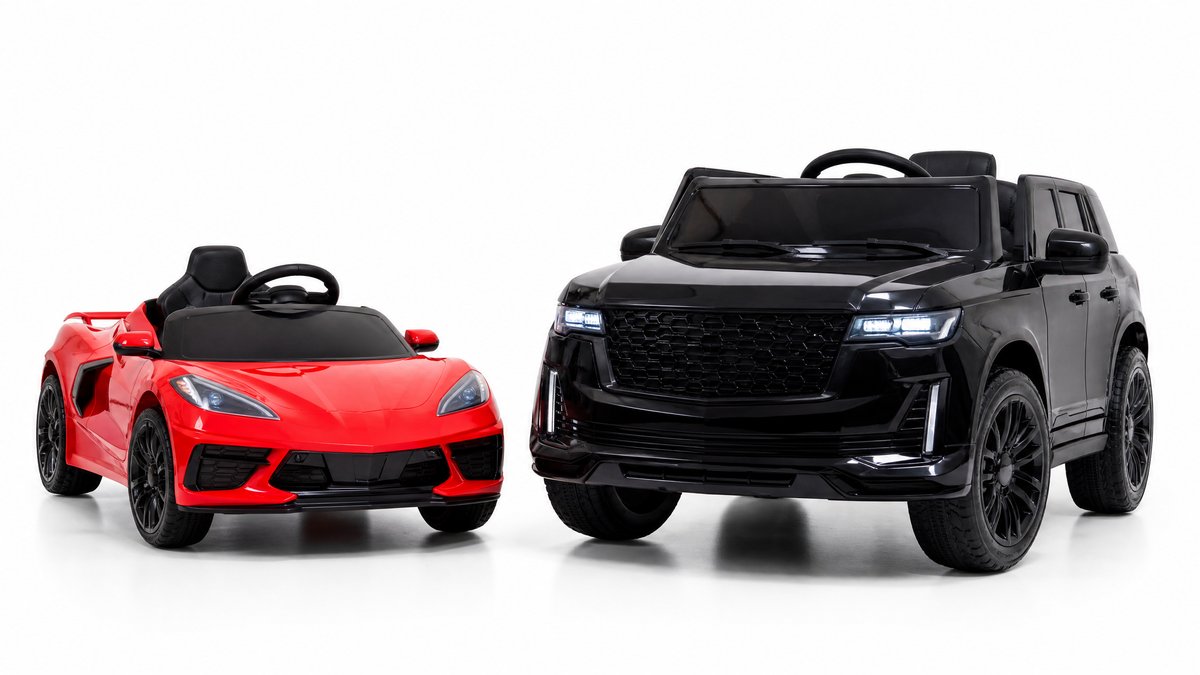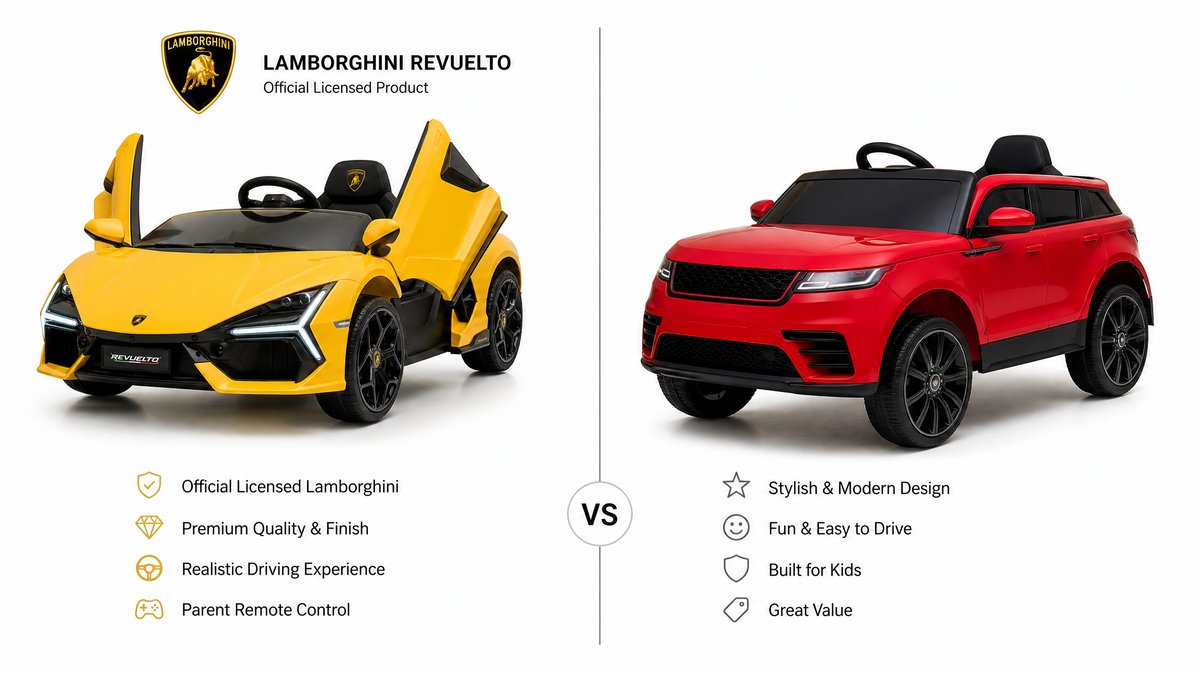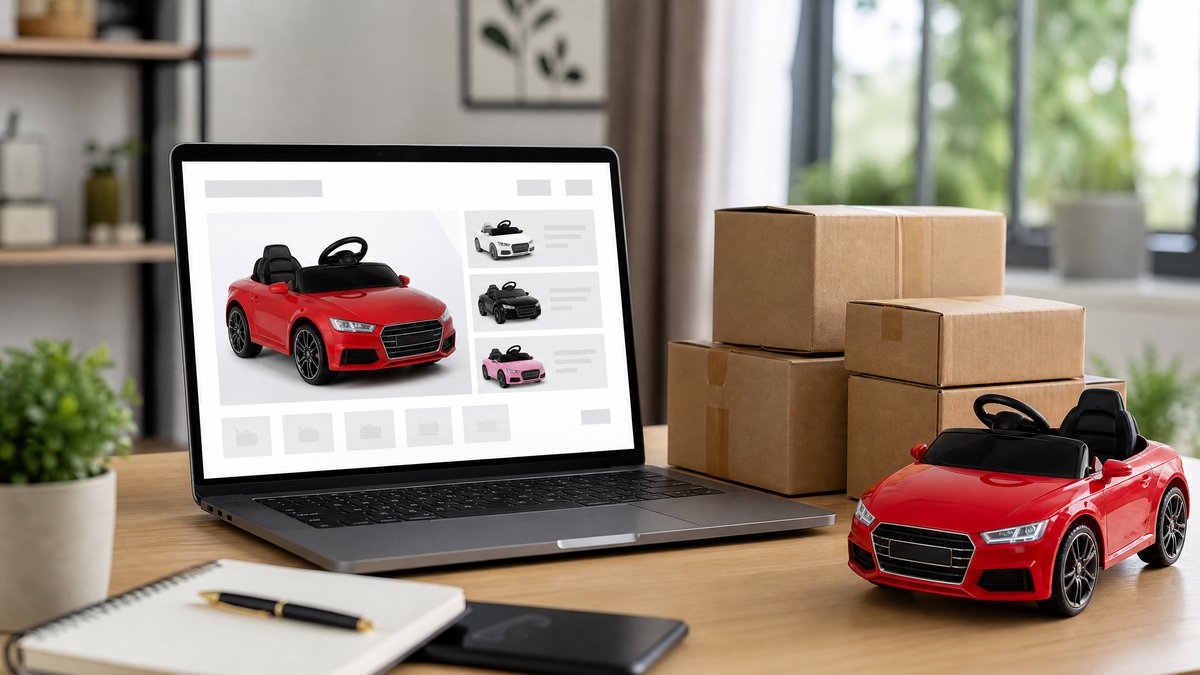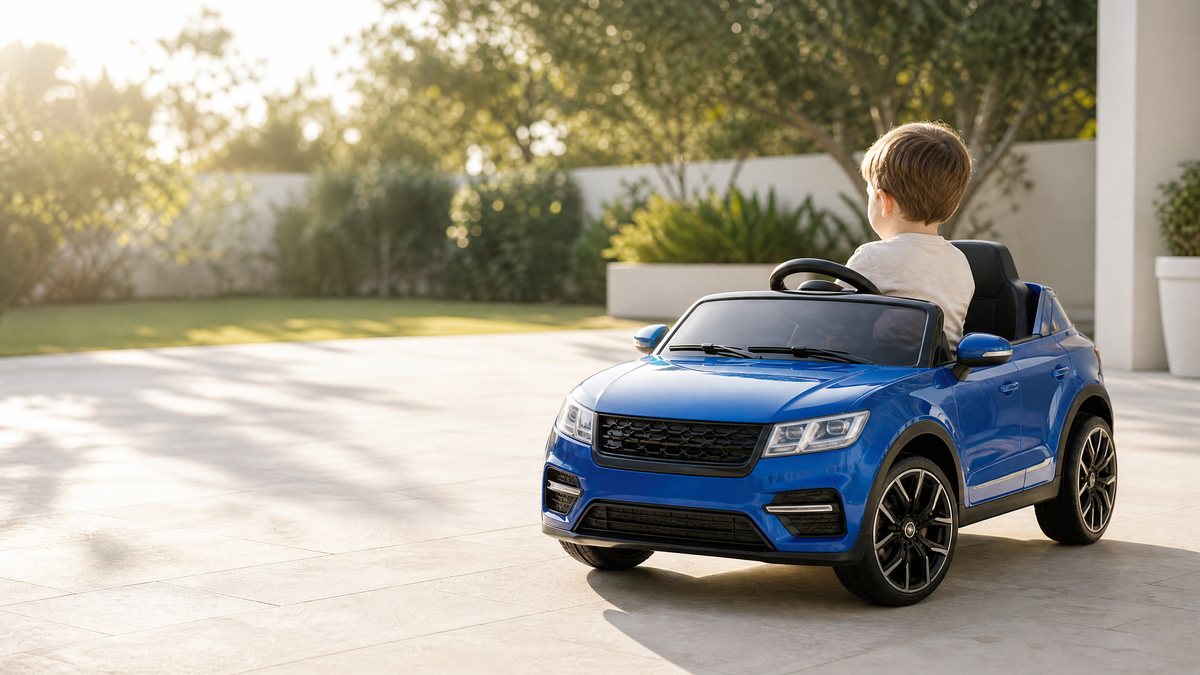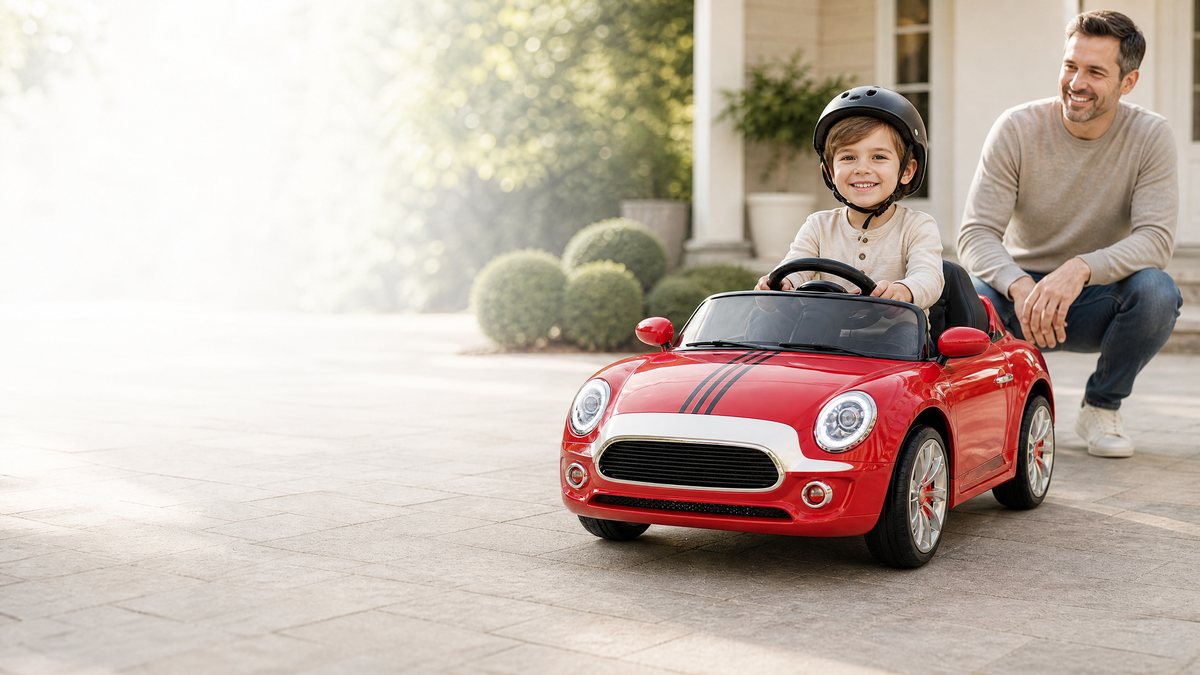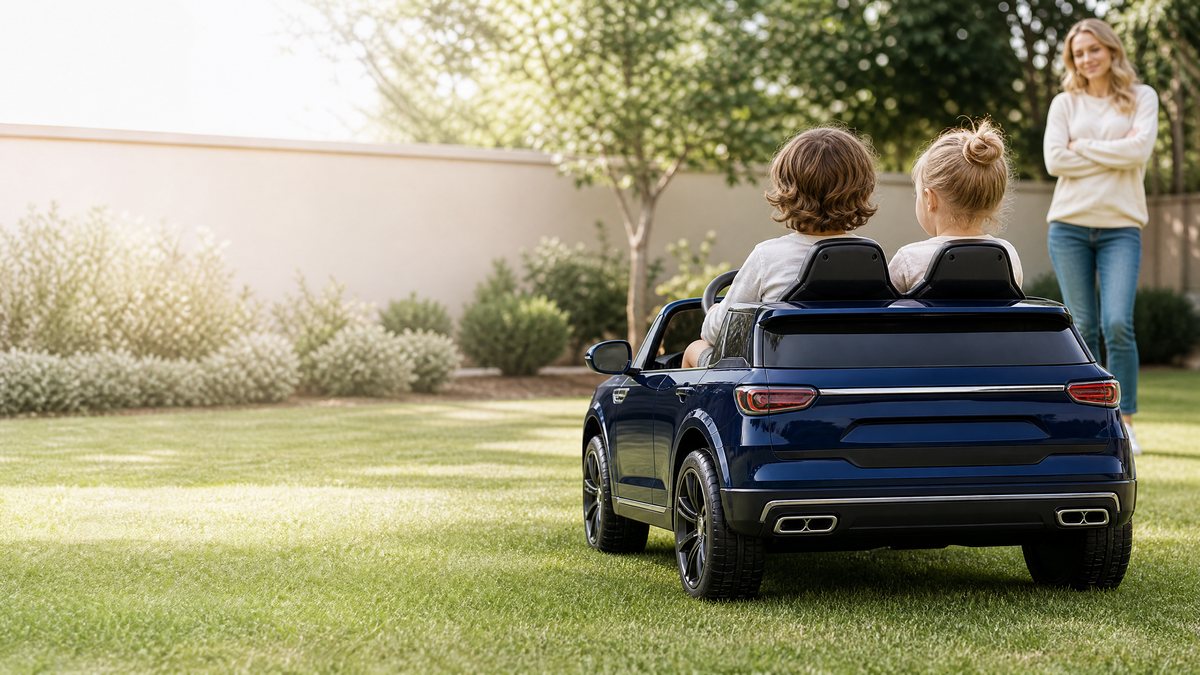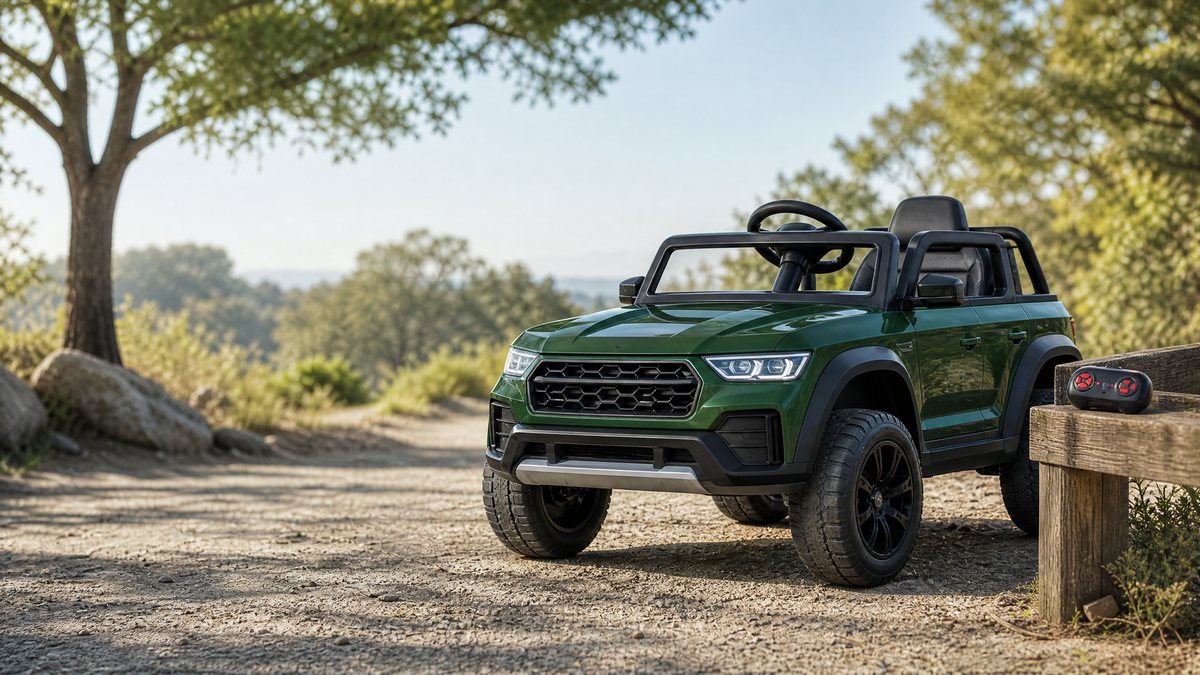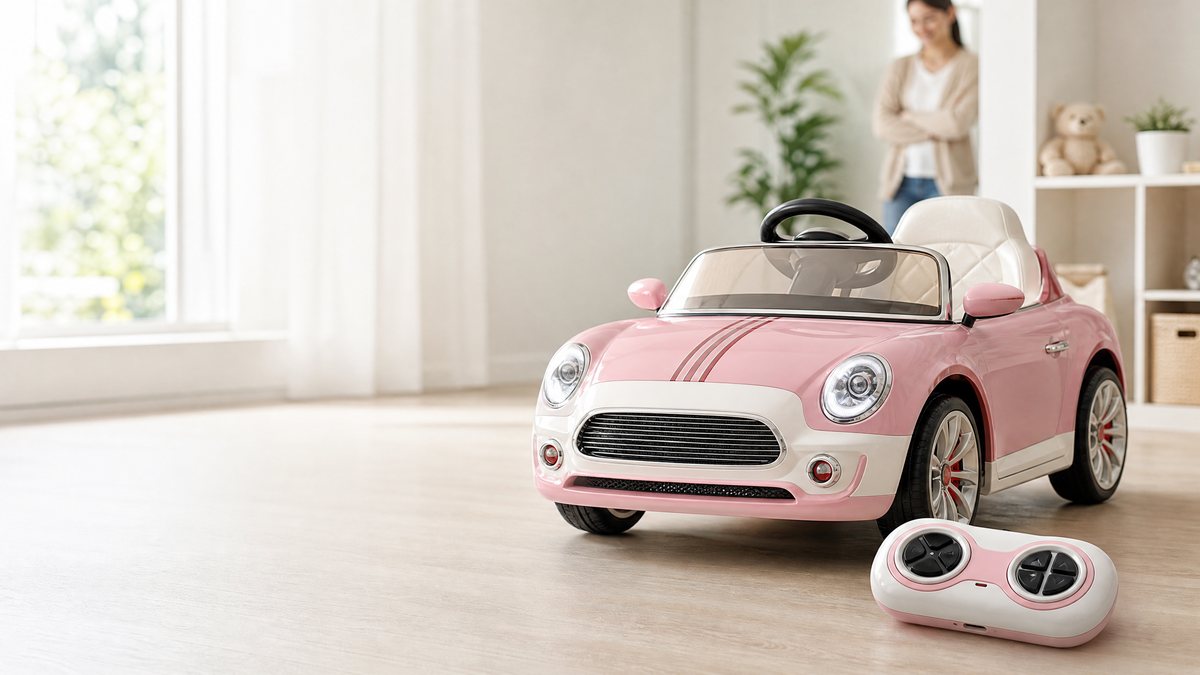
Choosing the ideal ride-on vehicle for a two-year-old toddler is a decision that requires balancing developmental milestones, safety engineering, and ergonomic fit. At two years of age, children experience rapid advancements in gross motor skills, balance, and spatial coordination. They are transitioning from unsteady toddlers into active explorers eager to steer, push, and navigate their immediate surroundings.
However, because physical capabilities and coordination vary widely across this age group, there is no single universal model that fits every child. Instead, the best ride-on car for a two-year-old girl depends on specific design categories, such as foot-to-floor push cars, low-voltage electric cars with parental remote override, and convertible multi-stage toys. This guide outlines a transparent editorial framework to help parents, gift-buyers, and retail importers evaluate vehicle specifications objectively, ensuring both maximum engagement and uncompromising safety.
Developmental Readiness and Physical Fit for Two-Year-Olds
Before evaluating specific vehicle types, adult buyers must understand the physiological and cognitive stage of a typical two-year-old child. At this stage, leg strength, core stability, and reaction times are still developing.
Motor Skills and Steering Coordination
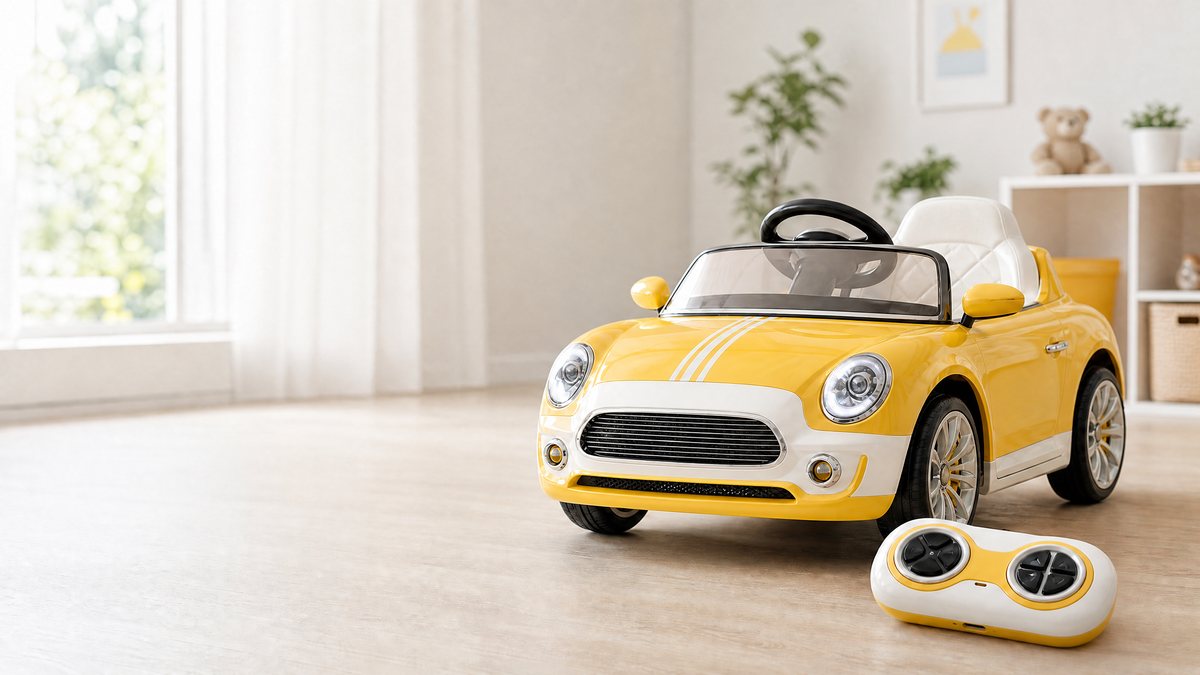
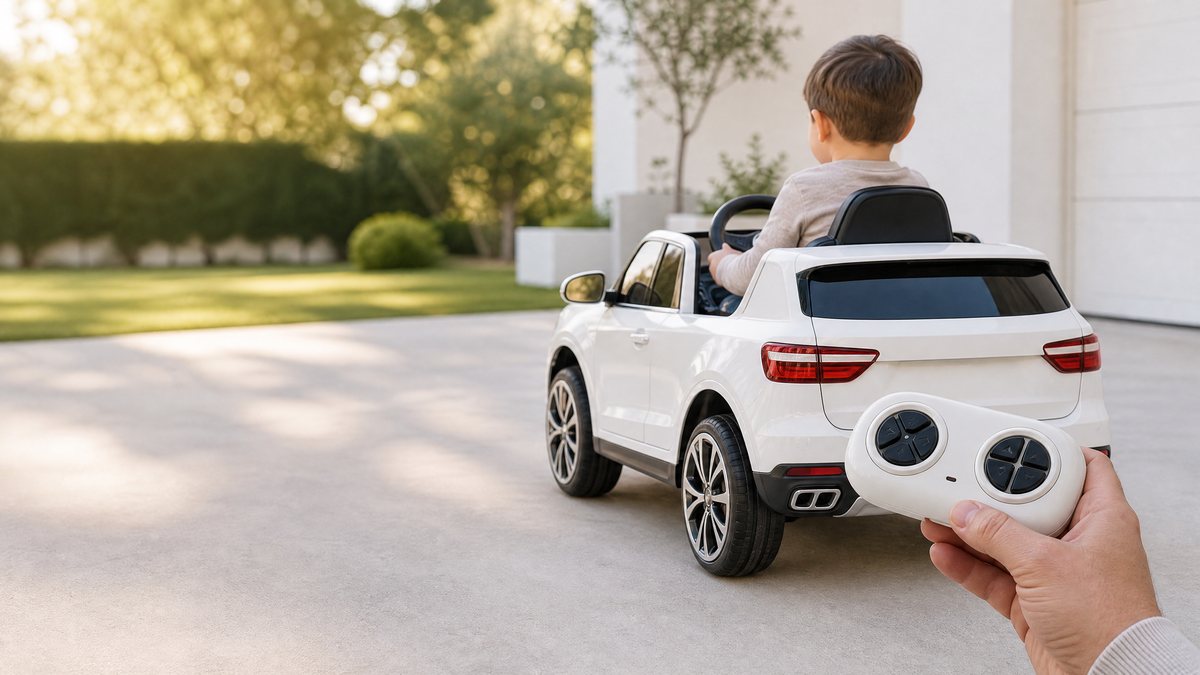
Most two-year-olds are learning how to coordinate simultaneous actions, such as steering a wheel while pushing with their feet or managing a foot pedal. Complex electric ride-on cars that rely solely on foot-pedal acceleration and steering wheel input can sometimes overwhelm a young toddler. Consequently, vehicles featuring multi-mode operation—allowing parents to take complete directional control via a remote transmitter while the child rests their feet—provide a reassuring bridge for younger children who are not yet ready for independent driving.
Sizing and Ergonomics
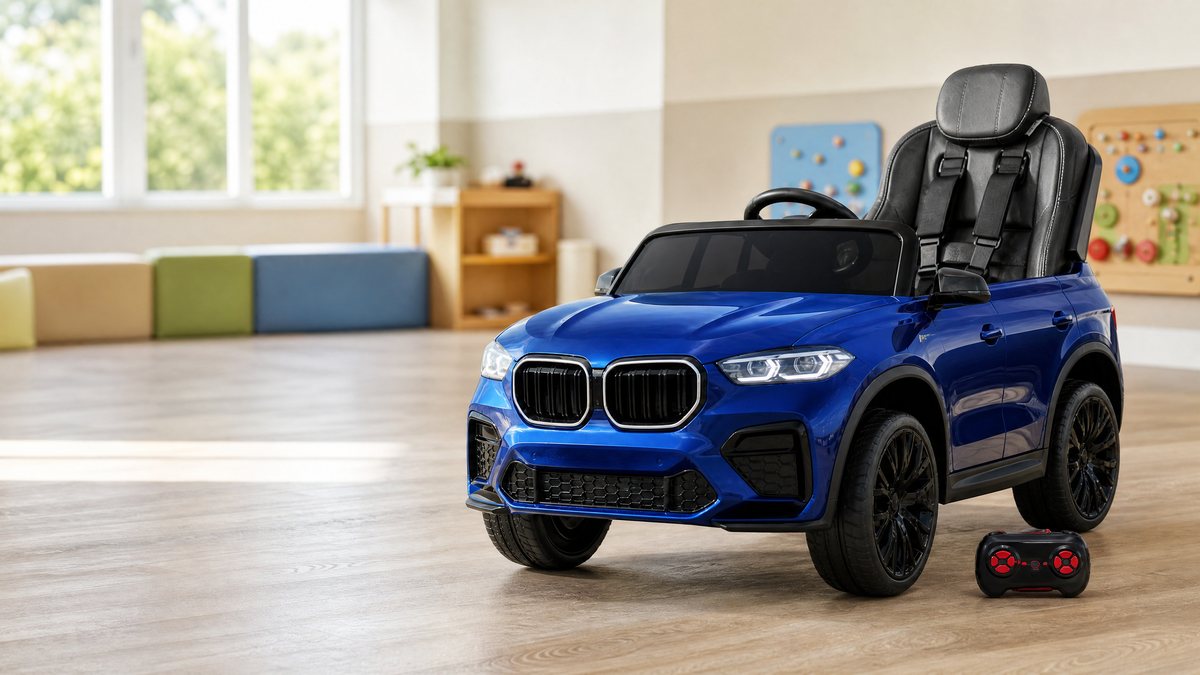
Ergonomic fit is paramount. A child should be able to sit comfortably with both feet flat on the floor or securely resting on footrests, depending on the vehicle design. Seat height, backrest support, and easy step-through frames prevent straining and ensure that the child can mount and dismount independently without tipping the vehicle. Always verify seat dimensions and maximum weight limits against the manufacturer specifications rather than relying solely on age categorizations [1].
Key Evaluation Framework for Parents and Retailers
When selecting or stocking ride-on cars for two-year-olds, buyers should assess vehicles across four core technical and functional dimensions:
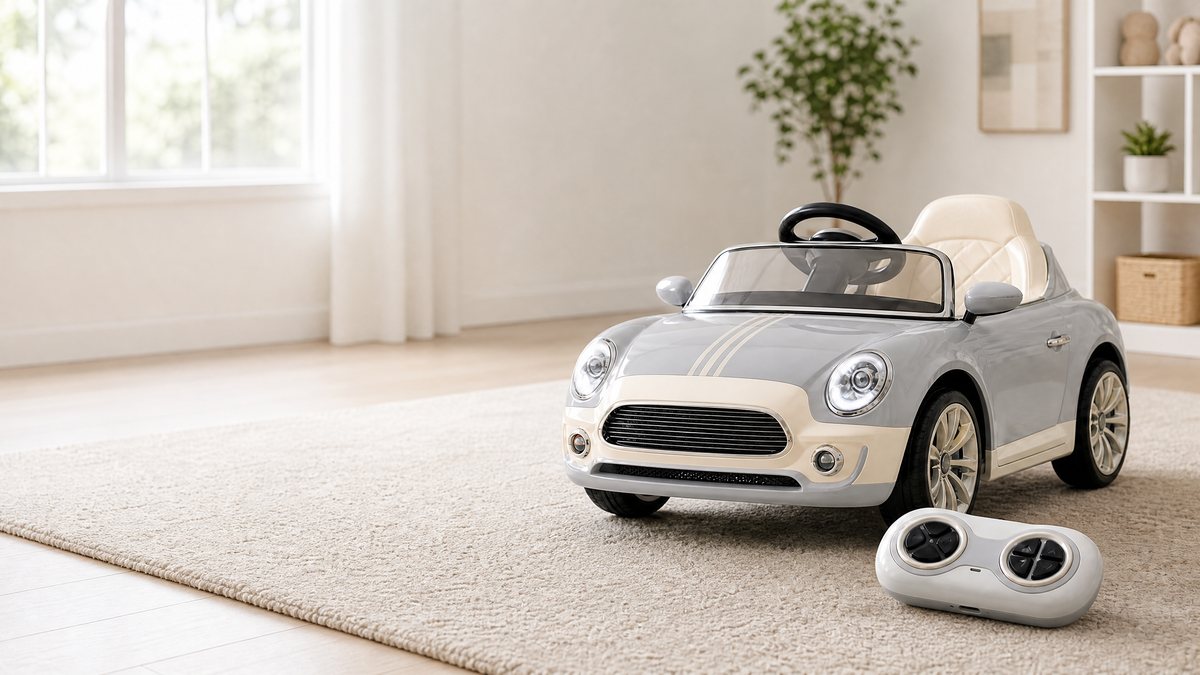
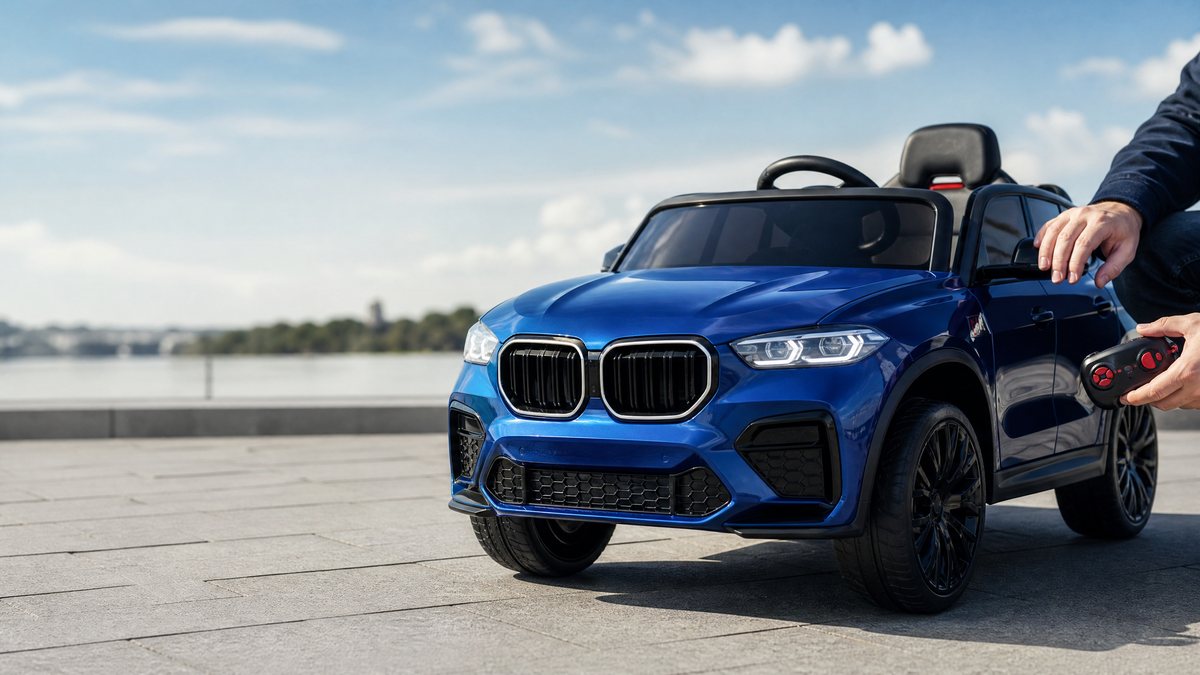
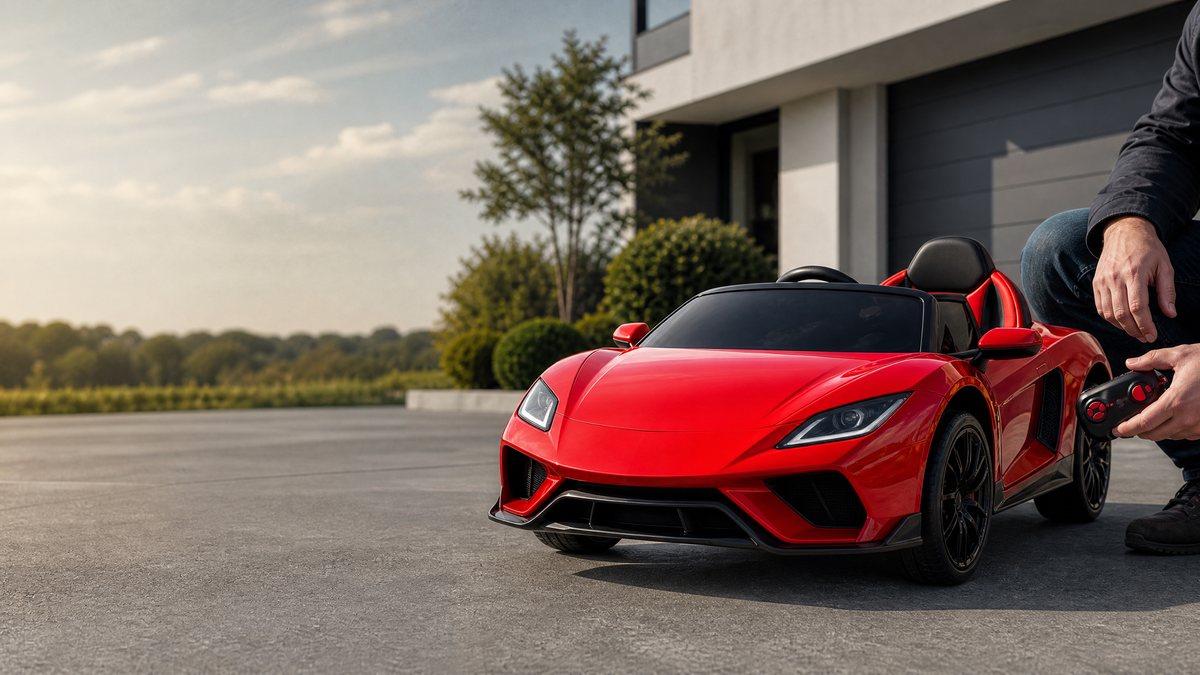
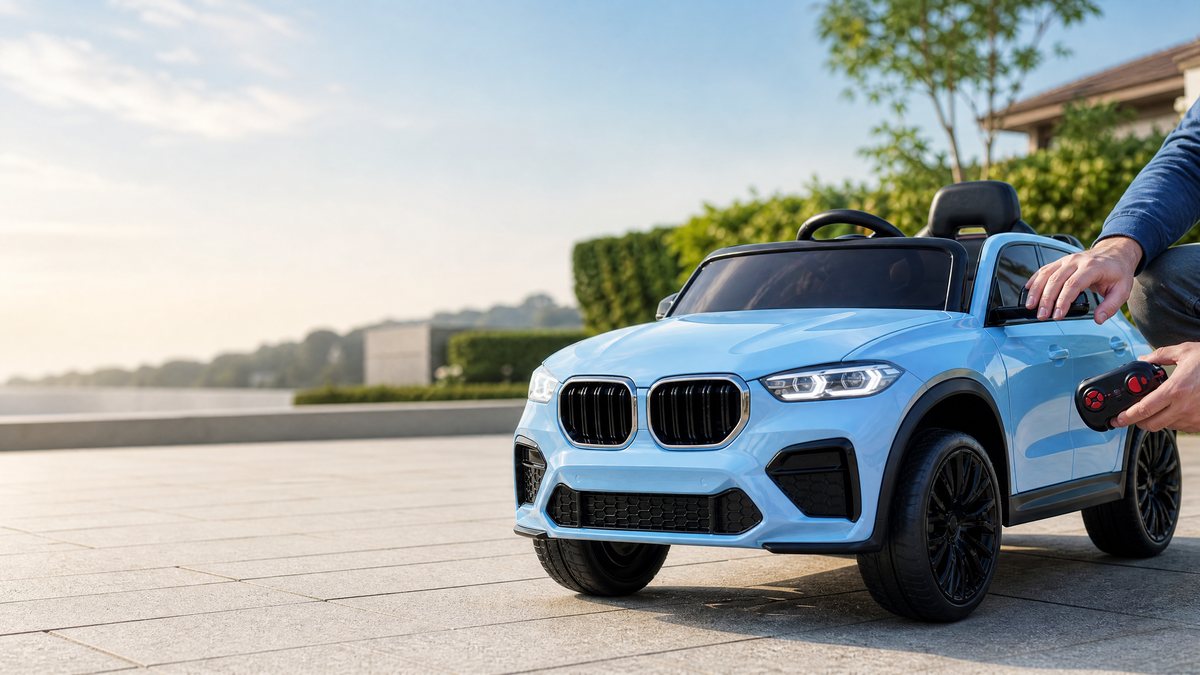
1. Parental Control Systems: For motorized electric ride-ons, a 2.4G Bluetooth parental remote control is essential. It enables supervising adults to override steering, adjust speed settings, and immediately halt the vehicle if obstacles or hazards arise.
2. Speed and Power Configuration: For two-year-olds, 6-volt electrical systems or low-speed 12-volt configurations with soft-start acceleration mechanisms are generally appropriate. Soft-start technology prevents sudden jolts when the accelerator is depressed, protecting the toddler's neck and posture.
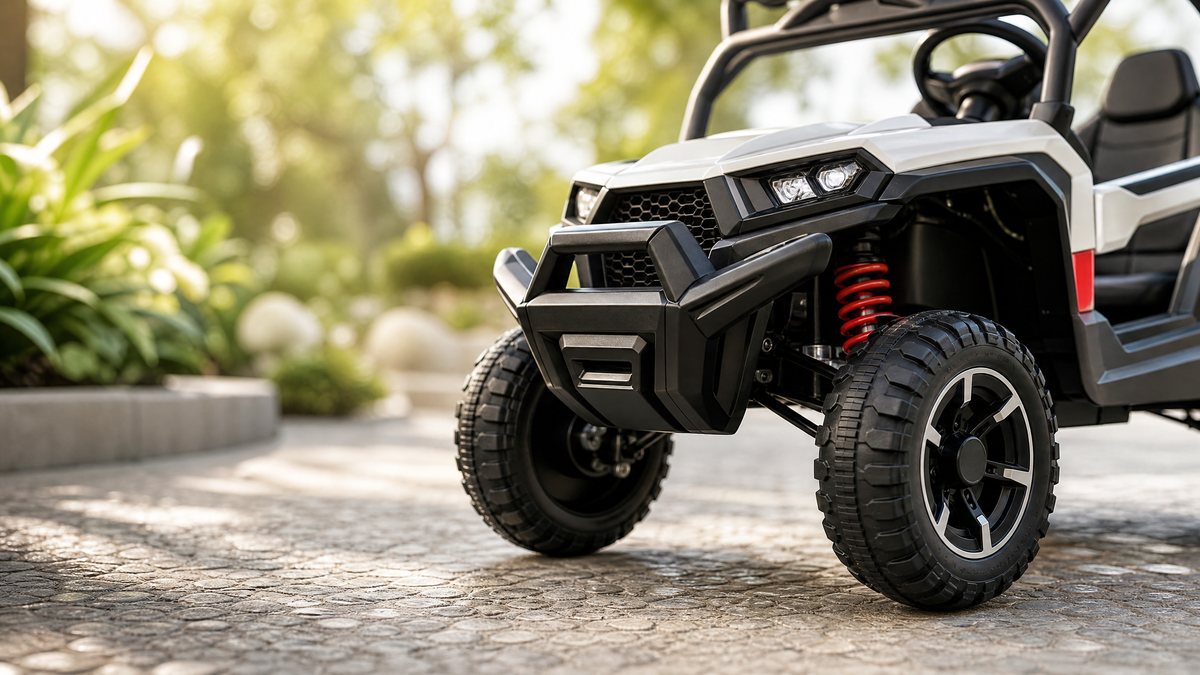
3. Stability and Wheel Construction: A wide wheelbase and four-wheel stability configuration minimize tipping risks during sharp turns. Durable wheels featuring rubber traction strips or EVA foam construction provide smoother rolling on hard outdoor surfaces while reducing indoor noise.
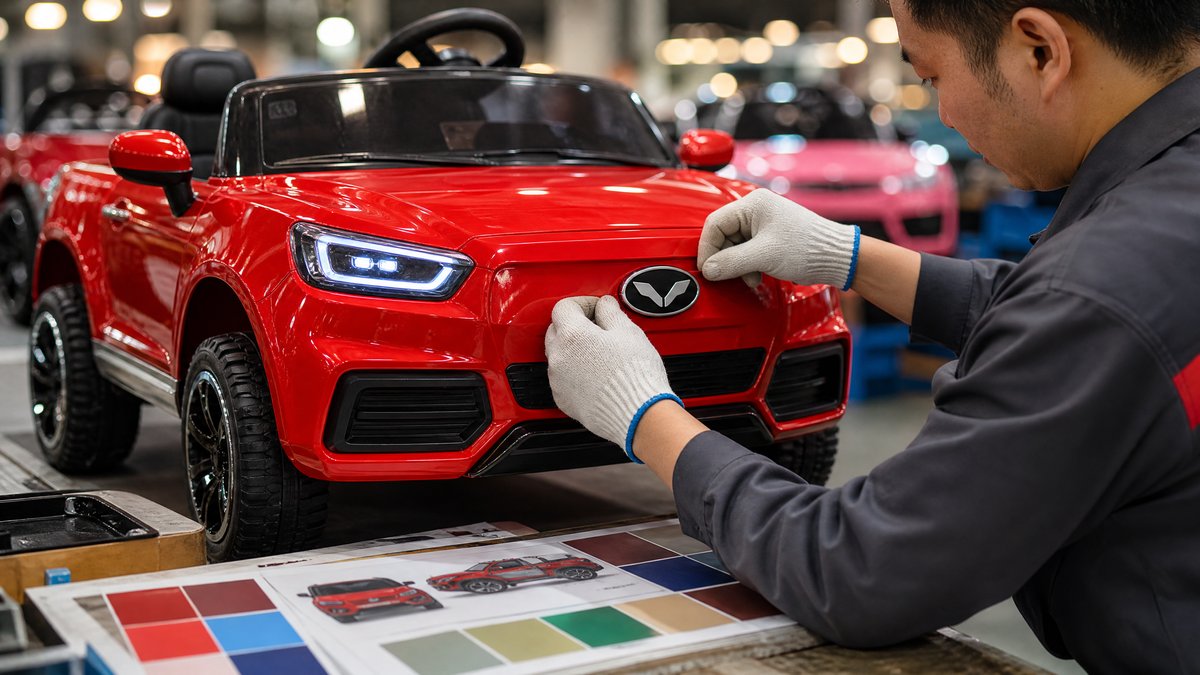
4. Build Quality and Non-Toxic Materials: Reputable manufacturers construct ride-on bodies from durable, impact-resistant virgin plastics finished with non-toxic, child-safe paints and coatings that comply with international toy safety standards [2].
Comparison of Ride-On Categories for Two-Year-Old Girls
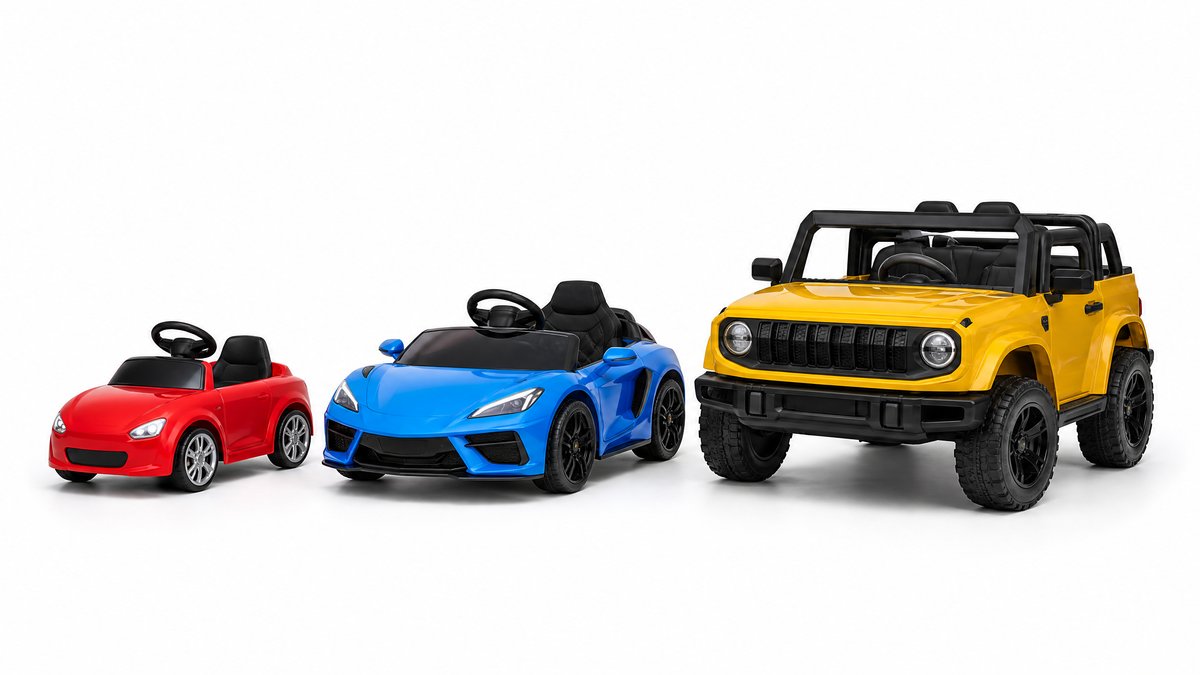
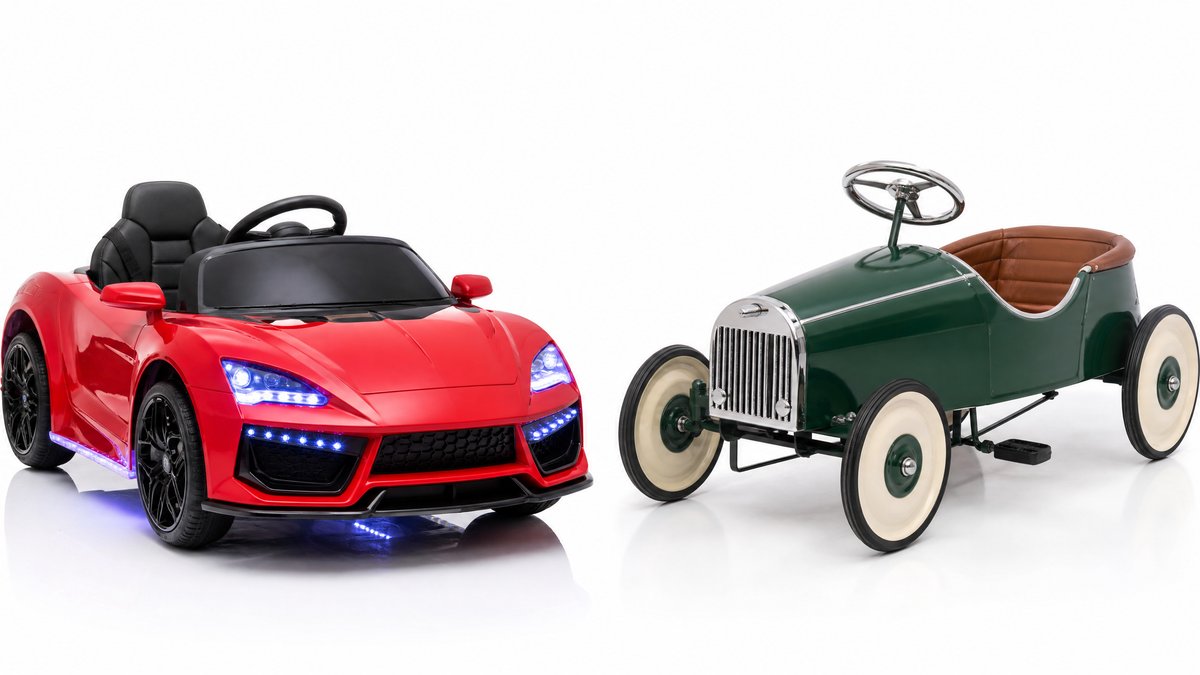
To help buyers navigate the diverse market offerings, the following comparison outlines the primary ride-on categories suitable for two-year-olds, detailing their operational mechanics and primary use cases.
| Ride-On Category | Power Source | Primary Control Mechanism | Best Suited For | Key Considerations |
|---|---|---|---|---|
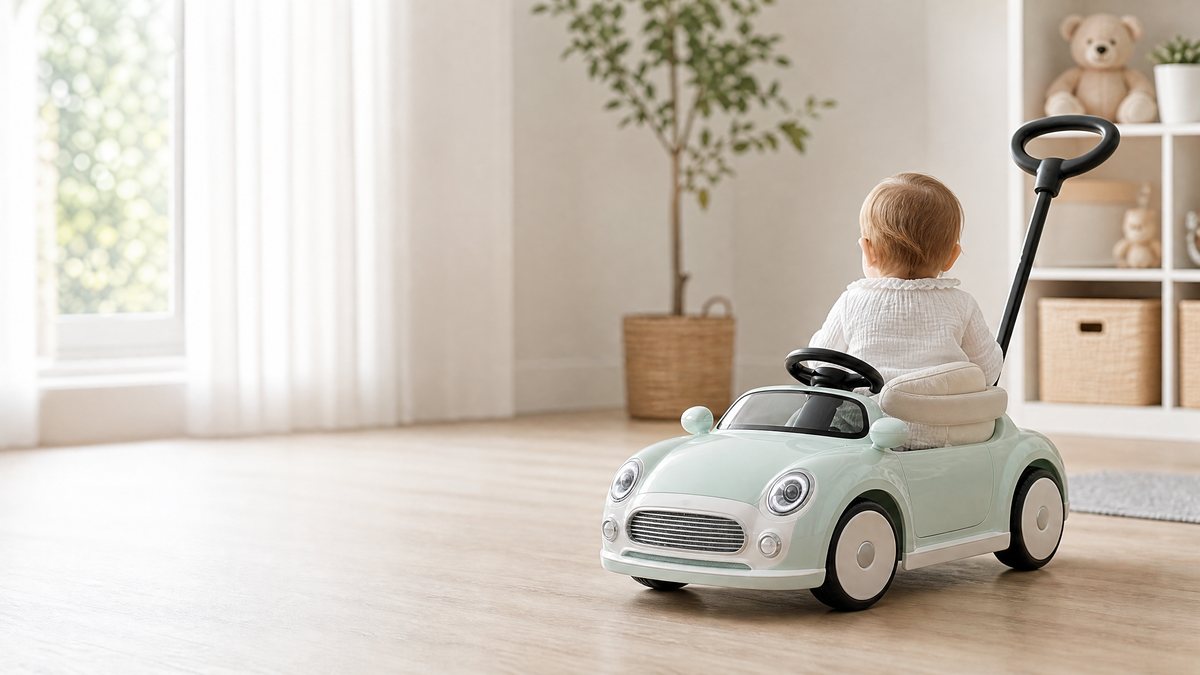
| Foot-to-Floor Push Cars | Manual (Child-powered) | Foot propulsion, steering wheel | Indoor play, early walkers, outdoor flat pavements | Encourages active leg muscle development; requires parental pushing or physical exertion by the child. |
| 6V Electric Ride-On Cars | 6-Volt Battery | Foot pedal or basic button, optional remote | Controlled outdoor yards, smooth driveways | Lower, gentle top speeds ideal for younger toddlers; limited hill-climbing power on steep inclines. |
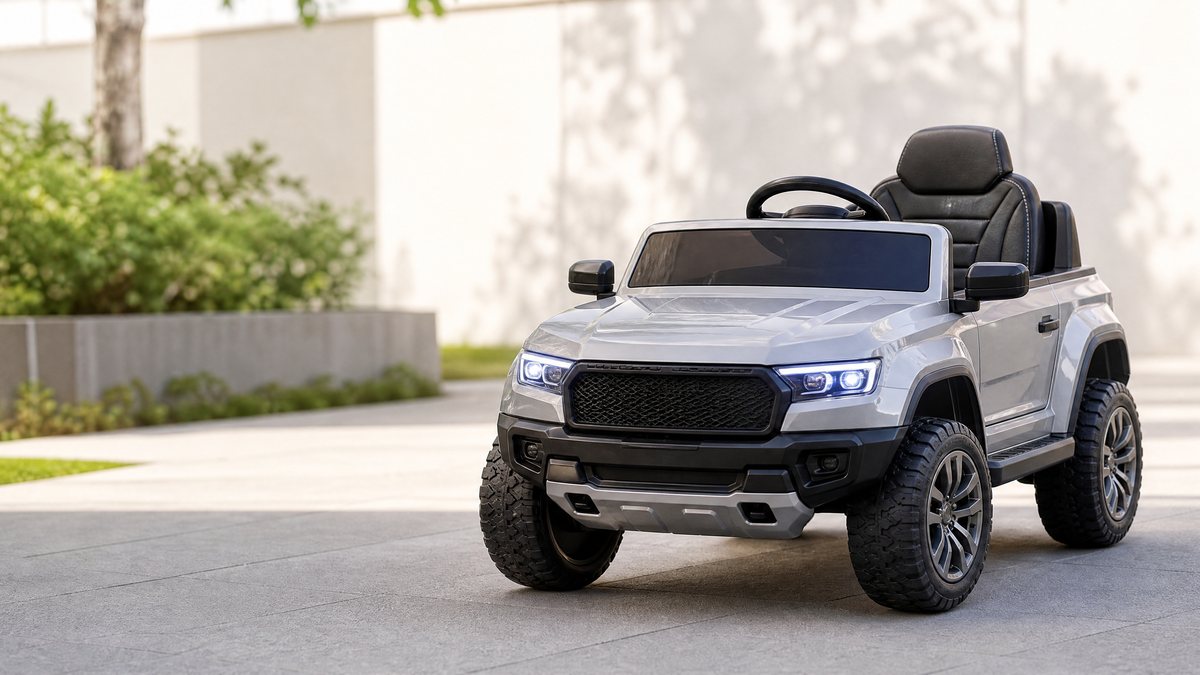
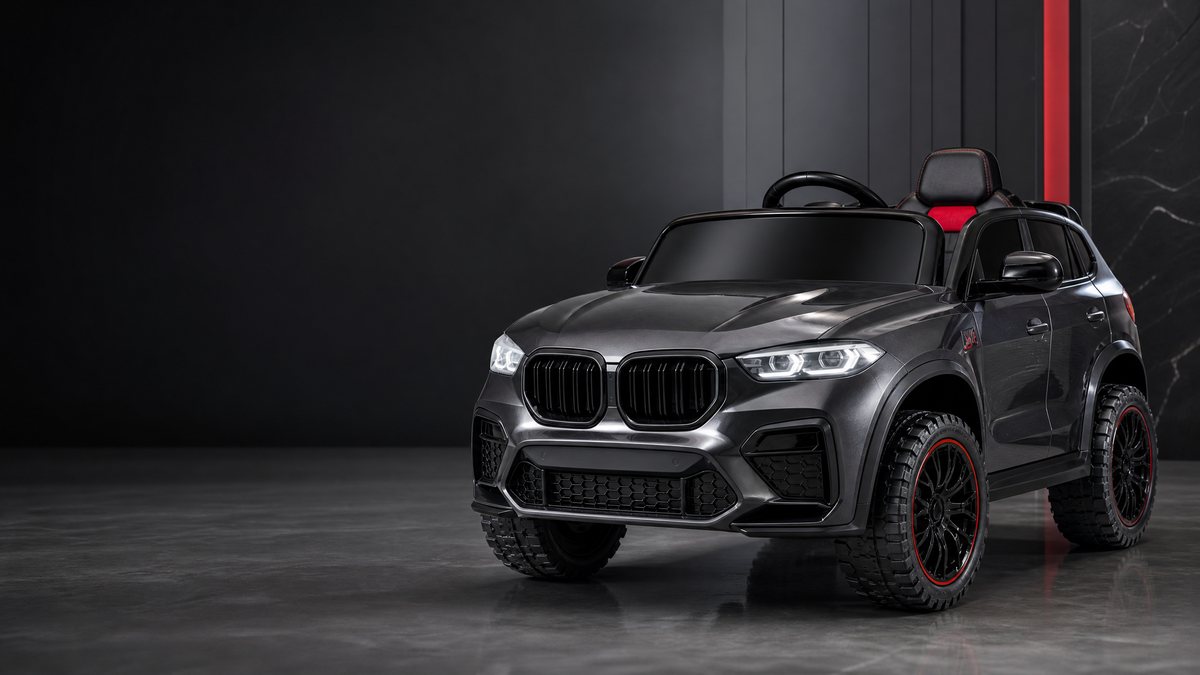
| 12V Dual-Mode Electric Cars | 12-Volt Battery | 2.4G Parental Remote + Foot Pedal | Long-term use across ages 2 to 5 | High versatility with adjustable speeds; parental remote is mandatory for safe operation at age two. |
| 3-in-1 Convertible Strollers | Manual / Push Handle | Push handle, rocker base, or foot-to-floor | Growing toddlers transitioning from strollers | Multi-functional design offering parental push handles, rocking features, and independent ride-on modes. |
Comprehensive Safety and Fit Checklist
Safety is the foremost priority when introducing any ride-on toy to a toddler. Adult supervisors and retail buyers should review the following operational checklist before purchase and deployment:
- Adult Supervision: Continuous, attentive adult supervision is mandatory whenever a toddler operates a ride-on vehicle, regardless of remote control availability.
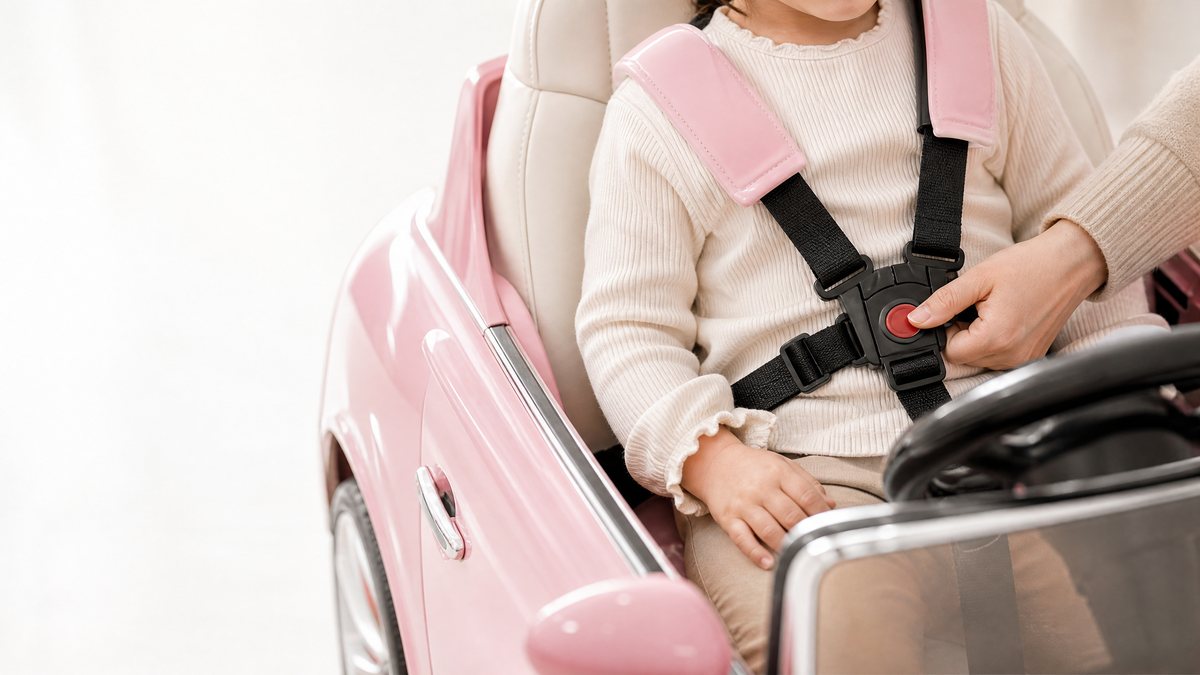
- Protective Gear: While foot-to-floor cars operate at walking speeds, motorized electric cars warrant a properly fitted toddler bicycle helmet to protect against accidental tip-overs.
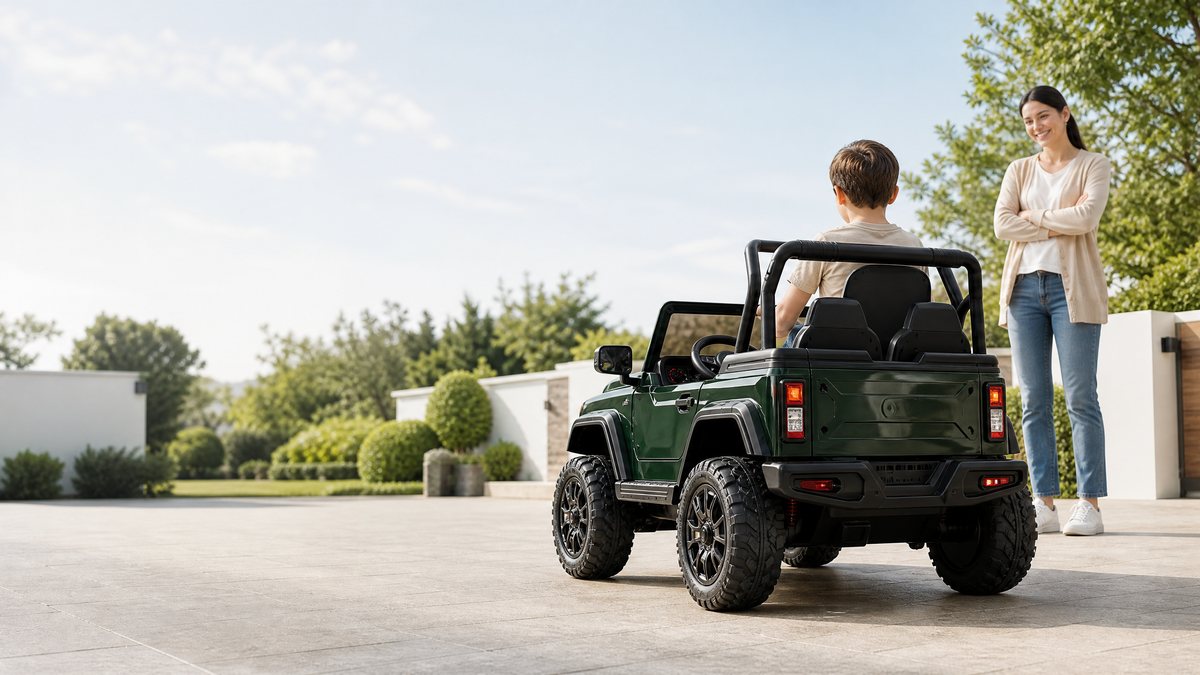
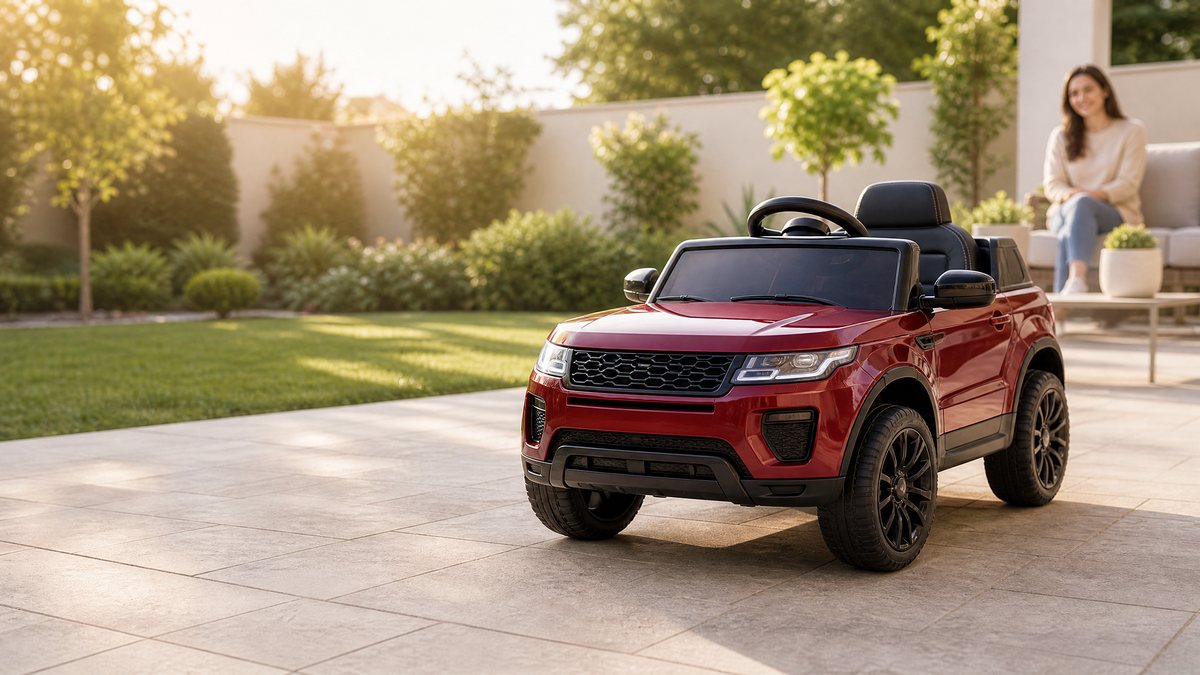
- Surface Environment: Restrict riding to flat, smooth, and dry surfaces such as paved driveways, parks, or indoor play areas. Strictly avoid sloped driveways, swimming pool surroundings, public roadways, and unpaved rough terrain.
- Weight and Age Verification: Confirm that the child does not exceed the manufacturer specified maximum weight capacity or height limits. Overloading compromises braking efficiency and structural integrity.
- Battery and Electrical Maintenance: For motorized units, chargers and batteries must be inspected regularly by adults. Never allow toddlers to handle charging cables or electrical ports.
Key Buyer Questions to Ask Suppliers and Retailers
For wholesale buyers, retail store owners, and discerning parents inquiring with suppliers, asking targeted technical questions ensures product reliability and regulatory compliance:
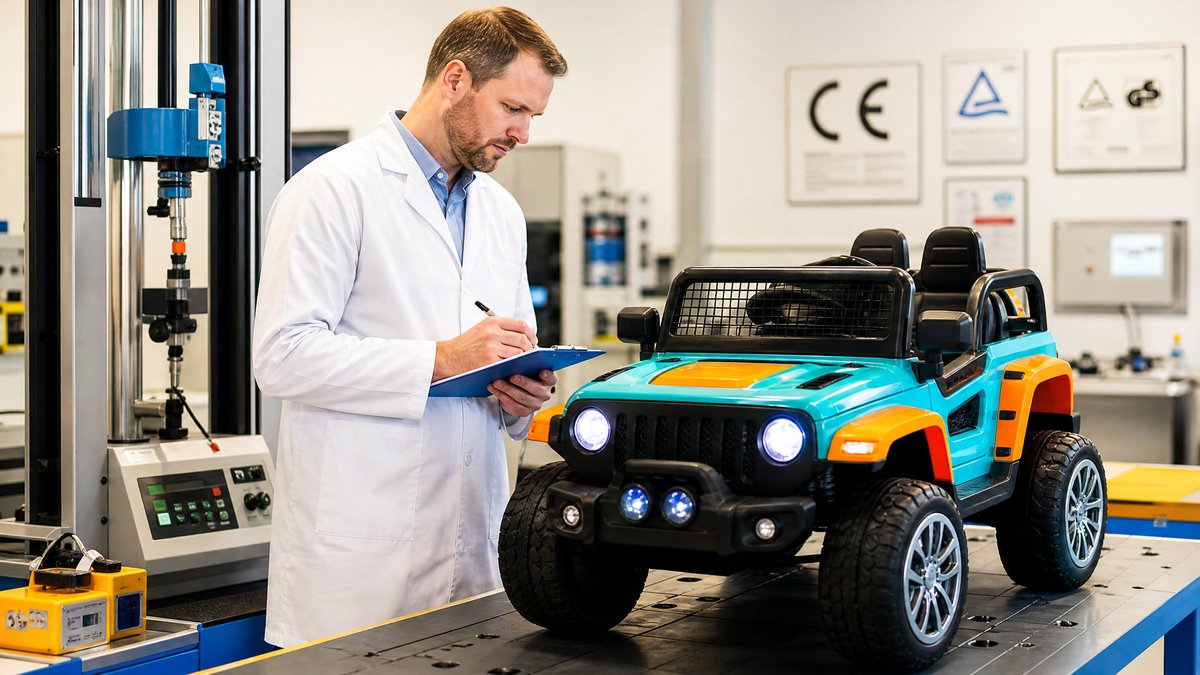
- *What official toy safety certifications (such as ASTM F963 or EN71) accompany this model?* Verification of independent laboratory testing ensures compliance with mechanical, electrical, and chemical safety limits [2].
- *Is a 2.4G parental remote control included as standard equipment, and does it feature an emergency brake override?* Ensuring remote priority prevents runaway scenarios when toddlers panic or lose steering control.
- *Are replacement parts, such as spare batteries, chargers, and replacement wheels, readily available from the supplier?* Stocking spare parts extends product lifespan and enhances customer satisfaction.
- *What is the exact maximum weight capacity and recommended height range?* Clear dimensional specifications prevent premature wear and ensure ergonomic comfort.
For Retailers and Importers: Merchandising and Stocking Considerations
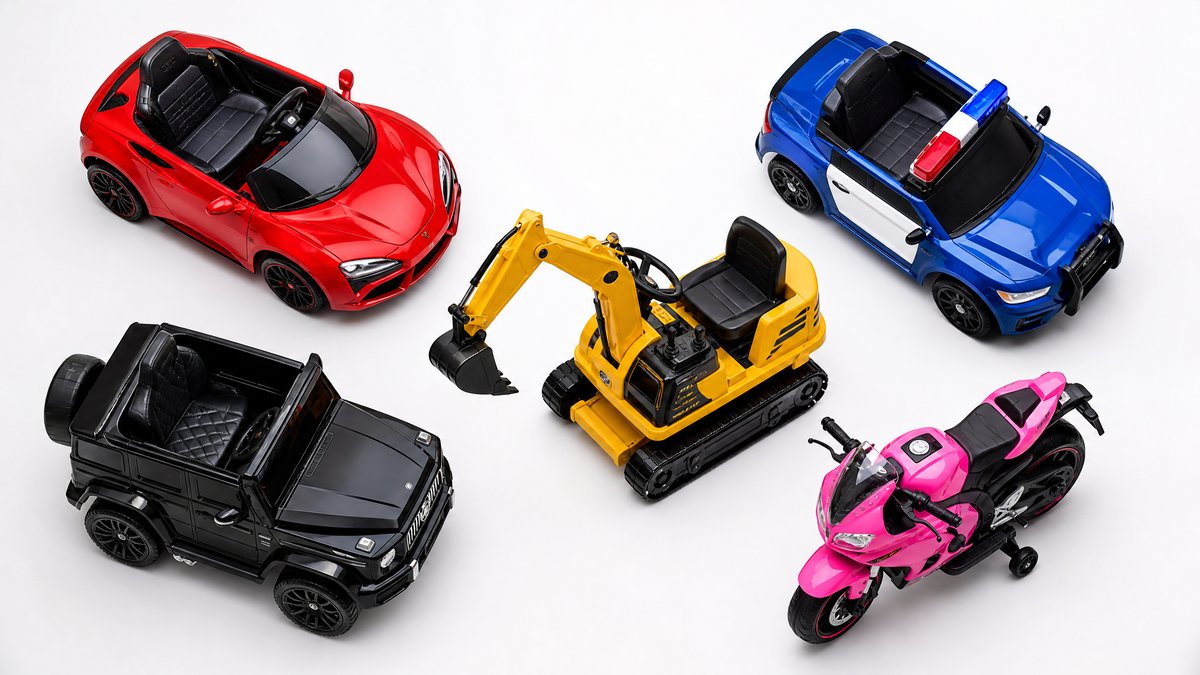
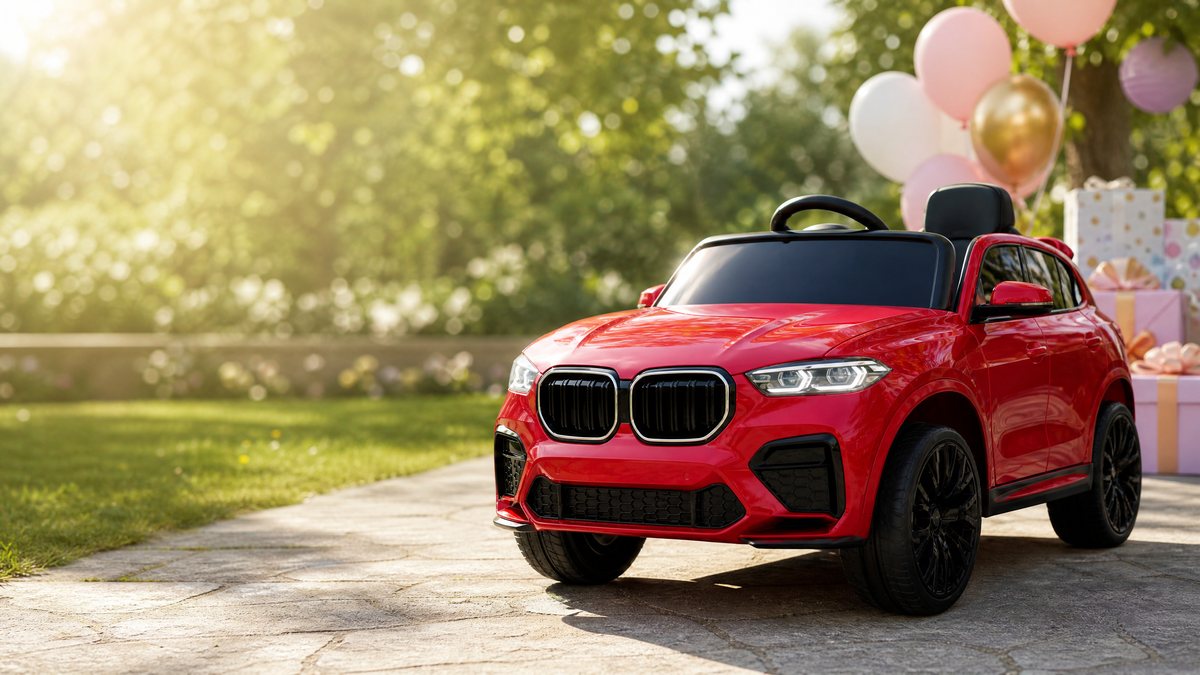
Retailers and commercial importers targeting the toddler demographic must align inventory with current market demands. Two-year-old girls often gravitate toward vehicles featuring vibrant pastel color palettes (such as soft pinks, mint greens, and pearl whites), licensed luxury aesthetic styling (miniature SUVs, classic vintage roadsters, and sleek sports cars), and interactive features like working horn sounds and pre-recorded musical melodies.
Furthermore, packaging efficiency, drop-shipping readiness, and clear assembly manuals are vital considerations for commercial success. Importers should confirm that factory packaging includes drop-test certification to minimize transit damage and returns.
Frequently Asked Questions
Is a 6V or 12V ride-on car better for a 2-year-old?
For a two-year-old child, a 6V ride-on car or a restricted-speed 12-volt car equipped with a 2.4G parental remote control is generally recommended. 6V systems offer lower, gentler top speeds that match a toddler's reaction time, whereas 12V dual-motor systems provide longevity as the child grows older, provided adults utilize the remote control speed-limiting features.
Why is a parental remote control essential for toddlers?
Two-year-olds are still developing directional awareness and impulse control. A 2.4G parental remote control allows supervising adults to steer, brake, and override pedal inputs instantly, ensuring the child remains safely away from hazards, obstacles, or uneven terrain.
How long do ride-on car batteries typically last?
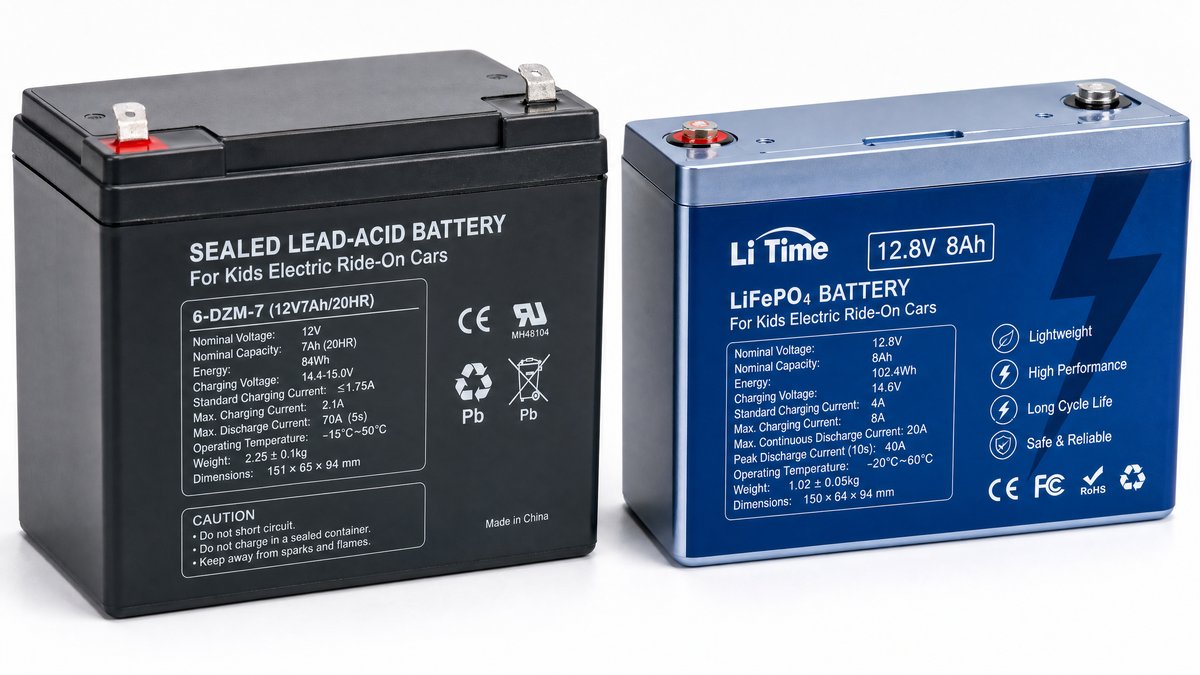
Standard rechargeable lead-acid or lithium toy batteries typically provide between 45 to 90 minutes of continuous operational time per full charge, depending on terrain, vehicle load, and motor usage. Initial charging generally requires 8 to 12 hours, following manufacturer instructions.
Can 2-year-olds safely use pedal-operated electric cars independently?
At age two, most children lack the precise foot-eye coordination and braking reaction times required for entirely independent pedal operation. Independent operation is best deferred until age three or older, whereas two-year-olds should ride under parental remote supervision or use foot-to-floor push configurations.
What safety standards should toy vehicle buyers verify?
Buyers should verify compliance with recognized international safety standards, such as the ASTM F963 Consumer Safety Specification for Toy Safety in the United States or EN71 standards in the European Union, which regulate mechanical strength, flammability, and soluble heavy metal limits [2].
Conclusion
Selecting the best ride-on car for a two-year-old girl involves balancing developmental readiness, ergonomic comfort, and robust safety engineering. Whether choosing a simple foot-to-floor push cruiser that encourages active leg muscle development or a supervised electric vehicle with parental remote override, prioritizing verified build quality ensures a delightful and secure experience. Adult supervision, adherence to manufacturer guidelines, and verification of safety standards remain essential cornerstones of safe play.
Request a wholesale quote to explore our complete collection of certified toddler ride-on vehicles and commercial catalog options.
References
1. U.S. Consumer Product Safety Commission (CPSC). *Toy Safety Education and Ride-On Toy Guidelines*. Available online via CPSC public safety publications.
2. ASTM International. *ASTM F963 - Standard Consumer Safety Specification for Toy Safety*. West Conshohocken, PA.
Explore matching models
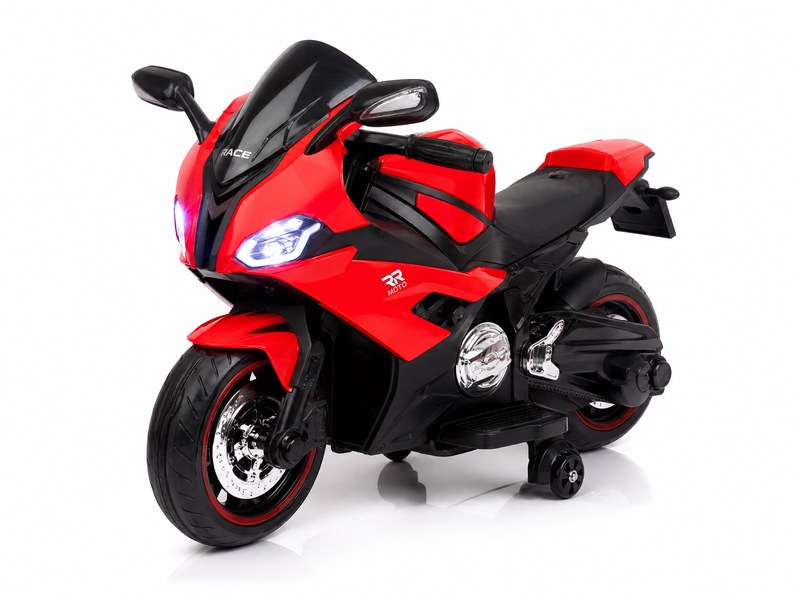
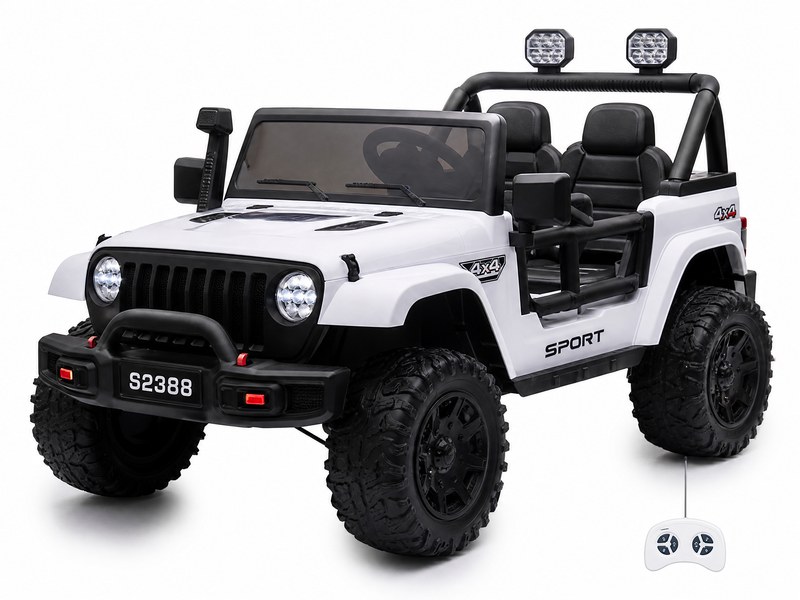
View product details for this guide
Compare current specifications, age guidance and available options before requesting a quote.
Official references
Explore these external resources for current regulatory and trade guidance. Confirm requirements with the relevant authority before placing an order.
Ready to Start?
Factory-Direct · CE & ASTM Certified · MOQ from 50 Units
Our export team works with buyers in 60+ countries. Get a quote within 24 hours.
KR
Written by KidsRideCar
China's leading kids electric ride-on car manufacturer. 500,000+ units shipped annually to 60+ countries. CE, ASTM & EN71 certified.