Entering the Australian toy market with kids electric ride-on cars offers lucrative opportunities for B2B wholesalers, e-commerce retailers, and independent toy store chains. Australia's robust consumer spending on children's entertainment and outdoor play equipment makes ride-on toys a top-performing category year-round, particularly leading into the peak holiday gifting season.
However, importing electronic toys into Australia involves navigating strict regulatory standards, complex oceanic freight logistics, and competitive pricing structures. This guide provides an in-depth roadmap for B2B buyers looking to source high-quality kids electric ride-on cars from overseas manufacturers while ensuring full compliance with Australian regulations.
Understanding Australian Safety and Regulatory Compliance
When importing electrical and battery-operated toys into Australia, regulatory compliance is non-negotiable. Australian Customs and consumer watchdogs strictly enforce safety standards to protect young children from electrical hazards, toxic materials, and mechanical failures.
RCM and Electrical Safety
Unlike some regions that rely solely on CE or FCC marks, Australia requires the Regulatory Compliance Mark (RCM) for electrical and electronic products. The RCM indicates that the product complies with the applicable standards set by the Australian Communications and Media Authority (ACMA) and Standards Australia.
For kids electric ride-on cars, compliance typically encompasses:
- AS/NZS 62115 / AS/NZS CISPR 14: Safety of electric toys and electromagnetic compatibility.
- Battery Safety: Lithium-ion or lead-acid batteries must feature certified overcharge, short-circuit, and thermal protection. Chargers must carry appropriate Australian plug approvals (SAA certification).
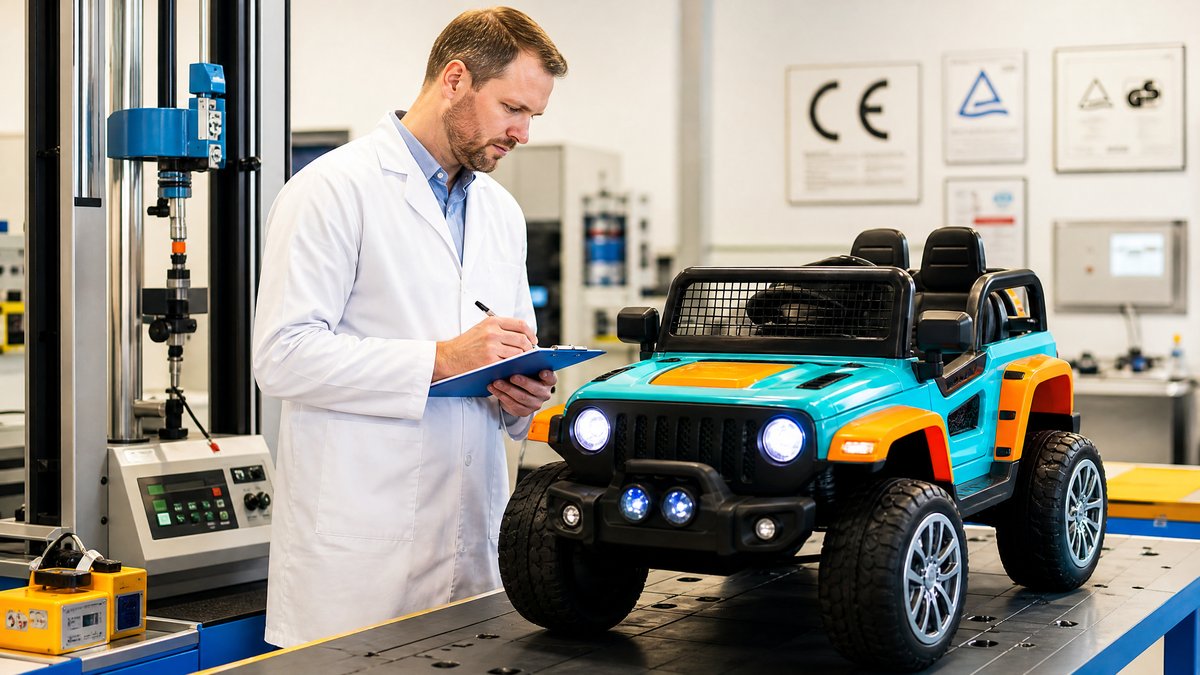
- Mechanical Safety (AS/NZS ISO 8124): Covers toy safety aspects such as pinch points, sharp edges, small parts containment, and structural load capacity.
Working with Compliant Manufacturers
To prevent costly customs seizures or mandatory product recalls, B2B buyers must partner with experienced manufacturers who can provide verifiable third-party test reports (such as from TÜV, SGS, or Intertek) proving adherence to Australian standards. Always request batch test reports before confirming bulk production.
Logistics and Freight: Shipping Ride-On Cars to Australia
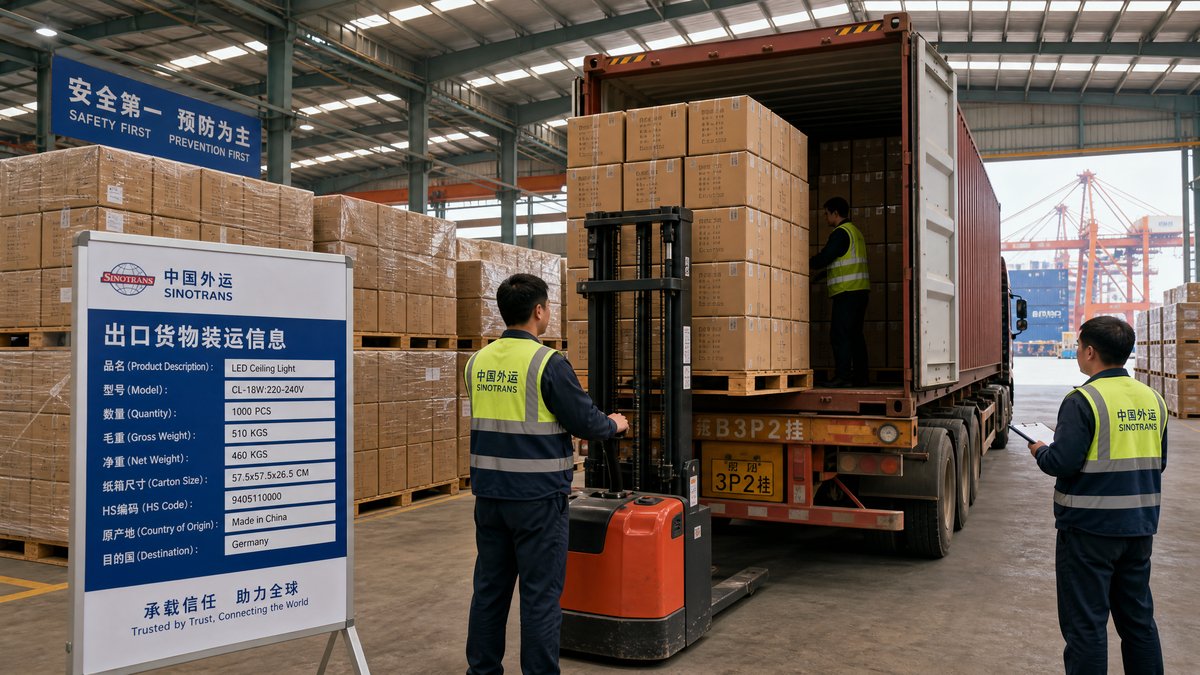
Kids electric ride-on cars are bulky, heavy, and typically shipped in reinforced corrugated cardboard cartons. Managing the supply chain efficiently from the factory floor to your Australian distribution center requires careful planning regarding freight modes and volumetric weight calculations.
Ocean Freight vs. Air Freight
Due to the large dimensions and weight of ride-on cars, ocean freight is the standard and most economically viable transport method for wholesale orders.
| Freight Mode | Average Transit Time | Cost Efficiency | Best Suited For |
|---|---|---|---|
| Full Container Load (FCL) | 20–35 days | Highest | Large distributors, seasonal stocking (20ft / 40ft containers) |
| Less than Container Load (LCL) | 25–45 days | Moderate | Medium-sized retailers testing new models |
| Air Express / Cargo | 5–9 days | Very Low | Urgent sample delivery, prototype testing |
Optimizing Container Loading
Maximizing container space directly impacts your landed cost per unit. Standard 40-foot high cube (40HQ) containers can typically accommodate between 350 to 500 ride-on cars, depending on whether the models are single-seaters (e.g., standard 12V sports cars) or large two-seater utility vehicles (e.g., 24V UTVs or licensed Ford Rangers).
Collaborating with your supplier on SKU nesting and knockdown (KD) design—where steering wheels, seats, and roll cages are assembled by the end consumer—significantly reduces carton volume and shipping expenses.
Pricing Structure, Margins, and Total Landed Cost (TLC)
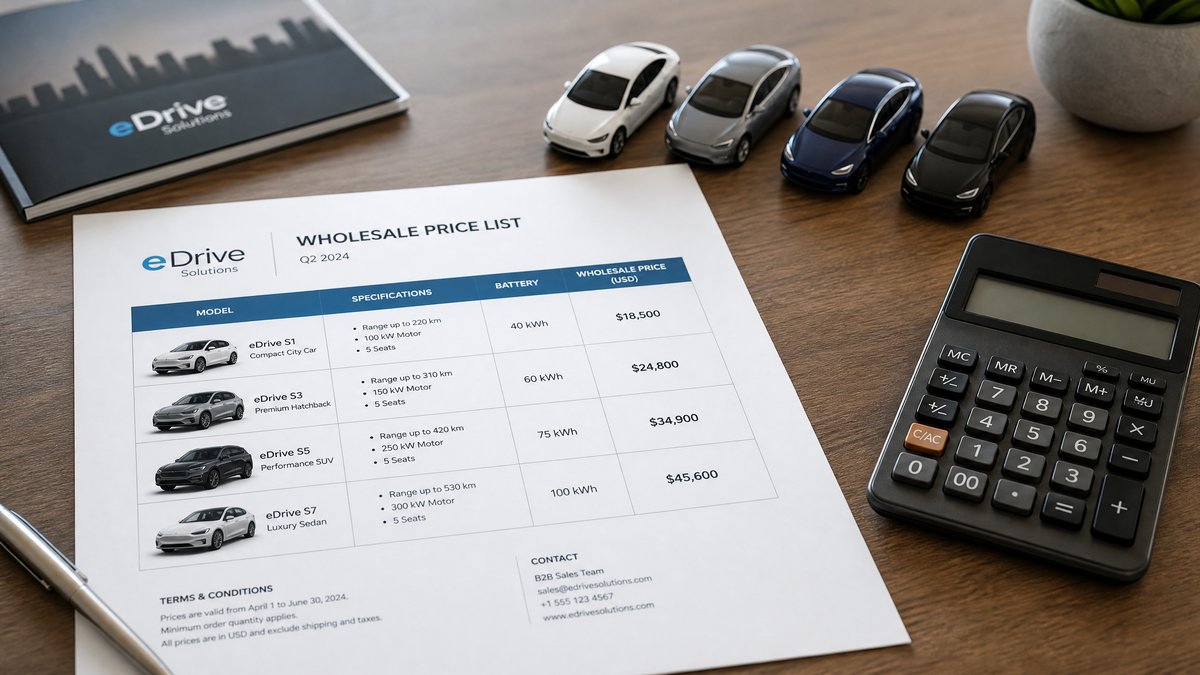
Calculating accurate wholesale and retail margins requires factoring in all components of the Total Landed Cost (TLC). Relying solely on the FOB (Free on Board) factory price will lead to inaccurate budgeting.
Key Cost Components in Australian Sourcing
1. FOB Manufacturing Cost: The base price of the vehicle at the origin port.
2. Export Packaging & Drop-Test Certification: Ensuring cartons withstand rough handling during international transit.
3. Ocean Freight & Local Port Charges: Including terminal handling charges (THC) at Australian ports (Sydney, Melbourne, Brisbane, Fremantle).
4. Customs Duty & GST: Australia applies a 5% general customs duty on toys (though verify specific Free Trade Agreement codes like ChAFTA if applicable) and a 10% Goods and Services Tax (GST) calculated on the CIF value plus duty.
5. Warehousing & Domestic Last-Mile Delivery: Interstate freight via partners like Toll, TNT, or CouriersPlease to retail partners or direct-to-consumer fulfillment centers.
Recommended Pricing Strategy for Importers
Wholesalers targeting the Australian market generally aim for a 3x to 4x markup from the FOB cost to cover landed expenses, warranty reserves, marketing, and healthy retail profit margins. For instance, a premium licensed 24V four-wheel-drive ride-on truck with an FOB cost of $150 USD can typically retail in Australia between $450 and $650 AUD, depending on features such as EVA rubber tires, leather seats, and parental Bluetooth remotes.
Frequently Asked Questions (FAQs)
What electrical certifications are mandatory for selling ride-on cars in Australia?
Products must comply with AS/NZS 62115 for electric toy safety and carry the RCM (Regulatory Compliance Mark). Additionally, battery chargers must feature SAA approvals matching Australian mains voltage (230V–240V, 50Hz) with standard Type I plugs.
How many ride-on cars fit into a standard 40-foot container?
On average, a 40HQ container holds between 350 and 500 units. The exact capacity depends heavily on vehicle dimensions, whether they are single or two-seater models, and the efficiency of the factory packaging design.
Are lithium-ion batteries permitted in ride-on cars shipped to Australia?
Yes, but they are classified as dangerous goods (Class 9) for shipping purposes. They require proper MSDS documentation, UN38.3 test summaries, and specialized export packaging to pass through Australian maritime customs smoothly.
What is the typical warranty expectation for B2B wholesale buyers?
Reputable manufacturers usually offer a 12-month manufacturer defect warranty covering motors, gearboxes, and motherboards, along with a 6-month warranty on batteries, supported by a 1% to 2% spare parts allowance included in bulk shipments.
Ready to expand your Australian inventory with high-demand, compliant kids electric ride-on cars? Contact our B2B team today at mailto:info@kidsridecar.com to request our latest wholesale catalog, compliance certificates, and container volume quotes.
Official references
Explore these external resources for current regulatory and trade guidance. Confirm requirements with the relevant authority before placing an order.
Ready to Start?
Factory-Direct · CE & ASTM Certified · MOQ from 50 Units
Our export team works with buyers in 60+ countries. Get a quote within 24 hours.
KR
Written by KidsRideCar
China's leading kids electric ride-on car manufacturer. 500,000+ units shipped annually to 60+ countries. CE, ASTM & EN71 certified.