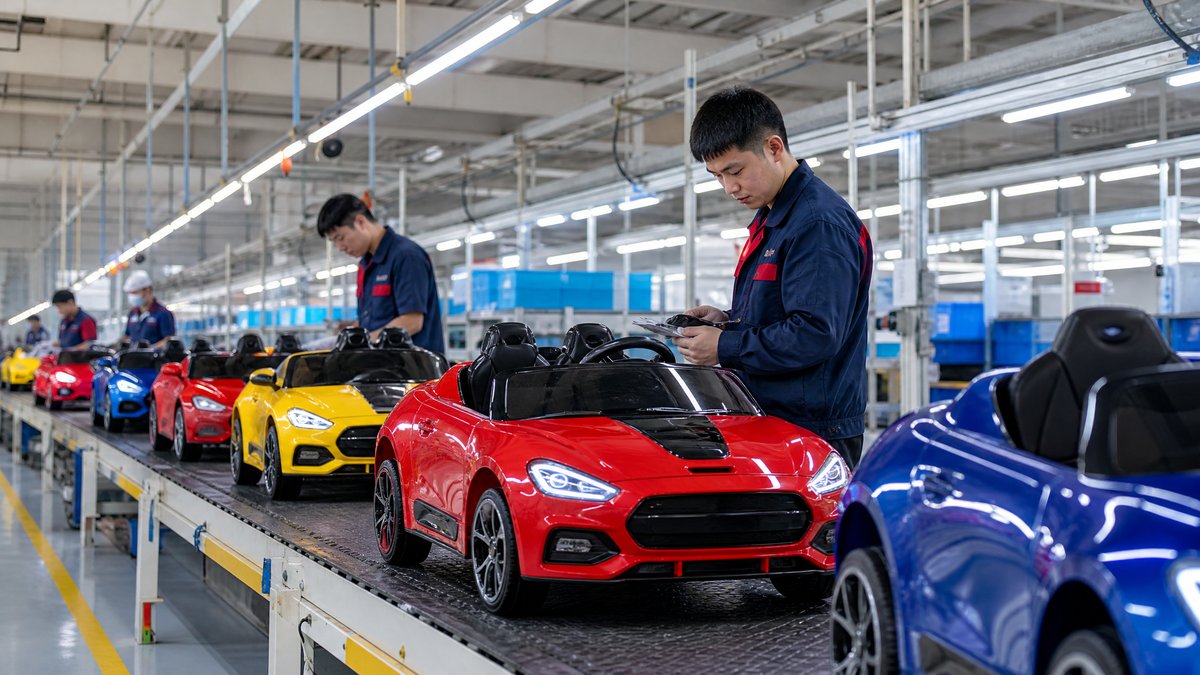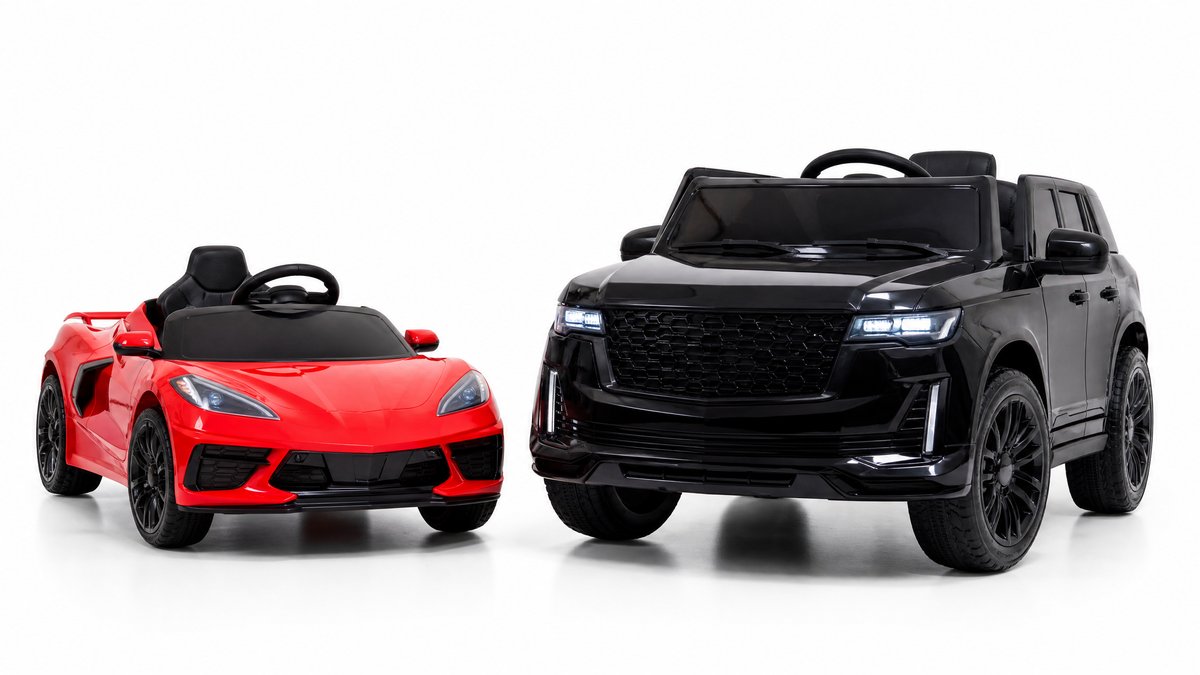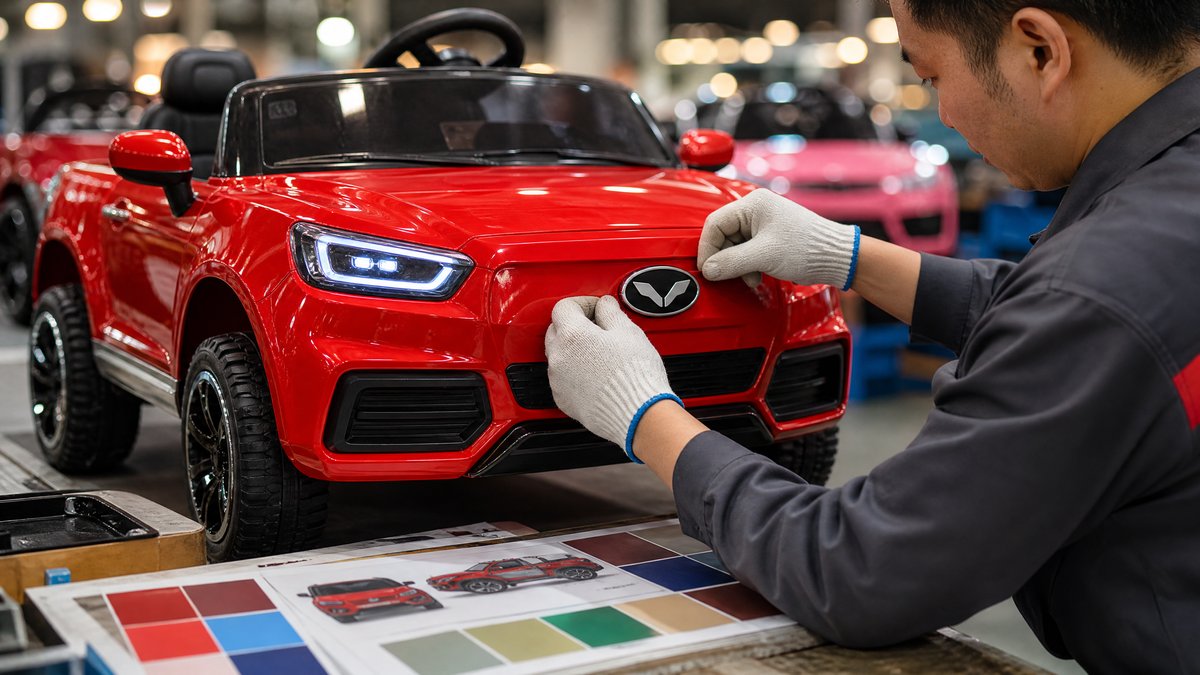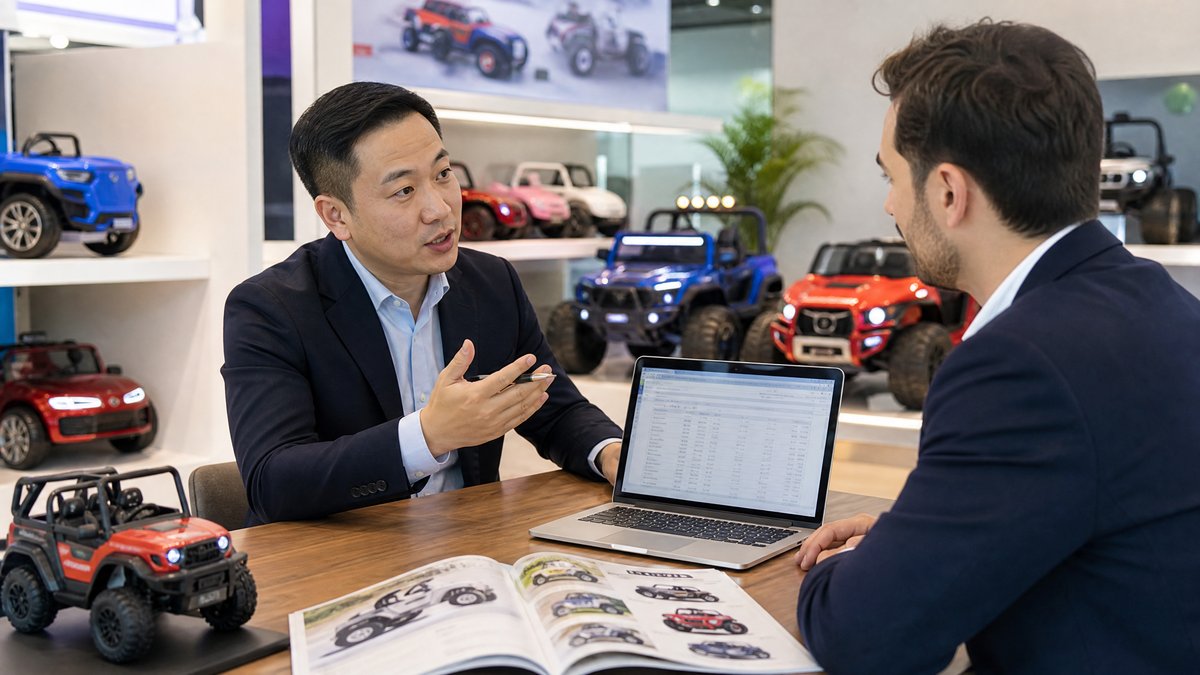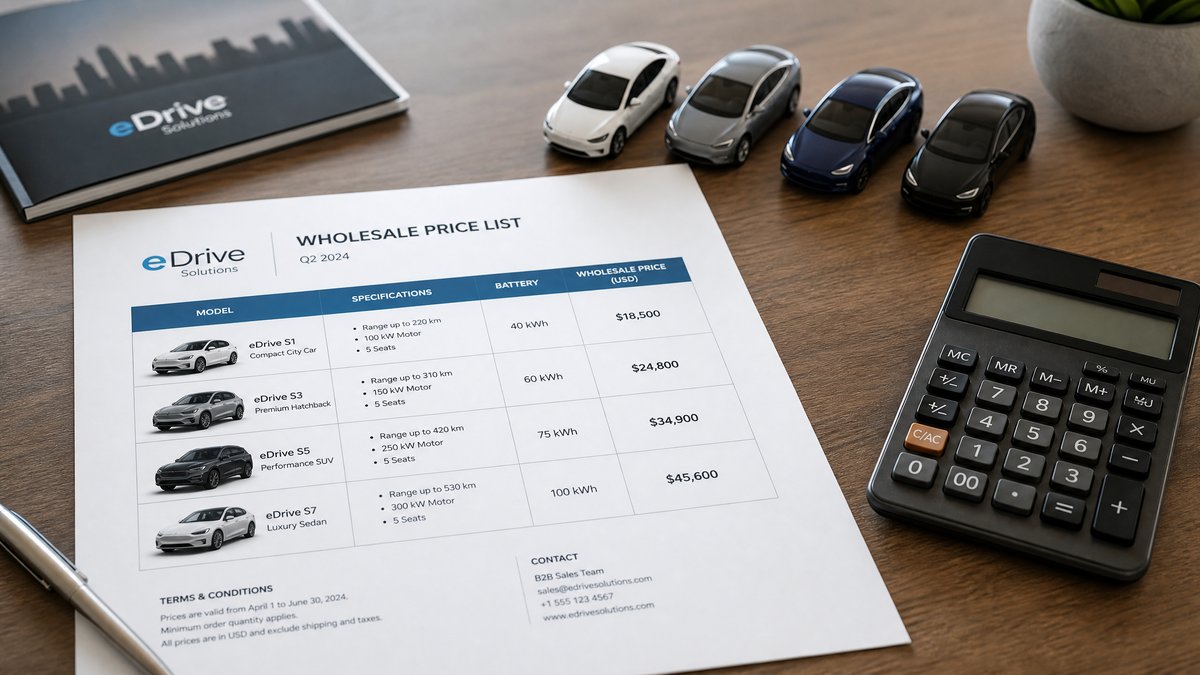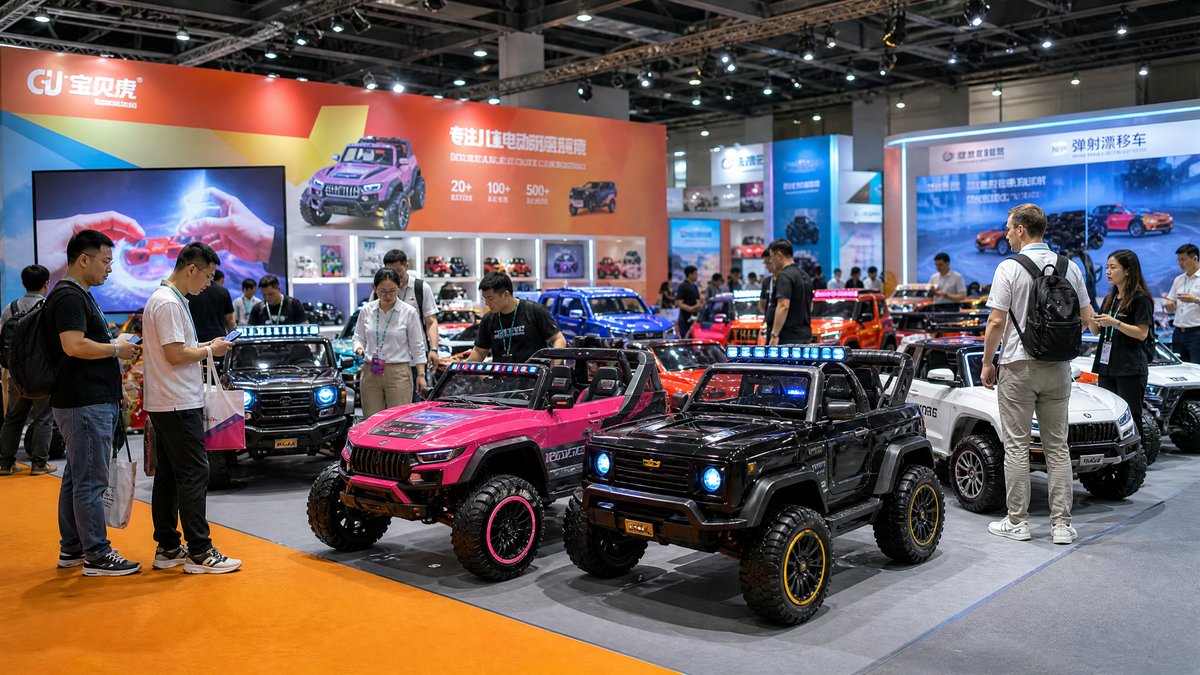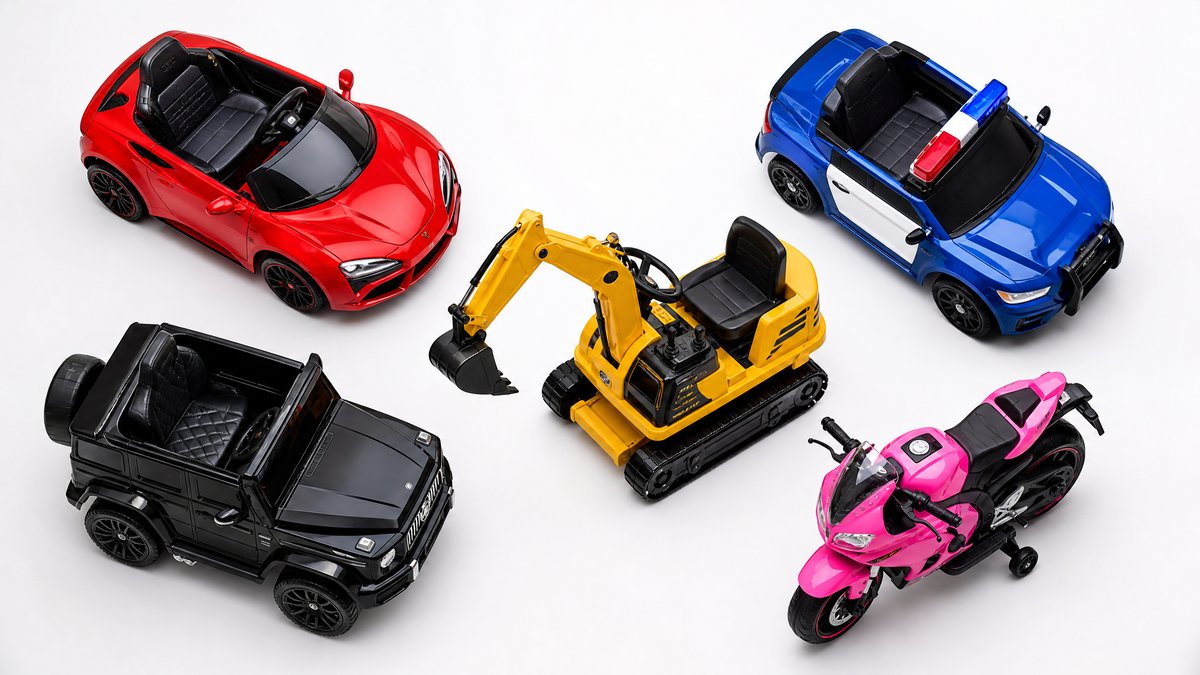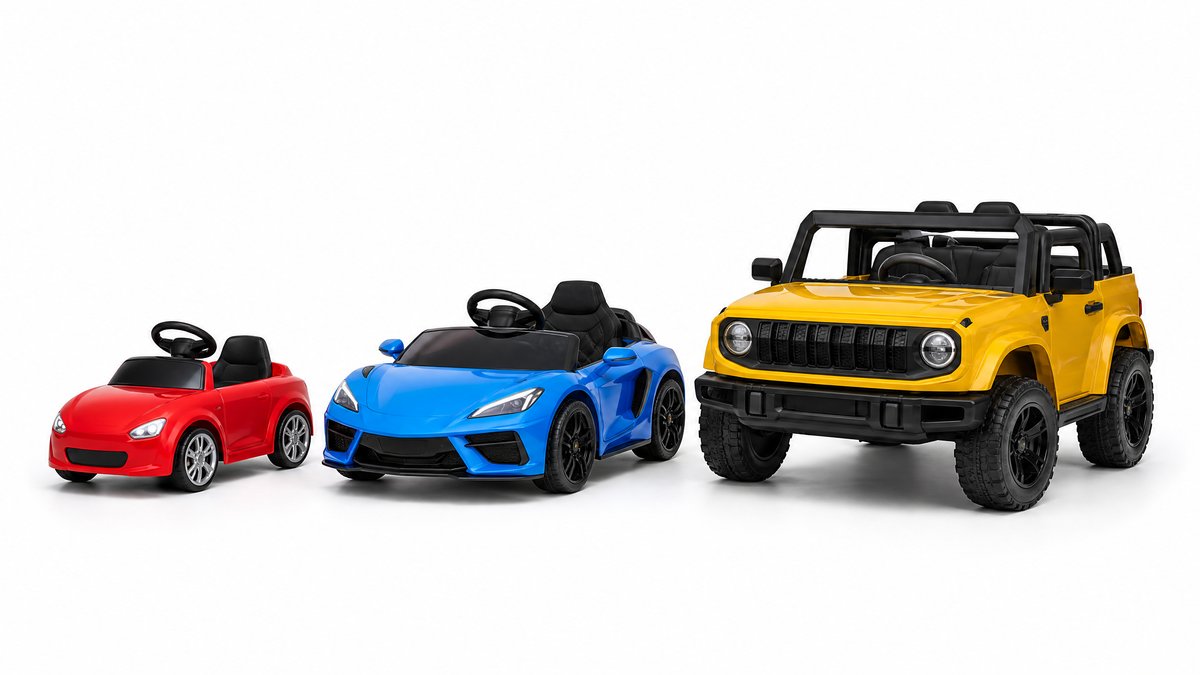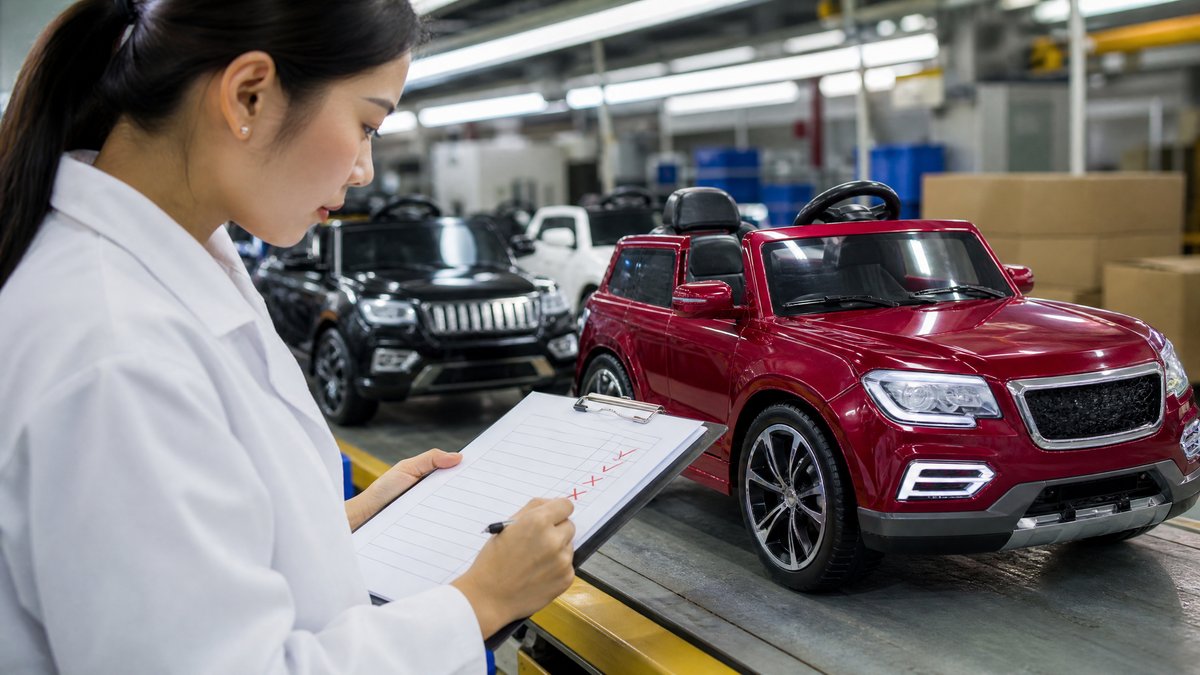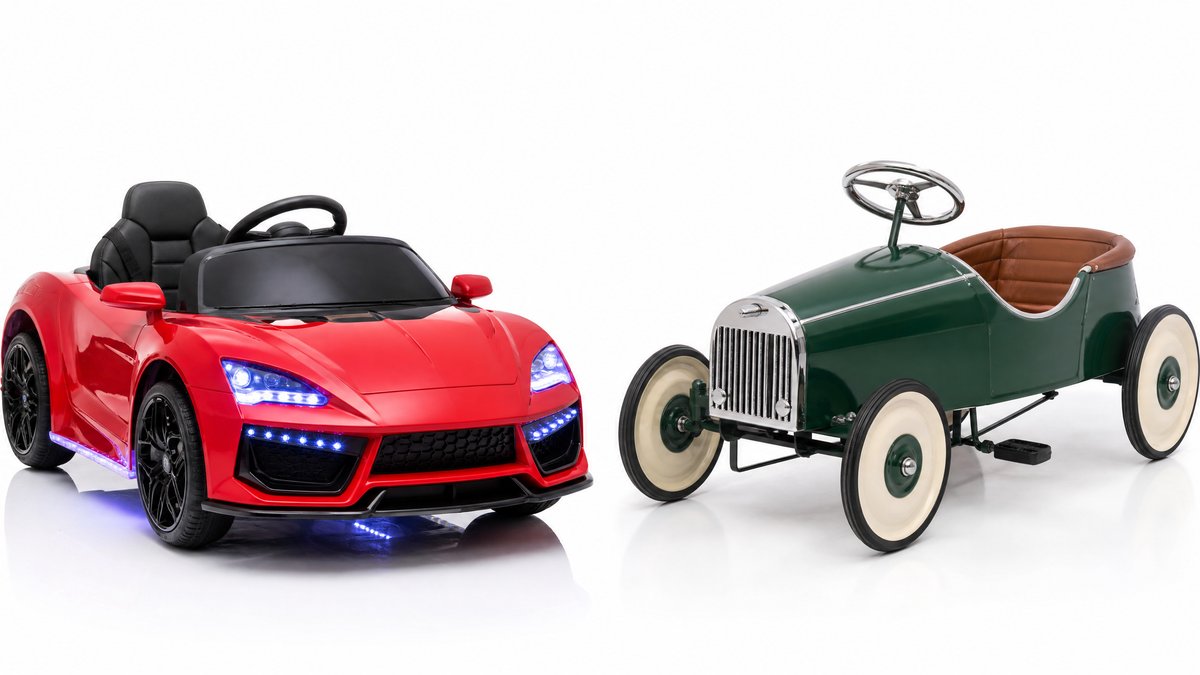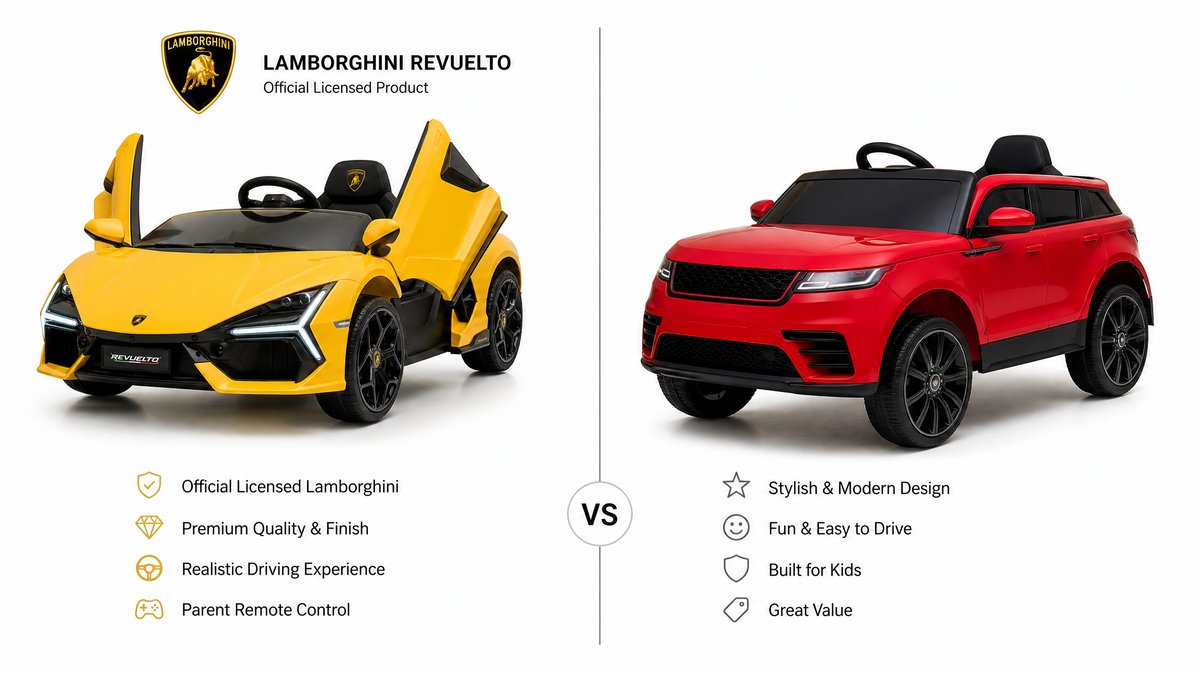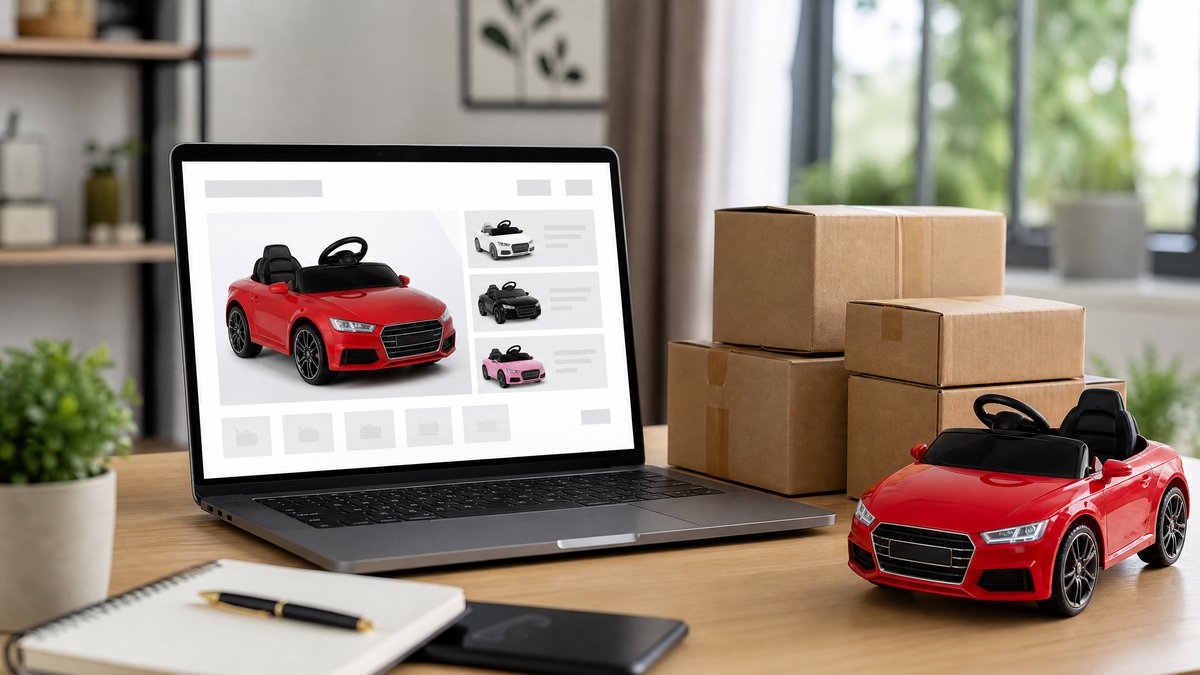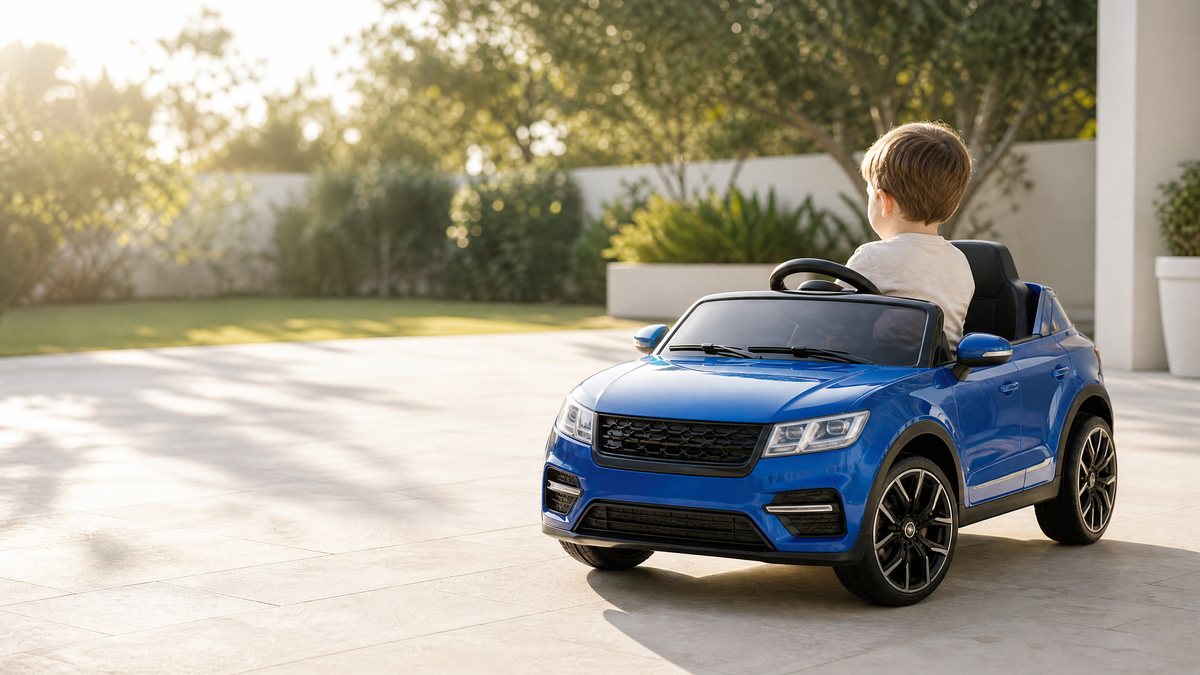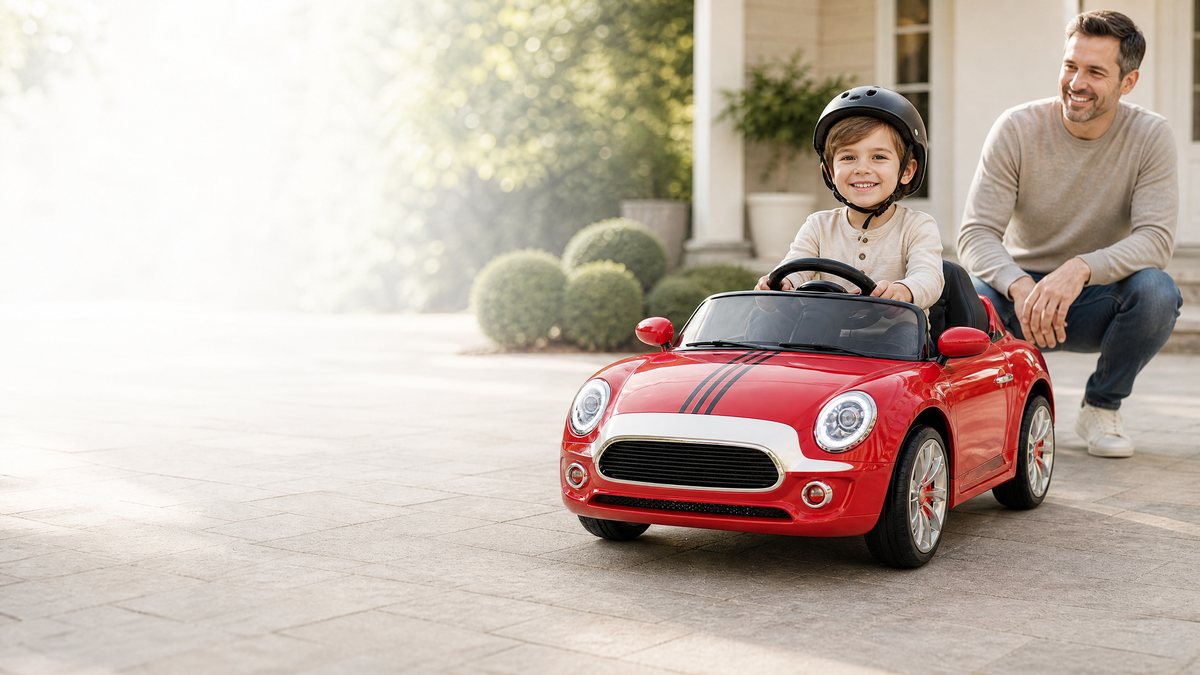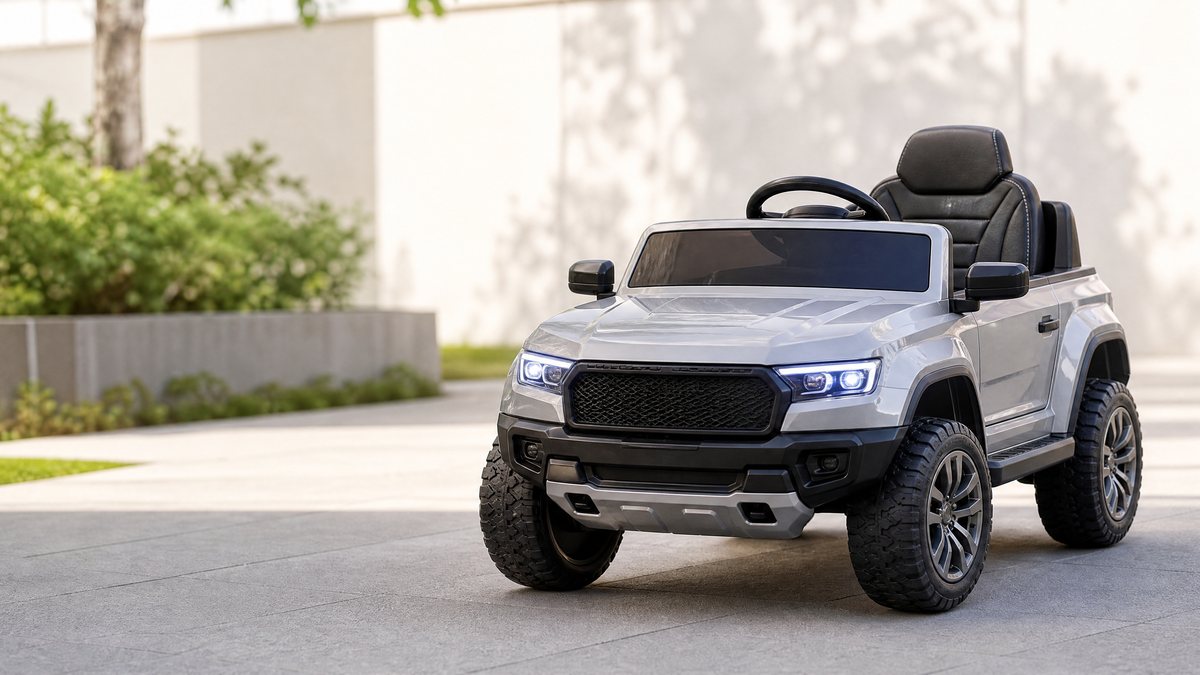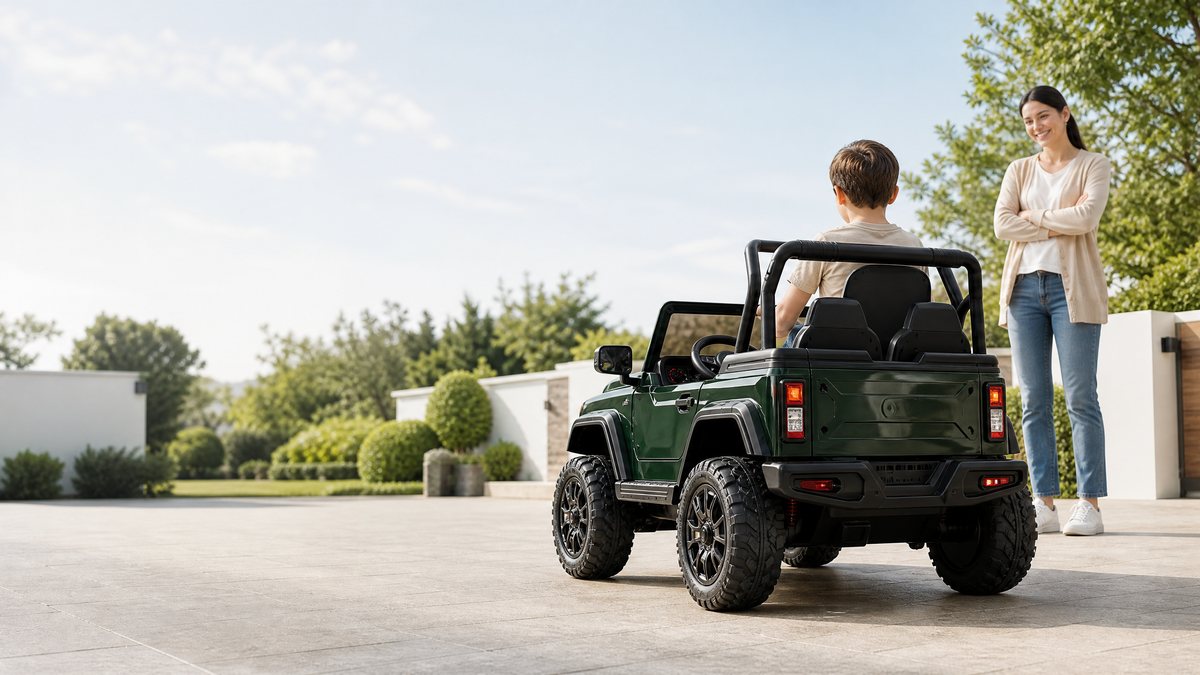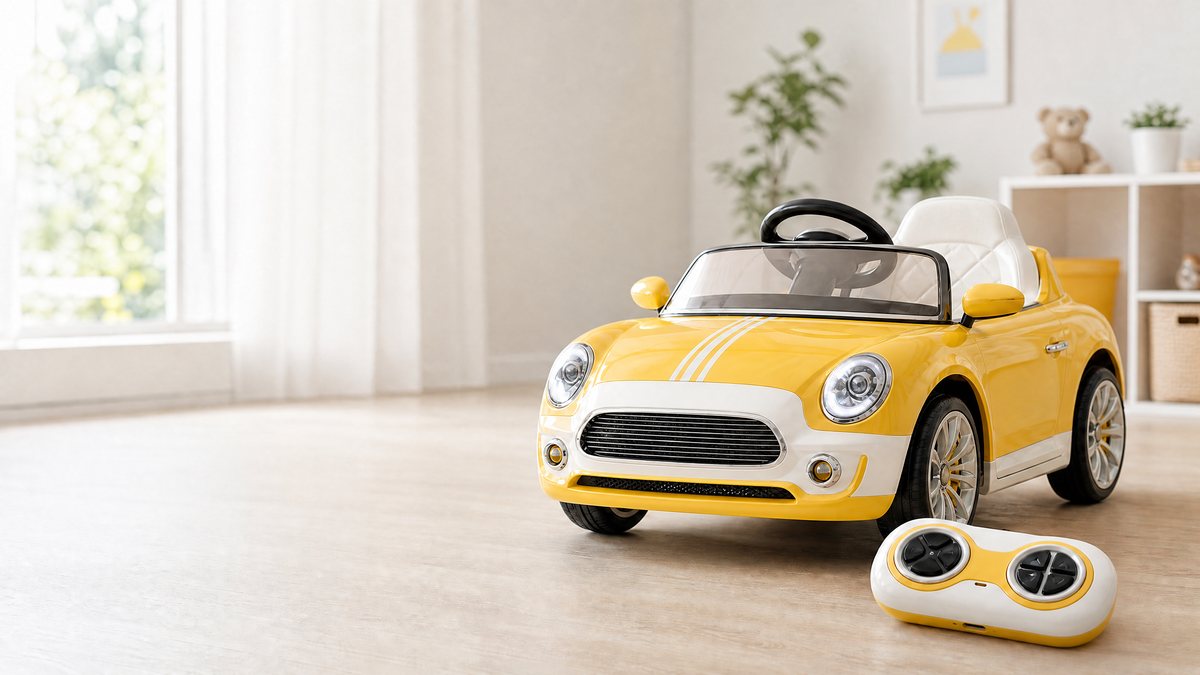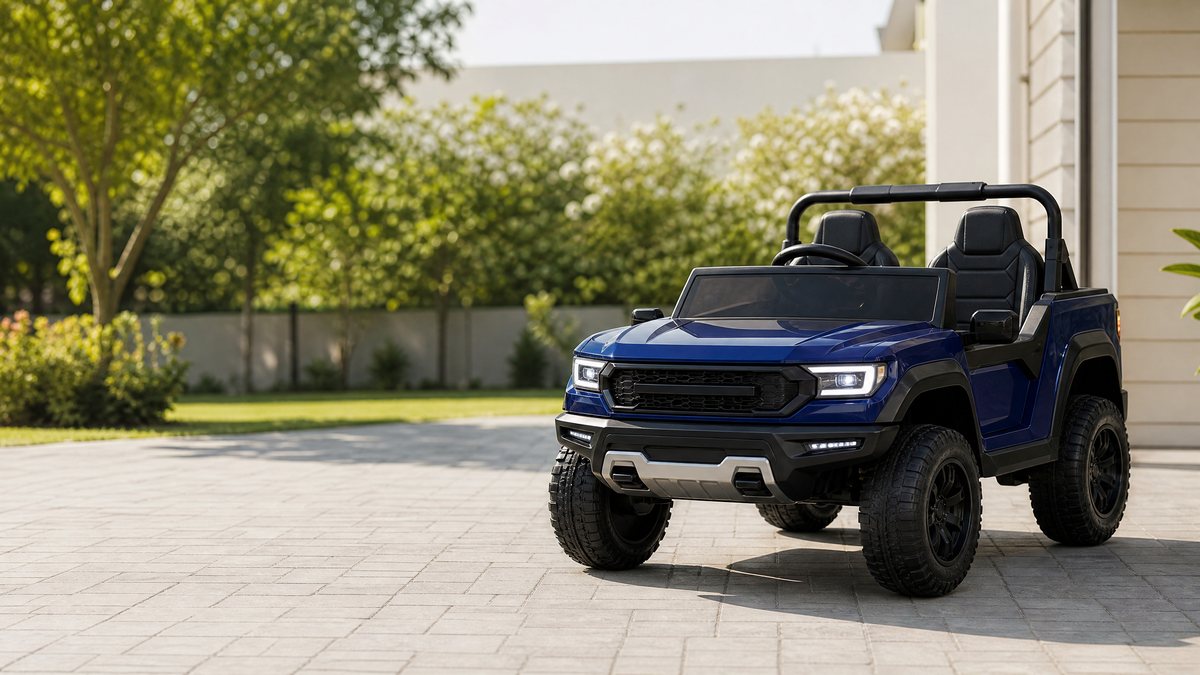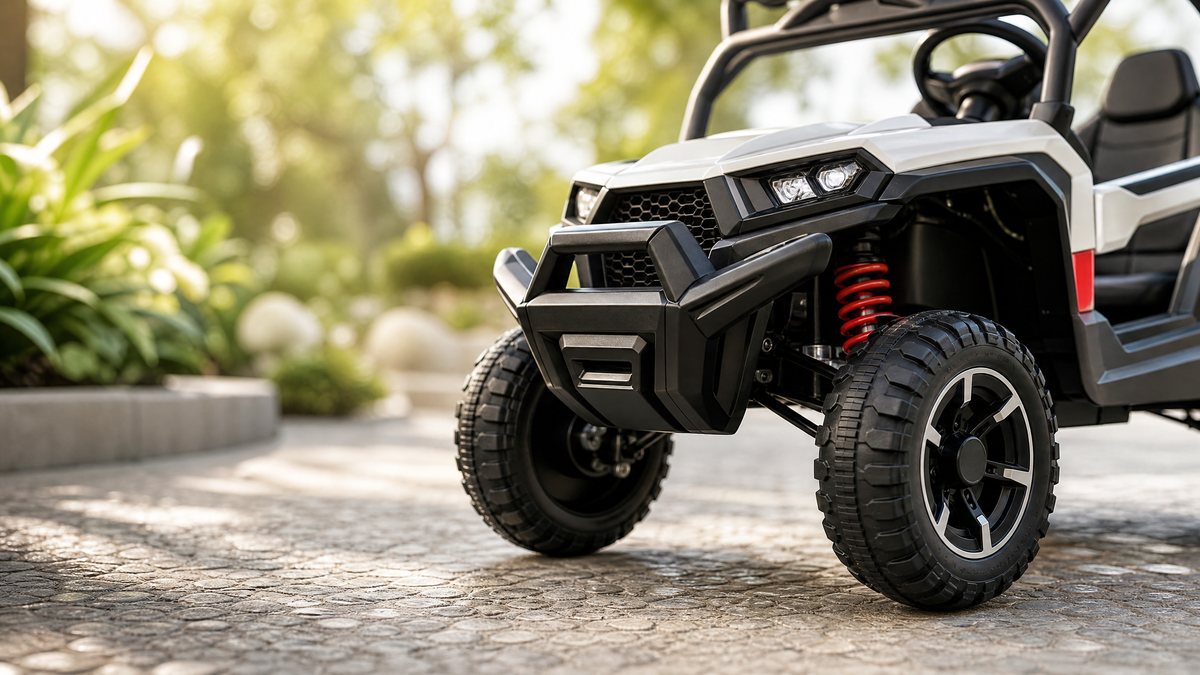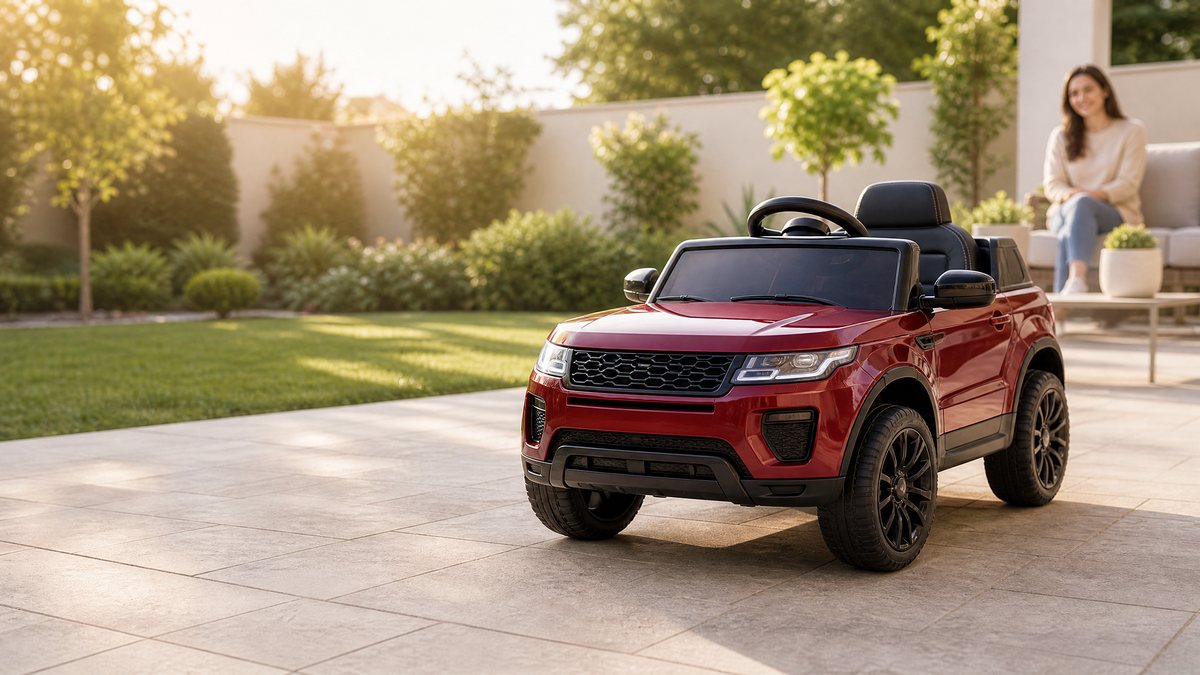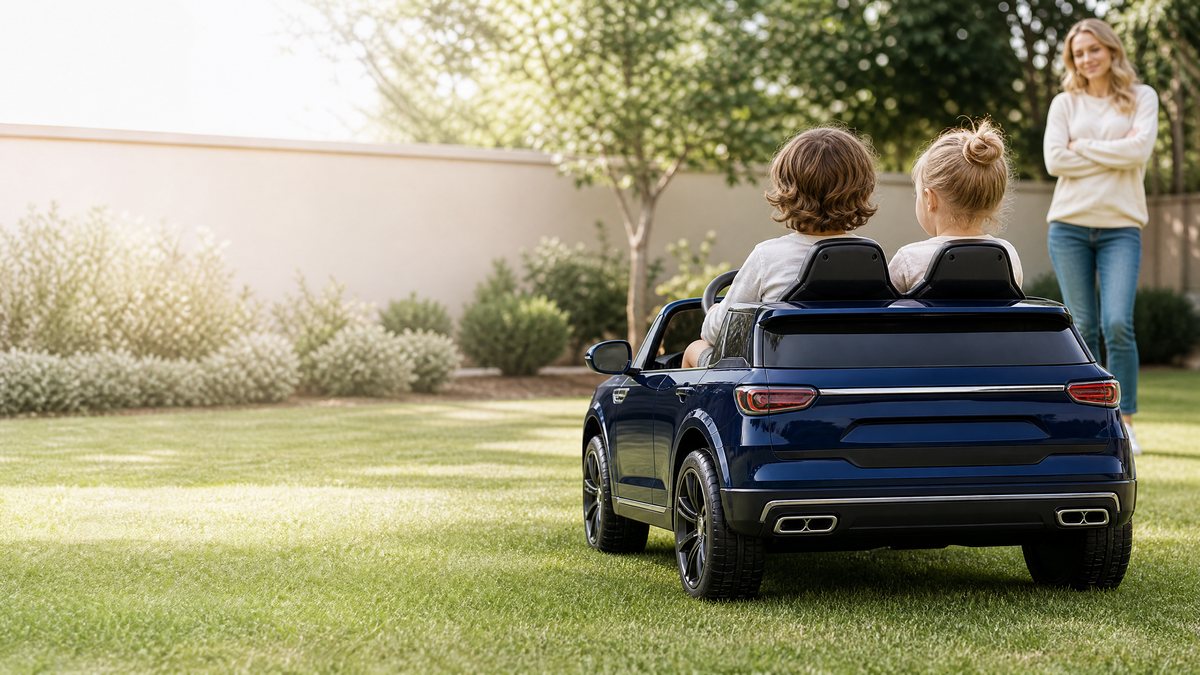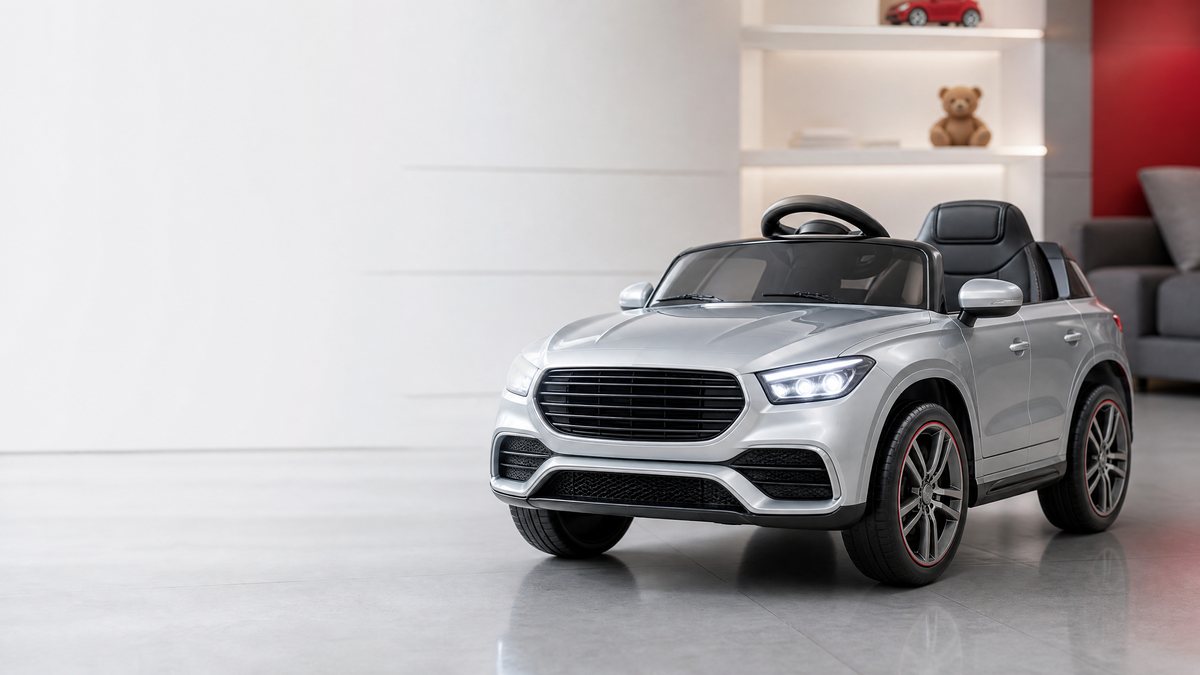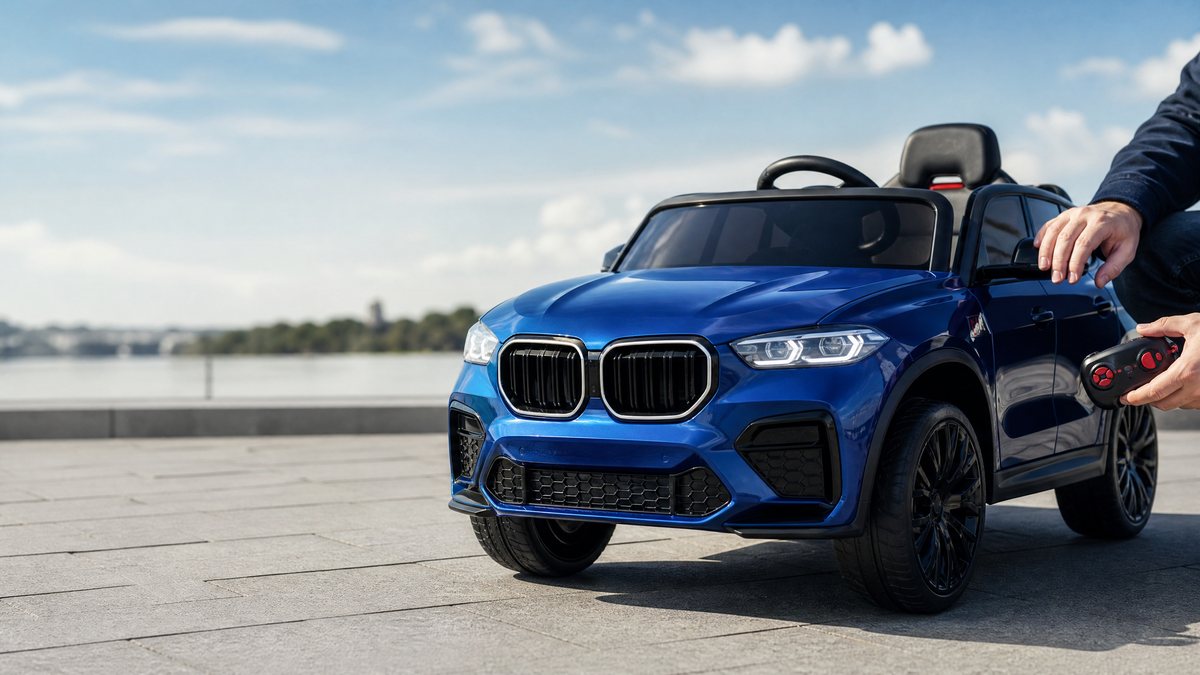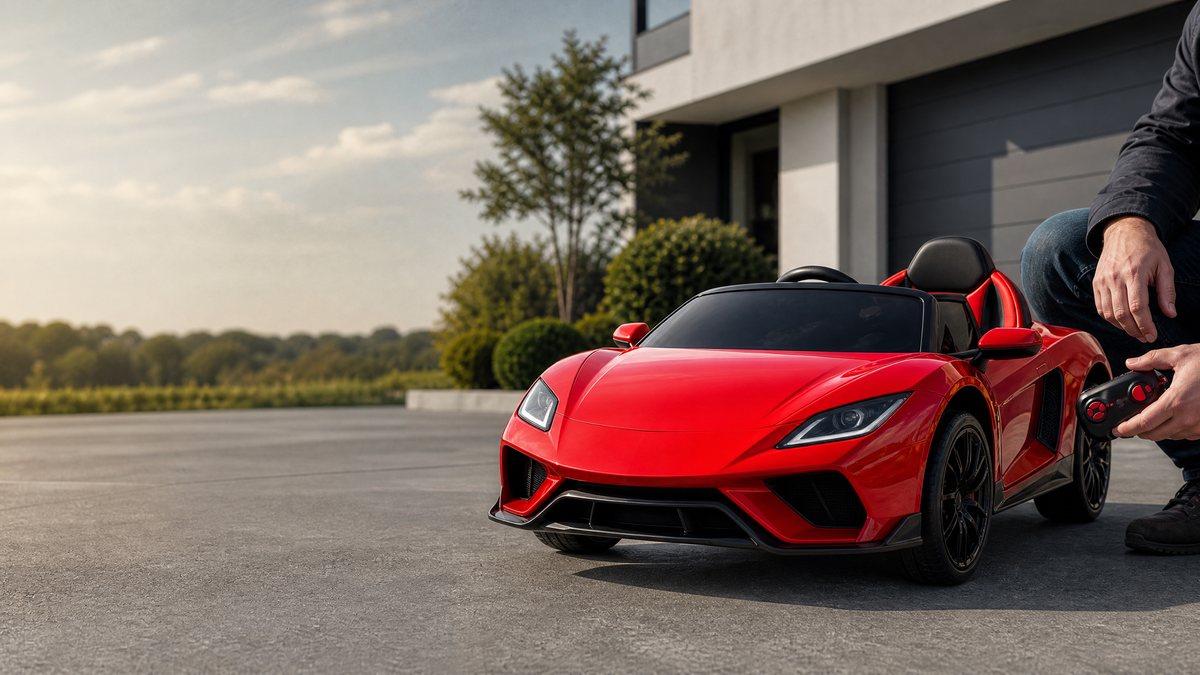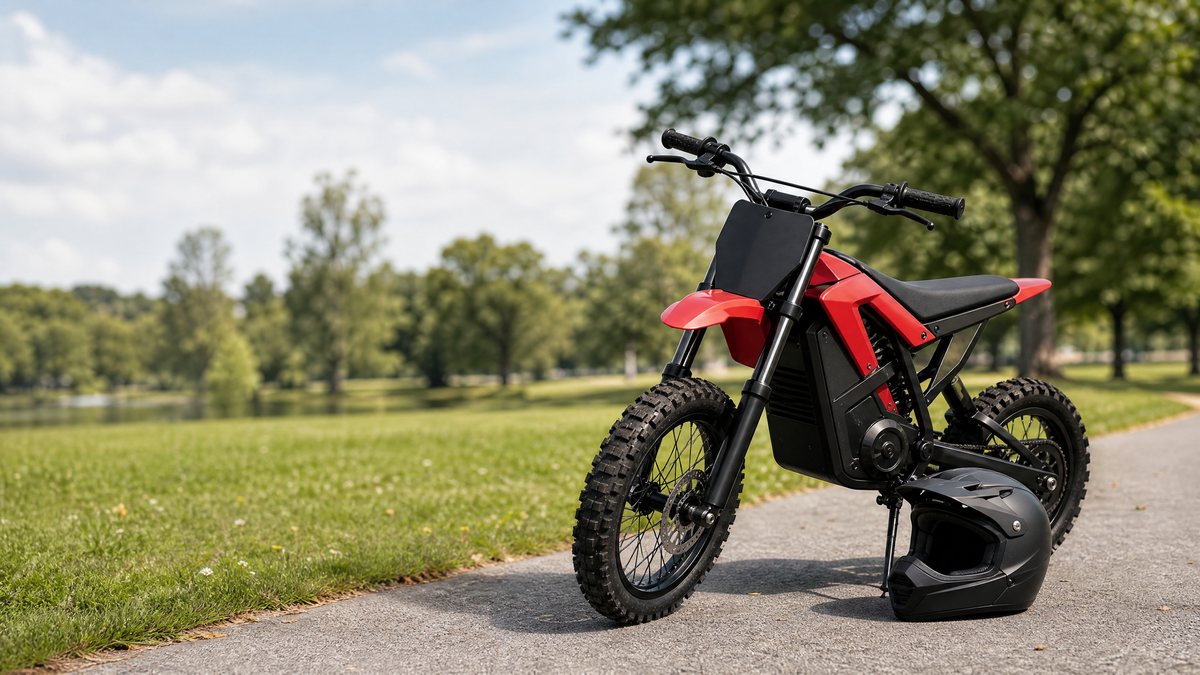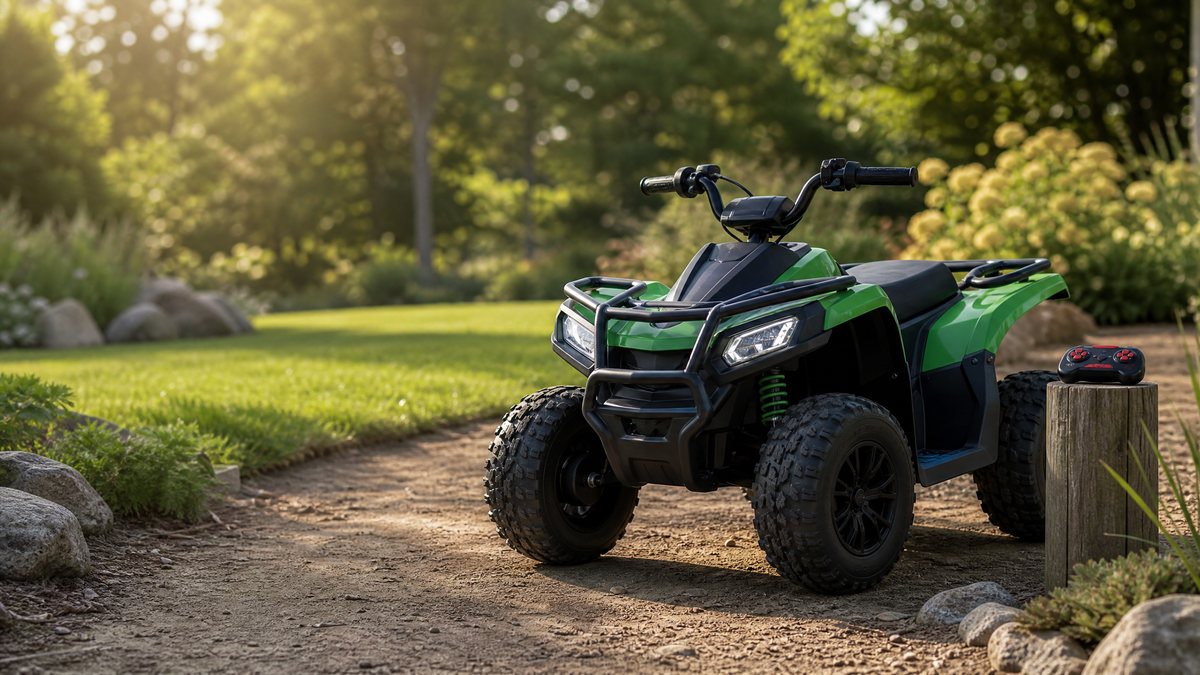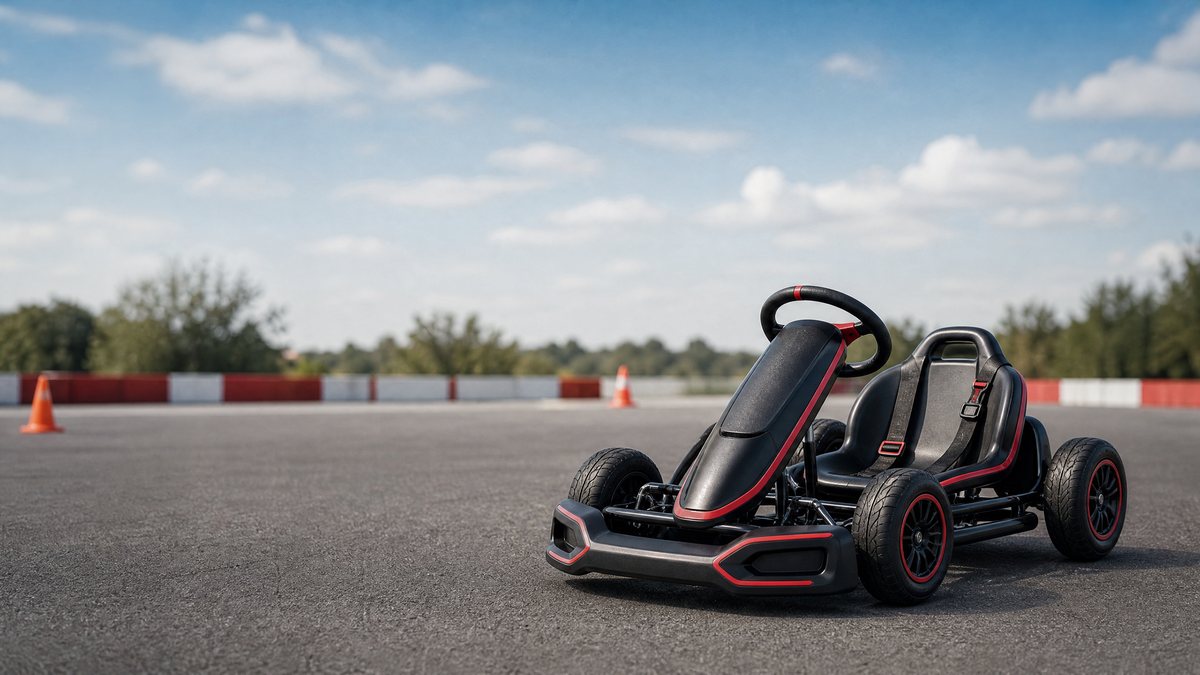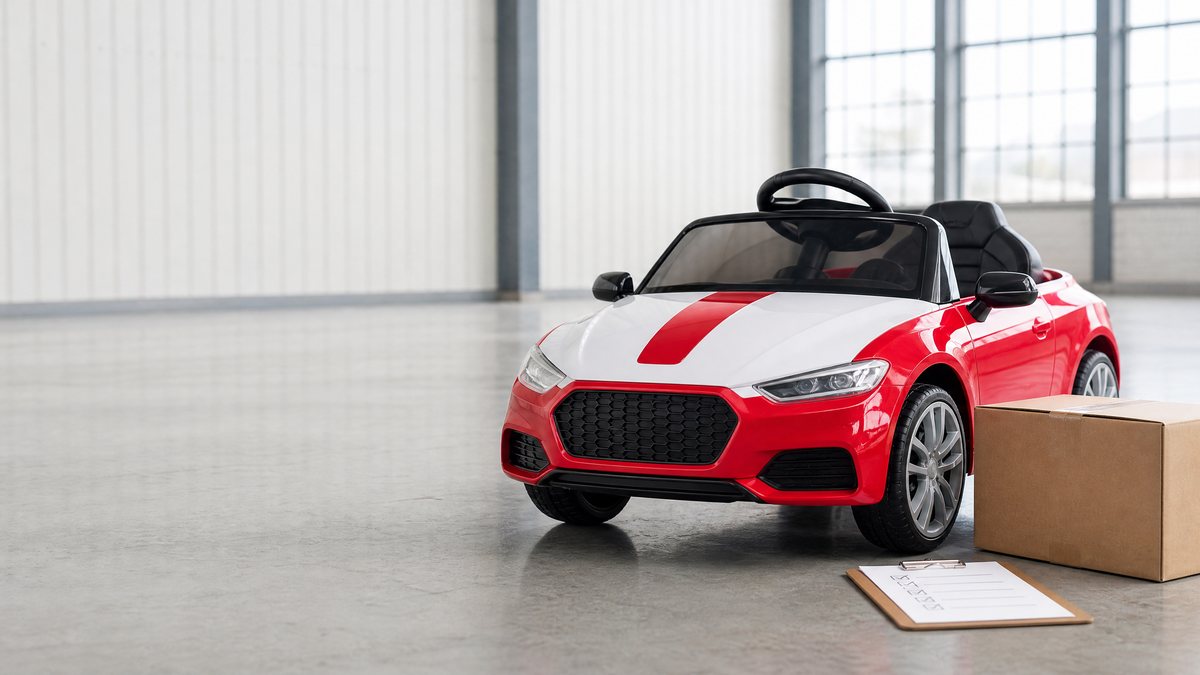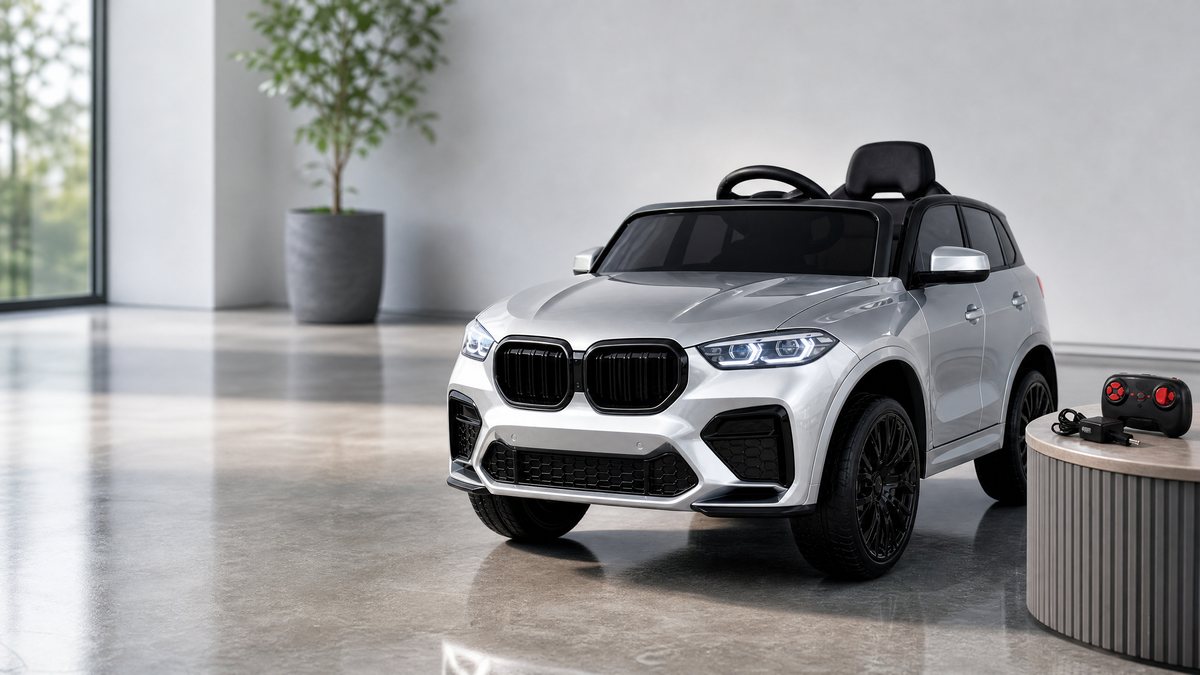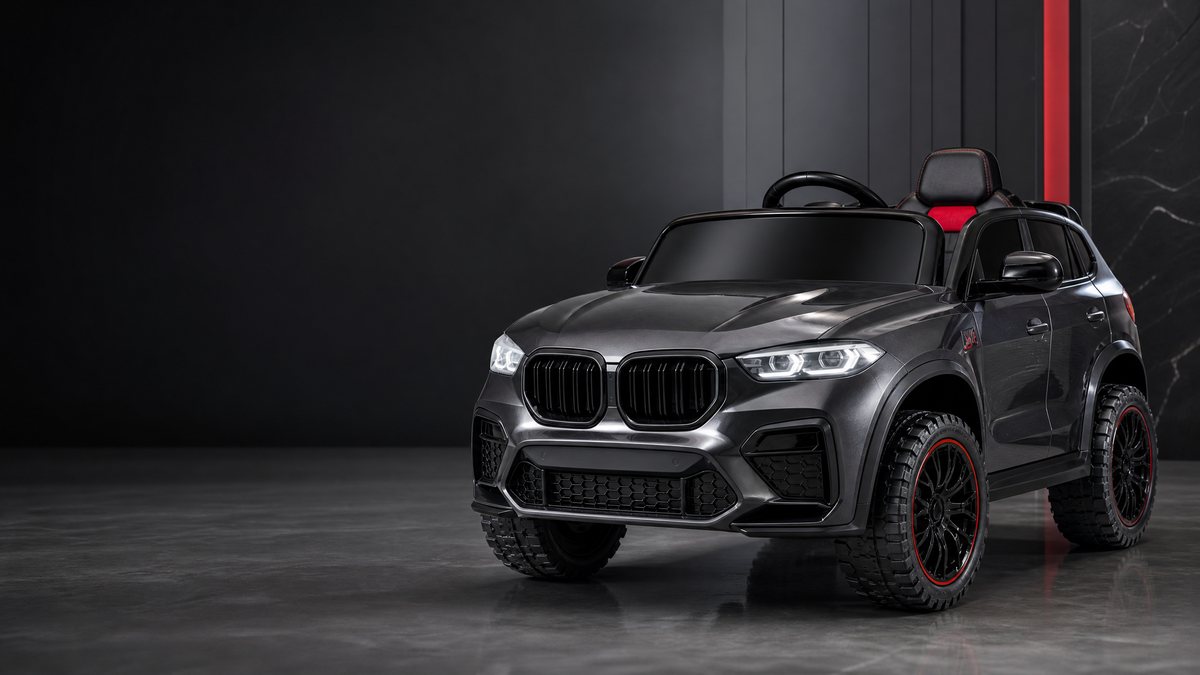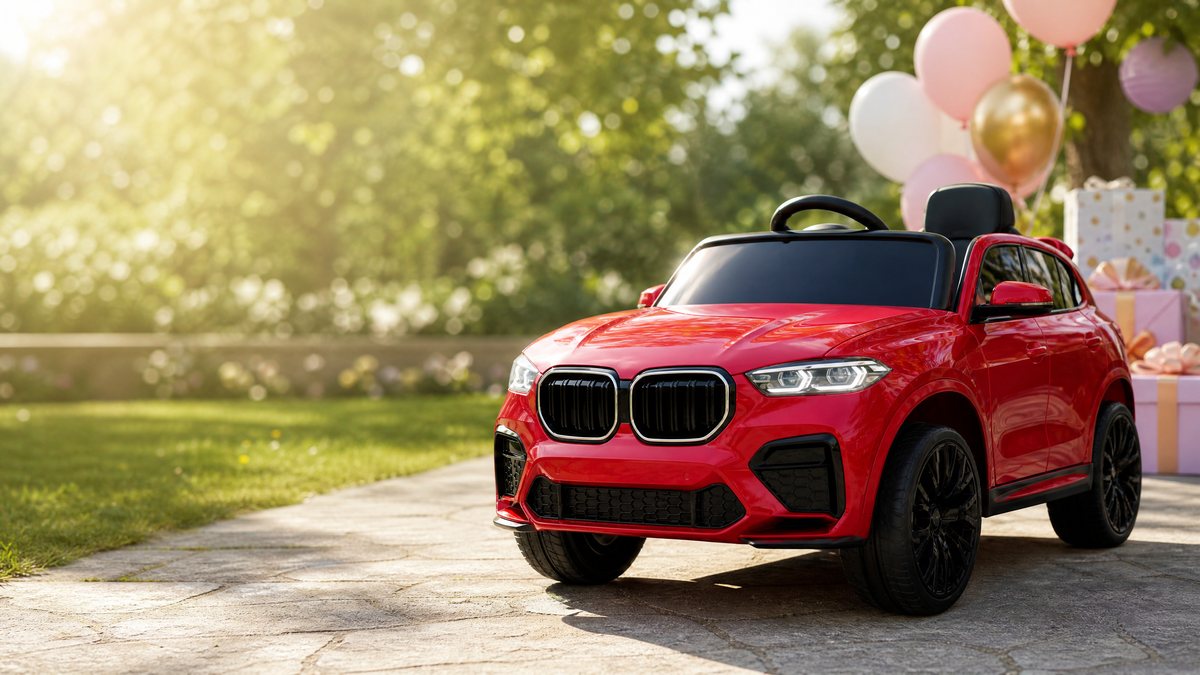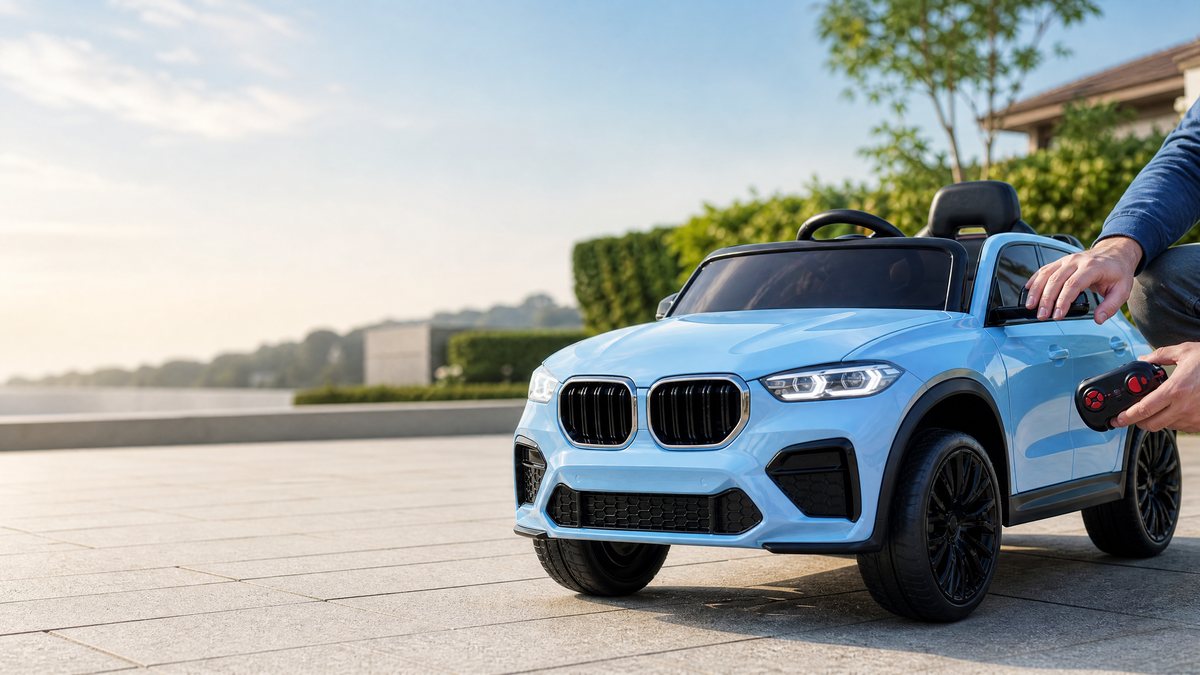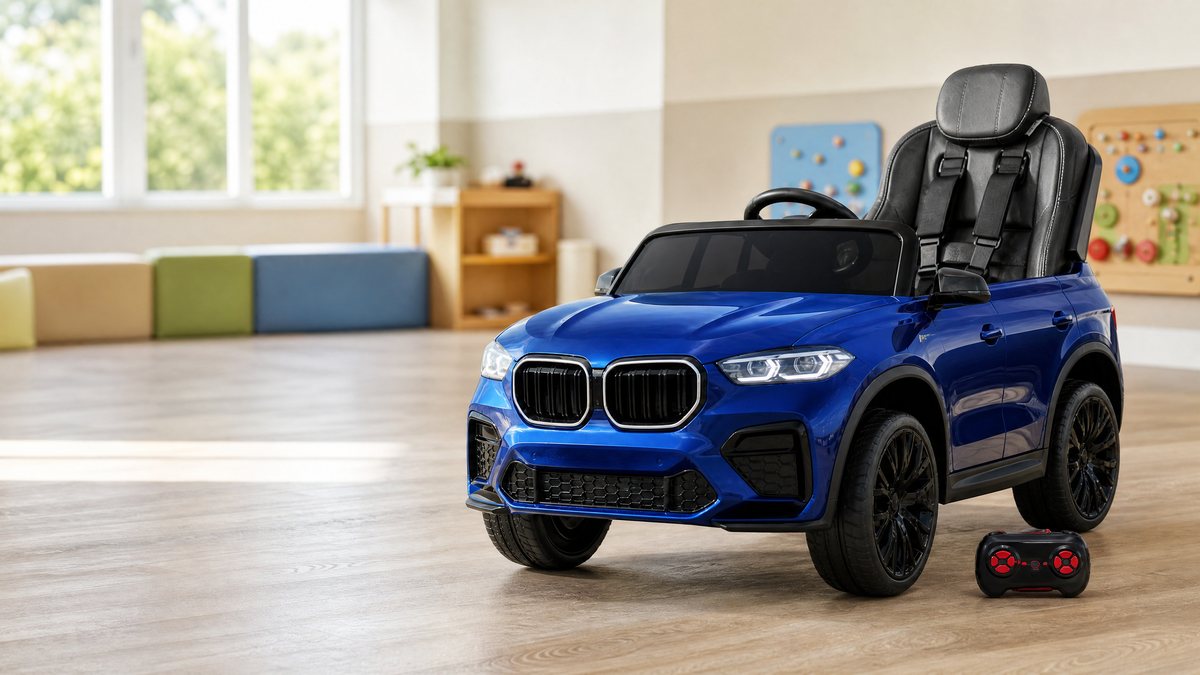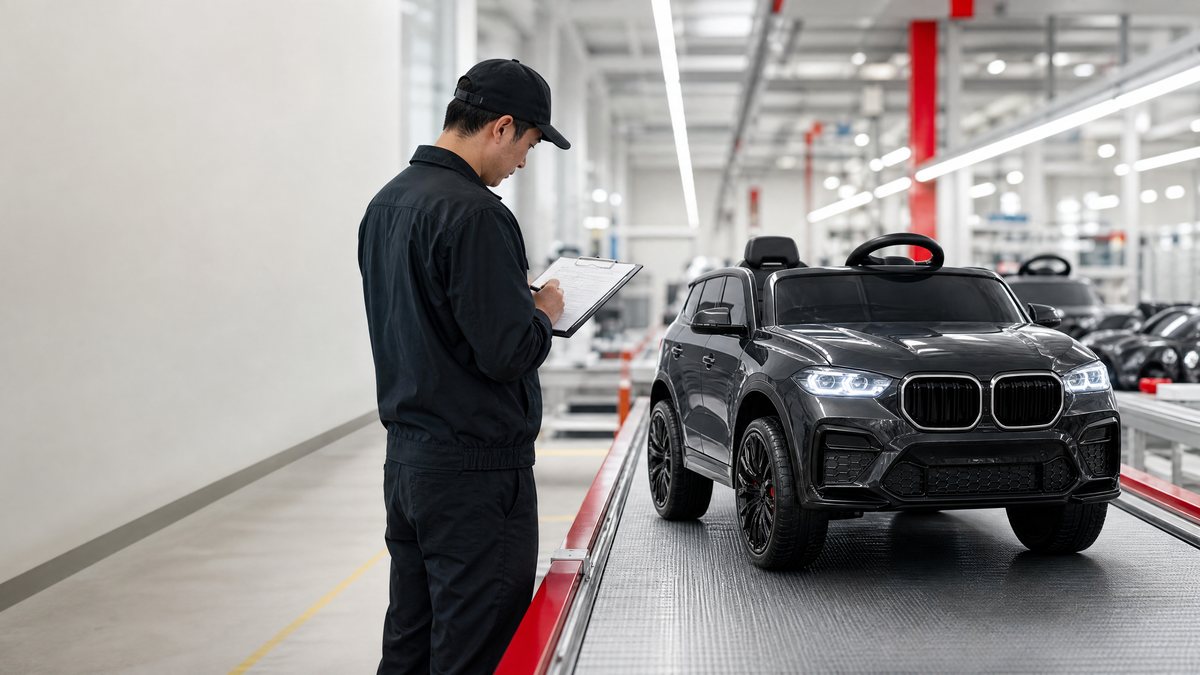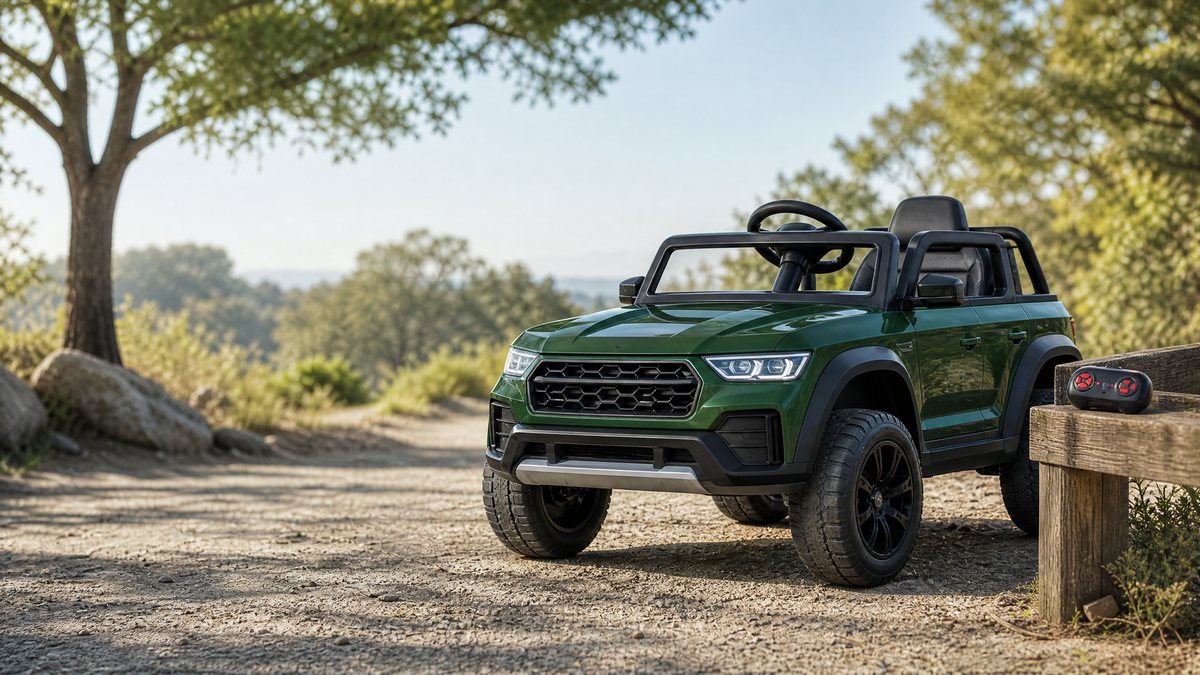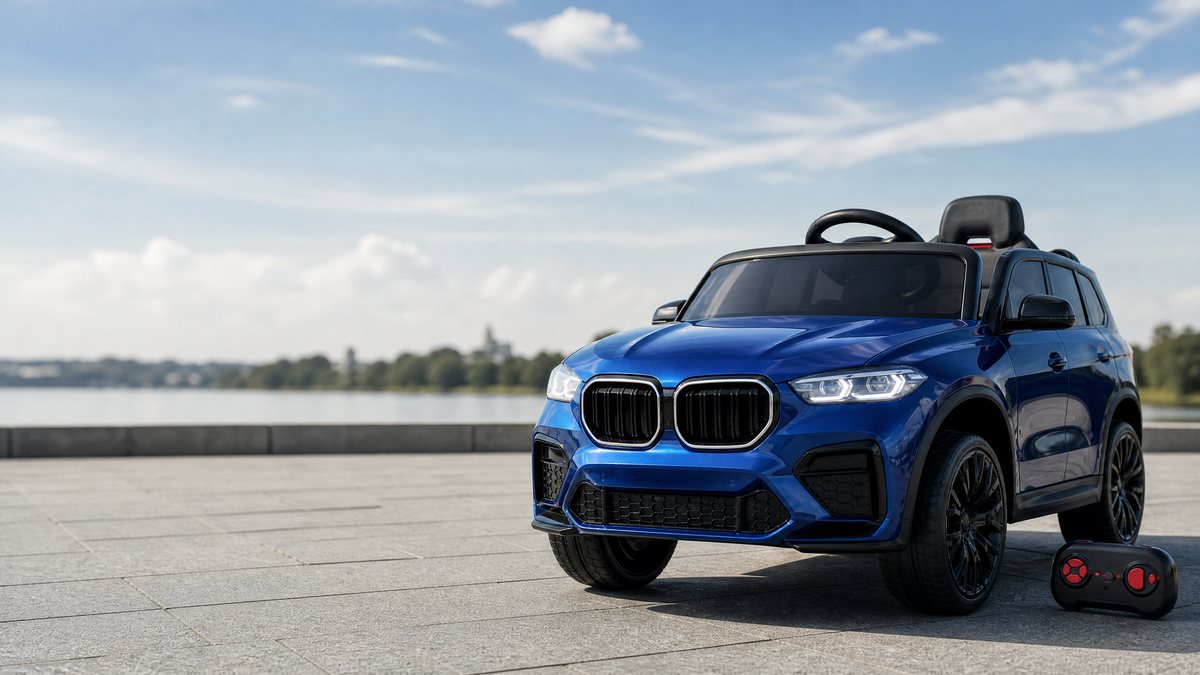
The sub-$200 price bracket represents one of the most dynamic and high-volume segments in the global ride-on toy market. For B2B importers, wholesale distributors, and retail buyers, products positioned in this range strike a critical balance between accessible consumer pricing and feature richness. While entry-level models under $100 typically feature basic single-motor setups and lower-capacity batteries, and premium models above $300 often incorporate complex multi-speed gearboxes, luxury leather interiors, or full rubber pneumatic tires, the $200 tier occupies the sweet spot of mass-market appeal.
However, navigating this category requires a rigorous evaluation framework. Because price points alone do not guarantee performance, durability, or regulatory compliance, B2B buyers must look beyond marketing claims and examine core engineering specifications, electrical architecture, and safety certifications. This guide outlines an objective evaluation methodology for sourcing ride-on vehicles priced under $200, ensuring that retail partners stock safe, reliable, and high-margin inventory.
Market Positioning and Consumer Expectations
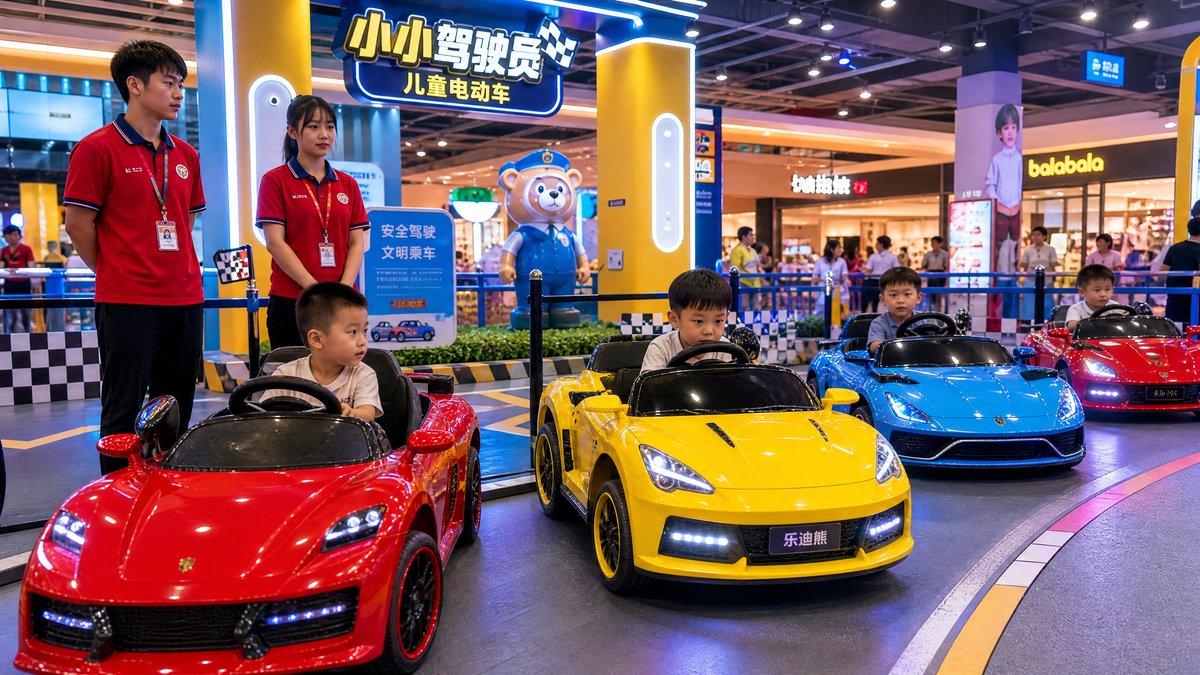
In retail distribution, the under-$200 category attracts parents and gift-buyers looking for a substantial toy that offers genuine functionality without luxury price tags. Vehicles in this bracket generally feature:
- 12-Volt Electrical Systems: Transitioning from 6V entry units to 12V dual-motor configurations, providing adequate torque for smooth operation on flat surfaces and short turf.
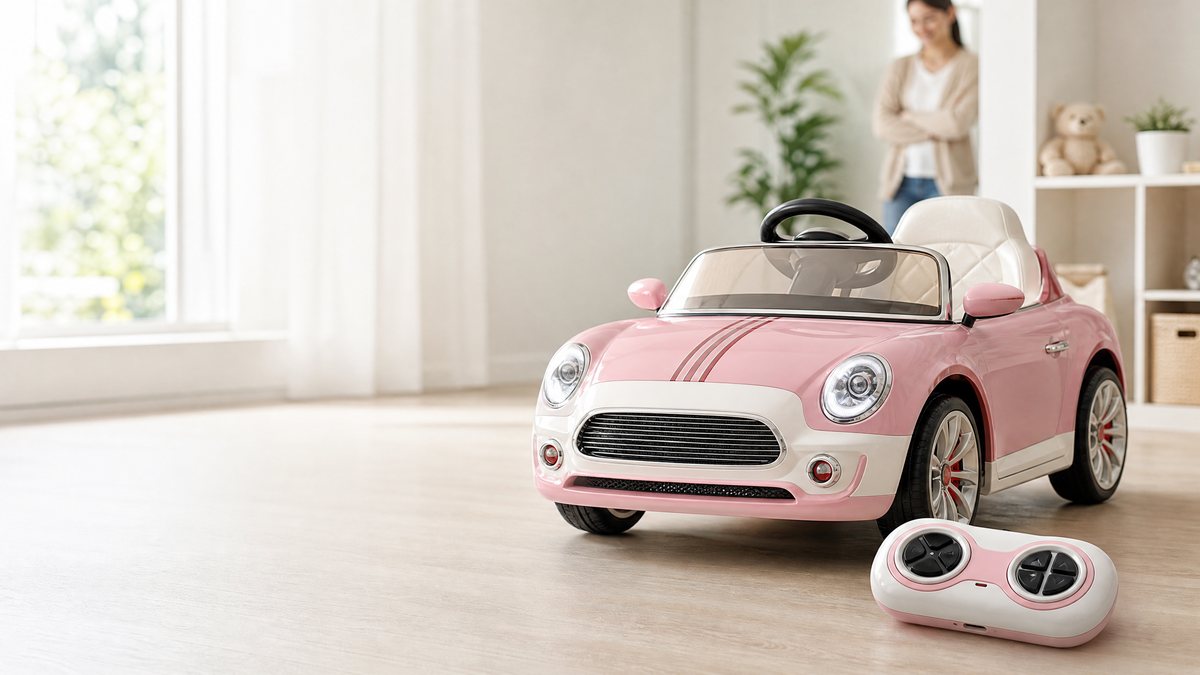
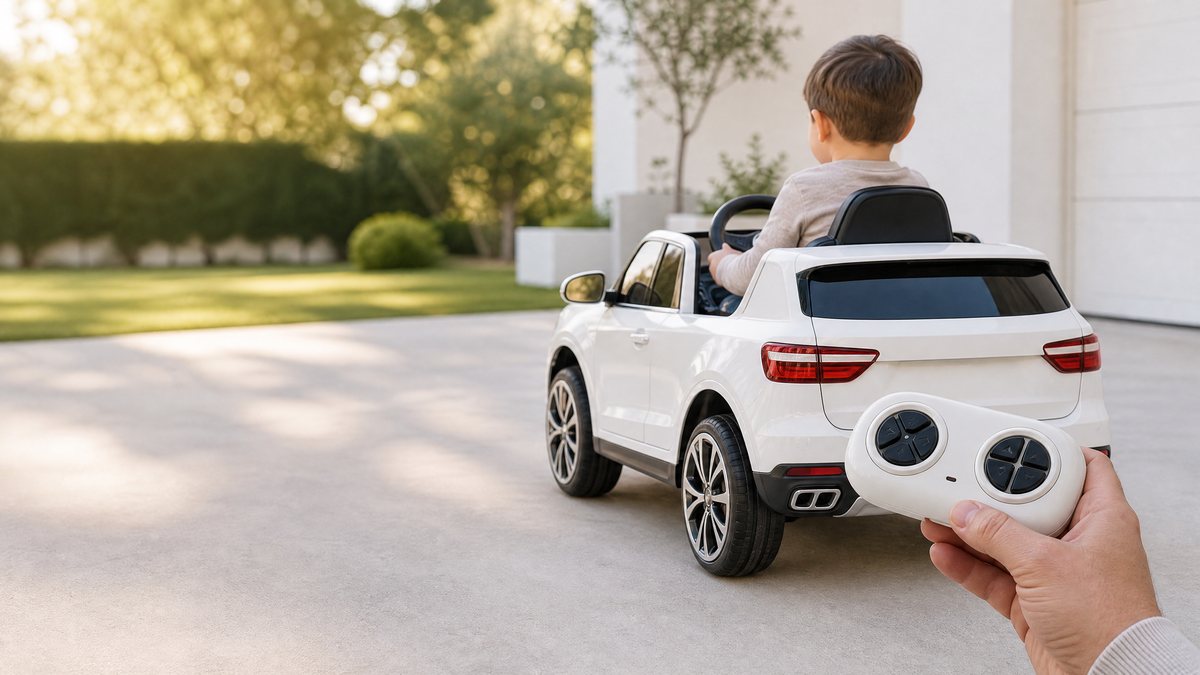
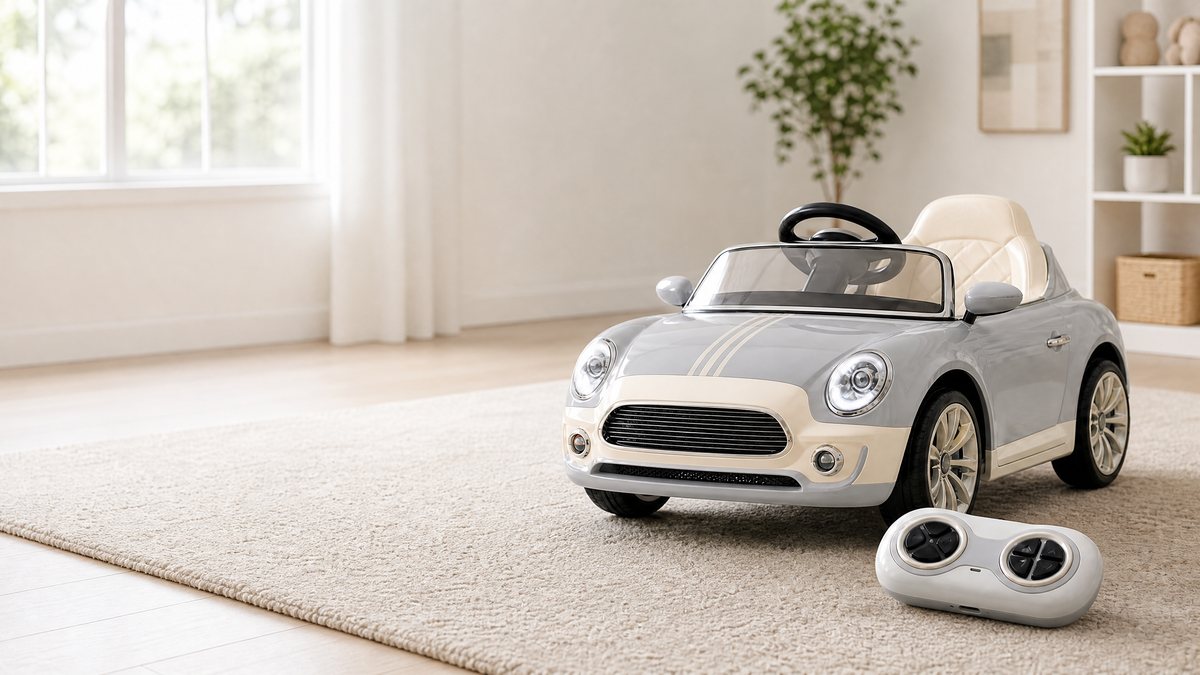
- Parental Remote Controls: Standard inclusion of 2.4G Bluetooth remote overrides, allowing adult supervision for younger operators.
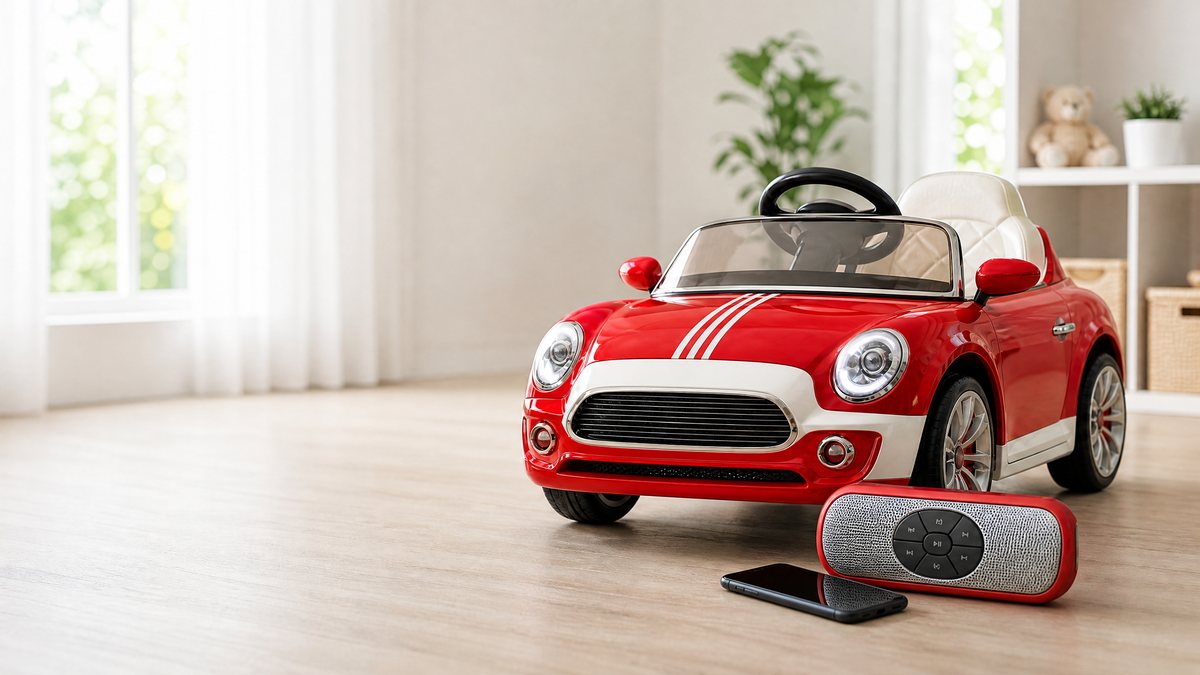
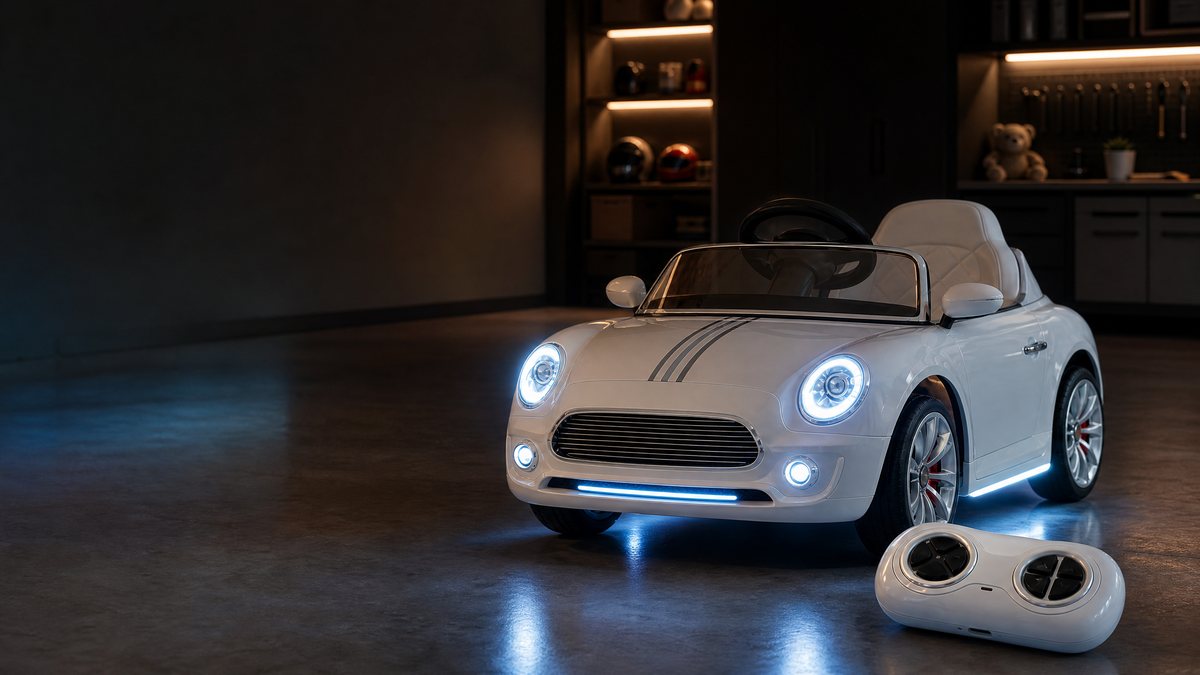
- Cosmetic Upgrades: Molded plastic or semi-upgraded EVA foam wheels, basic LED lighting, and MP3/USB auxiliary audio interfaces.
For B2B buyers, the challenge lies in separating cost-engineered models built with substandard wiring harnesses from durable units engineered for longevity. Sourcing teams must establish clear technical parameters before committing to bulk purchase orders.
Core Evaluation Criteria for Sub-$200 Ride-On Vehicles
When assessing manufacturer samples or factory spec sheets in the under-$200 tier, procurement professionals should evaluate several critical pillars:
1. Electrical Architecture & Drive Motors
At this price point, standard configurations typically utilize a 12V setup powered by either twin 30W or twin 35W electric motors mounted on the rear axle.
- Motor Housing Quality: Inspect whether the gearbox casing is constructed from reinforced nylon or brittle recycled plastics. Gearbox failure is the leading cause of post-sale returns in budget electric ride-ons.
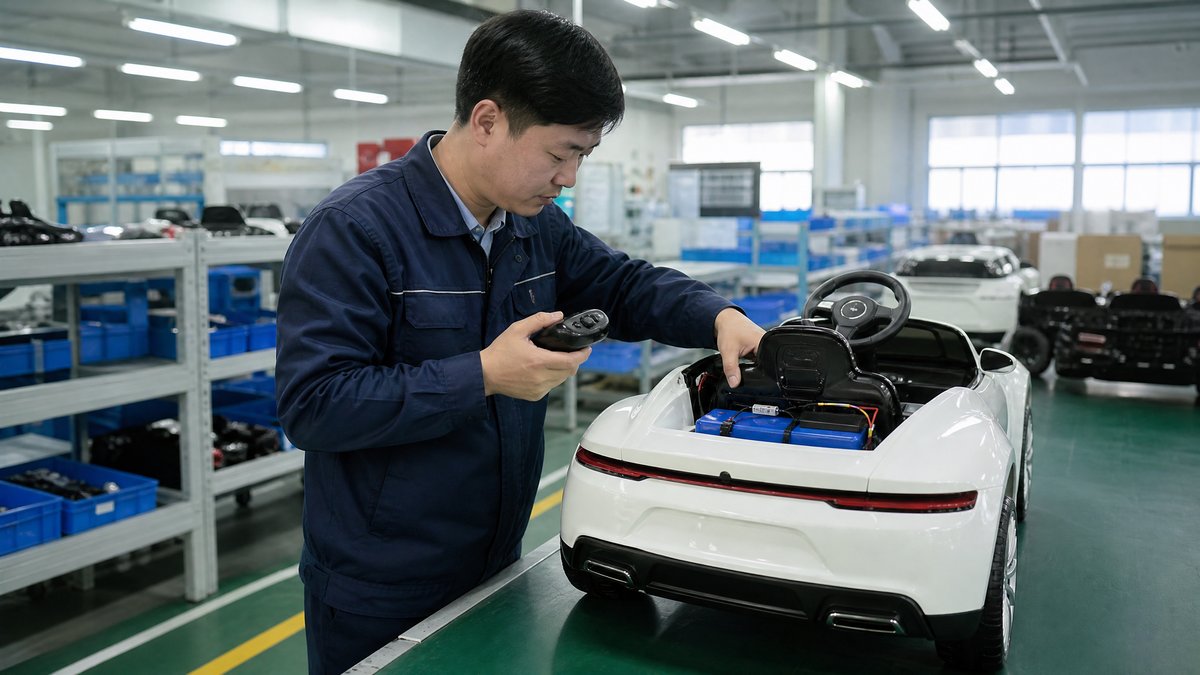
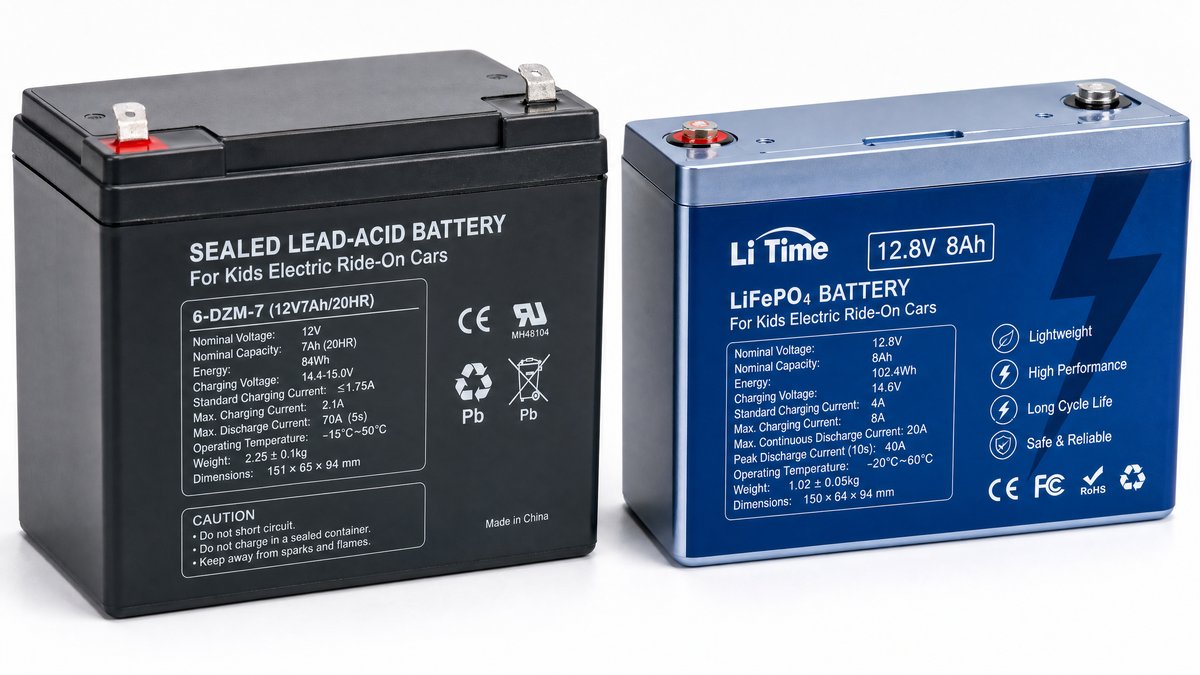
- Battery Capacity and Chemistry: Verify whether the vehicle utilizes a standard 12V 4.5Ah or an upgraded 12V 7Ah sealed lead-acid (SLA) battery. While 7Ah batteries offer longer run times (typically 60 to 90 minutes of continuous play), suppliers must provide material safety data sheets (MSDS) and UN38.3 transport certifications.
- Charging Protection: Ensure the charger includes overcharge protection circuitry to prevent thermal runaway and prolong battery lifespan.
2. Chassis Integrity & Load Capacity
Vehicles priced under $200 are typically rated for children aged 3 to 6 years, with maximum weight capacities ranging from 30 kg to 35 kg (approx. 66 to 77 lbs).
- Frame Construction: Check whether the main chassis relies entirely on thin injection-molded plastic shells or incorporates a tubular steel support sub-frame. A steel reinforcement skeleton significantly improves structural durability under maximum load.
- Suspension Systems: Spring suspension on the rear wheels is common in this bracket. Buyers should test whether the springs provide functional shock absorption or serve merely as cosmetic decorations.
3. Safety Mechanisms and Control Systems
Compliance with international toy safety standards is non-negotiable, regardless of retail price.
- Remote Override Priority: The 2.4G parental remote control must feature an emergency stop button and steering override that instantly interrupts manual pedal input from the child.
- Soft Start Technology: Look for controllers programmed with gradual acceleration curves. Abrupt power delivery can cause the vehicle to jerk, startling younger operators and straining the gearbox gears.
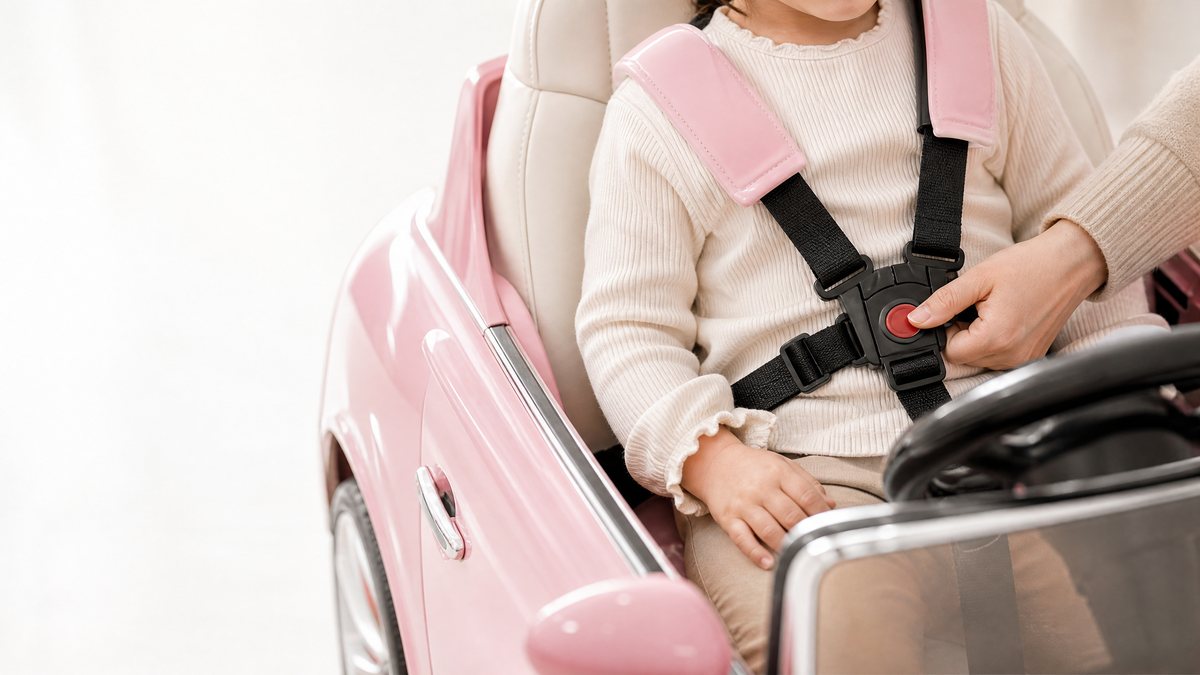
- Seatbelt Systems: Standard lap belts or multi-point harnesses must be securely anchored directly to the vehicle frame rather than flimsy plastic seat plates.
Comparative Specifications in the Under-$200 Tier
To assist sourcing managers in analyzing factory proposals, the following matrix contrasts typical component tiers found across budget-friendly ride-on configurations:
| Evaluation Parameter | Basic Budget Tier (Sub-$120) | Standard Mid-Tier ($120 - $160) | Upper Mid-Tier ($160 - $200) |
|---|---|---|---|
| Nominal Voltage | 6V Single Motor | 12V Single or Twin Motors | 12V Dual High-Torque Motors |
| Battery Specification | 6V 4.5Ah SLA | 12V 4.5Ah SLA | 12V 7Ah SLA |
| Remote Control | Optional / 27MHz or Basic 2.4G | Standard 2.4G Bluetooth | Advanced 2.4G with 3-Speed Select |
| Wheel Construction | Hard Plastic with Center Strip | Molded Plastic with Tread Rubber | EVA Foam / Soft Rubber Composite |
| Suspension | None | Rear Spring Suspension | Four-Wheel Independent Suspension |
| Target Age Range | 2 - 4 Years | 3 - 5 Years | 3 - 7 Years |
*Note: Sourcing teams must verify all specifications directly against physical golden samples and factory laboratory test reports rather than relying solely on catalog descriptions.*
Buyer Sourcing Checklist
Before finalizing OEM/ODM supply contracts or wholesale purchase orders for ride-on vehicles under $200, procurement specialists should systematically verify the following operational checkpoints:
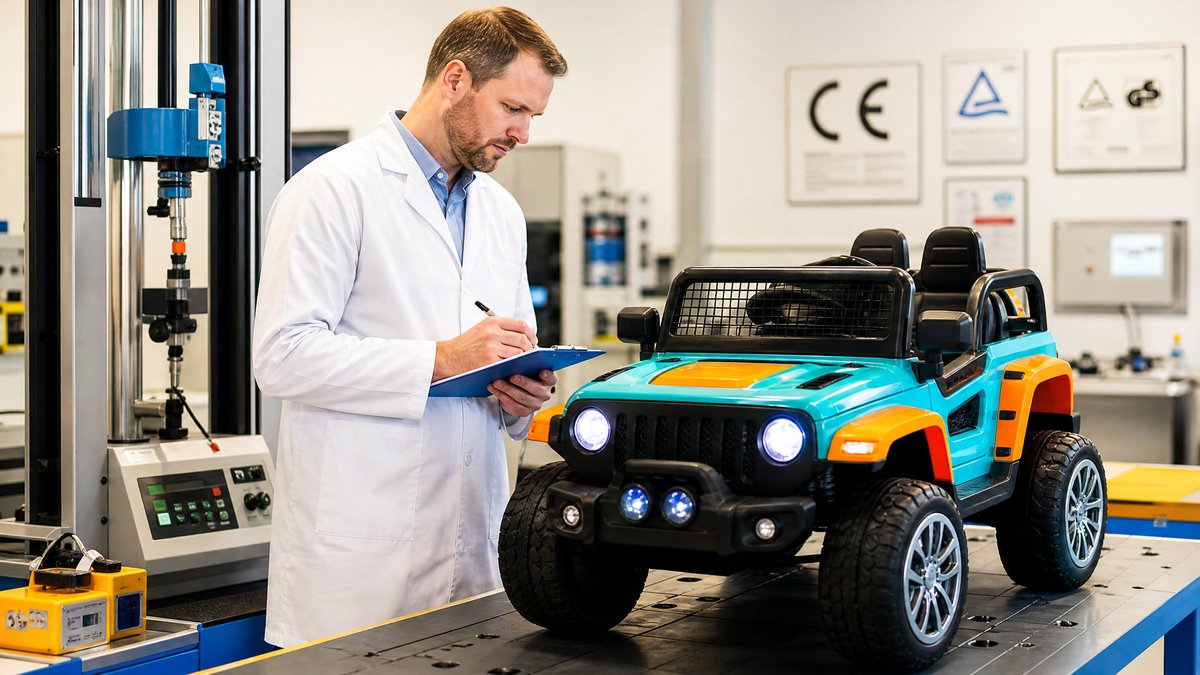
- [ ] Compliance Documentation: Request valid third-party test reports verifying compliance with ASTM F963 (United States) and EN71 / CE (European Union) standards.
- [ ] Electrical Safety Certificates: Confirm that power adapters and chargers carry recognized safety certifications (e.g., UL, ETL, or CE-LVD/EMC) for the destination market.
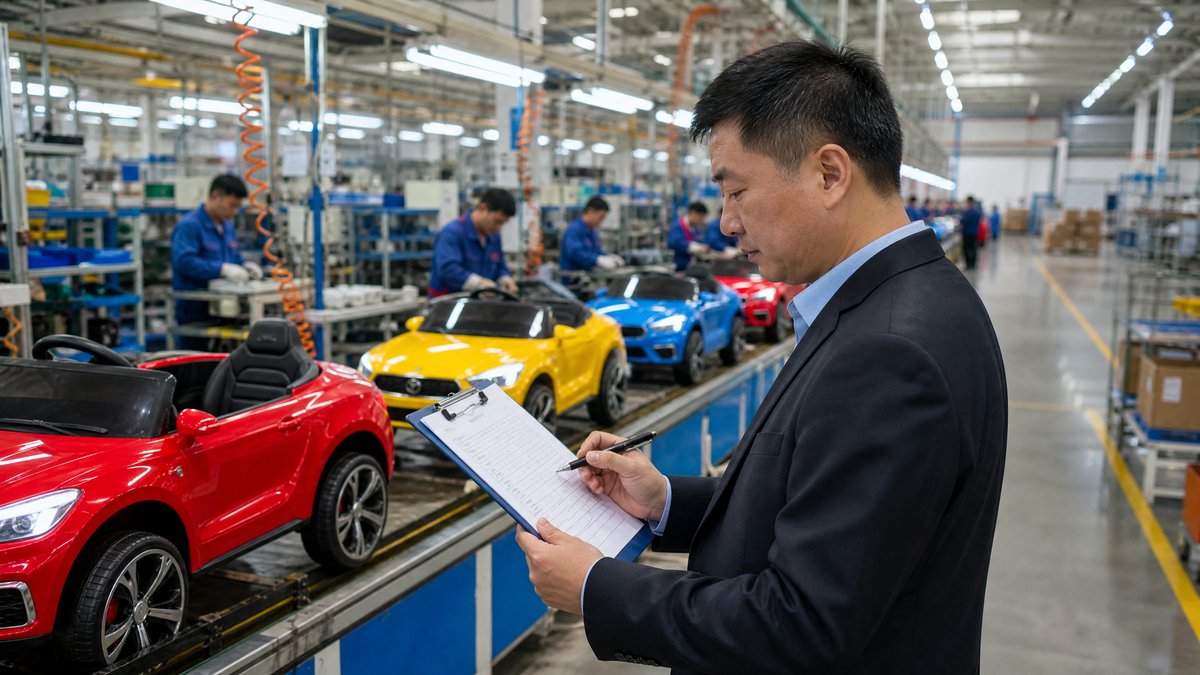
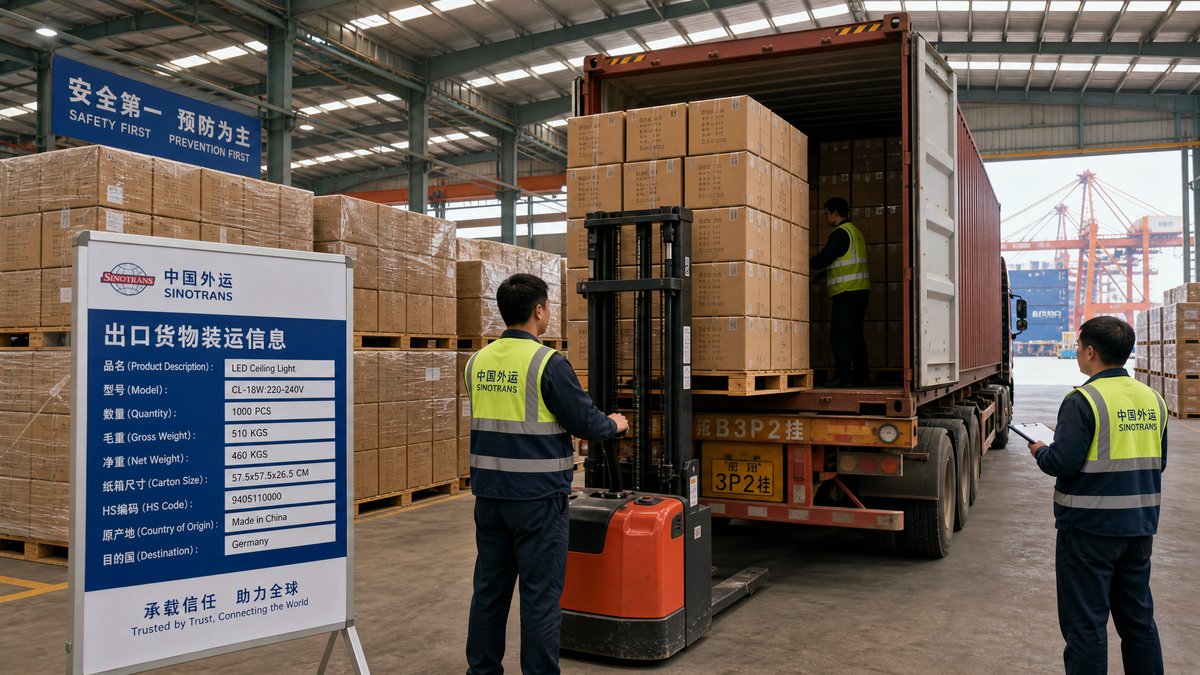
- [ ] Factory Audit & Quality Control: Verify the manufacturer's internal QC protocol, including motor burn-in testing, drop testing of packaged units, and battery voltage inspection prior to dispatch.
- [ ] Spare Parts Support: Ensure the supplier maintains an adequate inventory of consumable replacement parts (spare gearboxes, remote transmitters, chargers, and switches) to support warranty claims.
- [ ] Packaging Drop-Test Standards: Ensure export cartons utilize reinforced double-wall corrugated cardboard with molded expanded polystyrene (EPS) or custom foam inserts to prevent transit damage.
Frequently Asked Questions (FAQ)
1. What is the typical profit margin for retailers selling ride-on cars under $200?
Retail margins vary significantly depending on shipping volume, ocean freight rates, and distribution channels. Typically, B2B wholesale buyers sourcing containers directly from manufacturers target a keystone markup (100% or greater) when selling to regional distributors or end-consumers, though localized warehousing and last-mile fulfillment costs must be factored into net profitability models.
2. Are 12V ride-on cars safe for children under 3 years old?
Children under 3 years old generally lack the motor coordination and spatial awareness required for independent operation. While these vehicles feature parental remote controls that allow adults to steer and brake remotely, manufacturers recommend continuous adult supervision and adherence to minimum age grading guidelines specified on product compliance labels.
3. How can importers verify battery quality in budget-priced electric vehicles?
Importers should request complete battery technical data sheets, manufacturer certificates of origin, and independent lab test reports covering overcharge protection, discharge rates, and chemical composition. Sourcing agents should also conduct pre-shipment random sampling to test battery voltage stability and charging cycle efficiency.
4. What are the most common failure points in sub-$200 ride-on cars?
Post-sale service logs indicate that the primary failure points in this price category are electric gearbox gear stripping caused by abrupt directional shifts, charger malfunctions, and battery degradation due to improper off-season storage. Sourcing robust gearboxes and partnering with reliable component suppliers mitigates these risks.
Conclusion
Sourcing electric ride-on cars in the under-$200 price bracket requires a disciplined balance between cost management and uncompromising safety verification. By evaluating core electrical components, chassis structural integrity, and regulatory compliance documentation, B2B buyers can establish a dependable product lineup that satisfies retail demand while minimizing after-sales friction.
For inquiries regarding wholesale catalogs, OEM customization options, container loading configurations, or compliance verification documents, please reach out to our commercial team at sales@kidsridecar.com.
Official references
Explore these external resources for current regulatory and trade guidance. Confirm requirements with the relevant authority before placing an order.
Ready to Start?
Factory-Direct · CE & ASTM Certified · MOQ from 50 Units
Our export team works with buyers in 60+ countries. Get a quote within 24 hours.
KR
Written by KidsRideCar
China's leading kids electric ride-on car manufacturer. 500,000+ units shipped annually to 60+ countries. CE, ASTM & EN71 certified.