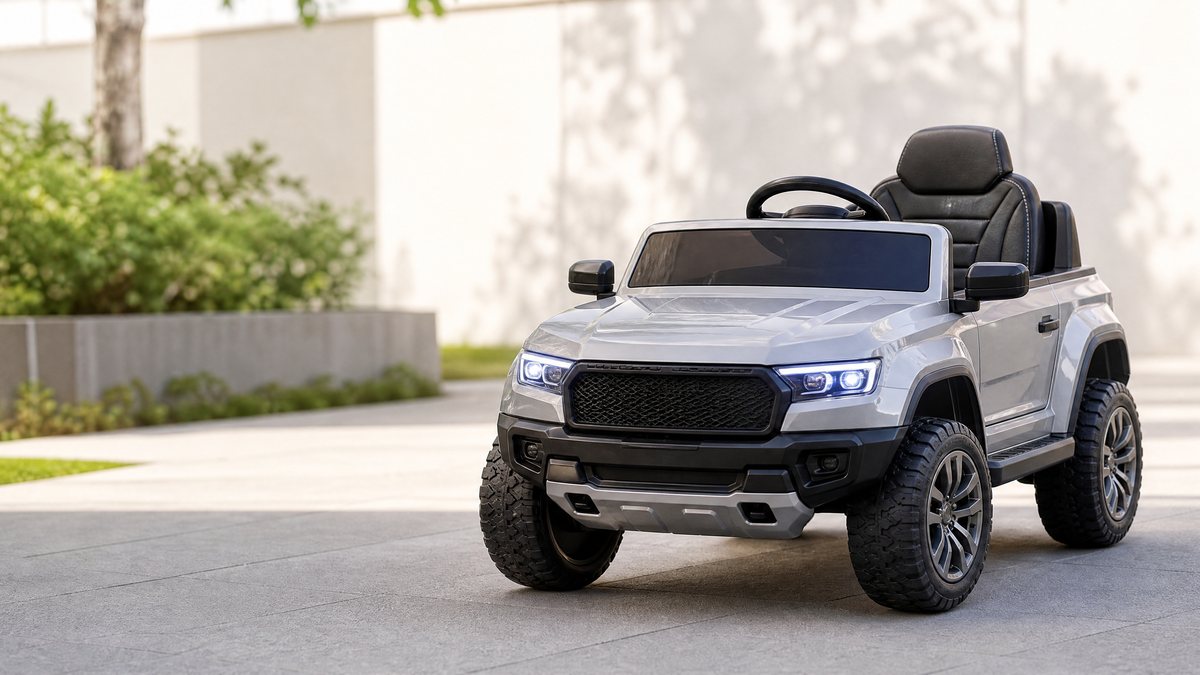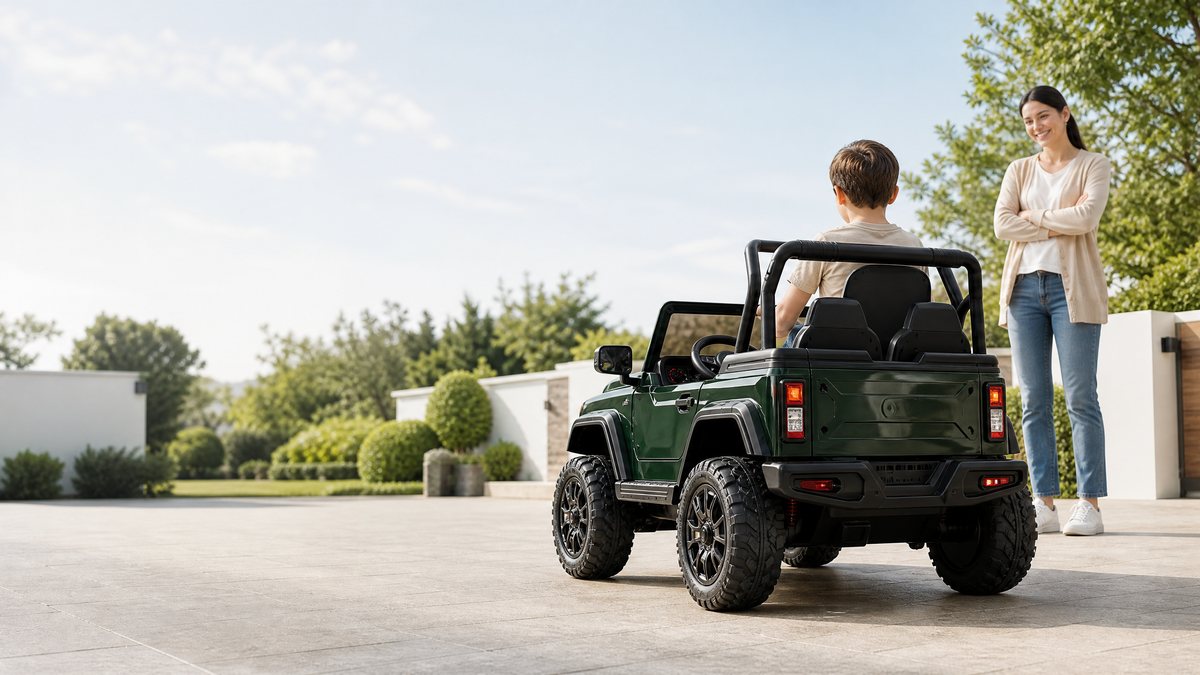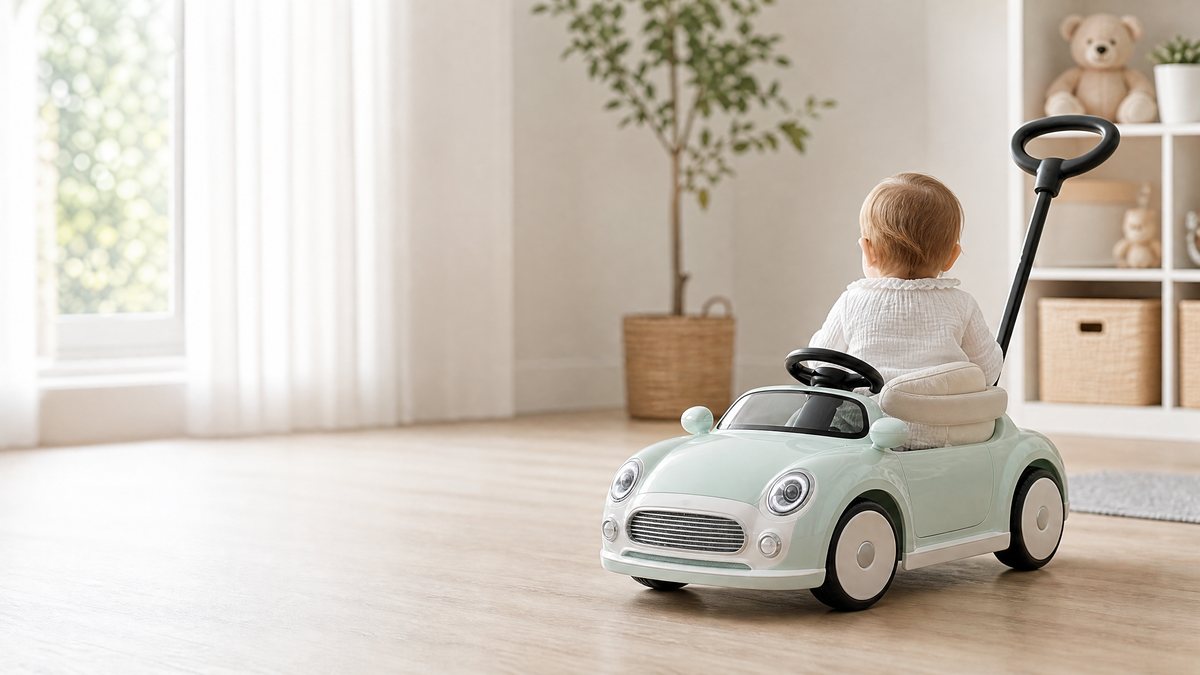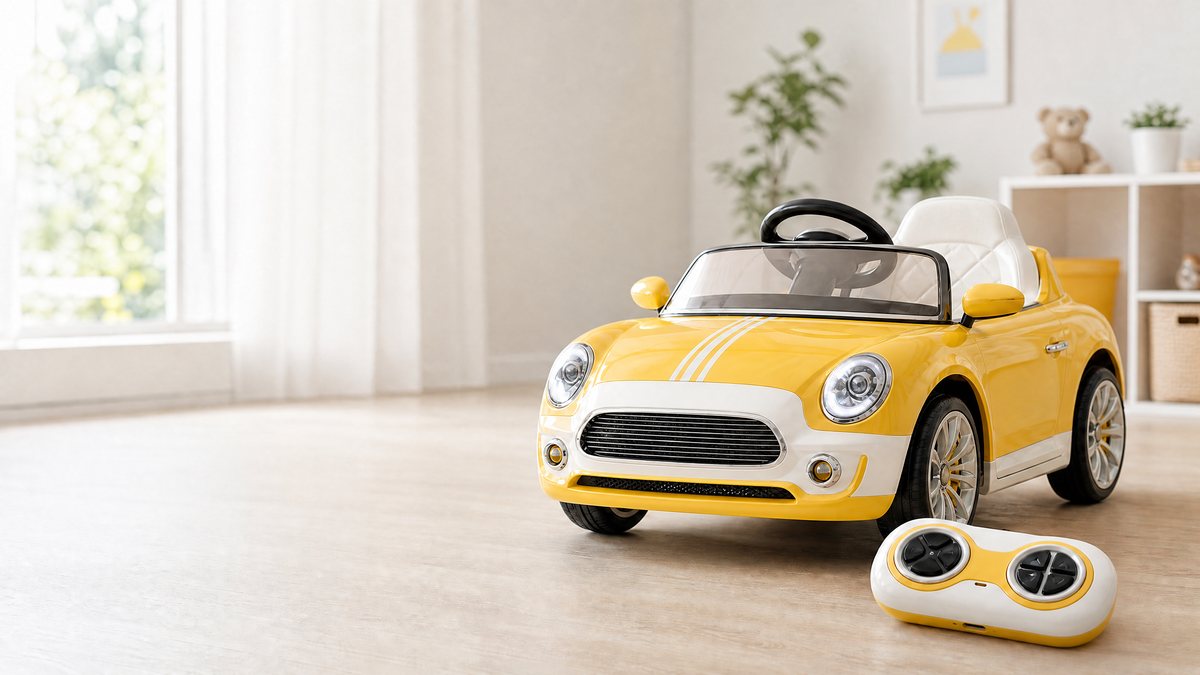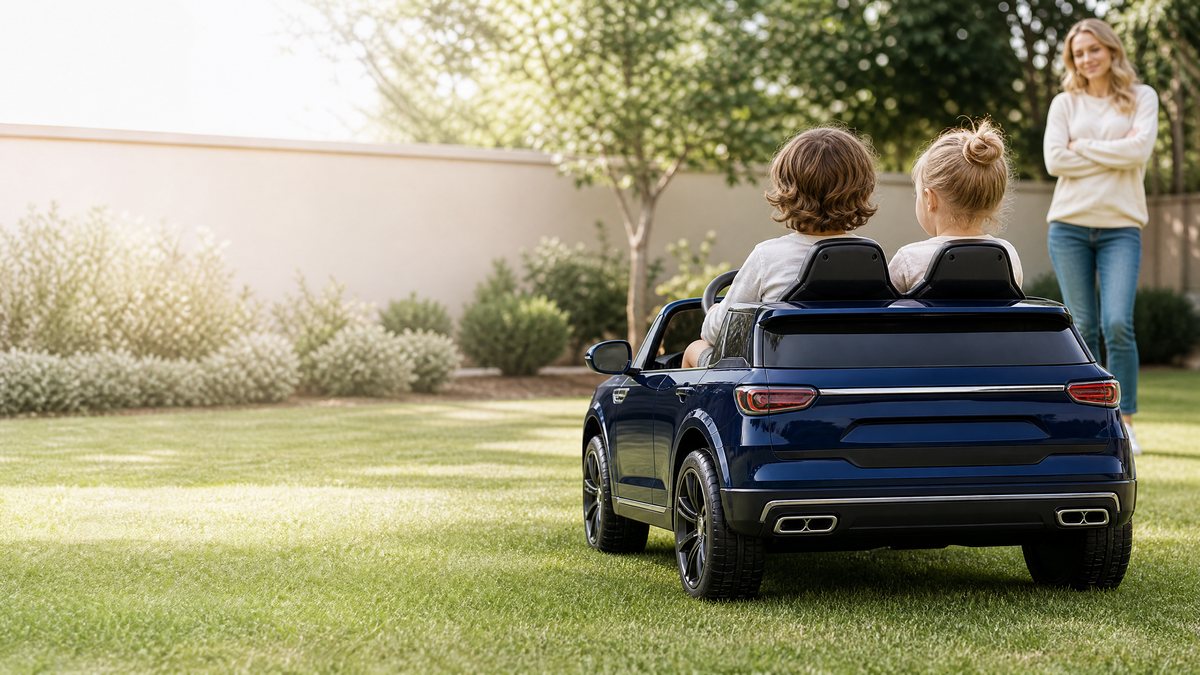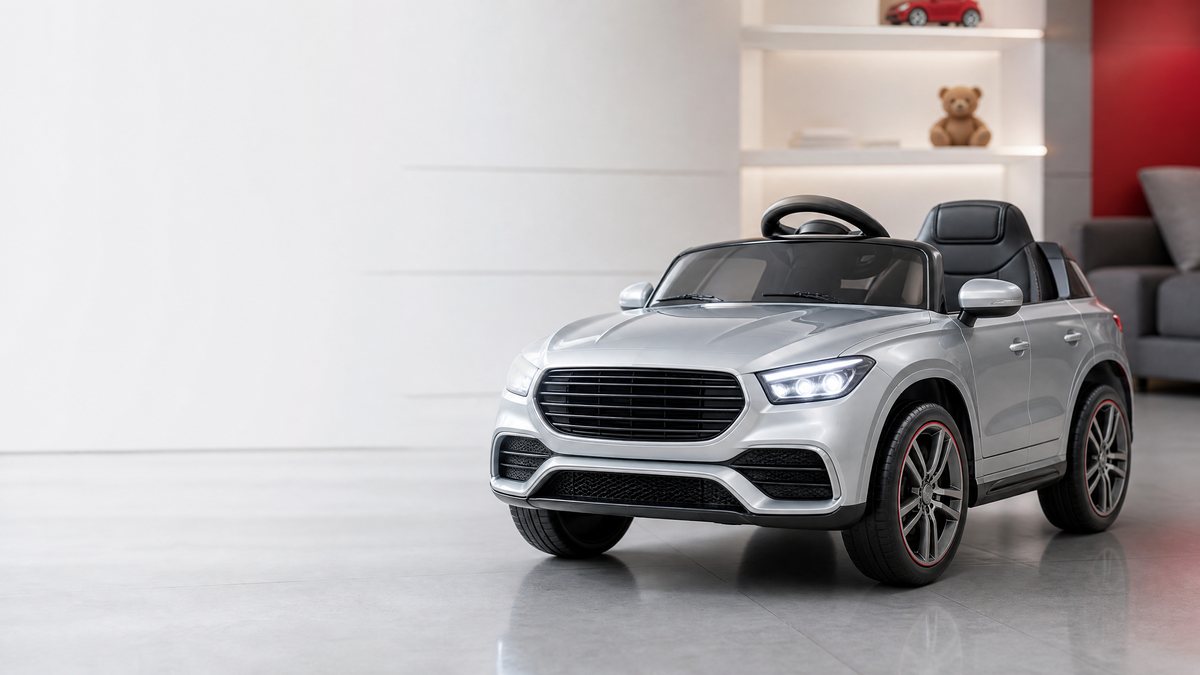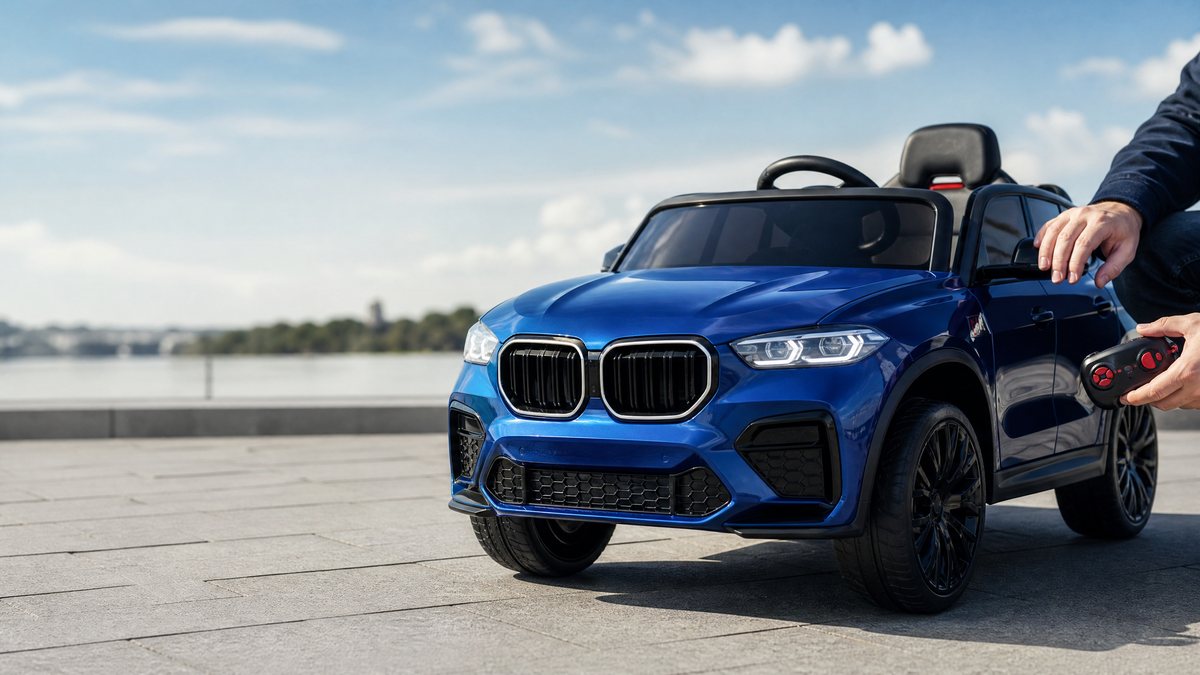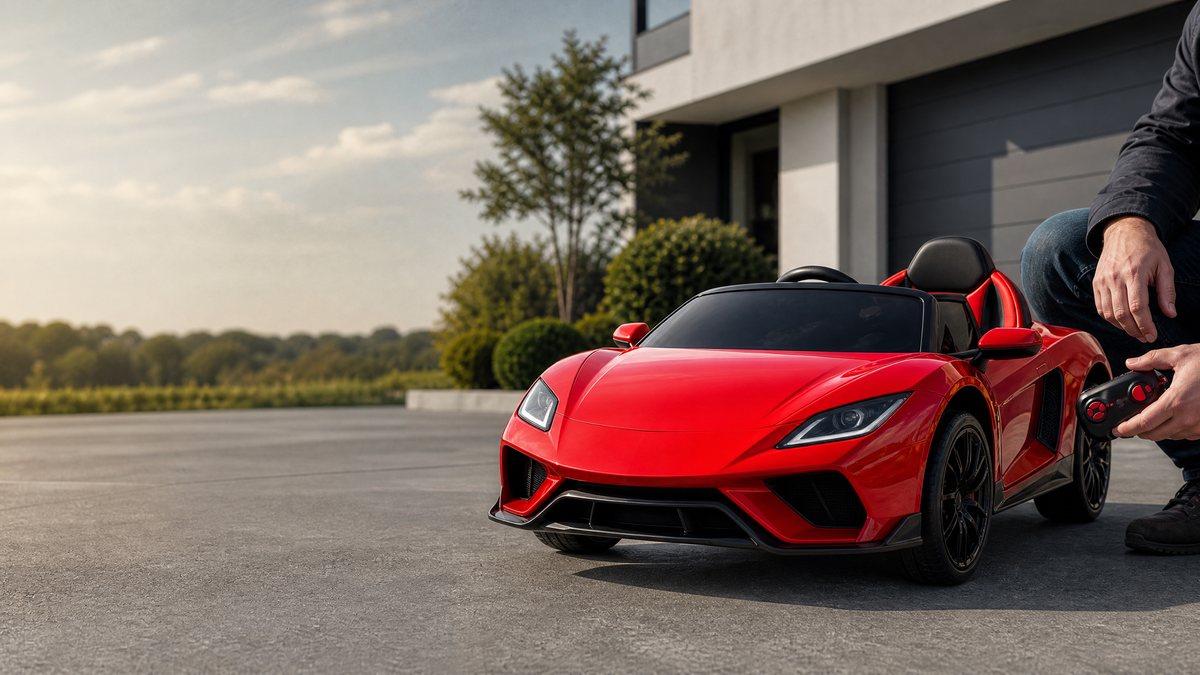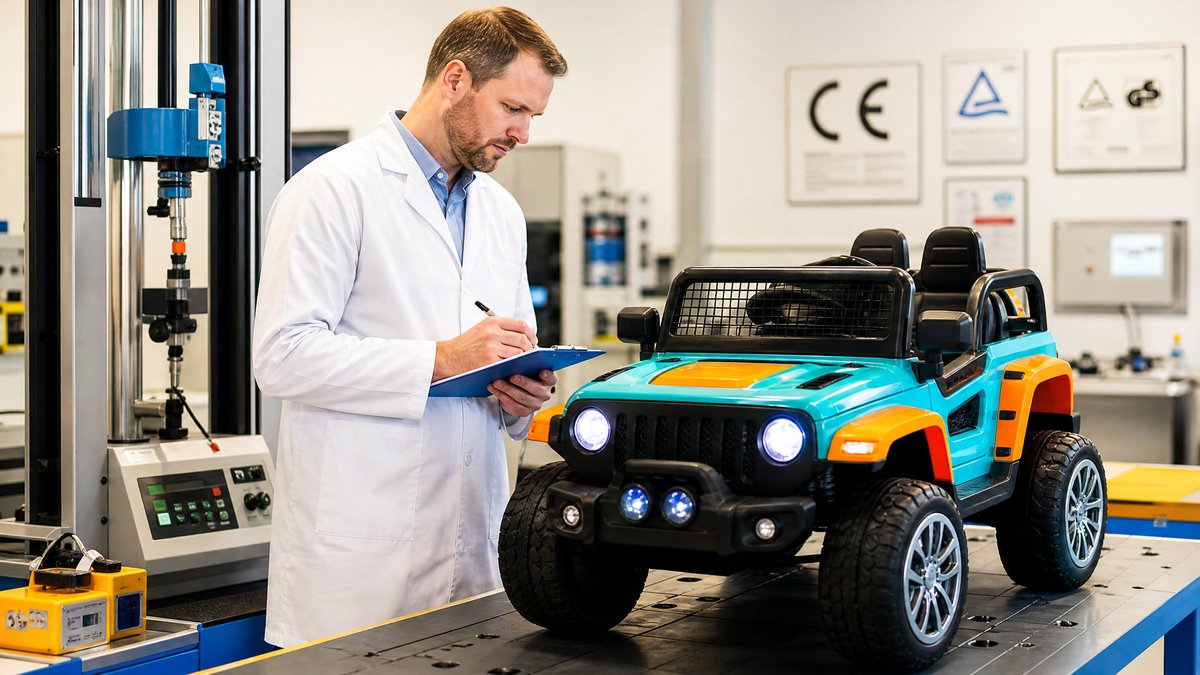
The modern market for battery-powered ride-on cars has experienced exponential growth, transforming backyard play, residential driveways, and commercial family entertainment centers alike. As children delight in piloting miniature electric SUVs, sports cars, and utility tractors, the responsibility of ensuring their safety falls squarely upon manufacturers, wholesale distributors, retail merchants, and supervising adults. Among the myriad safety features engineered into contemporary ride-on vehicles—ranging from soft-start acceleration modules and automatic electromagnetic braking to parent-controlled remote overrides—the seemingly simple seat belt remains the foundational cornerstone of occupant protection. Far from being a mere cosmetic accessory or a replica detail mimicking full-sized automobiles, the seat belt on a children's ride-on car serves as a vital mechanical restraint designed to mitigate risks during operation. Understanding the engineering, behavioral justification, and operational protocols surrounding ride-on car seat belts is essential for B2B importers, retail buyers, and parents committed to uncompromising safety standards across all retail environments and residential settings worldwide today.
When evaluating children's battery-operated vehicles, stakeholders across the supply chain must look beyond aesthetic appeal, superficial styling, and motor voltage specifications. Safety certification, structural integrity, and ergonomic restraint design dictate whether a vehicle can provide a secure operating environment. This comprehensive guide explores the multifaceted importance of ride-on car seat belts, examining how restraint systems interact with vehicle dynamics, child physiology, adult supervision, and wholesale compliance standards across global markets. Furthermore, understanding these dynamics helps retail partners educate consumers on responsible vehicle operation, proper maintenance protocols, and long-term product durability across diverse commercial and consumer applications.
The Engineering and Mechanics of Ride-On Car Restraint Systems
Unlike full-scale passenger automobiles designed to withstand high-velocity highway collisions, ride-on cars operate at controlled, low speeds typically ranging between 3 to 8 kilometers per hour. Consequently, the engineering objective of a ride-on car restraint system differs significantly from automotive crash protection. Instead of managing high-energy deceleration forces, a ride-on car seat belt is engineered primarily to prevent accidental slips, sudden drops, unbalancing during uneven terrain navigation, and lateral ejection during sharp turns or minor abrupt stops.
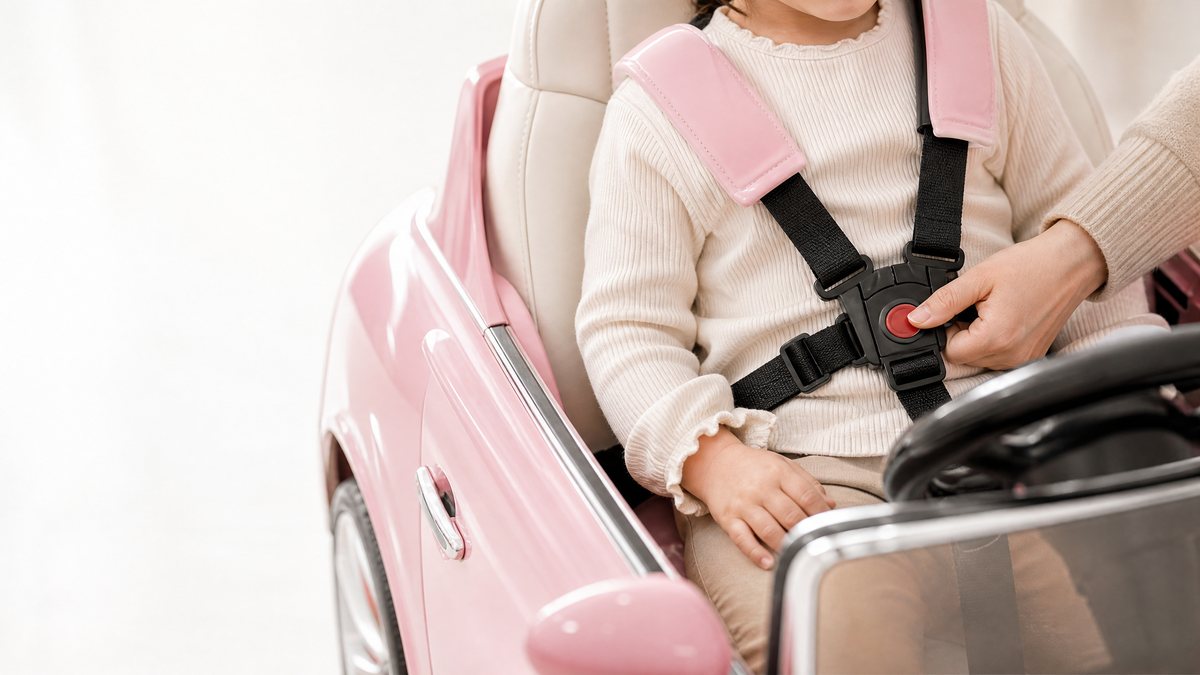
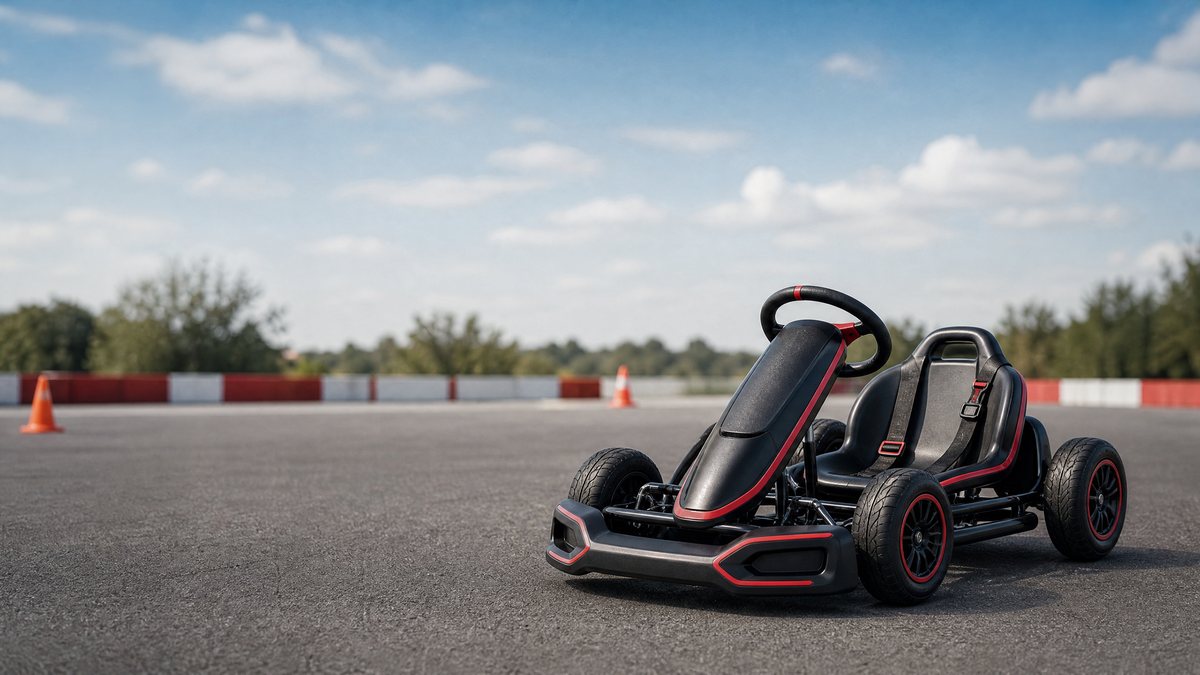
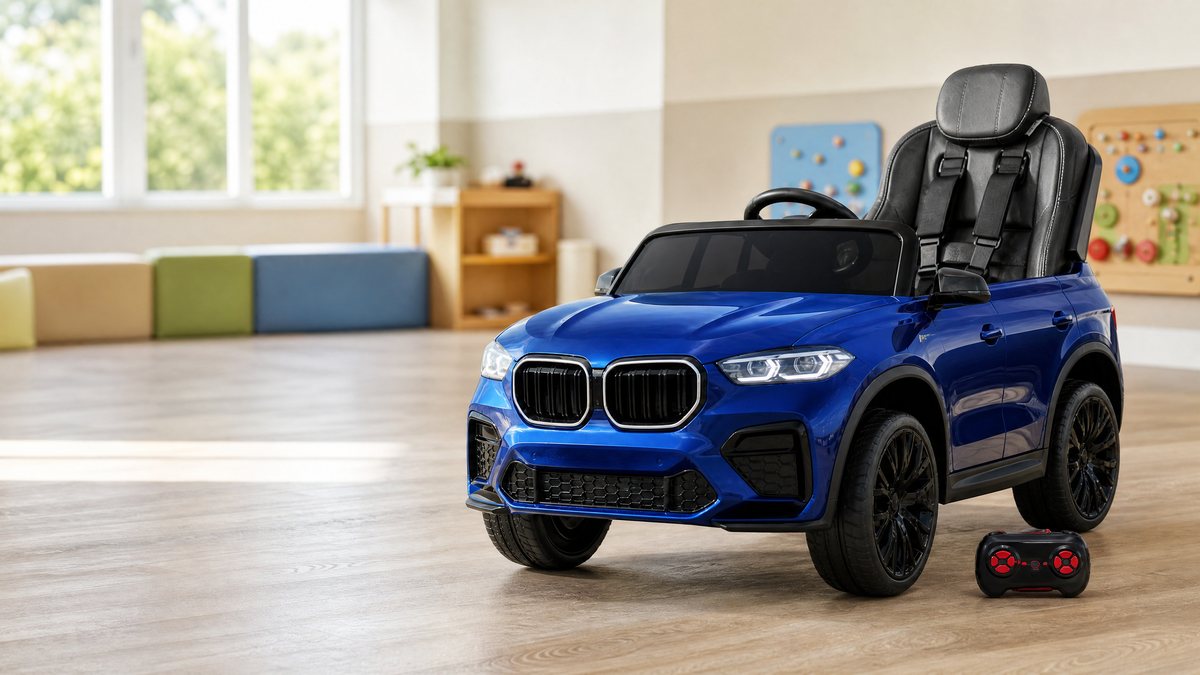
Manufacturers utilize several styles of restraint systems depending on the vehicle category, target age grading, and seating capacity. Standard lap belts are most common in single-rider sports cars and basic cruisers, securing the child across the pelvic region to prevent sliding forward. Multi-point harnesses, reminiscent of go-kart or premium stroller designs, offer enhanced upper-body stabilization for younger drivers or dual-seater utility vehicles where uneven weight distribution is more prevalent. Regardless of the configuration, the webbing materials must meet rigorous mechanical strength standards, featuring durable buckles that resist casual tampering by young children while remaining easily releasable by supervising adults in urgent scenarios.
| Restraint Type | Common Vehicle Application | Primary Functional Benefit | Operational Consideration |
|---|---|---|---|
| Standard Lap Belt | Single-rider sports cars, entry-level sedans | Secures pelvis, prevents forward sliding during braking | Best suited for flat, smooth surfaces and older toddlers |
| Three-Point Harness | Premium SUVs, licensed luxury models | Stabilizes upper torso and pelvis simultaneously | Recommended for uneven terrain and younger operators |
| Dual Lap Belts (2-Seater) | Multi-passenger utility vehicles, side-by-sides | Independent restraint for driver and passenger | Requires strict individual buckling enforcement before movement |
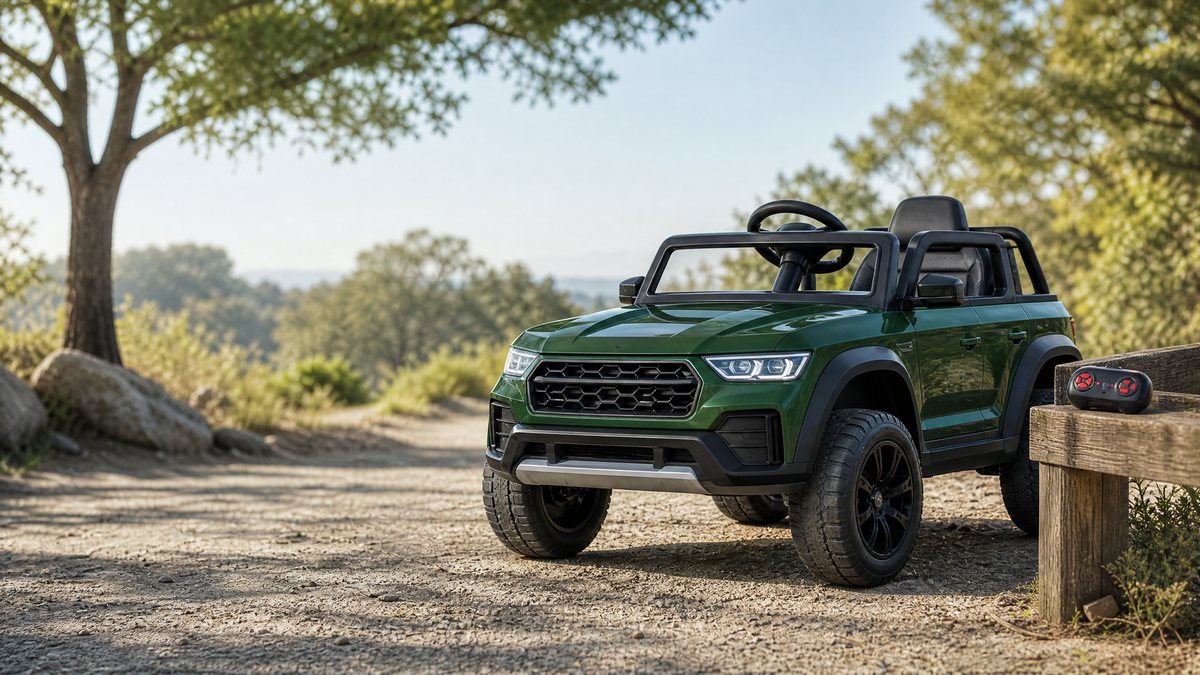
| Adjustable Webbing Straps | Off-road buggies, heavy-duty tractors | Accommodates varied child clothing thickness and growth | Must be re-adjusted periodically for snug, secure fit |
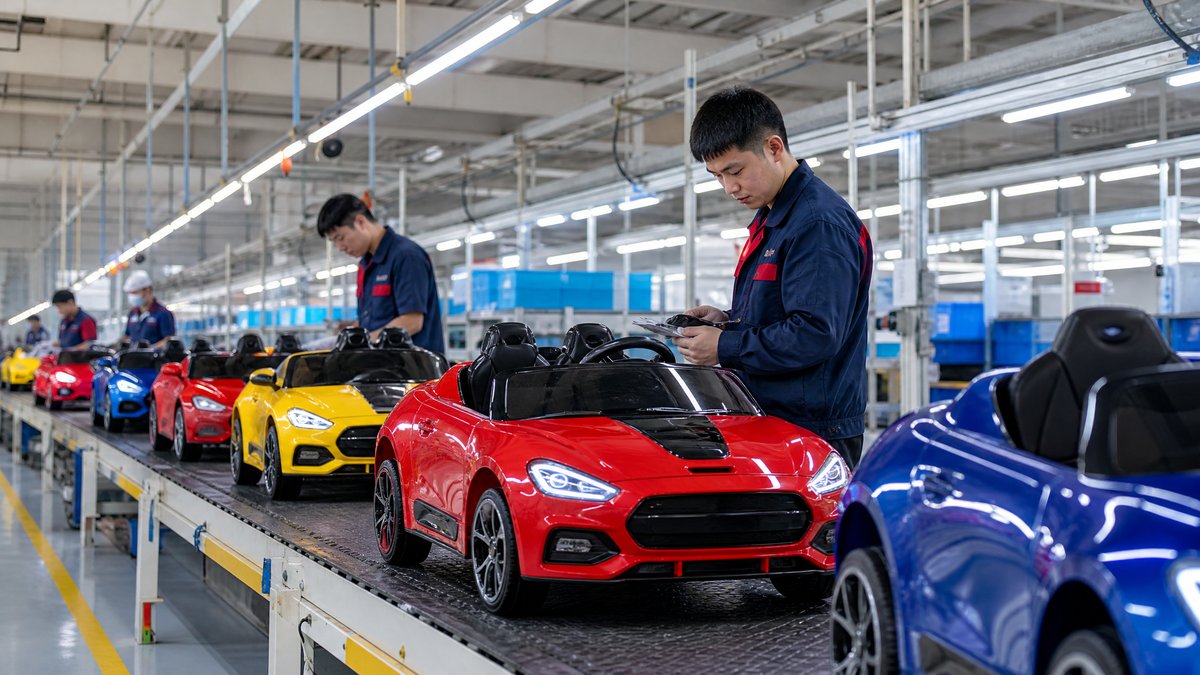
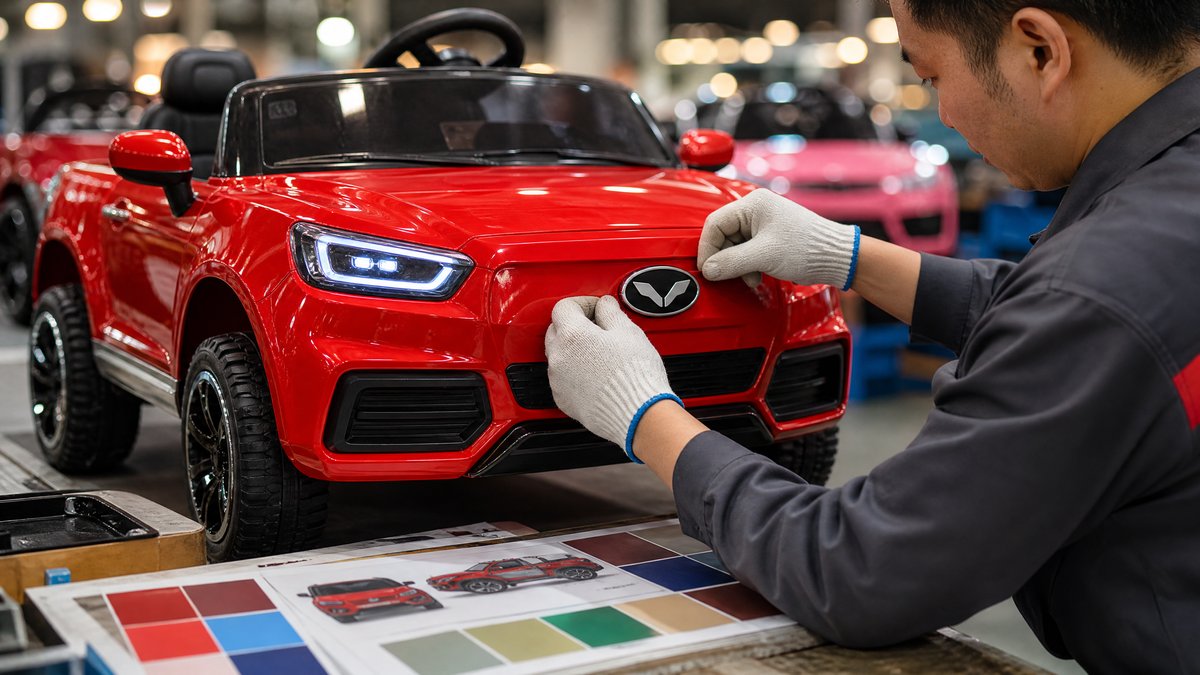
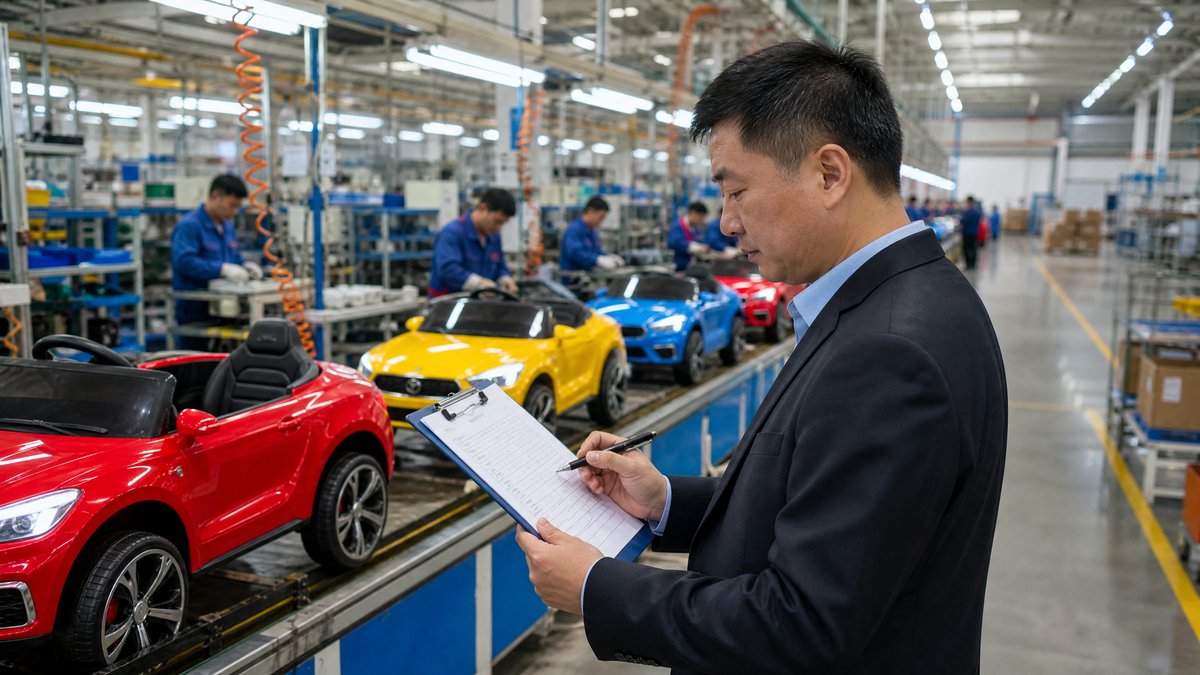
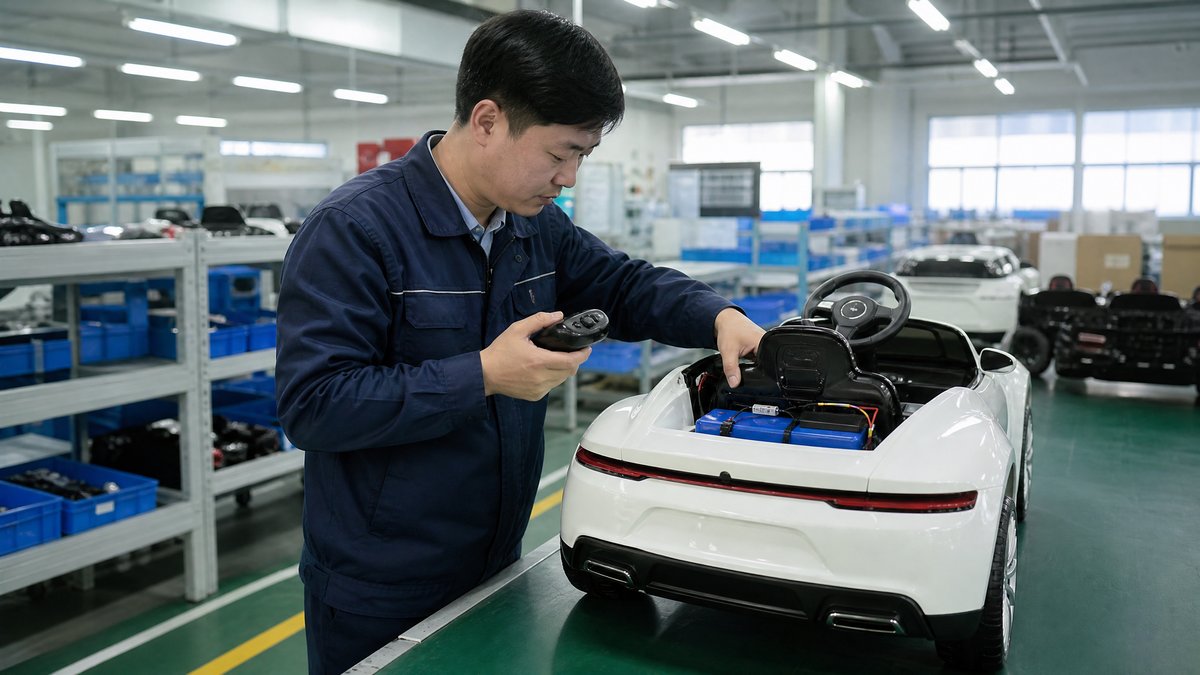
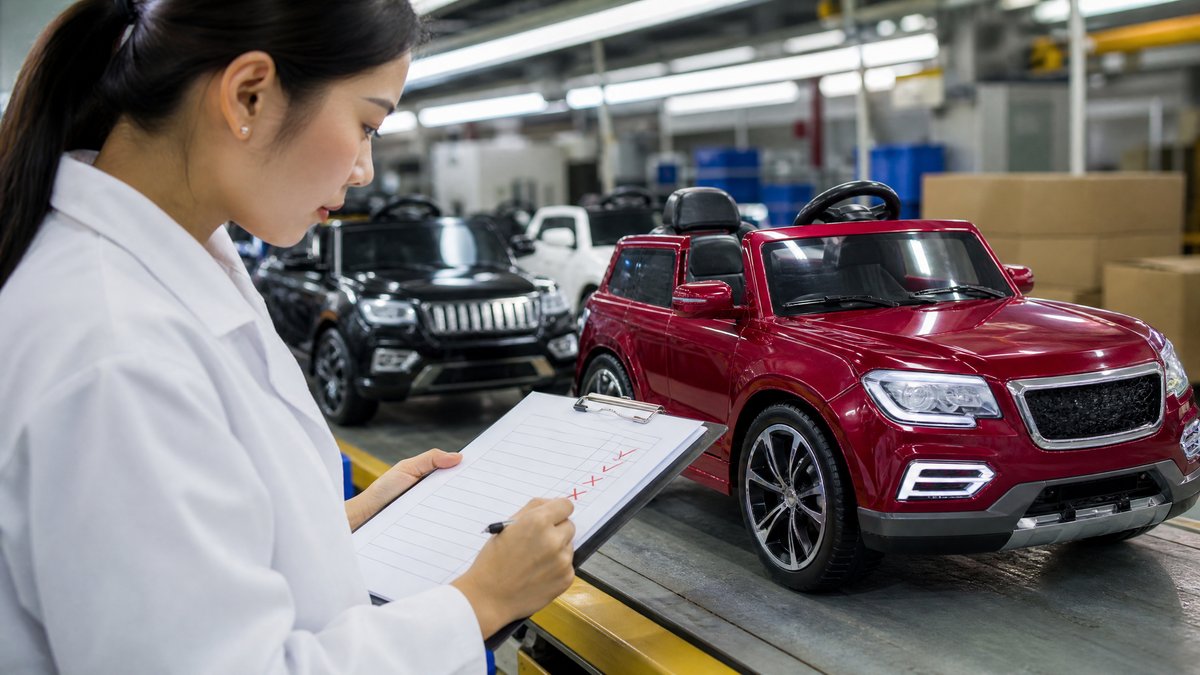
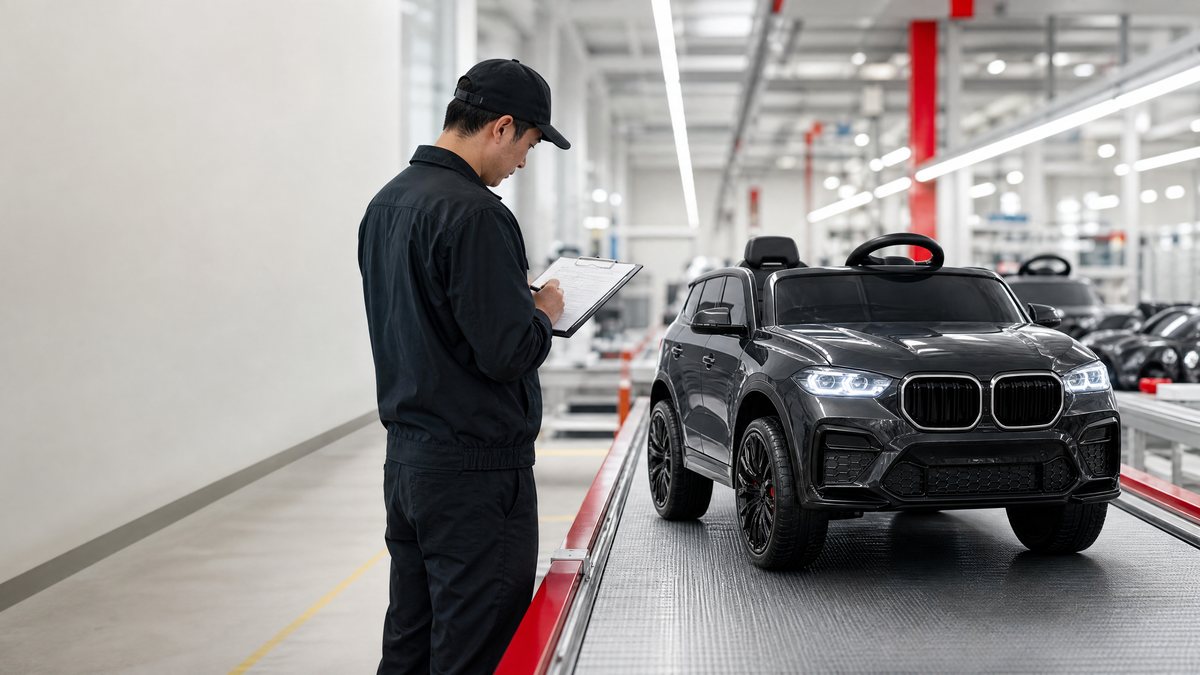
The integration of these restraint systems requires rigorous quality control during manufacturing. Sourcing partners and wholesale buyers must verify that buckle retention mechanisms, anchor points molded directly into the vehicle chassis, and stitching durability comply with international toy safety directives. A compromised anchor point renders even the highest-quality webbing ineffective, highlighting the necessity of comprehensive supplier verification and adherence to approved manufacturing blueprints. Furthermore, rigorous pull-testing during factory quality assurance ensures that buckles withstand repetitive stress without slipping or releasing prematurely during active play.
Physiological and Behavioral Factors in Child Occupant Safety
To fully grasp why a seat belt is indispensable, one must examine the physiological and developmental characteristics of young children. Toddlers and preschoolers possess a center of gravity that is proportionally higher than that of adults, situated near the chest rather than the hips. Furthermore, developing vestibular systems and motor coordination mean that young children are more susceptible to losing their balance when experiencing sudden shifts in momentum, steering corrections, or transitions across varying surface textures such as grass, gravel, or paved driveways.
When a ride-on vehicle encounters a minor obstacle, dips into a depression, or executes a sharp turning maneuver, unbelted children frequently experience uncontrolled displacement. Without a secure restraint, even a low-speed jolt can cause a child to slide off the seat, strike the steering column, or be ejected entirely from the moving vehicle. Such ejections present immediate risks of secondary impact injuries, abrasions, or unintended contact with rotating wheels and moving mechanical components.
The seat belt acts as an immediate physical anchor, maintaining the operator in an upright, seated posture directly aligned with the steering controls and foot pedals. This optimal seating position not only prevents ejection hazards but also ensures that the child's hands and feet remain correctly positioned for operating the accelerator pedal and steering wheel. Maintaining ergonomic alignment reduces driver fatigue, promotes stable vehicle control, and minimizes erratic steering inputs that could otherwise lead to tip-overs on inclined surfaces. Additionally, the psychological reassurance of being snugly secured can help young operators feel more secure, fostering focused attention on driving rather than struggling to maintain balance.
Adult Supervision and Manufacturer Guidelines as the Ultimate Safeguard
While mechanical restraint systems provide critical passive protection, no seat belt or automated safety feature can substitute for vigilant, active adult supervision. Ride-on cars are interactive recreational products that require continuous oversight by parents, guardians, or authorized facility staff. Supervising adults must ensure that the seat belt is inspected prior to every operational session, checking for frayed webbing, cracked plastic buckle housings, or loose mounting bolts.
Furthermore, operating parameters must strictly align with the manufacturer's written instructions and vehicle specifications detailed in the product user manual. Wholesale distributors and retail merchants should consistently emphasize to end consumers that ride-on vehicles are designed for specific weight capacities, age groupings, and surface conditions. Attempting to overload a vehicle with multiple occupants when designed for a single rider, or operating the toy on steep, unapproved inclines, places excessive strain on both the structural frame and the restraint mechanisms.
It is equally imperative that operators and maintenance personnel adhere strictly to safe servicing boundaries. Under no circumstances should users attempt to modify, bypass, or alter internal electrical housings, battery terminals, motor wiring, or chassis components without explicit written authorization and guidance from the manufacturer. Unauthorized modifications can compromise structural integrity, interfere with electrical safety relays, and invalidate product warranties. In the event of persistent mechanical faults, unusual electrical odors, smoke, excessive heat, liquid ingress, frayed charging cables, or erratic braking behavior, operation must cease immediately. The vehicle should be powered down, disconnected from power sources, kept completely away from children, and evaluated exclusively by qualified repair technicians or authorized manufacturer representatives.
B2B Procurement and Retailer Best Practices for Safe Ride-On Sourcing
For B2B importers, commercial fleet operators, and retail merchants, stocking ride-on cars equipped with reliable safety features is both a legal imperative and a cornerstone of brand reputation. In an increasingly competitive global marketplace, commercial buyers must navigate diverse international safety standards—such as ASTM F963 in North America, EN 71 across the European Union, and relevant regional toy safety compliances.
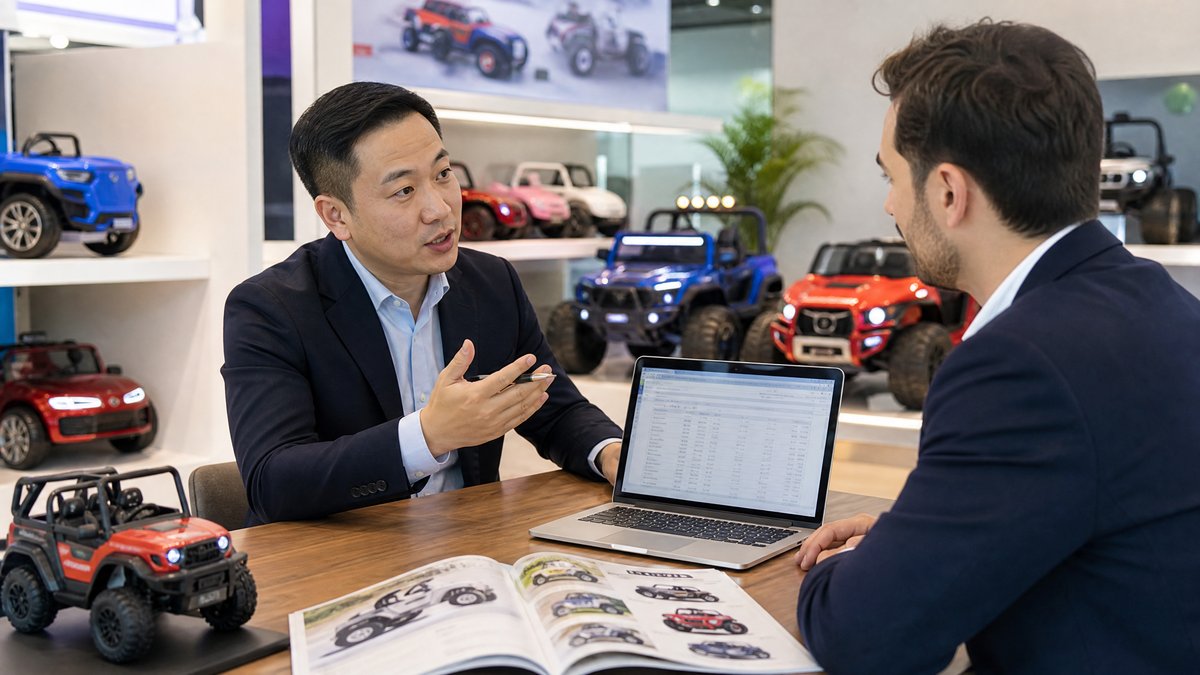
When vetting manufacturing partners, sourcing executives should prioritize factories that demonstrate rigorous quality assurance protocols for all occupant retention components. Evaluating sample vehicles involves inspecting seat belt tensile strength, anchorage reinforcement within the body shell, buckle ergonomics, and clarity of warning labels. Retailers should also ensure that comprehensive user manuals, multi-language safety warnings, and clear assembly instructions accompany every unit shipped to end consumers or commercial rental operators.
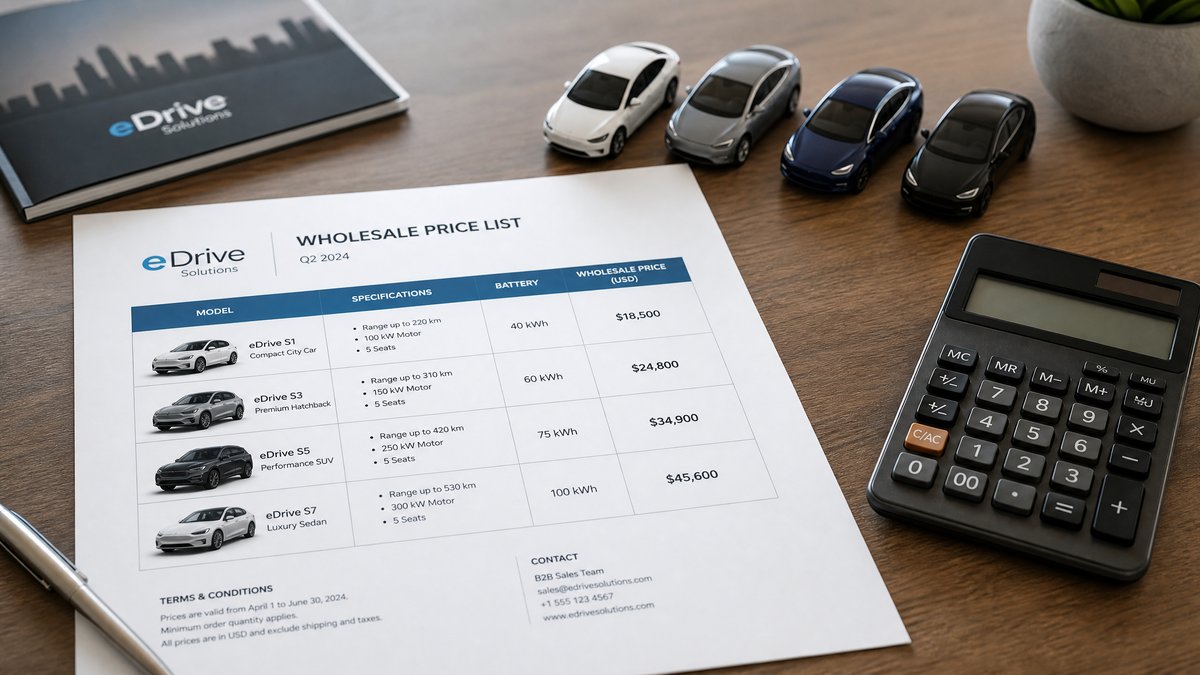
Transparent communication regarding product specifications helps manage consumer expectations and promotes responsible usage. Retailers are encouraged to provide clear pre-purchase inspection checklists, guiding buyers to confirm that vehicles match the intended age, physical size, and operating environment of the child. Additional regulatory alignment across global distribution channels ensures that safety documentation, CE markings, CPC certifications, and importer details are fully traceable. Retailers and B2B partners sourcing through KidsRideCar receive comprehensive compliance documentation supporting safe retail distribution worldwide. For bulk inquiries, custom specifications, and wholesale partnership opportunities, commercial clients are invited to connect directly with our expert advisory team. Request a wholesale quote to explore our certified, safety-engineered ride-on vehicle inventory tailored for global markets and commercial fleets.
Frequently Asked Questions (FAQ)
1. Are seat belts legally required on all children's ride-on electric cars?
Regulatory requirements vary by jurisdiction, but international toy safety standards such as EN 71 and ASTM F963 strongly recommend or mandate mechanical restraint systems for motorized ride-on toys capable of exceeding specific speed thresholds or designed for multi-terrain use. Manufacturers incorporate seat belts to comply with recognized safety frameworks and mitigate liability risks.
2. Can parents install aftermarket racing harnesses or custom seat belts on a ride-on car?
No. Parents and operators must never install aftermarket modifications, unapproved harnesses, or replacement straps that have not received explicit written approval from the vehicle manufacturer. Unauthorized modifications can fail during stress situations or interfere with safe egress in emergency scenarios.
3. What should be done if the seat belt buckle becomes stuck or damaged?
If a seat belt buckle exhibits mechanical jamming, cracking, or failure to latch securely, the vehicle must be taken out of service immediately. Power down the unit, prevent children from accessing the car, and contact the manufacturer or an authorized service center for genuine replacement parts. Never attempt to force or lubricate damaged plastic buckles with unapproved chemical agents.
4. How can commercial operators ensure children use the seat belt during supervised rental sessions?
Commercial operators, such as amusement park managers or family entertainment center staff, should implement mandatory pre-ride briefing protocols. Staff must physically verify that each young driver is properly seated and that their lap belt or harness is securely latched and adjusted before authorizing vehicle movement. Clear signage and staff oversight reinforce safe operating habits.
Conclusion
The seat belt on a children's ride-on car is far more than a cosmetic embellishment; it is an indispensable safety device that bridges the gap between active fun and secure operation. By anchoring the young driver securely within the ergonomic seating zone, the restraint system prevents accidental ejections, supports balanced posture, and minimizes risks during low-speed navigation across varied environments. For manufacturers, wholesale distributors, and retail merchants, prioritizing high-quality restraint engineering and transparent safety education ensures sustainable brand trust and commercial success. Coupled with constant adult supervision, strict adherence to manufacturer manuals, and robust procurement standards, the ride-on car remains a cherished, secure milestone in childhood development across global markets and domestic settings alike. Furthermore, robust supplier partnerships empower retailers to deliver uncompromised safety and enduring value to families everywhere.
To discuss bulk purchasing, safety documentation, or custom wholesale orders for our certified ride-on vehicle collections, please reach out to our commercial team today. Request a wholesale quote to initiate your partnership with KidsRideCar.
Official References
1. United States Consumer Product Safety Commission (CPSC). *General Toy Safety Education and Regulatory Guidance for Motorized Ride-On Toys*. CPSC Publication Series on Child Product Safety. Note: General educational materials do not replace specific vehicle manufacturer instruction manuals, nameplate ratings, or formal product certifications.
2. European Committee for Standardization (CEN). *Safety of Toys - Part 3: Migration of Certain Elements and Electrical Safety Requirements for Powered Ride-On Vehicles (EN 71-Series)*. European Standards Documentation.
3. ASTM International. *Standard Consumer Safety Specification for Toy Safety (ASTM F963)*. Section on Electric Ride-On Vehicles and Mechanical Restraint Integrity.
Official references
Explore these external resources for current regulatory and trade guidance. Confirm requirements with the relevant authority before placing an order.
Ready to Start?
Factory-Direct · CE & ASTM Certified · MOQ from 50 Units
Our export team works with buyers in 60+ countries. Get a quote within 24 hours.
KR
Written by KidsRideCar
China's leading kids electric ride-on car manufacturer. 500,000+ units shipped annually to 60+ countries. CE, ASTM & EN71 certified.