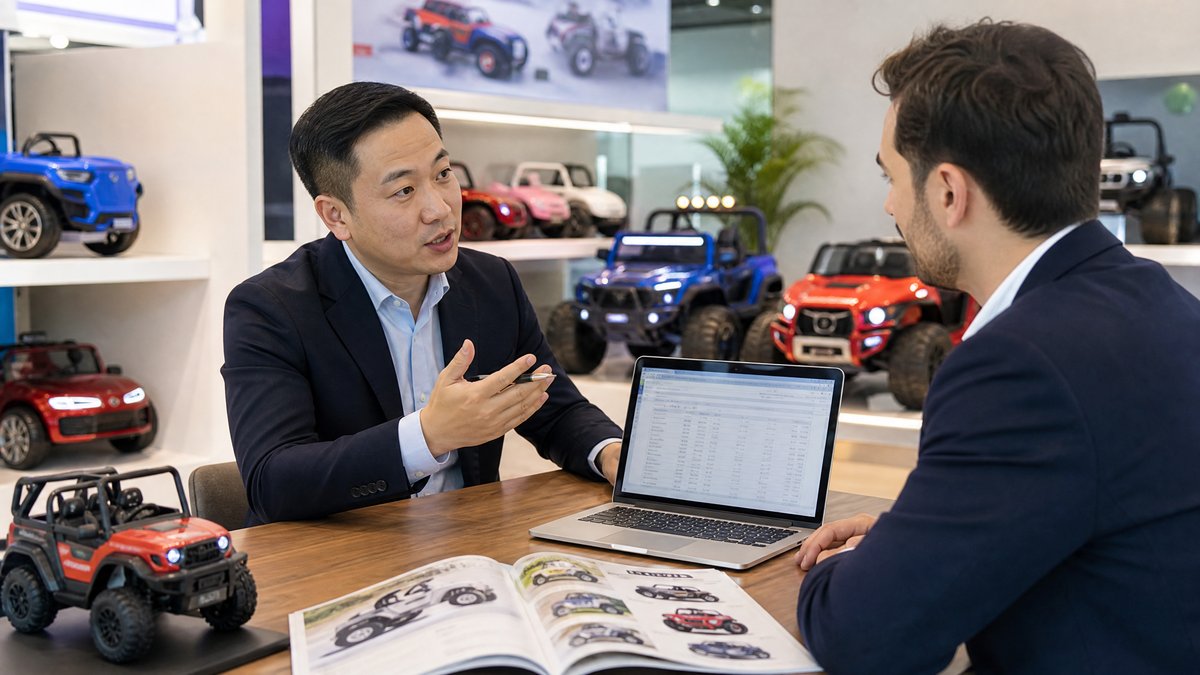
For international dealers and wholesalers in the electric toy sector, attending major industry trade shows is a critical strategic exercise. The success of a retail season often depends on decisions made on these floors. A well-curated product lineup differentiates a brand in a crowded market, while a poorly chosen one leads to stagnant inventory and diminished margins. Building a ride-on car trade show lineup requires a sophisticated approach that balances market trends, technical evaluation, and logistical feasibility.
The global market for kids' electric ride-on cars is transforming, driven by innovations in power systems and consumer demand for realistic vehicles. For a professional dealer, the challenge lies in filtering through exhibitors to identify products that align with their market segment. Whether targeting luxury boutiques or high-volume retailers, the selection process must be rigorous. This guide provides a framework for dealers to build a high-performance product lineup during their next trade show circuit.
Phase 1: Pre-Show Strategic Analysis and Inventory Gap Assessment
Before stepping onto the trade show floor, a professional importer must conduct a thorough audit of their current inventory and a macro-analysis of their target market. The objective is to identify "gaps" in the existing portfolio. Are you missing a robust high-performance category? Is your entry-level selection outdated? By defining these needs early, you can focus on exhibitors that fill specific strategic roles rather than being distracted by the sensory overload of a trade show.
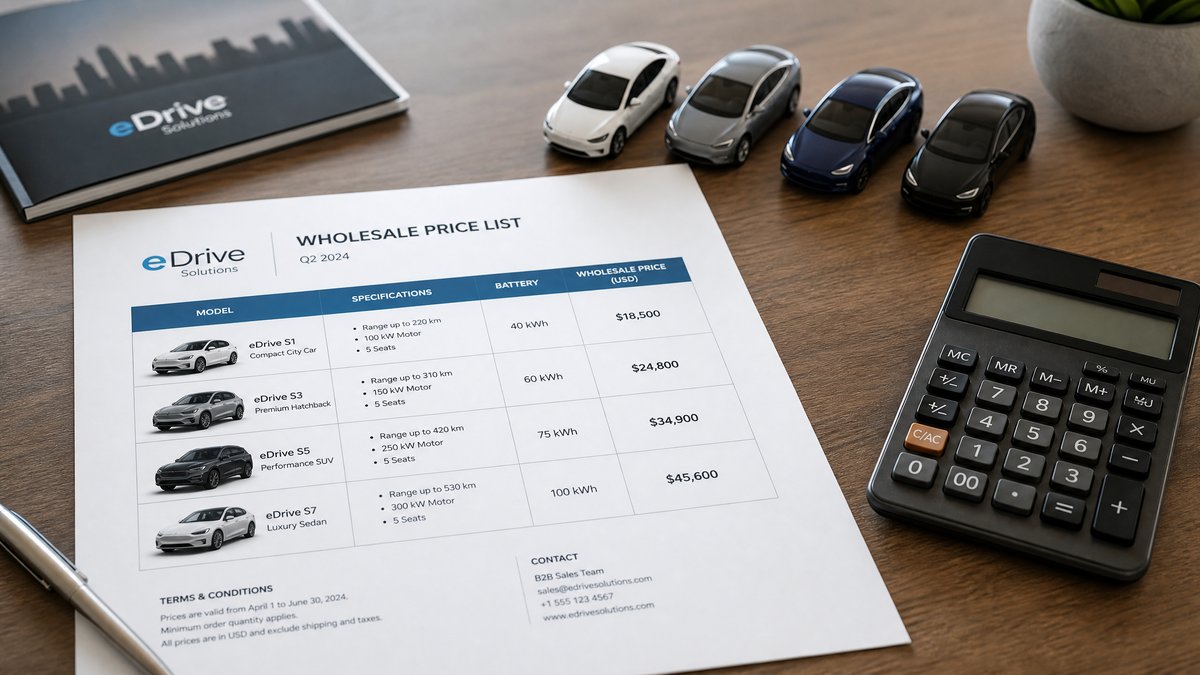
Market research should also include an analysis of competitor offerings. In the B2B space, price protection and product exclusivity are paramount. If every local retailer carries the same models, your value proposition as a wholesaler is weakened. Look for unique features, such as integrated electronics or exclusive color palettes, that can provide your retail partners with a genuine competitive edge. This pre-show phase is also the time to define target landing costs, including estimated ocean freight, local duties, and warehouse handling fees.
| Strategic Category | Target Market Segment | Key Strategic Objective | Priority Level |
|---|---|---|---|
| Entry-Level Models | Younger children and toddlers | High-volume distribution and market entry | High |
| Mid-Range Versatility | General family demographic | Consistent turnover and broad appeal | Medium |
| Premium Performance | Enthusiasts and high-end retail | Brand positioning and prestige | High |
| Specialized Utility | Niche outdoor or rural markets | Portfolio diversification | Low |
Phase 2: Structuring the Portfolio: Core vs. Flagship Products
A balanced trade show lineup should be structured with precision. You need "Core" products that ensure consistent cash flow and "Flagship" products that drive brand prestige. Core models are typically versatile SUVs with standard features like parental remote control and durable materials. These are the workhorses of your inventory, appealing to the widest possible audience and maintaining a steady turnover rate throughout the year.
In contrast, Flagship products are showstoppers designed to capture attention. These might be high-performance models with enhanced motor systems, premium seating materials, and integrated media players. At a trade show, these are the models that draw potential retail partners into your booth. While the sales volume for Flagship products may be lower, their marketing value is essential for positioning your dealership as a market leader. When evaluating exhibitors, ensure they can provide a mix of both to maintain a healthy inventory balance and a diverse price ladder for your customers.
Request a wholesale quote
Phase 3: The Professional Evaluation Framework: Technical Considerations
When visiting exhibitor booths, professional buyers must look beyond the immediate aesthetic appeal of a vehicle to evaluate its underlying technical integrity. The quality of internal components determines the product's durability, safety, and the dealer's long-term maintenance requirements. A high rate of technical issues can quickly impact the profitability of a successful sales season. Dealers should employ a consistent evaluation framework for every model under consideration.
The power system is a primary area of focus. Dealers should inquire about the capacity and chemistry of the batteries used in the vehicles. While standard configurations are common, variations in capacity can significantly affect the duration of use between charges. It is also important to understand the charging requirements and the expected lifecycle of the power units. Dealers should request technical documentation from the manufacturer regarding battery performance and safety features.
The motor and drive configuration also requires careful inspection. Dual-motor systems are often preferred for their ability to provide better traction and support higher weight capacities. Dealers should evaluate the efficiency of the motors and the durability of the drive train components. The materials used in the gearboxes, for instance, are critical for handling the torque required for various terrains. Additionally, the control systems, including the integration of parental remote overrides, should be tested for responsiveness and range to ensure they meet the safety expectations of the target market.
| Technical Component | General Specification Focus | Dealer Evaluation Action |
|---|---|---|
| Power System | Battery capacity and charging cycles | Review manufacturer technical data sheets |
| Drive Train | Motor efficiency and gearbox durability | Assess performance during on-site demonstrations |
| Surface Interface | Wheel materials and suspension quality | Evaluate traction and shock absorption |
| Control Interface | Remote responsiveness and safety overrides | Verify signal stability and emergency functions |
| Interior Comfort | Seat materials and ergonomic design | Inspect finish quality and user interface |
Phase 4: Quality Assurance and Aesthetic Standards
The visual and tactile quality of a product is a significant factor in retail success. During trade show visits, dealers should take the opportunity to physically inspect the vehicles for build quality. This includes evaluating the thickness and finish of the body panels. Higher-quality materials are more resistant to the stresses of international transport and everyday use. The quality of the finish—whether it is a standard molded color or a premium painted surface—can greatly influence the perceived value of the product in a retail environment.
Attention to detail in the vehicle's interior and branding is another indicator of a manufacturer's commitment to quality. Dealers should examine the functionality of the dashboard controls, the realism of the lighting systems, and the accuracy of any licensed branding. For products featuring the logos of automotive manufacturers, it is essential to verify that the supplier has the necessary authorization to produce and export these items. Unauthorized use of intellectual property can lead to significant complications for importers. Dealers should always request written confirmation of licensing and compliance from the manufacturer before finalizing any agreements.
Phase 5: Navigating Compliance and Safety Standards
For professional B2B importers, adherence to safety and regulatory standards is a critical requirement. Importing products that do not meet the legal requirements of the target market can lead to shipment delays, regulatory actions, and damage to the dealer's reputation. Different regions have specific requirements for toys and electric vehicles, and it is the importer's responsibility to ensure that all products in their lineup are compliant.
Dealers should not rely solely on verbal assurances regarding compliance. Instead, they should request comprehensive test reports from accredited, independent third-party laboratories. These reports should cover aspects such as mechanical safety, chemical composition, and electrical standards. When building a trade show lineup, it is advisable to prioritize manufacturers who have a documented history of successfully exporting to the dealer's target market, as they are more likely to be familiar with the necessary documentation and quality control processes. Importers are strongly encouraged to consult with qualified local legal advisors or regulatory authorities to confirm the specific requirements for their region.
Phase 6: Strategic Negotiation and Supply Chain Management
Once the appropriate products have been identified, the focus shifts to negotiating business terms that support a sustainable supply chain. Trade shows offer a unique opportunity for face-to-face discussions regarding volume requirements and logistical arrangements. Dealers should be prepared to discuss Minimum Order Quantities (MOQ) and how they align with their inventory strategy. Many suppliers offer the flexibility to mix different models and colors within a single shipment, which allows dealers to maintain a diverse product range without excessive investment in any single item.
Logistical terms, including lead times and shipping responsibilities, are equally important. Production schedules can vary based on seasonal demand and component availability, so it is vital to establish clear expectations for delivery. Dealers should discuss the standard Incoterms used by the supplier and understand their responsibilities regarding freight, insurance, and customs clearance. Furthermore, a robust plan for after-sales support, including the availability of spare parts and the manufacturer's warranty policy, is essential for maintaining high levels of customer satisfaction and managing long-term operational costs.
Ask for product documentation
Phase 7: Post-Show Verification and Quality Control Procedures
The conclusion of a trade show marks the beginning of the verification process. Professional dealers should avoid placing large-scale orders based solely on prototypes or display models. A critical step is the acquisition and evaluation of production-grade samples. This allows the procurement team to test the vehicle's performance, assembly process, and overall quality in a controlled environment, ensuring that the final product meets the standards observed during the show.
To further mitigate risk, dealers may consider implementing third-party inspection services during the production phase. These inspections can verify that the products are being manufactured according to the agreed-upon specifications and that quality standards are consistently maintained. Inspections typically focus on areas such as material quality, functional testing, and packaging integrity. Implementing these quality control measures early in the procurement process can prevent significant issues and costs associated with receiving non-conforming merchandise.
Phase 8: Developing Marketing and Sales Support
The final phase of building a trade show lineup involves preparing for the market launch. A successful dealer provides their retail partners not just with products, but with a complete marketing strategy. Dealers should inquire about the availability of high-quality marketing assets from the manufacturer, such as professional photography, product videos, and detailed technical descriptions. These assets are invaluable for e-commerce platforms and promotional materials, helping to reduce the time-to-market for new products.
The presentation of the product, including the design of the packaging, also plays a role in retail conversion. For premium models, well-designed packaging can enhance the perceived value and protect the product during the final stages of delivery. Dealers who operate at high volumes may also discuss the possibility of original equipment manufacturer (OEM) branding, where the product and its packaging are customized with the dealer's own brand identity. This strategy helps to build long-term brand equity and distinguishes the dealer's offerings from those of competitors.
Conclusion: Strategic Curation as a Path to Growth
Building a ride-on car trade show product lineup is a complex process that requires a balance of market insight, technical evaluation, and logistical precision. By following a structured approach—from initial market analysis to post-show quality verification—dealers can ensure that they are investing in products that will meet the needs of their customers and support their business objectives. Effective curation is not merely about selecting appealing products; it is about constructing a cohesive brand narrative that resonates with the modern consumer.
As the electric toy industry continues to advance, maintaining an informed and disciplined procurement strategy is essential for long-term success. Dealers should view each trade show as an opportunity to refine their portfolio and strengthen their relationships with manufacturers. By committing to quality and compliance, and by staying attuned to market developments, a dealership can establish itself as a leader in the kids' electric vehicle sector, driving growth and customer loyalty for years to come.
Frequently Asked Questions
What is a recommended number of models for an initial trade show lineup?
For many dealers entering the market or expanding their current offerings, a lineup of approximately six to ten distinct models is often sufficient to cover key market segments. This range typically includes entry-level vehicles, standard luxury models, and specialized performance options. Focusing on a manageable number of high-quality products allows for more efficient inventory management and more targeted marketing efforts compared to maintaining a very large and diverse stock.
How should a dealer balance licensed versus non-licensed products?
A balanced portfolio often includes both licensed models, which benefit from high brand recognition, and non-licensed models, which may offer different strategic advantages such as greater flexibility in pricing and promotion. The specific ratio depends on the dealer's target market and brand positioning. Licensed products can serve as effective tools for attracting customer interest, while non-licensed models can provide opportunities for building a unique brand identity.
How can a dealer verify the validity of product safety documentation?
It is essential to request full, detailed test reports from accredited, independent testing organizations. These reports should be carefully reviewed to ensure they correspond to the specific models being purchased and the relevant manufacturer. Most reputable testing laboratories provide methods for verifying the authenticity of their reports. Importers should also maintain open communication with their local regulatory authorities to ensure they are aware of any changes in safety requirements or documentation standards.
What should be the priority when evaluating a manufacturer's technical capabilities?
Dealers should prioritize manufacturers who demonstrate a commitment to quality through transparent technical documentation and a willingness to provide production-grade samples. Key areas of focus should include the reliability of the power systems, the durability of the drive train, and the overall build quality of the vehicles. A manufacturer's history of exporting to regulated markets is often a good indicator of their ability to meet high technical and safety standards.
Request a wholesale quote
Official references
Explore these external resources for current regulatory and trade guidance. Confirm requirements with the relevant authority before placing an order.
Ready to Start?
Factory-Direct · CE & ASTM Certified · MOQ from 50 Units
Our export team works with buyers in 60+ countries. Get a quote within 24 hours.
KR
Written by KidsRideCar
China's leading kids electric ride-on car manufacturer. 500,000+ units shipped annually to 60+ countries. CE, ASTM & EN71 certified.