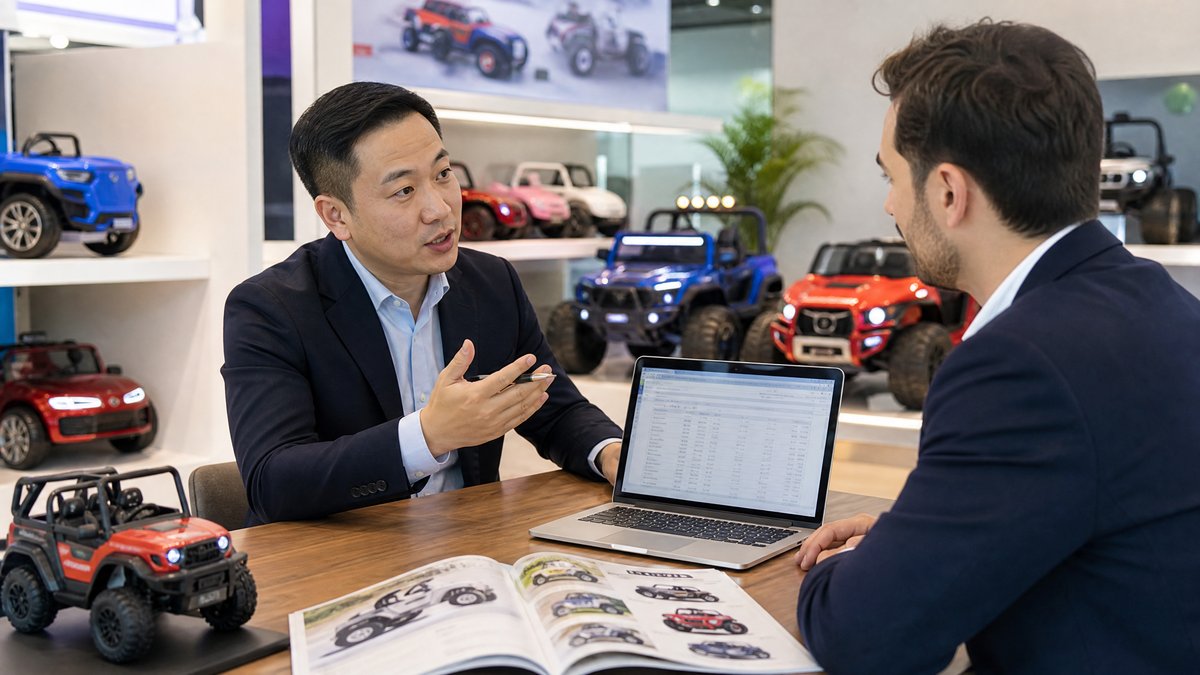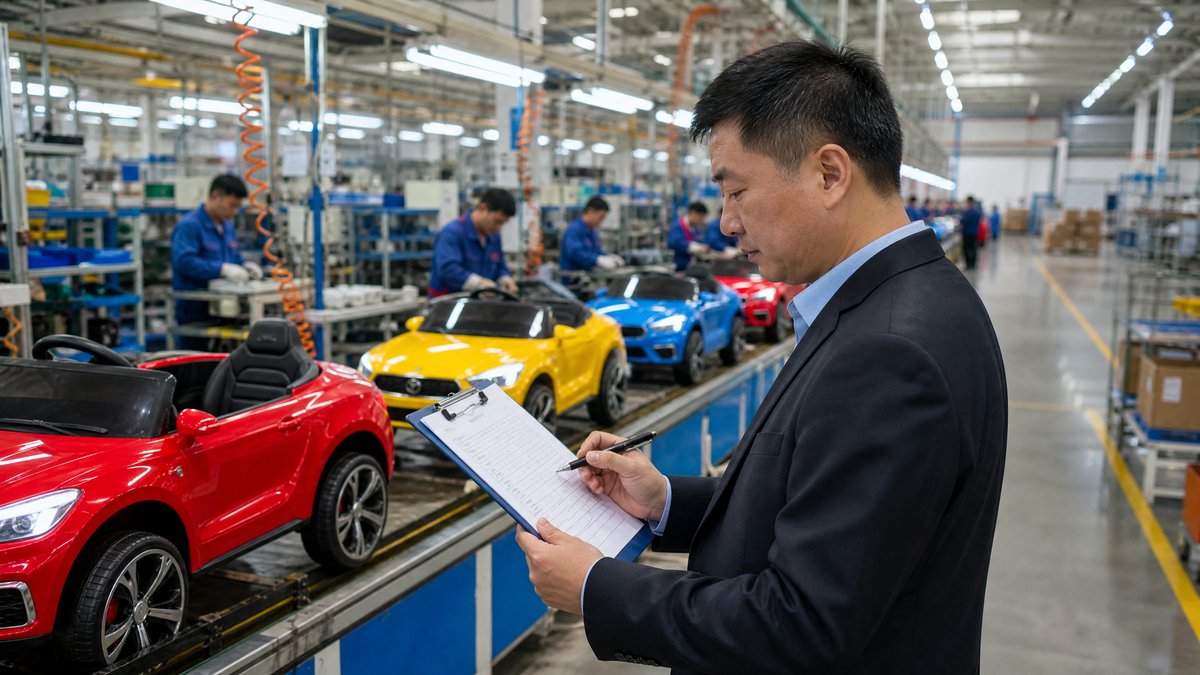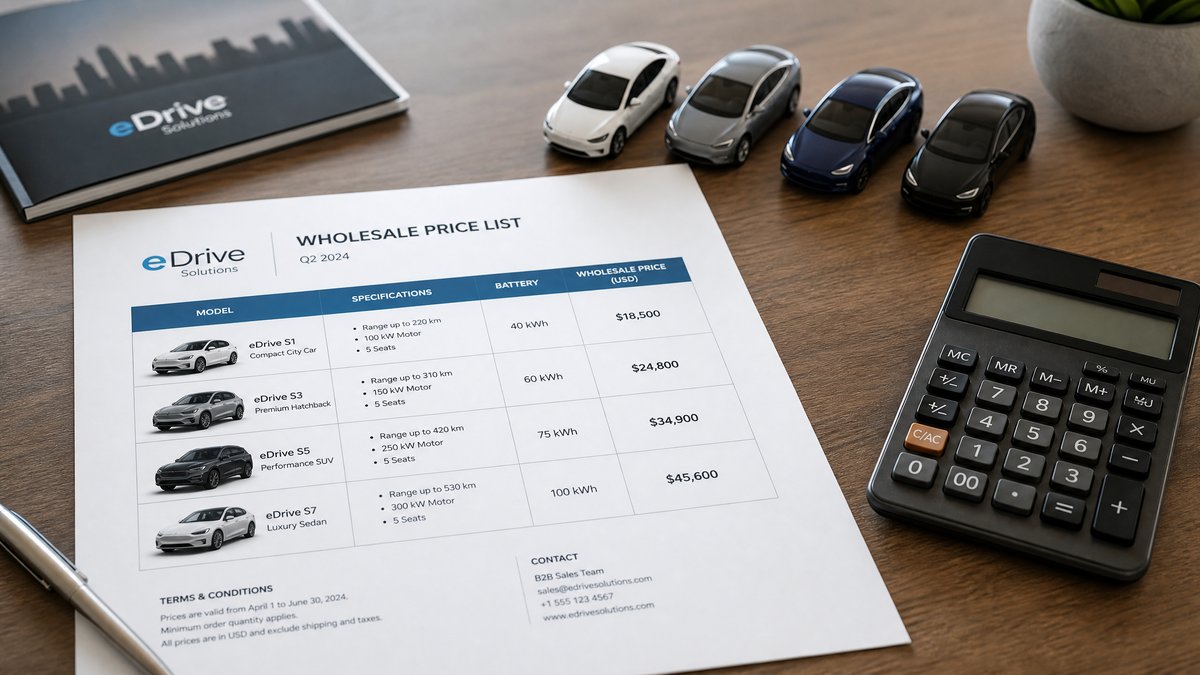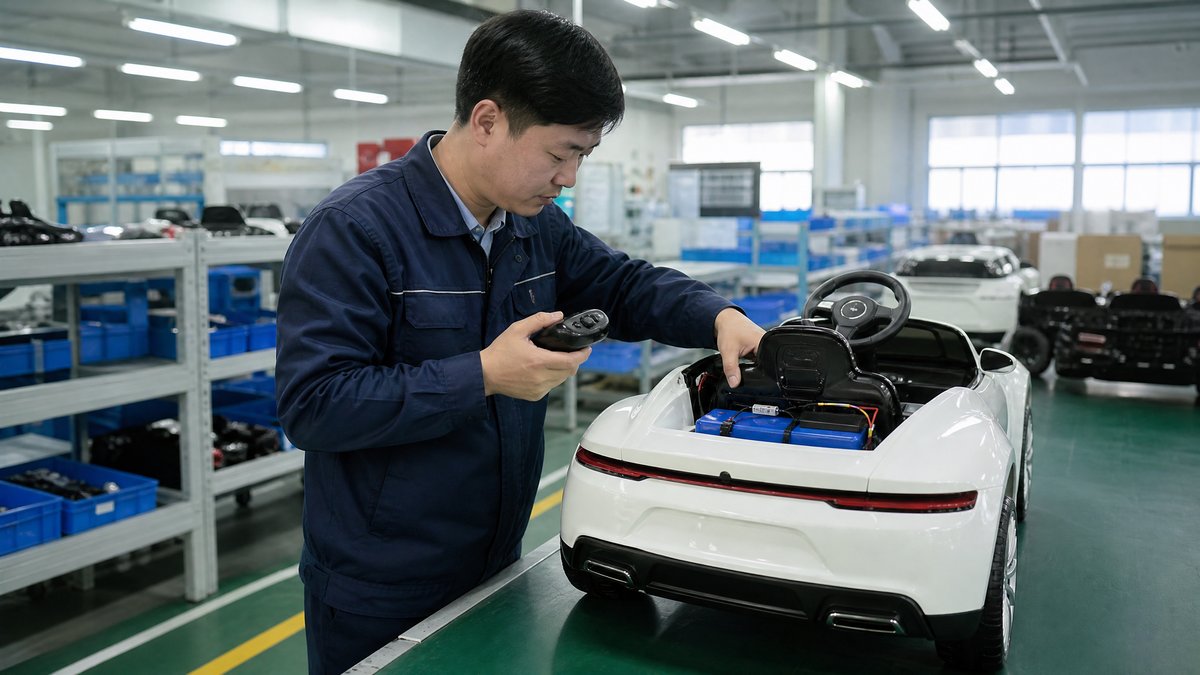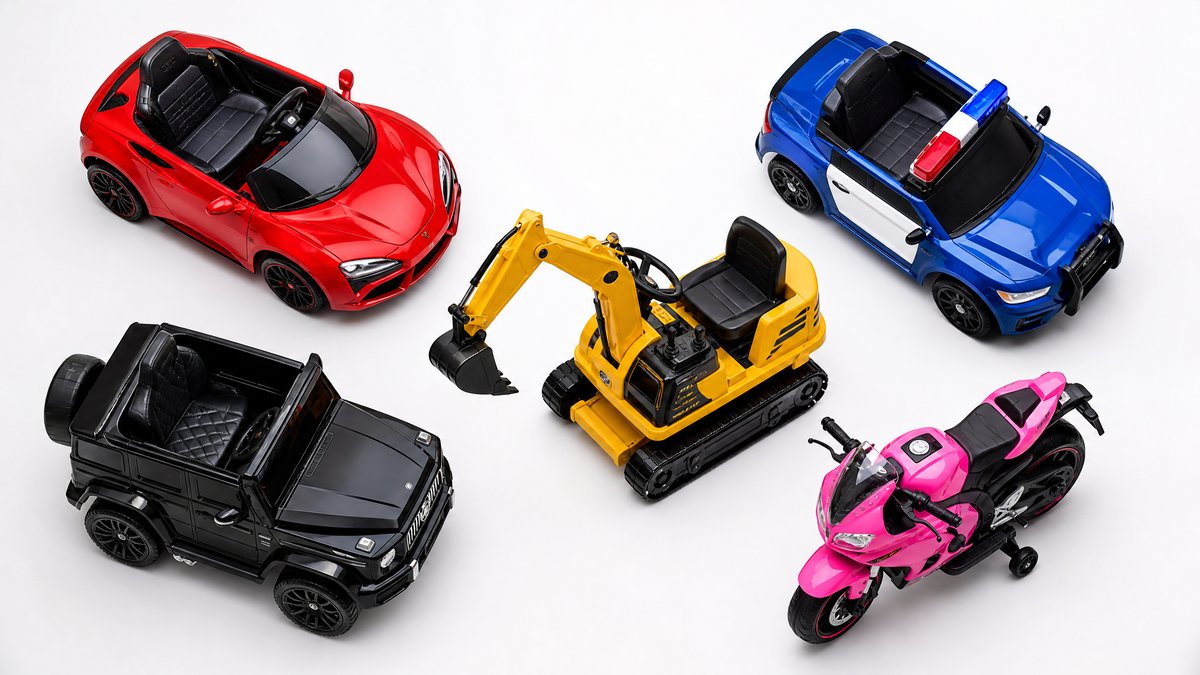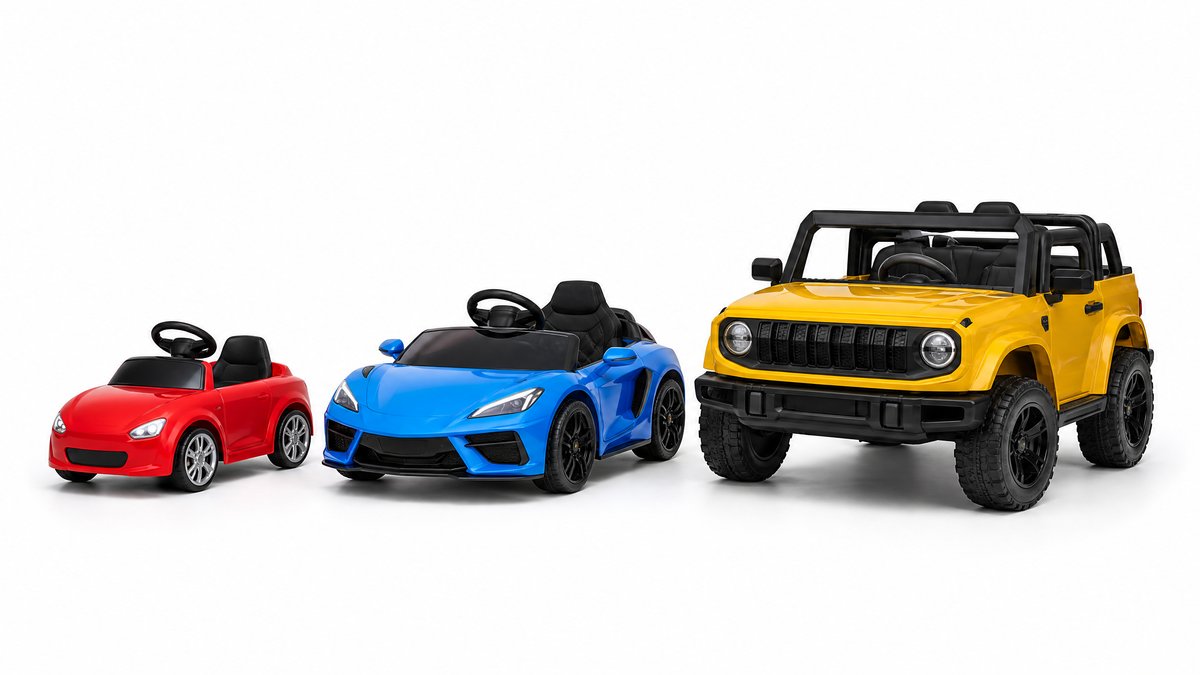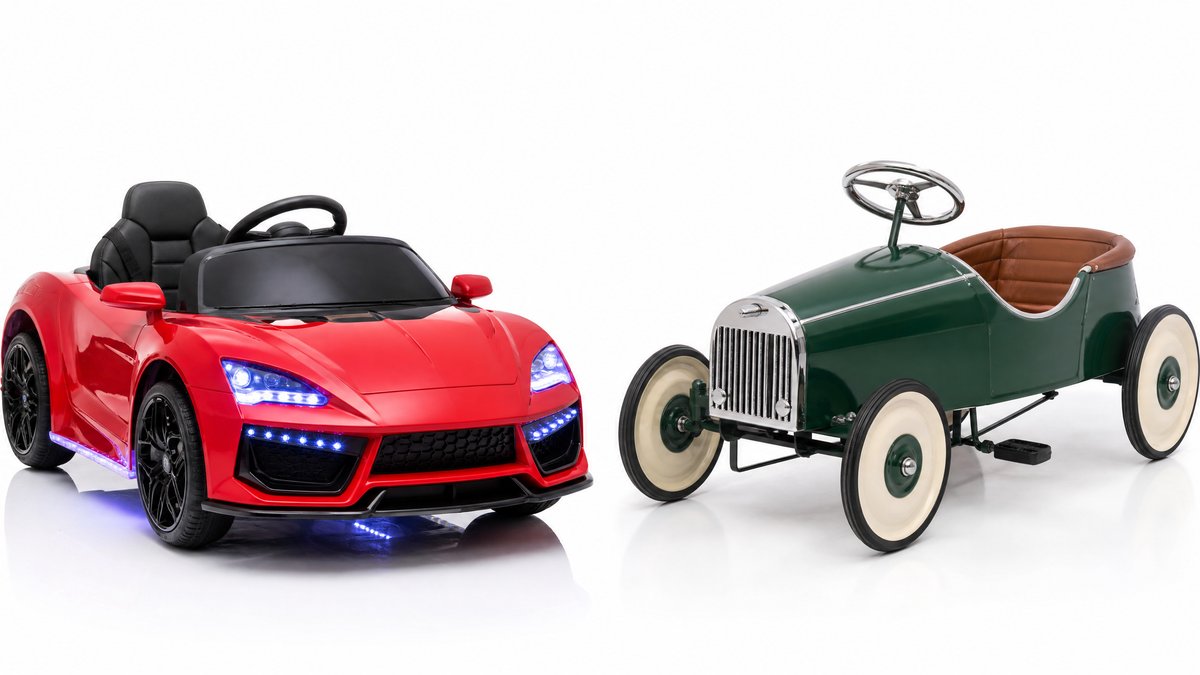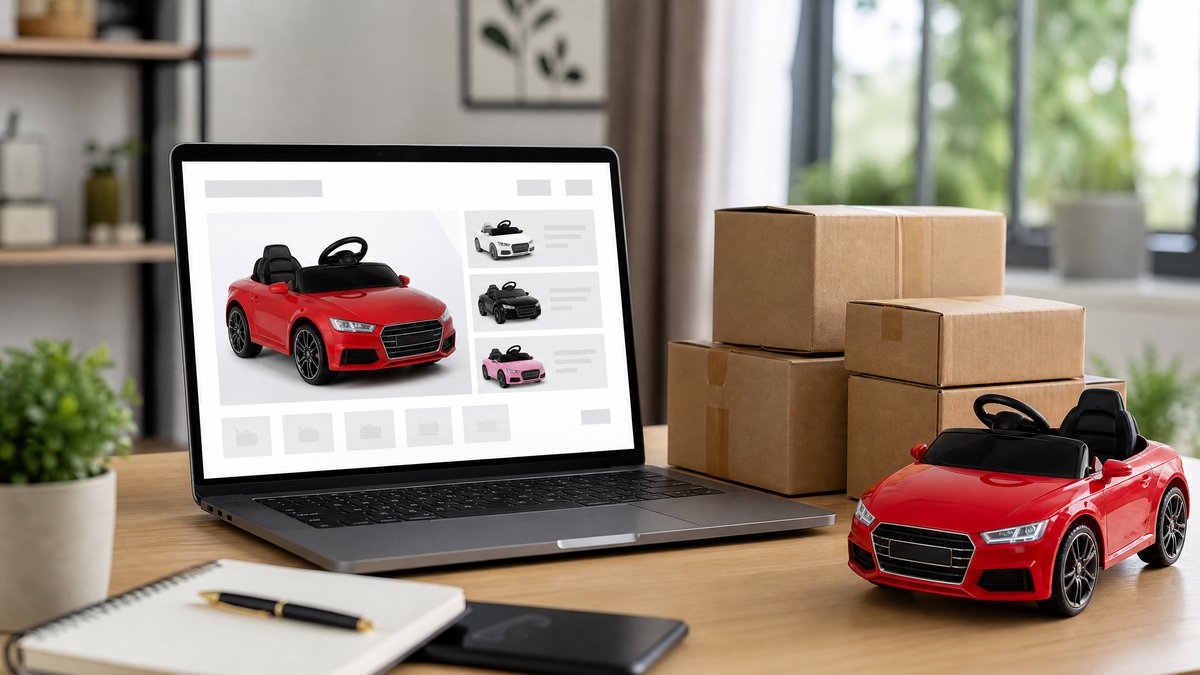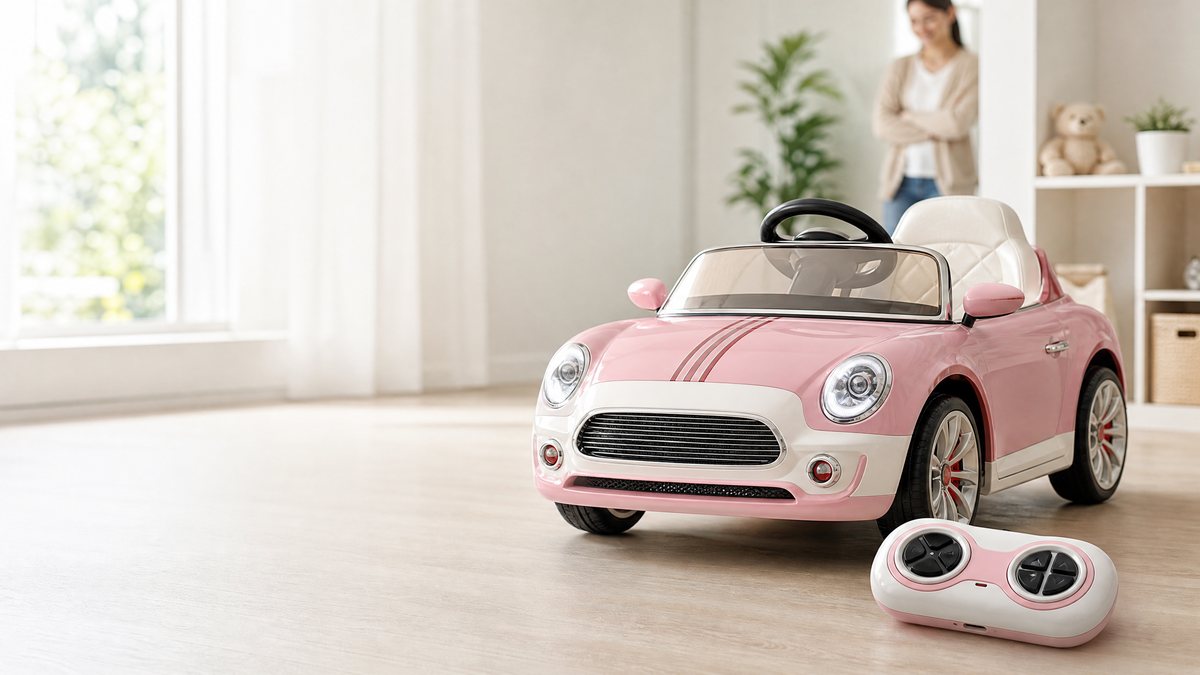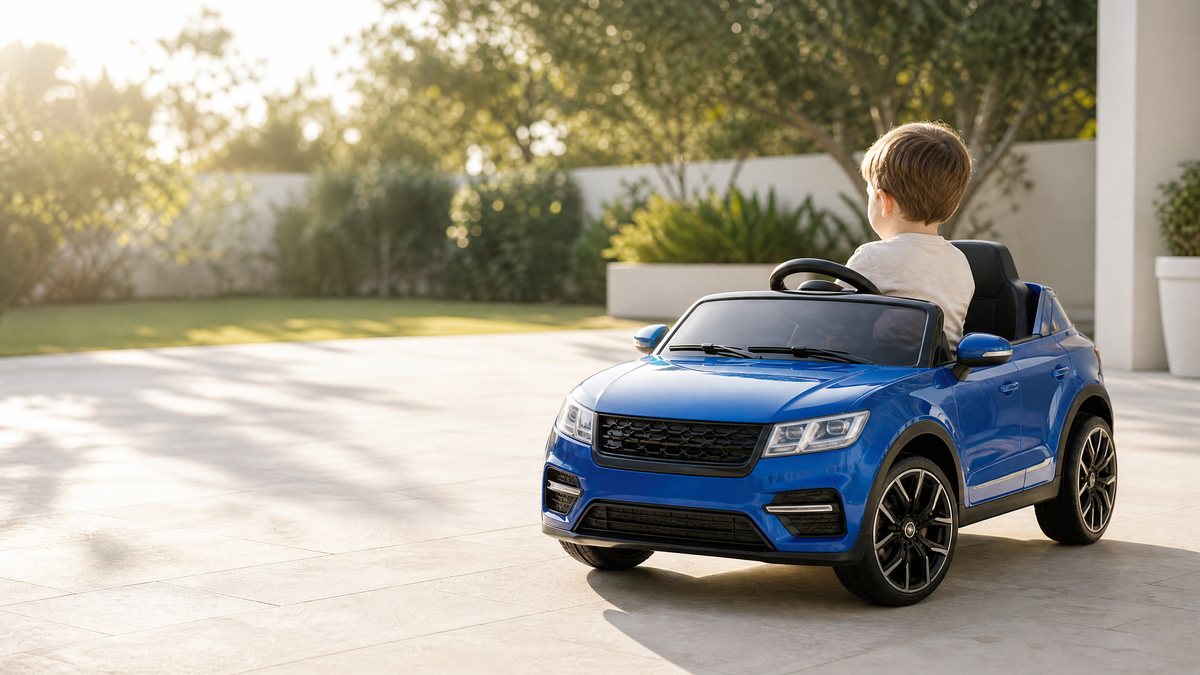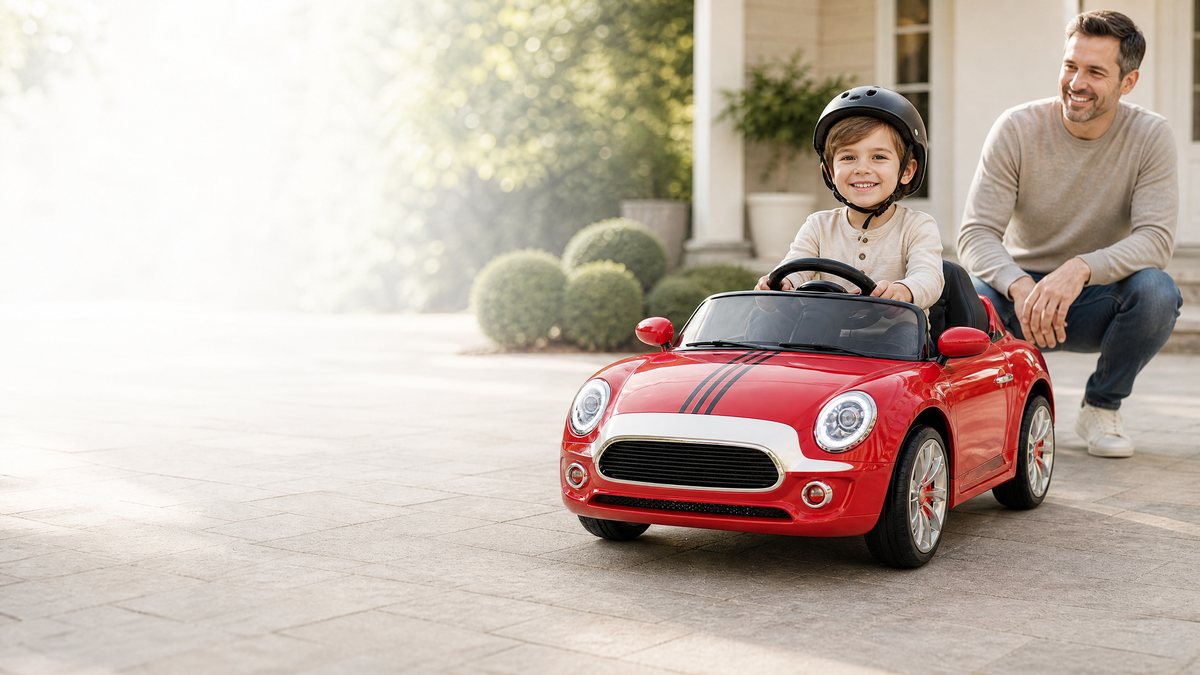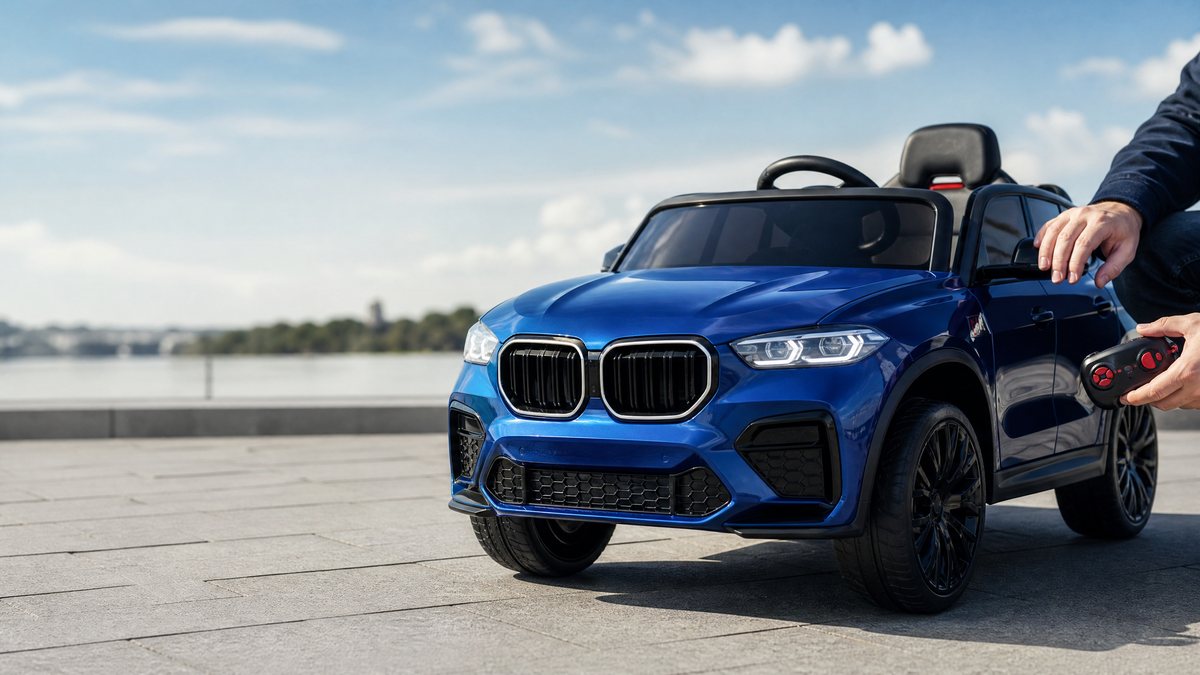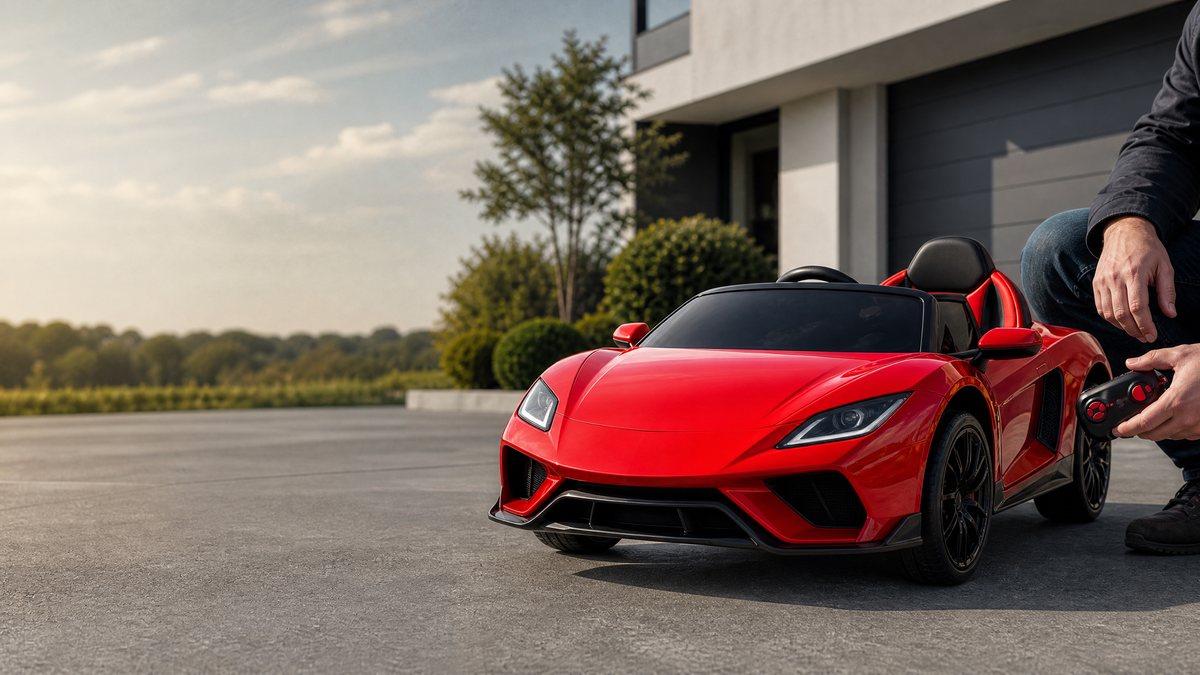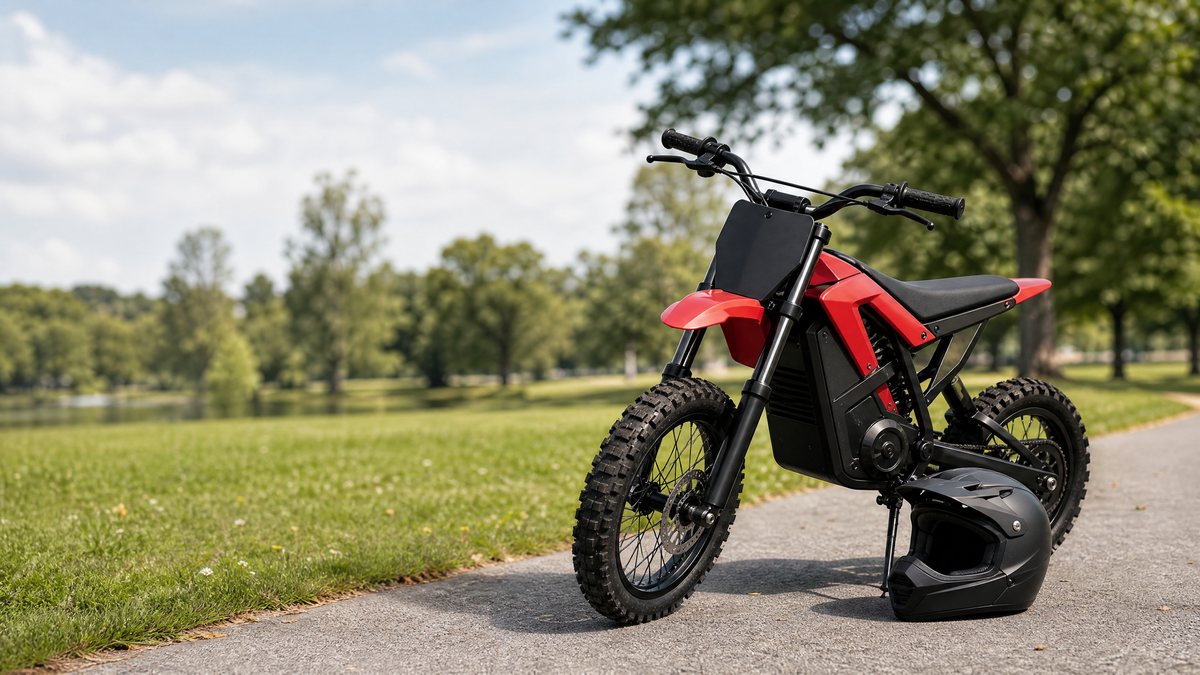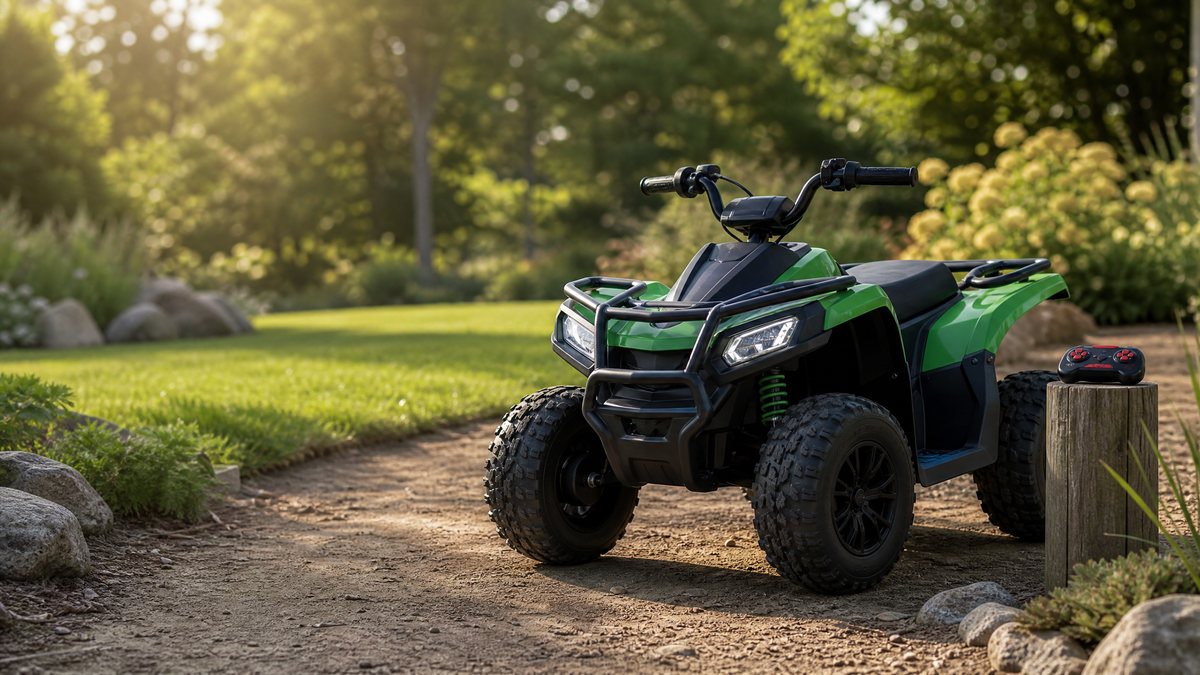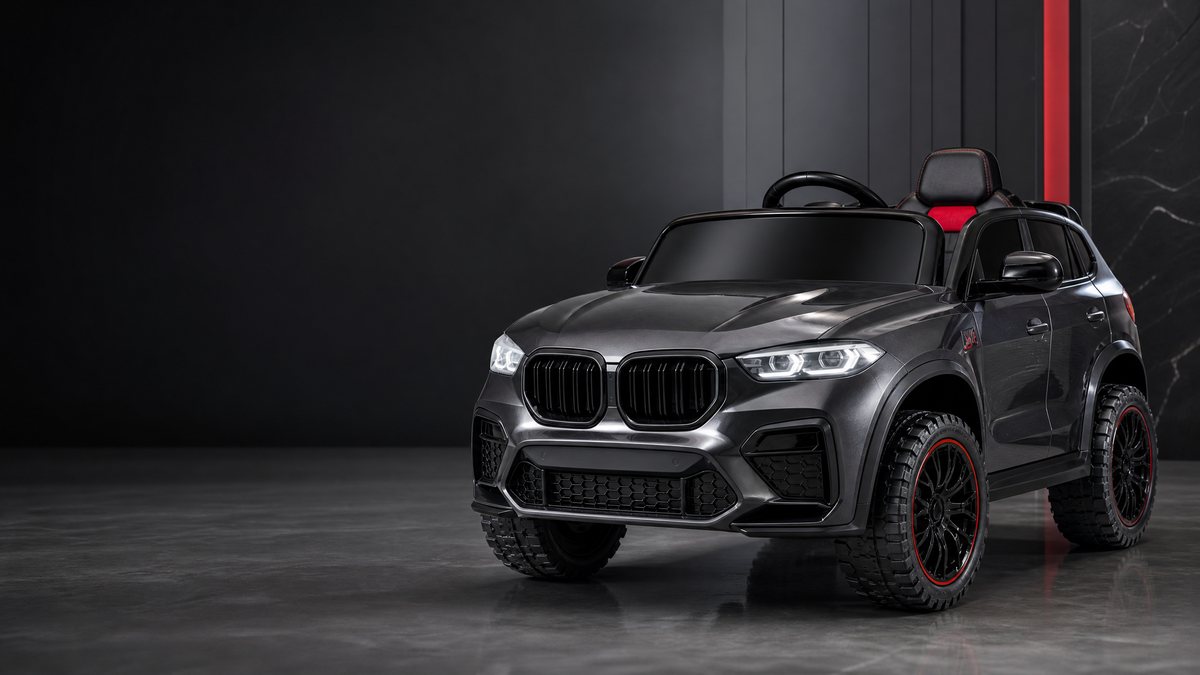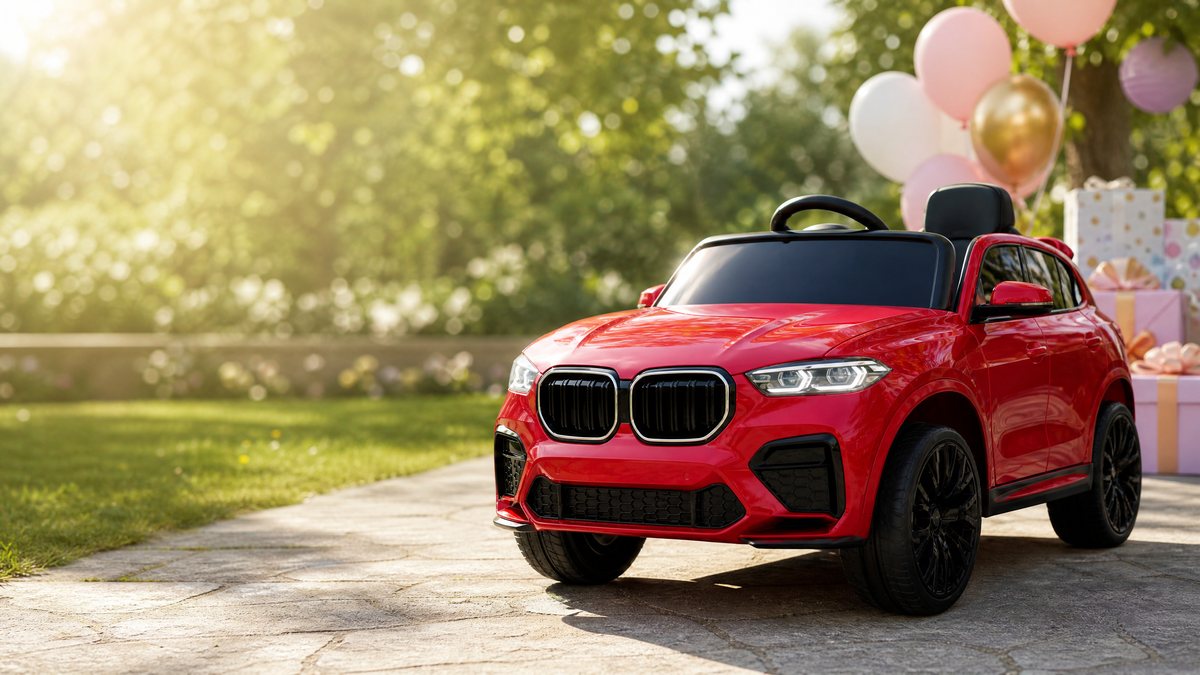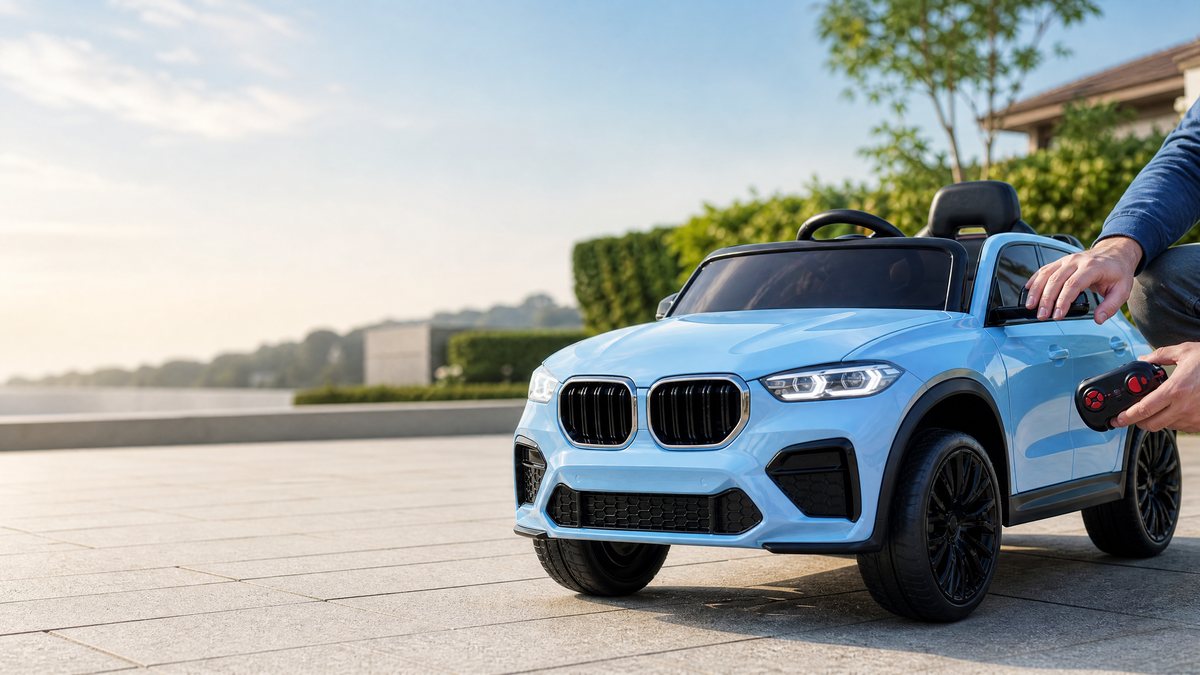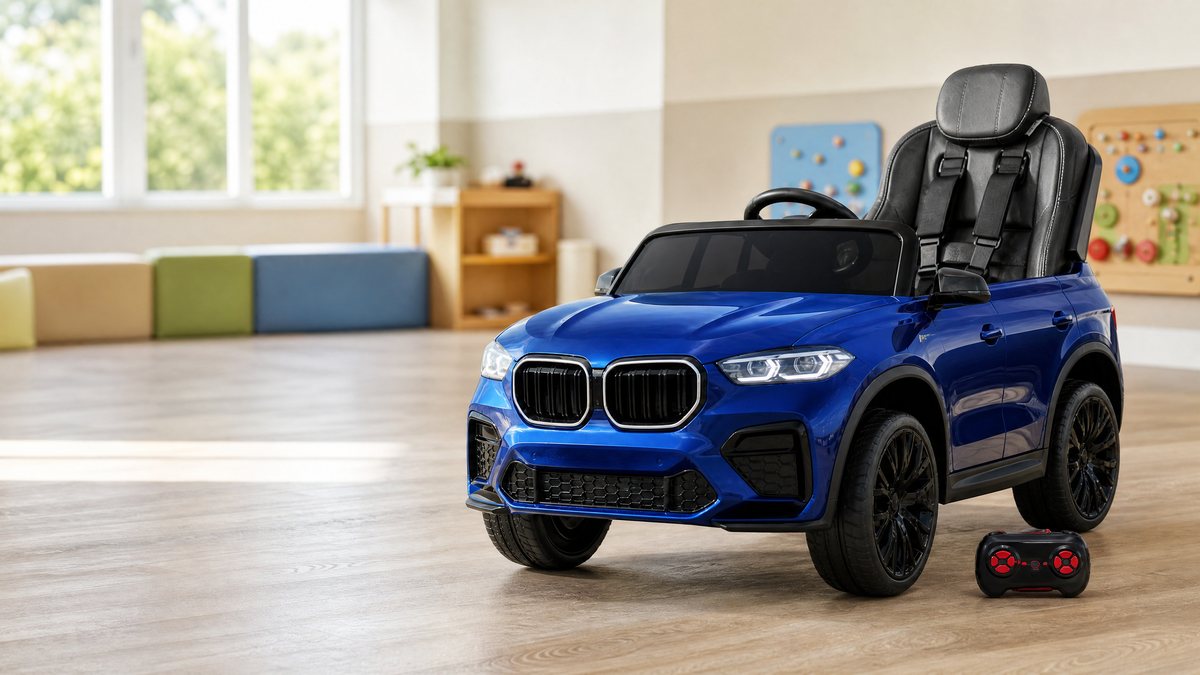
For B2B buyers, park designers, FEC (Family Entertainment Center) operators, and wholesale distributors, understanding how ride-on cars function within professional entertainment venues is essential for long-term commercial success. Successful integration requires meticulous planning regarding fleet management, safety compliance, designated track layouts, maintenance protocols, guest crowd flow, and staff training. This comprehensive guide examines the operational strategies, safety frameworks, vehicle selection criteria, and commercial benefits of utilizing children's ride-on cars in theme park environments.\n\n## 1. Commercial Integration Models in Theme Parks and Resorts
Integrating ride-on cars into a professional theme park or family entertainment center setting differs substantially from residential use. Operators typically deploy fleets under structured commercial operational models designed to maximize throughput, ensure uncompromising guest safety, and maintain vehicle longevity under intense daily usage.
Dedicated Mini-Circuit Tracks and Traffic Towns
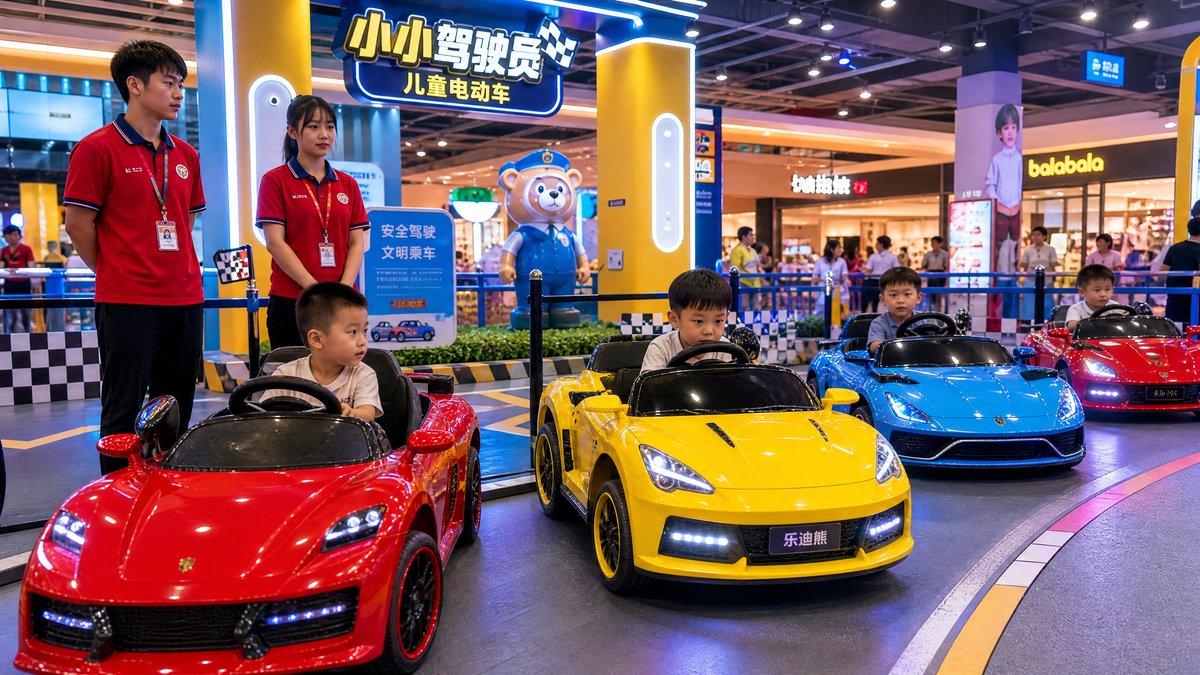
One of the most popular deployment models is the creation of miniature "traffic towns" or closed-circuit driving courses. These installations feature paved or specialized synthetic tracks complete with scaled-down traffic signs, pedestrian crosswalks, working miniature stoplights, roundabouts, and themed scenery such as miniature fuel stations, drive-through restaurants, and police checkpoints. Children take the driver's seat of battery-powered cars, navigating the circuit under the careful supervision of trained park attendants. This setup not only provides immersive entertainment but also introduces basic pedestrian and vehicular awareness in a controlled, playful environment that delights both kids and parents.
Guided Safari and Adventure Trails
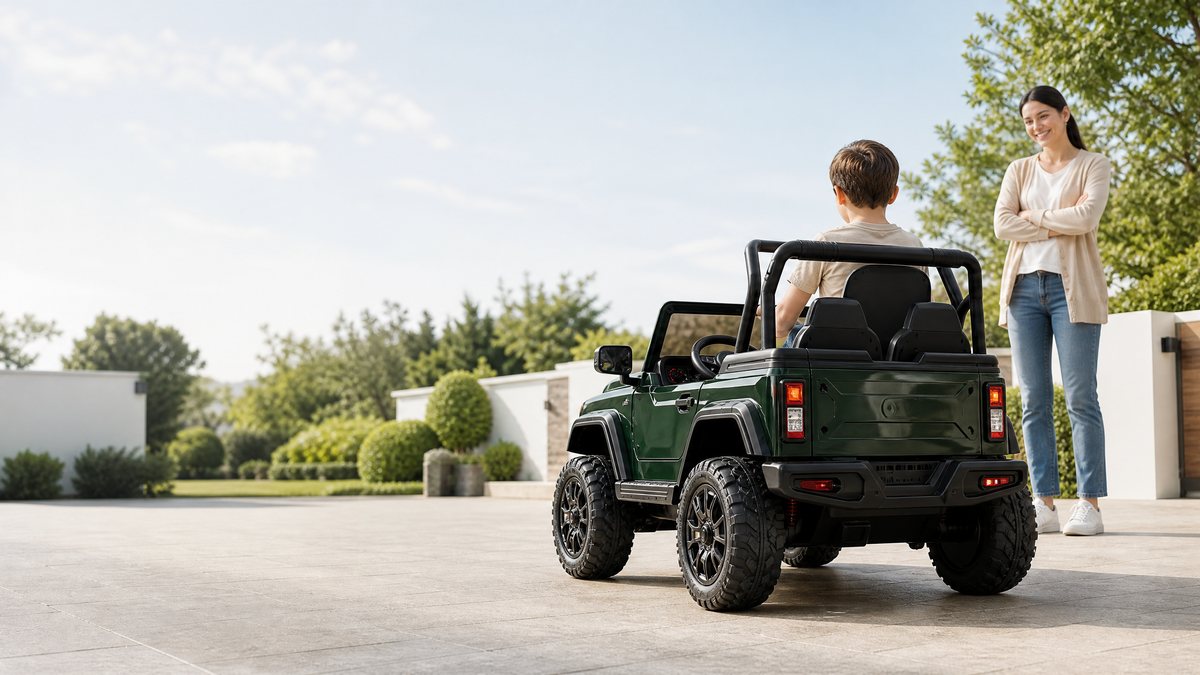
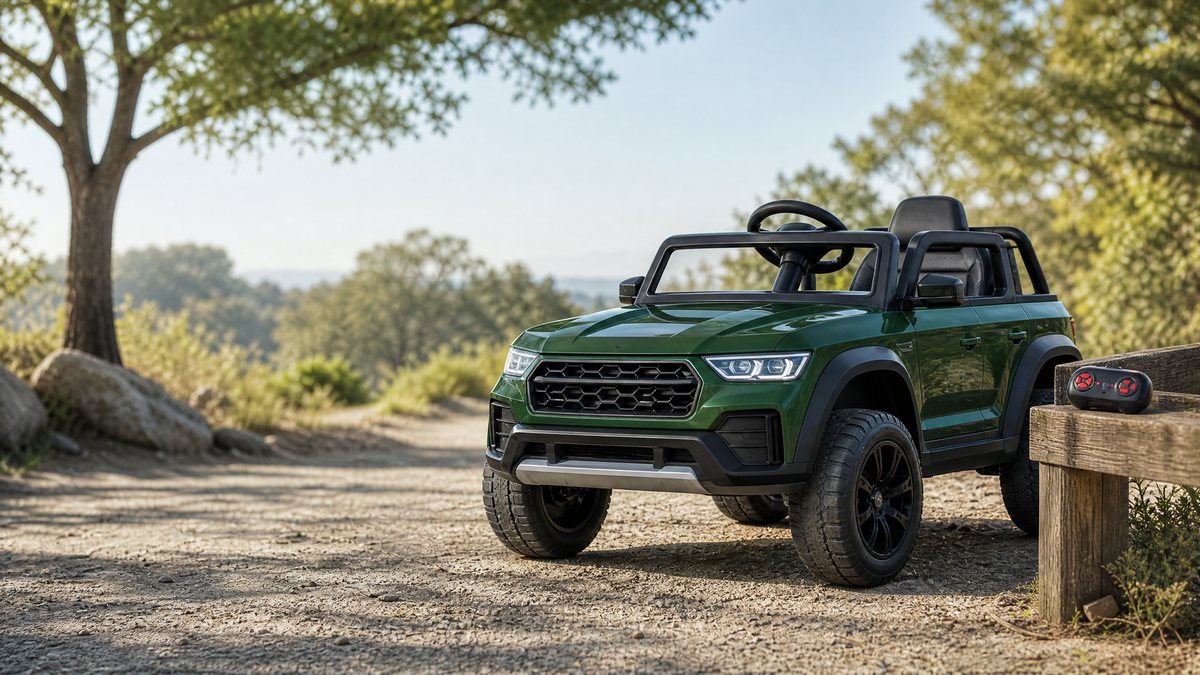
In resort settings, botanical gardens, and spacious outdoor theme parks, ride-on cars are frequently integrated into guided safari trails or scenic adventure paths. Unlike high-speed amusement rides, these designated paths wind through picturesque landscapes, allowing children to drive at gentle, predictable speeds alongside their parents or guardians walking nearby. Such attractions enhance the exploratory nature of family-friendly destinations, transforming a standard walking path into an interactive expedition where young explorers feel a strong sense of independence and accomplishment.
Pay-Per-Ride and Token-Operated Kiosks
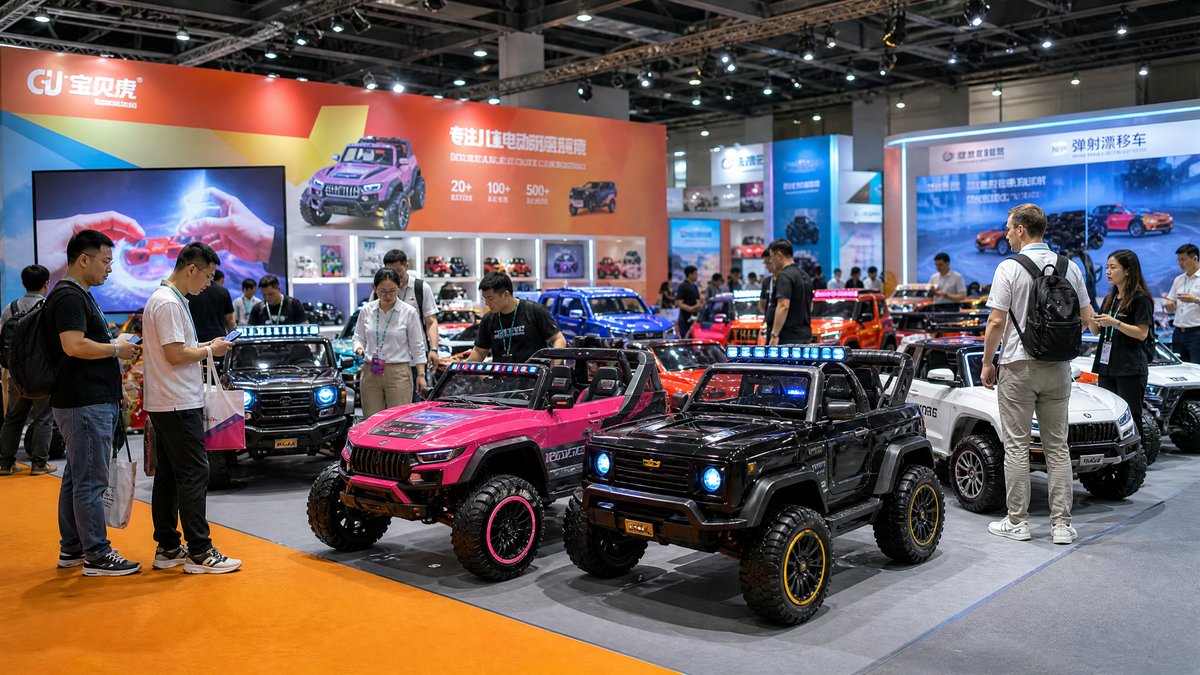
For indoor family entertainment centers (FECs) and boardwalk arcades, ride-on car zones often operate on a timed-session or token/card-swipe model. Operators configure fleets with electronic timers or coin/card acceptors, granting young visitors a specific duration of driving time per session. This model ensures rapid turnover during peak operating hours, maximizes revenue per square meter, and provides clear operational metrics for venue management to analyze peak visiting hours and fleet utilization rates.\n\n## 2. Vehicle Selection and Technical Specifications for Commercial Fleets
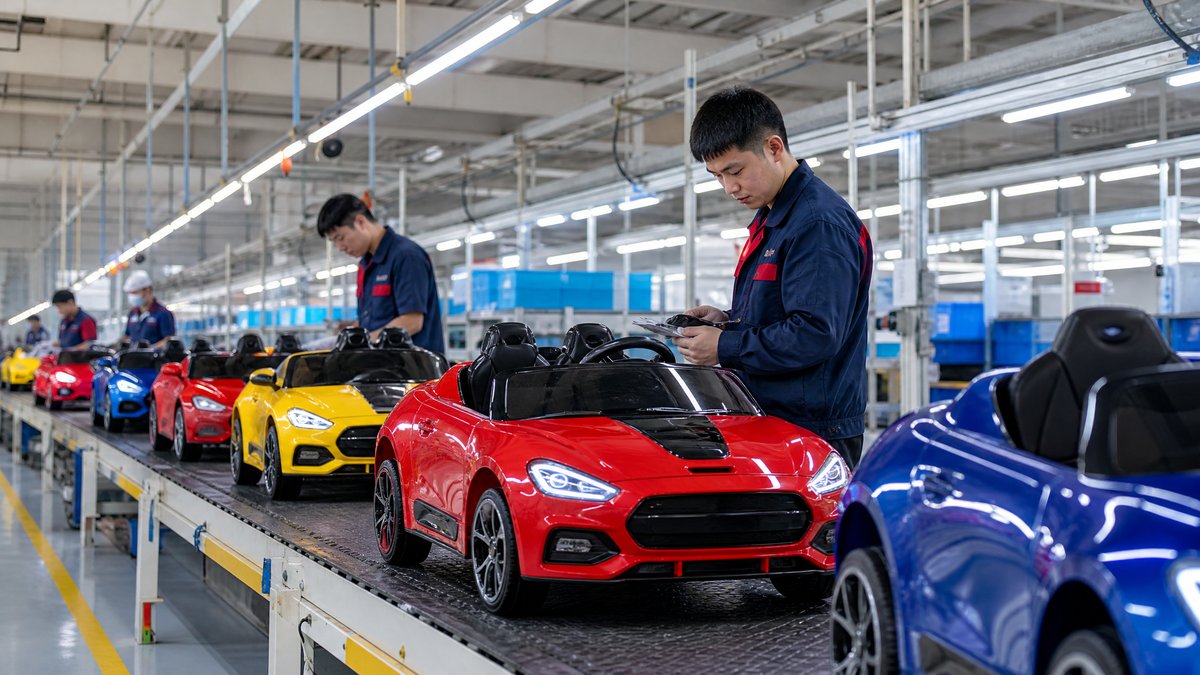
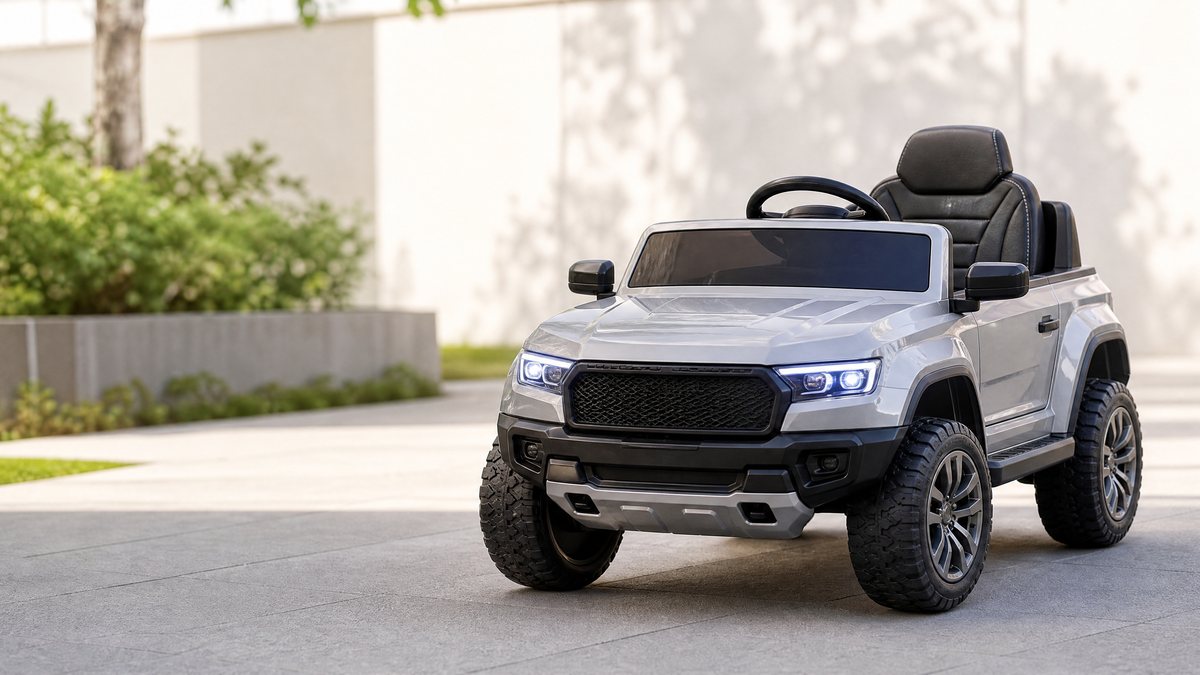
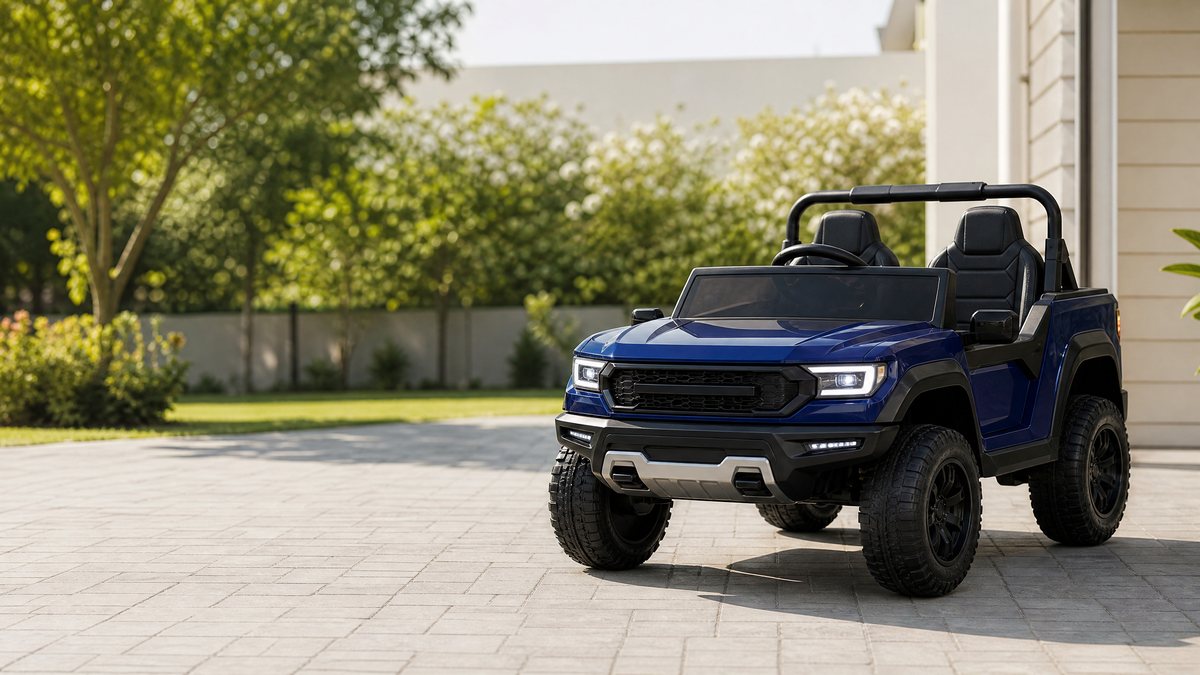
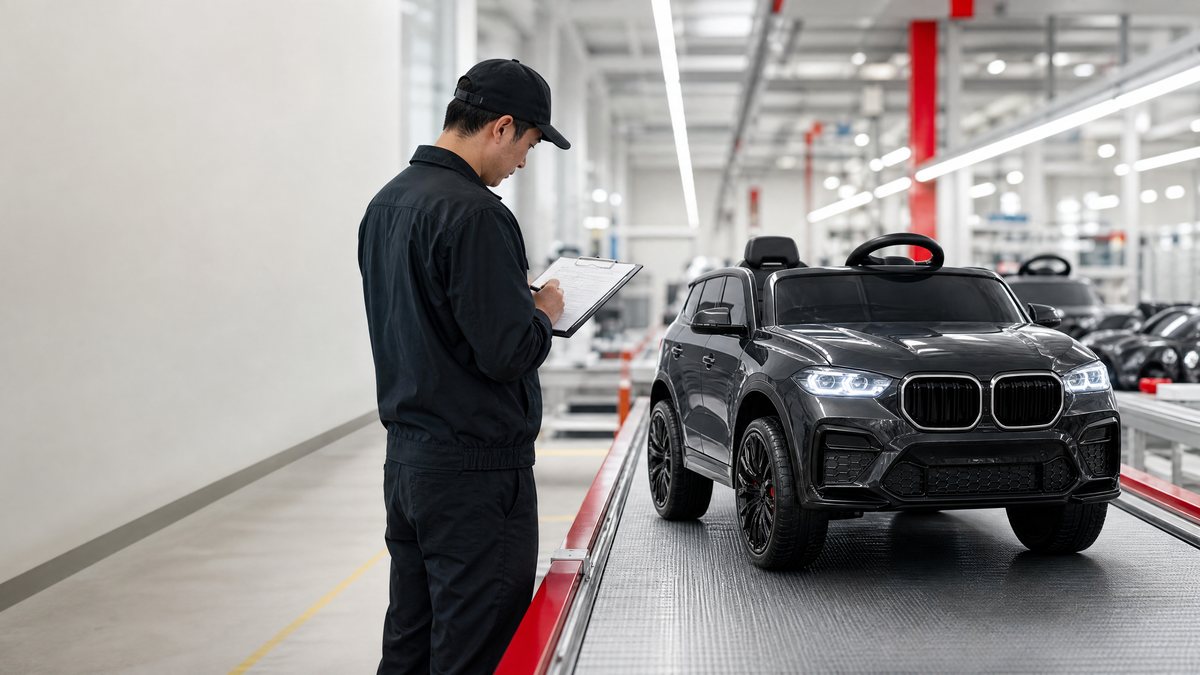
Selecting ride-on vehicles for commercial theme park use requires rigorous evaluation of engineering standards, durability, power systems, and safety features. Unlike consumer-grade models intended for individual backyard use, commercial fleets undergo intense daily wear and tear, demanding robust construction and easily replaceable modular components.
| Component / Feature | Consumer Residential Standard | Commercial Theme Park Standard | Operational Rationale |
|---|---|---|---|
| Chassis & Body Shell | Standard injection-molded PP plastic | Reinforced high-impact ABS or heavy-duty polypropylene | Withstands frequent minor collisions and outdoor weathering |
| Drive Motors | Dual standard 12V motors (35W–45W) | Heavy-duty high-torque gear motors with thermal protection | Prevents motor burnout under continuous daily operation and heavier loads |
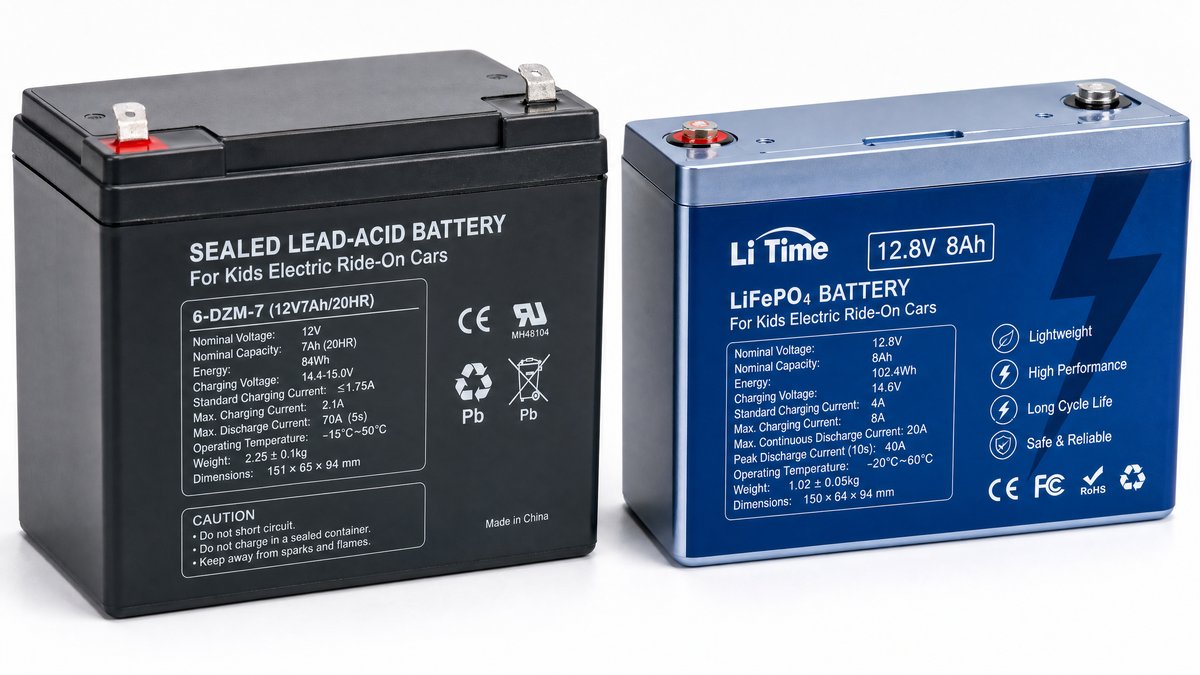
| Power Storage | Standard sealed lead-acid or basic consumer lithium | Quick-swap modular battery packs with industrial connectors | Minimizes downtime by allowing rapid battery replacement between operating shifts |
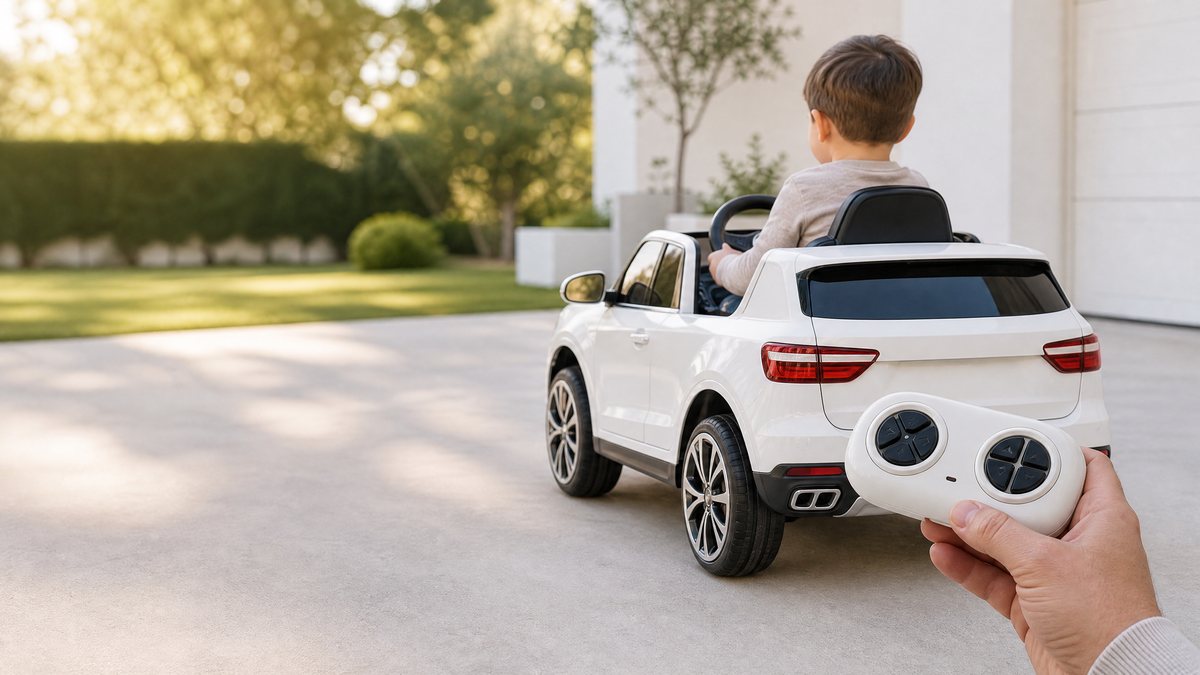
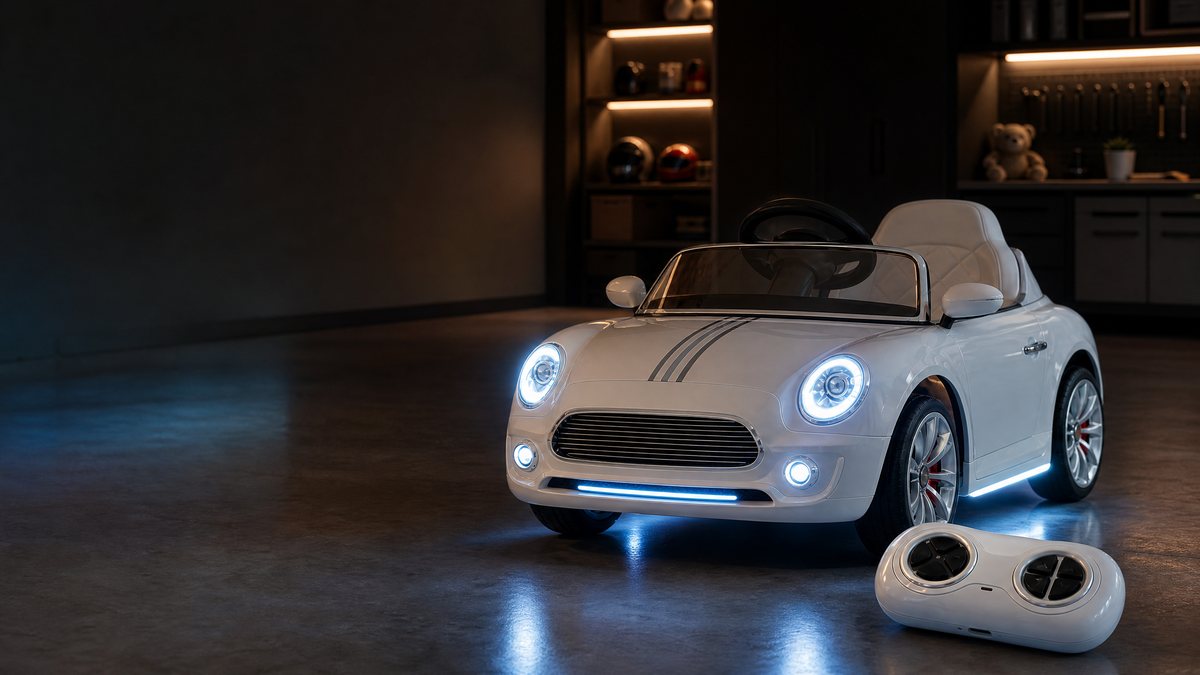
| Control Systems | Basic foot pedal with manual steering | Remote-override parental control & programmable speed governors | Enables staff to immediately stop or redirect vehicles in emergency scenarios |
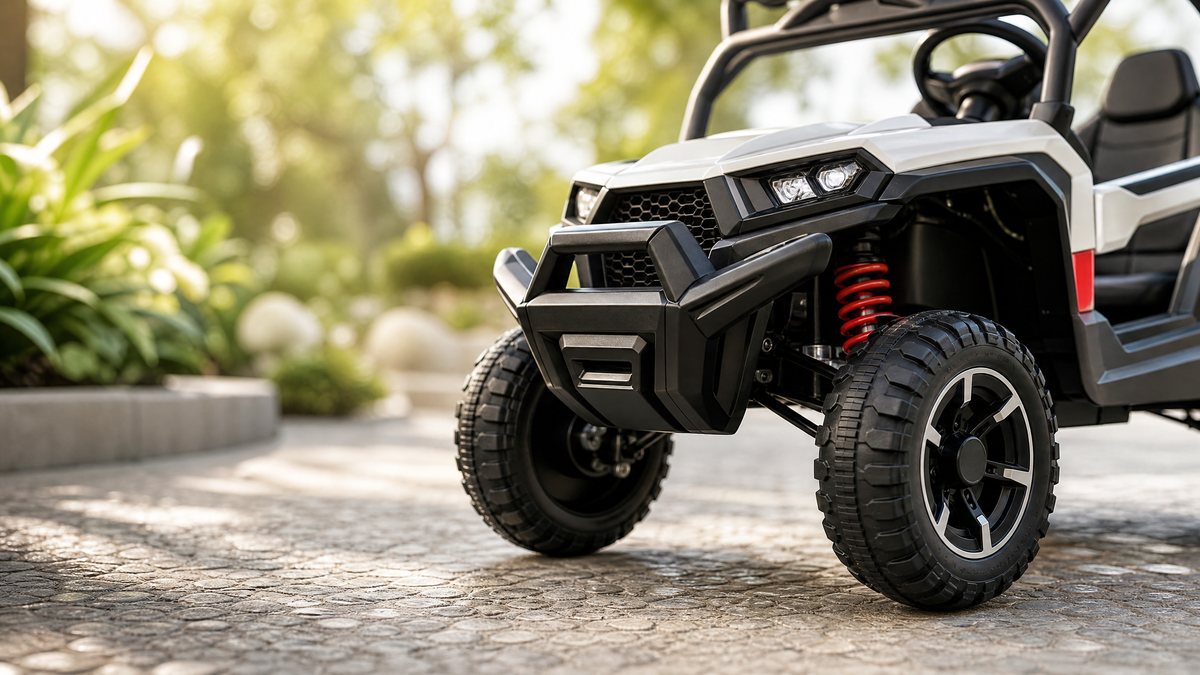
| Tires & Traction | Standard plastic wheels or basic EVA foam rings | Commercial-grade molded rubber or high-density anti-slip EVA | Ensures consistent traction on indoor polished floors and outdoor asphalt tracks |
Powertrain and Battery Management
Commercial venues cannot afford prolonged vehicle downtime due to charging delays. Consequently, professional fleet operators often utilize modular battery systems. When a vehicle's energy level depletes, staff can swap the power pack within seconds rather than taking the entire car out of service for hours of recharging. Furthermore, controllers equipped with soft-start programming prevent abrupt jerking when children depress the accelerator pedal, ensuring a smooth, safe ride that protects both the young driver and the vehicle's internal drivetrain components.\n\n## 3. Safety Protocols, Supervision, and Risk Management
Operating motorized vehicles in a public theme park environment demands uncompromising adherence to safety protocols. While ride-on cars are designed for children, commercial deployment introduces variables such as high guest volume, mixed age groups, and varying driving skill levels.
Comprehensive Staff Supervision and Training
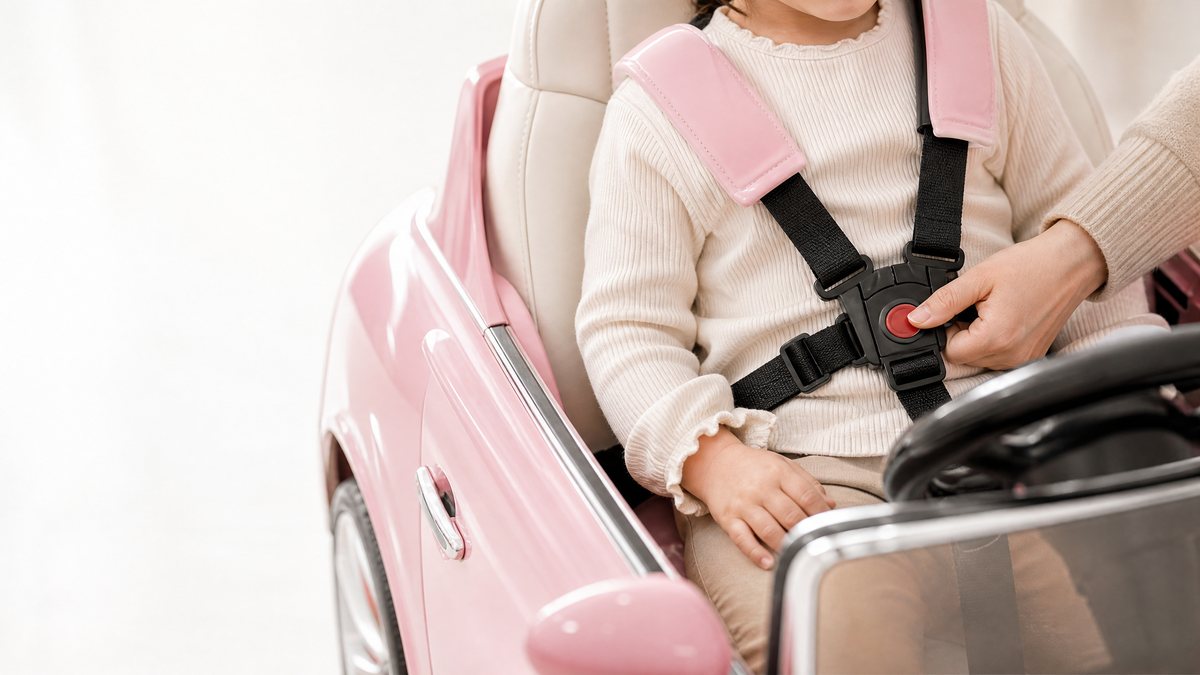
Park attendants play a critical role in maintaining safety. Staff members stationed along track perimeters must be fully trained in crowd control, emergency stop procedures, and basic vehicle retrieval. Before any child operates a vehicle, staff must ensure proper seating position, verify that clothing or loose items will not interfere with moving parts, and confirm that the child understands basic steering and braking concepts.
Parental Responsibility and Age-Appropriateness
Operators must establish clear guidelines regarding age, height, and weight limits for each vehicle class. Parents and guardians must remain actively engaged, providing direct supervision and ensuring children follow all venue rules. In accordance with manufacturer guidelines, vehicles must never be operated beyond their rated weight capacities or on unapproved steep gradients and rough terrain.
Request a wholesale quote
Mandatory Maintenance and Inspection Protocols
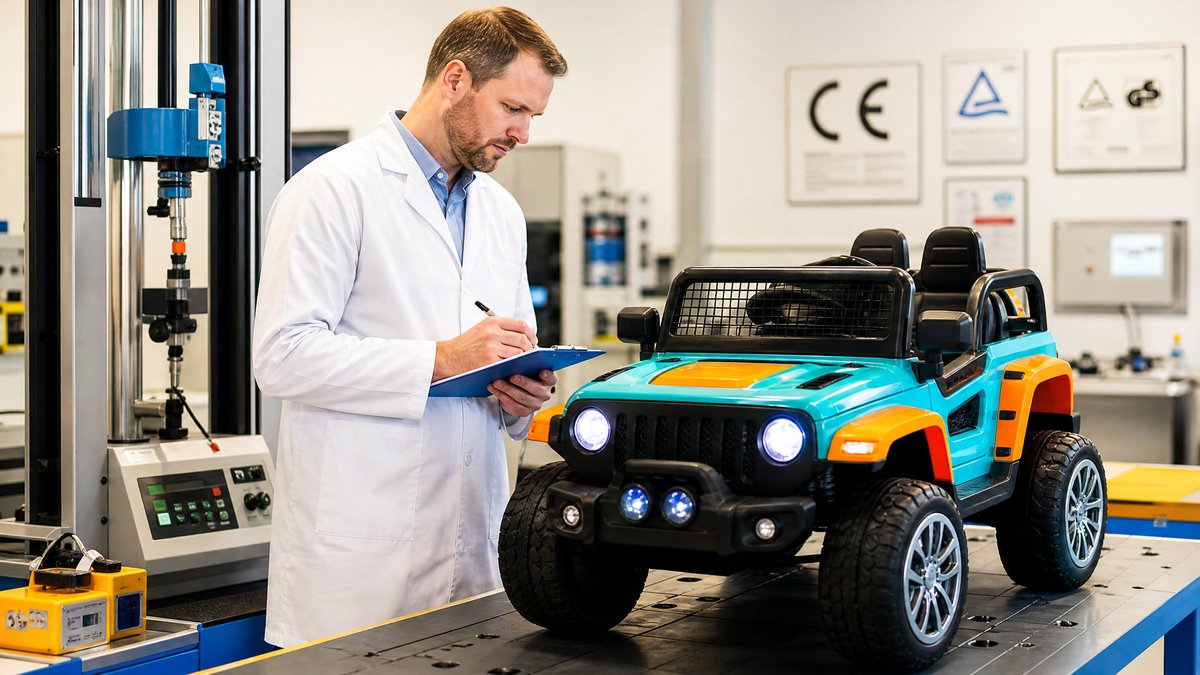
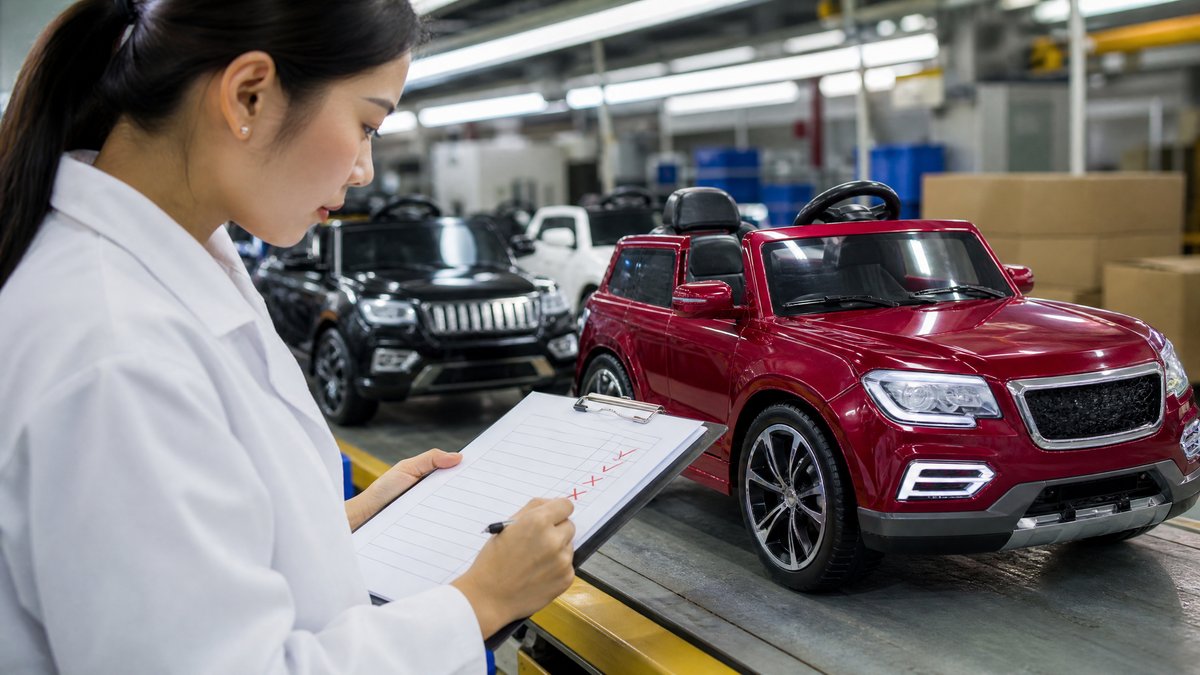
Theme park operators should implement a daily pre-opening inspection checklist. Maintenance teams must examine steering linkages, brake responsiveness, tire integrity, electrical connections, and body shell fastenings. If any vehicle exhibits unusual odors, smoke, excessive heat, fluid leaks, water ingress, exposed wiring, damaged charging plugs, erratic braking, or persistent mechanical failure, staff must immediately disconnect power, remove the vehicle from service, and contact qualified maintenance personnel or the manufacturer.\n\n## 4. Economic Benefits and Business Case for Venue Operators
For commercial venue owners, integrating children's ride-on car attractions delivers distinct financial and operational advantages. Beyond direct ticket or token revenue, these attractions serve as powerful strategic assets within an overall entertainment ecosystem.
Enhancing Family Dwell Time and Satisfaction
Family-oriented venues succeed by keeping visitors engaged for longer periods. Interactive attractions where children take an active role—such as driving their own miniature vehicle—generate high emotional engagement and memorable experiences. Children often wish to revisit the attraction multiple times, directly increasing the total time families spend within the park or entertainment center, which in turn drives secondary spending on food, beverages, and merchandise.
Scalable Footprint and Flexible Layouts
Unlike massive roller coasters or complex mechanical rides that require permanent, capital-intensive civil engineering, ride-on car tracks require relatively modest spatial footprints. A dedicated mini-circuit can be established in underutilized outdoor courtyards, indoor convention spaces, or seasonal event pavilions. Furthermore, track layouts can be reconfigured using modular barriers, allowing operators to refresh the guest experience with minimal downtime and capital expenditure.\n\n## 5. Overcoming Operational Challenges in Commercial Deployments
While ride-on car attractions offer substantial rewards, venue operators must proactively manage common operational hurdles to ensure smooth day-to-day functioning.
Managing Peak Queues and Fleet Rotation
During peak weekend hours and holiday seasons, high demand can lead to long waiting lines. Operators mitigate this by establishing structured queue management systems, setting clear session time limits (e.g., 5 to 10 minutes per ride), and maintaining a balanced reserve fleet to rotate vehicles in and out of service for routine charging and maintenance checks.
Weatherproofing and Outdoor Maintenance
For outdoor theme parks, exposure to rain, direct sunlight, and extreme temperatures can accelerate wear. Operators must invest in UV-resistant body materials, waterproof electronic enclosures, and secure covered storage areas or temporary canopies to protect fleets when not in operation. Never allow children to operate electric vehicles in heavy rain or standing water to prevent electrical shorts and safeguard young riders.\n\n## 6. Staffing, Training, and Guest Experience Excellence
The success of a ride-on car attraction in a theme park relies heavily on front-line staff and structured guest interaction. Unlike passive rides where guests simply sit back, ride-on car tracks require active engagement, management of expectations, and gentle guidance for young drivers who may be experiencing motorized steering for the first time.
Staff Onboarding and Safety Drills
Operators must conduct rigorous training programs for all attendants assigned to the ride-on car zone. Staff members must be thoroughly familiar with remote override controllers, emergency power cutoff switches, and basic first-aid protocols. Regular simulation drills ensure that staff can react instantly if a vehicle veers off course, experiences a technical glitch, or encounters an unexpected obstruction on the track.
Creating an Inclusive and Welcoming Environment
Theme parks cater to diverse families with varying backgrounds and abilities. Attendants should be trained to assist children patiently, ensuring that kids with different comfort levels or physical capabilities can enjoy the attraction safely. By fostering a welcoming, encouraging atmosphere, parks build strong brand loyalty among visiting families.\n\n## 7. Future Trends in Commercial Theme Park Ride-On Attractions
As entertainment technology continues to evolve, the integration of ride-on cars in theme parks is embracing new innovations to elevate guest engagement and operational efficiency.
Smart Fleet Management Systems
Modern commercial operators are increasingly adopting IoT (Internet of Things) enabled fleet management platforms. These systems allow operators to monitor battery health, track vehicle locations in real-time, analyze daily utilization rates, and remotely adjust speed limitations based on crowd density or individual driver skill levels.
Theming and Interactive Storytelling
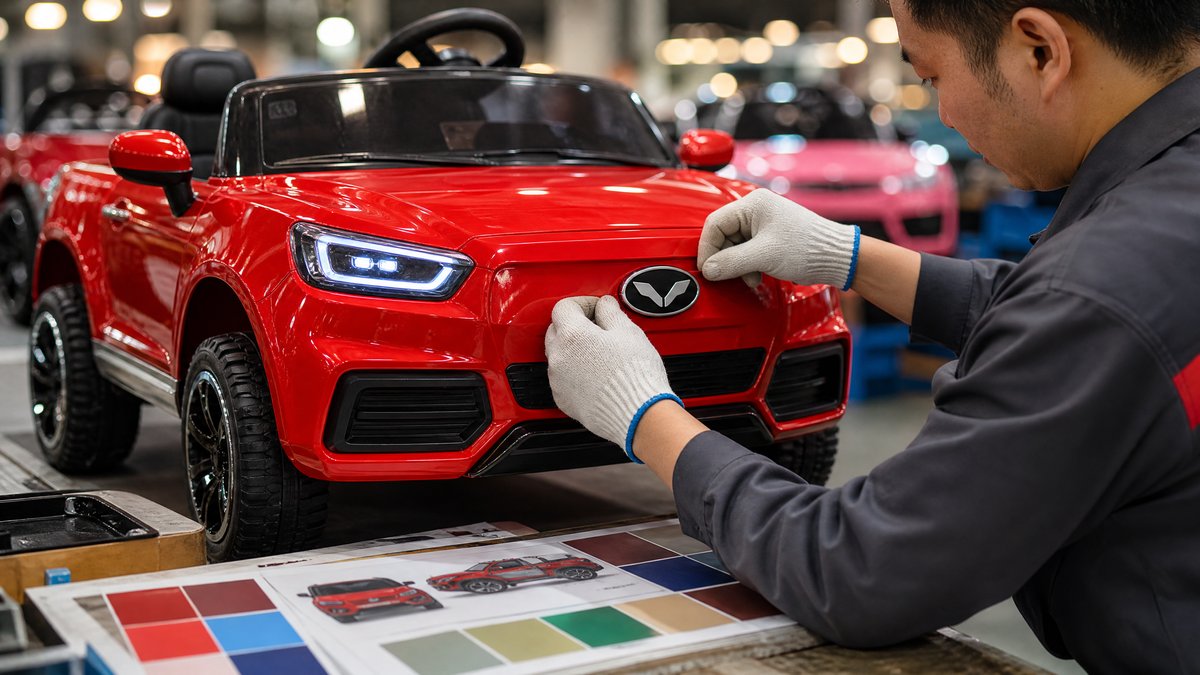
Future-forward entertainment venues are moving beyond simple asphalt tracks by incorporating immersive storytelling elements. Vehicles can be wrapped in custom branded liveries matching specific park themes, while interactive trackside audio beacons and LED lighting effects create an engaging sensory journey that transforms a routine driving session into an unforgettable adventure.\n\n## Frequently Asked Questions (FAQs)
Q1: What age groups are most suitable for theme park ride-on car attractions?
A1: Suitability depends on the specific vehicle model and track design. Typically, toddler-sized push or low-speed electric cars cater to children aged 2 to 4 under close parental guidance, while multi-gear or larger 12V/24V models are designed for children aged 4 to 8. Operators should always consult manufacturer specifications and establish clear height and age brackets for each attraction zone.
Q2: How do commercial theme parks manage vehicle charging and battery longevity?
A2: Commercial operators generally utilize quick-swap modular battery packs and centralized charging stations behind the scenes. This approach eliminates long downtime periods, allowing vehicles to remain in continuous circulation throughout operating hours while depleted batteries recharge safely in a controlled environment.
Q3: What safety features are essential for commercial-grade ride-on cars?
A3: Essential commercial features include remote-override parental or staff control transmitters, programmable speed limiters, soft-start acceleration systems, sturdy ABS body shells, secure lap restraints, and automatic braking when the accelerator pedal is released.
Q4: Can ride-on car tracks be set up indoors and outdoors?
A4: Yes, ride-on car circuits are highly adaptable. Indoor FECs typically use smooth, polished resin or sealed concrete floors with modular rubber tracks, while outdoor parks utilize specialized asphalt, interlocking plastic pavers, or poured rubber safety surfaces.\n\n## Conclusion
Children's electric ride-on cars have evolved from simple residential toys into sophisticated, engaging commercial attractions that enrich theme parks, resorts, and family entertainment centers. By investing in robust commercial-grade fleets, establishing rigorous safety and supervision protocols, and designing intuitive circuit layouts, venue operators can create memorable guest experiences that drive repeat visitation and sustainable revenue growth.
Wholesale buyers and park planners seeking to elevate their entertainment offerings are encouraged to review manufacturer specifications, evaluate fleet management requirements, and plan custom attraction layouts tailored to their specific visitor demographics.
Request a wholesale quote
Official References
1. U.S. Consumer Product Safety Commission (CPSC) - General Toy Safety Education and Consumer Guidance. CPSC educational materials provide foundational safety principles for children's motorized products. Note: CPSC general guidelines serve as educational references only and do not replace specific vehicle manufacturer manuals, operational instructions, or official commercial safety certifications.
Official references
Explore these external resources for current regulatory and trade guidance. Confirm requirements with the relevant authority before placing an order.
Ready to Start?
Factory-Direct · CE & ASTM Certified · MOQ from 50 Units
Our export team works with buyers in 60+ countries. Get a quote within 24 hours.
KR
Written by KidsRideCar
China's leading kids electric ride-on car manufacturer. 500,000+ units shipped annually to 60+ countries. CE, ASTM & EN71 certified.