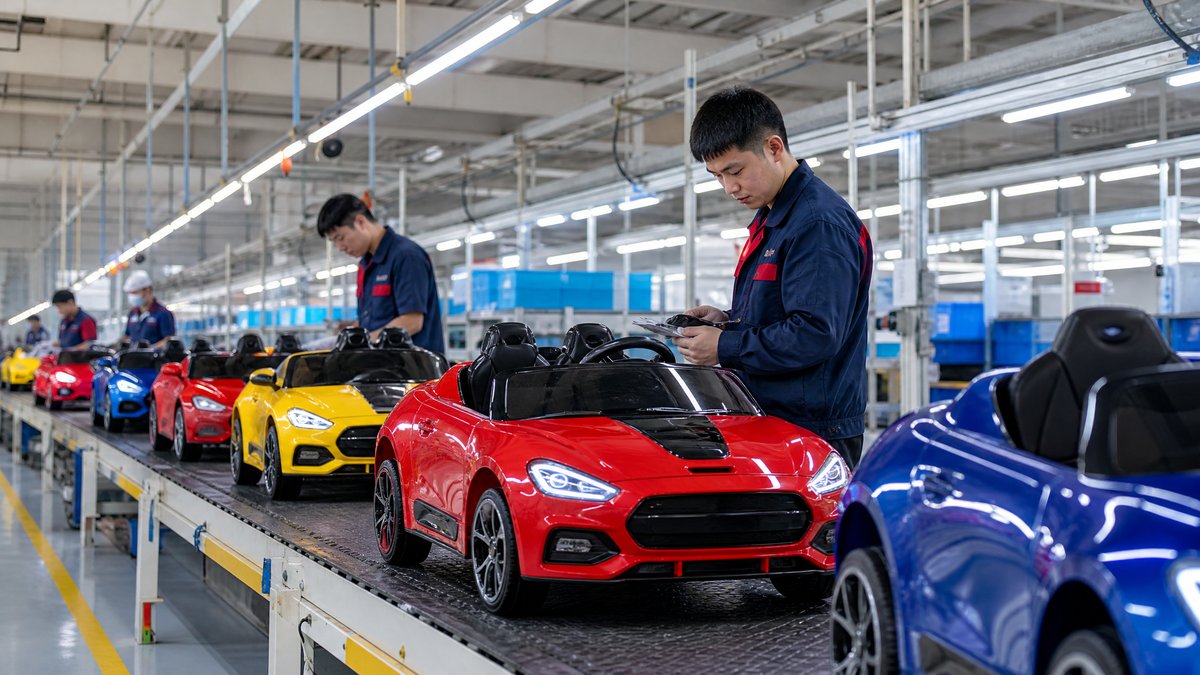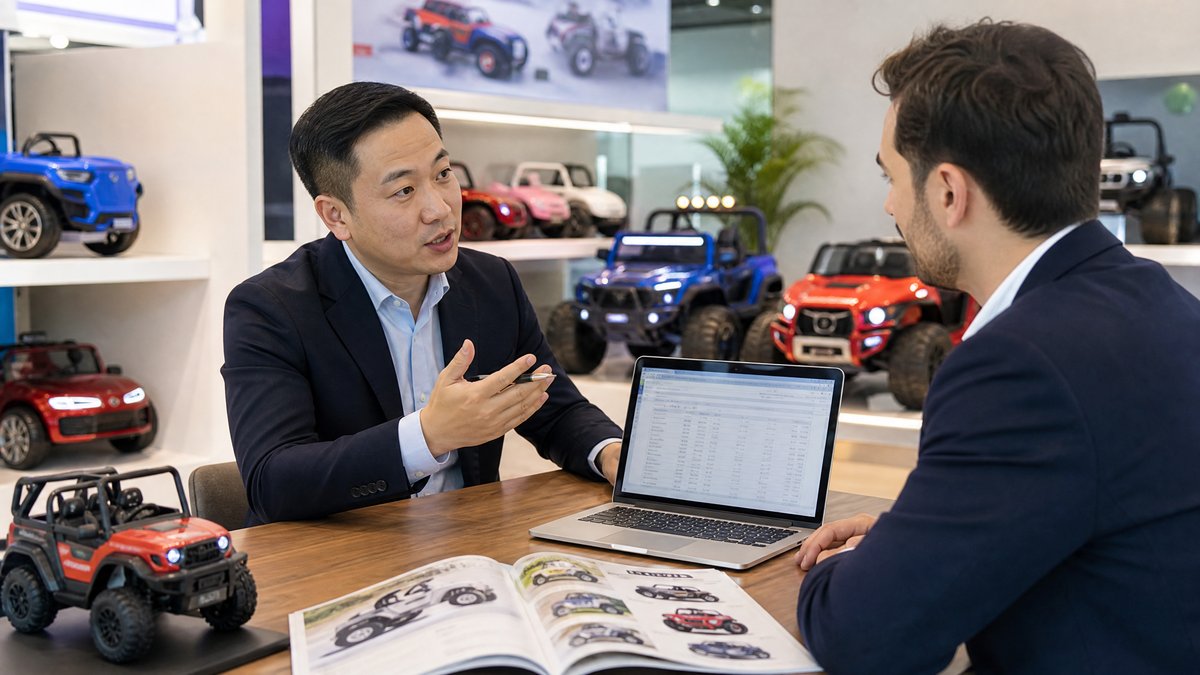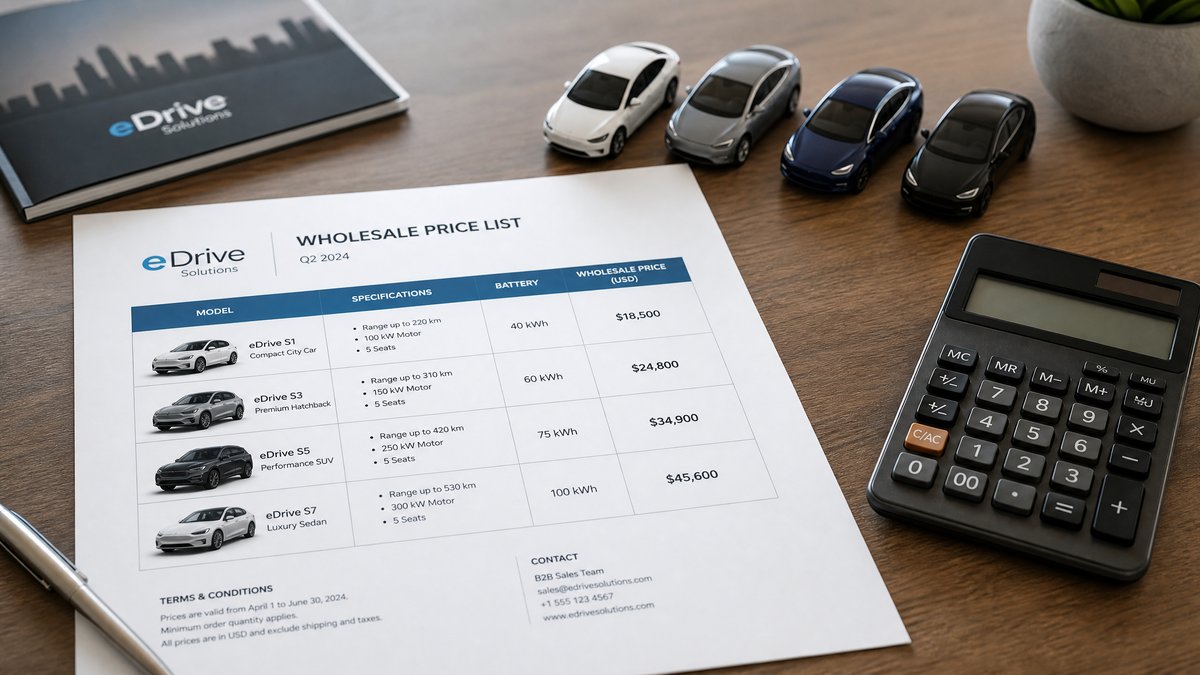
In the competitive global toy industry, particularly for electric ride-on vehicles, the success of a procurement cycle often hinges on the quality of the wholesale quote. For B2B importers and distributors, a quote is more than a price list; it is a foundational document defining the technical, legal, and logistical parameters of a partnership. Sourcing kids' ride-on cars involves complex mechanical engineering, electronics, and strict safety regulations, demanding detail that transcends standard goods. A vague quote is a warning sign, potentially masking hidden costs or compliance gaps that lead to customs issues or eroded margins. This guide provides a framework for a professional, transparent ride-on car wholesale quote to ensure your business interests are protected and your supply chain remains resilient.
The Importance of Technical Specifications
Technical descriptions are the cornerstone of any professional wholesale quote. In the ride-on car sector, where vehicles may appear identical externally, the internal configuration determines the actual value. A professional quote must provide a breakdown of internal components to facilitate accurate price comparisons and ensure the product meets market expectations.
Power Systems and Drivetrain
The drivetrain drives performance and consumer satisfaction. A comprehensive quote should explicitly state the battery configuration, including total voltage and capacity in Ampere-hours (Ah). These metrics influence the vehicle's run-time and its ability to handle loads. Importers must look for documentation specifying the exact battery type and capacity to avoid underpowered units.
Furthermore, the number and output of motors must be documented. The distinction between two-wheel drive (2WD) and four-wheel drive (4WD) is a major commercial factor for terrain handling. The quote should also clarify whether motors are standard brushed variants or durable brushless models, as this impacts longevity and maintenance. Without these details, an importer risks procuring a product that performs poorly, leading to high return rates and brand damage.
Material Selection and Aesthetic Finishes
Materials used in construction significantly impact unit cost and quality. A professional quote should specify material grades for key components. For example, the difference between standard plastic and premium EVA wheels is substantial for grip and noise reduction. Similarly, seating material—whether hard plastic or padded eco-leather—must be documented. Aesthetic treatments, such as professional painting versus natural-color molding, can impact the final price. These specifications must be finalized during the quoting stage to ensure delivered goods match approved samples.
Integrated Electronics and Features
Modern ride-on cars are defined by technological features. A comprehensive quote will list all integrated electronics, including parental remote controls, soft-start technology, and lighting systems. The inclusion of media players, such as Bluetooth or MP3 functions, should also be noted. If the model is a licensed replica, the quote must confirm that the price includes all necessary licensing royalties. This is a critical legal protection, ensuring goods can be sold without infringing on intellectual property rights.
Navigating Global Compliance and Regulatory Frameworks
Ensuring product safety and regulatory compliance is a legal necessity and a critical component of risk management. A quote failing to address these requirements is incomplete. However, because regulations vary by jurisdiction, it is essential to focus on verified documentation rather than generic claims.
Regional Standards and Certification
Manufacturers must demonstrate that products meet the specific safety standards of the target market. For North America, this typically involves compliance with relevant toy safety standards covering mechanical integrity and chemical content. In the European Union, the product must adhere to toy safety directives, including testing for flammability and chemical migration. UK importers must also ensure UKCA marking requirements are addressed.
A professional quote should state that the manufacturer will provide current test reports from accredited laboratories upon request. It is not sufficient for a quote to merely mention a standard; the importer must verify the actual documentation. Failure to secure these records can lead to delays at customs or the destruction of non-compliant shipments. Importers are strongly advised to consult with qualified local legal advisors or compliance specialists to ensure all regional requirements are met before finalizing an order.
Battery and Charger Safety
Given the rechargeable nature of these vehicles, power system safety is paramount. The quote should confirm that batteries have documentation for safe international transport, such as a Material Safety Data Sheet (MSDS) and transport safety certifications. Chargers must be compatible with the destination country's electrical standards, including voltage ratings and plug configurations. A professional quote will specify the certification status of these components, providing assurance that products are safe for transport and consumer use.
Request a wholesale quote
Logistical Engineering and Cost Optimization
International shipping represents a substantial portion of the total landed cost for ride-on cars. Consequently, logistical transparency within the quote is essential for accurate financial modeling and inventory planning.
Packaging and Volumetric Analysis
The quote must provide precise dimensions for individual product packaging and gross weight. This data allows the importer to calculate the cubic meters (CBM) per unit, a primary driver of freight costs. Additionally, the packaging type should be specified. While standard export cartons are common, some models—particularly for e-commerce—may require reinforced packaging to survive individual delivery. Clarifying these requirements ensures goods are protected throughout the supply chain.
Container Loadability and Efficiency
A key metric for wholesalers is the number of units fitting into a standard shipping container. The quote should provide estimated quantities for various container sizes, such as 20-foot and 40-foot high-cube containers. Because ride-on cars are volumetric cargo, maximizing container space is the most effective method for reducing per-unit shipping costs. Importers should request a loading simulation if they plan to mix multiple models to ensure the most efficient use of space.
Production Lead Times and Capacity
A quote is only useful if the manufacturer can deliver on schedule. The document should state a realistic estimated production lead time, typically calculated from the date the deposit is received. Furthermore, verifying production capacity is essential for ensuring the manufacturer can support growth, particularly during peak seasonal demand. Clear communication regarding timelines helps the importer manage inventory levels and meet delivery commitments.
Commercial Terms and Risk Management
Commercial terms define how risk and responsibility are distributed between the buyer and the seller. Financial transparency in these terms is vital for a stable procurement process.
Incoterms and Delivery
The quote must clearly define the Incoterms governing the shipment. Most international toy exports are handled under terms where the manufacturer is responsible for delivery to a specific port of departure. If the importer requires the manufacturer to handle logistics to the destination, terms such as CIF or DDP may be used. It is important for importers to understand exactly where their responsibility for risk and cost begins to avoid unexpected charges at the port of entry.
Payment Structures and Security
Standard commercial terms usually involve a deposit to initiate production, with the remaining balance paid against the presentation of shipping documents. The specific percentages and methods of payment—such as wire transfers or letters of credit—should be clearly outlined. Importers should also be aware of any additional fees, such as bank processing charges, that may apply to the transaction.
Price Validity and Volatility
Manufacturing is subject to fluctuations in the cost of raw materials, such as plastics and battery components, as well as changes in currency exchange rates. A professional quote must include a price validity period, defining how long prices are guaranteed. This period allows the importer to complete their internal review while protecting the manufacturer from sudden spikes in production costs. Importers should ensure their workflow allows for order finalization and deposit payment within this validity window to lock in pricing.
Brand Development and Customization
For many B2B importers, building their own brand is a key strategy for long-term profitability. A comprehensive wholesale quote should outline options and costs associated with OEM services and customization.
Branding and Visual Identity
The quote should specify requirements for applying the importer's logo to the vehicle body, steering system, and remote control. It should also clarify whether there are setup fees for logo printing or if these services are included based on order volume. Furthermore, the design of custom instruction manuals and shipping marks on cartons should be addressed to ensure a consistent brand experience.
Feature and Aesthetic Customization
If the importer requires specific colors or features not part of the standard range, the quote should detail the requirements for these modifications. This might include custom paint finishes, specific wheel designs, or unique seat upholstery. Understanding the minimum order quantities (MOQs) for these customizations is essential for planning a product line that stands out in a competitive market.
After-Sales Support and Quality Assurance
A professional sourcing relationship does not end when goods are shipped. The quote should reflect the manufacturer's commitment to quality and their willingness to support the importer after the sale.
Spare Parts and Maintenance
It is common practice for manufacturers to provide a small allocation of spare parts at no additional cost to cover minor repairs. This typically includes high-wear items such as switches, fuses, or small electronic components. The quote should explicitly list the types and quantities of parts included. In the event of a technical issue, importers should instruct customers to stop using the vehicle and contact authorized service support rather than attempting internal repairs, which can be hazardous.
Warranty Policies and Technical Support
The quote should outline the manufacturer's warranty policy for major components, such as primary circuit boards and motors. This includes the duration of support and the process for resolving claims related to manufacturing defects. Importers should verify these terms in writing and ensure they have a clear understanding of the manufacturer's internal quality control (QC) processes. A manufacturer transparent about their QC procedures is often a more reliable long-term partner.
Sourcing Framework: The Quote Evaluation Checklist
To ensure a thorough evaluation of potential suppliers, procurement teams should use a structured framework to compare quotes. This approach minimizes the risk of overlooking critical details.
1. Technical Verification: Does the quote provide a breakdown of battery capacity, motor configuration, and material grades?
2. Compliance Audit: Are the required safety certifications for the target market explicitly mentioned?
3. Logistical Modeling: Have the CBM and gross weight data been used to calculate a realistic landed cost?
4. Financial Risk Assessment: Are the payment terms, Incoterms, and price validity periods clearly defined?
5. Support and Warranty Review: Is there a documented plan for spare parts and a clear warranty policy?
6. Customization Feasibility: Are the costs and MOQs for branding and custom features clearly outlined?
7. Capacity and Timeline Confirmation: Does the manufacturer provide a realistic production schedule?
By adhering to this level of detail, importers can transition to a strategic partnership model, ensuring their business is built on quality, safety, and transparency.
Frequently Asked Questions
Why do quotes for similar-looking ride-on cars vary in price?
Price variations are typically the result of internal specifications not immediately apparent from photographs. A lower-priced quote may utilize batteries with less capacity, standard plastic wheels, or omit advanced features like parental remote controls. It is essential to request a detailed component list to ensure a fair comparison.
Is it possible to mix different models within a single shipping container?
Most professional manufacturers allow for SKU mixing to help importers manage inventory. However, specific minimum order quantities for each model will still apply. A comprehensive quote will detail the rules for mixing SKUs and provide guidance on how this affects shipping efficiency.
How can I verify that the safety certifications in a quote are authentic?
Importers should not rely solely on the mention of a certificate. You should request the full, original test reports issued by a recognized third-party laboratory. These reports can then be verified by contacting the issuing laboratory. For complex regulatory issues, consulting with a local compliance expert is recommended.
What should I do if a product requires maintenance or repair?
Safety is the primary concern. If a vehicle exhibits any signs of malfunction, the user should immediately stop using the product. Importers should provide clear instructions to customers to contact the manufacturer's authorized service center for professional support. Attempting to disassemble the battery or modify internal wiring is dangerous and should be strictly avoided.
How do market fluctuations affect the pricing in a wholesale quote?
The cost of manufacturing is influenced by global trends, including raw material prices and exchange rates. This is why the price validity clause is critical. To secure the quoted price, importers should aim to finalize their purchase order and complete the required deposit payment within the specified validity window.
Conclusion
A comprehensive and transparent wholesale quote is the essential first step in building a successful ride-on car business. By demanding detailed information regarding technical specifications, regulatory compliance, and logistical planning, importers can significantly reduce operational risks and establish a competitive advantage. It is important to remember that the lowest initial price does not always represent the best value if it comes at the expense of safety or product quality. Importers should prioritize partnerships with manufacturers who provide clear, documented evidence of their capabilities and who are committed to consistent quality assurance.
Ask for product documentation
Official references
Explore these external resources for current regulatory and trade guidance. Confirm requirements with the relevant authority before placing an order.
Ready to Start?
Factory-Direct · CE & ASTM Certified · MOQ from 50 Units
Our export team works with buyers in 60+ countries. Get a quote within 24 hours.
KR
Written by KidsRideCar
China's leading kids electric ride-on car manufacturer. 500,000+ units shipped annually to 60+ countries. CE, ASTM & EN71 certified.