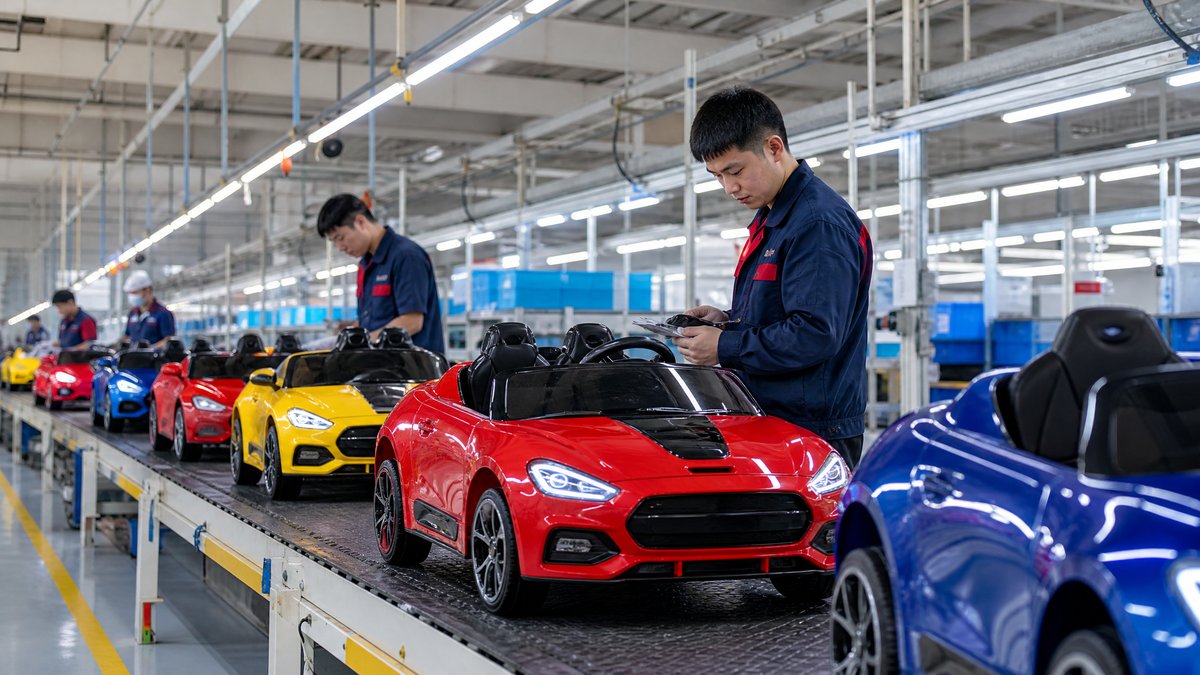
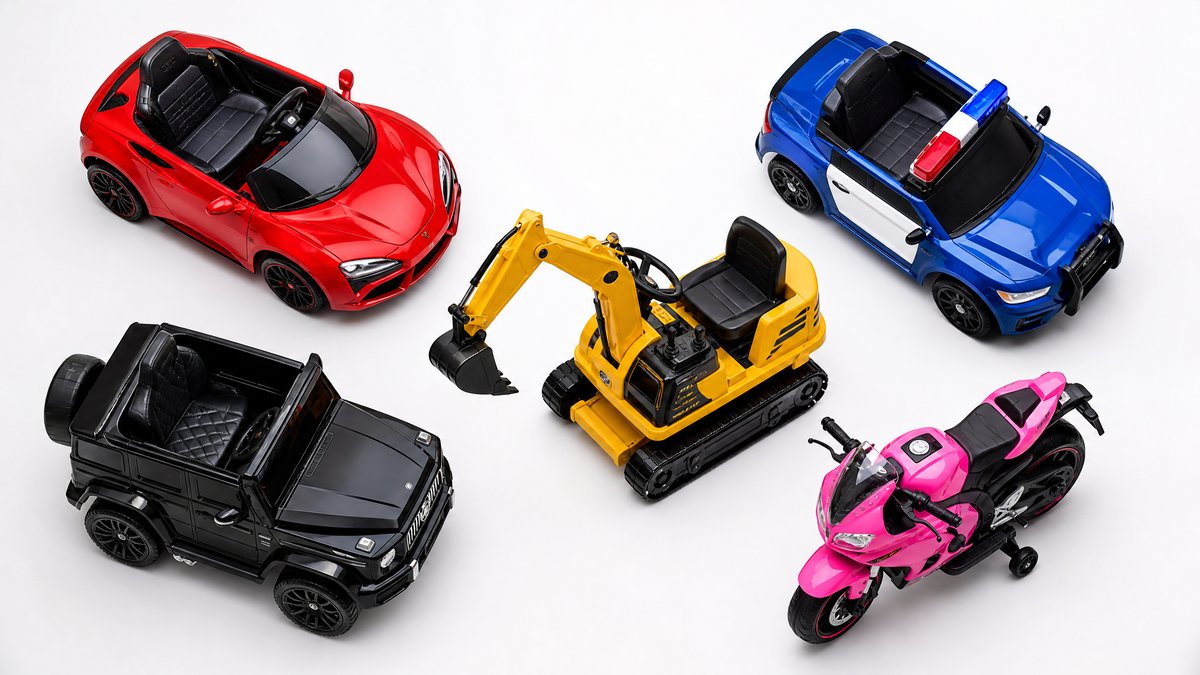
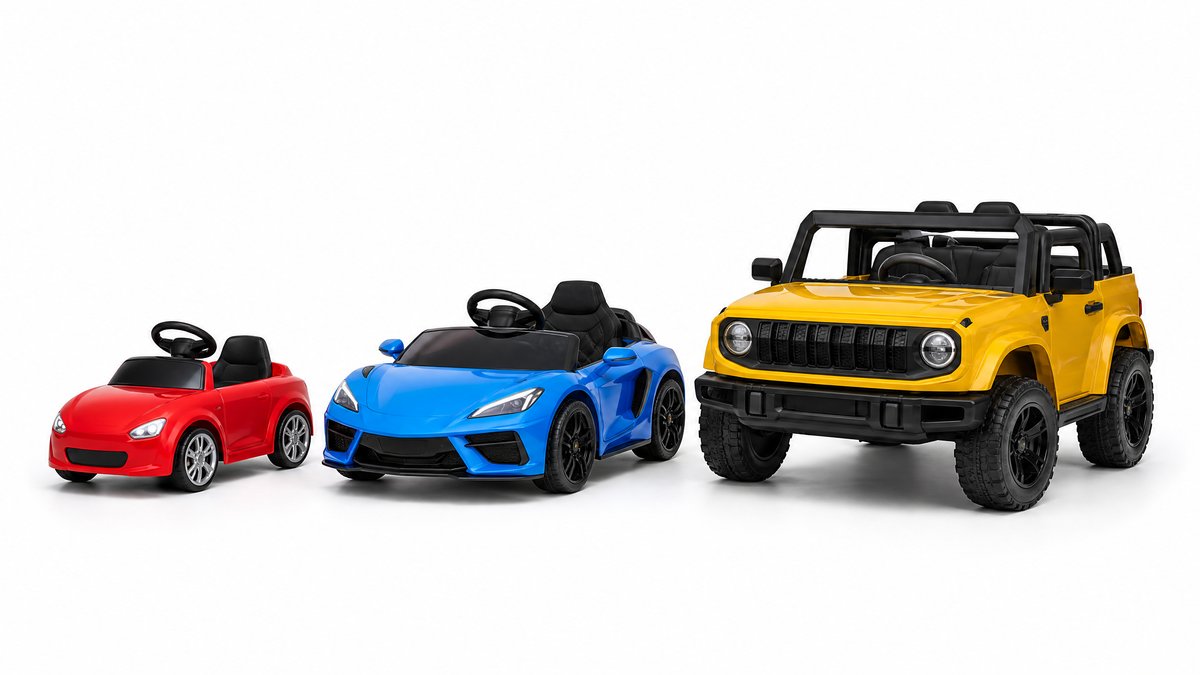
The exterior finish of children's electric ride-on cars serves as the immediate point of visual appeal for young drivers and discerning retail buyers alike. Beyond initial aesthetic impressions, surface coating durability, scratch susceptibility, and ultraviolet (UV) resistance are critical quality indicators that influence product longevity and customer satisfaction. When sourcing or evaluating ride-on vehicles, wholesale distributors, retail store owners, and purchasing managers frequently encounter inquiries regarding whether automotive-grade paint finishes scratch easily or how injection-molded plastics withstand daily wear and tear.
This guide provides a transparent, structured evaluation framework for assessing ride-on car paint quality. Rather than relying on rigid claims, industry professionals recognize that scratch resistance and finish integrity vary significantly depending on specific manufacturing processes, material composition, operating terrain, assembly precision, and daily usage habits. By understanding these variables, B2B buyers can establish rigorous quality control standards, educate retail customers effectively, and select durable product lines that align with market expectations.
Understanding Ride-On Car Exterior Finish Types
To evaluate scratch resistance accurately, it is essential to distinguish between the two primary exterior finishing methods utilized in modern children's ride-on vehicle manufacturing: molded-in color plastics and spray-painted gloss finishes. Each method presents distinct operational characteristics, cost structures, and visual profiles.
Molded-In Color Plastics (Unpainted Resin)
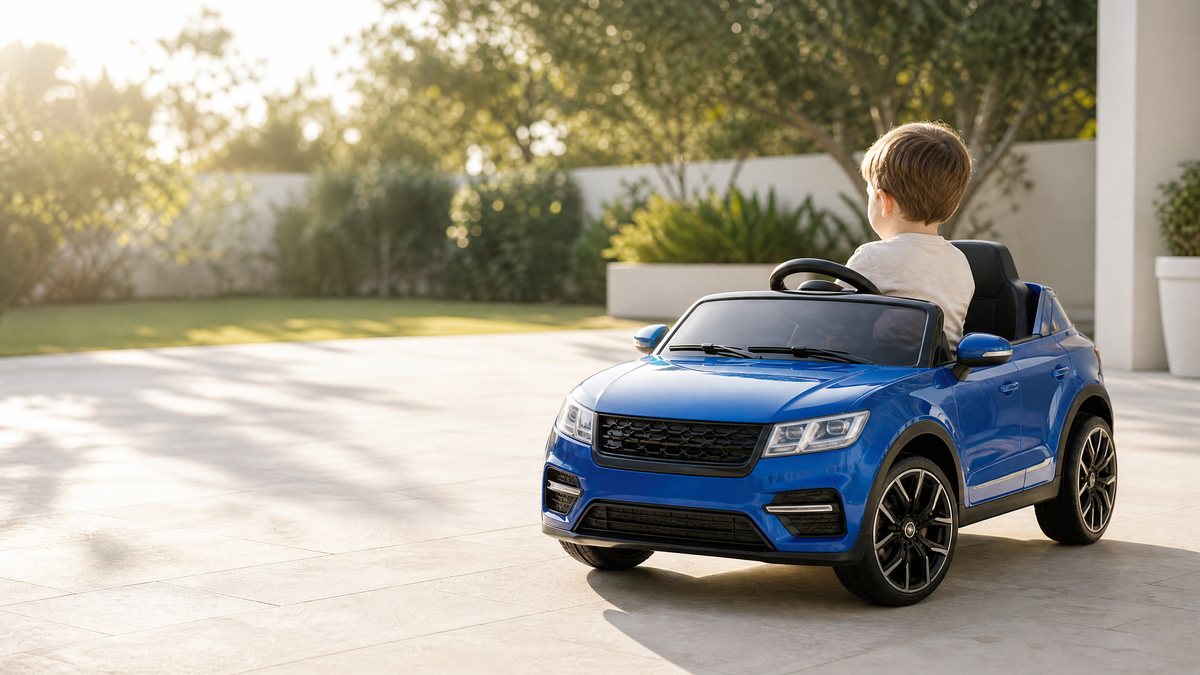
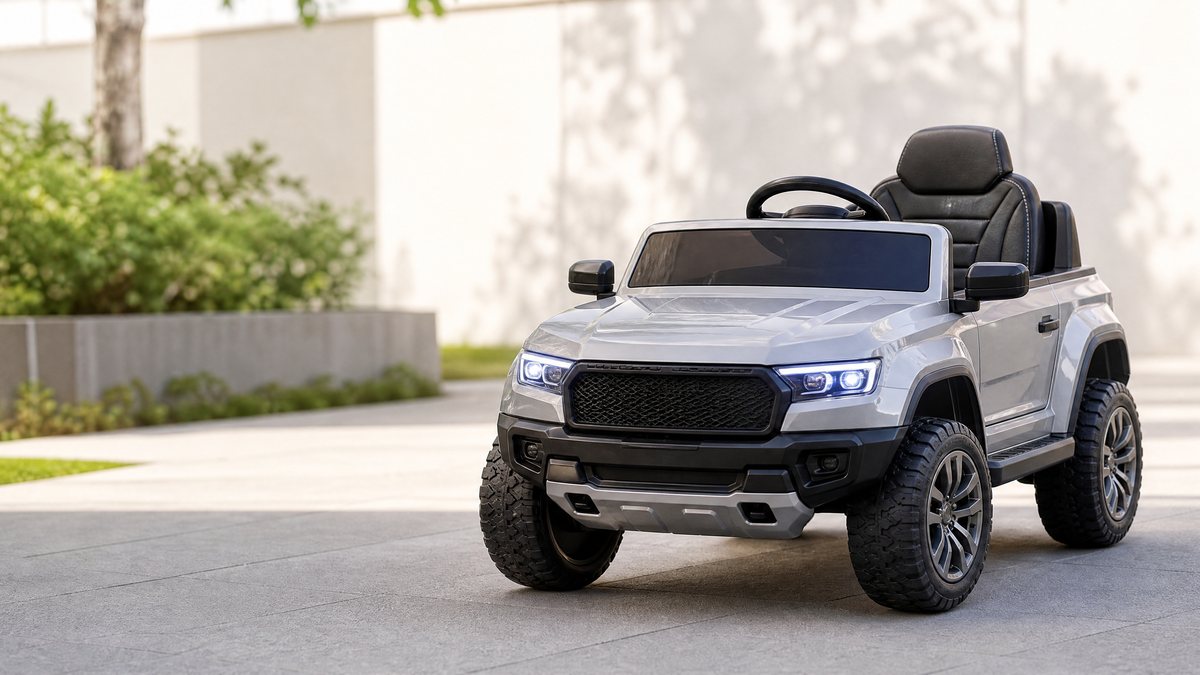
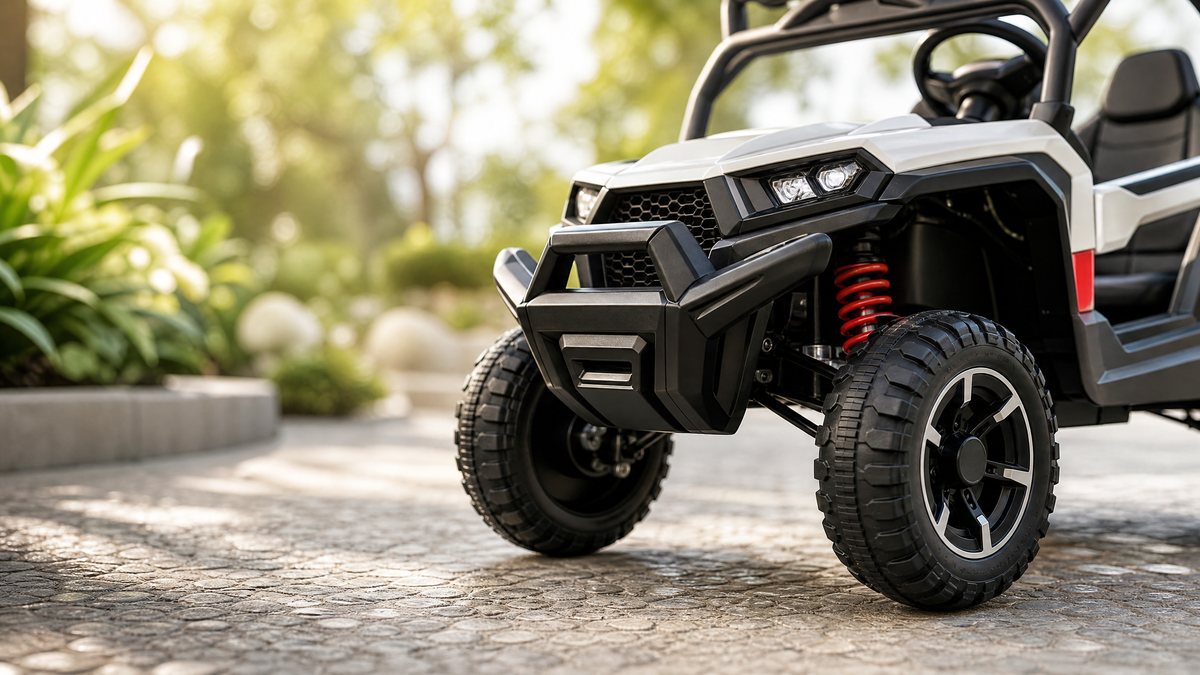
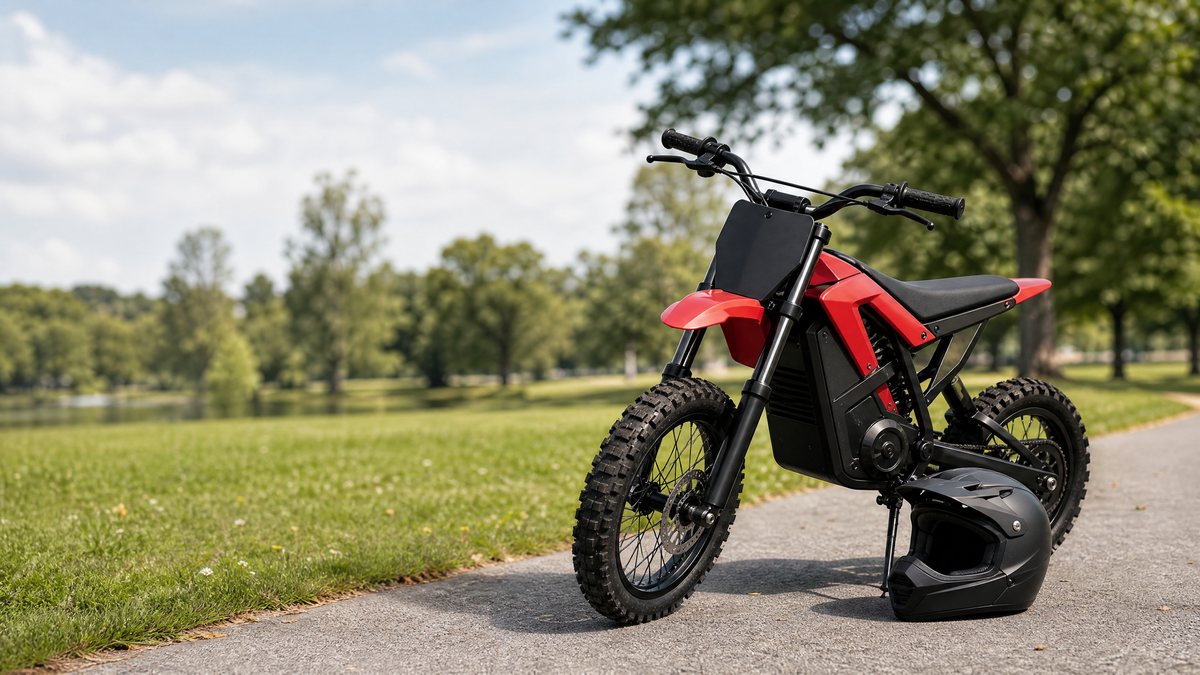
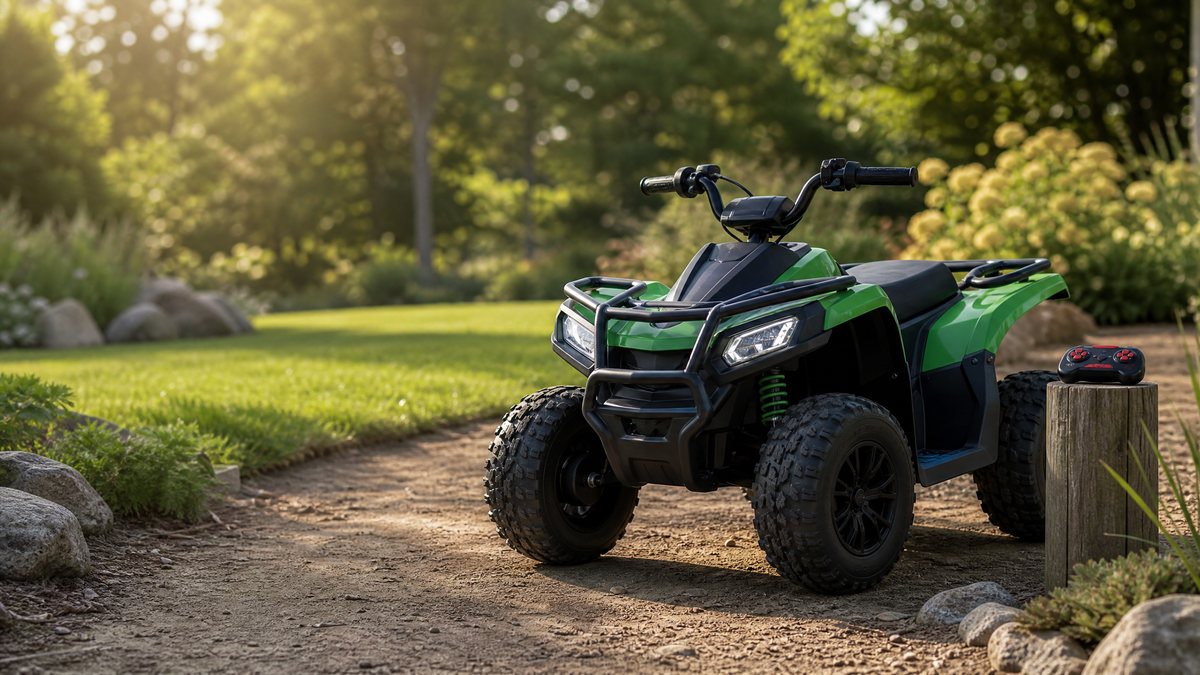
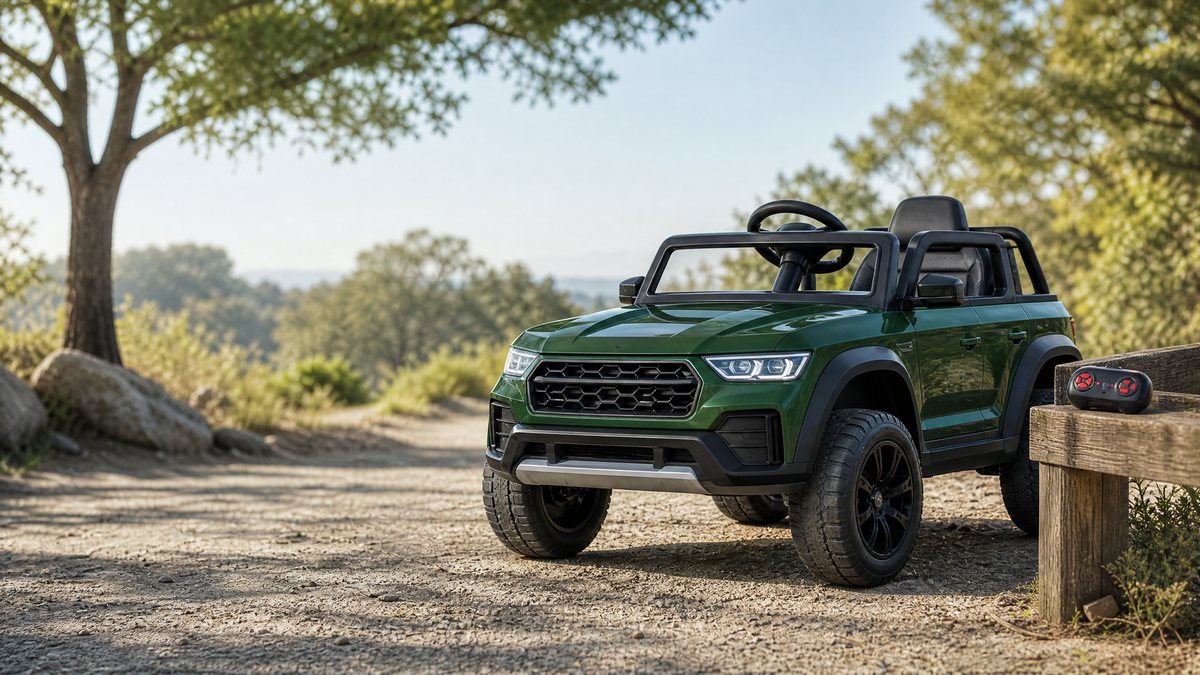
Many entry-level and utility-focused ride-on vehicles utilize raw plastic resins (such as polypropylene or polyethylene) infused with color pigments during the injection molding process.
* Surface Characteristics: Because the color penetrates the entire thickness of the plastic wall rather than resting solely on the surface, minor abrasions and scrapes tend to reveal material of a similar or identical hue.
* Durability Profile: Molded plastics exhibit high impact resistance and flexibility. While surface scuffs may occur during contact with obstacles, they are often less visually jarring because underlying material layers do not expose contrasting base plastic.
* Maintenance Implications: These surfaces are straightforward to clean and maintain, requiring minimal specialized care beyond standard mild soap and water solutions.
Spray-Painted Gloss and Automotive-Style Finishes
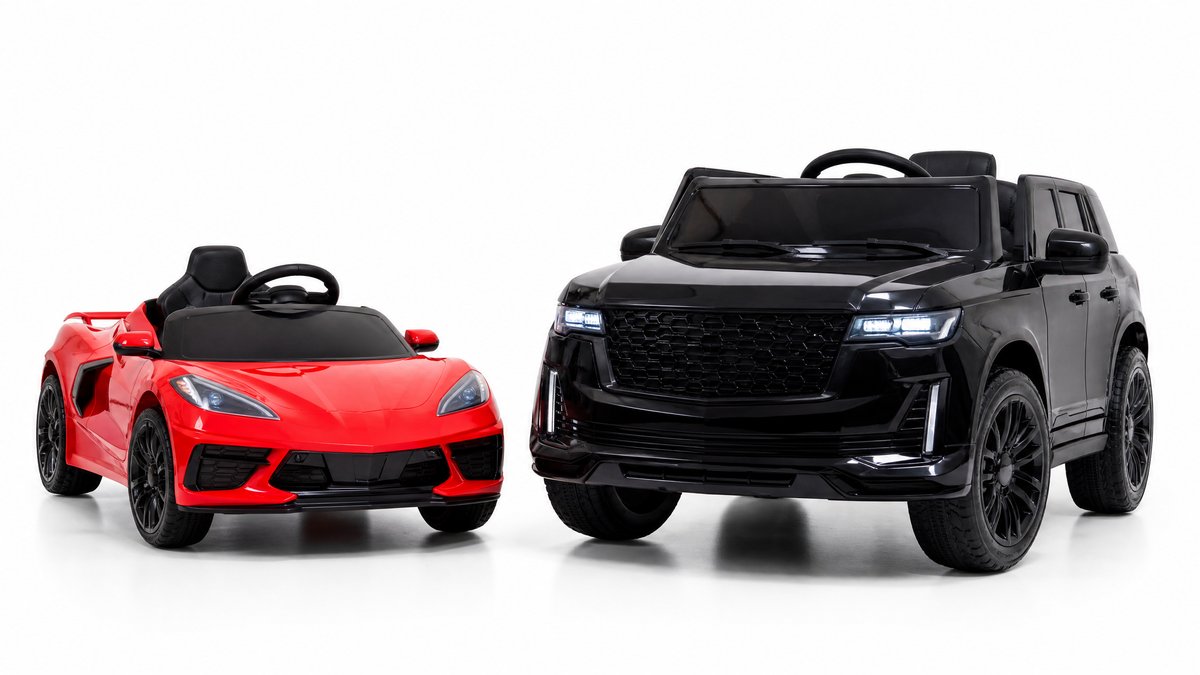
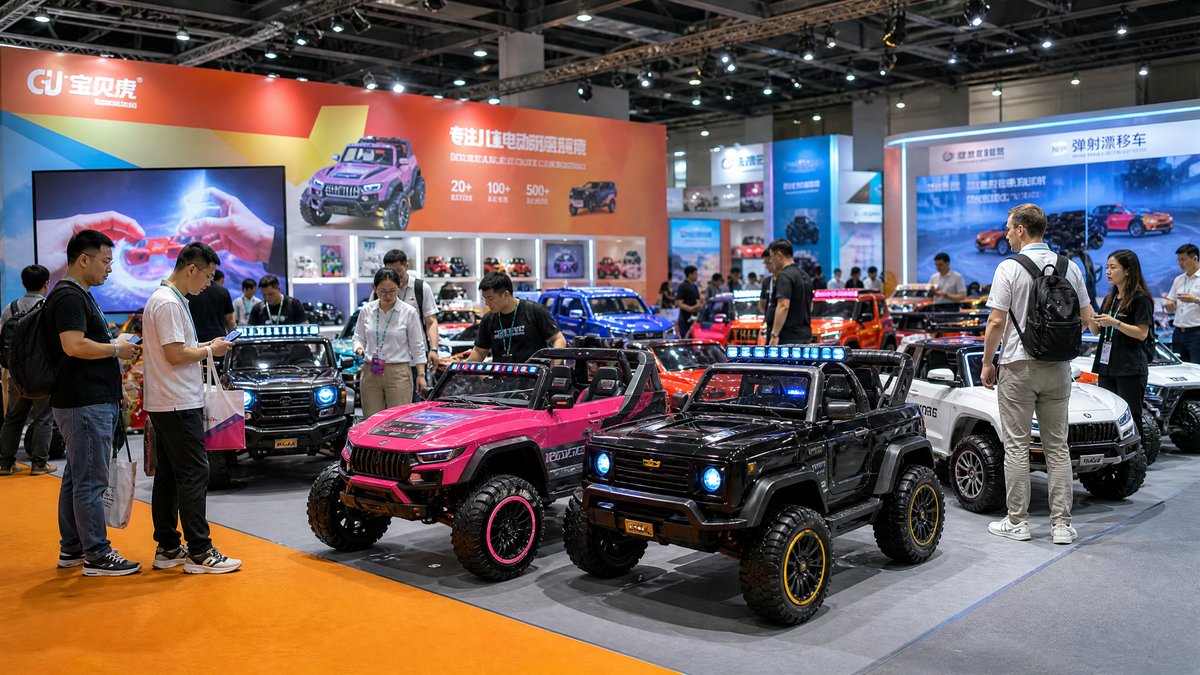
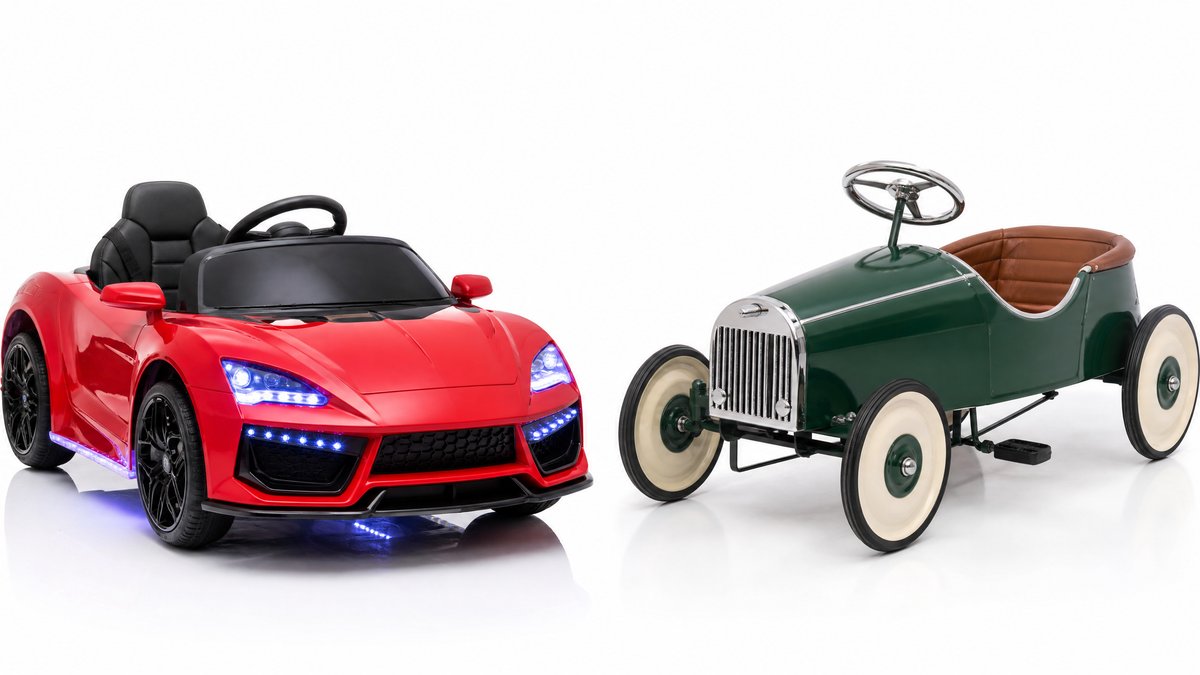
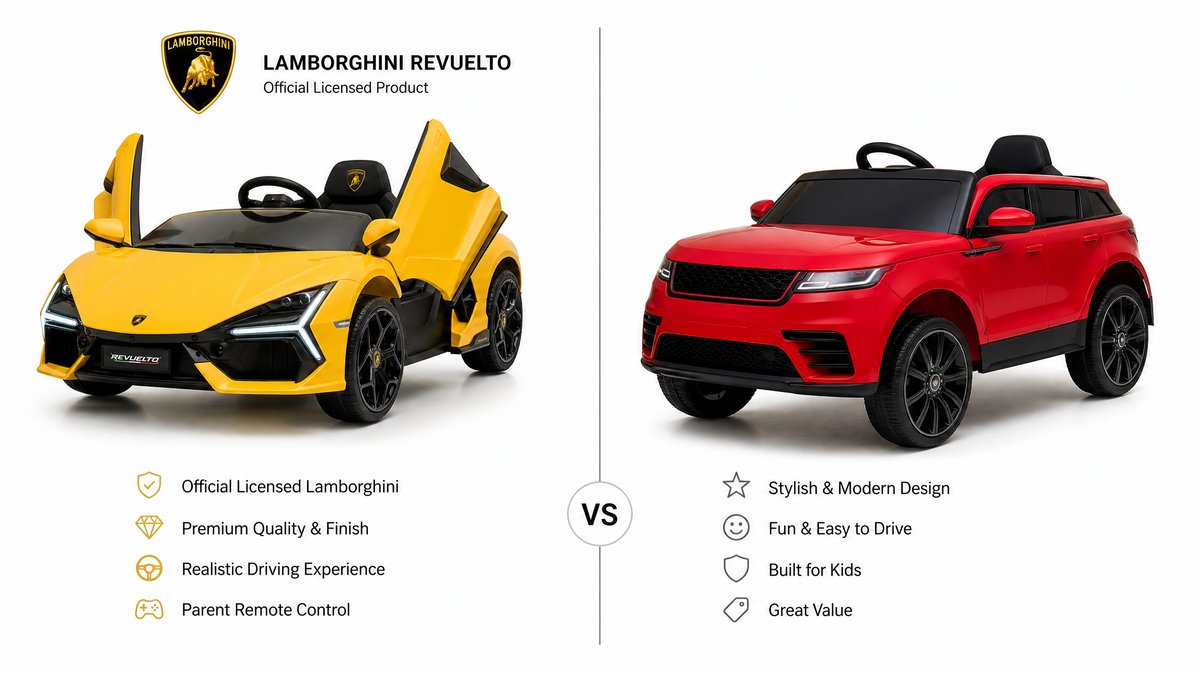
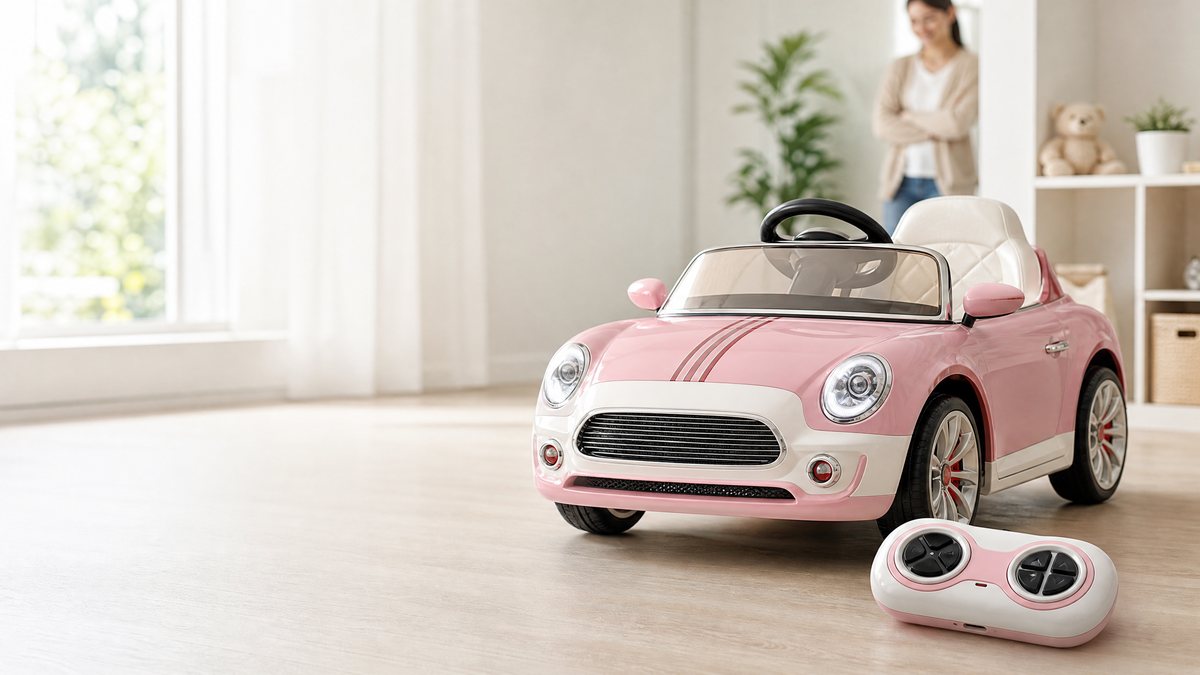
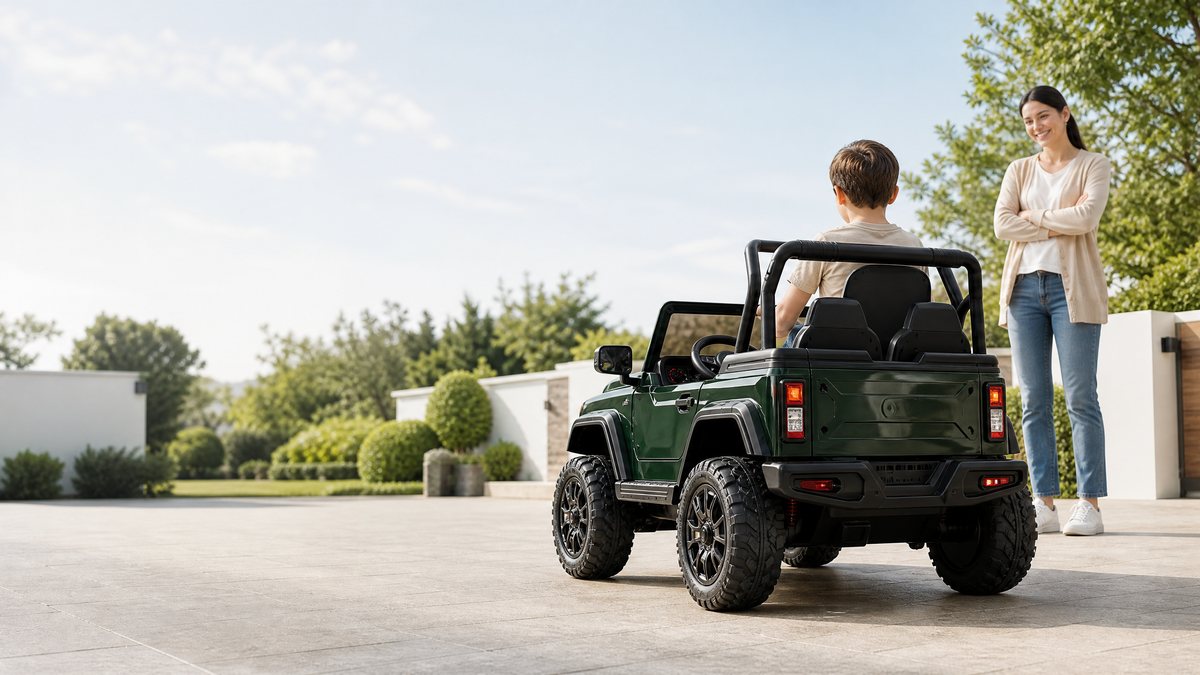
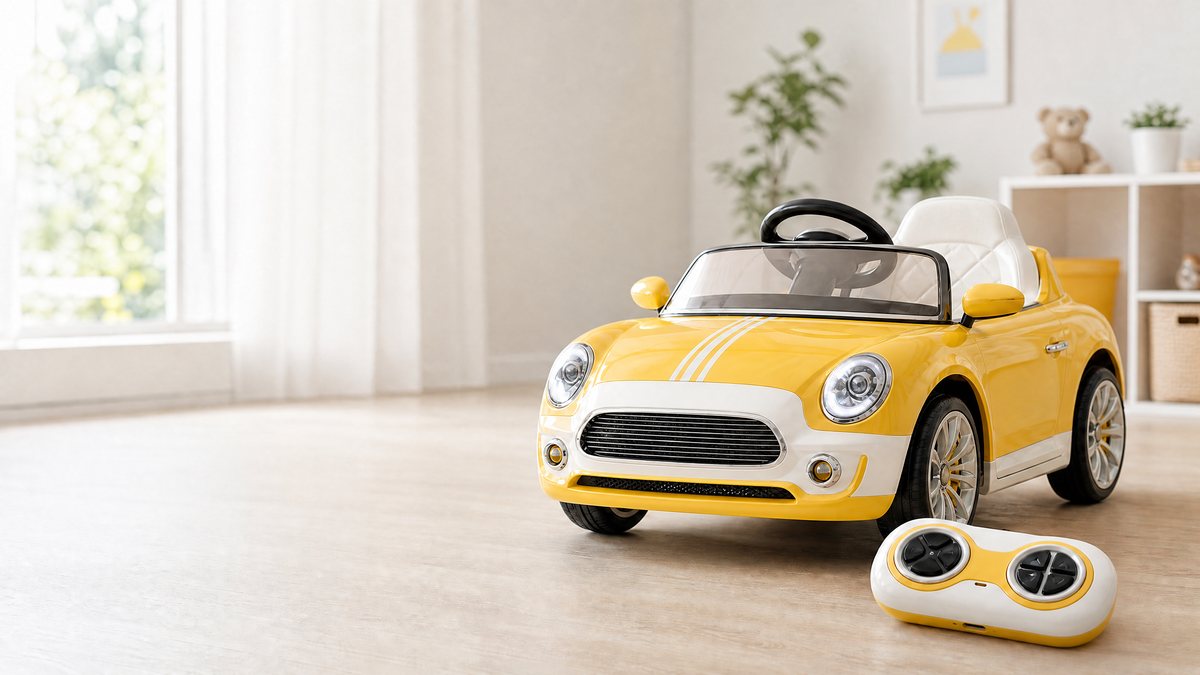
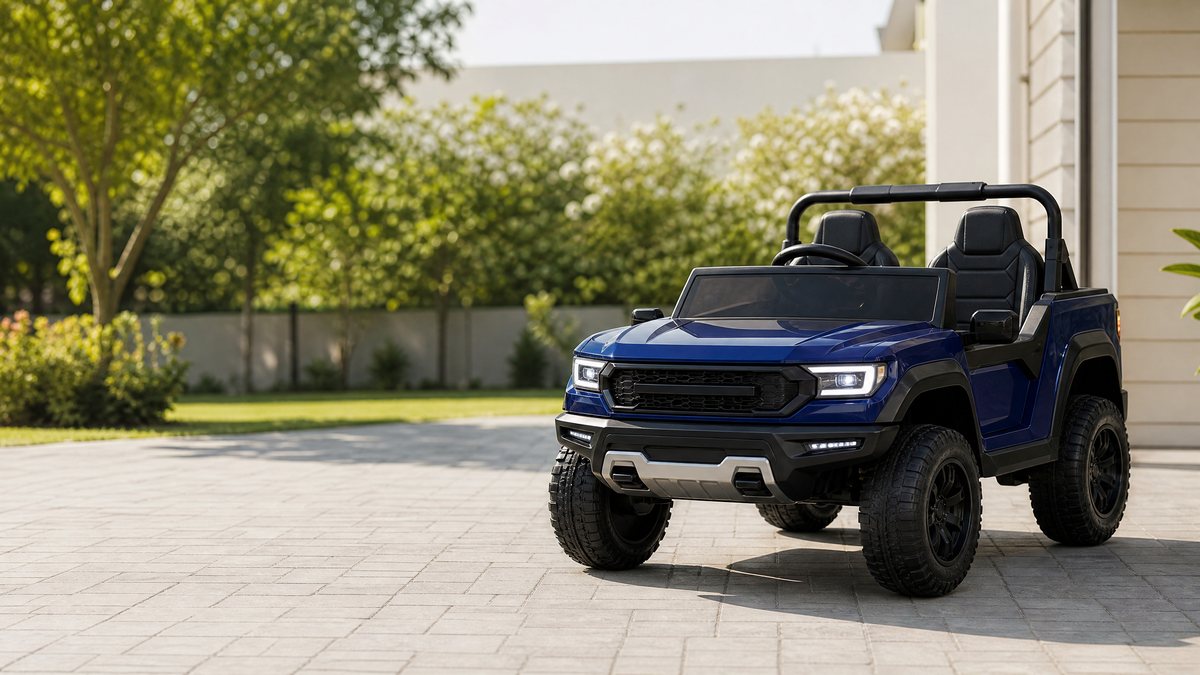
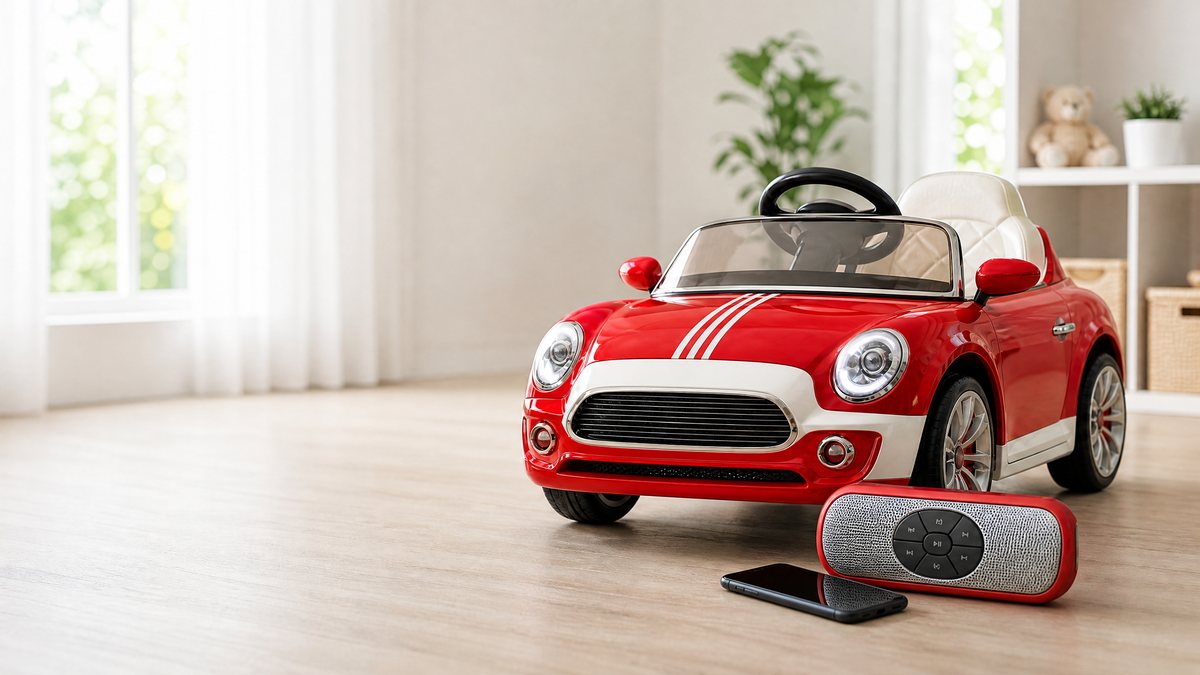
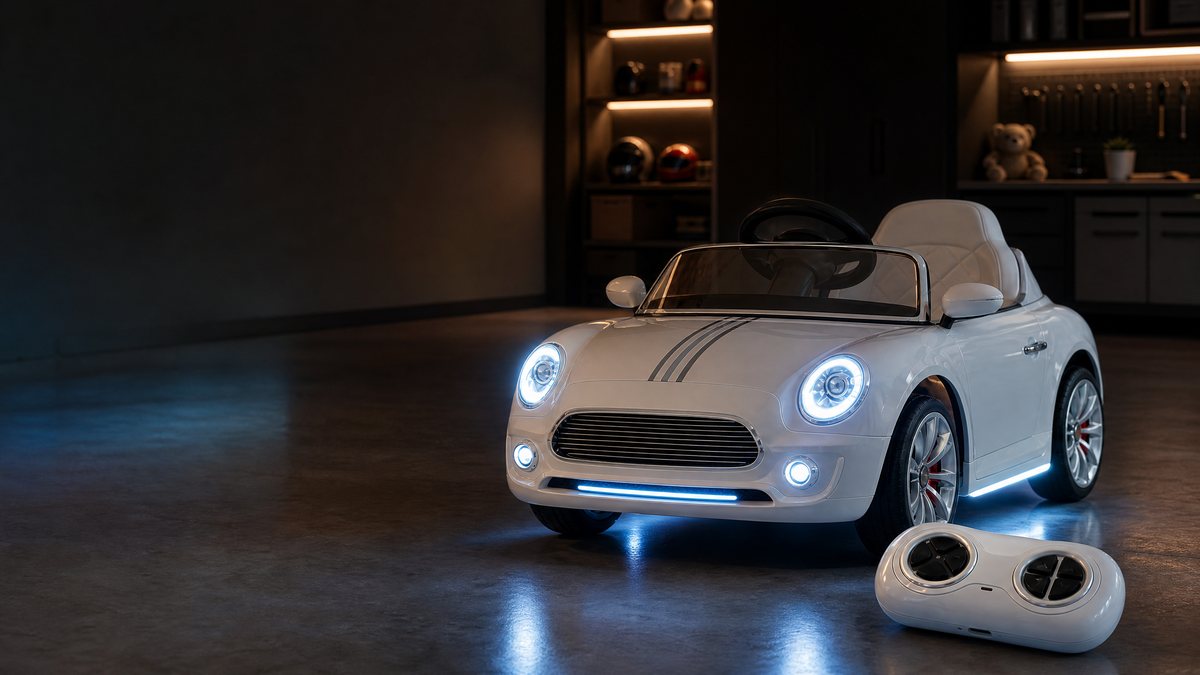
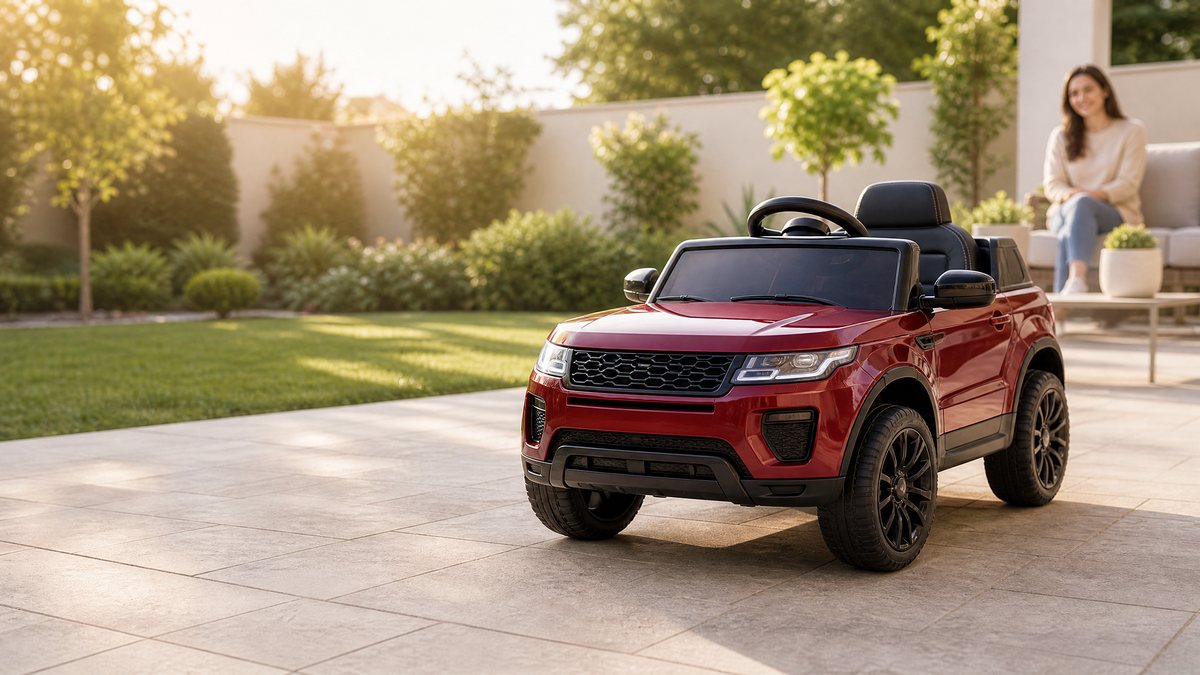
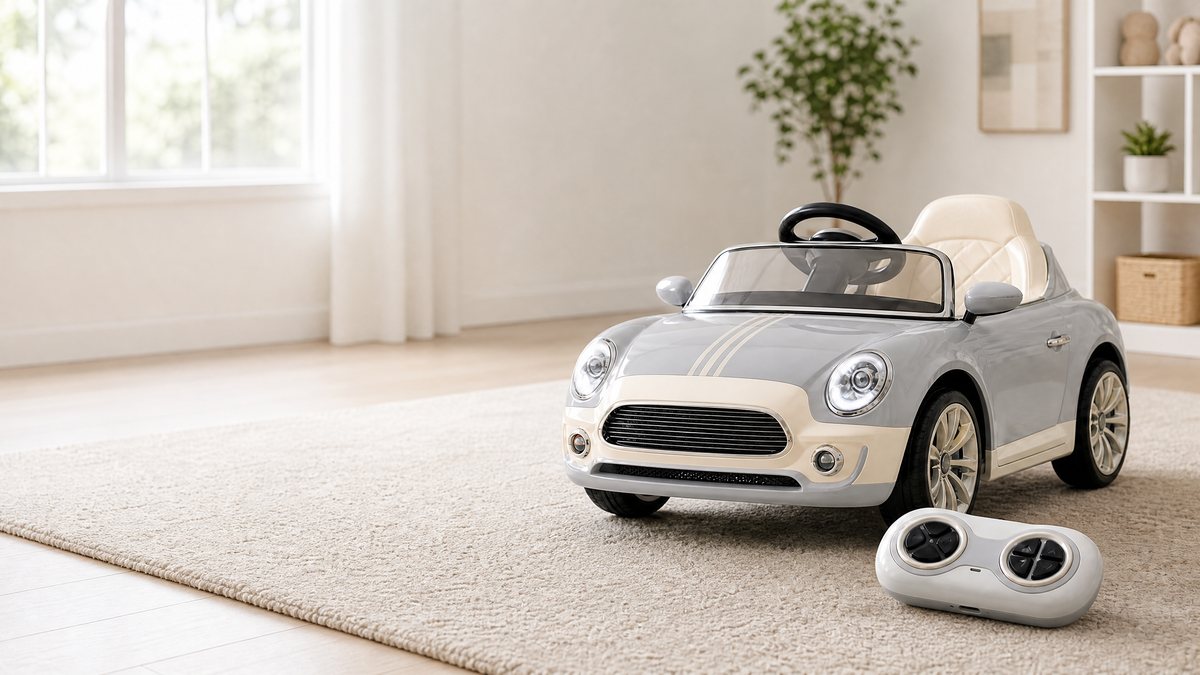
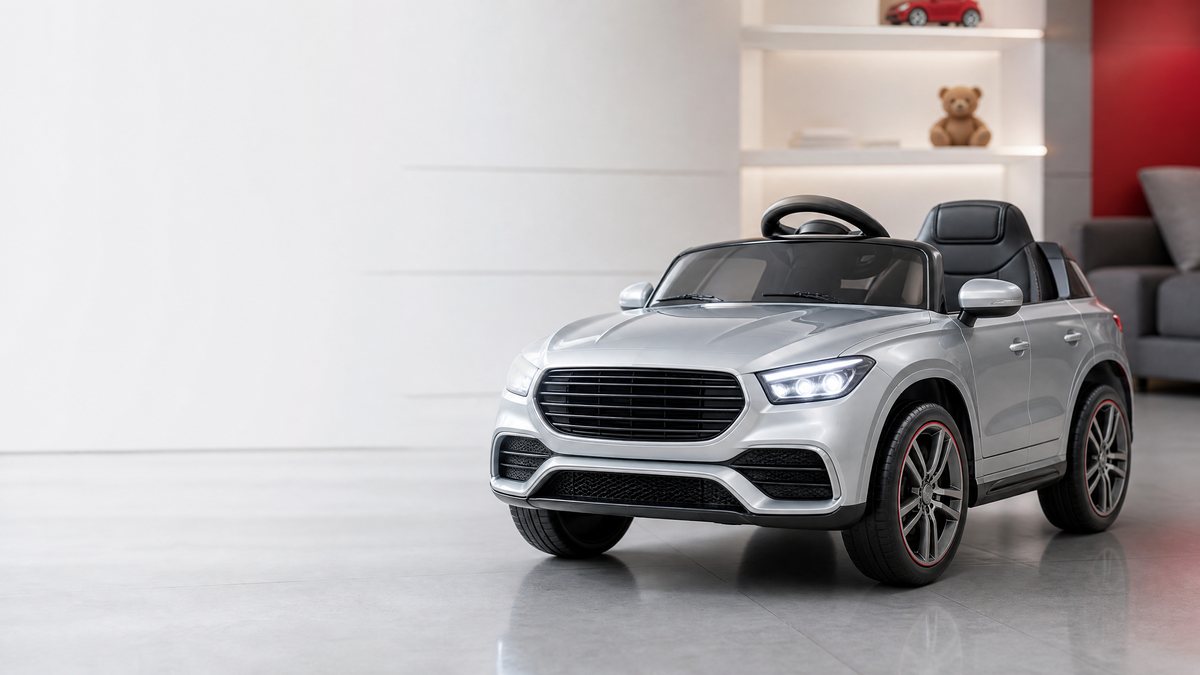
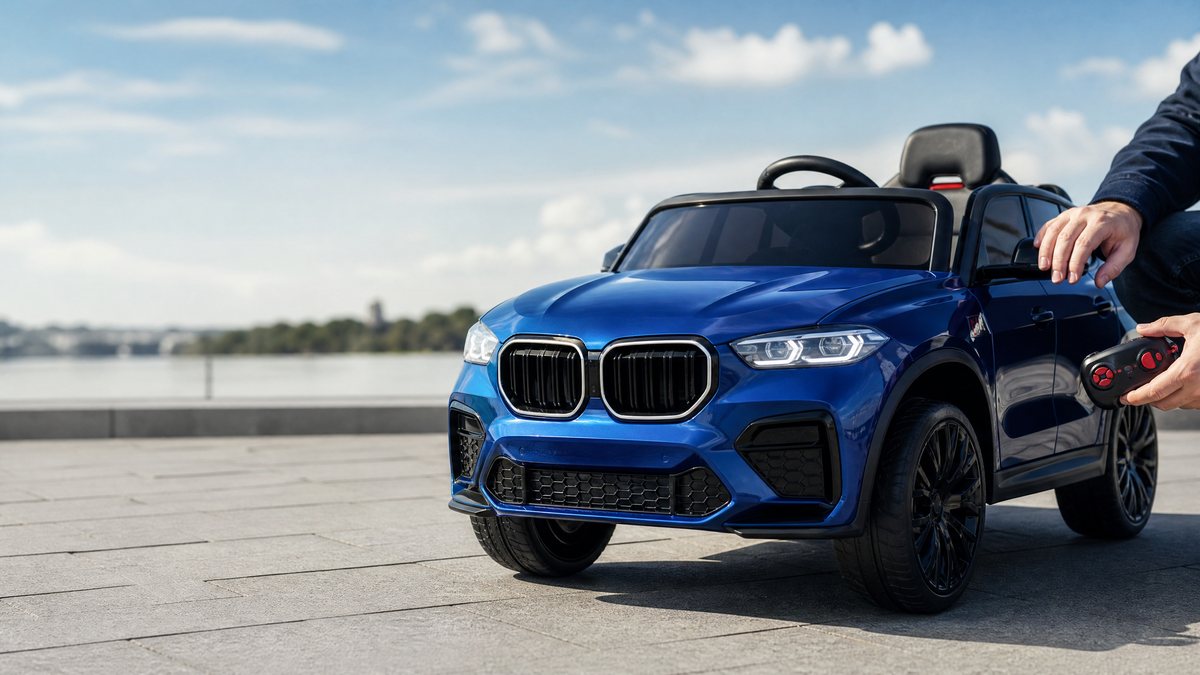
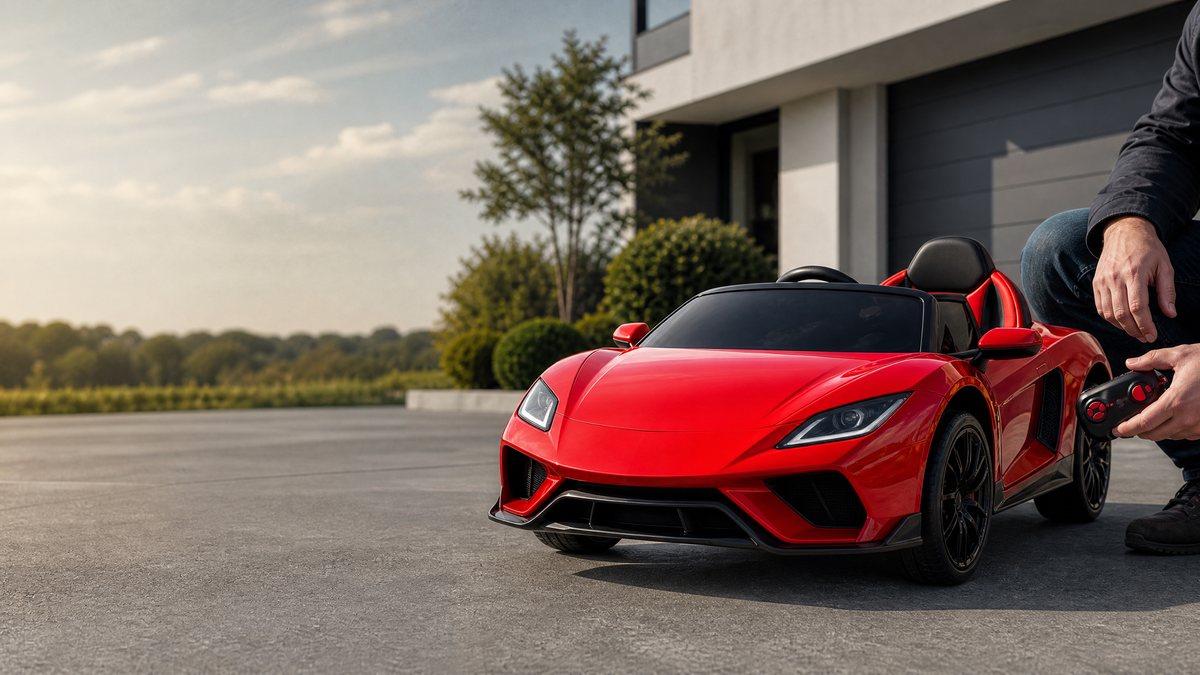
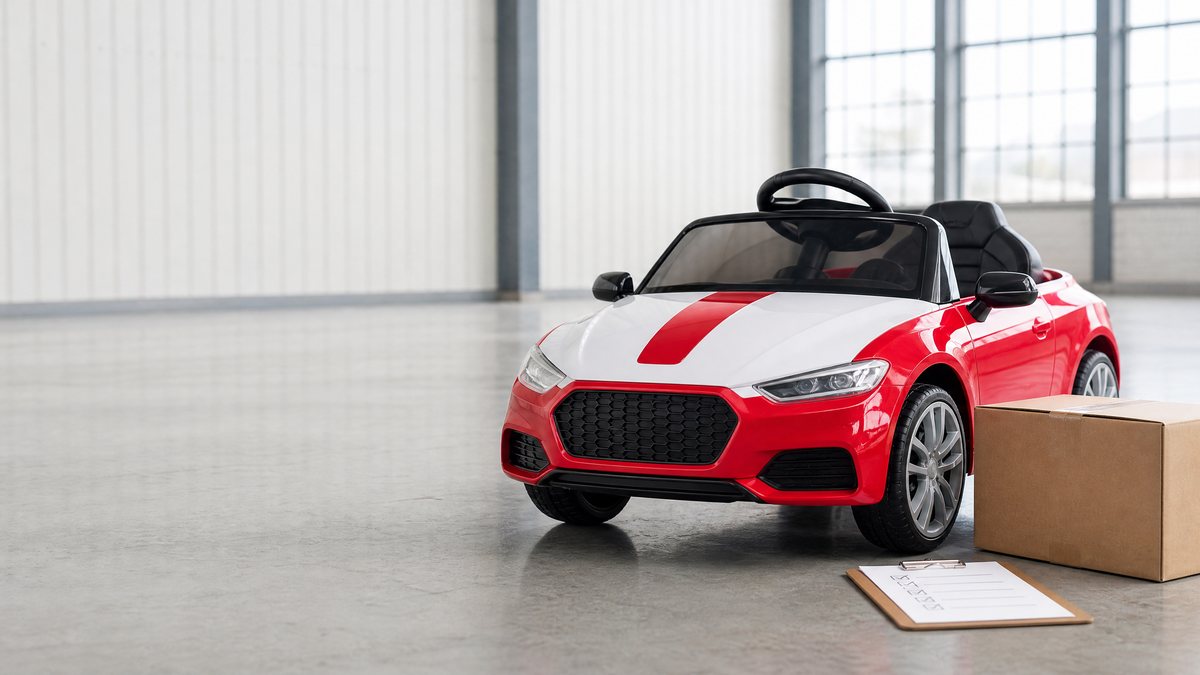
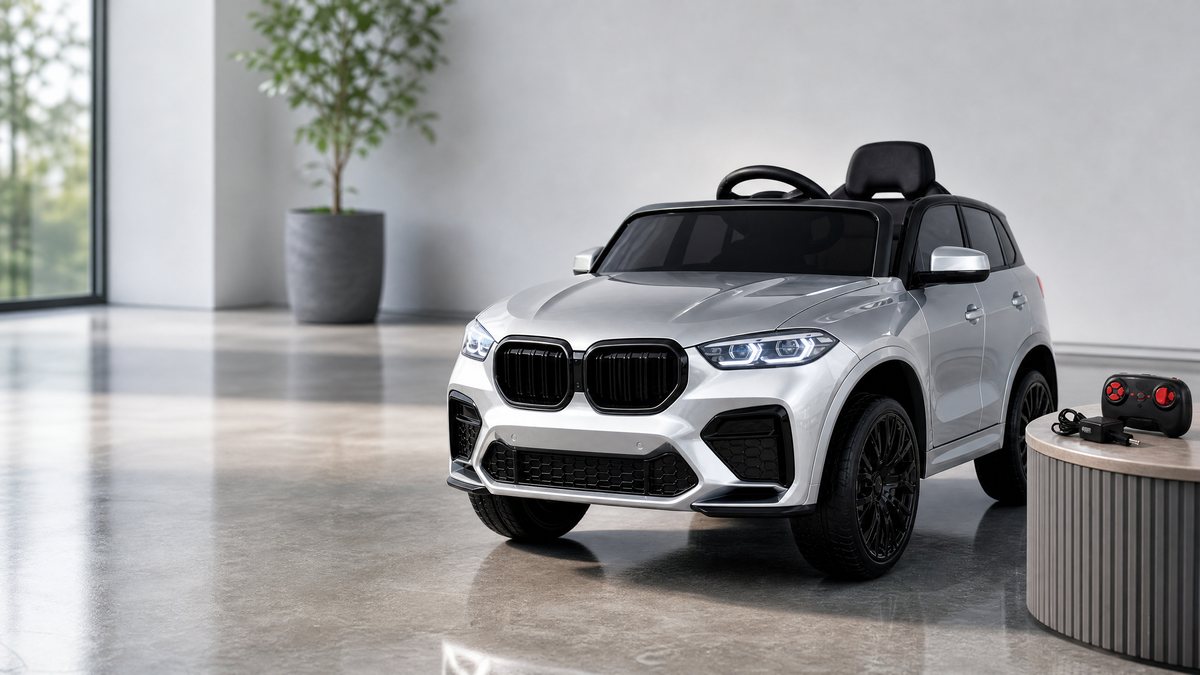
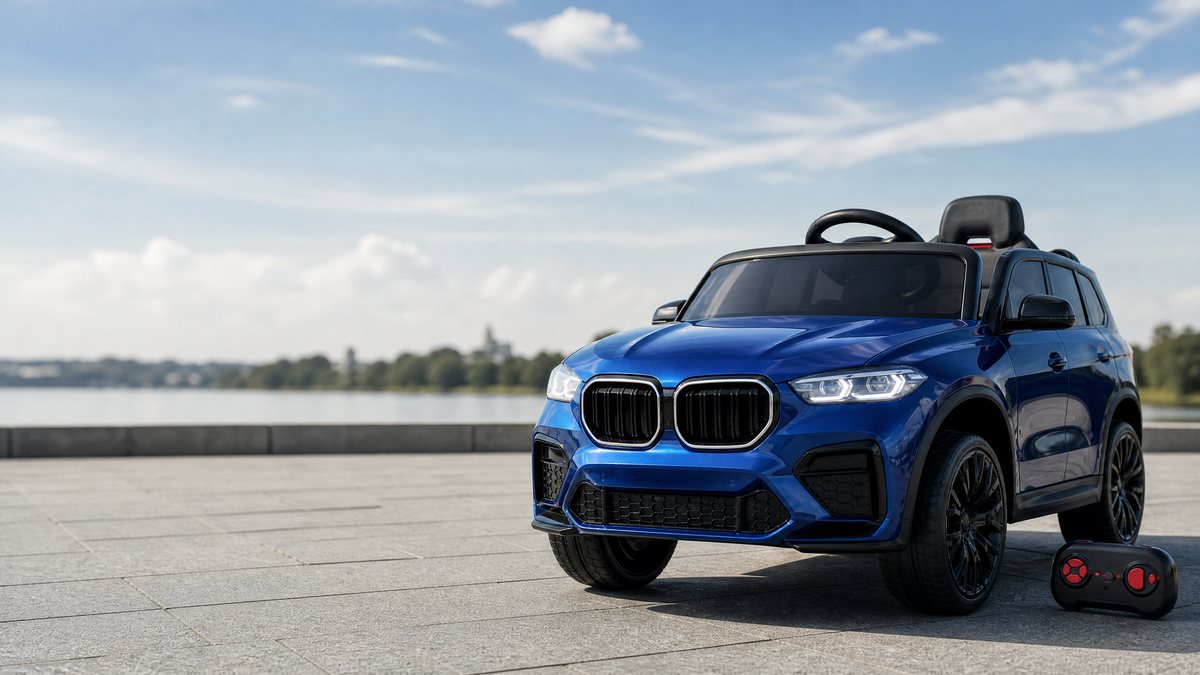
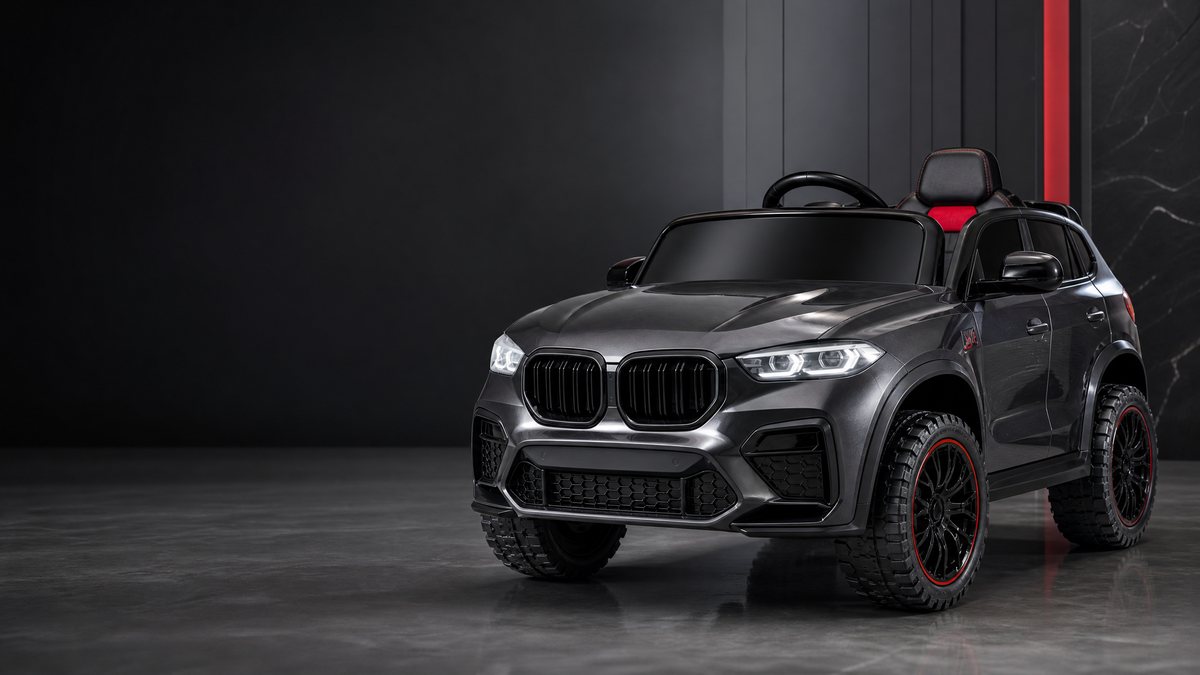
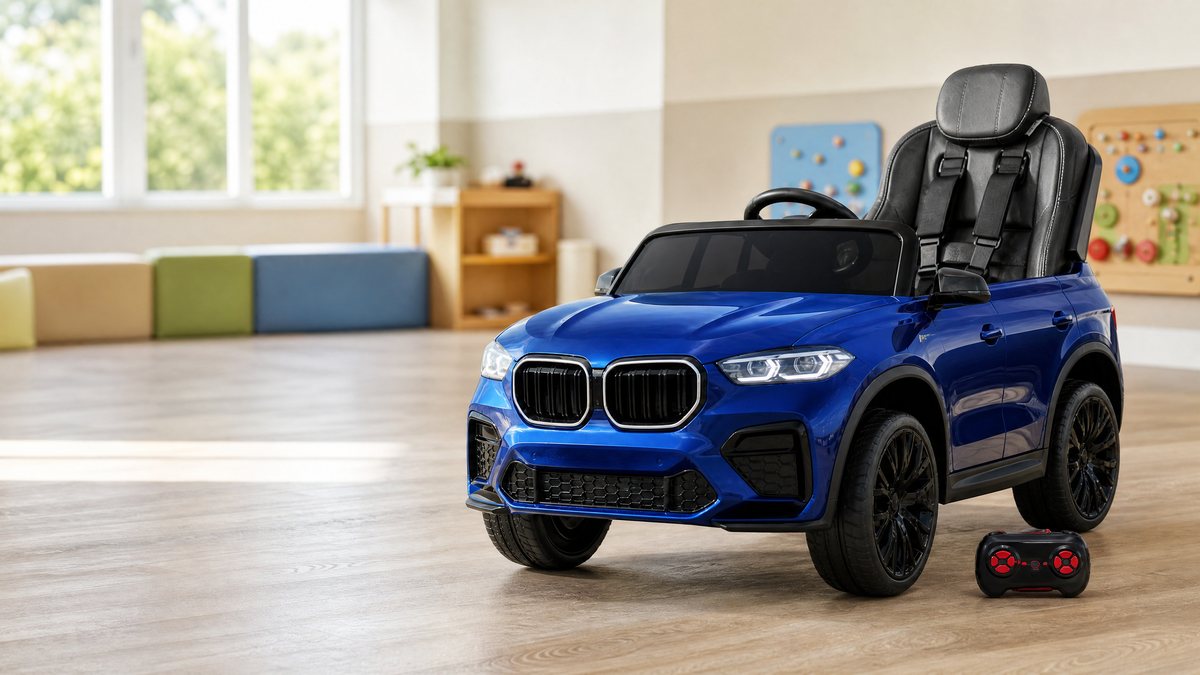
Premium, licensed replica ride-on cars frequently feature multi-layer spray coatings, metallic flakes, and clear-coat applications designed to mimic full-sized luxury automobiles.
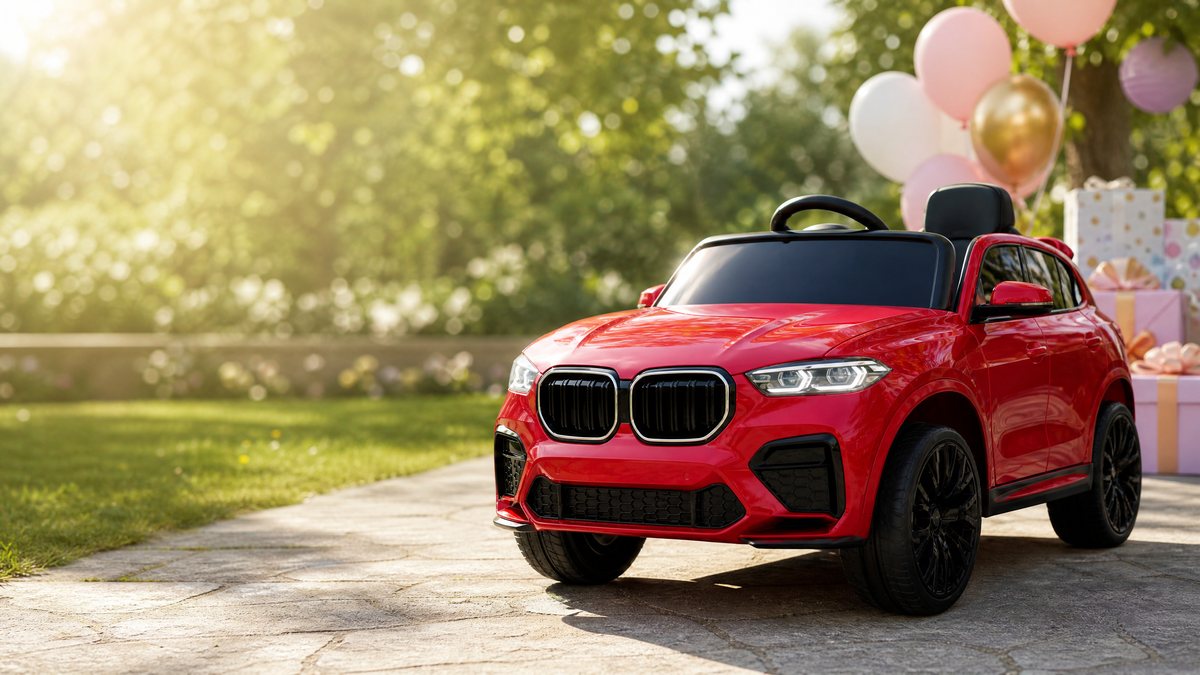
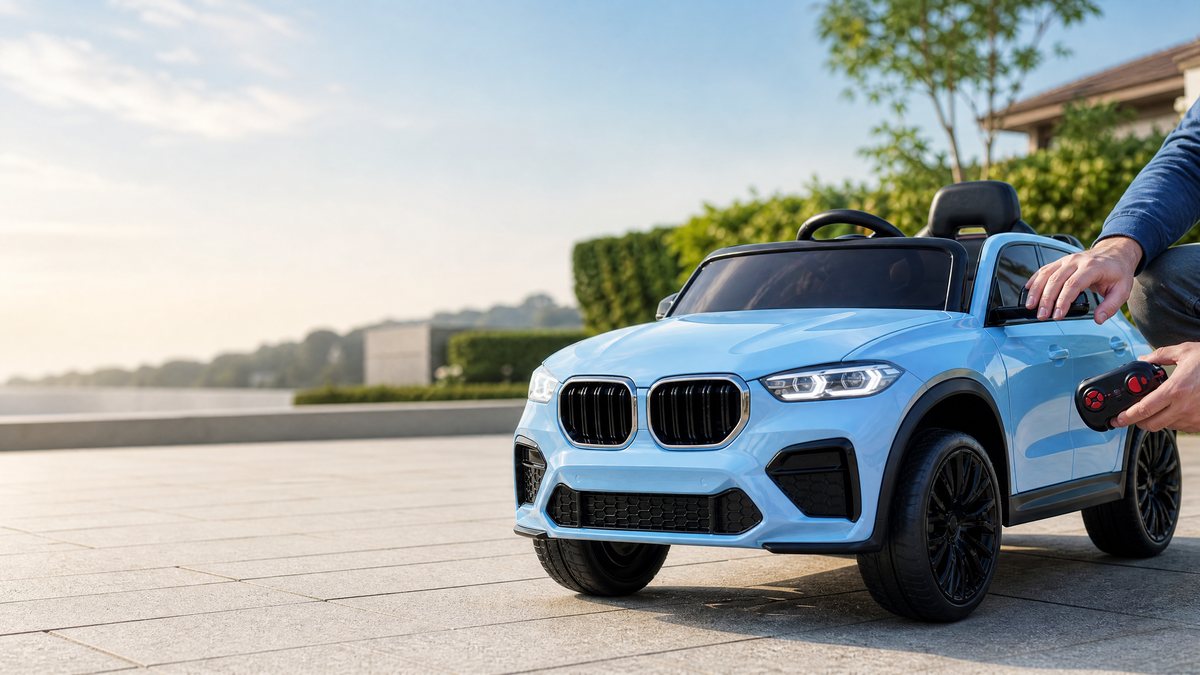
* Surface Characteristics: These finishes offer exceptional gloss depth, mirror-like reflectivity, and vibrant color fidelity that capture consumer attention on retail showroom floors.
* Durability Profile: While visually striking, painted surfaces are inherently more susceptible to visible surface scratches. When friction or sharp edges penetrate the clear coat and color layer, the contrasting primer or base plastic underneath becomes readily apparent.
* Maintenance Implications: Painted models require careful handling during transport, assembly, and operation. Protective waxes and non-abrasive cleaning protocols help preserve the exterior luster and minimize micro-scratching.
Evaluation Methodology: Assessing Surface Resilience
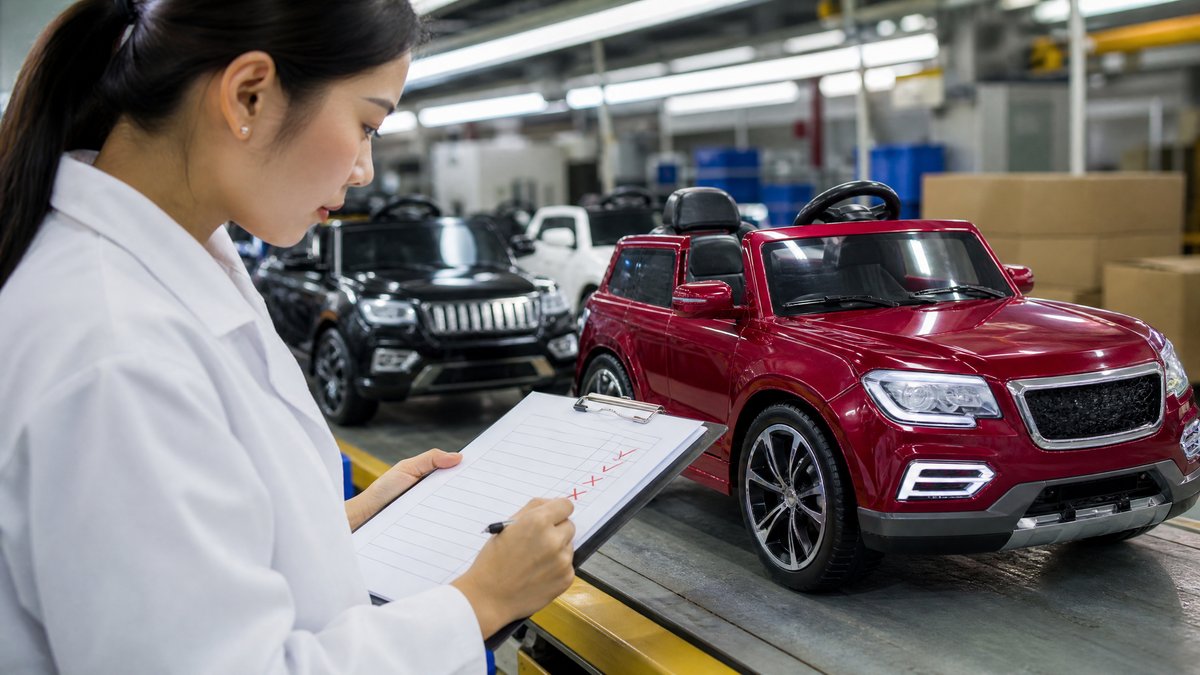
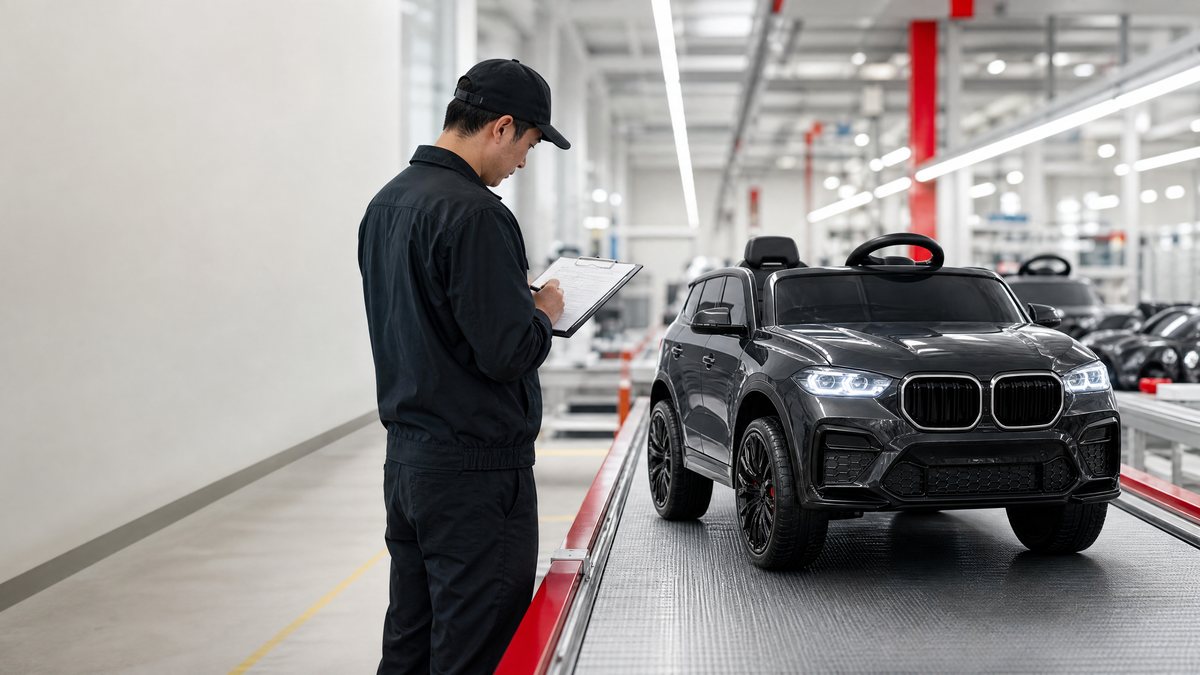
When evaluating ride-on car inventory samples or conducting quality audits, procurement teams should implement a standardized assessment methodology. Because real-world performance depends heavily on operational environments, testing protocols should focus on standardized tactile and visual inspections rather than simulated destructive trials.
1. Coating Adhesion and Edge Coverage Inspection
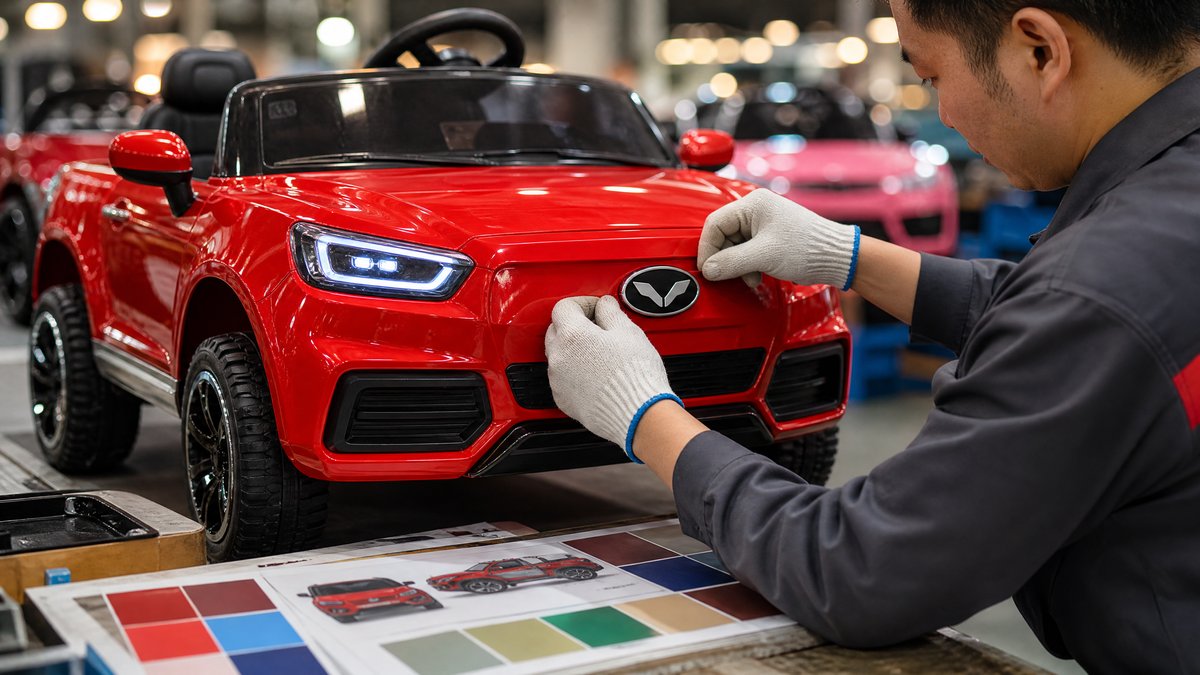
A primary indicator of paint longevity is the uniformity of primer and topcoat adhesion across complex injection-molded contours. During sample evaluation, inspectors should examine high-wear zones, such as wheel arches, bumper corners, and door thresholds. Adequate curing and proper surface preparation prevent premature flaking, peeling, or chipping when the vehicle encounters minor bumps or friction against household walls and outdoor boundaries.
2. Scratch Visibility and Hardness Assessment
While all painted surfaces can be scratched under sufficient mechanical force, the threshold of resistance varies by coating formulation. Buyers should assess whether surface finishes withstand light fingernail pressure or mild incidental contact without marring. High-gloss finishes tend to highlight micro-swirl marks and hairline scratches under direct lighting, whereas matte or satin textured finishes offer enhanced visual forgiveness against everyday scuffs.
3. Environmental and UV Exposure Resilience
Exterior finishes must endure prolonged exposure to sunlight, temperature fluctuations, and varying humidity levels. Quality evaluations should review manufacturer specifications regarding UV-stabilized pigments and clear coats that resist yellowing, fading, or chalking over extended periods of outdoor storage. Retailers should advise end-users to utilize protective covers or shaded parking areas to preserve exterior pigment integrity.
Comparative Analysis of Ride-On Finish Options
To assist procurement decision-makers in selecting appropriate inventory tiers, the following decision matrix outlines the comparative performance characteristics of different exterior finish categories across key operational metrics.
| Finish Category | Visual Appeal | Scratch Visibility | UV Fade Resistance | Impact Resilience | Maintenance Complexity | Target Market Segment |
|---|---|---|---|---|---|---|
| Molded-In Pigment | Standard Semi-Gloss | Low (Scuffs blend in) | Moderate | High (Flexible resin) | Low (Soap & water) | Budget & Outdoor Utility |
| Standard Enamel Paint | Bright Gloss | Moderate | Moderate | Moderate | Moderate | Mid-Tier Consumer Retail |
| Automotive Clear-Coat | Deep Luxury Gloss | High (Scratches stand out) | High (UV Inhibitors) | Moderate-High | High (Waxes required) | Premium Licensed Replicas |
Practical Inspection and Maintenance Checklist
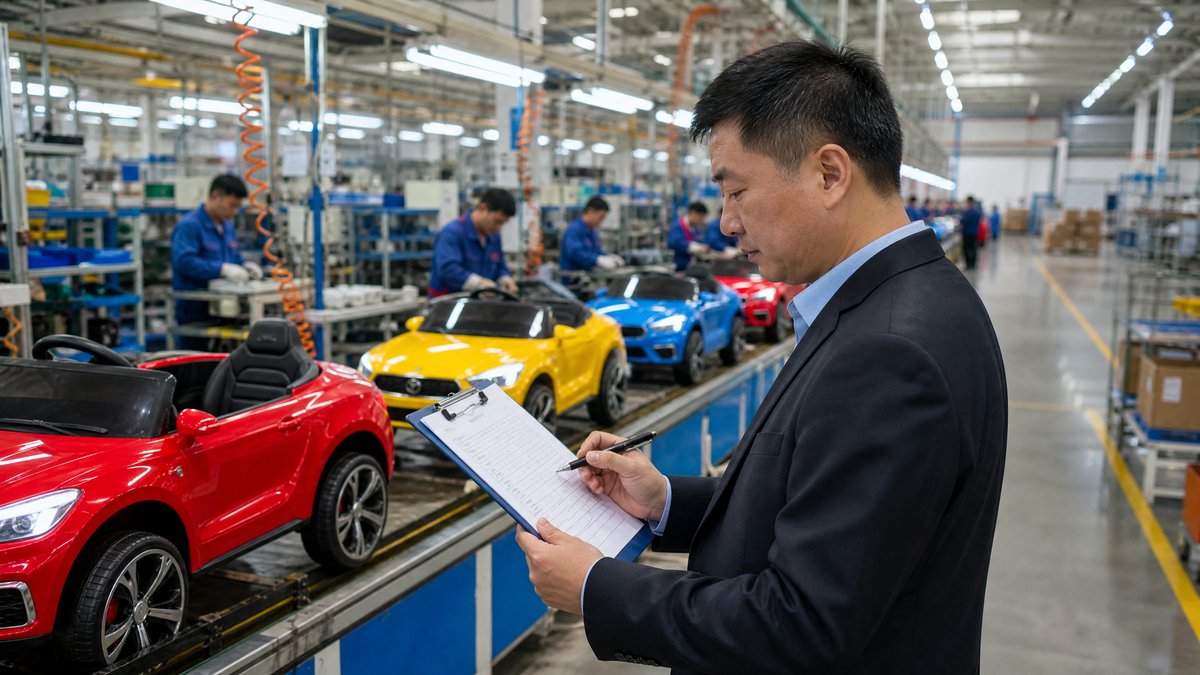
Ensuring that ride-on car exteriors maintain their aesthetic appeal throughout their lifecycle requires a combination of rigorous pre-shipment quality checks and ongoing maintenance discipline. Procurement teams and retail partners can utilize the following checklist to guide operations.
* Pre-Shipment Sample Inspection:
* Verify uniform paint thickness and absence of runs, pooling, or orange-peel texture across body panels.
* Check all body seams and alignment joints to ensure protective coatings do not bridge gaps that could cause cracking during assembly.
* Confirm that protective polyethylene film wrapping is securely applied to painted surfaces to prevent transit scuffs.
* Assembly and Handling Best Practices:
* Utilize clean, soft assembly blankets to prevent scratching exterior panels during steering wheel, windshield, and wheel installation.
* Ensure tools are handled with care away from painted body surfaces to avoid accidental gouges.
* Operation and Safety Compliance:
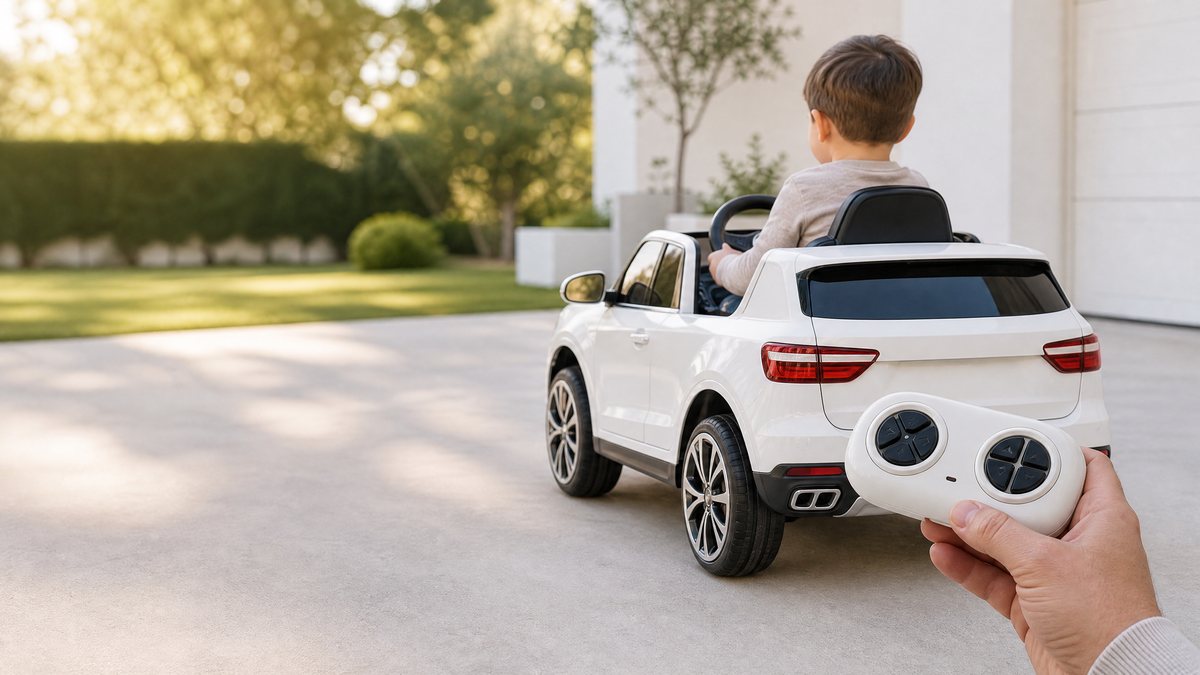
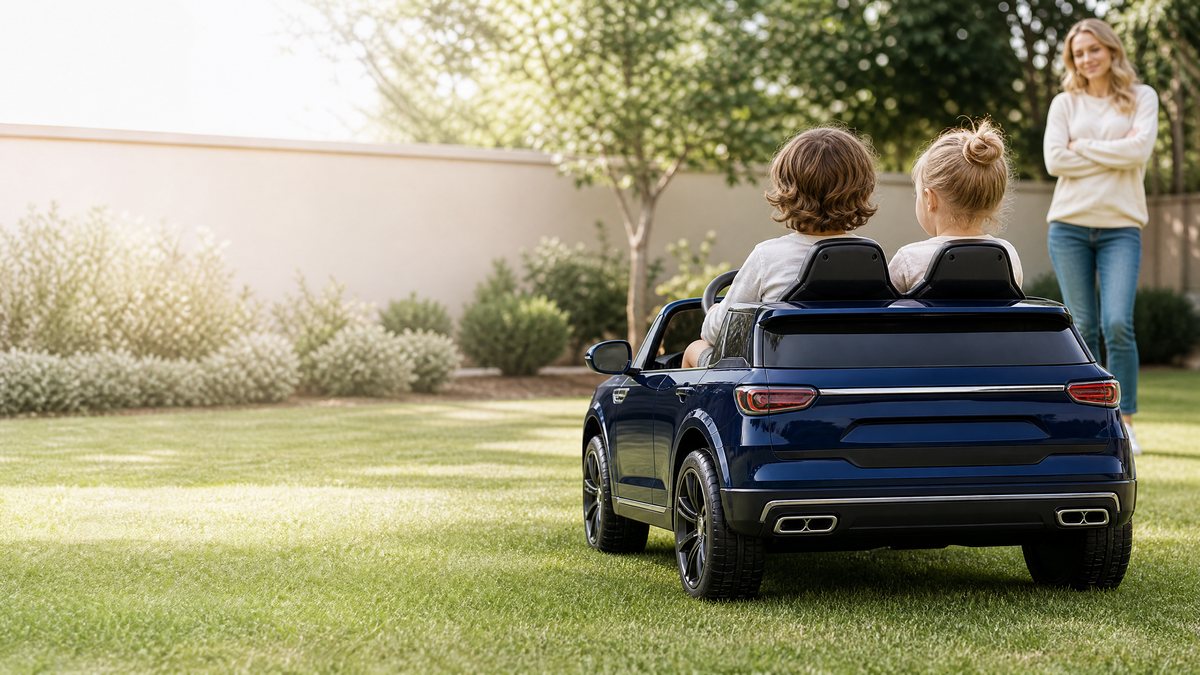
* Supervision & Environment: Emphasize that ride-on vehicles must always be operated under direct adult supervision on smooth, stable surfaces. Avoid operating near stairs, steep inclines, swimming pools, or roadways.
* Braking and Traction: Remind users that wet, icy, or loose gravel surfaces significantly reduce braking efficiency and traction, increasing sliding risks and potential impact damage to bodywork.
* Seasonal Storage: Store vehicles indoors during extreme winter or high-temperature conditions to prevent thermal stress on painted and molded components.
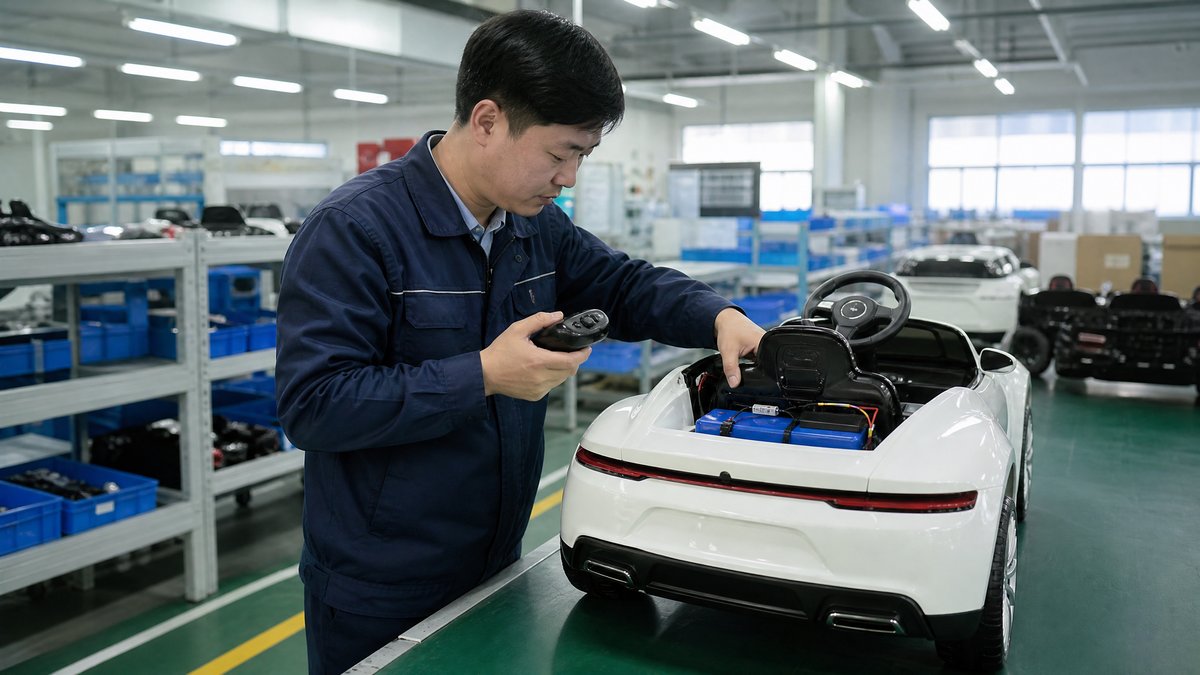
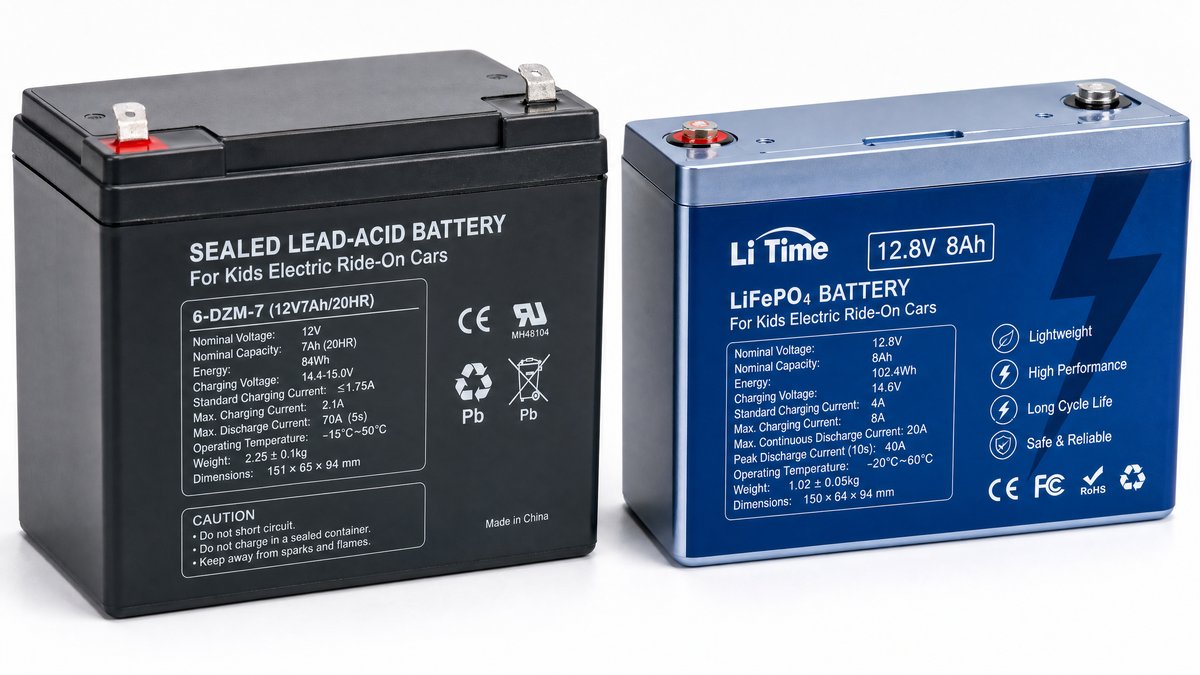
* Power and Electrical Safety: Strictly follow manufacturer instructions regarding battery charging durations, approved charger specifications, and battery replacement procedures. Never modify electrical systems or bypass built-in safety fuses.
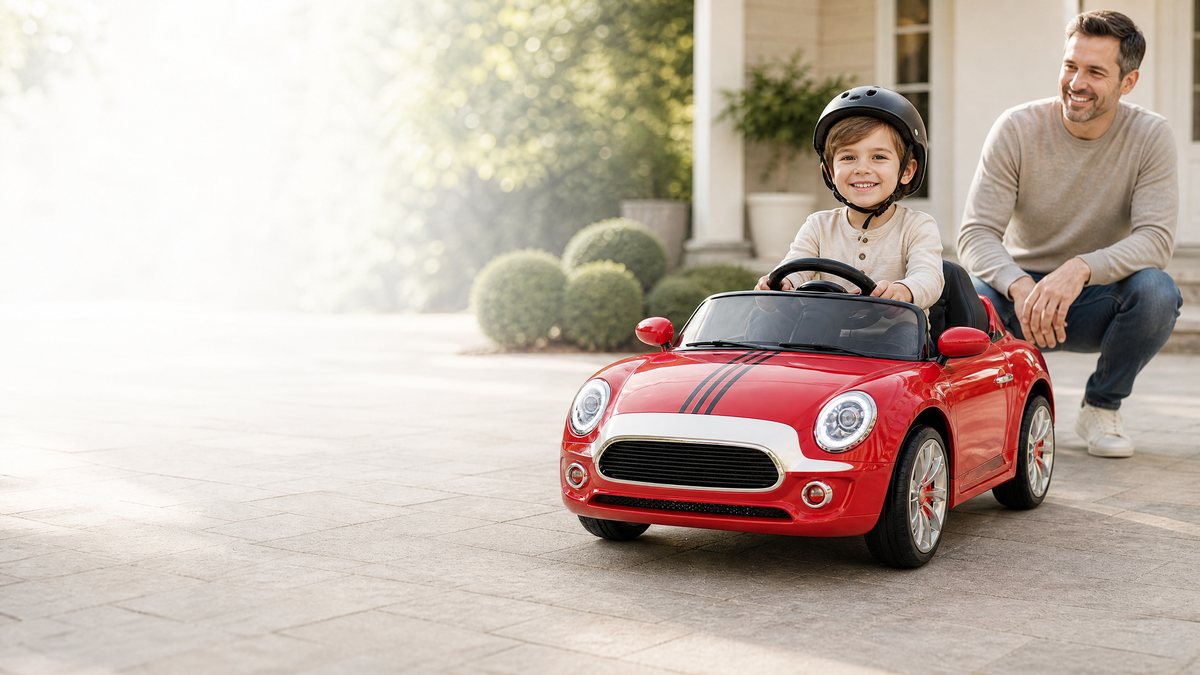
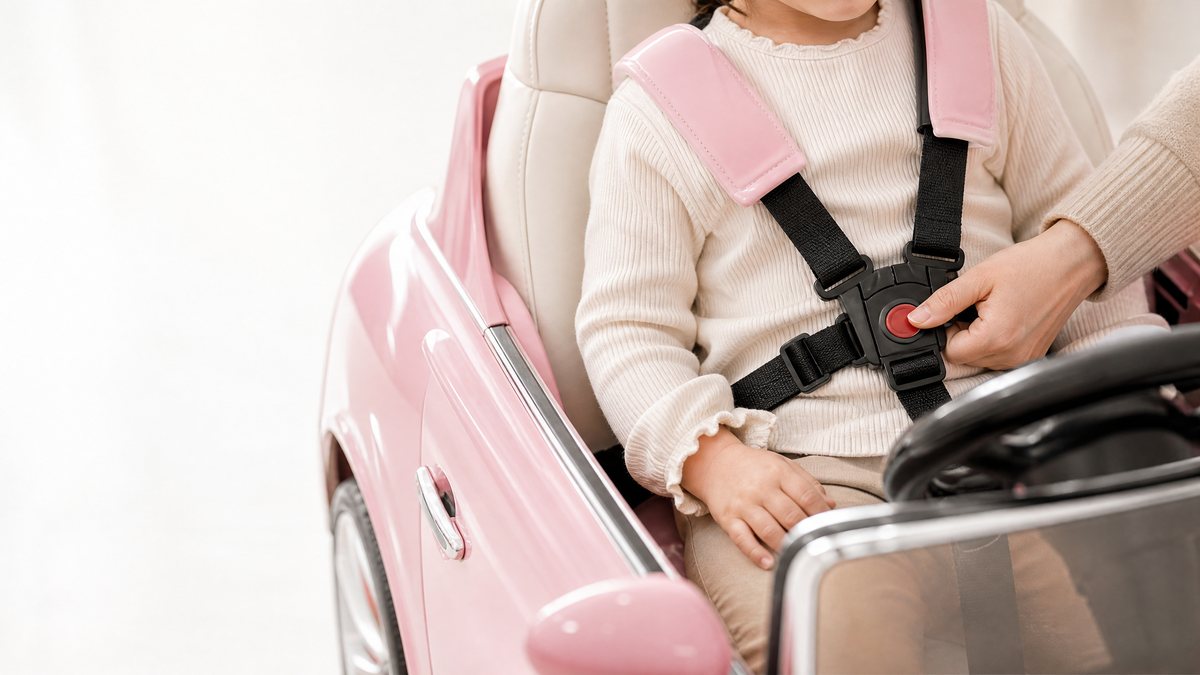
* Safety Restraints: Always ensure child occupants wear fitted seat belts and appropriate protective gear (helmets) in accordance with applicable safety standards before operating the vehicle.
Frequently Asked Questions (FAQ)
Do painted ride-on cars scratch more easily than unpainted molded plastic models?
Yes, spray-painted or automotive-grade finishes are generally more prone to visible scratching compared to solid, molded-in color plastics. When a sharp object penetrates the topcoat of a painted vehicle, the contrasting base material underneath becomes visible. Conversely, molded plastics maintain a consistent color throughout, making minor surface scuffs far less noticeable, though painted models offer superior initial gloss and luxury aesthetics.
How can wholesale buyers evaluate surface finish quality before placing bulk orders?
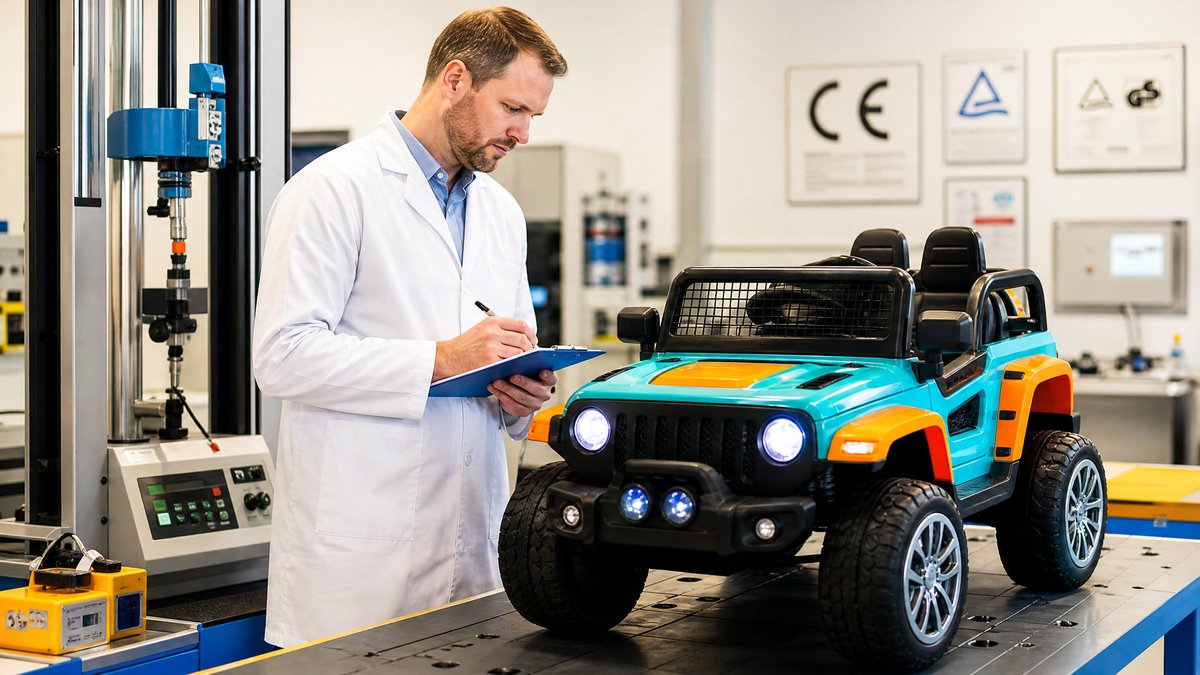
Wholesale buyers should request physical production samples to conduct thorough visual and tactile inspections. Key evaluation steps include examining coating uniformity across complex curves, checking for proper primer bonding, verifying packaging protection layers during transit, and assessing UV-stabilization documentation provided by the manufacturing facility.
Can minor surface scratches on a painted ride-on car be repaired?
Minor surface scratches and hairline scuffs on glossy or painted ride-on cars can often be mitigated using fine automotive polishing compounds and microfiber cloths, provided the scratch has not penetrated the base plastic. For deeper gouges, touch-up paint matching the specific vehicle color code can restore visual continuity. Users should always test polishing products on an inconspicuous area first.
What storage practices help preserve exterior paint quality over time?
To maximize exterior lifespan, ride-on cars should be stored in climate-controlled indoor environments away from direct sunlight, moisture, and extreme temperature shifts. Prolonged exposure to intense UV radiation degrades clear coats and fades pigment vibrancy, while damp conditions can affect metal fasteners and electrical connections. Using breathable protective covers when indoor storage is unavailable provides an effective secondary defense.
How do maintenance practices intersect with child safety requirements?
Maintaining exterior body panels and keeping vehicles clean ensures that warning labels, reflectors, and mirrors remain clearly visible. Furthermore, routine inspections of bodywork allow parents and caregivers to identify structural cracks, loose components, or sharp edges resulting from impact damage before they pose injury risks. Safety compliance—including functional braking checks, secure seat belt usage, and strict adherence to manufacturer charging instructions—remains paramount alongside cosmetic upkeep.
Conclusion and B2B Sourcing Opportunities
Evaluating ride-on car paint quality and scratch resistance requires a balanced understanding of manufacturing techniques, material science, and real-world usage environments. While automotive-style painted finishes deliver exceptional showroom appeal and luxury realism, molded-in plastics offer rugged durability and lower visual maintenance for heavy outdoor play. By establishing clear inspection standards, communicating proper care protocols, and emphasizing strict safety guidelines, B2B buyers and retail partners can deliver exceptional value to their customers.
We invite global distributors, toy retailers, and procurement specialists to partner with us. Contact our team today to explore our comprehensive catalog of certified children's ride-on vehicles, request product evaluation samples, and discuss tailored wholesale solutions designed to elevate your product offerings.
Official references
Explore these external resources for current regulatory and trade guidance. Confirm requirements with the relevant authority before placing an order.
Ready to Start?
Factory-Direct · CE & ASTM Certified · MOQ from 50 Units
Our export team works with buyers in 60+ countries. Get a quote within 24 hours.
KR
Written by KidsRideCar
China's leading kids electric ride-on car manufacturer. 500,000+ units shipped annually to 60+ countries. CE, ASTM & EN71 certified.