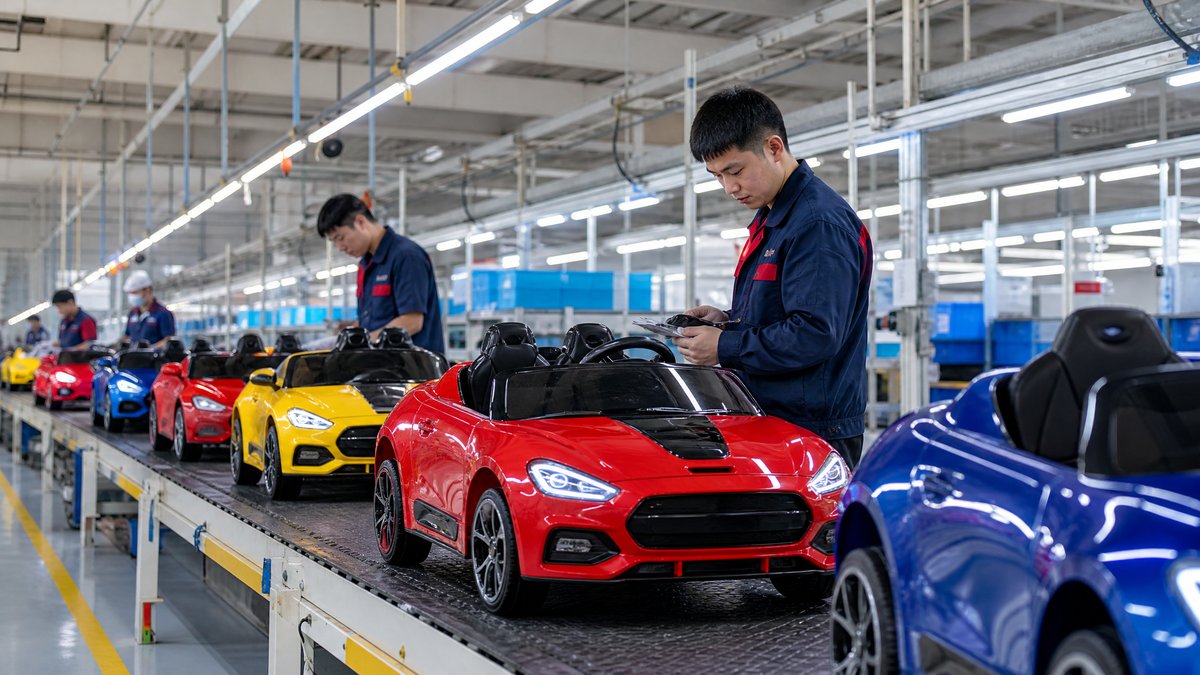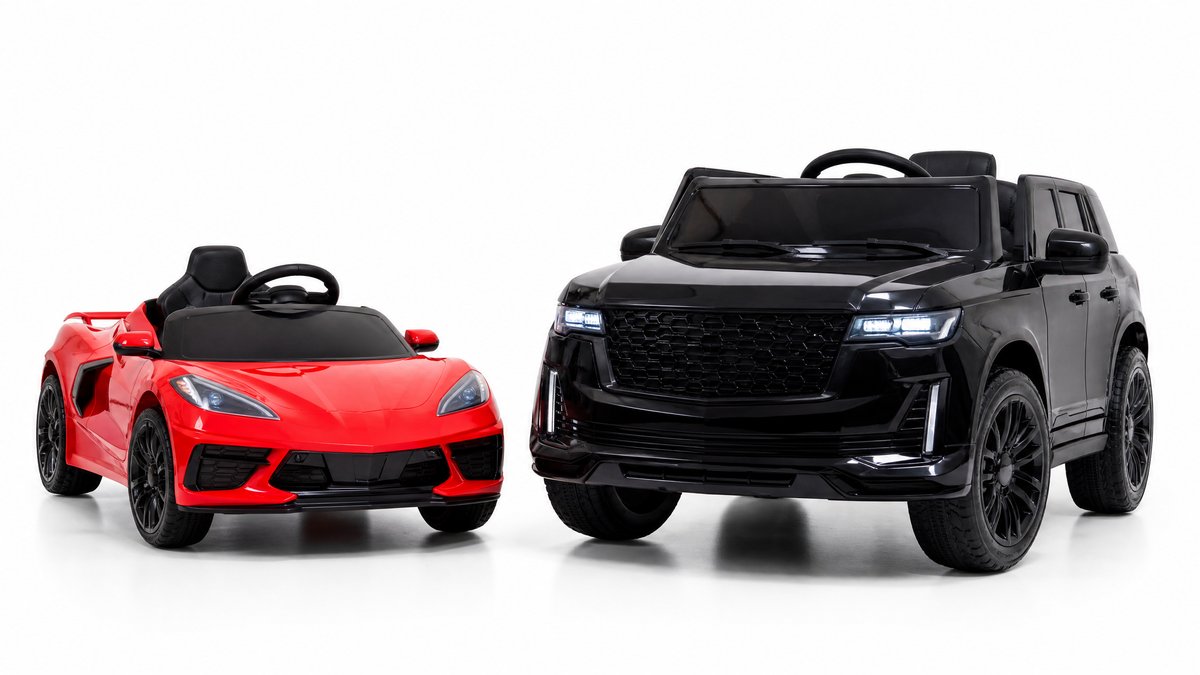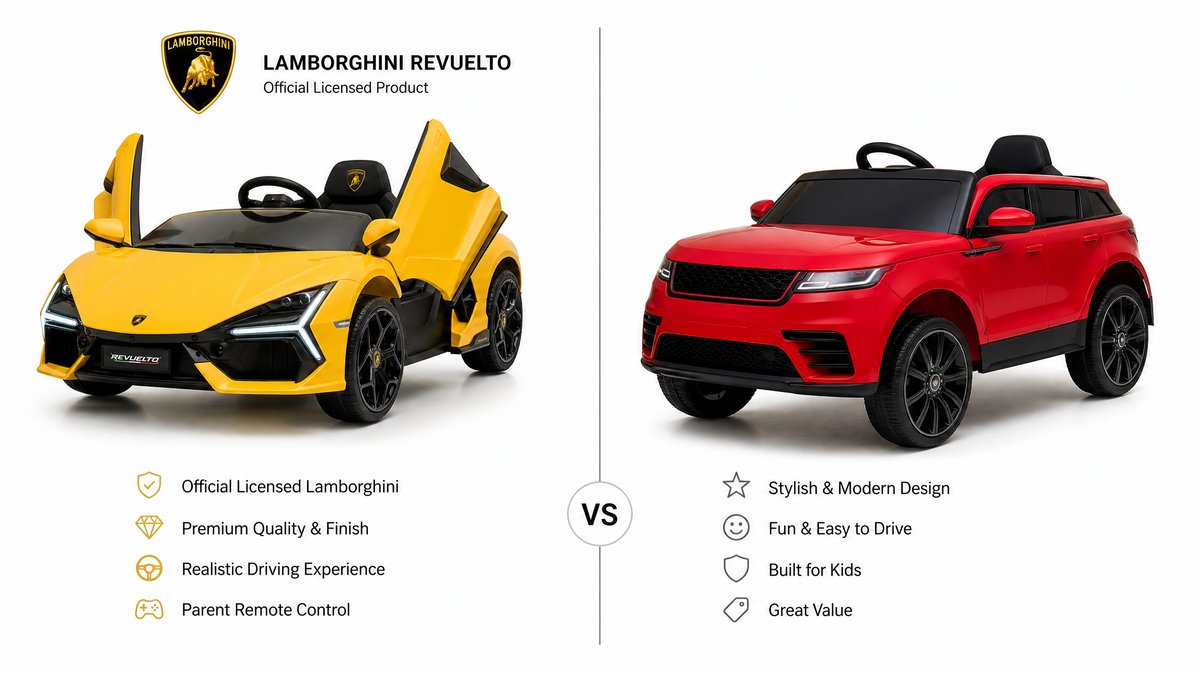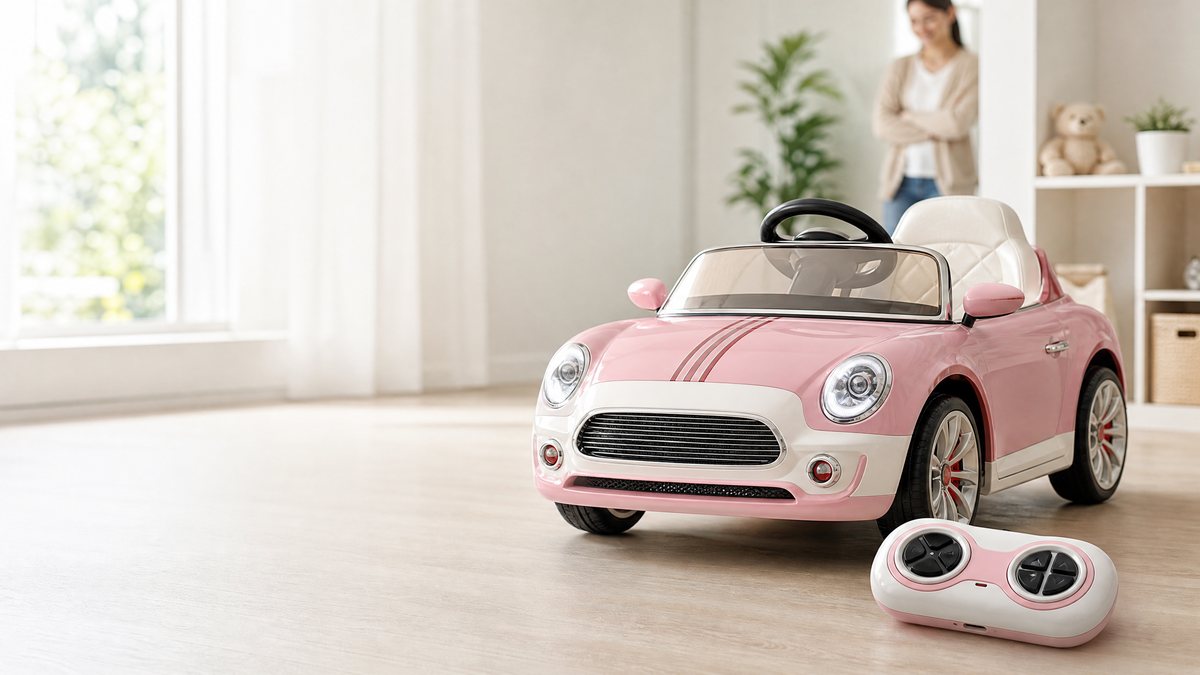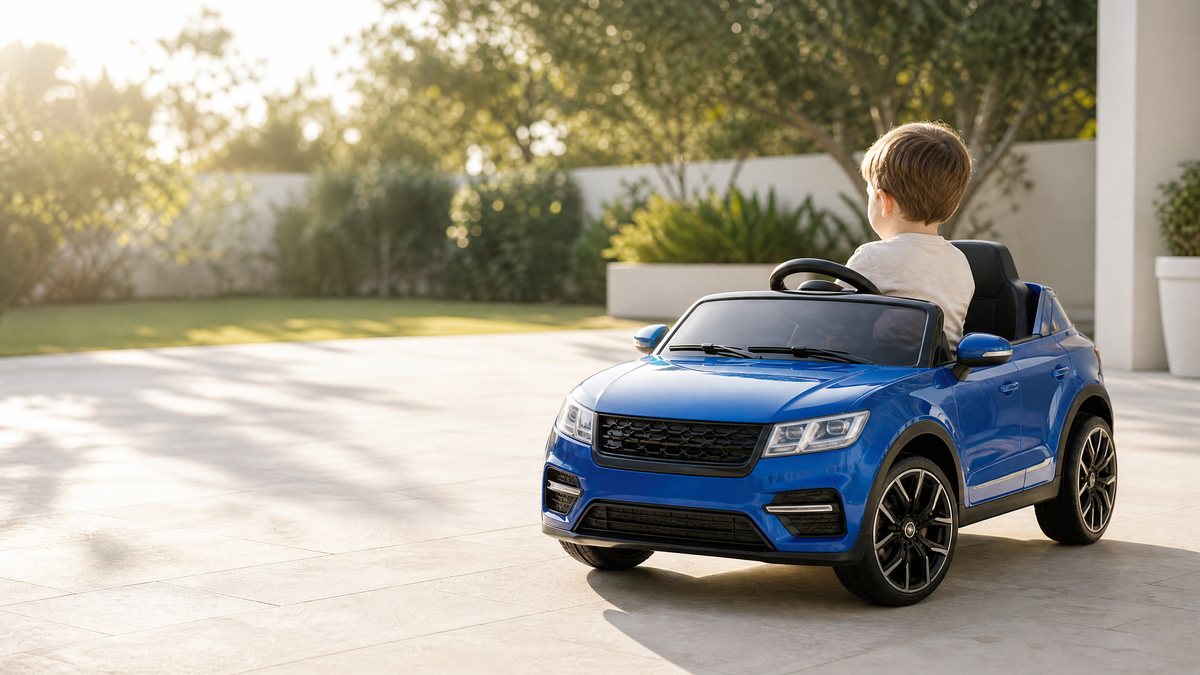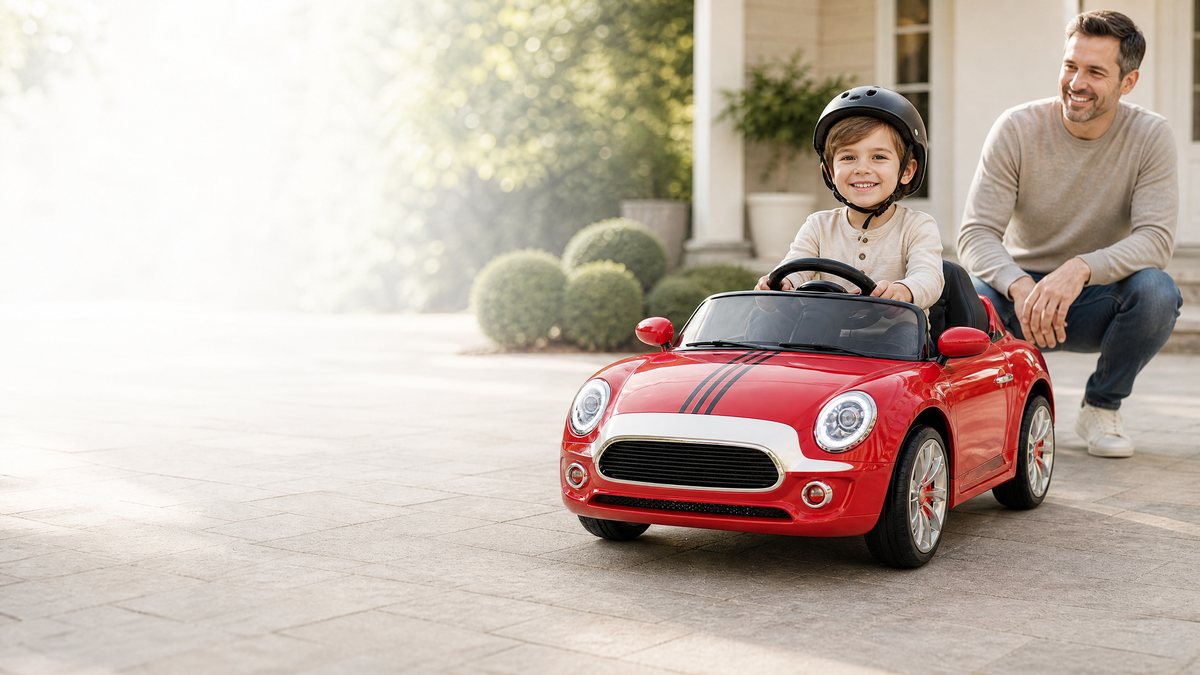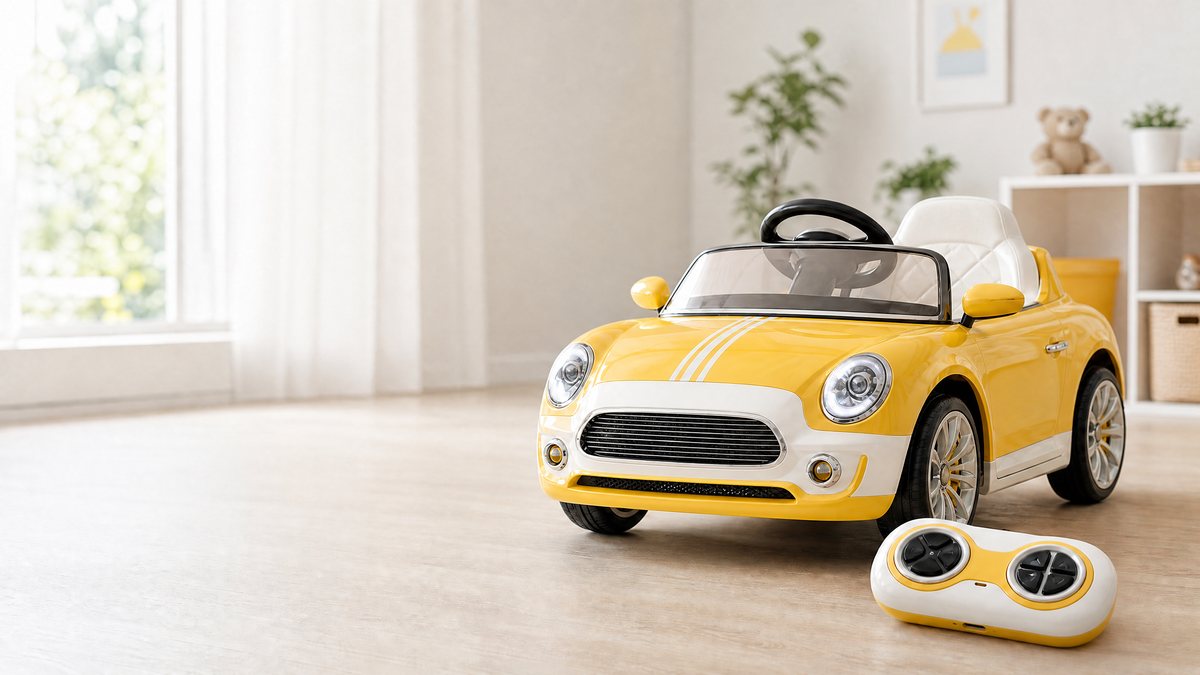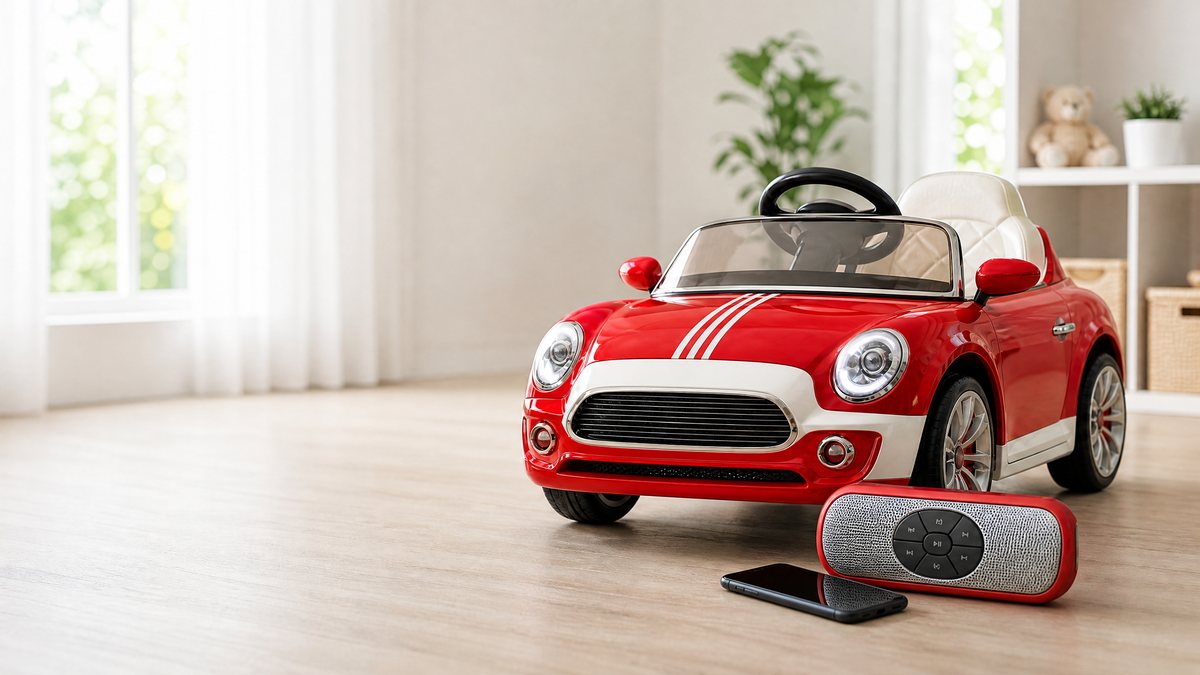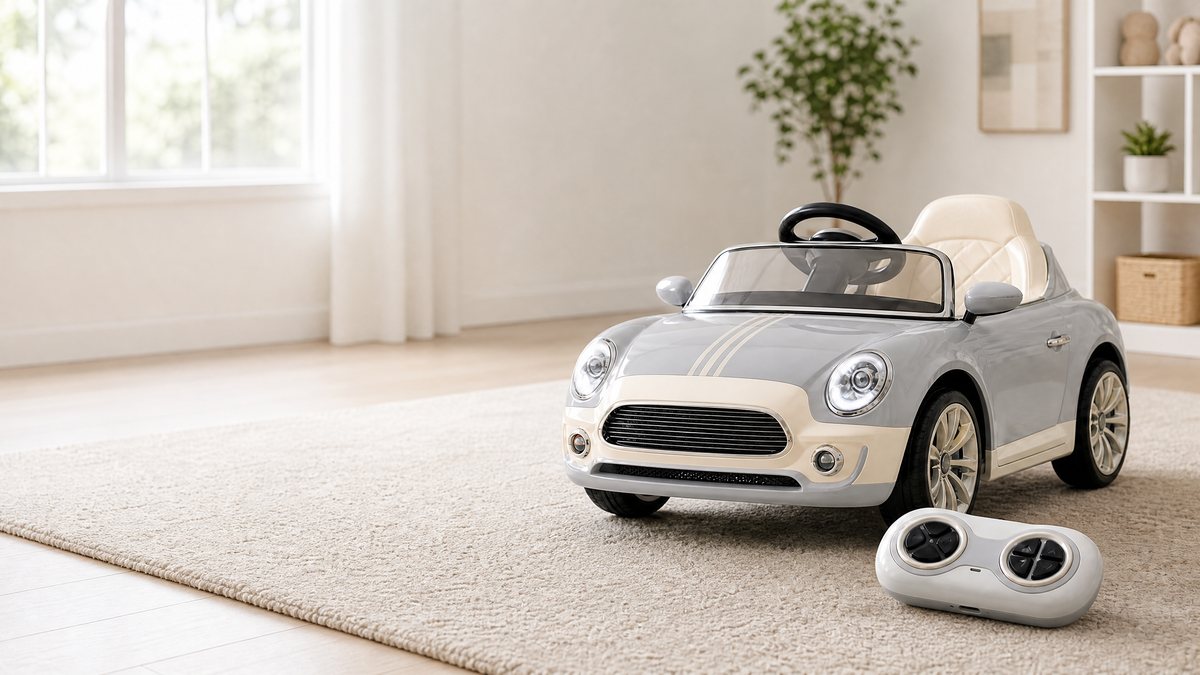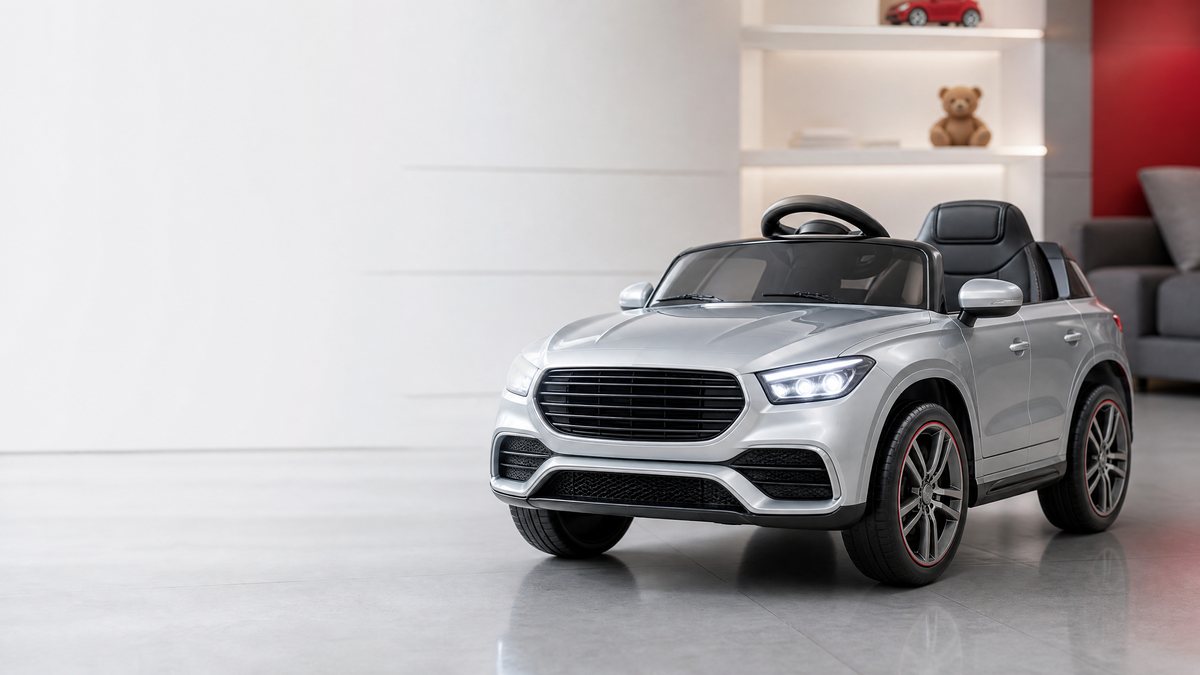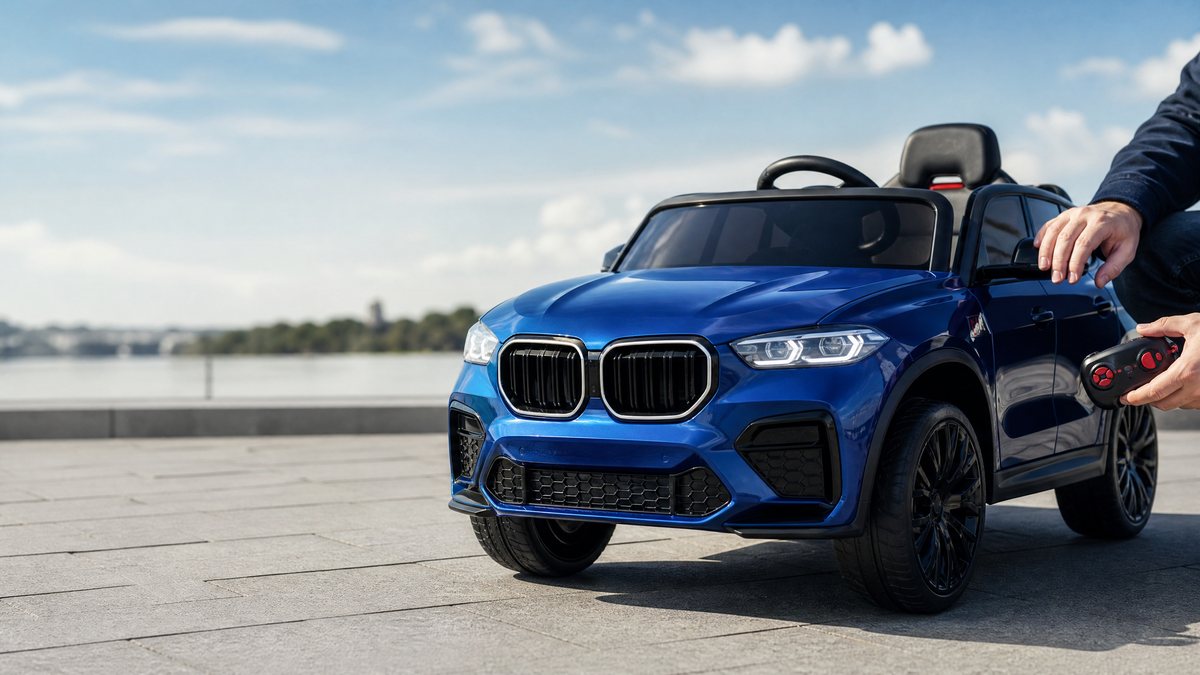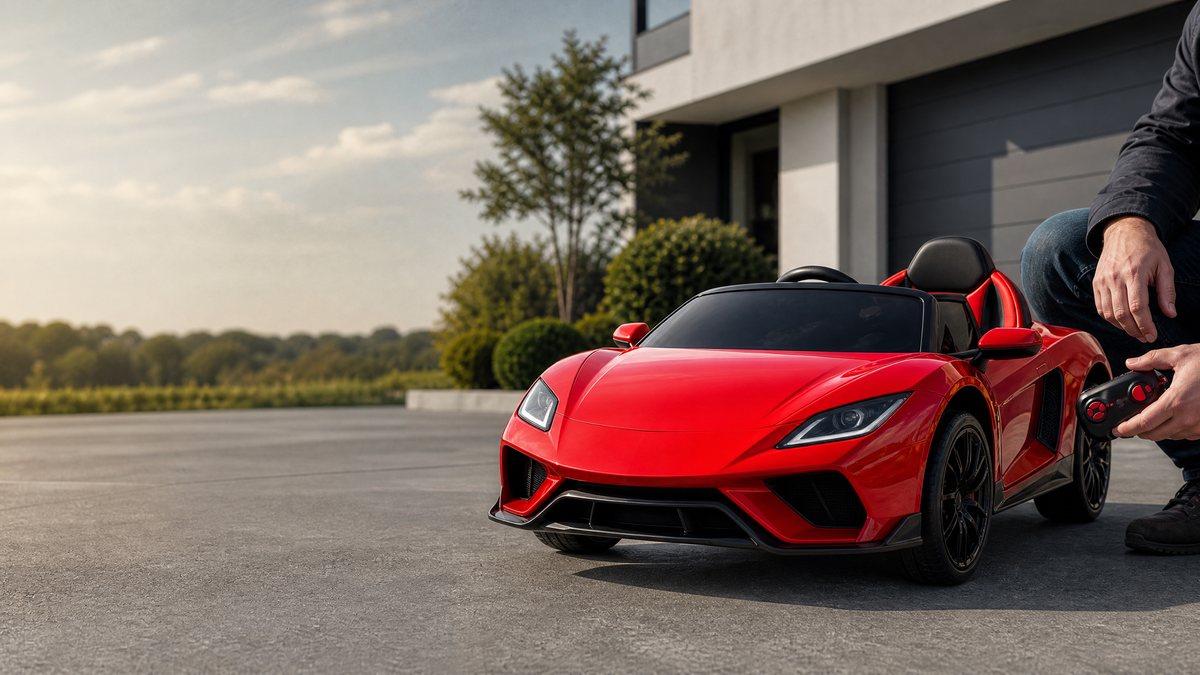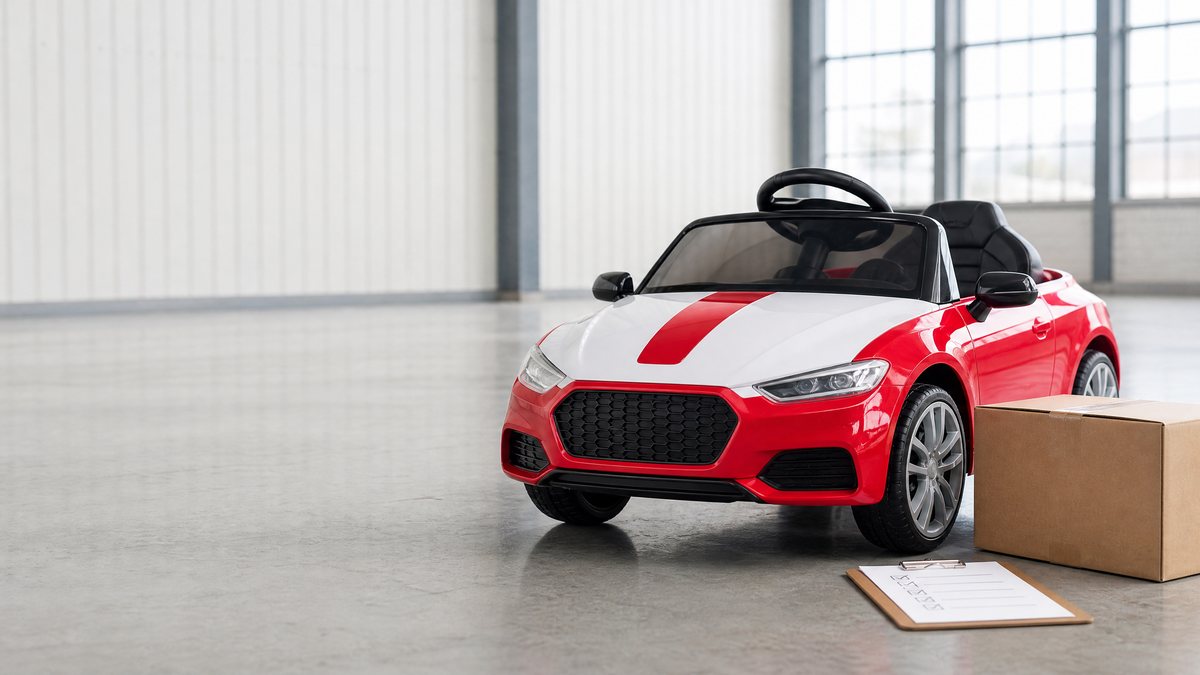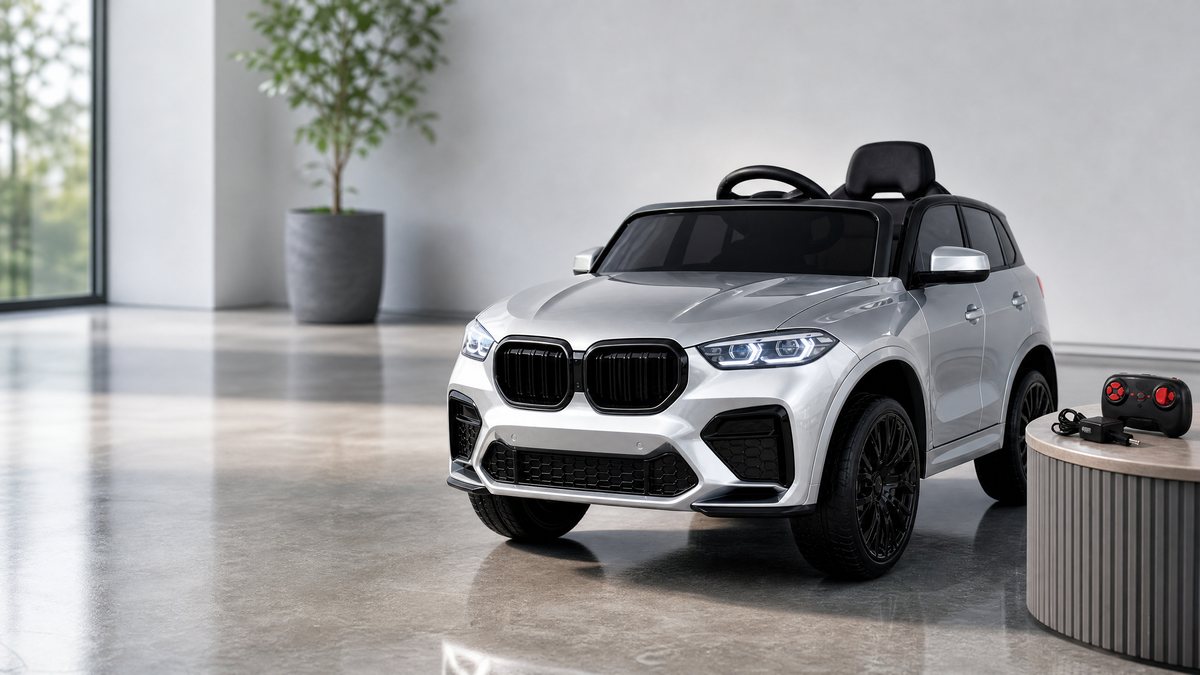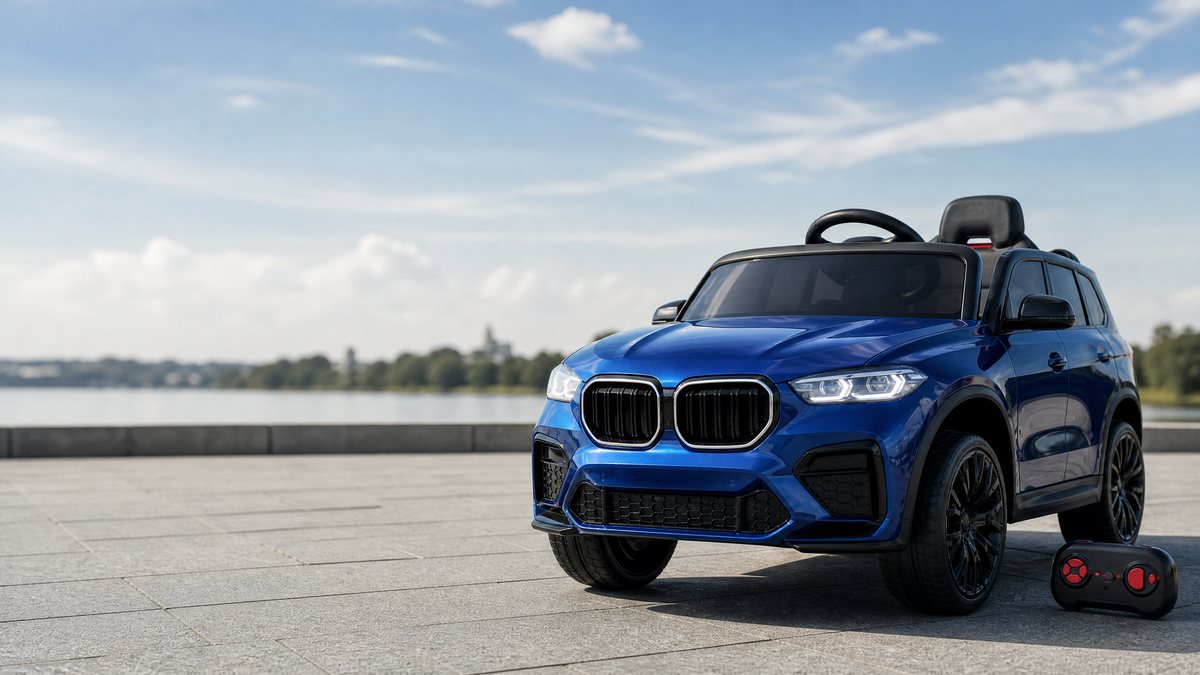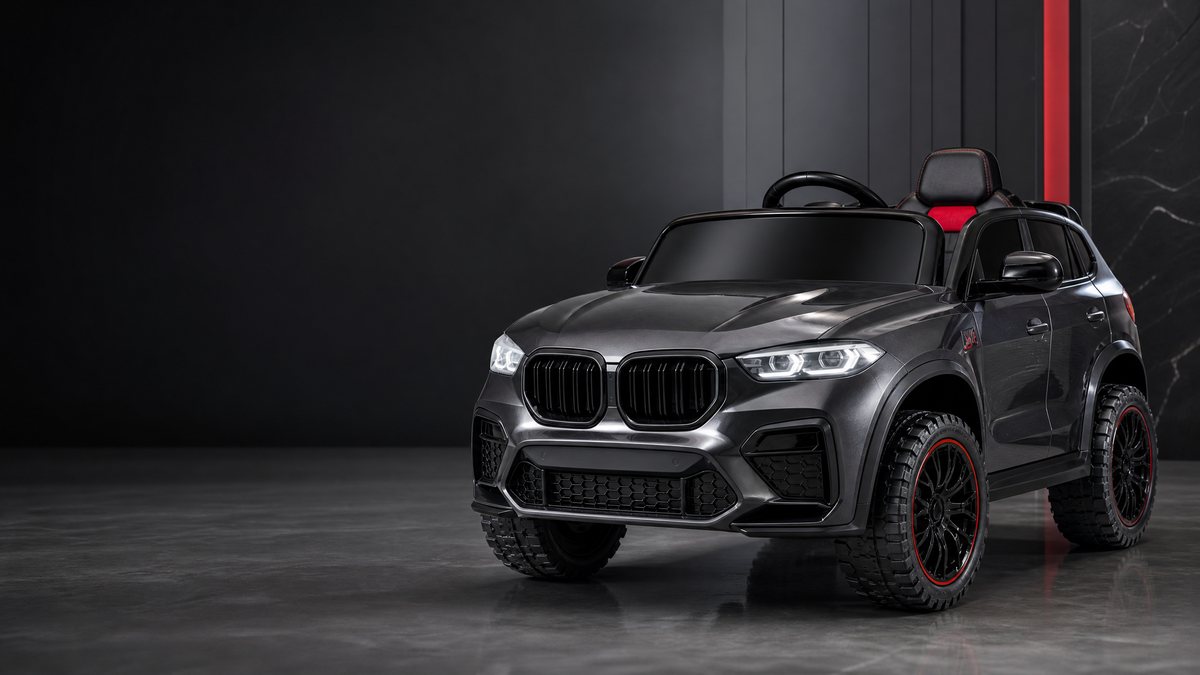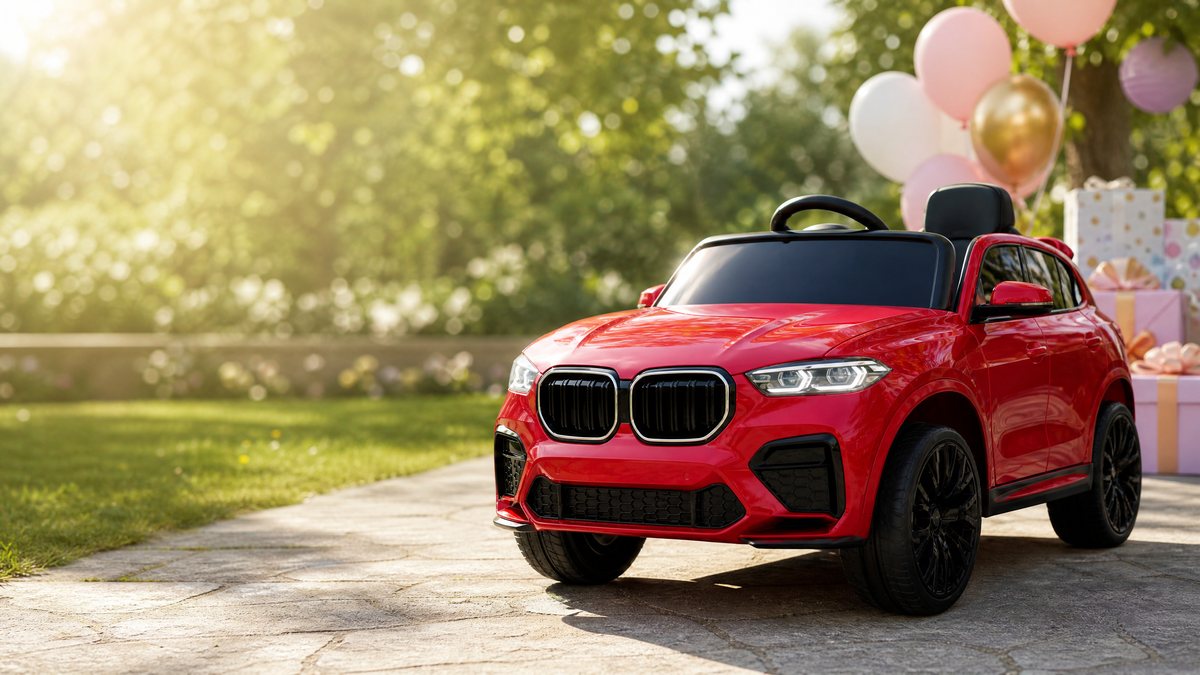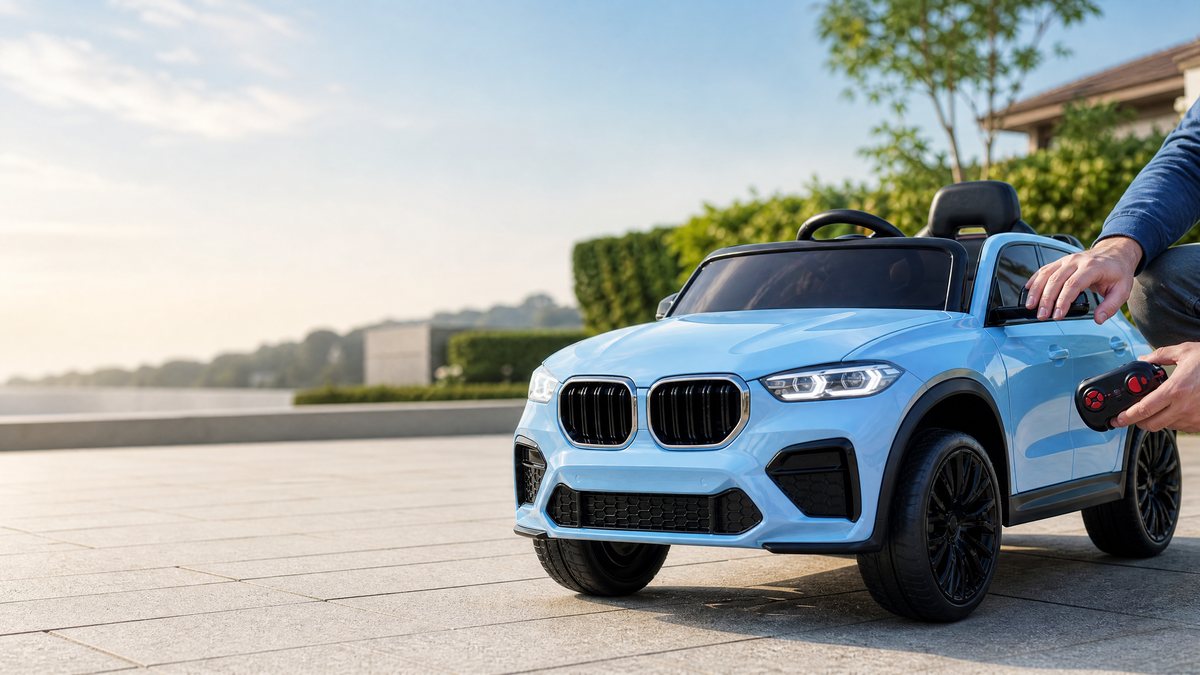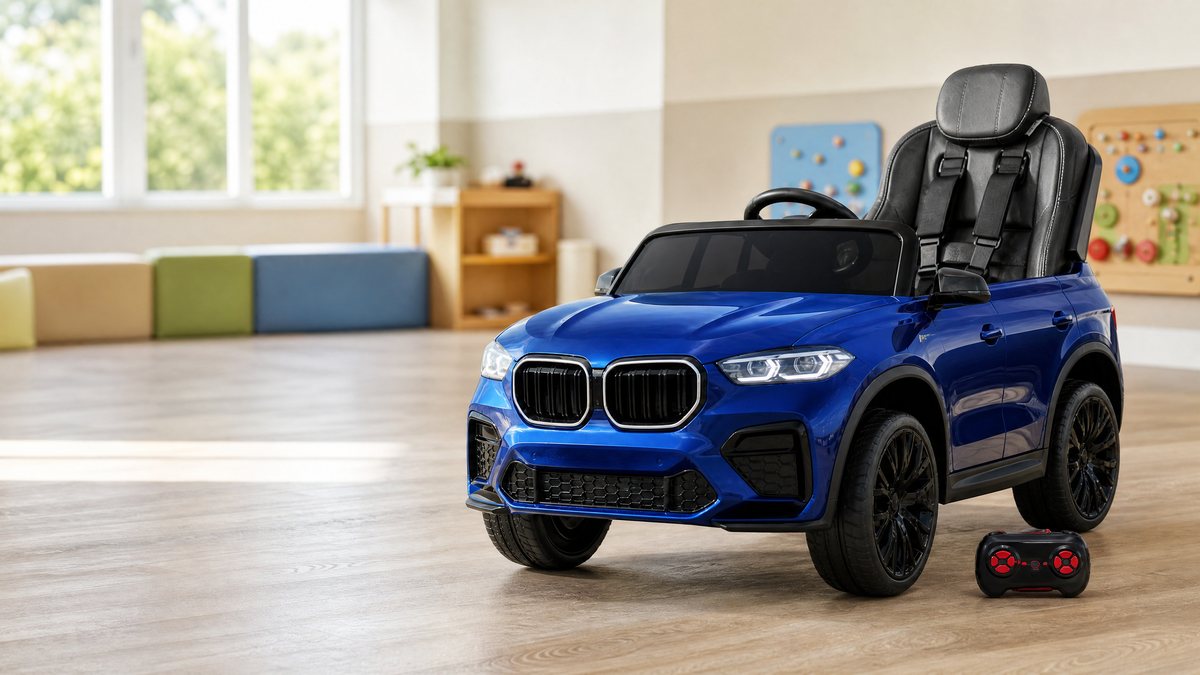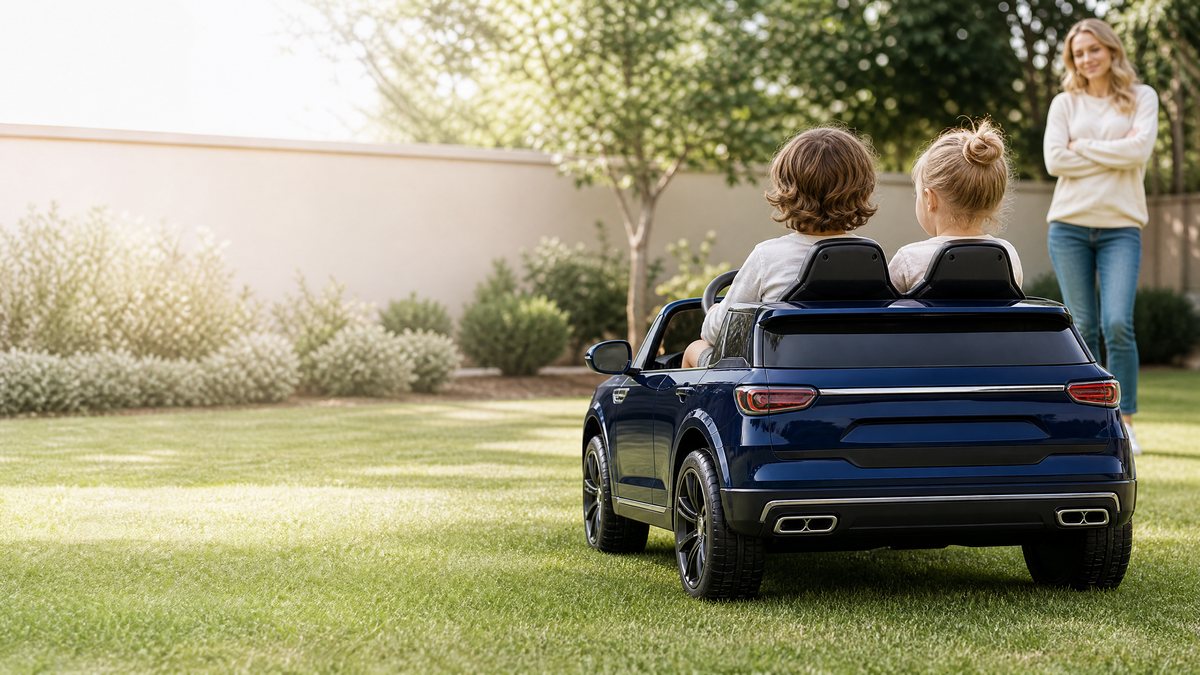
For families with multiple children, finding outdoor play equipment that accommodates more than one rider can be a challenge. Single-seat ride-on cars, while popular, often lead to queuing, sharing disputes, or structural overloading when older siblings attempt to squeeze in together. A dedicated 2-seater ride-on car is engineered to solve this dilemma by providing dual seating positions, higher weight thresholds, and robust power systems capable of moving two children safely and smoothly.
Whether you are a parent seeking the ideal backyard vehicle for two children or a retail buyer curating inventory for family-focused toy stores, evaluating multi-rider electric vehicles requires a systematic approach. This guide examines the essential criteria for selecting a 2-seater ride-on car, compares common design configurations, outlines critical safety standards, and provides actionable insights for commercial procurement.
The Sibling Ride-On Dilemma: Why Design Matters
When two children share a ride-on vehicle, the dynamics of weight distribution, motor strain, and ergonomic comfort change dramatically compared to single-rider models. Standard single-seat cars modified with an extra passenger risk overloading the rear axle, straining the gearbox, and compromising steering responsiveness.
Manufacturers addressing the sibling market design dual-occupant vehicles with specific structural enhancements. These typically include wider chassis frames, reinforced rear drive assemblies, independent dual harnesses, and upgraded power outputs. However, not all 2-seaters are created equal. Understanding the mechanical and ergonomic differences between models is essential for making an informed purchasing decision.
Decision Framework: Key Selection Criteria
When evaluating options for a 2-seater ride-on car, buyers should assess several core parameters before committing to a purchase or bulk order.
1. Combined Weight Capacity vs. Occupant Age
Age ranges provided by manufacturers serve as general guidance rather than absolute rules. The definitive metric for safety and performance is combined weight capacity.
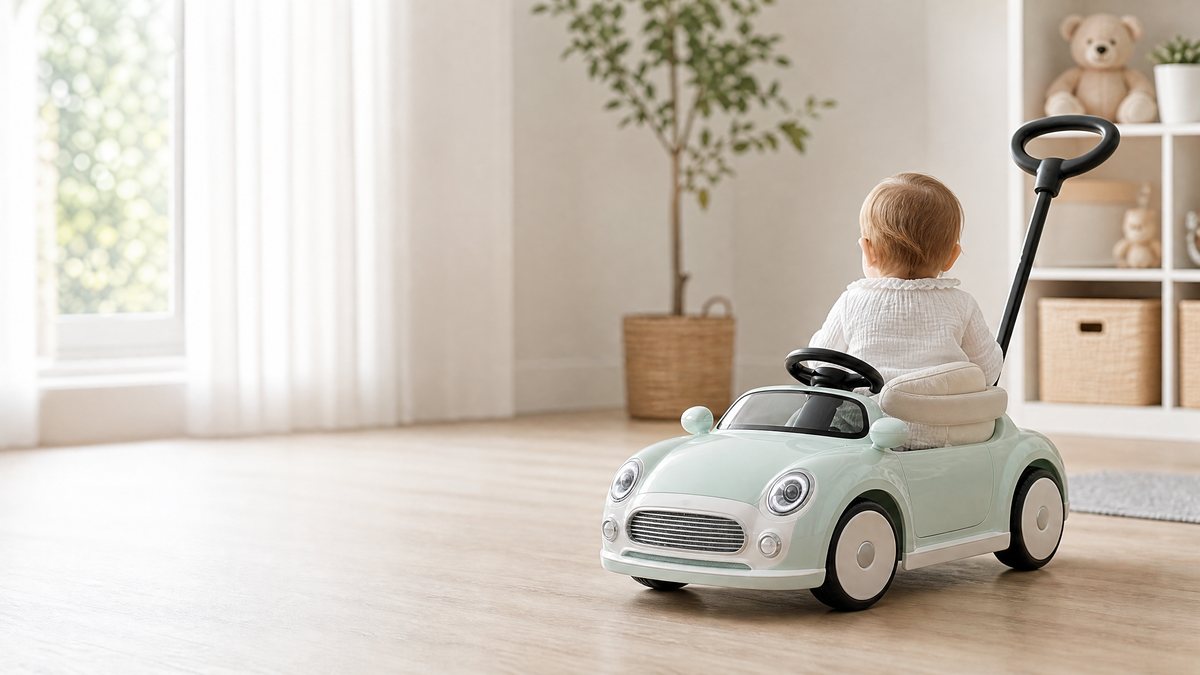
* Light-Duty 2-Seaters (up to 30 kg / 65 lbs total): Suited for younger toddlers sharing a compact chassis. Ideal for flat indoor surfaces and short outdoor sessions.
* Mid-Range 2-Seaters (30 kg to 50 kg / 65 to 110 lbs total): Designed for a preschooler and a young elementary-aged child. These models feature wider seating areas and sturdier wheel assemblies.
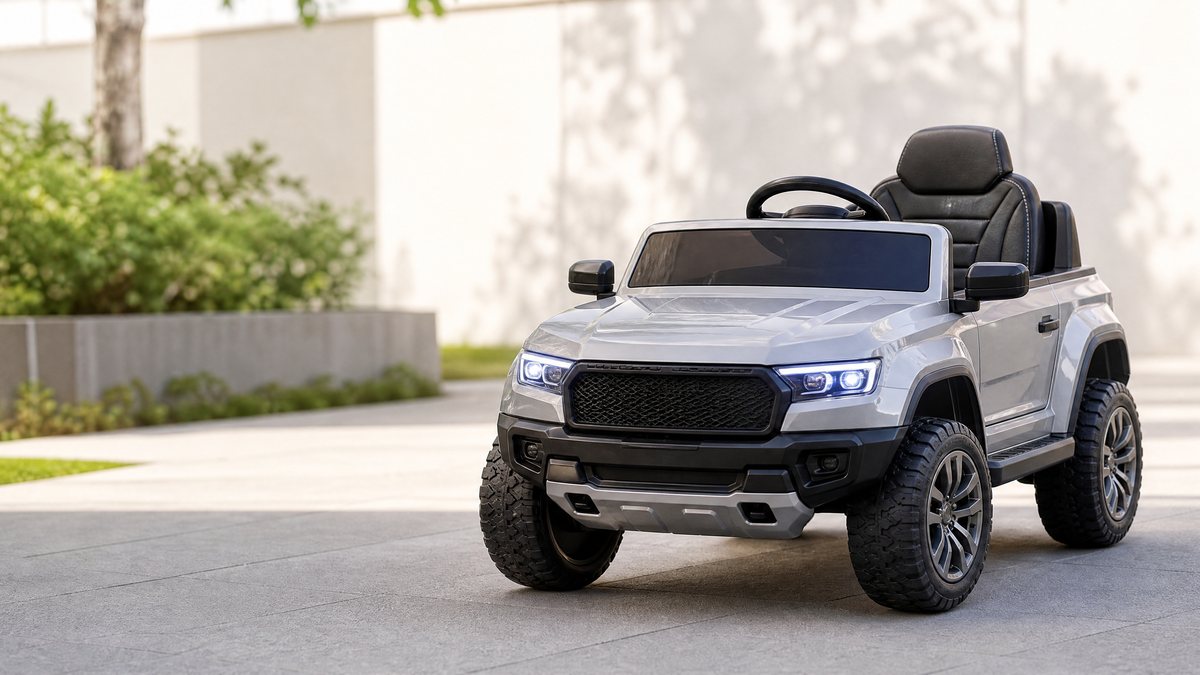
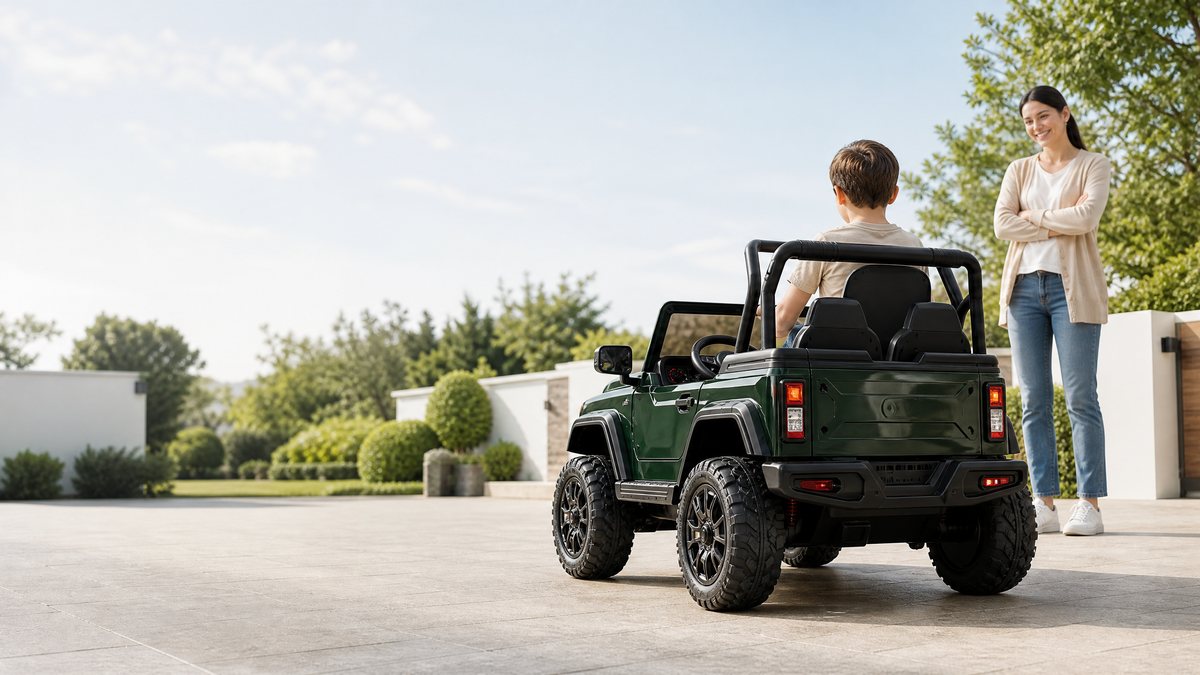
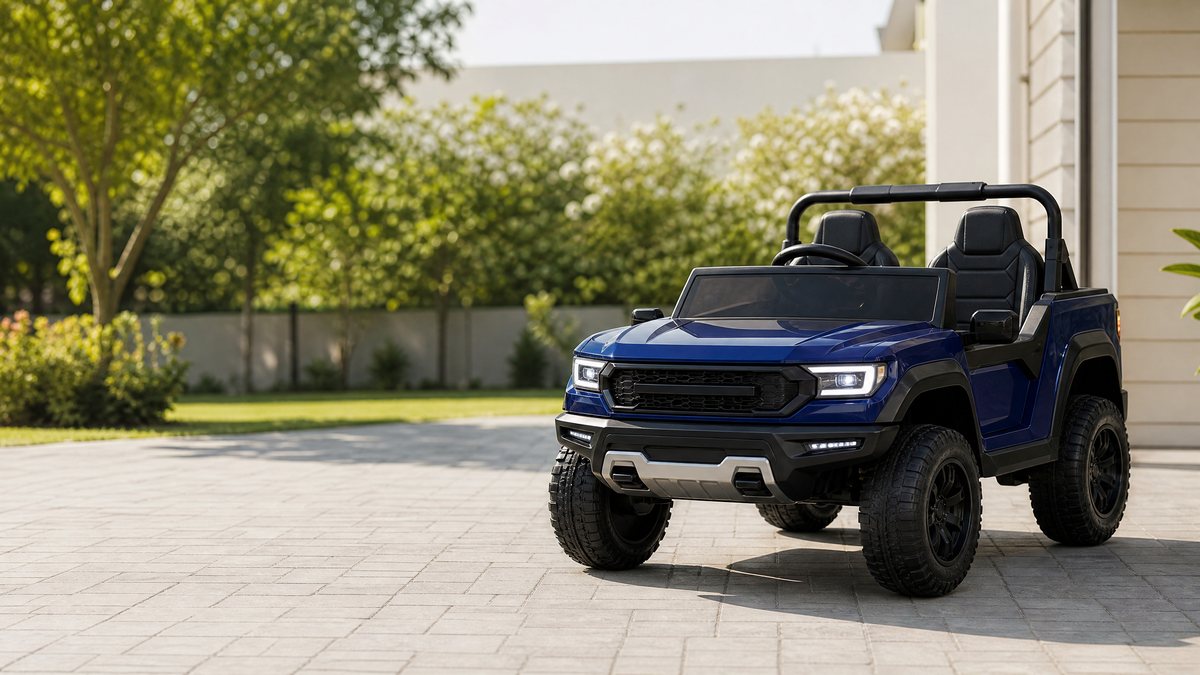
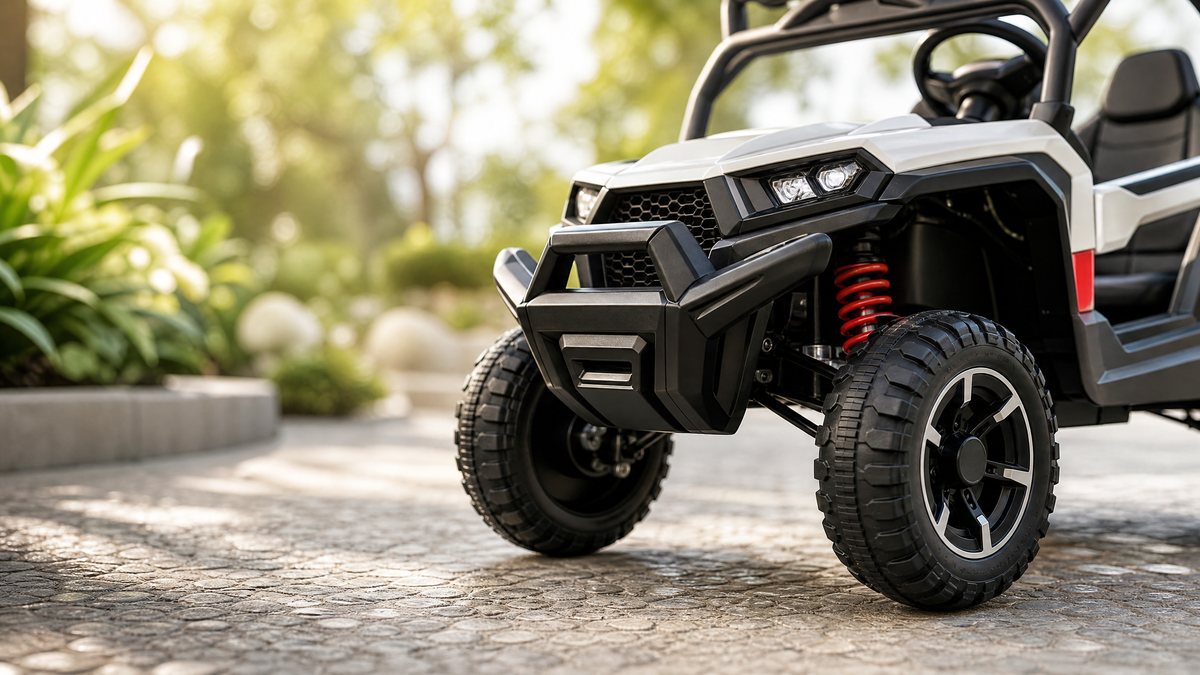
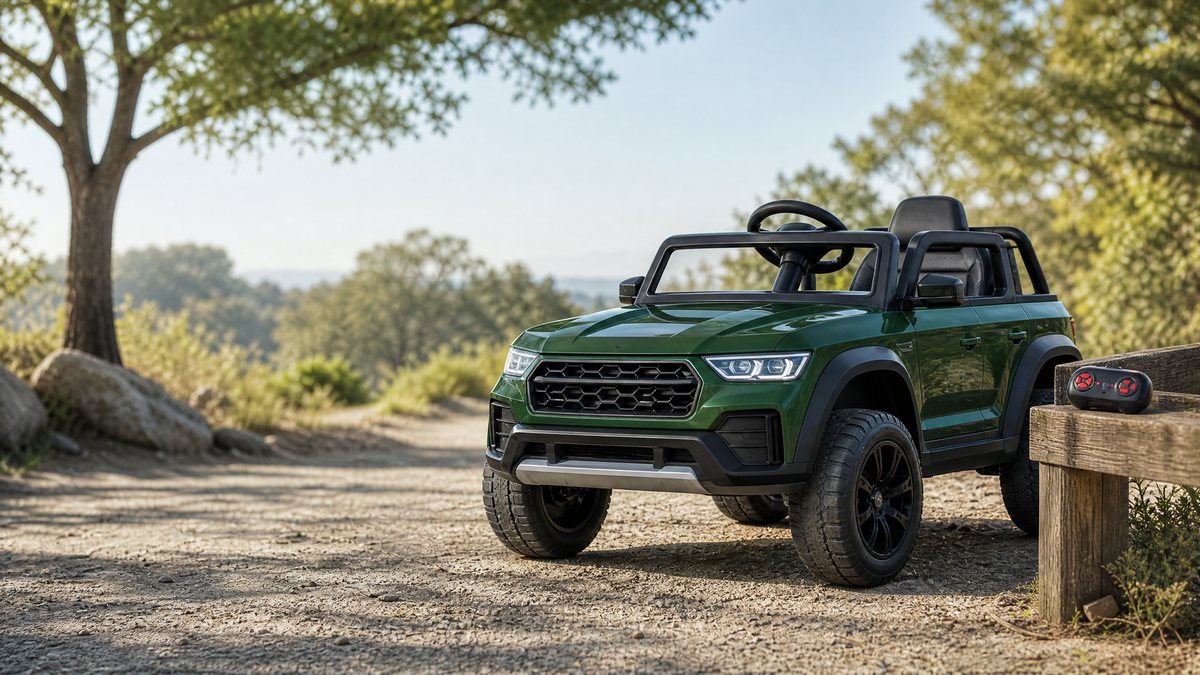
* Heavy-Duty 2-Seaters (50 kg to 75+ kg / 110 to 165+ lbs total): Often styled as utility trucks, jeeps, or side-by-side UTVs. Built with reinforced steel frames and high-torque gearboxes to accommodate older siblings.
2. Seating Layouts: Bucket Seats vs. Bench Seating
The physical arrangement of the seats dictates comfort and stability during operation.
* Dual Side-by-Side Bucket Seats: Separate molded seats with individual backrests and independent seat belts. This configuration prevents children from sliding into each other during sharp turns and promotes proper posture.
* Wide Bench Seating: A single continuous bench seat equipped with two lap belts. While easier to slide across, bench seats may cause children to lean toward the center during cornering, reducing lateral stability.
3. Power Systems: 12V vs. 24V Configurations
Moving two children requires significantly more electrical and mechanical energy than propelling a single rider.
* 12-Volt Dual-Motor Systems: Standard entry-level setup. Adequate for flat pavement and younger, lighter siblings. Speeds generally range from 3 to 5 km/h.
* 24-Volt Multi-Motor or Dual-Gearbox Systems: Recommended for heavier combined loads, grass surfaces, or gentle inclines. 24V systems deliver sustained torque without overloading the electronic control unit (ECU), ensuring longer motor longevity.
4. Drive Control and Parental Oversight
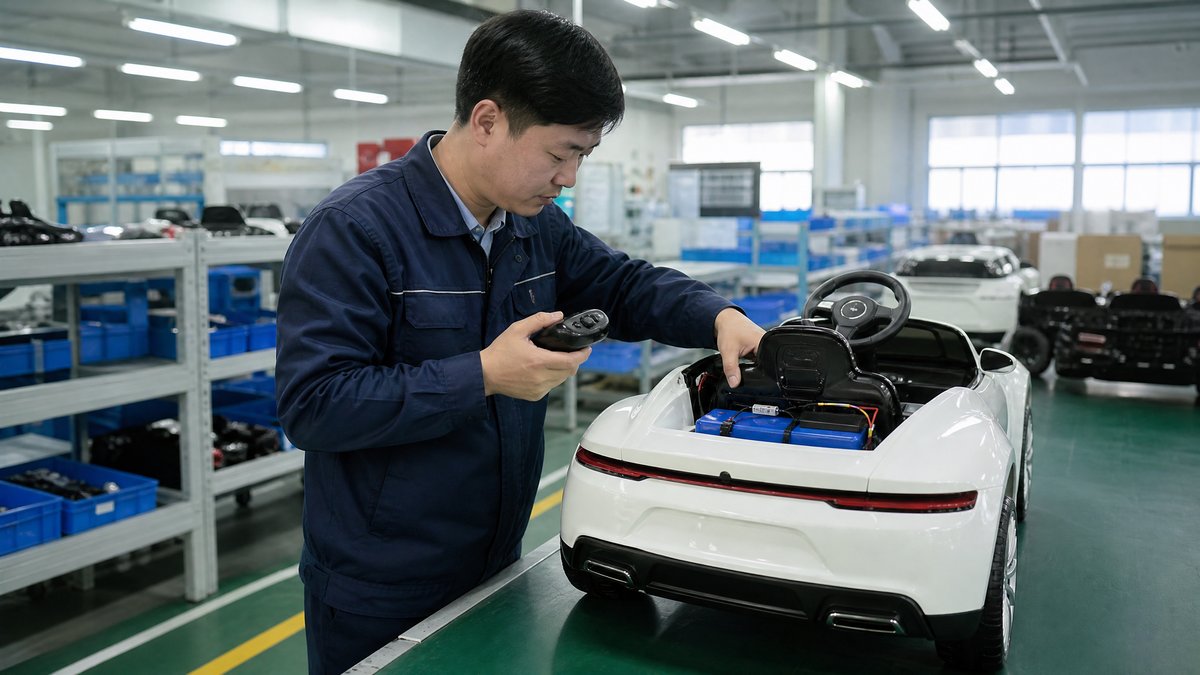
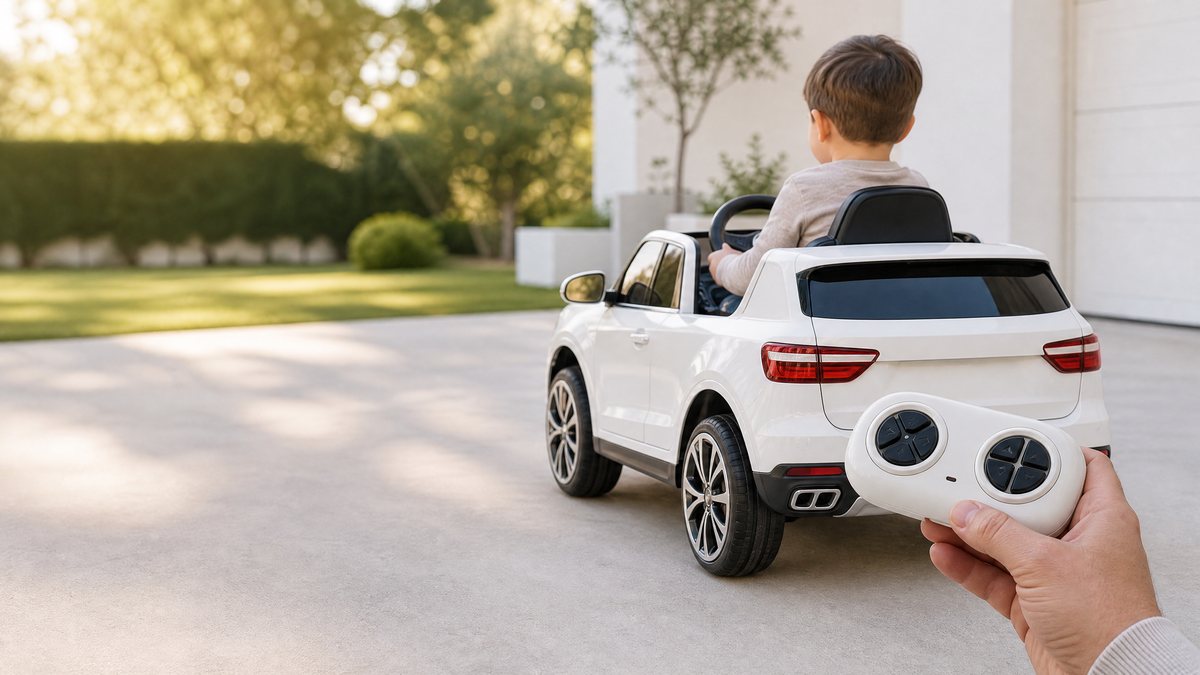
For families with younger siblings or varying skill levels, remote control integration is paramount. Look for models featuring a 2.4G parental remote override, which allows an adult to take complete control of steering, speed selection, and emergency braking regardless of steering wheel inputs inside the cabin.
Comparison of 2-Seater Ride-On Configurations
| Configuration Type | Typical Weight Capacity | Recommended Power | Best Suited For | Key Considerations |
|---|---|---|---|---|
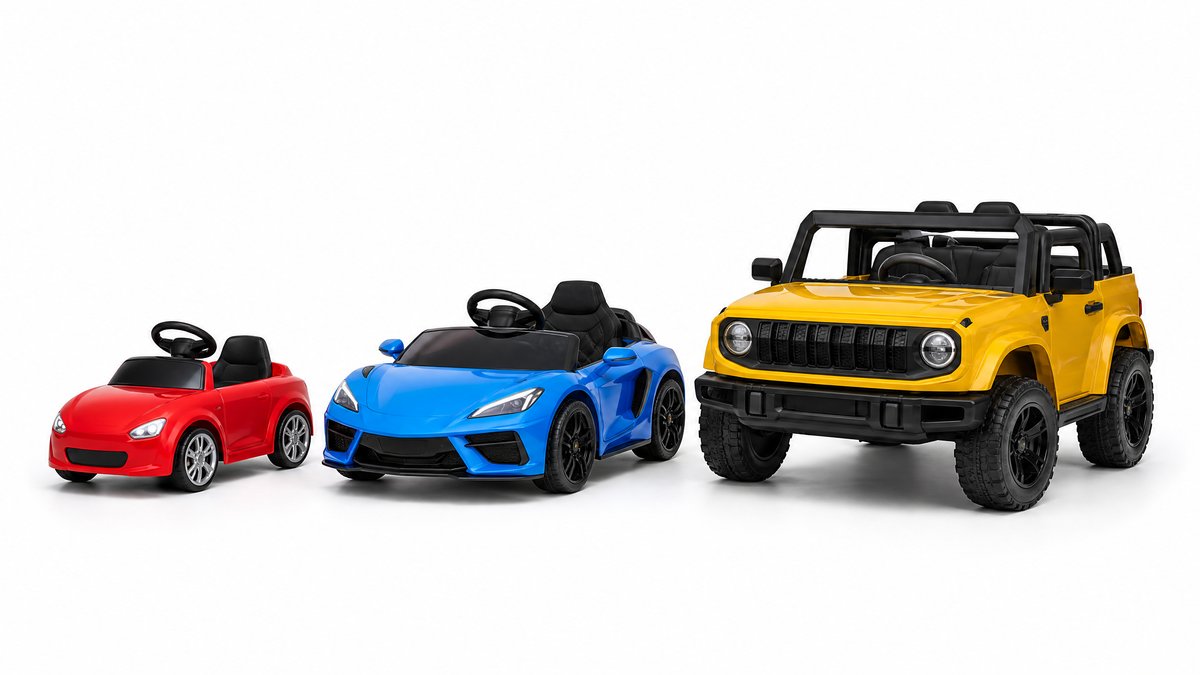
| Compact City Cruiser | 30–35 kg (65–75 lbs) | 12V Dual Motor | Toddlers and younger preschoolers | Best for smooth indoor/outdoor flat flooring; limited battery runtime under max load. |
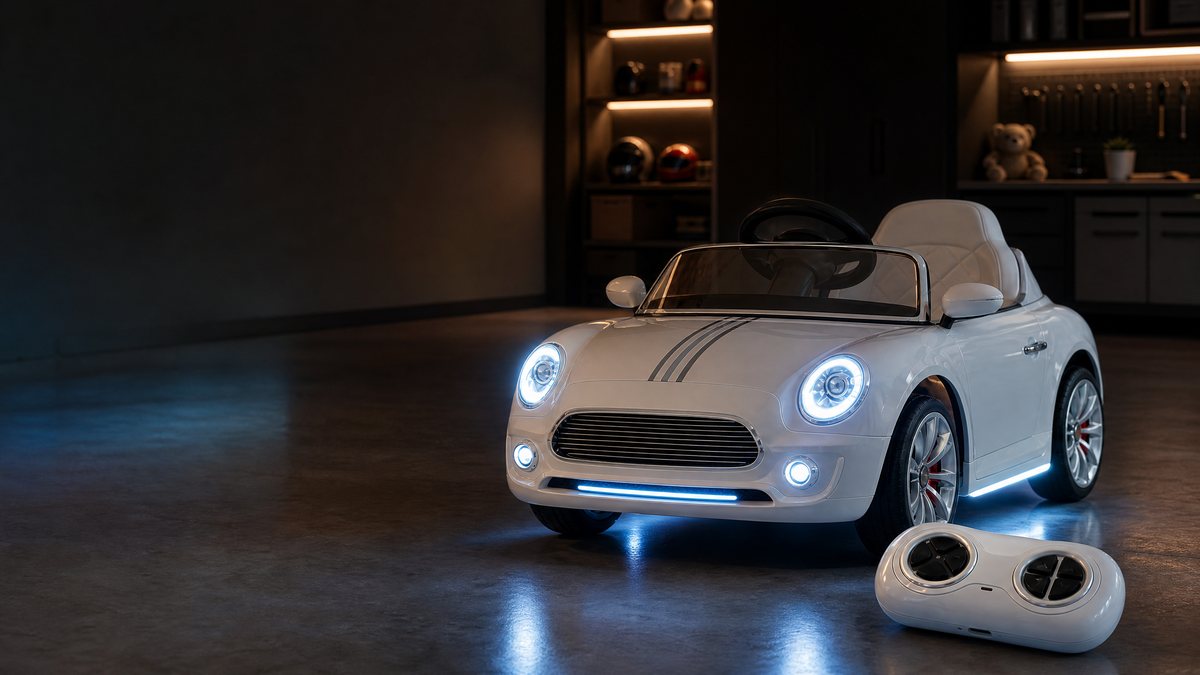
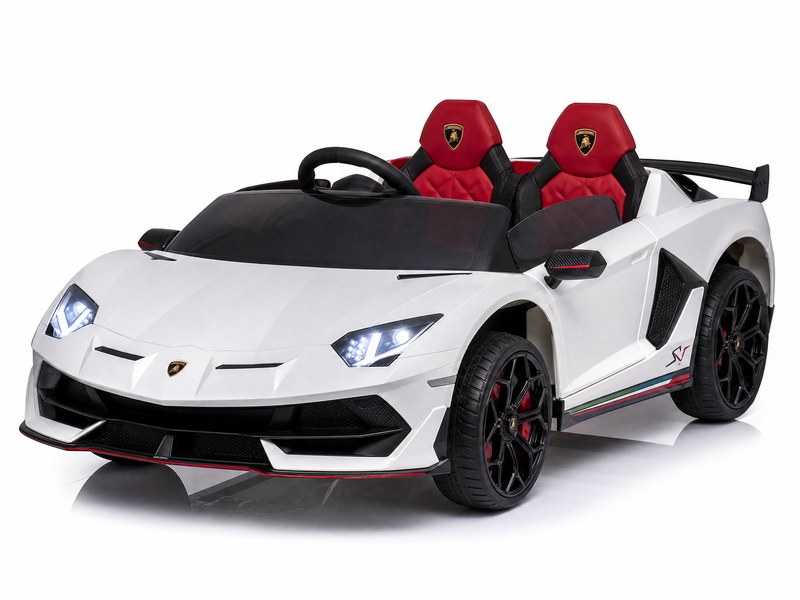
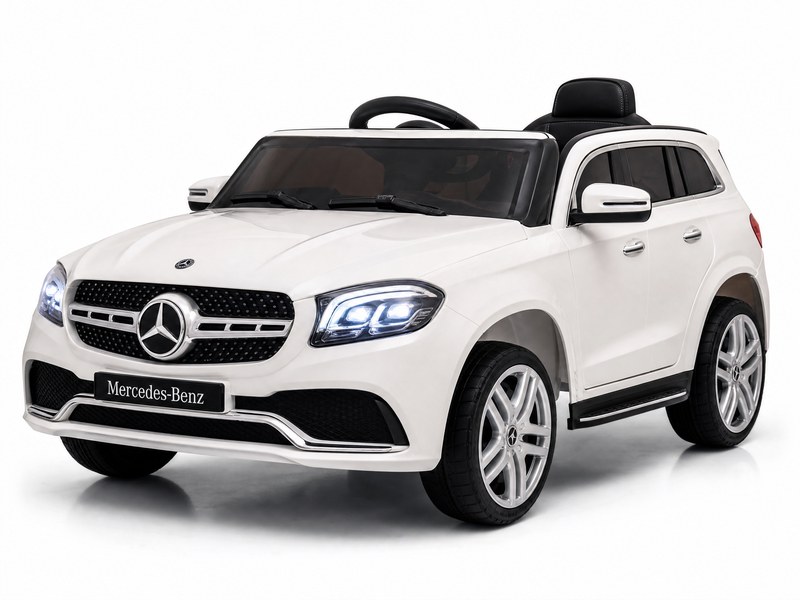
| Luxury SUV / Sports Car | 40–50 kg (88–110 lbs) | 12V or 24V High-Torque | Siblings aged 3 to 7 years | Features independent bucket seats and aesthetic detailing; check door clearance and footwell depth. |
| Heavy-Duty Utility UTV / Jeep | 50–75+ kg (110–165+ lbs) | 24V Dual/Quad Motor | Older siblings, farm/country yards, rough terrain | Maximum traction and weight threshold; heavier unit weight requires dedicated storage space. |
Safety and Fit Checklist
Ensuring a safe riding experience involves verifying both physical fit and operational protocols. Review the following checklist before every use:
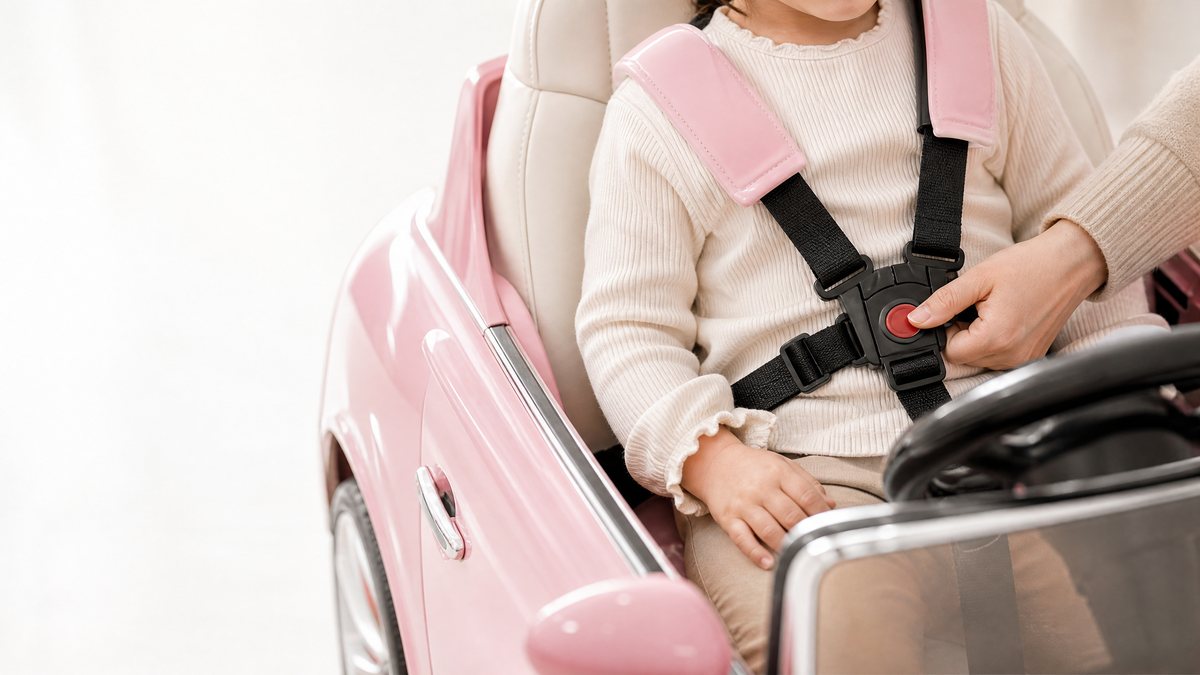
* Independent Restraints: Verify that each seating position is equipped with a functional lap belt or multi-point harness. Both occupants must be securely buckled before movement begins.
* Footwell Ergonomics: Ensure both children can comfortably rest their feet on the floorboard pedals without dangling or interfering with internal wiring.
* Speed Limiter Settings: Utilize low-speed settings when younger siblings are learning to ride or when multiple children are adjusting to the vehicle momentum.
* Helmet and Protective Gear: Encourage the use of properly fitted bicycle or multi-sport helmets, alongside closed-toe footwear.
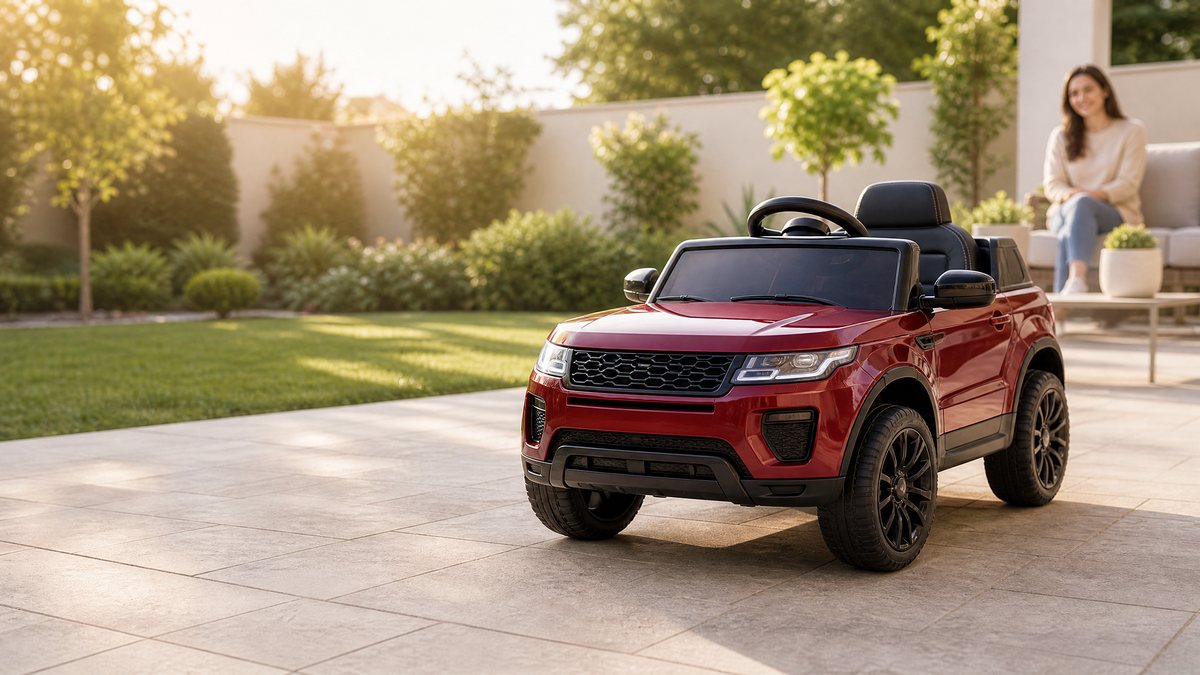
* Supervision and Environment: Operate exclusively under direct adult supervision in controlled, traffic-free environments such as fenced yards, parks, or smooth driveways. Never permit operation near public roads, swimming pools, or steep slopes.
*Note: Manufacturer instructions, age grading guidelines, and adult supervision protocols always take priority over general buying advice. Confirm specific operational limits with the product documentation.*
Key Buyer Questions
When discussing inventory or purchasing options with suppliers and retailers, consider asking the following questions to ensure compliance and quality:
1. What is the certified maximum weight capacity tested for the chassis and axle assemblies?
2. Are replacement parts (such as gearboxes, batteries, and remote controllers) readily available for long-term maintenance?
3. Does the electrical system incorporate thermal overload breakers to protect motors from burnout under heavy sibling loads?
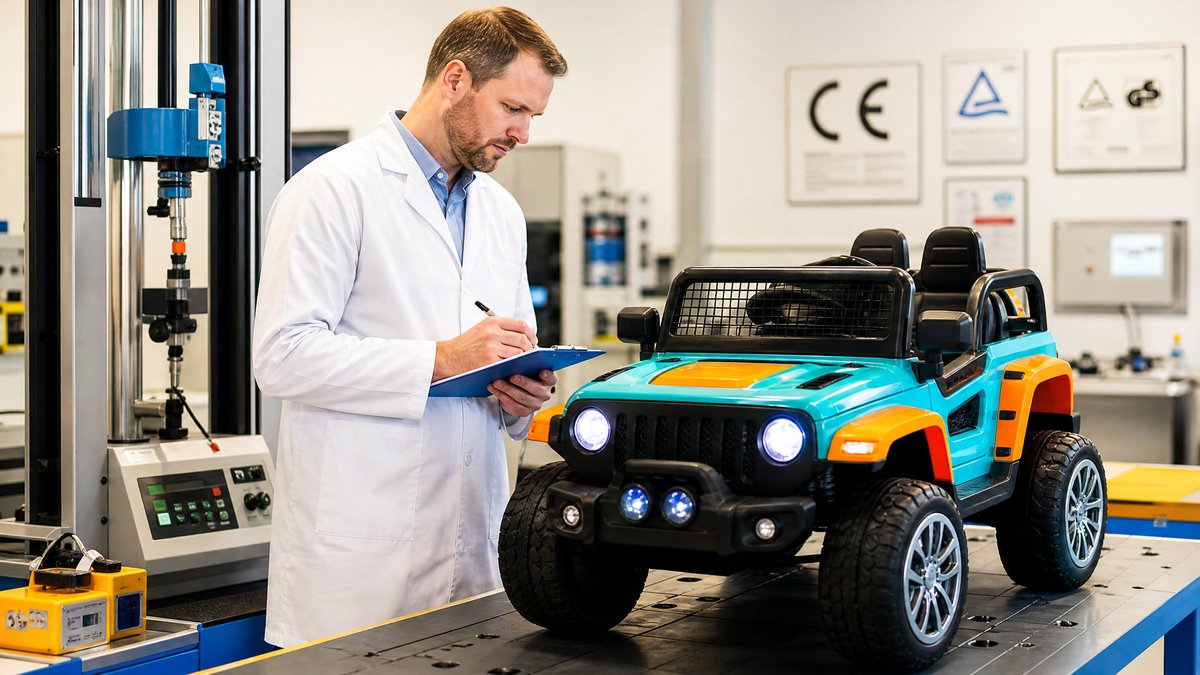
4. What specific international toy safety standards (such as ASTM F963 or EN71) are covered by the manufacturer compliance documentation?
For Retailers and Importers
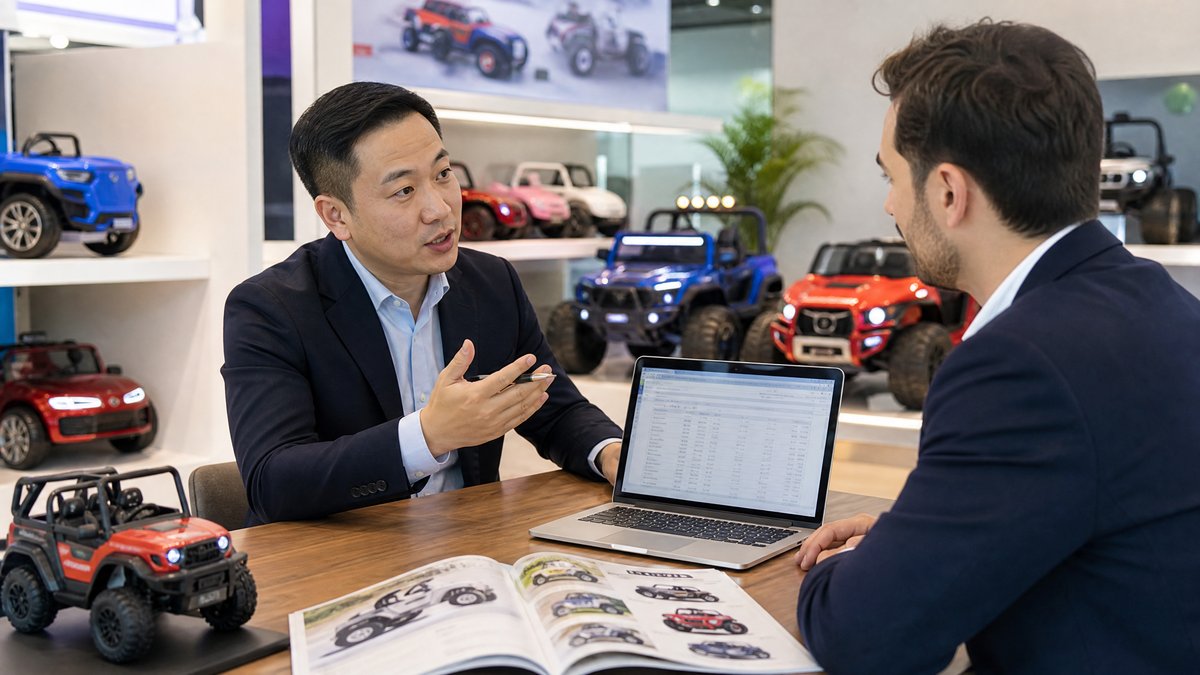
For commercial buyers, stocking 2-seater ride-on cars represents a high-value opportunity. Parents frequently seek multi-rider vehicles to avoid sibling conflicts and maximize utility as children grow.
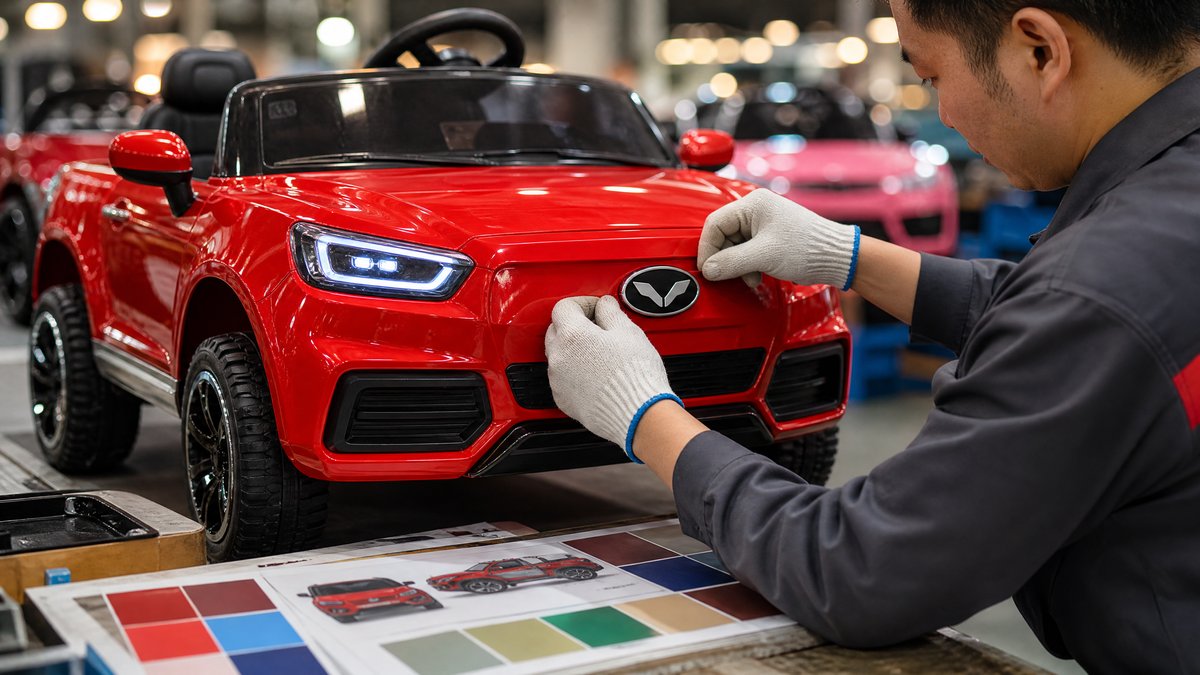
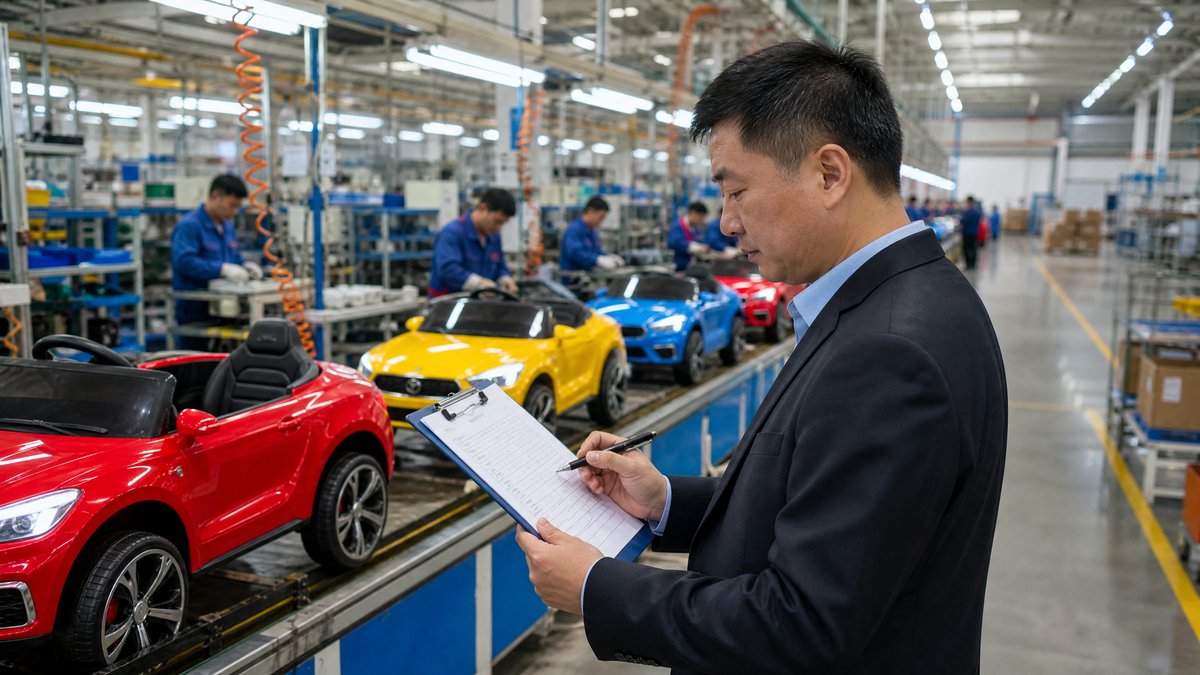
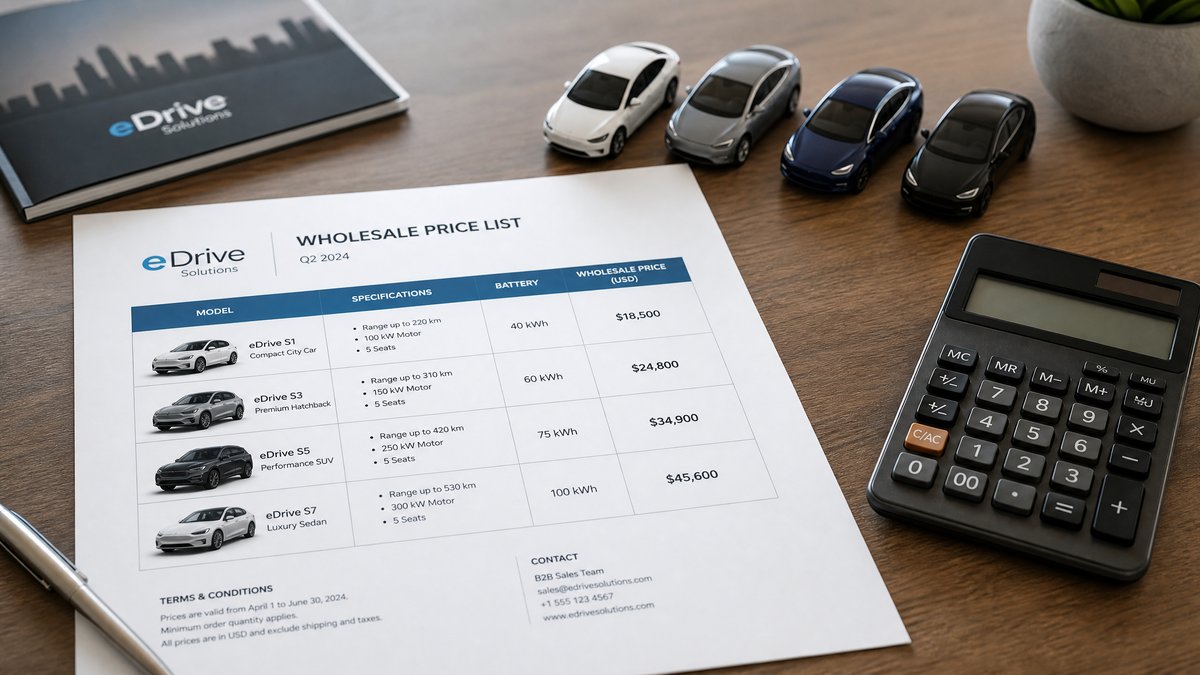
When curating a product line for wholesale distribution, prioritize models with interchangeable spare parts catalogs, sturdy blow-molded or injection-molded body panels, and clear multilingual user manuals. Ensuring robust compliance documentation (such as CPSIA or CE test reports) streamlines customs clearance and builds end-user trust. Retailers are encouraged to reach out directly to manufacturing partners for customized container loads and wholesale tier pricing.
Frequently Asked Questions
1. What is the typical weight limit for a 2-seater ride-on car?
Most standard 2-seater ride-on cars support a combined weight of 35 kg to 50 kg (77 to 110 lbs). Heavy-duty utility models and large 24V UTVs can support up to 75 kg (165 lbs) or more. Always verify the manufacturer exact specifications rather than estimating based on age ranges.
2. Are 24V ride-on cars significantly faster or safer than 12V models?
24V models are not necessarily designed for excessive speed; rather, they provide higher torque and sustained power. This prevents the motors from straining or overheating when carrying two children across grass or slight inclines. Safety features depend on the braking system and parental remote controls rather than voltage alone.
3. Can toddlers ride together in a 2-seater ride-on car?
Yes, provided both children meet the minimum developmental milestone of sitting upright unsupported and can be securely fastened with independent restraints. Adult supervision and parent remote control override are essential when toddlers operate multi-rider vehicles.
4. What maintenance is required for dual-motor ride-on vehicles?
Routine maintenance includes recharging the battery according to manufacturer guidelines (avoiding complete depletion), inspecting wheel traction bands, lubricating metal axle joints periodically, and storing the vehicle in a dry environment protected from extreme weather.
5. How do parent remote controls work on multi-rider models?
The included 2.4G Bluetooth remote control overrides manual steering and accelerator pedal inputs from inside the cabin. This allows supervising adults to steer, adjust speed tiers, and apply an emergency stop instantly if needed.
Conclusion
Choosing the right 2-seater ride-on car for siblings requires balancing combined weight capacity, seating ergonomics, and power system capabilities against the children's ages and usage environment. By prioritizing robust construction, independent safety harnesses, and reliable parental controls, parents can ensure years of enjoyable, shared outdoor play.
For retail inquiries, bulk catalog requests, and wholesale partnership opportunities, please contact our team:
Request a wholesale quote
References
1. U.S. Consumer Product Safety Commission (CPSC). Safety Standard for Toy Safety (ASTM F963 Overview and Guidelines). Available via public regulatory databases.
2. European Committee for Standardization (CEN). EN 71 Safety of Toys - Part 1, 2, and 3: Mechanical, Physical, and Chemical Requirements for Electric Ride-On Vehicles.
Explore matching models
View product details for this guide
Compare current specifications, age guidance and available options before requesting a quote.
Official references
Explore these external resources for current regulatory and trade guidance. Confirm requirements with the relevant authority before placing an order.
Ready to Start?
Factory-Direct · CE & ASTM Certified · MOQ from 50 Units
Our export team works with buyers in 60+ countries. Get a quote within 24 hours.
KR
Written by KidsRideCar
China's leading kids electric ride-on car manufacturer. 500,000+ units shipped annually to 60+ countries. CE, ASTM & EN71 certified.