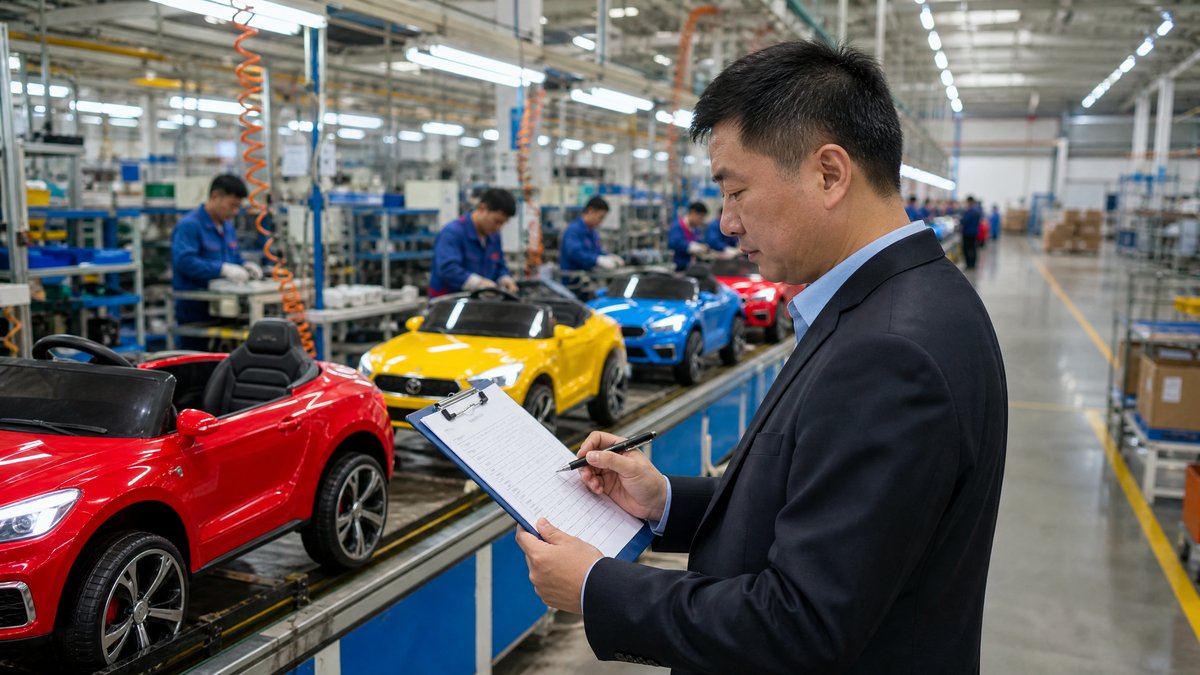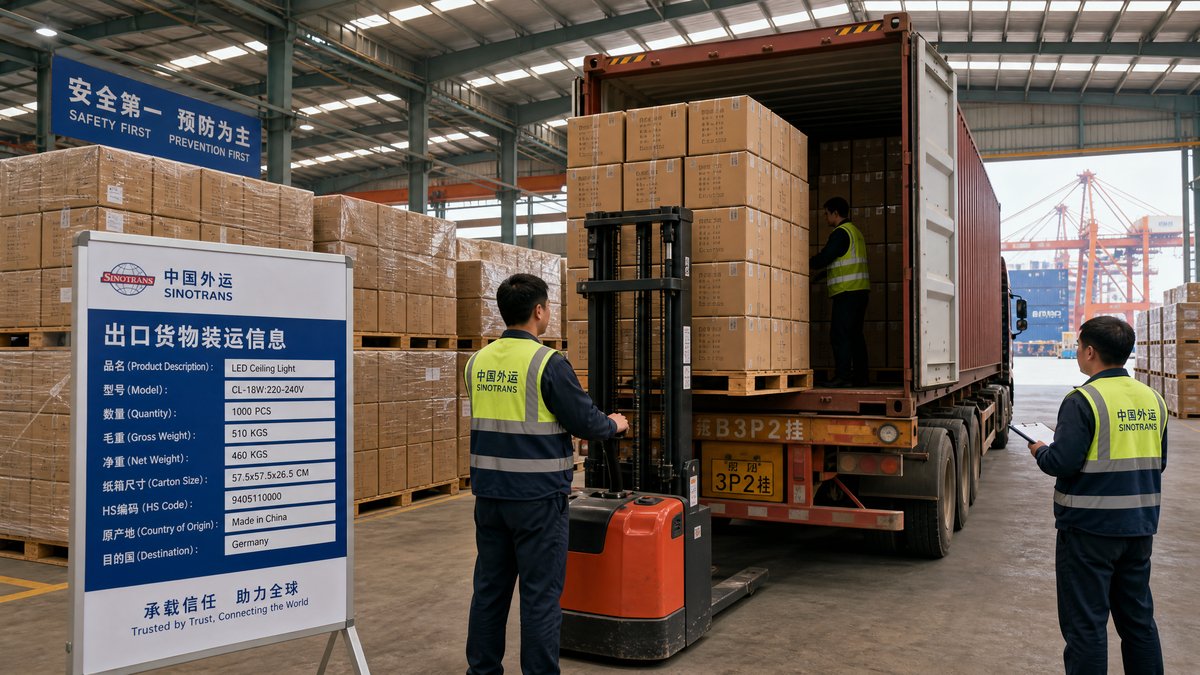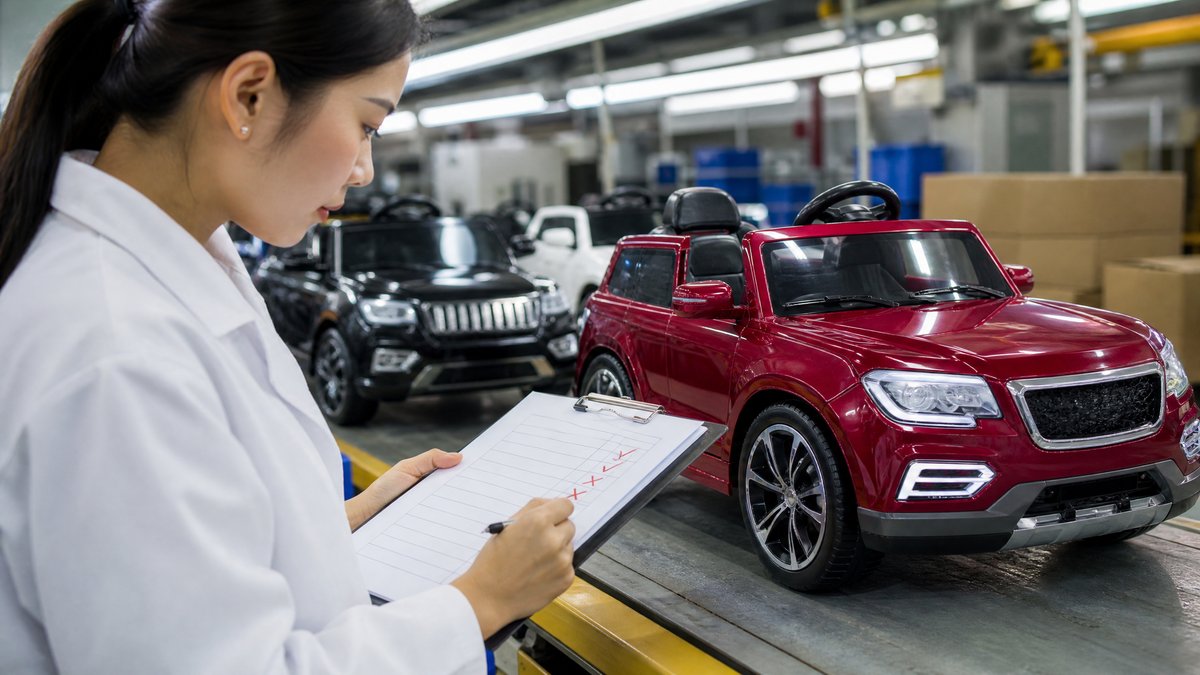
Every year, importers lose tens of thousands of dollars on kids electric ride-on car orders that go wrong in entirely predictable ways. The products arrive with the wrong certification markings. The battery capacity is lower than specified. The packaging does not meet retail standards. The factory substituted a cheaper motor after the sample was approved. These are not random failures — they are the result of specific, avoidable mistakes.
Mistake 1: Choosing a Supplier Based on Price Alone
The most common mistake first-time importers make is treating the supplier selection process as a price comparison exercise. A factory quoting 20% below market rate is either cutting corners on materials, using uncertified components, operating without proper quality control systems, or all three. In the kids electric ride-on car category, where safety certifications are legally required in most major markets, a low-price supplier who cannot provide current test reports is not a bargain — it is a liability. The correct approach is to establish a minimum qualification threshold before comparing prices: verified business license, current CE or ASTM test reports, and at least one verifiable reference from an existing international buyer.
Mistake 2: Not Verifying Certification Documents
Many importers accept certification documents at face value. A supplier sends a PDF of a CE certificate, and the buyer assumes the product is compliant. Fraudulent or expired certification documents are not uncommon in the Chinese toy manufacturing sector. Verification is straightforward: CE test reports are issued by accredited third-party laboratories (SGS, Bureau Veritas, TÜV, Intertek). The report should include the specific product model number, the test date (within the last 3 years), the laboratory accreditation number, and a detailed list of tests performed. You can verify the laboratory's accreditation status through the ILAC MRA database.
KidsRideCar maintains current CE, EN71, ASTM F963, and ISO 9001 certifications. Request our documentation package.
Request Certification Documents →Mistake 3: Skipping Pre-Shipment Inspection
A pre-shipment inspection (PSI) is an independent quality check conducted at the factory after production is complete but before the goods are loaded for shipping. It is the single most effective tool an importer has for catching quality problems before they become expensive problems. A standard PSI for kids electric ride-on cars should cover: quantity verification, visual inspection for cosmetic defects, functional testing of all electrical components, measurement of key dimensions, and packaging inspection. The cost of a PSI from a reputable inspection company is typically $200–$350 per inspection day — a fraction of the cost of a rejected shipment or a product recall.
Mistake 4: Underestimating Landed Cost
Many first-time importers calculate their margins based on the FOB price quoted by the supplier, without fully accounting for all the costs between the factory gate and their warehouse. A complete landed cost calculation should include: FOB product cost, ocean freight, destination port handling charges, import duties and taxes, customs broker fees, inland freight to warehouse, and inspection fees. For a typical 12V model with an FOB price of $55, total landed cost to a US warehouse can easily reach $75–$85 per unit — a 36–55% premium over the FOB price.
Mistake 5: Ordering Without a Signed Purchase Agreement
Verbal agreements and email exchanges are not sufficient protection when something goes wrong with an international order. Without a signed purchase agreement that specifies product specifications, quality standards, delivery timeline, payment terms, and remedies for non-conformance, the importer has limited recourse if the supplier delivers substandard goods or misses the delivery date. A basic purchase agreement should include: exact product specifications, reference to approved sample, required certifications, inspection rights, delivery terms (Incoterms), payment schedule, and penalty clauses for late delivery or quality failures.
Bonus: Two Additional Mistakes Worth Avoiding
Beyond the five primary mistakes, two additional errors deserve mention. The first is ordering too many SKUs on a first order — spreading a 200-unit budget across 10 different models means you have 20 units of each, not enough to test market response meaningfully. Start with 2–3 models and expand once you have sales data. The second is neglecting after-sales support planning. Kids electric ride-on cars have moving parts, batteries, and electronic components that will occasionally fail. Confirm with your supplier what spare parts are available and at what cost before placing your initial order.
Frequently Asked Questions
How do I find a trustworthy factory for kids electric ride-on cars?
Start with Alibaba Gold Suppliers who have been verified by a third-party audit service. Look for factories with 5+ years of export experience, current certification documents, and verifiable references from international buyers. Attending the Canton Fair or Hong Kong Toys Fair allows you to meet factory representatives in person.
What should I do if I receive a shipment with quality problems?
Document everything immediately with photographs and video. Notify the supplier in writing within the timeframe specified in your purchase agreement (typically 30 days of receipt). If you have a pre-shipment inspection report showing the goods were conforming at inspection, the issue likely occurred during shipping — contact your freight insurer.
Is it safe to pay by T/T (bank transfer) to a Chinese supplier?
T/T is the most common payment method for established supplier relationships. For new suppliers, use Alibaba Trade Assurance, which provides payment protection if the supplier fails to deliver as agreed. A common payment structure is 30% deposit before production and 70% balance after pre-shipment inspection.
The importers who build sustainable businesses in the kids electric ride-on car category are those who approach each order with discipline, verify rather than assume, and treat quality control as a non-negotiable cost of doing business. The five mistakes documented here are entirely avoidable — avoiding them consistently is what separates profitable importers from those who learn expensive lessons.
Official references
Explore these external resources for current regulatory and trade guidance. Confirm requirements with the relevant authority before placing an order.
Ready to Start?
Factory-Direct · CE & ASTM Certified · MOQ from 50 Units
Our export team works with buyers in 60+ countries. Get a quote within 24 hours.
China's leading kids electric ride-on car manufacturer. 500,000+ units shipped annually to 60+ countries. CE, ASTM & EN71 certified.