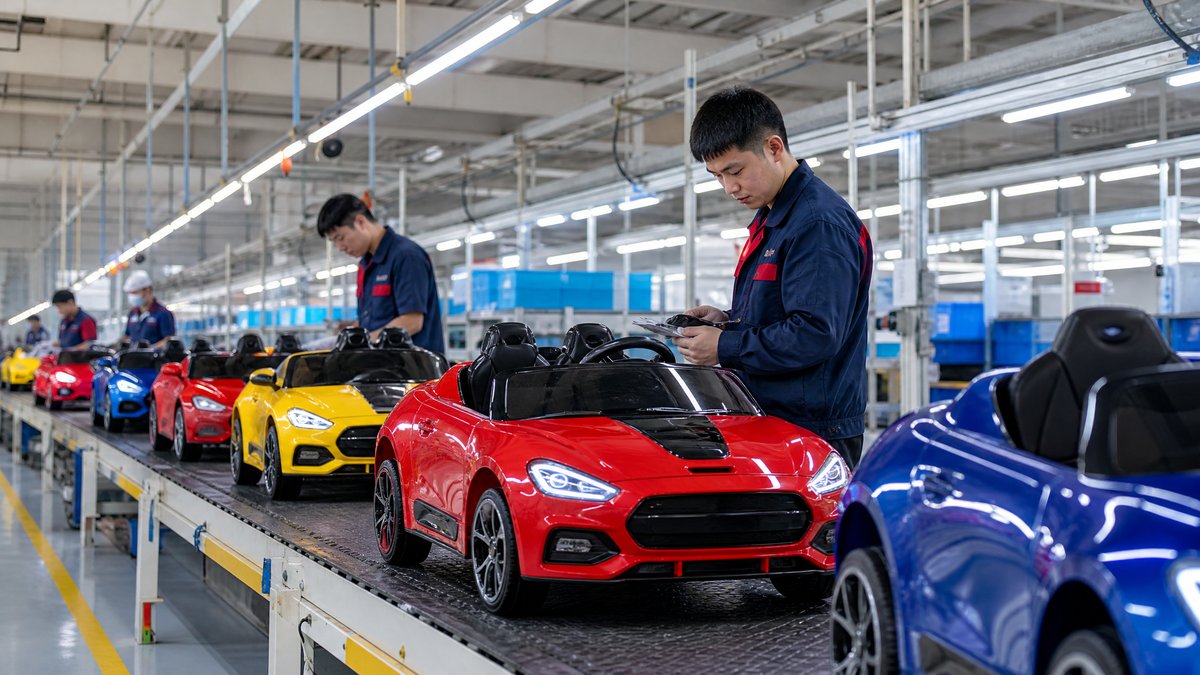
For professional entities engaged in the procurement and distribution of children’s recreational products, the selection process for inventory involves a sophisticated analysis of mechanical design, market positioning, and logistical feasibility. Comparing four-wheel electric ride-on cars with other popular formats—such as all-terrain vehicles, go-karts, and two-wheeled alternatives—requires a deep understanding of how these designs serve different consumer needs while meeting the rigorous demands of a global supply chain. This guide provides a strategic framework for importers and retailers to evaluate these categories, focusing on qualitative indicators of quality, safety, and commercial viability.
The global market for children’s recreational vehicles has seen significant growth, driven by a desire for more interactive and realistic play experiences. A successful business-to-business strategy requires a holistic view that goes beyond simple aesthetics to include a thorough assessment of the mechanical foundation, power systems, and logistical implications of each vehicle type.
The Mechanical Foundation of Ride-On Categories
The primary distinction between various ride-on vehicles lies in their physical architecture. For a business-to-business buyer, this architecture determines the target demographic and the perceived value of the product in a retail environment. The mechanical layout influences everything from the stability of the vehicle to the complexity of the assembly process.
Four-Wheel Stability Profiles
The four-wheel electric car is the cornerstone of the ride-on industry. Its design prioritizes a wide stance and a low center of gravity, which inherently provides a high level of stability. This makes it an ideal choice for the youngest users who are still developing their coordination and motor skills. From a sourcing perspective, the four-wheel configuration is often the most requested because it appeals to parents who prioritize a secure and predictable experience for their children.
When evaluating these models, buyers should focus on the quality of the chassis construction and the width of the wheelbase. A robust chassis ensures that the vehicle can withstand the rigors of daily play, while a wide wheelbase minimizes the risk of tipping during turns. These factors contribute to the overall balance and safety of the vehicle without needing to reference specific measurements or technical metrics.
Two-Wheel and Three-Wheel Alternatives
In contrast, two-wheeled vehicles like motorcycles offer a different developmental path. They encourage the development of balance and coordination but often require additional support, such as training wheels, for younger users. Three-wheeled designs, or trikes, provide a middle ground, offering more stability than a motorcycle but a smaller footprint than a full-sized four-wheel car.
For an importer, these categories offer a way to diversify a catalog and provide options for families with limited storage space or those looking for a more active and challenging play experience. The choice between these layouts should be guided by current supplier evidence regarding market trends and consumer preferences in the target region.
Evaluating Power and Performance without Technical Metrics
While technical specifications are often used to differentiate products, professional buyers must be able to assess performance through qualitative observation and professional documentation. This approach avoids the pitfalls of relying on self-reported data that may not be consistent across different manufacturers.
Standard versus Enhanced Power Systems
Most ride-on vehicles are categorized by their power levels, which influence how they handle different surfaces and the duration of use. Instead of focusing on specific electrical units or numerical figures, buyers should look for descriptions of "standard" versus "enhanced" or "high-performance" systems. A standard system is typically suitable for flat, indoor surfaces or paved driveways, providing a gentle and controlled experience for younger children.
Enhanced systems, often found in larger four-wheel cars or all-terrain models, are designed to provide more robust movement on uneven ground such as grass, gravel, or slight inclines. Importers should request written supplier confirmation regarding the intended use environment for each model to ensure it aligns with their customers' expectations and the local terrain.
Surface Adaptability and Tire Composition
The type of wheels and tires used on a vehicle significantly impacts its performance and durability. Four-wheel cars often feature wheels designed for aesthetic appeal and smooth operation on pavement. These wheels may be made of high-density plastic or specialized foam that provides a quiet and comfortable ride.
In contrast, all-terrain vehicles and go-karts are often equipped with tires that have deeper treads and a more rugged profile, allowing them to maintain traction on loose surfaces. When comparing these, buyers should perform an external visual check of the tire material and tread design to determine its suitability for various environments. A model-neutral sourcing framework prioritizes vehicles that offer the best match for the local geography and typical use cases of the destination market.
Logistical Considerations for Large-Scale Procurement
For business-to-business buyers, the physical size and weight of a product are just as important as its features. Shipping costs, warehouse space, and handling requirements are critical factors in determining the final landed cost and the overall profitability of an item.
Volume Efficiency in Shipping
Four-wheel cars, particularly those designed as two-seaters or large SUVs, occupy a significant amount of volume. This high cubic volume can lead to higher shipping costs per unit, which must be factored into the retail price. Conversely, motorcycles and smaller go-karts are often more compact, allowing for a higher number of units to be packed into a single shipping container.
A strategic buyer will balance their inventory by including a mix of high-volume, high-demand cars and more compact, space-efficient models. This approach helps to optimize the overall shipping budget and maximize the utility of every container. By carefully planning the product mix, importers can lower their average landed cost and maintain a competitive edge in the market.
Assembly Requirements for Retail Readiness
The complexity of putting a vehicle together after it arrives at the consumer’s home is another vital consideration. Most four-wheel cars require a moderate amount of assembly, involving the attachment of wheels, steering components, and seating. Go-karts, with their more complex steering linkages and frames, may require more time and effort.
Importers should review the manual-led setup instructions provided by the manufacturer to ensure they are clear, accurate, and easy to follow. A product that is too difficult to assemble can lead to higher return rates and increased customer service inquiries. Prioritizing models with straightforward assembly processes can significantly improve the end-user experience and reduce post-sale costs.
The Sourcing and Verification Framework
To ensure a successful procurement cycle and maintain high quality standards, buyers should follow a consistent framework for evaluating new suppliers and products. This framework relies on qualitative evidence and professional documentation rather than self-reported technical claims.
Sourcing Checklist for Professional Buyers
* Written Model Documentation: Ensure that every vehicle is accompanied by a comprehensive and clear manual that covers all aspects of setup and safe use.
* Current Supplier Evidence: Request high-quality photographs and videos of the product in use to verify its performance and appearance in real-world conditions.
* Appropriate Product Markings: Check that all vehicles have the necessary labels, warnings, and markings required by the destination market's requirements.
* Manufacturer-Approved Support: Confirm that the supplier provides a reliable and clear pathway for obtaining technical assistance, replacement parts, and professional guidance.
* Non-Destructive Assessment: Perform a thorough physical inspection of samples to evaluate the quality of the materials, the precision of the assembly, and the overall finish.
Comparison Matrix for Product Categories
| Category | Stability Level | Surface Suitability | Storage Requirement |
|---|---|---|---|
| Four-Wheel Car | High | Paved Surfaces | High |
| All-Terrain Vehicle | High | Grass and Gravel | Moderate |
| Go-Kart | High | Paved Surfaces | High |
| Motorcycle | Moderate | Paved Surfaces | Low |
Safety and Supervision Standards
Safety is the most critical aspect of any children’s product. For importers and distributors, this means ensuring that all products are supported by the correct documentation and that users are given clear, actionable guidance on how to supervise play.
Visual Inspection Protocols
Before a product is released for sale, it should undergo a thorough external visual check. This involves looking for any signs of damage to the outer packaging or the vehicle itself that may have occurred during international transit or local handling. If any issues are found, such as cracks in the plastic or loose components, the product should be set aside for further evaluation by qualified support personnel.
Retailers should also encourage parents and supervisors to perform these checks regularly. Ensuring that all visible fasteners are secure, the steering moves freely, and the wheels are properly attached is essential for maintaining a safe play environment. By promoting a culture of regular inspection, businesses can reduce the risk of accidents and improve customer trust.
Professional Support Pathways
When a technical concern arises—whether it relates to the movement of the vehicle, the energy storage system, or the control mechanisms—it is essential to have a clear and professional protocol in place. Users should be instructed to stop use if there is a concern and immediately contact the manufacturer or a qualified support provider for assistance.
Business-to-business buyers should never provide instructions for internal work, electrical alterations, or mechanical servicing. Instead, they should facilitate direct communication between the consumer and the manufacturer-approved support channels. This approach ensures that the vehicle remains within its original design parameters and that safety is maintained throughout its entire lifespan. By relying on professional support, businesses can minimize their liability and ensure that all issues are resolved correctly.
Market Trends and Consumer Psychology
Understanding the factors that drive consumer choices and market trends can help importers make better procurement decisions and refine their inventory mix.
The Influence of Design and Branding
Many consumers are drawn to ride-on cars that mimic the design of well-known automotive brands. These licensed models often carry a premium price and can drive significant traffic to a retail store due to their high perceived value and realistic appearance. However, the licensing fees associated with these products can impact an importer's margins.
Non-branded models, often referred to as "style" cars, provide more room for private labeling and brand building. They allow importers to create a unique identity in the market and offer products at a more competitive price point. A successful strategy involves a mix of both, using branded models to attract attention and non-branded models to build a sustainable and profitable house brand.
Frequently Asked Questions
Q: How can a buyer determine the quality of a vehicle without seeing it in person?
A: A buyer should rely on written supplier confirmation and current supplier evidence, such as high-resolution videos and detailed photographs that show the vehicle in various states of use. Requesting a sample for a non-destructive assessment is also a standard and highly recommended practice that allows for a thorough physical evaluation of the materials and construction quality before finalizing a large procurement contract.
Q: What is the most important factor to consider when shipping these large products?
A: Volume efficiency is a primary concern for any importer. Because these vehicles are large and often oddly shaped, they can quickly fill a shipping container, leading to high landed costs per unit. Buyers should look for models that offer a good balance between size and features, and work closely with their suppliers to develop a professional loading plan that maximizes the number of units in each shipment.
Q: How should a retailer handle a customer who reports a concern with their vehicle?
A: The retailer should immediately instruct the customer to stop use if there is a concern and direct them to contact manufacturer-approved support for professional guidance. It is important to avoid suggesting any manual alterations, internal checks, or mechanical servicing by the user, as these should only be performed by qualified support personnel. Providing a clear and efficient path to professional assistance is the best way to ensure customer safety and maintain a high level of satisfaction.
Request a wholesale quote
Official references
Explore these external resources for current regulatory and trade guidance. Confirm requirements with the relevant authority before placing an order.
Ready to Start?
Factory-Direct · CE & ASTM Certified · MOQ from 50 Units
Our export team works with buyers in 60+ countries. Get a quote within 24 hours.
KR
Written by KidsRideCar
China's leading kids electric ride-on car manufacturer. 500,000+ units shipped annually to 60+ countries. CE, ASTM & EN71 certified.