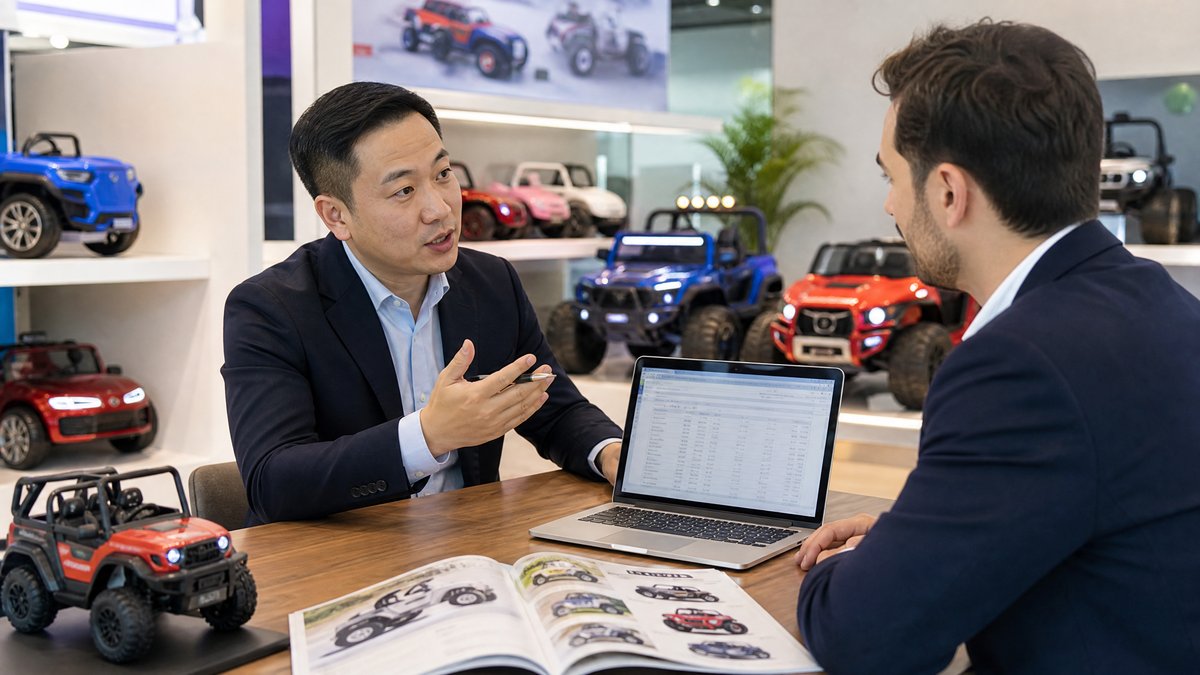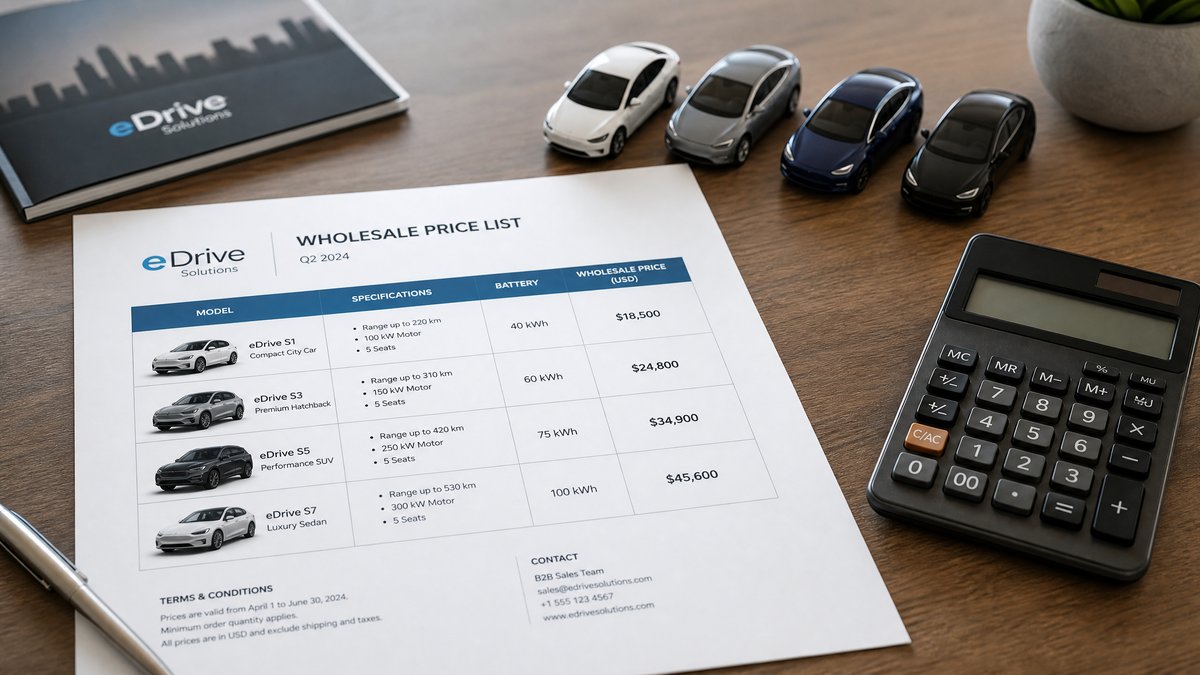
The global market for children's electric mobility continues to expand as parents prioritize interactive play. For B2B importers and retail buyers, the challenge lies in curating an assortment that addresses diverse economic realities and aesthetic preferences. A "one-size-fits-all" approach rarely yields optimal results. Tiering an assortment into Entry-Level, Mid-Range, and Premium categories allows businesses to capture wider market share while optimizing inventory. This guide provides a framework for building a tiered assortment, focusing on technical specifications, sourcing best practices, and the critical boundaries of safety and compliance.
The Strategic Value of Price Tiering in the Ride-On Category
Strategic tiering is more than just assigning different price tags to various models; it is about aligning product capabilities with consumer psychology and the logistical realities of the toy industry. For a professional retailer, a well-structured tiered assortment serves several vital business functions.
1. Customer Acquisition: Entry-level models serve as low-barrier entry points, introducing families to the category. As children grow, these customers often transition into mid-range or premium upgrades.
2. Margin Protection: While budget models drive volume with thinner margins, premium models offer higher per-unit profit, allowing retailers to balance their overall portfolio profitability.
3. Inventory Efficiency: By analyzing demand across tiers, buyers can allocate budgets more effectively, ensuring high-volume items are in stock while managing luxury items with leaner inventory levels.
Tier 1: Entry-Level / Budget Models
The entry-level tier forms the foundation of a high-volume retail operation. These products are typically designed for value-conscious consumers or for younger children who are just beginning to explore independent mobility. In this segment, the primary selling points are simplicity, safety, and affordability.
Technical Characteristics and Design
In the entry-level tier, cost-efficiency is achieved through simplified engineering and focused feature sets.
* Voltage and Power: These models often utilize lower voltage systems suitable for younger riders. They provide manageable speeds that are appropriate for indoor use or flat, paved outdoor surfaces. The emphasis is on a gentle introduction to driving rather than high-performance torque.
* Drive Systems: Single-motor configurations are common, which helps keep the vehicle's weight low and reduces the complexity of the internal components.
* Materials and Build: Manufacturers often use durable, molded plastic (such as Polypropylene) for the body and wheels. While these lack the "soft-touch" features of higher tiers, they are designed to withstand the typical bumps and scrapes of toddler play.
* Features: Expect basic functional features such as LED headlights, a working horn, and pre-loaded sound effects. Remote control functionality may be simplified or offered as a standard safety feature to assist parents of very young children.
B2B Sourcing Considerations for Budget Models
When sourcing entry-level models, the focus must remain on durability and safety. A lower price point must never compromise fundamental standards. Retailers should verify material integrity during the sample phase, ensuring plastics are resilient and free from odors. Even in budget models, the quality of batteries and chargers is paramount; always request documentation confirming these components meet safety requirements. For e-commerce, ensure packaging is sufficient to survive the "last mile" delivery process.
Tier 2: Mid-Range / Mainstream Models
The mid-range tier represents the "sweet spot" of the ride-on car market. This is where the majority of consumer research occurs, and where the balance between features, performance, and price becomes most critical for the purchasing decision.
Technical Specifications and Performance
Mid-range models offer a significant step up in both functionality and aesthetic appeal.
* Enhanced Power Systems: These vehicles typically feature more robust battery systems and dual-motor (2WD) configurations. This allows for better performance on various terrains, including short grass and slightly uneven surfaces, providing a more versatile play experience.
* Parental Override Technology: A high-quality 2.4G Bluetooth remote control is a standard expectation in this tier. This allows parents to maintain control over steering and braking, which is a major selling point for safety-conscious buyers.
* Comfort and Ride Quality: Features often include four-wheel suspension systems and "soft start" technology, which ensures smooth acceleration and prevents the jerky movements that can startle younger riders.
* Multimedia Integration: Integrated media players with USB or AUX inputs allow children to listen to their own music, enhancing the "realistic driving" experience.
B2B Sourcing Considerations for Mid-Range Models
The goal for the mid-range tier is differentiation. Buyers should review technical documentation for motor wattage and battery capacity, as these impact run time and satisfaction. This tier often includes "inspired-by" designs; ensure the finish meets brand standards. During sourcing, request verification of the remote control's range and resistance to electronic interference.
Tier 3: Premium / Luxury Models
Premium models are the flagship products of a retail assortment. They are often purchased as significant gifts for special occasions and carry the highest consumer expectations for realism, material quality, and advanced technology.
Technical Specifications and High-End Features
This tier pushes the boundaries of what a children's toy can achieve, often blurring the line between a toy and a miniature vehicle.
* Official Brand Licensing: A defining characteristic of the premium tier is the inclusion of official licenses from automotive giants like Mercedes-Benz, Lamborghini, BMW, or Ford. This includes authentic badges, signature grill designs, and manufacturer-approved color palettes.
* Advanced Materials: Instead of hard plastic, premium models often feature EVA (Ethylene-vinyl acetate) foam rubber tires, which provide a silent, smooth ride and superior grip. Interiors may include padded leatherette seats with multi-point safety harnesses.
* High-Performance Electronics: These models may utilize higher voltage systems or larger capacity batteries for extended play. Some advanced units even feature brushless motors for increased efficiency and longevity.
* Luxury Details: Working doors with realistic latches, backlit dashboards with functional gauges, and even integrated touchscreen MP4 players for video playback are common in this segment.
B2B Sourcing Considerations for Premium Models
In the premium segment, brand integrity and technical support are critical. Retailers must ensure manufacturers hold valid sub-licensing agreements for their target markets to avoid legal risks. Inspect samples for finish quality, such as metallic or high-gloss paints. Because premium units are a significant investment, secure a commitment for a steady supply of spare parts, including circuit boards and motors, to ensure long-term viability.
A Professional Sourcing Framework for Retailers
Building a sustainable and profitable assortment requires a disciplined approach to vendor management and quality assurance. As a B2B buyer, your relationship with a manufacturer like KidsRideCar should be grounded in clear documentation and rigorous verification processes.
1. Sample Evaluation: A Non-Invasive Approach
A physical sample is essential for evaluating build quality. Retailers should assess assembly complexity, as difficult processes lead to higher return rates. Rather than attempting internal electrical inspections, request technical files, including wiring diagrams and certifications, that demonstrate engineering integrity. Verify material safety through third-party test reports rather than subjective inspection.
2. The Importance of Written Specifications
A Purchase Order must serve as a definitive technical agreement. Clearly define battery types, voltage, and Amp-hour ratings. Specify motor counts and wattage. Ensure chargers are certified for the destination country with correct configurations. All specifications for load and age grading should be backed by the manufacturer's testing data.
3. Compliance and Safety: The Foundation of Risk Management
Safety is the most critical aspect of the ride-on car business. Retailers are the final gatekeepers; due diligence is the primary defense against liability. Compliance requirements vary by region, such as CPSC standards in North America or the Toy Safety Directive in the EU [1]. Never rely on self-declarations; always request full test reports from accredited third-party laboratories (e.g., SGS, TUV). These reports should confirm the model has passed testing for mechanical safety, flammability, and chemical content. Ensure all products have language-appropriate manuals with clear safety warnings and age labels. Regulatory standards change, so buyers must stay informed of the latest official requirements from agencies like the CPSC or Customs and Border Protection [2].
4. Risk Control and Supplier Communication
Establish a clear SOP with your manufacturer covering order confirmation and pre-shipment inspection. For significant orders, consider a multi-stage inspection process to identify issues early. Maintain a digital archive of all compliance certificates and test reports for each shipment. This documentation is vital for protecting your business during regulatory inquiries or safety concerns.
Frequently Asked Questions
Q: How can I verify the safety of a ride-on car without performing technical tests myself?
A: The most reliable method is to request and review the latest third-party test reports from accredited laboratories. These documents should specifically reference the model you are sourcing and confirm compliance with the safety standards applicable to your market. A reputable manufacturer will be able to provide these files upon request.
Q: What should I do if a customer asks for advice on repairing the internal electronics of a vehicle?
A: For safety and liability reasons, retailers should never provide instructions for internal electrical repairs, such as opening battery compartments or modifying wiring. Instead, you should direct the customer to the manufacturer’s official documentation, the provided instruction manual, or authorized service support. Emphasize that unauthorized modifications can create significant safety hazards and will void the product warranty.
Q: Are licensed models always a better investment for a retail assortment?
A: Not necessarily. While licensed models (like a Mercedes or a Ford) benefit from high brand recognition and can attract premium buyers, they also involve higher wholesale costs and stricter marketing requirements. A balanced assortment often includes both licensed models for prestige and generic models that offer greater pricing flexibility and higher margins.
Q: How should I handle age-appropriateness and weight limits for different models?
A: Always follow the manufacturer’s approved age and weight guidelines, which are based on the vehicle’s physical size, motor power, and control complexity. Clearly communicate these limits in your product listings and on the packaging. Misrepresenting a product’s intended age group can lead to safety risks and is a serious compliance violation.
Q: What is the best way to manage potential quality issues in a large wholesale order?
A: Implement a rigorous pre-shipment inspection process conducted by a qualified third-party agency. This inspection should include functional testing, aesthetic checks, and packaging verification on a statistically significant sample of the order. Establishing a clear quality agreement with your manufacturer before production begins is also essential for managing expectations.
Conclusion
Building a successful and sustainable ride-on car assortment requires a sophisticated balance of market insight and rigorous B2B sourcing discipline. By strategically categorizing products into Entry-Level, Mid-Range, and Premium tiers, retailers can provide clear choices to their customers while optimizing their own inventory and financial performance.
Success in this category depends on treating these products as "engineered consumer electronics" rather than simple toys. Partnering with a manufacturer that provides the necessary technical documentation, maintains high standards of quality control, and offers reliable after-sales support is the most effective way to ensure long-term growth. By focusing on verification, clear communication, and a commitment to safety, retailers can navigate the complexities of international sourcing and build a brand that parents trust.
Safety and Compliance Warning: All ride-on car products must be used under constant adult supervision. Children must follow all safety instructions provided in the manufacturer's manual and wear appropriate safety gear. Retailers must not offer advice on internal repairs or modifications. For children with special needs, retailers should provide general product specifications but must not offer medical conclusions regarding a vehicle's suitability. Buyers must confirm the latest official regulatory and market access requirements with the relevant government agencies in their specific jurisdiction.
References:
1. CPSC: Toy Safety Business Education
2. U.S. Customs and Border Protection: Basic Importing and Exporting
Request a wholesale quote
Official references
Explore these external resources for current regulatory and trade guidance. Confirm requirements with the relevant authority before placing an order.
Ready to Start?
Factory-Direct · CE & ASTM Certified · MOQ from 50 Units
Our export team works with buyers in 60+ countries. Get a quote within 24 hours.
KR
Written by KidsRideCar
China's leading kids electric ride-on car manufacturer. 500,000+ units shipped annually to 60+ countries. CE, ASTM & EN71 certified.