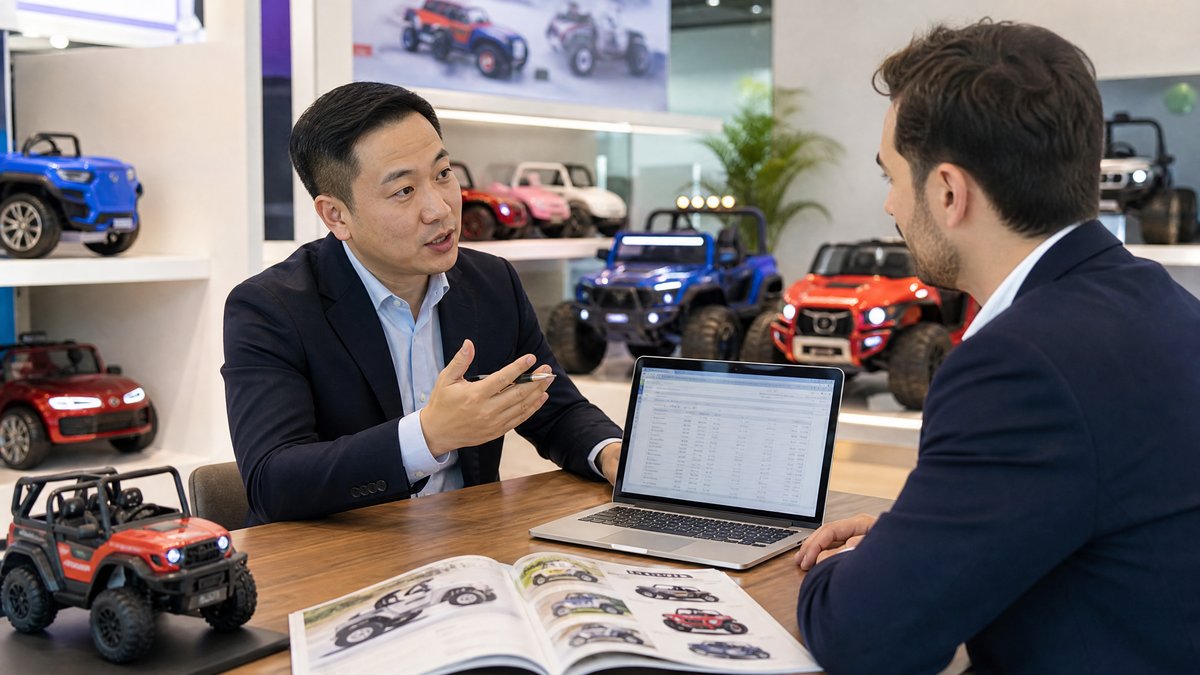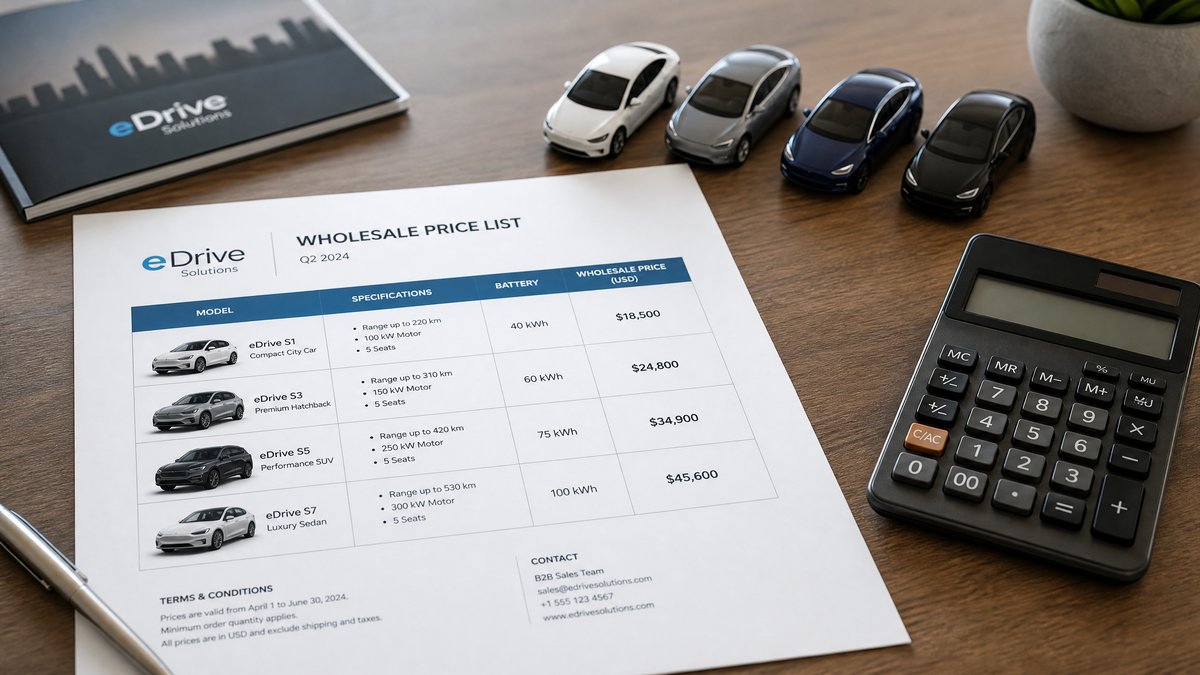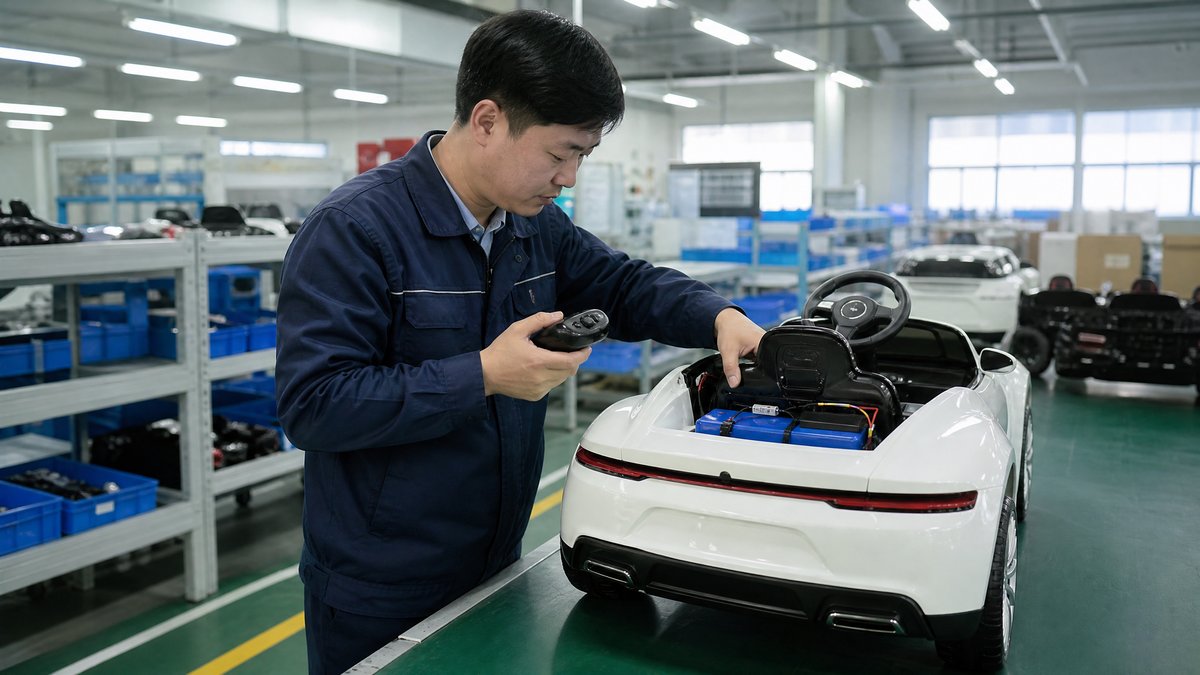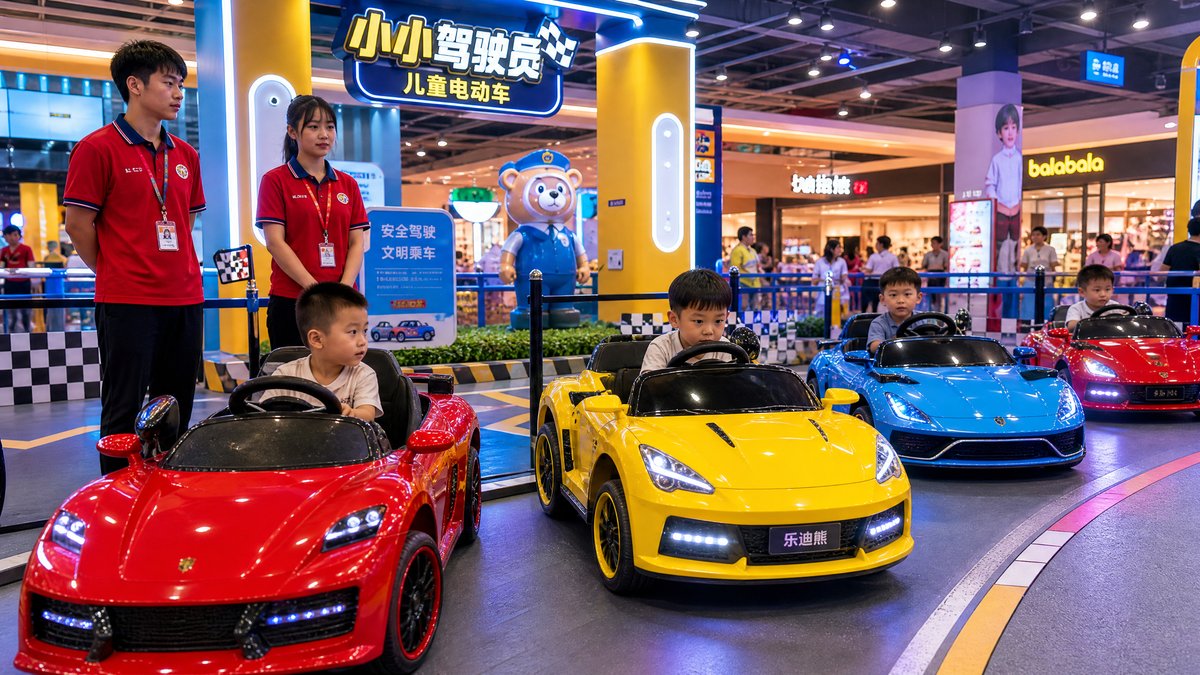
The commercial market for kids electric ride-on cars — amusement parks, shopping mall play areas, hotel kids clubs, resort activity centers, and standalone rental operations — represents a distinct and often more lucrative segment than the retail wholesale market. Commercial buyers purchase in larger quantities, have more specific technical requirements, and generate repeat orders as their fleets expand or require replacement.
This guide covers the specific requirements of commercial-grade kids electric ride-on cars, how they differ from retail products, how to source them effectively, and what wholesale buyers and operators need to know to build a successful commercial fleet.
Commercial vs Retail: Key Differences
Commercial-grade kids electric ride-on cars are designed for a fundamentally different use case than retail products. A retail product might be used for 30–60 minutes per day by a single child. A commercial product in a busy amusement park might run for 8–12 hours per day, with dozens of different children using it. This difference in duty cycle drives significant differences in specification requirements.
| Specification | Retail Grade | Commercial Grade |
|---|---|---|
| Daily use hours | 0.5–1 hour | 6–12 hours |
| Battery configuration | Single battery | Dual battery or hot-swap system |
| Motor type | Standard DC motor | Heavy-duty brushless motor |
| Frame construction | Standard ABS plastic | Reinforced ABS with metal frame |
| Weight capacity | 30–50 kg | 50–80 kg (accommodates adults for maintenance) |
| Charging system | Standard overnight charge | Fast charge or hot-swap battery |
| Remote control | Optional parental remote | Mandatory operator remote with speed limiter |
| Maintenance access | Limited | Service panels for battery/motor access |
| Typical unit price (wholesale) | $45–$200 | $150–$450 |
Essential Features for Commercial Applications
When sourcing for commercial applications, several features are non-negotiable. The first is a robust operator remote control system with speed limiting capability — commercial operators need to be able to control vehicle speed based on the age and confidence of the rider, and to stop vehicles remotely in case of an incident. The second is a hot-swap or fast-charge battery system. A commercial vehicle that is out of service for 8–12 hours charging is a revenue loss; hot-swap batteries allow continuous operation with a simple battery exchange.
Durability of the body and frame is the third critical requirement. Commercial vehicles experience significantly more physical stress than retail products — bumping into barriers, being ridden by children of varying weights, and operating on surfaces that may not be perfectly smooth. Reinforced frames, thicker ABS panels, and metal axle components are worth the premium in commercial applications.
Sourcing by Venue Type
| Venue Type | Recommended Models | Key Requirements |
|---|---|---|
| Indoor shopping mall | 12V compact cars, motorcycles | Quiet operation, tight turning radius, bright colors |
| Outdoor amusement park | 24V SUVs, trucks | Weather resistance, high ground clearance, robust frame |
| Hotel kids club | 12V luxury cars, licensed models | Premium appearance, gentle speed, easy cleaning |
| Rental kiosk (beach/resort) | 24V off-road models | Sand/water resistance, high durability, easy maintenance |
| Birthday party venue | Mixed fleet 12V | Variety of styles, bright colors, parental remote |
KidsRideCar supplies commercial-grade ride-on cars to amusement parks and rental operators in 60+ countries. Request fleet pricing.
Request Fleet Pricing →Fleet Sizing and Investment Planning
Fleet sizing for a commercial operation depends on the venue's peak capacity and the average ride duration. A practical formula: if your venue can accommodate 20 riders simultaneously and average ride duration is 5 minutes, you need at least 20 vehicles for continuous operation. Add 20–25% as a maintenance buffer (vehicles undergoing charging, cleaning, or repair), giving you a fleet of 24–25 units.
For a 25-unit fleet of commercial-grade 12V vehicles at a wholesale price of $180 per unit, initial investment is approximately $4,500 for vehicles. Add charging equipment ($500–$1,000), safety barriers ($500–$2,000), and operational setup costs. Total initial investment for a small commercial operation is typically $6,000–$10,000. At a rental price of $5–$8 per 5-minute ride and 200 rides per day, payback period is typically 3–6 months.
Maintenance Planning for Commercial Fleets
Commercial fleet maintenance is a significant operational consideration that many new operators underestimate. The most common maintenance requirements are: battery replacement (every 6–12 months for lead-acid, 2–3 years for lithium), tire replacement (every 6–12 months for high-traffic operations), motor brushes (every 12–18 months for brush motors), and body panel repair (ongoing, from collision damage).
When sourcing commercial vehicles, confirm spare parts availability with your supplier before placing the order. The most critical spare parts to stock are: replacement batteries (at least 50% of fleet size for hot-swap operations), chargers, remote control units, and common body panels. A supplier who cannot guarantee spare parts availability within 2–4 weeks is not suitable for commercial fleet supply.
Frequently Asked Questions
What certifications are required for commercial ride-on car operations?
Certification requirements for commercial operations vary significantly by country and venue type. In most jurisdictions, the product itself must meet the same safety standards as retail products (CE, EN71, ASTM F963). However, commercial operations may also require venue-specific permits, public liability insurance, and compliance with local amusement ride regulations. Consult with a local regulatory specialist before launching a commercial operation.
How do I handle warranty claims for a commercial fleet?
Commercial warranties are typically shorter than retail warranties (3–6 months versus 12 months) because of the higher duty cycle. When negotiating with suppliers, clarify whether the warranty covers commercial use at all — some manufacturers void warranties for commercial applications. For commercial fleets, a service agreement with a local repair technician is often more practical than relying on manufacturer warranty.
What is the minimum order quantity for commercial fleet vehicles?
Most manufacturers have lower MOQs for commercial fleet orders than for retail wholesale, because commercial buyers typically order a single model in larger quantities. MOQs of 10–20 units per model are common for commercial orders. For custom branding (your venue's logo on the vehicles), MOQs are typically 50–100 units.
The commercial market for kids electric ride-on cars is growing as more venues recognize the revenue potential of ride-on car attractions. Buyers who understand the specific requirements of commercial-grade products — and who source accordingly — will build operations that generate strong returns with manageable maintenance costs. The key is to treat commercial sourcing as a distinct discipline from retail wholesale, with different specifications, different supplier requirements, and different success metrics.
Official references
Explore these external resources for current regulatory and trade guidance. Confirm requirements with the relevant authority before placing an order.
Ready to Start?
Factory-Direct · CE & ASTM Certified · MOQ from 50 Units
Our export team works with buyers in 60+ countries. Get a quote within 24 hours.
China's leading kids electric ride-on car manufacturer. 500,000+ units shipped annually to 60+ countries. CE, ASTM & EN71 certified.