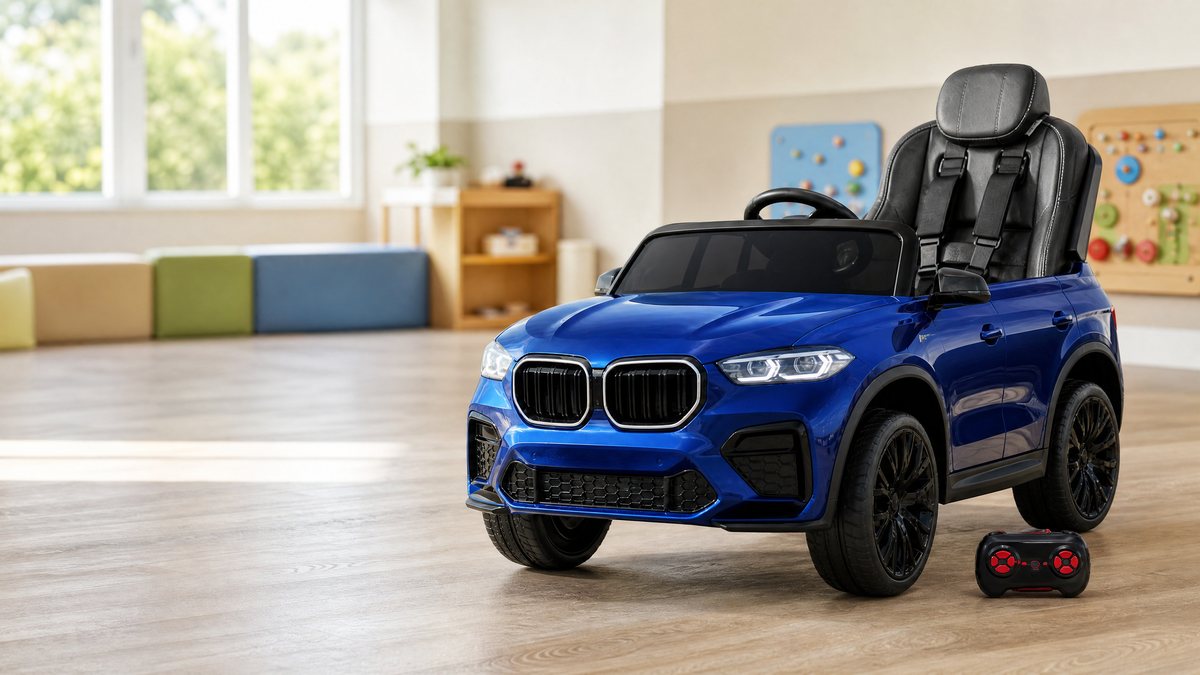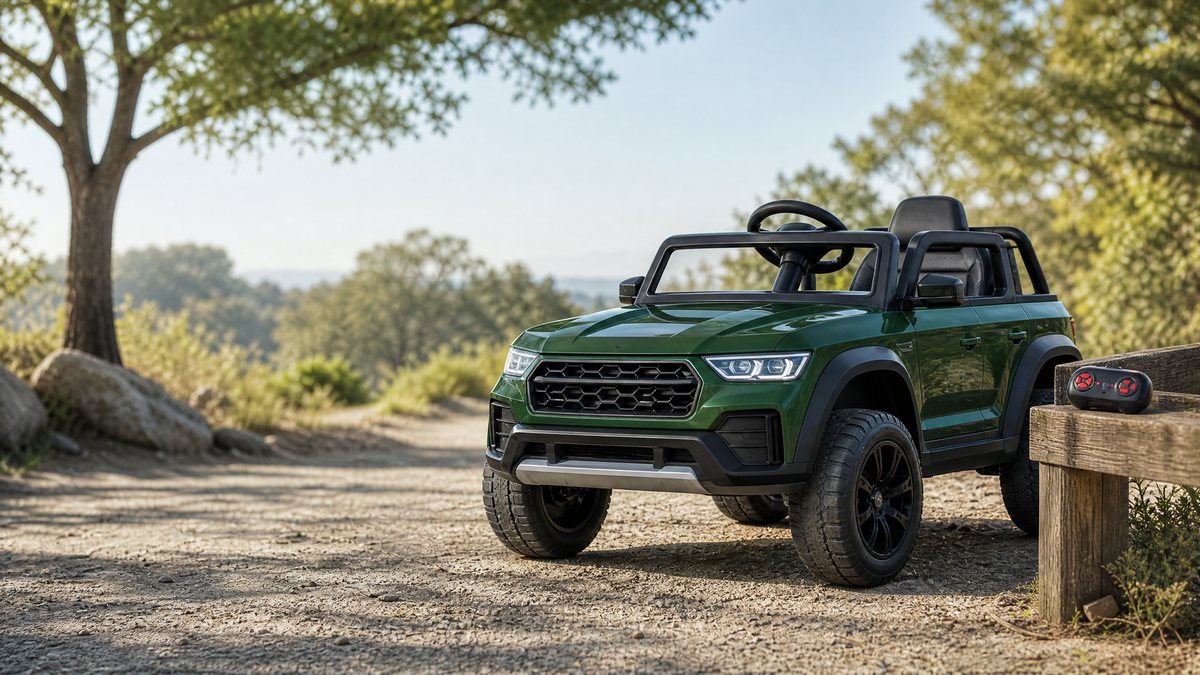
Modern children's electric ride-on vehicles have evolved far beyond simple mechanical propulsion and basic plastic designs. Today's premium ride-on cars integrate sophisticated multimedia dashboards, digital sound systems, and wireless connectivity protocols designed to enhance the interactive play experience. Among these features, Bluetooth audio connectivity stands out as one of the most sought-after specifications by modern retail consumers, wholesale distributors, and commercial playground operators alike. Understanding how Bluetooth music functionality operates beneath the dashboard requires examining both the underlying microelectronics and the practical considerations governing user operation, power consumption, and safety compliance.
When evaluating children's battery-powered vehicles equipped with wireless audio streaming, B2B buyers, importers, and retail merchants must look beyond superficial marketing descriptions to understand the actual technical implementation. A typical Bluetooth-enabled ride-on car features a specialized audio control module integrated into the dashboard console, communicating wirelessly with external smartphones, tablets, or dedicated media devices. This technical guide explores the architecture, pairing mechanisms, comparative audio interfaces, electrical safety parameters, and commercial evaluation criteria associated with Bluetooth music systems in modern children's electric ride-on cars.
The Core Architecture of Ride-On Car Audio Modules
The multimedia dashboard of a contemporary kids' ride-on car functions similarly to an automotive infotainment system in miniature. At the heart of this system is a compact integrated circuit (IC) board housing a microcontroller, a Bluetooth transceiver chip, digital-to-analog converters (DAC), an internal amplifier circuit, and speaker drivers. When a manufacturer specifies Bluetooth connectivity for a model, the vehicle incorporates a short-range radio frequency transceiver operating on the standard 2.4 GHz ISM band, adhering to established Bluetooth communication protocols.
Unlike standalone Bluetooth speakers, ride-on car audio systems are engineered to withstand the unique mechanical and environmental stresses of children's outdoor play. The internal circuitry is typically housed within protective dashboard enclosures designed to minimize dust and moisture ingress, though standard ride-on cars remain non-waterproof consumer toys. The audio amplifier is calibrated to drive small, durable speakers—often ranging from 2-inch to 4-inch full-range drivers—housed within acoustic chambers molded directly into the vehicle body. This configuration ensures adequate sound dispersion without requiring excessive electrical wattage that could rapidly deplete the primary drive battery. Furthermore, many modern modules incorporate multi-source switching capabilities, allowing the system to toggle seamlessly between Bluetooth streaming, USB flash drives, auxiliary inputs, and pre-programmed onboard melodies or educational voice prompts.
In addition to basic audio decoding, advanced dashboard modules frequently integrate digital signal processing (DSP) filters to reduce background hiss and optimize vocal clarity for children's programming. The physical interface typically consists of rubberized or sealed tactile buttons that resist sticky fingers, spilled liquids, and abrasive dirt particles frequently encountered during outdoor recreational use.
Step-by-Step Bluetooth Pairing and Synchronization Protocols
For end-users, operating the Bluetooth music system on a children's ride-on car involves a standardized pairing sequence that mirrors adult consumer electronics. While specific dashboard button layouts vary by manufacturer and model design, the fundamental operational workflow remains consistent across most compliant electric vehicles. Understanding this sequence is essential for retail customer service teams, commercial fleet managers, and parents establishing initial device connections.
The pairing process typically begins when the vehicle's main power switch is turned on, supplying electrical current to the dashboard console and illuminating the multimedia display or indicator light. Users then press the designated mode button on the dashboard until the system announces an audio prompt or displays an on-screen indicator signifying that it has entered pairing mode. On the external smartphone or tablet, the user opens the Bluetooth settings menu, scans for nearby discoverable devices, and selects the designated vehicle identifier, which often appears with a generic name such as "BT Car," "KRC Audio," or a specific model number string. Once the devices establish a secure handshake, the vehicle's audio module emits a confirmation tone, indicating successful pairing. Subsequent audio playback from music streaming applications, audiobooks, or educational podcasts is then transmitted wirelessly to the vehicle's integrated speakers, with volume levels controlled either via the dashboard rotary dial or the external source device.
To maintain reliable connectivity, adult supervisors should ensure that the transmitting mobile device remains within a close operational radius—typically within 5 to 8 meters of the vehicle. Physical obstacles, dense walls, and heavy electronic interference in urban environments can occasionally disrupt wireless synchronization, requiring a simple re-pairing procedure.
Comparative Analysis of In-Car Audio Options
Modern electric ride-on cars rarely rely exclusively on a single audio input method. To accommodate diverse consumer preferences and technological environments, manufacturers frequently equip vehicles with a multifaceted multimedia center. To assist wholesale buyers and retail merchants in evaluating product specifications, the following comparative table outlines the primary audio interface options commonly found in contemporary ride-on vehicles.
| Audio Interface Type | Technical Mechanism | Primary Advantages | Operational Limitations |
|---|---|---|---|
| Bluetooth Wireless | 2.4 GHz radio frequency wireless streaming from external smart devices. | Cable-free convenience; access to infinite streaming libraries and personalized playlists. | Requires active device pairing; susceptible to local RF interference; consumes device battery. |
| USB Flash Drive Port | Direct digital decoding of MP3/WAV audio files stored on removable USB storage media. | Independent of smartphones; enables offline playback of curated educational or musical tracks. | Limited by physical storage capacity; requires manual file management by adult supervisors. |
| Auxiliary (AUX) Line-In | Wired 3.5mm analog audio cable connection between vehicle and external playback device. | Stable, low-latency analog connection; compatible with older media players without wireless capability. | Physical wire vulnerability; potential connector wear from pulling or steering movement. |
| Preloaded Onboard Audio | ROM-stored digital sound files featuring preset melodies, horn sounds, and engine roars. | Immediate out-of-the-box entertainment without external devices or pairing procedures. | Static content library; repetitive audio tracks that cannot be customized by the end user. |
As demonstrated in the comparative analysis above, each audio interface serves distinct use cases within the recreational vehicle market. While wireless Bluetooth connectivity offers unmatched flexibility and modern consumer appeal, wired and media-port alternatives provide reliable redundancy for environments where wireless pairing is impractical or undesirable.
Power Management, Battery Impact, and Electrical Safety Considerations
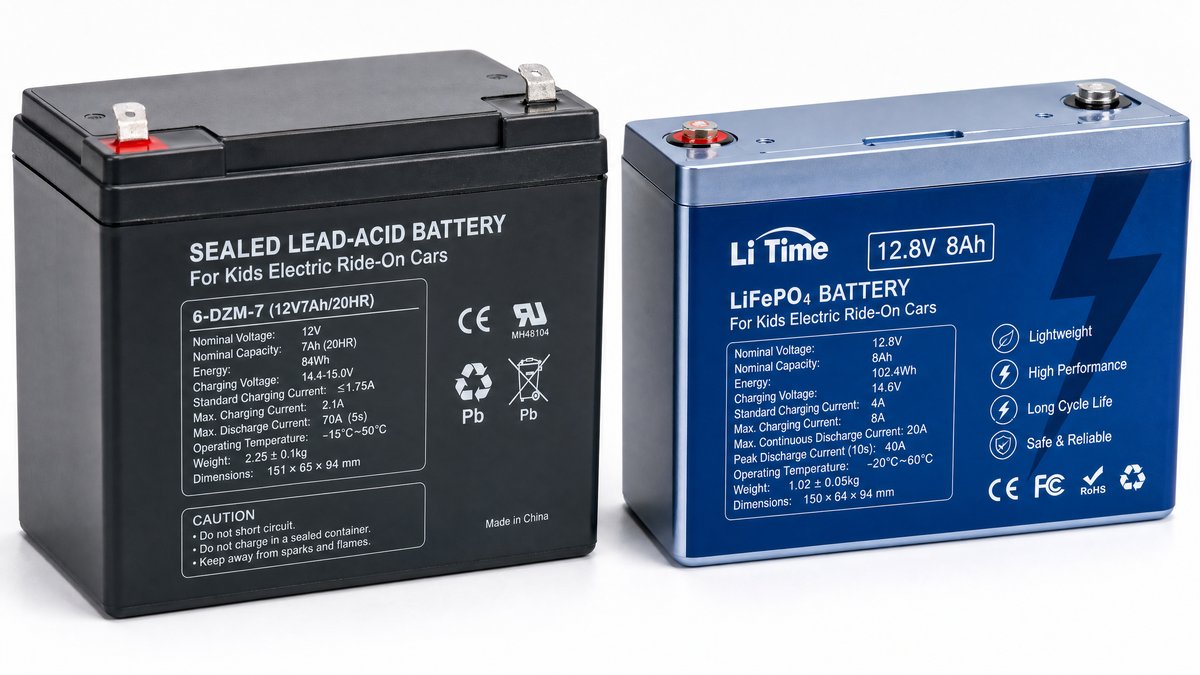
Integrating electronic entertainment modules into battery-powered ride-on cars introduces important considerations regarding electrical power management and system longevity. Most standard children's ride-on vehicles operate on 12-volt or 24-volt direct current (DC) electrical architectures, powered by rechargeable lead-acid or lithium-ion battery packs. The dashboard audio system, including the Bluetooth receiver and internal amplifier, draws parasitic electrical current whenever the vehicle's master power switch is engaged.
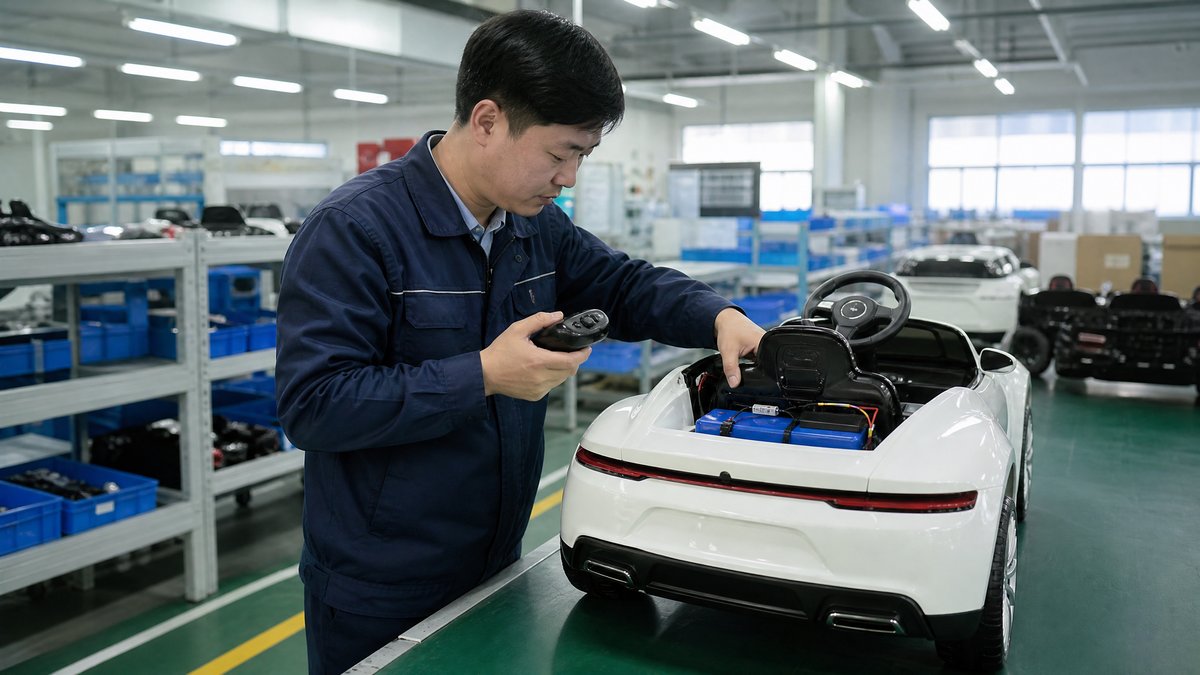
While the power draw of a modern low-power Bluetooth transceiver and small audio amplifier is relatively modest compared to high-torque electric drive motors, prolonged idle operation of the audio system without driving can still contribute to gradual battery discharge. Furthermore, electrical engineers and quality assurance teams emphasize that audio circuits must be thoroughly isolated from the high-current motor drive circuits to prevent electromagnetic interference (EMI), audible buzzing, or voltage spikes during acceleration. Wholesale importers must verify that the vehicle's internal wiring harness incorporates proper fuse protection and voltage regulation to safeguard sensitive microelectronic components against power fluctuations originating from the main propulsion battery. Adult supervisors must always ensure that charging protocols strictly follow the manufacturer's official user manual, avoiding unapproved aftermarket power supplies or unauthorized electrical modifications that could compromise internal circuit integrity.
In the event of any electrical irregularity, strange odors, smoke, or component overheating, adult operators must immediately turn off the main power switch, disconnect the battery according to manual instructions, and prevent children from using the vehicle until qualified service personnel inspect the system.
Commercial Evaluation Framework for B2B Importers and Fleet Operators
For business-to-business (B2B) purchasers, procurement specialists, and commercial rental operators, selecting ride-on cars with robust entertainment features requires a structured evaluation framework. Rather than relying solely on promotional marketing claims, professional buyers must systematically assess the technical quality, manufacturing standards, and regulatory compliance of the integrated audio and Bluetooth subsystems.
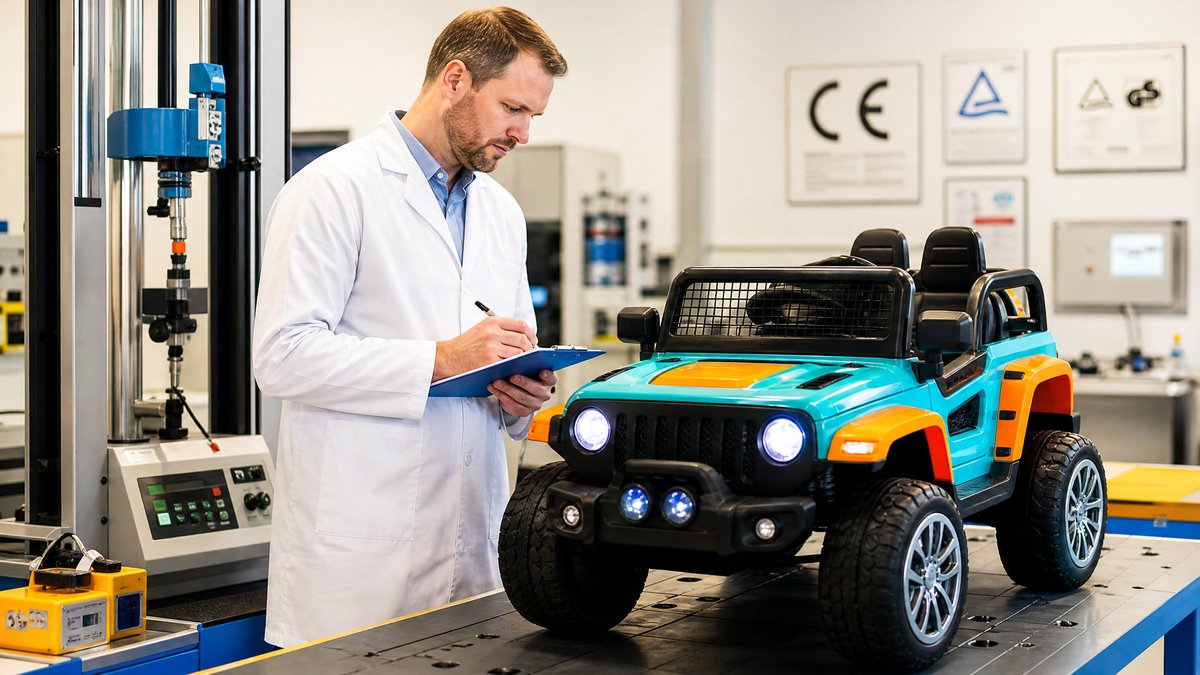
The evaluation process begins with a thorough review of technical documentation, component specifications, and conformity certificates provided by the manufacturer. Buyers should verify that wireless communication modules comply with international radio frequency regulations, such as CE, FCC, or IC standards, ensuring legal importation and distribution within target regional markets. Additionally, physical sample inspection is critical: dashboard buttons must exhibit tactile durability, speaker grilles must prevent small fingers or foreign objects from damaging delicate speaker cones, and wiring connections must feature secure, insulated terminal blocks rather than exposed solder joints. Commercial operators managing high-turnover fleets—such as amusement park rental services or family entertainment centers—should prioritize models with simplified pairing interfaces and ruggedized control panels designed to withstand intensive daily handling by young operators and environmental exposure.
Wholesale buyers should also examine warranty terms and spare parts availability for dashboard electronics. Ensuring that replacement control modules can be easily sourced from the manufacturer reduces downtime and enhances the long-term commercial viability of retail inventories and commercial rental fleets.
Request a wholesale quote
Frequently Asked Questions (FAQ)
1. Does the Bluetooth system on a ride-on car work with all smartphones and tablets?
Modern Bluetooth audio modules implemented in ride-on cars typically utilize standard Bluetooth 4.0 or higher protocols, ensuring broad compatibility with the vast majority of iOS, Android, and Windows mobile devices equipped with wireless Bluetooth transmitters. However, connection stability can be influenced by environmental radio frequency interference, physical distance between the external device and the vehicle dashboard, and device-specific operating system pairing quirks. Adult supervisors should assist young children with the initial pairing procedure and ensure the transmitting device remains within a reasonable operating radius of the vehicle during use.
2. Can the maximum volume of the Bluetooth audio system be adjusted or locked for safety?
Many ride-on car models feature built-in digital volume controls managed via the dashboard interface or remote control handset. Depending on the specific electronic architecture designed by the manufacturer, volume levels may have preset upper thresholds to prevent auditory fatigue or ensure that young drivers remain fully aware of ambient environmental sounds, vehicle warnings, and supervisory instructions. Wholesale buyers should review specific model specifications in the manufacturer's technical manual to understand the precise volume management capabilities integrated into each vehicle.
3. Does operating the Bluetooth music system significantly reduce the battery driving time of the vehicle?
The electrical energy consumed by a Bluetooth receiver chip and compact audio amplifier is generally negligible when compared to the high-amperage electrical current drawn by the electric drive motors during vehicle acceleration and hill climbing. While running the audio system continuously while the vehicle is parked will eventually draw down the battery, normal simultaneous playback and driving have a minimal noticeable impact on overall operating runtime. Operators should always adhere to standard battery maintenance and recharging guidelines outlined in the official product manual.
4. What should be done if the Bluetooth audio module fails to pair or stops producing sound?
If a ride-on car's Bluetooth module experiences connectivity issues, supervisors should first verify that the vehicle's main power switch is fully engaged and that the dashboard audio system is set to Bluetooth mode. Next, restart the external smartphone or tablet, disable and re-enable its Bluetooth radio, and clear previous pairing memory if necessary. If the issue persists, inspect the dashboard wiring connections only as guided by the manufacturer's troubleshooting manual or consult qualified technical support personnel. Never attempt unauthorized internal disassembly, circuit board soldering, or electrical modifications.
Conclusion
Bluetooth music integration represents a significant enhancement in the modern landscape of children's electric ride-on cars, bridging the gap between traditional mechanical toys and contemporary interactive entertainment. For wholesale distributors, retail merchants, and commercial operators, offering vehicles equipped with reliable, high-quality multimedia features enhances market competitiveness and consumer satisfaction. By maintaining rigorous evaluation standards, prioritizing electrical safety compliance, and ensuring diligent adult supervision during operation, businesses can successfully deliver engaging, high-value recreational products to global markets. To discuss wholesale catalog availability, bulk container pricing, and customized specification options, industry professionals are encouraged to contact our commercial team directly.
Request a wholesale quote
Official References
1. U.S. Consumer Product Safety Commission (CPSC). General Toy Safety Education and Electrical Safety Guidelines for Children's Products. Available via official CPSC educational resources; note that general educational materials do not replace specific manufacturer operating instructions and certified model manuals.
2. International Electrotechnical Commission (IEC). Safety of Electric Toys - Part 1: General Requirements (IEC 62115). Standard reference for battery-operated toy electrical safety and electromagnetic compatibility evaluations.
3. Federal Communications Commission (FCC). Radio Frequency Devices - Part 15 Compliance Guidelines for Short-Range Wireless Transceivers and Consumer Electronics.
Official references
Explore these external resources for current regulatory and trade guidance. Confirm requirements with the relevant authority before placing an order.
Ready to Start?
Factory-Direct · CE & ASTM Certified · MOQ from 50 Units
Our export team works with buyers in 60+ countries. Get a quote within 24 hours.
KR
Written by KidsRideCar
China's leading kids electric ride-on car manufacturer. 500,000+ units shipped annually to 60+ countries. CE, ASTM & EN71 certified.